One morning you’re slipping down a moss-covered trail in a cloud forest where coquí frogs scream from every fern, and by afternoon you’re dodging cacti on a sun-blasted cliff 200 feet (61 m) above the Caribbean. That range exists within a single island roughly 100 miles (161 km) long. This guide covers the trails, logistics, and honest warnings you need to plan hiking in Puerto Rico, from the rainforest interior to the dry southwest coast.
What are Puerto Rico’s main hiking regions?
Puerto Rico’s trails split into three distinct ecosystems, each with its own weather, difficulty, and crowd level. El Yunque is the accessible tropical rainforest in the northeast, Guánica Dry Forest is the arid coastal opposite on the southwest coast, and Toro Negro is the cool, uncrowded cloud forest in the central mountains. Picking the right region is the first real decision of your trip.
El Yunque National Forest
- Ecosystem: Tropical rainforest
- Best for: Waterfalls, lush scenery, accessible trails
- Difficulty: Easy to strenuous
- Crowd level: High (arrive early to guarantee entry)
Guánica Dry Forest
- Ecosystem: Subtropical dry forest (UNESCO Biosphere Reserve)
- Best for: Coastal views, birdwatching, unique desert-like flora
- Difficulty: Easy to moderate
- Crowd level: Low to moderate
Toro Negro State Forest
- Ecosystem: High-altitude cloud forest
- Best for: Solitude, challenging hikes, cold-water swimming holes
- Difficulty: Moderate to strenuous
- Crowd level: Low
Why does El Yunque feel so different from every other U.S. forest?
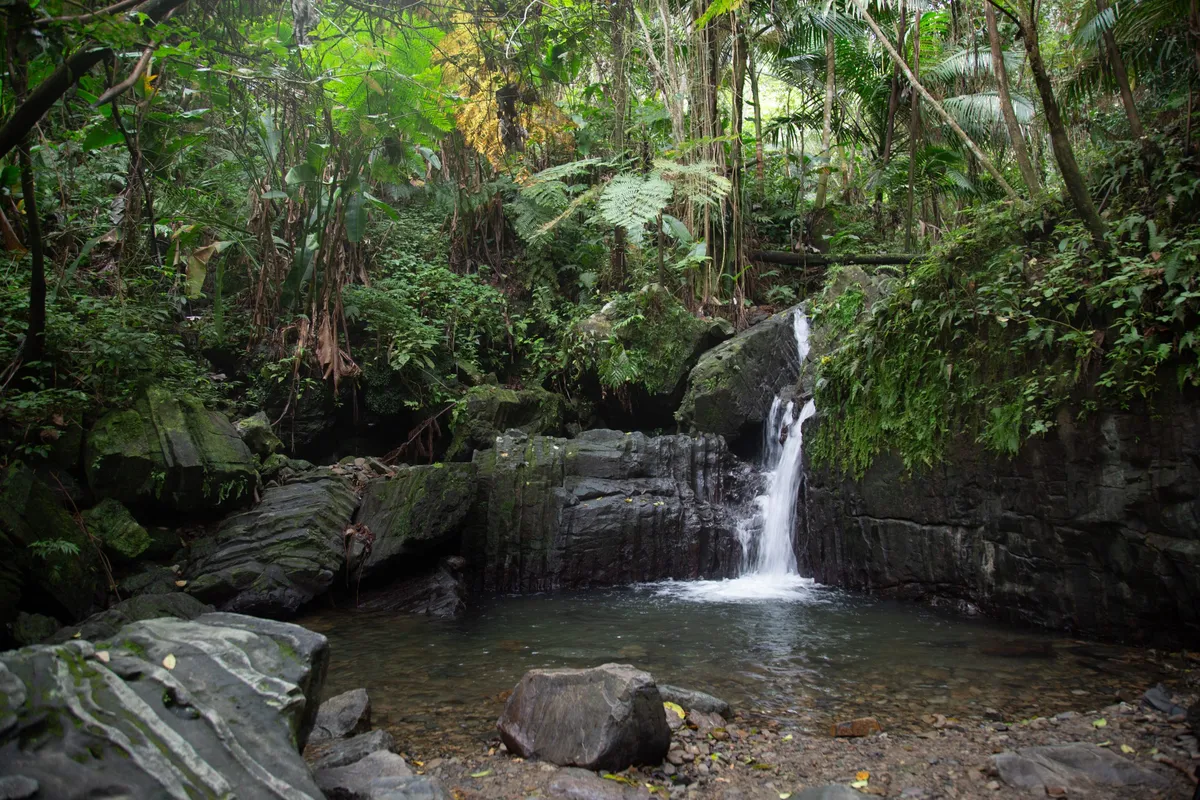
El Yunque is the only tropical rainforest in the U.S. National Forest System, a 28,000-acre preserve in the Sierra de Luquillo mountains about 45 minutes east of San Juan via PR-66 and PR-3. The air cools and thickens as you drive up PR-191, and the constant two-note call of the coquí frog starts before you even park. Giant ferns, epiphytes, and moss blanket everything. Rain is not a risk here — it is a feature. Expect at least one downpour per visit, usually brief but soaking.
The trails range from paved 20-minute walks to genuine wilderness treks through mud and fallen trees. The rainforest waterfalls are legitimate, and the canopy density makes even a short walk feel immersive. The tradeoff is the crowds. El Yunque receives over 600,000 visitors a year, and parking fills up fast, especially on weekends and holidays.
On my last visit, the lot at Sierra Palm was full by 9:30 a.m. on a Tuesday. If you arrive after 10 a.m., you may be turned away at the gate.
Pro Tip: The park operates on a first-come, first-served basis with roughly 200 parking spots. Arrive before 8:30 a.m. or after 2:30 p.m. to improve your chances. Weekdays are significantly less crowded than weekends.
How do you get into El Yunque, and what does it cost?
The reservation system that was in place during the pandemic has been suspended. Entry to the main recreational corridor along PR-191 North is free, with no advance booking required. Visitor capacity is managed by the Puerto Rico Police — once parking lots fill, the gate closes until spots open up.
The El Portal Visitor Center, located at the park entrance, charges a separate $8 admission for visitors 16 and older (children under 16 enter free). El Portal does not require a reservation. It features educational exhibits, a short accessible trail through the lower forest, and live endangered Puerto Rican parrots. Hours are 8:00 a.m. to 4:00 p.m. daily, closed on Thanksgiving, Christmas, New Year’s Day, and Three Kings Day.
Note that La Mina Trail and La Mina Falls remain closed for construction due to hurricane damage from Irma and Maria. Check the U.S. Forest Service website for current trail status before your visit.
- Entry fee: Free (main corridor)
- El Portal Visitor Center: $8/person (16+), free for children under 16
- Hours: 8:00 a.m. to 5:00 p.m. daily
- Parking: Free in designated lots only; no rideshare pickup or drop-off permitted
- No potable water available: Bring your own or purchase from authorized concessions
Which El Yunque trails are worth the effort?
Angelito Trail — best option without main-corridor access
If the main gate is closed, Angelito Trail is your backup plan, and it is a good one. Located on Road 988 (outside the main PR-191 corridor), this half-mile (0.8 km) walk descends gently to a swimming hole in the Río Mameyes, which carries a federal Wild and Scenic River designation. The path gets muddy after rain, but the pool at the bottom is deep, cold, and worth the squishy shoes.
- Location: Road 988, Río Grande (no main-corridor access needed)
- Cost: Free
- Best for: Families, anyone shut out of the main park
- Time needed: 45 minutes round trip
Caimitillo Trail — easiest rainforest immersion
Starting just south of the Sierra Palm Visitor Center inside the main corridor, this 0.4-mile (0.6 km) trail threads through giant tree ferns and wildflowers. Picnic tables and barbecue pits are scattered along the route. It connects to a popular loop toward Picachos if you want to extend.
- Location: Sierra Palm area, PR-191 main corridor
- Cost: Free (with park entry)
- Best for: Quick stops, first-time visitors, families with small children
- Time needed: 20 to 30 minutes
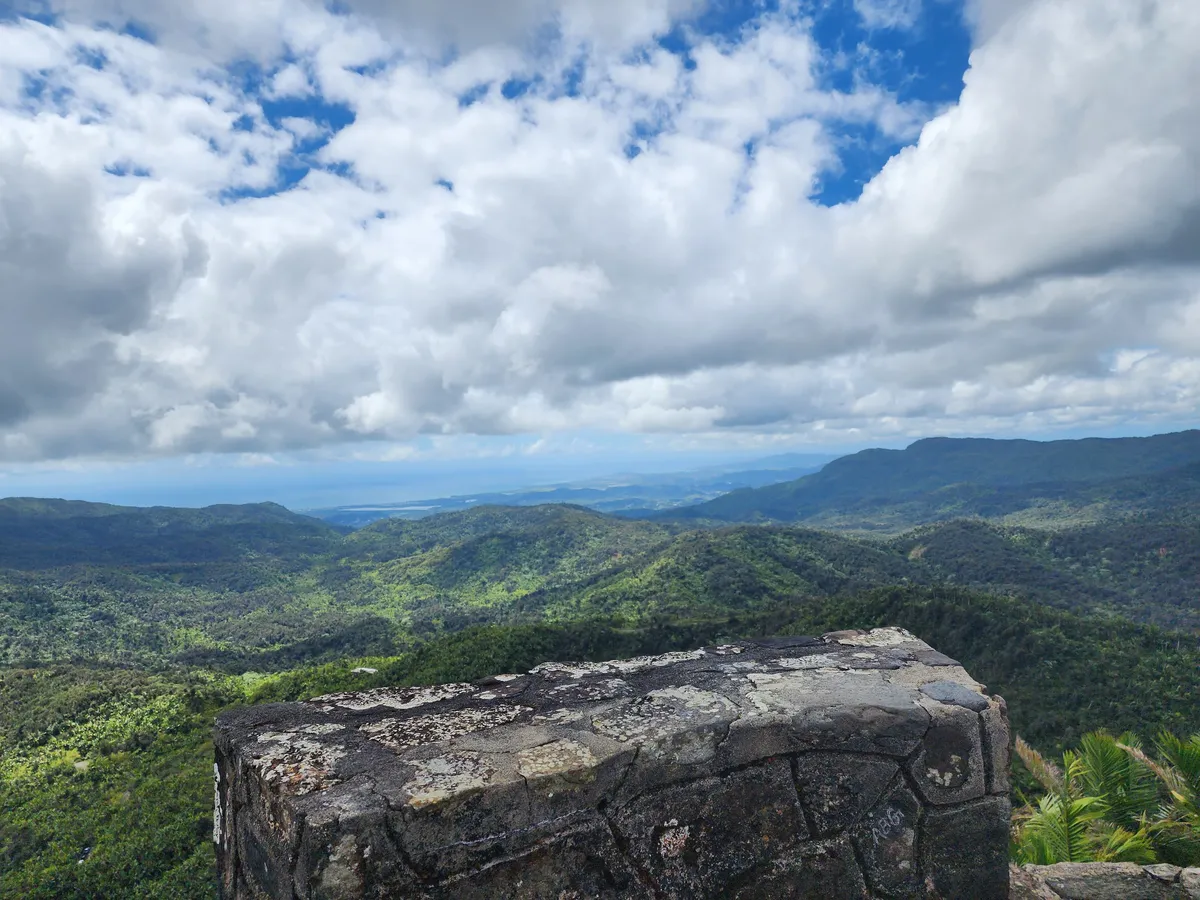
Mount Britton Trail and Tower — best views for moderate effort
This is the trail most visitors should prioritize. The 0.8-mile (1.3 km) climb is paved but steep, with moss-covered surfaces that get treacherous when wet. Three covered rest shelters break up the ascent. The payoff is a stone observation tower built by the Civilian Conservation Corps in the 1930s. On a clear day, you can see the Atlantic Ocean to the north and the Caribbean Sea to the south from the same spot. Clear mornings are rare — go early and hope.
- Location: PR-191 main corridor
- Cost: Free (with park entry)
- Best for: Anyone with moderate fitness who wants the signature El Yunque experience
- Time needed: 1.5 to 2 hours round trip
Pro Tip: The paved surface is deceptive. Moss and moisture make it slicker than a dirt trail. Hiking poles or at minimum shoes with aggressive tread are not optional here.
Juan Diego Falls — two waterfalls, one easy, one earned
The lower fall, about 20 feet (6 m) high, is a short walk from the road and draws crowds. The real prize is the upper 40-foot (12 m) waterfall, reached by scrambling up an unmarked, muddy side path on the right. The extra effort filters out most visitors, and you may have the upper cascade to yourself. Only local guides regularly take people to this spot.
- Location: PR-191 main corridor
- Cost: Free (with park entry)
- Best for: Adventurous hikers comfortable with scrambling on slippery terrain
- Time needed: 1 to 2 hours
El Toro Wilderness Trail — the hardest hike in the forest
At 3,533 feet (1,077 m), El Toro is the highest peak in El Yunque. The 4.9-mile (7.9 km) out-and-back trail starts from Road 186, outside the main recreation corridor. Expect mud, fallen trees, root tangles, and minimal signage. The isolation is the point — you will see almost no one. Skip this if you are a casual hiker. This trail punishes overconfidence.
- Location: Road 186 (no main-corridor reservation needed)
- Cost: Free
- Best for: Experienced hikers looking for genuine wilderness
- Time needed: 4 to 6 hours round trip
La Coca Trail — steep descent, brutal return
Starting near the La Coca Falls viewpoint, this 1.8-mile (2.9 km) one-way trail drops steeply through Tabonuco forest to the Río Mameyes. Several stream crossings, natural-surface footing, and steep grades make this one of the hardest trails in the park. The return climb is relentless. Bring more water than you think you need.
- Location: PR-191 main corridor
- Cost: Free (with park entry)
- Best for: Experienced hikers who want a challenge beyond the typical tourist trails
- Time needed: 3 to 4 hours round trip
Is the Guánica Dry Forest worth visiting if you only have one day?
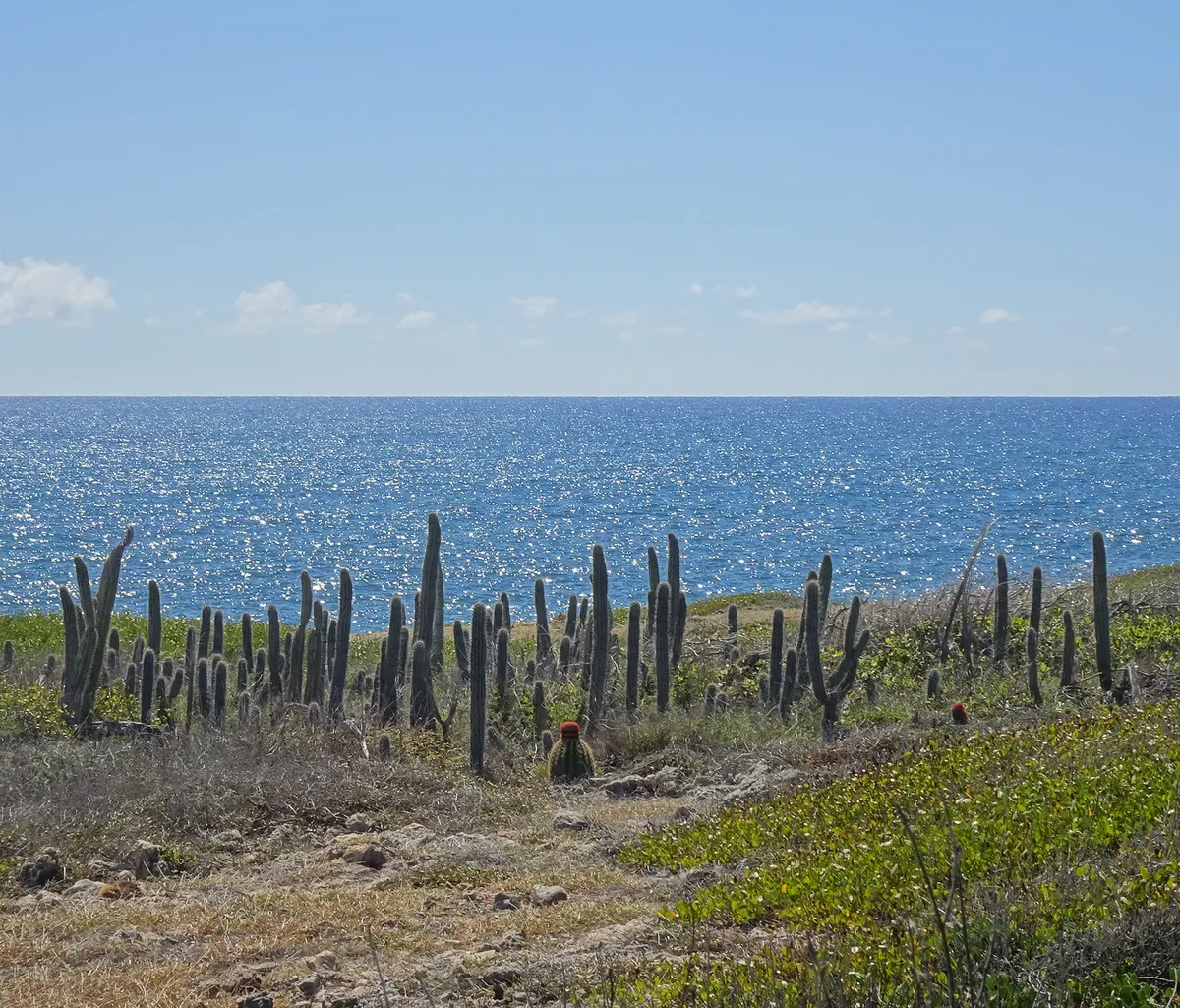
Absolutely. The Guánica Dry Forest on Puerto Rico’s southwest coast is a UNESCO International Biosphere Reserve and one of the best-preserved subtropical dry forests on Earth. It feels nothing like El Yunque. The landscape is sun-bleached rocky soil, twisted drought-adapted trees, and more cactus species than you would expect on a Caribbean island. No reservation, no entry fee, and far fewer people than El Yunque. The main trail access is via the narrow, winding RT 334, which dead-ends at the visitor parking area.
The catch: there is almost no shade. Midday hiking here between May and October is genuinely dangerous without preparation. Carry at least 2 liters (67 oz) of water per person, wear a hat, and plan your hike for early morning or late afternoon. US cell coverage is unreliable, and there are no restaurants or shops nearby.
Fuerte Caprón Trail
A 6-mile (9.7 km) round-trip on packed dirt and rock, mostly exposed to full sun. The destination is Fuerte Caprón, a rebuilt Spanish-era fortification with sweeping views of Guánica Bay. The trail is not technically difficult, but the heat and lack of shade make it strenuous by default.
- Location: Guánica Dry Forest, accessed via RT 334
- Cost: Free
- Best for: History buffs, hikers comfortable with heat exposure
- Time needed: 3 to 4 hours
Pro Tip: Start by 7:00 a.m. The temperature difference between 7 a.m. and 11 a.m. on this trail can be 15°F (8°C) or more. Bring mosquito spray — the still air near the fort breeds them.
Meseta Trail — dramatic cliffs, real danger
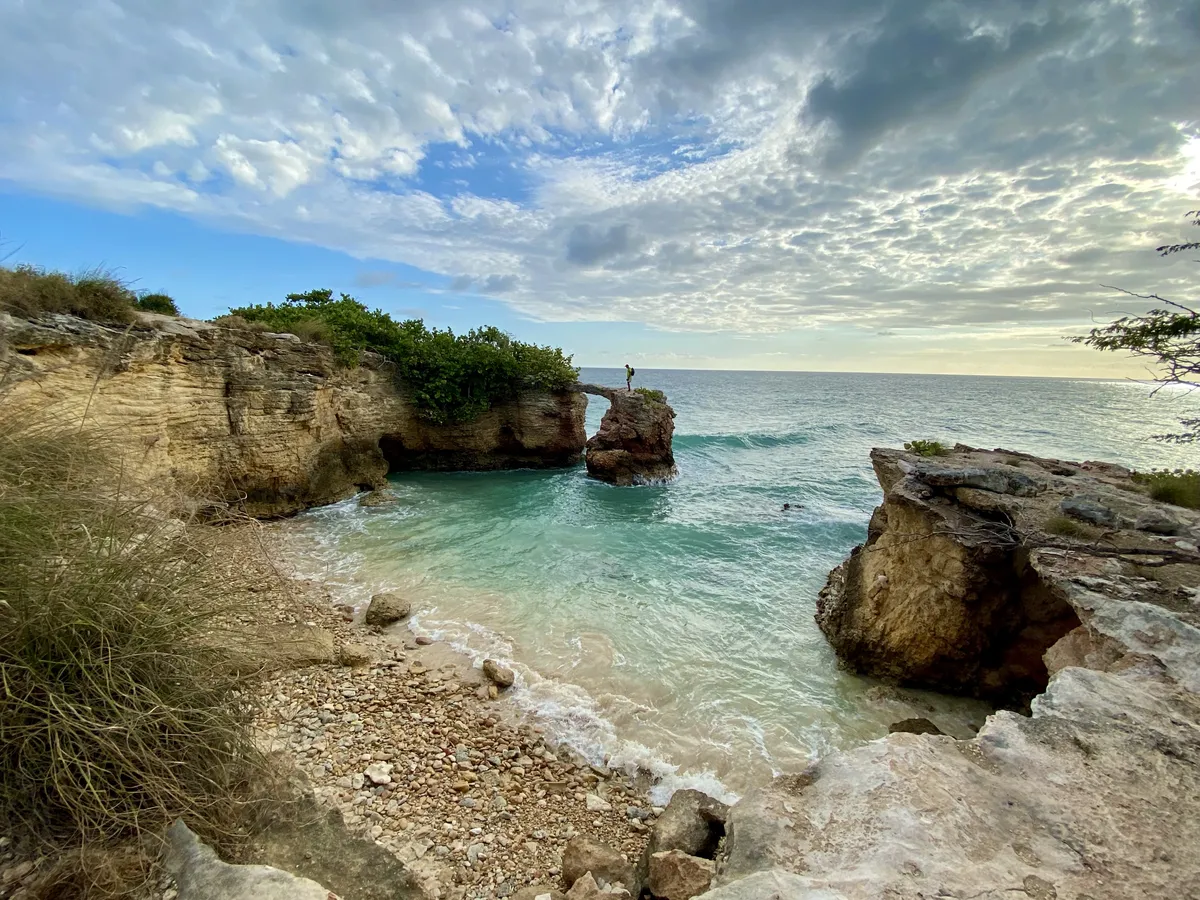
This 4-mile (6.4 km) round-trip trail begins near Tamarindo Beach at the end of Road 333 and traces the coastline east along limestone cliffs above turquoise water. The views are the best of any coastal hike on the island. The problem: the trail is poorly marked, cliff edges have no protection, and the path disappears in spots. Multiple memorial markers along the route are a reminder that not everyone has been careful. Stay well back from edges, especially when the rock is wet.
- Location: End of Road 333, near Tamarindo Beach
- Cost: Free
- Best for: Experienced hikers with good route-finding instincts and no fear of heights
- Time needed: 2 to 3 hours
Ballena Trail
A shorter 2.5-mile (4 km) round-trip route leading to Ballena Bay. A side path takes you past a 700-year-old Guayacán tree worth the detour. The beach at the trail’s end is not suitable for swimming — strong undertows and surf breaks make it dangerous. Treat this as a scenic hike, not a beach day.
- Location: Guánica Dry Forest
- Cost: Free
- Best for: Shorter hike, birdwatching, botanical interest
- Time needed: 1.5 to 2 hours
What birds can you spot in Guánica?
Guánica is home to roughly half of Puerto Rico’s terrestrial bird species, with over 130 species documented within the forest. It is one of the last habitats for the endangered Puerto Rican nightjar, a bird once thought extinct. Bring binoculars. The Pearly-Eyed Thrasher, Puerto Rican Tody, and several hummingbird species are commonly reported in trip accounts.
Is Toro Negro really the “insider’s alternative” to El Yunque?
Toro Negro State Forest sits high in the Cordillera Central and delivers a cloud forest experience with virtually no crowds, no reservation requirements, and free entry. It is cooler than both El Yunque and the coast, and the natural swimming holes (charcos) are less visited and cleaner than any equivalent on the island. The tradeoff is access — trails can be overgrown or poorly maintained, cell service is weak, and renting a car is essential since the drive from San Juan takes about two hours.
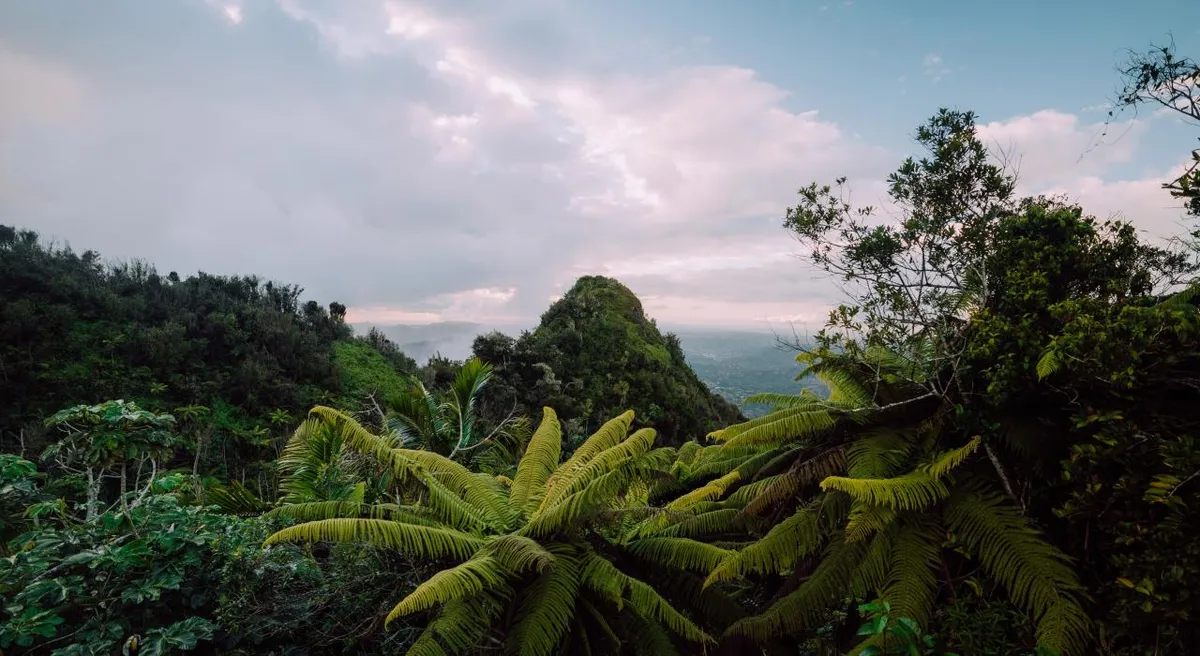
Camino El Bolo and the Observation Tower
The main hiking route leads to the observation tower atop Cerro Doña Juana. The climb takes 40 minutes to an hour on a trail that is steep, slippery, and occasionally overgrown. Check conditions at the ranger’s office before heading out. The tower at the summit offers 360-degree views across the central mountain range, and the breeze at the top is a genuine relief after the climb.
- Location: Doña Juana Recreational Area, off PR-143
- Cost: Free
- Best for: Hikers seeking solitude and mountain views
- Time needed: 2 to 3 hours round trip
Charcos (natural pools)
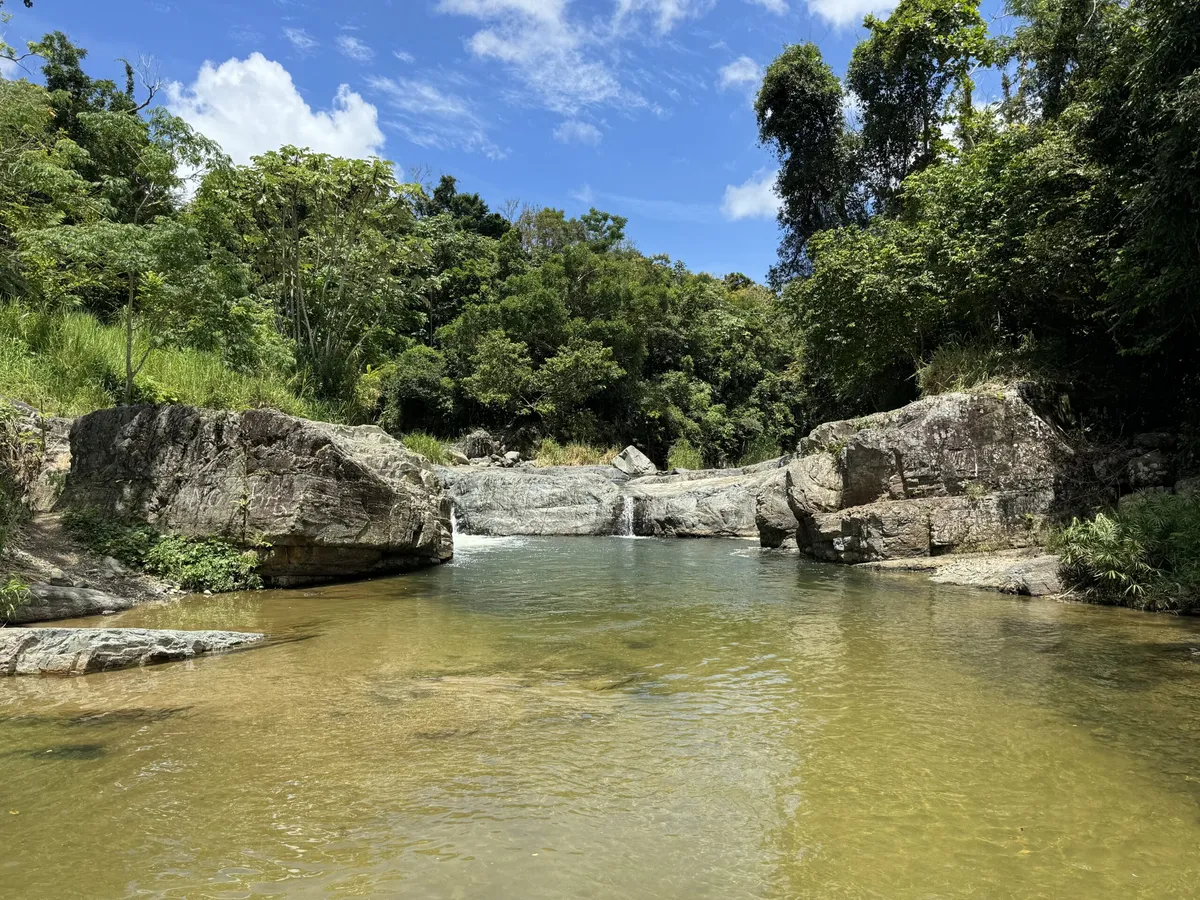
The cold-water swimming holes are Toro Negro’s biggest draw. Charco de los Suspiros and Charco La Confesora are among the most popular, fed by mountain rivers and surrounded by dense forest. After a sweaty climb, the water temperature is a shock — in the best possible way.
- Location: Various trails off PR-143 and PR-563
- Cost: Free
- Best for: Post-hike recovery, families looking for a natural pool experience without crowds
- Time needed: 1 to 3 hours depending on which charco
Pro Tip: Camping is available at Toro Negro, but you need a permit in advance from the DRNA (Department of Natural and Environmental Resources). Do not show up expecting to camp without one.
What coastal hikes in Puerto Rico should you not skip?
Some of the island’s most memorable trails are outside the main forests, along the coast. These hikes combine dramatic geology, ocean views, and the chance to swim in Caribbean water — but they come with real risks. Rocky surfaces are slippery when wet, cliff edges have no guardrails, and ocean conditions change fast. Always check tide schedules and weather before heading out.
La Zanja (Fajardo)
Starting from Seven Seas Beach in Fajardo, walk east along the sand until it gives way to coastal cliffs. The rugged trail eventually leads to a natural swimming pool — a trench protected from Atlantic surge by a wall of volcanic rock. The 1-to-1.5-hour out-and-back trek requires sturdy water shoes or hiking boots. The rocks are sharp enough to shred flip-flops and feet alike.
- Location: Seven Seas Beach, Fajardo
- Cost: Free
- Best for: Strong swimmers comfortable with rocky terrain
- Time needed: 1 to 1.5 hours round trip
Survival Beach (Aguadilla)
Less a hike and more a 30-to-45-minute coastal scramble over boulders and steep embankments, starting from Surfers’ Beach on the west coast near Aguadilla. The payoff is a secluded beach with giant rock formations and sea caves. Swimming is not advised, especially in winter when currents and waves are dangerously strong. Bring a camera, leave the swimsuit behind.
- Location: Surfers’ Beach, Aguadilla
- Cost: Free
- Best for: Photographers, adventure seekers comfortable with boulder scrambling
- Time needed: 1 to 2 hours round trip
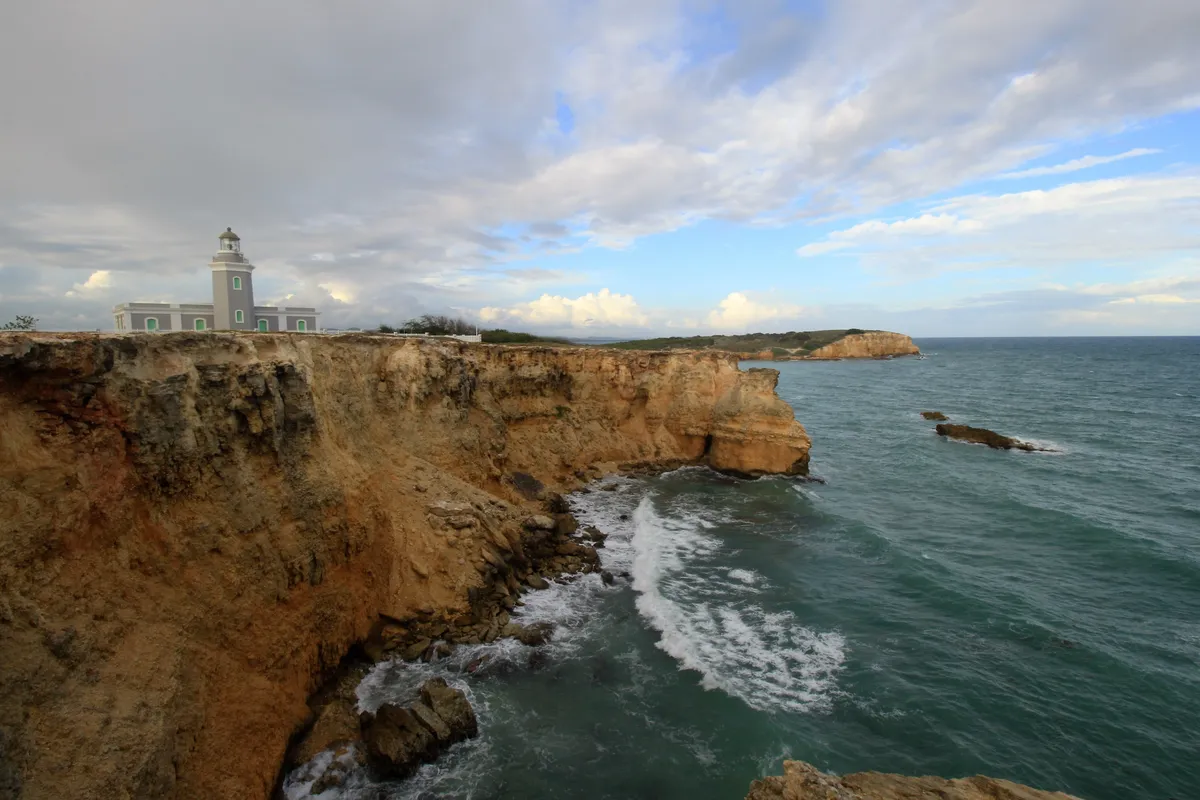
Cabo Rojo Lighthouse Trail (Los Morrillos)
One of the most photographed spots in Puerto Rico. The easy 1.3-mile (2.1 km) loop follows dramatic limestone cliffs at the island’s southwestern tip to the historic Faro Los Morrillos de Cabo Rojo, built in 1882. The cliff-top views of the turquoise Caribbean are unbeatable at sunset. The lighthouse itself is open some days but not all — check before you go.
Be aware that Route 301 to the trailhead is in poor condition, and the vehicle gate may be closed, adding a 30-minute walk each way from the parking area. A 4×4 vehicle is recommended if the gate is open.
- Location: Los Morrillos, southwestern tip of Cabo Rojo
- Cost: Free
- Best for: Photographers, sunset watchers, families (with caution near cliff edges)
- Time needed: 1 to 2 hours
Which waterfall hikes deliver the best swimming holes?
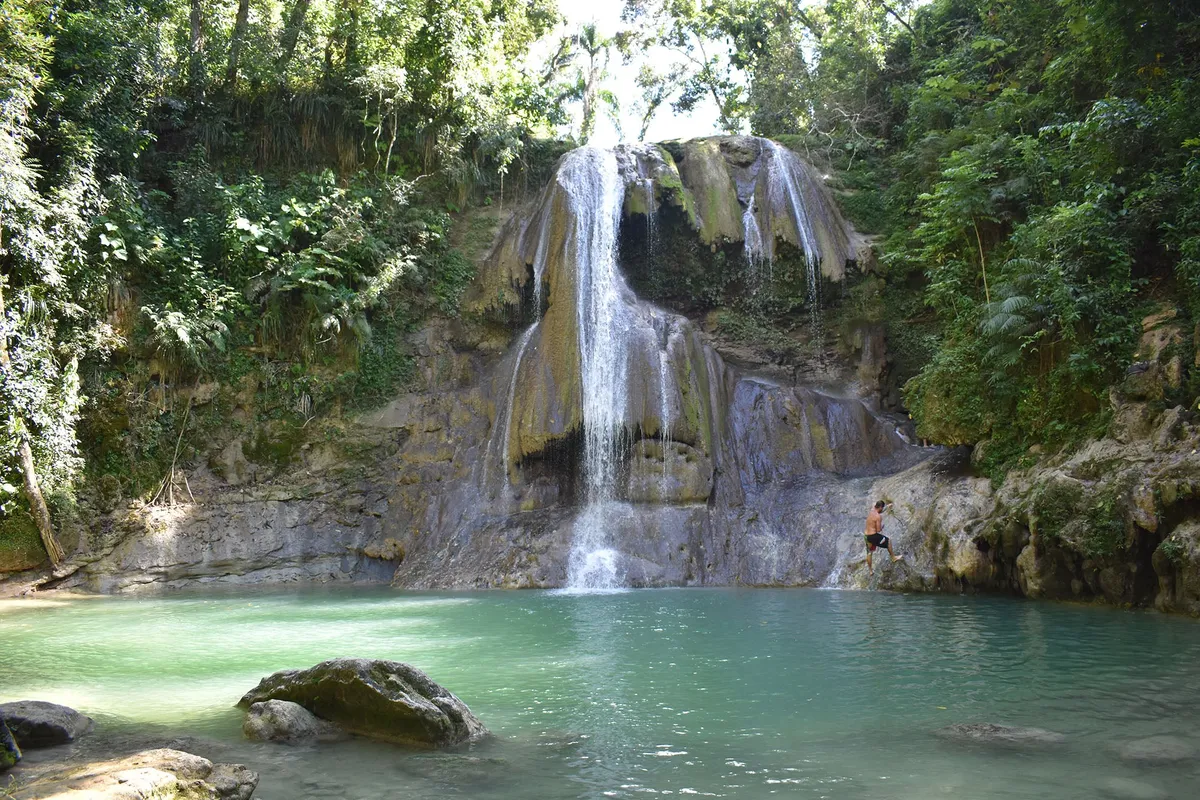
Gozalandia Falls (San Sebastián)
Two distinct waterfalls connected by a river with multiple pools, all reachable from a short, paved path from the parking area. The lower falls are about 50 feet (15 m) tall with a deep swimming hole. The upper falls have a rope swing and cliff-jumping spots. This is a full-day destination — locals and tourists both camp out here for hours. No coolers or speakers are allowed.
- Location: Off Route 446, San Sebastián (about 40 minutes from Rincón)
- Cost: $10 per vehicle for parking (cash only)
- Best for: Families, groups, anyone who wants easy-access waterfall swimming
- Time needed: 2 to 5 hours
Charco Prieto Waterfall (Bayamón)
A taller, more impressive cascade in the mountains near Bayamón, away from the tourist circuit. It is also one of the most accessible waterfalls near San Juan. The moderate trail follows a river to the base of the falls. The reward is a tall waterfall set deep in forest, with a wild and secluded atmosphere that the more popular spots cannot match.
- Location: Mountains near Bayamón
- Cost: Free
- Best for: Hikers wanting a less crowded waterfall experience
- Time needed: 1.5 to 2.5 hours
What about canyons and caves?
Cañón San Cristóbal
The deepest canyon in Puerto Rico, managed by the conservation organization Para La Naturaleza. A guide is strongly recommended. Hikes descend into the canyon past waterfalls like El Ancón, offering a rugged, wilder side of the island that most visitors never see. This is not a casual walk — expect scrambling, river crossings, and real exposure.
- Location: Interior Puerto Rico (near Aibonito/Barranquitas)
- Cost: Varies by tour operator
- Best for: Experienced hikers, canyon enthusiasts, guided adventure groups
- Time needed: Half day to full day
Cueva Ventana (Arecibo)
A guided ecotourism experience through two limestone caves with ancient Taíno petroglyphs, stalactite and stalagmite formations, and fruit bats. The 45-minute tour culminates at the cave’s “window” — a massive opening in the cliffside, 700 feet (213 m) above the Río Grande de Arecibo valley. The view through that frame is one of the most photographed angles in Puerto Rico. Reservations are required and can be booked online. Children under 3 are not permitted.
- Location: PR-10, Km 57, Arecibo
- Cost: $29/person + tax (children 3-10: $10 + tax)
- Best for: Families with older children, geology and history fans
- Time needed: 1.5 hours (including the hike to and from the caves)
When is the best time to go hiking in Puerto Rico?
The dry season from December through April offers less rain, lower humidity, and more sunshine — meaning less mud and fewer slippery trails. The downside is peak tourist season, with higher prices and more crowded trails, especially at El Yunque. The rainy season from June through November brings daily downpours and the risk of tropical storms, but also lusher forests, more powerful waterfalls, fewer hikers, and lower travel costs.
The sweet spot is May or November. Both months offer a reasonable balance between manageable weather, thinner crowds, and lower prices. Regardless of when you visit — and Puerto Rico’s weather varies more than you might expect — hiking on weekdays and starting early makes a bigger difference than the season.
Pro Tip: Even in the dry season, El Yunque gets about 120 inches (305 cm) of rain per year. Pack a rain jacket no matter what month you go.
What gear do you actually need for hiking in Puerto Rico?
Skip the heavy boots. The humidity will destroy your feet in anything that does not breathe. Here is what works in Puerto Rico’s conditions:
- Footwear: Trail runners with aggressive tread for forest hikes. For trails with river crossings or swimming holes, hiking sandals with good grip (Chacos, Tevas, or similar) that dry quickly. Never wear flip-flops or smooth-soled sneakers on any trail.
- Clothing: Lightweight, quick-drying synthetics. Cotton stays wet and causes chafing in this humidity. Pack a long-sleeved shirt for sun and insect protection. A lightweight rain jacket or poncho is mandatory — sudden downpours hit without warning in the rainforests.
- Sun protection: High-SPF, reef-safe sunscreen, a wide-brimmed hat, and UV sunglasses. The Caribbean sun at this latitude is intense, even on overcast days.
- Water: Minimum 2 liters (67 oz) per person. Double that for exposed trails like Fuerte Caprón in Guánica. Dehydration is the most common preventable problem on Puerto Rico trails.
- Insect repellent: Mosquitoes are heaviest in forested areas and around dusk.
- Daypack: To carry water, snacks, rain layer, and a dry bag for your phone and keys if you plan to swim.
Your hiking kit is just one part of the full Puerto Rico packing list.
How dangerous is flash flooding on Puerto Rico trails?
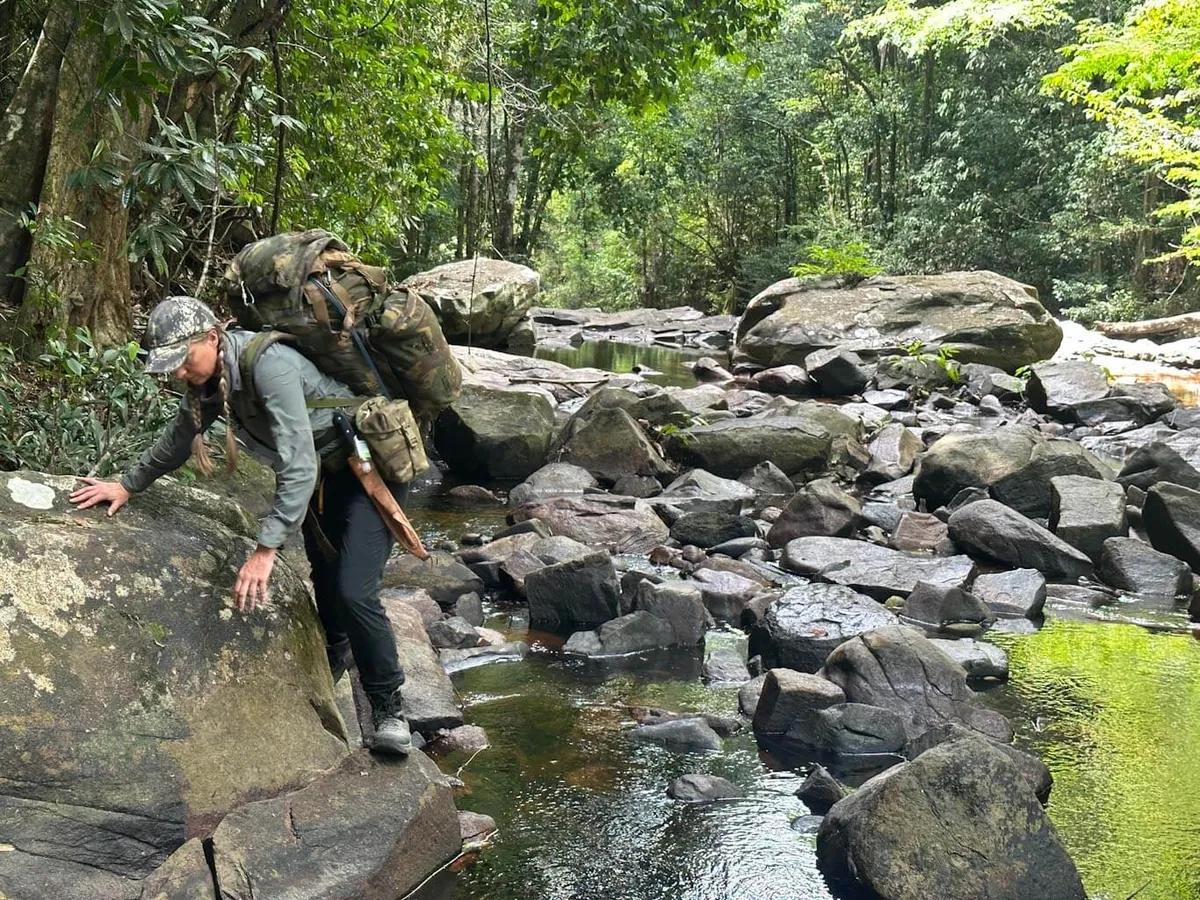
Flash flooding is the single most serious hazard when hiking near rivers and waterfalls in Puerto Rico. A golpe de agua — a sudden, powerful surge of water caused by heavy rain upstream — can arrive with little warning, even if the sky above you is clear. This has killed multiple people in El Yunque and other river-adjacent trails. If the sky darkens upstream, you hear a roaring sound, or the water turns murky, get out of the river and move to higher ground immediately. Do not wait to see if conditions improve.
Beyond flash floods, the standard risks are well-documented:
- Slippery surfaces: Paved paths, rocks, and moss become dangerously slick when wet. This is the most common cause of injury in El Yunque. Use handrails where available and slow down.
- Heat exposure: Particularly in Guánica and on exposed coastal trails. Signs of heat exhaustion include dizziness, nausea, and excessive sweating followed by no sweating.
- Trail conditions: Always check the U.S. Forest Service website for El Yunque trail closures. Storm damage and maintenance closures are common.
- General practices: Stay on marked trails. Hike with a partner when possible. Tell someone your itinerary and expected return time. Pack out everything you pack in — the forests are trash-free zones.
Should you hire a guide or hike independently?
A guide eliminates the logistical stress of parking and entry at El Yunque and adds knowledge about local flora, fauna, and history that you simply will not get from a trail sign. For Cañón San Cristóbal and off-trail river treks, a guide is not optional — these areas are genuinely risky without someone who knows the terrain and weather patterns. Guided tours also provide guaranteed park access through commercial permits.
Self-guided hiking gives you flexibility and saves money. If you arrive at El Yunque at opening time, you can often experience the popular trails before tour groups show up. Apps like AllTrails are useful for route planning, but download offline maps — cell service inside the forest is essentially nonexistent.
What wildlife should you expect (and not expect)?
Puerto Rico has no large native land mammals. Bats are the only native terrestrial mammals still present. The mongoose, common along trails, was introduced.
The coquí frog is the soundtrack of every evening hike. These tiny amphibians are mostly nocturnal, and their two-note “ko-kee” call becomes constant at dusk. You will hear hundreds before you see one.
With patience and binoculars, you can spot the tiny Puerto Rican Tody (bright green feathers, red throat), the yellow-bellied Bananaquit, and the Puerto Rican Woodpecker. In El Yunque, the critically endangered Puerto Rican Parrot is present near the El Portal Visitor Center, where a recovery program maintains live birds. Seeing one in the wild requires real luck.
Small lizards — anoles and geckos — are everywhere on tree trunks and rocks across all three forest regions. They are so abundant you will stop noticing them by your second trail.
Before you lace up
Puerto Rico packs a ridiculous range of hiking into an island you can drive across in three hours. El Yunque is the headliner for a reason, but the dry forest cliffs of Guánica and the empty cloud forest trails of Toro Negro offer experiences just as rewarding with a fraction of the crowds. The coastal scrambles and waterfall swimming holes between them fill in the gaps. The complete Puerto Rico travel guide covers everything else you need to plan around the trails.
TL;DR: Arrive at El Yunque before 8:30 a.m. or skip it for Toro Negro. Bring more water than you think you need. Never trust a smooth-looking rock near a waterfall. And check the U.S. Forest Service website for trail closures before every hike — conditions change faster than any guide can keep up with.
What trail surprised you most on your Puerto Rico trip? Drop it in the comments — the more specific the beta, the better.