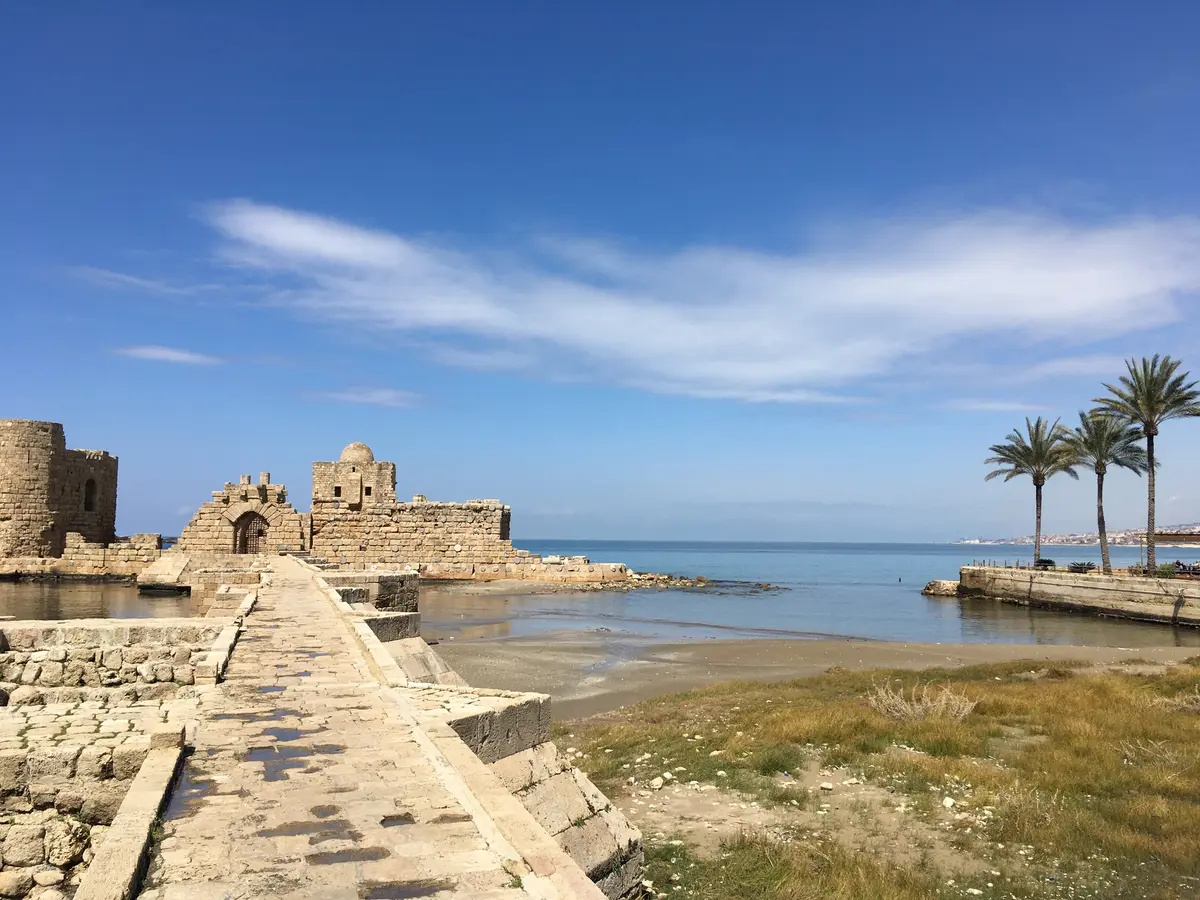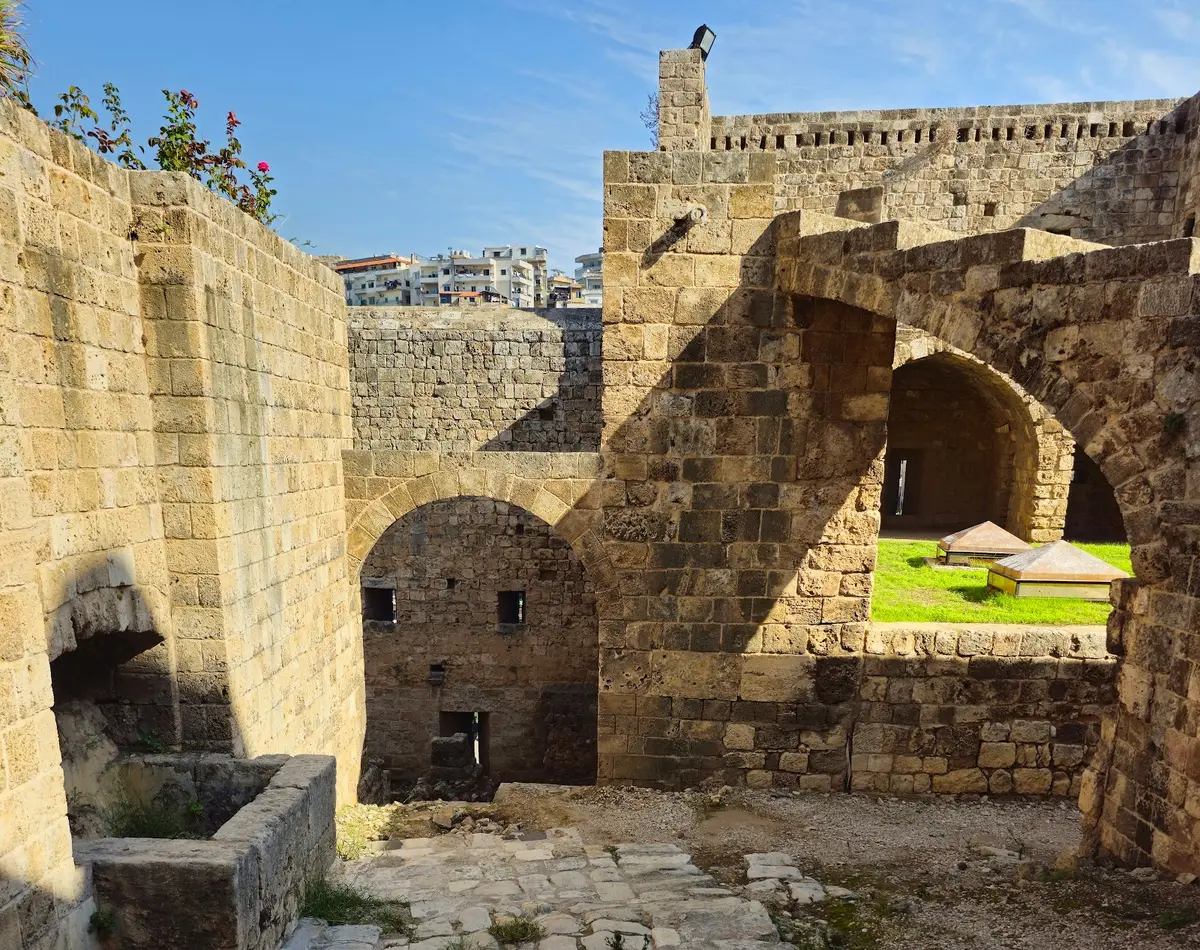
I have walked Beirut’s Corniche at sunset and eaten falafel at Sahyoun at midnight. I am also not going to pretend the situation today is what it was three years ago. This Beirut travel guide combines first-hand knowledge of the city with the current security reality — so you can make a decision based on facts, not nostalgia or fear. For the wider country context, see our full Lebanon travel guide.
Is Beirut safe to visit right now?
No — not by any official measure. The U.S. State Department maintains a Level 4 “Do Not Travel” advisory for Lebanon, ordered the departure of non-emergency embassy personnel on February 23, and as of early April urged U.S. citizens already in the country to leave while commercial flights are still operating. Airstrikes, drones, and rocket activity have been reported in parts of Beirut, the south, and the Beqaa.
This is a meaningful change from the relatively calmer windows Beirut has had between crises. The U.K. Foreign Office mirrors the U.S. position. Embassy consular services in Beirut are running at reduced capacity, and a large-scale evacuation of private citizens is not something the U.S. government is promising. For a deeper read on the long-running question of whether Lebanon is safe for American tourists, we update that page as conditions shift.
Pro Tip: If you are reading this while planning a non-essential trip, the honest editor’s call is to wait. Cyprus is 45 minutes away by air and gives you Mediterranean food, Phoenician history, and zero advisory. Beirut will still be here when conditions change.
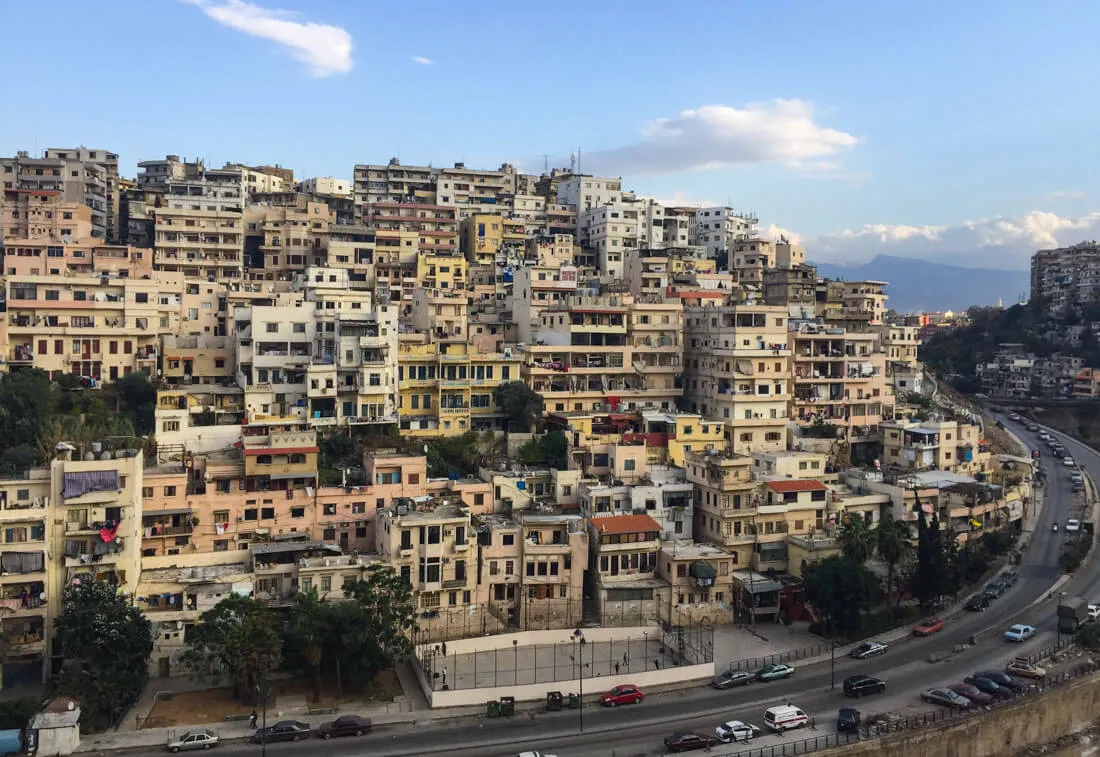
What the warnings actually say
- Level 4 “Do Not Travel” — the highest U.S. advisory tier
- Ordered departure of non-emergency U.S. government personnel and family members
- Active risk of airstrikes, drones, and rocket attacks in parts of Beirut, the south, and the Beqaa
- Risk of kidnapping, terrorism, civil unrest, and unexploded ordnance near borders
- Embassy ability to assist in an emergency is limited; no guaranteed evacuation
Areas to avoid without exception
- Southern suburbs of Beirut (Dahiyeh) and the area around the airport perimeter
- All of Lebanon south of Saida, including the Israeli border zone
- The Beqaa Valley near the Syrian border
- Refugee settlements anywhere in the country
- Any protest, demonstration, or large public gathering
Who, realistically, is still going?
A small number of dual nationals visiting family, journalists, aid workers, and a handful of independent travelers with deep regional experience and personal contacts on the ground. If you are not in one of those categories, this guide is reference material for a future trip — not a green light for a spring break.
Pro Tip: If you do go, register with the Smart Traveler Enrollment Program (STEP) before you board the plane. It is free, takes five minutes, and is the only way the embassy can reach you with a security alert.
What do you need to enter Lebanon?
U.S. citizens get a free 30-day visa on arrival at Beirut-Rafic Hariri International Airport, provided your passport is valid for at least 90 days beyond entry and contains no Israeli stamps, visas, or border markings. Any evidence of prior travel to Israel — even an exit stamp from Taba or Allenby — means denial of entry and possible detention. This rule is enforced strictly and without flexibility. Our full Lebanon visa guide walks through extensions, edge cases, and what counts as “evidence.”
- Visa cost: Free for the first 30 days
- Passport validity: 90 days minimum beyond entry
- Blank pages: At least one
- Israeli evidence: Automatic denial — no exceptions
- Extensions: Available through General Security with paperwork
How does money actually work in Lebanon?
Lebanon runs on a cash U.S. dollar economy layered over a collapsed local currency. Foreign credit cards and ATMs settle at the old “official” rate, which makes a $4 coffee cost something closer to $400 on paper. Bring all your spending money in clean U.S. dollar bills, mix denominations, and exchange small amounts to Lebanese lira at reputable offices on Hamra Street for taxi fares and tips. If you are still pricing the trip, our breakdown of whether Lebanon is expensive has current daily budget ranges.
- Bring the entire trip budget in USD cash
- Notes must be clean and untorn — damaged bills get refused
- Skip airport exchange counters; use Hamra Street offices
- Most restaurants and hotels accept USD directly, with change in lira
- In rideshare apps, always select “cash” as the payment method
Pro Tip: Carry a money belt or hidden pouch and split your cash between two locations on your body and one in your hotel safe. Losing your wallet here is not the same as losing it in Lisbon — there is no card to cancel and re-issue.
How do you get around Beirut?
Beirut has no working metro and unreliable public buses. Rideshare apps are the default for visitors, and they are cheap by U.S. standards if you pay in cash through the app. We compare the trade-offs in detail in Uber in Lebanon vs taxi.
- Bolt: Cheapest option, widest driver pool
- Uber: Slightly nicer cars, slightly higher fare
- Allo Taxi: Phone-based local service, used by residents who want a known driver
- Toters: Food and grocery delivery
Power cuts are a daily reality. Mid-range and upscale hotels run generators that hide the issue from guests; budget guesthouses do not. This matters most for food safety — be cautious with meat from cheap places where refrigeration may have lapsed. Our guide to power cuts in Lebanon explains how generator schedules actually work.
Where should you stay in Beirut?
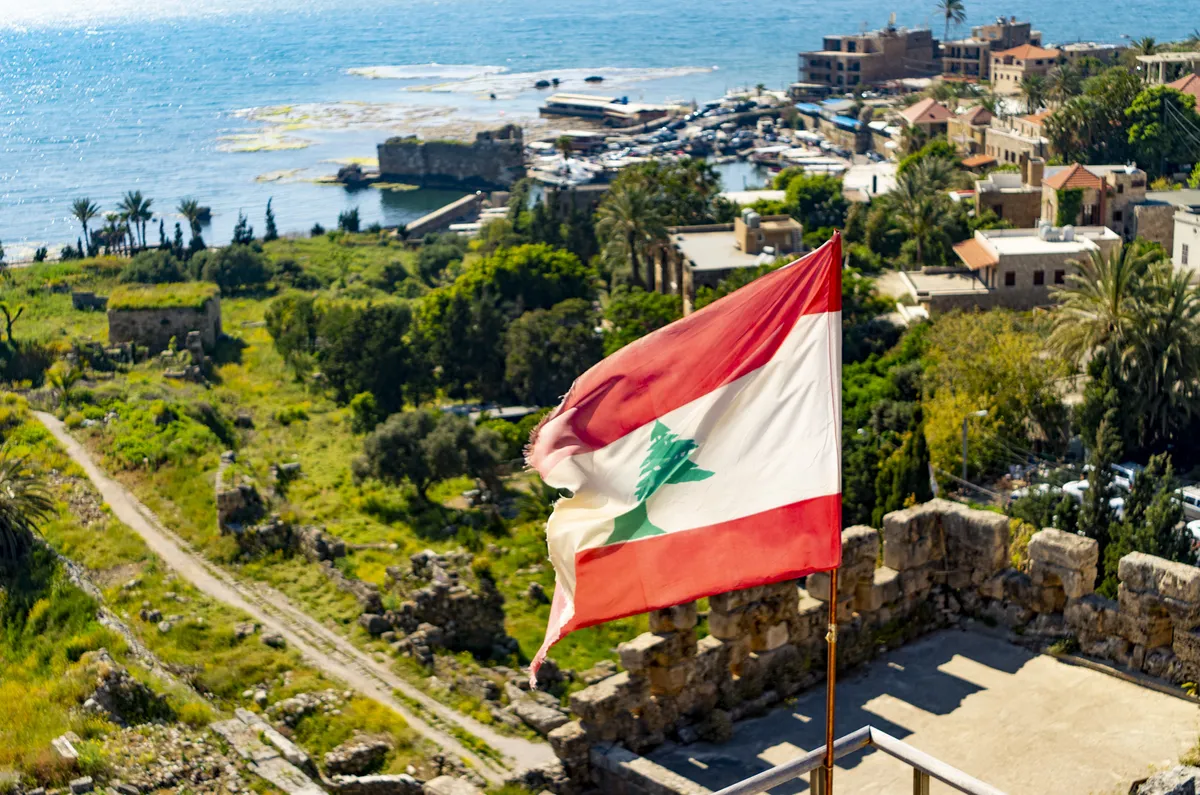
The right neighborhood depends on whether you want nightlife, quiet, or proximity to museums. Mar Mikhael and Gemmayzeh are the loudest and most fun. Achrafieh is the most polished. Hamra is the best balance. Badaro is where you go when you want Beirut to feel like a neighborhood instead of a destination. For a side-by-side comparison of these districts, see our full where to stay in Beirut breakdown.
Mar Mikhael and Gemmayzeh — for nightlife
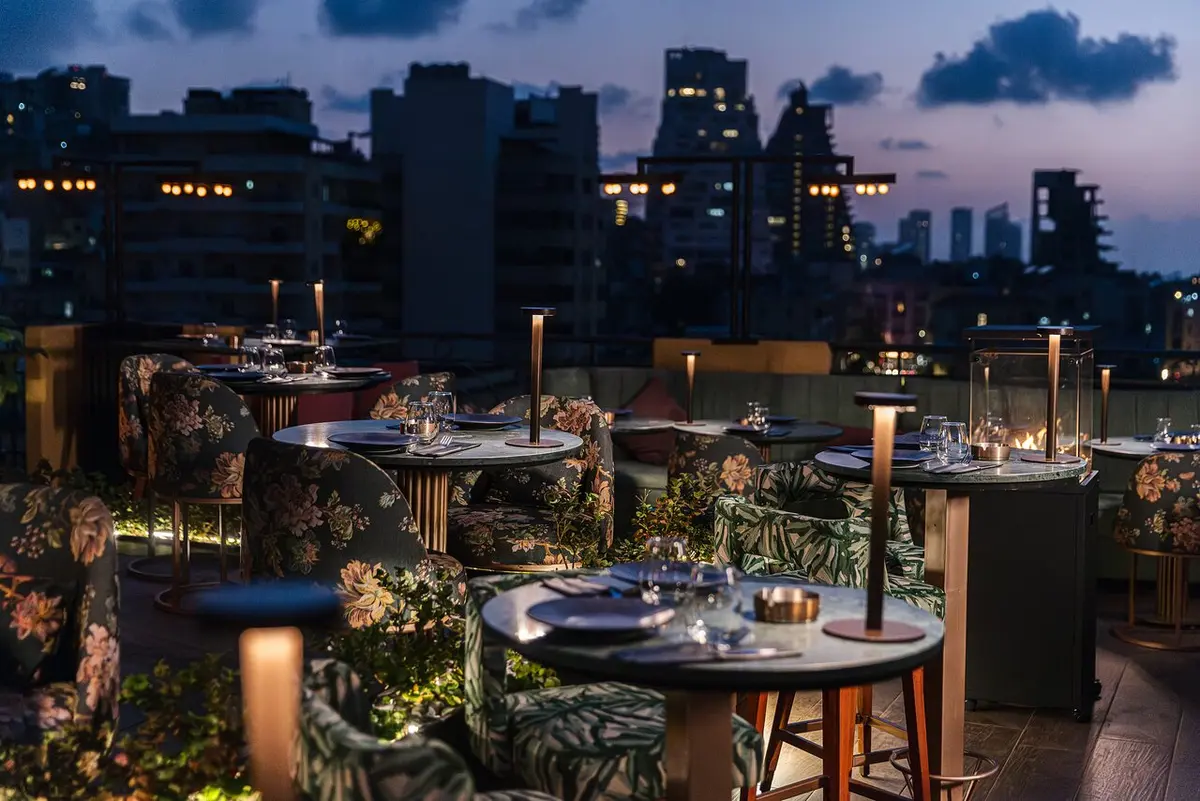
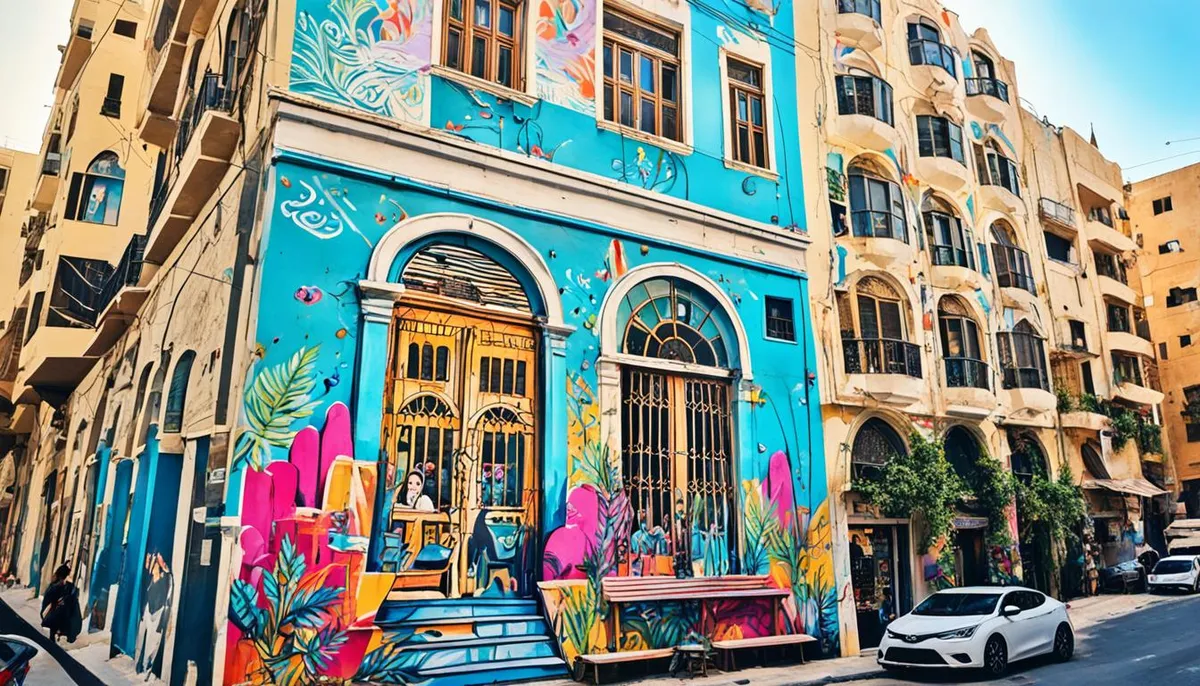
The bar density per block here is higher than anywhere else in the city. Coffee roasters in the morning, natural wine bars by 9 p.m., and the kind of street life that does not stop until 3 a.m. Both areas took heavy damage in the 2020 port explosion and the rebuild is visible in nearly every block.
- Location: East Beirut, walking distance from Downtown
- Cost: Boutique hotels from $90/night
- Best for: First-time visitors who want food, drinks, and energy outside their door
- Time needed: Base yourself here for the full trip if nightlife is the priority
Hamra — for the balance
Hamra was the intellectual capital of the Arab world in the 1960s and still carries that energy in its bookshops, theaters, and cafes. The American University of Beirut campus is a green, sea-facing escape inside the neighborhood and worth a slow walk even if you are not staying nearby.
- Location: Ras Beirut, west side
- Cost: Mid-range hotels from $70/night
- Best for: Travelers who want culture and walkability without the all-night noise
- Time needed: Excellent multi-day base
Achrafieh — for the quiet
Old French and Ottoman buildings, residential streets, and the Sursock Museum a few blocks away. Less to do at 2 a.m., more to look at during the day.
- Location: East Beirut, on the hill
- Cost: From $100/night for boutique stays
- Best for: Repeat visitors, couples, anyone over 35
- Time needed: Pair with rideshares to reach nightlife districts
Badaro — for the local feel
A village inside the city. Cafes full of regulars, a main street you can walk end-to-end in 15 minutes, and the National Museum and Horsh Beirut park nearby.
- Location: South-central Beirut
- Cost: From $60/night
- Best for: Slow travelers, repeat visitors
- Time needed: Quiet base; budget extra rideshare time to reach the coast
What should you actually see in Beirut?
The city is small enough that you can hit the essential historical sites in two focused days on foot, with rideshares between districts. Our running list of Beirut attractions ranks them by how much time each one really needs.
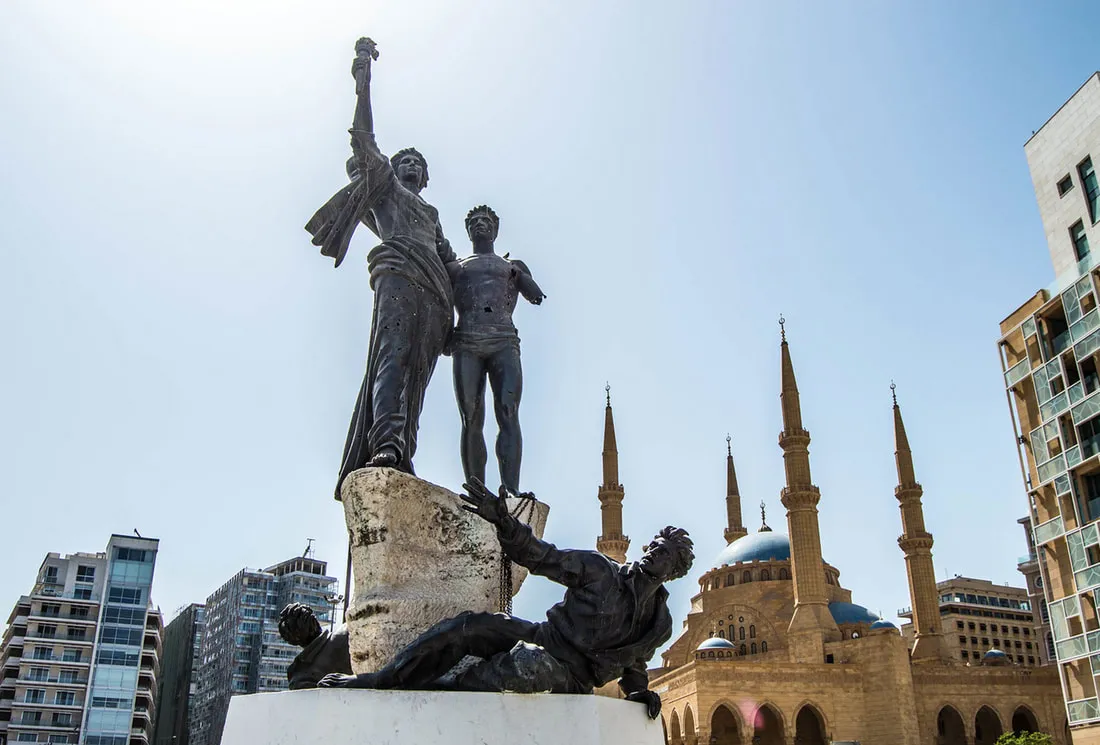
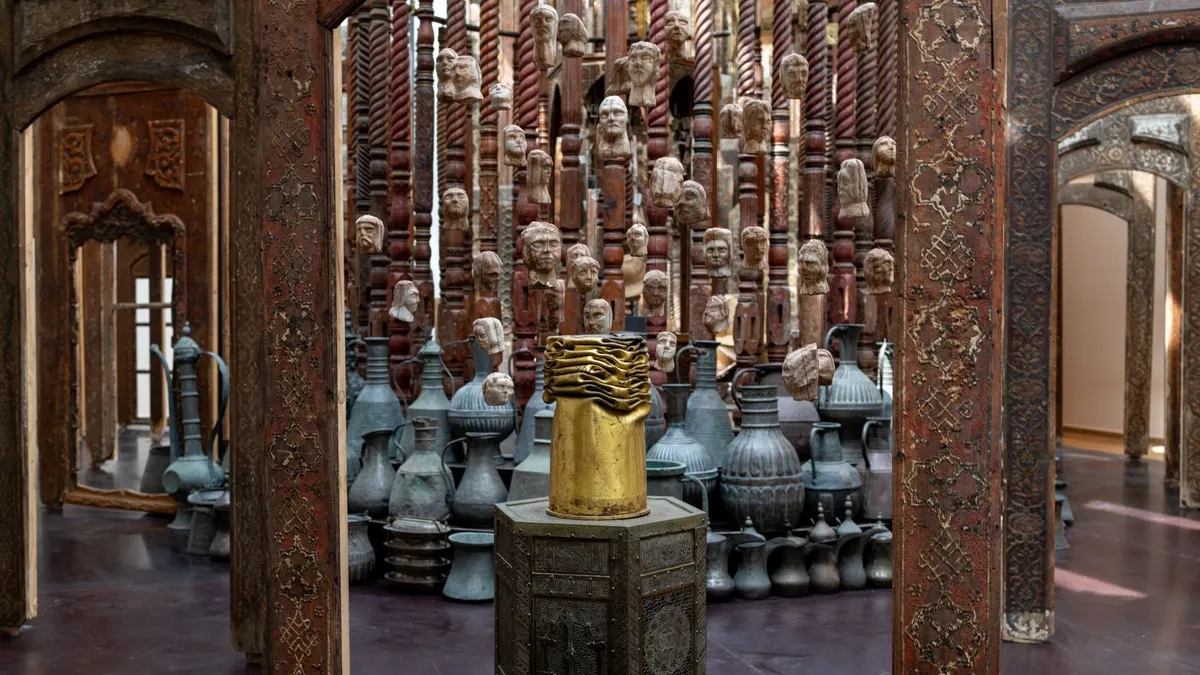
The National Museum of Beirut is the single most important stop and the one I would not skip even on a 24-hour layover. Its Phoenician sarcophagi and Roman mosaics put the city’s 5,000-year story in order before you walk through the rest of it. Downtown Beirut — Martyrs’ Square, Place de l’Étoile, the Mohammad Al-Amin Mosque, the St. George Crypt Museum — is where layered Beirut hits hardest, with a mosque and a cathedral sharing a plaza. Beit Beirut, the bullet-pocked yellow building on the former Green Line, is now a museum about the civil war and one of the most powerful spaces in the city.
For art and culture, the Sursock Museum in Achrafieh sits inside a 19th-century Italianate villa and is the best venue in the country for modern Lebanese work. The American University of Beirut campus has a small archaeological museum and the best free sea view in the city. Wander the side streets of Mar Mikhael for the strongest street art scene.
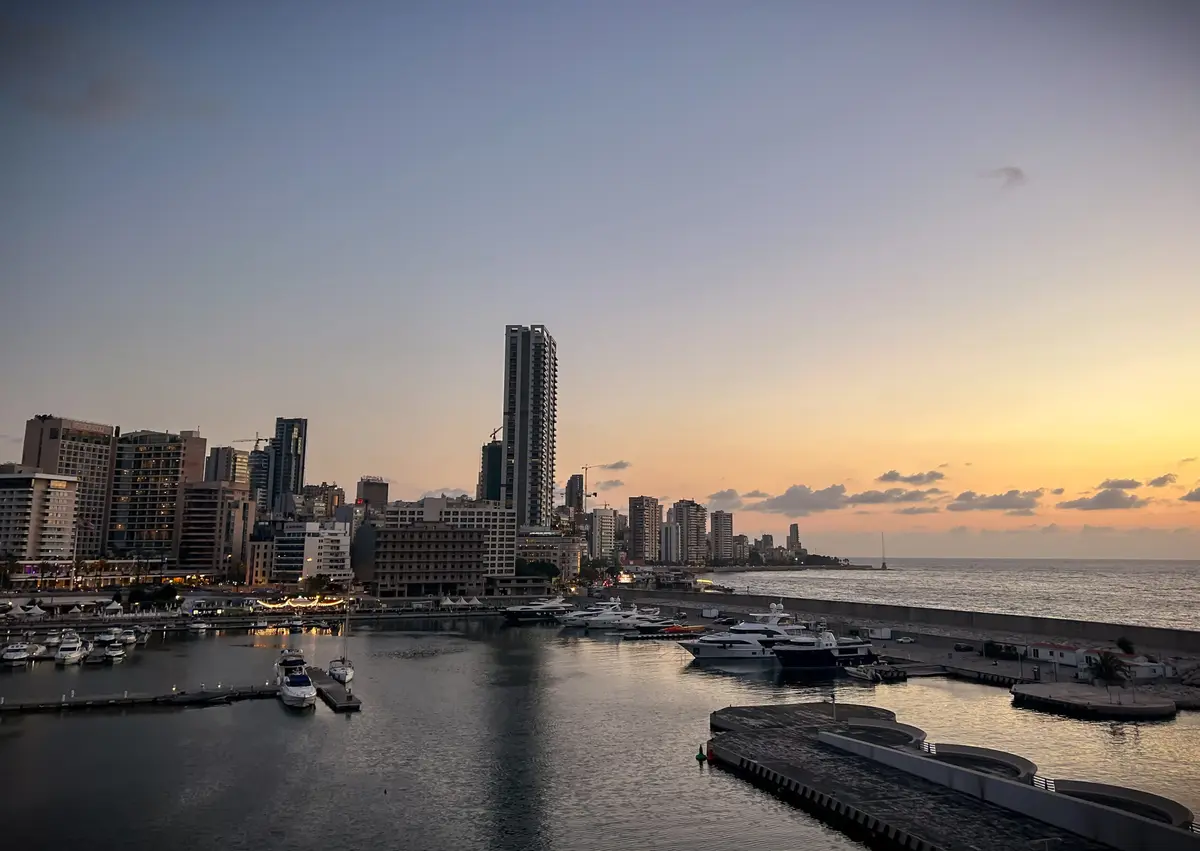
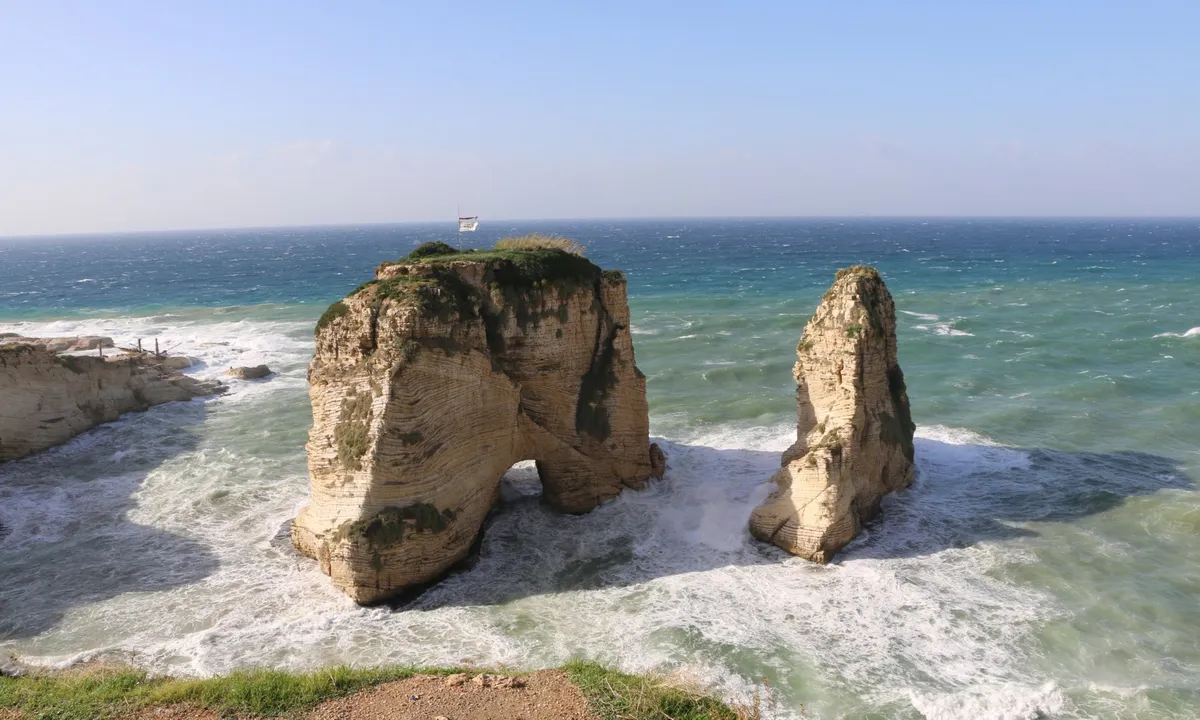
For air and water, the Corniche is the walk every Beiruti does at least once a week — five miles of seafront promenade ending at the Pigeon Rocks at Raouché, twin limestone arches rising straight out of the Mediterranean. Raouché is also one of the best sunset spots in Beirut if you time it right. Zaitunay Bay is the polished marina version of the same coast. Sanayeh Garden and Horsh Beirut are the only real green breaks inside the city.
Where should you eat in Beirut?
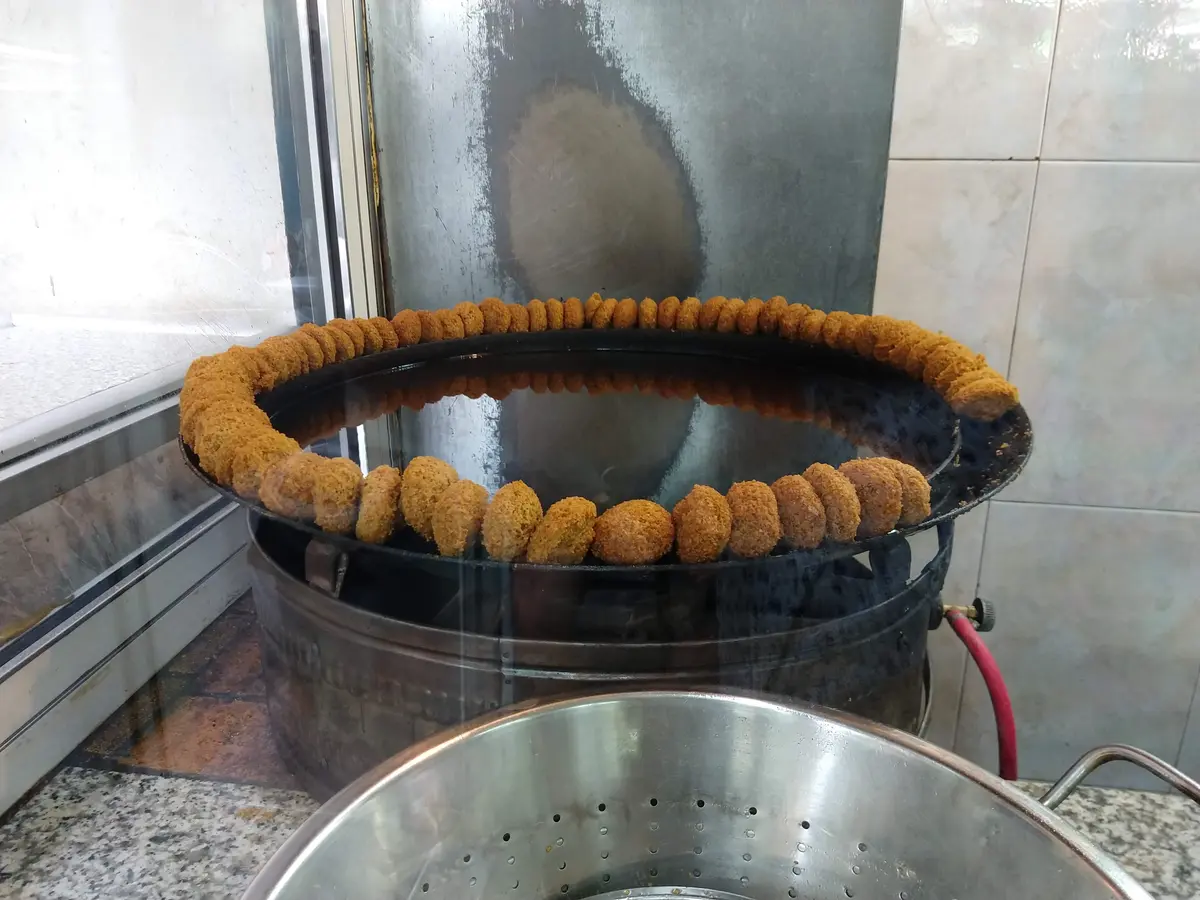
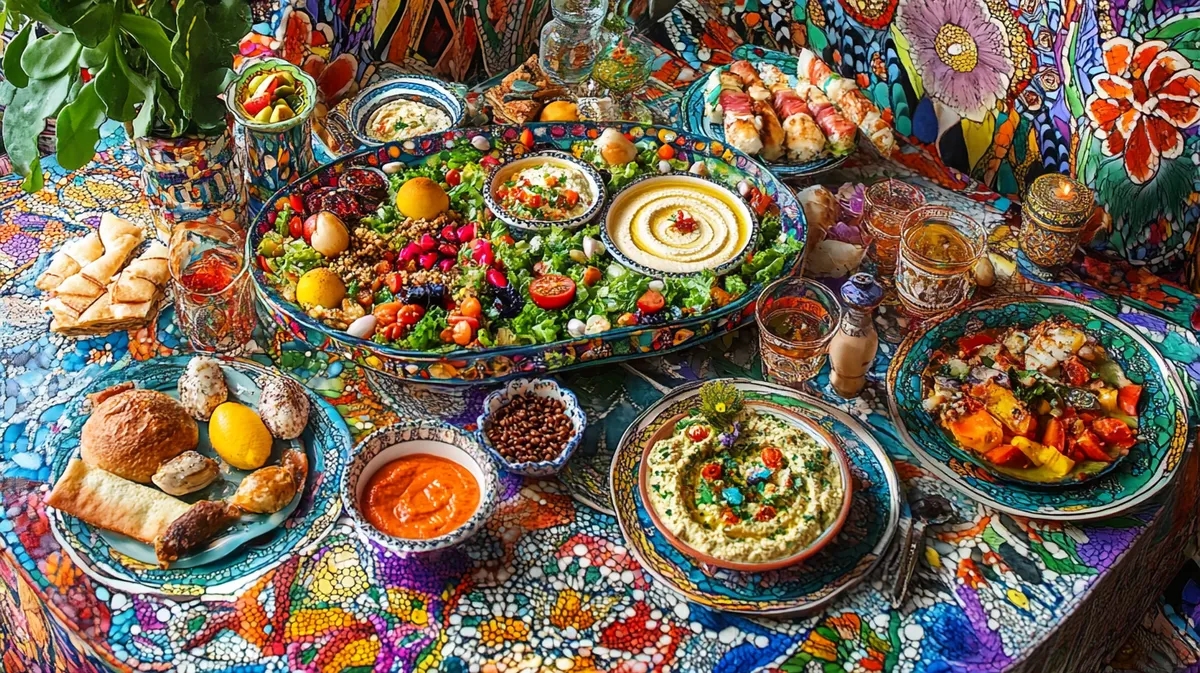
Falafel M. Sahyoun on Damascus Road is, by most local accounts, the oldest falafel shop in the city and the one I send people to first — it sits at the top of our best falafel in Beirut shortlist. For shawarma after midnight, Barbar in Hamra has a line out the door for a reason. Sit-down classics: Le Chef and Café Em Nazih in Gemmayzeh for old-school mezze, Abdel Wahab for grilled meats, and Mayrig for Armenian-Lebanese cooking you will not find in your home city. For something more inventive, BARON in Mar Mikhael and Liza in a restored Achrafieh mansion are the standout modern kitchens.
Order beyond hummus and tabbouleh: try mutabbal (smoked eggplant), fatteh (yogurt, chickpeas, crispy bread), and kibbeh in any form a waiter recommends.
Pro Tip: The best meal you will eat in Lebanon is probably not in a restaurant. If anyone invites you home for lunch, cancel whatever you had planned.
What day trips are worth doing from Beirut?
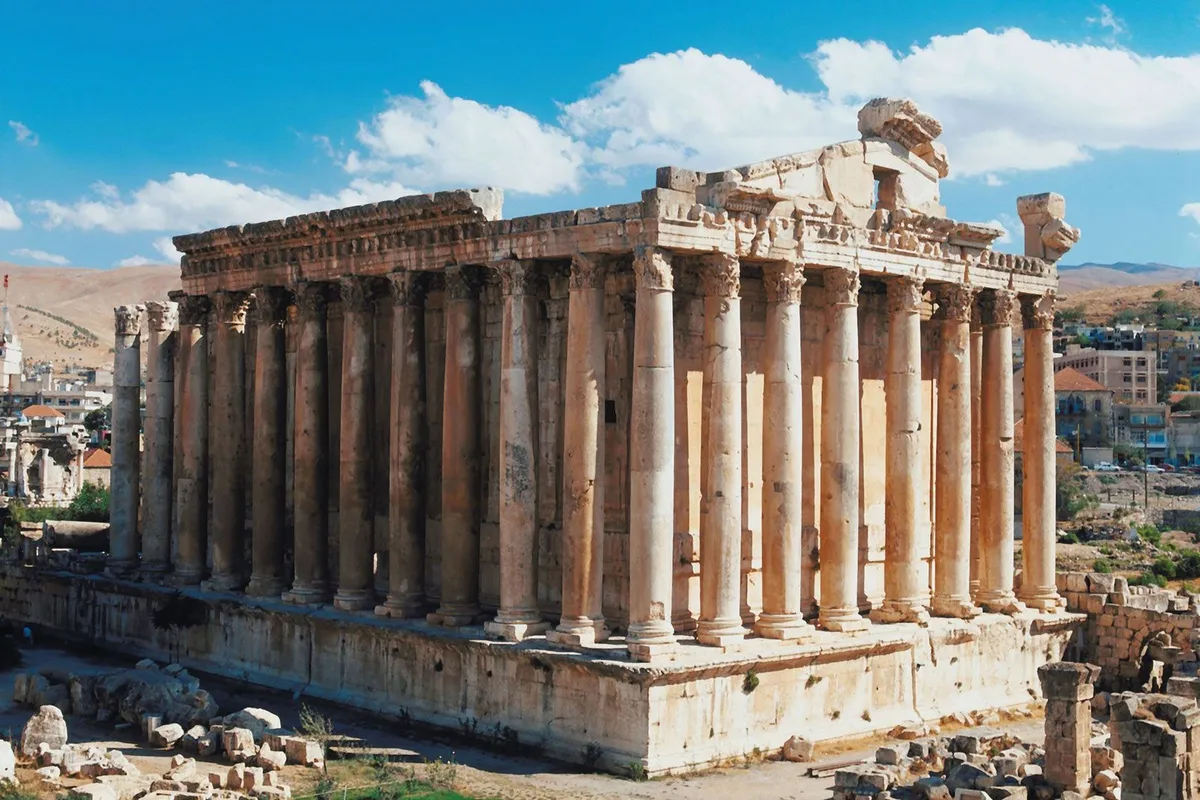
Lebanon is small — under 90 miles end to end — which means most of the country is a day trip from the capital, security conditions permitting. Under current advisories, the south and the Beqaa are off-limits, which removes Baalbek and Tyre from the realistic list for now.
- Byblos (Jbeil) — 25 miles north: UNESCO-listed old town, Crusader castle, and a small fishing port. The drive is one hour each way on the coastal highway — our Beirut to Byblos day trip guide has the route and timing.
- Jeita Grotto — 12 miles north: Limestone caves with a subterranean boat ride. Half a day with transport; the full Jeita Grotto travel guide covers tickets and the no-photo rule inside.
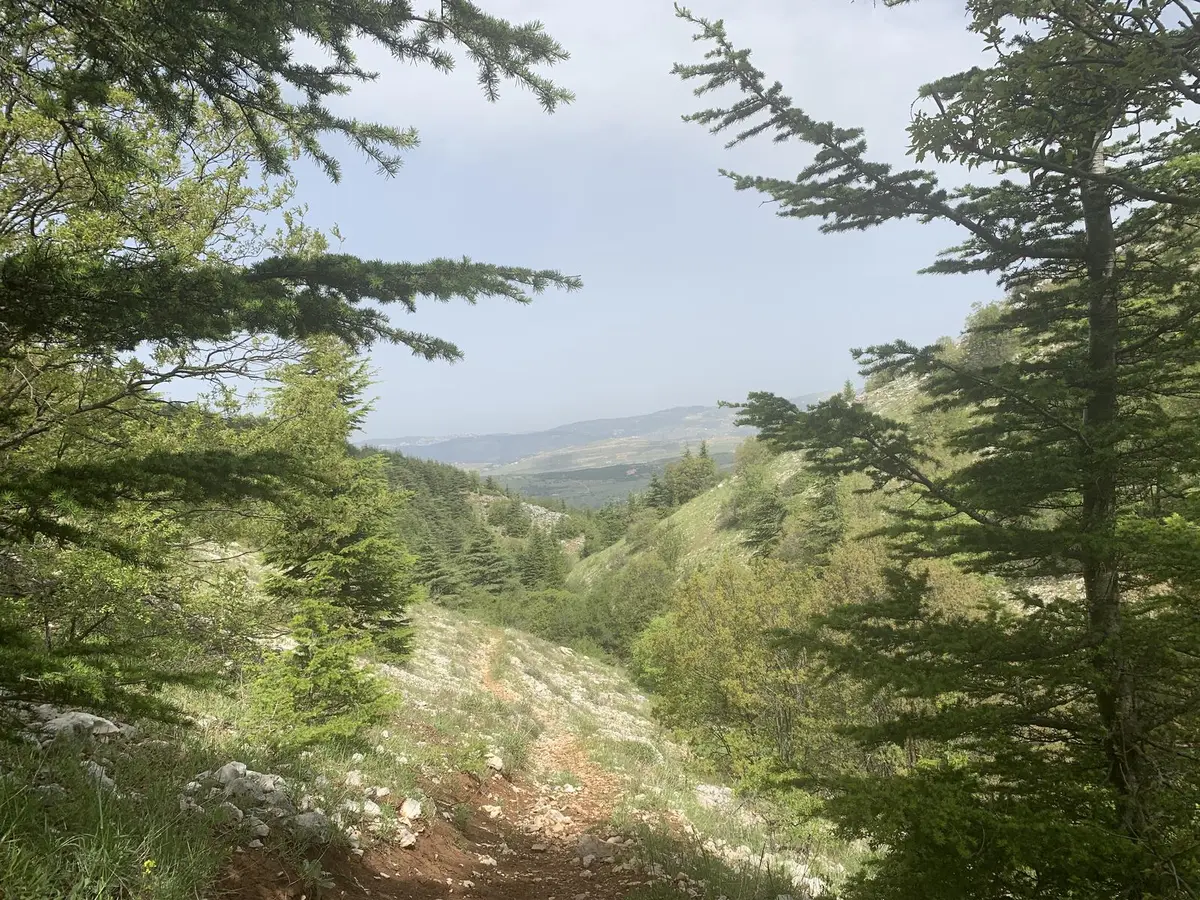
- Chouf Biosphere Reserve — 35 miles southeast of Beirut, well clear of the southern border zone: Cedar forest hikes that connect Lebanon to the trees on its flag.
Baalbek’s Roman temples and the ruins of Tyre and Sidon belong on a future itinerary, not this one.
When should you plan to visit?
Beirut has a Mediterranean climate that works year-round in normal conditions. April-May and September-November give you 70-80°F (21-27°C) days for walking the city. June-August hits 90°F (32°C) with humidity and pushes everyone to the beach clubs north of the city. December-February drops to 50-60°F (10-15°C) with rain in the city and snow in the mountains an hour away — Lebanon is one of the few places where you can ski in the morning and swim in the afternoon. For a month-by-month look, our best time to visit Lebanon page goes deeper.
A realistic 3-day Beirut itinerary
- Day 1: Downtown Beirut, the National Museum, sunset on the Corniche to Pigeon Rocks
- Day 2: Sursock Museum, lunch in Achrafieh, Beit Beirut, evening in Mar Mikhael
- Day 3: Day trip to Byblos and Jeita Grotto, late dinner back in Gemmayzeh
If you have a week and conditions are calm, add Chouf and a slow second loop through neighborhoods you only sampled the first time.
The bottom line on Beirut travel
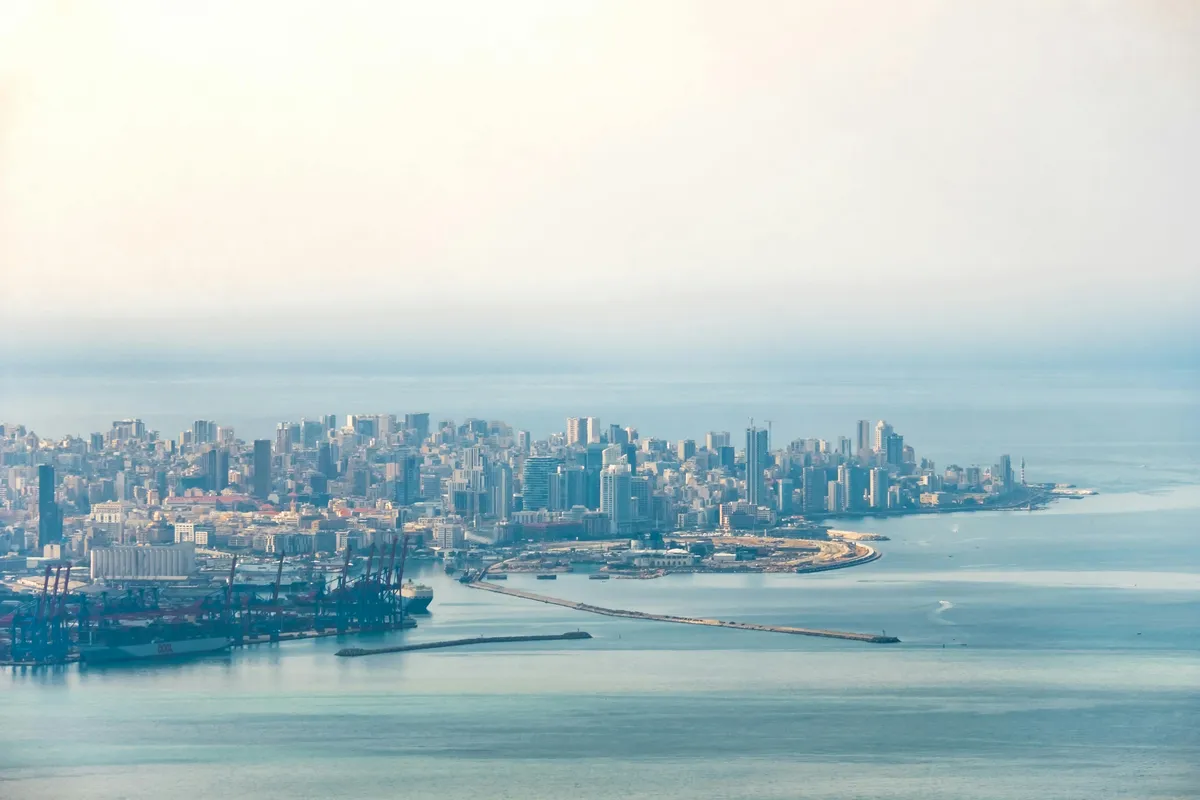
TL;DR: Beirut remains one of the most rewarding cities in the Eastern Mediterranean for the right traveler in the right window. Right now is not that window. The U.S. has ordered embassy departures, airstrikes have been reported in parts of the country, and the consular safety net you would normally rely on is not there. Save this guide, watch the advisories monthly, and go when the situation stabilizes.
When you do go: bring USD cash, skip the south, leave your opinions about regional politics at the airport, and accept every invitation to a Lebanese home you receive. What did this guide leave out that you want to know — drop it in the comments.