Lebanon nightlife runs on a different clock than anywhere else in the region. Lebanon sits under a US State Department Level 4 “Do Not Travel” advisory, yet the clubs in Beirut’s Karantina district are packed by 1 a.m. and the beach clubs in Batroun sell out July weekends weeks ahead. This guide covers where to go, what it costs in USD, and what most blog posts won’t tell you.
Is Lebanon nightlife safe for American tourists?
The honest answer is complicated. The US State Department keeps Lebanon at Level 4 “Do Not Travel” (updated February 2026) citing crime, terrorism, and conflict risk, with a cessation of hostilities between Israel and Hezbollah in place since November 2024. Beirut’s tourist and nightlife districts — Mar Mikhael, Gemmayzeh, Hamra, Badaro — have stayed open throughout, and street-level concerns are taxi scams and overpriced cocktails, not violence.
The advisory is not a suggestion — it means your travel insurance likely won’t cover you, and the US Embassy in Awkar has been operating on reduced staff since February 2026. Americans who still choose to travel to Lebanon almost universally say the neighborhoods feel safer on foot than the State Department language implies.
A few things worth knowing if you go:
- Avoid south of Saida, the Bekaa Valley, the Dahieh suburb of Beirut, and anywhere within 5 miles (8 km) of the Syrian border — these remain Level 4 within the Level 4.
- Enroll in the State Department’s STEP program before flying in.
- Check flights: many routings to Beirut overfly Syrian airspace, which State advises against.
- Hezbollah-linked areas are not where the clubs are — the nightlife districts sit in Christian-majority East Beirut and along the coast.
Pro Tip: Check the U.S. Embassy Beirut alerts page the day of your flight, not the week before. The security picture here can shift in 48 hours, and the Embassy posts specific neighborhood guidance after any incident.
5 things nobody tells you about partying in Beirut
Beirut does not work like Berlin, Barcelona, or New York, and showing up with those expectations is how you end up stuck at the door of Skybar at 1 a.m. with nowhere to go.
It’s about the table, not the dance floor
Most high-end venues don’t have a dance floor in the sense you’re used to. You book a table, you dance at your table, and the group you arrived with is the group you stay with. There’s very little of the European “meet a stranger on the floor” culture. For solo travelers this can feel cold — the fix is to stick to bar seating at Centrale, Anise, or the Mar Mikhael street bars where the layout forces people to mix.
The door policy is strict and it’s not negotiable
A group of men with no women in the party will be turned away from B018, The Grand Factory, Skybar, and AHM. Door staff enforce a gender ratio to keep the room the way regulars want it. The only workarounds are (a) a bottle service reservation with a confirmed minimum spend, or (b) arriving with women in your group.
Dress code is enforced, not suggested
No shorts, no flip-flops, no athletic sneakers at the high-end rooms. Mar Mikhael street pubs are loose — think Brooklyn casual. Anything on the waterfront or a rooftop wants closed shoes and something considered. The aesthetic is glamorous, not conservative — glittery, short, and loud will get you in faster than modest and neat.
The scene is more inclusive than the region around it
Beirut has a visible queer nightlife presence in Karantina and the industrial quarters — one of the few spaces in the Levant where this is true. Venues don’t advertise it on the door; it’s woven into the regular club programming, particularly at techno-leaning parties.
The night ends with manoushe at 4 a.m.
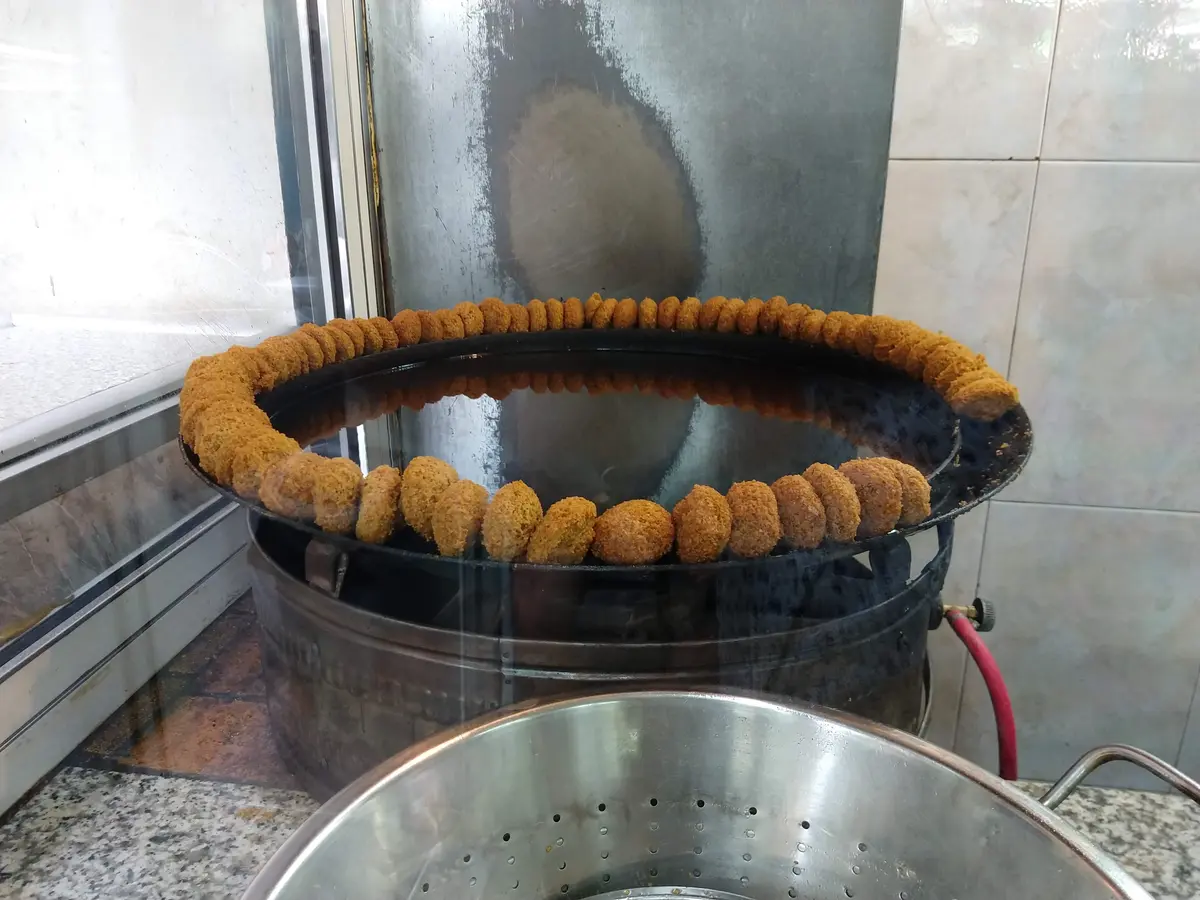
The post-club zaatar manoushe is the ritual. Near Mar Mikhael, Mashawish is the hole-in-the-wall everyone piles into. Barbar in Hamra runs 24/7 and has been the fallback since the 1970s. For a gourmet version open late in Mar Mikhael, FOUR is the move. Budget $4–$7 for a filled manoushe and a bottle of water.
Pro Tip: Order a zaatar w jebne (thyme and cheese) rolled, not flat — easier to eat in a moving taxi on the way back to your hotel.
Where to go out in Beirut — neighborhood by neighborhood
Beirut’s nightlife isn’t one scene, it’s five, and they don’t cross over much. Pick the right neighborhood for the night you want.
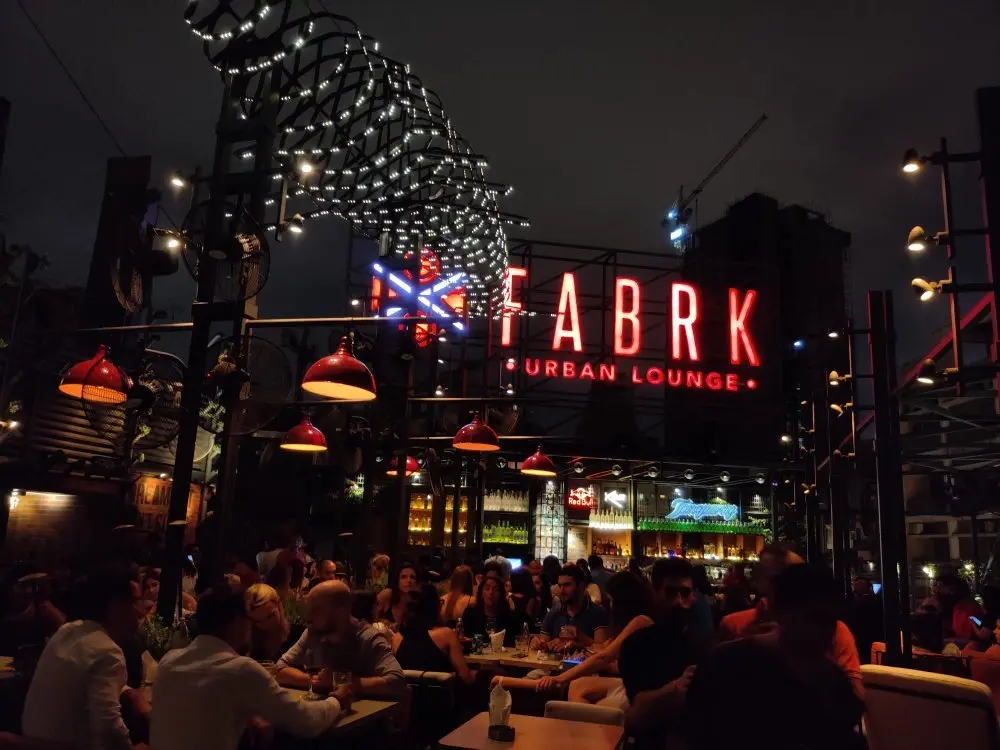
Mar Mikhael and Gemmayzeh — the main drag
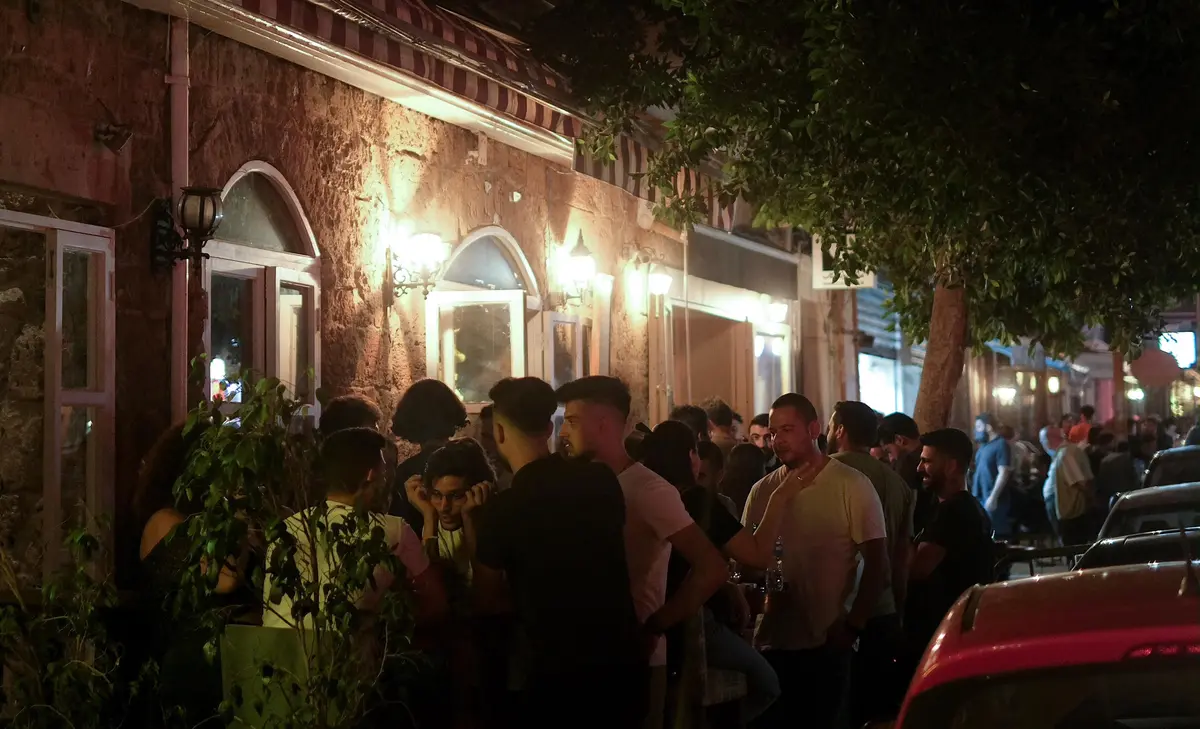
Two adjoining streets on the east side that function as one continuous bar crawl. Sidewalk drinking, dozens of back-to-back pubs, very little pretension at the street-level spots. Expect noise complaints from residents — the city has been tightening the rules, so some blocks quiet down earlier than they used to. Rooftop bars on Armenia Street get you out of the crush.
- Best for: Bar-hopping, first night in Beirut, groups without reservations
- Cost per drink: $8–$15
- Walk from downtown: 20 minutes
Badaro — where locals actually drink
South of the city center, less touristed, more neighborhood-pub feel. Sidewalk cafés, people-watching, tables that stay out late. If Mar Mikhael feels too much, this is the alternative.
Hamra — old Beirut, intellectual and calmer
West side, classic Beirut. More pubs and street cafés, fewer clubs. The crowd skews older and includes academics from the nearby American University of Beirut. Less frantic, cheaper drinks.
Karantina and the industrial quarters — where the megaclubs live
You do not casually walk to Karantina. You take an Uber or Bolt specifically to go to B018, The Grand Factory, or The Ballroom Blitz, and you take one home. The venues sit inside what used to be warehouses and cold-storage buildings near the port. This is the serious techno and house zone.
The Beirut waterfront — rooftops and open-air summer clubs
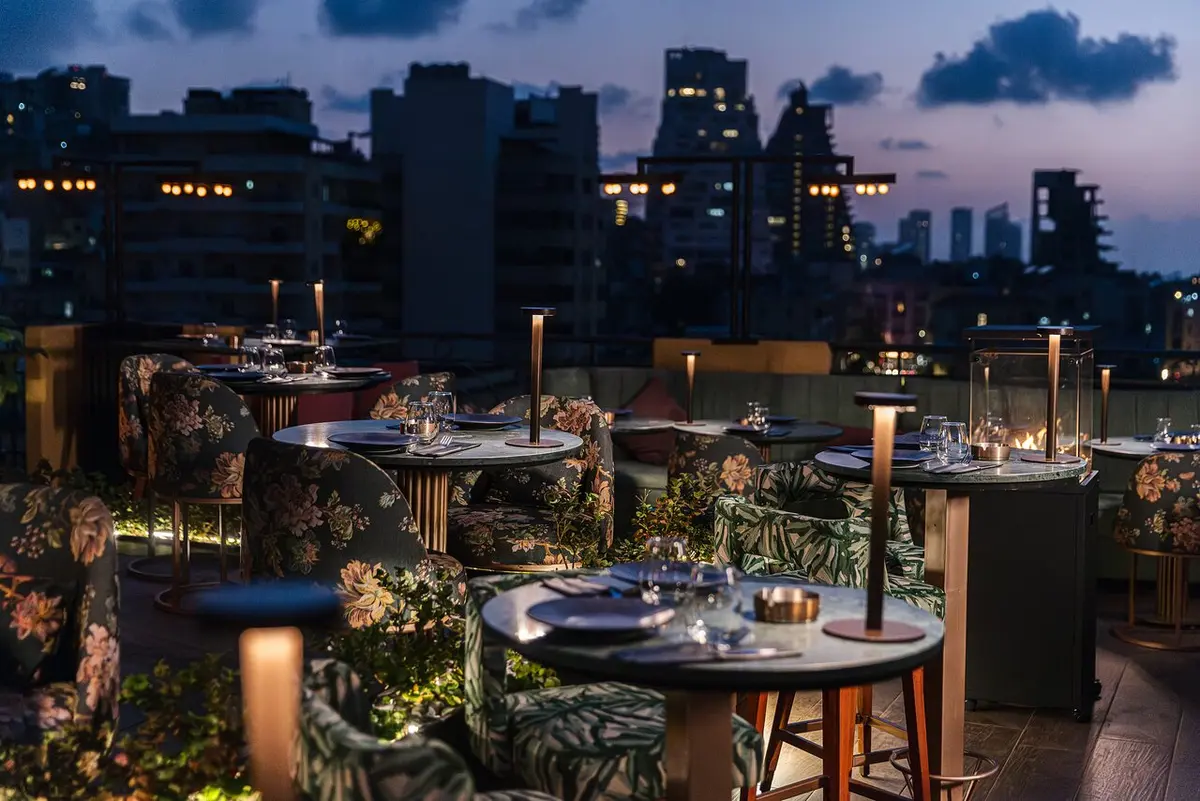
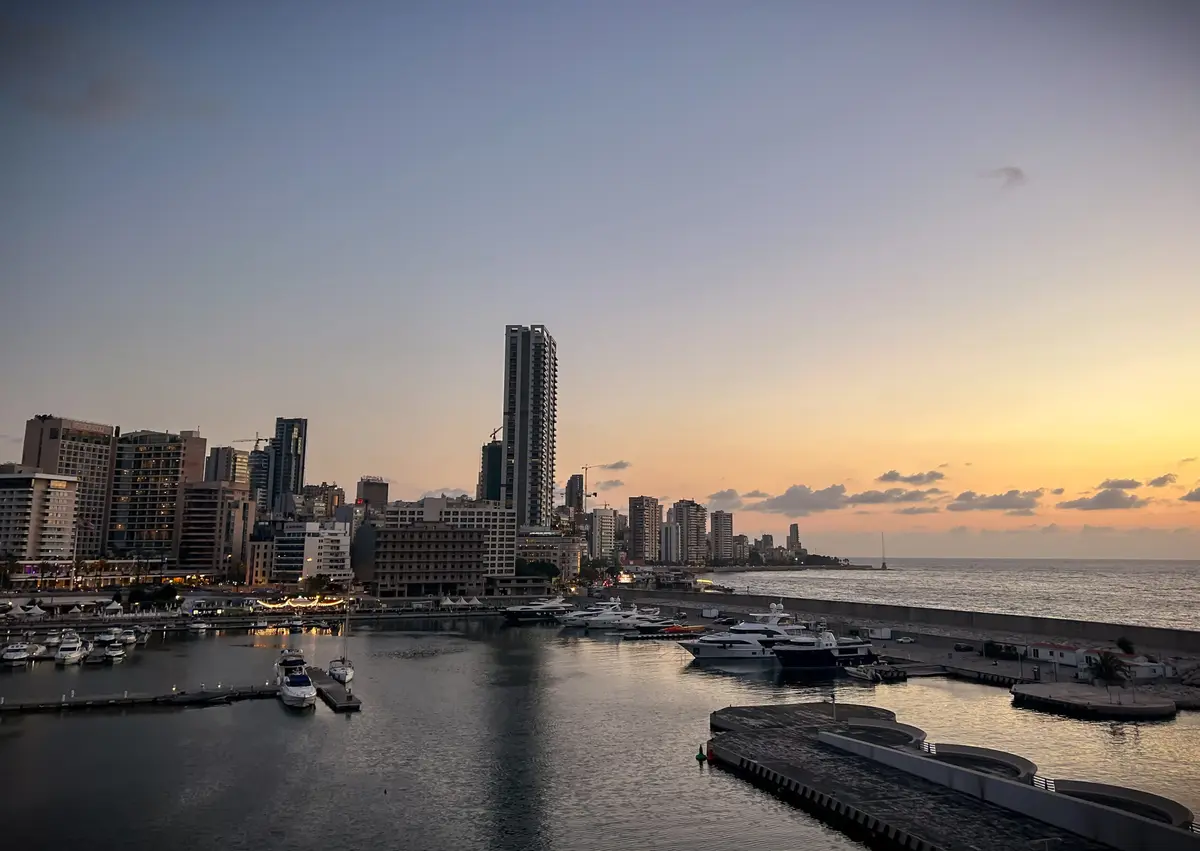
Skybar, AHM, and the newer rooftop openings cluster on or near Zaitunay Bay and the Dbayeh coastline. Sea breeze, city-skyline views, higher prices, stricter doors. The waterfront scene effectively runs May through October — winter, everyone migrates indoors.
The 5 Beirut megaclubs worth the hassle
These are the rooms that draw people off flights from Dubai, Paris, and Istanbul. They are not cheap and the doors are not easy, but each one earns its reputation.
1. B018 — the underground bunker that survived everything
Built inside a former quarantine camp in Karantina by architect Bernard Khoury, B018 is half nightclub, half architectural pilgrimage. You descend into a concrete bunker lined with mahogany. At dawn, the hydraulic roof retracts and the room opens to the sky. The club survived the 2020 port explosion that leveled most of its neighbors because it was built below grade — a fact locals mention with something between pride and dark humor.
Music leans techno, minimal, and darker electronic. Door is strict on male-only groups.
- Location: Karantina, near the Port of Beirut
- Cost: Cover $25–$40; drinks $12–$18; bottle service from $300
- Best for: Serious clubbers who want to say they’ve been to B018
- Time needed: Don’t arrive before 1:30 a.m.; roof opens around 5 a.m.
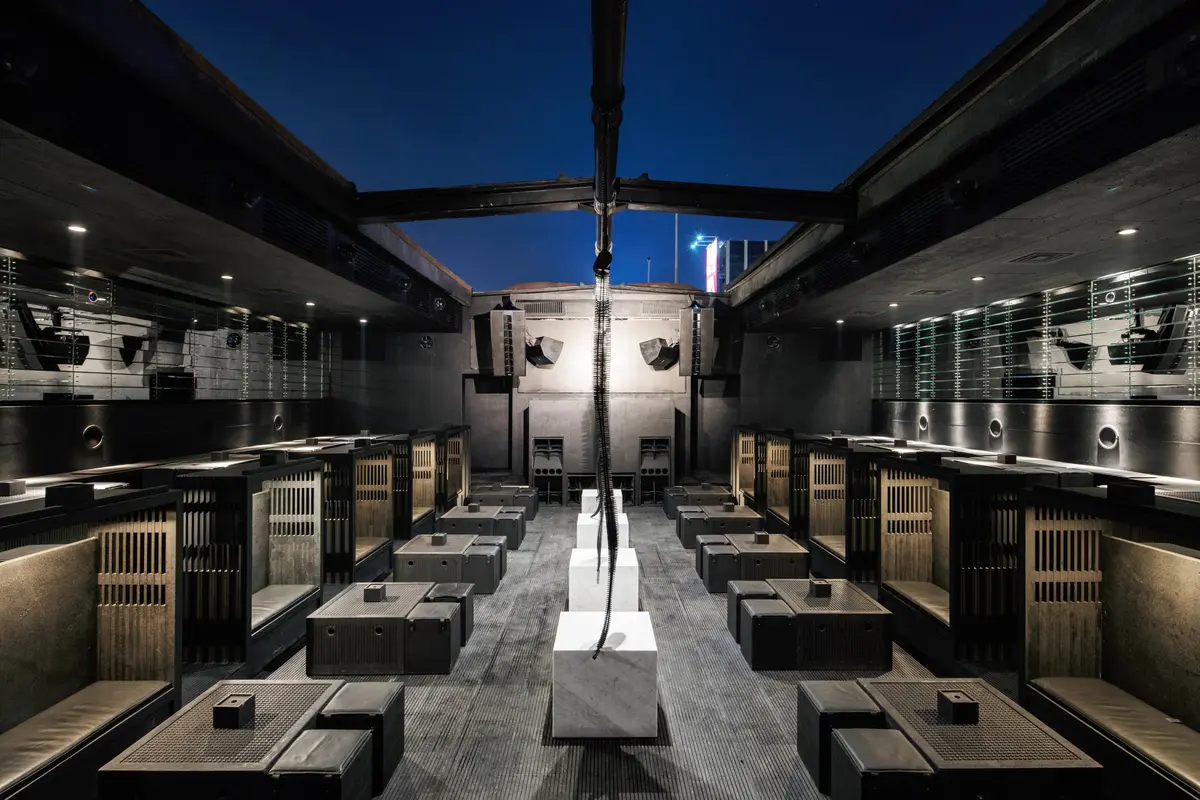
2. The Grand Factory — the industrial techno powerhouse
On top of a Karantina parking garage, accessed via a freight elevator that has become a running joke. Reopened in December 2022 after being destroyed by the 2020 port blast. Three rooms, different genres, serious sound system — the main room reliably books Berlin-circuit DJs.
- Location: Karantina, rooftop of the Central Park parking structure
- Cost: Cover $25–$35; drinks $10–$15
- Best for: House and techno heads
- Time needed: Peak is 2–4 a.m.
3. AHM — the open-air summer waterfront
Factory People’s summer sibling to The Grand Factory. Reopened in May 2023 after the port explosion damage. Open-air, waterfront, panoramic sea views, house and electronic programming. Only operates in the warm months — roughly May through September.
- Location: Beirut waterfront, Karantina side
- Cost: Cover $25–$40
- Best for: Summer nights, sunset-to-sunrise sets
- Time needed: Arrive 11 p.m.; many people stay until 6 a.m.
4. Skybar — the rooftop that won’t die
Skybar Chapter 2, the current iteration, sits on the Biel waterfront and has been destroyed and rebuilt more times than anyone keeps track of. This is the see-and-be-seen room — more commercial music, more bottle service, more dressed-up crowd than The Grand Factory. Summer only.
- Location: Biel rooftop, Beirut waterfront
- Cost: Bottle service minimums $500–$1,500; walk-in extremely difficult on weekends
- Best for: Big-night-out crowds, first-timers who want the postcard
- Time needed: Opens 10 p.m.; peak midnight–3 a.m.
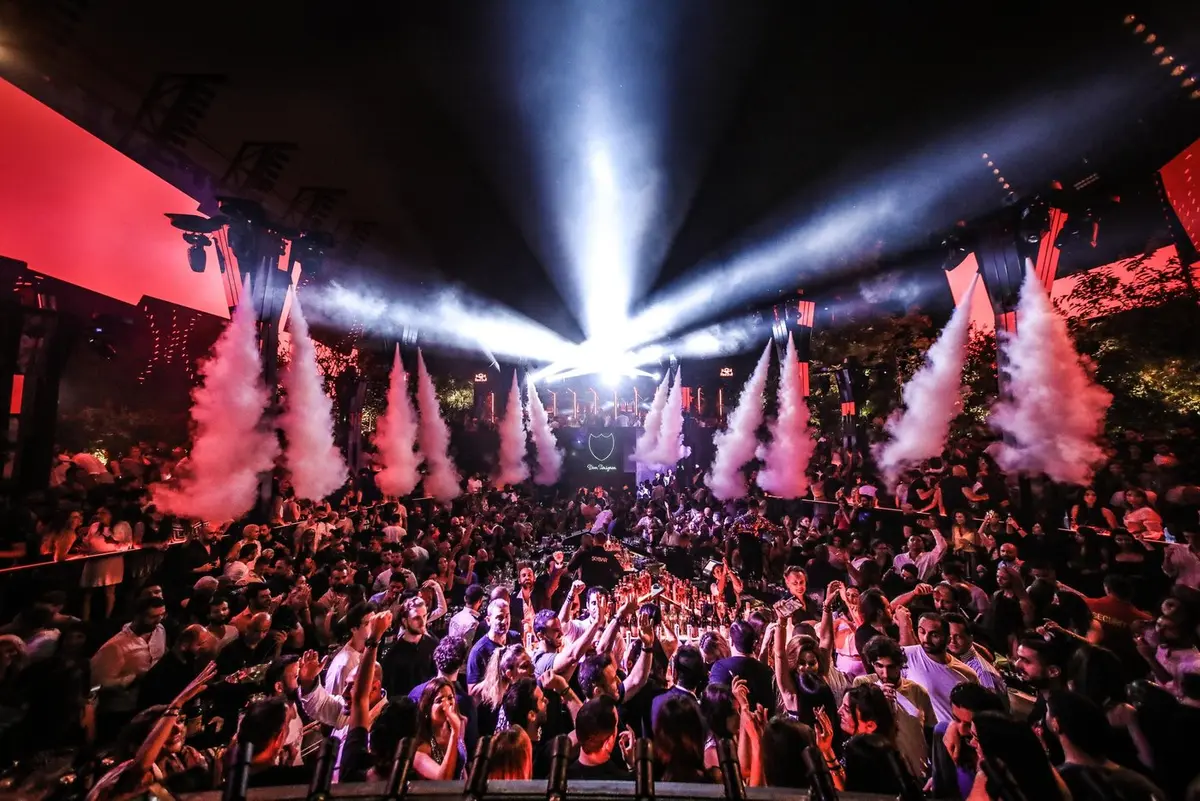
5. SPINE — the design-forward luxury rooftop
Upscale, strict 25-plus door at peak hours, architecturally ambitious. The room transitions across the night from a set dinner format to a full lounge party, with the lighting and music following. More restrained than Skybar but more polished.
- Location: Beirut rooftop (check address at time of booking — venue has moved)
- Cost: Dinner from $80 per head; bottle service from $400
- Best for: Couples, older crowd, a quieter big night
- Time needed: Dinner 9 p.m.; party 11 p.m.–3 a.m.
Pro Tip: Reservations aren’t optional at any of these five. Book via Instagram DM — every major venue in Beirut runs its door through Instagram and WhatsApp, not a website.
What are the best cocktail bars in Beirut?
Beirut‘s bar scene has matured into one of the more serious in the Levant. Central Station in Mar Mikhael has ranked on the World’s 50 Best longlist, and Centrale — entered through a giant industrial pipe in Saifi — runs a rooftop that retracts like B018’s. These are bars that take their technique seriously, with $14–$20 cocktails and menus that change seasonally.
The so-called speakeasies
Beirut “speakeasies” are not Prohibition-style hidden doors — they’re just exclusive cocktail rooms with strict capacity. The Grid Society in Mar Mikhael blends the format with a bottle-shop concept. LucyLu in Gemmayzeh is the newer arrival with a short, elevated food menu.
The craft cocktail meccas
Centrale in Saifi is the architectural set piece — you walk in through the pipe, the ceiling opens, the bar program is excellent. Central Station is the purist pick, quieter and more focused on what’s in the glass.
Live music and the one-man-show venues
Music Hall Starco and Antika Bar run a format specific to Lebanon: one singer or ensemble working through Arabic classics and pop for a seated, table-service crowd that sings every word. It’s a cultural experience more than a club night, and it requires bottle service or a dinner reservation. Budget $100+ per person.
What about nightlife outside Beirut?
The coast north of Beirut runs a completely different party scene. Two towns matter.
Byblos (Jbeil) — partying inside a 7,000-year-old souk
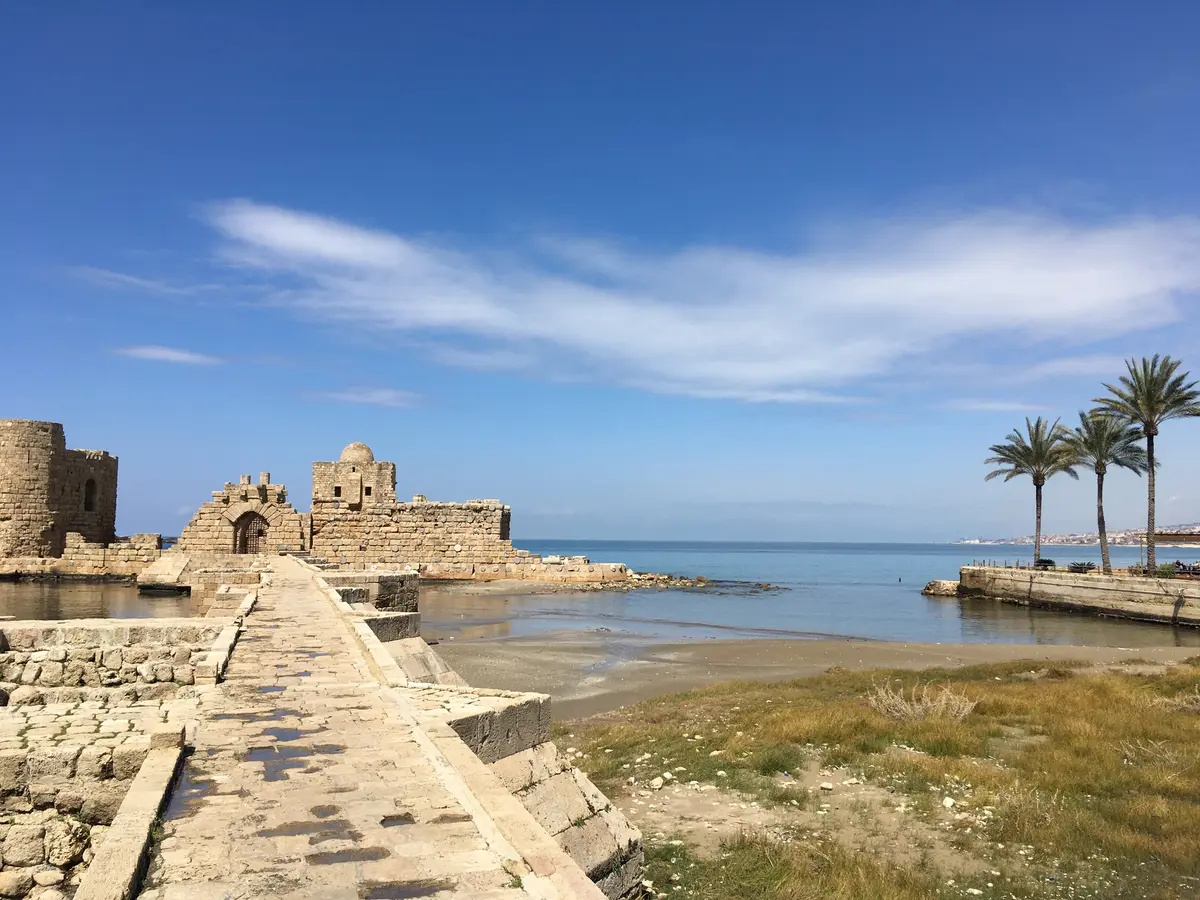
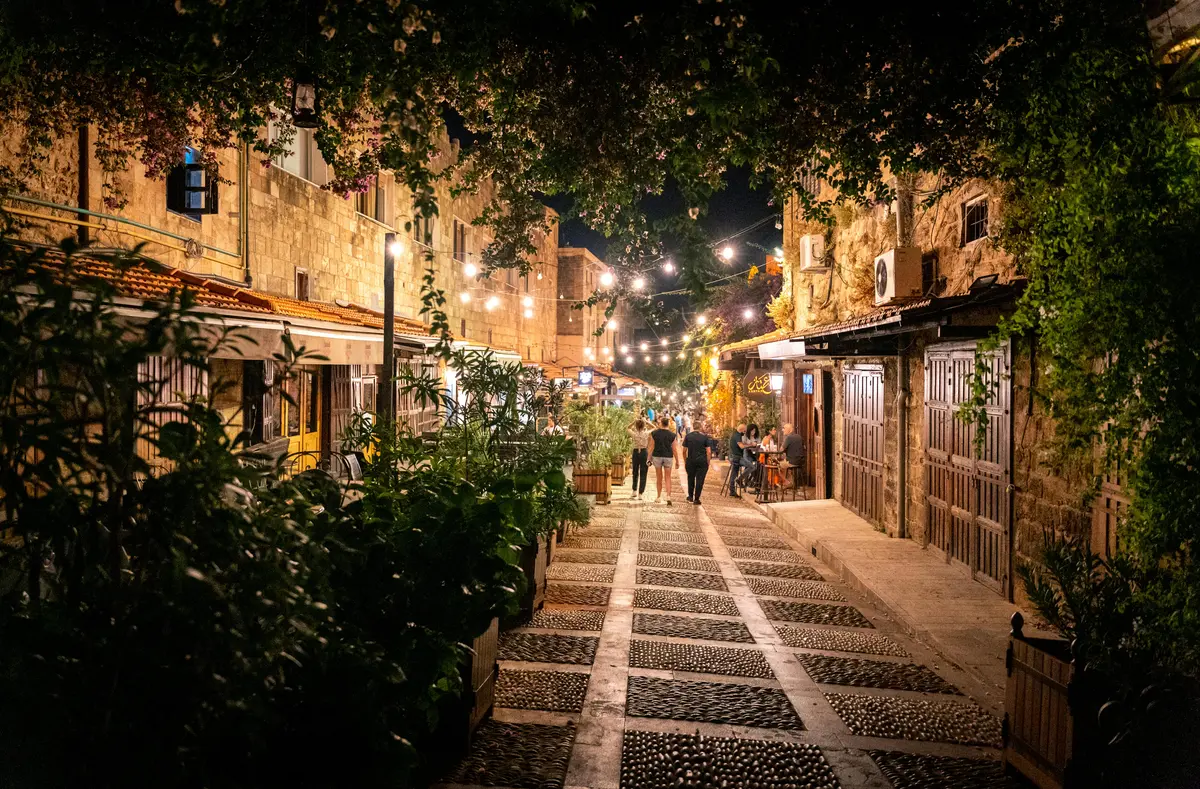
Byblos has something no city nightlife can match: the bar strip sits inside the old stone souk of a 7,000-year-old port town. You drink on cobblestones between Crusader walls and Phoenician ruins. Ashtar does jazz and classic cocktails. Frolic Pub & Café leans modern pub. It’s about 25 miles (40 km) north of Beirut — roughly 45 minutes by car if traffic is calm, closer to 90 on a Friday night.
Batroun — Lebanon’s summer beach-club capital
Batroun is the Mykonos of Lebanon — day-to-night beach clubs along a stretch of coast about 35 miles (56 km) north of Beirut. Orchid is the upscale end, Pierre & Friends is the laid-back surfer-adjacent pick. You can arrive at 2 p.m., swim, eat, and still be dancing barefoot on sand at 2 a.m. Weekends July through September are the peak — book beach beds ahead.
Pro Tip: If you’re driving back to Beirut from Batroun after midnight, take the coastal highway, not the old road. It’s faster and better lit, and the army checkpoints are quicker with tourists.
How much does a night out in Lebanon cost?
A night in Beirut now runs in US dollars, effectively. The Lebanese pound collapsed in 2019 and the hospitality economy re-priced everything in USD — cash is fine, Visa and Mastercard work at most venues, and ATMs dispense both currencies. Plan for:
- Beach club entry (Batroun): $20–$40
- Megaclub cover: $25–$40
- Cocktail at a top bar: $14–$20
- Beer at a Mar Mikhael pub: $5–$8
- Bottle service minimum: $300–$1,500 depending on room
- Manoushe run at 4 a.m.: $4–$7
- Big night out, walk-in, no bottle: budget $80–$120 per person
- Big night out with a table: $150–$250 per person
How do you get around Beirut at night?
Uber works in Beirut and is the default for most tourists — pickup times are usually under 10 minutes in the core neighborhoods, and you’ll want to switch your account to cash payment because many drivers cancel on card-only passengers. Bolt launched here a few years ago and often prices slightly cheaper than Uber. Careem, which used to be the third option, has wound down. Street taxis exist but meters don’t — you negotiate before getting in, and tourists get quoted two to three times the real fare.
Avoid these scams
- Airport touts: The arrivals hall at Rafic Hariri International is aggressive. Pre-book your hotel transfer or walk past the terminal and order an Uber from outside.
- Service vs. private taxi confusion: A “service” (pronounced ser-vees) is a shared taxi at a flat low fare. Confirm before getting in whether it’s service or private — some drivers pick up a tourist as service and charge private rates on arrival.
- Currency vagueness: Confirm upfront whether the fare is in dollars or pounds. “Five thousand” in pounds is pennies; “five” in dollars is a real fare.
Pro Tip: Install both Uber and Bolt before you land and add your credit card to both. Then switch to cash payment in-app. You’ll get picked up faster than tourists using only one.
Before you book
Lebanon nightlife is expensive, intense, and logistically demanding, and it exists inside a country under a Level 4 US travel advisory. None of that is a reason it doesn’t happen — the scene is running at a level of polish and music quality that rivals any European capital, and the people who love it love it with an intensity you don’t see elsewhere.
TL;DR: Beirut’s nightlife is the best in the region and it’s running in USD. Stay in Mar Mikhael, Gemmayzeh, or near the waterfront; reserve any megaclub via Instagram ahead of time; use Uber or Bolt, not street taxis; and read the US State Department advisory before you book a flight — a Level 4 rating changes your insurance math.
What’s the one thing about Beirut nightlife nobody warned you about on your last trip? Drop it in the comments.