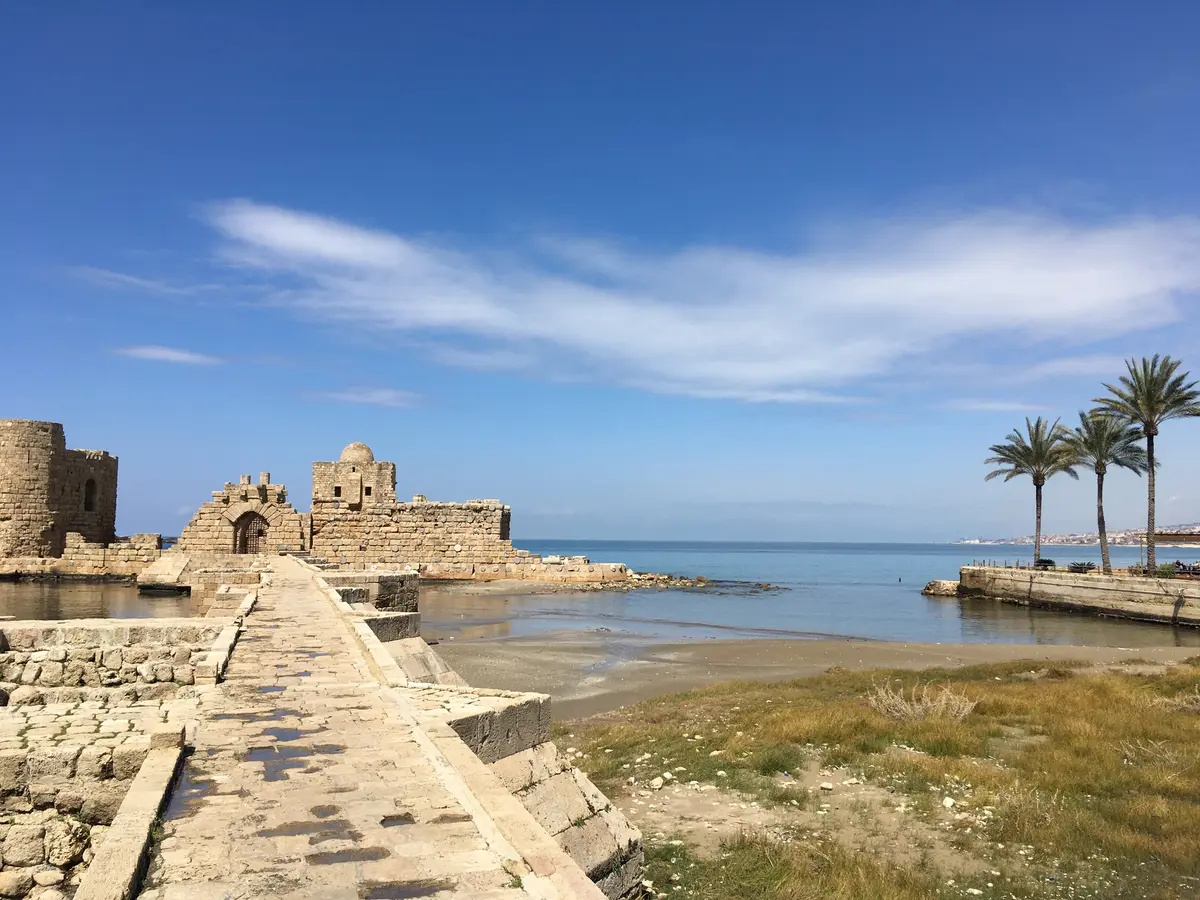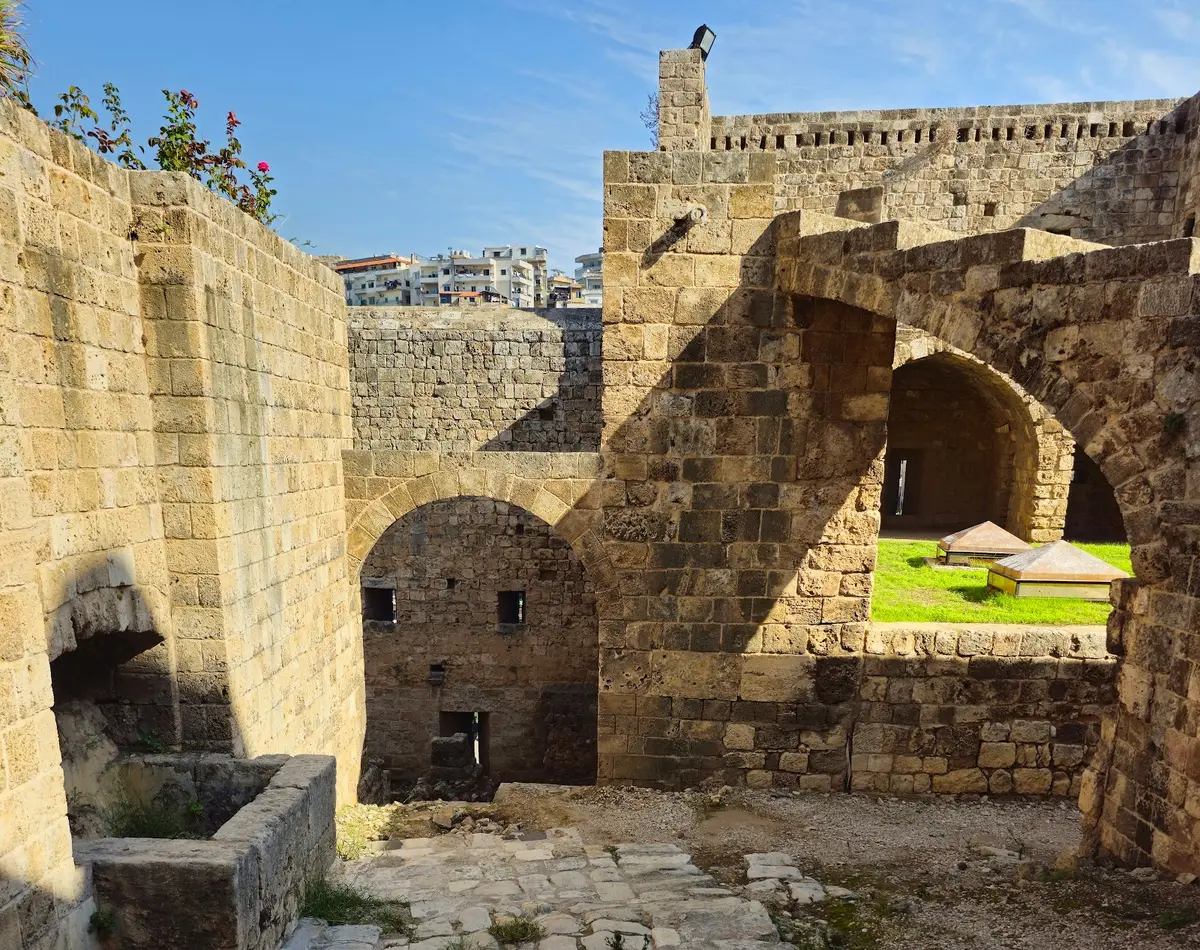
Lebanon markets don’t fit one mold. In a three-hour drive you go from a reconstructed downtown shopping district with Rolex next to Roman ruins, to a highway-underpass flea market where Bedouin silver sits on a blanket next to used phone chargers. This is an honest guide to the seven markets that actually matter — what each one delivers, what it doesn’t, and how to navigate them without getting ripped off.
Pro Tip: Read the “Is Lebanon safe to visit right now?” section before you book anything. The US State Department advisory is at its highest level, and that changes how you plan — not necessarily whether you go.
1. Beirut Souks — downtown’s slow comeback
Vibe Check
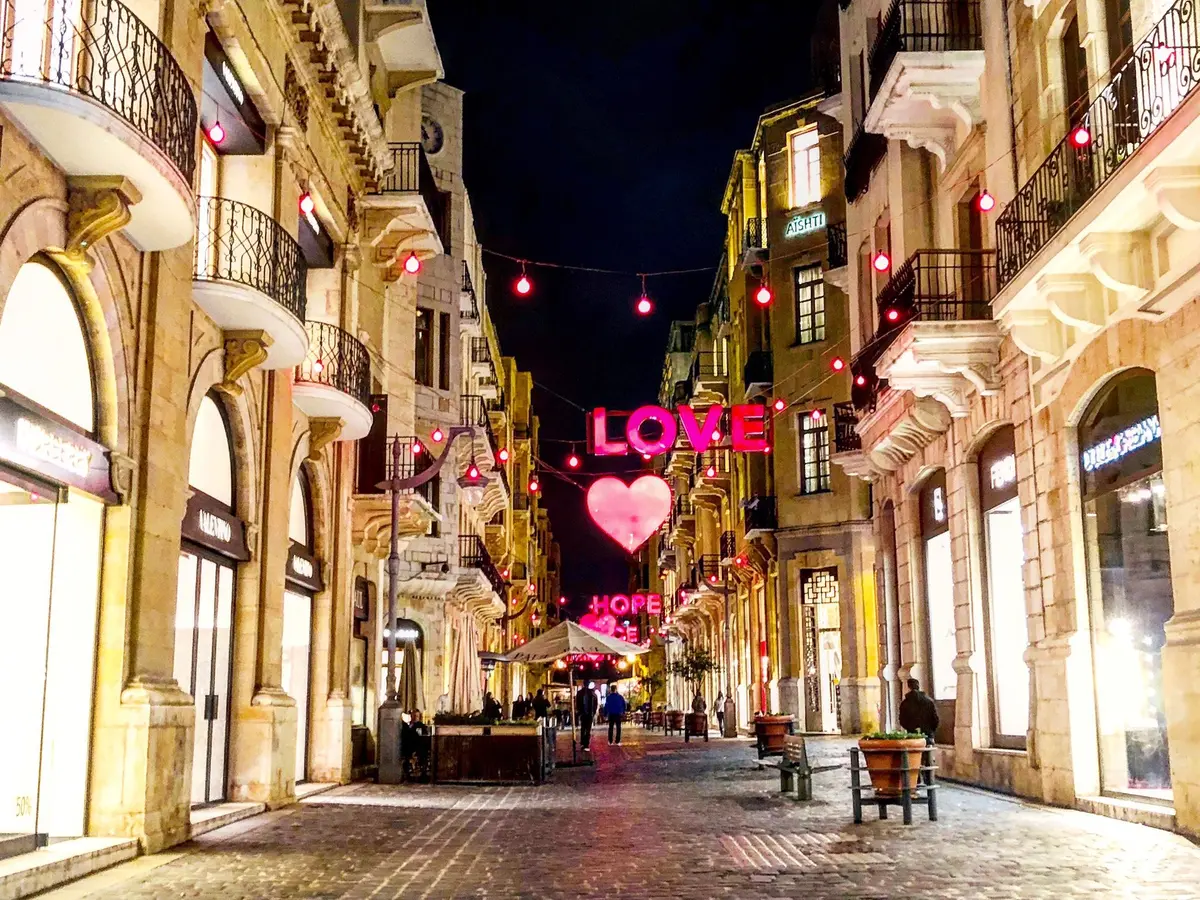
The Beirut Souks are not a souk in the traditional sense. They’re a pedestrianized downtown shopping district of honey-colored limestone arcades, laid out on the old Hellenistic street grid, with archaeological ruins exposed through glass panels under your feet. At 11 a.m. on a weekday, the place is quiet enough that you can hear your own footsteps on the stone. By 7 p.m., especially on weekends, the lighting turns the stonework gold and the food-court terraces fill up.
The Verdict
After years of sitting mostly empty through the economic collapse, the port blast and the 2024 conflict, the Souks are visibly recovering. More than 60 stores are operating and occupancy is around 80%, with international fashion chains (Mango, Massimo Dutti, Bershka, Stradivarius, Adidas) anchoring the bulk of the space and higher-end names (Rolex, TUMI, Louis Vuitton, Bottega Veneta) still present. If you came expecting a chaotic oriental bazaar, you’ll be disappointed — go to Tripoli or Bourj Hammoud for that. Come here for safe, air-conditioned browsing, dinner with kids in tow, and the surreal experience of walking past Phoenician commercial ruins on your way to a Zara café.
Quick Stats
- Location: Beirut Central District, bounded by Weygand Street, Allenby Street and Patriarch Howayek Street
- Cost: Free to enter; shops priced in USD at international retail rates
- Best for: Families, first-time visitors who want a low-stakes introduction, evening strolls
- Time needed: 1-2 hours
Pro Tip: The archaeological walkways on the south side (near Souk al-Tawileh) are the photo you actually want — fewer people post them because they’re tucked behind the Moneo-designed arcade. Go at golden hour.
2. Souk El Tayeb — the farmers market that matters
Vibe Check
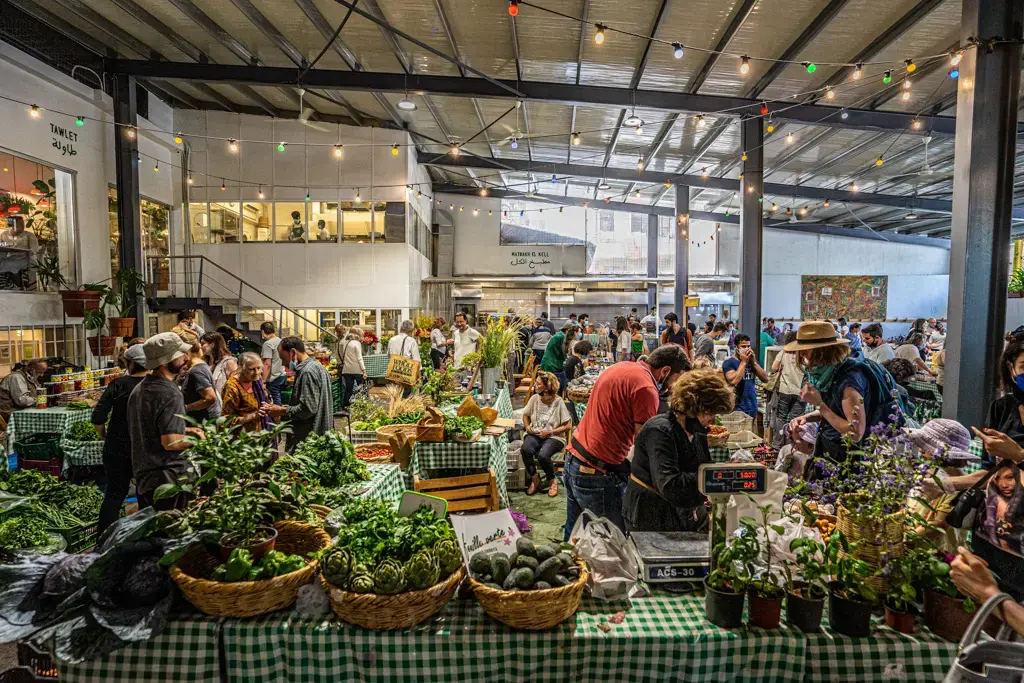
Every Saturday, 9 a.m. to 2 p.m., the Mar Mikhael warehouse on Armenia Street fills with roughly 60 to 100 small producers from villages across the country. The air smells like zaatar, cardamom coffee and grilled halloumi, with citrus from the south layered over it. You hear Arabic, French and English in overlapping waves. The roof of this warehouse was blown off in the 2020 port blast; the photos on the walls inside document that. It reopened and has kept running every Saturday since.
The Verdict
This is the single best market experience in the country for a food-curious traveler. You’re not buying souvenirs — you’re buying mouneh (preserved pantry staples): wild mountain zaatar blends, pomegranate molasses, dried yogurt balls in olive oil, orange blossom water, arak from small distillers. Prices run higher than a Spinneys supermarket, and that’s the point. The catch is the limited schedule. If your trip doesn’t include a Saturday morning in Beirut, you miss it entirely.
Quick Stats
- Location: Armenia Street, Mar Mikhael, Beirut (the old Fiat garage building)
- Hours: Saturdays, 9 a.m. to 2 p.m.
- Cost: Free entry; products $3-$20
- Best for: Food travelers, anyone staying in an apartment with a kitchen, gift shoppers
- Time needed: 60-90 minutes, plus lunch
Pro Tip: The founders also run satellite markets — Tuesdays at IRAP Accueil in Rabweh and Wednesdays at ABC Achrafieh mall, both 9 a.m. to 2 p.m. (Wednesday runs later, to around 6 p.m.). If Saturday is a no-go, these are your backup.
Pro Tip: Pair the market with lunch upstairs at Tawlet, the on-site farmers’ kitchen. The daily-changing buffet is cooked by a rotating cast of home cooks from different regions — it’s $33 per person, all you can eat. Reserve ahead on Saturdays or you’ll wait 45 minutes.
3. Souk El Ahad — the flea market under the highway
Vibe Check
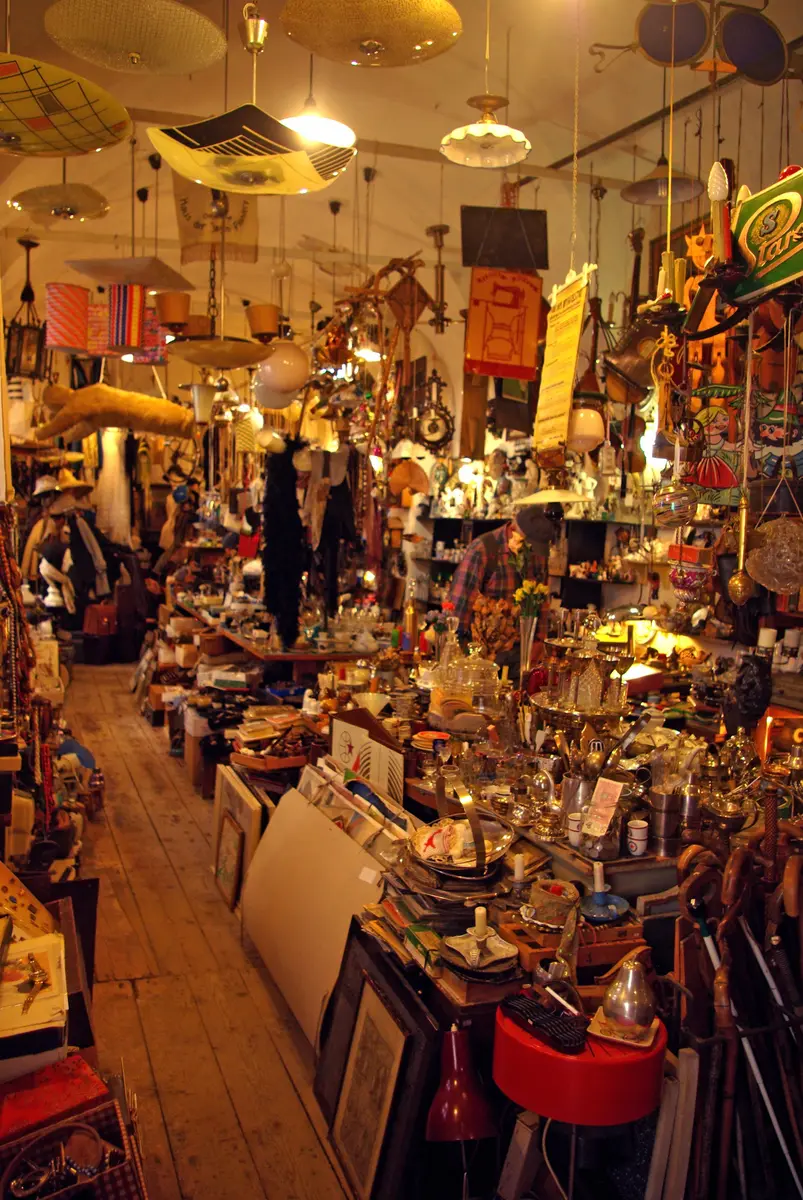
This is the antidote to downtown. Souk El Ahad sprawls under the Sin el Fil highway overpass on the city’s eastern edge, and the sensory hit is immediate: diesel exhaust, roasting corn, dust, the rumble of cars overhead, Fairuz playing from one stall, 2000s Arabic pop from the next. Tarps and sheet-metal roofs string together hundreds of stalls over broken concrete. Nobody here is performing for tourists.
The Verdict
Most of the inventory is junk — fast-fashion knockoffs, used phone chargers, dented aluminum pots, toys still in their blister packs from 2009. But there are treasures if you have the patience to dig. The antiques section near the main entrance turns up vintage brass coffee pots, Ottoman-era copper trays and Bedouin silver jewelry — examples of traditional Lebanese crafts at a fraction of what the Gemmayze antique shops charge. The secondhand clothing rows attract local stylists hunting for vintage denim. I’ve seen tourists walk through in 20 minutes and miss everything; locals take two hours.
Quick Stats
- Location: Under the Sin el Fil highway bridge, east Beirut
- Hours: Sundays only, roughly 6 a.m. to 2 p.m. (mornings are best)
- Cost: Free entry; everything negotiable and cheap
- Best for: Vintage hunters, photographers, travelers comfortable with chaos
- Time needed: 2 hours if you’re digging
Pro Tip: First price is always at least double. Counter with one-third, settle around half. Do it with a smile — vendors here enjoy the haggle, and refusing to negotiate reads as rude.
4. Bourj Hammoud — the Armenian craftsmen’s quarter
Vibe Check
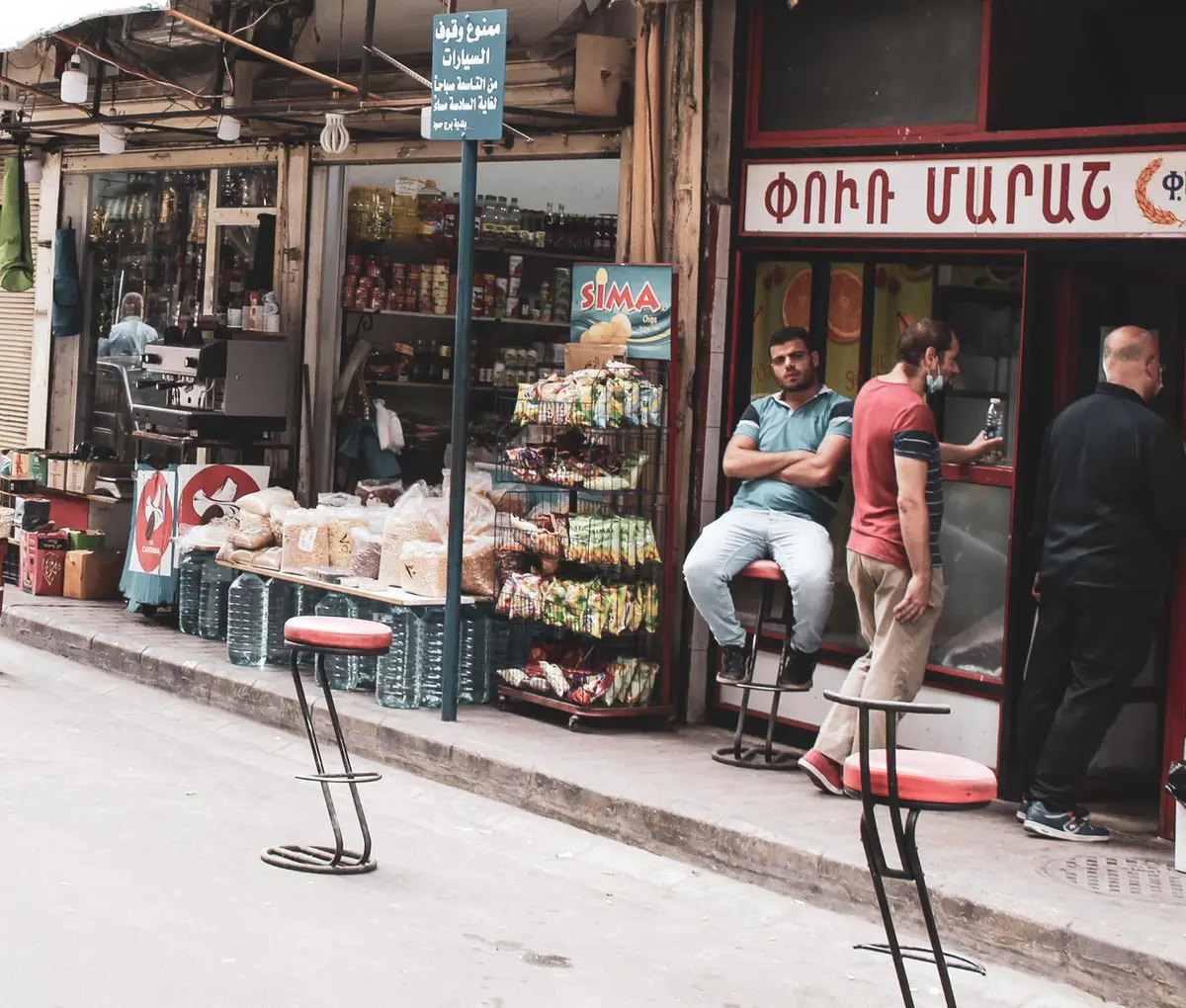
Bourj Hammoud is not a single market; it’s a city-within-a-city northeast of downtown, built by survivors of the Armenian genocide a century ago. Narrow streets are lined with goldsmith workshops, spice traders, shoemakers, butchers hanging cured basturma in the windows. The pace is fast, the sidewalks narrow, the air heavy with cumin and fenugreek on the spice streets and charcoal smoke wherever there’s a grill going.
The Verdict
For craftsmanship, this is the place. The goldsmith district on and around Arax Street is where most of the custom jewelry sold in Beirut’s boutiques is actually made. Walk into a workshop, explain what you want, and you can commission a piece at 30-40% below downtown retail — but you need two visits (consultation and pickup) and ideally a reference photo. The spice souk is widely considered the best in the country; the cured meats (basturma, soujouk) are a regional specialty. Downside: it’s loud, crowded, and nearly impossible to navigate without a plan or a local friend. Street parking is a nightmare.
Quick Stats
- Location: Bourj Hammoud, 2 miles (3 km) northeast of downtown Beirut
- Cost: Custom gold 30-40% below boutique retail; spices $3-$8 per 100g
- Best for: Commissioning jewelry, buying spices, a sensory walk
- Time needed: 2-3 hours
Pro Tip: Taxi in rather than drive. Tell the driver “Arax Street” if you’re going for gold, or “Marash” for food. The streets are one-way and the grid defeats Google Maps.
5. Tripoli Old Souks — medieval alleys and handmade soap
Vibe Check
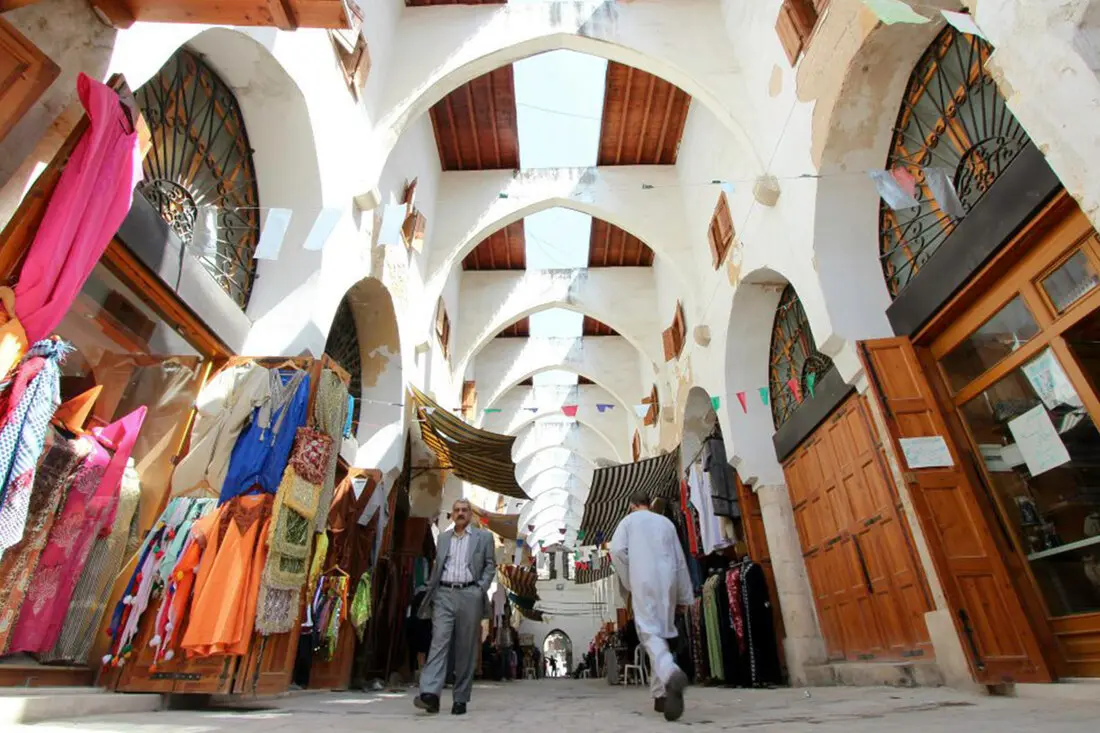
Tripoli’s Old Souks are the closest thing Lebanon has to a traditional Middle Eastern bazaar. Vaulted sandstone corridors date back to the 14th century, and the trades are still organized the medieval way: tailors in one khan, goldsmiths in another, soapmakers in a third, coppersmiths hammering on a fourth street over. The rhythmic metal-on-metal ring from the coppersmiths is the sound that defines the place. Light filters through small skylights onto uneven stone floors worn smooth by centuries of foot traffic.
The Verdict
If you want authenticity, you come here — not Byblos. Khan al-Saboun (the Soap Khan), built in the early 17th century as an Ottoman barracks, is still a working soap factory. You can watch olive-oil soap being boiled in open vats, a process essentially unchanged for 500 years. Khan al-Khayyatin (the Tailors’ Khan), a restored 14th-century caravansary, is the most architecturally striking of the lot. Tripoli also has the cheapest street food in the country — a full meal of kaak, knefeh and a coffee runs about $5. The honest downsides: the alleys are disorienting, the density is overwhelming, and the city has a tense political history that makes first-time visitors nervous.
Quick Stats
- Location: Old City, Tripoli — 50 miles (80 km) north of Beirut
- Cost: Olive-oil soap bars $3-$8; custom copper pieces $40-$150
- Best for: History-minded travelers, craft shoppers, anyone who wants the real thing
- Time needed: Half a day minimum
Pro Tip: Hire a local guide at the Clock Tower for $30-$50 for half a day. The souks look small on a map but the alleyways are a genuine labyrinth, and you’ll see twice as much with someone who knows which coppersmith’s son is the best to talk to.
Pro Tip: Skip the polished tourist soap shops. Ask for Sharkass or Bader Hassoun for the old-school olive-oil bars — the difference in quality is obvious when you smell them side by side.
6. Sidon Old Souk — the calmest historic market
Vibe Check
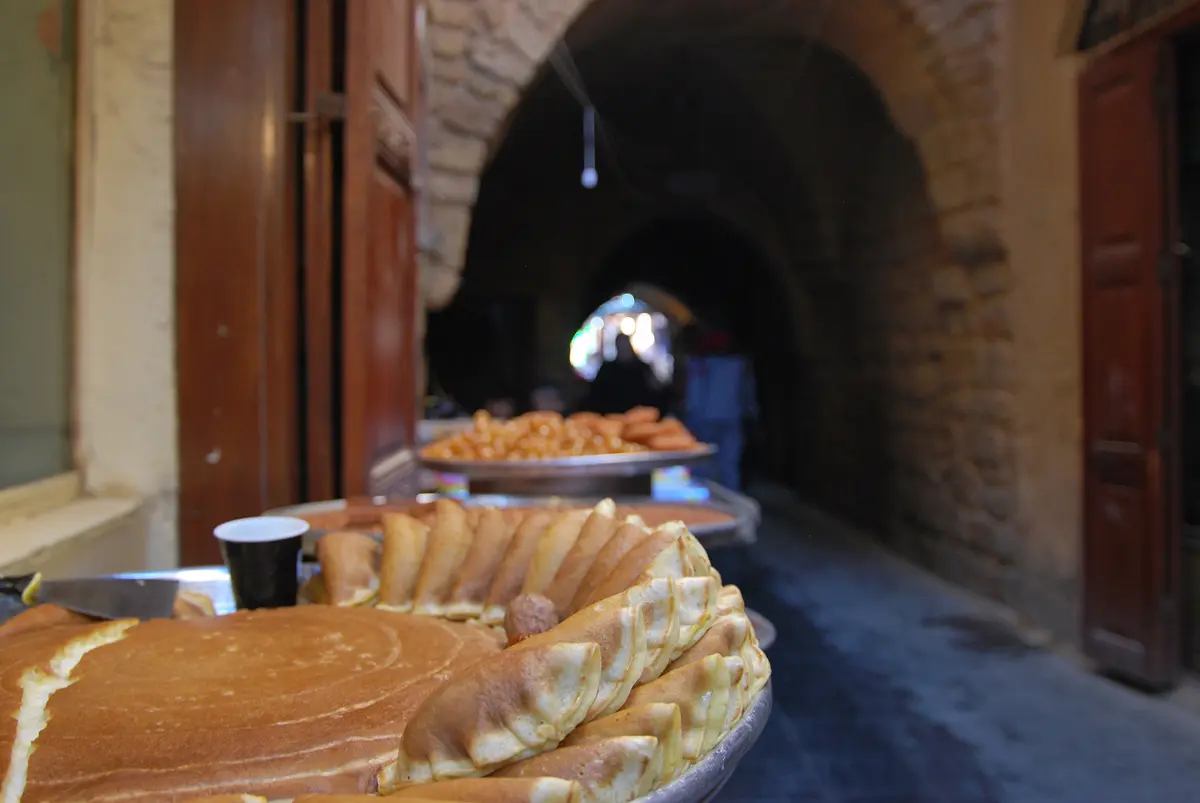
Sidon’s souk feels gentler than Tripoli’s. It’s a single long vaulted tunnel connecting the Sea Castle on the harbor to the Great Omari Mosque inland, about 650 yards (600 m) end to end. Carpenters’ workshops open directly onto the walkway; sawdust drifts into the stone corridor. Several restored khans open off the main drag into quiet interior courtyards — stepping into one is a 15-degree temperature drop and an instant drop in noise.
The Verdict
This is the most accessible of the traditional Lebanon markets. Cleaner than Tripoli, better lit, shorter to walk, and the vendors are patient with first-timers who don’t speak Arabic. Local specialty sandwiches (lahm bi ajeen and the regional kaak) are cheap and excellent. Sidon is also the only place to find sanioura, a dry, crumbly cardamom shortbread made nowhere else. The friction point: not much happens after 6 p.m., so plan it as a day trip rather than an evening.
Quick Stats
- Location: Old City, Sidon (Saida) — 25 miles (40 km) south of Beirut
- Cost: Street food $2-$6; handmade goods $10-$40
- Best for: Day-trippers, travelers who found Tripoli overwhelming, families
- Time needed: 2-3 hours, including the Sea Castle next door
Pro Tip: Combine the souk with the Sea Castle (5-minute walk from the souk entrance) and the Soap Museum on Mutran Street. All three together make a tight half-day.
7. Byblos Souk — polished, romantic, tourist-ready
Vibe Check
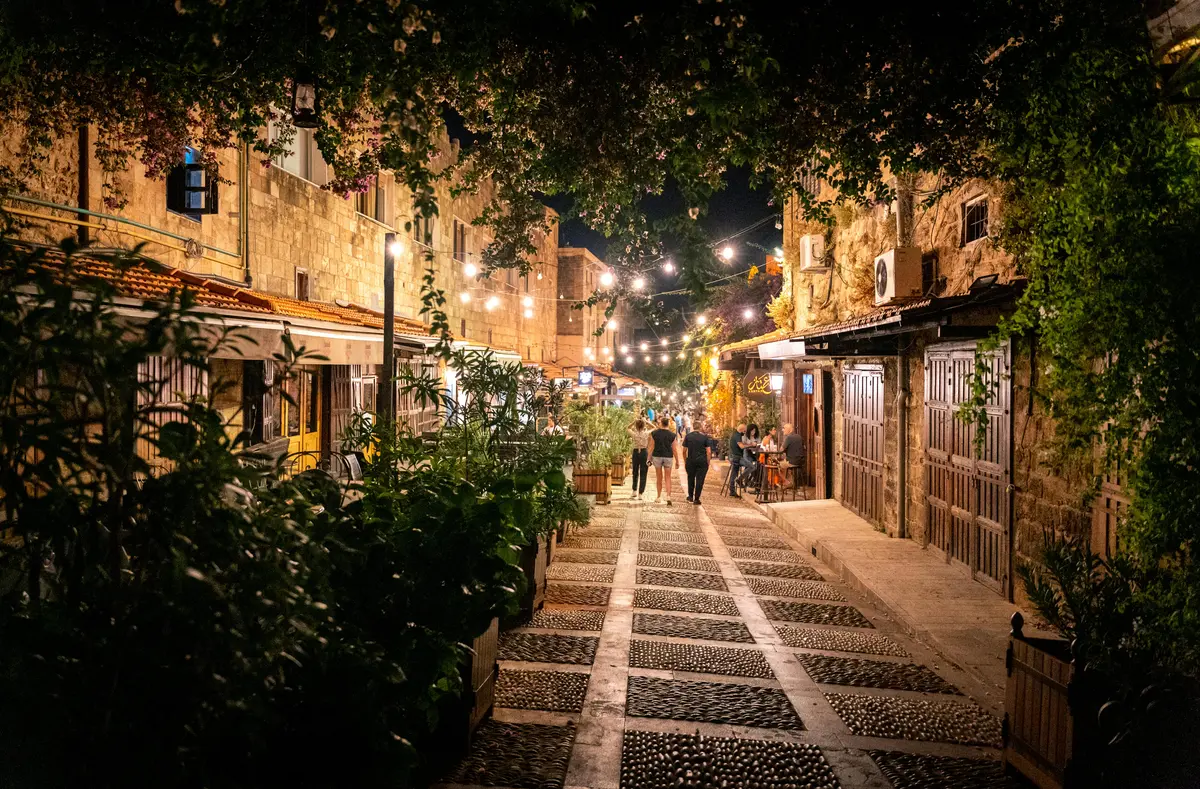
Byblos has been continuously inhabited for around 7,000 years, but its souk is the newest feeling on this list. Restored cobblestone lanes, potted bougainvillea, gallery-style lighting, cafés with harbor views, boutiques selling artisanal jewelry and fossils (this stretch of coast sits on a Cretaceous fish-fossil layer that genuinely produces what the shops sell — though provenance varies). After dark, the souk turns into a wine-bar and restaurant district spilling onto the old port.
The Verdict
The most family-friendly and the least authentic. If you want a romantic evening, sunset dinner by the harbor, or a quick shop-and-stroll with elderly relatives, Byblos is the pick. If you came for the raw, hammering, haggling version of Lebanon markets, skip it — go 50 minutes north to Tripoli instead. Prices are roughly 30% above comparable items in Sidon or Tripoli; the premium is for the setting.
Quick Stats
- Location: Old Byblos (Jbeil), 23 miles (37 km) north of Beirut
- Cost: Fossils $15-$200 depending on size; restaurants $30-$60 per person
- Best for: Couples, families with older relatives, date nights
- Time needed: 2-3 hours, longer if you stay for dinner
Pro Tip: Verify fossil provenance before paying over $50. Reputable shops will give you a written note and point to the quarry; sketchy ones won’t. Many small “fossils” at the cheaper end are Moroccan imports priced as local.
Is Lebanon safe to visit right now?
The US State Department has Lebanon at Level 4 “Do Not Travel” as of February 2026, citing crime, terrorism, kidnapping risk, unexploded ordnance and armed conflict. Non-emergency embassy staff and their families have been ordered to depart. The advisory is higher than Iraq’s current level. Central Beirut and the markets covered in this guide are, in practice, functioning — but this is a serious heightened-risk environment, not a normal travel destination.
Within the country, risk is very uneven. Downtown Beirut, Hamra, Gemmayze, Mar Mikhael, Achrafieh, Byblos, Batroun and Bcharre operate more or less normally. Avoid everything south of Sidon, the Beqaa Valley, the Dahieh southern suburb of Beirut, the Syrian border area and any Palestinian refugee camp. Intra-sectarian flare-ups have happened in Beirut’s Khaldeh area as recently as March 2026.
Practical reality for a markets-focused trip: the seven markets above are all in areas currently considered the safest parts of the country. But US travel insurance typically voids coverage in Level 4 destinations, your embassy is operating with reduced staff, and the security picture can change in hours. Register with STEP before you go, have a same-day exit plan, and don’t take the decision lightly.
Pro Tip: Photograph your passport, Lebanese visa and vaccination record, email them to yourself, and save offline copies. If the airport closes (it has, multiple times), you’ll want these accessible from a phone with no signal.
How do you pay at Lebanon markets?
Bring US dollars in cash — clean, new bills, no tears, no writing. Lebanon runs a parallel economy: the official peg is dead, the Lebanese pound floats around 89,000-90,000 to the dollar, and most transactions outside high-end Beirut venues happen in USD. Beirut Souks and major restaurants accept cards; everywhere else (Souk El Ahad, Tripoli, Bourj Hammoud workshops, street food) is cash.
What bills to bring
- Denominations: Mix of $1, $5, $10, $20, and $100 notes. Small bills matter — a $3 sandwich vendor won’t break a $100.
- Condition: New-series only. Pre-2013 $100 bills get refused constantly. Any tear, stamp or marker line makes a bill unusable.
- How much: Budget $50-$100 in cash per day for markets, street food and taxis. More if you’re commissioning jewelry or buying serious quantities of mouneh.
ATMs and exchange
ATMs are unreliable — some dispense dollars, some pound, some nothing at all, and foreign-card withdrawal limits are low and poorly documented. Reputable money changers in Hamra and Achrafieh give better rates than hotels. Do not exchange at the airport except for a small starter amount.
Pro Tip: If a Beirut bill comes in “lollar” dollars (the bank-restricted USD) at a dramatically reduced rate, ask to pay in fresh cash USD — many places accept either and the fresh-cash rate is the one you want.
What should you actually buy in Lebanon?
The items worth suitcase space — covered in depth in our Lebanon souvenirs guide — are the ones that are genuinely Lebanese, hard to find elsewhere and reasonably priced for the quality: handmade olive-oil soap from Tripoli, mouneh pantry staples from Souk El Tayeb, Jezzine-made cutlery with its distinctive phoenix-handle design, hand-blown glass from Sarafand, and Bedouin silver from Souk El Ahad. Skip the mass-produced “evil eye” trinkets — they’re made in China and marked up 500%.
The short shopping list
- Tripoli olive-oil soap: $3-$8 per bar. Buy a stack — it lasts for years and flattens in luggage.
- Mouneh (preserved foods): Wild zaatar blend, pomegranate molasses, rose water. $5-$15 each. Wrap in a sealed bag; the zaatar smell is powerful.
- Jezzine cutlery: $30-$100 for a small set. Found in Beirut Souks and specialty shops in Jezzine town itself.
- Sarafand glass: $15-$60 per piece. Hand-blown, often recycled, distinctly blue-green.
- Bedouin silver: $20-$150 depending on piece. Souk El Ahad is the cheapest; Saifi Village in Beirut is more curated but 2-3x the price.
Pro Tip: Fossils sold in Byblos are the one category where authenticity matters and is hardest to verify. Stick to shops associated with the actual Haqel or Hjoula quarries, and always ask for a written provenance note.
Before you book
Lebanon markets reward travelers who come with realistic expectations and cash in hand. The Beirut Souks are a polished shopping district, not a traditional bazaar. Souk El Tayeb is the best single market morning you can have in the country, but only on Saturdays. Tripoli delivers the medieval-bazaar experience, Bourj Hammoud the craftsmen, Sidon the gentlest version, Byblos the most polished, and Souk El Ahad the real chaos. That’s the map.
TL;DR: Bring crisp USD in small bills, plan your Lebanon trip around a Saturday so you don’t miss Souk El Tayeb, hire a local guide for Tripoli, and read the current US State Department advisory before you commit — the Level 4 warning is serious context, not a formality.
Which of these seven would you hit first, and why? If you’ve been recently, I’d especially want to hear whether Bourj Hammoud gold prices have moved — the market shifts week to week.