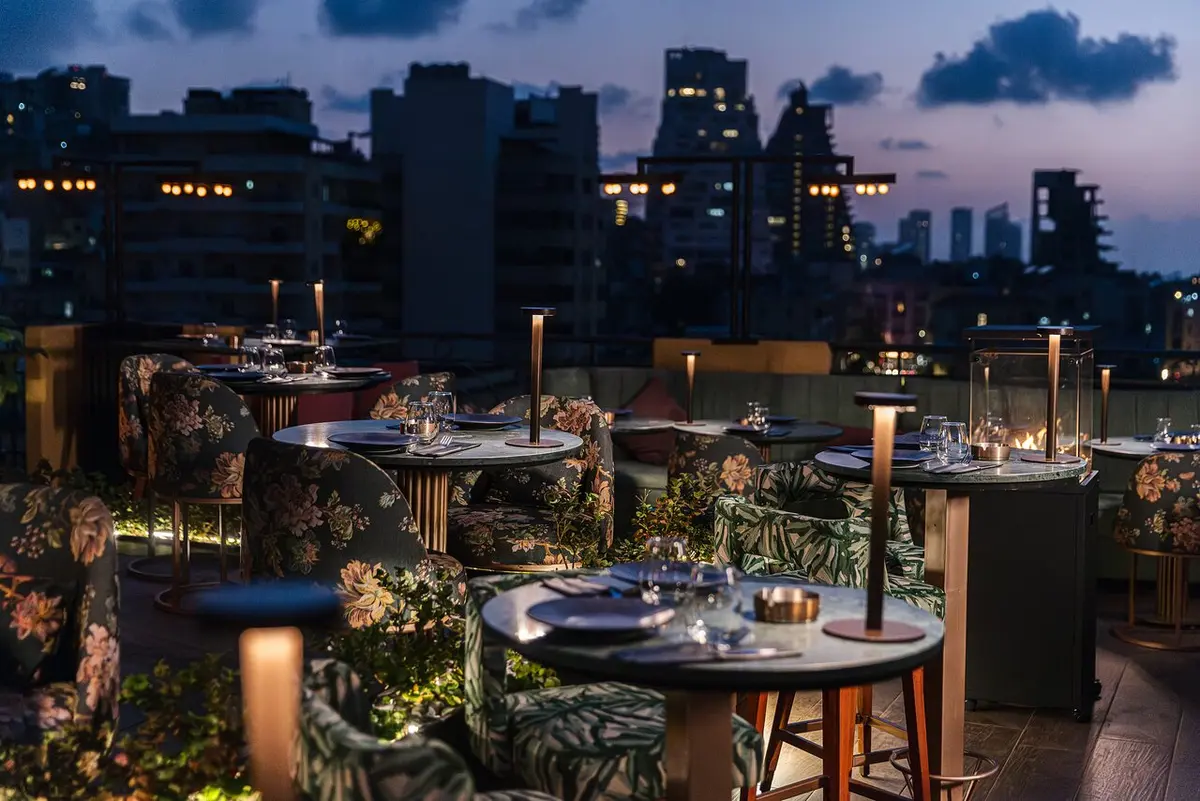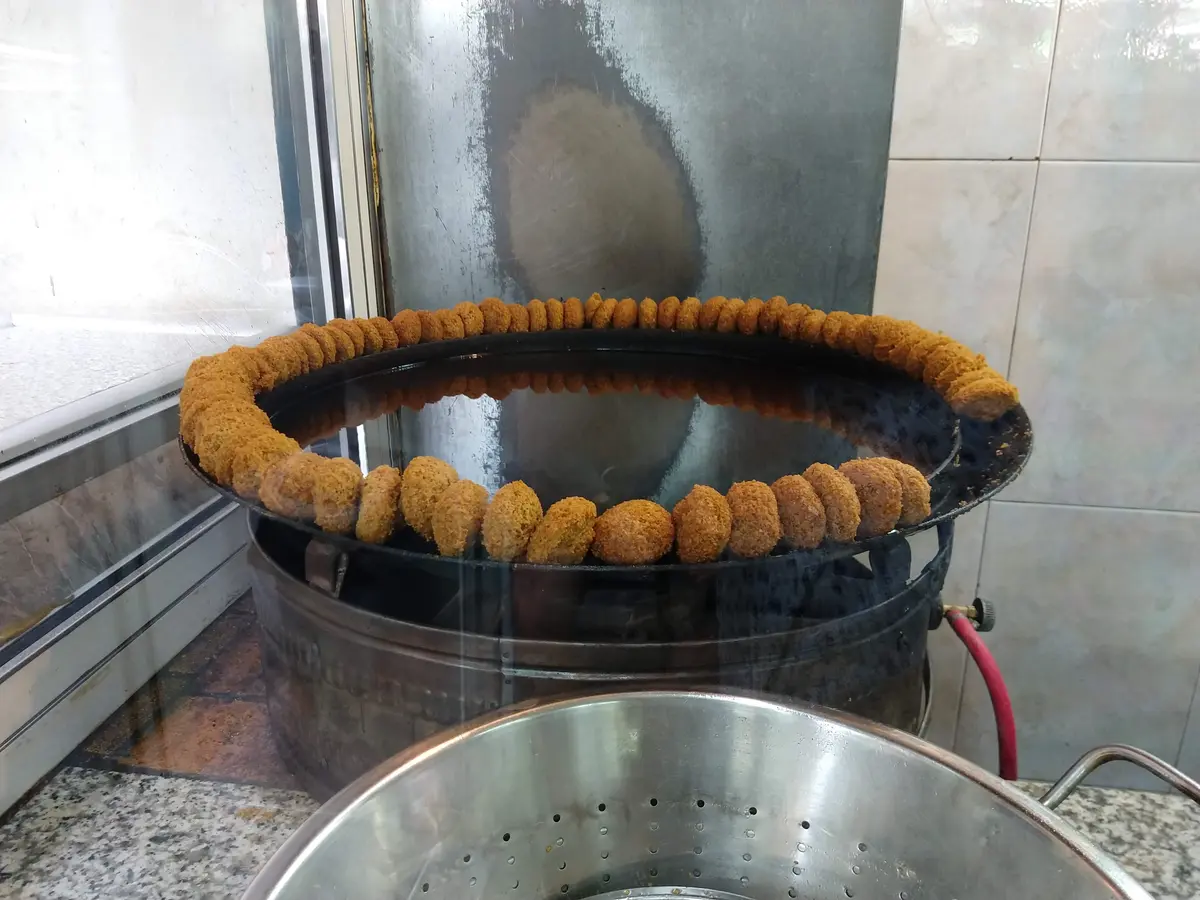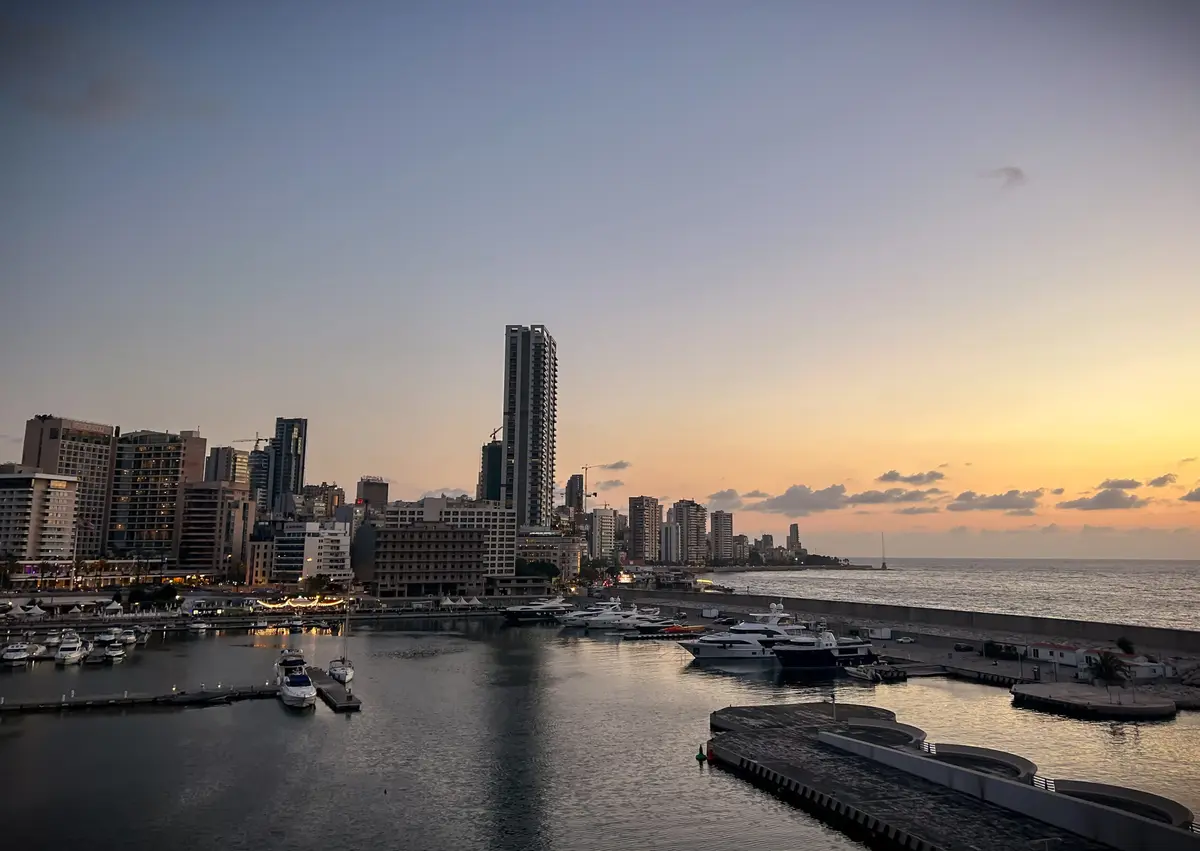
Arak Lebanon is the drink that paces the entire Lebanese table. Clear in the bottle, milky in the glass, unsweetened at 50 to 53% ABV — it slows you down on purpose. This guide covers what separates a real bottle from a bad one, which Bekaa Valley distilleries are worth the drive, and the table rules that quietly mark you as an insider or a tourist.
What is arak and why is Lebanon its home?
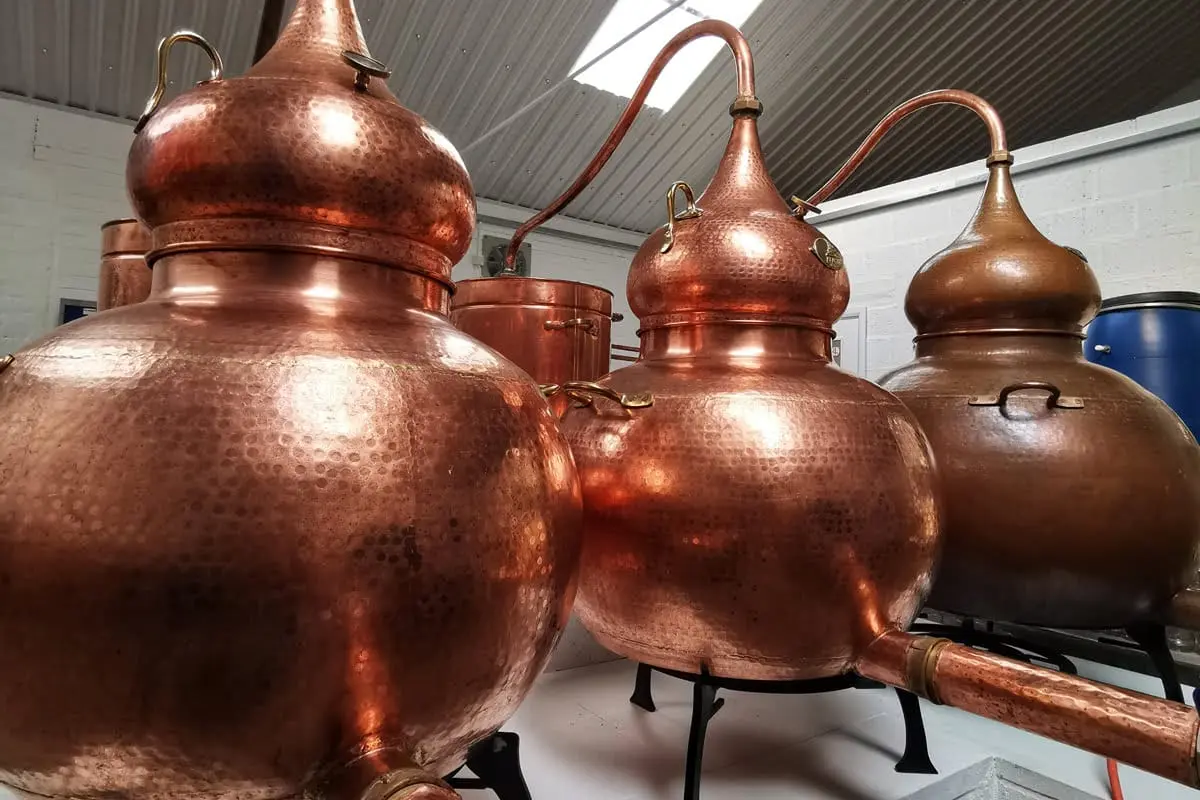
Arak is an unsweetened grape-based spirit flavored with green aniseed, distilled twice or more in copper alembic stills and bottled between 50% and 53% ABV. Lebanon claims it as a national drink because the country has the grapes, the anise, and the mezze culture the spirit was built to accompany. Syria and Jordan make arak too — but Lebanon pours the most of it.
The name comes from the Arabic word for “sweat” (araq), a nod to the droplets forming on the still during distillation. The technology itself traces back to the Levantine polymath Jabir ibn Hayyan in the 8th century, which is why arak Lebanon has a stronger historical claim to modern distillation than Turkish raki or Greek ouzo — both close cousins, neither an ancestor.
Traditional arak contains two ingredients and nothing else: grape eau-de-vie and aniseed. No sugar, no coloring, no extracts. That purity is the whole point.
Pro Tip: If the label lists “anise flavoring” or “sugar” in the ingredients, put it back on the shelf. You are holding a cheap substitute, not arak.
Why does arak turn milky white when you add water?
The cloud is a chemistry demonstration called the ouzo effect, or the “louche.” Anethole — the essential oil from aniseed — stays dissolved in high-proof spirit but cannot stay in solution once the ABV drops below about 30%. Add water, the oil precipitates into microscopic droplets, and those droplets scatter light. The glass goes from clear to milky in under a second.
The louche is also your quality test. A real arak clouds uniformly and holds the haze. A fake one — made with anise extract or artificial flavoring — either barely clouds or separates into oily streaks within minutes. If your drink refuses to louche properly, it lacks the natural oils that make arak arak.
What makes a premium Lebanese arak?
Three production choices separate a 15-dollar bottle from a 60-dollar one: the grapes, the number of distillations, and the aging vessel.
The grapes (Obeidi and Merwah)
Premium Lebanese arak starts with eau-de-vie from indigenous grape varieties, not generic table wine:
- Obeidi: Native to the Bekaa Valley, high sugar content, gives arak its backbone
- Merwah: Grown in the northern mountains, adds floral complexity
- Why it matters: Both vines connect modern arak to the same varieties used for centuries in the Levant; many cheap araks skip them and use imported grape spirit instead
Triple distillation (minimum)
The gold standard is three passes through a copper alembic. Each pass strips out more methanol and fusel oils — the compounds responsible for harsh aftertaste and the worst of an arak hangover.
- First pass: Fermented grape juice becomes raw alcohol called spirto
- Second pass: The spirto is redistilled with whole green aniseeds
- Third pass: A final pass refines texture and aroma
- Quadruple distillation: Used by Touma and a few others — smoother but not universally considered better
On my last Bekaa trip I tasted a double-distilled village arak side by side with a triple-distilled commercial one. The difference shows up the next morning, not the first sip.
Clay jar aging
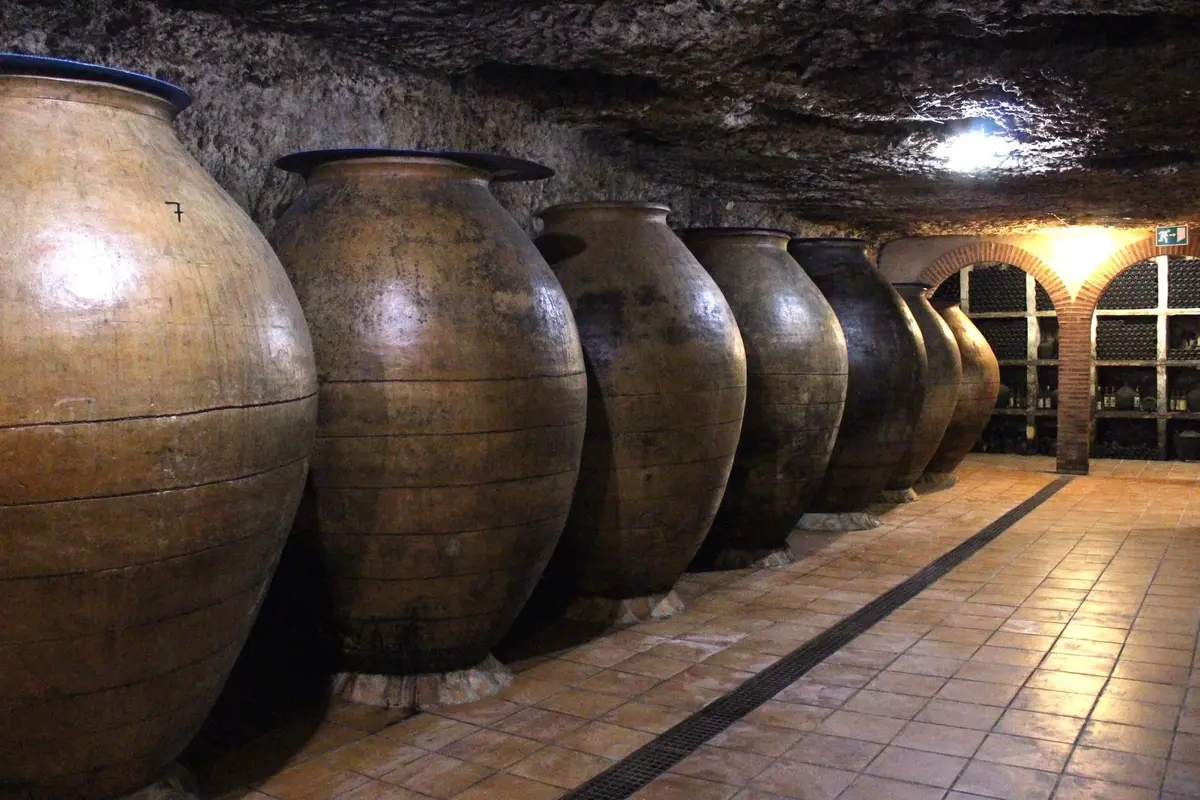
Raw arak off the still is sharp and solvent-y. Traditional producers mellow it in handcrafted clay khabieh jars, most coming from the village of Beit Chabab north of Beirut. The porous clay lets the spirit breathe — micro-oxygenation smooths the edges and takes a small percentage off the top (the “angels’ share”). That loss is built into the price.
Pro Tip: Aging time matters but isn’t everything. A well-made 2-year clay-aged arak from Ksara often drinks better than a 5-year aged bottle from a sloppy producer. Distillation quality is the foundation; aging is the polish.
Which Bekaa Valley distilleries are worth visiting?
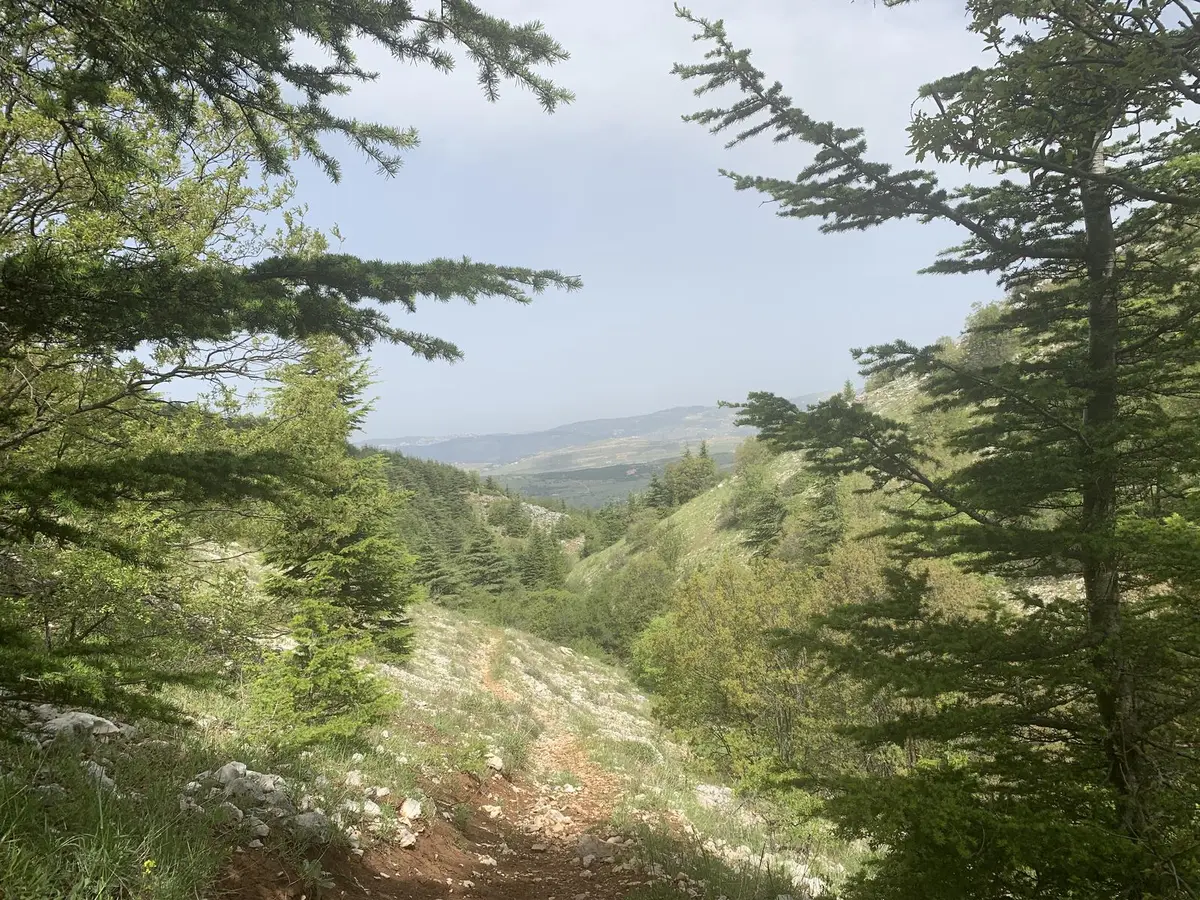
The Bekaa Valley is a 90-minute to 2-hour drive east of Beirut through the mountains, and the scenic route over Dahr el-Baidar pass beats the tunnel. Four producers are worth the trip. Skip the tunnel route unless it’s snowing.
1. Château Ksara — the historic giant
Founded by Jesuit monks in 1857, Ksara is Lebanon’s oldest and largest winery. Their arak, Ksarak, is triple-distilled and aged for two years in Beit Chabab clay jars, with aniseed sourced from Mount Hermon. The 2-kilometer network of Roman-era caves under the property is the real draw — they were unearthed in the late 19th century and still hold the wine today.
Honest note: the tour is well-run but it runs like a tour. You will share the caves with 40 other people. The arak itself is solid and the most available bottle outside Lebanon — you will see Ksarak on the list at nearly every Lebanese restaurant in the US.
- Location: Ksara, Zahle Main Road, Bekaa Valley
- Cost: Tours around $6–10 per person (tastings extra)
- Best for: First-time visitors, history buffs, anyone short on time
- Time needed: 90 minutes including tasting
2. Domaine des Tourelles — the rustic soul
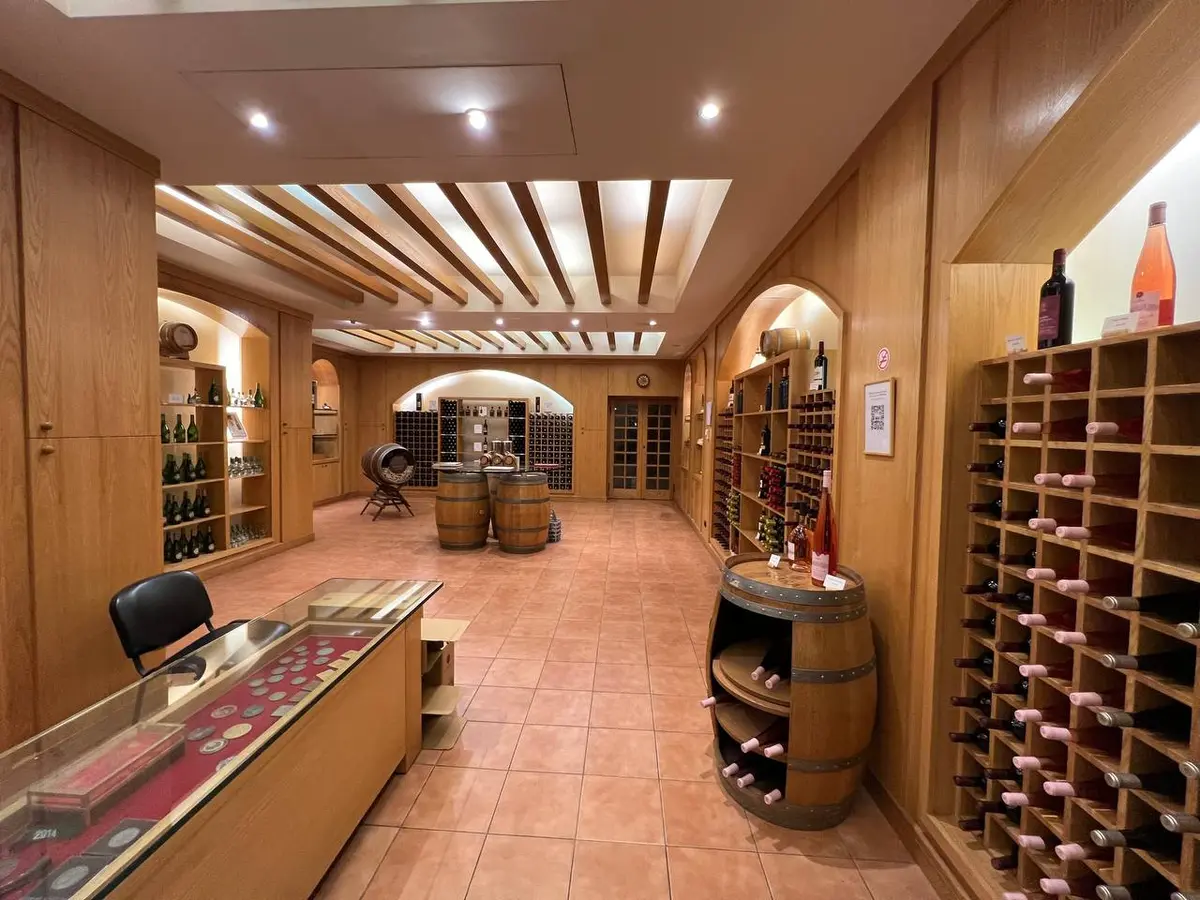
Founded in 1868 by French adventurer François-Eugène Brun, Tourelles was the first commercial winery and distillery in Lebanon. Their flagship Arak Brun Special Reserve is triple-distilled from estate-grown Obeidi and Cinsault and aged for five years in clay jars. There is also a 10-year version made from old-vine Obeidi — the closest thing to a collector’s bottle in Lebanese spirits.
Of the big four, Tourelles has the most personality. The cellar is 150 years old, the team runs the place family-style, and tastings feel like visits rather than transactions. This is where I send friends who ask for “the real thing.”
- Location: Chtaura, Bekaa Valley (village of Jdita)
- Cost: Arak Brun Special Reserve around $55 retail; tastings variable
- Best for: Spirits enthusiasts, small groups, repeat visitors
- Time needed: 2 hours if you linger (and you will)
3. Massaya — the modern renaissance
Massaya rebuilt its winery after the civil war and pitched its arak at international palates — lighter, more floral, easier to drink solo. They distill over vine-wood fires in the traditional style but lean cleaner on aniseed than Ksara or Tourelles. The Sunday lunch on the outdoor terrace in Tanail is the most social experience in the valley; book weeks ahead in summer.
Contrarian take: Massaya’s arak is the one I recommend to someone who thinks they don’t like arak. Purists will tell you it’s too polished. Both things are true.
- Location: Tanail, Bekaa Valley
- Cost: Arak around $35 retail; Sunday lunch around $55–70 per person
- Best for: Groups, long lunches, first-time arak drinkers
- Time needed: Half a day if you do lunch
4. Arak Touma — the market king
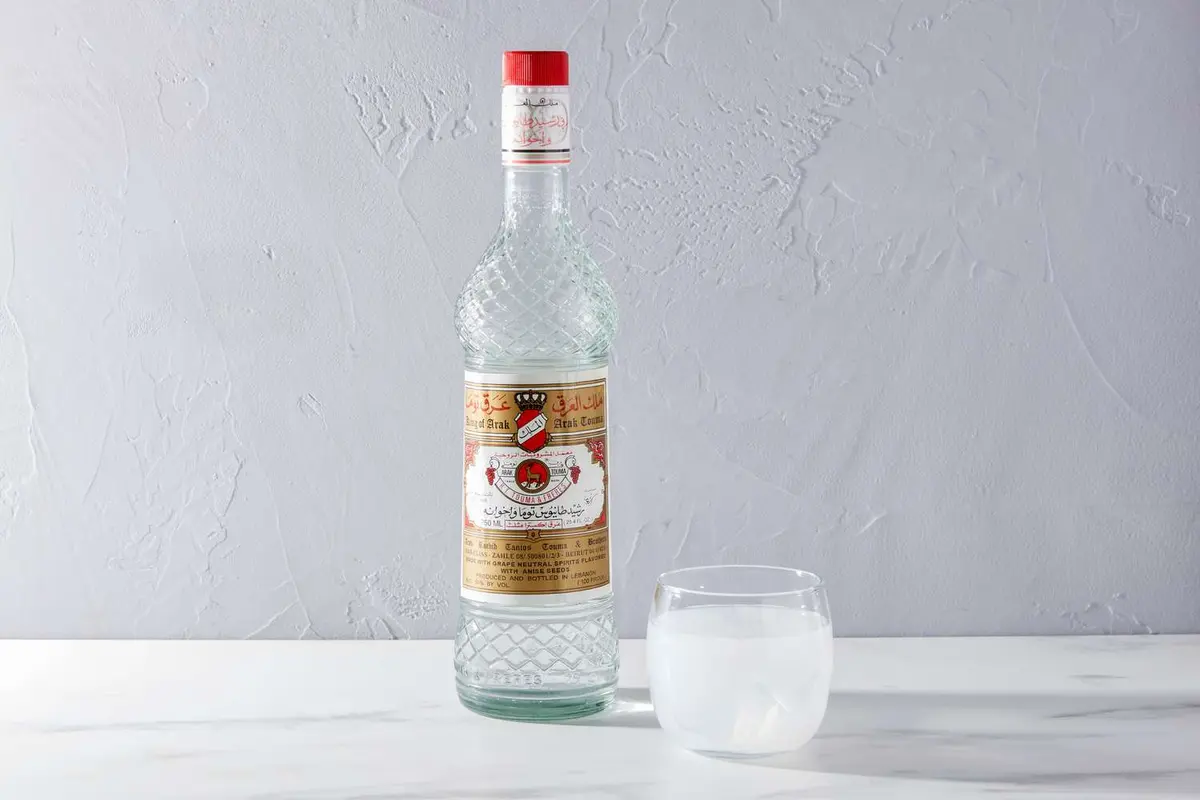
R.T. Touma & Frères has been distilling in Kab-Elias since 1888. Their arak is quadruple-distilled, bottled at 100 proof (50% ABV), and made with whole green aniseed only — never oils or extracts. It shows up on most serious Lebanese dinner tables and in a surprising number of US restaurants. The production is at Château St. Thomas in the Bekaa; the visitor experience is smaller-scale than Ksara but the product speaks for itself.
- Location: Kab-Elias, Bekaa Valley (Château St. Thomas)
- Cost: Around $40 for 750ml
- Best for: Drinkers who already know what they like in arak
- Time needed: 60 minutes
How do you pair arak with a Lebanese mezze table?
Arak cuts through fat, garlic, and lemon better than any wine on the planet — which is exactly what a mezze spread is built from. The high ABV resets your palate between bites of hummus, raw meat, and pickled vegetables, where a glass of red would get overwhelmed in three bites. Drink it diluted, sip between forkfuls, and the meal will pace itself.
The kibbeh nayyeh tradition (and the myth)
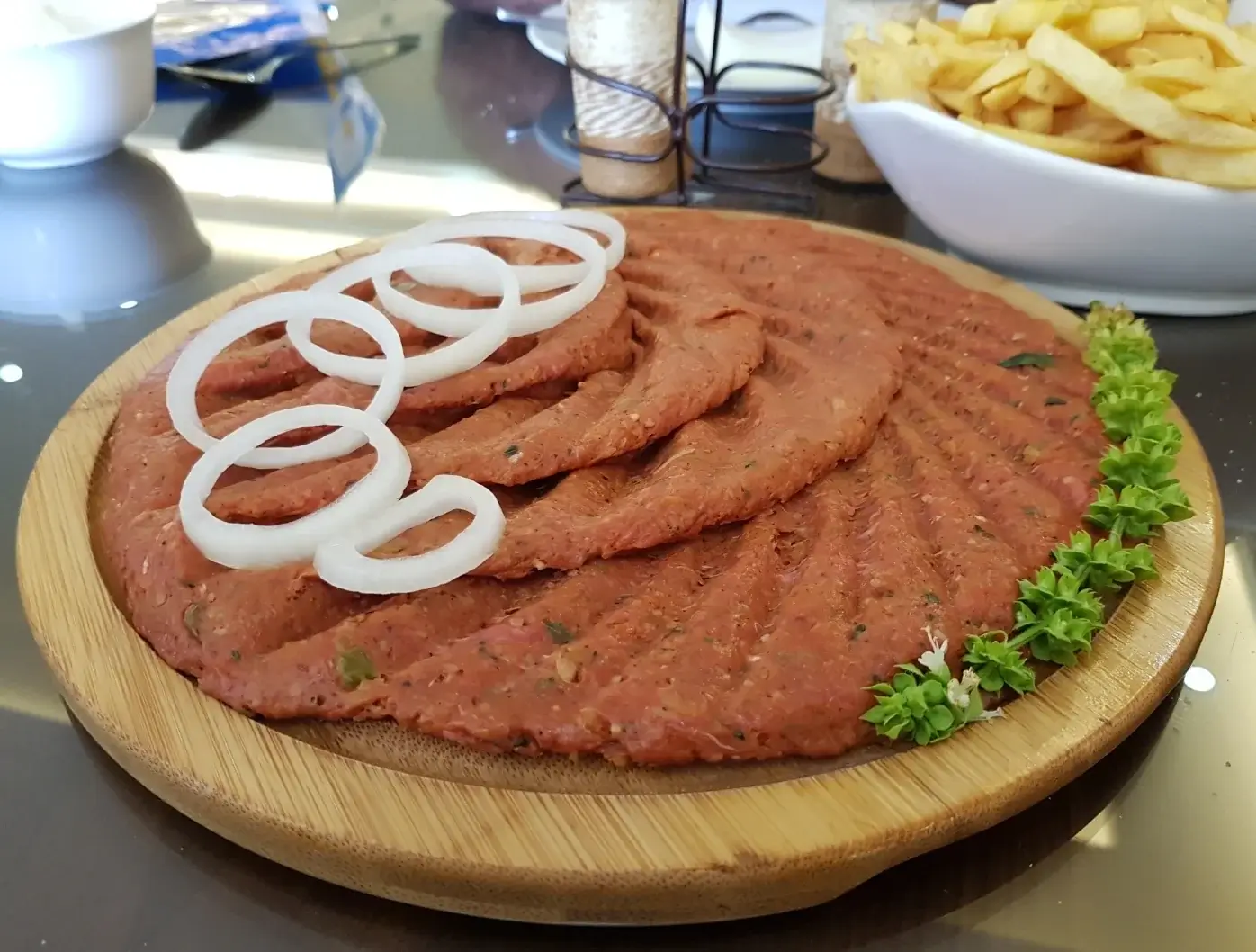
The most famous pairing is arak with kibbeh nayyeh, a raw minced lamb or beef dish seasoned with bulgur and spices. The village tradition holds that the alcohol “kills the bacteria.”
- The myth: Arak sterilizes raw meat in your stomach
- The reality: No — alcohol at that dilution does nothing of the kind. Food safety comes from the butcher, not the bottle
- The pairing: Genuinely excellent regardless — the anise cuts the richness of raw lamb cleanly
Why it beats wine with garlic
Arak is one of the very few spirits that handles raw garlic without collapsing. Anethole mirrors the sulfur notes in alliums instead of fighting them. Try arak with toum (Lebanese garlic sauce) once and red wine with toum once — you will not go back.
What are the rules of the arak table?
Three etiquette points separate someone who knows what they are doing from someone who doesn’t. None of them are negotiable at a Lebanese family table.
1. Water first, then ice. Never ice first.
The order is: pour arak, add water, add ice. Not the other way around.
Ice hitting neat arak shocks the oils and they crystallize into unsightly streaks. Water dilutes the spirit first, triggers a uniform louche, and then the ice keeps it cold. The standard ratio is one part arak to two parts water.
2. Use a fresh glass every pour
Arak leaves a milky film on the inside of the glass as it sits. Refilling over the residue makes the next pour taste stale and look grey.
- The fix: A clean glass for every refill
- At home: Keep a small stack of tumblers on the table
- At a restaurant: The waiter should swap glasses without being asked; if they don’t, ask
3. Eye contact on the toast
The toast is “Kesak!” or “Sahtein!” and you hold eye contact with the person you are clinking. Looking at the glass instead of the person is read as insincerity — at best awkward, at worst an insult in the wrong company.
Where can you buy arak and bring it home?
Inside Lebanon, the Malt Gallery in Beirut carries the widest premium selection, and every supermarket stocks Ksarak, Massaya, and Touma. In the United States, specialty Middle Eastern retailers and some national chains (K&L, Astor Wines, various independents) carry Touma and Ksarak; Tourelles Arak Brun shows up at US spirits shops specializing in Lebanese imports.
For flying home with a bottle:
- US duty-free allowance: 1 liter per adult, duty-free
- Above that: You can bring more for personal use by declaring and paying a small federal duty (usually a few dollars per liter)
- State rules: Utah, Pennsylvania, and a few others have extra restrictions — check before you fly
- Packing: Check it; TSA will not let a 750ml bottle through carry-on
Pro Tip: The best value bottle to bring home is Tourelles Arak Brun Special Reserve 5-Year. It costs about $55 in Lebanon, runs $70 or more in the US where you can find it, and it’s the bottle that will actually impress someone who knows arak.
Before you pour
TL;DR: A real Lebanese arak is grape spirit plus green aniseed, triple-distilled, and either unaged or rested in Beit Chabab clay jars. Serve it arak-water-ice in that order, use a clean glass every pour, and pair it with mezze instead of sipping it neat. Ksara is the easy recommendation, Tourelles is the one worth the drive, and Touma is the bottle to bring home.
What pairing would you try first at the mezze table — kibbeh nayyeh, a pile of tabbouleh, or a plate of grilled halloumi?