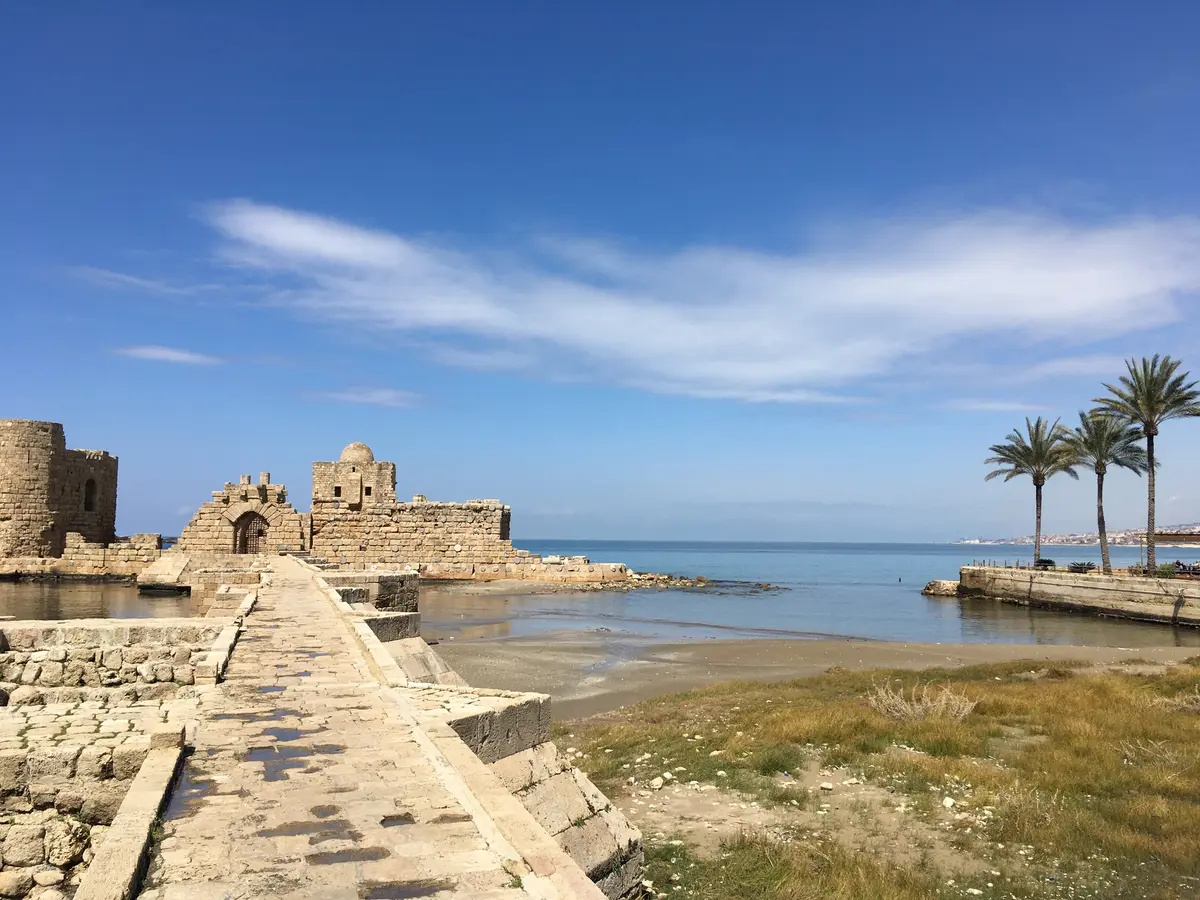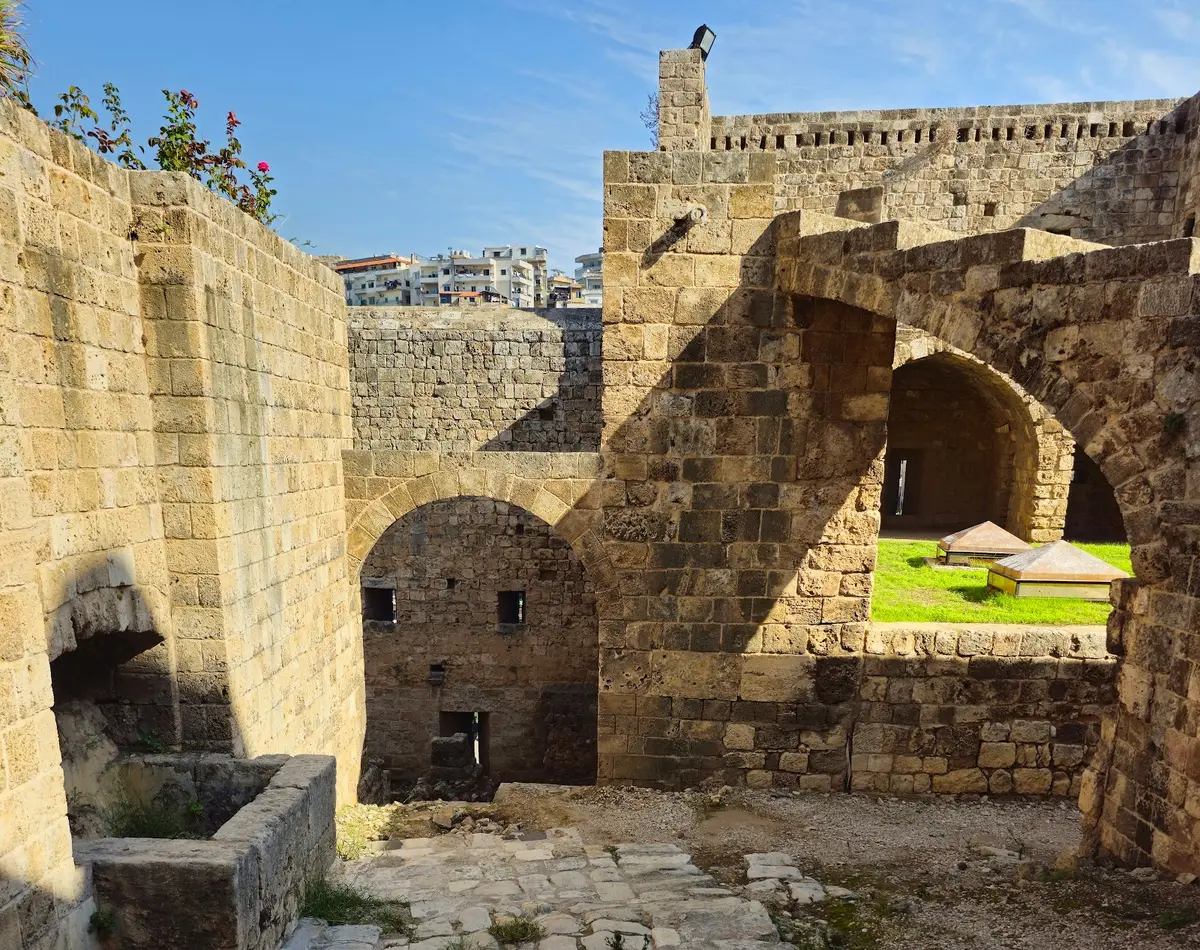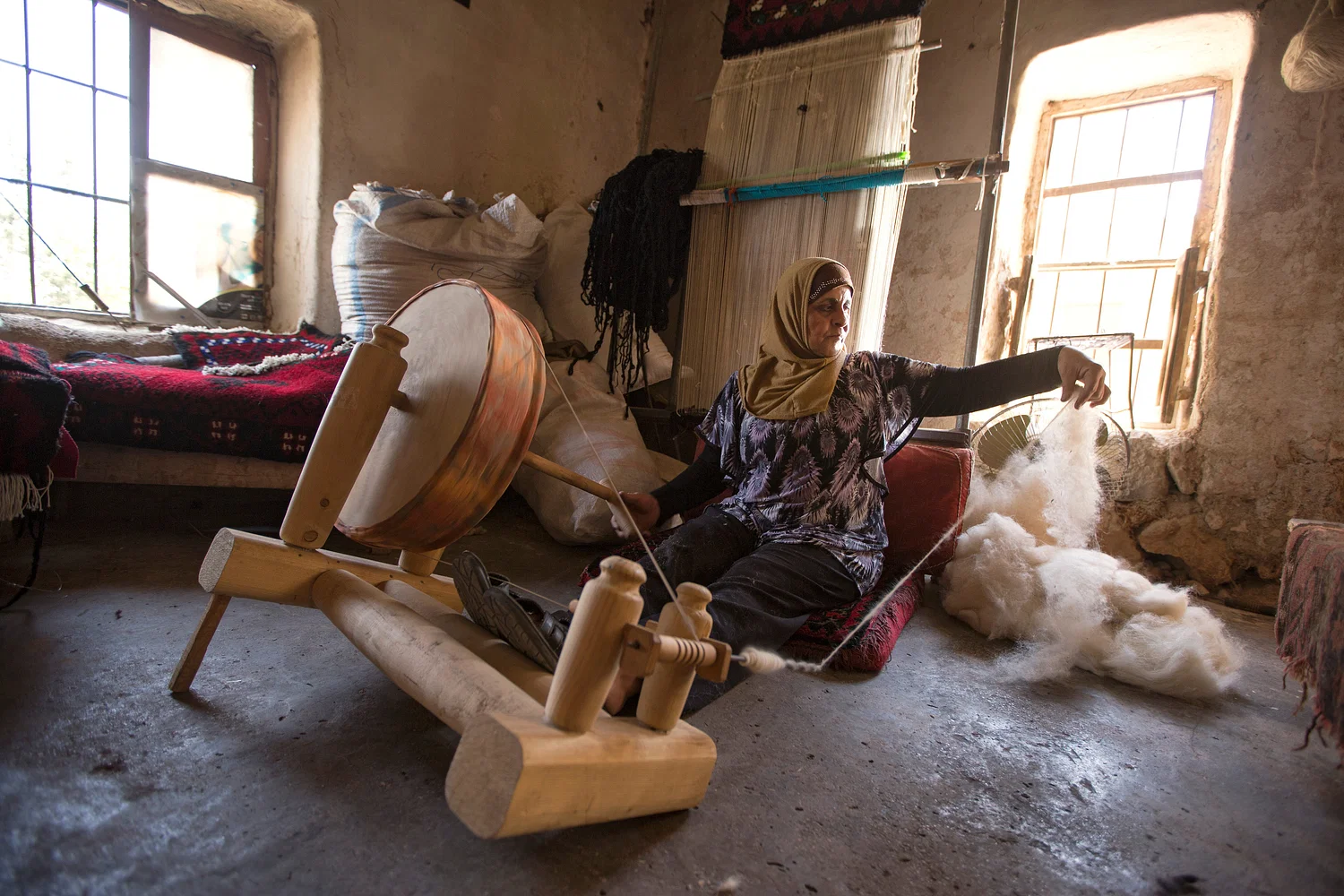
Most Lebanon travel coverage stops at Byblos and the Beirut food scene. The Lebanon crafts circuit — glassblowers in Sarafand, soap-makers in Sidon, a bell foundry in the mountains — is where the country actually shows you who it is. This guide covers nine workshops I rate as worth your time, plus two I’d skip or handle carefully. Use it as a craft-focused companion to the broader Lebanon travel guide.
Why are Lebanon crafts worth seeking out?
Lebanon crafts span glassblowing, olive-oil soap, hand-built pottery, bronze bells, Phoenix-handle cutlery, and cedar wood carving — many using techniques traceable to the Phoenicians. Most workshops are family-run, operate on cash, and survive on direct sales to visitors. Buying here isn’t souvenir shopping; it’s what keeps the furnaces lit and keeps one of the most tangible corners of Lebanese culture alive.
A few things to set expectations. The country is cash-dominant (bring fresh small USD bills), most ateliers are in villages that need a driver to reach, and English is hit-or-miss outside Beirut. The payoff is access you won’t get anywhere else in the Mediterranean — watching a blowpipe technique invented around 50 BCE being used to melt down beer bottles, a few feet from your face.
Coastal workshops: glass and soap
The coast — Tripoli, Sidon, Sarafand, Tyre — is where Lebanon crafts are most accessible and most historically loaded. You can realistically hit all three coastal stops below in one long day from Beirut with a hired driver.
1. Khalifeh Glassblowing — Sarafand
The Khalifeh family workshop sits on the old Sidon–Tyre road, about 37 miles (60 km) south of Beirut. It’s the last traditional glassblowing operation in the country. The ground you’re standing on is ancient Sarepta, the Phoenician city where the blowpipe technique was invented around 50 BCE and exported across the Mediterranean — eventually seeding Murano in Italy.
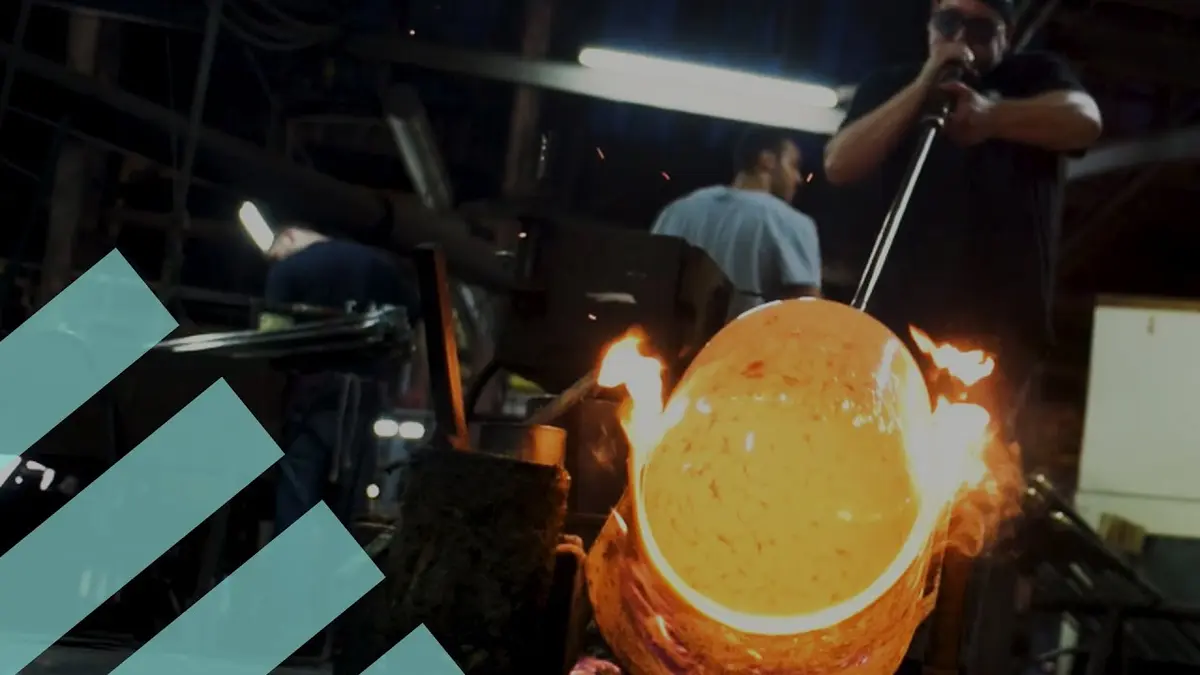
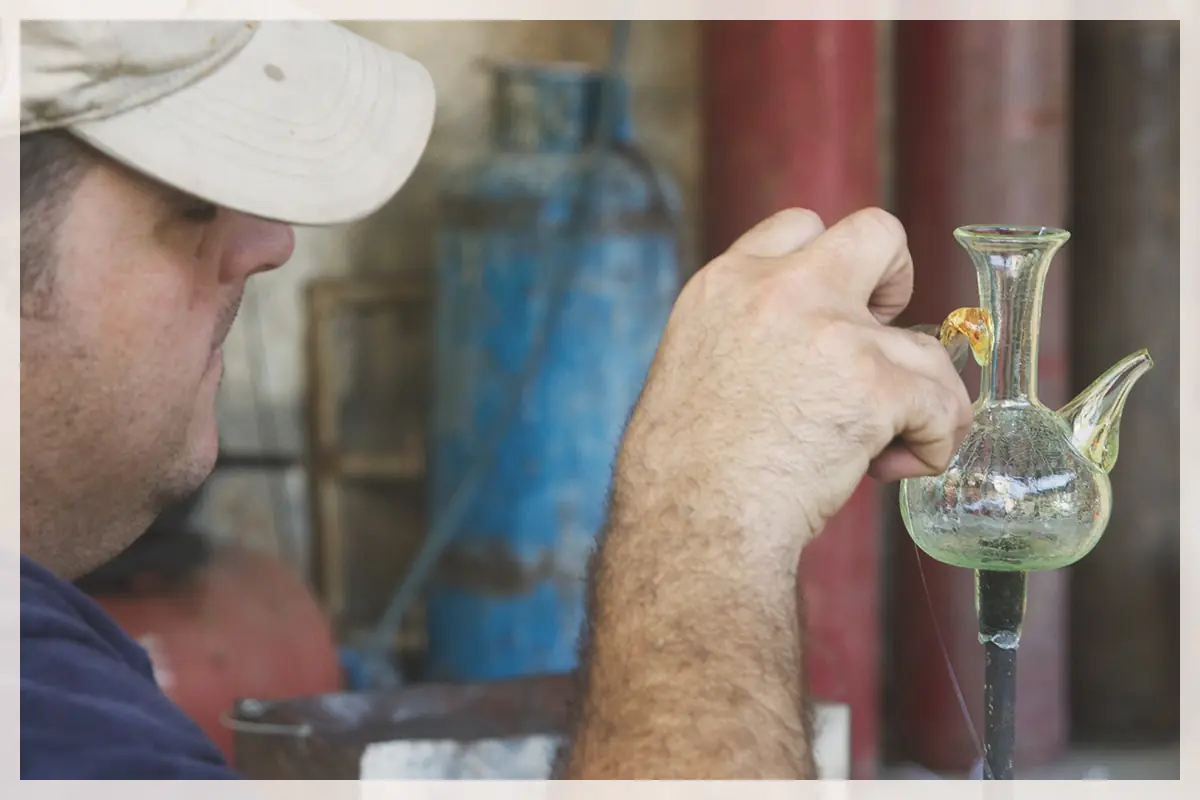
The workshop itself is underwhelming from the street: a low building behind a courtyard shaded by pomegranate and orange trees. Inside is where it lands. The kiln hits 1,400°C (2,550°F) and runs 24 hours a day once it’s fired — just heating the oven costs the family around $500 per run. Craftsmen rotate blowpipes in front of the opening with practiced speed; the heat is strong enough you’ll step back after a minute.
What makes this visit politically interesting: cheap Chinese imports nearly shut the Khalifehs down. They survived by partnering with Cedar Environmental on a closed-loop recycling program, and with Almaza — the country’s biggest beer brand — on a run that turned roughly 17 million green beer bottles into drinking glasses. Piles of sorted clear, green, and amber bottles sit outside the workshop waiting for the crusher.
Apprenticeship in the family starts at age 11–12 and takes about eight years. On my last visit, Nisrine Khalifeh was doing the finishing decoration while two younger cousins worked the pipes. The showroom sells vases, carafes, cups, and pitchers at prices that reflect the economic collapse rather than the labor — a hand-blown drinking glass runs a few dollars, a vase maybe $15–$30. Buy generously. Every piece here is one-of-one — slightly different heights, diameters, and wobbles.
Pro Tip: Skip the summer visit. The furnace heat is brutal from June through September. Aim for October to April, and call ahead on +961 3 906 091 so the driver can confirm they’re firing that day — they don’t burn the oven continuously.
- Location: Sarafand Main Street, South Lebanon (old Sidon–Tyre road)
- Cost: $5–$40 per piece; kids’ baubles from $2
- Best for: History buffs, sustainability-minded travelers, design lovers
- Time needed: 45–60 minutes
2. Khan Al Saboun — Tripoli
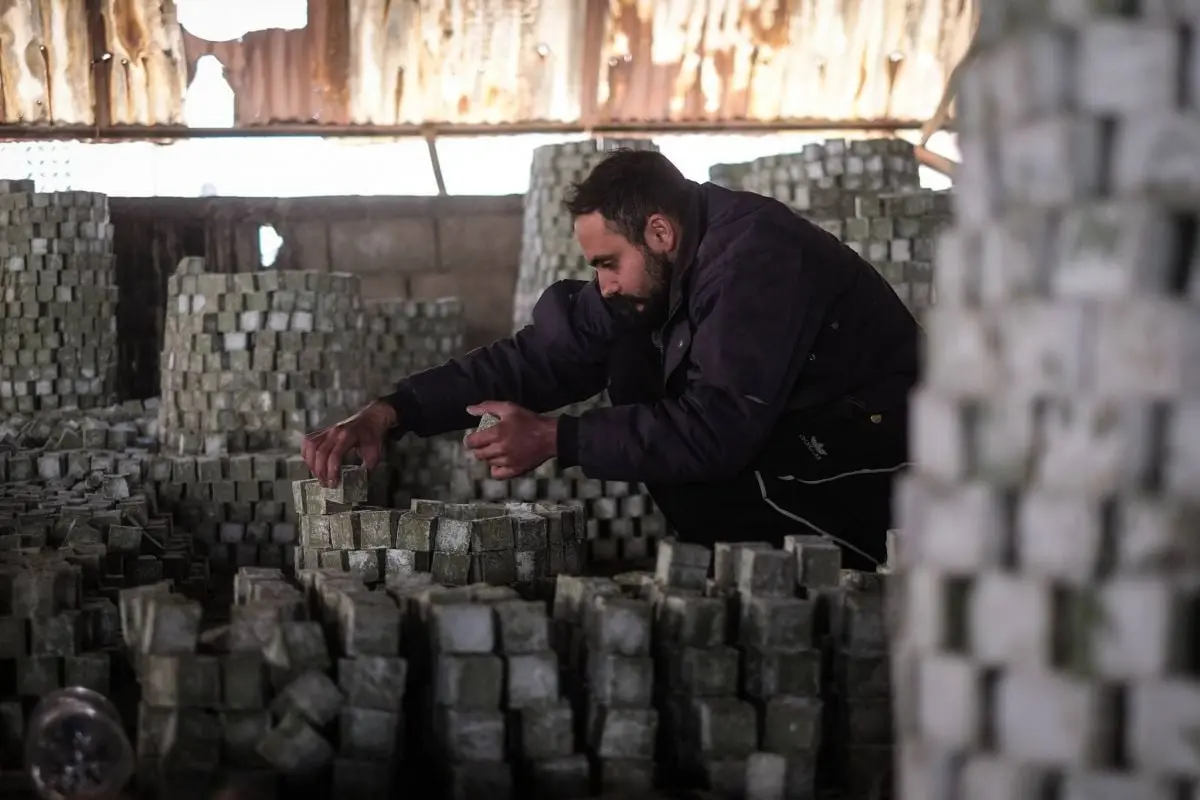
Khan Al Saboun is a restored Mamluk-era caravanserai in Tripoli’s old souk, run by the Hassoun and Sharkass families. Walk in and you’re looking at towers of drying olive-oil soap stacked to the ceiling in a stone courtyard. For photography and architecture alone, it’s the most visually striking soap site in the country.
The soap itself is legitimate — Lebanese olive and laurel oil soap has been cured in Tripoli khans for centuries, and the product quality here is high. The architecture is worth the detour on its own if you’re already visiting Tripoli for the souks and the citadel.
Here’s the honest part. Independent visitor reports — and my own experience — consistently describe aggressive sales tactics: oils rubbed on your wrist without asking, long pitches on health benefits, and heavy scent in a small space. If you’re sensitive to that, stay near the entrance, photograph the soap towers, and walk out. The same family runs a calmer “Eco-village” complex in Koura, about 30 minutes east, if you want the products without the pressure.
Prices in the souk are negotiable — start at half of what’s quoted. A basic bar of olive-oil soap runs $3–$6; higher-end laurel-oil bars and gift sets go $10–$30.
Pro Tip: If you want Tripoli soap without the sales floor, buy from Bab El Hara or one of the smaller fixed-price shops a few streets over on Rue Al-Saboun. Same soap, no wrist-grabbing.
- Location: Khan Al Saboun, Old Souks, Tripoli
- Cost: $3–$30 per item (bargain to half the opening price)
- Best for: Architecture photographers, confident hagglers
- Time needed: 30–45 minutes
3. Audi Soap Museum — Sidon
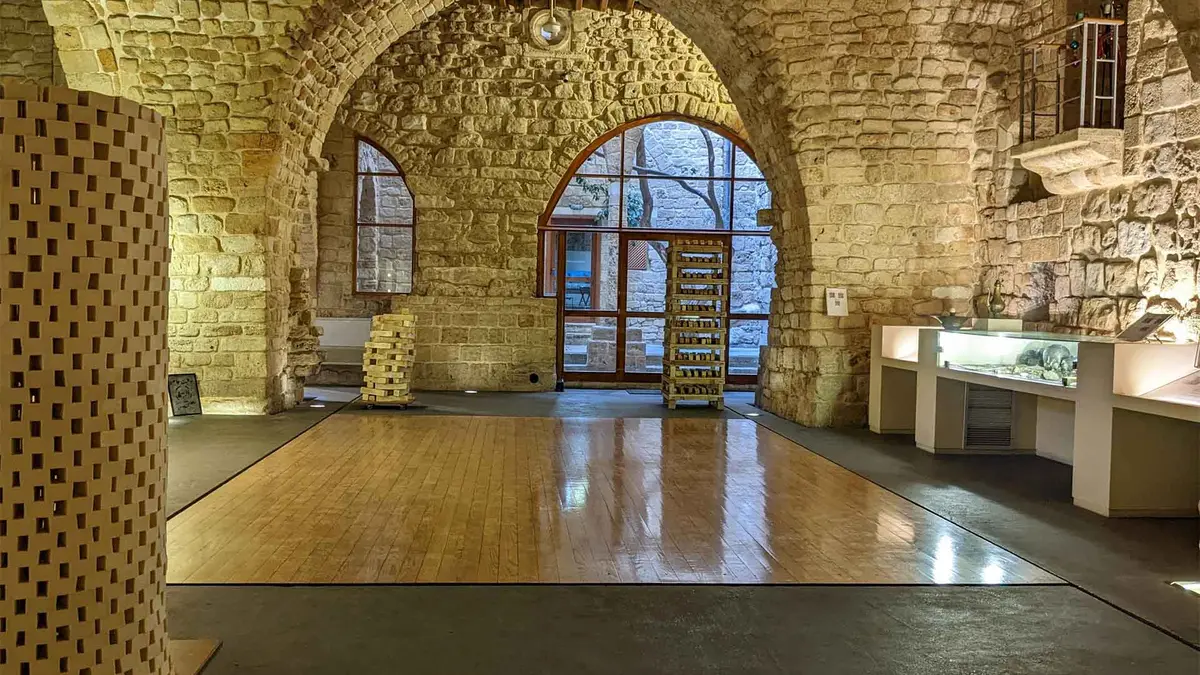
If Tripoli’s Khan Al Saboun is the raw version, the Audi Soap Museum in Sidon’s old town is the curated one. The building is a 17th-century soap factory the Audi family bought in the 1880s, abandoned during the civil war, and restored into a museum that opened in November 2000. Parts of the stone structure date back to the 13th century.
The visit is short and well-organized. You walk through the boiling vats, the pouring floor, and the drying towers with explanations covering saponification chemistry and the social history of hammams in Ottoman-era Lebanon. A 10-minute film at the end, subtitled in English and French, shows Mahmoud Sharkass — a Tripoli soap-maker with seven generations in the craft — producing soap by hand without fire. For a deeper dive into the curatorial side, the country’s dedicated soap museums in Sidon and Tripoli are covered in a separate guide.
Entrance is $1.50 for adults, $1 for ages 12–18, free under 12. Hours are 8:30 AM–5:00 PM daily. The attached boutique sells fixed-price soaps (no haggling), plus books, orange-blossom water, and preserves from the Sidon region. There’s a small café for lemonade and sablés. The whole stop takes under an hour.
This is the stop I’d send a family or first-time visitor to before Khan Al Saboun. It’s the best structured introduction to Lebanese olive-oil soap in the country.
Pro Tip: Pair it with lunch at Falafel Abou Rami two streets over and a walk through the Sidon Sea Castle. The museum, castle, and old souk are within a 10-minute walk of each other.
- Location: Al Moutran Street, Haret Audi, Old Town, Sidon (+961 7 733 353)
- Cost: $1.50 entrance; soaps from $4
- Best for: Families, first-time visitors, anyone allergic to sales pressure
- Time needed: 45–60 minutes
Mountain workshops: pottery and cutlery
Drive inland and the work shifts — less trade-oriented, more functional and tied to local materials. These two stops are the reason you rent the car for a second day.
4. Assia Pottery — Batroun mountains
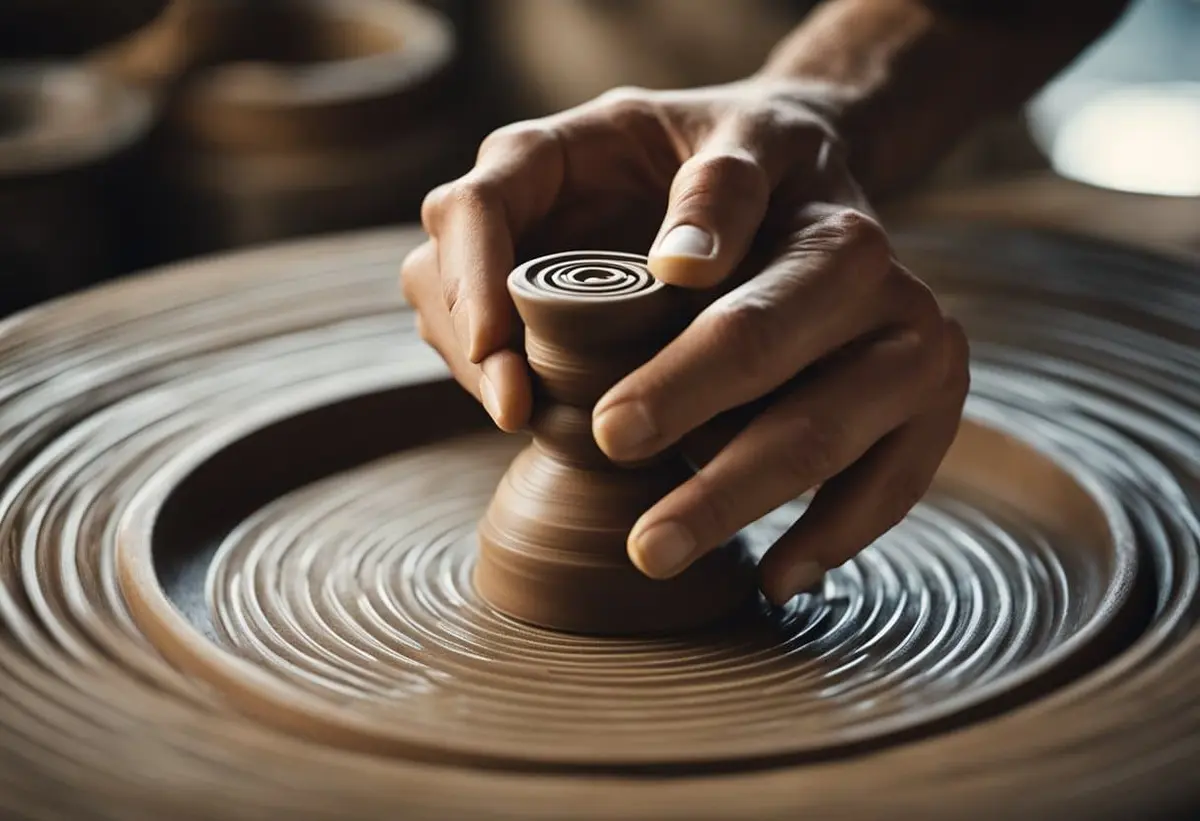
High in the Batroun mountains, potter Sana Jabbour hand-builds pots using coiling techniques that haven’t meaningfully changed since the Neolithic period. No wheel, no glaze. She digs local clay, mixes it with shragish — a ground quartz-like stone — and burnishes the leather-hard surface for hours with smooth sea stones to get the finish. The shragish gives the pots exceptional thermal shock resistance, which means you can put them directly on a gas flame to cook.
The visit is slow by design. You’ll be offered Arabic coffee, you’ll sit in her kitchen for 20 minutes before anyone shows you anything, and you’ll watch the burnishing process in real time. Jabbour broke with tradition by teaching her husband the craft, which is part of what’s keeping the workshop alive.
Prices are moderate — $25–$80 for small pieces, more for cooking pots. What you’re buying is a functional object you’ll actually use, not a shelf display. My $40 burnished bean pot has been on a gas burner weekly for two years without cracking.
Pro Tip: Call first. This is a working home studio, not a shop with set hours. Your driver should ring ahead the morning of.
- Location: Assia village, Batroun district (mountain road — SUV or small car only, no bus access)
- Cost: $25–$150
- Best for: Slow travelers, home cooks, collectors
- Time needed: 90 minutes to 2 hours including coffee
5. Jezzine Cutlery — South Lebanon mountains
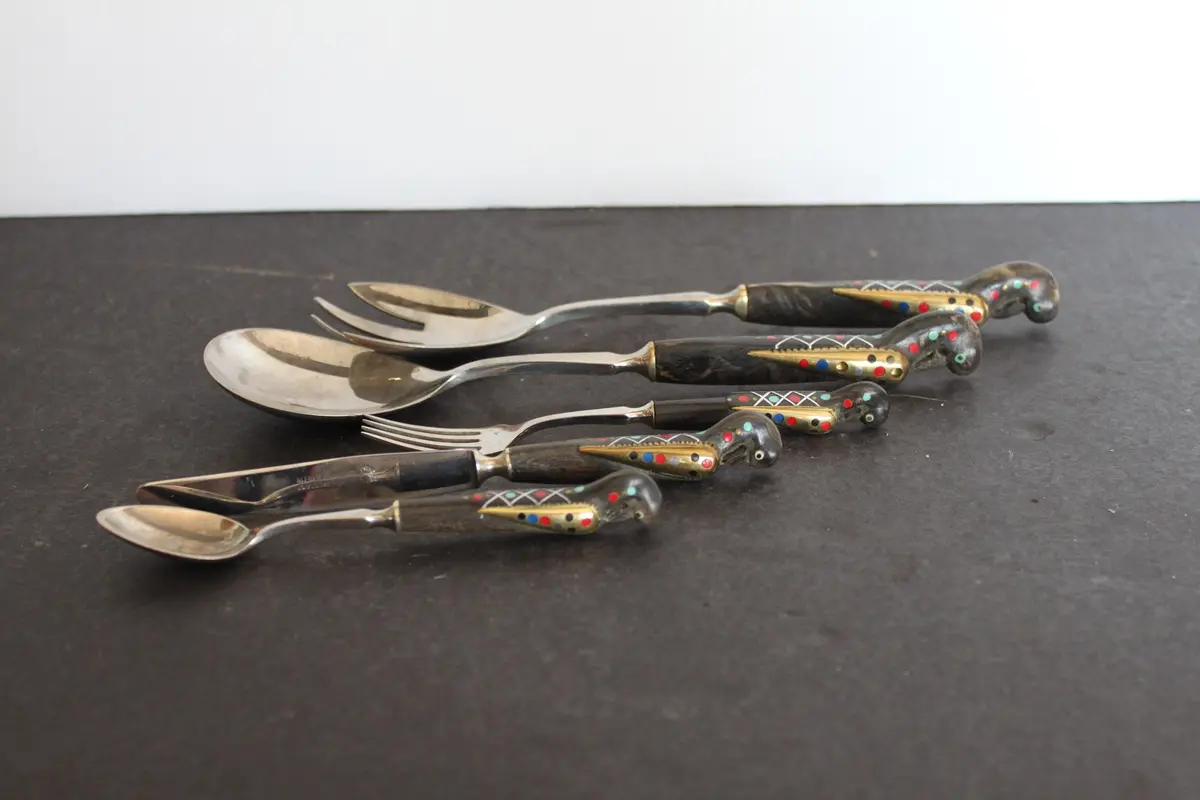
The town of Jezzine, up in the mountains of South Lebanon about 45 miles (73 km) from Beirut, has been making knives with Phoenix-shaped handles since the 18th century. The Haddad family and Eid Bou Rached are the two names that matter. The Phoenix is a deliberate symbol — a bird that rises from ashes, which reads differently in a country that has rebuilt itself this many times.
The craft survived by pivoting. In the 1930s the town’s smiths stopped making weapons and switched to decorative cutlery. You’ll find everything from $8 steak knives to full sets that run several hundred dollars. Traditionally handles were carved from buffalo horn and bone with brass inlays — those pieces are still available but premium-priced. Economic pressure has pushed most production toward high-quality resin handles, which are more durable and cheaper ($15–$40 per knife).
The workshops line Jezzine’s main street, roughly opposite the waterfall viewpoint. Prices are fair and bargaining isn’t really expected at the source. If you’re only buying one thing, get a small paring knife with a bone handle — it’s the most useful piece and shows off the carving best.
- Location: Main Street, Jezzine (multiple family workshops within a 3-minute walk)
- Cost: $8–$400 per piece
- Best for: Kitchen gear obsessives, symbolic-gift hunters
- Time needed: 45 minutes including the waterfall view
Sacred crafts: bells and cedar wood
Both of these stops are more specialized. Visit if the subject grabs you; skip if it doesn’t.
6. Naffah Bell Foundry — Beit Chabab
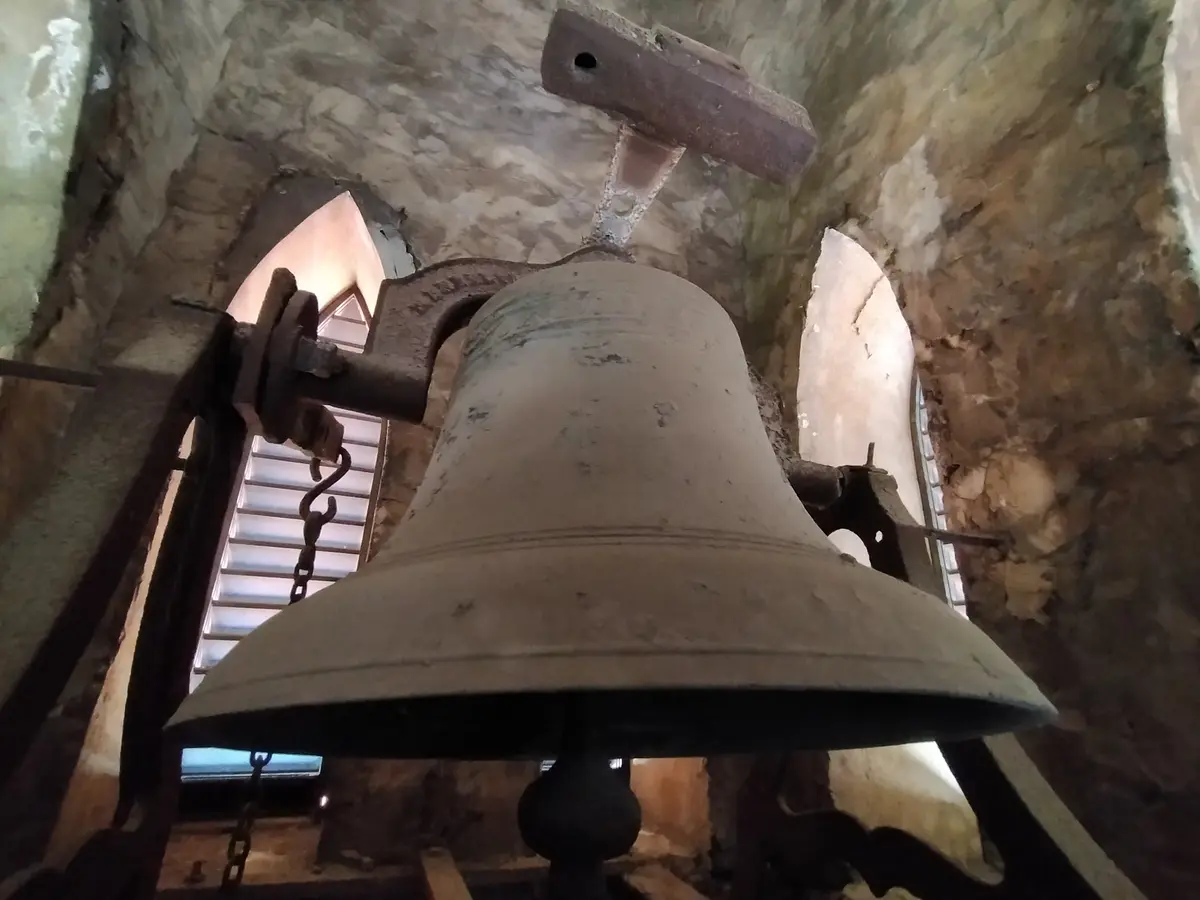
Naffah Naffah’s workshop in Beit Chabab, about 15 miles (24 km) northeast of Beirut, is the only bell foundry left in the country. The family has been casting bronze church bells since the 18th century using single-use sand molds — every mold is destroyed to release the bell, so every bell is one-of-one.
This is heavy industry dressed as sacred art. The bells themselves weigh hundreds of pounds. The village of Beit Chabab has a slightly haunted quality — it used to be a silk-weaving town, and you can still see the abandoned workshops. For anyone into industrial heritage or religious art, it’s compelling. For casual craft tourists, it’s probably a skip — you can’t buy a church bell, and the workshop isn’t set up for drop-in visits.
If you want to go, you need an appointment. This is a working foundry, not a museum.
- Location: Beit Chabab, Matn district (appointment required)
- Cost: Viewing is generally free; small commissioned items negotiable
- Best for: Industrial heritage nerds, religious art scholars
- Time needed: 60 minutes with appointment
7. Cedar Wood Carving — Bcharre
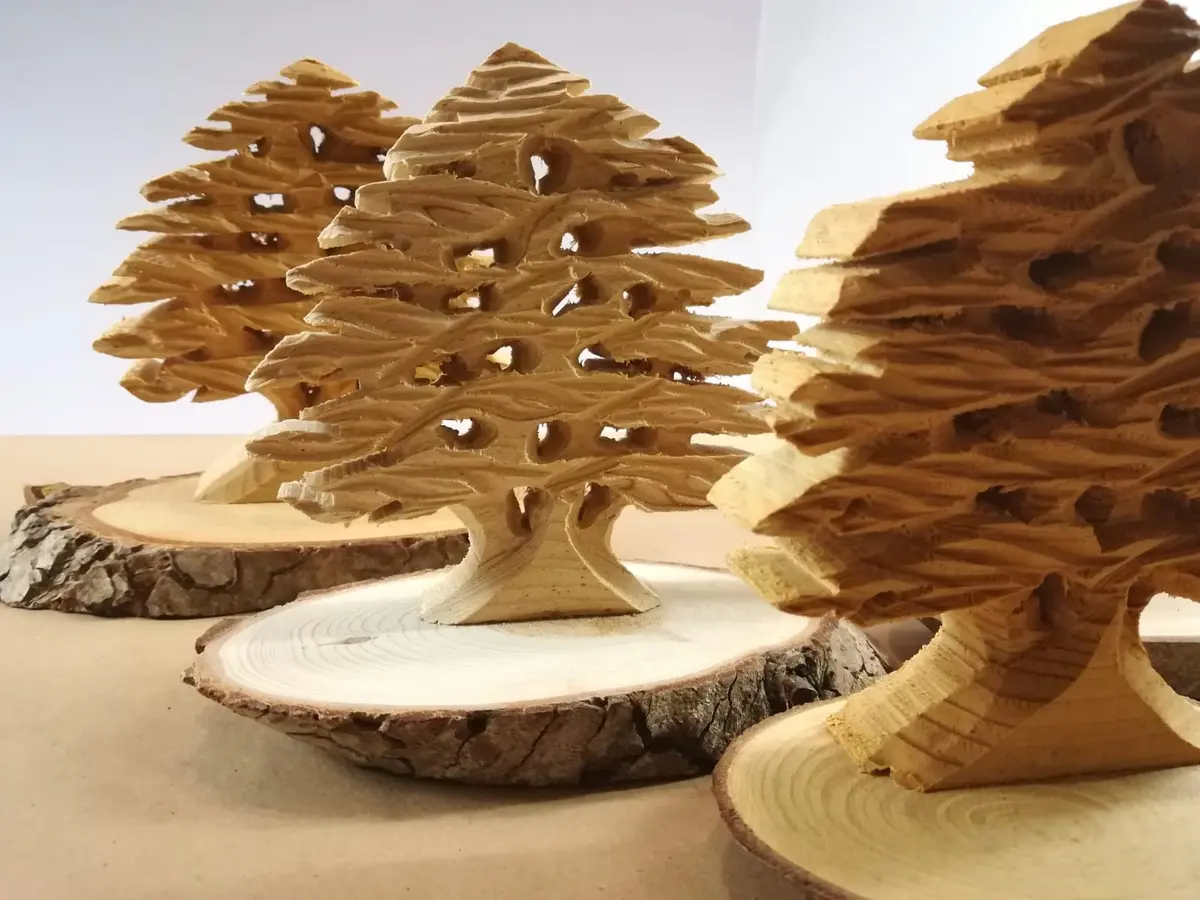
In Bcharre, near the Cedars of God forest, artisans carve religious icons, bowls, and small sculptures from Cedrus libani. The wood has a distinct honey-pine scent that fills any room it’s in.
Legal note worth taking seriously: cutting a living cedar is illegal in Lebanon. Ethical carvers work only with deadwood collected after winter storms or from trees that fell naturally. That scarcity drives prices — a small cedar bowl runs $30–$60, a carved icon $80 and up. Avoid anyone whose prices seem suspiciously low or whose wood looks freshly cut (bright yellow interior rather than the darker aged tone).
Workshops cluster near the forest entrance and along the road down from the Gibran Museum. Ask at the forest visitor center for their recommendation — they know who sources ethically.
- Location: Cedars of God forest area and downhill toward Bcharre village
- Cost: $30–$300+
- Best for: Religious travelers, anyone drawn to scented wood
- Time needed: 30 minutes
Where can you shop Lebanon crafts in Beirut?
If the mountain and coastal routes aren’t realistic for your trip, two Beirut shops aggregate work from rural artisans and sell it under one roof. Prices run higher than buying at the source, but quality is vetted and you can pay by card at both. For a broader take on portable gifts, see the full souvenir guide to what to buy in Lebanon.
8. Orient 499 — Clemenceau, Beirut
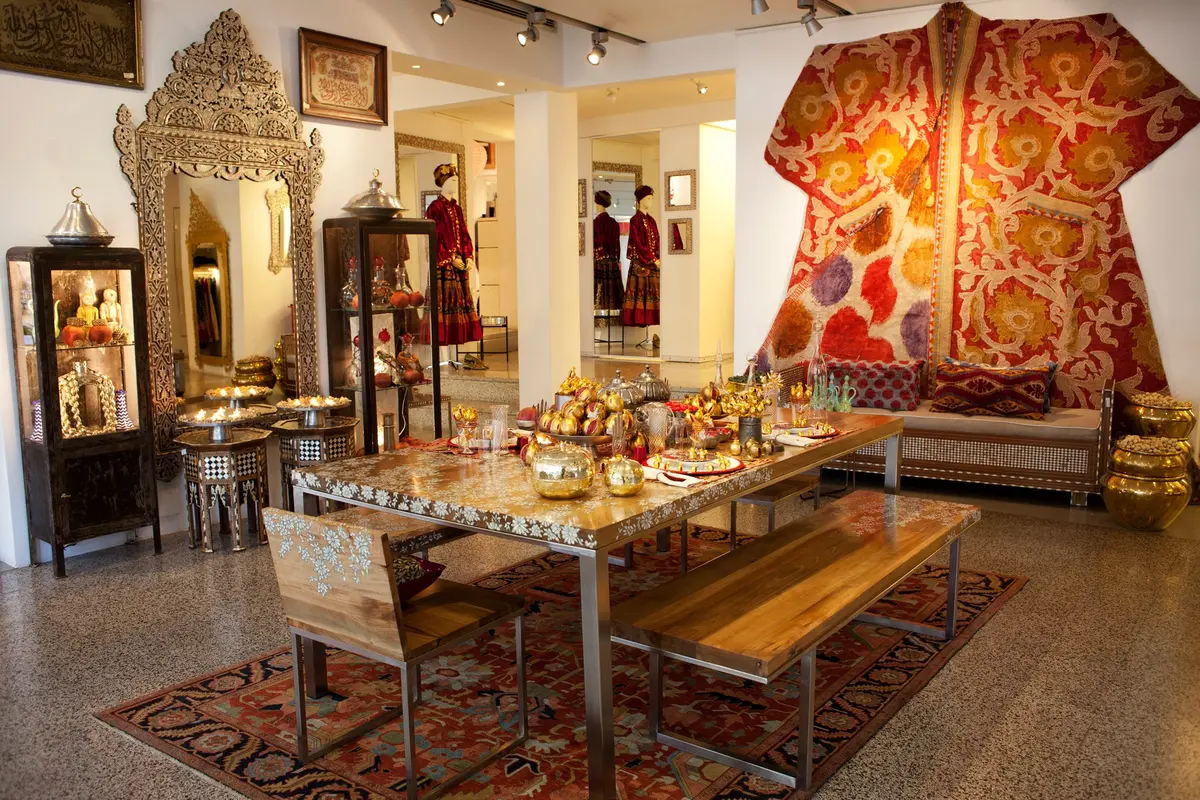
Founded in 2006 by Aida Kawas and Frank Luca, Orient 499 is the most design-forward of the Beirut craft boutiques. It sits on Rue Omar Daouk in Clemenceau, directly across from the abandoned shell of the old Holiday Inn — a landmark even the cab drivers know. Around 200 artisans supply the shop with hand-hammered copper, blown glass, mother-of-pearl inlay furniture, embroidered kaftans, and ceramics.
The pricing is not souvenir-shop pricing. A long kaftan can hit $450; a small decorative object might be $80. What you get is design-vetted pieces that translate cleanly into a modern home, and a guaranteed-order pipeline that keeps rural artisans employed. Open Monday to Saturday, 10:30 AM–7:00 PM.
Pro Tip: The embroidered cotton table runners ($60–$120) are the best-value pieces in the store and pack flat in a suitcase.
- Location: 499 Rue Omar Daouk, Hammoud Building, Minet El Hosn / Clemenceau, Beirut
- Cost: $20–$2,000+
- Best for: Gift hunters, interior-design travelers
- Time needed: 45–90 minutes
9. L’Artisan du Liban — Clemenceau, Beirut
Established in 1979 as a non-profit to support Lebanese artisans, L’Artisan du Liban is the older, broader, less designer-curated sibling of Orient 499. It carries work from more than 800 artisans — pottery, soap, glass (including Khalifeh pieces from Sarafand), weavings, embroidery, jewelry, and preserves — at middle-market prices.
This is the best one-stop shop in the country if you want variety and transparency about where the money goes. It’s also where I’d send someone with two hours in Beirut and a long gift list. There’s a second location in Clemenceau and one inside the Beirut Souks.
- Location: Clemenceau Street, Beirut (multiple branches)
- Cost: $5–$500
- Best for: Gift shopping at scale, conscious consumers
- Time needed: 60 minutes
How do you actually travel for Lebanon crafts?
Hire a private driver for $80–$150 per day, carry fresh small USD bills, and call workshops ahead — most are family homes, not stores with posted hours. Public buses cover Beirut–Tripoli and Beirut–Sidon but not the mountain villages where the best ateliers are. Expect the Sarafand, Assia, and Beit Chabab stops to each need half a day including drive time.
Getting around
- Private driver: $80–$150/day including fuel. The only realistic option for mountain stops. Ask your hotel or use Nakhal or local WhatsApp-based services.
- Rental car: $35–$70/day. Fine for the coast and Jezzine; mountain roads to Assia need an SUV or a comfortable small car and strong nerves. If you’re weighing the tradeoffs, the detailed guide to renting a car in Lebanon covers insurance, fuel, and checkpoint etiquette.
- Rideshare (Bolt, Careem): Works in Beirut and along the coast. Useless for Assia or Beit Chabab. See the rideshare versus taxi breakdown for pricing differences.
- Drive times from Beirut: Sidon 45 minutes, Sarafand 70 minutes, Tripoli 90 minutes, Jezzine 2 hours, Bcharre 2.5 hours, Beit Chabab 45 minutes.
Cash, cards, and bargaining
- Cash is the default. Lebanon’s banking system has been severely impaired since the 2019 crisis. Most workshops do not accept cards — a reality tied to Lebanon’s broken currency situation.
- Bring fresh USD bills — $1, $5, $10, $20 denominations. Torn, marked, or pre-2013 bills are frequently refused.
- ATMs are unreliable outside Beirut; some dispense USD, some don’t work for foreign cards at all. Withdraw what you need before leaving the capital.
- Exchange at a licensed “Sarraf” office (money changer), not at the airport or hotel. Hamra Street in Beirut has the best rates.
- Bargaining is expected in souks (start at 50% of the asking price), uncommon at village workshops (prices are already low and margins thin), and not done at Beirut boutiques or museum shops.
Workshop etiquette
Village workshops are often someone’s home. Your driver should call ahead the morning of the visit — showing up unannounced is rude and frequently means the workshop is closed or the owner isn’t there. Accept the coffee when it’s offered; declining reads as rejecting hospitality. If you’re photographing, ask first, and tip $5–$10 for a real demonstration even if no one mentions it.
Before you book
The nine Lebanon crafts stops above range from the unmissable (Sarafand, Audi Soap Museum, Assia) to the specialized (Beit Chabab, Bcharre). Build around your actual interests — don’t try to hit all nine in a week. A realistic week might cover the three coastal workshops in one day, Assia and Jezzine on a second, and Orient 499 plus L’Artisan du Liban in a Beirut afternoon.
TL;DR: Hire a driver for $80–$150/day, carry fresh small USD bills, call ahead, and prioritize the Khalifeh glass workshop in Sarafand and the Audi Soap Museum in Sidon if you only have time for two stops. Skip Khan Al Saboun unless you’re confident saying no to a sales pitch.
Which of these would you actually make the drive for — and what other countries have you found craft traditions worth this much planning?