
Lisbon vs Porto is one of the most common debates in Portugal travel — and the answer is less obvious than most guides admit. Lisbon is the sun-drenched, hill-stacked capital that demands energy. Porto is the granite-built northern sibling that rewards slowing down and costs significantly less. This breakdown covers the logistics, costs, and firsthand reality of each so you can stop guessing and match the right city to how you actually travel.
Which city should you visit first?
Porto is the smarter entry point if you are visiting both cities. The airport handles immigration faster, the crowds are manageable, and easing into Portugal’s rhythm before hitting Lisbon’s intensity makes the whole trip feel less rushed. Fly into Porto, exit through Lisbon — this open-jaw routing eliminates backtracking and saves a full vacation day.
Most travelers waste an entire day returning to their arrival city. An open-jaw ticket — flying into one city, out of the other — eliminates this dead time and streamlines your route south.
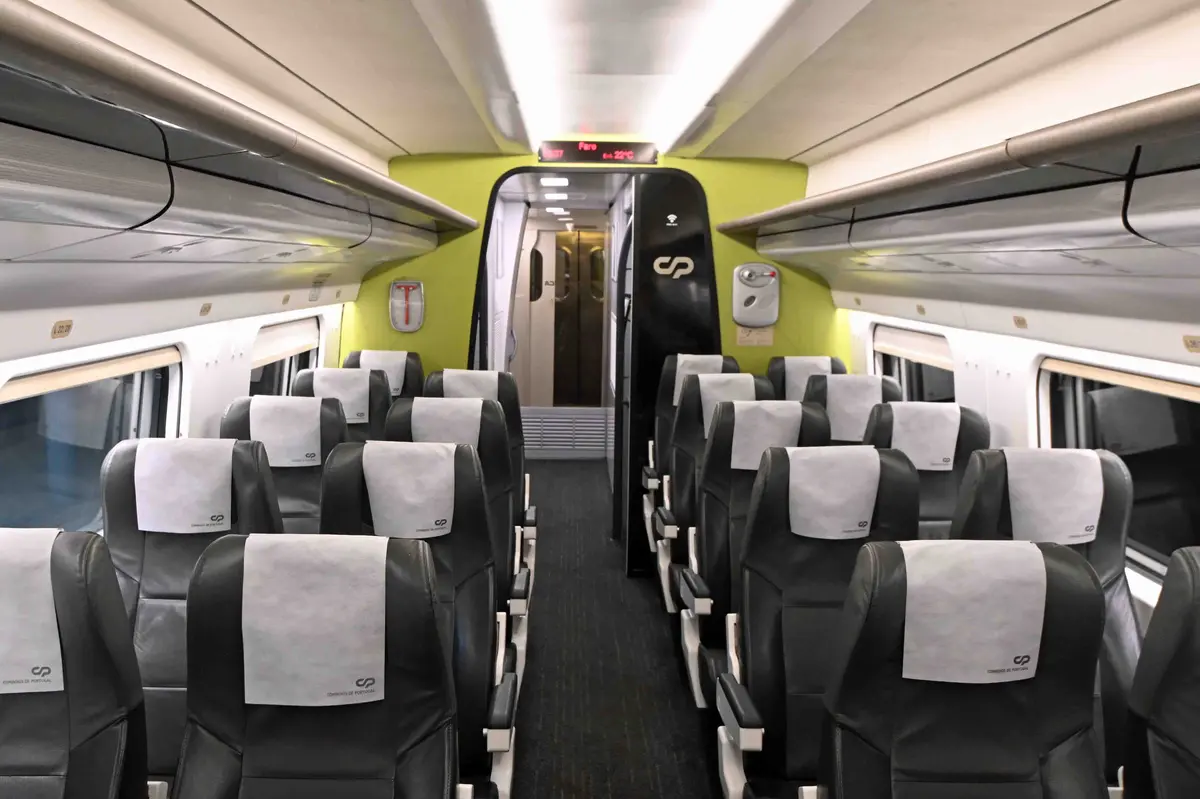
Pro Tip: Advance promo fares on the Porto-Lisbon Alfa Pendular can fall to around $20 when booked 30-60 days ahead through cp.pt. The standard fare without a promo runs about $38 one-way. Book early — promo slots on popular morning departures disappear fast.
How do you get between Lisbon and Porto?
The train is the only practical option for getting between Lisbon and Porto. The Alfa Pendular covers the 209 miles (337 km) in under 3 hours at up to 136 mph, departing roughly every hour or two during peak times. Buses exist but save you almost nothing — they take longer and offer minimal cost advantage once you factor in advance-purchase train prices.
Winter weather can disrupt rail service. Heavy storms occasionally trigger landslides that suspend the northern line for days. Always build a buffer day before international flights to make sure you do not miss your connection.
What makes Lisbon different from Porto?
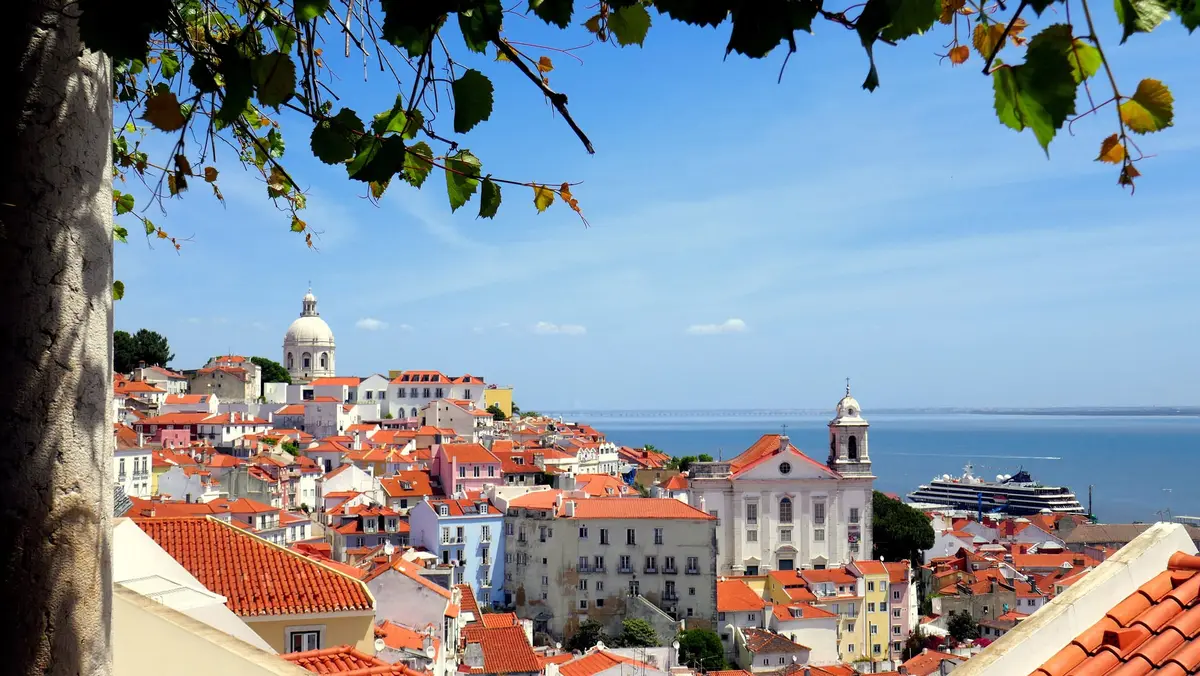
Lisbon sprawls across seven hills along the Tagus River and packs more must-see monuments per square mile than any other Portuguese city. The trade-off is crowds, heat, and prices that run 25-30% higher than Porto across hotels, meals, and attractions. First-time visitors and dedicated foodies tend to get the best return on Lisbon’s premium.
The logistics snapshot
- Location: Western Portugal, Atlantic coast
- Cost: High-end hotels $350-600+, mid-range dinner for two $50-70
- Best for: First-time Portugal visitors, history obsessives, foodies chasing Michelin stars
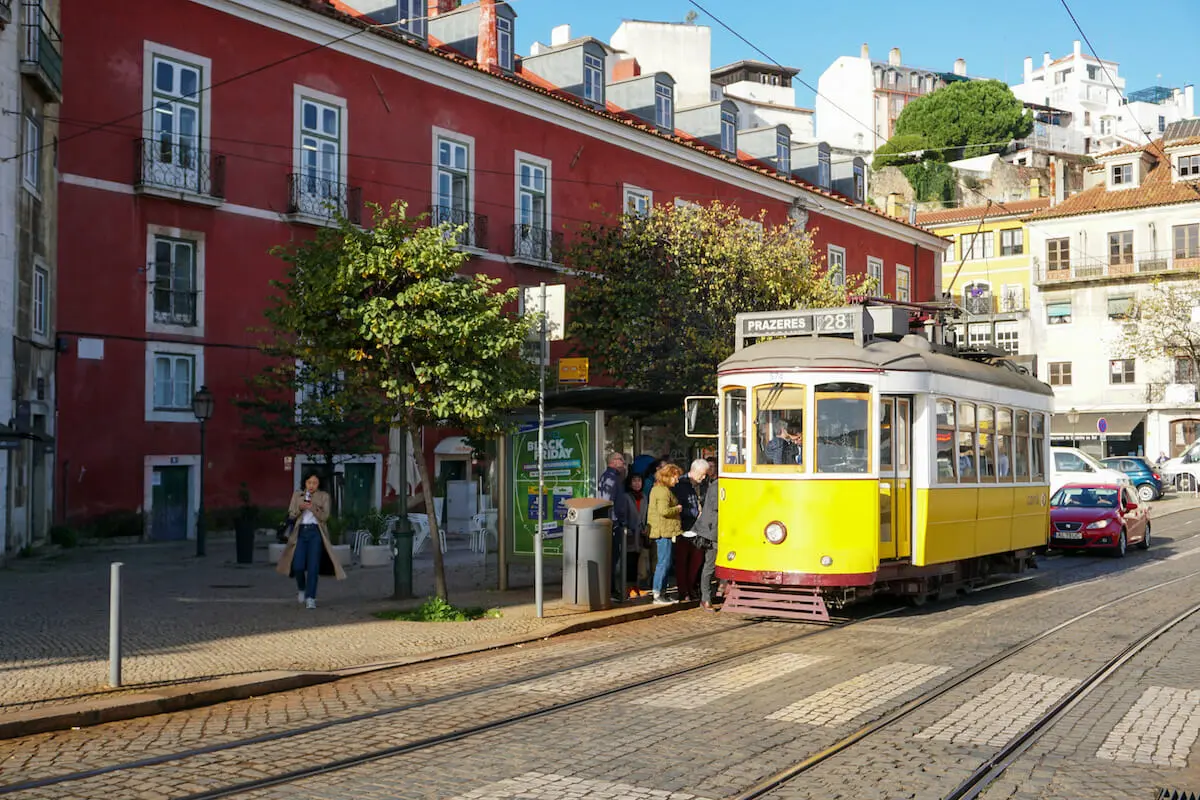
- Getting around: The metro is efficient but managing ongoing expansion work — expect service disruptions on certain lines, particularly routes to beach towns. Tram 28 is a moving pickpocket convention. Avoid it unless you enjoy protecting your valuables in a sardine can.
What Lisbon looks and feels like
Lisbon reflects light. Built from pale limestone, the city glows under the Atlantic sun. The visual language is pastel buildings, intricate mosaic sidewalks, and sweeping river views from hillside lookouts. You will hear Tram 28’s metal wheels screeching through narrow streets, amplified Fado echoing from Alfama taverns, and a dozen languages mixing in Rossio Square.
The smell hits immediately: salt spray from the river, grilled sardines on summer evenings, trapped exhaust in the valley neighborhoods.
The walking is brutal. Those polished cobblestones turn slippery when wet. Wear shoes with serious grip and accept that your calves will burn.
What you will actually do here
The Belém district houses the heavyweight monuments: Jerónimos Monastery and Belém Tower. Both require advance tickets during peak season. Entry to Jerónimos now runs around $19 for adults — up considerably from what travel guides published a few years ago. The famous Pastéis de Belém bakery typically has a 45-minute line on average.
Alfama is the medieval maze where Fado was born. Come at sunrise — around 6:30 AM — to photograph empty alleyways before the tour groups descend. By 10 AM it is shoulder-to-shoulder.
Sintra sits 18 miles (29 km) outside the city. Pena Palace operates on mandatory timed-entry slots. Miss your window by five minutes and you are denied entry with no refund. Book tickets 1-2 months ahead for summer travel.
Pro Tip: Buy the “Park Only” ticket for Pena Palace (around $10). You skip the interior crush, still access the terraces and exterior — the actual photo opportunity — and avoid the timed-entry stress entirely.

What makes Porto worth the trip?
Porto delivers everything Lisbon does at a 25-30% discount, in a walkable historic center you can cross in 30 minutes. The city trades monument density for atmosphere, proximity to the Douro Valley wine country, and temperatures that make summer travel bearable. It is the better base for anyone who prioritizes value, wine, or visiting in July and August.
The logistics snapshot
- Location: Northern Portugal, Douro River mouth
- Cost: High-end hotels $250-450, mid-range dinner for two $35-55
- Best for: Budget-conscious travelers, wine enthusiasts, solo travelers, anyone visiting in summer
- Getting around: The metro is expanding with active construction around certain central zones — upper-floor accommodations reduce noise. The historic center is compact enough that you will mostly walk.
What Porto looks and feels like
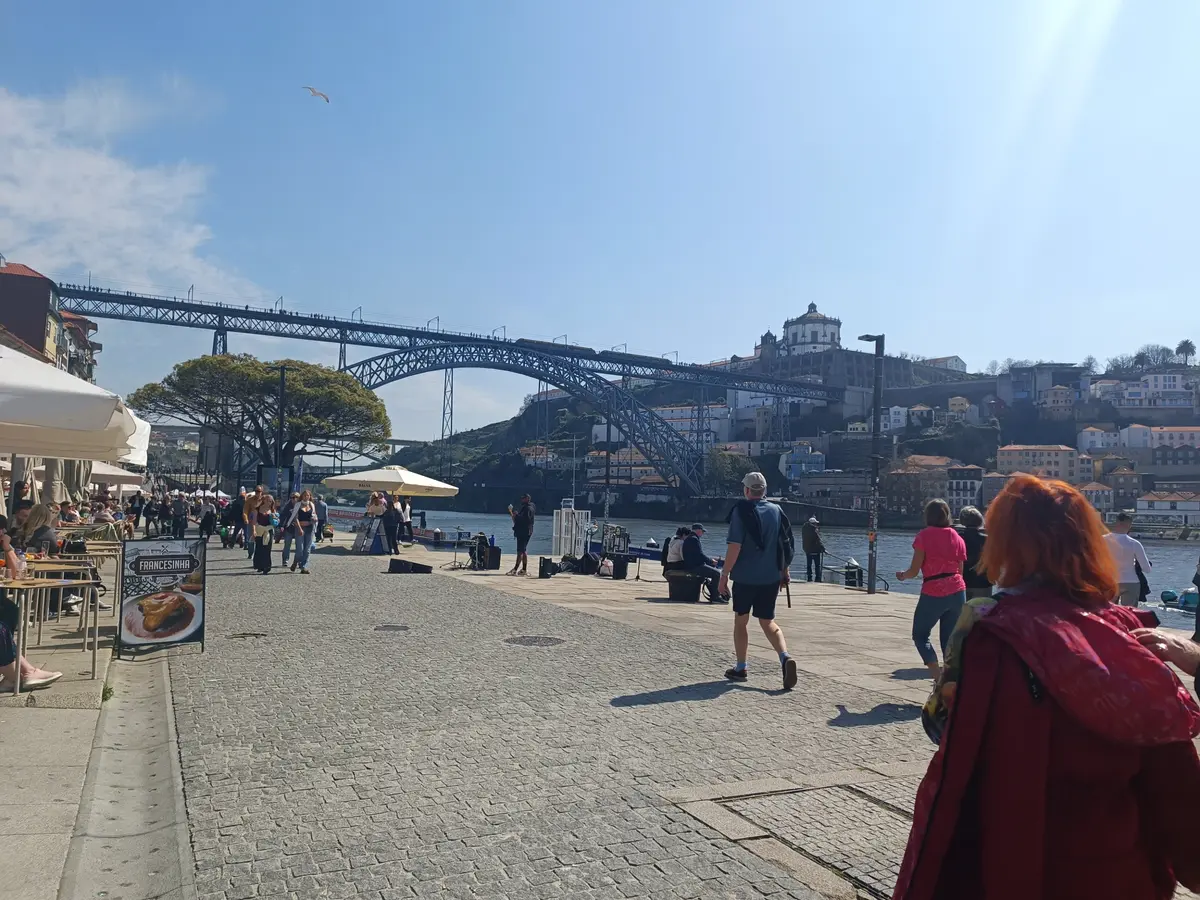
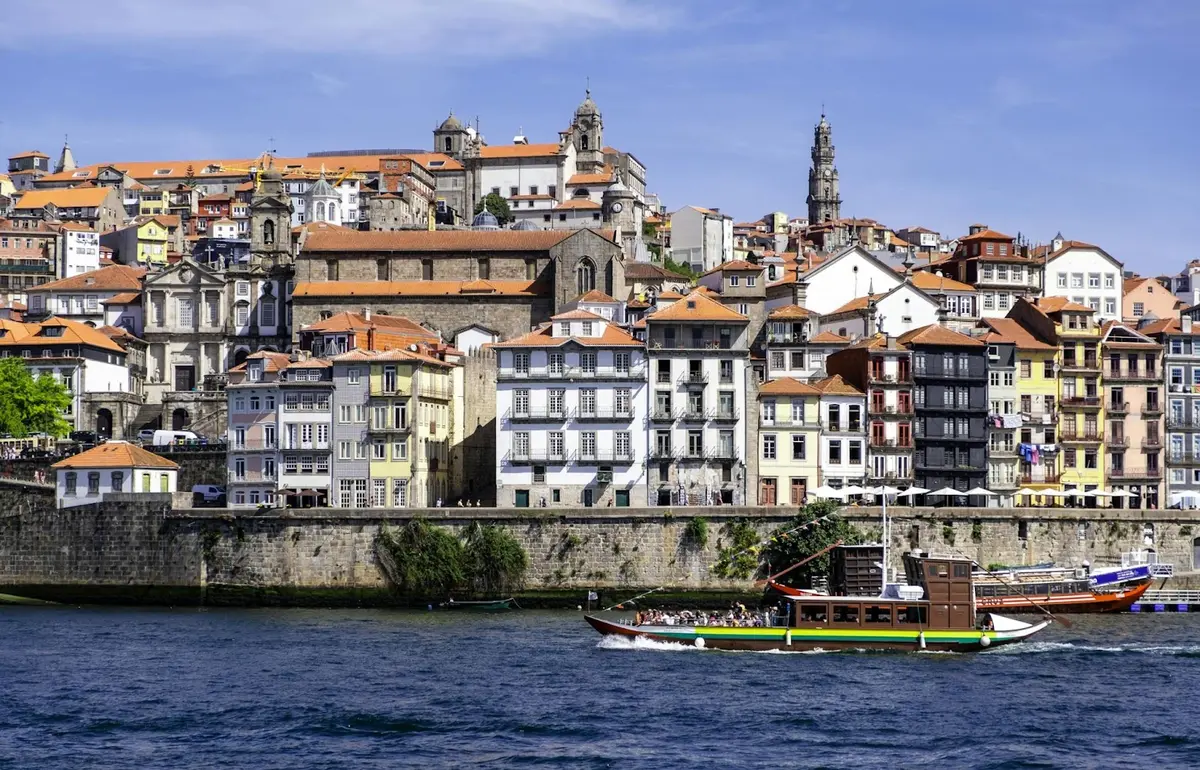
Porto is built from dark grey granite. It feels older, moodier, and more architecturally cohesive than Lisbon. The city stacks vertically along the Douro canyon, creating dramatic layers of rooftops and church towers best viewed from the Dom Luís I Bridge. Seagulls echo through the river gorge while wine barrels clatter in the Gaia lodges across the water. Indie rock spills from bars in the Cedofeita neighborhood after dark.
The air carries the sweet scent of aging port wine — locals call it the Angel’s Share — mixed with damp stone after rain and the rich, meaty smell of Francesinha sauce. The Atlantic breeze keeps temperatures 5-10°F (3-6°C) cooler than Lisbon.
What you will actually do here
Vila Nova de Gaia sits across the river and houses the port wine lodges. Skip the massive tourist operations on the main waterfront. Walk uphill to Graham’s or Churchill’s for intimate tastings with better views and half the crowds. The Ribeira waterfront is expensive for what it delivers — eat elsewhere and come here for sunset photos only.
São Bento Station features floor-to-ceiling azulejo tile murals depicting Portuguese history. It is free, takes 15 minutes, and ranks among Europe’s most beautiful transit hubs. On my last visit, I spent longer there than planned and nearly missed a train because of it.
Is the Douro Valley worth a day trip from Porto?
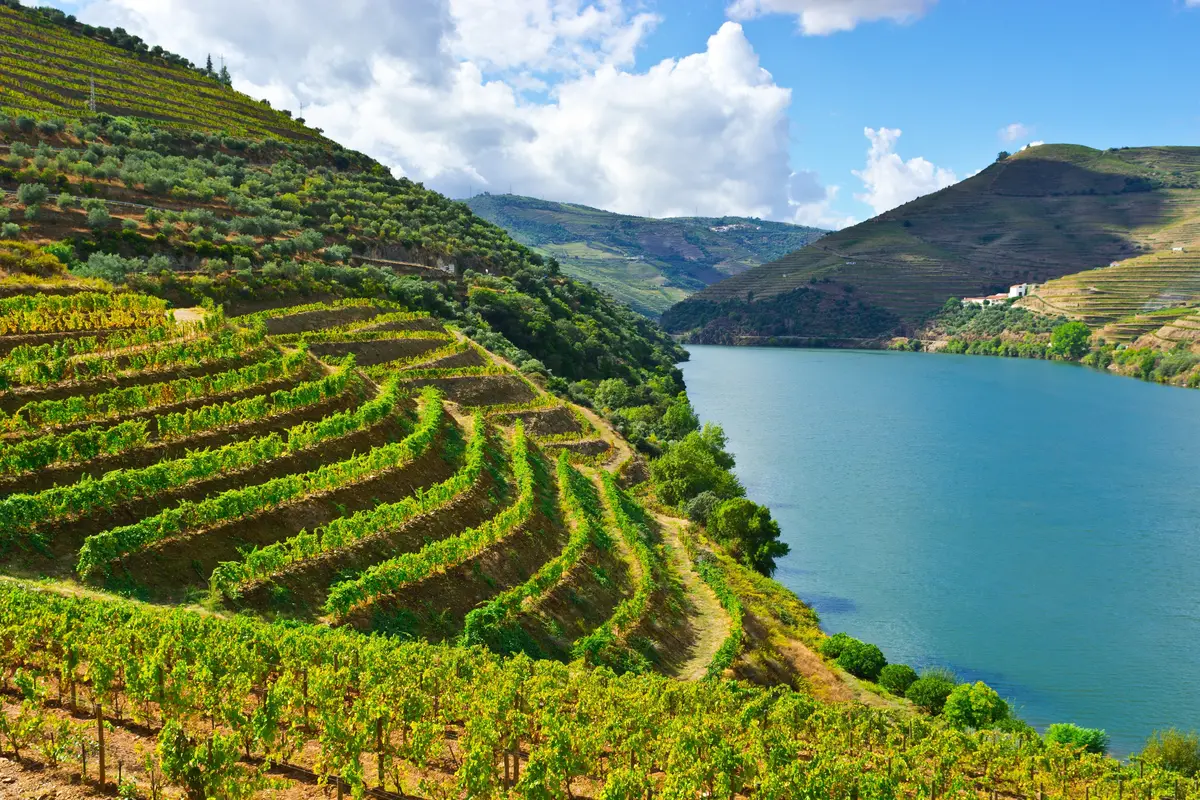
Yes — and the train is the only smart way to do it. The Douro Valley sits 62 miles (100 km) upstream and becomes genuinely spectacular near Pinhão, around 2.5 hours by rail from São Bento. Full-day river cruises from Porto cost $120-150 but waste four hours navigating industrial suburbs and concrete locks. The scenery only becomes worth watching near Pinhão.
Pro Tip: Take the train from São Bento to Pinhão (around $23 roundtrip). The tracks hug the riverbank for the entire scenic section — sit on the right side heading east. In Pinhão, take a 1-hour Rabelo boat tour (~$15) and visit a winery on foot. You save roughly $100 per person and four hours of boredom compared to a full-day cruise.
Where does the food fight between Lisbon and Porto land?
Lisbon wins on variety and fine dining; Porto wins on comfort food and value. The capital’s colonial history and recent international chef influx produce a dining scene — Goan, Brazilian, Mozambican alongside Portuguese classics — that Porto cannot match. But Porto’s cuisine was built for actual hunger, and at lower prices across the board.
What Lisbon eats
Pastéis de Nata: Pastéis de Belém is the historic source but demands a 45-minute wait. Manteigaria — in Chiado or Time Out Market — delivers a superior crust-to-cream ratio with no line.
Shellfish: Cervejaria Ramiro remains the standard. Use their ticket machine system or arrive at 3:30 PM for a late lunch to sidestep the evening chaos.
Value: Zé da Mouraria (lunch only, communal tables, massive platters of cuttlefish and cod) or Canalha (chef-driven bistro with market fish, no pretension) offer the best return on spend.
What Porto eats
Francesinha: Steak, ham, and sausage buried under melted cheese and drenched in beer-tomato-chili sauce. Skip the riverside tourist spots. Yuko Tavern (Rua de Costa Cabral 2331, open since 1987) serves one of the city’s most consistent versions — reserve a table ahead, the room fills fast and they close on Sundays.
Bifana: This pork sandwich appears everywhere, but Porto’s version — shredded meat in spicy sauce — has nothing in common with the Lisbon style except the name. Conga is the institution here. The House Bifana is mandatory.
Coffee: An espresso costs roughly $2.50 in Porto versus $3.50 in Lisbon. The capital’s third-wave coffee shops often charge London prices for the same drink.

How much cheaper is Porto than Lisbon?
Porto delivers 25-30% better value across the board. The same budget that buys a standard 4-star chain in Lisbon secures a boutique riverfront experience in Porto — you are not getting a worse product, you are exploiting a pricing gap that the market has not corrected.
Mid-range dining for two averages $35-55 in Porto versus $50-70 in Lisbon. The tourist markup on menus is less aggressive in the north. Even top-tier monument entry costs less — Clérigos Tower and Palácio da Bolsa in Porto run $8-10, compared to Jerónimos Monastery at roughly $19 in Lisbon. Demand density drives the capital’s premium.
Pro Tip: A fixed budget of $3,000 per person gets you a standard 4-star chain in Lisbon or a boutique riverfront experience in Porto. Choose accordingly.
Is Portugal safe for tourists?
Portugal is one of Europe’s safest destinations, but tourist zones attract opportunistic theft. The risks are specific and avoidable once you know the patterns.
The Tram 28 problem
Tram 28 in Lisbon is pickpocket central. Thieves work in groups, creating crush points at doors or using distraction techniques — dropped maps, spilled drinks. Wear backpacks on your front. Better yet, take Tram 24 or Tram 12 for similar vintage charm with a fraction of the risk.
The bay leaf con
Men in downtown Lisbon — Baixa, Rossio — approach tourists offering drugs. It is crushed bay leaves, bouillon cubes, or baking soda. They are con artists, not dealers. A firm “Não” and walking away is the only protocol.
The petition distraction
Groups ask tourists to sign petitions for deaf children or similar causes. While you hold the clipboard, an accomplice works your pockets from below. Never stop for petitioners in tourist zones.
When should you visit Lisbon vs Porto?
Summer — July and August — heavily favors Porto. Lisbon becomes a heat island hitting 95°F+ (35°C+) while cruise ships dump thousands into already-packed streets. Porto stays 5-10°F (3-6°C) cooler thanks to Atlantic breezes and its position further north.
For most travelers, spring and fall represent the best time to visit Portugal — temperatures hover around 65-75°F (18-24°C), monument lines shrink, and Lisbon in particular breathes easier. Winter works for both, but Porto gets more rain and dramatic fog rolling up the Douro canyon. Pack layers regardless of season — Portuguese buildings rarely have central heating.
Lisbon vs Porto: which city fits your travel style?
The better city depends entirely on what you value. Monument density or purchasing power. Global cuisine or comfort food. Cosmopolitan chaos or atmospheric streets. Most itineraries benefit from both, but if you have to choose, the answer comes down to four variables: budget, season, wine interest, and whether you have been to Lisbon before.
Choose Lisbon if you are…
A first-time Portugal visitor: You cannot skip the capital’s heavyweight monuments that define the national brand — Belém Tower, Jerónimos, Sintra. The density of must-see sites is unmatched anywhere else in Portugal.
A high-end foodie: The concentration of Michelin stars and global fusion cuisine — Goan, Brazilian, Mozambican — does not exist in Porto. If dining is your primary motivation, Lisbon wins by a clear margin.
A variety seeker: From Moorish alleys in Alfama to futurist architecture at Parque das Nações, Lisbon offers more aesthetic range. It is a city for maximalists.
Choose Porto if you are…
Budget-conscious: Your purchasing power increases a minimum of 25%. The same money that gets you a chain hotel in Lisbon secures boutique luxury in Porto.
A wine enthusiast: Proximity to the Douro Valley makes Porto the only logical base. Walking to port wine lodges in Gaia across the Dom Luís I Bridge is an experience no amount of Lisbon restaurants replaces.
A solo traveler (especially women): Porto is a standout pick for solo travel in Portugal — the compact scale and centralized nightlife create higher perceived safety than Lisbon’s Pink Street scene.
Visiting in summer: The temperature difference alone makes Porto the right call for July-August travel.
The bottom line
TL;DR: Porto wins on price, atmosphere, and summer livability. Lisbon wins on monuments, dining variety, and first-time impact. If your itinerary allows, visit both — the train connection makes it easy and each city reframes the other.
Don’t choose. Optimize the route instead. Fly into Porto and exit through Lisbon. Spend 3 days in Porto, take the Alfa Pendular south, then 4-5 days in Lisbon. Porto eases you into Portugal’s rhythm without the capital’s intensity. Travelers who do both in this order consistently say the same thing: Porto made them appreciate Lisbon more, and Lisbon made them miss Porto immediately.
What tipped the scale for you — Porto’s intimacy or Lisbon’s energy? Drop it in the comments.