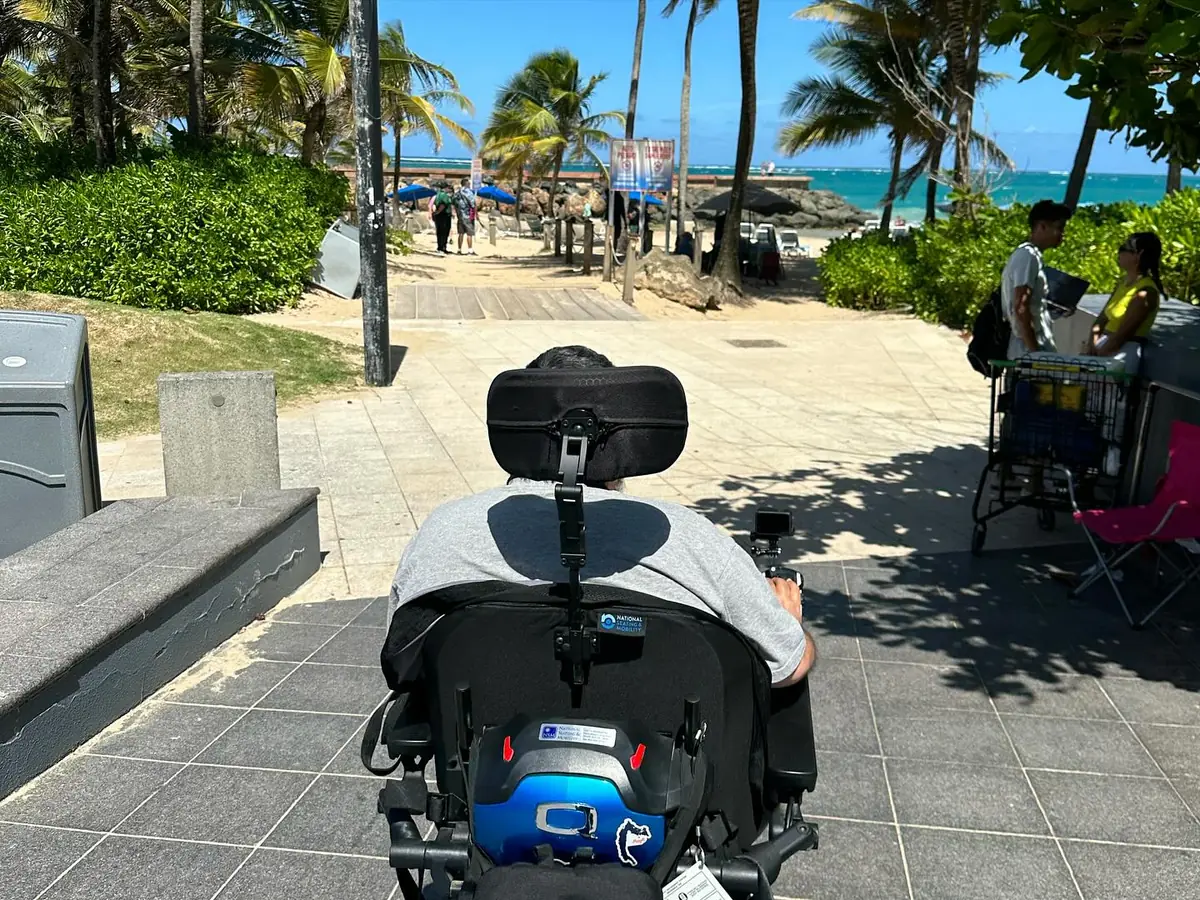

Planning to rely on Uber in Puerto Rico? Inside the San Juan metro, the app is fast, cheap, and more reliable than most mainland US cities. Step one mile outside that invisible boundary — toward El Yunque, Ceiba, or the west coast — and the network collapses. This guide shows you exactly where the bubble ends and what to do about it.
Does Uber work in Puerto Rico?
Yes, Uber works in Puerto Rico, but only inside the northern San Juan metro area — roughly from Bayamón east through Carolina and Isla Verde. Outside that corridor, driver availability drops to zero. El Yunque National Forest, the Ceiba ferry terminal, Ponce, and Rincón are not realistically served by the app.
Inside the metro bubble, rides are cheap and fast. A typical short hop runs $7 to $15, and wait times in Condado or Isla Verde are usually under 6 minutes outside of surge windows.

How do you catch an Uber at SJU airport?
At Luis Muñoz Marín International Airport, Uber pickups happen in the designated rideshare zones at Terminal A and Terminal B/C — not at the taxi curb outside baggage claim. Follow the overhead signs marked “Rideshare” or “Uber,” and the app will drop a pin on the exact pillar. Ignore the unsanctioned taxi touts who work the baggage area.
The moment the sliding doors open at SJU, you walk into a wall of humid air, jet exhaust, and men calling “Taxi? Taxi amigo?” before you’ve even found your bag. Do not engage with them. Licensed taxis queue at an official stand; freelancers at the curb are the ones to skip.
Pro Tip: Request your ride while the bag carousel is still spinning. By the time your suitcase drops, your driver is already rolling toward the pickup zone and you walk straight out.
Airport Uber fares to the metro area typically run:
- Isla Verde: $8–$15
- Condado: $13–$20
- Old San Juan: $15–$25
- Fajardo (east coast): $75 and up, if you can get a driver at all
Government-regulated taxis use fixed zone rates and are always available at the curbside taxi stand outside baggage claim. Taxis also add a $3 airport departure surcharge and $1 per piece of luggage.

Uber vs. taxi in San Juan — which one wins?
Uber wins on price and convenience inside the metro bubble. Taxis win on predictability, cash payment, and reach beyond the metro. The smart move is to keep both options open.
| Feature | Uber | Government Taxi |
|---|---|---|
| Pricing | Dynamic (surge variable) | Fixed zone rates |
| Airport access | Rideshare zones at Terminals A and B/C | Curbside taxi stand |
| Local fare range | $7–$15 | $12–$21 |
| Luggage fees | Included | $1 per bag |
| Payment | App only (card) | Cash almost exclusively |
| Geographic reach | Metro San Juan only | Island-wide |
Use Uber when demand is flat and the weather is dry. Pivot to a taxi the second the app shows 1.8x surge or a sudden downpour kicks in. Uber in Puerto Rico does not accept cash — every ride is charged to the card linked to your account.
Pro Tip: Keep $60 in small bills in your wallet at all times. When the surge hits 2.5x after a La Placita Saturday night, a cash taxi is the faster, cheaper move.

Where does Uber reliably work in San Juan?
The app is strongest in the dense tourist and residential corridor along the north coast. Inside these neighborhoods, you can skip the rental car entirely:
- Isla Verde and the Carolina municipality corridor
- Condado and Miramar
- Old San Juan (including the cruise port area)
- Santurce and La Placita
- Bayamón and Guaynabo transit corridors
Automated highway tolls are handled through the app — you never need coins for the AutoExpreso lanes.
What triggers surge pricing in San Juan?
Three specific events will spike fares 2x to 3x almost every time. Learn them and shift your timing by 20 minutes:
- Sudden tropical downpours — pedestrians flood the app the instant rain hits
- La Placita closing time on Friday and Saturday nights — hundreds of riders request at once around 2 a.m.
- Cruise ship disembarkation mornings at the Old San Juan port — thousands of day visitors open the app simultaneously
Why you should never count on Uber at El Yunque
El Yunque National Forest is a genuinely beautiful destination, and also the single most common place travelers get stranded by the app. A San Juan driver will happily accept the outbound fare because the algorithm pays well for the 45-minute run. But once they drop you at the trailhead, there are no return fares waiting in the mountains, so the driver deadheads straight back to the city.
When you finish your hike two hours later, the app shows “no drivers available” and you are standing on a rural road with a dead signal.
The fix is to book round-trip private transport before you leave San Juan. Several local operators run the route daily for around $80 to $120 per person, including a few hours at the waterfalls. The price is close to what a one-way surge Uber would cost, and the return trip is guaranteed.
Pro Tip: Search for “El Yunque half-day tour from San Juan” rather than going DIY with Uber. The tour operators know which trails are open after recent storms, which changes week to week.

How do you get back from the Ceiba ferry terminal?
You don’t — not with Uber. Catching the Ceiba ferry to Culebra or Vieques from the terminal, an hour east of San Juan, is the second-worst trap on the island for rideshare users. An Uber will get you to the terminal. Getting one back is nearly impossible, especially on the late ferry.
Picture the arrival: the ferry empties into a dark asphalt lot lit by sparse yellow security lamps, tree frogs chirping in the brush, and your app spinning with zero drivers available within 30 miles. No San Juan driver will deadhead an hour out to sit at an empty port at 10 p.m.
Alternatives that actually work:
- Vieques Air Link and Cape Air: puddle-jumper flights from SJU or Ceiba airports, often competitive with a surge ride and dramatically faster (25 minutes vs. 90)
- Private round-trip ground transport: book before you leave, roughly $150–$220 round trip for two people
- Your own rental car: leave it in the secure Ceiba lot for $10/day and retrieve it on return

Why will an Uber driver refuse you at the beach?
Because San Juan Uber drivers use their personal vehicles, not a rental fleet, they enforce a zero-tolerance sand-and-water policy. Arrive at a coastal pickup point with damp swimwear or sand on your calves and the driver will either cancel on the spot or, worse, accept you and later file a cleaning fee claim of around $150 directly to your credit card.
I’ve watched drivers roll down the passenger window at Playa Escambrón and do a full visual sweep — calves, shorts, towels, the bag on your shoulder — before unlocking the doors. A rejection is honestly the best outcome. The claim charge is the ugly one and rarely gets reversed on appeal.
The fix is simple. Change out of swimwear completely before you request a ride:
- Rinse off at the public beach shower — every major San Juan beach has one
- Dry your feet and calves with a dedicated towel before walking to the pickup point
- Change into clean, dry clothes kept sealed in a dry bag in your beach bag
- Leave wet towels in a sealed plastic bag, not on the seat
Pro Tip: If you get in a car and notice the driver has plastic or neoprene seat covers, that is a driver who has been burned before and is watching you closely. Stay off the fabric regardless.

Does Lyft work in Puerto Rico?
No, Lyft does not operate in Puerto Rico. The company has no passenger service anywhere on the island. If Lyft is your default app back home, download Uber and set up payment before your flight boards — do not try to do it on spotty airport Wi-Fi after a red-eye.
Account verification sometimes requires a text code to a US mobile number, and the setup takes 5 to 10 minutes of focused time you will not want to spend at baggage claim.
What about public transit in San Juan?
Puerto Rico has two public transit options, and both are too limited for most visitors.
- Tren Urbano light rail: covers about 11 miles (18 km) through suburban Bayamón and Guaynabo corridors. Clean, air-conditioned, and reliable, but the route does not reach Condado, Isla Verde, or Old San Juan, so it’s useless for most tourist itineraries.
- AMA public buses: under $1 per ride, but schedules are irregular and wait times unpredictable. Fine for a local commute, a rough gamble for a week-long vacation on a schedule.
For almost every visitor staying in the metro area, Uber plus a cash backup for taxis covers every realistic scenario. If you plan to venture beyond San Juan, compare your options in our full guide to getting around Puerto Rico or consider renting a car for total flexibility.
The final verdict on Uber in Puerto Rico
Uber in Puerto Rico works extremely well — as long as you treat it as a San Juan metro tool, not an island-wide solution. Stay inside the bubble, carry emergency cash for taxis when surges hit, dry off completely before every pickup, and book private transport for anything involving El Yunque or the Ceiba ferry terminal.
TL;DR: Uber is reliable and cheap inside the San Juan metro ($7–$15 most rides) and non-existent outside it. Book private round-trip transport for El Yunque and Ceiba, change out of swimwear before any beach pickup, and keep $60 cash on hand for surge-hour taxi backups.
What’s the surge multiplier that finally pushed you to flag a street taxi instead — have you hit 3x yet in La Placita at 2 a.m.?