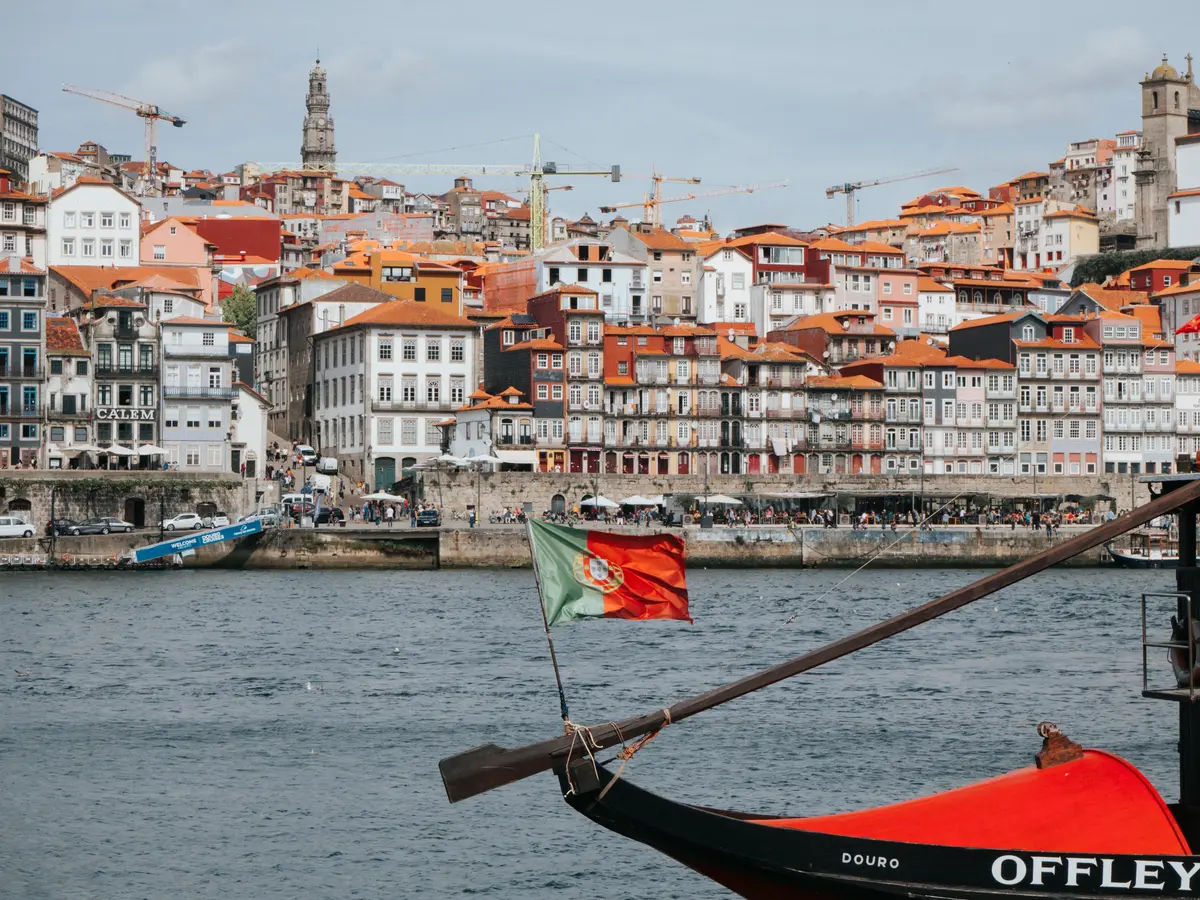
A good Portugal travel guide answers the logistics before the romance: when to go, how many days, and what it actually costs. This one front-loads the practical calls — the spring-versus-fall trade-off, the Lisbon–Porto train, daily budgets in dollars — then points you toward the tiled hills, port lodges, and Algarve cliffs worth the trip.
Spend seven to ten days in Portugal to see Lisbon, Porto, and one more region without rushing. Visit in spring or fall for warm, quieter days around 70°F (21°C). Budget roughly $90 to $165 per person per day at the mid-range level. The Alfa Pendular train links Lisbon and Porto in about two hours and thirty-five minutes, which makes the country easy to string together.
When Is the Best Time to Visit Portugal?
The best time to visit Portugal is spring (April to May) or fall (September to October), when days are warm — around 70°F (21°C) — crowds thin out, and hotel prices drop. July and August are the hottest and most crowded, especially in the Algarve. Winter is mild and cheapest, though the north turns wet.
Spring gives you wildflowers across the Alentejo and comfortable city walking before the heat arrives. Fall is the better bet of the two: the light goes amber, the sea is still warm enough to swim in the Algarve through mid-October, and in late September the Douro smells of crushed grapes during the harvest.
Summer has its place if beaches are the whole point. Just know that Algarve towns like Lagos and Albufeira run at full capacity, parking near the coast becomes a sport, and restaurant waits stretch past an hour at prime dinner times.
Pro Tip: If you want Algarve beach weather without August prices, target the last week of September. The water is at its warmest after a full summer of heating, but the families have gone home and hotel rates have already started sliding.
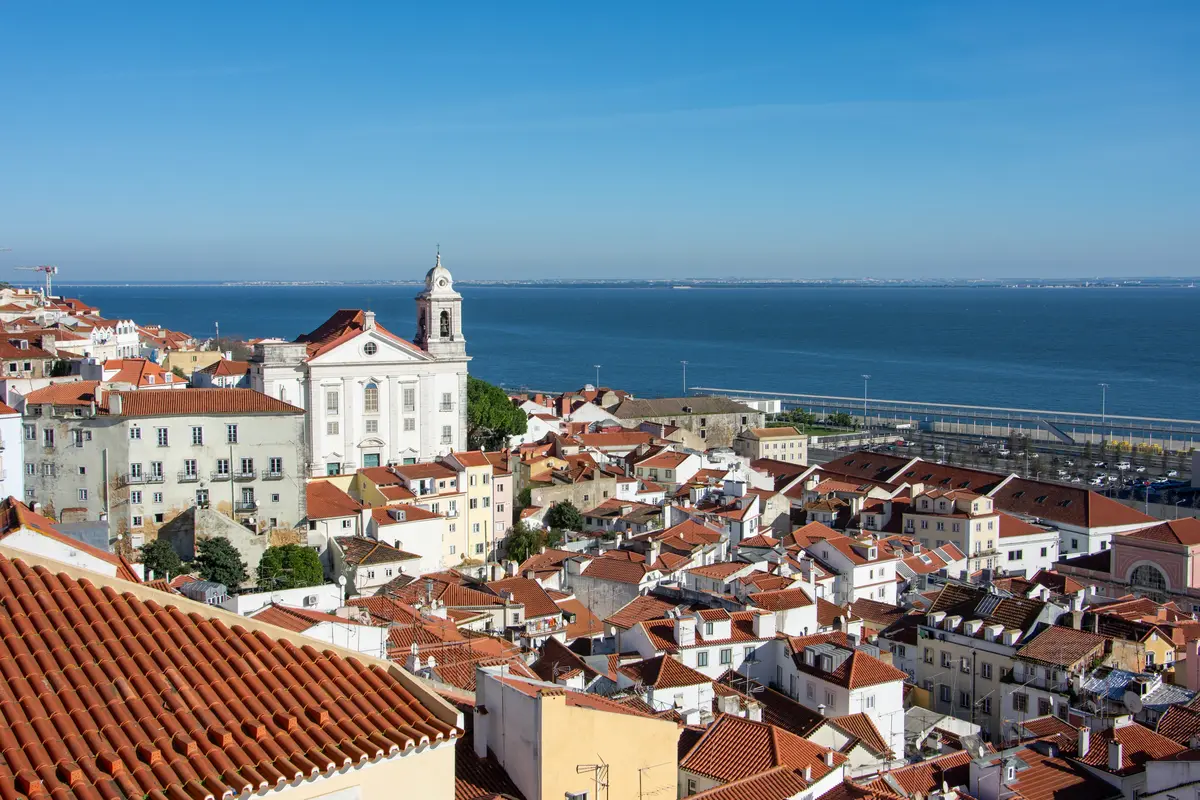
Average Temperatures and Rainfall by Season
| Season | Months | Lisbon Average High | Crowds | Prices |
|---|---|---|---|---|
| Spring | Apr–May | 64–72°F (18–22°C) | Light to moderate | Moderate |
| Summer | Jun–Aug | 79–84°F (26–29°C) | Heavy (peak in Algarve) | Highest |
| Fall | Sep–Oct | 70–79°F (21–26°C) | Moderate, easing | Moderate, dropping |
| Winter | Nov–Mar | 57–61°F (14–16°C) | Lightest | Lowest |
The north (Porto, the Douro, the Minho) catches noticeably more rain than the south year-round, and most of it falls between November and February. The Algarve stays the driest and sunniest corner of the country in every season.
The Cheapest Time to Visit Portugal
January is the cheapest time to visit Portugal. Demand bottoms out after the holidays, off-season hotel rates fall roughly 40 to 60 percent below summer, and flights from the US settle to their lowest. Expect cool, often rainy days — pack layers and a real rain jacket rather than relying on sun.
- Best for: budget travelers, city sightseeing, port lodge tastings, fado nights
- Trade-off: short daylight, wetter north, some Algarve beach businesses closed
- Watch for: New Year and Carnival weeks, which spike prices briefly
How Many Days Do You Need in Portugal?
Plan at least seven days in Portugal, and ideally ten. A week covers Lisbon, Porto, and the corridor between them, with Sintra and the Douro Valley as day trips. Ten days adds the Algarve or deeper inland stops like Évora and Coimbra. Two full weeks lets you add Madeira or the Azores without rushing the mainland.
The reason the math works is the train. The Lisbon–Porto run is short enough to feel like a coffee break rather than a travel day, so you lose almost nothing moving between your two anchor cities.
The 7-Day First-Timer Route
This 7-day Portugal itinerary is the route for a first-timer who wants the country’s greatest hits without a punishing pace.
- Days 1–3: Lisbon — Alfama, Baixa, Belém, plus a day trip to Sintra
- Day 4: Train north to Porto (about 2h35–3h10)
- Days 5–6: Porto — Ribeira, the Gaia port lodges, a half-day in the Douro
- Day 7: Buffer day or an early return south for your flight
Pro Tip: Do Sintra as a day trip from Lisbon rather than an overnight. The town empties dramatically after the last tour buses leave around 5 p.m., and the late-afternoon light on Pena Palace is the best of the day — but only if you’re still there to see it.
The 10-Day Route With the Algarve
Three extra days turn the core week into a 10-day Portugal itinerary that adds the south coast, and the Algarve earns them if you came for cliffs and swimming.
- Days 1–4: Lisbon and Sintra
- Days 5–7: Porto and the Douro Valley
- Days 8–10: Train or flight to the Algarve — base in Lagos for cliffs, Tavira for a quieter feel
The Lisbon-to-Algarve train takes roughly three hours to Faro, from which regional connections fan out along the coast. If your days 8 to 10 are pure beach, renting a car at Faro Airport (FAO) makes the coast far easier to explore than buses do.
How Do You Get Around Portugal?
Trains are the easiest way to get around Portugal between its main cities. The Alfa Pendular and Intercidades services connect Lisbon and Porto in about 2h35 to 3h10, with walk-up fares of €28.05 to €35.70 (about $31 to $39) and advance promo fares far below that. Intercity buses (Rede Expressos, FlixBus) are cheaper but slower. Rent a car for the Algarve, Douro, and islands; cities themselves are walkable, with metros, trams, and cheap rideshare.
Distances are short. Lisbon to Porto is about 195 miles (314 km) by road, and most of the classic first-timer triangle — Lisbon, Sintra, Porto — runs entirely on rails. Within cities, Lisbon and Porto both have metros, and Bolt and Uber are cheap enough that short hops often cost less than you’d expect.
| Route | Train | Bus | Drive |
|---|---|---|---|
| Lisbon → Porto | ~2h35–3h10, €28.05–€35.70 | ~3h30, from ~€9 | ~3h, 195 mi (314 km) + ~€22–€25 tolls |
| Lisbon → Sintra | ~40 min, ~€2.55 | n/a | ~40 min + parking pain |
| Lisbon → Faro (Algarve) | ~3h | ~3h30, from ~€20 | ~2h45, 170 mi (278 km) |
Pro Tip: Buy your Comboios de Portugal (CP) intercity ticket inside the promo window, which opens 60 days out and closes 5 days before departure. CP advertises discounts of up to 65 percent on those seats, and travelers routinely report paying €11 to €18 (about $12 to $20) for the same Lisbon–Porto ride that costs €35.70 at the counter.

Lisbon to Porto by Train
The Lisbon–Porto train is the backbone of any Portugal trip. The fast Alfa Pendular covers the route in about 2h35, while the slightly slower Intercidades runs roughly 3h10 for a few euros less. Trains leave from Lisbon’s Santa Apolónia and Oriente stations and arrive at Porto’s Campanhã, with a quick local connection on to the central São Bento.
- Operators: Alfa Pendular (fastest), Intercidades (cheaper)
- Walk-up fare: €35.70 tourist class or €49.90 comfort class on the Alfa Pendular; €28.05 second class on the Intercidades
- Promo fare: as low as €11–€18 when booked 5 to 60 days out
- Duration: about 2h35 to 3h10
- Book at: the official CP website or app
Lisbon to Sintra by Train
Sintra is a 40-minute commuter-train ride from central Lisbon, not a far-off excursion. Trains run frequently from Rossio and Oriente stations, the single fare is about €2.55 (around $2.80) on Zapping credit, and you load it onto a Navegante card. There’s no reason to rent a car or join a paid tour just to reach it.
Pro Tip: Take the very first morning train to Sintra and head straight to Pena Palace, or flip the plan entirely and go late — Parques de Sintra itself now says the afternoon is when the palace has the fewest visitors. Either way, budget the 20-to-30-minute uphill walk from the park gate to the palace door. The in-park shuttle that used to cover that climb has been out of service, so confirm on the official site before you count on it.
Getting Around Lisbon: Cards, Fares, and the Closed Funiculars
Lisbon’s transit is cheap and the card system is where first-timers lose money. The rechargeable Navegante occasional card costs €0.50 (about $0.55). What you load onto it is the real decision, and the standard 24-hour pass does not cover the trains to Sintra or Cascais — a mistake that has stranded plenty of people at a Rossio ticket gate on the morning of their palace day.
- Card itself: €0.50 (about $0.55), reloadable for a year
- Single Carris/Metro ticket: €1.90 (about $2.10)
- Zapping pay-as-you-go: €1.72 per metro, bus, or tram ride (about $1.90) — the cheapest option for light use
- Contactless bank card at the metro gate: €1.92 (about $2.10)
- 24-hour Carris/Metro pass: €7.25 (about $8) — city only
- 24-hour Carris/Metro/CP pass: €11.40 (about $12.50) — the one that includes the Sintra and Cascais trains
One thing no glossy guide will tell you: the hills are back to being hills. Lisbon’s three historic funiculars — Glória, Bica, and Lavra — have been out of service since a fatal derailment on the Glória line, with no reopening date announced. The newer Graça funicular still runs, and the Santa Justa lift still operates, though its rooftop observation deck has been closed for renovation. Plan on walking, and check Metro Lisboa for current fares before you land.
Do You Need a Car in Portugal?
No, you don’t need a car for the classic Lisbon–Porto–Sintra route — trains and rideshare are faster, cheaper, and far less stressful than parking in old-town centers. You do want a car for the Algarve’s scattered beaches, the Douro Valley’s vineyards, and the islands, where public transit thins out and the freedom pays off.
- Skip the car for: Lisbon, Porto, Sintra, the Lisbon–Porto corridor
- Rent a car for: the Algarve coast, the Douro Valley, Madeira, the Azores
- Budget for: A1 tolls of roughly €22–€25 (about $24–$28) one way between Lisbon and Porto, A2 tolls heading south, plus pricey, scarce city-center parking
Run the numbers and the case gets blunt. Driving Lisbon to Porto costs you about €25 in tolls plus fuel plus roughly three hours behind the wheel; the same trip by train can cost €11 booked ahead, takes 2h35, and drops you a metro ride from Ribeira. This is where the common advice about renting a car in Portugal goes wrong for first-timers. On the standard city route, a car is a liability — you’ll pay for parking you can’t find and crawl through one-way medieval lanes. Save the rental for the regions that actually reward it.
Where Should You Go in Portugal?
First-timers should anchor a trip on Lisbon and Porto, add Sintra and the Douro Valley as day trips, and pick the Algarve for beaches. With more time, fold in Évora and the Alentejo inland, or fly to Madeira or the Azores. Lisbon and Porto alone justify a full week before you go anywhere else.
Here are the regions ranked by first-timer value, with the honest case for each.
Lisbon — The Anchor City
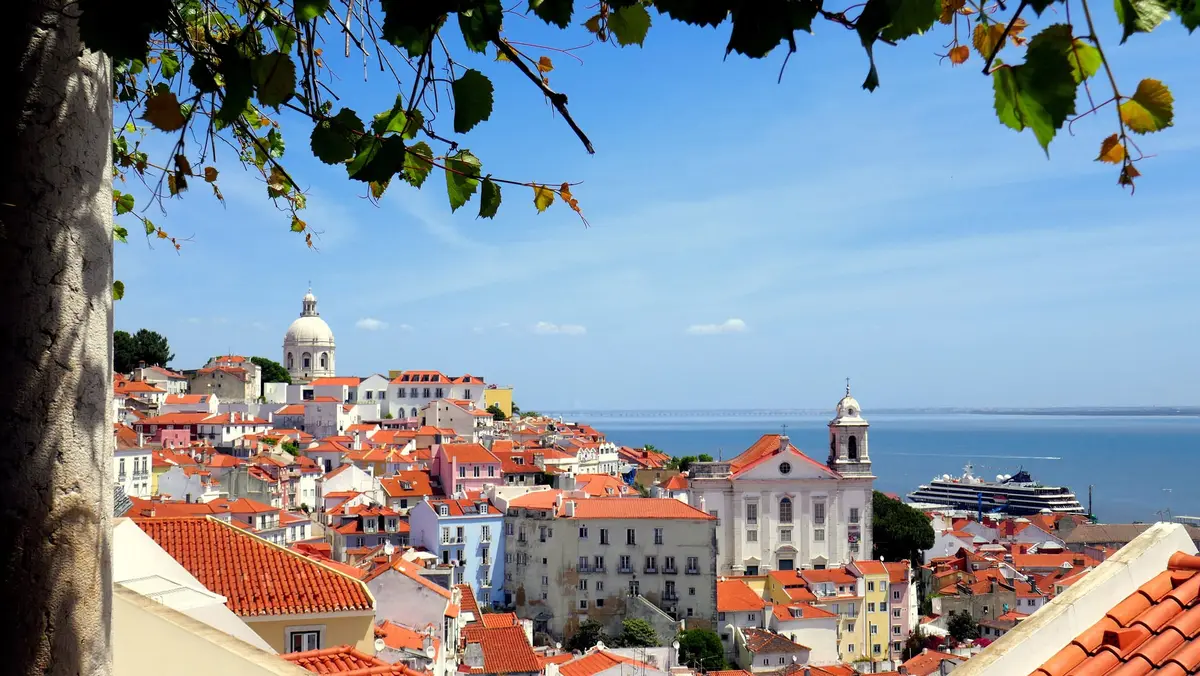
Lisbon spreads across seven hills above the Tagus, and you feel every one of them in your calves. Alfama is the old Moorish quarter of tangled lanes, drying laundry, and fado spilling from tiny taverns after dark; Belém holds the monuments and the original custard tarts; Baixa is the flat, grid-planned downtown rebuilt after the 1755 earthquake.
The friction point: the cobbled calçada underfoot is genuinely slippery, and the climbs are steeper than photos suggest. With the historic funiculars shut, there’s no shortcut up. Comfortable grippy shoes matter more here than any guidebook.
- Location: West-central Portugal, on the Tagus estuary
- Cost: mid-range hotels €100–€200/night (about $110–$220), plus €4 per person per night in tourist tax
- Best for: first-timers, history, food, fado, day-trippers to Sintra
- Time needed: 3 days minimum, including a Sintra day trip
Porto — Riverside and Port Wine
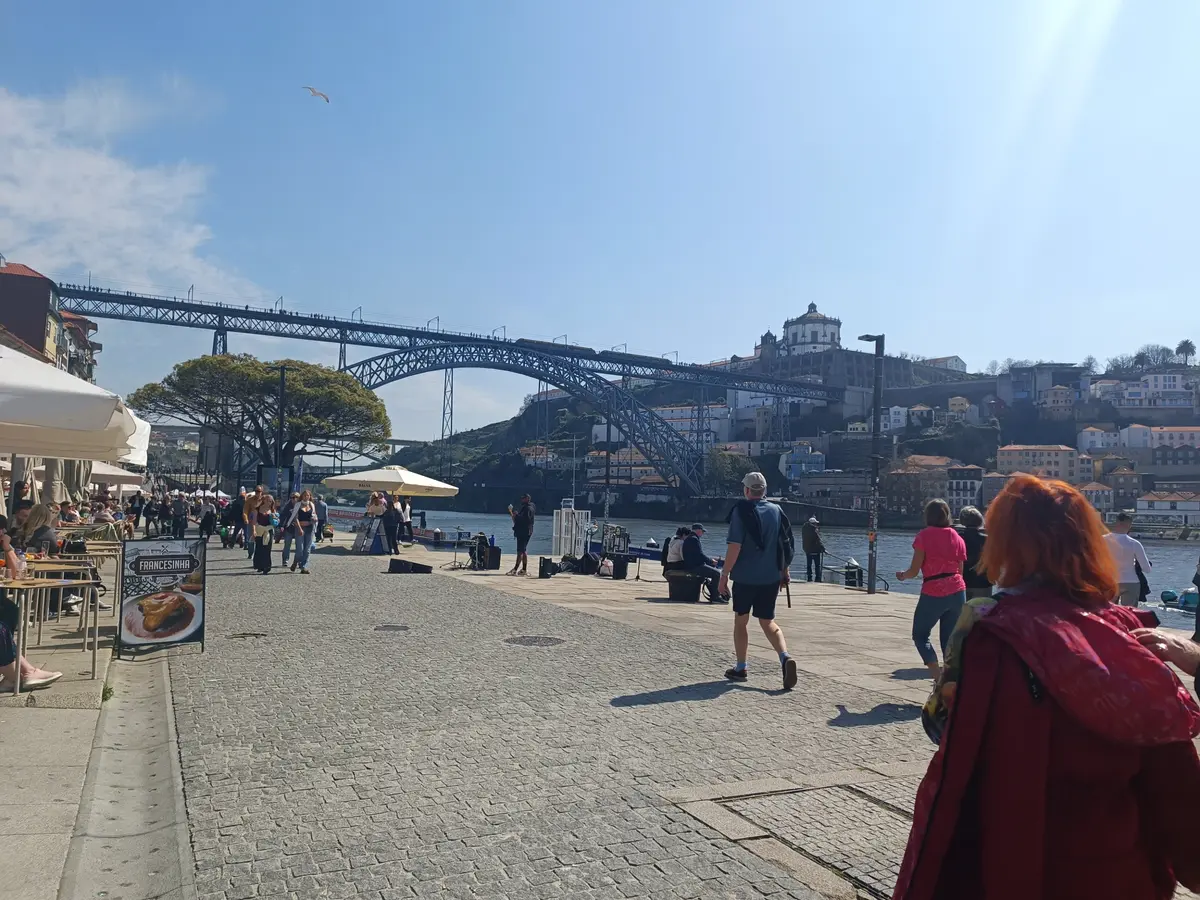
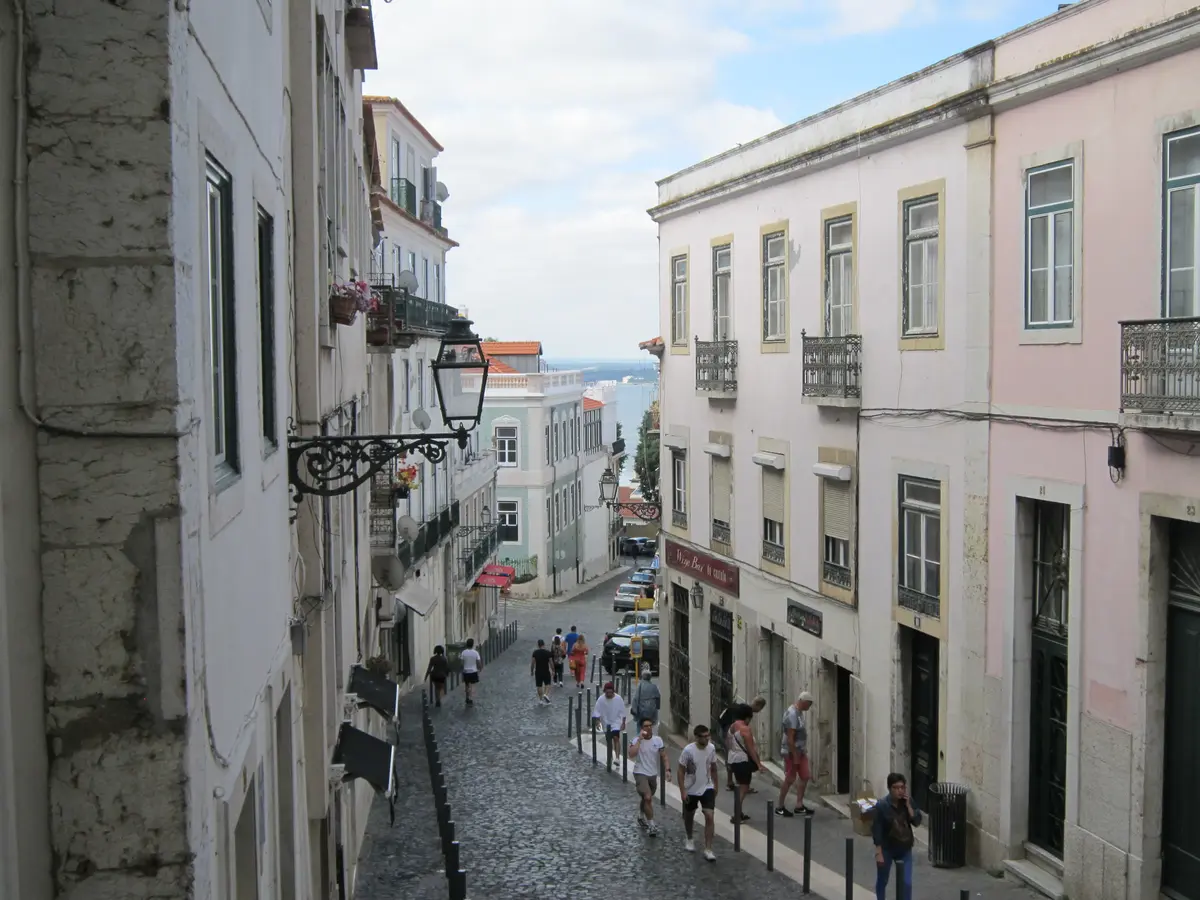
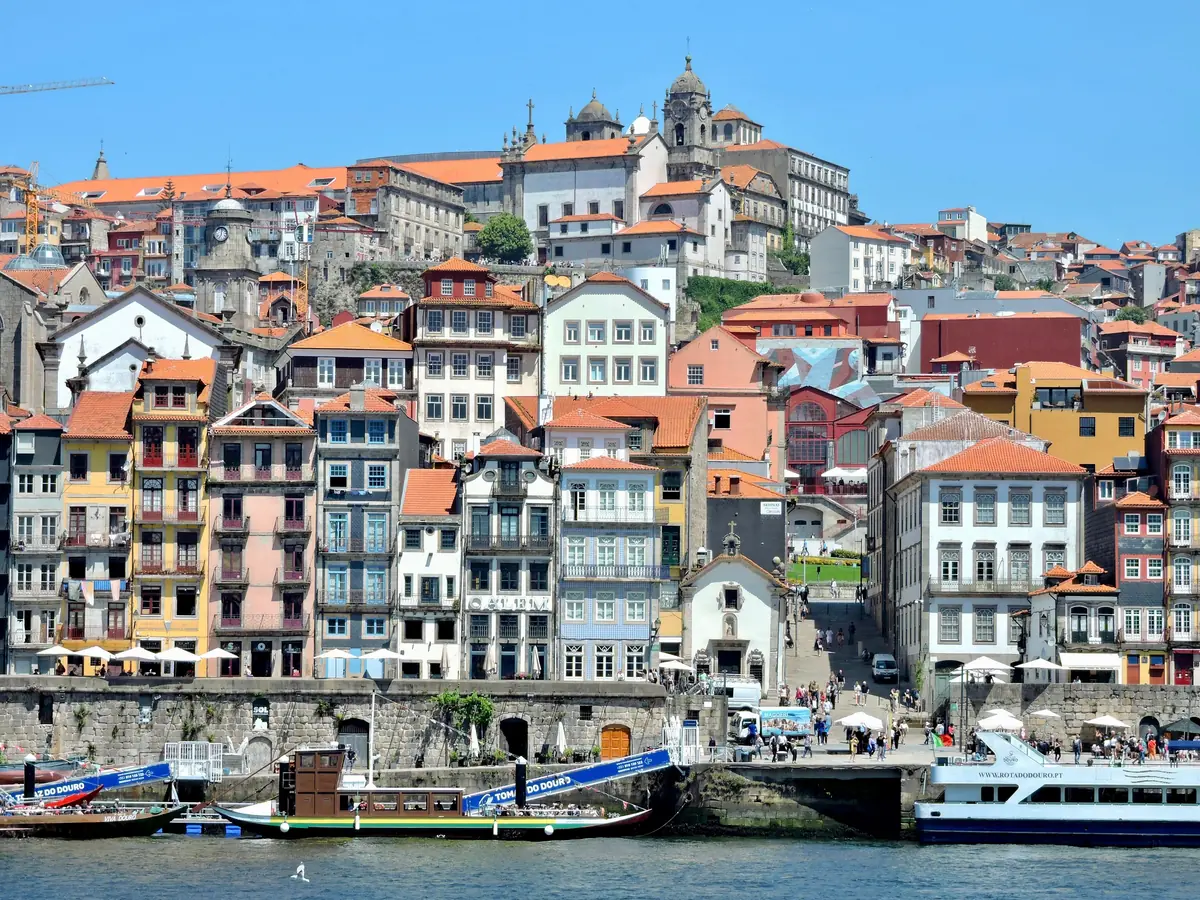
Porto is grittier and more compact than Lisbon, and a lot of people end up liking it more. The Ribeira waterfront is a stack of steep alleys and tiled facades tumbling down to the Douro; across the Dom Luís I Bridge in Vila Nova de Gaia sit the port lodges where the wine is aged and poured.
- Location: Northern Portugal, on the Douro river mouth
- Cost: mid-range hotels €90–€180/night (about $99–$198), plus €3 per person per night in tourist tax
- Best for: wine lovers, walkers, couples, a slower city pace
- Time needed: 2 days, plus a half-day or full day in the Douro
Sintra — Palaces in the Hills
Sintra is a hilltop cluster of romantic palaces and gardens a short train ride from Lisbon, and it’s deservedly popular — which is also its problem. Pena Palace’s candy-colored towers and the spiral well at Quinta da Regaleira draw heavy crowds, so timing your visit is the whole game. Palace entry is timed, sold by slot, and sells out in high season; book it before you book anything else that day.
- Location: ~40-minute train from central Lisbon
- Cost: Pena Park and Palace €20 (about $22); park-only €10 (about $11) — see Parques de Sintra
- Best for: couples, day-trippers, palace and garden fans
- Time needed: a full day from Lisbon
- Watch for: a €2 per-night tourist tax if you stay over

The Algarve — Beaches and Cliffs
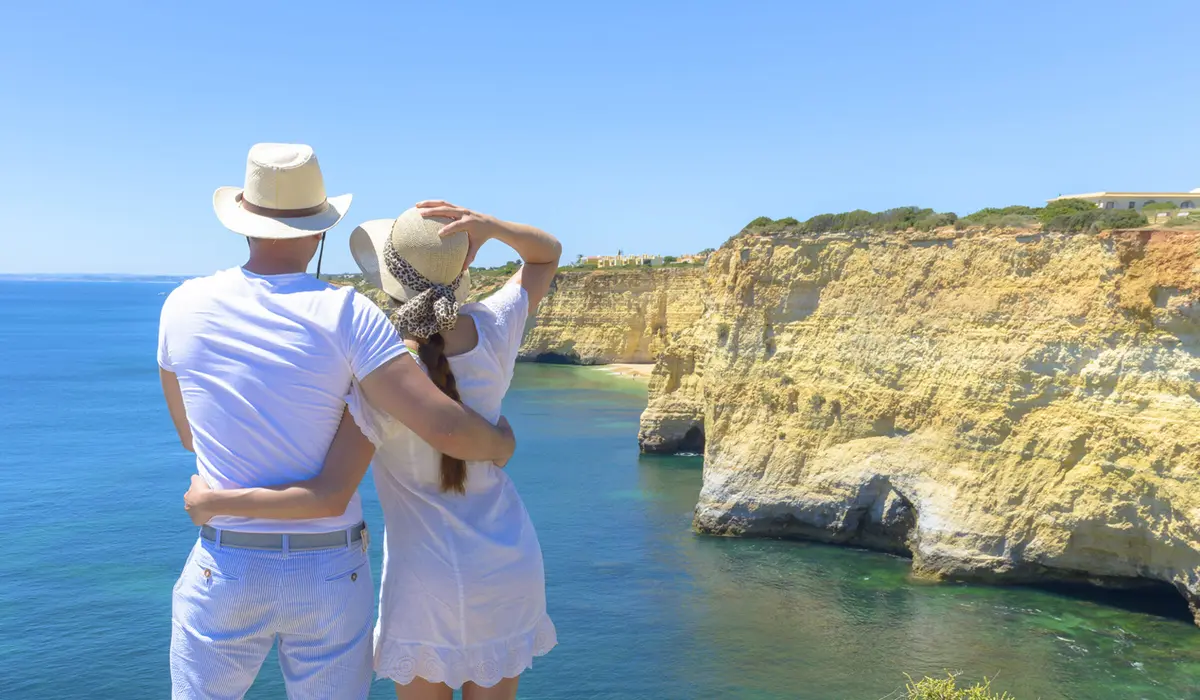
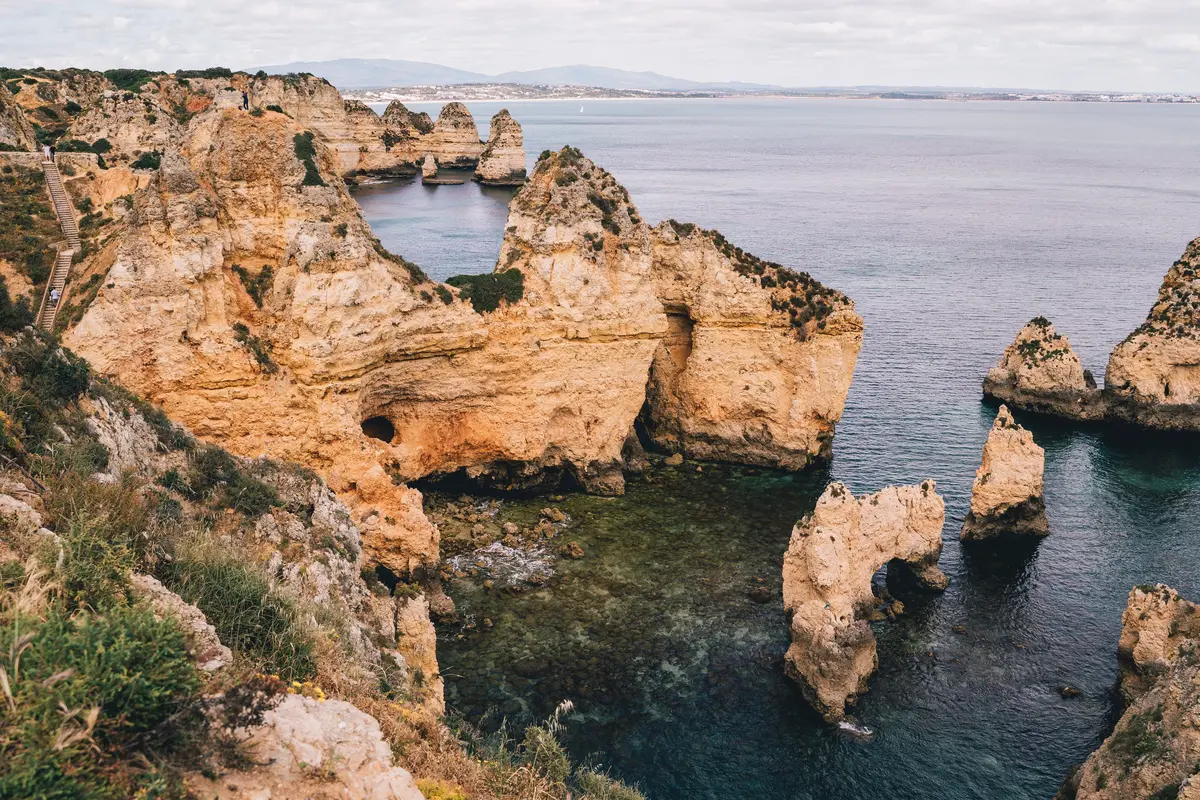
The Algarve is Portugal’s beach belt: golden cliffs, sea caves, and resort towns strung along the south coast. Lagos and Praia da Rocha are the lively hubs; Tavira and the eastern stretch are calmer. It’s the one region that genuinely rewards a rental car, since the best coves sit between, not inside, the towns.
- Location: Portugal’s southern coast
- Cost: summer hotels spike; shoulder season far cheaper. Tourist tax runs €1–€2 per night depending on the town and the season
- Best for: beach trips, families, swimming through mid-October
- Time needed: 2–3 days; a car helps enormously
Pro Tip: Several of the famous Algarve sea-cave boat tours are crowd-throttled and overrated for what you pay. A quiet clifftop walk along the Ponta da Piedade boardwalk near Lagos often beats them — same scenery, no queue, no upsell.
The Douro Valley — Wine and River
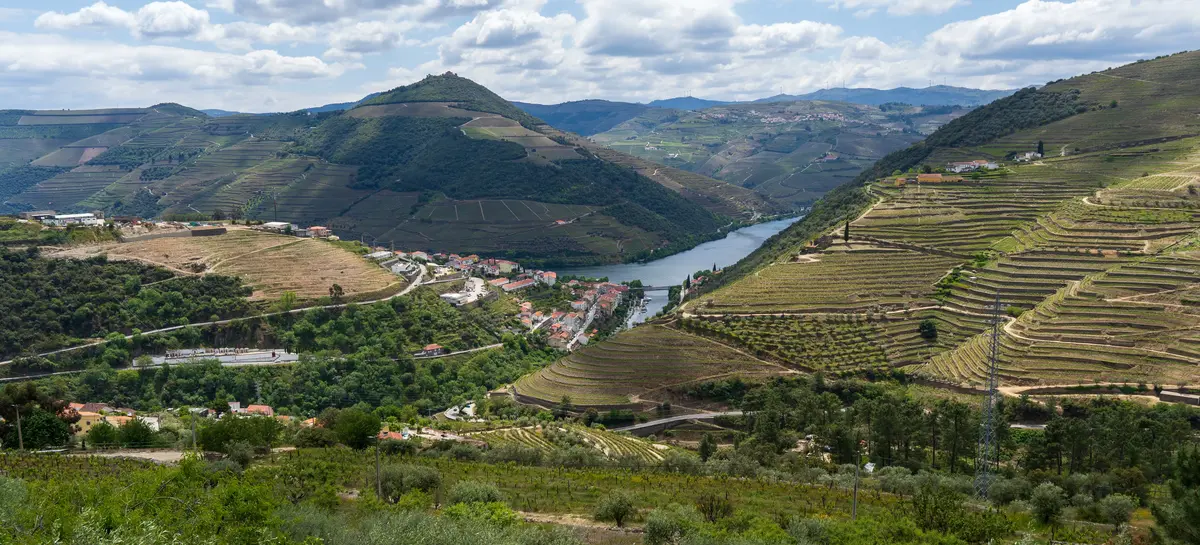
The Douro Valley is the terraced stretch of river inland from Porto where port wine is actually grown. You can visit on a day trip — a morning train to Pinhão, a quinta tasting, an afternoon river segment — or stay overnight at a vineyard estate. In late September the whole valley smells of crushed grapes during the harvest.
- Location: Inland east of Porto, along the Douro river
- Cost: quinta tastings and lodge tours from ~€23–€30 ($25–$33)
- Best for: wine lovers, couples, scenic train and river fans
- Time needed: a day trip from Porto, or an overnight at a quinta
How Much Does a Trip to Portugal Cost?
Portugal is one of Western Europe’s best-value destinations, and Portugal travel costs stay manageable across every tier: budget travelers spend about $75–$90 per person per day, mid-range travelers around $165, and luxury travelers $350 and up. A pastel de nata costs about €1.50 (around $1.65), a Lisbon transit day pass €7.25 (about $8), and the Lisbon–Porto train €28.05 to €35.70 at the counter.
The line items that surprise people are how cheap the food and coffee are. An espresso runs about €1 (around $1.10), and a sit-down lunch with wine at a neighborhood tasca still costs less than a fast-food combo back home.
Daily Budget by Traveler Type
| Tier | Per person, per day | Lodging | Food |
|---|---|---|---|
| Backpacker | $75–$90 | Hostel dorm €20–€40 ($22–$44) | Tasca lunches, groceries |
| Mid-range | ~$165 | Hotel €100–€200 ($110–$220) | Restaurants, a few tours |
| Luxury | $350+ | Boutique / 5-star | Fine dining, private transfers |
Pro Tip: Order the prato do dia (daily special) at lunch. It’s the budget traveler’s secret — usually a full plate of the day’s dish, often with bread and a drink, for under €10 (about $11). The same restaurant’s à la carte dinner can cost double.
Useful fixed costs to plan around:
- Lisboa Card: €31 / €51 / €62 for 24 / 48 / 72 hours (about $34 / $56 / $68), covering transit, the trains to Sintra and Cascais, and entry to more than 50 museums and monuments
- Jerónimos Monastery: €18 ($20) for adults, €9 for ages 13–24 and 65+, free with the Lisboa Card; the church itself is always free
- Belém Tower: €8 ($9), though restoration work has caused intermittent interior closures — check before you build a morning around it
- Pena Palace, Sintra: €20 park and palace, €10 park only
- Port lodge tour with tasting: from ~€23–€30 ($25–$33)
Is Portugal Expensive?
No — Portugal is among the most affordable countries in Western Europe. Mid-range travelers spend about $165 per day, budget travelers $75–$90. Meals at a local tasca run €8–€20 (about $9–$22), an espresso around €1, and intercity trains €10–€36. Lisbon and the Algarve in peak summer cost the most; the north and shoulder season cost the least.
The value is most obvious at the table. A sit-down lunch with a glass of wine routinely lands under €15 (about $16), and the prato do dia keeps a whole day’s food budget modest even in tourist-heavy areas.
Portugal’s Tourist Tax, City by City
Portugal charges a small per-night tourist tax (taxa turística) in its main cities and a growing list of smaller ones, collected at your accommodation rather than online. The rates are municipal, not national, so they change from town to town — and the child exemption changes with them, which is where families get caught.
- Lisbon: €4 per person per night (about $4.40); children under 13 exempt
- Porto: €3 per person per night (about $3.30); children under 12 exempt — a year younger than Lisbon’s cutoff
- Sintra and Cascais: €2 per person per night (about $2.20)
- Algarve towns: €1–€2 per person per night, with several charging the higher rate only in high season
- Cap: charged for a maximum of 7 nights in Lisbon and Porto, so the most one adult pays is €28 in Lisbon, €21 in Porto
What Should You Eat and Drink in Portugal?
When it comes to what to eat and drink in Portugal, the signature taste is the pastel de nata — a warm custard tart with a shatteringly crisp shell, best at Pastéis de Belém (about €1.50 / $1.65 each, or €9 for a box of six) or Manteigaria. Beyond it, try bacalhau (salt cod) prepared a dozen ways, fresh grilled sardines, and a francesinha in Porto. Drink port in Gaia’s lodges and crisp vinho verde with seafood.
Pro Tip: At the counter, ask for cinnamon (canela) and powdered sugar — locals dust it on the nata while it’s still warm from the oven, and most tourists skip this step entirely.

The Pastéis de Belém line looks terrifying, but the takeaway queue moves fast, and the building holds more than a thousand seats behind the counter that most people never realize are there. If it’s still backed up, Manteigaria’s natas in central Lisbon are just as good and far easier to reach — don’t burn 40 minutes of vacation chasing a specific bakery when an equal one is around the corner.
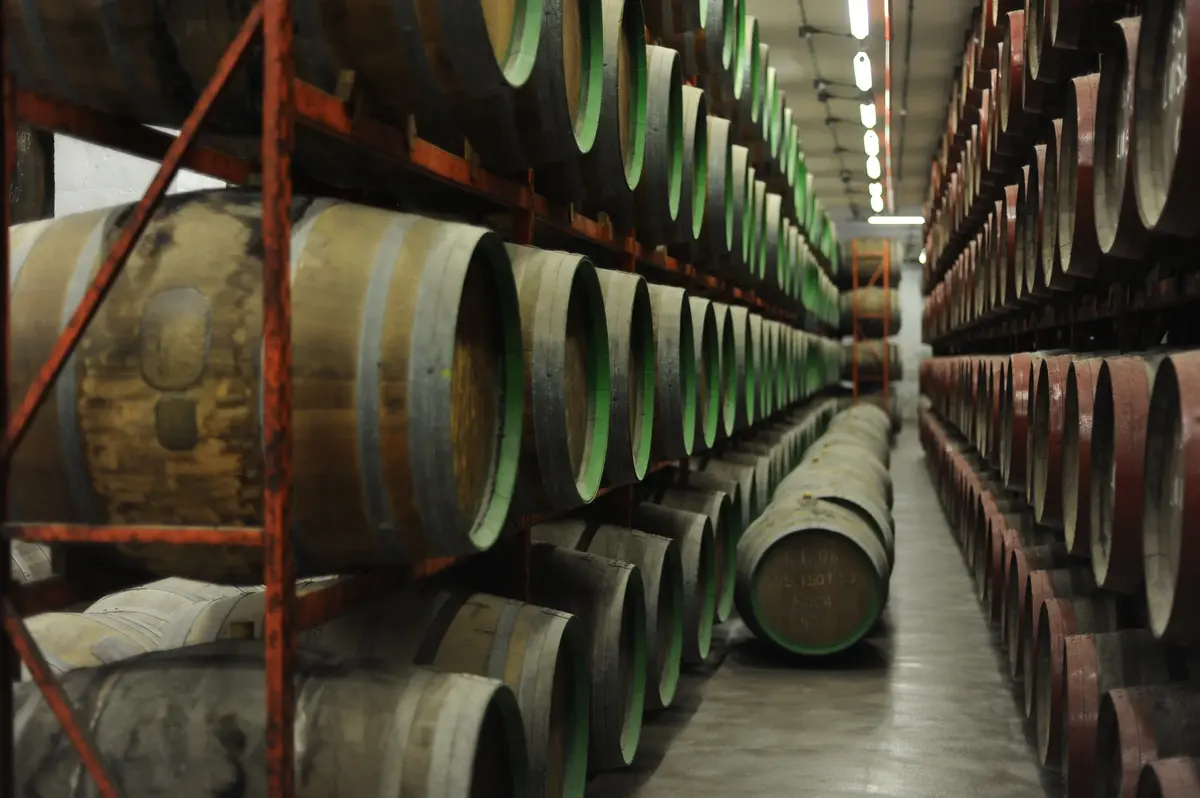
For the wine, the Vila Nova de Gaia lodges across the river from Porto are where port is aged and poured. Graham’s and Sandeman run tours and tastings from about €23–€30 ($25–$33), and the riverside terraces have some of the best sunset views in the city.
A short hit list to order without overthinking it:
- Pastel de nata: the custard tart, ~€1.50 ($1.65)
- Bacalhau: salt cod, the national obsession
- Francesinha: Porto’s stacked meat-and-cheese sandwich under sauce
- Bifana: a cheap, excellent pork sandwich
- Vinho verde: light, slightly fizzy white, perfect with seafood
Do You Need a Visa for Portugal?
US, Canadian, UK, and Australian visitors do not need a visa for Portugal for stays up to 90 days in any 180-day period in Portugal’s Schengen area — a valid passport is enough. What has changed is the border itself: the EU’s biometric Entry/Exit System (EES) is now live at every Schengen crossing, so your passport is no longer stamped.
Instead, your first crossing registers your fingerprints and a facial image, along with the date and place of entry and exit. Registration is a one-time setup that carries over for three years or until you renew your passport, but the first pass takes longer than a stamp ever did, and some airports have seen long queues since the switch. Give yourself extra time at immigration, especially on a tight connection.
- Passport: valid at least three months beyond your planned departure
- Stay limit: 90 days within any rolling 180-day window (Schengen rule), now counted automatically by the system
- EES: biometric registration at the border; no more passport stamps
- ETIAS: an online authorization of about €20 ($22) for ages 18–70, not yet in force — a transitional period follows its launch, so a passport alone still gets you in for now
Pro Tip: Portugal is one of the first countries where the EU’s free Travel to Europe app supports the entry questionnaire. Filling it in within 72 hours of your flight won’t skip the biometric step, but it trims what you have to do standing at the desk with a queue behind you.
Is Portugal Safe for Tourists?
Yes — Portugal is one of the world’s safest countries, ranking 7th out of 163 nations on the Global Peace Index and holding a top-10 spot for a decade. Violent crime is rare; the main risk is pickpocketing in tourist crowds, on Tram 28, and at busy stations. Solo and female travelers generally feel comfortable. Keep valuables secure and dial 112 for emergencies.
- Emergency number: 112
- Main risk: pickpocketing on Tram 28, the metro, and at packed stations
- Tap water: safe to drink nationwide
- Solo and female travelers: widely report feeling at ease
The one spot travelers keep flagging is the crush boarding Tram 28 at Martim Moniz, where pickpockets work the shoulder-to-shoulder squeeze. Board there before 9 a.m. to get a seat and keep your bag in front of you, and the route becomes a pleasure rather than a target.
What Is Portugal Famous For?
Portugal is famous for port wine and the Douro Valley, blue-and-white azulejo tiles, pastéis de nata custard tarts, and soulful fado music. It’s also known for the Age of Discovery explorers like Vasco da Gama, Atlantic surf (Nazaré’s record-breaking giant waves), cork production, and being one of Europe’s sunniest, most affordable destinations.
You don’t have to seek most of this out — it finds you. You’ll hear fado drifting out of Alfama’s tiny taverns after dark, eat the nata without trying, and walk past tiled facades on nearly every street.
The Four Calls That Decide Your Trip
Season, length, route, budget. Get those four right and the rest of Portugal takes care of itself: go in spring or fall, give it seven to ten days, base yourself in Lisbon and Porto with the train between them, and plan on $90 to $165 per person per day.
The rookie mistakes are all bookable in advance, which is the good news. Reserve the Pena Palace slot before you reserve dinner. Buy the CP ticket inside the promo window instead of at the counter. Load the 24-hour pass that actually covers the Sintra train. And leave the rental car for the Algarve and the Douro, where it earns its keep.
Pack shoes with grip. The funiculars aren’t coming to rescue you from those hills right now, and the calçada is slicker than it looks.