Two weeks in Portugal is the sweet spot — enough time for Lisbon’s hills, Porto’s port lodges, the Douro’s terraced vineyards, and the Algarve’s gold cliffs without rushing between them. I’ve run this route by rental car and again by train. Here’s the day-by-day plan, what it costs, and the one booking mistake to skip.
Quick Answer — How to Spend Two Weeks in Portugal
Spend two weeks in Portugal like this: 4 nights in Lisbon with a Sintra day trip, 1 night in Óbidos or Coimbra, 3 nights in Porto, 2 nights in the Douro Valley, and 4 nights in the Algarve. Fly into Lisbon and out of Faro or Porto so you never double back.
That split keeps you to five home bases over fourteen nights, which matters more than it sounds — every hotel change eats half a day in packing, checkout, and transit. The route runs north to south along the spine almost every traveler ends up on: Lisbon, Sintra, Porto, the Douro, the Algarve.
The plan works two ways, by rental car or by train, and both versions are covered further down. The open-jaw flight — landing in one city, leaving from another — is the single change that saves the most time.
Pro Tip: If an open-jaw flight costs too much, run the route in reverse and finish back in Lisbon. The Porto-to-Lisbon train takes about 2 hours 40 minutes, so a one-way trip back at the end is painless.
Is Two Weeks Enough Time in Portugal?
Yes — two weeks is enough to see mainland Portugal‘s headline trio of Lisbon, Porto, and the Algarve, plus the Sintra palaces and the Douro Valley wine country at a comfortable pace. It is not enough to add Madeira or the Azores; those islands each deserve four to seven days on a separate trip.
The honest limit is pace, not days. Two weeks gives you slack to sit through a long Douro lunch or spend a slow morning on a beach — but only if you resist adding a sixth or seventh base.
We tried to bolt the Azores onto a mainland trip once and gave up at the planning stage: the flight alone burns most of a day each way, and you’d be trading the Douro or two Algarve nights for it. Save the islands for their own trip.
What fits comfortably in fourteen nights: the two big cities, one or two small towns, the wine valley, and the coast. What doesn’t: islands, plus the deep Alentejo interior if you also want all of the above.
How to Get Around Portugal — Trains, Buses, and Cars
Portugal’s cities link by fast, affordable trains. Lisbon to Porto takes about 2 hours 40 minutes on the Alfa Pendular for around $40 (€36) in second class. Buses run cheaper, and a rental car earns its keep only for the Douro, the Alentejo, and small towns. Inside cities, use the metro, trams, and Uber or Bolt.
Intercity trains are run by Comboios de Portugal (CP). The two fast classes are the Alfa Pendular (AP) and the slightly slower Intercidades (IC); both are comfortable, with assigned seats and a café car.
| Route | Distance | Fastest train | Second-class fare |
|---|---|---|---|
| Lisbon → Porto | 170 mi (274 km) | ~2h40 (Alfa Pendular) | ~$40 (€36) |
| Lisbon → Faro | 190 mi (302 km) | ~3h | from ~$25 (€23) |
| Lisbon → Lagos | 185 mi (300 km) | ~3–3.5h, transfer at Tunes | ~$20–33 (€18–30) |
| Porto → Pinhão (Douro) | 75 mi (120 km) | ~2h20 | under $16 (€15) |
| Faro → Lagos | 55 mi (88 km) | ~1h40 | ~$9 (€8.30) |
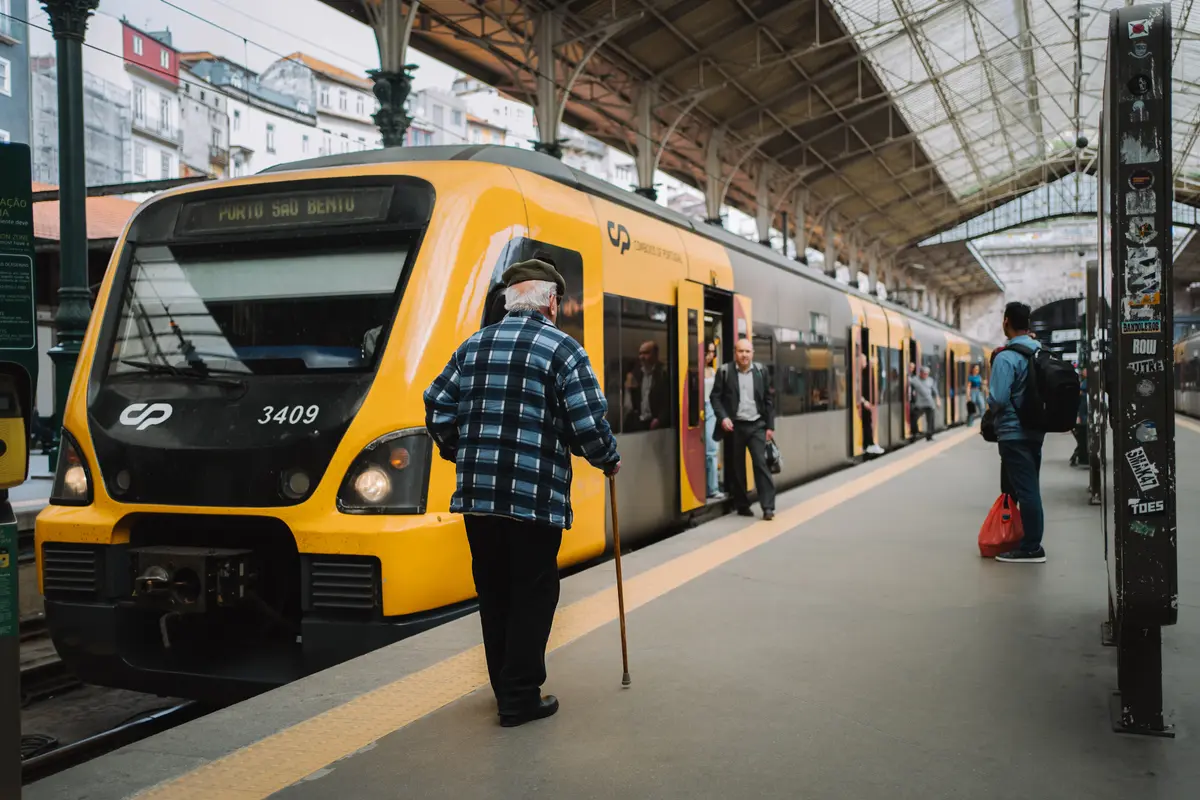
Trains from Lisbon to Porto run roughly hourly from Oriente and Santa Apolónia stations into Porto’s Campanhã, where a free urban train carries you the last few minutes to central São Bento. Book the AP or IC a week or two ahead for the cheapest seats — promo fares start around $10 (€9.50) and climb as the train fills.
Pro Tip: One thing the brochures get wrong — most Lisbon-to-Lagos trains are not direct. You change at a junction called Tunes. Build in ten minutes for the transfer and don’t panic when the first train terminates there.
Buses cover the same routes for less, if you have the time:
- Rede Expressos (Lisbon–Porto): around $16 (€15), about 3.5 hours
- FlixBus: fares from around $10 (€9), routes between the major cities
- Vamus Algarve: local buses along the coast where trains don’t reach
A rental car is worth it only for the countryside legs:
- Small car: roughly $13–44 (€12–40) per day; automatics and one-way drop-offs cost extra
- Fuel: around $7 per gallon (€1.70–1.90 per liter)
- Via Verde toll transponder: about $2 (€1.85) per day, capped near $20 (€18.45) per rental, plus the actual tolls
- Many northern and Algarve highways are electronic-toll only, with no cash booths, so the transponder is close to mandatory
Inside the cities, skip the car entirely:
- Lisbon Metro: about $2 (€1.80) per ride
- Porto Metro: about $1.30 (€1.20) per ride
- Lisbon’s Tram 28: about $3.25 (€3) onboard, cheaper on a rechargeable card
- Uber and Bolt short hops: around $5
Do You Need a Car in Portugal?
You don’t need a car for Lisbon or Porto — both are walkable, have excellent transit, and turn driving into a parking headache. Rent a car only for the Douro Valley, the Alentejo, and small towns like Óbidos and Évora, ideally picking it up as you leave one city and dropping it before the next.
The pick-up-after-the-city strategy saves money and stress: a car sitting in a Lisbon garage costs you parking fees and does nothing while you’re walking everywhere anyway. Grab it the morning you head north, return it when you reach Porto, and let the train handle the city-to-city haul.
Watch the one-way drop fee, which can add $30–80 if you collect in one city and return in another. Sometimes a round-trip rental from a single base, paired with a train, works out cheaper.
Pro Tip: Don’t try to drive into Sintra. The lanes around the palaces clog by mid-morning and parking turns into a contact sport — take the 40-minute train from Lisbon instead and ride the local bus uphill.
When Is the Best Time to Visit Portugal?
The best time to visit Portugal is spring (May to June) and fall (mid-September to October), when days are warm, crowds thinner, and prices lower. July and August are the hottest and busiest, especially on the Algarve, where summer rooms run 40–60% above shoulder-season rates. Winter is mild and cheapest, but wetter in Porto and the north.
| Season | Typical highs (Lisbon) | Crowds | Prices | Best for |
|---|---|---|---|---|
| Spring (May–Jun) | 70–80°F (21–27°C) | Moderate | Lower | Cities, hiking, short lines |
| Summer (Jul–Aug) | 80–90°F (27–32°C) | Heavy | Highest | Beaches, festivals |
| Fall (mid-Sep–Oct) | 70–80°F (21–27°C) | Moderate | Lower | Wine harvest, warm sea |
| Winter (Nov–Mar) | 55–60°F (13–16°C) | Light | Lowest | Budget trips, city sights |
Inland runs hotter than the coast. The Douro Valley can spike to 95°F (35°C) in early fall — I packed for crisp autumn one October and sweated through every shirt by the second afternoon.
If you want the festivals, three dates anchor the calendar:
- Lisbon’s Santo António: June 13, with grilled sardines and street parties across Alfama
- Porto’s São João: the night of June 23–24, when the whole city pours into the streets
- Fátima pilgrimages: May 13 and October 13, which fill regional hotels well in advance
Days 1–4 — Lisbon and a Sintra Day Trip
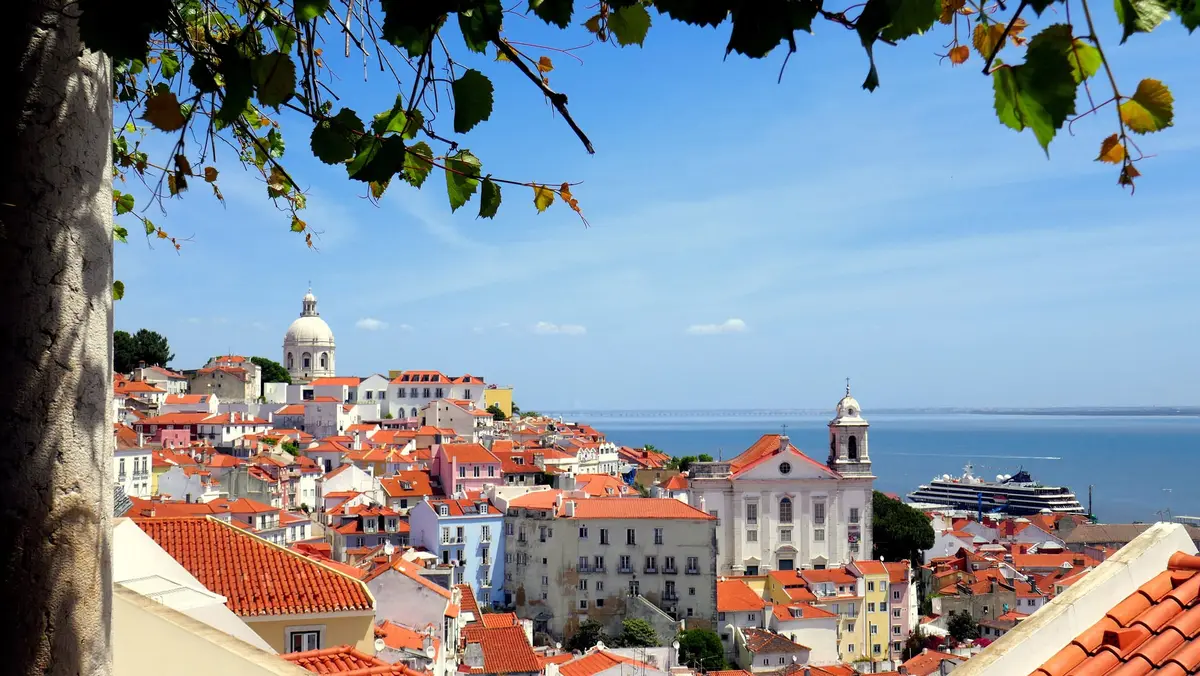
Base four nights in Lisbon to cover Alfama, Baixa, Chiado, and Belém, then day-trip to Sintra for Pena Palace and Quinta da Regaleira. The Sintra train from Rossio takes about 40 minutes; book Pena Palace’s full park-and-palace ticket, around $22 (€20), online in advance to lock a timed slot before it sells out.
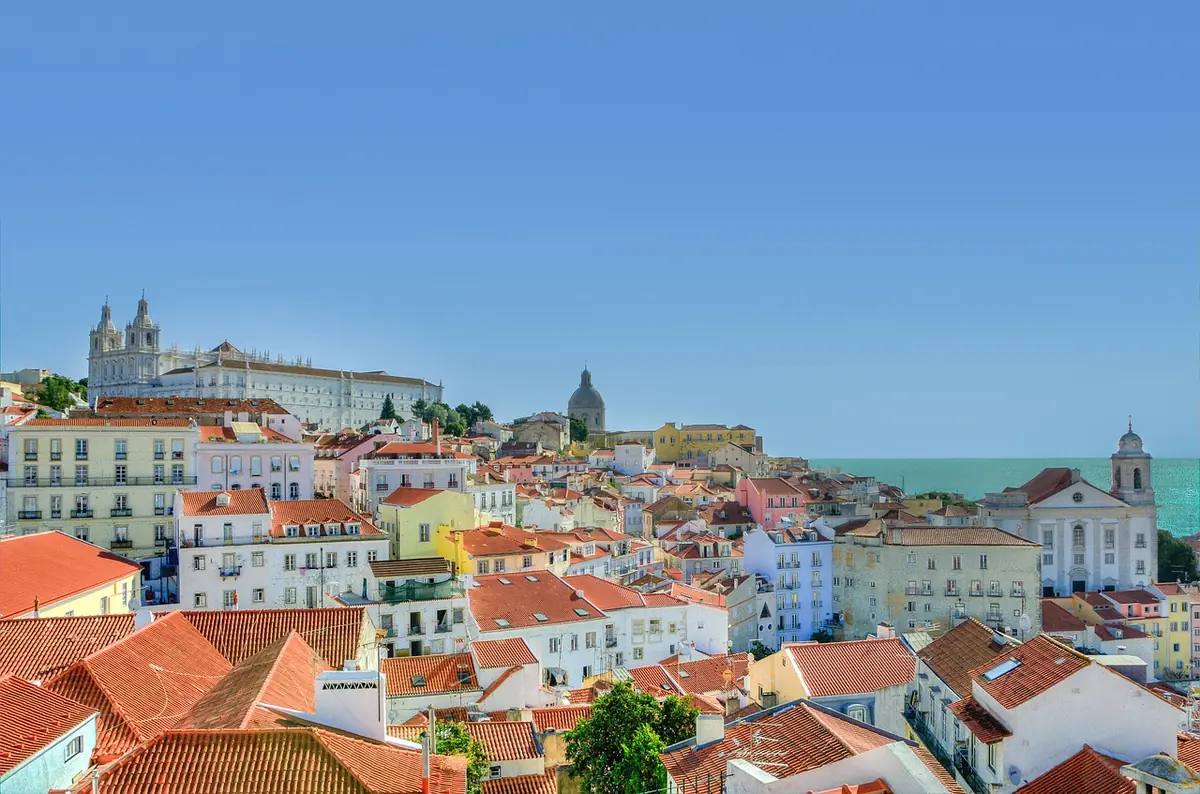
Lisbon rewards walking, but it’s built on seven hills, so expect calf work and the occasional rescue by the Santa Justa Lift or a yellow tram. Spend your first day in Alfama and Baixa: São Jorge Castle for the citywide view, then downhill through the grid of Baixa to the river arch at Rua Augusta.
Give Belém a half-day on day two. The big three sit within a short walk of each other:
- Jerónimos Monastery: the Manueline cloisters are the highlight
- Belém Tower: the riverside fort that guarded the harbor
- Monument to the Discoveries: the stone ship’s prow on the waterfront

You’ll line up for a pastel de nata at the original Belém bakery — around $1.60 (€1.50) each. The shell shatters into flakes the second you bite it, so eat it warm and standing at the counter, not from a takeaway box that goes soft within the hour.
Pro Tip: Tram 28 is a genuine sightseeing route through Alfama, but it’s also the city’s top pickpocket stage. Ride it early, keep your bag in front of you, and treat anyone “helping” with the door crowd as a red flag.
On day three or four, give Sintra a full day — not a half. The hill town packs in Pena Palace, the gardens of Quinta da Regaleira with its spiral initiation well, the Moorish Castle ramparts, and Monserrate, and rushing it is the most common Lisbon-trip mistake.
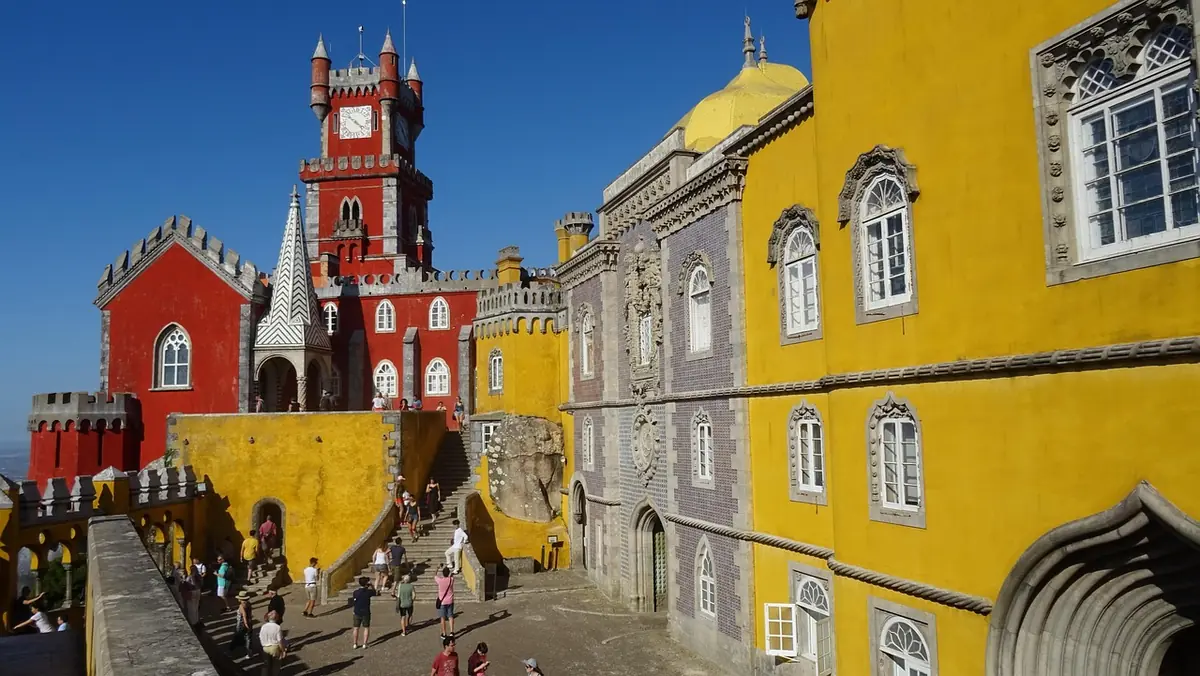
Pena Palace is the one to pre-book. A few specifics from the gate:
- Ticket: full Park and Palace around $22 (€20); park-only around $15 (€14)
- Timed entry: your slot is for the palace interior, in a strictly enforced 30-minute window
- Each slot admits up to 300 people, so popular times sell out days ahead
- The interior is still a 10-to-30-minute uphill walk from the park gate after you enter
Plan to reach the gate a full hour before your interior slot, and take bus 434 from Sintra station rather than attempting the climb on foot or by car.
Pro Tip: Buy the park-only ticket if you mainly want the candy-colored exterior and the views. The interior is worth seeing once, but on a tight day the gardens and ramparts give you more for the time.
Day 5 — Óbidos and Nazaré on the Way North
Heading north, stop in the walled town of Óbidos to sip ginjinha cherry liqueur from an edible chocolate cup along Rua Direita, then continue to Nazaré, where giant Atlantic swells break beneath the Sítio lighthouse in late fall. Óbidos sits about an hour from Lisbon; the whole town takes two to three hours to walk.
Óbidos is small enough to see in a morning and pretty enough that you’ll want longer. The main lane, Rua Direita, runs gate to gate; the town castle is now a pousada — a historic state-run inn — so you can sleep inside the walls if you book ahead.
The ginjinha ritual is the thing to do: about 19% alcohol, poured into a small cup made of dark chocolate. Bite the rim first, then drink — the bitter chocolate cuts the syrup, and you eat the cup when the liqueur’s gone.
Nazaré, half an hour further, is a working fishing town that turns into a surf shrine in the cold months, when Atlantic swells rear up under the headland at Sítio. Outside big-wave season it’s a wide beach with fish grilling along the promenade.
This is also where I’d make my first cut. Most guides try to fit Óbidos, Nazaré, and Coimbra into one driving day; pick one, slow down, and give the saved night to Porto or the Douro. Arriving at your next base frazzled isn’t worth a third quick photo stop.
Pro Tip: No car? Skip the logistics and do Óbidos as a half-day tour from Lisbon — several run daily — then take the train straight from Lisbon to Porto on your travel day.

Days 6–8 — Porto and the Port Lodges of Gaia
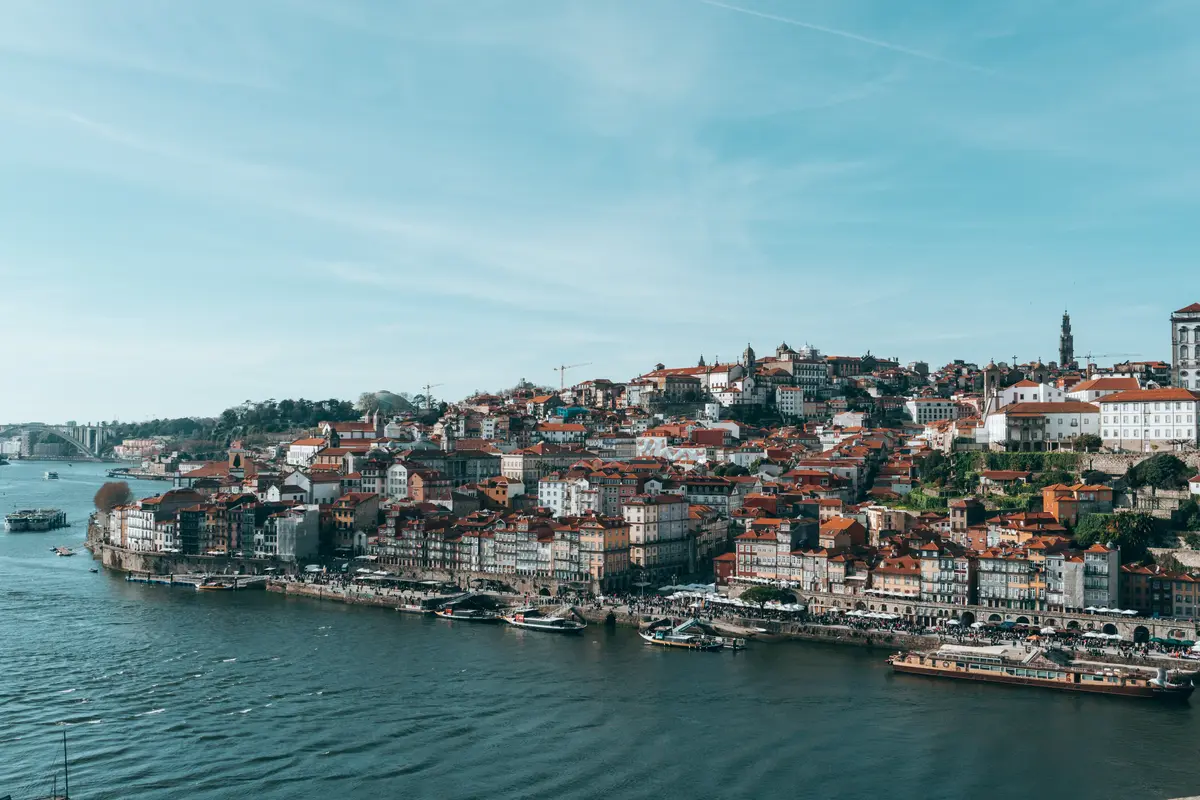
Give Porto three nights to wander the Ribeira riverfront, cross the Dom Luís I Bridge to the Vila Nova de Gaia port lodges, and see Livraria Lello and the tiled hall of São Bento station. Porto is compact and walkable, and a port tasting at a house like Graham’s or Sandeman is an easy half-day.
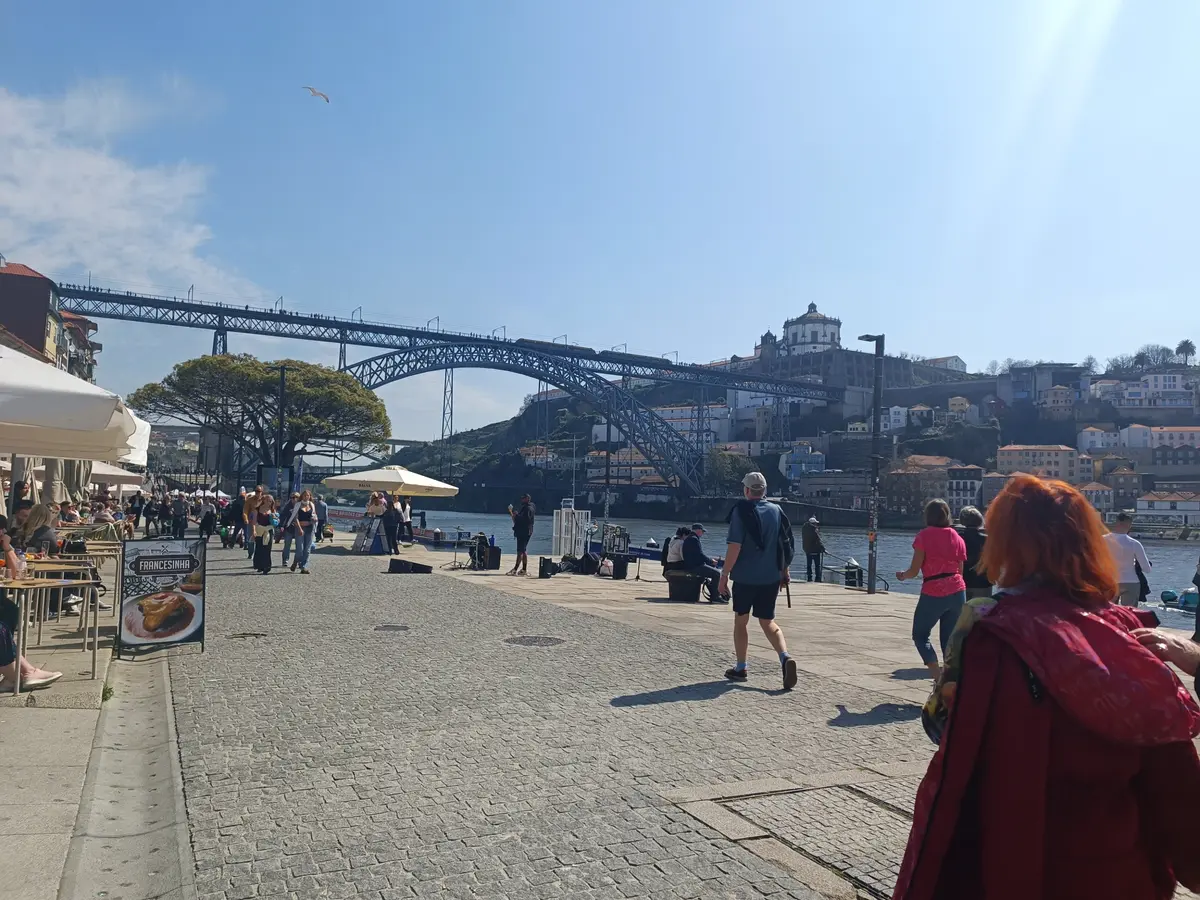
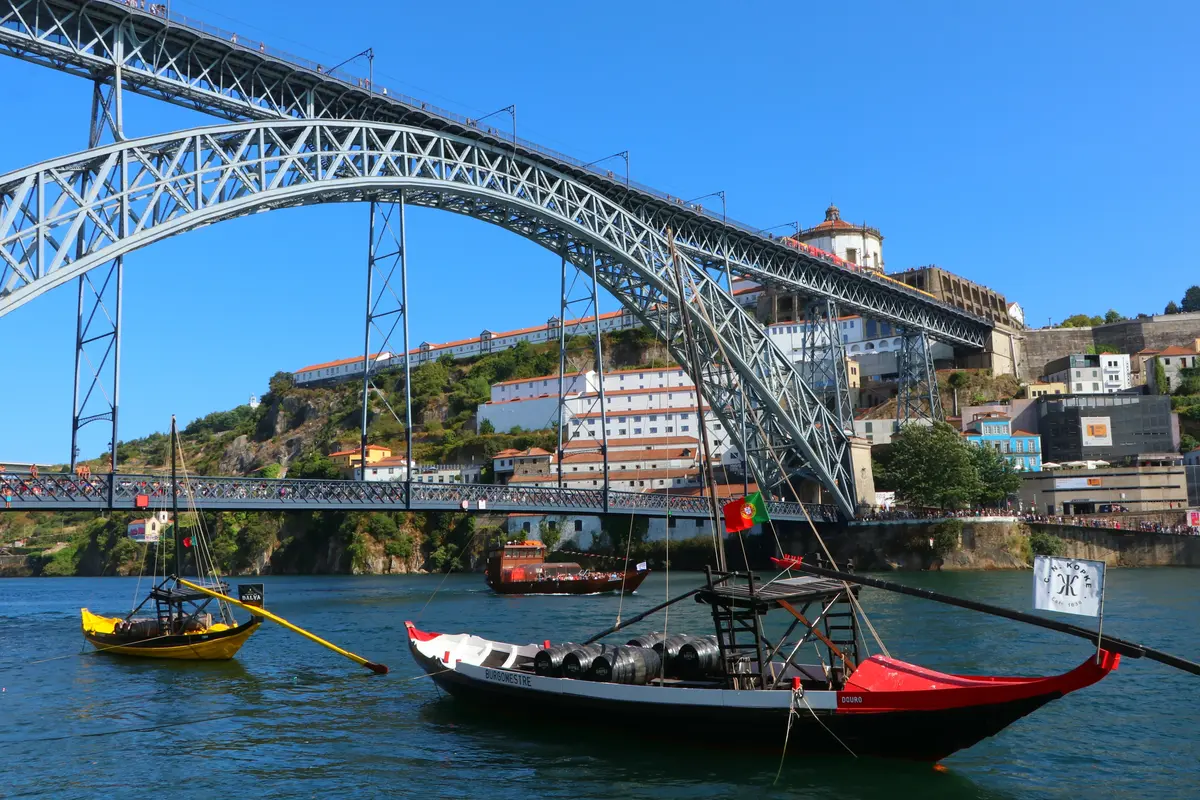
Porto stacks up the hillside above the Douro, and the Ribeira district at the bottom — a UNESCO-listed tangle of lanes and tiled houses — is where you’ll spend the most time. Cross the lower deck of the Dom Luís I Bridge on foot to Vila Nova de Gaia, the south bank where the port houses age their wine in riverside lodges.
The names you’ll recognize line up along Gaia: Graham’s, Sandeman, Cálem, Cockburn’s. A standard tour-and-tasting runs about an hour and pours two or three styles; book the bigger houses ahead in summer.
Back in the city, two stops are worth the queues: Livraria Lello, the bookshop with the curling red staircase, and São Bento station, whose entrance hall is wallpapered in roughly 20,000 blue-and-white azulejo tiles. Climb to the Crystal Palace Gardens for the best free view back over the river.
The local move at sunset isn’t a sweet ruby port — it’s a Porto tonic, dry white port over ice with tonic and a twist, the drink you’ll see locals nursing along the quay. Pair it with a francesinha if you’re hungry enough: a cured-meat sandwich drowned in melted cheese and a spiced beer sauce that is a meal and a half.
Pro Tip: The Gaia cable car is a short, pricey hop, but the dusk view of the bridge and the river from the upper deck of the Dom Luís is the one to plan around — and that one’s free on foot.
Days 9–10 — The Douro Valley Wine Country
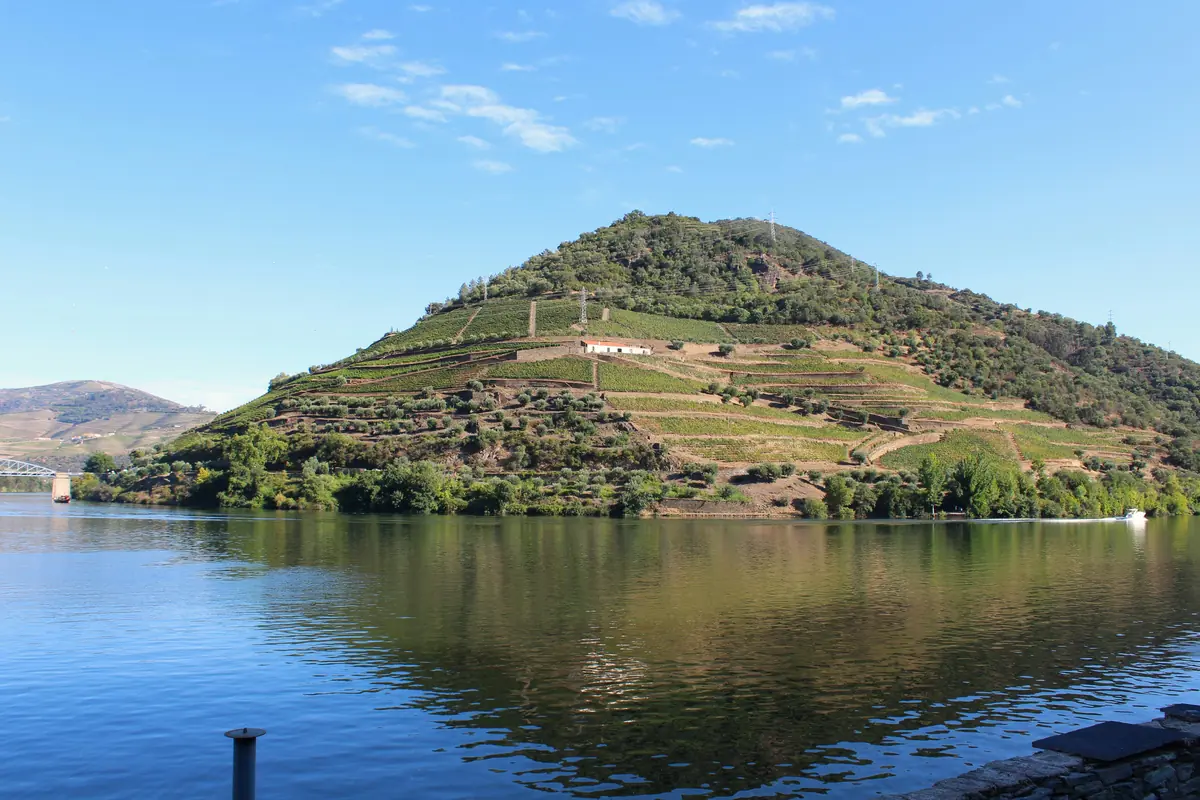
Spend two nights in the Douro Valley, the world’s oldest demarcated wine region, at a quinta near Pinhão or Régua. The scenic Linha do Douro train from Porto’s São Bento takes about 2 hours to Régua or 2 hours 20 to Pinhão for under $16 (€15) each way — and you should sit on the right for the river.
The Douro is what everyone pictures: vineyards cut into terraces so steep they look hand-stacked, dropping to a green river. A quinta — a wine estate, many with rooms and a restaurant — is the way to stay. Quinta do Bomfim, Quinta do Vallado, and Quinta da Pacheca all take overnight guests and pour their own wine.
The train ride in is half the experience. The Linha do Douro hugs the water, and near the Tua bend it runs so close you feel you could trail a hand in the river — which is exactly why you want the right-hand side leaving Porto.
A few logistics for the valley:
- Stations: Régua and Pinhão are the two main stops; Pinhão’s tiny station is tiled with azulejos worth a photo
- Quinta transfers: most estates are a short taxi ride from the station, around $5–6 (€5), because there’s no Uber or Bolt out here
- On the water: rabelo-boat cruises run between Régua and Pinhão for an hour or two on the river
- Dinner: DOC by Rui Paula sits right on the bank if you want a long, scenic meal
Because there’s no rideshare and the roads twist, the train-and-taxi combination beats driving here — you came to taste the wine, and someone should be sober at the wheel.
Pro Tip: Ask your quinta to arrange the station pickup when you book. Taxis don’t idle at Pinhão waiting for trains, and the cell signal in the valley is patchy enough that calling one on arrival can mean a long wait in the sun.
Days 11–14 — The Algarve Coast
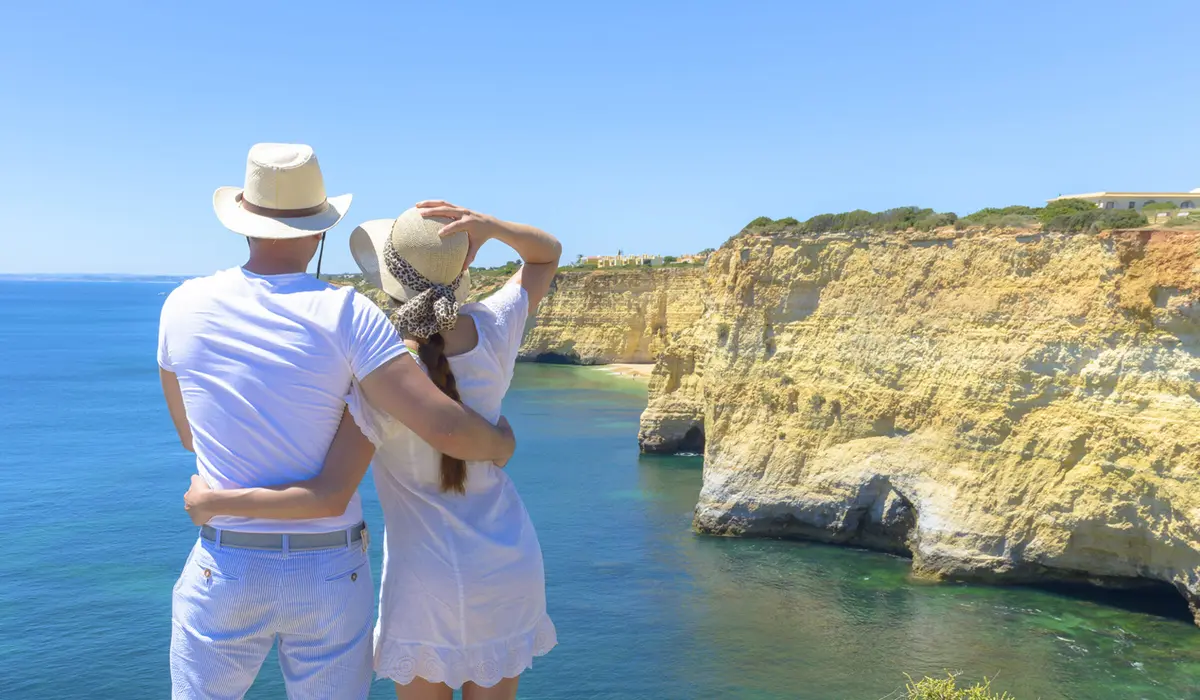
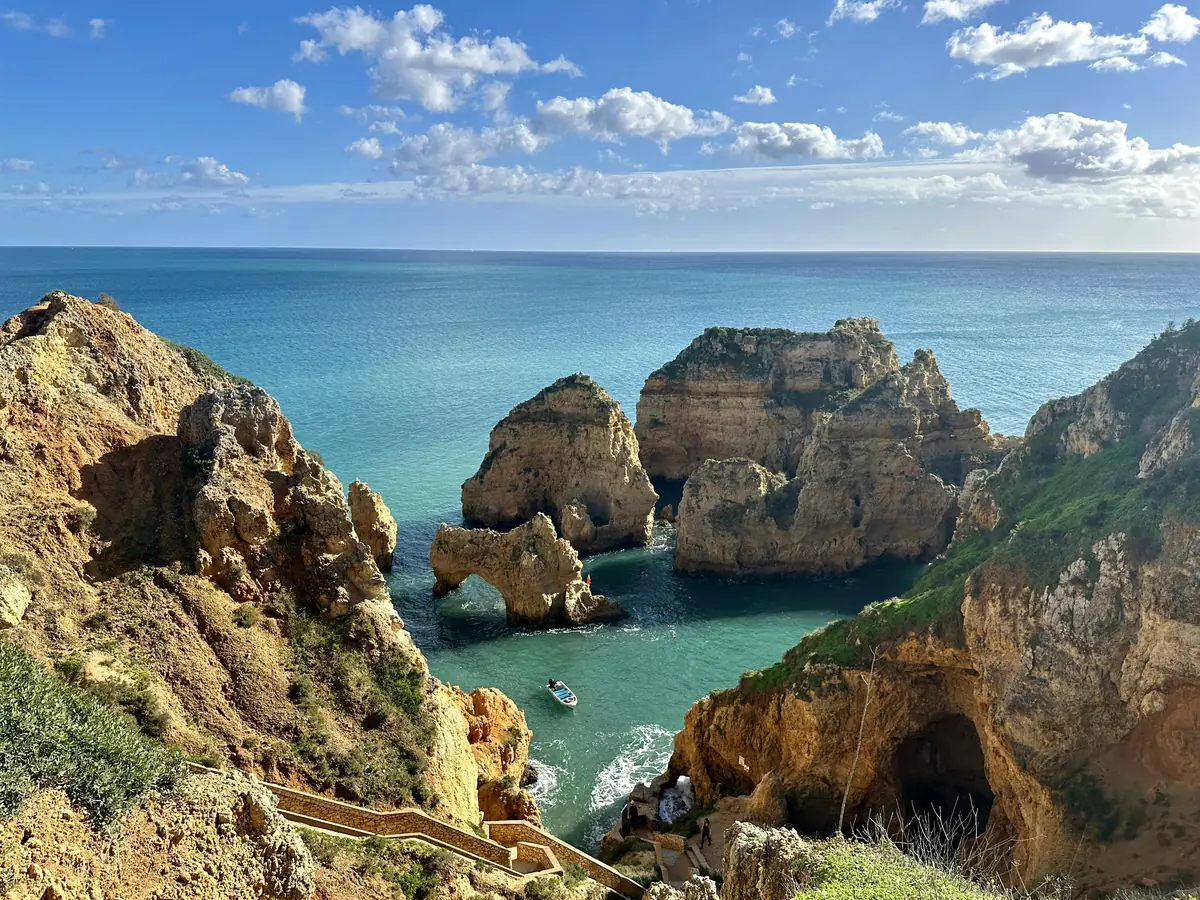
Finish with four nights on the Algarve coast, basing in Lagos for the cliffs of Ponta da Piedade and Praia Dona Ana, with a day trip to Sagres and Cabo de São Vicente, mainland Europe’s southwesternmost point. From Lagos, Faro airport is about a 1.5-hour drive for the flight home.
Lagos is the smartest base for a first Algarve trip: a walkable old town, a marina for boat tours, and the best cliffs within a short walk or taxi. Ponta da Piedade is the headline — gold sandstone stacks and sea caves you can see from a cliff path up top or a boat down below.
The town beaches are small and dramatic rather than wide:
- Praia Dona Ana: cliffs and clear water, a short walk from town
- Praia do Camilo: a tiny cove reached by a long wooden staircase
- Meia Praia: the long, flat sand if you want room to spread out
Praia do Camilo is the one people underestimate. The staircase down is about 200 steps — a fine descent and a real calf-burner on the way back up. Go before midday, when the small cove fills and the climb back happens in full sun.
Save a day for the far southwest. Sagres and its clifftop fortress sit at the end of the land, and Cabo de São Vicente, a few minutes further, is the southwesternmost point of mainland Europe — wind-blasted, with a lighthouse and a couple of sausage vendors working out of vans. For caves, the much-photographed Benagil sea cave and the cliffs of Praia da Marinha are an easy drive or boat trip east.
Eat cataplana at least once: a copper-pot seafood stew, usually cooked for two, that takes a while and is worth the wait.
Pro Tip: Boat tours from Lagos marina are the only way inside the Ponta da Piedade caves and under the arches — the cliff path shows you the tops, but the grottoes open up only from the water. Book a small-boat or kayak tour, not the big cruiser, to actually get inside.
How Much Does Two Weeks in Portugal Cost?
Budget about $78 per person per day as a backpacker, $190 mid-range, and $450 or more for luxury, excluding international flights. A 14-night trip for two runs around $5,360 (€4,620) before airfare, and round-trip flights from the US to Lisbon or Porto typically land between $600 and $950.
| Travel style | Per person, per day | 14 nights, two people |
|---|---|---|
| Backpacker | ~$78 (€67) | ~$2,180 (€1,880) |
| Mid-range | ~$190 (€165) | ~$5,360 (€4,620) |
| Luxury | ~$450+ (€390+) | ~$12,600 (€10,900)+ |
Those daily figures don’t include the flight over. Here’s where the money actually goes day to day:
- Hostel dorm bed: around $20–25 (€18–22)
- Mid-range hotel, double: around $60–140 (€55–130) per night
- Lunch “prato do dia” (plate of the day): around $11–17 (€10–15)
- Pastel de nata: a little over $1 (€1.20–1.50)
- Museum or palace entry: around $5–22 (€5–20)
- US round-trip airfare to Lisbon or Porto: around $600–950
These Portugal travel costs shift with the season and the source, so treat them as planning ranges, not quotes. The single biggest swing is the Algarve in July and August, where the 40–60% summer surcharge can blow a mid-range budget on its own.
Pro Tip: Eat your big meal at lunch. The “prato do dia” at a local tasca — soup, a hot main, a drink — runs $11–17, while the same plate at dinner in a tourist zone costs far more. Those $5 entry tickets feel free in the moment, too, but they add up faster than you’d expect, so fold them into your daily figure.
Lisbon or Porto — How Should You Split Your Time?
On a two-week trip you don’t have to choose — you’ll see both. Give Lisbon more time, about 4 nights, for its range of sights and the easy Sintra day trip, and Porto about 3 nights for its compact, walkable core and the Douro. Fly into Lisbon and out of Porto to skip a 3-hour backtrack.
If you’re weighing Lisbon vs Porto, the two cities feel different enough that most people end up preferring one. Lisbon is bigger, sunnier, and denser with sights — castle, Belém, Sintra on its doorstep. Porto is smaller, cheaper, and built around wine and the river, with a slower, more lived-in feel.
Here’s the contrarian call: everyone tells you Lisbon, and after three full days I’d ticked off its big sights and felt ready to move — but I could have wandered Porto’s lanes for a week. If you’re the type who’d rather drift than sightsee, give Porto the extra night.
Both cities are safe, with the usual big-city caveat: pickpockets work the crowds on Tram 28 and along the Ribeira and Gaia waterfronts. Keep your phone off the café-table edge and your bag zipped in a crowd.
The Road-Trip Version vs the Train-Only Version
Run this itinerary either way. The road-trip version rents a car after Lisbon to reach Óbidos, the Douro, and the Algarve beaches on your own schedule. The train-only version uses CP intercity trains city-to-city and swaps the hard-to-reach stops — Sintra, Óbidos, the Douro — for guided day tours, skipping parking and tolls entirely.
Neither version is “better” — they suit different travelers. By car I saw more small towns and pulled over on whims; by train I actually relaxed and drank the wine instead of watching the road. Here’s the trade-off laid out.
The road-trip version:
- Pros: full flexibility, easy small-town detours (Óbidos, Évora, Monsanto), one bag in the trunk
- Cons: Via Verde tolls, parking pain and fees in Lisbon and Porto, and a sober driver in wine country
The train-only version:
- Pros: no parking, comfortable rides, productive or restful transit time, no toll admin
- Cons: rigid schedules, and you’ll day-tour or taxi the spots trains don’t reach
A middle path works best for many: take the train between Lisbon, Porto, and the Algarve, and rent a car only for the two Douro days or a couple of small-town stops. You get the scenery without garaging a car in two cities.
What US Travelers Should Know Before Going
US citizens can visit Portugal visa-free for up to 90 days in any 180-day period. A separate ETIAS travel authorization for US visitors — around $22 (€20), valid three years — is part of the EU’s new entry rules, so check Portugal’s entry requirements for your dates before booking. Portugal uses the euro, and cards are widely accepted.
A few practical notes for the trip:
- Money: the euro (€) is the currency; cards work nearly everywhere, but carry some cash for small vendors, markets, and rural taxis
- ATMs: use bank-network Multibanco machines and avoid the standalone Euronet ones, which push bad conversion rates
- Tipping: not expected the way it is at home; round up or leave 5–10% for good service
- Power: plugs are type C/F at 230 volts, so bring an adapter and check your devices handle dual voltage
- Entry tech: the EU is rolling out a biometric entry/exit system at borders, so expect fingerprint and photo steps on arrival
On the ATM warning, this one’s from experience: a machine in Lisbon offered to “help” by converting to dollars at a 13% markup. Decline the conversion every time and let your own bank do the math — you’ll save real money over two weeks of withdrawals.
Pro Tip: Always pick “charge in euros,” not dollars, whenever a card machine or ATM offers the choice. The on-the-spot “dynamic currency conversion” rate is consistently worse than what your own bank charges.
Before You Book — Your Two-Week Portugal Plan
TL;DR: For two weeks in Portugal, run 4 nights in Lisbon (plus Sintra), a night in Óbidos or Coimbra, 3 nights in Porto, 2 in the Douro, and 4 in the Algarve. Go in spring or fall, fly into Lisbon and out of Faro or Porto, rent a car only for the countryside, and book Sintra and your trains ahead.
The plan flexes more than it looks. Swap a Douro night for an extra Lisbon or Porto evening, trade the road trip for trains, or stretch the Algarve if a beach is what you’re really after — the spine holds either way.
If I had to cut one thing, it’d be a Douro night before a Lisbon one; the wine valley is magic, but Lisbon keeps giving. What would you cut or add to make these two weeks yours — more city time, or more coast? Tell me in the comments.