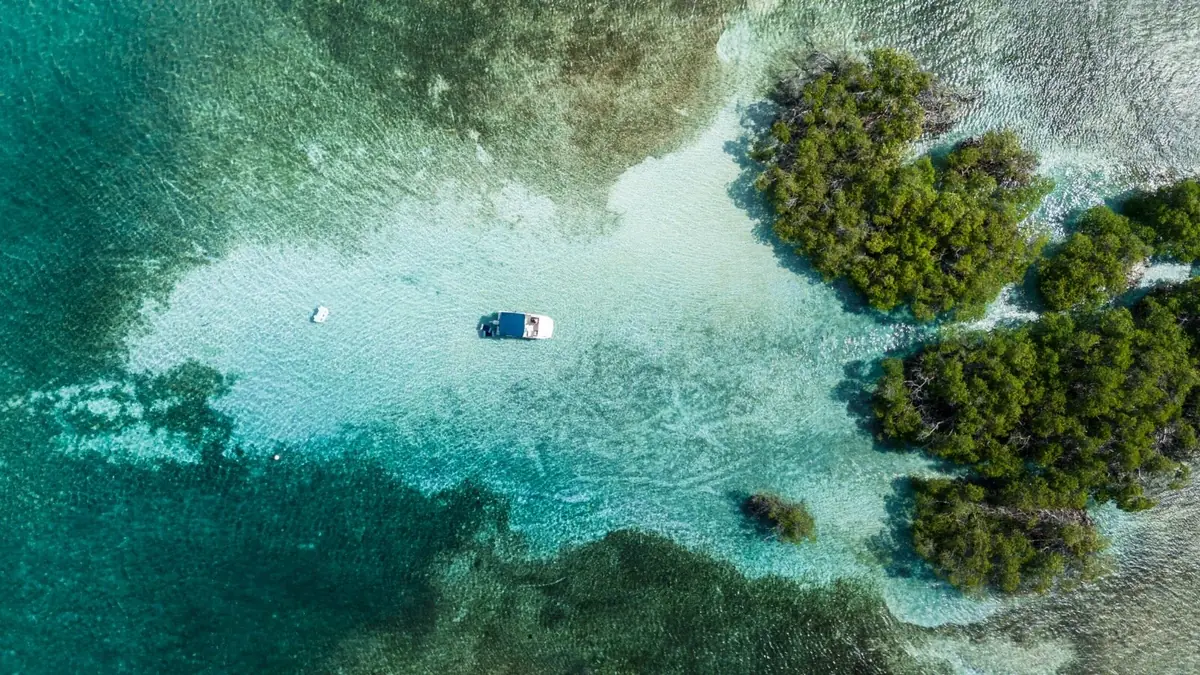
The Guanica and La Parguera travel guides most sites publish are outdated and likely to wreck your itinerary. One recommends a ferry that no longer runs. Another ignores the lunar science behind the bioluminescent bay. This guide covers both ecosystems — the driest terrain on the island and its most luminous water — with the real logistics to pull it off. For the wider context, see our complete Puerto Rico travel guide.
To experience Guanica and La Parguera fully, budget three full days. Hike the Guanica Dry Forest before 9 a.m. to beat the heat, rent a private skiff to explore the offshore mangrove cays around Mata La Gata, and book your bioluminescent bay tour within three days of a new moon. The Gilligan’s Island public ferry is out of commission from seismic damage — ignore any guide that says otherwise.
How do you get to Guanica and La Parguera?
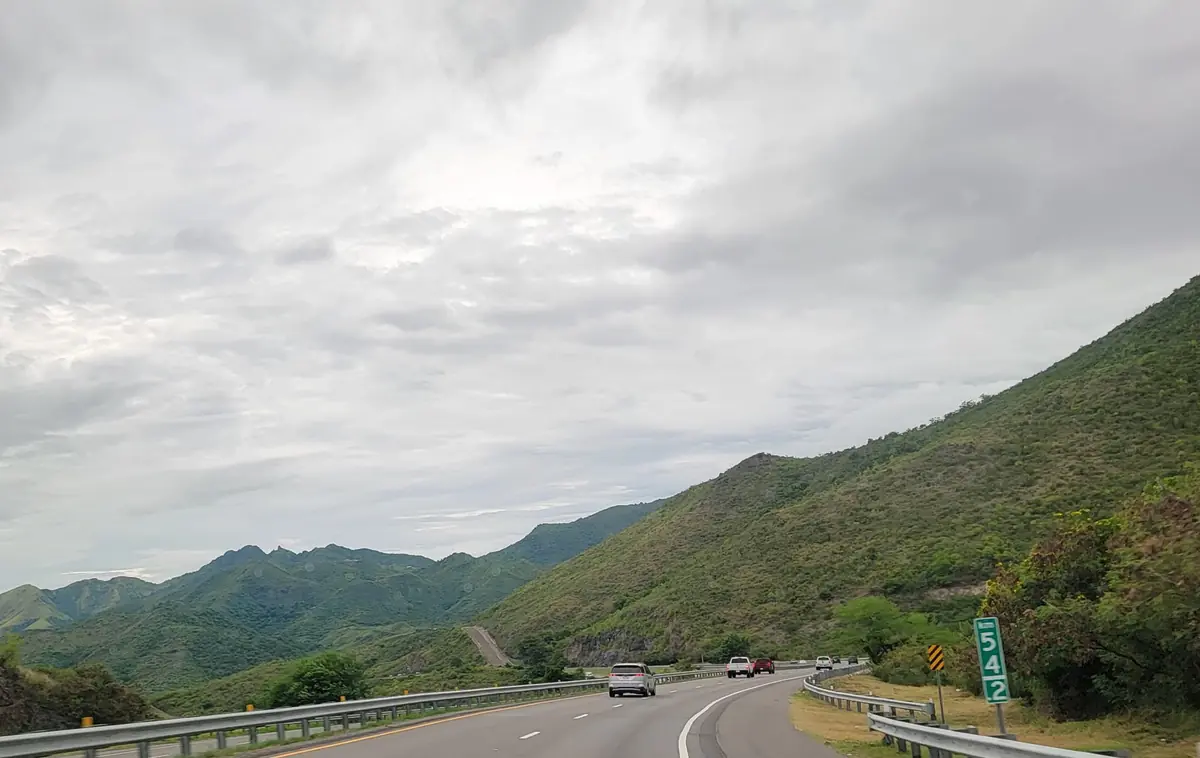
Driving from San Juan to Guanica takes about 2 hours 15 minutes via Route 52 south, and continuing west to La Parguera adds another 20 minutes into the municipality of Lajas. A rental car is mandatory — public transportation does not connect these southwestern coastal towns, and rideshare apps are financially prohibitive over this distance. If you have not booked a vehicle yet, our guide to renting a car in Puerto Rico covers the operators worth using.
The total drive from San Juan covers roughly 100 miles (160 km). The route is scenic, particularly through the mountains near Ponce, where the highway cuts through green ridgelines before descending into the flat, pale coastal plain that signals you have entered a different Puerto Rico entirely. Budget an extra 30 minutes on weekend mornings when Ponce traffic builds.
One useful alternative: Eugenio Maria de Hostos Airport in Mayaguez operates commercial flights and sits about 45 minutes north of Guanica. If you are flying into Puerto Rico specifically for the southwest, competitive fares here eliminate the longer San Juan airport transfer.
Pro Tip: Your GPS will occasionally route you through steep, narrow mountain shortcuts to save a few minutes. Ignore them. Stay on Route 52 south — the shortcuts eat more time than they save and are difficult to navigate in a rental car.
- Drive time from San Juan: about 2 hr 15 min to Guanica; 2 hr 35 min to La Parguera
- Distance: 100 miles (160 km) from San Juan
- Transportation: rental car mandatory — no viable public transit or rideshare
- Closer airport: Eugenio Maria de Hostos Airport, Mayaguez (45 min north of Guanica)
Where should you stay: Guanica or La Parguera?
Where you stay depends entirely on travel style and tolerance for noise. Guanica offers quiet beach resorts suited to families and eco-tourists who need early mornings. La Parguera has a lively boardwalk with waterfront hotels and loud weekend nightlife, but it has no traditional sandy beach you can walk to.
Guanica — quiet resorts and real beaches
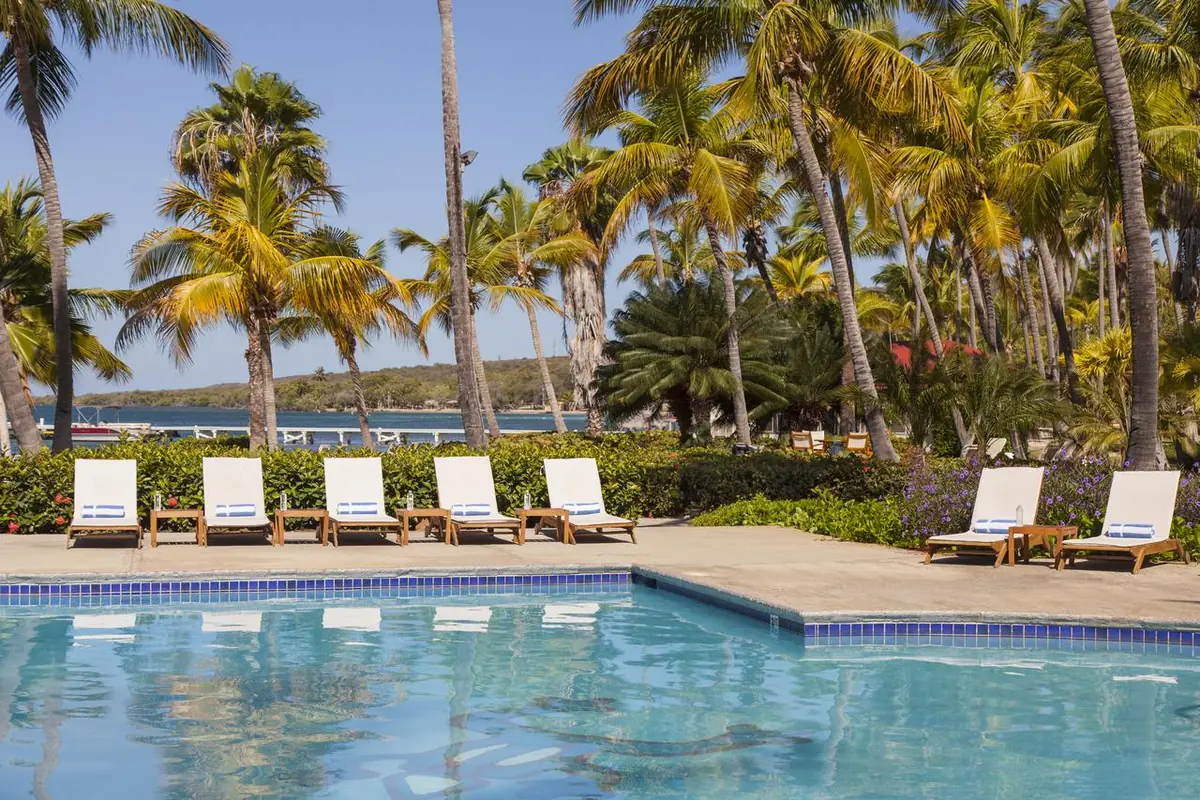
The anchor property in Guanica is the Copamarina Beach Resort, which sits directly on Cana Gorda beach — one of the few genuinely sandy beaches in Puerto Rico along the southwestern shore. It is the most logistically practical base if the dry forest is a priority: the main trailhead entrances sit within a 10-minute drive. Playa Santa, the other main Guanica beach, is a short drive west along Route 333.
The trade-off is a smaller, more dispersed dining scene. You will need to drive to find dinner rather than walking out to a waterfront row of restaurants.
- Best hotel: Copamarina Beach Resort (direct beach access, kayak rentals on site)
- Also consider: Turtle Bay Inn for a smaller locally owned option
- Best for: Families, eco-tourists, birdwatchers, light sleepers
- Beach access: Yes — Cana Gorda and Playa Santa within walking or 5-minute driving distance
La Parguera — boardwalk energy and bio bay proximity
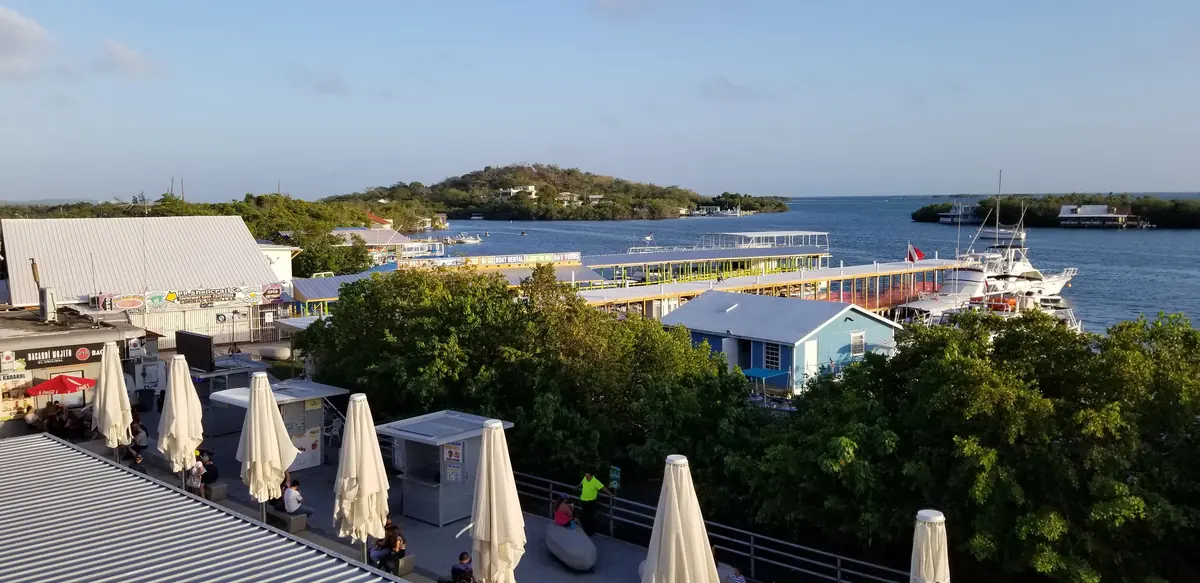
Staying in La Parguera puts you 40 steps from the bioluminescent bay departure docks — a real advantage if you are planning a tour. The Parguera Plaza Hotel and Parador Villa Parguera both sit directly on the waterfront.
The cost is the noise. On a Saturday night, the reggaeton from the boardwalk bars does not fade — it vibrates the window glass in waterfront rooms. On my last visit, I watched a family next door check out by Sunday morning because they had underestimated the decibels. La Parguera also has no traditional sandy beach along its mainland edge: the entire coastline is mangrove. Every beach experience here requires getting on a boat.
- Best hotel: Parguera Plaza Hotel (direct boardwalk access, bio bay dock nearby)
- Also consider: Parador Villa Parguera for a more local feel
- Best for: Couples, social travelers, anyone prioritizing bio bay convenience
- Beach access: No mainland beach — mangrove coastline only; offshore cays require a boat
Pro Tip: Light sleepers who still want bio bay proximity should book La Parguera rooms set back from the waterfront row, or stay in Guanica and drive the 20 minutes for the evening tour.
Is the Gilligan’s Island ferry still running?
No. The public ferry from San Jacinto to Cayo Aurora — commonly called Gilligan’s Island — is out of commission. Earthquakes that began in early 2020 caused ground sinking and destroyed the island’s bathrooms and pavilions. The only current access is by renting a kayak from vendors along Route 333 or from the Copamarina Beach Resort.
This is the single most dangerous piece of outdated information circulating about this region. Multiple high-authority sites still tell readers to show up at the San Jacinto dock and buy a ferry ticket. The ferries don’t go there anymore, the park is officially closed, and visiting is at one’s own risk and with one’s own means of transportation. The facilities on the island — already basic before the seismic events — are now dilapidated and without functioning restrooms.
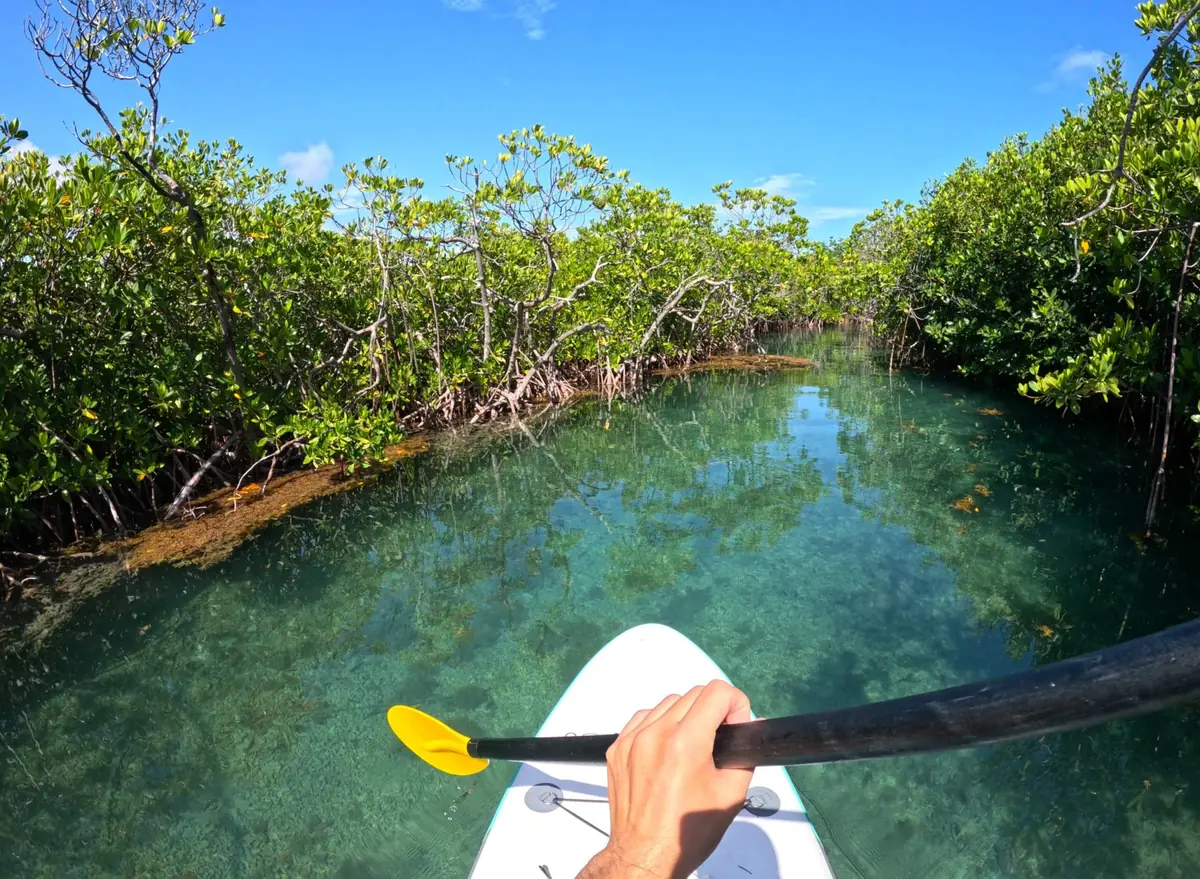
The honest assessment: Cayo Aurora is not currently worth the effort for most travelers. The channel between the Copamarina shoreline and the island looks manageable on a map, but the Caribbean wind whipping through the narrow mangrove corridors creates a current that will exhaust an unprepared paddler in either direction. The practical strategy is to paddle up the channel first, into the wind, so the current pushes you back when fatigue sets in on the return. That is an exercise in physical problem-solving, not a relaxing day trip.
Pro Tip: If you want to see the mangroves from water level, rent a motorized skiff in La Parguera instead. You will cover five times the distance with a fraction of the effort, and the cay network around Mata La Gata is far more rewarding than a hard paddle to a closed island.
- Official island name: Cayo Aurora (commonly called Gilligan’s Island)
- Ferry status: Out of commission — no reliable public service from San Jacinto
- Current access: Kayak rental only (Copamarina Beach Resort or Route 333 vendors)
- Facilities on the island: Composting toilets and pavilions destroyed — no functional amenities
- Paddle difficulty: High — strong prevailing wind and current; experienced paddlers only
What are the best hiking trails in the Guanica Dry Forest?
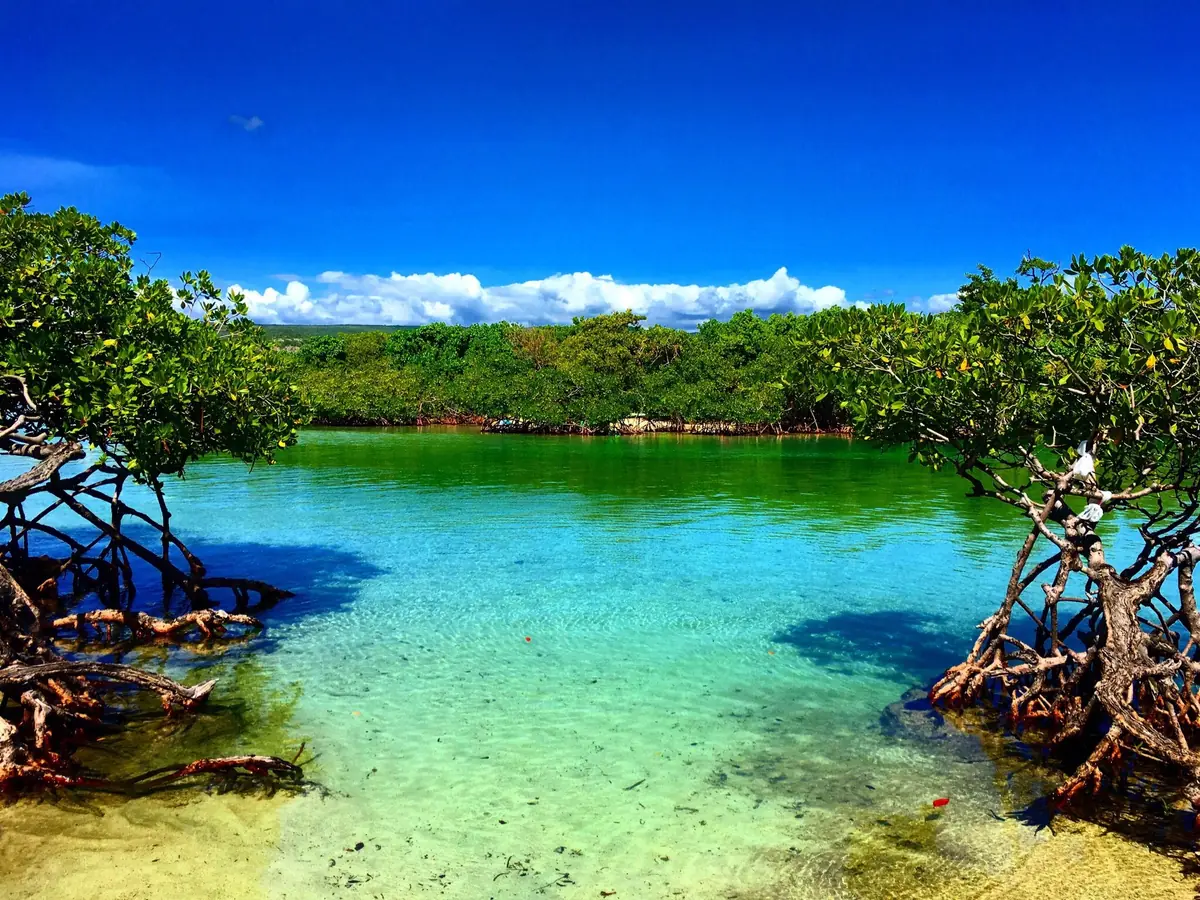
The Bosque Estatal de Guanica is a UNESCO Biosphere Reserve and one of the best-preserved coastal dry forests in the world. It receives only 30 inches (76 cm) of rain a year, and the terrain features cacti and gnarled, multi-stemmed trees adapted to arid conditions. Entrance is free, and the park is open Tuesday through Sunday during daylight hours.
The contrast with the rest of hiking in Puerto Rico is jarring. El Yunque, four hours northeast, receives over 200 inches (508 cm) of rainfall a year. Here, the ground is cracked and pale, the vegetation is low and thorned, and by 10 a.m. on a clear day the exposed trails feel like walking across a griddle. This is not jungle. It is a demanding, beautiful 9,000-acre ecosystem that requires preparation.
The Fuerte Trail — main route to Fort Capron
The Fuerte Trail is the primary long route: a 6-mile (10 km) round trip on a packed dirt road that climbs gradually toward the ruins of Fort Capron at the ridge. The surface is solid enough that you do not need technical footwear, but the elevation gain under direct sun will surprise anyone who underestimates the heat. Carry at least two liters of water per person. There is no shade infrastructure anywhere on this trail.
The Ballena Trail — shorter route to a living landmark
The Ballena Trail runs 2.5 miles (4 km) and ends near the 700-year-old Guayacan tree, one of the oldest specimens of its species on the island. The trail is flatter than the Fuerte route and accessible to most fitness levels, making it the better choice for families or casual hikers.
Birdwatching in the dry forest
The dry forest is one of the most productive birdwatching zones in Puerto Rico. The endemic San Pedrito — a tiny green-and-orange bird (Todus mexicanus) — darts through the cacti with a rapid, buzzing flight pattern that sounds like a mechanical toy. You will hear it before you see it. The Puerto Rican woodpecker and Adelaide’s warbler both inhabit this forest and are far easier to spot here than in the rainforest, where the canopy swallows sound.
The acoustic environment is the opposite of what most visitors expect from Puerto Rico. Unlike the deafening chorus of coqui frogs in the northern rainforests, the Guanica Dry Forest is characterized by an arid silence — broken only occasionally by that buzzing dart of a San Pedrito between the cactus columns.
Pro Tip: The main vehicular gate is sometimes padlocked on local holidays without warning. If you arrive to find it locked, park on the shoulder of Route 333 and walk the paved access road in. It adds 20 minutes in direct sun, but it is not a dead end.
- Entrance fee: Free
- Hours: Tuesday through Sunday, daylight hours
- Fuerte Trail: 6 miles (10 km) round trip — packed dirt, gradual uphill, zero shade
- Ballena Trail: 2.5 miles (4 km) — flatter, ends at the 700-year-old Guayacan tree
- Annual rainfall: 30 inches (76 cm) — plan for extreme heat exposure
- Best start time: Before 9 a.m. — by 11 a.m. exposed sections become brutal
How do you explore the La Parguera cays by boat?
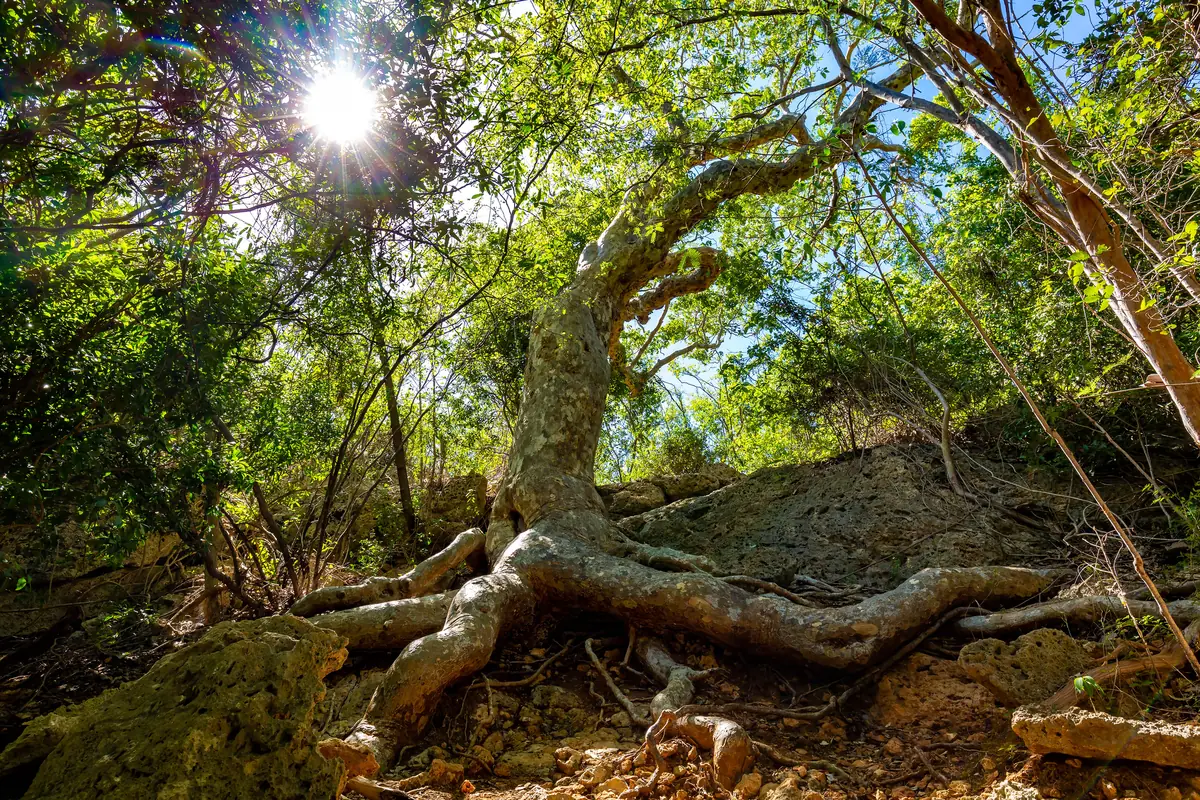
The defining daytime activity in La Parguera is exploring the network of roughly 30 offshore mangrove cays. Visitors can rent small outboard skiffs for around $90 to $150 for a few hours. These self-driven boats let you anchor at shallow sandbars like Cayo Caracoles at your own pace, without a tour schedule or a group of strangers setting the agenda.
The cay network divides into two distinct experiences depending on what you want.
Mata La Gata — the structured option
Mata La Gata features official DRNA (Department of Natural and Environmental Resources) mooring balls, picnic tables, and water clear enough for some of the best snorkeling in Puerto Rico outside of Culebra. It functions like a managed recreation area — predictable, calm, and well-suited to families who want an organized day on the water.
Cayo Caracoles — the social option
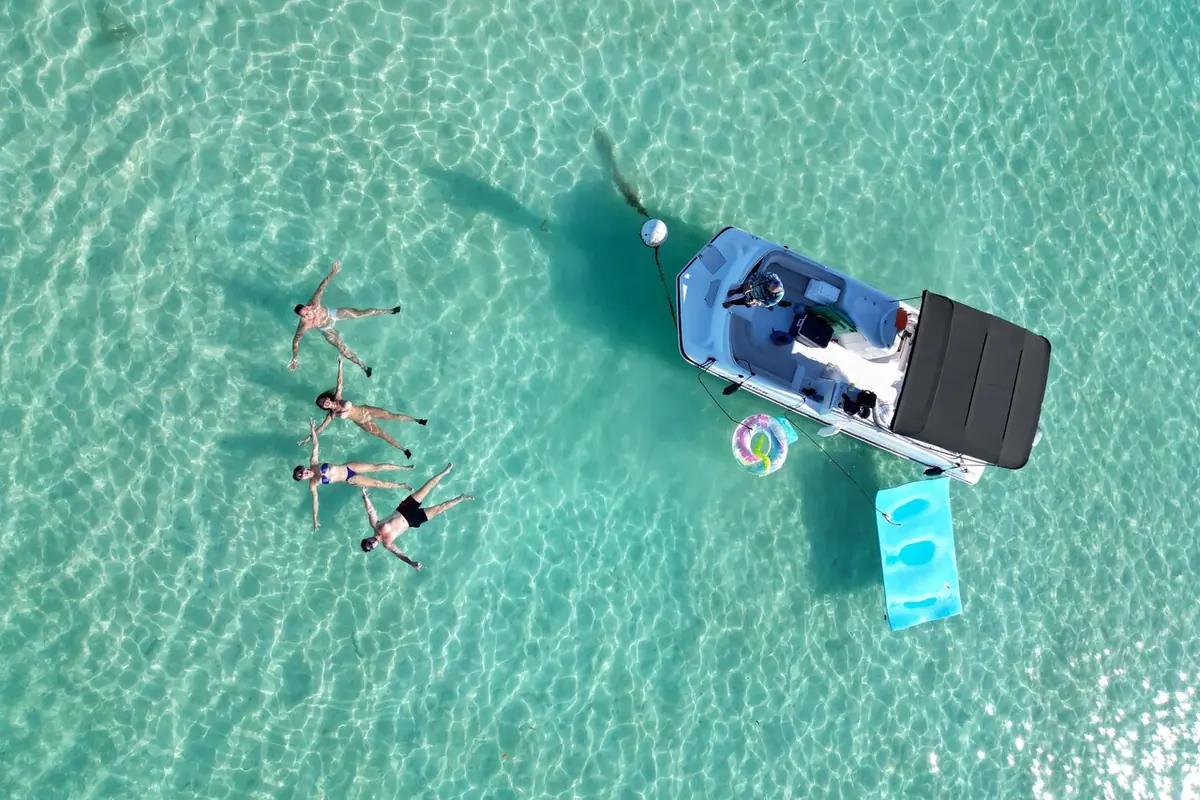
Cayo Caracoles is the social cay. The water is waist-deep across a submerged sandbar, and by noon on a weekend it becomes a floating neighborhood gathering. Local boaters pull their skiffs up to the mangrove edge, drop anchor in the shallows, and spend the afternoon drifting with coolers floating alongside them. The energy is loud and convivial. If you want a quiet nature experience, arrive before 11 a.m. or head to a different cay.
For larger groups or anyone who would rather not navigate on their own, private captained charters run $250 to $550 depending on boat size and duration. Torres Boat Rental is one of the established operators along the La Parguera waterfront.
Pro Tip: Confirm whether fuel is included before signing any rental agreement. Some operators bundle it in; others bill separately at the end, which can add $30 to $50 to a half-day rental with no warning.
- Skiff rental: $90 to $150 for a few hours (self-driven, outboard motor)
- Private captained charter: $250 to $550 depending on group size and duration
- Best cay for families: Mata La Gata (DRNA mooring balls, picnic tables, calm snorkeling)
- Best cay for social atmosphere: Cayo Caracoles (shallow sandbar, weekend gatherings)
- Operator: Torres Boat Rental (La Parguera waterfront)
How do you experience the La Parguera bioluminescent bay properly?
To witness the bioluminescent bay in La Parguera, timing is everything. Visit within three days before or after a new moon — ambient moonlight overpowers the delicate glow of the marine dinoflagellates. The peak months for visibility run December through April, when the dry season delivers minimal cloud cover and the clearest water of the year. For a comparison of every glowing bay on the island, see our roundup of bioluminescent bay tours in Puerto Rico.
The organisms responsible for the glow are dinoflagellates — specifically Pyrodinium bahamense — single-celled marine organisms that emit a blue-green flash when physically agitated. Every wake cut by the hull, every hand trailing in the water, every jumping fish leaves a streak of cold blue light. The effect is most visible in conditions of near-total darkness.
Heavy seasonal rain degrades the experience. Runoff from the shoreline carries muddy sediment into the bay, clouding the water enough to mute the glow. September and October represent the worst combination: elevated moonlight probability, frequent cloud cover, and post-storm runoff converge to make the bioluminescence faint or invisible on most nights.
On tours where slight lunar interference is present, the most experienced local guides pull a thick tarp over the entire boat and its passengers — a makeshift blackout tent. It sounds improvised. It works. The turquoise sparks become visible once your eyes adjust to the near-total darkness under the canvas, even when the moon is not completely new.
- Best months: December through April (dry season, clearest water, lowest runoff)
- Worst months: September and October (post-storm sediment, cloud cover, moonlight overlap)
- Lunar window: Within 3 days before or after a new moon — non-negotiable
- Science: Pyrodinium bahamense dinoflagellates emit light when mechanically agitated
- Tour departure point: La Parguera boardwalk dock
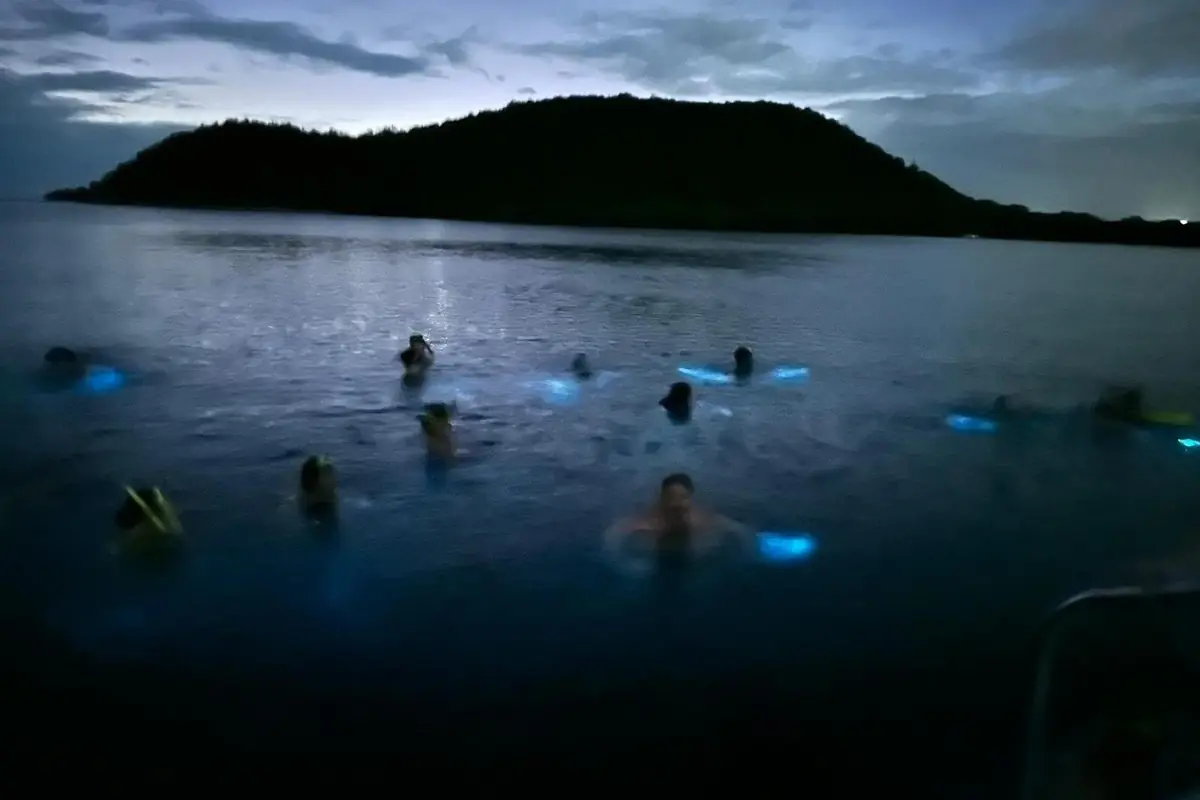
Can you swim in the La Parguera bioluminescent bay?
La Parguera is the only bioluminescent bay in Puerto Rico where commercial operators currently allow tourists to enter the water — but ecological experts strongly advise against it. The chemicals in sunscreens, lotions, and insect repellents are toxic to the dinoflagellates that create the glow, and cumulative human disruption is measurably degrading the bay’s brightness over time.
Mosquito Bay on Vieques and Laguna Grande near Fajardo both operate under strict no-swimming mandates enforced by law — and they are measurably brighter than La Parguera. The comparison is not a coincidence.
You do not need to get in the water to experience the bioluminescence. Trailing a bare hand from the edge of the boat through the dark, warm water and watching the turquoise sparks curl off your fingers is a complete, immersive experience. It requires no submersion, no disruption, and leaves the ecosystem intact for the next visitor.
The operators who promote swimming are not doing so for ecological reasons. It is a better marketing hook than telling guests to sit in a boat and look at the water. Do not mistake a commercial decision for a conservation endorsement.
Pro Tip: Wear a dark-colored rash guard instead of applying sunscreen before a night tour. It protects your skin without introducing chemicals to the water, and it lets you dip a hand in freely without any guilt.
Where should you eat in La Parguera and Guanica?
The regional culinary scene leans on fresh Caribbean seafood and inventive tapas plates. In La Parguera, the waterfront boardwalk comes alive on weekends, offering everything from casual street pinchos to refined sit-down dining. In Guanica, dining options are more dispersed and require a short drive, but the best spots hold their own against anything on the boardwalk. For a broader look at the island’s cuisine, our Puerto Rico food guide maps out the dishes worth chasing.
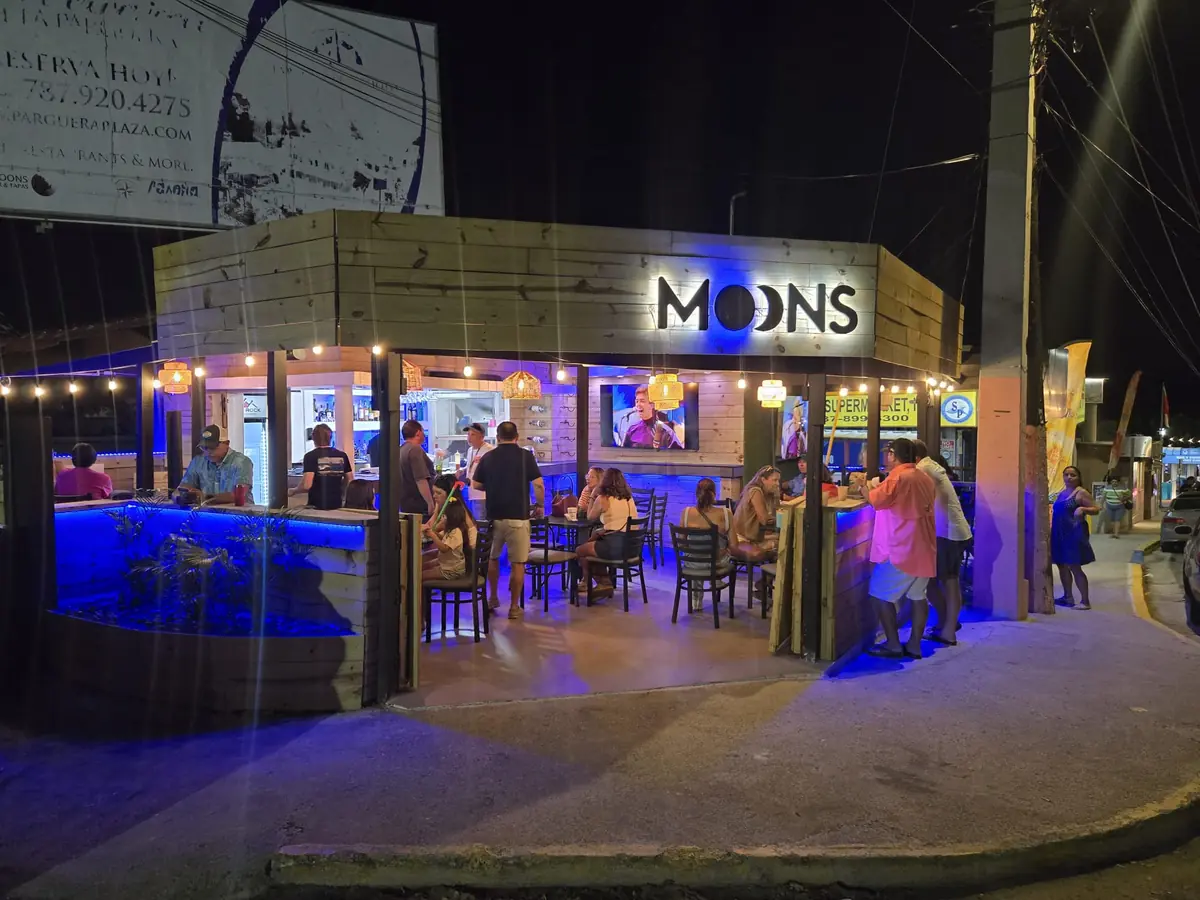
1. Moon’s Bar and Tapas — La Parguera’s most considered kitchen
Moon’s Bar and Tapas serves the most refined food on the boardwalk. The ceviche arrives with root vegetable chips rather than the standard saltine — a small detail that signals the kitchen is paying attention. The covered terrace sits directly over the water, and on a clear night the ambient reflection off the bay gives the space a calm that the rest of the boardwalk entirely lacks.
- Location: La Parguera boardwalk, Lajas
- Cost: $12 to $28 per plate
- Best for: Couples, anyone who wants a proper sit-down dinner with atmosphere
- Time needed: 90 minutes
2. El Turrumote — the octopus worth the wait
El Turrumote is a local institution. The octopus salad is the order — bright, acidic, and substantial enough to justify the price. It fills early on weekends and takes no reservations, so arrive before 7 p.m. or plan to wait at the bar.
- Location: La Parguera area, Lajas
- Cost: $15 to $35 per plate
- Best for: Seafood enthusiasts, groups, anyone who follows local recommendations
- Time needed: 1 to 1.5 hours
3. Isla Cueva Burger and Beer Bar — the recovery meal
When seafood fatigue sets in after a long day on the water, Isla Cueva delivers solid burgers and cold beer in a completely unpretentious setting. You can show up in wet board shorts and feel entirely comfortable.
- Location: La Parguera, Lajas
- Cost: $10 to $18
- Best for: Casual meals, solo travelers, groups after a full day on the cays
- Time needed: 45 minutes
For Guanica, Trasiego and Umami near the coastal beaches offer a more relaxed, locally focused dining experience well removed from the boardwalk energy.
Pro Tip: The La Parguera boardwalk on a Saturday night draws live comedy performances and local vendors alongside the restaurant noise. If you want a quieter meal, Thursday is the sweet spot — full staffing, half the crowd.
What should you know about parking and safety in La Parguera?
Navigating La Parguera by vehicle requires using paid municipal parking — street parking is monitored and regularly ticketed by local police on weekends. The region is broadly safe for tourists, including solo female travelers, provided standard situational awareness is maintained and valuables are never left unattended on remote beaches or visible inside rental cars. For a wider look at conditions across the island, see our breakdown of whether Puerto Rico is safe for travelers.
Parking in La Parguera
La Cochera Parking is the primary municipal facility. Access it via the Calle de la Luna entrance. The attendants are reliably present during busy periods and, notably, willing to hold forgotten luggage locked in their office — a level of trust that accurately reflects the community’s overall character.
- La Cochera cost: about $15 for 3 hours; $25 for overnight parking
- Payment: Cash strongly preferred — have bills ready to avoid delays at the booth
- Access point: Calle de la Luna entrance
- Street parking: Avoid it — actively ticketed by municipal police on weekend evenings
Safety and practical precautions
Violent crime against tourists in the southwest is exceedingly rare. The realistic concern is petty theft — specifically unattended beach bags on isolated cays and valuables left visible in rental cars parked along Route 333 near the dry forest trailhead. Lock everything in the trunk before you leave the vehicle, not after you park.
- Primary risk: Petty theft of unattended bags and visible items in rental cars
- Violent crime: Exceedingly rare in the tourist zones of Guanica and La Parguera
- Solo female travelers: Generally safe; standard precautions apply after midnight on the boardwalk
- Nearest hospital: Yauco — about 20 minutes east of Guanica
Frequently asked questions about Guanica and La Parguera
Planning a comprehensive trip to the southwest coast requires navigating rural roads, lunar calendars, and outdated ferry schedules that competing guides have not corrected. These are the factual answers to the questions that come up most often when building an itinerary for the municipalities of Guanica and La Parguera.
Is the ferry to Gilligan’s Island still running?
No. The public ferry from San Jacinto to Cayo Aurora is out of commission. Seismic activity caused severe ground shifting that destroyed the island’s facilities. The only current access is by renting a kayak from vendors along Route 333 or from the Copamarina Beach Resort.
Does La Parguera have a traditional beach?
La Parguera has no sandy beach along its mainland coast — the entire waterfront is dense mangrove. To reach a beach environment, you rent a boat to an offshore sandbar. “Beach” in La Parguera means standing waist-deep on a submerged cay off the stern of a skiff, not laying on dry sand with a towel.
How far is La Parguera from San Juan?
The driving distance from San Juan to La Parguera is about 100 miles (160 km), with a travel time of roughly 2 hours 35 minutes under normal traffic conditions via Route 52 south.
What is the best time of year to visit?
December through April offers the clearest skies, driest weather, and the best bioluminescent bay conditions due to minimal sediment runoff. September and October bring unpredictable storm closures, rough water, and degraded bio bay visibility that no amount of lunar timing can compensate for.
How much does a boat rental cost in La Parguera?
Self-driven outboard skiffs start at about $90 to $150 for a few hours. Private captained charters for larger groups run $250 to $550 depending on vessel size and the duration of the excursion.
The bottom line on Guanica and La Parguera
Guanica and La Parguera offer a combination that exists nowhere else on the island: a punishing, beautiful desert ecosystem within 20 minutes of glowing bays and turquoise offshore cays. The logistics require more planning than a typical Puerto Rico trip. You need a rental car, a lunar calendar on your phone, and information that most guides are still getting wrong.
Skip the Gilligan’s Island ferry — it does not run. Book the bio bay tour before the new moon window closes. Start the dry forest hike before 9 a.m. or turn back early. Rent the skiff rather than join the group tour. The southwest rewards travelers who arrive prepared and punishes those who show up expecting the infrastructure of San Juan.
TL;DR: Rent a car, check the new moon calendar before booking your bio bay tour, and ignore any guide that tells you to take the San Jacinto ferry to Cayo Aurora. Three full days is the minimum to do both ecosystems justice without feeling rushed.
What surprised you most about the southwest coast — and what do you wish someone had told you before you arrived?