Puerto Rico hands US citizens the rarest combination in remote work: a Caribbean address with no immigration checkpoint, a dollar economy, and territorial tax laws accountants take seriously. This Puerto Rico digital nomad guide cuts past the lifestyle marketing into the infrastructure, legal frameworks, and neighborhood realities that decide whether the move actually works. For broader context on the island beyond remote work, our full Puerto Rico travel guide covers the essentials.
Is Puerto Rico the right remote work destination?
Puerto Rico suits US professionals earning in dollars who want legitimate tax advantages without leaving domestic jurisdiction. Expect mid-tier mainland city pricing for rent, groceries, and dining — not Latin American cost arbitrage. The island runs on Atlantic Standard Time year-round, eliminating daylight saving disruptions and aligning perfectly with East Coast business hours.
The average temperature holds between 80 and 85°F (26 to 29°C) year-round, with afternoon humidity that makes air conditioning a necessity, not a comfort.
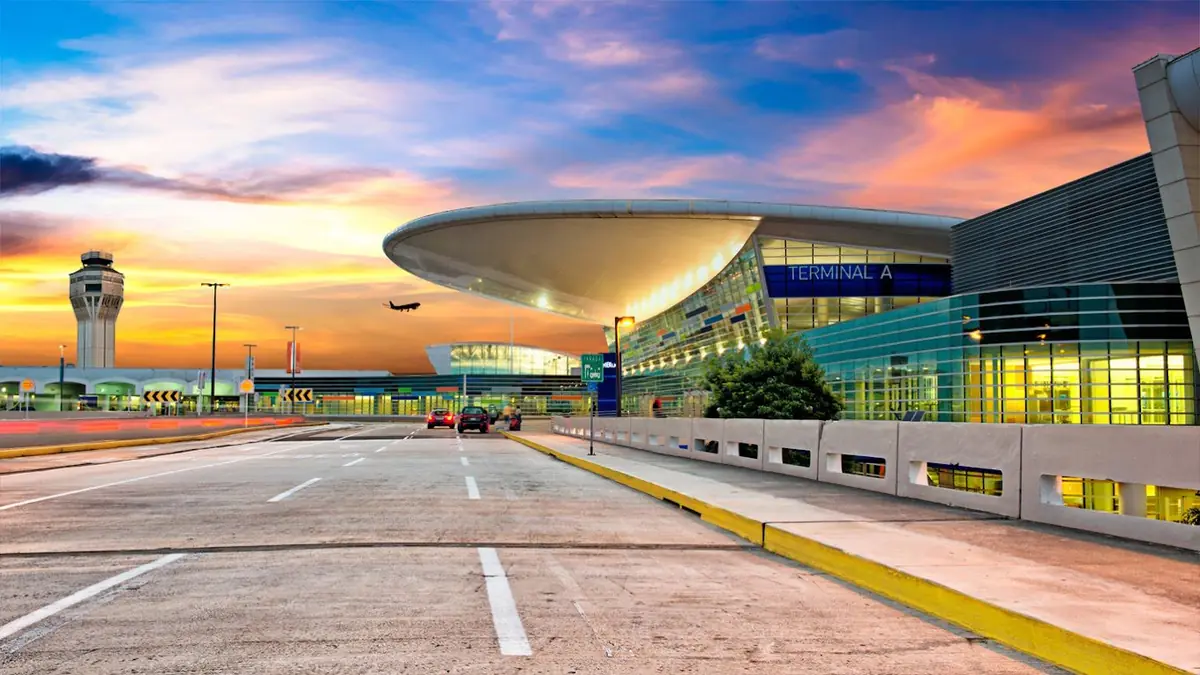
Stepping off the plane at Luis Muñoz Marín International Airport (SJU) feels inherently domestic. No customs line for mainland travelers, no currency exchange booth, no passport checkpoint. Then you walk outside into a wall of tropical heat, pass signage predominantly in Spanish, and hear reggaeton from an idling taxi. The cultural shift is real even when the bureaucratic one isn’t.
Pro Tip: Book your first two weeks in an Airbnb with confirmed generator access before committing to a lease. You’ll make sharper neighborhood decisions once you’ve experienced the infrastructure firsthand.
Do US citizens need a visa to work remotely in Puerto Rico?
US citizens do not need a visa, passport, or special work permit to live and work remotely in Puerto Rico. Because the island is an unincorporated US territory, relocating is legally identical to moving between states. A standard government-issued driver’s license is sufficient for boarding flights and establishing local residency.
Non-US citizens are subject to standard federal immigration laws and must hold an appropriate visa to enter the territory. The island does not issue independent visas. If you hold a valid US visa status, you can enter Puerto Rico under those same terms.
The practical upside is significant — no customs checkpoint on arrival, no foreign bank account complications, no international wire fees, and no cell carrier roaming charges on major US networks.
What does the legal tax framework actually look like?
Two distinct instruments serve different financial profiles. Act 27 (the Digital Nomad Bill) targets short-term relocators, while Act 60 Export Services is built for entrepreneurs committing to long-term territorial residency. Picking the right one before you move is not optional.
Act 27 — for shorter remote work stints
Act 27 lets workers self-report income taxes to the IRS, removing the compliance burden from mainland employers. The safe harbor provision is the critical part: your employer does not become subject to Puerto Rico tax simply because you live there. The initial permit runs one year and is renewable.
Act 60 — for long-term entrepreneurs
Act 60 operates on a different level. It requires 183 days of physical presence on the island per calendar year and confers significant rewards: a flat 4% corporate tax rate on export service income and 0% tax on capital gains generated after you establish residency.
The compliance overhead is real. Act 60 Individual Resident Investor decree holders must make an annual charitable donation of $10,000, split into two $5,000 donations to separate qualifying Puerto Rican nonprofits — one must come from the CECFL list of organizations addressing child poverty. Add an application fee of around $5,005 and an annual compliance filing fee of roughly $5,005 on top of that.
Navigating the local tax portal (SURI) almost always requires a bilingual CPA. The administrative interfaces and most municipal tax offices operate in Spanish, and the terminology doesn’t translate cleanly even for fluent Spanish speakers.
Pro Tip: Budget $3,000–$5,000 for first-year Act 60 legal and accounting fees on top of the charitable donation and government filing fees. Factor that into your break-even calculation before assuming the tax savings are automatic.
How much does it actually cost to live in Puerto Rico?
The cost of living in Puerto Rico runs close to mainland mid-tier city levels — not cheaper. Due to the Jones Act, a federal maritime law requiring goods shipped between US ports to travel on US-flagged vessels, virtually every imported product carries a premium. Groceries, electronics, vehicles, and household goods reflect that markup directly.
Rent in Condado or Ocean Park runs $1,500 to $3,500 per month for a two-bedroom with reliable infrastructure. A comparable unit in Ponce on the south coast runs $900 to $1,400. A mid-range sit-down restaurant costs $25 to $40 per person before alcohol — on par with a US city, not a Caribbean island.
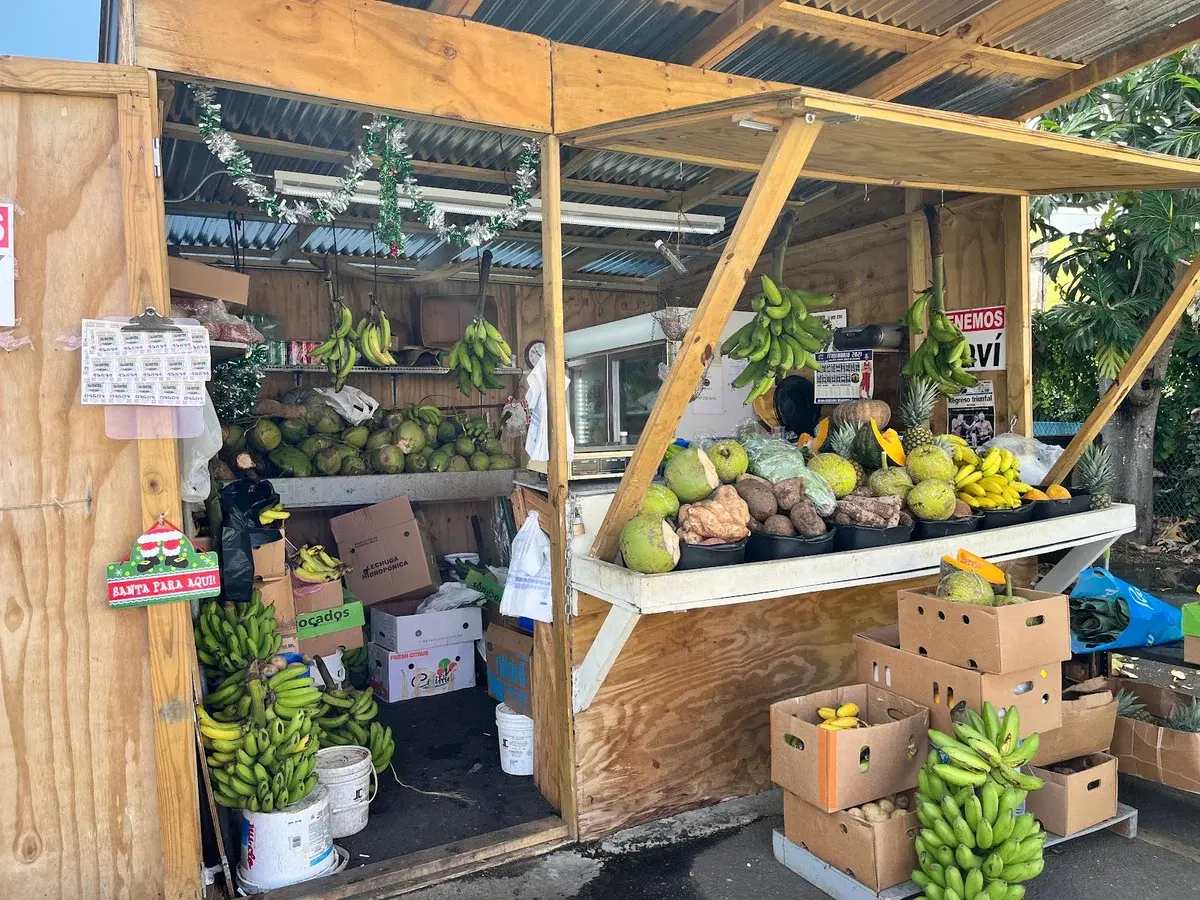
Local produce from roadside stands is genuinely affordable and high quality. Plantains, avocados, mangoes, and tropical vegetables cost a fraction of supermarket prices. But step into a supermarket for a box of mainland cereal and the Jones Act markup is immediately jarring.
Monthly budget framework by lifestyle
| Category | Urban Nomad (Condado) | Surf/Budget Nomad (Isabela) |
|---|---|---|
| Rent (1BR) | $1,500–$2,500 | $750–$1,100 |
| Groceries | $500–$800 | $350–$550 |
| Dining out (3x/week) | $400–$600 | $250–$400 |
| Transportation | $400–$700 | $300–$500 |
| Utilities with A/C | $200–$350 | $120–$200 |
| Coworking (monthly) | $200–$400 | $0–$200 |
| Total estimate | $3,200–$5,350 | $1,770–$2,950 |
How reliable is the internet and power grid?
Puerto Rico has exceptional fiber-optic internet in urban centers and a fragile electrical grid that can render that internet useless without backup power. These are two entirely separate variables, and conflating them is the most expensive mistake a remote worker can make.
Optico Fiber serves parts of San Juan with speeds up to 4,000 Mbps. Claro and Liberty Cablevision cover most of the metropolitan area. Aguadilla and Dorado also have solid fiber infrastructure. Rural areas and the western coast outside major towns depend more heavily on cellular hotspots.
LUMA Energy, the private company managing transmission and distribution, has struggled with reliability since taking over operations. Outages happen without warning and can last hours. The auditory signature of the island captures both realities at once: the coquí frog singing at night, and the sudden diesel growl of neighborhood generators kicking on when the power dips in the afternoon.
Before signing any lease, ask these questions directly:
- Does the unit have a backup generator (“planta”)?
- Does the generator power the full unit or only the refrigerator?
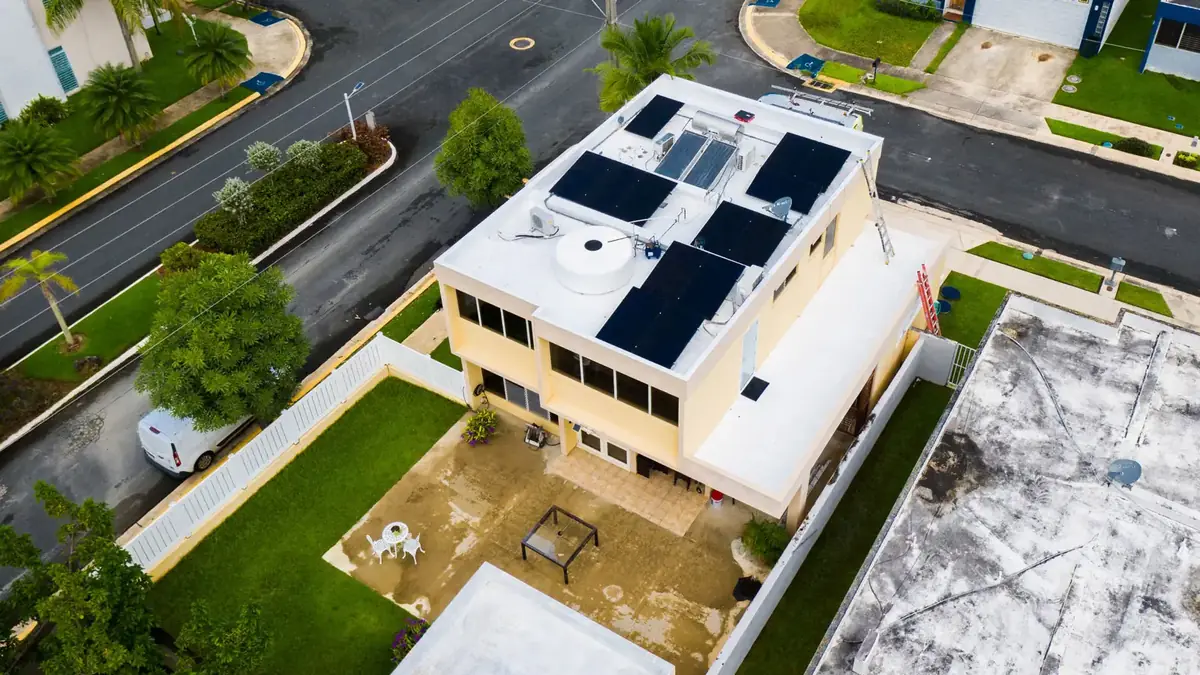
- Are there solar panels with battery backup installed?
- Does the building have an independent water cistern?
- What was the longest outage in the past six months?
If a landlord can’t answer specifically, the property isn’t ready for remote work.
Where should you live in San Juan as a remote worker?
For professionals who need consistent infrastructure and walkable access to coworking spaces, San Juan’s established neighborhoods set the standard. The metropolitan area concentrates the highest density of redundant fiber lines on the island, making it the most technically reliable location for high-bandwidth video calls.
| Neighborhood | Internet | Walkability | Surf/Nature | Avg 1BR |
|---|---|---|---|---|
| Condado | Excellent (fiber) | High | Beach (calm water) | $1,500–$2,500 |
| Santurce | Excellent (fiber) | High | None immediate | $1,100–$1,800 |
| Rincón | Moderate | Moderate | Excellent (winter surf) | $1,000–$2,000 |
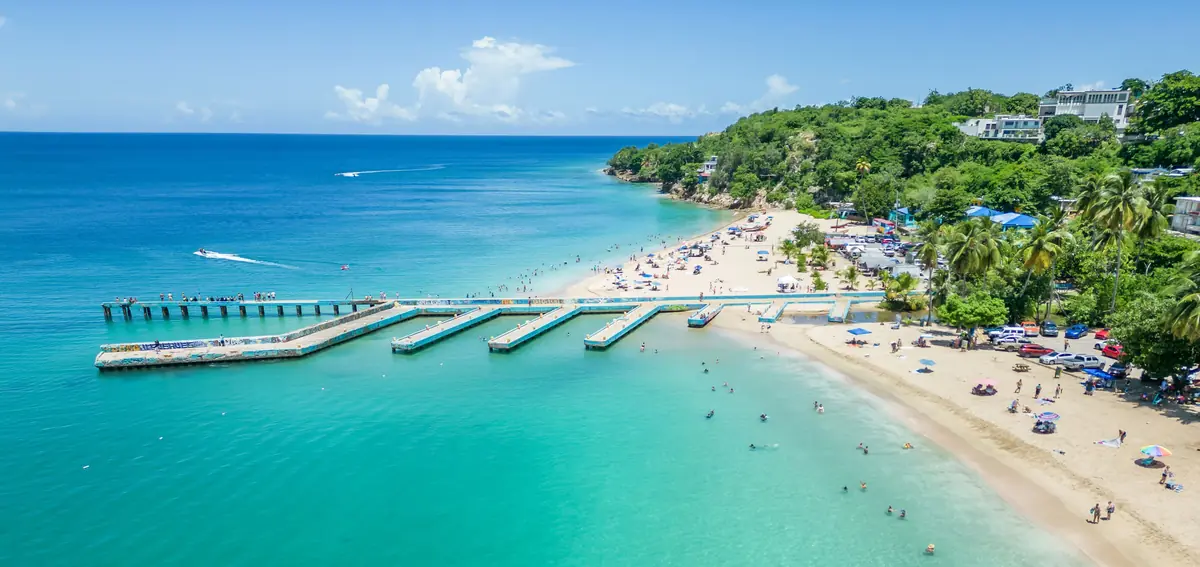
| Aguadilla | Good | High (Ramey) | Good (Crash Boat) | $900–$1,500 |
| Ponce | Good | Moderate | None immediate | $700–$1,200 |
| Isabela | Moderate | Low | Good (Jobos Beach) | $750–$1,100 |
Condado and Santurce — fiber density and walkable blocks
Condado is the closest thing Puerto Rico has to a Miami Beach analogue — luxury hotels, beach access, high-end restaurants, and a walkable main strip along Ashford Avenue. Fiber infrastructure is excellent. Rent is the highest on the island. If you’re billing well and want zero logistical friction, this is the most frictionless place to land.
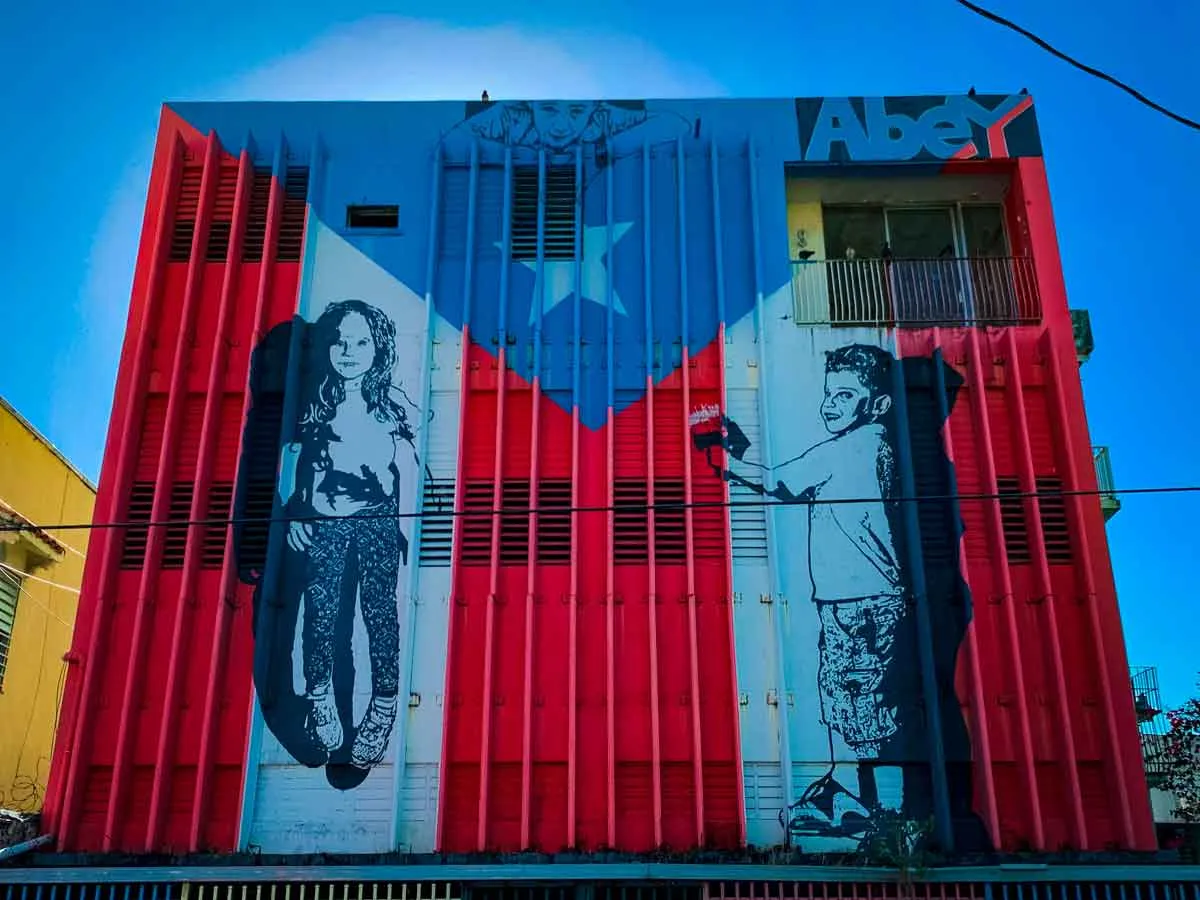
Santurce reads differently. Street murals cover nearly every blank surface. La Placita fills up on weekends with food stalls and live music drawn heavily from local residents rather than tourists. Specialty coffee shops and coworking options have proliferated alongside the nightlife.
- Location: Both in the San Juan metro, served by Tren Urbano stations and rideshare
- Cost: Condado 1BR from $1,500/month; Santurce 1BR from $1,100/month
- Best for: Professionals who need reliable infrastructure and urban walkability
- Time needed: Plan two to three weeks of exploring before committing to a block

Ponce — focused work and southern calm
Ponce is the island’s second city on the south coast, and it reads very differently from San Juan. The pace is slower. The historic center, locally called “La Perla del Sur,” has striking 19th-century architecture, a functioning central plaza, and a stronger sense of local Boricua life than any neighborhood in the capital.
Rent in Ponce is genuinely affordable — a two-bedroom with reliable infrastructure runs $900 to $1,400 per month. Sahada Coworking operates here, offering hot desks and mentorship programming for south coast residents.
- Location: South coast, approximately 75 miles (120 km) from San Juan
- Cost: 1BR from $700/month
- Best for: Deep work, lower monthly cost, distance from the San Juan expat concentration
- Time needed: A car is essential; weekend drives to San Juan are realistic
Which coastal towns work best for surf and community?
The western corridor is its own world. Rincón, Aguadilla, and Isabela have evolved into remote work communities built around surf culture in Puerto Rico and a large English-speaking expat population. For professionals prioritizing work-life balance over urban infrastructure, these towns offer a compelling alternative to San Juan.
The key distinction comes down to infrastructure stability. Excellent fiber in San Juan is reliable because the urban grid has more redundancy. Out west, even strong internet speeds mean nothing during an unplanned outage without a generator.
Rincón — surf capital with an expat ecosystem
Rincón is the island’s surf hub and knows it. Winter swells running November through March bring the best conditions in the Caribbean, and the town fills with long-term visitors arriving in October and leaving in April. The expat community is large enough that most day-to-day business can be conducted in English.
Cafe 2 Go and Banana Dang have become reliable remote work spots with functional WiFi. Internet inside town is workable but well below San Juan’s fiber standards. On my last visit, a landlord quoted “always-on internet” that turned out to be a cellular router with no generator. The signal dropped every afternoon during peak usage hours.
In summer, the ocean goes flat. The social dynamic shifts from surf camp to snorkeling and scuba. The crowds thin, prices ease slightly, and Rincón becomes a quieter base for focused work.
- Location: West coast, about 100 miles (160 km) from San Juan
- Cost: 1BR from $1,000/month; higher in winter, especially beachside
- Best for: Surfers and seasonal long-term visitors (November–April)
- Time needed: Monthly commitment minimum; weekly rates are high year-round

Aguadilla — stronger infrastructure and direct flight access
Aguadilla has logistical advantages Rincón doesn’t. The Rafael Hernández Airport (BQN) serves direct flights from several US cities, reducing travel time significantly. The area around the former Ramey Air Force Base is flat, walkable, and easy to navigate — the grid layout makes orientation immediate.
Outsite operates its Puerto Rico coliving location in Aguadilla. The Aguadilla Business Center provides ocean-facing workspace and small business support. Internet infrastructure is notably more stable here than in Rincón, and the community skews slightly more toward tech professionals.
- Location: Northwest coast, 85 miles (137 km) from San Juan; direct flights via BQN
- Cost: 1BR from $900/month around Ramey
- Best for: Tech professionals who want west-coast lifestyle with reliable infrastructure
- Time needed: Minimum one month to assess community fit
Isabela — quiet focus near Jobos Beach
Isabela sits north of Aguadilla and offers access to Jobos Beach, one of the island’s more consistent surf breaks, without the full expat density of Rincón. For nomads who want ocean proximity and focused work time without disappearing into isolation, Isabela is worth serious consideration.
- Location: North of Aguadilla on the northwest coast
- Cost: 1BR from $750/month
- Best for: Deep work and surfers who prefer less crowded line-ups
- Time needed: A car is required; services are spread across the municipality
Where should remote workers go for coworking?
Puerto Rico has a functioning coworking ecosystem concentrated in San Juan with regional outposts in Aguadilla and Ponce. Pricing reflects the island’s mainland-level cost structure — day passes are not cheap by Caribbean standards, but they deliver reliable infrastructure in air-conditioned environments. Expect day passes between $30 and $70 and monthly memberships between $200 and $400.
- Spece (San Juan): Day pass approximately $40; monthly from $200. The most established option in the city, with strong WiFi and a consistent professional crowd.
- Piloto 151 (San Juan): Also offers virtual mailbox services — useful for establishing a legal address under Act 60 without committing to a permanent lease.
- Regus / Spaces (San Juan): Day access around $69; unlimited monthly plans for workers who need flexibility across locations.
- Aguadilla Business Center: Northwest coast option with ocean-facing workspace and small business services.
- Sahada Coworking (Ponce): Hot desks and mentorship programming — the only purpose-built coworking option on the south coast.
The temperature transition between the street and a San Juan coworking space deserves a warning. Outside is 85°F (29°C) with full humidity. Inside is closer to 65°F (18°C) with aggressive air conditioning at full capacity. A light jacket at your desk is not optional.

Can you get around Puerto Rico without a car?
You really can’t. Navigating Puerto Rico requires a personal vehicle. The Tren Urbano, San Juan’s rail system, is not viable for daily commuting — it spans only 10.7 miles (17.2 km), runs at an average 20.6 mph (33.2 km/h), and bypasses both the international airport and Old San Juan, the two most common destinations for arriving nomads. Headways run every 8 to 12 minutes during peak hours.
Public buses cover the city but require patience. Treating them as a reliable professional transit system will actively degrade quality of life. This is not a contrarian opinion — it’s a logistical reality most guides neglect to state.
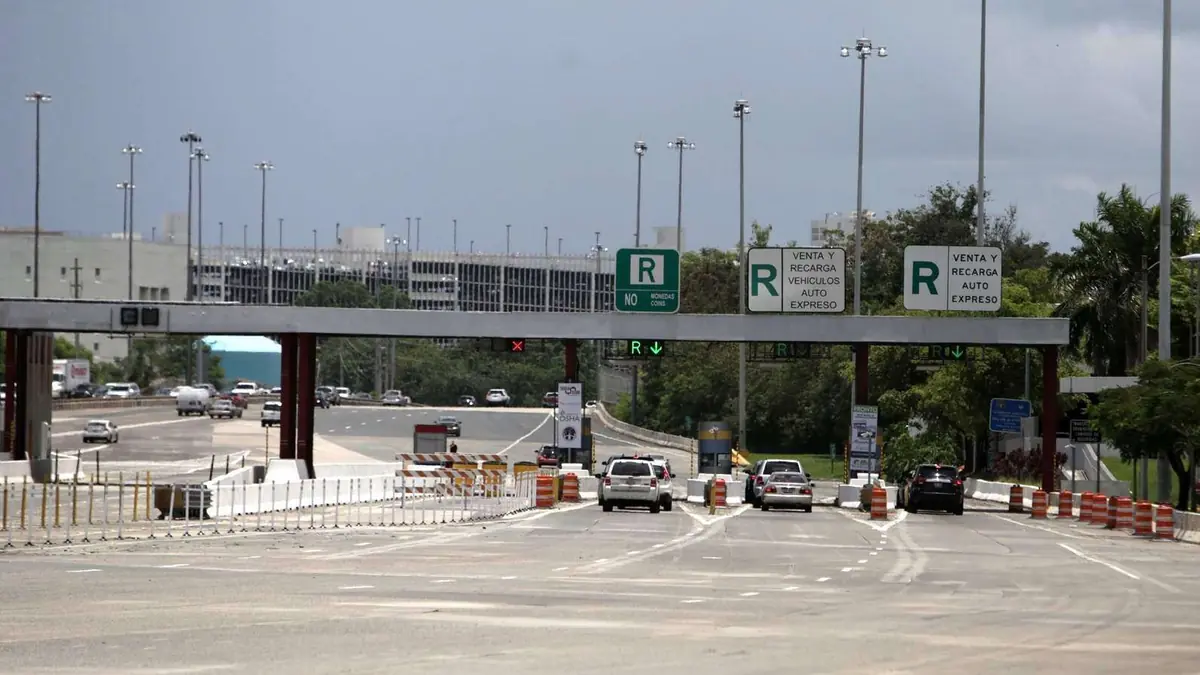
For the highway network, an AutoExpreso prepaid toll sticker is mandatory. Driving the expressways without one creates accumulating administrative fines and significant friction at toll plazas.
Uber operates reliably within the San Juan metropolitan area. Outside that zone — in Rincón, Isabela, or rural municipalities — it disappears entirely. Plan accordingly and budget for a personal vehicle before leaving the capital.
Gas stations across the island frequently require prepayment inside with the cashier before pumping. Mainland credit cards occasionally fail at the physical pump without explanation. Carrying cash is a daily necessity, not an emergency backup.
Pro Tip: Many long-term nomads rent a car in Puerto Rico for the first month rather than committing to a purchase. Monthly long-term rates from local agencies run cheaper than the major chains and give flexibility to test different neighborhoods before settling.
What apps and services do you actually need day to day?
Daily life gets significantly easier once you know the local digital tools. US default apps operate here but are not dominant — the island has its own ecosystem reflecting local business structures.
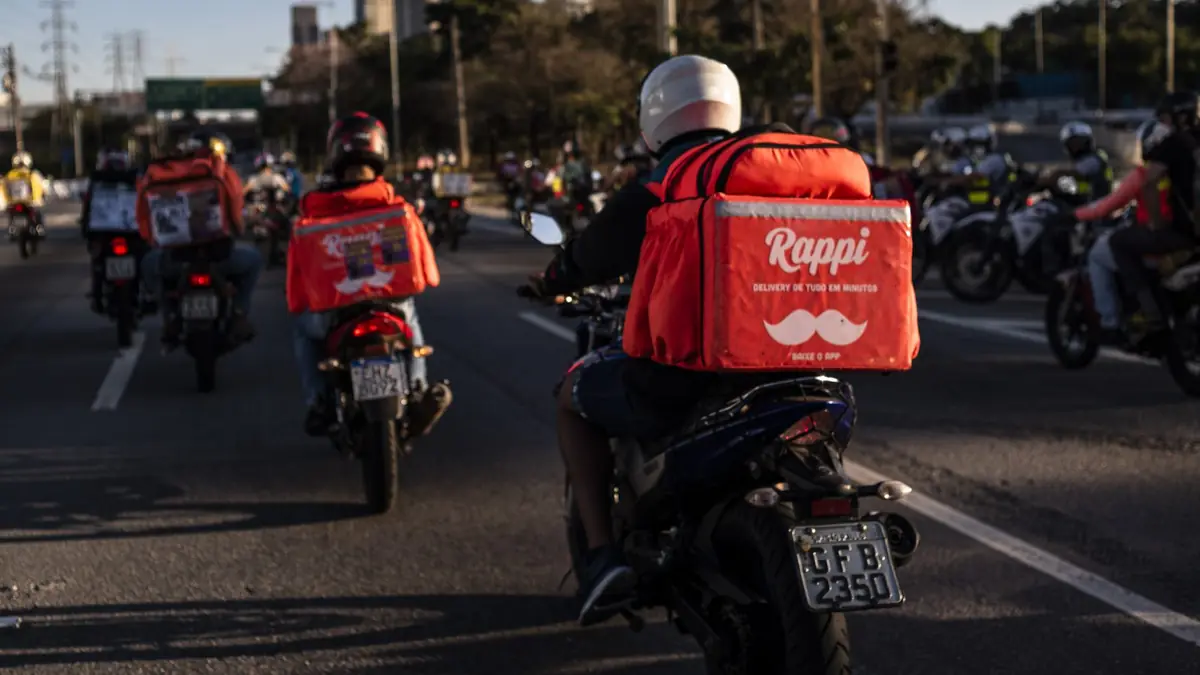
- Rappi: The primary delivery app for groceries, pharmacy items, and restaurant orders. The Rappi Turbo feature targets 10-minute grocery delivery for essentials. Genuinely useful when you’re locked into a client call.
- RappiFavor: The concierge function within Rappi. Request a driver to pick up a specific item from a pharmacy or store that doesn’t offer its own delivery — particularly useful for medication from a local farmacia during business hours.
- PidePR: The local food delivery platform for independent restaurants. Covers more of the island than Rappi’s restaurant network and supports businesses outside the major tourist zones.
For bulk grocery purchasing, a Costco or Sam’s Club membership is one of the highest-ROI decisions available to a nomad here. It partially offsets Jones Act markups on imported household goods and is where local families go to reduce the financial sting of mainland-level pricing.
How do you fit into Boricua culture without embarrassing yourself?
Puerto Rican culture balances formal professional expectations with deeply personal warmth — and the social signals for each context are specific enough to matter. Misreading them costs professional relationships and social credibility.
In business settings, conservative attire and formal address using Señor and Señora are expected until explicitly relaxed. Showing up to a client meeting in beachwear because “it’s a Caribbean island” signals a lack of seriousness that will be noted. This is a formal professional culture that exists in a tropical climate, not because of it.
Personal interactions operate on a different frequency entirely. Greetings between acquaintances involve direct eye contact, a firm handshake, and a kiss on the cheek. Meals are communal — uninvited guests are welcomed at the table, and leaving before the meal has fully concluded is a visible social error.
If invited to a local home, bring something sweet. An offer to help clean up after the meal is implicitly expected and necessary to demonstrate gratitude. Failing to offer will be noticed, even if it isn’t mentioned.
Pro Tip: In a local panadería or café, visibly complaining about slow service will instantly identify you as someone who doesn’t belong. Patient, warm greetings are the social currency of the island — invest accordingly.
How do you build community beyond the expat bubble?
The expat bubble in Puerto Rico is real and self-reinforcing. Condado, Rincón, and the San Juan coworking circuit are full of people who interact almost exclusively with other US remote workers. That arrangement is comfortable in the short term and produces genuine isolation over time.
Building a sustainable life here requires deliberate engagement outside that circuit. Learning conversational Spanish is not optional for genuine integration — not because locals won’t accommodate English, but because the social ceiling you hit without it becomes apparent within a few months.
Specific entry points that actually work:
- Surf line-ups in Aguadilla and Rincón — the most organic introduction to local community for anyone in the water
- Language exchange groups — bilingual events run regularly in San Juan through Meetup and local Facebook groups
- Beach cleanups — locally organized events that connect you with residents actively invested in the island’s future
- Salsa and bomba dance classes — higher social density than any networking event, and the skill transfers everywhere
Adjusting your expectations around “island time” is the internal work that determines long-term mental health here. Service timelines at restaurants, government offices, and contractors do not match mainland speeds. Expressing frustration about this publicly marks you as a difficult foreigner, not an efficient professional.
Is Puerto Rico safe for digital nomads?
Puerto Rico is generally safe for remote workers in established hubs like San Juan, Dorado, Rincón, and Aguadilla. Violent crime rarely targets the remote work population. Petty theft — phones, laptops, items left visible in car seats — is the realistic daily concern, and standard urban precautions handle most of it.
Don’t walk on unlit beaches after dark, use rideshare apps for late-night travel, and don’t leave valuables visible in parked cars. The distinction between heavily monitored tourist zones and quieter residential streets matters.
The more statistically common physical risks are environmental. Rip currents on the northern coast are significantly stronger than they look from shore and account for more incidents than any crime statistic in rural areas. The tropical sun at midday causes serious burns in under 20 minutes without protection — this is not hyperbole.
Healthcare infrastructure is a genuine advantage of the territory. Major US health insurance networks operate across private hospitals on the island. Emergency coverage works identically to the mainland. Before committing to a long-term stay, verify your specific plan covers Puerto Rican providers within its network.
The bottom line
TL;DR: Puerto Rico is the right remote work base for US professionals who want territorial tax incentives, domestic travel ease, and a Caribbean lifestyle without crossing an immigration border. It is definitively not the right choice for anyone expecting budget pricing, reliable public transit, or infrastructure that runs without backup power. Plan for mainland costs, secure a generator, and take the legal framework seriously before arriving.
The island rewards preparation. Nomads who arrive with a calibrated budget, Act 60 or Act 27 advice already in hand from a bilingual CPA, and accommodation confirmed with backup power tend to settle in without crisis. Those who arrive expecting a cheap tropical escape and build the plan on arrival tend to leave before the lease ends.
What surprised you most about the cost of living when you first arrived — or what question is still holding you back from making the move?