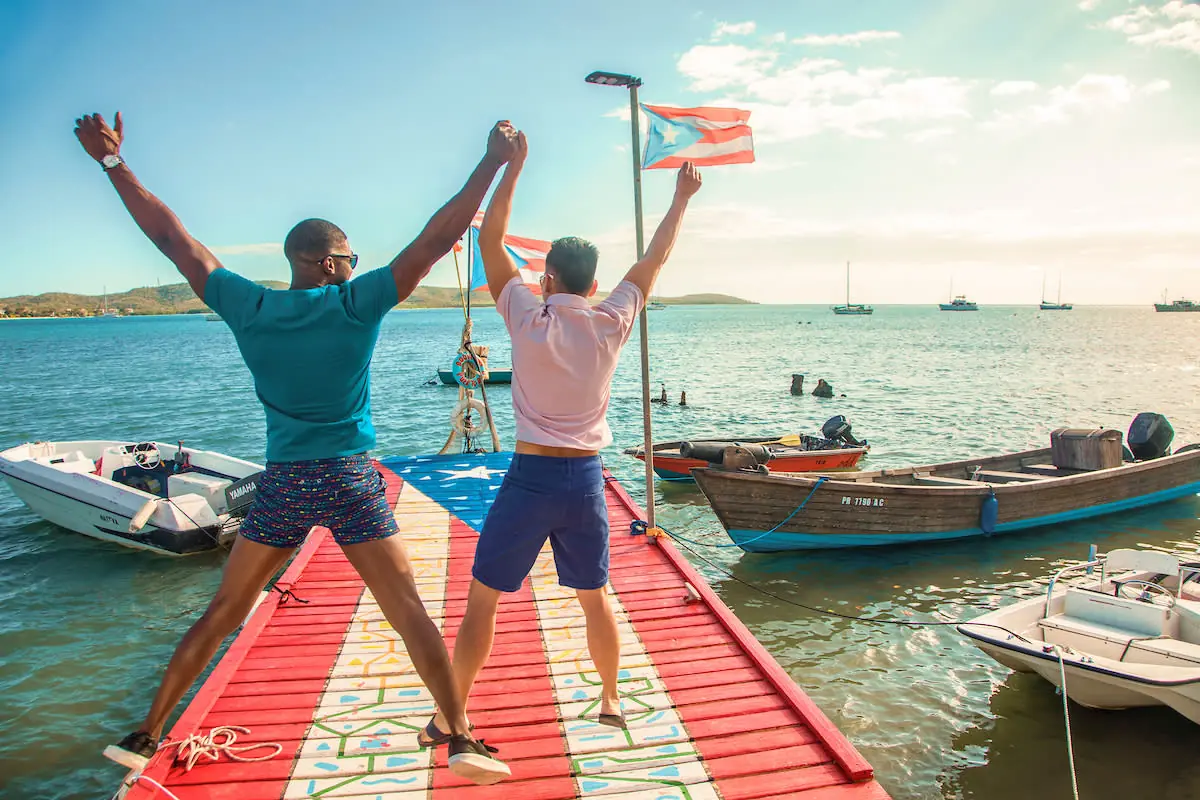
You round a bend on a potholed dirt road, and a crescent of white sand opens up against water so clear it looks photoshopped. One other Jeep is parked at the treeline. That kind of moment is the entire pitch for Vieques Puerto Rico — an island the U.S. Navy accidentally turned into the Caribbean’s last unspoiled corner.
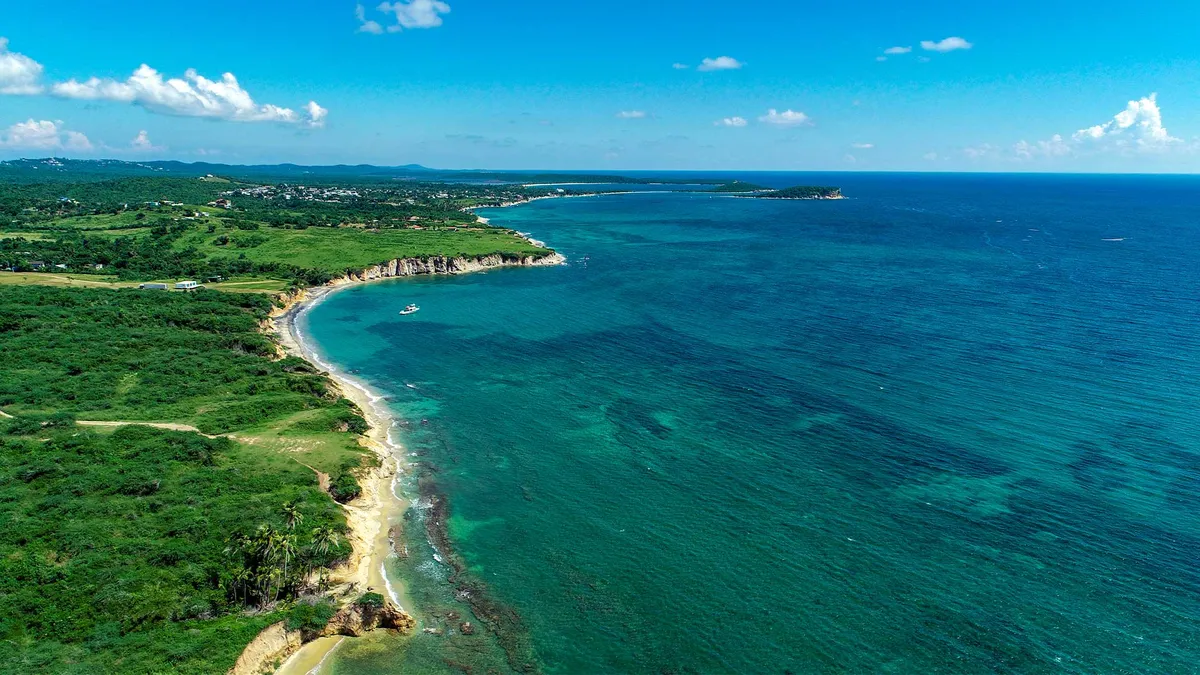
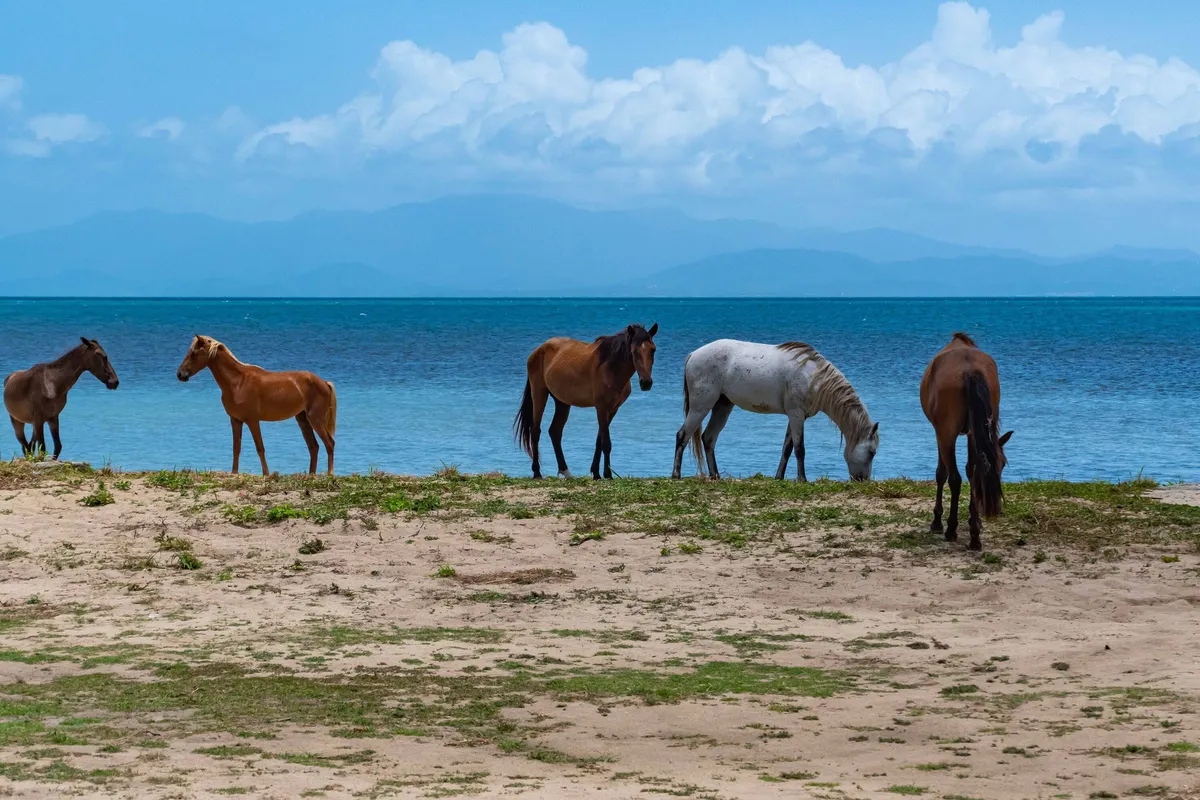
Locals call it Isla Nena, “Little Girl Island.” It sits about 8 miles off Puerto Rico’s east coast, and a quarter of its land mass is the largest national wildlife refuge in the Caribbean. No high-rises, no all-inclusives, no traffic lights. Just beaches, wild horses, and the brightest bioluminescent bay on Earth.
Is Vieques Puerto Rico actually worth the trip?
Yes — if you’re willing to trade convenience for solitude. Vieques delivers undeveloped beaches you can have to yourself even in February, the world’s brightest bio bay, and a refuge of nearly 18,000 acres free of resorts. The catch is real: getting here takes a ferry or small plane, roads are rough, and the rental car you reserve six months out is the one you’ll actually need.
The friction is the feature. Every annoying logistic — the ferry that sells out 60 days ahead, the unpaved tracks to Playa La Chiva, the Jeep you need to navigate them — is the reason no Marriott has bulldozed a beach here yet. Skip Vieques if you want a frictionless beach week with swim-up bars — the rest of Puerto Rico has plenty of those. Come if you want to drive five minutes off a paved road and find a half-mile of empty sand.
Pro Tip: If your trip is under four days, fly both ways. The ferry sounds romantic until a weather cancellation eats half your vacation.
What do you need to know before booking a trip to Vieques?
Vieques is a U.S. territory, so American citizens need no passport. The U.S. dollar is the currency. Spanish is the first language, but English is widely spoken in Esperanza and at every tour operator. Most international visitors enter through San Juan (SJU) under standard U.S. entry rules and connect onward by plane or ferry.
When is the best time to visit?
The dry season runs December through mid-April, with the most reliable sun, lowest humidity, and best bioluminescent visibility. This overlaps with peak tourist season, so book flights, ferry tickets, rental cars, and the bio bay tour at least two months out — three to four for Christmas, New Year’s, and Presidents’ Day weekend. May and early June offer 80% of the weather for 60% of the prices, with the trade-off of occasional showers.
Where should you stay — Esperanza or Isabel II?
Stay in Esperanza if it’s your first trip. The waterfront strip (the Malecón) puts you within walking distance of restaurants, bars, the bio bay tour meeting points, and Sun Bay Beach. Isabel II is the administrative side of the island where the ferry docks; it’s quieter, more residential, and where you’ll find the supermarkets and the bank, but you’ll need to drive everywhere.
- Esperanza: Best for first-timers, couples, anyone doing the bio bay
- Isabel II: Best for repeat visitors, longer stays, families wanting kitchen access
How did the U.S. Navy accidentally save Vieques?
In 1941, the Navy expropriated roughly three-quarters of Vieques and turned it into a live-fire training range. Residents were displaced, and the island endured six decades of bombing exercises. The protests that finally ended it began after a civilian guard, David Sanes, was killed by an off-target bomb in 1999. The Navy withdrew in 2003, and the land became a wildlife refuge.
That occupation is the only reason Vieques still looks like Vieques. While the rest of the Caribbean — and most of mainland Puerto Rico, including the colonial second city of Ponce — spent the 1960s through the 2000s building beachfront resorts and condo towers, Vieques sat behind a fence. When the Navy left, those 17,771 acres were transferred to the U.S. Fish & Wildlife Service as the Vieques National Wildlife Refuge — now the largest in the entire Caribbean. Bombing kept the bulldozers out.
There’s a darker side worth knowing. Parts of the eastern refuge are still closed to the public because of unexploded ordnance. The Navy era also left a legacy of contamination and elevated health concerns the local community is still fighting. Respect the closure signs — they’re not bureaucratic theater.
How do you get to Vieques — ferry or plane?
You have two options: a 35-45 minute fast ferry from Ceiba on Puerto Rico’s east coast, or an 8-25 minute flight from one of three airports near San Juan. The ferry is cheaper and scenic but harder to book and weather-dependent. Flying is faster and far more reliable but costs ten times as much. There are no ferries or flights from San Juan directly — everything routes through Ceiba or one of the San Juan-area airports.
The ferry from Ceiba (cheap but tricky)
The passenger ferry departs from the Ceiba Ferry Terminal at the old Roosevelt Roads naval base, about a 90-minute drive from San Juan. Service has improved under private operator Hornblower, but tickets sell out fast and only about 20% are released online. Residents get priority.
- Cost: $11.25 one-way for adults 11-59; $6 for kids under 11; $1 for seniors 60-74; free for 75+
- Duration: 35-45 minutes (passenger fast ferry)
- Booking: puertoricoferry.com or the City Experiences app, released 30-90 days out
- Rental cars: Not allowed on the ferry for non-residents — leave your mainland rental in the $8/day lot at Ceiba
Pro Tip: Even when the online calendar says “sold out,” show up at the Ceiba terminal ticket window an hour before departure. The 80% of tickets reserved for in-person sale often have leftovers, especially on midday weekday sailings.
Flying (fast and far less stressful)
Three carriers — Vieques Air Link, Cape Air, and Air Flamenco — fly 8-10 seater Cessnas and Britten-Norman Islanders into Antonio Rivera Rodríguez Airport (VQS) on Vieques. You have three departure options:
- Ceiba (RVR): 8-minute flight, around $39-109 each way. Cheapest and fastest, but you still have to drive 90 minutes from San Juan to Ceiba.
- Isla Grande (SIG): 25-minute flight from the small downtown San Juan airport, around $130-160 round trip. Best if you’re staying in Condado or Old San Juan.
- San Juan International (SJU): 25-minute Cape Air flight, around $140-400 round trip. Most convenient for connecting from a mainland U.S. flight, no airport transfer required.
The constraint on every flight is luggage. The 8-seaters cap checked bags at around 30 pounds, and the cabin holds nothing more than a small soft bag. Pack accordingly.
Why do you need a Jeep on Vieques (and not a golf cart)?
You need a 4WD or high-clearance vehicle on Vieques because the best beaches sit at the end of unpaved, potholed tracks inside the wildlife refuge, miles from the main towns. Golf carts are slow, offer no protection from sudden rain, and are restricted by most rental agreements from accessing the dirt refuge roads. Reserve your Jeep two to three months in advance — the island’s supply runs out in high season.
Golf carts work fine if you’re staying in Esperanza and never plan to leave Sun Bay and the Malecón. For everything else — Playa La Chiva, Pata Prieta, Punta Arenas, Playa Negra — a Jeep is the difference between actually seeing the island and watching it from a distance. Public vans (públicos) exist for point-to-point trips but are impractical for full-day exploring and add up fast.
Pro Tip: Book directly with local agencies like Maritza’s Car Rental or Coqui Car Rental rather than international chains. They know the refuge roads, are flexible about pickup at the airport or ferry, and won’t void your insurance the moment you turn off the pavement.
What makes Mosquito Bay the world’s brightest bio bay?
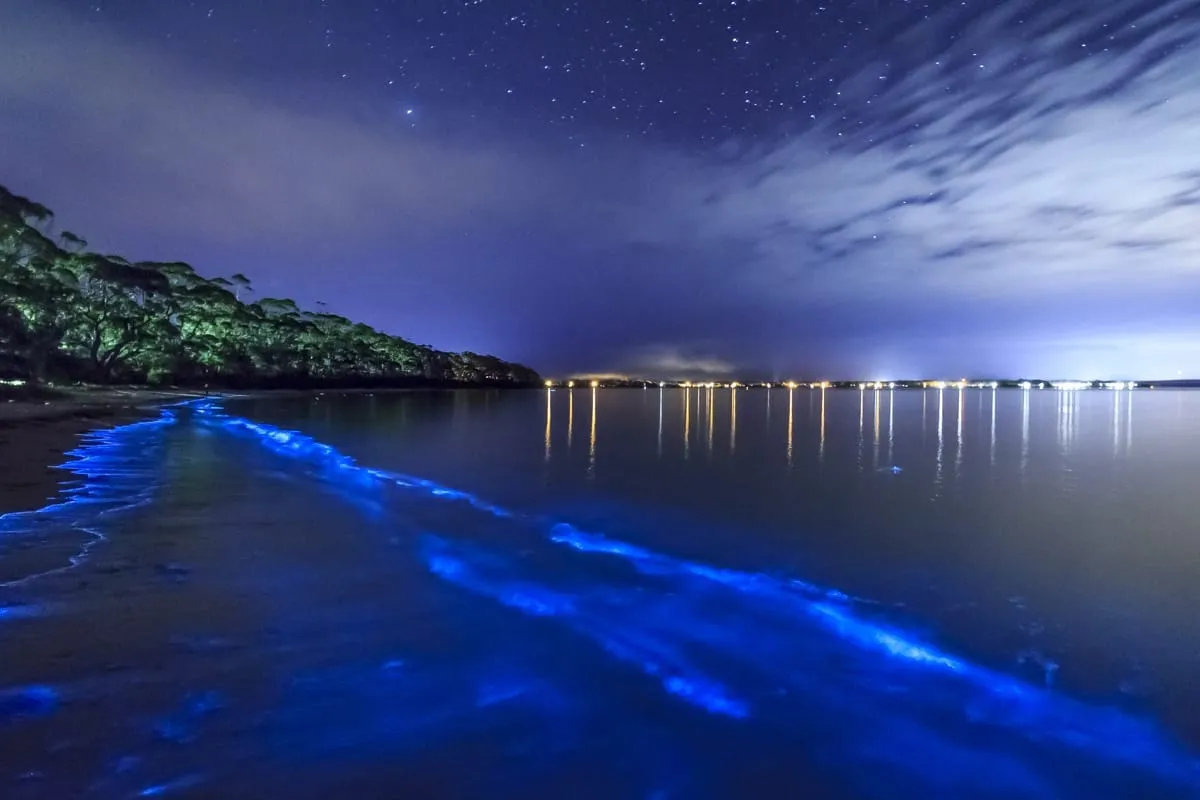
Mosquito Bay holds the Guinness World Record for the brightest bioluminescent bay on Earth, with up to 700,000 Pyrodinium bahamense dinoflagellates per gallon of water. Three things create the conditions: a narrow S-shaped opening that traps the organisms inside, surrounding red mangroves that release the nutrients they feed on, and the federally protected darkness of the Mosquito Bay Bioluminescent Bay Natural Reserve. When you disturb the water, each cell flashes blue-green for about a tenth of a second.
Hurricane Maria in 2017 briefly killed the glow, and locals worried it was permanent. It came back stronger. The bay is now considered as bright as it has ever been.

When should you book your tour?
The moon phase decides everything. Aim for the new moon or the three nights on either side — those are the darkest skies, and the glow looks like a galaxy in the water. The Department of Natural Resources closes the bay the night before, the night of, and the night after every full moon, so don’t even try those dates. Avoid the five days leading up to a full moon; the wash-out is real.
Picking a tour operator
Mosquito Bay can only be entered with a licensed operator — swimming was banned to protect the ecosystem. The biggest differentiator is the kayak. Companies running fully transparent or clear-bottom kayaks (JAK Water Sports, Taino Aqua Adventures, Aqua Sunset Tours, Vieques Kayaks Bio Bay) give you a dramatically better view than solid-hull boats. You’ll see fish leaving comet trails directly under your seat.
- Cost: $60-75 per person
- Duration: About 2 hours including check-in and the bumpy van ride to the put-in
- Best for: Anyone over 6, no kayak experience required
- Time needed: Plan to spend a full evening — tours run after sunset
The honest contrarian take: photos do not work. Phones, even good cameras, cannot capture the glow. Stop trying. Put the phone in the dry bag and dip your hand in the water instead.
Which Vieques beaches are actually worth the drive?
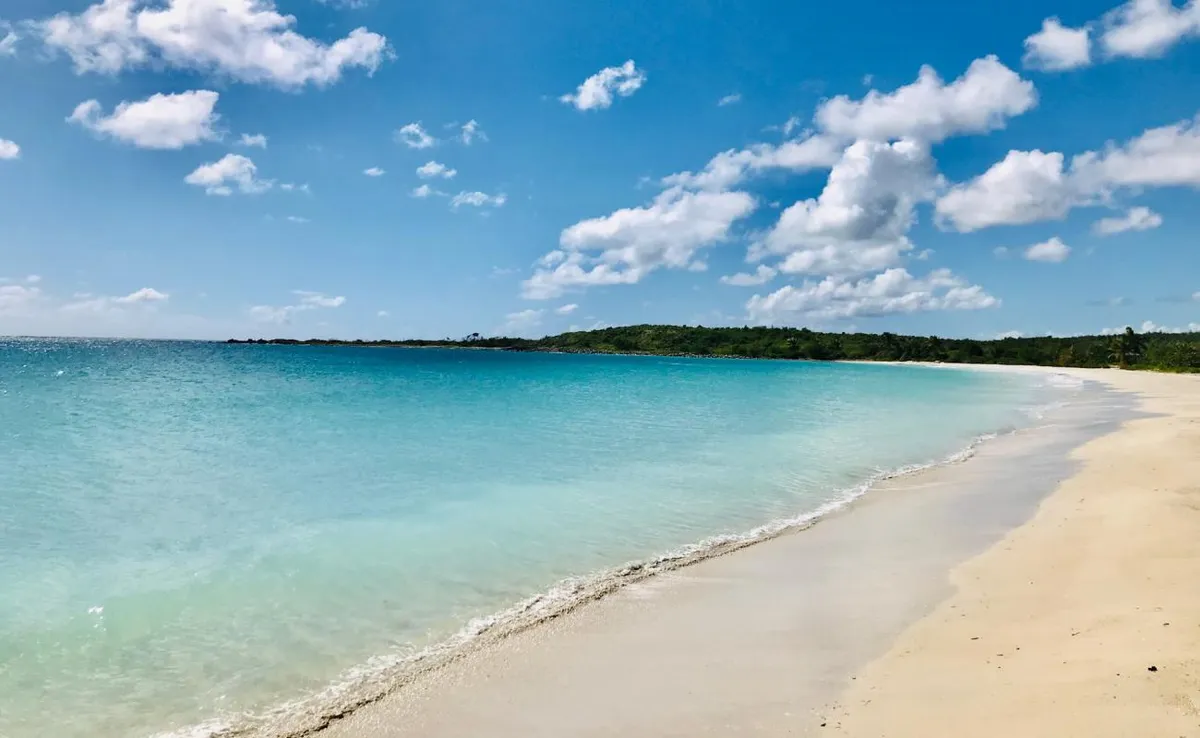
The wildlife refuge holds some of the best beaches in all of Puerto Rico, and some require committed driving on rough roads. Inside the refuge, Playa La Chiva and Playa Caracas are the headliners. Outside it, Sun Bay is the easy crowd-pleaser and Playa Negra is the adventure pick. Almost all are free, undeveloped, and have no facilities — bring your own water, shade, and trash bag.
Playa La Chiva (Blue Beach)
A long ribbon of fine white sand on the south side of the refuge, regularly listed among the top beaches in the Caribbean. The length is the magic — even on busy weekends, you can walk five minutes from a parking area and feel alone. The snorkeling is best around parking spots #8-10 and #14-15.
- Location: South coast, eastern Vieques National Wildlife Refuge
- Cost: Free
- Best for: Snorkelers, swimmers, beach walkers
- Time needed: Half a day minimum
Playa Caracas (Red Beach)
The most accessible refuge beach — a paved road runs all the way to the parking lot, and there are covered picnic gazebos and bathrooms. Calm, protected water and white sand make it the obvious family pick. The snorkeling rocks are at the far left of the cove.
- Location: South coast, eastern refuge, paved access
- Cost: Free
- Best for: Families, first-timers, anyone in a non-Jeep rental
- Time needed: 3-5 hours
Pata Prieta (Secret Beach)
A pocket-sized cove off a bumpy unpaved road, with shallow protected water and almost no one on it. It earns the “Secret” nickname every weekday morning.
- Location: Eastern refuge, unpaved access
- Cost: Free
- Best for: Couples, novice snorkelers, solitude seekers
- Time needed: 2-3 hours
Sun Bay (Sombe)
The full-service public beach right next to Esperanza, with bathrooms, showers, lifeguards, and food kiosks. A wide palm-lined arc of soft sand where the wild horses regularly stroll across the parking lot at dusk.
- Location: Just east of Esperanza, walkable from many guesthouses
- Cost: Free
- Best for: Sunset, families, anyone wanting actual amenities
- Time needed: Half day to full day
Playa Negra (Black Sand Beach)
Reaching it requires a 10-15 minute hike up a creek bed through low jungle — wear shoes that can get wet. The reward is jet-black volcanic sand that swirls into golden sand and turquoise waves in patterns that reset with every tide. Not a swim beach; come for the photos and the strangeness.
- Location: South coast, west of Esperanza, then a creek-bed hike
- Cost: Free
- Best for: Adventurers, photographers
- Time needed: 2-3 hours including the hike
What else can you do on Vieques besides the beach?
Plenty, and most of it is more interesting than the same activities anywhere else in the Caribbean — because the island’s history is unusual and the crowds aren’t there. Horseback riding on Paso Fino horses, exploring the ruins of the Central Playa Grande sugar mill, visiting the Ceiba Tree estimated at over 400 years old, and snorkeling under the Mosquito Pier are all worth a half-day each.
Horseback riding the way it’s done here
Paso Finos are the local breed, and their gait is so smooth you can hold a coffee while trotting. Esperanza Riding Company runs guided rides through dry forest and onto secluded beaches, including Playa Negra. Many of their horses are rescues from the island’s semi-feral population, which adds a layer to the experience that you won’t get on a chain trail ride.
History stops worth your time
- Puerto Ferro Lighthouse: Clifftop ruin with a wide view over the southern Caribbean
- Central Playa Grande Sugar Mill: Atmospheric collapsing stonework being slowly eaten by the jungle
- The Ceiba Tree: A massive sacred tree estimated at over 400 years old, spiritually important to the Taíno before Columbus showed up
- Fortín Conde de Mirasol: A small 19th-century Spanish fort in Isabel II with a museum and a great view
The best snorkeling spots
- Mosquito Pier (Rompeolas): A long abandoned naval pier on the north coast where the pilings have become a starfish and sea turtle habitat. You can walk in straight off the pier.
- Playa La Chiva: Live coral and good fish density around the numbered parking areas
- Punta Arenas (Green Beach): Western tip of the island, seagrass beds where sea turtles and stingrays graze. The drive out is long and rough — make a day of it.
Where should you stay on Vieques?
There are no chain hotels and no all-inclusives on Vieques. Accommodation is small inns, guesthouses, boutique hotels, and Airbnbs, and the supply is tight enough that booking 3-6 months ahead in high season is normal. Esperanza puts you walking distance from restaurants and the bio bay; Isabel II and the inland hills are quieter and cheaper.
Finca Victoria
A hillside boutique retreat with a vegetarian Ayurvedic breakfast included, a yoga deck, and one of the best plunge pools on the island. Couples-focused, design-forward, and quiet.
- Location: Hills above Esperanza
- Cost: From around $250/night
- Best for: Couples, wellness travelers
- Time needed: 3+ nights to use the property
El Blok
The architectural anomaly of Vieques — a concrete honeycomb hotel right on the Malecón in Esperanza. Rooftop pool, walking distance to everything, and small enough that it never feels like a chain.
- Location: Malecón, Esperanza
- Cost: From around $230/night
- Best for: Couples, design lovers, walkability seekers
The Vieques Guesthouse
A friendly, well-run guesthouse a block from the Malecón. Less expensive than the boutique options, with a courtyard, pool, and the same convenient walk to dinner.
- Location: Esperanza, just off the Malecón
- Cost: From around $150/night
- Best for: Solo travelers, budget couples, repeat visitors
Sea Gate Hotel
A long-running family-friendly option above Isabel II with a small pool and big rooms. Not fancy, but practical for families with kids.
- Location: Hills above Isabel II
- Cost: From around $130/night
- Best for: Families, ferry-day arrivals, longer stays
Where should you eat and drink on Vieques?
The dining scene is small but better than the island’s size suggests, and most of it clusters along the Malecón in Esperanza. There’s exactly one fine-dining option (El Quenepo), a handful of solid casual beachfront spots, and a couple of authentic Puerto Rican kitchens worth driving to. Reservations are mandatory at the top end and a good idea everywhere else in high season.
El Quenepo
The island’s only true fine-dining restaurant, on the Malecón in Esperanza, with open-air seating facing the water. Locally caught seafood, Caribbean ingredients, and a menu that turns over with the day’s fish. Reservations are required and the place books out a week ahead in season.
- Location: 148 Calle Flamboyán, Esperanza Malecón
- Cost: $$$ — entrées around $35-67
- Best for: Anniversary dinners, celebration meals
- Hours: Tuesday to Saturday, 5:30 to 9:30 p.m.; closed Sunday and Monday
Bananas and Duffy’s
The two long-running casual Malecón institutions. Fish tacos, burgers, cold Medalla, and a dead-on water view. Both are reliable, both get loud after 8 p.m., and both will be on your trip whether you plan it or not.
- Location: Malecón, Esperanza
- Cost: −- $ — mains $12-22
- Best for: Lunch after the beach, casual dinner with a view
- Time needed: 1-2 hours
Bieke’s Bistro
Authentic Puerto Rican home cooking in Isabel II, where the locals actually eat. Whole fried red snapper, mofongo, and the best mashed plantains on the island. Worth the drive from Esperanza.
- Location: Isabel II
- Cost: $$ — mains $14-28
- Best for: A real Puerto Rican meal away from the Malecón
- Time needed: 1.5 hours
Pro Tip: ATMs are scarce and several smaller restaurants are cash-only. Pull out more cash than you think you need before leaving Isabel II — there’s exactly one bank on the island and the line on a Monday morning will eat an hour.
Is Vieques safe — and what should you actually worry about?
Vieques is one of the safest places in Puerto Rico and the wider Caribbean for tourists. Violent crime is rare; the realistic concerns are petty theft from unlocked rentals, dehydration on long beach days, and driving at night. The wild horses are the most surprising hazard — they sleep on the unlit roads, and a Jeep at 30 mph won’t see them in time. Slow down after dark.
The other thing to take seriously is the wildlife refuge cleanup. Some beaches and trails are still closed because of unexploded ordnance from the Navy era. The signs are not suggestions. Stick to the open beaches and you’ll never see anything more dangerous than a hermit crab.
A few practical things that will save your trip:
- Admire the wild horses from a distance. Don’t feed, don’t pet, don’t try to mount one for the photo. They are semi-feral and they bite.
- Bring DEET-free insect repellent for evening hikes and the bio bay (DEET is toxic to the dinoflagellates).
- Operating hours on Vieques are aspirational. Call before you drive across the island for dinner.
- Book everything — flights, ferry, rental car, bio bay tour, hotel — before you leave home in high season. Walk-ups don’t work here the way they do in San Juan.
Before you book
Vieques rewards effort. The ferry, the rough roads, the early-booking tax, the lack of room service — all of it is the price of admission to a Caribbean island that still looks like the Caribbean did 50 years ago. Skip it if you want a frictionless beach week. Come if you want to stand on a half-mile of empty white sand, hear the wild horses crunching past at dusk, and paddle through water that lights up under your hand.
TL;DR: Fly into San Juan, connect to Vieques by small plane or ferry from Ceiba, rent a Jeep months ahead, base yourself in Esperanza, do the bio bay on a new-moon night with a clear-bottom kayak, and spend your days alternating between Playa La Chiva and Playa Caracas. Three to four days is the right length, or pair it with sister island Culebra for a full island-hopping week.
What’s the one thing about Vieques Puerto Rico that surprised you most — the empty beaches, the wild horses, or the bio bay? Drop a comment and tell me what you’d do differently.