East Coast museums hold the densest run of major collections in the country — the free Smithsonian halls in Washington, the Met’s two million works in New York, Boston’s Monets, Philadelphia’s founding-era archives. This guide names the must-sees, lists real prices, flags the free days, and maps a route that works.
How Do You Plan an East Coast Museum Trip Fast?
Base yourself in Washington, DC if budget matters — its Smithsonian museums and the National Gallery of Art are free. Pick New York for art, Boston for walkability, Philadelphia for Revolutionary history. Book timed-entry tickets ahead, and target free or pay-what-you-wish days to cut costs sharply.
That one decision — which city anchors the trip — shapes everything else. The major collections cluster in four cities: Washington, DC (the free Smithsonian and National Gallery of Art), New York (the Met, MoMA, the American Museum of Natural History), Boston (the Museum of Fine Arts and Isabella Stewart Gardner), and Philadelphia (the Philadelphia Museum of Art and Barnes Foundation).
DC is the cheapest by a wide margin, because admission to most of its major museums costs nothing. New York has the deepest collections but the steepest prices. Boston rewards travelers who like to walk between sights. Philadelphia is the place to go if founding-era history is the draw.
The money-saving move most visitors miss is the pay-what-you-wish window. These exist at:
- The Met: New York State residents, and students from NY, NJ, and CT, pay what they wish
- American Museum of Natural History: New York State residents pay what they wish
- Philadelphia Museum of Art: first Sunday of every month, always
- Isabella Stewart Gardner Museum: free every Thursday evening (5–9 p.m.)
Pro Tip: The walk from the National Museum of Natural History to the Air and Space Museum takes under ten minutes along the Mall. No other US city packs major museums this close together — you can hit three before lunch.
Are the Smithsonian Museums Free?
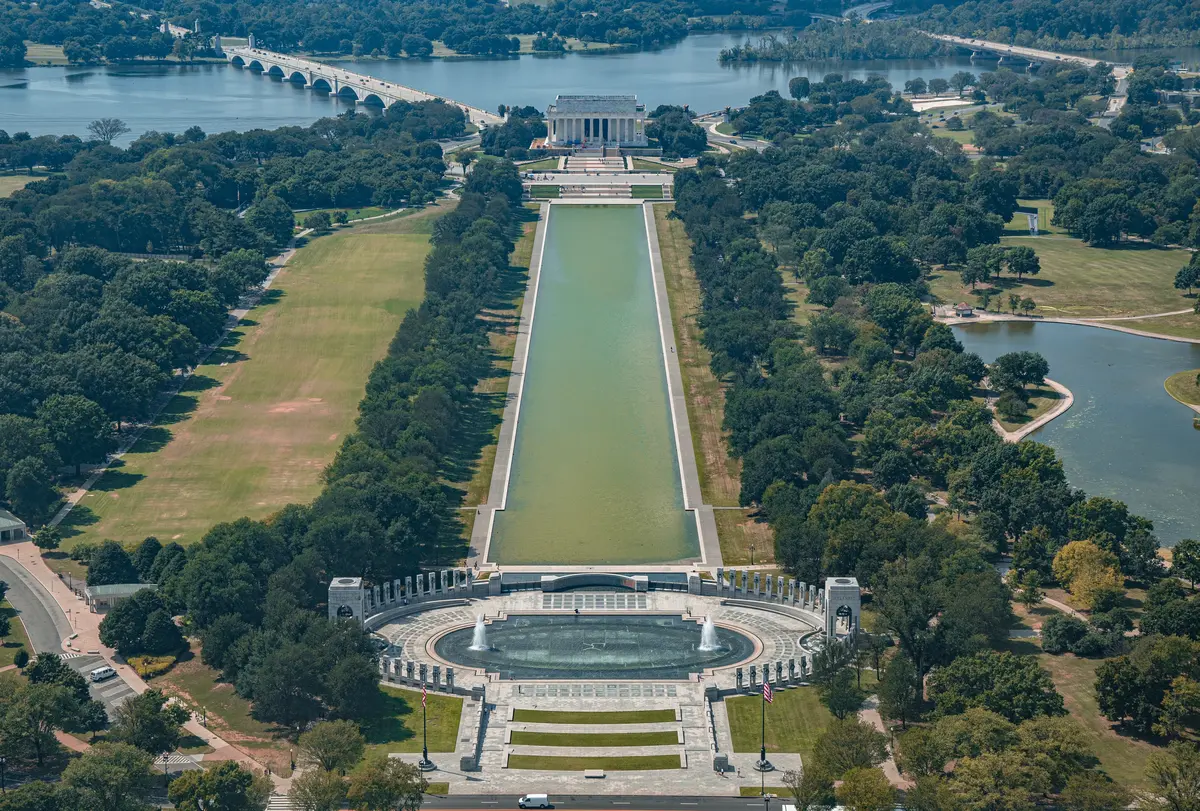
Yes. All Smithsonian museums offer free admission except the Cooper Hewitt in New York City (around $22 for adults). The Smithsonian runs 21 museums plus the National Zoo; 17 sit in the DC area, 11 of them along the National Mall. Most open daily except December 25. A few require free timed-entry passes: the National Air and Space Museum, the National Museum of African American History and Culture, and the Zoo.
Here’s the point of confusion no listicle clears up: the National Gallery of Art is also free, but it is not part of the Smithsonian. It sits on the Mall right alongside the Smithsonian buildings, so most visitors assume they’re the same system. They aren’t — but for your wallet it makes no difference, since both cost nothing.
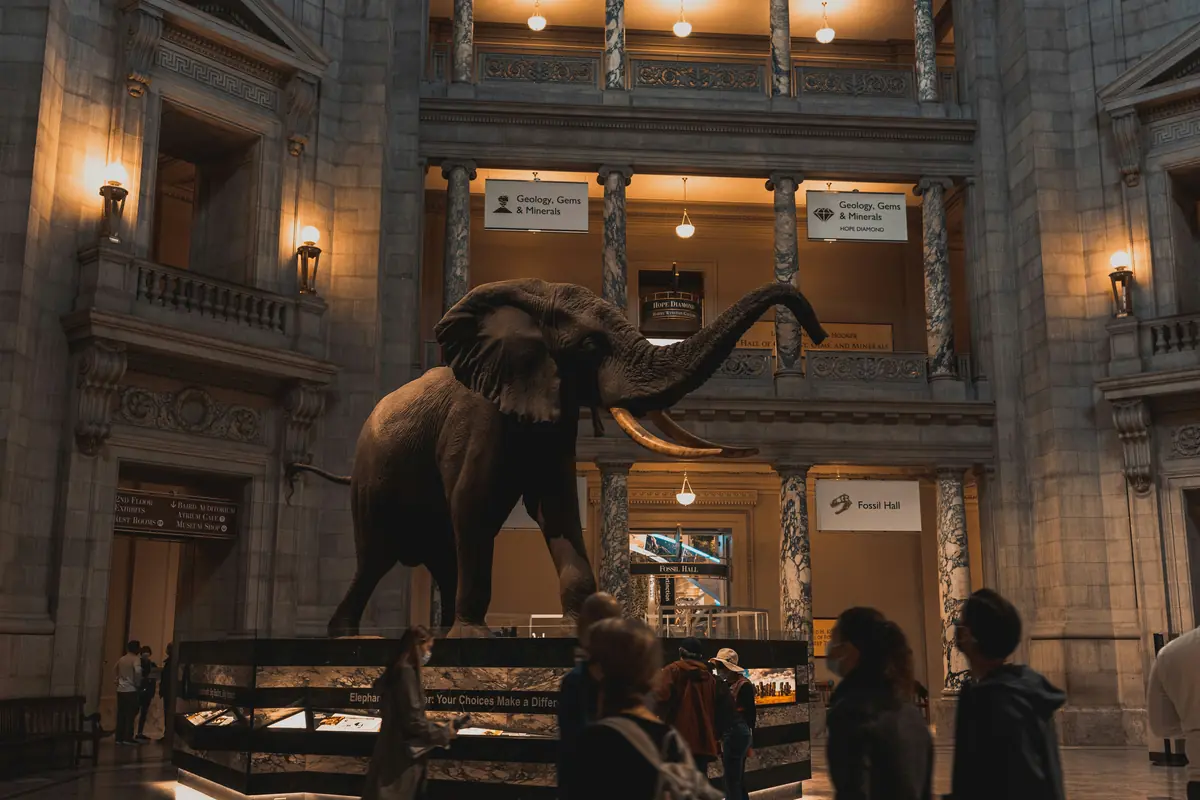
The most-visited Smithsonian site is the National Museum of Natural History, which draws more than 3 million visits a year and holds over 145 million specimens, including the Hope Diamond.
Pro Tip: You don’t have to plan days ahead for the timed-entry sites. Same-day free passes for the Air and Space Museum are released online each morning around 8:30 a.m. and can be claimed from your phone in the coffee line.
Which East Coast Museums Are Best for Art Lovers?
The strongest art museums are the Met and MoMA in New York, the Philadelphia Museum of Art and Barnes Foundation in Philadelphia, the Museum of Fine Arts and Isabella Stewart Gardner in Boston, and the free National Gallery of Art in Washington. The Met, with more than two million works spanning 5,000 years, leads them all.
The Metropolitan Museum of Art — New York
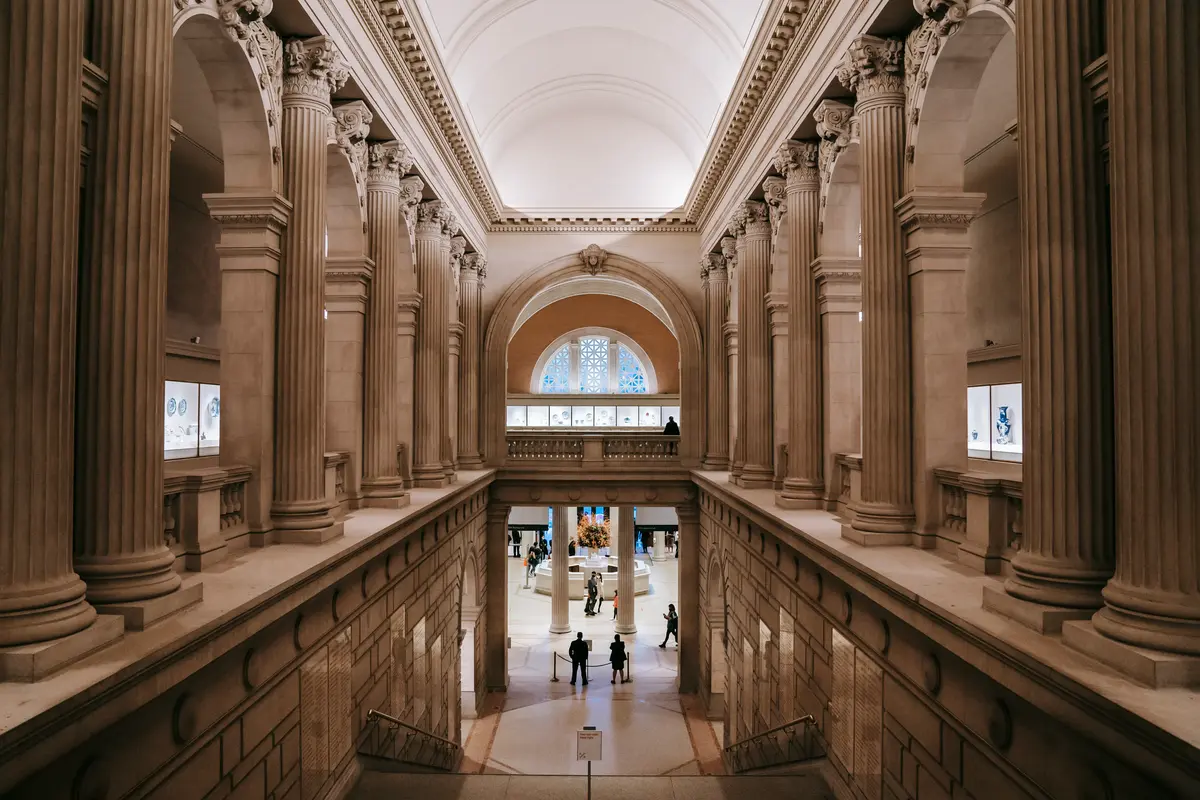
The Met is the one you anchor a New York trip around. The Temple of Dendur sits in a glass-walled hall with the light shifting across the sandstone all day, and a single ticket also covers The Met Cloisters uptown on the same day. It’s the most-visited museum in the country, so the European painting galleries fill up by midday — go at opening or in the last two hours.
- Location: 1000 Fifth Avenue, Upper East Side, Manhattan
- Cost: $30 adult; NY State residents and NY/NJ/CT students pay what they wish
- Best for: First-timers who want one definitive collection
- Time needed: Half a day minimum; a full day is easy
The Museum of Modern Art (MoMA) — New York
MoMA is the modern-art counterweight to the Met — Van Gogh’s The Starry Night hangs here, and the line in front of it rarely thins. The building runs six floors, and the upper galleries are quieter than the painting floors where the famous works draw crowds. One extra: your MoMA ticket now includes MoMA PS1 in Queens within 14 days, and PS1 is free for everyone regardless.
- Location: 11 West 53rd Street, Midtown Manhattan
- Cost: $30 adult at the door, $28 online; under 16 free; free to NY State residents on Fridays, 5:30–8:30 p.m.
- Best for: Modern and contemporary art fans
- Time needed: 2–3 hours
Philadelphia Museum of Art
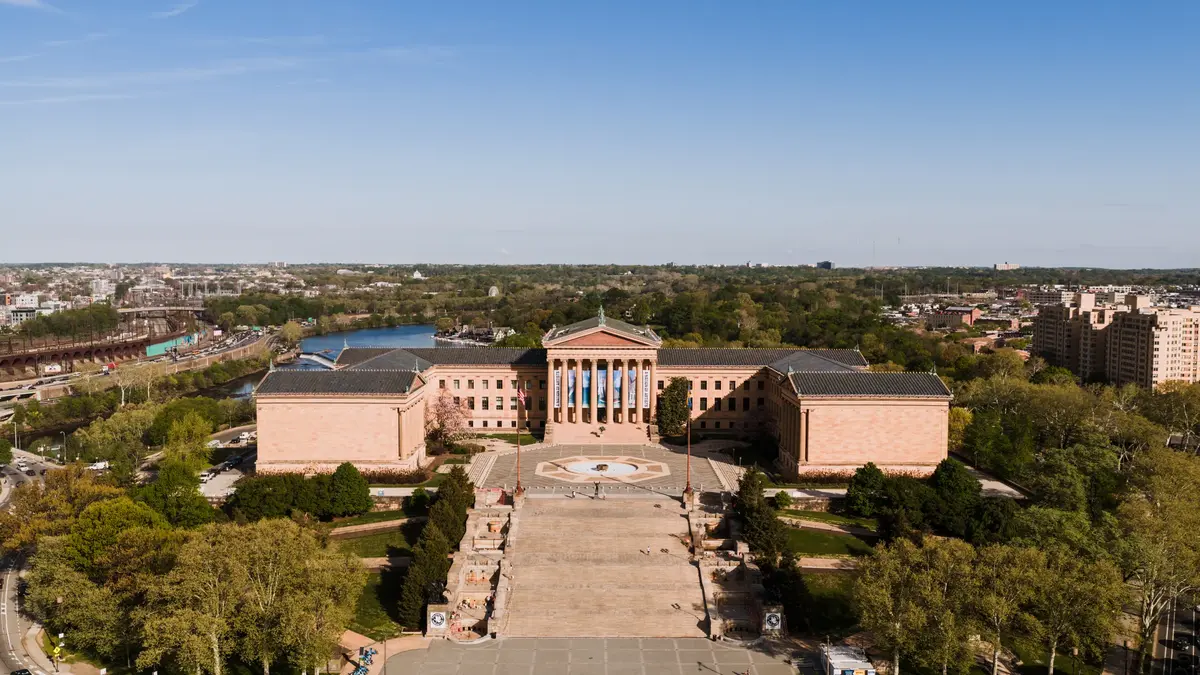
Most people know the front steps before the art — the “Rocky Steps” draw runners every morning. Inside is a serious encyclopedic collection, and the building sits at the head of the Benjamin Franklin Parkway with a clear sightline back down toward City Hall.
- Location: 2600 Benjamin Franklin Parkway, Philadelphia
- Cost: $30 adult; under 18 free; first Sunday of the month pay-what-you-wish; reduced $15 Friday evenings
- Best for: Visitors pairing art with Philadelphia’s history sites
- Time needed: Half a day
Isabella Stewart Gardner Museum — Boston
The Gardner is built inside a Venetian-style courtyard house, and the collection hangs exactly as its founder arranged it. The empty frames are the thing people remember: they mark where stolen Rembrandts and a Vermeer once hung, taken in the unsolved 1990 theft and never recovered.
- Location: 25 Evans Way, Boston
- Cost: $22 adult; under 18 free; free every Thursday evening (5–9 p.m.)
- Best for: Travelers who want atmosphere over scale
- Time needed: 1.5–2 hours
Pro Tip: The Gardner’s empty frames — where the stolen art used to hang — are eerier in person than any wall text conveys. And if your name is Isabella, you get in free for life; reserve at least 24 hours ahead and bring ID.
Museum of Fine Arts — Boston
The MFA holds the largest Monet collection outside France, and its Art of the Americas wing is one of the best in the country. It sits two T stops from Fenway Park, which makes for an easy split-day.
- Location: 465 Huntington Avenue, Boston
- Cost: $30 adult; $14 youth (7–17); under 7 free; $5-minimum pay-what-you-wish on the third Thursday evening of each month
- Best for: Impressionism and American art
- Time needed: Half a day
Which East Coast Museums Are Free, and What Does the Rest Cost?
Washington, DC’s Smithsonian museums and the National Gallery of Art are completely free. In the paid cities, expect $22–$30 per adult: the Met, MoMA, the Museum of Fine Arts Boston, and the Philadelphia Museum of Art each charge $30, and the Isabella Stewart Gardner charges $22. Children enter free at most of them.
| Museum | City | Adult | Kids | Free / Pay-What-You-Wish |
|---|---|---|---|---|
| Smithsonian museums | Washington, DC | Free | Free | Always free (a few need free passes) |
| National Gallery of Art | Washington, DC | Free | Free | Always free |
| The Met | New York | $30 | Under 12 free | NY State residents and NY/NJ/CT students pay what they wish |
| MoMA | New York | $30 ($28 online) | Under 16 free | NY State residents free Fri 5:30–8:30 p.m. |
| American Museum of Natural History | New York | From ~$28 | ~$14 (ages 3–12) | New York State residents pay what they wish |
| Museum of Fine Arts | Boston | $30 | $14 (7–17); under 7 free | $5-minimum pay-what-you-wish, third Thursday evening |
| Isabella Stewart Gardner | Boston | $22 | Under 18 free | Free every Thursday evening (5–9 p.m.) |
| Philadelphia Museum of Art | Philadelphia | $30 | Under 18 free | First Sunday of the month pay-what-you-wish |
A few discount programs apply across many of these museums: Museums for All cuts admission to a few dollars for EBT/SNAP cardholders, Bank of America’s “Museums on Us” gives cardholders free entry on the first full weekend of each month, and a NARM reciprocal membership covers admission at hundreds of institutions. Many city libraries also lend free museum passes — worth a check before you pay full price.
Pro Tip: The free NY-resident Friday hours at MoMA are mobbed, and the crowd around The Starry Night barely thins — but for $0 it’s worth the elbows. Confirm any museum’s current hours and free-day schedule on its own site before you go; these windows shift.
How Much Does It Cost to Visit The Met?
General admission to the Met is $30 for adults, $22 for seniors, and $17 for students; children under 12 are free. New York State residents, and students from NY, NJ, and CT, pay what they wish with valid ID (one cent minimum). One ticket covers The Met Fifth Avenue and The Met Cloisters on the same day.
That same-day, two-campus rule is the detail most people miss. The Cloisters, up in Fort Tryon Park, houses the medieval collection in a setting rebuilt from European monastery fragments — and your $30 already includes it if you go the same day. The Met is closed on Wednesdays, and it remains the most-visited museum in the US, drawing close to 6 million visitors a year.
Pro Tip: A New York library card counts as proof of residency for the Met’s pay-what-you-wish admission, so a qualifying visitor can get in for a single dollar. Out-of-state visitors pay the full $30 — bring ID if you qualify.
Which Museums Are Best for Families and Kids?
For families, the American Museum of Natural History in New York (dinosaurs, the blue whale, the Hayden Planetarium) and Boston’s Museum of Science (planetarium, IMAX, hands-on halls) lead. Washington’s free National Museum of Natural History — home to the Hope Diamond — draws families and adults alike as the most-visited museum in the country.
American Museum of Natural History — New York
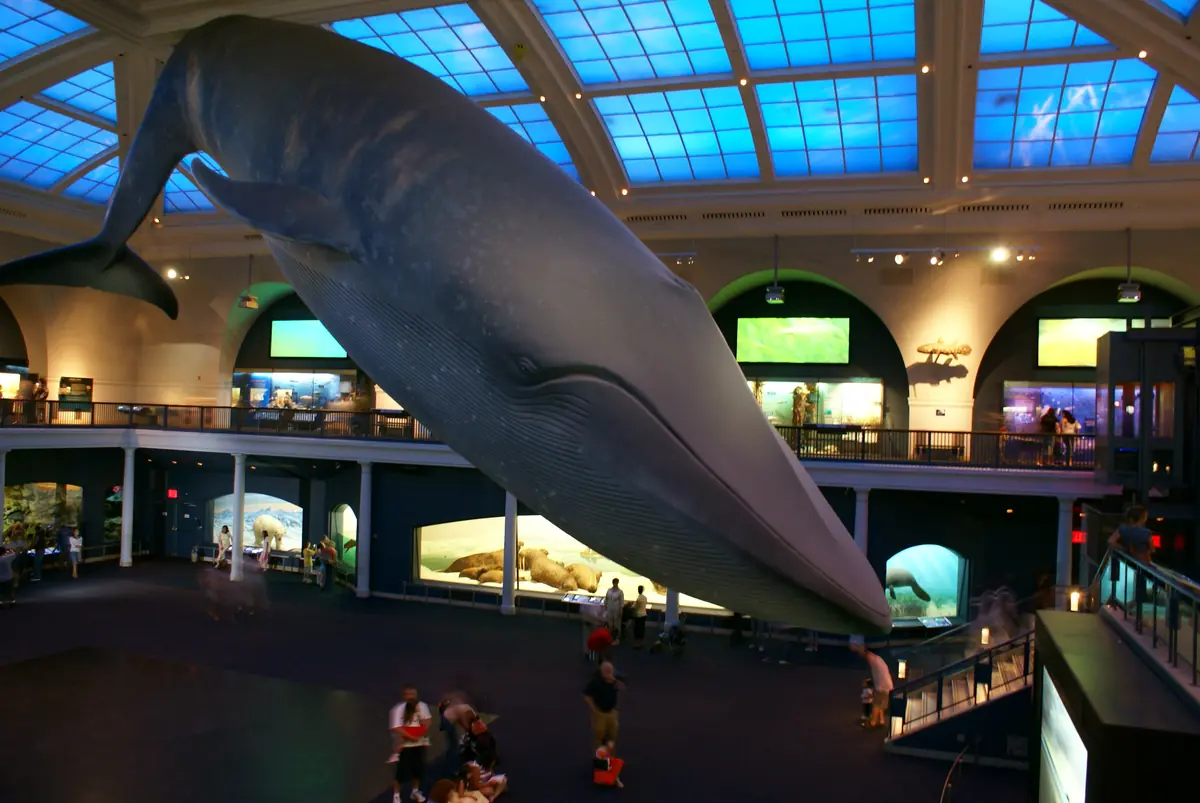
The AMNH runs 45 permanent halls, and kids gravitate to two things: the dinosaur fossils on the fourth floor and the 94-foot blue whale hanging over the Hall of Ocean Life. The Hayden Planetarium handles the space-and-stars portion of the day.
- Location: Central Park West at 79th Street, Manhattan
- Cost: From about $28 adult, ~$14 kids (3–12); New York State residents pay what they wish (suggested $25)
- Best for: Families with school-age kids
- Time needed: Half a day
Museum of Science — Boston
Boston’s Museum of Science is the hands-on option, with a planetarium, an IMAX dome, and lightning shows in the Theater of Electricity. It’s built for kids who want to touch things rather than read placards.
- Location: 1 Museum of Science Driveway, Boston
- Best for: Younger kids and rainy-day energy burners
- Time needed: Half a day
Pro Tip: Families keep reporting the same thing at the AMNH — kids breeze past the dioramas but stop dead under the 94-foot blue whale. If attention spans are short, head straight for the whale and the dinosaur halls.
For living-history days, Mystic Seaport Museum in Connecticut and the Jamestown Settlement in Virginia put kids on ships and into reconstructed villages — a different register than the big-city halls.
East Coast Museums, City by City
Four cities anchor any East Coast museum trip. Washington, DC offers the most free major museums; New York has the deepest art collections; Boston is the most walkable; Philadelphia owns Revolutionary history. Baltimore, Mystic, and St. Petersburg, Florida reward detours.
Washington, DC — The Free Museum Capital
Eleven Smithsonian museums plus the National Gallery of Art sit along the Mall, all free, all within a walk of each other.
- Anchor museum: National Museum of Natural History
- Transit: DC Metro to the Smithsonian stop (Blue/Orange/Silver lines)
- Metered parking: around $2/hour, if you drive
New York — The Deepest Art Collections
The Met, MoMA, and the American Museum of Natural History form the core, with the Guggenheim, Whitney, and Brooklyn Museum filling out a longer trip.
- Anchor museum: The Met
- Transit: NYC Subway; the Met is a short walk from the 86th Street stop
Boston — The Most Walkable
Boston’s museums sit close together and close to the rest of the city’s sights.
- Anchor museum: Museum of Fine Arts
- Transit: MBTA Green Line E to the Museum of Fine Arts stop
Pro Tip: The MFA sits two T stops from Fenway Park, which makes an afternoon of Monets and an evening ballgame an easy pairing — no need to move the car.
Philadelphia — Revolutionary History
The Philadelphia Museum of Art and the Barnes Foundation cover the art; the Museum of the American Revolution covers the founding-era history that’s the city’s real specialty.
- Anchor museum: Philadelphia Museum of Art
- Transit: Walkable from Center City; the “Rocky Steps” are a 20-minute walk from City Hall
Baltimore, Mystic, and Beyond
The Baltimore Museum of Art (free general admission) is an easy add between DC and Philadelphia. Mystic Seaport in Connecticut and The Dalí Museum in St. Petersburg, Florida stretch the trip to its far ends.
What City Has the Most Museums on the East Coast?
New York City has the most museums on the East Coast — more than 170 across its five boroughs, more than any other US city. Washington, DC is the runner-up by concentration of major collections, thanks to the Smithsonian’s 17 free DC-area museums, 11 of them clustered along the National Mall.
For scale, the US holds roughly 33,000 museums in total. New York’s 170-plus means you could spend a week there and never repeat a borough — Manhattan alone could fill the whole trip, but the Brooklyn Museum and the institutions in Queens are worth crossing a river for.
How Do You Plan the Route Between Museum Cities?
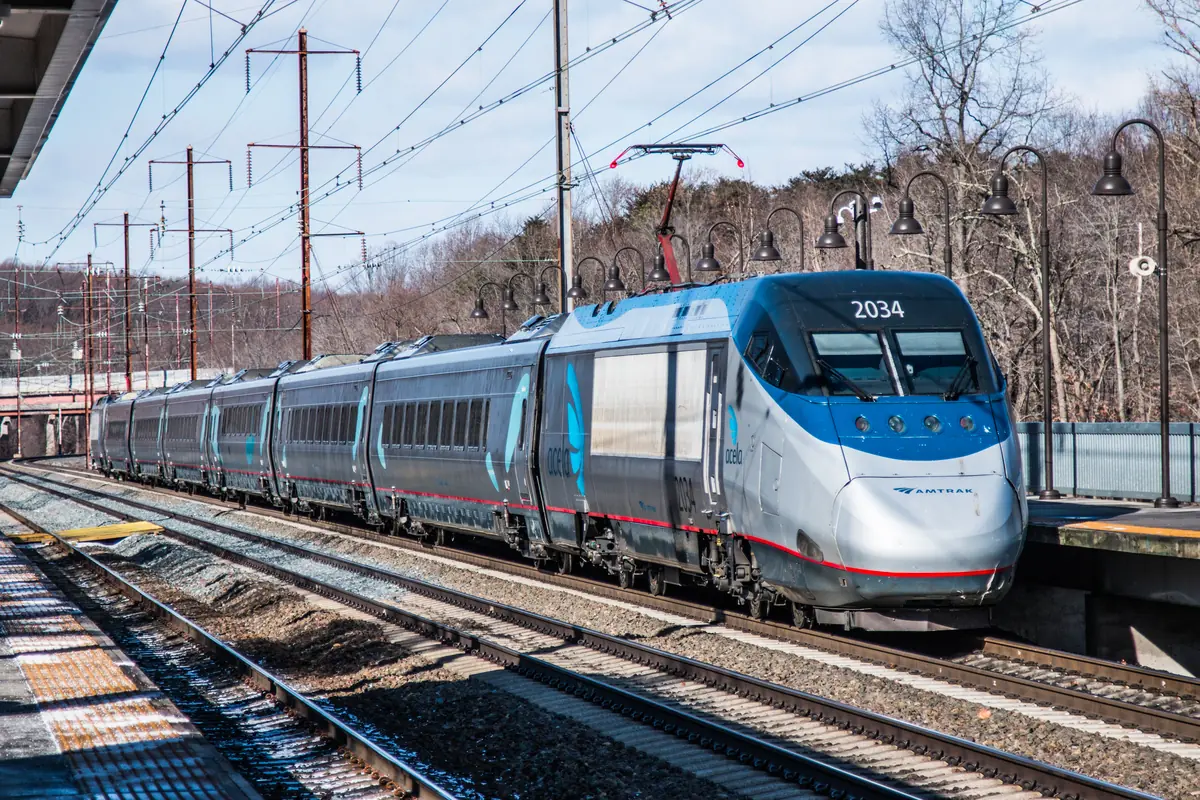
The major museum cities sit along the I-95 corridor: Boston to New York is about 215 miles (346 km), New York to Philadelphia about 95 miles (153 km), and Philadelphia to Washington, DC about 140 miles (225 km). Amtrak’s Northeast Corridor links all four without a car.
| Leg | Distance | Notes |
|---|---|---|
| Boston → New York | ~215 mi (346 km) | ~4 hrs by Amtrak |
| New York → Philadelphia | ~95 mi (153 km) | ~1.5 hrs by Amtrak |
| Philadelphia → Washington, DC | ~140 mi (225 km) | ~2 hrs by Amtrak |
On passes, do the math before you buy. The New York CityPASS runs $164 adult and bundles the Empire State Building, the American Museum of Natural History, and three more choices — but it excludes the Met entirely, and MoMA appears only on the separate C3 pass ($109 for three attractions). For an art-focused trip, individual or pay-what-you-wish tickets usually come out cheaper.
The best time to visit any of these is a weekday morning. Crowds thin, timed-entry slots are easier to grab, and the famous works that everyone bottlenecks in front of are briefly approachable. Avoid holiday weekends.
Pro Tip: Boston to DC works end-to-end on Amtrak with no rental car and no city parking. Between $2/hour DC meters and Manhattan garage rates, the train often wins on cost as well as hassle.
What Most Guides Won’t Tell You
Two honest calls, both checkable. If you’re on a budget, skip the $30 single-museum splurge in New York and take Amtrak to Washington, where the Smithsonian and the National Gallery match anything in New York for free. And the New York CityPASS is oversold for museum-focused travelers — it leaves out the Met and limits MoMA to a separate pass, so dedicated art lovers usually save more on individual or pay-what-you-wish tickets.
So pick your base by priority: DC for free museums, New York for art, Boston for walkability, Philadelphia for Revolutionary history. Book timed entry ahead, chase the free and pay-what-you-wish days, and ride Amtrak between cities to skip parking entirely. Do that and the biggest East Coast collections cost far less than the sticker prices suggest.
If one city has to win the whole trip, is the free Smithsonian enough to put DC at the top of your list, or does the Met pull you to New York?