An East Coast family trip packs Spanish forts, Smithsonian dinosaurs, lighthouses and roller coasters into one drivable corridor. This guide covers where to take the kids, what it actually costs, how far apart everything really sits, and when to go.
The short version: pick Washington for free museums, Orlando for theme parks, the Outer Banks or Myrtle Beach for sand, and a Maine-to-Florida I-95 route if you want a road trip. Plan about a week for one region and two to three weeks to string the highlights together.
Pro Tip: Before you map a single stop, decide whether this is a “one region, slow” trip or a “highlights, fast” trip. Trying to do both is how families end up living in the car.
How Many Days Do You Need for an East Coast Family Trip?
Plan about one week for a single region (New England, the Mid-Atlantic or the Southeast), two to three weeks to connect the highlights from Maine to Florida, and four to six weeks to drive the full coast without treating cities as pit stops. Most families are happiest picking one or two regions.
The full coast runs roughly 1,900 to 2,500 miles (3,060 to 4,020 km) depending on detours. Seven to ten days gets you the major cities and not much else — you’ll be moving most mornings. Around two to three weeks is where the trip starts to breathe: beach days, museum days, and the occasional do-nothing day kids need.
Families who attempt nine days from New York City up to Maine report the same arc. By day four the kids are negotiating which hotel pool they’ll actually get to swim in, and the answer is usually none. With younger kids, two nights minimum per stop is the difference between a vacation and a forced march.
Count your transit days honestly. A 4-hour drive plus check-in plus dinner is a half-day gone before anyone sees an attraction.

Should You Drive, Fly, or Take the Train With Kids?
Drive if you want flexibility and multiple stops — the I-95 corridor links every major city. Fly into one hub (Boston, New York, Washington or Orlando) if you have under a week. For the Boston-to-Washington stretch, Amtrak’s Northeast Regional often beats both: no traffic, no parking, and city-center to city-center.
I-95 between Washington and New York is the part everyone underestimates. The mileage looks short, but traffic through the New Jersey Turnpike and around the city routinely turns a 4-hour drive into 6. For that exact stretch, the train is the quiet win most guides skip.
The Northeast Regional is now the busiest route in the Amtrak system, carrying more than 12 million passengers a year — an 11 percent jump over the prior year, and more than three times what Acela carries. Kids 2 to 12 ride at half the adult fare with at least one adult in the reservation, and one infant under 2 rides free per paying adult. There are no baggage fees, which matters when you’re hauling a stroller, a car seat and a week of beach gear.
| Option | Cost for a family of four | Flexibility | Kid-friendliness | Best for |
|---|---|---|---|---|
| Drive (I-95) | Lowest with multiple stops; gas + tolls | Highest — stop anywhere | Mixed; depends on kid road tolerance | Multi-region road trips, beach gear |
| Fly to one hub | Mid to high; bags add up | Low once you land | High for short trips | Under a week, single destination |
| Amtrak Northeast Regional | Mid; kids 2–12 half off | Medium; fixed stations | Highest; kids can move around | Boston–Washington city hopping |
Pro Tip: The Quiet Car is a mistake with a toddler. Book a regular coach seat and let them watch the cities roll by.
Which East Coast Cities Are Best for Families?
Washington, New York, Boston, Philadelphia, Williamsburg and Savannah are the standout family cities. Washington wins on value: 17 Smithsonian museums in and around the city charge nothing, and neither does the National Zoo. New York and Boston deliver the big, walkable sights kids still talk about years later.

Washington, DC — Free Museums and the National Zoo
Washington is the best-value city on the coast, full stop. The Smithsonian runs 11 museums along the National Mall and six more nearby, plus the National Zoo — and admission to all of them is free. You can fill three or four days on dinosaurs, moon rockets and big cats without paying a cent at the door. (Cooper Hewitt in New York is the one Smithsonian that charges, so ignore the “21 free museums” line you’ll see in older guides.)
Free is not the same as walk-in. The Zoo requires a free timed entry pass for every visitor, infants included, and the National Air and Space Museum releases its free passes in batches that get claimed fast. Show up without them and you’re standing outside a free museum.
- Location: National Mall and nearby neighborhoods; Metro to Smithsonian, L’Enfant Plaza or Federal Triangle
- Cost: Smithsonian museums and the Zoo free (timed passes required at some); International Spy Museum roughly $27 to $36 for adults, less for kids, with plan-ahead pricing saving up to 30 percent
- Best for: Budget families, school-age kids, multi-day stays
- Time needed: Three to four days
- Watch out for: The Zoo sits on a hill and takes two to three hours to walk; parking there is $30 booked in advance and $40 on the day
The Spy Museum has moved to 700 L’Enfant Plaza SW — a different address from the one half the internet still lists. It’s quietest before 11 a.m. and after 4 p.m.
Pro Tip: Stay at National Harbor instead of downtown. It’s noticeably cheaper, and you skip into the city by water taxi or Metro without paying city parking rates.
New York City — Big-Ticket Sights Kids Remember
New York is expensive and worth one well-planned visit. The Statue of Liberty, the Empire State Building and the American Museum of Natural History are the trio most kids talk about afterward.
The Empire State Building’s 86th-floor deck starts around $44 for adults and about $38 for kids 6 to 12, with under-6s free. All entry is timed. Between 11 a.m. and 3 p.m. on weekends, the three queues — ticket counter, security, elevators — routinely run over an hour combined. The entrance is at 20 West 34th Street, not on Fifth Avenue, which sends a lot of families the wrong way around the block. It’s also windy and cold at 1,050 feet (320 m) even in July; bring a layer for the kids.
The Statue City Cruises ferry is the only boat that lands on Liberty Island. Two rules blindside families: the time printed on your ticket is when you may join the security line, not when a boat leaves; and if you sail after 2 p.m. you won’t have time for both Liberty and Ellis islands. Minors have to be accompanied by an adult 25 or older.
- Location: Midtown (Empire State), Battery Park or Liberty State Park (ferry), Upper West Side (natural history)
- Cost: Empire State Building from about $44 adult / $38 kids 6–12, under 6 free; Statue of Liberty ferry $25.50 adult, $16.50 kids 4–12, $22.50 seniors, under 4 free
- Best for: Tweens and teens, first-timers
- Time needed: Two to three days, one big-ticket sight per day
- Free alternative: The Staten Island Ferry passes within about 500 yards of Lady Liberty and costs nothing — no island landing, but the photo is the same
Boston — The Freedom Trail and Fenway Park
Boston is the most walkable history lesson on the coast. The Freedom Trail is a 2.5-mile (4 km) red-brick line linking 16 sites — the Paul Revere House, the Old North Church, the USS Constitution — and you can do it at a kid’s pace with snack breaks. The line is painted into the sidewalk, which means a seven-year-old can lead the walk, and that alone buys you an hour of goodwill.
- Location: Downtown, starting at Boston Common
- Cost: The trail itself is free; a few of the individual sites charge a small admission
- Best for: History-curious kids, walkable city days
- Time needed: One full day for the trail, two if you add Fenway

Philadelphia — The Liberty Bell and the Franklin Institute
Philadelphia is the other budget city. Independence Hall and the Liberty Bell are free, and the Franklin Institute is a hands-on science museum that buys you a full rainy-day afternoon — three floors of exhibits, a walk-through heart, live demonstrations and a planetarium. Reading Terminal Market is the easy lunch fix.
One thing the museum’s own visitor page admits and no guidebook mentions: weekday mornings before 2 p.m. are packed with school groups. Arrive after 2 p.m. and the same building feels half as crowded.
- Location: Independence Mall (Liberty Bell); 20th Street and the Benjamin Franklin Parkway (Franklin Institute)
- Cost: Liberty Bell and Independence Hall free; Franklin Institute roughly $29 adult, $25 teens, $23 kids 3–12; on-site parking $25
- Best for: Budget families, pairing with a Washington trip
- Time needed: Two days
- Free option: The Franklin Institute runs free Community Nights through the year
Williamsburg, VA — Colonial History Plus Theme Parks
Williamsburg is the rare stop that satisfies both the history parent and the roller-coaster kid. Colonial Williamsburg’s living-history streets sit about ten minutes from Busch Gardens and Water Country USA, and the multi-day Bounce ticket bundles all three over five consecutive days with theme-park parking included.
The pricing is quietly the best deal for families on the whole coast: a single-day Colonial Williamsburg ticket is $37.50 for adults 13 and up but only $10 for kids 6 to 12, and under-6s are free. The two art museums are free to everyone. Pay by card and a 3 percent service fee is added; pay on site with cash or a check and it isn’t.
- Location: Historic Area, Williamsburg; Busch Gardens is 10 minutes east
- Cost: Colonial Williamsburg $37.50 adult / $10 youth 6–12 / under 6 free; Busch Gardens parking from $35; Bounce ticket bundles the three parks
- Best for: Mixed-age families, two-to-three-day stays
- Time needed: Two to three days
- Nearby: Jamestown and Yorktown complete the Historic Triangle
Busch Gardens is fully cashless, and there’s a height-check station in the England village — worth five minutes on arrival so you don’t march a 46-inch kid across the park to a 48-inch ride.
Savannah, GA — Squares, Forsyth Park and a Tybee Day Trip
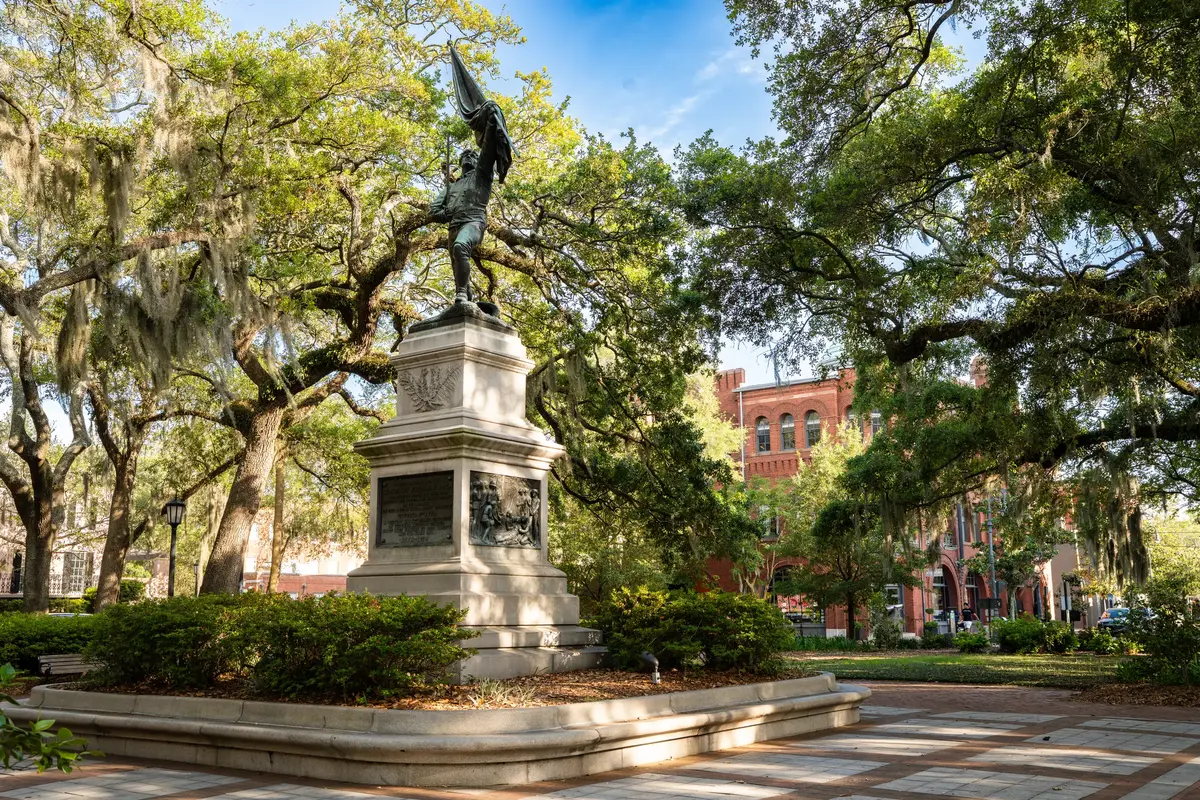
Savannah is the Southern slow-down. The shaded squares and the Forsyth Park fountain are stroller-friendly, and Tybee Island beach is a 20-minute drive when the kids need sand. It pairs naturally with a coastal Georgia loop.
- Location: Historic District; Tybee Island is about 18 miles (29 km) east
- Cost: Squares and parks free; parking meters run in the historic core
- Best for: Toddlers and grandparents, slow walkable days
- Time needed: Two days, three with Tybee
Which East Coast Beaches Work Best for Families?
Myrtle Beach offers the most built-in entertainment and the best value, the Outer Banks the most space and nature, Cape Cod the classic New England summer, and Virginia Beach the easiest all-in-one boardwalk. Myrtle’s water runs warmer and calmer; the Outer Banks stays quieter but locks you into a full-week house at peak-season prices.
| Beach | Vibe | Peak lodging | Summer water temp | Lodging type | Best for |
|---|---|---|---|---|---|
| Myrtle Beach, SC | Built-in fun, boardwalk | Condos $800–$1,500/week | Low-80s°F (~28°C) | Hotels + condos | Value, lots to do, flexibility |
| Outer Banks, NC | Quiet, dunes, nature | Oceanfront $3,000–$5,000/week | Low-70s°F (~22°C) | Weekly house rentals | Space, big groups, quiet |
| Cape Cod, MA | New England summer | $145–$441/night | Warmest in August | Inns + rentals | Classic Northeast beach trip |
| Virginia Beach, VA | All-in-one boardwalk | Mid-range hotels | Mid-70s°F (~24°C) | Boardwalk hotels | Easy single-stop beach week |
Myrtle Beach, SC — Most to Do for the Money
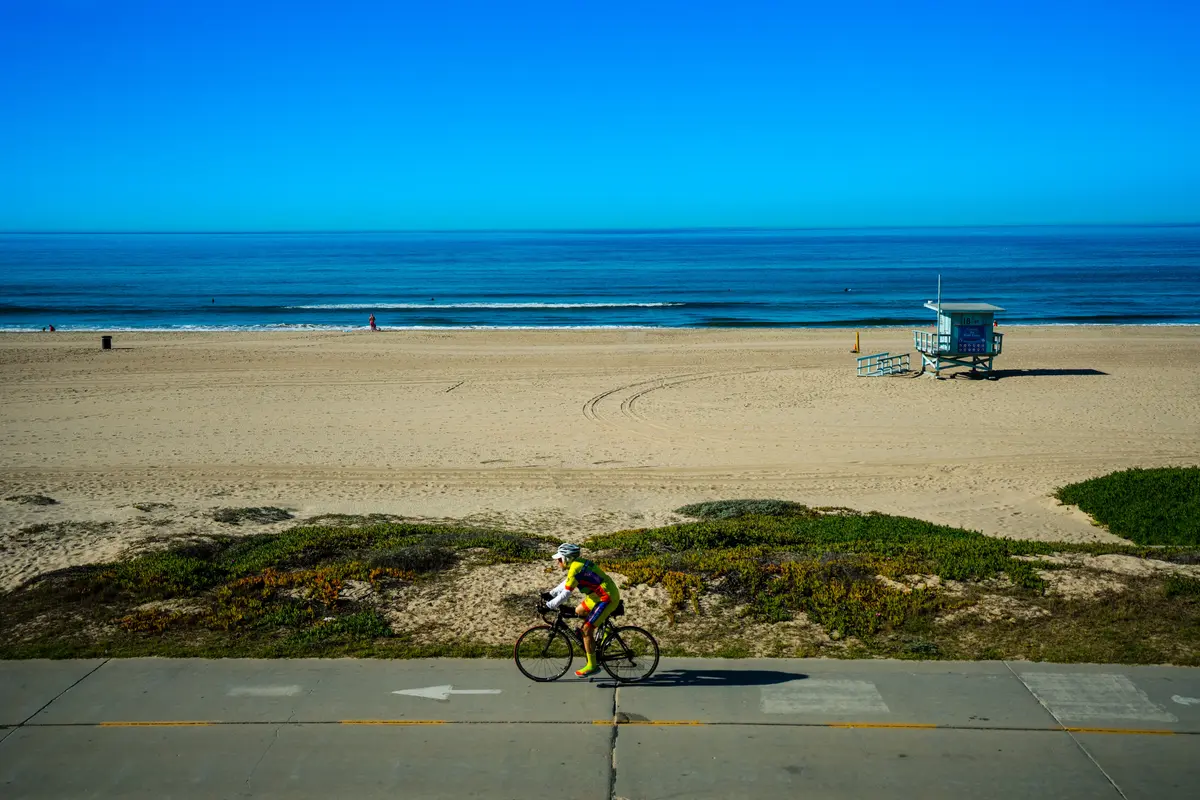
Myrtle is the easiest beach for families who want options. The boardwalk, the SkyWheel, mini-golf and Broadway at the Beach mean rainy hours are covered, and warm low-80s°F (~28°C) water is gentler for small kids than anything north of the Carolinas. Hotels and condos give you more booking flexibility than a week-long house lock-in.
Here’s the line item nobody budgets. Public beach parking in Myrtle Beach is no longer free for non-residents: expect roughly $4 an hour, capped around $20 a day, at city beach-access spots, and paid parking runs 9 a.m. to midnight, seven days a week. A family staying a few blocks back and driving to the sand each day can spend more on meters over a week than on the SkyWheel, mini-golf and the boardwalk combined. City meters go free from October through the end of February.
- Location: Grand Strand, Ocean Boulevard and the boardwalk
- Cost: Condos roughly $800–$1,500/week in peak season; SkyWheel $19.99 adult, $15.99 kids 3–11, under 2 free
- Best for: Younger kids, value, families who want things to do off the sand
- Time needed: Five to seven days
- Watch out for: Beach-access parking at about $4/hour for non-residents
Outer Banks, NC — Space, Dunes, and Quiet
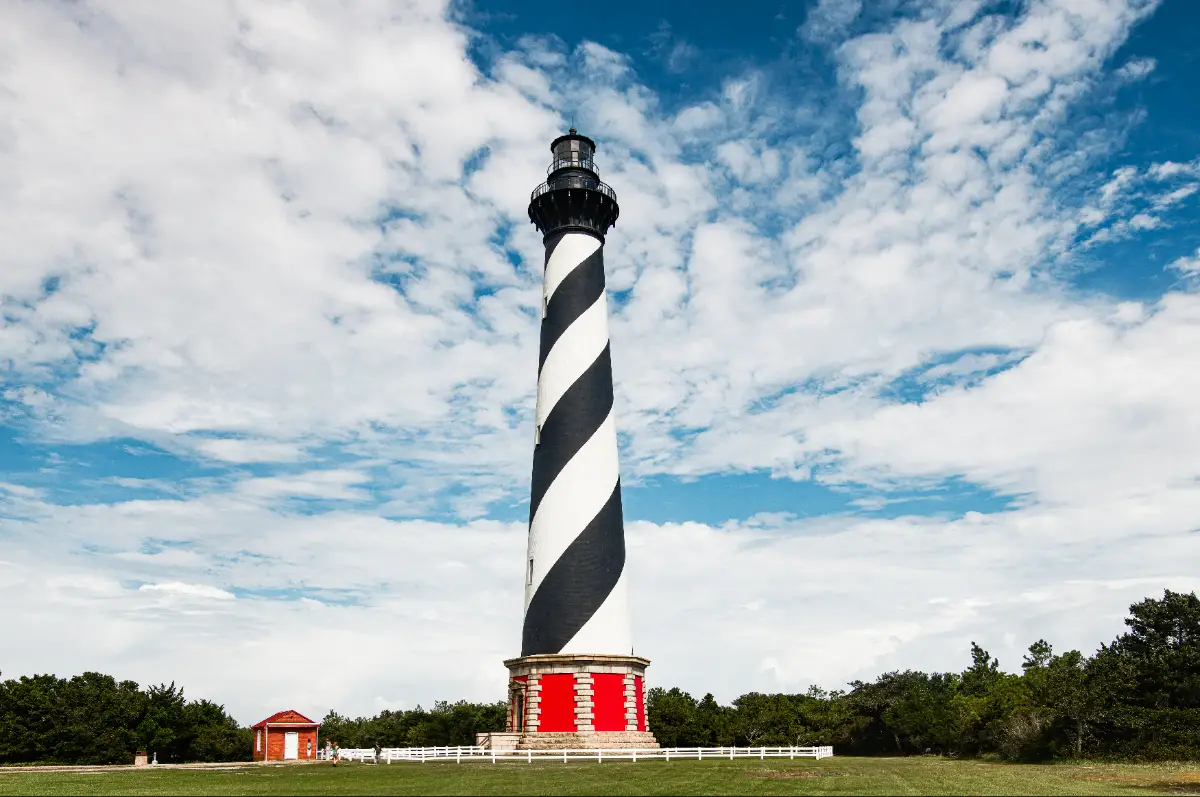
The Outer Banks is the antidote to crowded boardwalks. Nags Head, Duck and Corolla spread families across miles of dune-backed beach, with the Wright Brothers Memorial and the Jockey’s Ridge dunes nearby. The catch is cost and commitment: most homes rent by the full week, and peak oceanfront houses run $3,000 to $5,000, with the biggest properties climbing past $15,000.
The common advice to “book mid-week to dodge the Saturday price spike” is hotel advice, and it does not work here. Outer Banks houses rent Saturday-to-Saturday or Sunday-to-Sunday on fixed changeover days — you cannot shift the dates by a night. The levers that actually move the price are season and lead time. Up to half of oceanfront homes are booked by January, and October rates can fall on the order of 60 percent.
- Location: Corolla, Duck, Kitty Hawk, Nags Head, Hatteras Island
- Cost: $3,000–$5,000/week for a peak oceanfront house; $2,000–$4,000 shoulder season
- Best for: Big groups, multigenerational trips, families who want quiet
- Time needed: One full week (you rarely get a choice)
- Watch out for: Fixed weekly changeover days and no mid-week flexibility
Cape Cod, MA — Classic New England Summer
Cape Cod is the postcard New England beach week: the Cape Cod National Seashore, lighthouse towns and clam shacks. The water is the coldest of the four and warmest in August, so time it late if your kids hate a chilly first plunge.
The pass trap catches families every summer. A National Seashore beach pass is $25 per vehicle per day or $60 for the season and covers all six seashore beaches — but it is not valid at town-managed beaches, which sell their own stickers at their own prices. Buy the wrong one and you’re paying twice. Kids 15 and under enter free.
- Location: Outer Cape — Eastham, Wellfleet, Truro, Provincetown
- Cost: Lodging roughly $145–$441/night, with summer weekends spiking higher; seashore parking $25/day or $60 for the season
- Best for: Families who want the traditional Northeast summer
- Time needed: Five to seven days
- Accessibility: Coast Guard, Race Point and Herring Cove beaches have Mobimats and loaner beach wheelchairs when lifeguards are on duty
The Nauset Light lot is small and part of it is reserved for Eastham residents. If you’re not parked by 9:30 or 10 a.m. on a summer day, don’t count on a space.
Virginia Beach, VA — Easiest All-in-One Boardwalk
Virginia Beach is the low-friction choice: a 3-mile (4.8 km) boardwalk, hotels right on the sand, and the Virginia Aquarium for the off-beach hours. You can do the whole trip from one hotel without renting a house, which is the entire point for a family with a toddler and a stroller.
- Location: Oceanfront, Atlantic Avenue and the boardwalk
- Cost: Mid-range boardwalk hotels; no separate beach fee
- Best for: First-time beach families who want everything in walking distance
- Time needed: Three to five days
Tybee and Jekyll Islands, GA — Low-Key Southern Sand
Georgia’s barrier islands are the quiet Southern option. Tybee pairs with Savannah; Jekyll Island’s Driftwood Beach, with its weathered fallen oaks lying where the tide left them, is the most photogenic stretch on this list and costs nothing to walk.
- Location: Tybee is 18 miles (29 km) from Savannah; Jekyll is on the Golden Isles
- Cost: Driftwood Beach free to walk
- Best for: Slow trips, families combining beach with Savannah history
- Time needed: One to three days
St. Augustine, FL — Beaches Plus the Oldest US City
St. Augustine bundles the wide beaches of Anastasia State Park with the oldest city in America — the Castillo de San Marcos fort and the Fountain of Youth keep older kids engaged between swims.
- Location: Northeast Florida, about 40 miles (64 km) south of Jacksonville
- Cost: State park entry per vehicle; Castillo charges a small per-adult fee, kids free
- Best for: Mixing beach time with history on the way to or from Orlando
- Time needed: One to two days
What Does the Maine-to-Florida I-95 Route Look Like?
The classic route runs down I-95 from Maine to the Florida Keys, roughly 1,900 to 2,500 miles (3,060 to 4,020 km). Anchor stops are Acadia, Boston, New York City, Philadelphia, Washington, Williamsburg, the Outer Banks, Charleston, Savannah, St. Augustine and Orlando — leaving the highway for the coast whenever you can.
I-95 itself spans 1,915 miles (3,082 km) across 15 states with around 670 exits. It’s the efficient spine, not the scenic part. The trick is treating it as connective tissue and peeling off to US Route 1, the Blue Ridge Parkway or the coast for the parts kids will actually remember.
| Leg | Distance | Drive time | Family stop |
|---|---|---|---|
| Boston → New York City | ~215 mi (346 km) | ~4 hr | Mystic, CT aquarium en route |
| New York City → Philadelphia | 97 mi (156 km) | ~2 hr | Liberty Bell, Franklin Institute |
| New York City → Washington, DC | 226 mi (364 km) | ~4 hr (traffic-dependent) | Baltimore’s National Aquarium |
| Boston → Washington, DC | ~440 mi (708 km) | 8–8.5 hr | Split over two days |
| Washington, DC → Charleston | ~530 mi (853 km) | ~8 hr | Outer Banks detour |
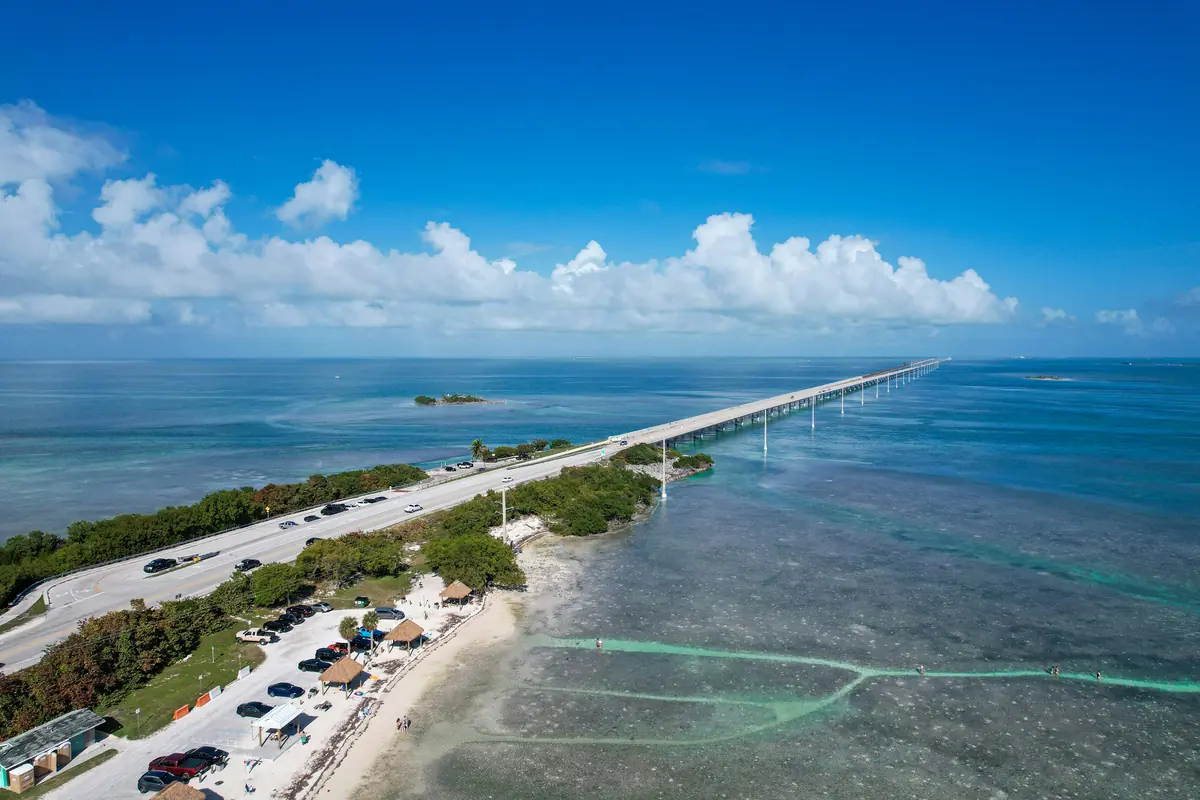
| Miami → Key West | ~113 mi (182 km) | ~3.5 hr | Overseas Highway bridges |
That Washington-to-Charleston number is the one that wrecks schedules. A lot of route guides publish 450 miles, which is the straight-line distance — the actual drive is about 530 miles (853 km) and eight hours. Plan it as a full day, not an afternoon.
St. Augustine is the most-skipped great stop on the southern half. Families blow past it racing to Orlando and miss the oldest city in the country, fort and all. Build in one night there — it’s the kind of stop kids rank above another aquarium.
Pro Tip: For a scenic alternative through Virginia, swap I-95 for Skyline Drive in Shenandoah and the Blue Ridge Parkway. It’s slower, but it’s the difference between “we drove past trees” and “we hiked to a waterfall.”
How Much Does an East Coast Family Trip Cost?
Budget roughly $100 to $150 per day for a camping or budget-motel road trip, and $200 to $300-plus per day for hotels and eating out, with New York, Boston and Washington pushing the top of the range. Theme-park tickets, gas and parking are the biggest swing factors. Free Smithsonian museums make Washington the best value on the coast.
A note on prices: gas, tolls, hotel rates and park fees all change frequently. Treat the figures below as planning ranges and check current rates before you lock in a budget.
Gas has been running close to $4 a gallon nationally and swings with the market, so it’s a real line item on a 2,000-mile trip — and the Northeast states sit above the national average, so budget higher for the top half of the route. AAA publishes the daily national and state averages if you want a live number.
What You’ll Actually Pay in Tolls
Tolls are mandatory on the I-95 mainline in six states — Maine, New Hampshire, New York, New Jersey, Delaware and Maryland. There are no mainline tolls on I-95 in Massachusetts, Rhode Island, Connecticut, Pennsylvania, Virginia, the Carolinas, Georgia or Florida.
- Get an E-ZPass before you leave: New York, New Jersey, Pennsylvania, Delaware and Maryland have all gone fully electronic. There are no cash booths. Drive through without a tag and the system bills you by plate, with a surcharge.
- One tag now covers the whole run: Georgia has joined the E-ZPass network and Florida reads it too, so a single transponder works from Maine to Miami.
- Ignore the toll texts: The FBI’s Internet Crime Complaint Center has warned repeatedly about “unpaid toll” scam texts claiming you owe a small balance and threatening a late fee. Toll agencies don’t collect that way. Don’t tap the link — check your account directly.
Where the Money Actually Goes
Theme parks are the budget-buster. A single Walt Disney World day runs about $119 to $209 for adults and $114 to $194 for kids 3 to 9, standard parking is $35 a day on top, and a week for a family of four lands near $7,250. The National Aquarium in Baltimore charges $49.95 general admission and $39.95 for youth 5 to 20, with children 4 and under free; partner garages are a flat $18 with validation.
One warning worth more than the ticket price: the National Aquarium does not allow strollers on the exhibit route. You check it at the door and carry the toddler up the ramps. Plan accordingly, or plan a different afternoon.
National parks are the cheap counterweight. Acadia is $35 per vehicle for a 7-day pass, or $20 per person if you arrive on foot or by bike, with under-16s free. Two things to know: driving the Cadillac Summit Road requires a separate $6 vehicle reservation booked in advance through Recreation.gov, and the park is cashless.
Non-US residents aged 16 and over now pay an added $100 per person at Acadia and a set of other high-visitation parks, on top of the standard entrance fee, unless they enter on an annual pass. There’s a $250 America the Beautiful Non-Resident Annual Pass that covers it. US-resident families don’t pay the surcharge.
| Line item | Budget | Mid-range |
|---|---|---|
| Lodging (family of four) | $70–$150/night (motels, off-site) | $200–$400/night (hotels, beach rentals) |
| Gas (per ~250-mile day) | ~$35–$45 | ~$35–$45 |
| Tolls (six I-95 states) | varies; E-ZPass avoids the by-plate surcharge | varies |
| Food | $40–$70/day (cooler + groceries) | $120–$200/day (dining out) |
| Attractions | Free museums, parks | $44 Empire State, $49.95 aquarium, $119–$209 Disney |
| Parking | Metered beach access ~$20/day | $35/day at Disney, $30–$40 at the National Zoo |
Pro Tip: Pack a cooler. I-95 rest-stop food for four adds up fast, and a grocery run plus a hotel breakfast can shave $40 to $60 off a single day.
When Is the Best Time to Visit the East Coast With Kids?
Late spring (May and June) and early fall (September and October) hit the sweet spot: mild weather, thinner crowds and lower prices. Summer is best for beaches but the most crowded and expensive. Fall brings New England foliage, peaking in early-to-mid October. Winter favors Florida and the Southeast.
| Season | Weather | Best for | Crowds |
|---|---|---|---|
| Spring (Mar–Jun) | Mild; Washington cherry blossoms | Cities, shoulder pricing | Building |
| Summer (Jun–Aug) | Warm; humid in the South | Beaches, Cape Cod water | Heaviest |
| Fall (Sep–Nov) | Crisp; foliage up north | New England leaves, fewer crowds | Lower after Labor Day |
| Winter (Dec–Feb) | Cold up north; mild in FL | Florida, St. Augustine, Savannah | Lightest (except FL) |
Foliage starts in Maine, Vermont and New Hampshire in late September and works south through early November. Down south, Savannah averages a mild 57°F (14°C) in January, which is why the Southeast and Florida carry the winter season.
Pro Tip: Cadillac Mountain sunrise is freezing even in July. At 4:30 a.m. on the 1,530-foot (466 m) summit you’ll want a jacket, and you’ll end up cheering with strangers as the light hits the pink granite. One correction to the brochure line, though: Cadillac is only the first place in the US to see the sunrise from roughly early October through early March. In summer, other spots in Maine beat it. Go for the light, not the trivia.

How Should You Plan by Age and Travel Style?
Toddlers do best with slow, walkable bases like Burlington, Vermont or a single beach town. Tweens and teens thrive in Washington, New York and Orlando. Multigenerational groups should rent a beach house. Budget families should anchor on Washington and Philadelphia, where free attractions can fill days at no admission cost.
Traveling With Toddlers
Slow it down and stay put. Walkable bases like Burlington’s Lake Champlain Greenway and North Beach, or a single quiet beach town, beat city-hopping. Two nights minimum per stop — one-night hops with a toddler mean meltdowns, not memories.
Pro Tip: With a toddler, build in a daily pool or playground hour. It’s not wasted time — it’s the pressure-release valve that makes the museum hours possible.
With Tweens and Teens
Older kids want stimulation: the Spy Museum in Washington, New York’s observation decks, Orlando’s parks, and beach towns with boardwalks and rentable bikes. This is the age where a packed city itinerary actually lands, and where the $44 elevator ride stops feeling like a waste of money.
Multigenerational Groups
A beach-house rental is the move. The Outer Banks, Cape Cod and Myrtle Beach all have homes big enough for grandparents, parents and kids under one roof, with a kitchen that saves a fortune over restaurant meals for eight. Split across a big group, an Outer Banks house that looks eye-watering on the listing often works out cheaper per person per night than hotel rooms.
On a Budget
Anchor on Washington and Philadelphia. Between them you get 17 free Smithsonian museums, the free National Zoo, the Liberty Bell and Independence Hall — enough free, genuinely good attractions to fill the better part of a week. Reserve the free timed passes early; the free stuff is the stuff that sells out.
Accessibility and Stroller Notes
The National Mall is flat and stroller-friendly, and most Smithsonian museums are fully accessible. Boardwalk beaches like Virginia Beach and Myrtle are easier than dune-backed ones for wheels, and three of the Cape Cod National Seashore beaches lay Mobimats and lend beach wheelchairs when lifeguards are on duty.
Two specific gotchas worth planning around:
- National Aquarium, Baltimore: Strollers are not permitted on the exhibit route. Check it at the entrance.
- National Zoo, Washington: The grounds sit on a hill with a real incline. Wheelchairs are free to borrow; strollers and wagons are rentable, first-come.
Check that historic-city stops like Savannah and St. Augustine have curb cuts on your planned route.
What Should You Pack and Book Before You Go?
Pack layers year-round — coastal mornings run cold even in summer — plus a cooler, a first-aid kit and an E-ZPass for tolls. Book Cape Cod, Outer Banks and Acadia lodging months ahead, since summer weekends sell out and prices jump. Save a downloaded map for highway dead zones.
A few specifics that prevent trip-killers:
- E-ZPass: Works across the northeastern toll states and now the full corridor to Florida. Order it before you leave, not at the booth — there often isn’t a booth.
- Free timed passes: The National Zoo and the National Air and Space Museum both require them. They’re free and they run out.
- Cadillac Summit Road: Requires a timed vehicle reservation from roughly late May through late October, booked through Recreation.gov for $6. Acadia is also cashless.
- Beach rentals: Book the season, not the day of the week. Weekly homes have fixed changeover days; shifting to September is what actually saves money.
- White House tours: Request through your member of Congress well in advance — typically 7 to 90 days out, though some offices want three weeks minimum. Tours are free, run Tuesday through Saturday, and cap groups at 15. The current route covers the State Floor rooms — the Blue, Red and Green Rooms, the State Dining Room, the Cross Hall and the Entrance Hall — a shorter walk than older guides describe, and tours can be canceled with little notice.
- Cash backup: Some small coastal stops and parking lots are easier with a little cash on hand — though a growing number of parks and attractions are now cashless, so don’t rely on it.
On lodging, the day of the week matters more than most families expect. Travelers routinely report paying around $175 for a two-star Maine motel purely because it was a Saturday night, with the same room under $120 midweek. Shift your driving days, not just your sightseeing days.
Common Questions About East Coast Family Trips
What Is the Best East Coast Destination for a Family Vacation?
It depends on your style. Washington offers 17 free Smithsonian museums and a free zoo; Orlando has the theme parks; the Outer Banks and Myrtle Beach are the top family beaches; and a Maine-to-Florida I-95 route suits road-trippers. For value, Washington is the clear winner.
How Many Days Do You Need for an East Coast Family Road Trip?
Plan about one week for a single region, two to three weeks to link the highlights from Maine to Florida, and four to six weeks for the full roughly 2,000-mile coast. Seven to ten days covers only the major cities, with most of your time spent driving.
When Is the Best Time for an East Coast Family Trip?
Late spring (May and June) and early fall (September and October) offer the best mix of mild weather, smaller crowds and lower prices. Summer is best for beaches but busiest, while New England foliage peaks early-to-mid October.
Is It Cheaper to Drive or Take the Train on the East Coast?
For a family of four with multiple stops, driving is usually cheapest despite I-95 tolls and gas near $4 a gallon. But on the Boston-to-Washington corridor, Amtrak’s Northeast Regional — where kids 2 to 12 ride half off and bags are free — can beat driving once parking is factored in.
What Is the Most Affordable East Coast Family Vacation?
Washington, DC. The 17 Smithsonian museums in and around the city and the National Zoo are all free, so families can sightsee for three to four days without paying admission. Pairing Washington with Philadelphia’s free historic sites keeps a multi-day trip well under budget. Reserve the free timed passes early.
Pick Your Lane Before You Book
The East Coast rewards families who choose a lane instead of trying to drive the whole thing in ten days. Decide your pace first, anchor on the data — drive times, ticket prices, parking rates, water temperatures — and the rest of the trip plans itself.
If you have under two weeks, this trip is one region done properly: Washington and Philadelphia for free museums, or a single beach week, or New England in October. If you have three-plus weeks, the full Maine-to-Florida run is worth it, but only if you leave I-95 for the coast at every real opportunity and you build in the do-nothing days. What it is not, for any family, is a ten-day sprint from Acadia to the Keys. That trip exists only on paper, and the kids will let you know.