Tipping in Lebanon is not a polite afterthought — it is how service workers keep pace with a collapsed currency. Get the amount right, and nobody blinks. Get the bill condition wrong, and a fresh $20 can be refused at the door. Here is what to carry, how much to hand over, and where the unwritten rules are sharpest.
Why does tipping in Lebanon matter more than in most countries?
Tipping in Lebanon works as an inflation hedge for service workers whose salaries are paid in Lebanese Lira, a currency that has lost more than 90% of its value against the US dollar. A $5 cash tip in clean US bills is often worth more than a waiter’s daily base pay once converted on the parallel market.
The local term is bakhshish. Since the economic collapse, that word stopped meaning “nice gesture” and started meaning “rent money.” The Banque du Liban eventually set a new official rate of 89,500 LBP per USD, but the street rate moves daily, and most service staff are paid partly or entirely in Lira that loses purchasing power between the start of a shift and the end of it.
This is also where the phrase “Fresh Dollar” comes in. Fresh Dollars are physical US bills brought in from abroad — the kind with full international value. “Lollars” are the dollars that got trapped inside local banks during the crisis and are redeemed at a fraction of face value. When you tip in cash you carried through customs, you are handing over Fresh Dollars, and the recipient knows it.
Pro Tip: Treat every single you brought from home like a $20. Small bills are so scarce locally that staff often prefer three crisp singles to a wrinkled five, because they can actually spend them.
Why do US dollar bills need to be “crisp” to tip in Lebanon?
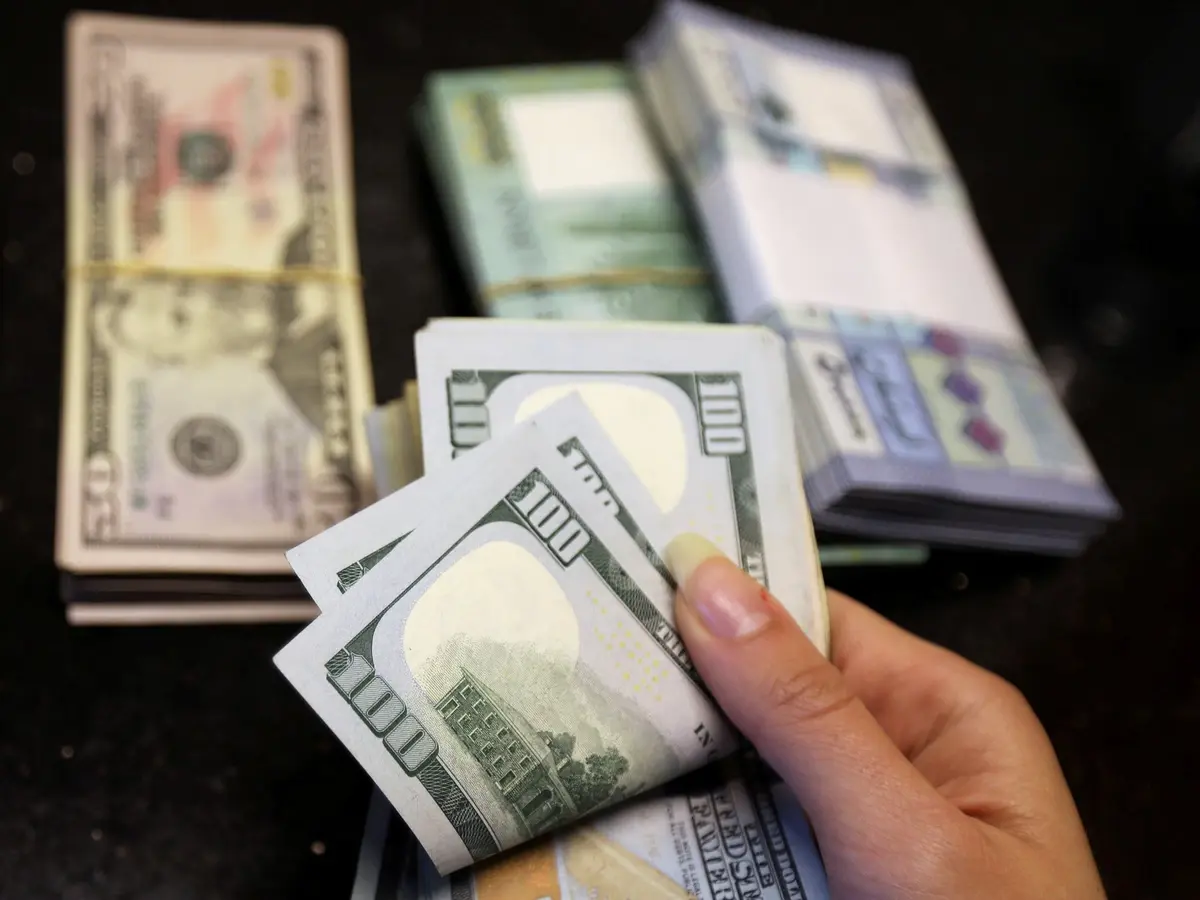
Lebanon operates on a strict clean-bill standard because of counterfeit fears and a chronic shortage of USD change. Bills with tears, ink marks, or heavy creases are routinely refused or discounted by shops, money changers, and valets — even though they are legal tender at home. Tipping with a marked-up bill can feel like tipping with Monopoly money.
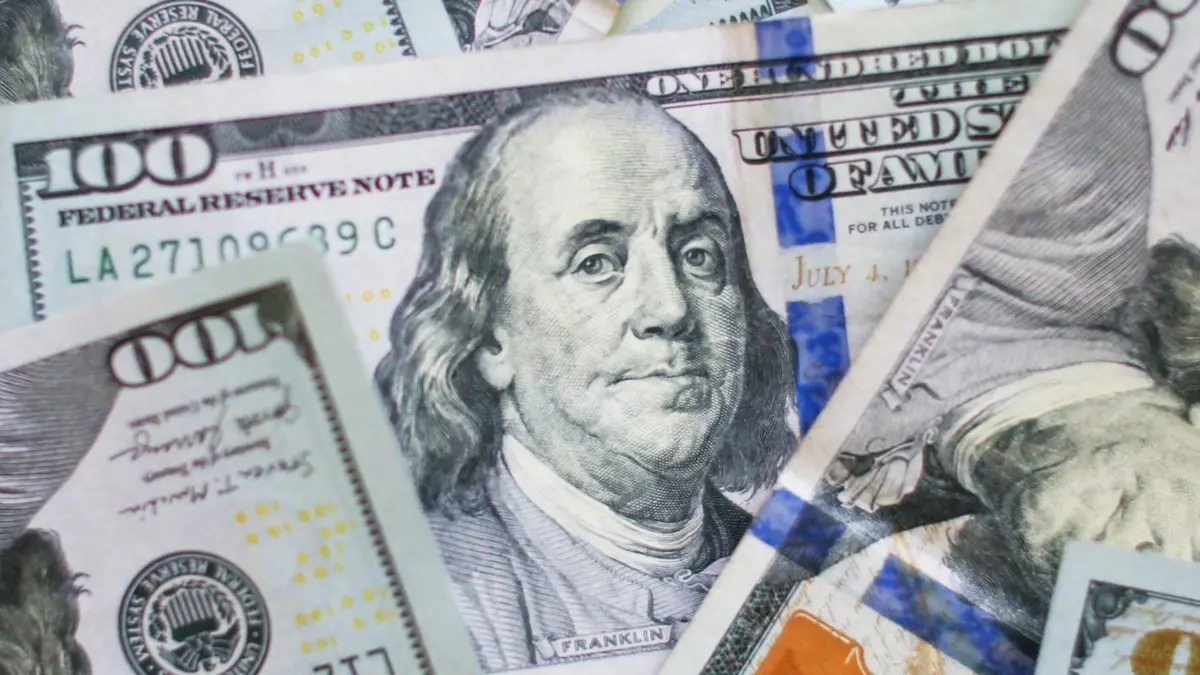
The other split that surprises Americans is the generation of the note. US dollars redesigned with the blue 3D security ribbon (the current $100 and the updated smaller denominations) are accepted without question. Older white-face bills from the previous design era are frequently rejected, especially outside Beirut, on the assumption that counterfeits circulate in that format.
What to ask your bank for before the flight:
- Denominations: heavy on $1, $5, $10, and $20. Hold back a couple of $50s and $100s for hotels or tour payments.
- Condition: uncirculated if possible. Ask for a strap from the teller’s drawer rather than what is loose in the till.
- Design: current-series notes with the blue ribbon on the $100 and the color-shifting numeral on the $10 and $20.
- Quantity of small bills: more than you think. Breaking a hundred for a $2 valet tip is often impossible — nobody has change.
Pro Tip: Seal your tip money in a plastic sleeve inside your day bag. Beirut summers are humid, and a sweaty $10 from your back pocket will get a grimace from a concierge who has to hand it to an exchange house later.
How much should you tip at restaurants and bars in Lebanon?
At restaurants, tip 10–15% of the bill in cash USD on top of whatever printed “service charge” appears — that line rarely reaches the staff. At bars, $1–$2 per drink is standard, with a front-loaded $5–$10 on the first round if you want quick service for the rest of the night. Always tip in cash, never on the card.
Restaurants and cafés
Most bills in Beirut carry a service line plus VAT. Owners commonly use the service charge to offset overhead — including the eye-watering cost of diesel for private generators during grid outages — so the server may see very little of it. Read it as a tax line, not a gratuity.
- Standard sit-down service: 10–15% of the pre-tax total, in cash USD.
- Fine dining: 15–20% for genuinely good service.
- Casual cafés: $1–$3 on the table.
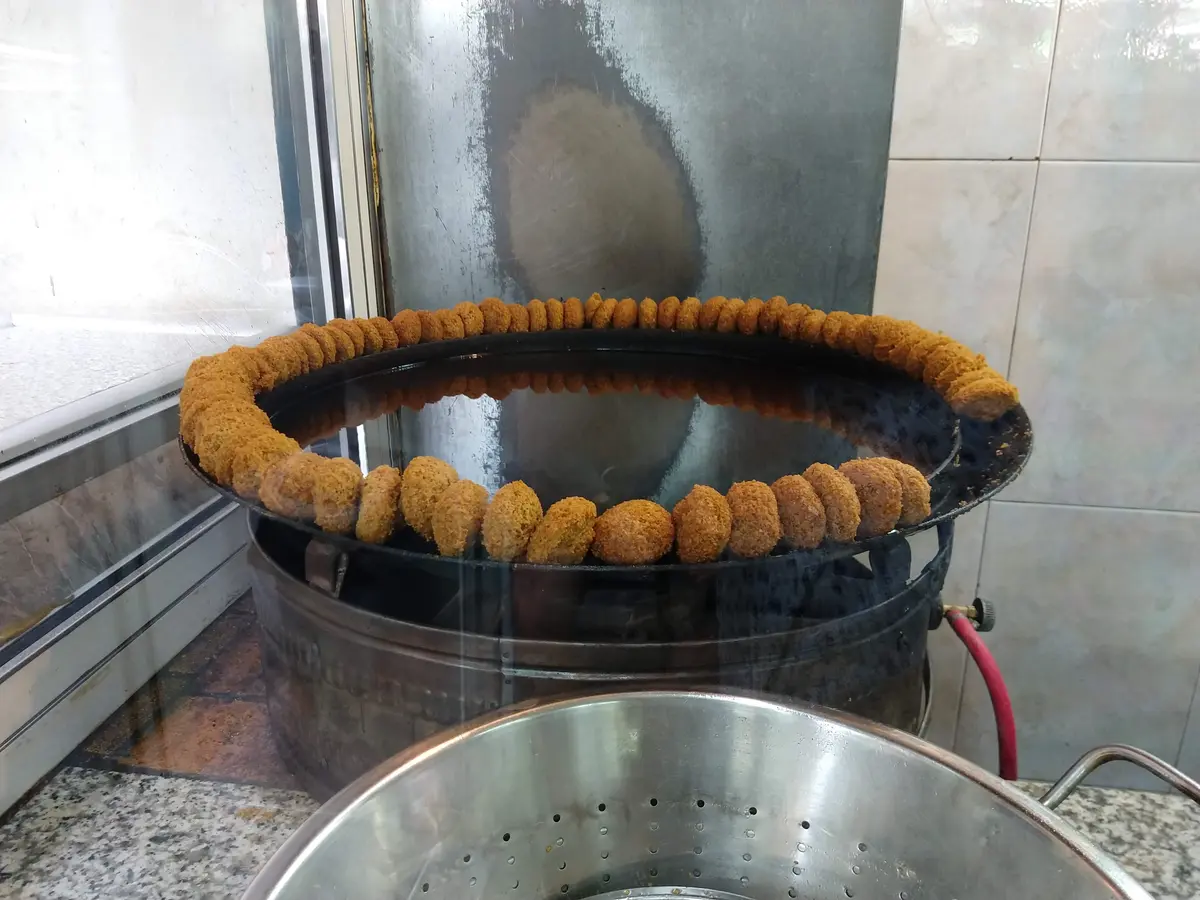
- Street food (man’ouche stands, falafel counters): round up, or leave a few thousand Lira.
Pay the meal on your card if you want, but hand the tip over in cash. Card tips in Lebanon have a habit of disappearing into the till.
Bars, rooftops, and shisha lounges
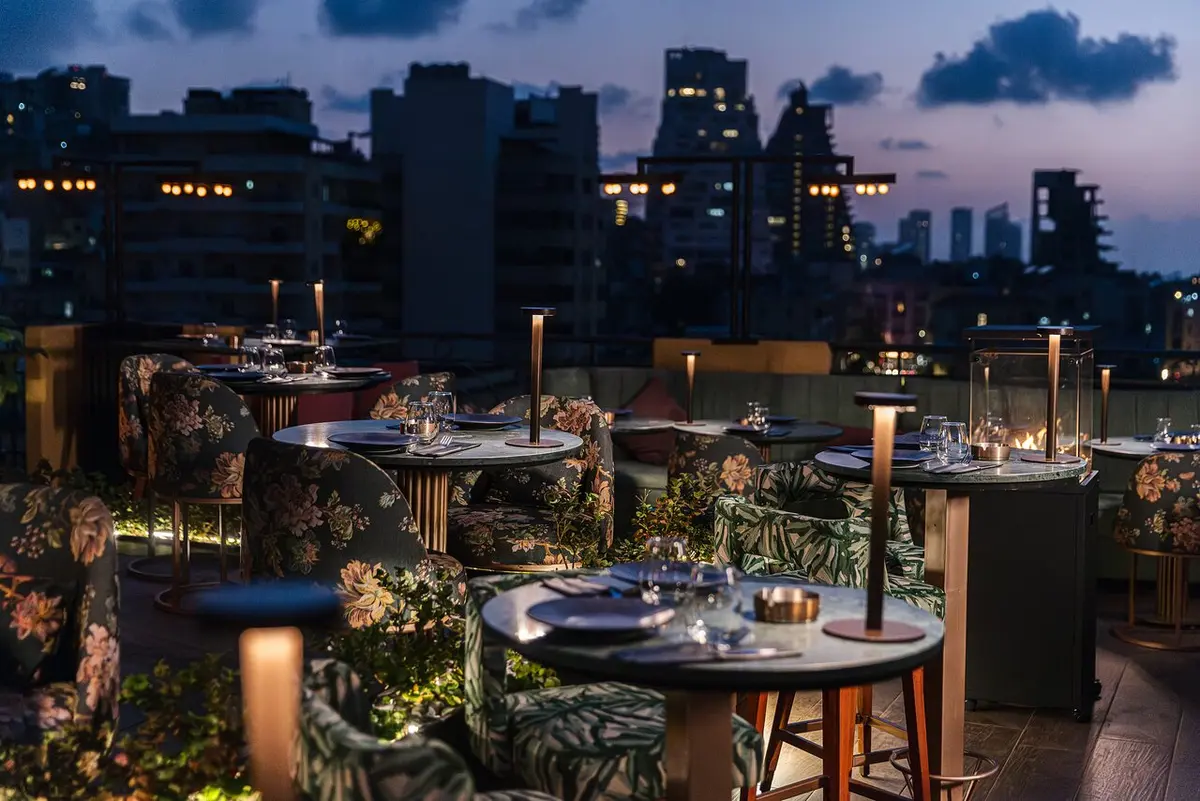
The bar scene in Mar Mikhael and Gemmayze runs late and runs on tips. Bartenders remember the table that tipped $10 on the first round and forget the one that tipped nothing four times. On a busy Friday that memory is worth its weight in ice.
- Per drink: $1–$2.
- Opening round: $5–$10 as a “front-load” if you plan to stay.
- Shisha coals: $1–$2 handed directly to the staff member swapping them — they work a separate circuit from the bar.
- Bottle service: 15% of the bottle price minimum.
Pro Tip: On a rooftop with a view, tip the server who seats you — not just the one who pours. Seating is where the real hierarchy lives, and a $5 on arrival often upgrades you from a side table to the rail.
How much do you tip valets, hotels, and taxis?
Budget $2–$4 for a standard valet, $5–$10 for a front-of-venue “VIP” spot, $1–$2 per bag for porters, $2–$5 per day for housekeeping, and round taxi fares up generously. Private drivers hired for a full day expect $10–$20 on top of the agreed rate. All of this is cash, all of it in clean USD where possible.
Valet parking
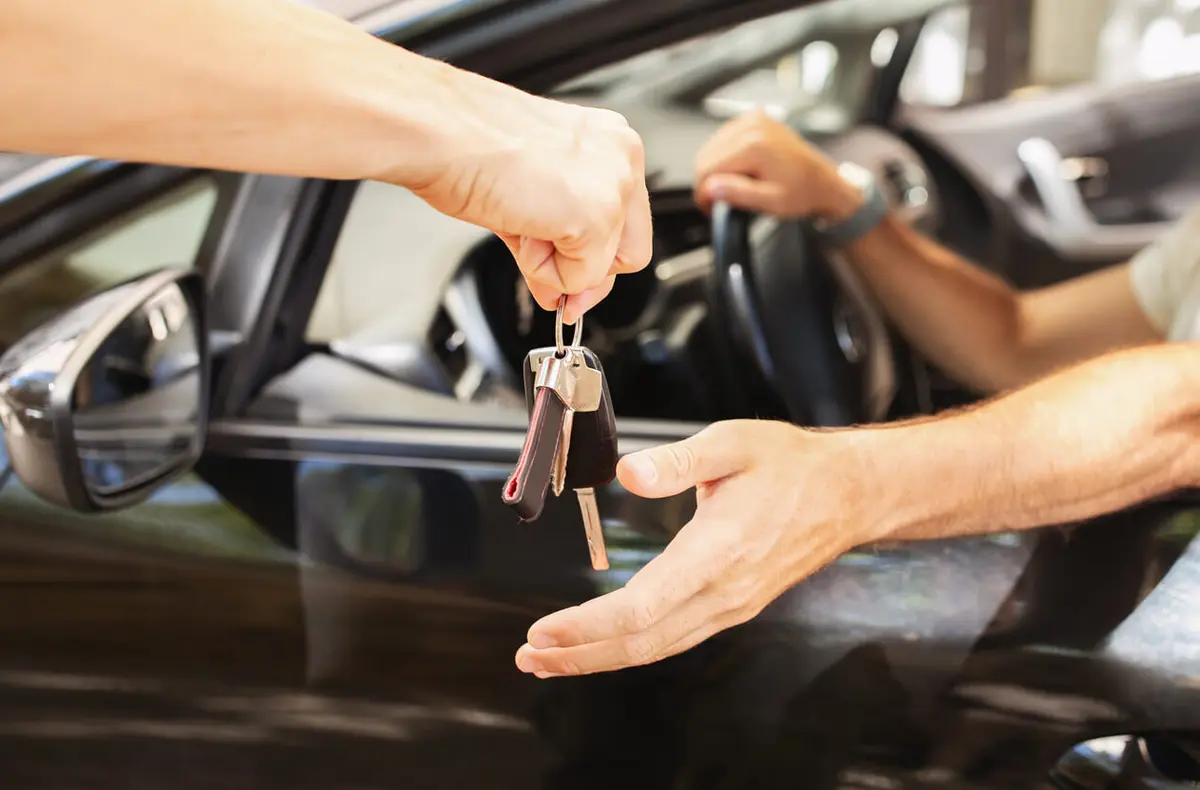
Valets in Beirut effectively control the street. In busy districts, private valet crews have laid claim to curbs that would otherwise be public parking, and official maximum fees posted by the municipality are frequently ignored in practice. Expect a “pay what you want” framing — which is its own psychological test.
- Base fee: $2–$4 for a normal drop-off and retrieval.
- Front-of-door “VIP” slot: $5–$10 handed upfront, in view.
- Late-night pickup (after midnight in Mar Mikhael or Badaro): add $2–$3.
- Damage check: walk the car with the valet before you take the keys back.
The contrarian take: for a quick dinner in a well-lit area, the base fee is fine and the “VIP” upsell is theater. Save the $10 for nights when you are actually leaving the car for four hours on a packed street.
Pro Tip: Leave nothing in the car. Not a sunglasses case, not a shopping bag, not a phone charger. Valets rotate shifts, and the person returning your car is rarely the person who parked it.
Hotel staff
Room rates in Beirut hotels have been repriced to international levels, but hotel wages have not kept up. Staff tips carry real weight.
- Porters/bellhops: $1–$2 per bag. Round to $5–$10 total for heavy or multiple bags.
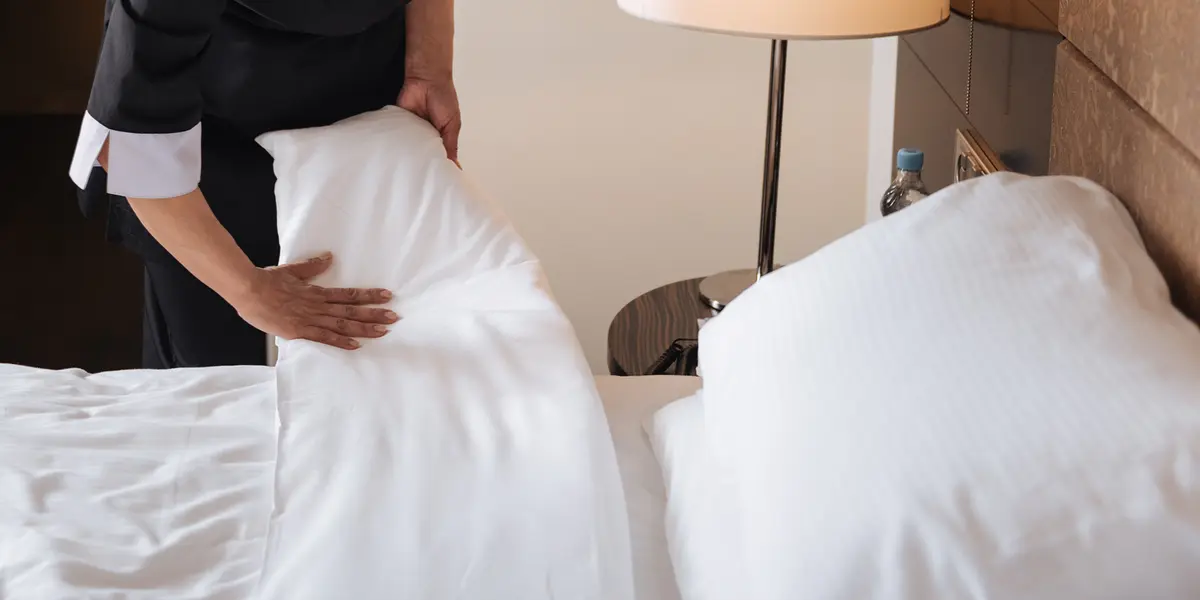
- Housekeeping: $2–$5 per day, left daily on the pillow — not in a lump at checkout, because shifts rotate and the person cleaning your room on day three may not be the one working when you leave.
- Concierge: $5 for a dinner reservation, $10–$20 for a last-minute table at a booked-out restaurant or a same-day driver.
- Doorman hailing a cab in the rain: $1–$2.
A short “Shukran” (thank you) on the handoff changes the feel of the exchange completely. Leave a Post-it with the word written on it on top of the housekeeping tip — staff notice.
Taxis and private drivers
Ride-hailing apps work in Beirut and cover the airport run, but many drivers still prefer cash even when the app is “prepaid.” For day tours booked through a hotel or a tour operator, the driver’s tip is separate from whatever the company quoted you.
- Metered or app taxi: round up to the nearest $1 or 50,000 LBP.
- Airport transfer (pre-agreed fare): $3–$5 on top if the driver helps with bags.
- Full-day private driver: $10–$20 at the end of the day.
- Multi-day guided trip (e.g., Baalbek and the Qadisha Valley): $20–$30 per day for the driver, separately $25–$35 for a licensed guide.
Offering to buy the driver lunch at a roadside stop is standard good manners. They will usually refuse at first — see the cultural-nuance section below for what that refusal actually means.
Do you need to tip gas attendants, delivery drivers, and grocery baggers?
Yes — these are the workers most dependent on tips because their base pay is often the lowest. A few hundred Lira or $0.50–$1 is the floor for gas attendants and grocery baggers; $1–$2 is standard for delivery. During bad weather or large orders, $3–$5 for a delivery rider is the kind move, and apps that skim digital tips make cash the right choice.
Gas station attendants
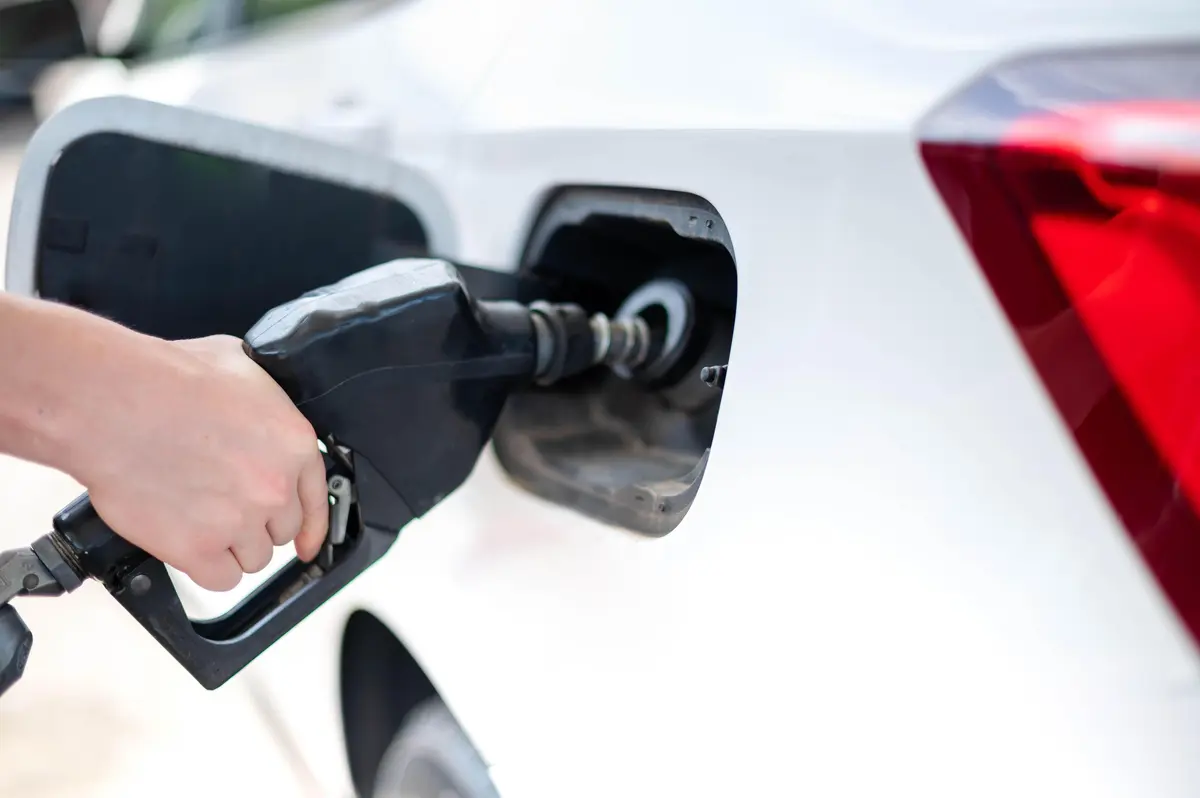
There are no self-service pumps in Lebanon — one of several quirks of driving in Lebanon that first-timers notice fast. An attendant will fill your tank whether you want the help or not, and for the most part they are working extremely long shifts for extremely little. A small tip is the right call.
- Basic fill-up: 20,000–50,000 LBP, or $0.50–$1.
- Windshield clean or tire check: add another $1.
- Watch the pump: make sure the meter is reset to zero before the nozzle goes in. This is less about suspicion and more about avoiding a dispute nobody wants.
Delivery and groceries
Delivery culture is dense in Beirut — groceries, pharmacy, cigarettes, a single tub of hummus at 1 a.m. The riders doing these runs are on motorbikes in Beirut traffic, which is a job category of its own.
- Standard food or grocery delivery: $1–$2, or 50,000–100,000 LBP, in cash at the door.
- Rainstorm or late night: $3–$5.
- App tips: the platform often takes a percentage. Always prefer cash at the door.
- Supermarket baggers (who load your car): $1 for the bagging, another $1–$2 if they walk the cart to your trunk.
In the old souks of Tripoli or the produce markets off Bourj Hammoud, baggers are rarely formal employees. A few thousand Lira handed directly is the right gesture.
How do you hand over a tip without being awkward?
Lebanese etiquette includes a ritual refusal — the recipient will often wave the money off with “la, la, shukran, wajib” (“no, no, thank you, it’s my duty”). This is almost always politeness, not a genuine refusal. Insist once or twice using “min shenak” (“for you”), and they will accept. A flat refusal repeated three times is the point at which it is actually genuine.
This practice shows up most at someone’s home, with older taxi drivers, and occasionally with hotel staff in small family-run guesthouses up in the mountains. In commercial settings like bars, restaurants, and valet stands, the first refusal is a formality — the second offer is where the bill gets pocketed.
A few things that separate a smooth tip from a clumsy one:
- Fold the bill into your palm and transfer it during a handshake. This is the standard move for valets, doormen, and porters.
- For table service, leave the cash tucked under the bill folder rather than handed across.
- Make eye contact. Say “Shukran.” That one word does more than an extra $5.
- Never wave bills in the air or count them in public. It reads as showy and makes the recipient visibly uncomfortable.
- Never photograph the transaction.
Pro Tip: If a shopkeeper or driver genuinely refuses after your second offer, leave the money on the counter or seat as you leave with a quick “shukran.” The ritual is satisfied, and the money still lands where it should.

How much should you budget for tips in Lebanon?
Budget $15–$25 per person per day for tips if you are eating out, taking taxis, and staying in a mid-range hotel. A couple on a week-long trip should carry roughly $200–$350 in clean small-denomination US dollars set aside exclusively for gratuities — separate from sightseeing, meals, and transport.
A practical way to carry it:
- Main wallet: cards, passport copy, larger bills ($50s, $100s) for hotels and tours.
- Tip roll: a separate fold in a front pocket with $1s, $5s, and a couple of $10s. Rotate from the main wallet each morning so you never pull out the big stack at a valet stand.
- Backup LBP: 500,000–1,000,000 Lira in small notes for gas station attendants, bathroom attendants, and moments when USD change is genuinely impossible.
On a seven-day trip covering Beirut, Byblos, Baalbek, and a mountain day in the Chouf, that works out to roughly:
- Three sit-down dinners: $30–$50 in tips
- Daily coffees and casual lunches: $10–$15
- Valets across the week: $20–$30
- Two nights of bar/rooftop: $20–$40
- Hotel housekeeping and porter: $25–$40
- Private driver for one long day (Baalbek): $20
- Delivery, gas, grocery baggers: $10–$20
That lands in the $135–$215 range — comfortably inside the $25/day ceiling, with buffer for a generous moment or two.
Before you book
TL;DR: Bring crisp, post-redesign US dollars in small denominations. Tip 10–15% at restaurants in cash on top of the printed service charge, $1–$2 per drink at bars, $2–$10 for valets depending on venue, and $1–$5 for almost everyone else who touches your day. Budget roughly $20 per person per day. Insist once when a tip is refused — the refusal is usually politeness.
The economy is volatile, but the etiquette is steady. A traveler who shows up with clean bills, small denominations, and the patience to insist politely will move through Lebanon with a lot more goodwill than one who shows up with a single crumpled $100 and a credit card.
What is the tipping situation you would most want a clear answer on before your flight — the valet stand, the concierge, or the moment a driver waves off your cash at the end of a long day? Drop it in the comments.