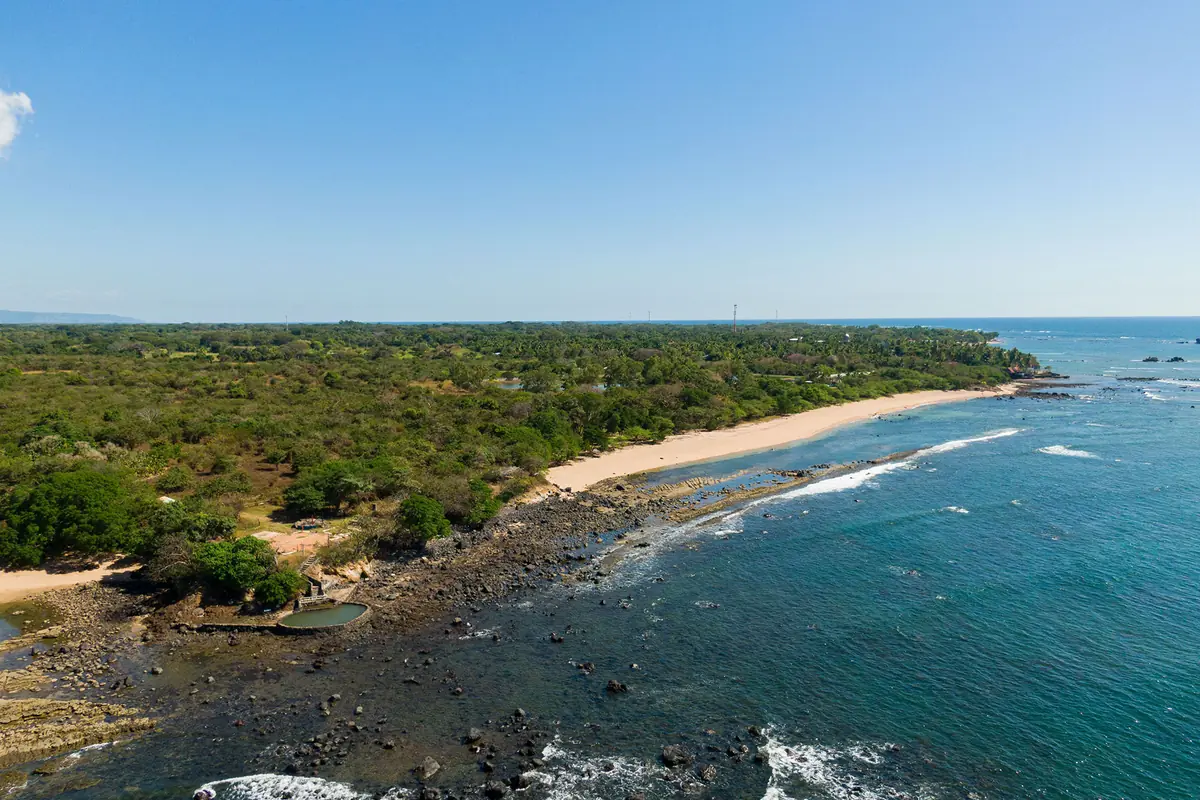
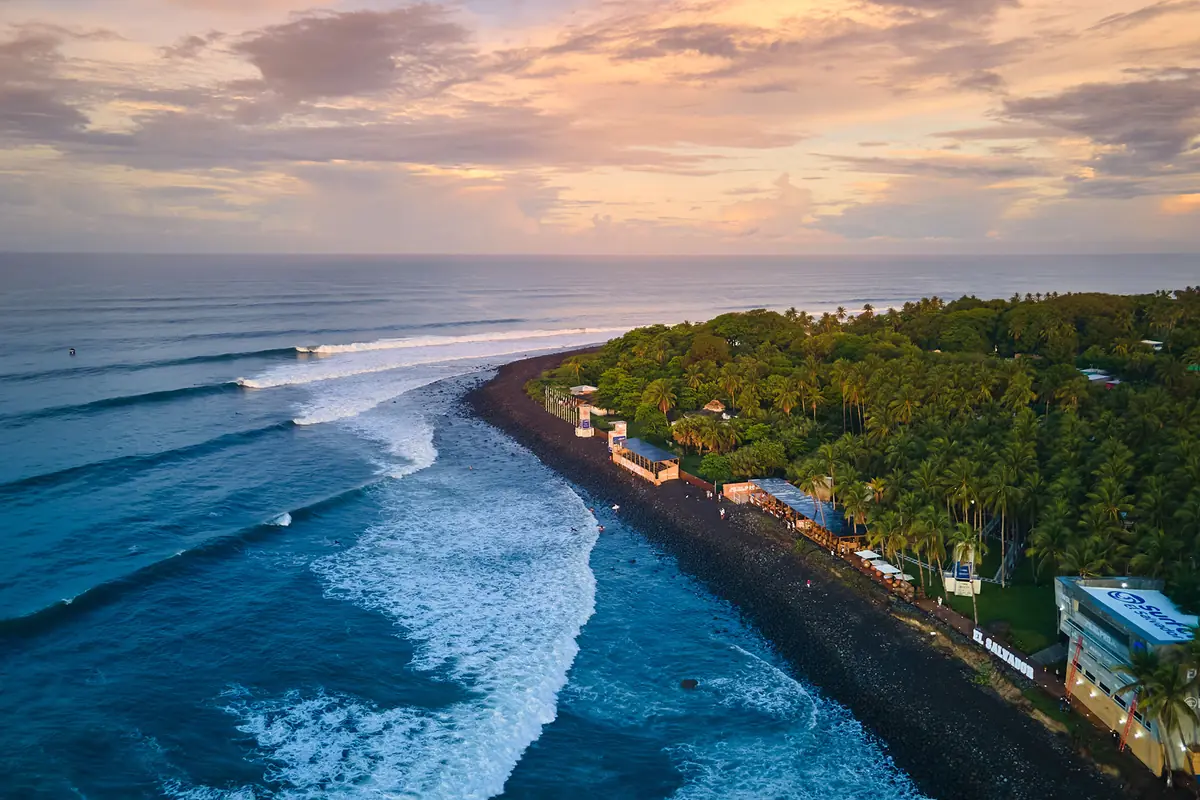
You have the time off and the budget. Now you are stuck between the Caribbean and the Pacific, staring down two completely different islands with two completely different logistical realities.
Deciding between Puerto Rico vs Hawaii is a high-stakes choice for your wallet and your sanity. This guide — a companion to our full Puerto Rico travel guide — cuts through the romance and gives you the hard data you actually need to make a decision — exact costs, safety rankings, brutal road conditions, and the one dining reservation that takes six months to land.
How do you decide between Puerto Rico and Hawaii in 60 seconds?
Before diving deep into the logistics of Puerto Rico vs Hawaii, use this quick reference table to see where you already land based on your priorities.
| Your priority | Best pick | The decisive reason |
|---|---|---|
| Tight travel budget | Puerto Rico | Daily costs, food, and lodging run significantly cheaper |
| East Coast departure | Puerto Rico | Direct flights run ~4 hours with zero jet lag |
| Urban safety metrics | Hawaii | Honolulu is ranked the 5th safest city in the world |
| Volcanic landscapes | Hawaii | Active fissures, black sand beaches, dramatic cliffs |
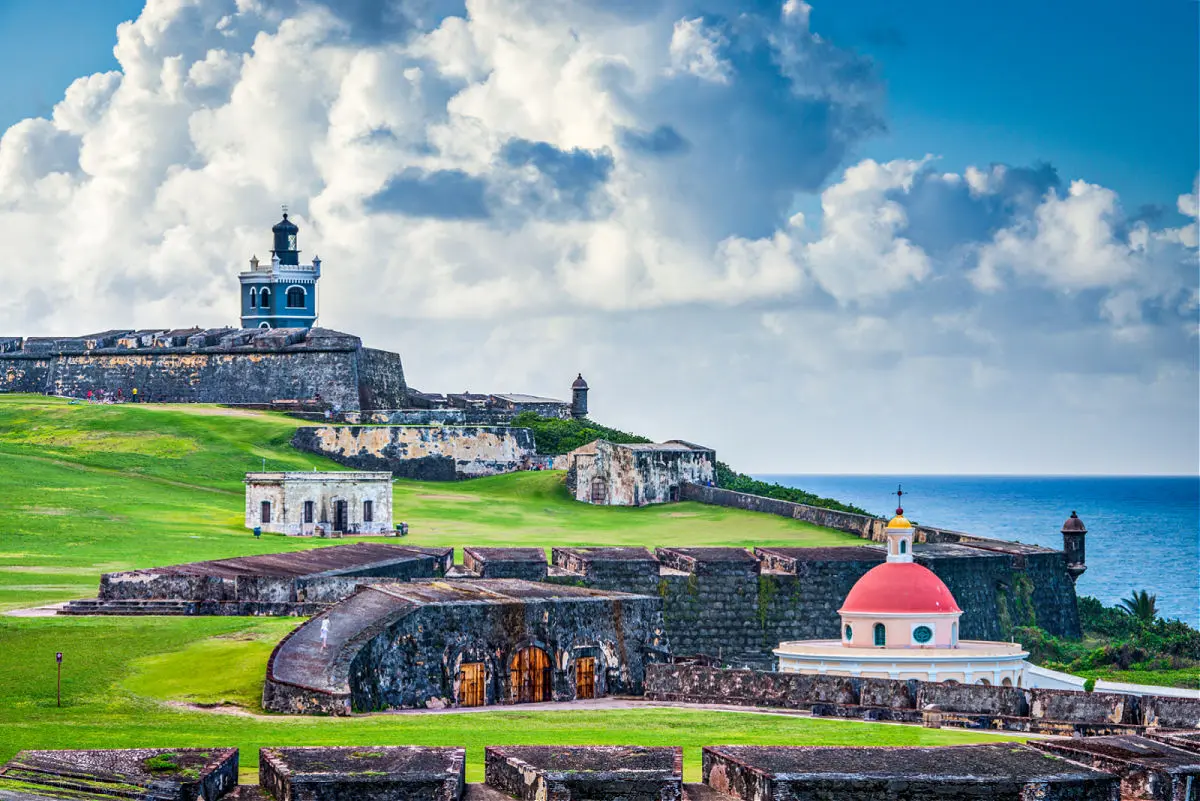
| Colonial history and architecture | Puerto Rico | 400-year-old Spanish fortresses in Old San Juan |
| Wheelchair accessibility | Puerto Rico | Luquillo Beach’s Mar Sin Barreras program sets the standard |
Which island has better flights and travel costs?
Puerto Rico offers significantly cheaper and faster direct flights for East Coast travelers, while Hawaii is far more accessible and direct for West Coast departures. The Puerto Rico vs Hawaii debate is, at its core, a math problem about time and money.
From the East Coast, Puerto Rico is a direct, four-hour flight. There is no jet lag, no exhausting layovers, and a price tag that reflects the short distance. From New York or Miami, round-trip airfare routinely runs between $200 and $450.
Hawaii from the East Coast is a different beast entirely. Expect 10 to 16 hours of total travel time with a mandatory layover. You will easily pay $600 to $1,100 or more in airfare. You must also factor in two to four days of jet lag recovery eating into your actual vacation time.
West Coast travelers flip the math entirely. From Los Angeles or Seattle, Hawaii is a direct five-hour flight — genuinely comparable to what East Coasters get when flying to the Caribbean.
Pro Tip: If you are flying from Chicago or further east and your budget is under $3,500 per person for the full trip, Hawaii will require real financial sacrifice. Puerto Rico lets that exact same budget breathe.
Beyond the flights, the cost gap widens once you are on the ground. Hawaii consistently ranks among the least affordable housing markets in the country. The statewide median home price sits around $755,900, and on Oahu specifically, the median single-family home recently hit a record $1,208,900. This is a reliable signal of what hotels, restaurants, and standard excursions will cost visitors.
Puerto Rico’s coastal markets sit far lower on the pricing spectrum. Our breakdown of Puerto Rico travel costs shows just how wide the gap is. According to Expatistan, cost of living in Honolulu runs roughly 33% higher than San Juan across housing, restaurants, groceries, and transportation. Rent prices in Honolulu are over 100% higher than in San Juan.
Will your cell phone work on the islands?
Yes, your phone will work perfectly in both Puerto Rico and Hawaii without any international roaming fees or hidden data charges. This is the question that causes massive unnecessary anxiety, and the answer is simple.
Because Puerto Rico is a United States territory, carriers like T-Mobile, Verizon, and AT&T treat it as standard domestic coverage. Your regular plan covers talk, text, and data with zero international roaming fees. One technical note: make sure your phone’s data roaming toggle is enabled so it connects to the local cell towers. For the full breakdown on US cell service in Puerto Rico, including carrier-specific quirks, we have a dedicated guide. This setting does not trigger foreign charges. It is the same switch you would flip when traveling between mainland states.
Hawaii is fully domestic, so there is nothing to flag there beyond standard carrier dead zones. You will hit these dead zones on remote stretches of road on both islands.
What about shipping for longer stays?
Shipping logistics deserve a quick mention for longer stays or remote workers. Amazon Prime delivers to both islands, but ocean freight imposes stricter rules. Expect extended delivery windows, dimensional weight surcharges, and blanket restrictions on items containing lithium batteries. Plan your specialty gear purchases before you leave the mainland.
Which island is safer for tourists?
Hawaii is statistically safer for urban travel, while Puerto Rico requires standard city street smarts. Both islands face entirely unique environmental threats that deserve more attention than crime stats.
When comparing safety in Puerto Rico vs Hawaii, the numbers favor Honolulu. Berkshire Hathaway Travel Protection ranked Honolulu the fifth safest city in the world, climbing eight spots from 13th place the previous year. This ranking analyzes violent crime rates, public health infrastructure, transportation safety, and safety perceptions among travelers who have actually visited.
Hawaii’s real dangers are almost entirely environmental. You face active volcanic fissures, powerful rip currents, and crushing surf that kills experienced swimmers every year. Respect the ocean warnings posted at specific beaches. They are not gentle suggestions.
Puerto Rico is generally safe for tourists who apply standard urban common sense. Our guide on staying safe in Puerto Rico covers neighborhood-level detail worth reading before you go. Avoid displaying expensive photography gear, and research specific areas before wandering around after dark.
The island sits directly in the Atlantic hurricane corridor, with a brutal season running from June through November. This is a genuine logistical threat that requires planning.
Pro Tip: If you are booking Puerto Rico between August and October, purchase a travel insurance policy with robust trip cancellation and interruption coverage. A direct hit can shut the entire island down for weeks.
What is driving like in Puerto Rico vs Hawaii?
Puerto Rico requires aggressive defensive driving on pothole-filled mountain roads, while Hawaii features much better pavement but terrifying cliff drops along its most famous highways.
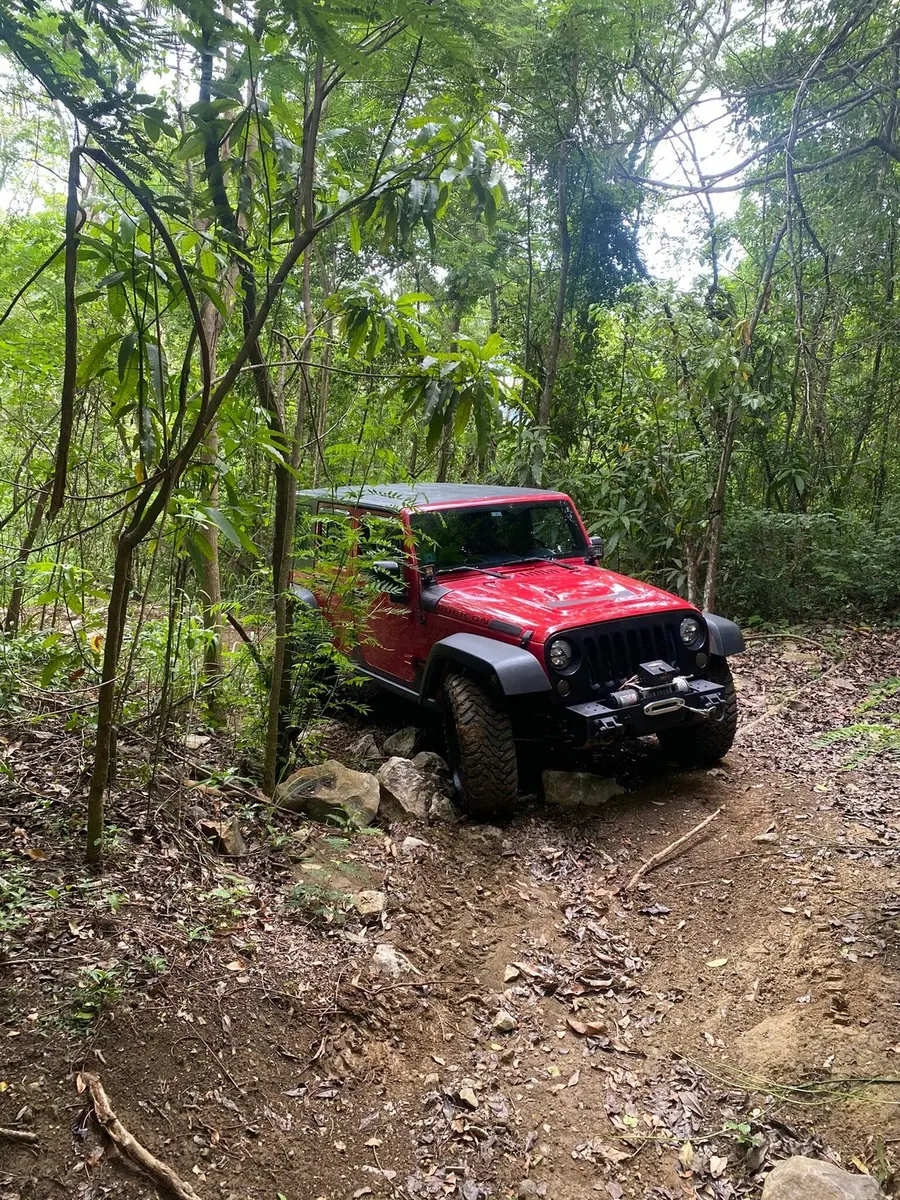
Puerto Rico demands extreme defensive driving at all times. Local road infrastructure includes aggressive, tire-popping potholes and steep mountain switchbacks with poor lighting. You are also dealing with a driving culture where stop signs function more as suggestions and turn signals are completely optional.
Rent a compact SUV or a Jeep rather than a low-clearance sedan. Undercarriage damage on mountain roads is common, and rental agencies will charge you for every inch of it.
The massive payoff for braving those roads is access to hidden waterfalls and the Pork Highway’s legendary lechoneras, plus some of the island’s most spectacular and untouched interior scenery.
Hawaii’s roads are generally much better maintained, but do not mistake better for easy. Maui’s Road to Hana is notoriously narrow, winding, and perched directly on cliff edges above the Pacific. It does not have the pothole problem. It has the drop problem instead.
Sudden heavy rainfall makes this highway genuinely dangerous. Drive it slowly, pull over immediately for oncoming traffic, and do not attempt it after dark under any circumstances.
Pro Tip: On the Road to Hana, start before 8 a.m. to beat the tour bus traffic. After 10 a.m., the one-lane bridges become a crawl of rental cars bumper to bumper, and the experience shifts from thrilling to frustrating.
Are these islands wheelchair accessible?
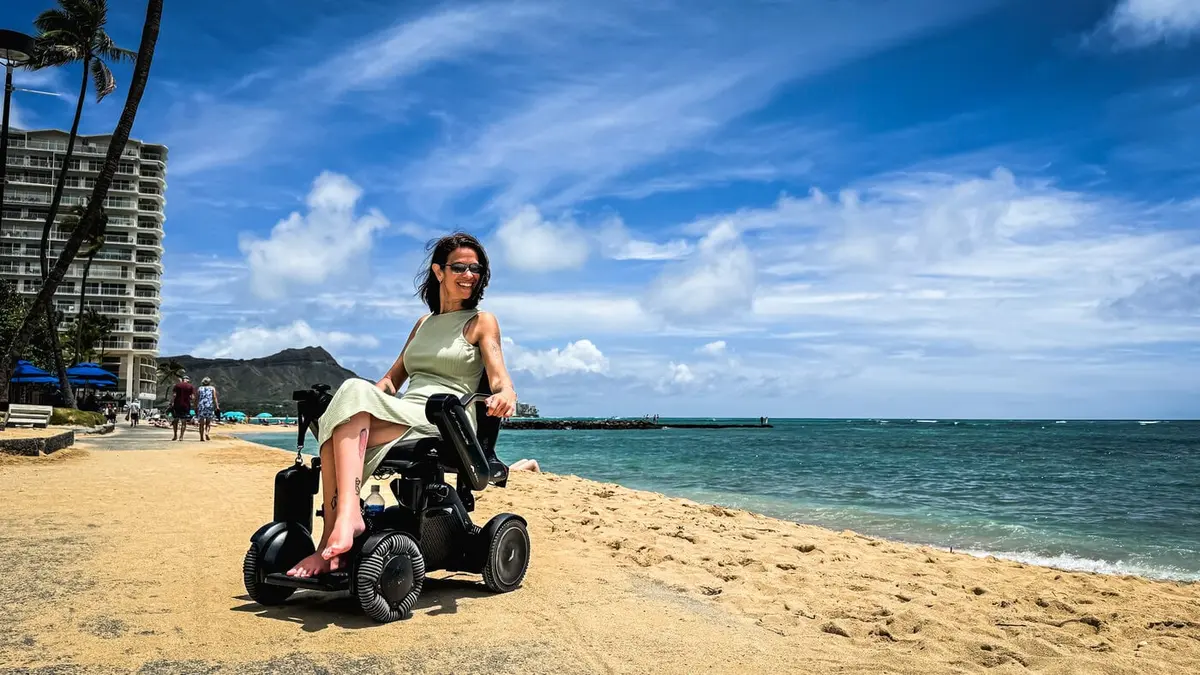
Yes, both destinations strictly mandate ADA compliance, but Puerto Rico offers a dedicated, purpose-built beach access program that goes well beyond the legal minimums and sets a standard for the entire Caribbean.
When evaluating accessibility in Puerto Rico vs Hawaii, both destinations fall under U.S. federal jurisdiction. This means Americans with Disabilities Act compliance is legally mandated at all airports, hotels, and public facilities. For travelers with mobility needs, our accessible travel in Puerto Rico guide covers the full picture beyond beaches.
Luquillo Beach’s Mar Sin Barreras program
Puerto Rico stands out with a specific program worth highlighting. Luquillo Beach’s Mar Sin Barreras (Sea Without Barriers) initiative provides wheelchair-accessible portable bathrooms, outdoor showers, and designated handicapped parking with up to 30 spaces.
The program offers amphibious beach wheelchairs with large yellow tires that roll over sand and directly into the ocean. Trained lifeguards and staff are available Thursday through Sunday from 9 a.m. to 3 p.m. to assist visitors into the water. The facility is free to use beyond the standard $4 balneario parking fee.
- Location: Far eastern end of Balneario Monserrate, Luquillo
- Cost: Free (plus $4 parking, payable by card)
- Staff hours: Thursday through Sunday, 9 a.m. to 3 p.m.
- Best for: Mobility-impaired travelers and their families
Hawaii’s accessibility infrastructure
Hawaii offers strong ADA compliance across all major visitor infrastructure. Select beaches provide free beach wheelchair loans and extensive wooden boardwalk systems. Both islands are highly viable for mobility-impaired travelers. However, Puerto Rico currently edges ahead for dedicated, purpose-built beach access.
Which island has better beaches?
Both islands deliver exceptional coastline, but Puerto Rico wins on variety within a single trip while Hawaii wins on raw geological drama. The right answer depends entirely on what you want your beach day to look like.
Puerto Rico’s coastline
Forget Condado immediately — that area is heavily optimized for the cruise ship crowds. The real coastal value lies elsewhere on the island.
Flamenco Beach on the island of Culebra delivers some of the most pristine white sand in the entire Caribbean. The sand itself has a particular heaviness to it. When a wave retreats, it pulls the fine brown-sugar grains from beneath your feet with a distinctive drag that you do not feel on typical tourist beaches.
Playa Negra on Vieques is the geological outlier — black volcanic sand that is magnetic in composition and incredibly striking against the turquoise water. Rincón, on the island’s far western tip, is a world-recognized surf destination with a fiercely devoted global following.
- Best for: Travelers who want extreme variety — white sand, black sand, surf, and snorkeling within a single island footprint
Hawaii’s coastline
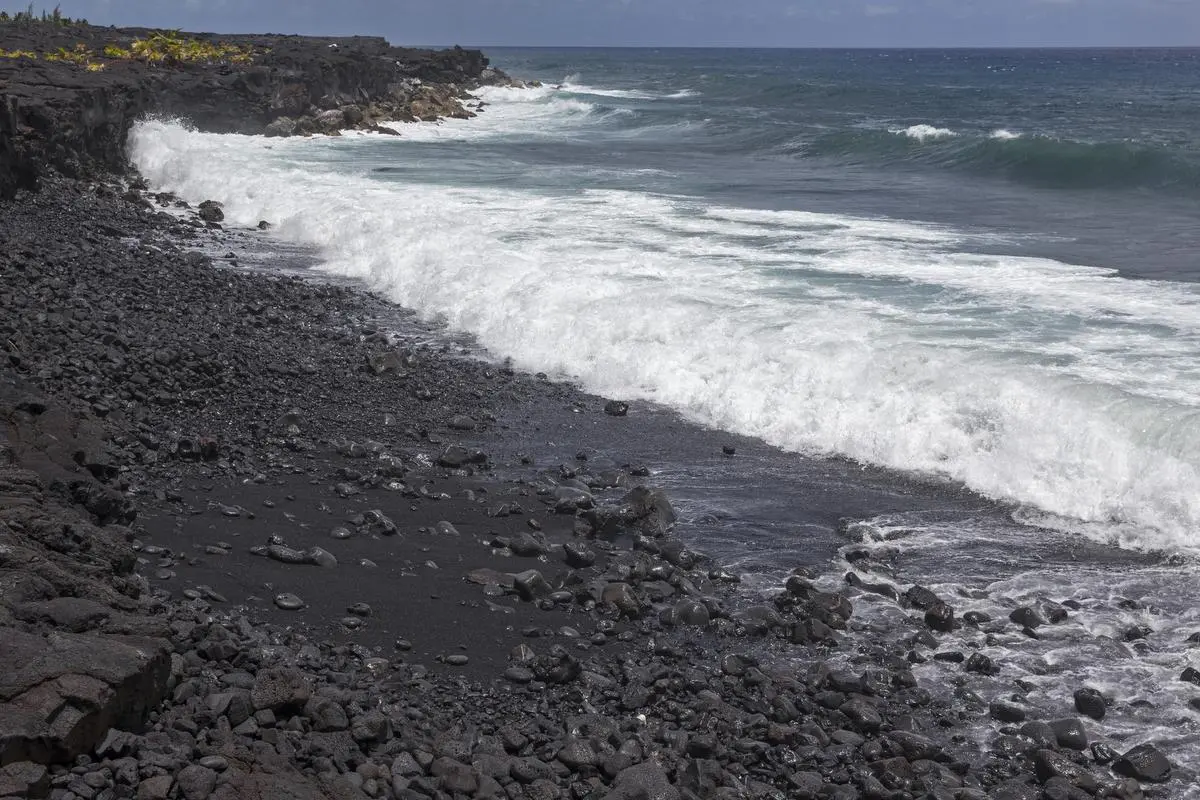
Hawaii’s beaches earn their reputation through geological drama. Lush mountain backdrops and plunging waterfalls visible right from the shoreline frame almost every view.
Lanikai Beach on Oahu offers the Mokes islands view and consistently calm, swimmable water. Kua Bay on the Big Island is much quieter and feels raw and untouched. Hanalei Bay and Tunnels Beach on Kauai are for travelers who want something that feels genuinely remote and wild.
The black sand here is very different from Vieques. It is much coarser, noticeably denser, and it absorbs tropical heat with remarkable intensity. After an afternoon in direct sun, walking on it barefoot is a genuine exercise in speed and pain tolerance.
- Best for: Landscape photographers, serious hikers, and travelers who want dramatic geology as their daily scenery
What unique wildlife and nature experiences do they offer?
Puerto Rico features exceptionally rare glowing bioluminescent bays, while Hawaii offers massive humpback whale migrations and up-close sea turtle encounters. Neither island’s wildlife experience can be replicated anywhere else in the United States.
Puerto Rico’s bioluminescent bays
Puerto Rico holds one of the rarest natural advantages on the planet. It is home to three of the world’s five year-round bioluminescent bays: Mosquito Bay on Vieques, Laguna Grande in Fajardo, and La Parguera in Lajas.
Kayaking through these dark waters agitates millions of microscopic dinoflagellates. These tiny organisms emit a brilliant neon blue glow when disturbed. The visual effect is genuinely otherworldly.
Swimming is only permitted at La Parguera. Mosquito Bay and Laguna Grande are protected areas where you must stay in your kayak or on the tour boat. This restriction exists to preserve the fragile dinoflagellate populations.
Pro Tip: Time your visit to align with the new moon. Ambient light from a full moon will wash out the glow entirely, ruining the trip. Tours at Mosquito Bay are actually prohibited during the three nights surrounding each full moon. Book tours two to three months in advance during peak new moon windows.
- Tour cost: $48 to $76 per person, depending on location and operator
- Best bay for brightness: Mosquito Bay (Guinness World Record holder)
- Most accessible from San Juan: Laguna Grande in Fajardo (one-hour drive)
- Only bay with swimming: La Parguera in Lajas
Hawaii’s marine mega-fauna
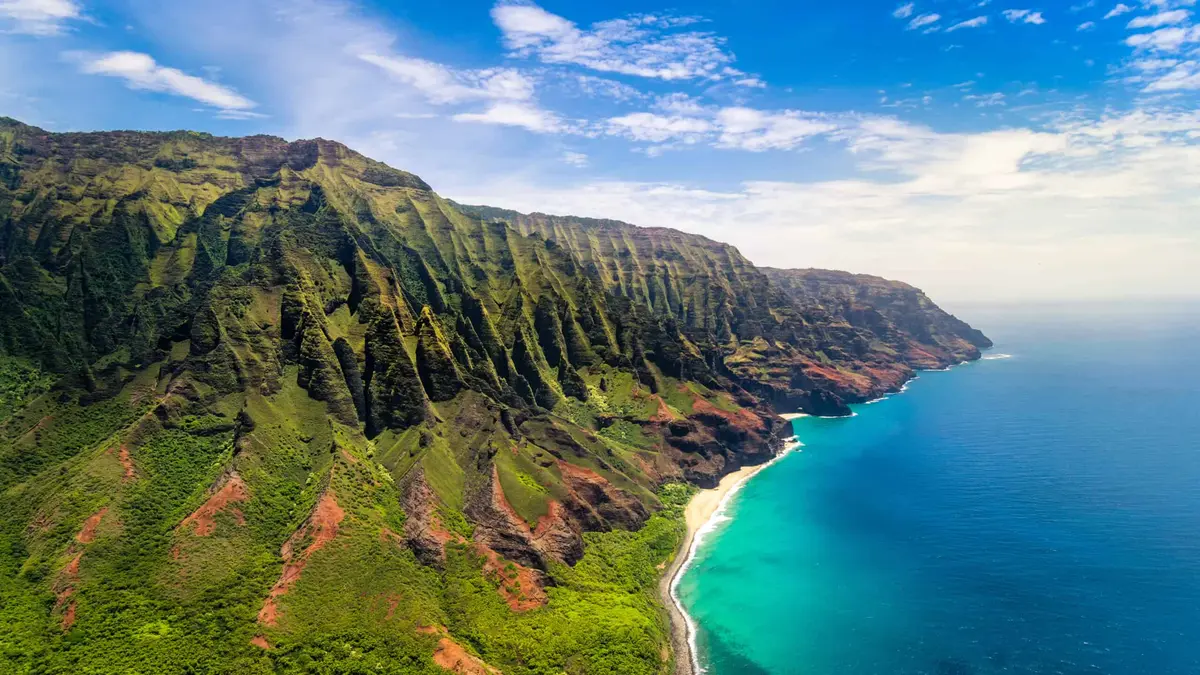
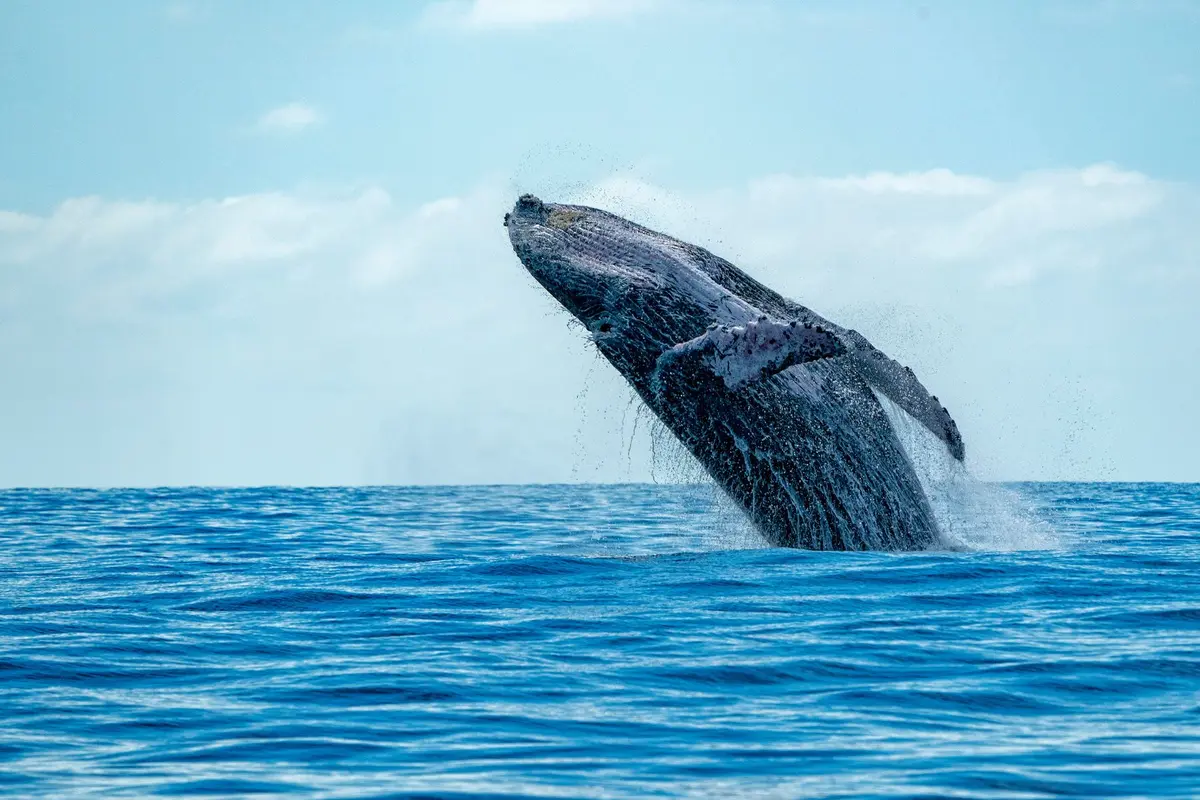
Hawaii’s ecological signature is massive macro-fauna. The winter months bring North Pacific humpback whale migrations directly to the deep waters off Maui, offering some of the most accessible and dramatic whale watching in the world.
Year-round, the islands offer encounters with endangered Hawaiian Monk seals and giant green sea turtles basking on specific beaches. The ecological range is staggering — from dense, wet bamboo forests to bone-dry red-dirt desert canyons, all within a single island.
How does elite dining compare in Puerto Rico vs Hawaii?
Hawaii demands months of advance planning for its best restaurant, while Puerto Rico lets you eat at a high level with minimal reservation stress. The price gap between the two islands is significant at this dining tier.
Mama’s Fish House, Maui
This is not just a dinner reservation. It is a logistical event that requires planning months before your flights are even booked. You must book three to six months in advance to secure a table. Many regulars build their entire Maui trip around a confirmed date here. Walk-ins are essentially fiction, though bar seating is first-come, first-served.
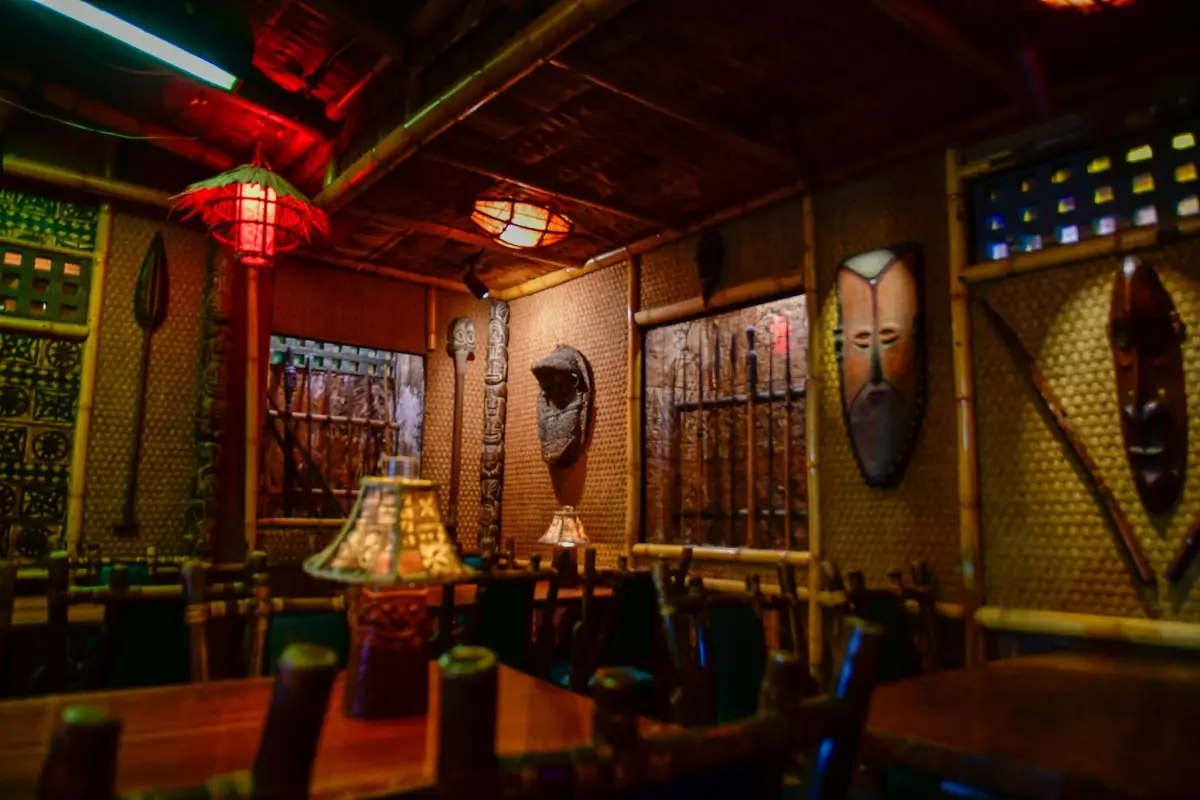
The approach tells you immediately this place operates on a different level. A short path leads through a small tree tunnel, torches flicker along the perimeter, and the heavy sound of the Pacific is constant. The atmosphere is vintage Polynesian — it feels genuinely earned rather than constructed for tourists.
The menu changes daily based on what local fishermen bring in, and each dish lists the name of the fisherman and where the fish was caught.
- Location: 799 Poho Place, Paia, Maui (North Shore)
- Cost: Entrees range from $54 to $78, dinner for two easily exceeds $250 before tip
- Reservation lead time: 3 to 6 months for dining room, walk-in for bar only
- Best for: Couples, milestone occasions, and serious food travelers
- Hours: Daily, 11 a.m. to 9 p.m.
Old San Juan’s sunset dining scene
Puerto Rico’s high-end dining scene in Old San Juan comes without the exhausting half-year reservation friction. You can eat incredibly well without the stress.
Ladi’s Restaurant in the Puerta de Tierra neighborhood offers views of San Juan Bay with a relaxed-yet-elevated atmosphere. It serves traditional Puerto Rican cuisine and has live music most nights. Service can be inconsistent based on when you visit, so go with patience and manage expectations around timing.
For a rooftop experience, the Atelier Rooftop Terrace at Hotel Palacio Provincial (now a Curio Collection by Hilton property) delivers Caribbean-inflected small plates and serious cocktail work. The space is adults-only (18+) and overlooks both the Atlantic and 400-year-old colonial architecture. Portions are tapas-sized, so plan on ordering several plates to share.
- Location: Old San Juan / Puerta de Tierra, San Juan, PR
- Cost: Tapas-style dining runs $15 to $40 per plate, craft cocktails $14 to $20
- Reservation lead time: Days, not months
- Best for: Couples, architecture enthusiasts, and travelers who want top-tier ambiance without rigid planning
What does the food actually taste like?
Puerto Rican cuisine
Puerto Rican cuisine is the direct, heavy product of three distinct historical forces colliding. African, Taíno, and Spanish influences create a flavor profile that is deeply savory and satisfying in a way that sits with you for hours. For a deeper dive into the island’s culinary traditions, see our Puerto Rico food guide.
Rent a car and drive straight to the Pork Highway along Route 184 in the eastern mountains. This winding road is lined with traditional open-air lechoneras serving Lechon Asado — whole pig slow-roasted over an open flame, aggressively seasoned with garlic and oregano, and carved to order.
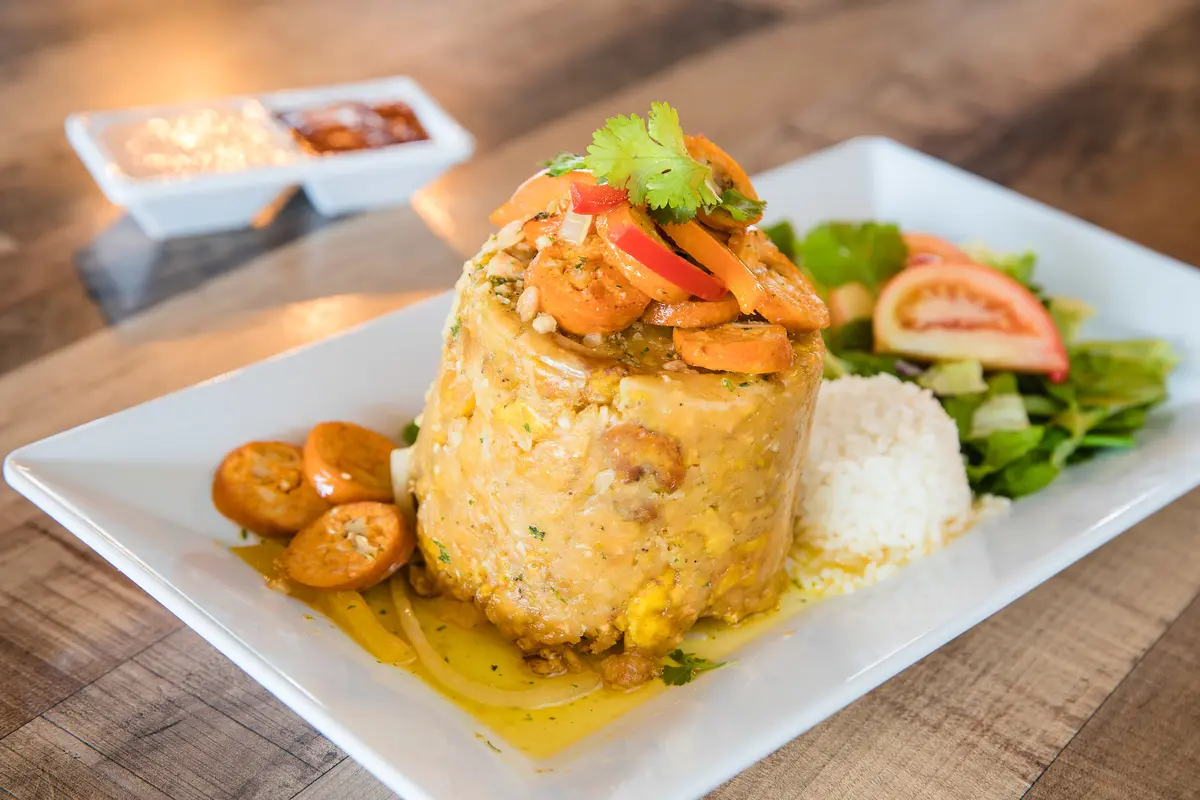
Other absolute non-negotiables include Mofongo (mashed green plantains stuffed with heavy meat or seafood, carrying a clear African culinary lineage) and Alcapurrias from the Luquillo Kiosks on the northeast coast.
Hawaiian cuisine
Hawaii’s food identity is shaped by its extreme Pacific isolation and the massive waves of immigration that followed. The result is a fusion of Native Hawaiian, Japanese, Filipino, Korean, and Chinese traditions built entirely around fresh, deep-water seafood.
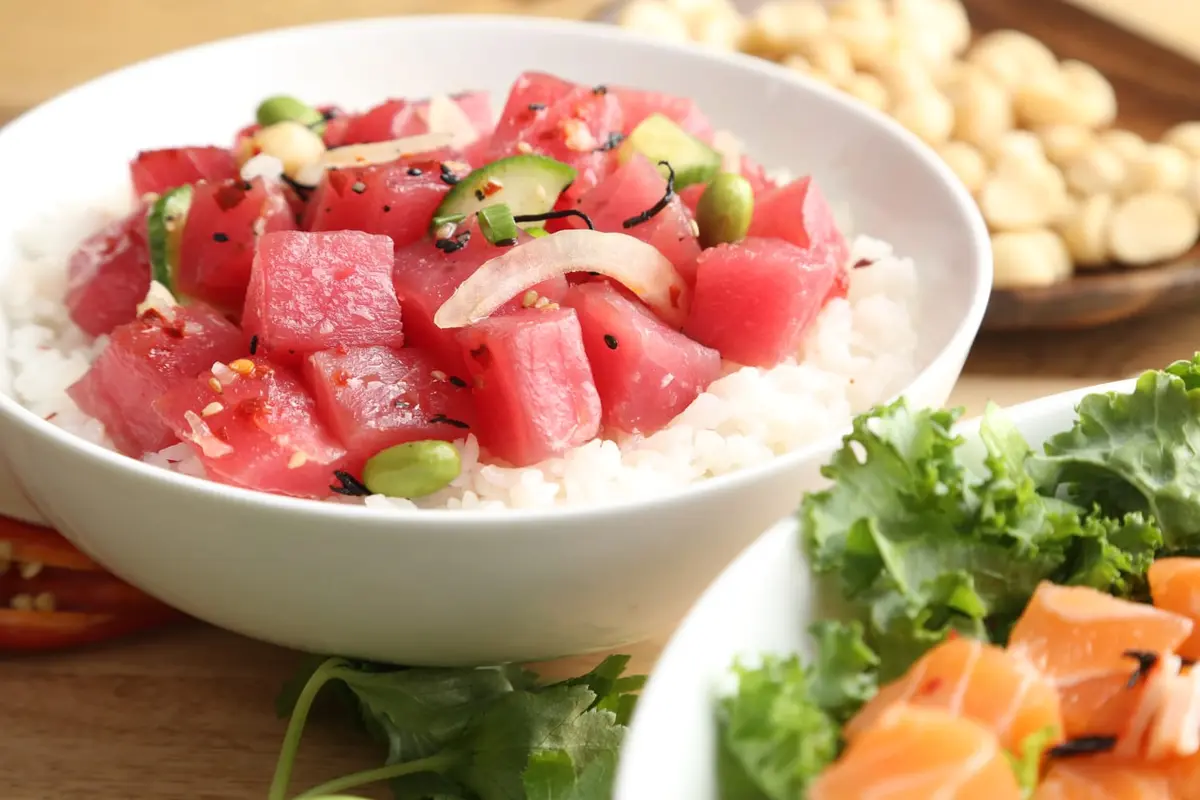
Poke here is not a mainland health-food trend. It is a foundational cultural dish made with fish pulled from the ocean that same day. The overall flavor profile runs much lighter, cleaner, and more delicate compared to Puerto Rico’s rich, fried, and smoke-forward comfort food.
Neither culinary style is objectively better. They are entirely different culinary languages appealing to very different cravings.
What do these islands actually sound like?
Puerto Rico is dominated by the loud, rhythmic chirping of the native Coquí tree frog, while Hawaii sounds vast and oceanic with heavy surf and high-altitude birds. Sound is one of the most underrated factors in choosing a destination, and these two islands could not be more different.
Puerto Rico at night is shockingly loud. As dusk settles over the thick canopy of El Yunque National Forest, the humid air fills with the territorial mating call of the Coquí (Eleutherodactylus). This tiny native tree frog has a piercing two-note call that sounds precisely like “Co-kee! Co-co-kee!”
This is not gentle ambient background noise. It is a dense, inescapable nocturnal symphony that completely saturates the entire island. You will either love it immediately or find it profoundly disruptive to your sleep schedule.
Hawaii sounds completely oceanic and vast. The Pacific sets the baseline with heavy, rhythmic surf constantly crashing against black volcanic rock. Fierce trade winds tear through dry palm fronds, and the chorus of high-altitude native birds fills the upper elevations.
During winter whale season, hydrophones dropped in the water off Maui pick up the deep sub-aquatic songs of humpbacks. It is a deeply strange and resonant auditory experience that has no equivalent anywhere else in the country.
What are the unique smells of Puerto Rico and Hawaii?
Puerto Rico smells intensely of deep humidity, rain-soaked fern forests, and roasting pork, whereas Hawaii carries the distinct scent of aerosolized sea salt, plumeria flowers, and volcanic earth. Both islands are immediately recognizable the moment you step off the return flight home.
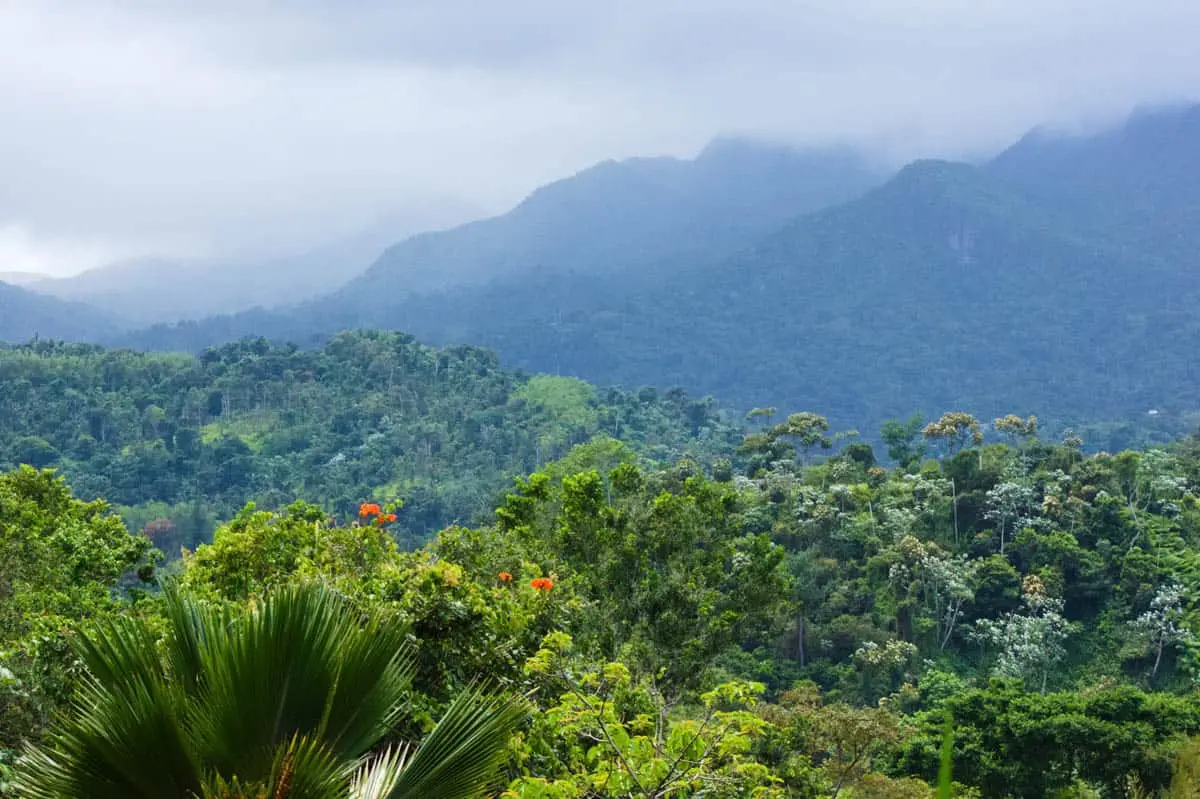
Puerto Rico’s interior smells like heavy petrichor and rich wood smoke. The ancient, untouched fern forests of El Yunque produce a heavy, humid, and clean dampness — the unmistakable smell of torrential rain hitting centuries-old vegetation. Drive inland toward the mountain roads, and that rainforest smell suddenly collides with the rich, savory smoke rising from open-air pork pits.
Hawaii smells oceanic and intensely floral. The strong trade winds carry a sharp, clean aerosolized sea salt almost everywhere on the islands. Add the heady sweetness of blooming plumeria in the lowlands for a distinctly tropical scent. On the Big Island, you get the dark, rich aroma of fresh Kona coffee roasting directly from the volcanic-soil farms.
Before you book
Puerto Rico clearly wins on overall budget, East Coast proximity, deep colonial history, bioluminescence, and accessibility infrastructure. Hawaii takes the crown for volcanic drama, top-ranked urban safety, massive marine mega-fauna, and an unmatched sense of remote Pacific scale.
TL;DR: If you are flying from east of the Mississippi on a budget under $3,500 per person, Puerto Rico delivers more value per dollar with zero jet lag. If you are West Coast-based and want landscapes that look like another planet, Hawaii is worth the premium. The wrong answer is choosing based on which beaches look better in a filtered photo.
So when you weigh the true costs and logistics of Puerto Rico vs Hawaii, which one is calling you louder — the tiny Coquí frog or the massive humpback whale?