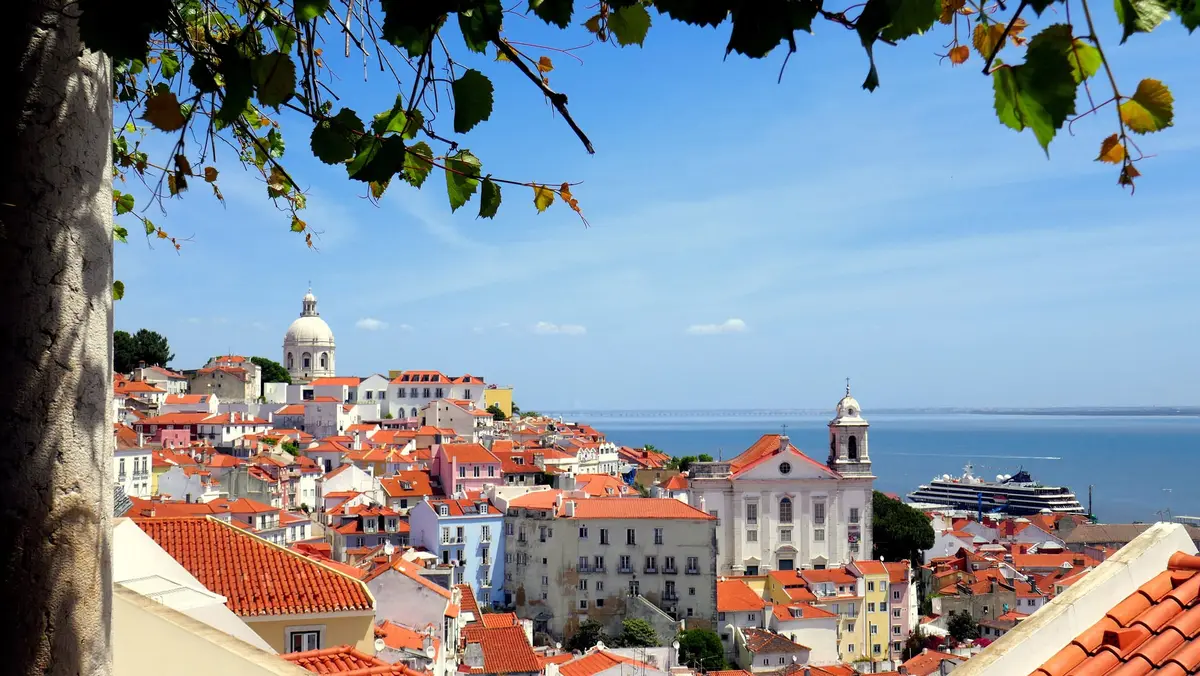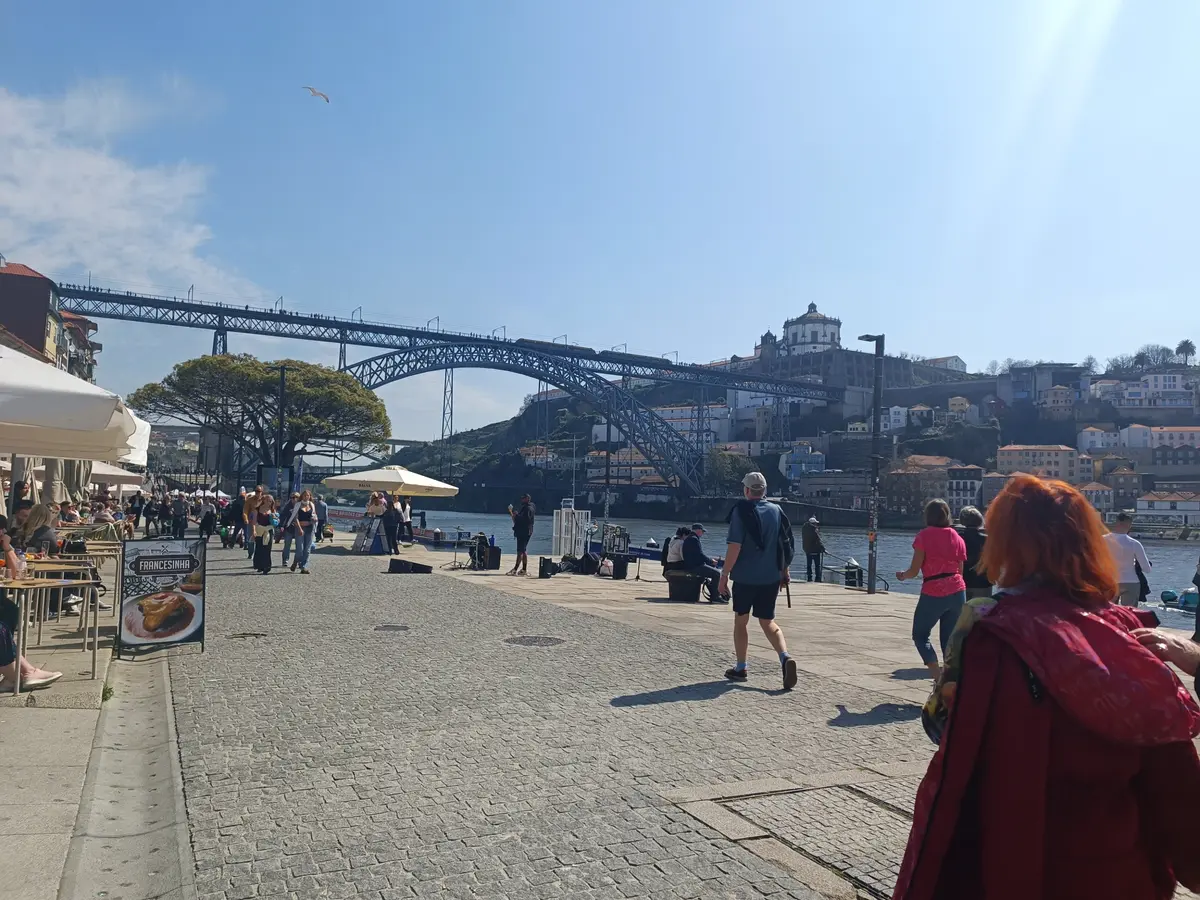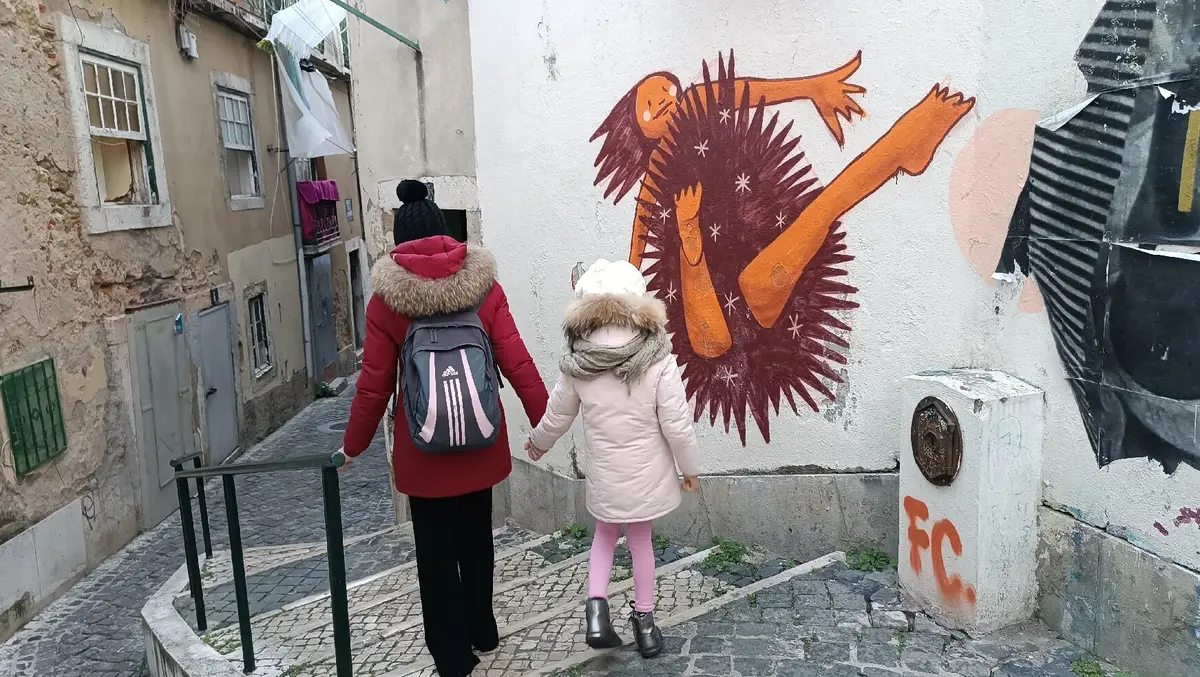
The Santo Antonio Festival Lisbon will overwhelm you if you show up without a plan. This guide covers the exact logistics, street-level safety tactics, and insider knowledge you need — from the 8:00 PM metro shutdown nobody warns you about to where plant-based eaters can actually find a meal. New to the city? Our Lisbon travel guide covers essential neighborhoods, transport, and what to see beyond June.
What is the Santo Antonio Festival in Lisbon?
The Santo Antonio Festival Lisbon is a month-long public street celebration honoring the city’s patron saint, Saint Anthony, peaking on the night of June 12 and the June 13 public holiday. Organized by EGEAC as part of the Festas de Lisboa, it spans all of June, with every neighborhood in the city setting up an arraial — a block party — directly on its streets.
Charcoal grills appear at front doorways, upbeat Pimba music bounces off walls covered in traditional azulejos, and the entire city smells intensely like smoky sardines and bruised basil.
Pro Tip: This is not a ticketed, contained event. It takes over the entire city and requires you to plan logistics the same way you would for a marathon or major stadium event across 30 square miles (77 sq km).
What logistics do you need to know before June 12?
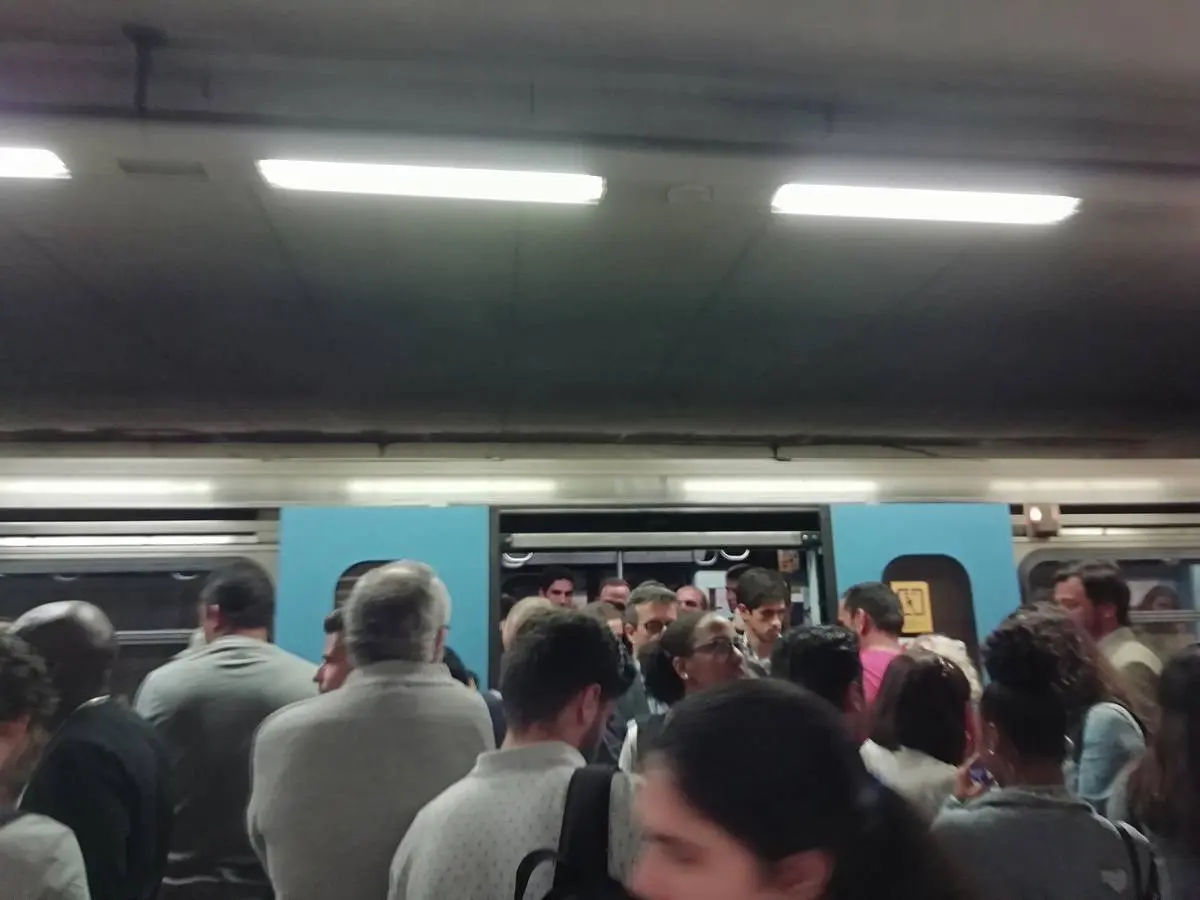
The most critical logistical hurdle of the Santo Antonio Festival Lisbon is the complete shutdown of the metro at exactly 8:00 PM on June 12 — the moment the crowds hit peak density. If you are not on your feet or safely at your accommodation before that cutoff, you will not be getting home by train. Everything else — where to stand for the parade, which arraial to choose, how to find sardines — is secondary to this one hard deadline.
The 8:00 PM metro shutdown you cannot afford to ignore
All four Lisbon Metro lines — Yellow, Green, Blue, and Red — close at exactly 8:00 PM on June 12, contrary to outdated rumors of a 3:00 AM festival extension. The early closure is driven by worker assemblies that coincide precisely with peak crowd pressure. Road closures compound the problem: Avenida da Liberdade shuts to traffic from 6:00 PM for the parade, and restrictions around the Sé Cathedral go into effect from noon.
Transit costs to factor into your planning:
- Carris/Metro 24-hour pass: approximately $7.90 USD (€7.25)
- Single Zapping fare: approximately $1.88 USD (€1.72)
- Standard single fare: approximately $2.07 USD (€1.90)
| Logistical Entity | Normal Operation | June 12 Reality |
|---|---|---|
| Lisbon Metro (all lines) | Closes ~1:00 AM | Shuts down at 8:00 PM |
| Suburban trains to Almada | Late-night service | Terminate at 1:00 AM |
| Uber / Bolt | Readily available | Functionally useless after midnight |
Your alternatives after 8:00 PM are entirely reliant on your feet, a pre-booked taxi with a confirmed pickup point far from the center, or accepting that Uber and Bolt are a dead end after midnight on June 12 — you will not be leaving the party until the city calms down near dawn.
Pro Tip: Walk the parade route on Avenida da Liberdade instead of attempting any metro transit on June 12. The parade starts at 9:00 PM, and your legs are unequivocally your best transport option that night. Set a phone alarm for 7:30 PM — that is your last call for any metro movement.
Where should you stay during the Santo Antonio Festival?
Your neighborhood choice dictates whether you sleep or party for 48 hours straight. Alfama puts you closest to the action but guarantees crowds on your doorstep until 5:00 AM. Baixa offers flat terrain, central metro access before the 8:00 PM cutoff, and the distinct ability to walk into the chaos and walk back out. For a full breakdown of Lisbon accommodation options — district by district — our dedicated neighborhood guide covers every scenario.
Most guides tell you to stay in Alfama. That is a terrible idea if you value sleep.
| District | Immersion Level | Noise Factor | Best For |
|---|---|---|---|
| Alfama | Maximum | Extreme — crowds until 5:00 AM | Only if you’re not sleeping |
| Bica / Bairro Alto | Very High | Extreme — compounded by nightlife | Younger travelers, all-night energy |
| Baixa / Chiado | Moderate | Moderate to High | The balanced choice |
| Avenidas Novas / Campolide | Low | Quiet outside contained zones | Families, light sleepers |
Book months in advance. June in Lisbon is peak demand, and pricing in noise-heavy neighborhoods during this period is entirely unforgiving.
Pro Tip: If you are considering crossing the river to Almada for cheaper hotels, remember that rail connections to the southern margin terminate at 1:00 AM on June 12 and rideshares will be nearly impossible. You could easily end up sleeping on the wrong side of the Tagus River.
How do you avoid pickpockets at the Santo Antonio Festival?
Protecting your belongings requires extreme vigilance because the Santo Antonio Festival Lisbon draws organized, experienced thieves who blend into the crowds without any trouble. They do not look suspicious. They look like fellow tourists — cameras out, fold-out maps in hand — and position themselves at doorways and transit bottlenecks. Petty theft is the main concern, not violent crime — for a comprehensive answer to is Portugal safe, our dedicated guide covers tourist crime patterns across the country — but a stolen passport or phone can still derail an entire trip.
The highest-risk zones:
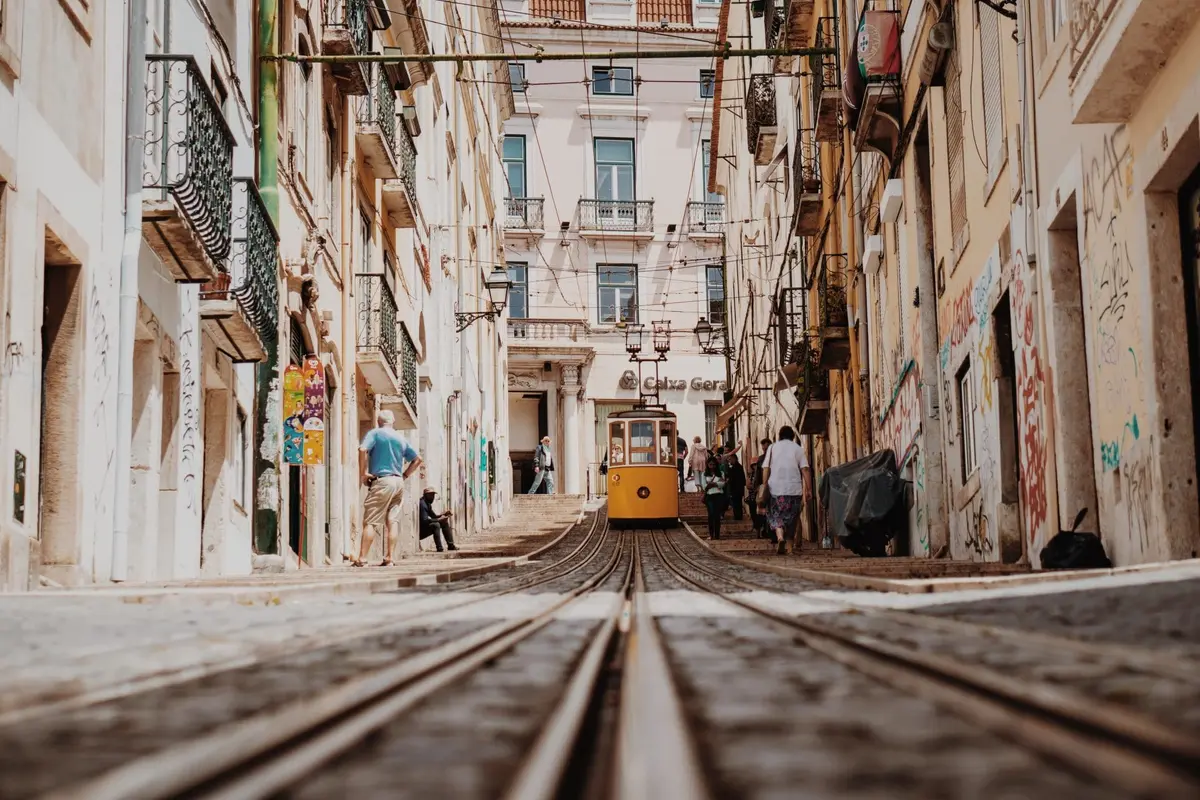
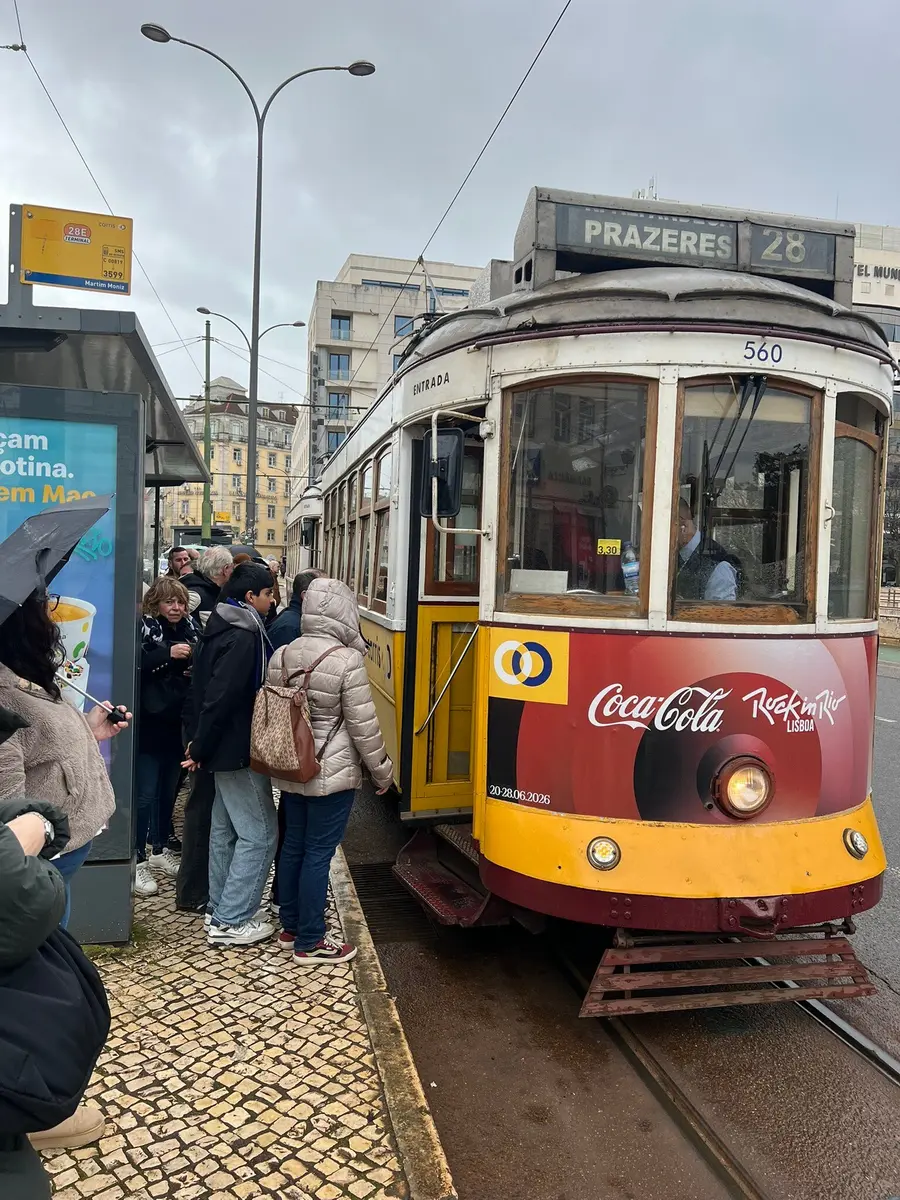
- Tram 28: Always a hotspot, and especially dangerous during festival weeks.
- Tram 15E to Belém: A known operational corridor for transit thieves.
- Baixa district: Targeted due to its concentrated tourist density.
- Intendente, Martim Moniz, and Anjos: Avoid late-night foot travel in these specific areas.
Tactical protection checklist:
- Use a zip-closed crossbody bag worn at your chest, never at your hip or back.
- Keep your phone in a front pocket, never a back pocket where it can be lifted.
- If someone drops something near you or suddenly engages you with a map, step back immediately to break their physical perimeter.
- Split your cash across two separate locations on your body to minimize total loss.
What are the two must-see events on June 12 and 13?
June 12 brings the Marchas Populares — Lisbon’s fiercely competitive neighborhood parade down Avenida da Liberdade, starting at 9:00 PM and running for several hours. June 13 is the public holiday, when the city marries 16 couples simultaneously at public expense and holds a religious procession around the Sé Cathedral. Both events are free. Both require you to arrive far earlier than you think.
Marchas Populares: timing and vantage points
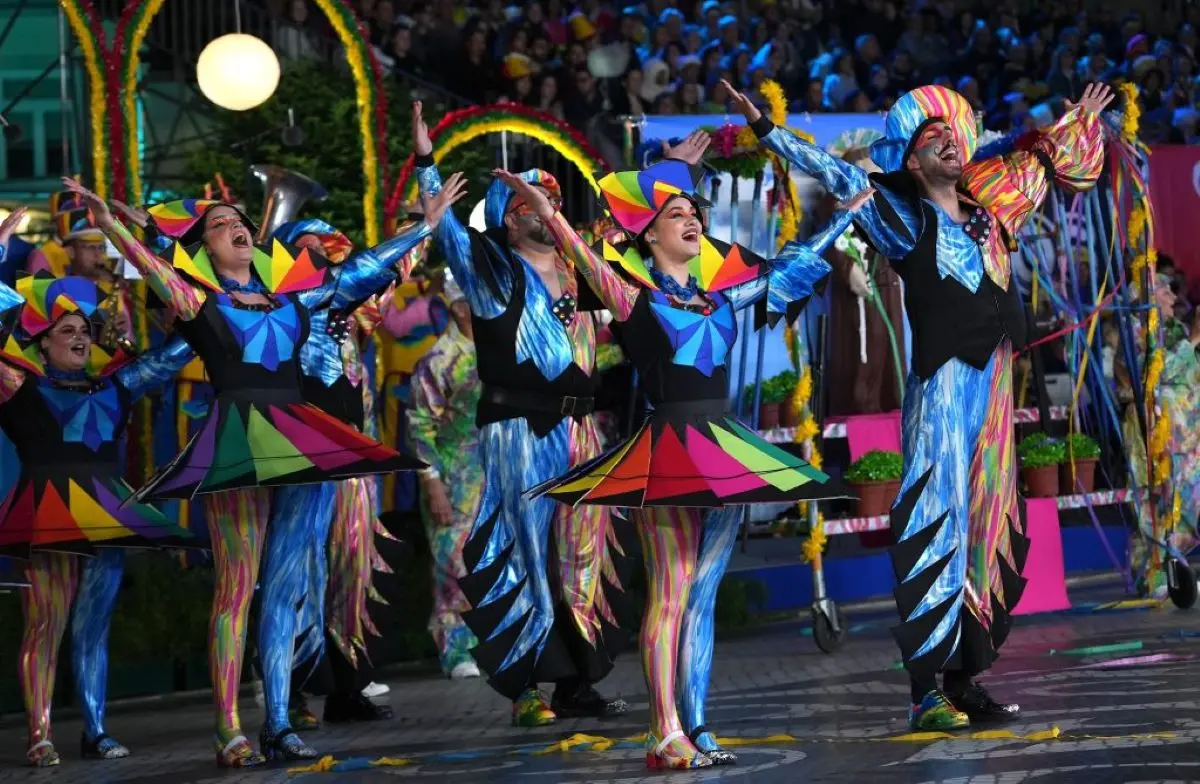
The Marchas Populares is Lisbon’s fiercely competitive neighborhood parade running the full length of Avenida da Liberdade starting at approximately 9:00 PM on June 12. More than 20 distinct neighborhoods compete, judged strictly on choreography, costume design, and original song lyrics.
Free does not mean easy. Local residents arrive by 5:00 PM and stand six people deep just to cheer for their home district. Show up at 9:00 PM expecting a clear view and you will see the backs of heads and nothing else. Your nearest metro exits before the 8:00 PM system shutdown are Marquês, Avenida, or Restauradores stations.
The most recent competition saw Alcântara and Bairro Alto share first place in an ex aequo tie, with Bica finishing third. These winning neighborhoods bring the loudest, most passionate fan sections of the entire night. Standing near their designated viewing areas means experiencing the highest crowd energy on the avenue — expect singing, chanting, and very little personal space.
Casamentos de Santo António: the city’s mass wedding tradition
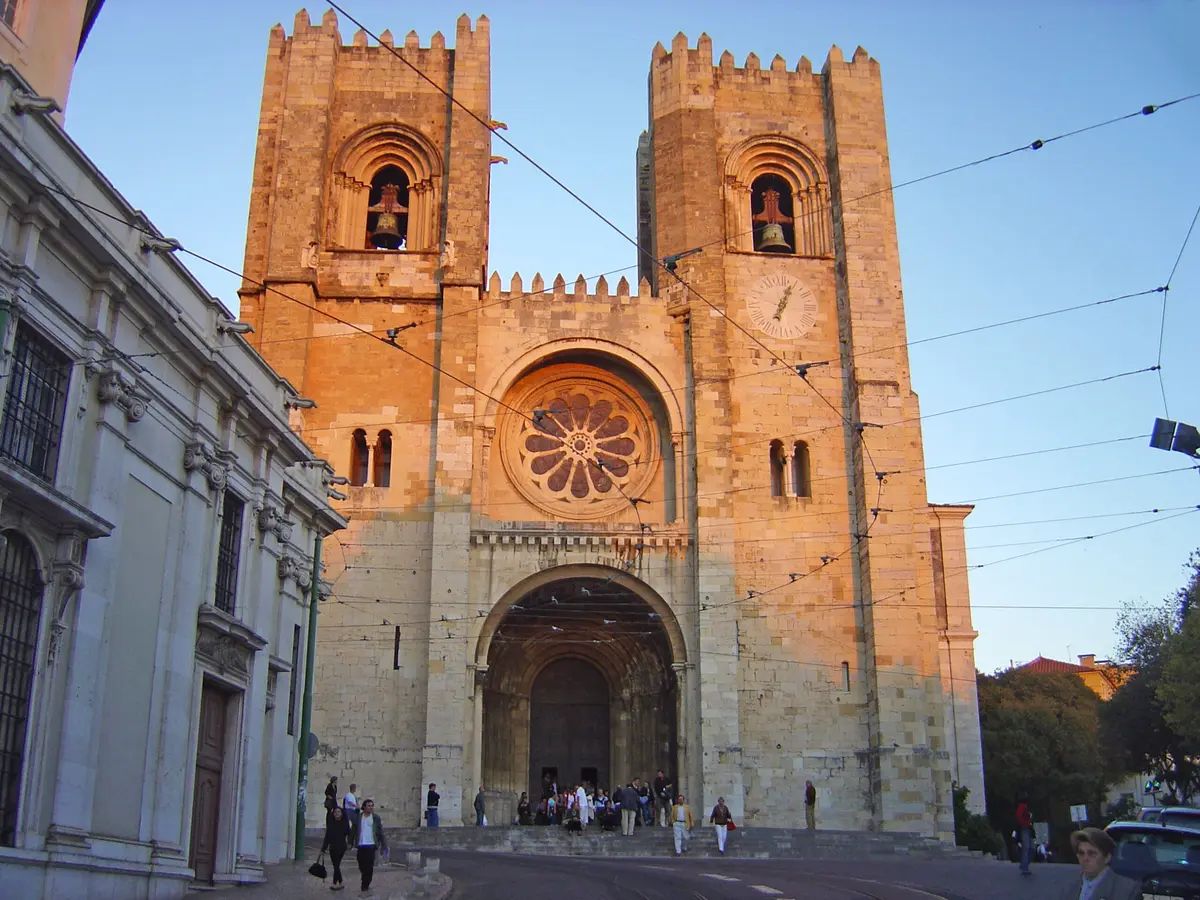
On June 12, Lisbon officially marries 16 couples simultaneously at public expense, honoring Saint Anthony’s reputation as the matchmaker saint — making the Casamentos a highlight for couples visiting on a Portugal honeymoon. The tradition began in 1958 to provide fully funded weddings for couples who could not afford the ceremony. It was briefly paused during the April Revolution of 1974 and reinstated in 1997 by the Lisbon City Council.
How the day unfolds:
- 11:30 AM: Civil ceremonies take place at City Hall.
- 2:00 PM: Catholic ceremonies occur at the Sé Cathedral.
- 9:00 PM: The 16 newlywed couples lead the Marchas Populares parade down Avenida da Liberdade.
The Sé Cathedral on June 12 is worth visiting in the early afternoon. It provides one of the few brief moments during the festival that feels quiet, genuinely ceremonial, and moving — a sharp contrast to the chaos outside.
Which arraial should you go to based on your energy level?
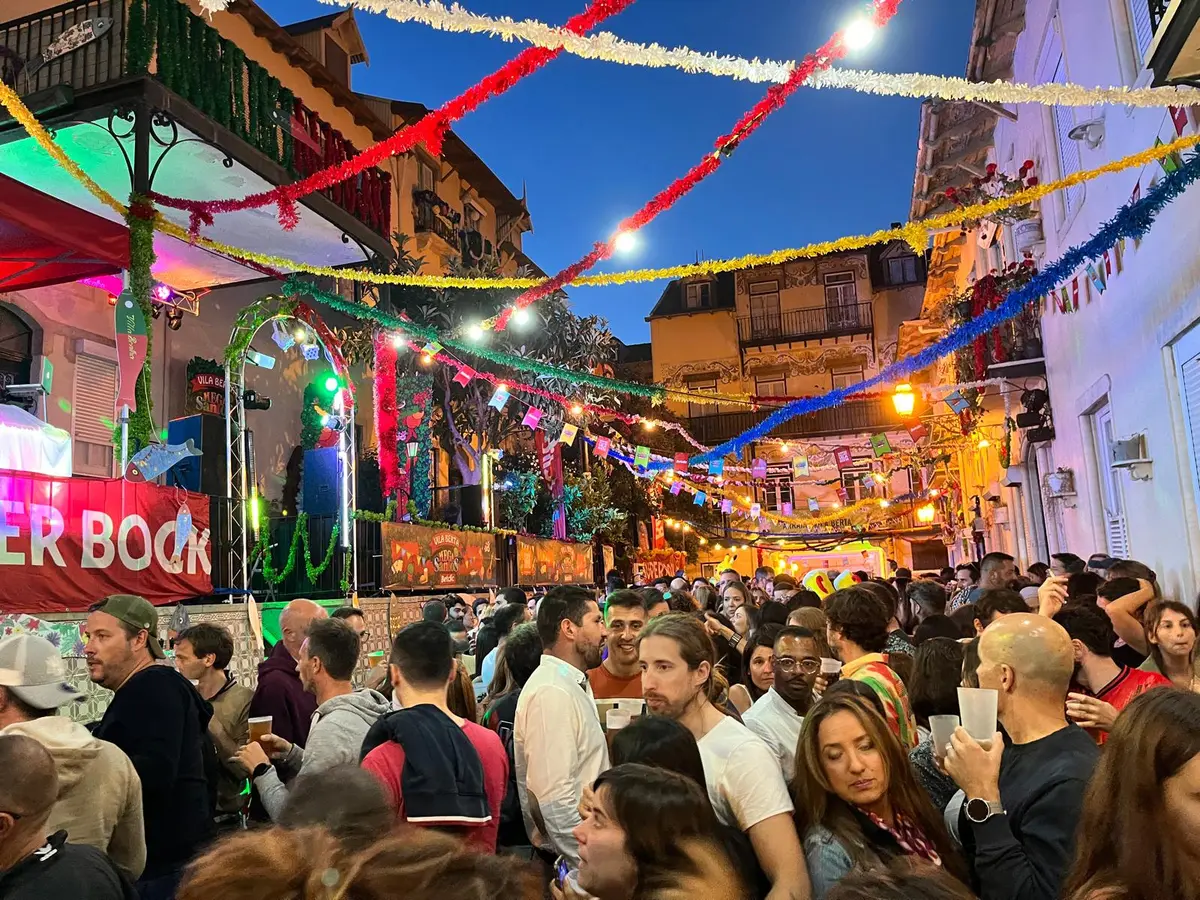
An arraial is a localized neighborhood street party featuring food, drinks, and music. Choosing the right one dictates your entire festival experience. For maximum immersion, head to Alfama’s Largo de São Miguel. For a more breathable crowd, Praça da Alegria offers pork roast and live music with slightly more room. For authentic community character, Arraial da Vila Berta in Graça is the benchmark.
For maximum immersion: Head to Largo de São Miguel and Rua dos Remédios in Alfama, or the steep, funicular-lined Rua da Bica de Duarte Belo. Expect shoulder-to-shoulder crowds on uneven cobblestones, temporary outdoor kitchens at residents’ front doors, and no easy exits once you push your way deep in. On my first June 12 in Alfama, I was carried by the crowd for several yards without my feet touching the cobblestones — that is not a metaphor.
For a manageable middle ground: Praça da Alegria offers excellent pork roast, live music, and a slightly more breathable crowd density. The Miradouro de São Pedro de Alcântara gives you panoramic city views — a spot worth building into any 3 days in Lisbon itinerary well beyond festival season.
For traditional character: Arraial da Vila Berta, held in late May through June 12 in the Graça neighborhood, offers a genuinely community-centered atmosphere organized by the residents themselves. It is increasingly popular but remains firmly rooted in local tradition — the kind of arraial where the families who have lived on the street for three generations are the same ones grilling your sardines.
Pro Tip: By 10:00 PM on June 12, families clear out of Avenida da Liberdade and younger, rowdier crowds flood into Mouraria and Bica. If you want the chaotic, all-night version of the Santo Antonio Festival Lisbon, that is your window. If you want to sleep, that is your immediate cue to leave.
What should you eat and drink at the Santos Populares?
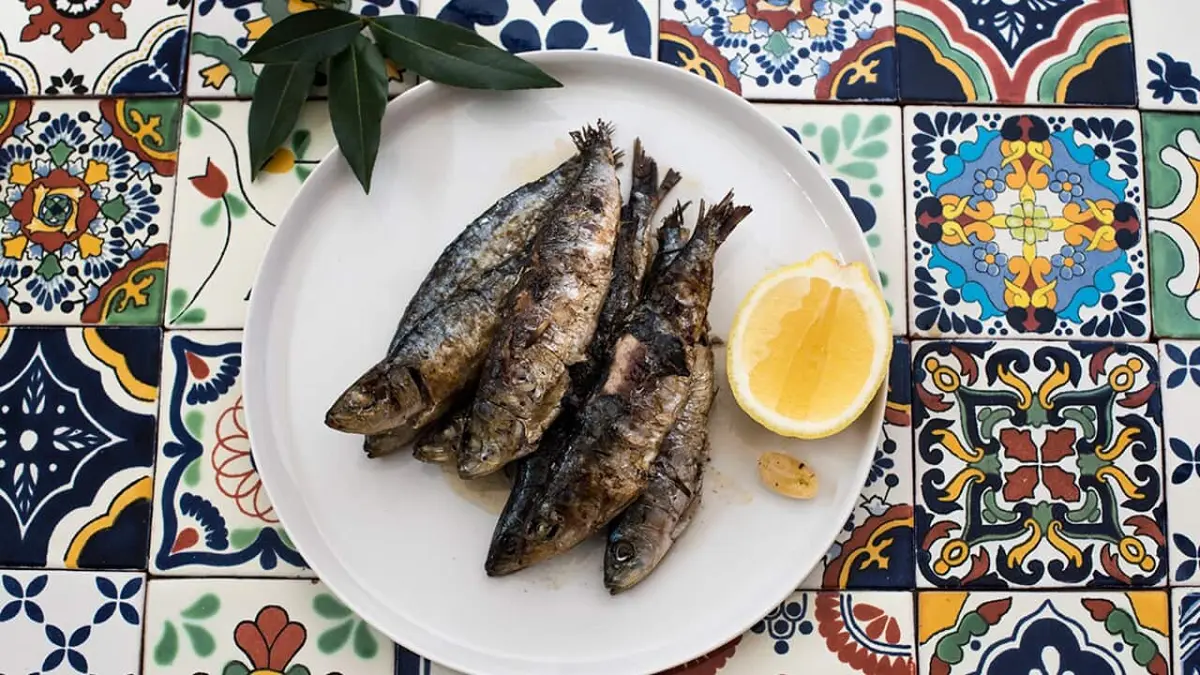
The culinary landscape of the festival revolves around smoky outdoor grills and cheap, potent local drinks. The defining dish is sardinhas assadas — fresh sardines grilled over open charcoal, served on broa de milho that absorbs the fish oil as you eat. Budget roughly €2–5 ($2.20–$5.50) per serving at stall prices, and plan to eat early — for the full picture on Portugal travel costs across the country, from transport to accommodation, our budget guide breaks it all down.
The traditional menu
The sardines are not served on a standard plate. They come resting on top of broa de milho, a dense Portuguese cornbread that actively absorbs the rich fish oils as you eat. You will smell completely like sardines for the rest of the night, and you must simply accept this fact.
Beyond the sardines, the festival menu draws heavily from traditional Portuguese food eaten across the country year-round:
- Bifana: A heavily marinated pork steak inside a soft roll, specifically designed to be eaten standing up while navigating a dense crowd.
- Caldo verde: A traditional kale and potato soup, often served steaming hot from massive pots stationed at communal arraial tables.
- Ginjinha: A sweet cherry liqueur, sold rapidly from small pop-up street kiosks.
- Draft beer: Poured endlessly from makeshift keg systems set up directly in residential alleyways.
Pro Tip: Sardine stalls run out before midnight on June 12. Get your sardines by 6:30 PM — the queues after 8:00 PM are long and the supply is not guaranteed. The stalls that look the most chaotic are usually the ones locals trust most.
Vegan and vegetarian survival guide
The Santo Antonio Festival Lisbon is heavily carnivore-focused, but legitimate plant-based options exist if you know exactly where to look. If you’re planning a broader trip as a plant-based traveler in Portugal, our full guide covers the best restaurants and strategies across the country.
What to look for:
- Seitanas: A vegan adaptation of the bifana using seitan instead of pork, available at specialized stalls.
- Arraial Veggie Vibes: An all-vegan street party running during the festival, held at Largo do Jasmim in Mouraria around June 12.
- Arraial of Santo António at Penha de França: This community solidarity event features dedicated vegan food stalls directly alongside traditional meat options.
- Caldo verde modification: The base soup is naturally plant-based. The chouriço sausage is added separately at the end, so you can easily request it omitted.
| Traditional Item | Plant-Based Alternative | Where to Find It |
|---|---|---|
| Grilled sardines on broa | Plant-based treats | Arraial Veggie Vibes |
| Pork bifana | Seitana (seitan bifana) | Specialty stalls |
| Caldo verde (with sausage) | Caldo verde — request without chouriço | Most arraial food stalls |

What cultural rules do US visitors need to know?
Two things will mark you as a tourist faster than a camera around your neck: smelling the manjerico the wrong way, and treating Pimba music as background noise. The manjerico rule is a genuine local superstition — violate it and nearby residents will notice. Pimba is not corny filler. It is the sonic expression of a neighborhood pride so intense that people spend months preparing for the Marchas competition.
The manjerico rule you must follow
In June, small green potted plants cover every windowsill, tabletop, and market stall. This is manjerico, a specific type of bush basil. Historically, young men gifted these plants to romantic interests as a serious symbol of commitment, functioning much like a formal marriage proposal. Each pot comes with a vibrant paper carnation and a quadra — a hand-written four-line romantic poem attached to the stem.
The one critical rule: do not smell the manjerico by pressing your nose directly to the leaves. Local superstition holds that this kills the plant. Instead, pass your flat palm gently over the top of the leaves, then bring your hand to your face to smell the oils. It sounds minor to an outsider, but locals absolutely notice when you do it wrong.
Understanding Pimba music and neighborhood pride
Pimba is accordion-heavy, up-tempo, and lyrically built on double entendres, working-class humor, and comedic sexual innuendo. Rosinha stands as one of the most recognized and beloved performers associated with this festive season. The competition at the Marchas Populares is not a ceremonial tourist trap — local residents spend months preparing complex choreography, elaborate costuming, and writing completely original songs. The debates over judges’ final scores are intense and completely sincere.
Understanding this transforms the chaotic noise from a loud street party into something considerably more layered and interesting — this kind of passionate neighborhood pride runs deep through Portuguese culture as a whole.
Who was Saint Anthony and why does Lisbon celebrate him?
Saint Anthony was born Fernando Martins de Bulhões in Lisbon in 1195 into a noble family. He studied at the Monastery of the Holy Cross in Coimbra, joined the Franciscan order, and gained a reputation as an exceptional preacher. He traveled to France to preach against the Cathars, served as a trusted advisor to Pope Gregory IX in Italy, and died in Padua on June 13 at age 36. He was canonized the following year after 40 attributed miracles.
Globally, he is known as the patron saint of lost things. In Lisbon specifically, he holds the title of santo casamenteiro — the matchmaker saint — which explains why the mass weddings sit at the center of the city’s June celebrations. Padua also holds major celebrations in his honor every June 13, which is why you may occasionally encounter Italian visitors who seem even more invested in the date than the locals.
The bottom line
TL;DR: Book your hotel in Baixa or Chiado, not Alfama, unless you genuinely do not plan to sleep. Set a phone alarm for 7:30 PM on June 12 — that is your last window to move by metro. Arrive at Avenida da Liberdade by 5:00 PM for a real parade sightline, get your sardines before 6:30 PM, and keep your crossbody bag buckled at your chest all night. Do those things and the Santo Antonio Festival Lisbon stops being an overwhelming logistical exercise and becomes one of the most genuinely alive street celebrations in Europe.
Have you been to the Santo Antonio Festival? Which arraial impressed you most — or which one would you skip on your next visit?