Traveling to Lebanon with kids means navigating an active conflict zone, a cash-only economy, and infrastructure gaps that would challenge even seasoned solo travelers. This is not a destination you wing. Between the Level 4 travel advisory, daily power cuts, and geographic zones that shift from resort-town calm to genuine danger within a 30-minute drive, every family considering Lebanon needs a thorough Lebanon travel guide and a plan that goes far beyond booking flights and hotels. I put together this guide to give you the operational-level detail that generic travel sites skip — the kind of intel that determines whether your trip is a rich cultural experience or a logistics nightmare.
Is Lebanon safe for American families right now?
No. Lebanon is under an active Level 4 “Do Not Travel” advisory from the U.S. State Department, and the situation has escalated significantly since early March. A renewed war between Israel and Hezbollah has killed over 2,000 people, displaced more than one million, and triggered airstrikes across multiple regions — including parts of central Beirut. The U.S. Embassy has suspended all consular services and urges all American citizens to leave the country.
This is not a theoretical risk advisory. The embassy has ordered the departure of non-emergency government personnel and their families. Americans who remain should not expect evacuation assistance. If the airport closes, options narrow fast.
What does the Level 4 advisory actually mean for families?
The Level 4 classification reflects the potential for rapid, unpredictable escalation. On a single day in April, over 300 people were killed in strikes spanning Beirut, southern Lebanon, and the Bekaa Valley. Neighborhoods considered relatively stable weeks earlier were hit without warning.
For families with children, this changes the risk calculation entirely. Even areas that historically functioned as safe tourism hubs — northern coastal towns, Mount Lebanon — now sit within the broader conflict envelope. Our full analysis of whether Lebanon is safe for American tourists applies doubly when traveling with kids — no zone carries zero risk during active hostilities.
Pro Tip: Enroll every family member in the State Department’s Smart Traveler Enrollment Program (STEP) at step.state.gov before departure. This is how the embassy locates you during emergencies — and given that consular services are currently suspended, it may be the only link you have to U.S. government communications.
What about travel insurance?
Most standard travel insurance policies exclude Level 4 destinations entirely. You need specialized “high-risk” coverage from niche providers like Battleface, Global Rescue, or IMG that covers passive war risk and emergency medical evacuation. Expect to pay significantly more than a standard policy, and read the exclusion clauses carefully — some policies void coverage if you enter specific geographic zones. Our guide to travel insurance for Lebanon covers which providers currently write policies for active conflict zones.
How should families think about Lebanon’s security zones?
Not all of Lebanon carries equal risk, but the current conflict has blurred previously reliable boundaries. Traveling to Lebanon with kids requires geographic discipline — and a willingness to cancel plans on short notice if the situation shifts.
Red zones (do not enter)
Southern Lebanon below Sidon, the southern suburbs of Beirut (Dahieh), Bekaa Valley border areas including Baalbek and Hermel, and Palestinian refugee camps. These areas see active military operations, airstrikes, and ground combat. There is no scenario where taking children here is appropriate.
Yellow zones (transit only, with extreme caution)
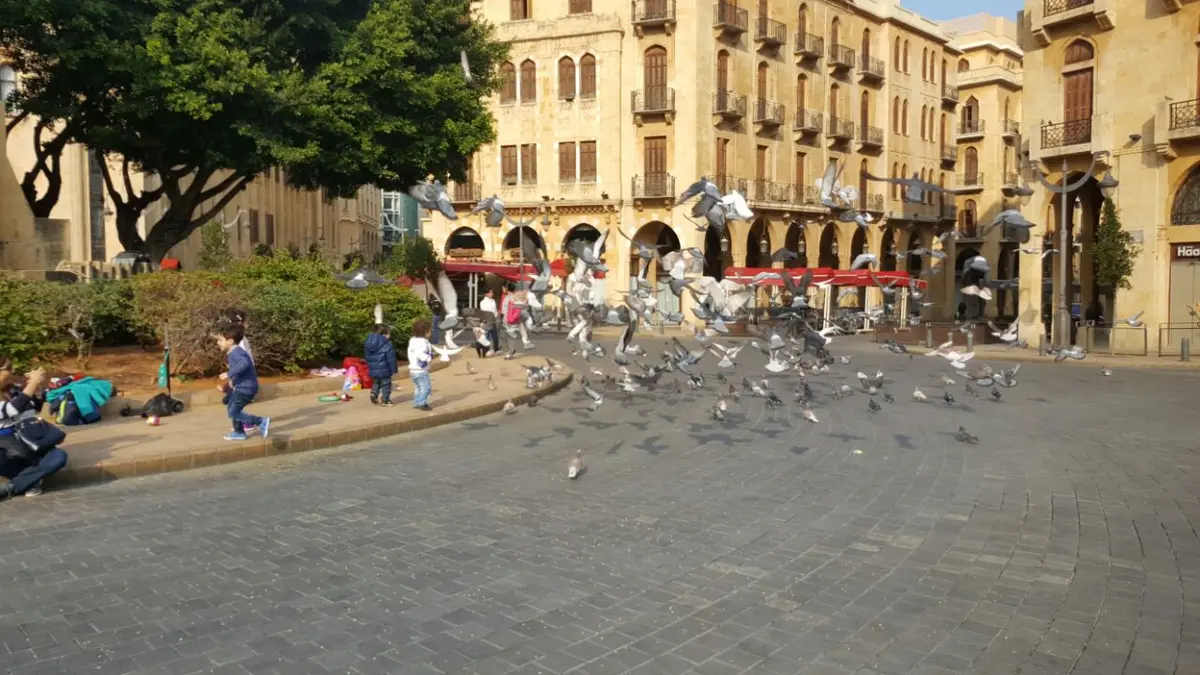
Central Beirut neighborhoods like Hamra and Downtown, plus cities like Tripoli and Sidon. These areas have experienced strikes targeting specific locations and can see spontaneous civil unrest or road blockages. If you visit, do so only during daylight with a vetted local driver, keep visits short, and avoid crowds. The situation can deteriorate within hours.
Green zones (lower risk, not no risk)
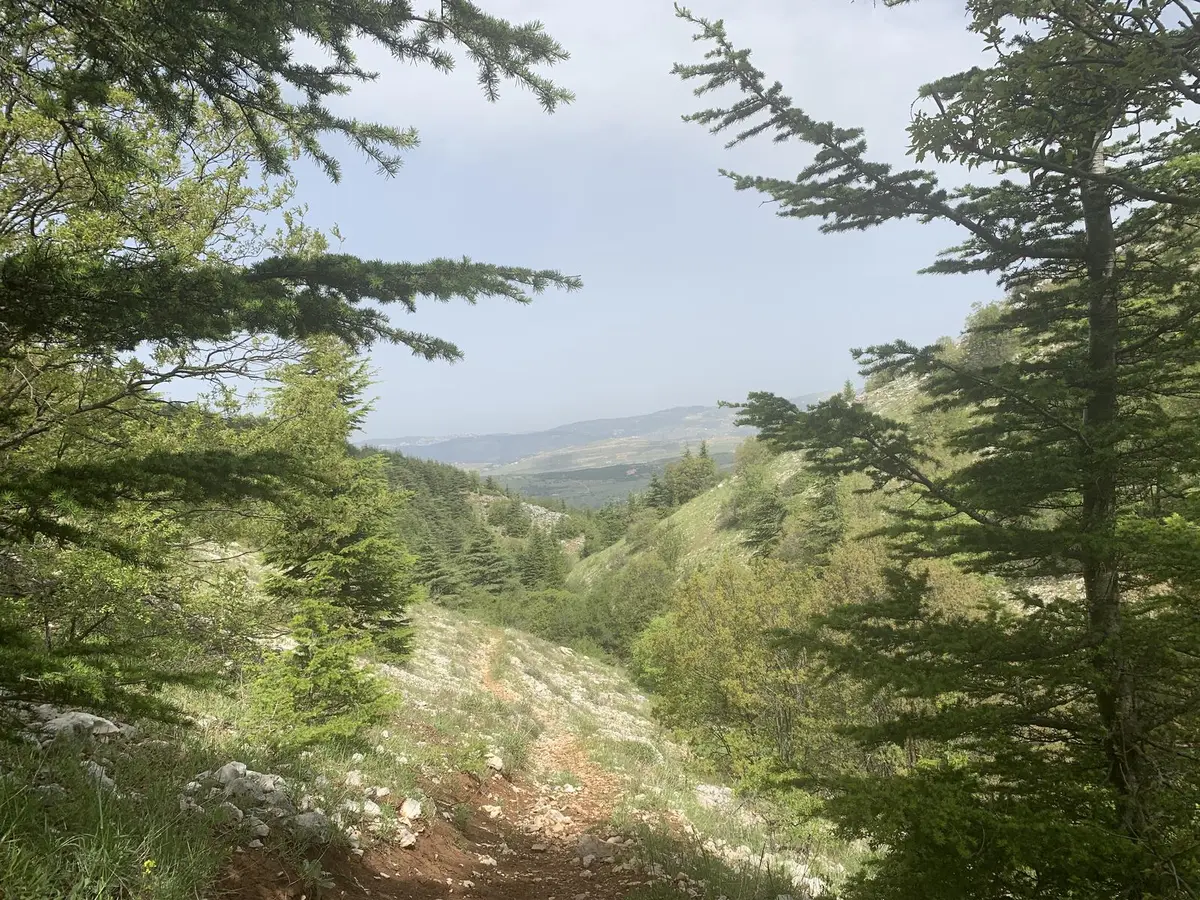
Northern coastal towns including Jounieh, Byblos, Batroun, and Chekka. Mount Lebanon areas like Broummana and Faraya. The cedar forests around Bsharri. These zones maintain relative stability and tourism infrastructure. Families in Batroun and Byblos have reported atmospheres that feel closer to a European coastal town than a conflict zone — but even these areas are not immune to the broader war. Evacuation orders have expanded into areas previously considered safe.
Pro Tip: Download offline maps of your entire planned route before departure. Cell networks become unreliable during escalations, and you cannot depend on real-time navigation when it matters most.
What is the Jounieh-to-Cyprus ferry, and can families use it as an escape route?
The Jounieh-to-Larnaca (Cyprus) ferry launched weekly service, covering the crossing in about 4 to 5 hours. Tickets run $250 for economy class and $350 for business class per person. For a family of four, budget $1,000 to $1,400 for one-way evacuation — treat this as emergency exit insurance.
However, the ferry’s operational status during the current conflict is uncertain. Schedules may be suspended without notice, and Jounieh’s port infrastructure is still maturing in terms of security and border processing. Do not rely on the ferry as your sole contingency plan.
- Route: Jounieh to Larnaca, Cyprus
- Duration: 4-5 hours
- Cost: $250 economy / $350 business per person
- Frequency: Weekly (subject to change during hostilities)
- Visa note: U.S. passport holders receive a 30-day visa on arrival in Cyprus
Pro Tip: Book flexible flights out of Beirut-Rafic Hariri International Airport as your primary exit, and keep the ferry as a backup. During a previous escalation, every airline except Middle East Airlines suspended operations — and MEA flights sold out within hours.
How does the cash-only economy work in Lebanon?
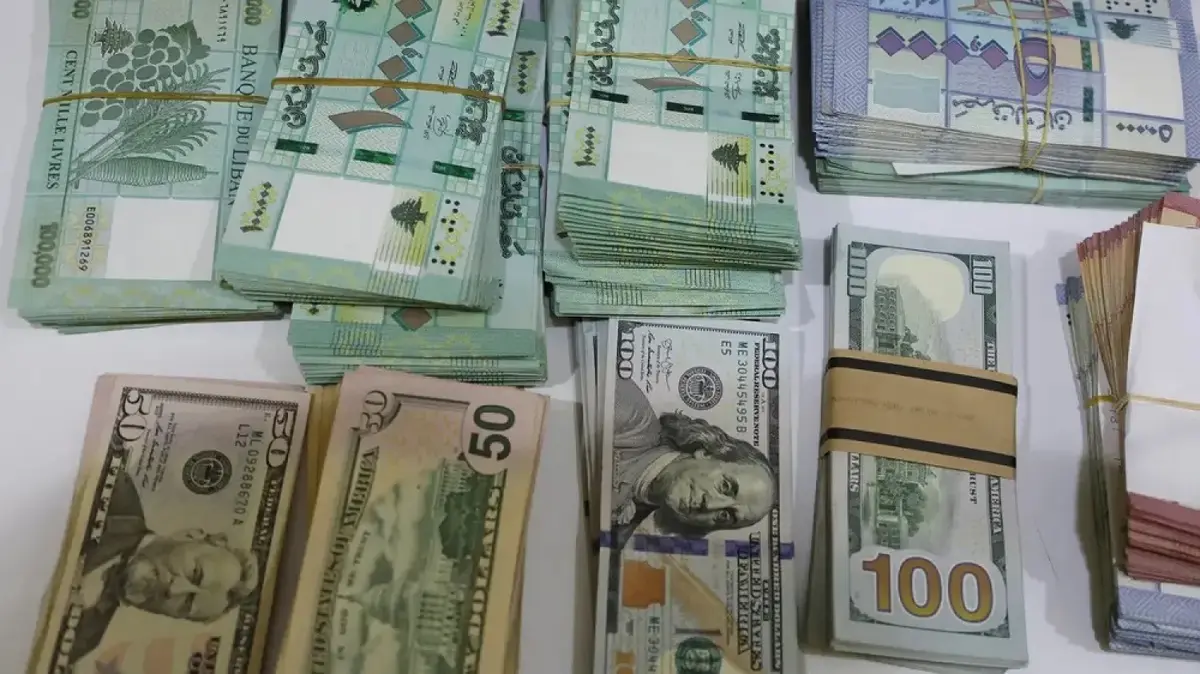
Understanding Lebanon’s currency situation before arrival is critical: the country operates on a fully dollarized cash economy. Your credit cards are functionally useless for daily transactions — no swiping at restaurants, no tapping at grocery stores, no online hotel payments that actually process. You must arrive with your entire projected budget in physical U.S. dollars.
ATM withdrawals return Lebanese lira at unfavorable rates, and machines frequently malfunction. The banking system collapsed and has not recovered. This is the single most important logistical reality of traveling to Lebanon with kids.
The “pristine bill” rule
Lebanese merchants are extremely particular about U.S. banknote condition. Bills must be the “new blue” design (post-2013 series), crisp, untorn, and free of ink marks, stamps, or pen writing. Before departure, visit your bank and specifically request new, uncirculated bills. A crease across a $100 bill can get it rejected or discounted at informal exchange points.
How much cash does a family of four need for a week?
| Expense | Weekly estimate | Notes |
|---|---|---|
| Accommodation | $1,000-$1,400 | Mid-range hotel with generator |
| Private driver | $1,050-$1,400 | $150-$200/day, non-negotiable |
| Meals | $700-$1,050 | $100-$150/day for four |
| Attractions | $300-$500 | Entrance fees and activities |
| Emergency ferry | $1,000-$1,400 | Contingency for Cyprus evacuation |
| Miscellaneous | $200-$300 | Snacks, supplies, tips |
| Total cash needed | $4,250-$6,050 | Bring physical cash |
Carry a mix of denominations. Vendors rarely have change for $100 bills on small purchases. Bring at least $500 in $1, $5, $10, and $20 bills for daily transactions and tips.
How does tipping work?
Local tipping etiquette reflects the economic crisis — tips are essential income for service workers. Plan for $1 for valet parking, 10-15% for restaurant servers, and $0.50-$1.00 for grocery baggers. These amounts matter — for many workers, tips represent the majority of their take-home pay.
Why is a private driver essential when traveling to Lebanon with kids?
Lebanon has no functional public transit system suitable for families. The driving culture — aggressive lane changes, minimal signal use, and creative interpretations of traffic laws — makes self-driving stressful and dangerous for visitors. On my last visit, I watched a car reverse down an on-ramp because the driver missed his exit. This is normal.
A professional driver with a reliable vehicle is not a luxury. It is safety infrastructure. A good driver serves as navigator, translator, real-time security monitor, and cultural buffer. They know which roads are blocked by protests, which shortcuts avoid conflict zones, and which gas stations actually have fuel — the kind of local knowledge that no guide to driving in Lebanon can replace.
- Cost: $150-$200/day for a driver with a minivan
- Booking: Arrange through your hotel or a vetted local tour operator — avoid street hires
- Vehicle: Request a minivan to fit luggage and car seats
- Rideshare: Allo Taxi works for short city trips but is unreliable for full-day coverage
What about car seats and strollers?
Child safety seats are not legally required in Lebanon and are almost never available in taxis. Request car seats when booking your driver, but verify the specific model and condition — safety standards vary wildly. Bringing your own travel-friendly car seat eliminates this gamble.
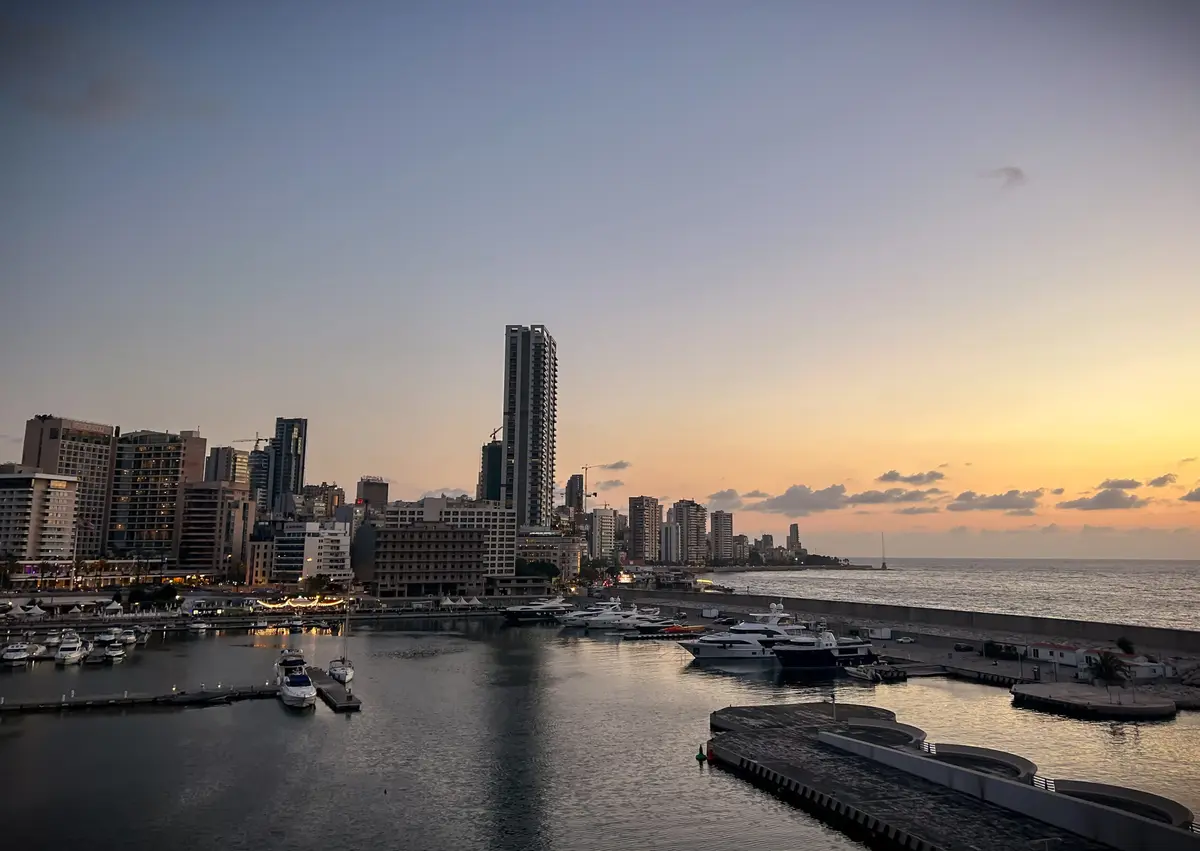
Strollers are largely impractical. Beirut sidewalks are broken, uneven, and frequently blocked by parked cars or construction debris. A structured baby carrier is the right call for city navigation. The exceptions where strollers actually work: the Beirut Corniche, Zaitunay Bay waterfront, and the Byblos port area — all flat, paved, and maintained.
What health precautions do families need for Lebanon?
Whether you can drink tap water in Lebanon is not even a question — it is unsafe for drinking, brushing teeth, or preparing baby formula. Use only sealed bottled water for everything. The water infrastructure deteriorated significantly after the economic collapse, and a recent cholera outbreak underscored the risks. The outbreak was contained, but the underlying sanitation problems remain.
Raw vegetables at budget restaurants pose contamination risk if washed in tap water. High-end restaurants typically use sterilization protocols. If you are staying in an Airbnb, wash all produce in a diluted solution of odorless bleach or vegetable disinfectant tablets available at local pharmacies.
Where is the best hospital for kids?
The American University of Beirut Medical Center (AUBMC) in Hamra is the top-tier medical facility with a dedicated pediatric emergency department. It holds international accreditations including JCI and Magnet recognition — standards comparable to major U.S. teaching hospitals. AUBMC is currently operating in emergency response mode due to the conflict, which means it is functional but under strain.
- Location: Maamari Street, Hamra, Beirut
- Emergency: Pediatric Emergency Medicine department on-site
- Pharmacy access: Lebanese pharmacists can provide preliminary medical consultation and dispense many medications without a prescription
Pro Tip: Pack a full supply of any prescription medications your children take, plus infant formula if applicable. Regional formula brands use different formulations that can cause digestive issues. Do not plan to source specialty medications locally — pharmacy stocks fluctuate during conflict periods.
How do you handle Lebanon’s electricity crisis with kids?
The electricity situation in Lebanon is dire — the state power grid delivers negligible electricity, sometimes just a few hours daily. The entire country runs on private diesel generators, and this fundamentally shapes your accommodation decisions when traveling to Lebanon with kids.
Hotels vs. Airbnbs: what families need to know
Five-star hotels like the Movenpick (recently renovated, on the Raouche waterfront) and the InterContinental Phoenicia operate industrial-grade generators with instant automatic switchovers. You will barely notice the power cuts. These are the recommended option for families with young children.
Boutique hotels generally offer 24-hour power but may have lower amperage limits — meaning you might trip a breaker running the air conditioning and a bottle warmer simultaneously.
Airbnbs are the riskiest option. Many buildings run “generator schedules” with rationed power blocks. Amperage is often capped, and simultaneous use of AC and appliances trips breakers. The worst-case scenario: a high-floor apartment with no elevator during a power cut. With kids in tow, this goes from inconvenient to genuinely dangerous.
Before booking any Airbnb, confirm in writing: 24/7 electricity availability, elevator operation during generator hours, and the building’s amperage capacity. Our guide on where to stay in Beirut breaks down which neighborhoods and properties handle generator coverage best.
What are the best family-friendly attractions in Lebanon’s safer zones?
Lebanese culture genuinely welcomes children in virtually all social spaces — restaurants, historical sites, public plazas. Kids are not just tolerated; they are celebrated. This makes the day-to-day experience of traveling to Lebanon with kids logistically easier than many European destinations, assuming you are in the right geographic zones.
Jeita Grotto
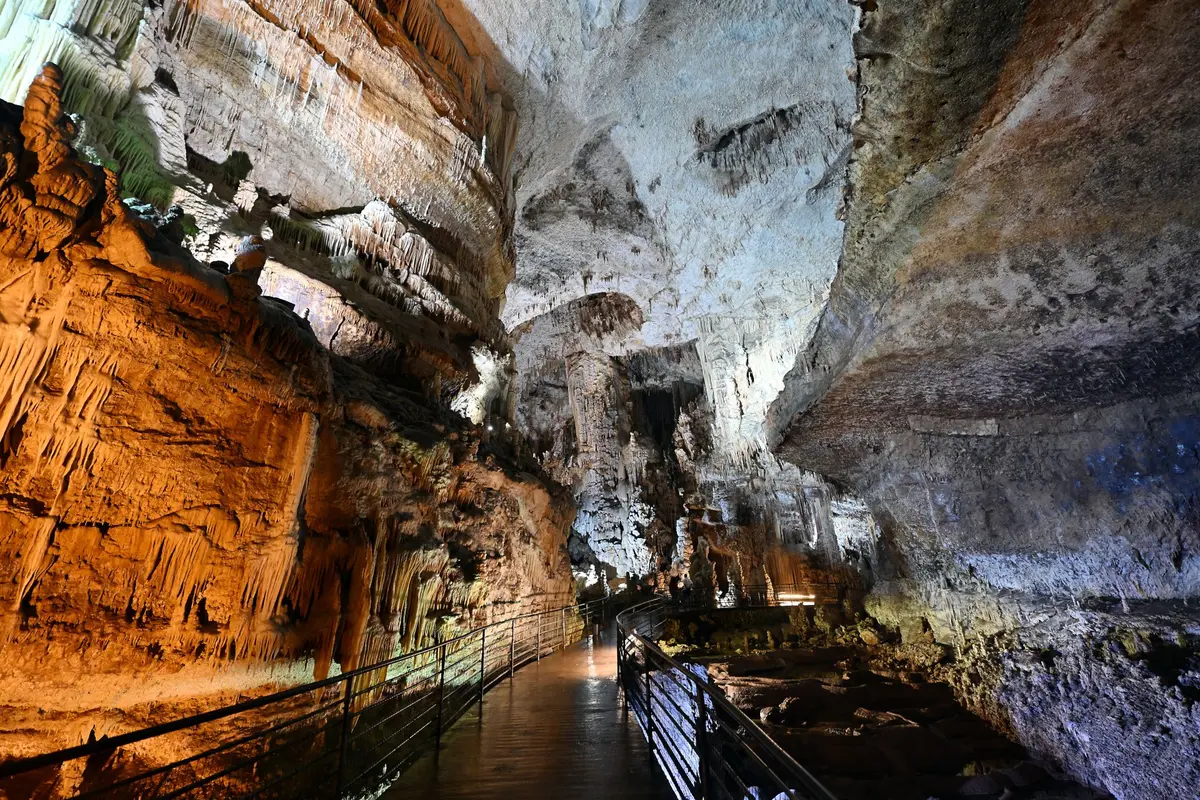
A two-cave limestone system about 11 miles (18 km) north of Beirut, featuring a lower grotto with an electric boat ride through illuminated caverns and an upper gallery accessible by walkway. The boat glides silently through crystal-clear water past formations that took millions of years to build — the kind of experience that holds even a fidgety four-year-old’s attention. Photography is prohibited inside the caves. The grotto reopened after an eight-month maintenance closure.
- Location: Jeita, Keserwan District, 11 miles (18 km) north of Beirut
- Cost: Entrance fees vary; budget $15-$20 per person
- Best for: Families with kids ages 4 and up (younger children may find the boat ride unsettling)
- Time needed: 2-3 hours including the cable car, gardens, and both grottos
Read our specific Jeita Grotto travel guide to plan your arrival time — the line at the ticket counter wraps around the building by mid-morning on weekends.
KidzMondo
An indoor edutainment center on the Beirut waterfront where children role-play professions — doctor, firefighter, pilot, chef — in a scaled-down city environment. Air-conditioned, contained, and genuinely engaging for kids ages 4-14. On a 95°F (35°C) afternoon with the humidity that makes Beirut feel like a steam room, this place is a lifeline.
- Location: Beirut Waterfront (Beirut Souks area)
- Cost: Entry fees for children; adults pay a reduced rate
- Best for: Kids ages 4-14; limited activities for toddlers under 3
- Time needed: 3-5 hours (kids will not want to leave)
Byblos (Jbeil)
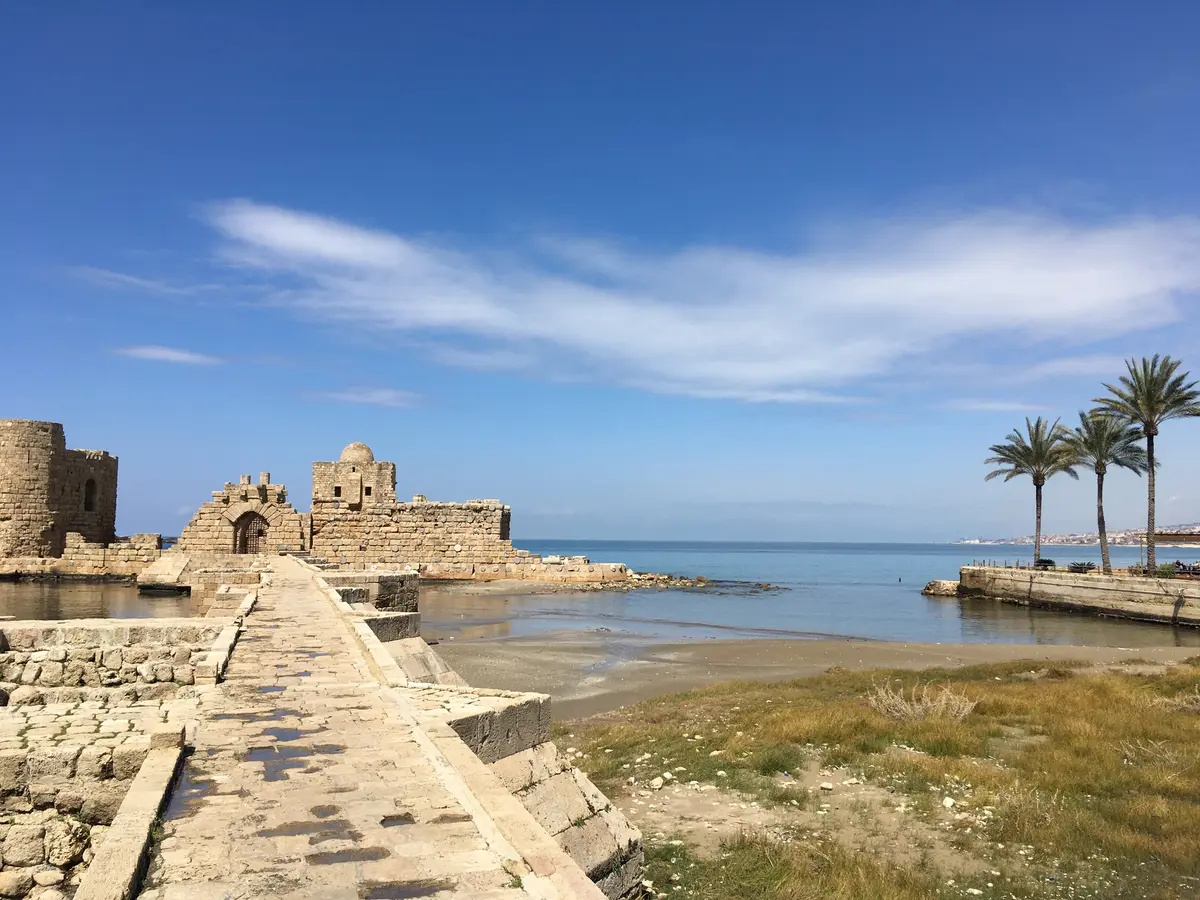
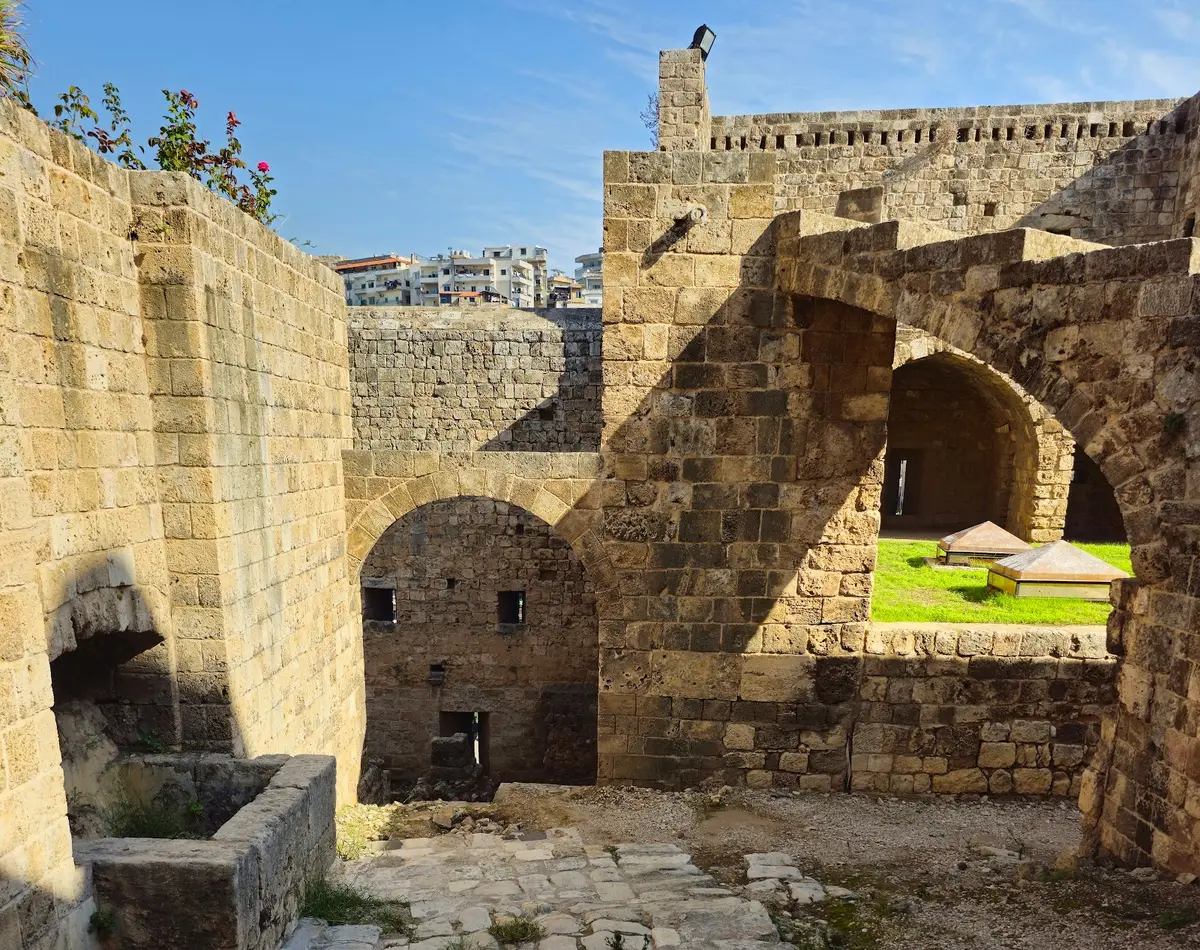
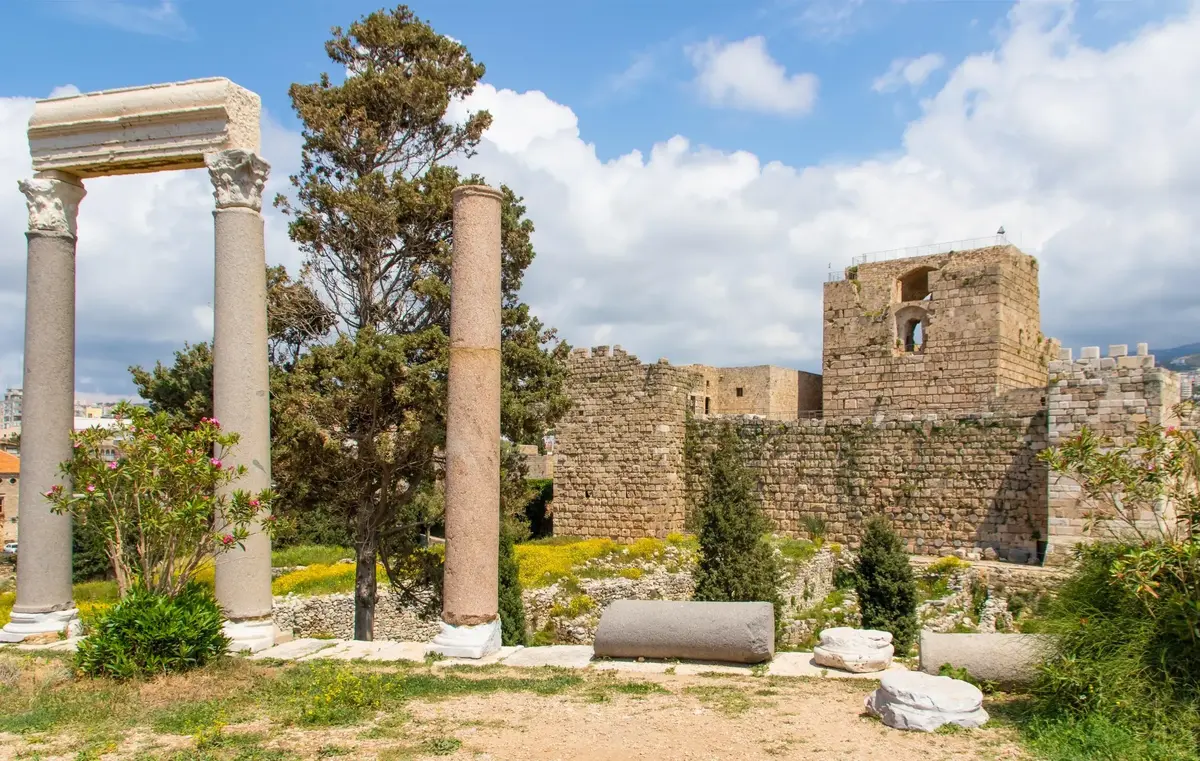
Byblos is one of the oldest continuously inhabited cities in the world, with Crusader castle ruins and a compact medieval souk where kids can hunt for fossils embedded in the limestone walls. The old town is small enough that toddlers can explore on foot without exhausting themselves, and the harbor has a relaxed, walkable feel. The fish restaurants along the port serve some of the best grilled catch on the Lebanese coast.
- Location: Byblos (Jbeil), 25 miles (40 km) north of Beirut
- Cost: Castle entrance approximately $5-$7 per person
- Best for: All ages; toddlers can walk the old town comfortably
- Time needed: Half day to full day
Teleferique (Jounieh Cable Car)
A 9-minute cable car ride ascending from Jounieh to the Our Lady of Lebanon shrine in Harissa. The panoramic views of Jounieh Bay are worth the ride alone, and the summit plaza gives kids space to run freely in a safe, contained area. The gondola cabins are small — two adults and two children fit comfortably.
- Location: Jounieh, 10 miles (16 km) north of Beirut
- Cost: Approximately $10-$15 per person round trip
- Best for: All ages; the ride itself is the attraction for younger kids
- Time needed: 1-2 hours including the summit visit
Batroun
A coastal town about 33 miles (53 km) north of Beirut with cleaner beach water than the capital and a walkable center. Families can rent golf carts to explore the town — a novelty that kids treat as a highlight of the entire trip. The bar and restaurant scene is lively without being overwhelming, and the town feels noticeably more relaxed than Beirut.
- Location: 33 miles (53 km) north of Beirut
- Cost: Beach club day passes vary; golf cart rental approximately $20-$30/hour
- Best for: Families wanting a beach-town base away from Beirut’s intensity
- Time needed: Full day or multi-day stay
You can enjoy the best beach resorts in Batroun without the crowd stress that defines the capital’s waterfront.
Shouf Biosphere Reserve
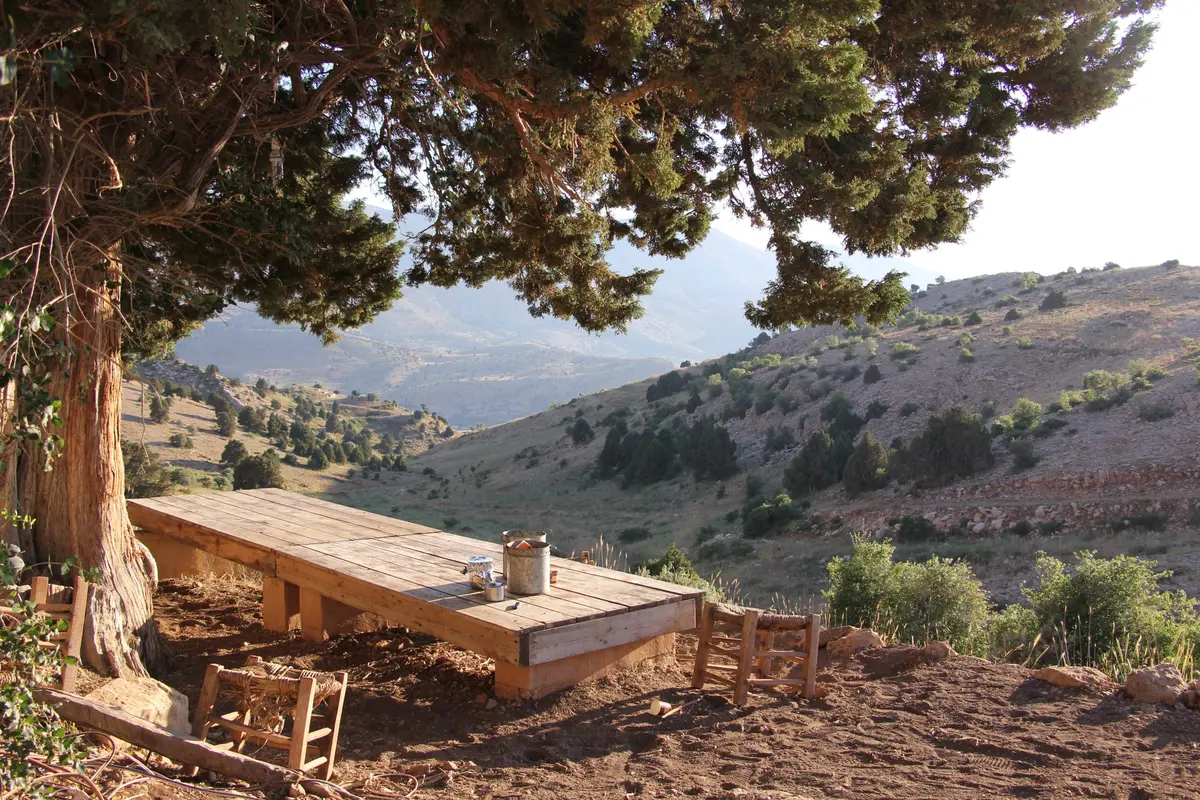
Lebanon’s largest nature reserve, home to ancient cedar trees estimated at 2,000 years old. The trails are flat and well-maintained — genuinely suitable for toddlers in a carrier and children on foot. The forest floor is soft, the air smells like pine resin, and the quiet is a welcome contrast to Beirut’s constant horn-honking soundtrack.
- Location: Shouf Mountains, approximately 30 miles (50 km) southeast of Beirut
- Cost: Small entrance fee
- Best for: Nature-loving families; manageable for toddlers in carriers
- Time needed: 3-4 hours for a moderate walk
National Museum of Beirut
Houses the largest collection of Phoenician sarcophagi in the world. The museum is compact — two floors you can cover in under 90 minutes — which makes it one of the rare museum experiences that does not end in a toddler meltdown. The mosaic floor on the ground level and the massive stone sarcophagi are visually striking enough to hold young attention spans.
- Location: Museum Street, Beirut (near Mathaf intersection)
- Cost: Approximately $3-$5 per person
- Best for: Families with kids ages 3 and up who have some interest in history
- Time needed: 1-1.5 hours
What will picky eaters actually eat in Lebanon?
Lebanese cuisine is naturally family-friendly. The flavor profile relies on herbs, garlic, lemon, and olive oil rather than chili heat, and the mezze-style dining format means kids can graze across multiple small dishes until they find something they like. Skip the “will my kids eat this?” anxiety — Lebanese food is one of the easiest cuisines in the world for children.
Dishes kids love
- Manakish: Flatbread topped with cheese or za’atar (a thyme-sesame blend), often called “Lebanese pizza.” Breakfast staple available at bakeries for under $2
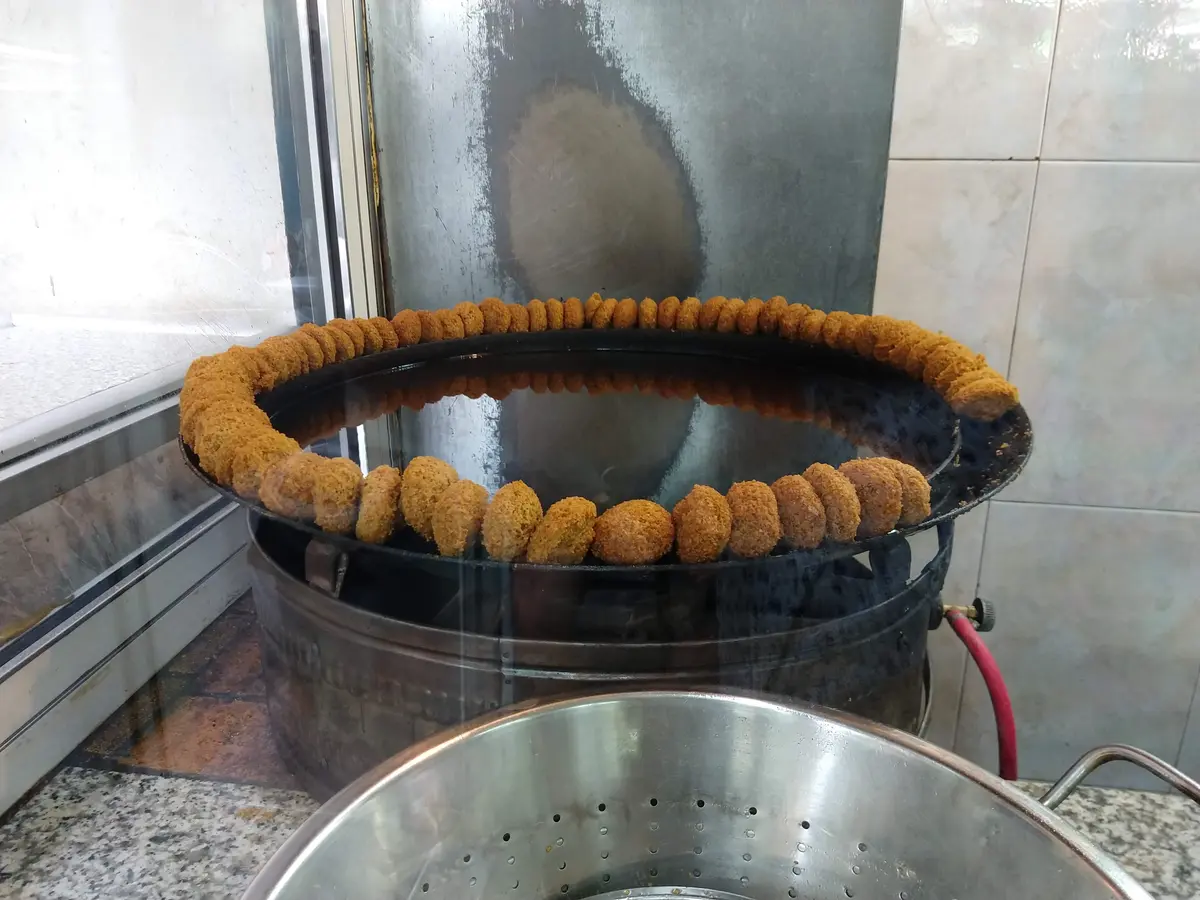
- Rakayek: Fried cheese rolls — crispy outside, melted inside. Universal kid appeal
- Tawouk: Marinated grilled chicken skewers, mild and tender. Available everywhere
- Batata harra: Spiced potatoes — request the “non-spicy” version for younger palates
- Hummus and pita: The default fallback that never fails
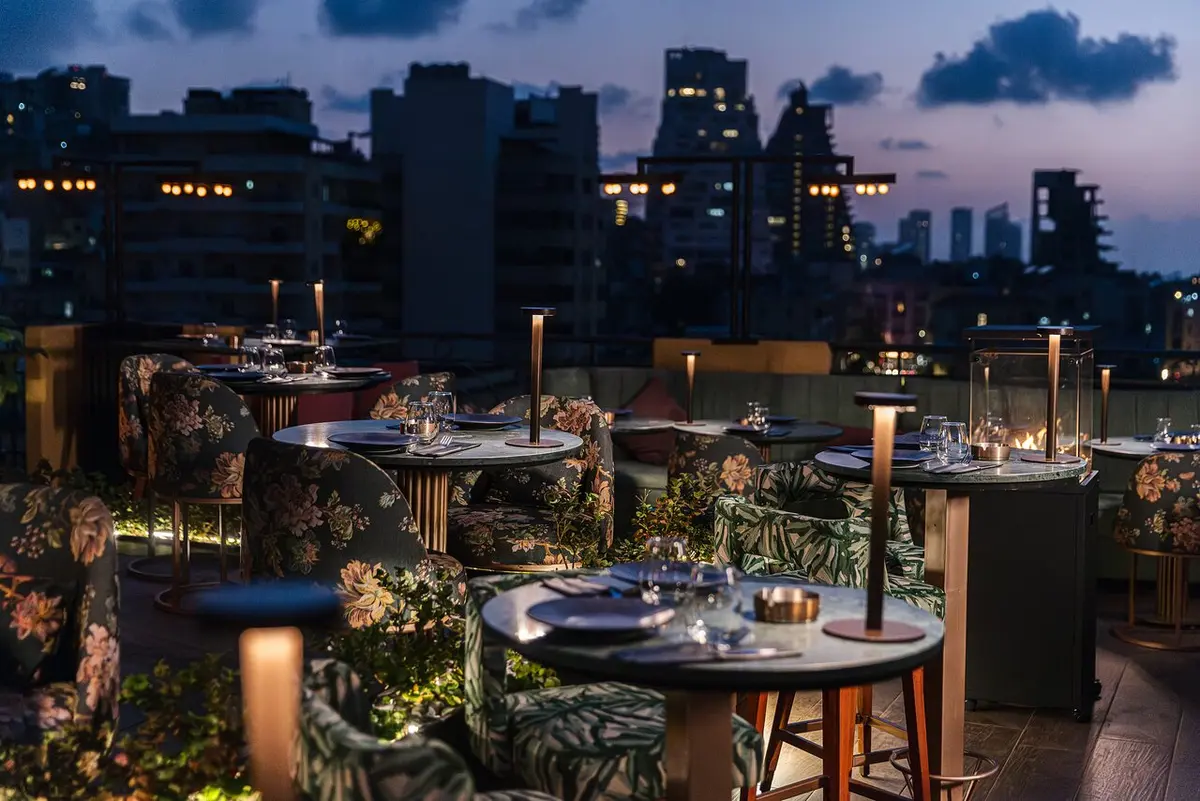
Restaurants accommodate children with genuine warmth. Servers often bring extra bread, offer to adjust spice levels, and treat your kids like honored guests rather than inconveniences. You can find high-quality Lebanese traditional food at most establishments.
One warning: indoor smoking is pervasive in Lebanese restaurants. The clouds of hookah and cigarette smoke are a real issue for children. Prioritize outdoor terrace seating whenever possible, and ask specifically about smoking policies before sitting down.
Pro Tip: For breakfast, find your nearest neighborhood bakery (furn) rather than eating at your hotel. A family of four can eat fresh manakish, labneh wraps, and juice for under $8 — compared to $28 per adult for a hotel buffet at places like the Movenpick. The quality is often better, and the experience is more authentic.

What most guides leave out
Traveling to Lebanon with kids is an exercise in calculated risk management that demands you function simultaneously as logistics coordinator, security analyst, and cultural translator. The infrastructure gaps are not temporary inconveniences — they are daily realities you navigate with cash reserves, geographic discipline, and backup plans for your backup plans.
The current conflict makes this an especially serious decision. What the article above describes as “green zones” are lower risk, not no risk. Families need to make this choice with clear eyes and current intelligence, not outdated blog posts.
TL;DR: Traveling to Lebanon with kids is feasible for well-resourced, highly prepared families willing to operate within strict geographic and logistical constraints — but the active conflict means this is not the time for most families. If you do go, stay in the northern coastal corridor, hire a vetted private driver, bring all your cash in pristine bills, and keep a funded evacuation plan ready at all times.
Have you traveled to Lebanon with your family during a period of heightened security? What was the single most important thing you did to prepare?