Lebanon packs cedar forests, Roman temples and Mediterranean coastline into an area the size of Connecticut — and the minibus network will not get you to most of it. If you want to rent a car in Lebanon, the logistics are straightforward. The context around it is not. This guide walks through the paperwork, the real costs, and the parts of the country your rental contract forbids you from entering.
Is it safe to rent a car in Lebanon right now?
Most Western governments currently advise against travel to Lebanon. The U.S. State Department maintains a “Do Not Travel” advisory and ordered the departure of non-emergency government personnel from Beirut in February. Central Beirut, the northern coast, and the mountains remain accessible, but areas south of Saida, the Bekaa Valley and Beirut’s Dahieh suburb are active-conflict or high-risk zones. Most rental contracts void insurance the moment you enter them.
This changes what “self-driving Lebanon” means in practice. You can absolutely rent a car for Byblos, Batroun, Harissa, the Chouf and the Qadisha Valley. You cannot treat Baalbek, Tyre or a Syria border run as normal day trips anymore. Before you book, get current on whether Lebanon is safe for American tourists in the current environment, then read your travel insurance fine print line by line — not after you have committed.
Pro Tip: Enroll in your embassy’s traveler program before arrival (STEP for US citizens, the equivalent registry for your country). If a situation escalates, that enrollment is how your embassy finds you.
What documents do you need to rent a car in Lebanon?
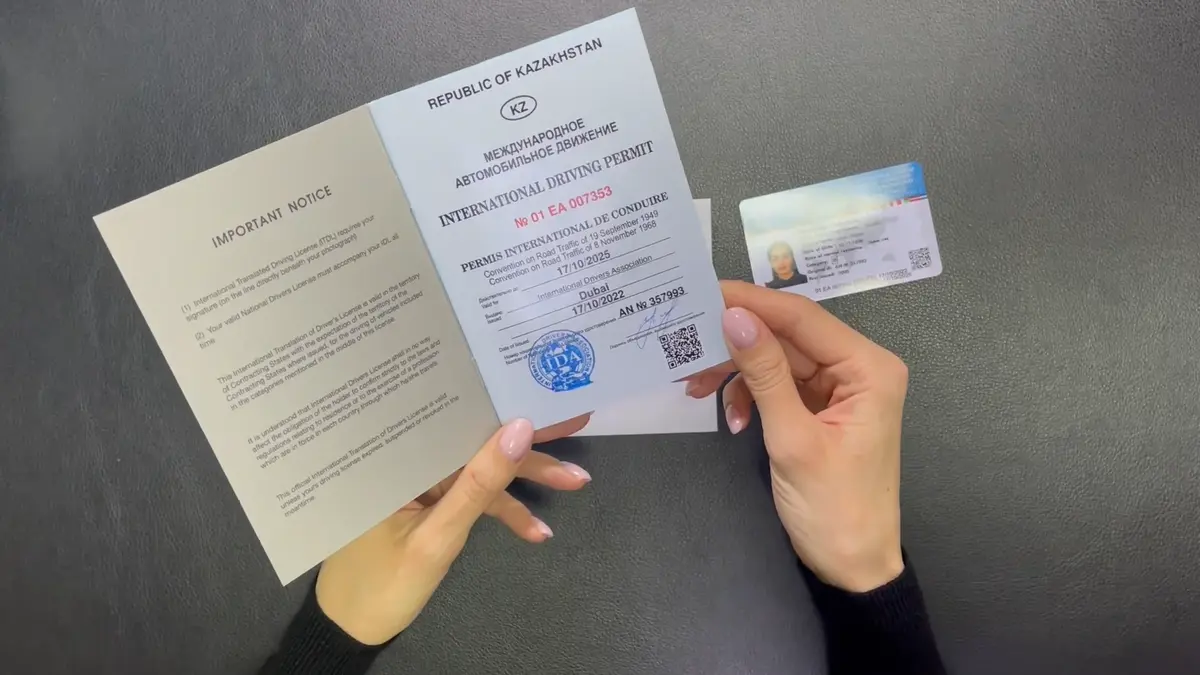
You need three things: a valid home-country driver’s license, an International Driving Permit (IDP), and your original passport. A US or EU license alone is not enough. Lebanon’s army has checkpoints on major and minor roads, and checkpoint officers check your papers against a database — a photocopy will not pass.
Lebanon operates under the 1949 Geneva Convention on Road Traffic. That convention requires foreign drivers to carry an IDP alongside their home license. Some rental counters will hand you keys with just a home license to close the transaction — but if you have an accident without an IDP, your insurance defense collapses and you are personally liable for the vehicle and third-party damages.
Getting your International Driving Permit
- Where (US): AAA or AATA branches, in person
- Cost: around $20 plus two passport photos
- Processing: same-day over the counter
- Validity: one year from issue date
- Cannot be obtained after arrival — issue it in your home country before you fly
Passport at every checkpoint
Keep your original passport on you at all times while driving. A hotel safe is not an option if you plan to leave the city. Checkpoints near the airport, on coastal highway on-ramps and at governorate borders are standard, not exceptional. Soldiers are usually polite, but they do not negotiate on missing ID.
Who can rent a car in Lebanon? Age limits and surcharges
Most agencies require drivers to be at least 23 with two years of licensed experience. Between 21 and 23 you pay a young-driver surcharge of roughly $6 to $10 per day. SUVs and larger vehicles often require age 25 or higher. Upper age cutoffs sit between 75 and 80 due to insurer rules.
- Minimum age (most agencies): 23
- Under-25 surcharge: $6–$10 per day
- SUV / premium minimum: 25
- Upper limit: 75–80, depending on the agency
Should you use a local agency or an international chain?
For most travelers, local agencies beat the international chains in Lebanon. The local operators adapted to the country’s cash-first economy and banking chaos; the international counters still run their standard processes, which means large dollar holds on your card that take weeks to release. Two local names keep coming up in traveler reviews: Advanced Car Rental and City Car.
Advanced Car Rental
Consistently rated among the top operators at Beirut’s Rafic Hariri International Airport. Newer fleet than most competitors, transparent pricing in USD, and a Meet & Greet service that collects you in arrivals so you skip the counter queue. Deposit refunds land in days, not weeks.
City Car
Headquartered at the airport with over a thousand customer reviews on rental aggregators. Reasonable fleet, honest communication about “or similar” vehicle categories (meaning: you may not get the exact model on the booking, but you will get the same class), and competitive USD rates.
When the international chains still make sense
If your corporate travel policy requires a named global brand, or you need one-way rental options, Hertz, Avis, Sixt, Europcar and Budget all operate at BEY. Expect larger holds on your card and slower dispute resolution if something goes wrong.
Pro Tip: Sixt at BEY does not have a staffed airport office — you call a representative who meets you in the downstairs parking structure to sign paperwork. Factor that into your arrival timing if you land late.
How much does it cost to rent a car in Lebanon?
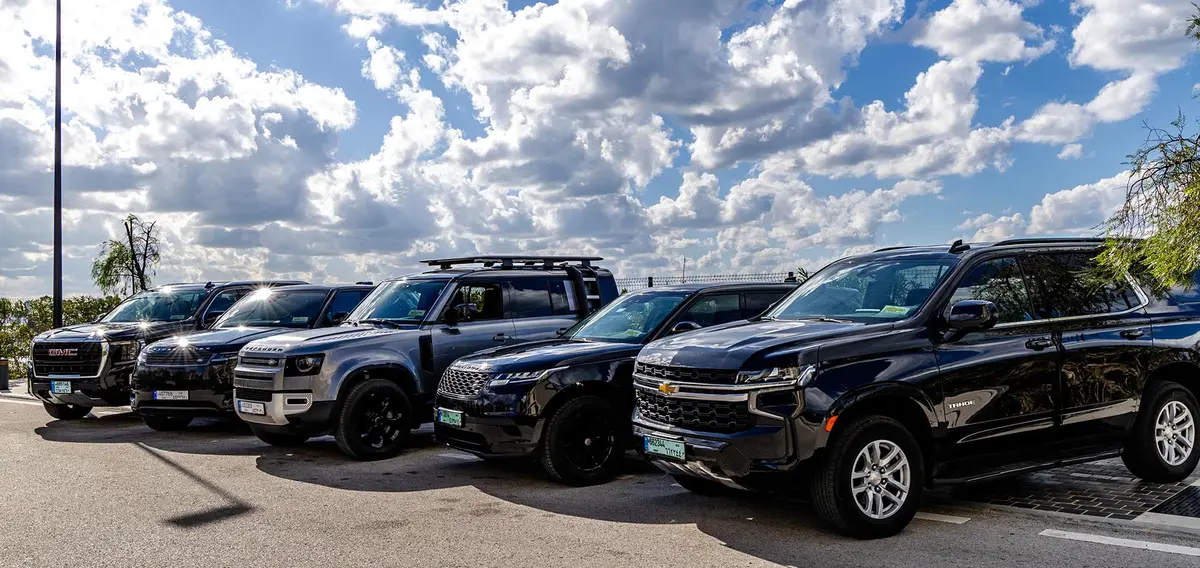
Expect $22–$35 per day for an economy car, $50–$80 for a mid-size, and $75–$115 per day for an SUV, all before insurance upgrades. Small rental cars are around 57% cheaper than other car types on average, and booking about 90 days ahead saves around 29% off walk-up rates. November is the cheapest month to rent; summer rates line up with the peak best time to visit Lebanon for beach and mountain travel.
- Economy (Hyundai i10 or similar): $22–$35/day
- Mid-size sedan: $50–$80/day
- Compact SUV: $75–$115/day
- Luxury: from around $120/day
- Full-insurance upgrade: add $15–$25/day
- Young-driver surcharge (21–23): $6–$10/day
On my last trip, a compact SUV with full insurance and unlimited mileage landed at roughly $100/day all-in — fine for a week, expensive for longer stays. If you are staying more than two weeks, ask about monthly rates: monthly rentals at Beirut Airport average around $1,232, with some operators saving up to 69% compared to 30 days of daily rates.
What insurance do you actually need?
The base Collision Damage Waiver included in most rates carries a $1,000–$3,000 deductible — which, in Beirut’s scratch-a-day traffic, you will almost certainly eat. Pay for the Super CDW upgrade to drop that deductible to zero, and confirm third-party liability is included. Do not assume your premium credit card covers you.
Most US premium cards (Chase Sapphire Reserve, Amex Platinum and similar) include war-risk or hostilities exclusions. Because Lebanon currently sits in a conflict classification for most underwriters, even a routine parking-lot scrape can trigger a denied claim on the credit-card secondary coverage. Paying the agency directly for the SCDW is not the cheap move, but it is the only move that actually protects you.
- Base CDW: included; deductible $1,000–$3,000
- Super CDW (SCDW): $15–$25/day; deductible zero
- Third-party liability: include it, non-negotiable
- Personal effects: not worth it; hotel safe is better
Pro Tip: Before you leave the rental lot, walk around the car with your phone video rolling. Capture every scratch, wheel scuff and windshield chip. Send the video to yourself by email immediately so it has a timestamp. This single habit has saved more deposit refunds than any insurance policy.
What is driving in Lebanon actually like?
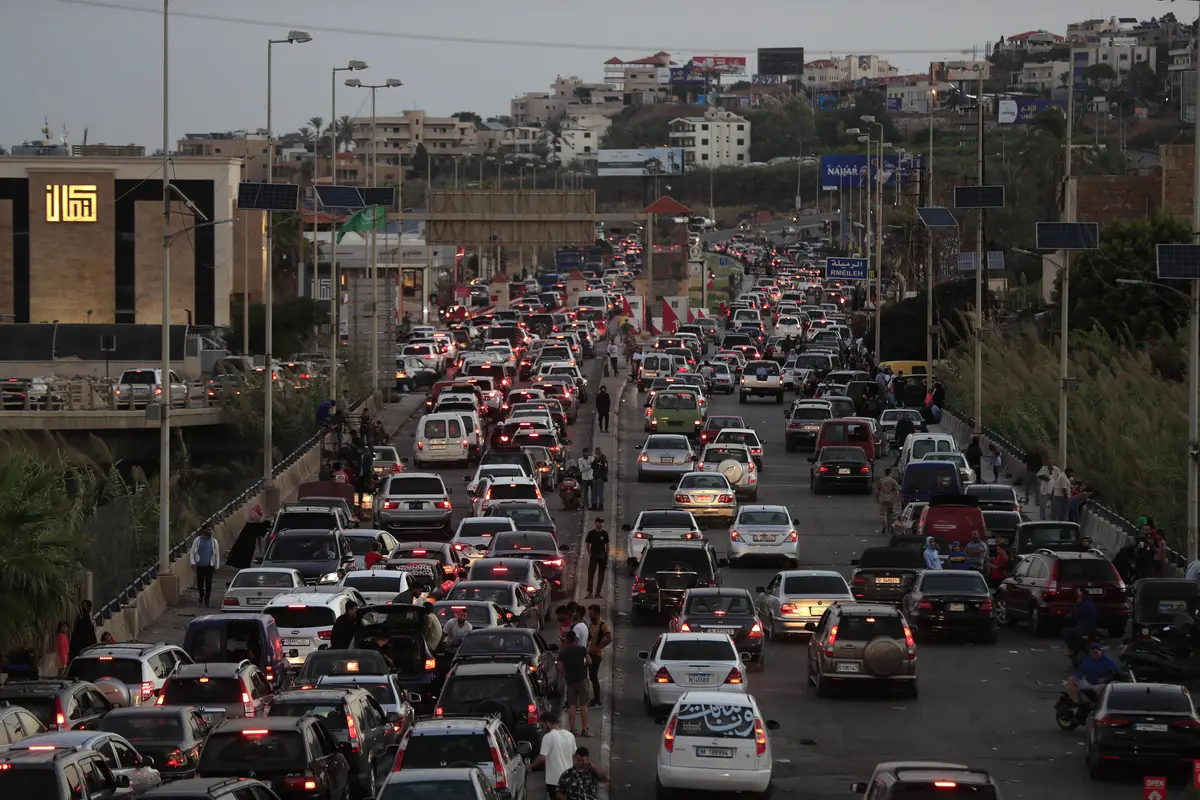
Rough roads, aggressive drivers, and infrastructure that varies wildly between “European” and “third-world.” Expect deep potholes on major highways, missing manhole covers on side streets, and broken or ignored traffic signals in central Beirut. Lane markings are suggestions. Honking is a full communication system, not a complaint. Drive defensively and slowly, especially for the first 24 hours.
Road conditions and night driving
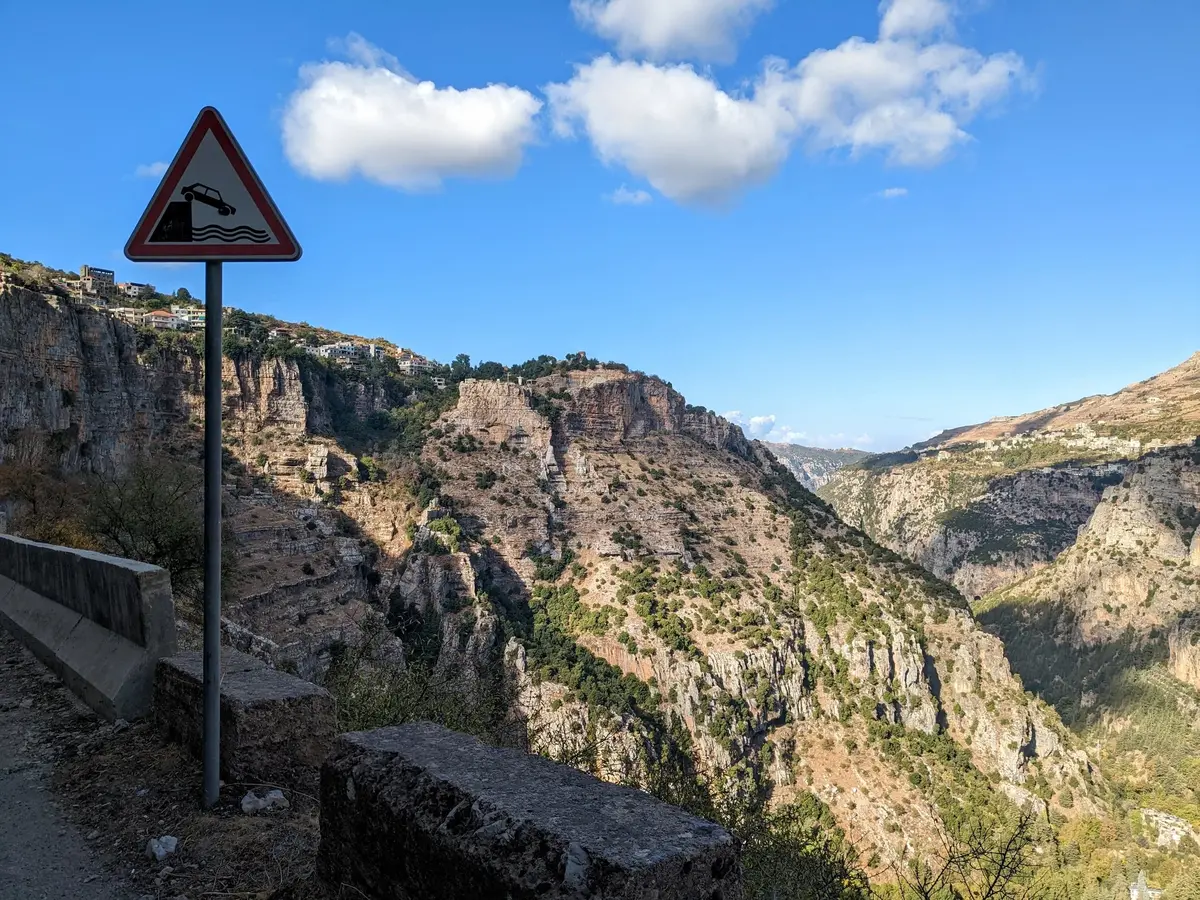
The coastal highway north of Beirut is wide and mostly in good shape, but exits arrive fast and signage is inconsistent. Inland mountain roads are narrow, winding, and often have no guardrails above long drops. Street lighting outside central Beirut is effectively nonexistent because of ongoing power-cut issues across Lebanon. Driving between cities after dark is genuinely dangerous — unlit mopeds, stopped trucks and pedestrians appear out of nowhere.
Plan your intercity driving to finish before sunset. If you have to be on the road at night, cut your speed by 30% and pick the main highways over shortcuts.
The honking “language”
In the US, a horn is confrontation. In Lebanon, it is SMS. Drivers tap the horn to say “I’m passing you,” “I’m at this intersection,” “The light just turned green” and “I see you.” It is almost never anger. You will find it exhausting for the first day, unnoticeable by day three.
GPS jamming — why your map will lie
GPS signals may be blocked in parts of Lebanon, disrupting navigational apps and devices. Waze and Google Maps routinely show your car sitting at BEY airport when you are actually in the mountains above Byblos. Download offline maps for every region you plan to drive before you leave Beirut — Google Maps offline, Maps.me, or Organic Maps all work. Review each day’s route visually the night before, so you are not dependent on live turn-by-turn guidance when the signal drops.
How do you handle Lebanese security checkpoints?
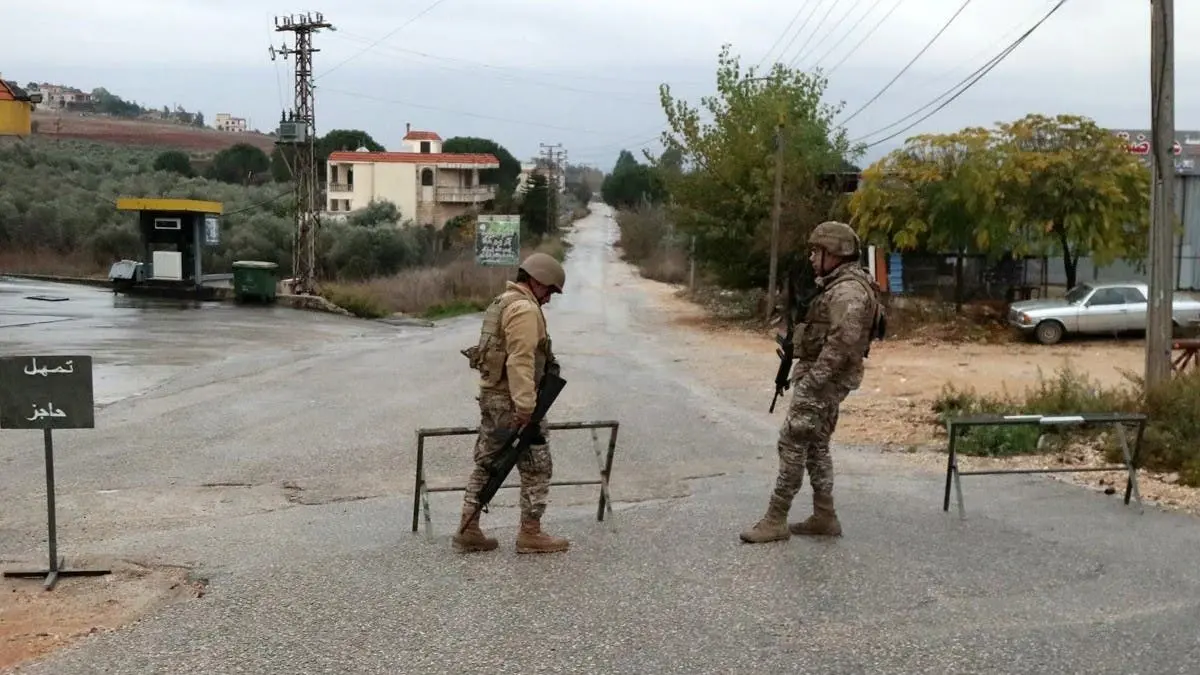
Slow well in advance, dim your headlights to parking lights at night, turn on your interior dome light, roll down your window, and have passport plus vehicle registration ready on the dash. A short greeting in Arabic (“Marhaba”) or French (“Bonjour”), eye contact, and direct answers about where you are going are what the soldier needs. Keep your hands visible. Do not reach into bags without permission. The whole interaction usually takes under 90 seconds.
Checkpoints are not tourist harassment. They are infrastructure. The soldiers are checking for weapons and wanted individuals. If you look like a relaxed foreign tourist with paperwork in order, you will get waved through.
- Slow down: 200 feet before the barrier
- At night: interior dome light on, parking lights only
- Ready on dash: passport, IDP, rental contract
- Tone: brief, polite, no jokes
- Do not: photograph checkpoints — ever
Which areas does your rental contract forbid?
Most Lebanese rental contracts forbid travel to specific regions, and entering them voids your insurance instantly. The current off-limits map is wider than it used to be. The U.S. Embassy urges travelers to avoid all parts of Lebanon south of the city of Saida, including inland areas, plus the Dahieh suburb of Beirut and the Bekaa Valley.
- South of Saida: includes Tyre, Nabatieh, and the former “safe coastal” route — current advisories put the entire zone off-limits, not just areas south of the Litani
- Bekaa Valley (including Baalbek): ruled out for most insurance contracts; there is a risk of further strikes in the area
- Syrian border regions: northern Akkar and eastern Hermel — forbidden
- Dahieh (southern Beirut suburbs): checkpoint-heavy and off-limits
- Palestinian refugee camps: strictly forbidden for rental vehicles, no exceptions
- Unexploded ordnance zones: landmines and unexploded ordnance continue to pose a threat south of the Litani River and near the northeastern border region — do not leave paved roads in these areas
Unauthorized photography in or near these areas can get your phone confiscated and you detained. This is where the rules around taking photos in Lebanon become practical rather than theoretical.
What are the best driving routes from Beirut?
Two routes are worth your rental. The northern coastal run (Beirut → Byblos → Batroun → Tripoli) and the mountain loop up to the Qadisha Valley and the Cedars. Both are doable as day trips or, better, as a two-night split.
Beirut to Byblos and Batroun
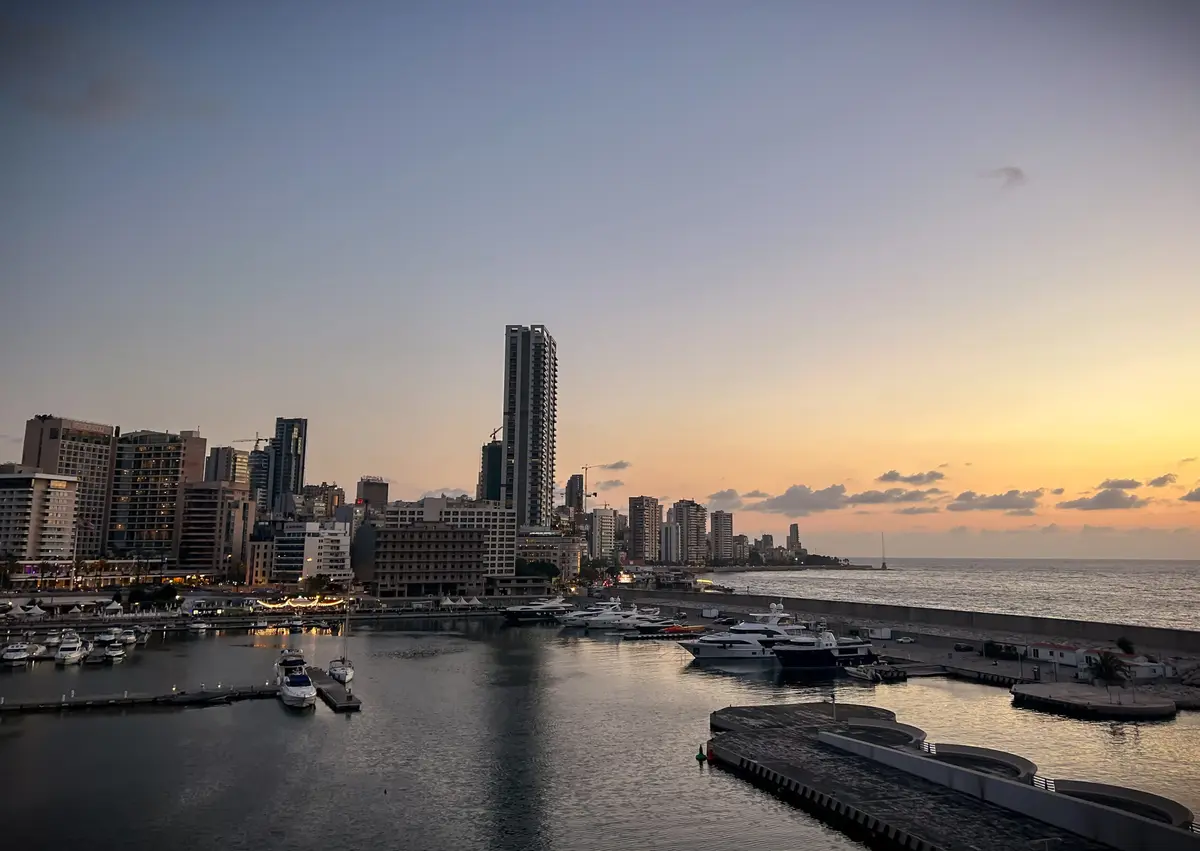
The coastal highway is wide, fast and chaotic. Microbuses stop without warning in the right lane, and on-ramps merge with almost no acceleration space. Leave Beirut between 9:30 and 10:30 a.m. to miss rush hour — the 4:00–6:00 p.m. return window is the worst of the day.
- Beirut to Byblos: 23 miles (37 km), roughly 45 minutes in light traffic
- Beirut to Batroun: 34 miles (55 km), roughly 60–75 minutes
- Parking: both towns have small paid lots near the old souks; street parking is nearly impossible in Byblos on weekends
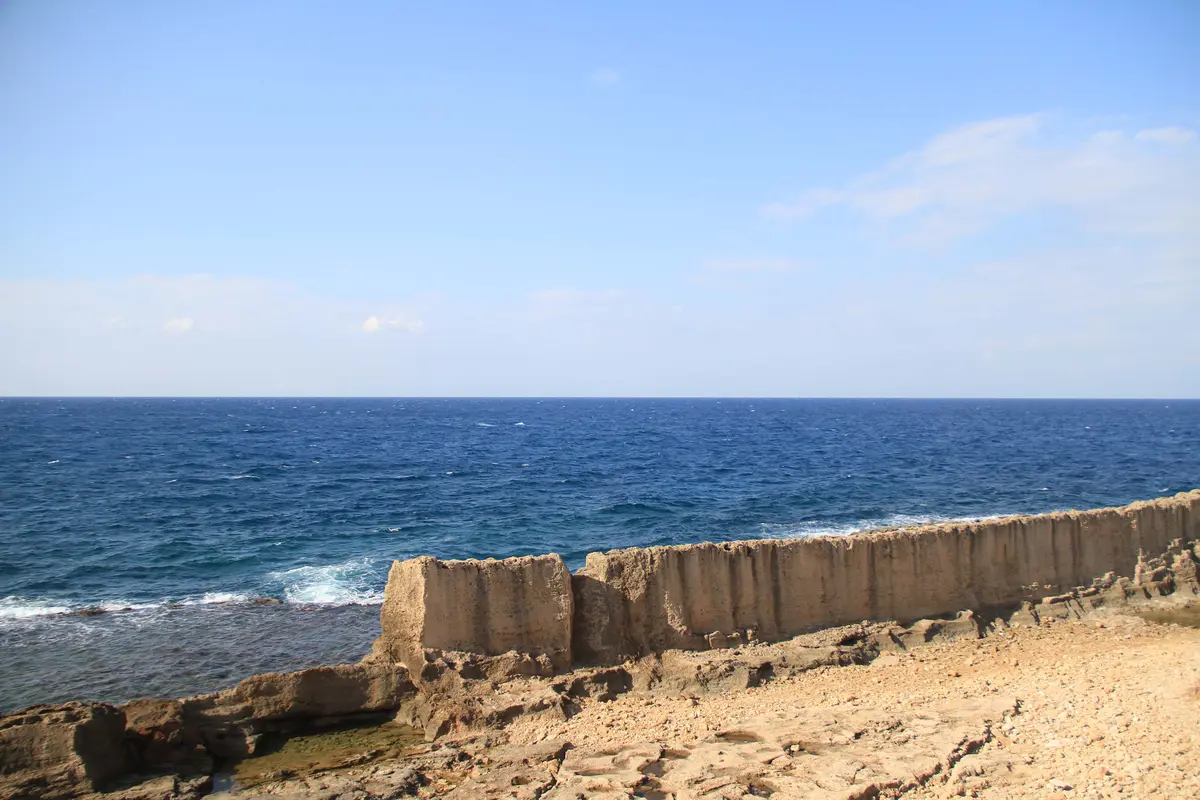
Batroun is where most travelers wish they had booked the second night. The old port, the Phoenician sea wall and the string of casual beach bars earn their reputation. The list of things to do in Batroun stretches easily to a full 48 hours.
The Qadisha Valley mountain route
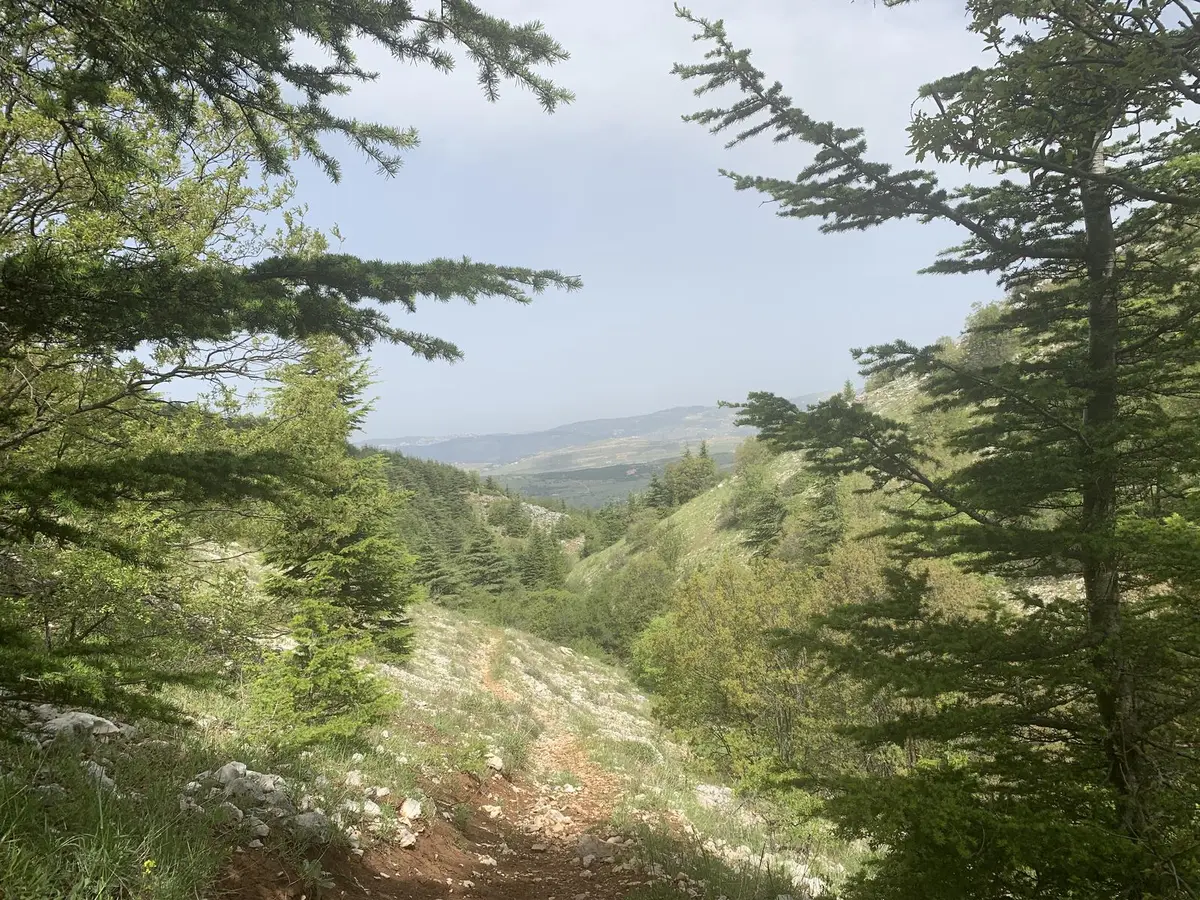
Take the Chekka exit off the coastal highway and head inland through Amioun toward Bsharri. The road climbs from sea level to over 6,561 feet (2,000 m) in under two hours. This is real mountain driving — tight switchbacks, steep grades, and sheer drops with minimal guardrail. An automatic compact handles it fine in summer. In winter (December through March), you need an SUV with all-season tires or snow chains, and you should check road-closure reports before leaving Tripoli.
The payoff is a hike in the Qadisha Valley, one of the oldest continuously inhabited Christian landscapes in the Middle East, followed by a visit to the Cedars of God at over 6,000 feet.
Pro Tip: Fill up your tank in Chekka or Amioun before you start climbing. Mountain stations charge more, close earlier, and occasionally run out of fuel during delivery-chain disruptions.
How do you pay for fuel and handle parking?
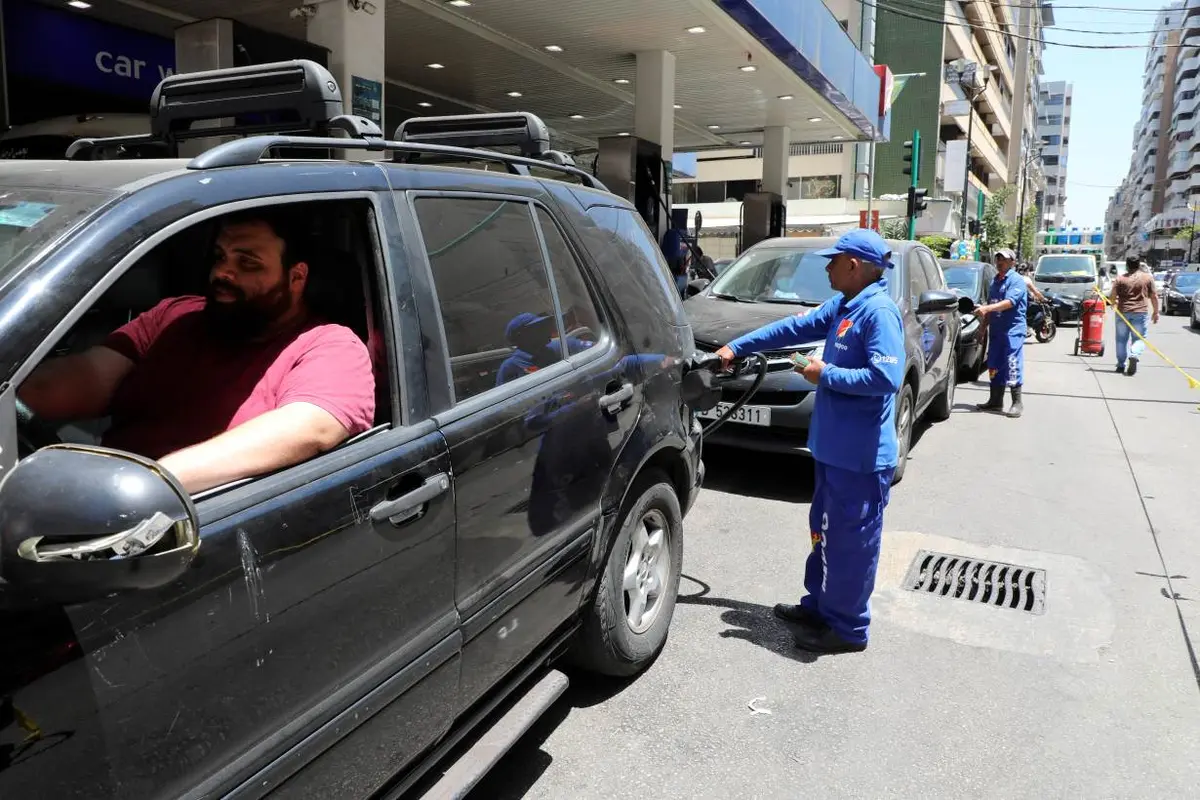
Fuel prices in Lebanon are dollarized in practice, even when signs list Lebanese pounds. Current pump price sits around USD 1.13 per liter, which works out to roughly $4.28 per gallon — higher than US prices, comparable to Western Europe. Attendants pump for you at every station. Credit cards are rarely accepted at the pump; carry USD cash in small bills and some Lebanese pounds for change.
- Octane 95 (standard): around $1.13/liter ($4.28/gallon)
- Payment: USD cash preferred; LBP accepted at daily exchange rate
- Credit cards: rarely work at pumps — do not rely on them
- Tipping the attendant: $1 or LBP equivalent is standard
- Verify: watch the pump meter reset to zero before the attendant starts
Parking in Beirut’s nightlife districts
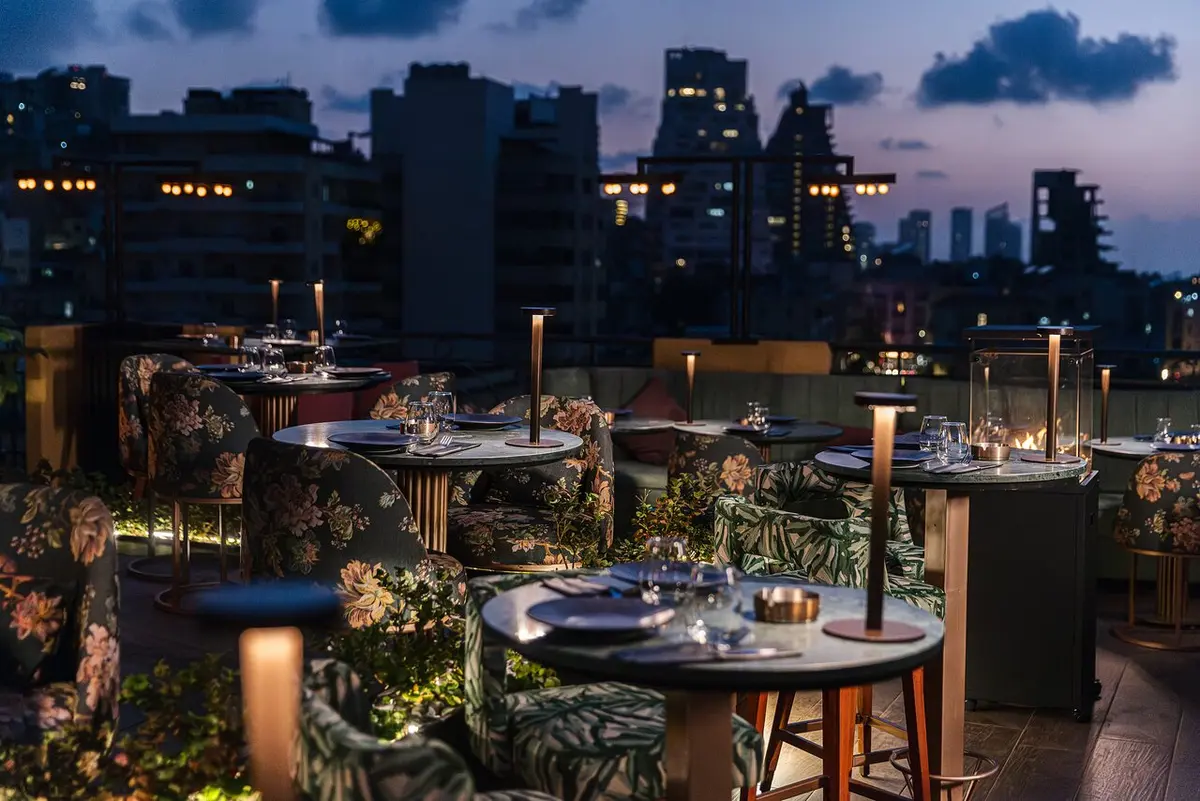
In Mar Mikhael, Gemmayze and Hamra, street parking effectively does not exist after 7 p.m. Informal valet crews have taken over most curb space. The standard rate is $3–$5. Tip another dollar on return. Valets are reliable with the car itself, but not with what’s inside — never leave passports, laptops or bags visible. Lock everything in the trunk before you arrive at the restaurant, not after.
Rent vs. hire a driver — which makes sense for your trip?
For solo travelers and couples with flexible itineraries, renting wins on both cost and freedom. For groups of three or four with a fixed sightseeing list, a private driver is roughly the same price and removes the entire stress layer — liability, navigation, checkpoint handling, parking. Here is the real math:
- Rent a car (compact SUV, full insurance, fuel): roughly $100/day all-in
- Private driver with car and fuel, 8 hours: $120–$160/day
- Split three ways: driver costs $40–$55 per person; rental costs $33 per person plus your time driving
For route planning in a country with GPS jamming, aggressive traffic and checkpoints, the driver is often the smarter call — especially for first-time visitors. Rent the car when the flexibility to stop on a coastal shoulder at 5 p.m. for a sunset and a cold Almaza is worth more than the stress.
The question of Uber in Lebanon vs Taxi comes up often for in-Beirut movement — Uber and the local Bolt both work reliably in the city and are cheap enough that most travelers pair a rental car for day trips with rideshare inside Beirut itself.
The bottom line
To rent a car in Lebanon in the current environment, the formula is simple: get the IDP before you fly, book a local agency (Advanced or City Car), pay for the Super CDW, avoid the entire south and the Bekaa, drive only in daylight for intercity routes, and keep your passport on you at every checkpoint. Do that and the northern coast and the mountains open up in a way no taxi or bus ever will.
TL;DR: Lebanon is drivable for the northern coast, Chouf and Qadisha Valley, but current security advisories rule out the south, the Bekaa and Dahieh. Bring an IDP, use a local agency like Advanced Car Rental, pay for full insurance, and pay cash in USD at the pump.
What’s the first place you’d drive to if you rented a car in Lebanon tomorrow — the old port in Batroun, or the Cedars at 6,000 feet?