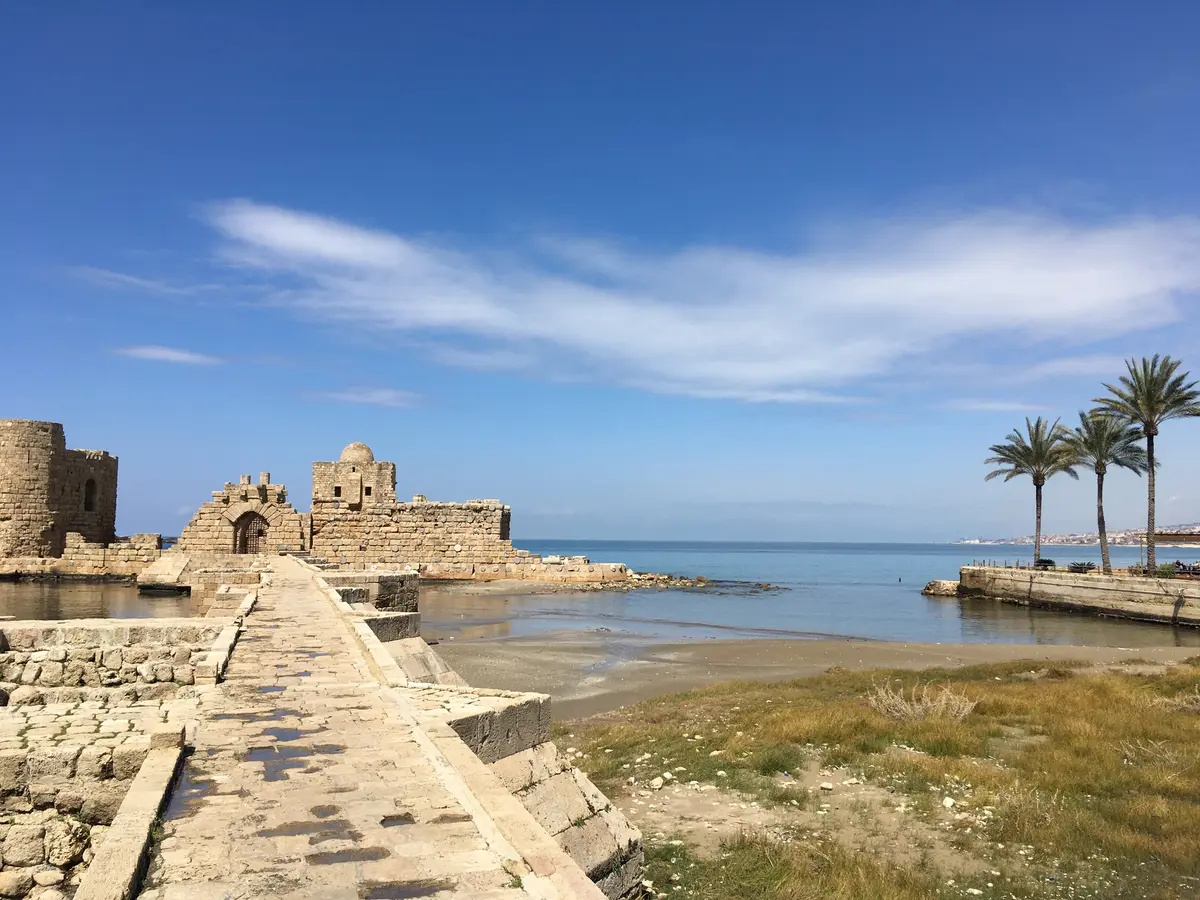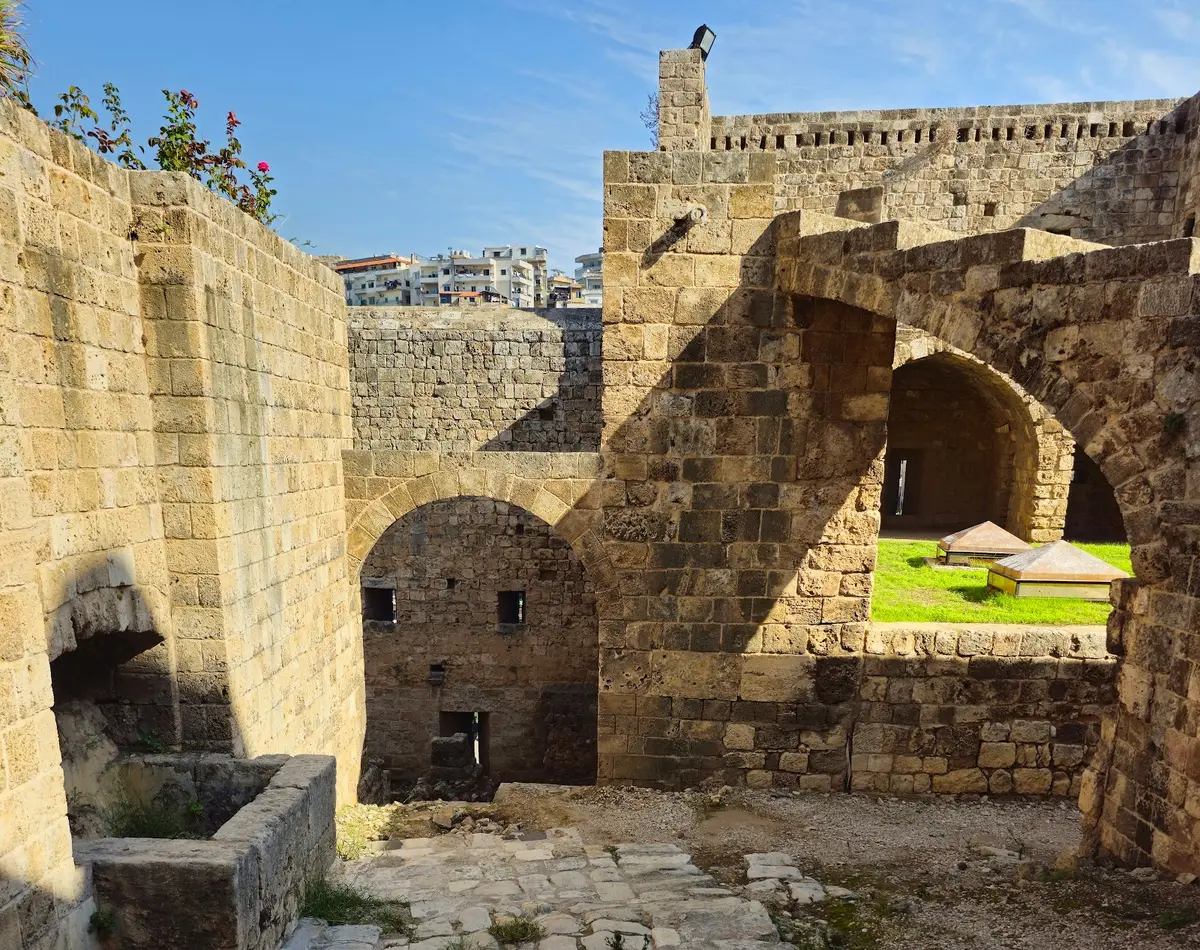
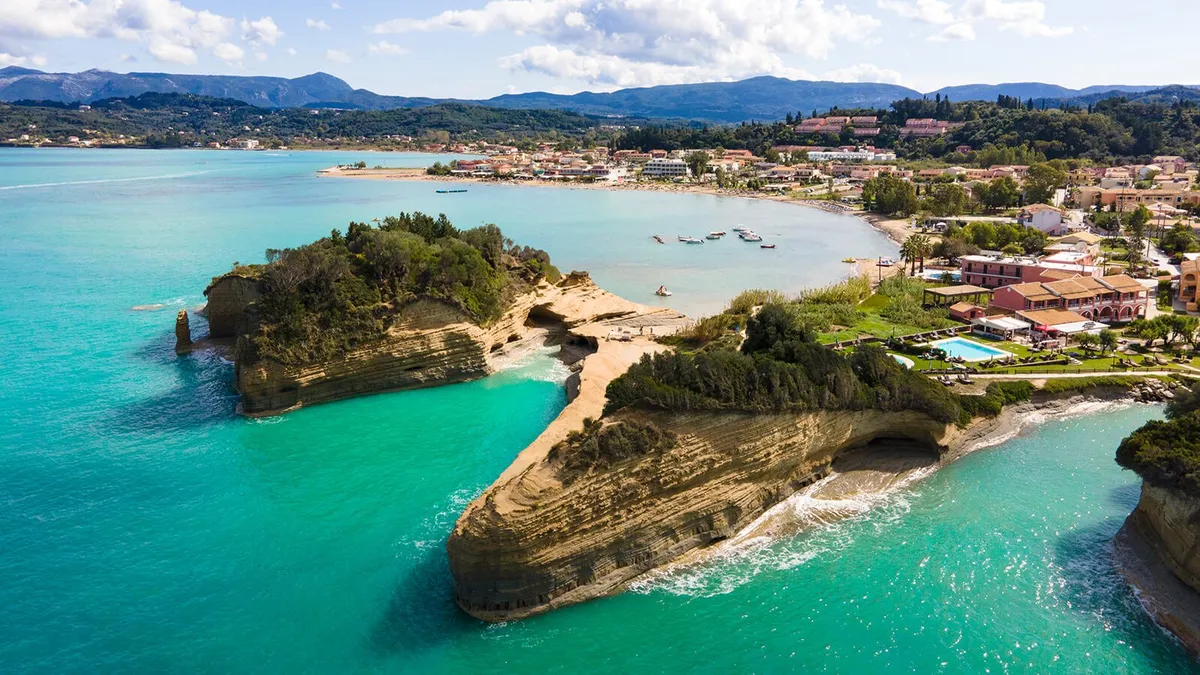
Lebanon beaches pack 140 miles (220 km) of contradiction into one coastline: Crusader ruins, surf-shack cafes, and members-only clubs charging $50 at the gate. Before you book anything, read the safety section below — the US State Department maintains a Level 4 “Do Not Travel” advisory, and the situation directly shapes which beaches are accessible right now.
Is it safe to visit Lebanon beaches right now?
The US State Department rates Lebanon at Level 4 (Do Not Travel) due to armed conflict risk, kidnapping, and unexploded ordnance. A cessation of hostilities has been in place since November 2024 but military activity continues, particularly south of the Litani River. All parts of Lebanon south of Saida — including Tyre and Naqoura — fall under the strictest “depart now” guidance.
Main coastal hubs north of Beirut (Byblos, Batroun, Jounieh) see daily life continue, but travel insurance is routinely voided against official advisories. On my last visit, friends in Batroun were at the beach while strikes hit the Beqaa 40 miles (65 km) inland the same afternoon — proximity is not the safety signal you think it is. For a fuller breakdown, see our guide to whether Lebanon is safe for American tourists before committing to dates.
Pro Tip: Check the US State Department and UK FCDO advisories within 48 hours of booking any flight. Conditions shift weekly.
Public vs. private: how access actually works
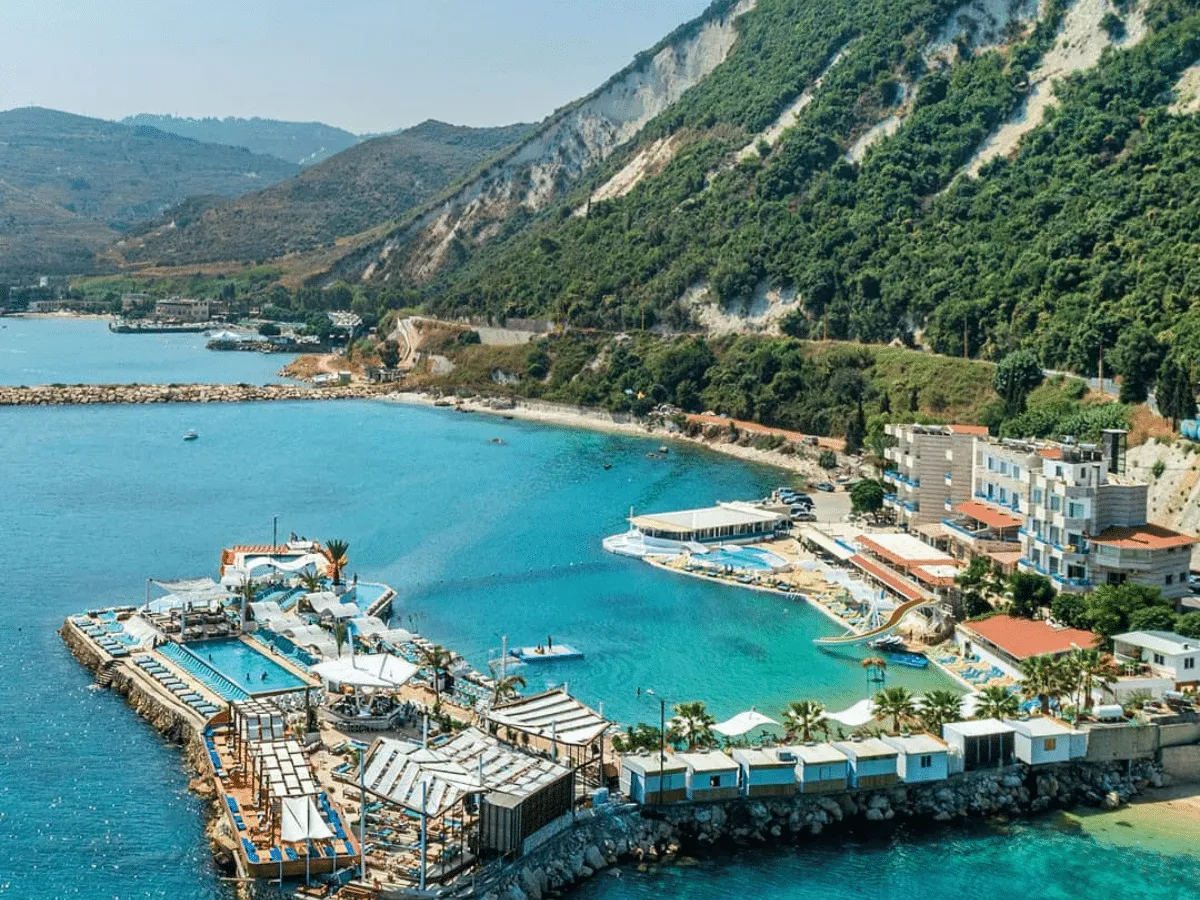
Roughly 80% of the coastline is privatized, which means “going to the beach” in Lebanon usually means paying $20 to $50 to enter a club with loungers, pools, and food service. Public beaches are free but inconsistent — Tyre’s sand is clean, Beirut’s Ramlet al-Baida is not swimmable.
- Public beaches: Free or $5-10 for a chair; local crowds; quality varies by city
- Private clubs: $20-50 entry; pool access, loungers, food; weekend reservations essential
- Water quality reality: The National Center for Marine Sciences (CNRS) tested 37 sites in its last public round and cleared 26 as safe; Ramlet al-Baida and Manara failed on bacterial counts
Water quality: which beaches to actually swim at
Water is significantly cleaner north of Byblos and south of Saida than in the Beirut-Jounieh stretch. The CNRS explicitly advises against swimming at Ramlet al-Baida and Manara due to sewage contamination. Anywhere within 6 miles (10 km) of central Beirut should be treated as skeptical until you’ve seen a current test result.
1. Tyre (Sour) — the best public sand in the country
Tyre’s public beach is the one local families drive two hours south for. The sand runs soft and golden for nearly a mile, the slope is gentle enough for toddlers, and the water stays knee-deep for 60 feet (18 m) out. CNRS tests have consistently cleared it for swimming — our dedicated Tyre beaches guide breaks down each stretch.
The catch: Tyre sits in the zone the US State Department tells Americans to leave. UNIFIL patrols are visible from the sand. If the political wind shifts, this beach closes before you can check out of your hotel.
- Location: Public beach, southern edge of Tyre old city
- Cost: Free entry; chair and umbrella rental $5-10
- Best for: Families who understand the regional risk
- Time needed: Half-day, combined with the Roman Hippodrome
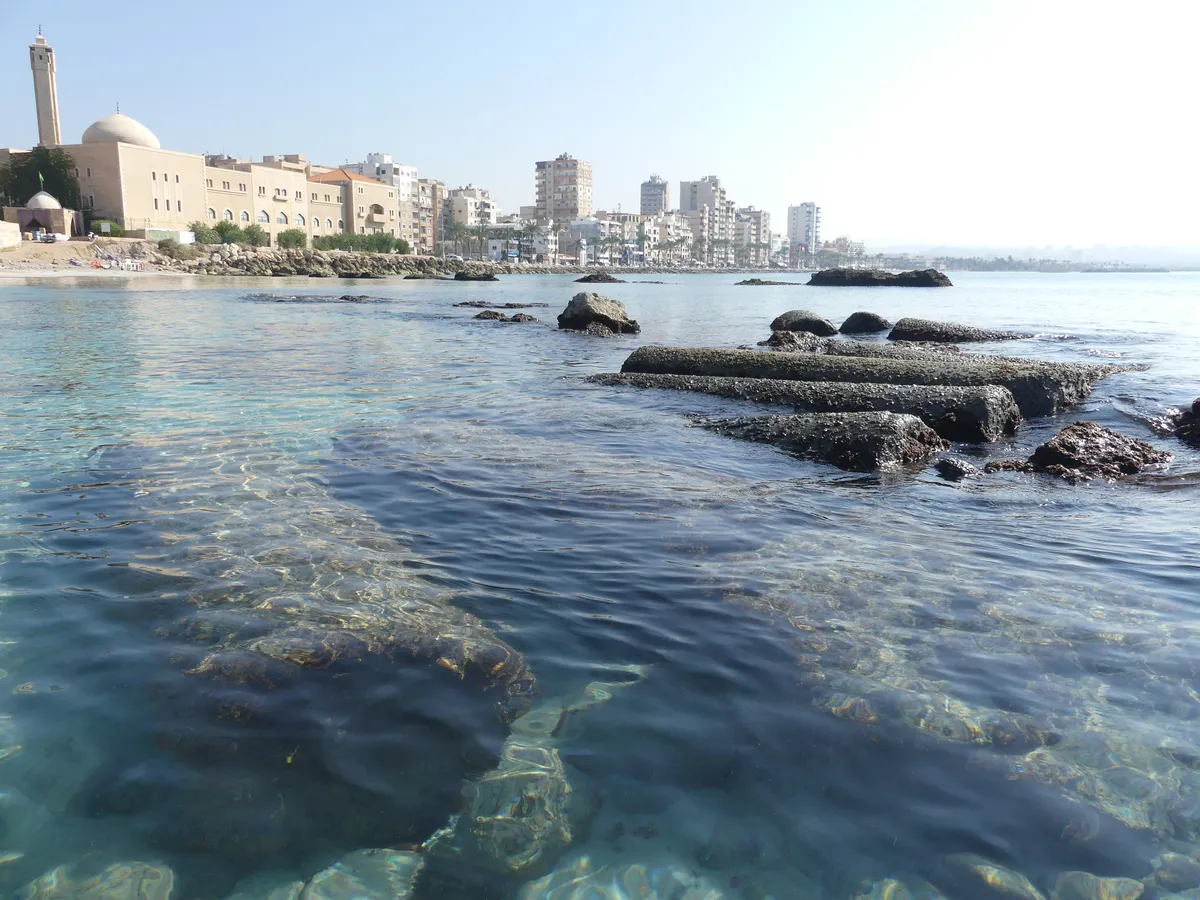
2. Naqoura — turquoise coves, active border
Naqoura sits on the Blue Line itself. The water is the clearest on the Lebanese coast — rocky coves, visibility to 30 feet (9 m), almost no development. It is also the single riskiest beach destination in the country. UNIFIL vehicles outnumber civilian cars on the access road.
- Location: Southernmost tip of Lebanese coast, at the Israeli border
- Cost: Free; no services, no kiosks, no lifeguards
- Best for: Nobody right now — reassess after formal de-escalation
- Time needed: Not applicable under current advisories
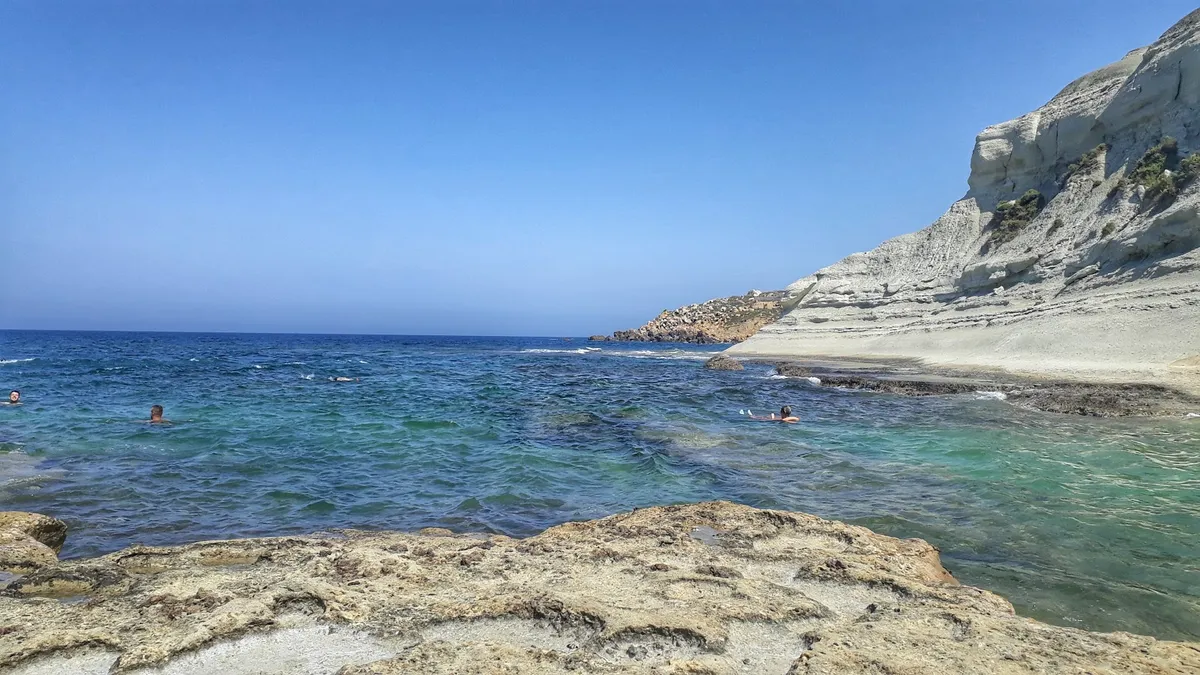
3. Jiyeh — family sand and adults-only clubs, same town
Jiyeh sits 20 miles (32 km) south of Beirut and splits neatly into two crowds. Jonas Beach has playgrounds, shallow pools, and sandy shore for kids. Orchid, two minutes down the coastal road, is adults-only with a quiet-rule enforced by staff.
- Location: Coastal road south of Beirut, before Saida
- Cost: Jonas $25-35 weekday; Orchid $40-60 weekend
- Best for: Mixed groups splitting up for the day
- Time needed: Full day
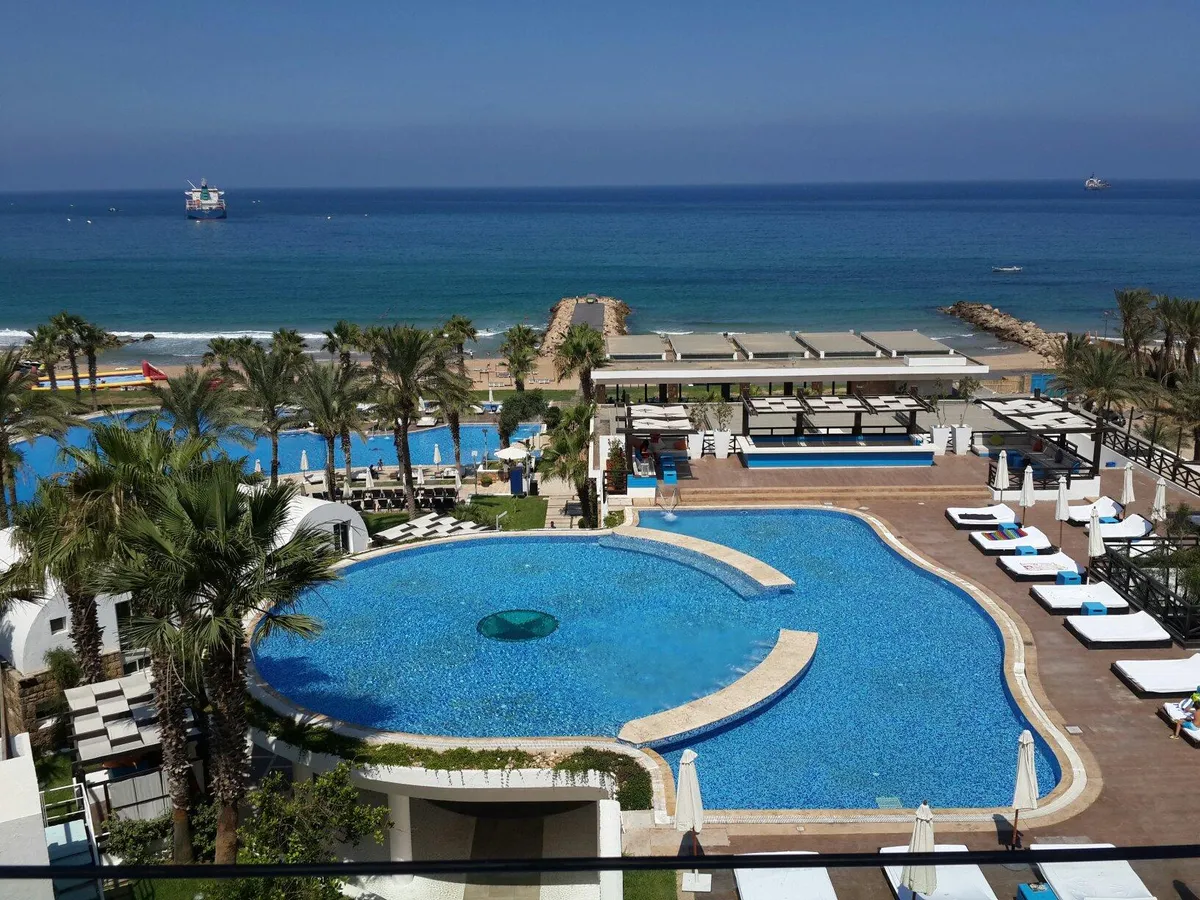
4. Damour — where Beirut’s design crowd goes
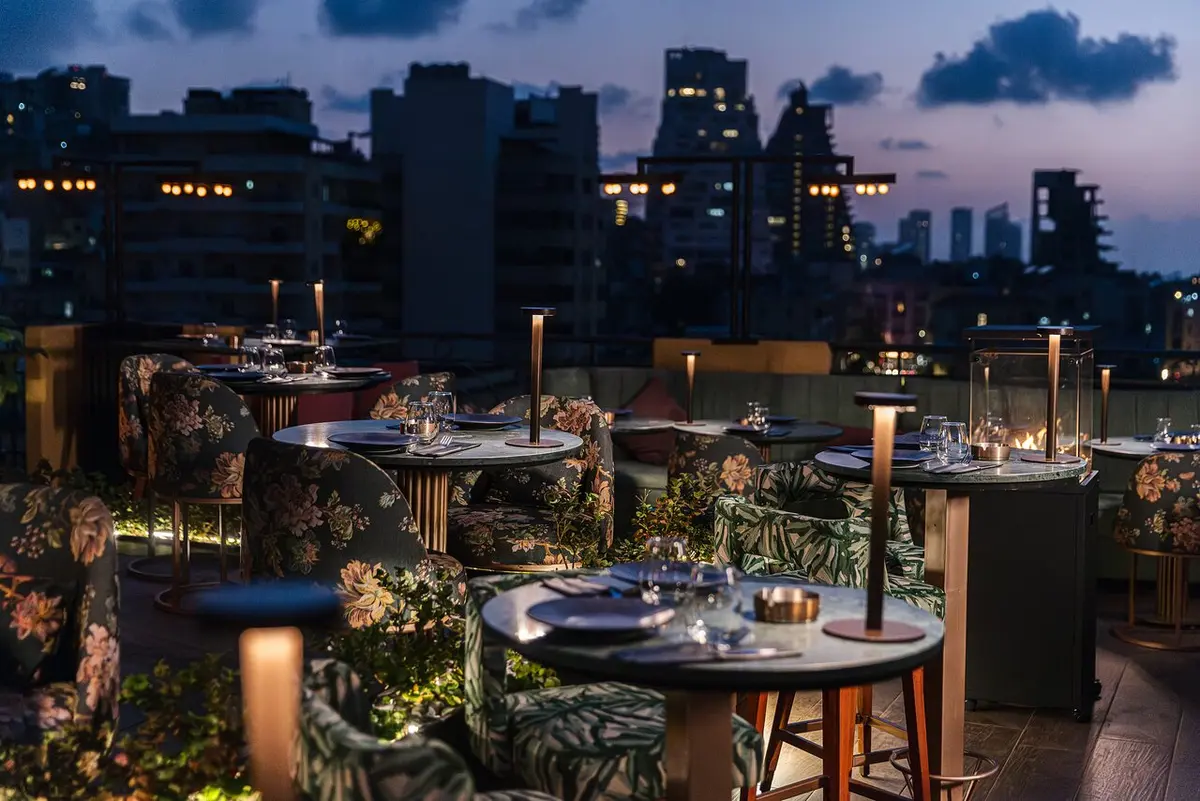
Lost at Sea is the reason people drive to Damour. Minimalist loungers, concrete-and-linen aesthetic, a cocktail list built around arak and local citrus. The food is genuinely good — the grilled octopus is the dish to order.
- Location: Damour, 12 miles (19 km) south of Beirut
- Cost: $45-65 weekend entry; reservation required
- Best for: Adults without kids who want quiet
- Time needed: Full day
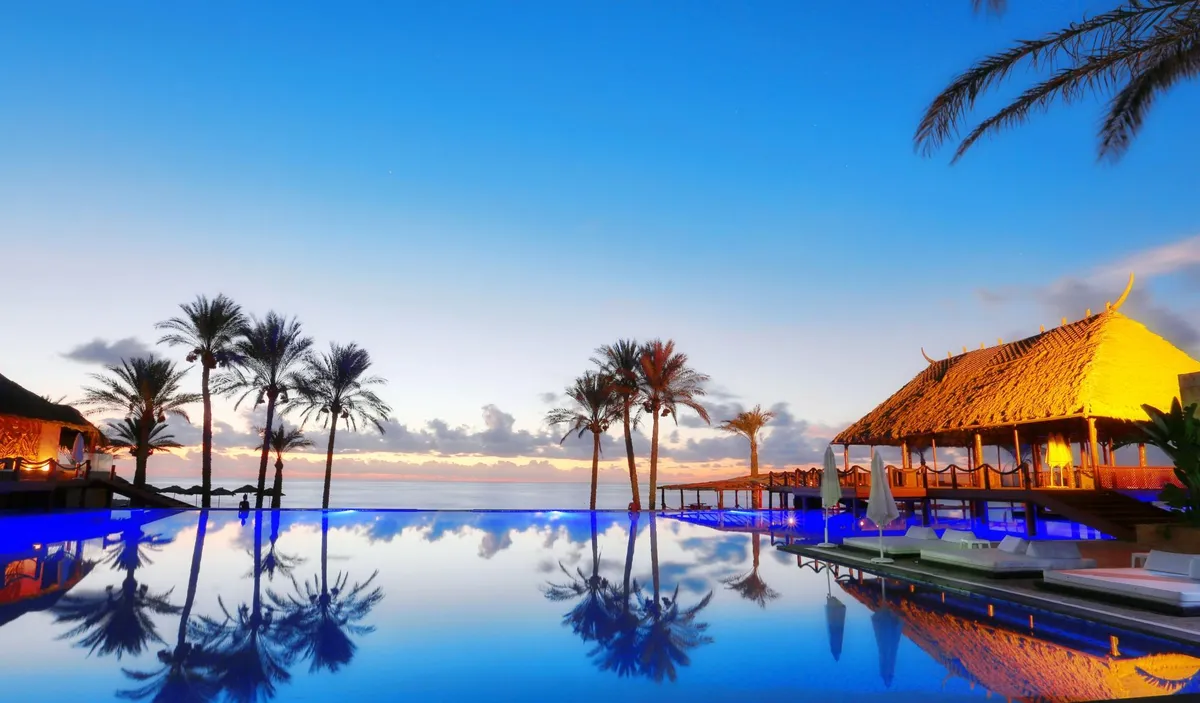
5. Ramlet al-Baida — look, don’t swim
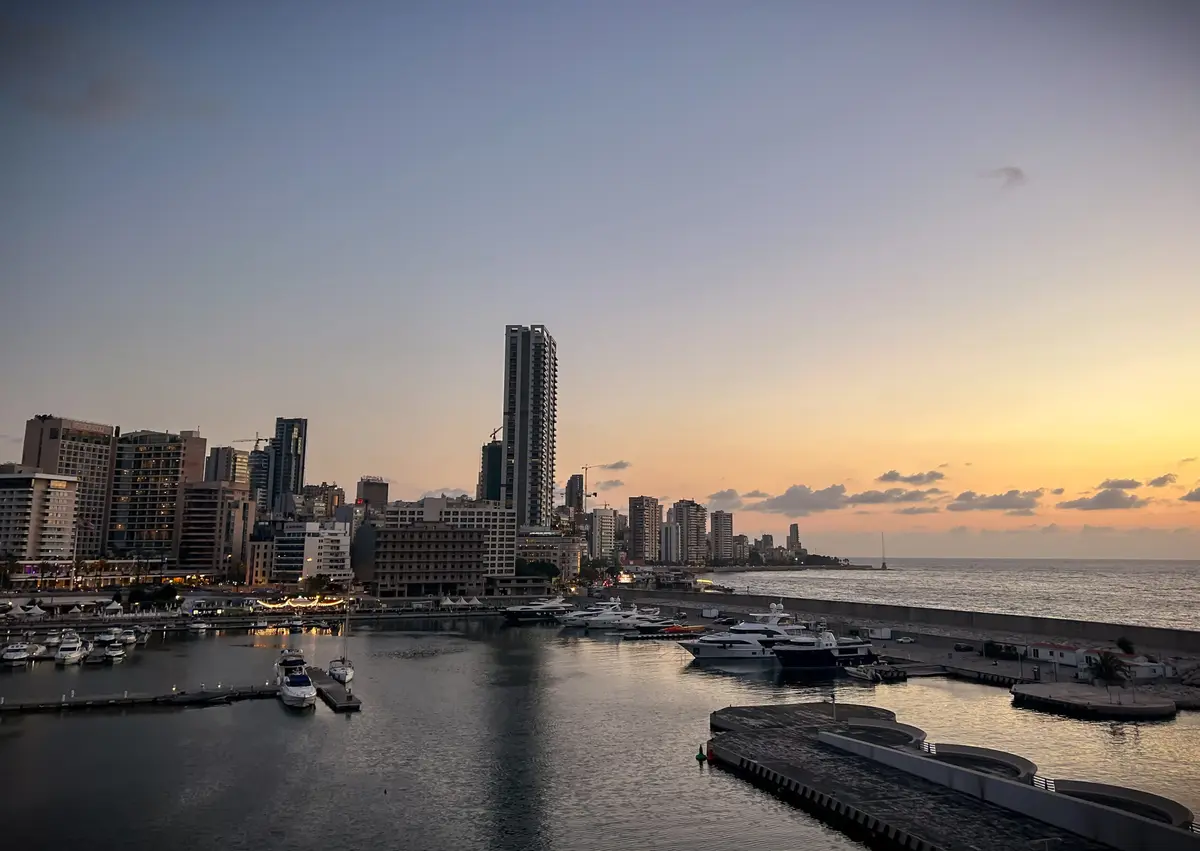
Beirut’s last free public beach is worth walking along at sunset for the local scene: kids playing football, families grilling, vendors selling ka’ak from bicycles. It is not worth getting in the water. CNRS rates the bacterial counts as unsafe; locals who swim here know something tourists don’t.
- Location: Western Beirut, below the Corniche
- Cost: Free
- Best for: People-watching, not swimming
- Time needed: 1-2 hours
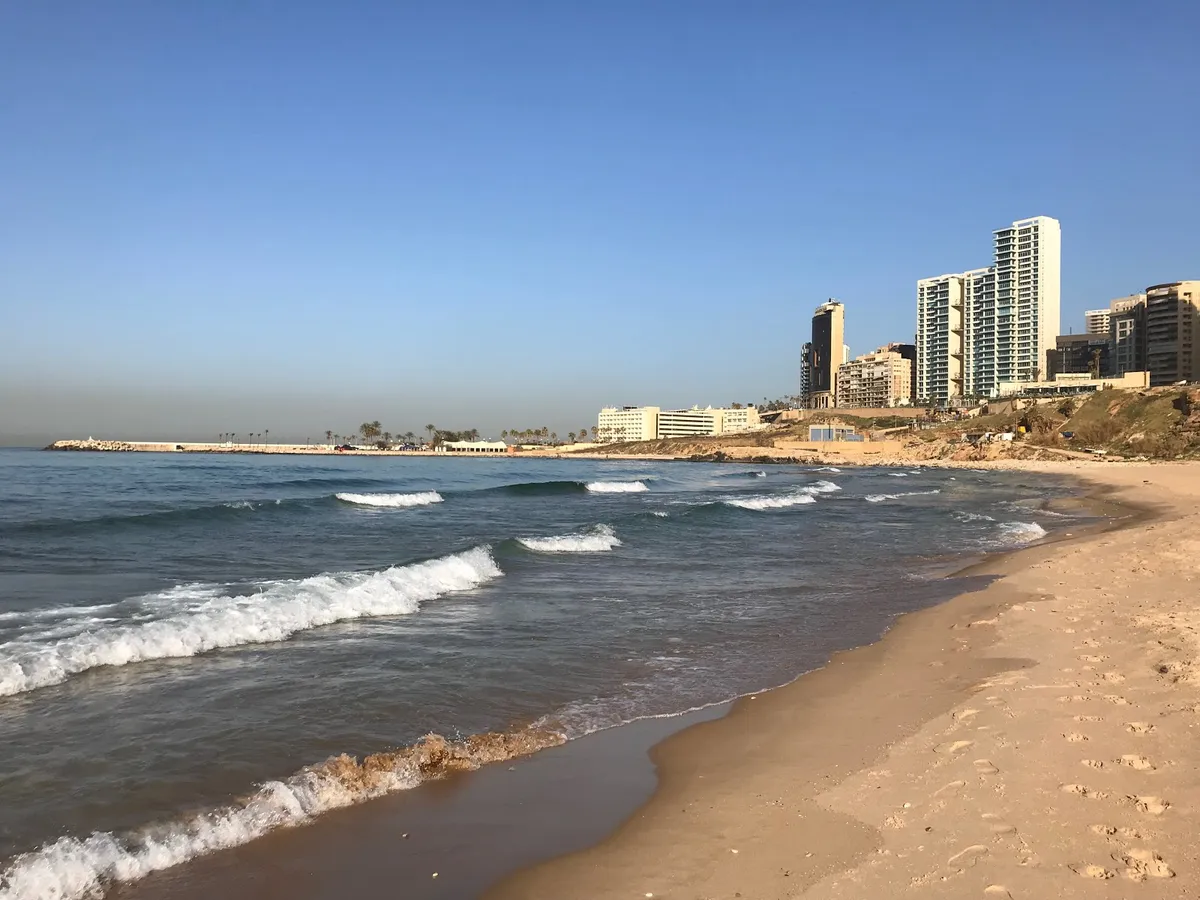
6. Jounieh and Maameltein — the party strip
Jounieh Bay is where the DJs are. Veer Beach Club, Tiki Bar, and Rocca Island run weekend sets from early afternoon into the night. Expect crowds, $12 cocktails, and entry queues by 2 p.m. The bay water is cleaner than Beirut’s but still not CNRS top-rated. This strip anchors much of the country’s beach-and-club nightlife scene.
- Location: 10 miles (16 km) north of Beirut
- Cost: $25-50 entry, depending on DJ lineup
- Best for: Groups under 35 who want a scene
- Time needed: Afternoon into evening
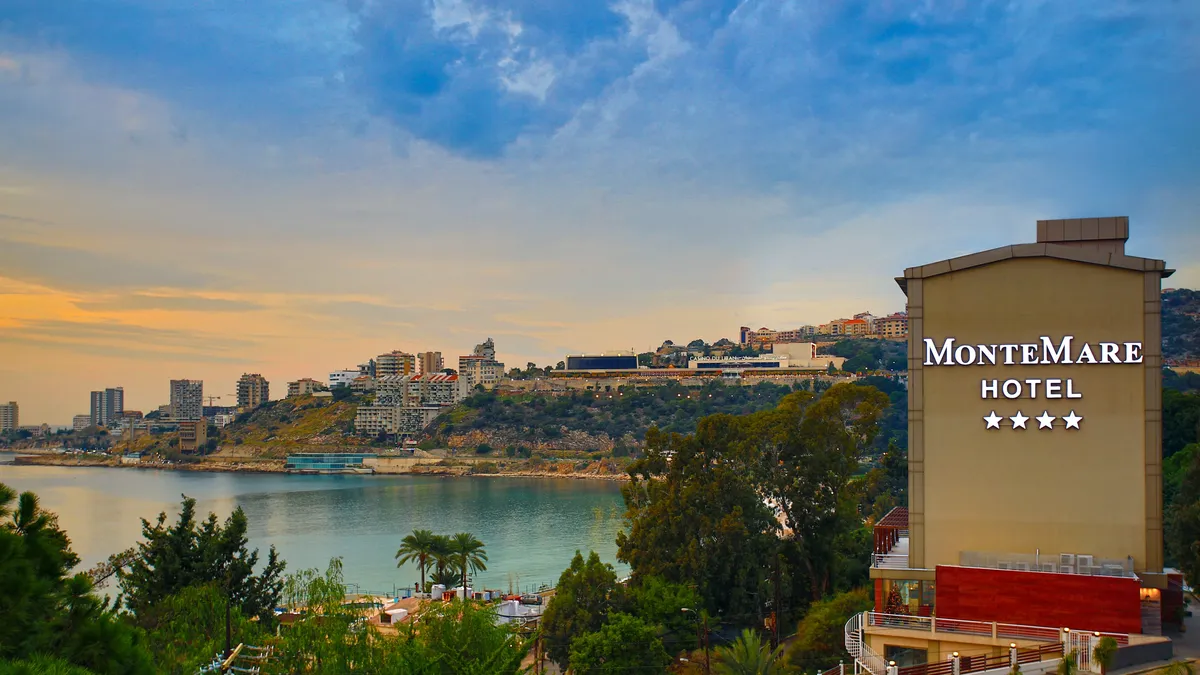
7. Byblos (Jbeil) — swim, then walk through 7,000 years
Byblos is the rare combination of a decent public beach (Eddé Sands frontage) and a UNESCO archaeological site you can reach on foot in 10 minutes. The beach itself is mid-tier — the reason to come is the combination.
- Location: 23 miles (37 km) north of Beirut
- Cost: Public beach free; Eddé Sands club $30-45
- Best for: History-first travelers who want sea access
- Time needed: Full day
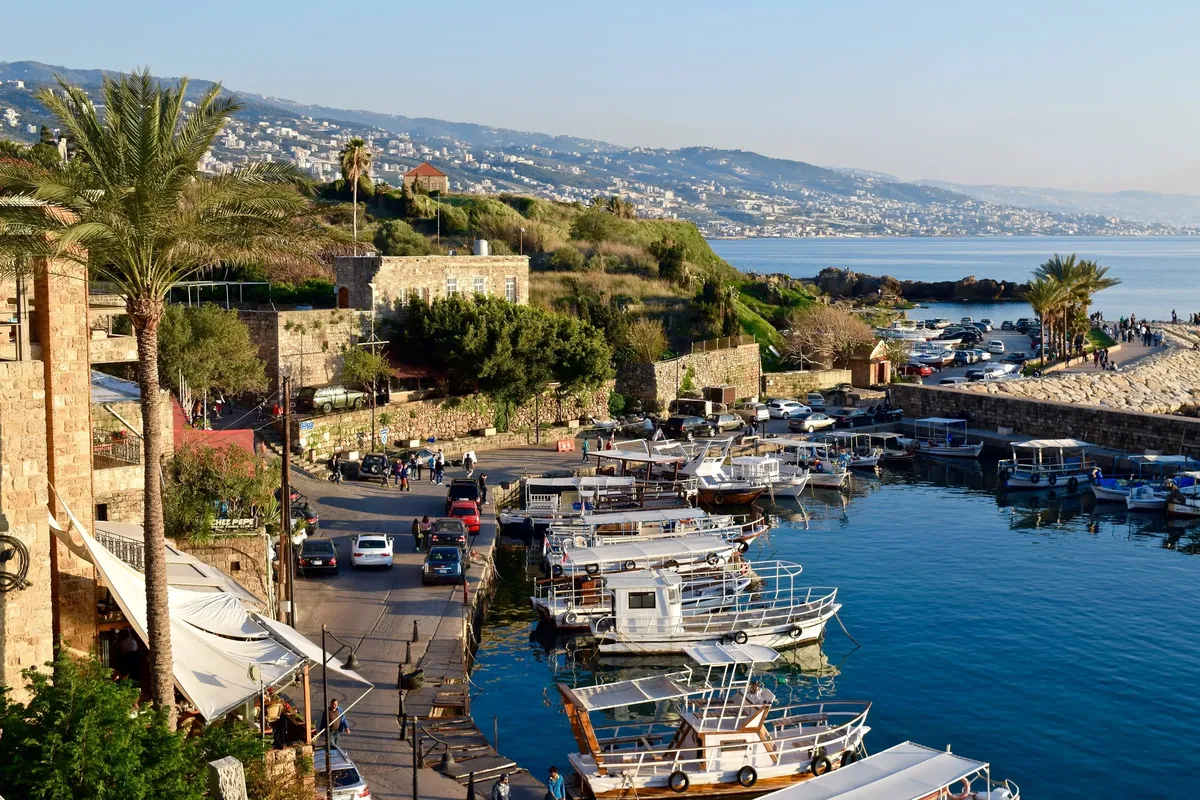
8. Batroun — the one town to pick if you only pick one
Batroun is where I’d base a week on the Lebanese coast. The town mixes Colonel Reef Beach (free, surf-shack energy, live music most Fridays), Nowhere Beach (free, bohemian), and Butlers Beach Club (design-forward, $40 entry). Add Colonel Brewery two blocks inland and the old Phoenician sea wall at the north end — our full list of things to do in Batroun covers the inland half of the town too.
- Location: 34 miles (55 km) north of Beirut
- Cost: Free public beaches to $40 for Butlers
- Best for: Travelers who want one town to do everything
- Time needed: 2-4 days
Pro Tip: Book Batroun accommodation for a Thursday arrival. Friday and Saturday nights double in price and Colonel Reef is unworkable by 3 p.m. on weekends.
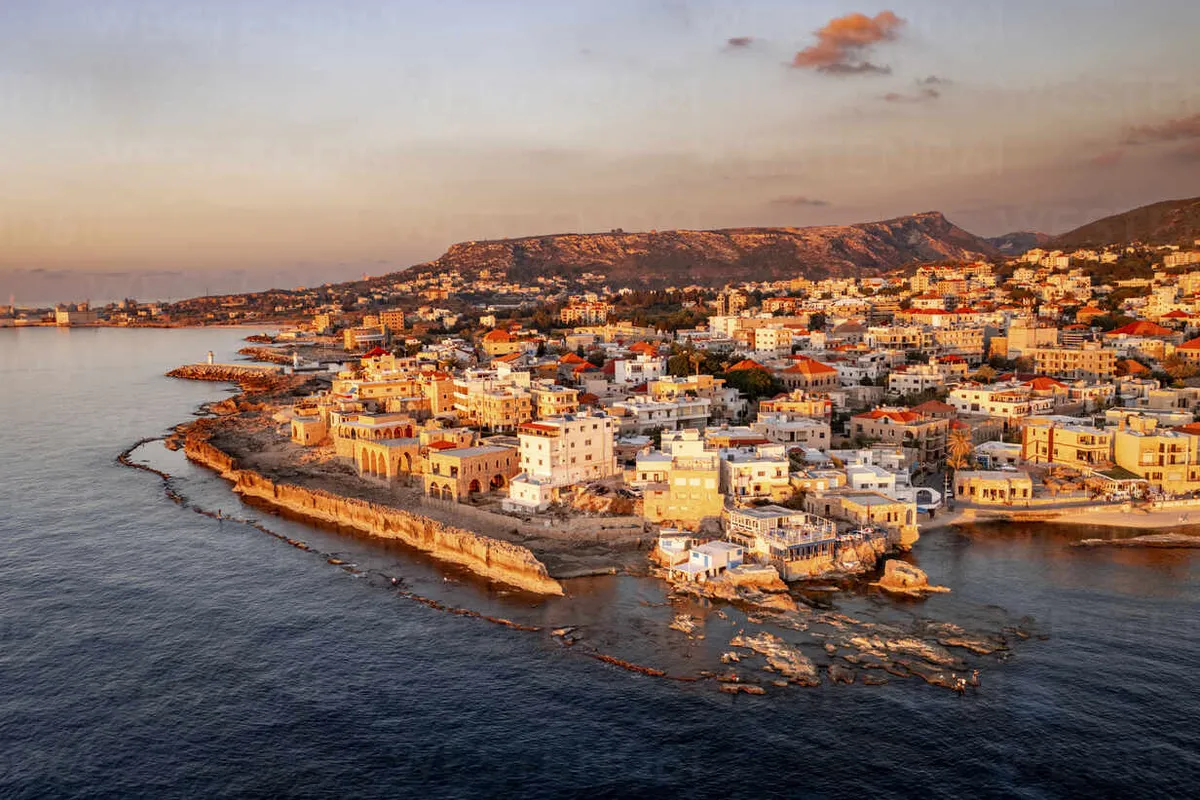
9. Anfeh and Amchit — rocky, authentic, no services
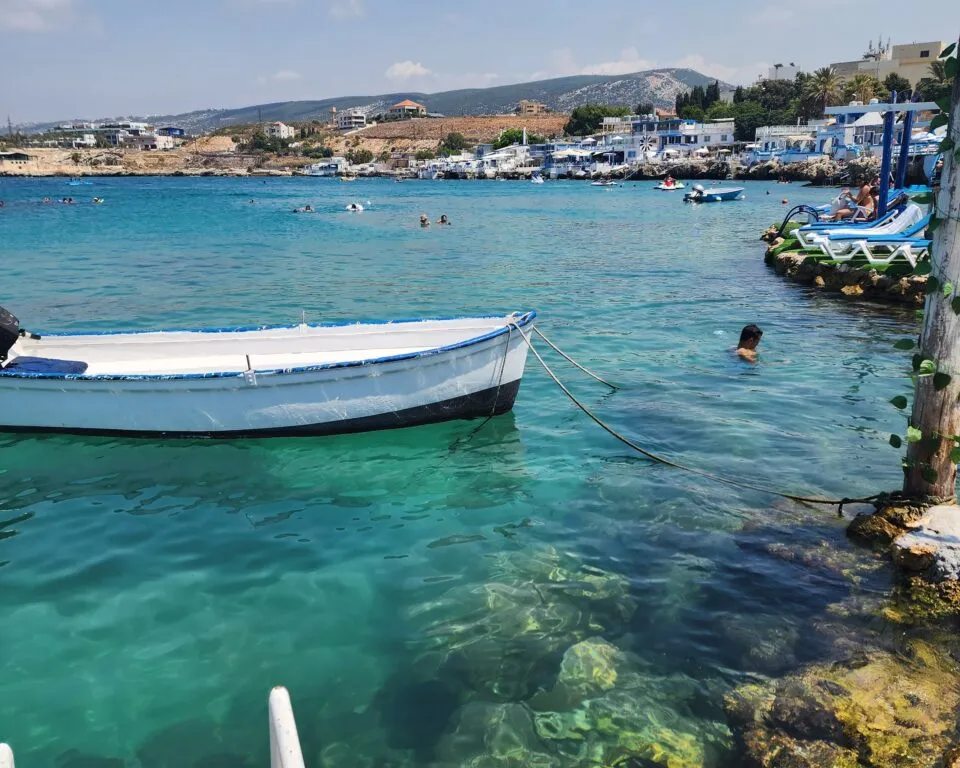
Anfeh is an old fishing village with salt pans still in use and some of the clearest water on the coast — because there’s nothing built on top of it. Amchit’s coves mean cliff jumping and swimming off rocks. Water shoes are not optional; the rock is sharp.
- Location: Anfeh 44 miles (71 km) north of Beirut; Amchit 23 miles (37 km) north
- Cost: Free; bring your own everything
- Best for: Travelers who prefer landscape over amenities
- Time needed: Half-day each
10. Tripoli and Rabbit Island — reconsider this one
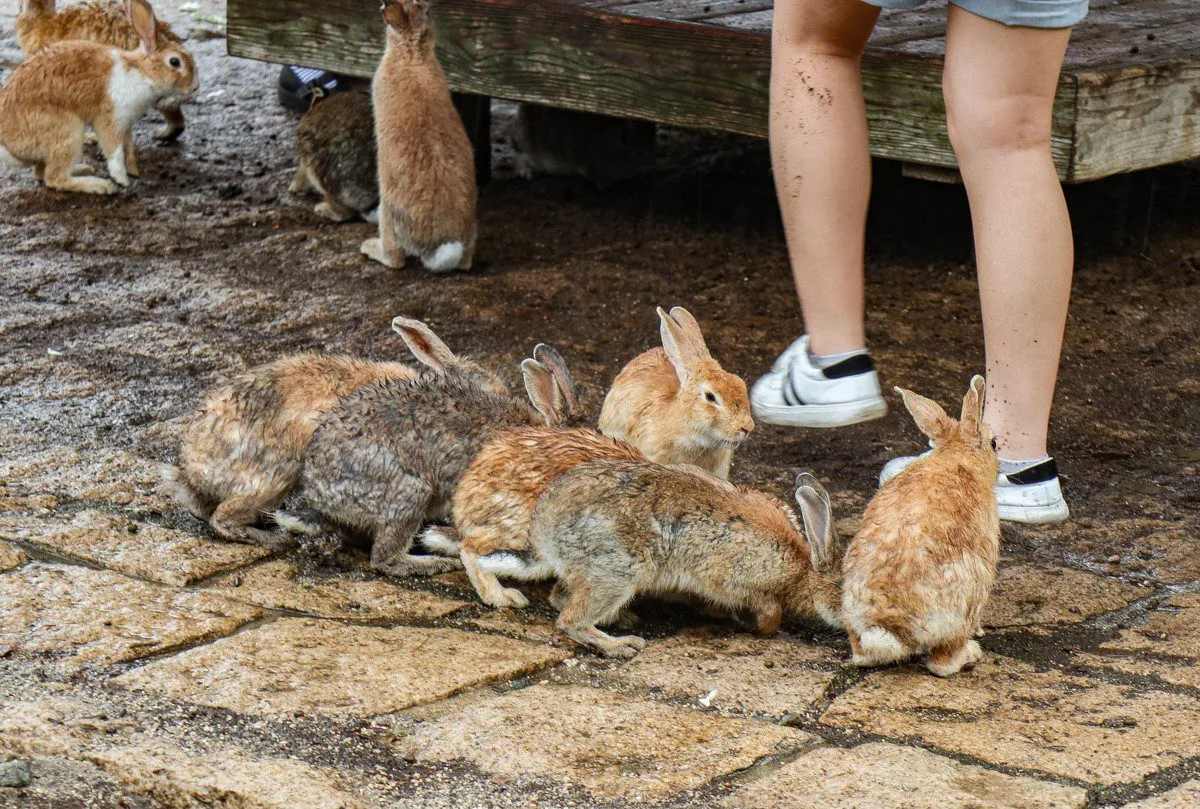
Rabbit Island (Palms Islands Nature Reserve) is a protected bird and turtle habitat reached by a 20-minute boat ride from Tripoli harbor for around $5 per person. The island itself is pristine. The problem is Tripoli — the UK FCDO currently advises against all travel to the city, citing instability.
- Location: Tripoli harbor to Palms Islands, northern Lebanon
- Cost: Boat ride $5; no services on the island
- Best for: Not a fit under current advisories
- Time needed: Half-day if conditions improve
How much should you budget per beach day?
Expect to spend $0 on public beaches like Tyre and Colonel Reef, $20-35 at standard private clubs, and $45-65 at weekend entries for Orchid, Butlers, or Lost at Sea. Add $15-30 for food and drinks inside most clubs. A cocktail at a Jounieh club runs $10-14; a full lunch at Lost at Sea lands near $40 per person. For the bigger picture on how expensive Lebanon is beyond the beach, see our full cost breakdown.
- Free: Tyre, Colonel Reef, Nowhere, Byblos public, Ramlet al-Baida
- Budget ($5-15): Boat rides, public-beach chair rentals
- Mid-range ($20-35): Most private clubs weekday
- Splurge ($40-65): Orchid, Butlers, Lost at Sea on weekends
What should you pack and wear?
Bikinis are normal on every beach and club on this list. Cover up when you leave the sand for a street, restaurant, or souk — especially in Tripoli and Tyre where conservative dress is expected off the beach. Our guide on what to wear in Lebanon has a city-by-city breakdown.
- High-SPF sunscreen (expensive locally)
- Beach cover-up for street walking
- Water shoes for Anfeh, Amchit, Naqoura
- Cash in USD (widely accepted, often preferred to Lebanese lira)
- Local SIM card on arrival at the airport
Before you book
TL;DR: Batroun is the coastal base worth your time. Skip Tyre and Naqoura until the southern advisory lifts. Look at Ramlet al-Baida, don’t swim in it. Check your government’s travel advisory within 48 hours of flying — this is the one destination on the Mediterranean where the news cycle actually determines whether you get on the plane. If you’re still piecing the trip together, our main Lebanon travel guide covers routes, transport, and timing.
Which beach would you prioritize for a first visit — and does the current advisory change your answer?