Breakfast in Beirut is a sit-down, two-hour affair of shared plates, not a coffee-to-go. This guide covers the seven places locals actually eat at — from a 130-year-old fatteh counter to a sourdough bakery in Mar Mikhael — with honest notes on which are worth the detour and which are overhyped.
1. Al Soussi — the CNN-famous fatteh counter in Mar Elias
Al Soussi has been feeding Beirut since the 1890s and has been run by the same family for four generations. CNN included it on its 2013 list of the world’s 12 best breakfasts — not “number one” as many guides claim, but a global top-12 mention that made this tiny room on a dead-end street a pilgrimage site.
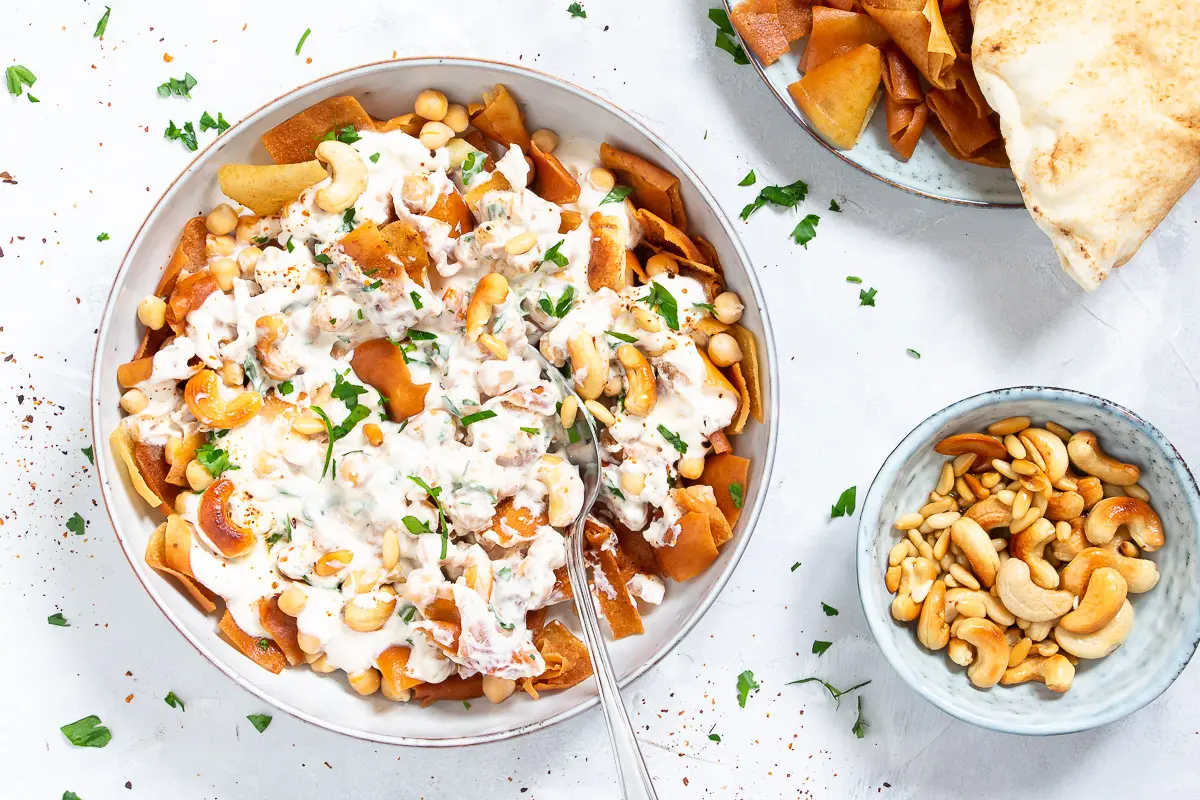
The kitchen is open, plastic chairs are crammed against the wall, and Raji El Kebbe runs the floor like a short-order drill sergeant. The fatteh — a staple of Lebanese food, a bowl of toasted pita under cold yogurt, warm chickpeas, toum, and fried pine nuts — is the reason people come. The eggs with awarma (lamb confit) and the chicken liver with pomegranate molasses are the reason they come back. Sheep brain is on the menu if you want it.
Honest friction: by 10 a.m. on weekends the wait is 30-plus minutes, the room gets loud enough that conversation is difficult, and the service is brisk bordering on gruff. Some Tripadvisor reviewers have landed on off days and found the foul under-cooked. I’ve had three meals here and one was a miss — that’s the deal with a street-food institution run by people in their 70s.
Pro Tip: Go on a weekday before 9:30 a.m. The ingredients are fresher in the first two hours of service, and you’ll actually get a seat.
- Location: Chehade Street, Zeidaniyeh (Mar Elias), West Beirut
- Cost: around $8-$15 per person, cash only
- Best for: travelers willing to trade comfort for a living-history meal
- Time needed: 45-60 minutes
2. Fern Ghattas — Gemmayze’s century-old manoushe oven
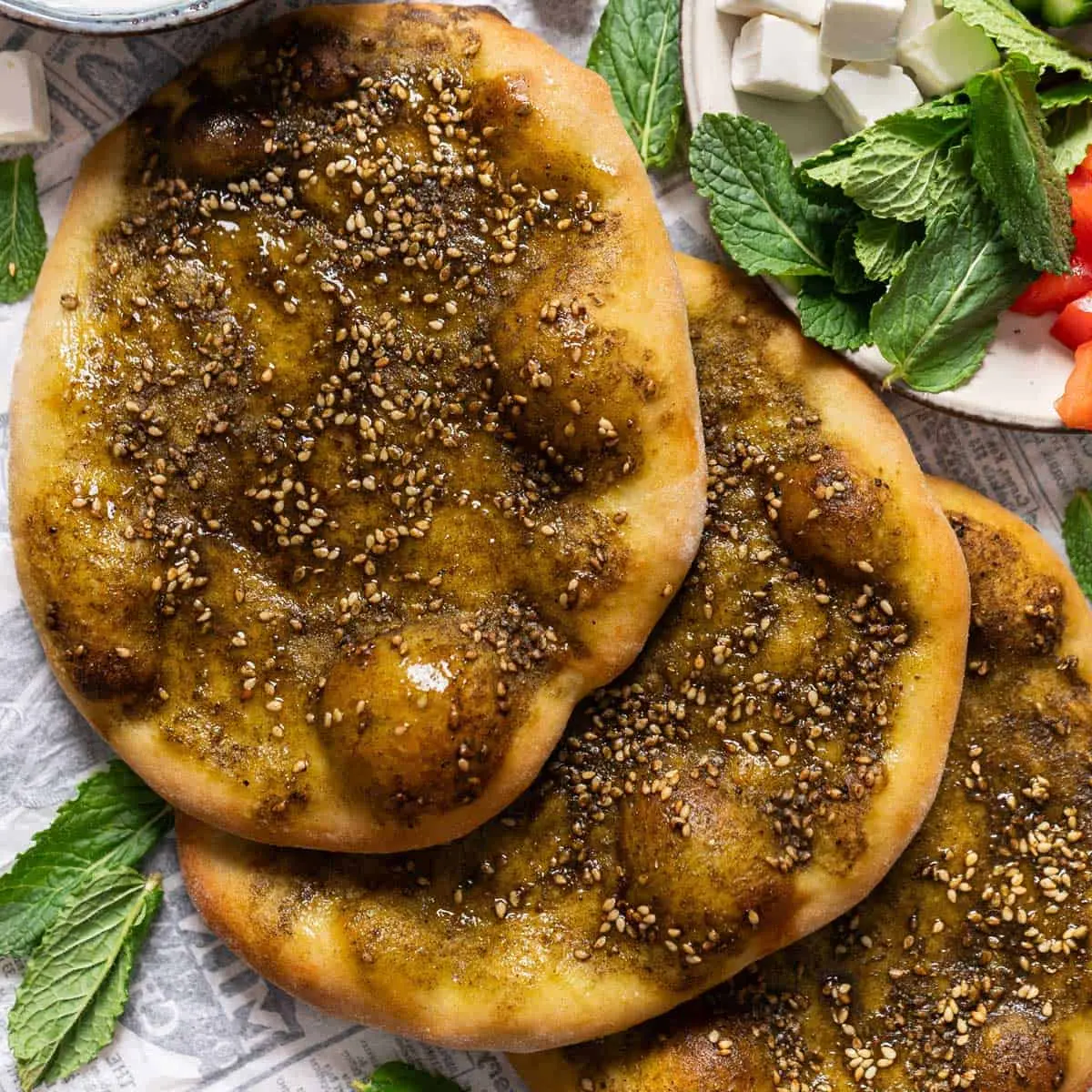
Fern Ghattas has been baking on Gouraud Street since the 1920s and it is, at its core, one wood-fired oven and a counter. You’ll smell the toasted sesame and zaatar oil a block before you see the shop.
Order the manoushe zaatar “extra” — the baker rolls fresh mint, sliced tomato, and cucumber into the hot flatbread straight off the peel. The contrast of warm, oily zaatar against cold vegetables is the point. The bulgari cheese manoushe is saltier and heavier; the spinach fatayer are the sleeper pick and go fast before noon.
There is no seating. You eat standing on the sidewalk across from St. Antoine Church, or you walk and eat. The owners are quiet and kind, but this is a production line, not a conversation.
Pro Tip: Order two manakish. A single zaatar runs about 90 seconds to eat and you will want a cheese one next — the queue behind you will not be forgiving if you try to order a second round.
- Location: Gouraud Street, Gemmayze, facing St. Antoine Church
- Cost: $2-$5 per manoushe, cash only
- Best for: solo travelers, morning walkers, anyone short on time
- Time needed: 15 minutes
.
3. Tusk Bakery — sourdough manoushe in Mar Mikhael
Tusk is what Lebanese breakfast looks like when a French-trained baker gets involved. The space calls itself a “bakery-cum-bar-cum-library,” which sounds pretentious and mostly isn’t — it’s an industrial-style room with exposed brick, long shared tables, and a proofing station visible from the counter.
The sourdough manoushe is the headline item. Using a wild starter instead of commercial yeast gives the base a tangier, chewier character than the standard version — closer to a Roman pizza bianca than a Beiruti flatbread. The zaatar-and-cheese combination is the one to order. Their fig-walnut loaf and brioche are also worth a detour if you have a kitchen at your rental.
Against the grain: most Beirut food writers call Tusk a “must.” It’s very good, but portions are smaller than the price suggests, weekend waits for a table can hit 45 minutes, and if you’ve already had a manoushe at a neighborhood oven that morning, the sourdough version won’t feel revolutionary. Go here on a quiet weekday.
- Location: Mar Mikhael, near the Warde gas station
- Cost: $10-$18 per person
- Best for: visitors who want a cafe setting, vegans, gluten-free diners
- Time needed: 45-75 minutes
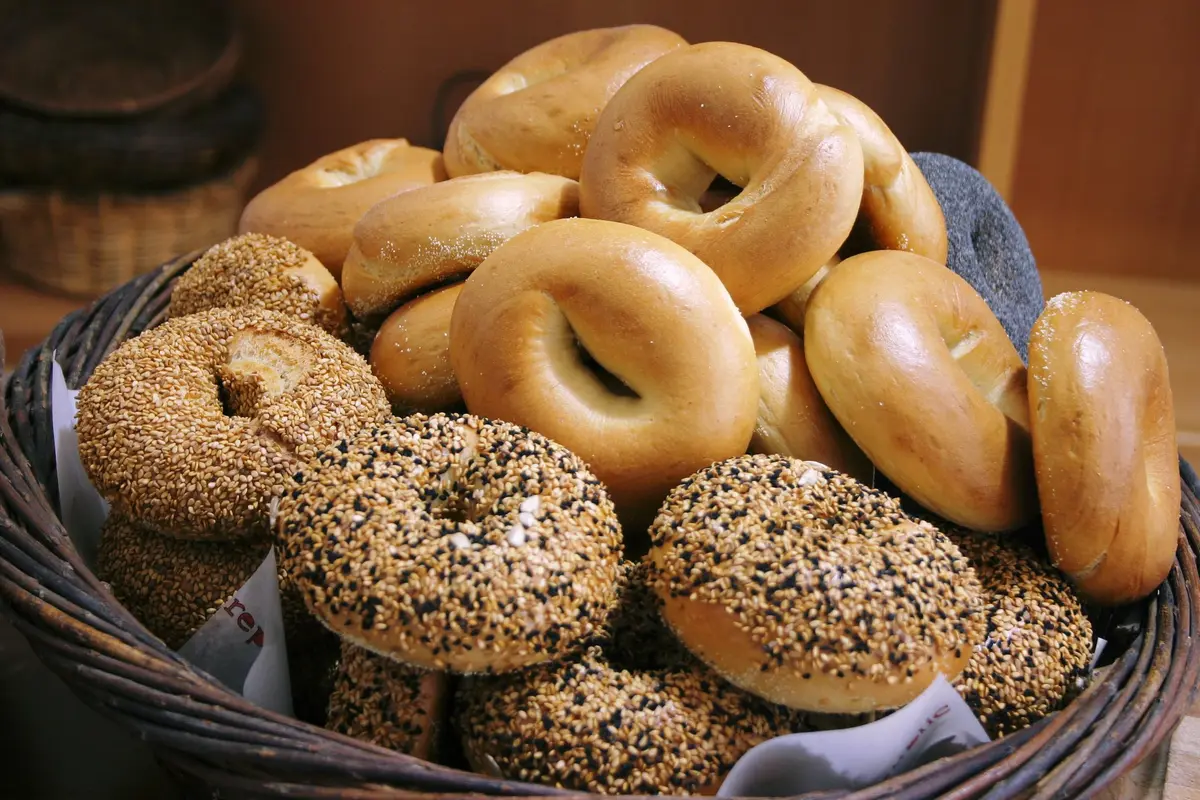
4. BEYt — the garden breakfast in a restored villa
BEYt operates as a cafe, guesthouse, and cultural space inside a restored traditional Lebanese villa in Mar Mikhael. The tile floors are original, the ceilings are high enough to kill the summer heat without air conditioning, and the garden terrace is one of the quietest places to eat outside in the middle of Beirut.
The breakfast is a simple mezze spread: house labneh, olive-oil-drenched local jams, a rotation of Lebanese cheeses, olives, cucumbers, tomatoes, and bread still warm from the oven. The a la carte add-ons — eggplant and halloumi rolls, mushroom omelet, fresh lemonade with mint — are where the kitchen actually shines.
Honest friction: service runs slow. If you’re on a schedule, this is the wrong choice. Come when you have two hours and want to spend them under a fig tree.
Pro Tip: Ask for a garden table when you book. The indoor rooms are beautiful but get echo-loud once more than four parties are seated.
- Location: Mar Mikhael, in a restored traditional Lebanese house
- Cost: $15-$25 per person
- Best for: couples, long lingering breakfasts, writers with a laptop
- Time needed: 1.5-2 hours
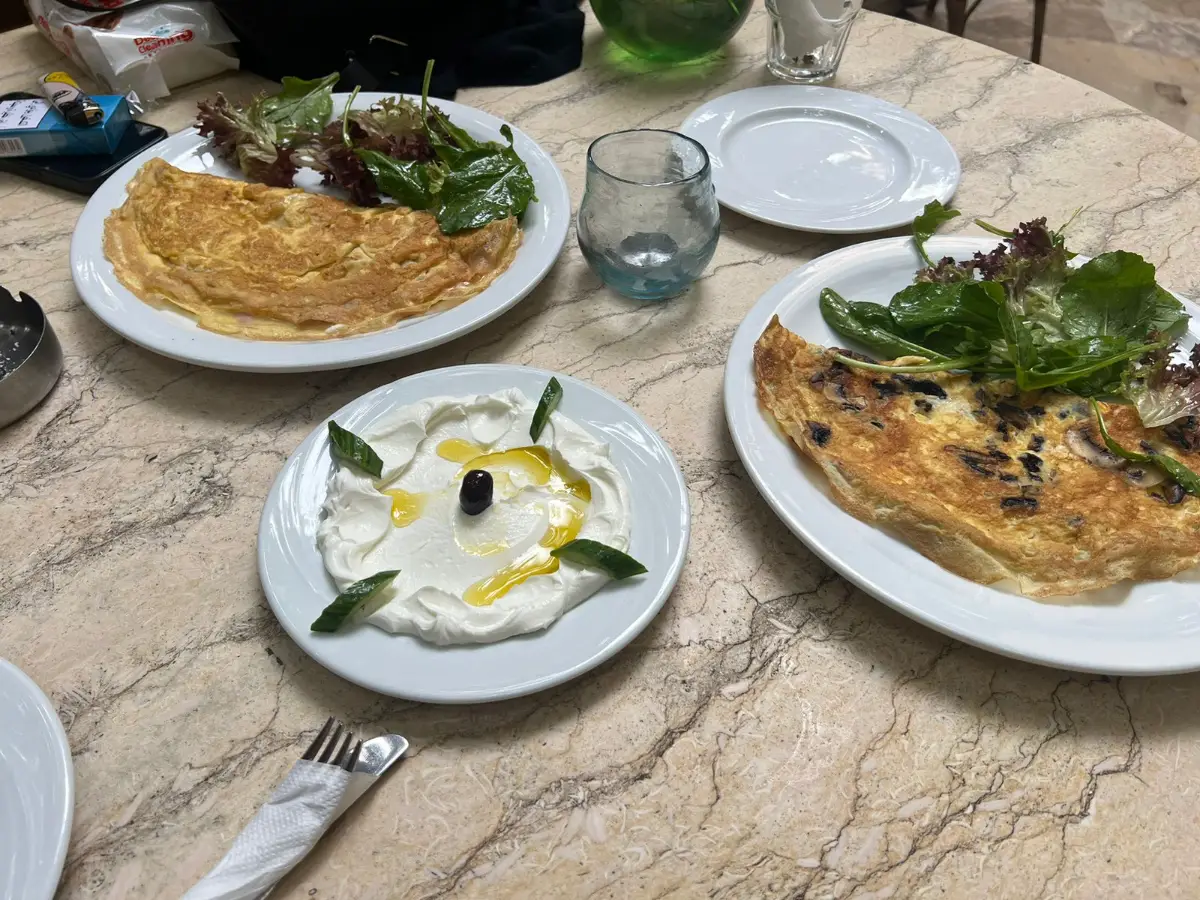
5. Amal Bohsali — knefeh for breakfast, since 1878
The Bohsali family has been making Lebanese pastry since 1878, and in Beirut, knefeh is a breakfast food. This surprises American visitors: a dessert-sweet cheese pastry, eaten first thing in the morning, designed to fuel a day of physical work.
Their knefeh na’ameh arrives hot, with desalinated akkawi cheese stretching between a crisp semolina crust and a pour of rose-water-scented sugar syrup. The traditional service is inside a kaak — a sesame-encrusted bread loop with a handle — which soaks up the syrup and doubles as a portable wrapper for the molten cheese.
The balance is the whole game here: sweet but not cloying, salty from the cheese, crunchy from the crust, chewy from the kaak. One portion is genuinely enough to replace a meal.
Pro Tip: Eat it within five minutes of getting it. The cheese firms up fast once it cools, and reheating changes the texture permanently.
- Location: Hamra / Ras Beirut
- Cost: $4-$8 per knefeh
- Best for: travelers who want to eat like the city did 100 years ago
- Time needed: 15-20 minutes, standing or to go
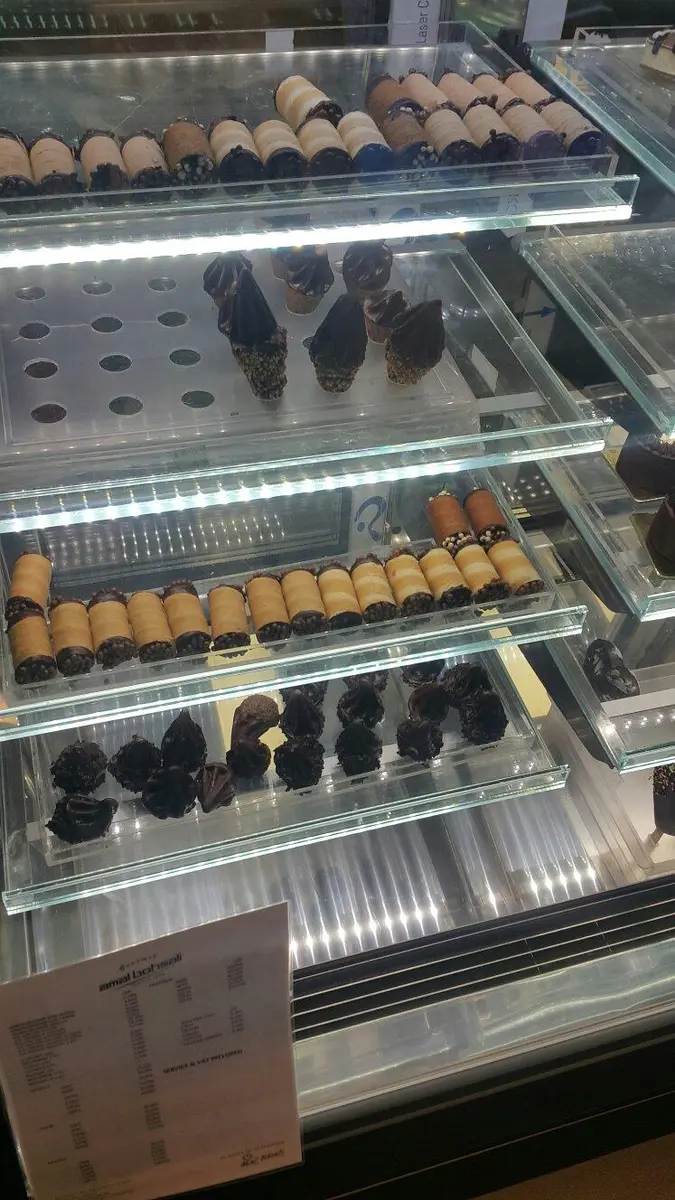
6. Le Chef — the Gemmayze homestyle canteen Bourdain loved
Le Chef has been on Rue Gouraud since 1967. Anthony Bourdain visited twice and called it “a legendary spot, famed for its simple, straightforward, home-style classics.” After the Beirut port explosion flattened the neighborhood, the restaurant was rebuilt through a GoFundMe that drew a $5,000 donation from Russell Crowe on Bourdain’s behalf. It reopened four months later.
The morning menu is “akel beit” — home cooking. Hummus topped with warm cooked chickpeas and olive oil. Foul with aggressive lemon and garlic. Mousabbaha somewhere between the two. Maghmour — a slow-stewed eggplant and chickpea dish that eats like moussaka’s rougher cousin. Everything comes with a plate of raw vegetables, olives, pickles, and bread.
Owner Charbel Bassil greets every person who walks in with a shouted “Welcome!” and remembers regulars by name after one visit. It’s a cramped room, tables close together, zero pretension. Prices are the lowest on this list by a wide margin.
- Location: Rue Gouraud, Gemmayze
- Cost: $8-$14 per person
- Best for: budget travelers, solo diners, anyone who misses their grandmother’s kitchen
- Time needed: 45-60 minutes
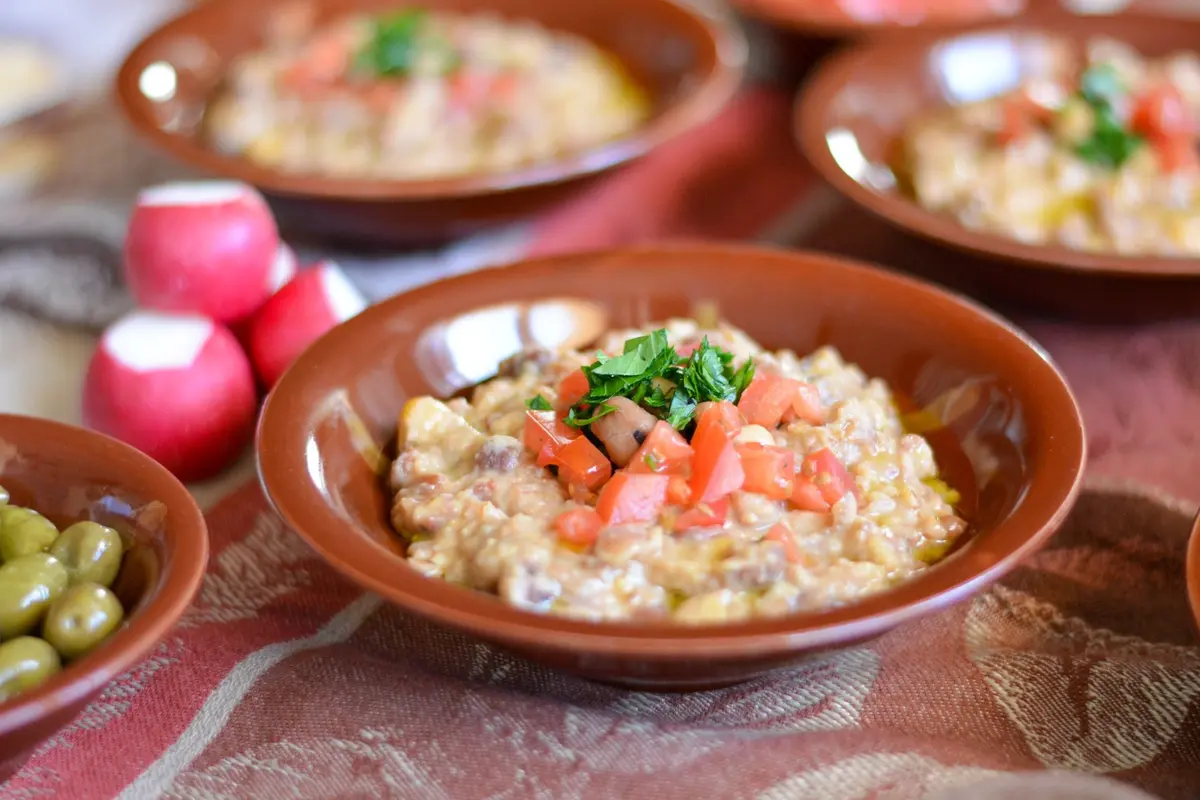
7. The Smallville Hotel — rooftop buffet with skyline views
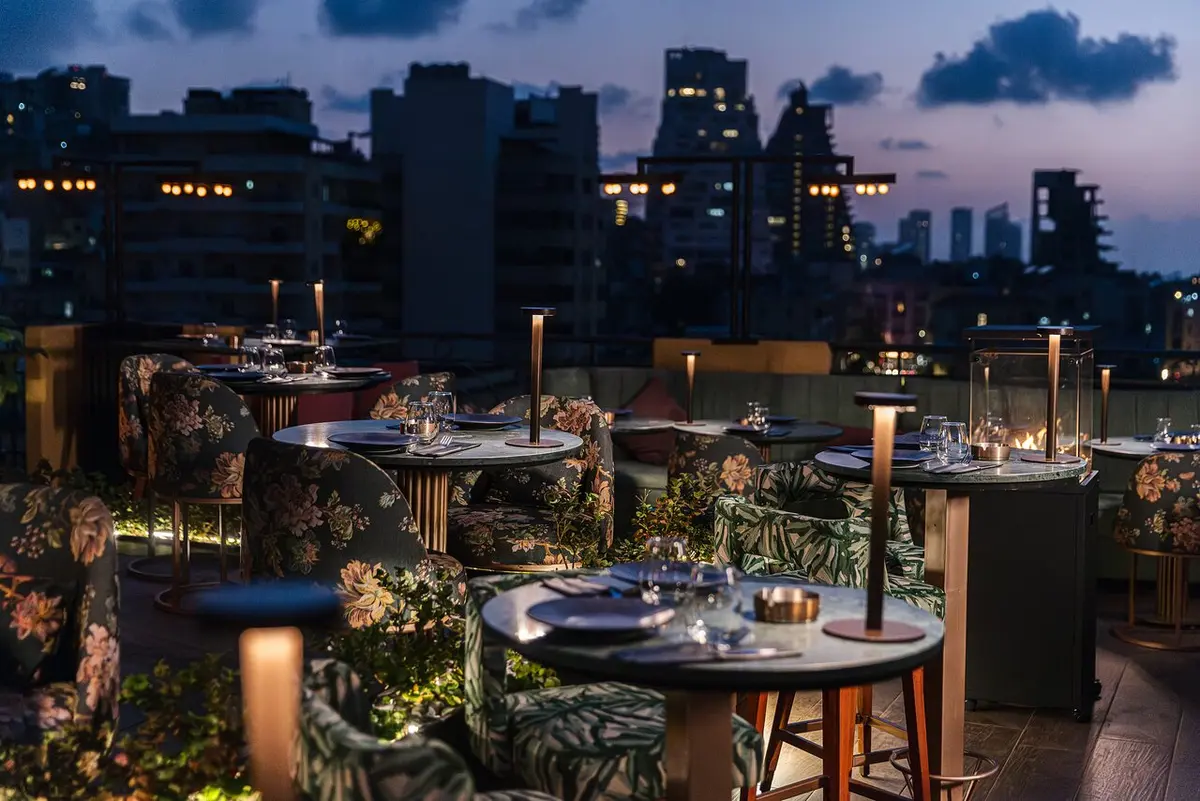
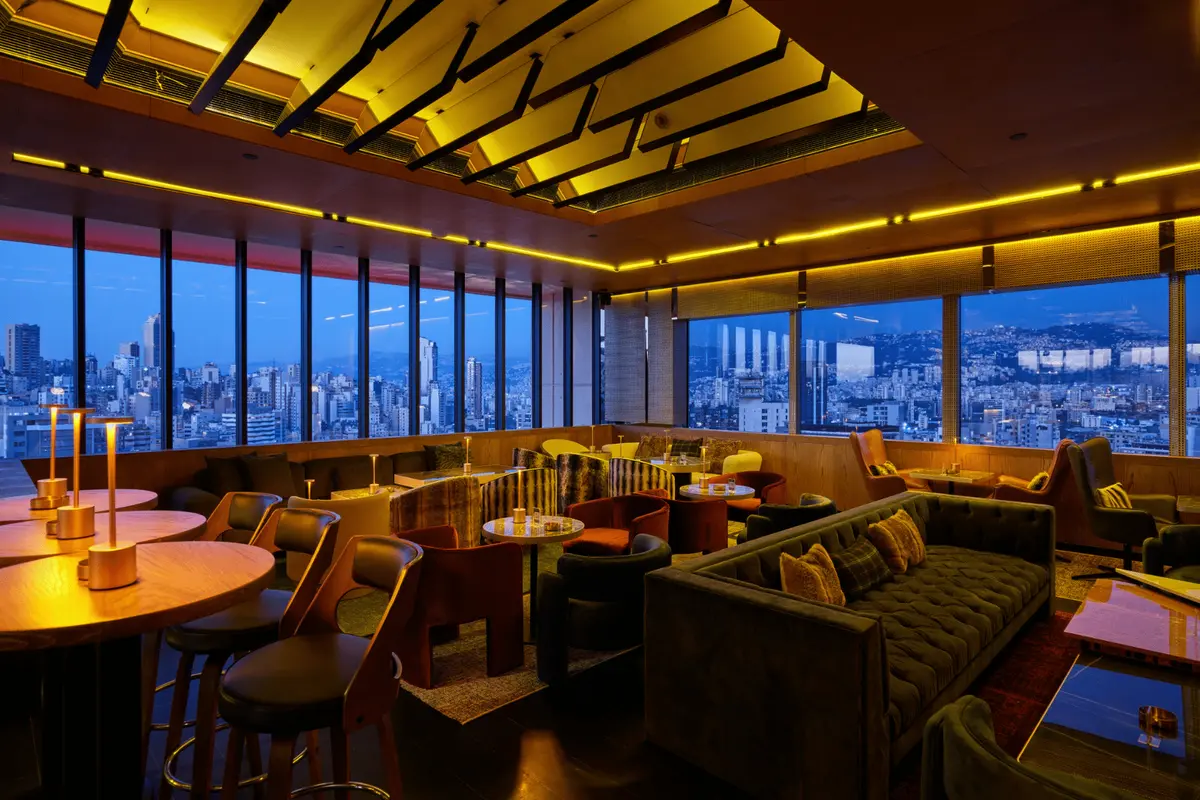
The Smallville’s rooftop breakfast is the answer to a specific question: what if I want a sit-down Lebanese breakfast with eggs to order, good coffee, a view, and zero logistical friction? The 16th-floor buffet runs a Lebanese-plus-international spread — labneh, zaatar manakish, foul, and fatteh on one side; eggs, smoked salmon, pastries, and fresh juices on the other.
The skyline view from Badaro is the selling point. You can see the Mediterranean on a clear morning and the mountains behind the city on cooler days.
Honest friction: the price runs 3-4 times what you’d pay at Al Soussi or Le Chef for arguably less authentic food. The coffee is hotel coffee, not specialty. And you are paying for the view and the comfort, not the cooking.
- Location: Badaro (16th-floor rooftop), inside The Smallville Hotel
- Cost: $30-$45 per person for buffet, or included with room rate
- Best for: hotel guests, groups with mixed preferences, travelers who don’t want to chase down a neighborhood spot
- Time needed: 1-1.5 hours
What is a traditional Lebanese breakfast?
A traditional Lebanese breakfast is a shared mezze of small plates — hummus, foul (fava beans), labneh, olives, pickles, fresh vegetables, bread, and sometimes eggs with awarma or fatteh — eaten slowly with family or neighbors over 60 to 120 minutes. The ritual has a name: sobhieh, literally “the morning thing.”
Everything is served at once. There is no course structure. You tear bread, scoop with your right hand, move between salty and sour and bitter and sweet, and chase rich dishes with raw vegetables. Mint, cucumber, tomato, and radish are not garnish — they are the palate reset between bites of labneh and foul.
Knefeh (the sweet cheese pastry above), kaak with zaatar, and manoushe are the Lebanese street food grab-and-go versions for people who can’t sit for two hours.
How much does breakfast in Beirut cost?
A sit-down traditional breakfast in Beirut runs $8-$15 per person at neighborhood institutions like Al Soussi or Le Chef, $15-$25 at artisanal spots like Tusk or BEYt, and $30-$45 at hotel rooftops. A manoushe from a street oven costs $2-$5. Bring cash in US dollars — most places outside hotels do not take cards.
- Street manoushe: $2-$5
- Neighborhood institutions (Al Soussi, Le Chef, Fern Ghattas, Amal Bohsali): $4-$15 per person
- Artisanal cafes (Tusk, BEYt): $15-$25 per person
- Hotel buffets (The Smallville): $30-$45 per person
Prices have shifted repeatedly since the 2019 financial crisis, so treat these as current ranges rather than fixed numbers.
How do you pay for breakfast in Beirut?
Lebanon runs on US dollars in cash. Bring crisp, undamaged USD bills — any tears, marks, or ink stamps and the bill gets rejected. Credit cards are accepted only at hotels and high-end restaurants; every spot on this list except The Smallville is cash-only in practice. Small change comes back in Lebanese pounds at the daily market rate.
- Bring a mix: $1, $5, $10, and $20 bills
- Newer-design bills (with the blue security strip) are strongly preferred
- ATMs are unreliable and dispense at unfavorable rates for foreign cards
- Licensed money changers (“sarraf”) in Hamra and Verdun offer better rates than airport or hotel desks
Pro Tip: Pull $300-$500 in small USD bills from your home bank before you fly. You will not find a reliable ATM for crisp dollars in Beirut.
Is it safe to eat breakfast in Beirut’s neighborhoods?
The central neighborhoods on this list — Hamra, Ras Beirut, Mar Elias, Gemmayze, Mar Mikhael, and Badaro — are safe for tourists during the day and into the late evening. Central Beirut has visible police and municipal security, low violent-crime rates against visitors, and plenty of foot traffic in the mornings. The US State Department advises avoiding the southern suburbs (Dahieh) and the southern border regions; none of the restaurants above are in those areas.
The neighborhoods you’ll be in for breakfast are residential, walkable, and have enough cafe culture that you will not stand out as a foreigner. Pickpocketing is rare but possible in crowded markets; broadly, Lebanon remains safe for American tourists.
Pro Tip: If you’re walking between Gemmayze and Mar Mikhael (where three of these spots cluster), do it along Armenia Street during daylight. The backstreets behind are fine but poorly lit at night.
How do you get around Beirut for breakfast?
Use Uber or Bolt for point-to-point trips, and walk between Gemmayze and Mar Mikhael — the two neighborhoods are a 10-minute stroll apart along Armenia Street and house four of these seven spots. A ride from Hamra to Mar Mikhael runs $4-$7. The airport is 6 miles (9 km) from central Beirut; an Uber from BEY to most hotels costs $13-$20.
- Switch your Uber payment setting to cash before your first ride — many drivers now cancel card-payment requests
- Avoid unmetered street taxis unless you’re willing to negotiate the fare before the door shuts
- Servees (shared taxis) cost about $2 per seat but involve flagging, shouted destinations, and no English
- Skip the minibuses; the driving is genuinely dangerous
One honest note before you order
Beirut’s best breakfast is not a single restaurant — it’s the pace. Sit for two hours, order more than you think you can eat, let the table fill with small plates, and tear bread instead of slicing anything. The food at every spot on this list ranges from good to extraordinary; what makes the meal is refusing to rush it.
TL;DR: For the most authentic breakfast experience, go to Al Soussi (fatteh, before 9:30 a.m. weekday) or Le Chef (home-style hummus and foul, any day). For something more polished, book Tusk or BEYt. Skip hotel buffets unless you’re already staying at one.
Which of these would you try first — the 1890s fatteh counter or the Gemmayze manoushe oven? Tell us in the comments.