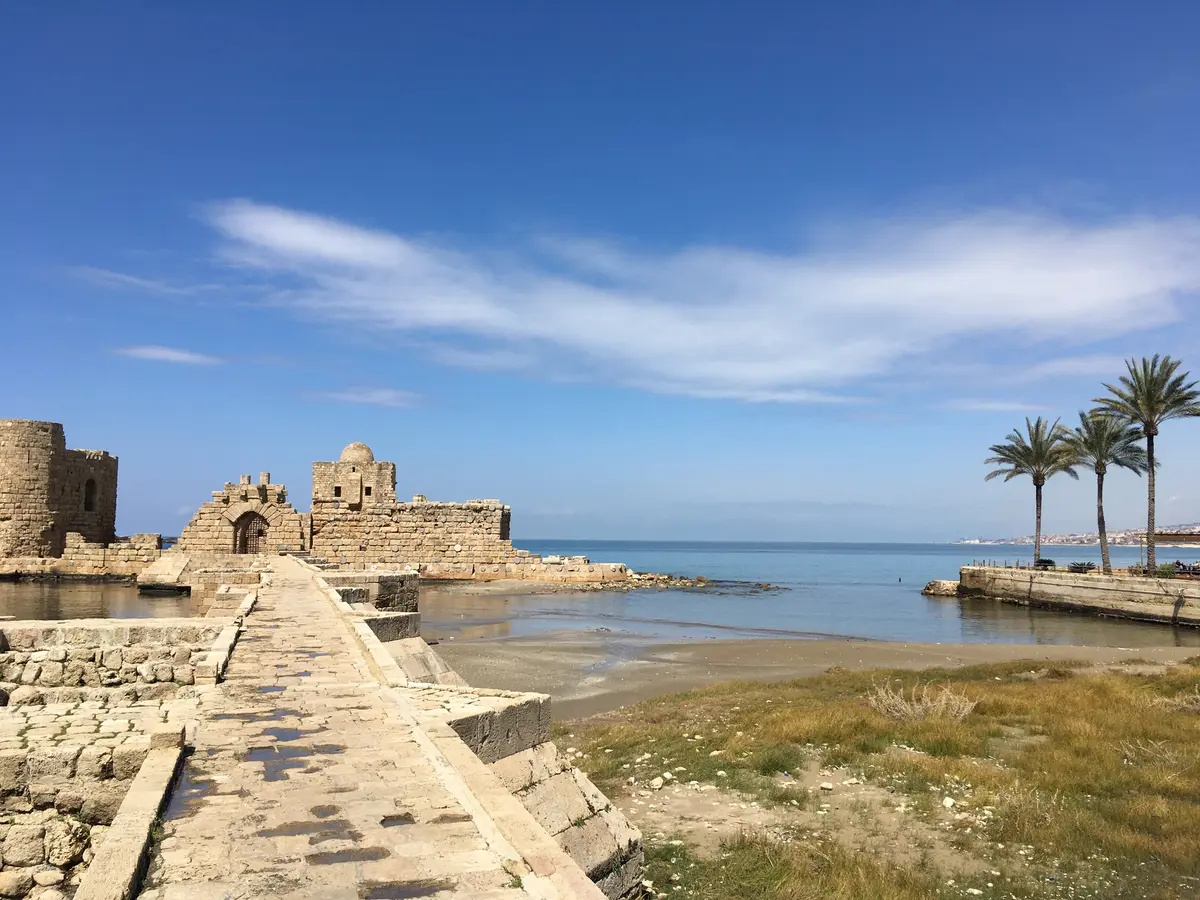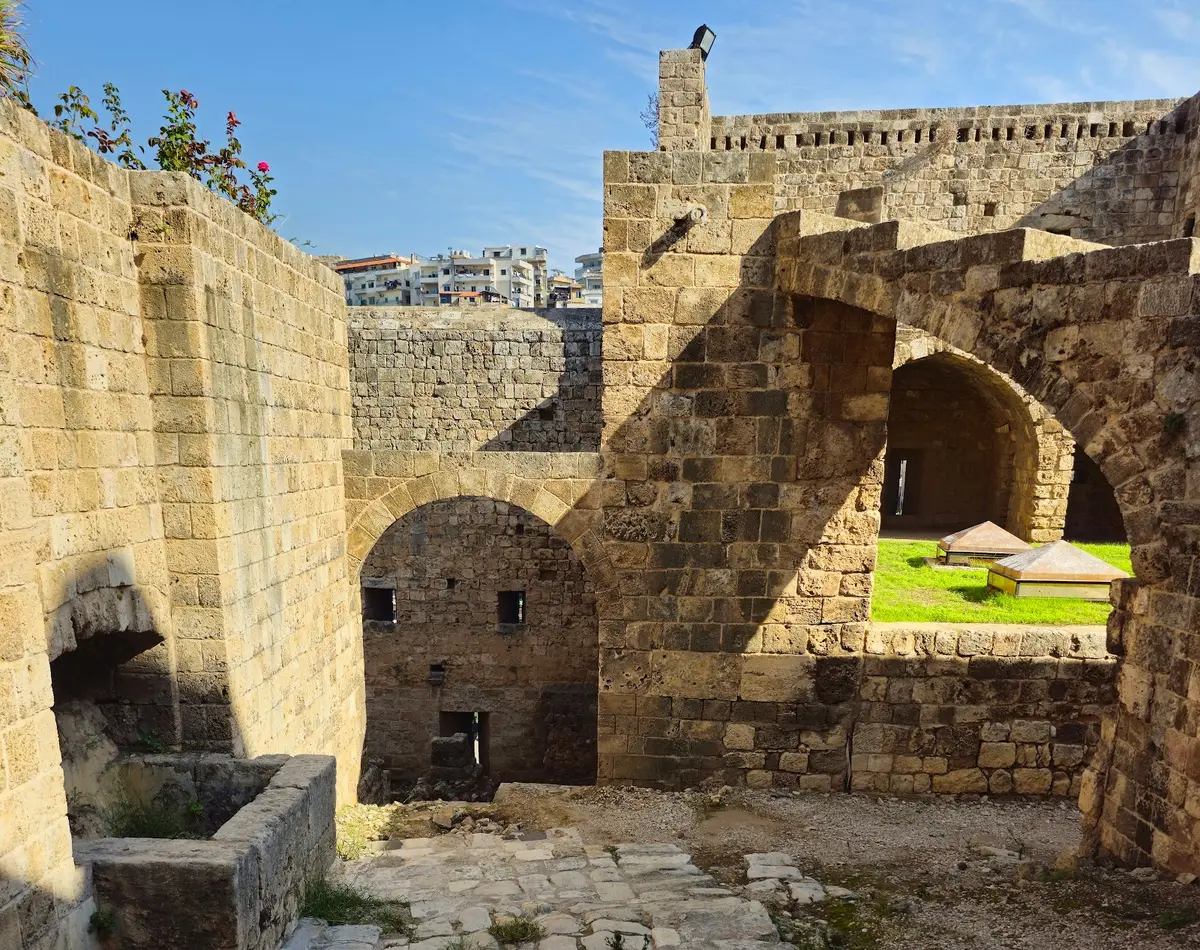
Beirut for digital nomads is not Lisbon, and anyone selling it as a plug-in replacement is lying to you. The Wi-Fi works, the coffee is better than most places in Europe, and the city will stretch you in ways Bali never will — but you are moving to an active-conflict country with a broken power grid and a cash-only dollar economy. Here is what the setup actually looks like.
Is Beirut safe for digital nomads right now?
The honest answer is: it depends on which Beirut. The US State Department, UK FCDO, Canada, and Australia all maintain their highest-level “do not travel” advisory for Lebanon due to ongoing Israeli airstrikes on Hezbollah targets, primarily in the southern suburbs (Dahieh), Bekaa Valley, and south of the Litani River. Central and northern Beirut — Achrafieh, Gemmayze, Mar Mikhael, Badaro, Hamra — continue to function, and a small expat nomad scene has held on through it all. But travel insurance will almost certainly be void, consular help is minimal, and airspace can close without warning. Read a fuller breakdown of how safe Lebanon is for American travelers before you weigh the trade-offs here.
This guide assumes you have read that and are making an informed call anyway. If you are, the rest of the setup is very manageable.
Pro Tip: Before you book a flight, pin the IDF’s Arabic-language X account and the L’Orient Today live blog. Evacuation warnings for specific city blocks are usually posted an hour or two before strikes, and most nomads I know check both over morning coffee.
What is the internet really like in Beirut?
Beirut runs on a two-tier system, and it helps to know the national picture first — internet speeds across Lebanon vary enormously block by block. In fiber-covered neighborhoods — Achrafieh, Hamra, Mar Mikhael, parts of Mar Elias, and the American University of Beirut corridor — you get 50 to 300 Mbps download, 10 to 50 Mbps upload, and 4 to 15 ms ping to local servers. Everywhere else you are on aging copper DSL (often 4 to 8 Mbps) or nothing at all. The state backbone is run by Ogero; the fiber rollout stalled during the 2019 economic collapse and the Israel-Hezbollah war, then restarted with funded tenders in late 2025.
Fiber: good when you get it, impossible when you don’t
Ogero reconnected 221,000 households to fiber in 2024 and is targeting another 406,000 subscribers on the current tender cycle. Retail ISPs that resell the connection include IDM, Cyberia, and Terranet — they handle the modem, billing, and (in theory) customer support. The catch: activating a new line in a building that does not already have one takes months, sometimes a year. Before you sign a lease, open the electrical closet in the stairwell and look for a fiber terminal box. If there is no box, the previous tenant’s Wi-Fi will not save you.
- Typical monthly cost: $15 to $60 for plans between 50 and 300 Mbps
- Upload ceiling: 50 Mbps (fine for Zoom and Loom, tight for large video uploads)
- Deal-breaker question to ask the landlord: “Is the fiber already activated, and can you show me a speed test from this apartment?”
Mobile: your real lifeline
Honestly, 4G on Touch or Alfa will out-perform most DSL lines in Beirut and is what most nomads I know actually work from. If you want the full breakdown of local SIM card options for tourists, it is worth reading before you land. Touch has better building penetration and wider rural coverage; Alfa is slightly cheaper and a hair faster on the coast. Lebanon has no 5G yet. Realistic 4G speeds sit at 20 to 40 Mbps, with LTE-A peaks over 100 Mbps when a tower is not congested.
- Touch Visitor Line: $19 for the SIM plus 10 GB, 100 minutes, and 100 SMS for 14 days, renewable. Sold at the airport (CityFone kiosk) and Touch stores with your passport.
- Alfa prepaid starter: $12 total — $7 for the SIM plus a $5 weekend plan (2 GB for 7 days).
- Heavy-use Touch HSI bundles: 10 GB for $39, 20 GB for $59, 30 GB for $79, 60 GB for $119. Replaces home broadband for most remote workers.
- eSIM option: Airalo is the best eSIM for Lebanon if you want 10 GB for around $20 working from the moment you land — worth it just to skip the airport SIM queue.
Pro Tip: Buy both a Touch SIM and an Alfa SIM on arrival. They use different towers, and on any given week one of them will be throttling WhatsApp voice in your neighborhood. Total cost is under $35. That redundancy has saved more of my client calls than any VPN.
VPN and redundancy — not optional
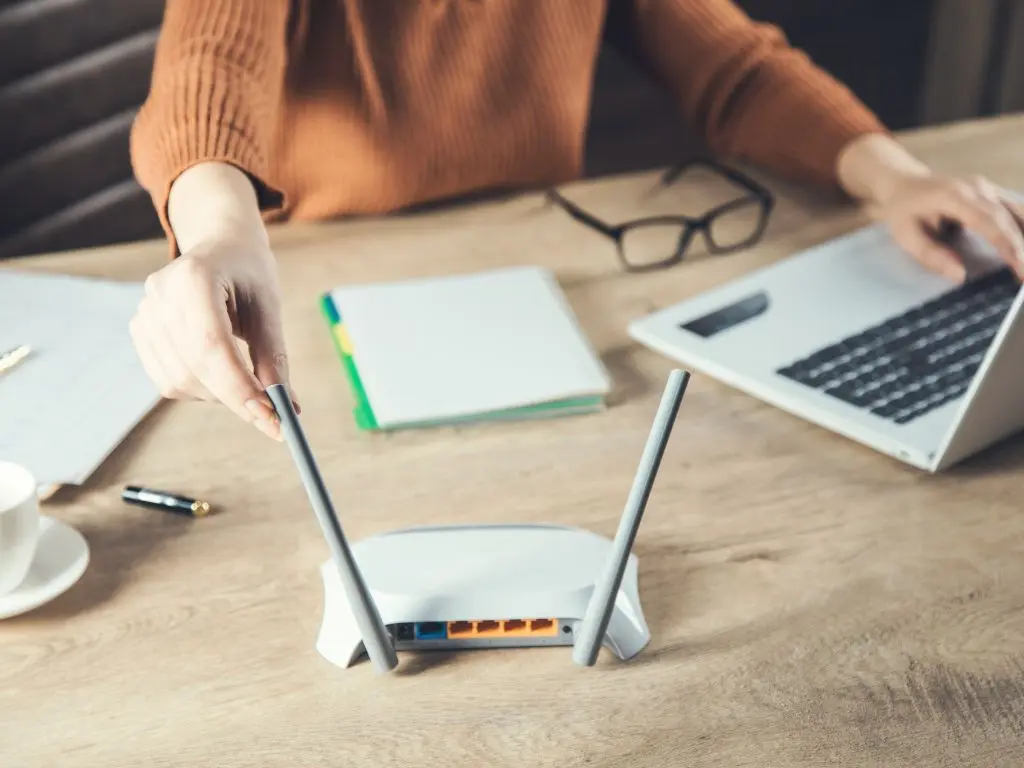
WhatsApp calling and Skype get throttled intermittently on both mobile networks. A VPN with servers in Cyprus or Turkey keeps ping under 50 ms for Zoom; Istanbul routes are usually the fastest. Add a mini-UPS for your router — a 10,000 mAh lithium battery with 9V/12V output that plugs between the wall and the modem, available in any electronics shop in Hamra or Bourj Hammoud for $20 to $35. When state power cuts, the router does not blink and your Zoom call does not drop.
How do you survive Lebanon’s power grid?
You subscribe to a diesel generator, and you pay for it monthly on top of your state electricity bill. Électricité du Liban (EDL) delivers somewhere between 2 and 10 hours per day in central Beirut — the hours are unpredictable and vary by neighborhood schedule. Our full guide to dealing with power cuts in Lebanon explains the schedule logic in more detail, but the short version is that a private neighborhood generator fills the gap. Every apartment either has an active subscription or it does not, and you cannot retroactively add one in most buildings, so this is the single most important question to ask before you rent.
How generator amps are sold
Generators are sold by ampere capacity. The Energy Ministry publishes an official monthly tariff, and as of early 2026 it sits at roughly $0.31 per kWh plus a fixed monthly fee. Most operators charge at or slightly above the official rate.
- 5 amps: $4.29/month fixed + consumption. Runs lights, fridge, router, and laptops. No AC.
- 10 amps: $7.64/month fixed + consumption. Covers one AC unit in eco mode plus everything above.
- Each extra 5 amps above 10: +$3.34/month fixed.
- Realistic total monthly bill for a solo nomad on 10A: $40 to $90 depending on AC use and diesel prices.
Voltage instability is the silent laptop killer
State power, when it is on, ripples. Without a stabilizer, you will fry a monitor or laptop charger within a few months — I watched a friend lose an M2 MacBook Air charger inside six weeks in Achrafieh. A 2000 VA automatic voltage regulator runs about $60 at any Bouchrieh electronics shop. Plug your laptop, monitor, and router into it, not directly into the wall.
Pro Tip: When viewing an apartment, ask to see three things in this order — the fiber box, the generator meter, and the voltage stabilizer. If the landlord does not know where any of them are, keep walking.
Which coworking spaces actually deliver uptime?
Coworking spaces in Beirut sell one thing above everything else: they eat the infrastructure headache for you. Industrial generators, UPS-backed fiber, and voltage regulation are baked in. For serious remote workers on US or European hours, a coworking membership is often cheaper in aggregate than replicating the same setup at home.
1. Beirut Digital District (BDD) — the corporate pick
Located in Bachoura just south of downtown, BDD is a purpose-built tech campus hosting over 140 companies. It runs on a dedicated fiber backbone and industrial generators, with staff on-site for IT support. The building feels closer to a mid-tier office in Amsterdam than anywhere else in the city. Hot desks start around $180 to $250 per month depending on access level. Downside: it is transactional and corporate — do not come here for a community vibe.
- Location: Nassif Yaziji Street, Bachoura
- Cost: Hot desks from $180/month; day passes around $20
- Best for: Full-time remote employees on US time zones who need zero downtime
- Time needed: Can work 12-hour days here without blinking
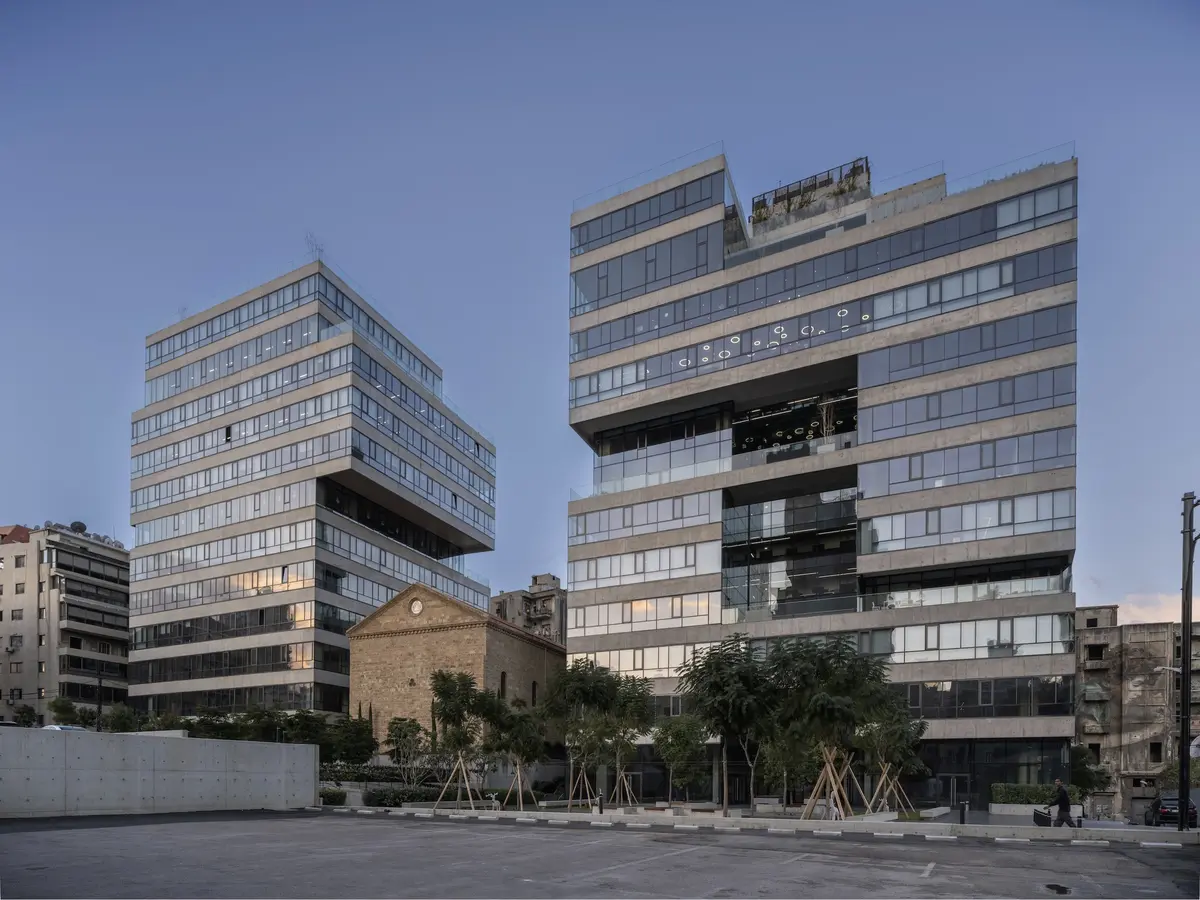
2. Antwork Hamra — the creative scene
Antwork’s Spears Street location in Hamra is the social opposite of BDD — a campus-feel space with an outdoor garden, a rotating roster of freelancers and founders, and weekly events that tip into the evenings. Infrastructure is solid (UPS-backed Wi-Fi, generator) but not BDD-grade. Worth noting: the company has consolidated locations in recent years, so check their current opening hours before you commit to a membership.
- Location: Spears Street, Hamra
- Cost: Hot desks from roughly $150/month; day passes around $15
- Best for: Freelancers and creatives who want the community side of remote work
- Time needed: Half-day for deep work; full day if you stay for the evening events
3. 961Offices — the 24/7 uptime play
Out in Jal El Dib, about 20 minutes north of central Beirut, 961Offices markets itself hard on one promise: continuous power, fiber, and 24/7 access. That is genuinely rare here. If you are on California or East Coast hours and regularly work past midnight, the drive is worth it. The catch is that you are cut off from Beirut’s social life — Jal El Dib is residential and quiet after 9 p.m.
- Location: Jal El Dib, Metn (north of Beirut)
- Cost: Hot desks from around $130/month
- Best for: Nomads on US time zones or anyone who genuinely needs round-the-clock access
- Time needed: Built for long sessions and irregular hours
4. The Olive Grove — the quiet option
A small boutique space in Hamra that feels like a shared living room — maybe 15 to 20 desks, fiber Wi-Fi, backup power, and a tight crowd of writers, researchers, and academics. No one is pitching anyone. If you are a long-form writer or a PhD student, this is the best space in the city. If you want energy, skip it.
- Location: Hamra (near AUB)
- Cost: Inquire directly; roughly $120 to $180/month
- Best for: Writers, researchers, solo deep-work types
- Time needed: Built for people who post up for 6+ hours
Where should you work from cafes in Beirut?
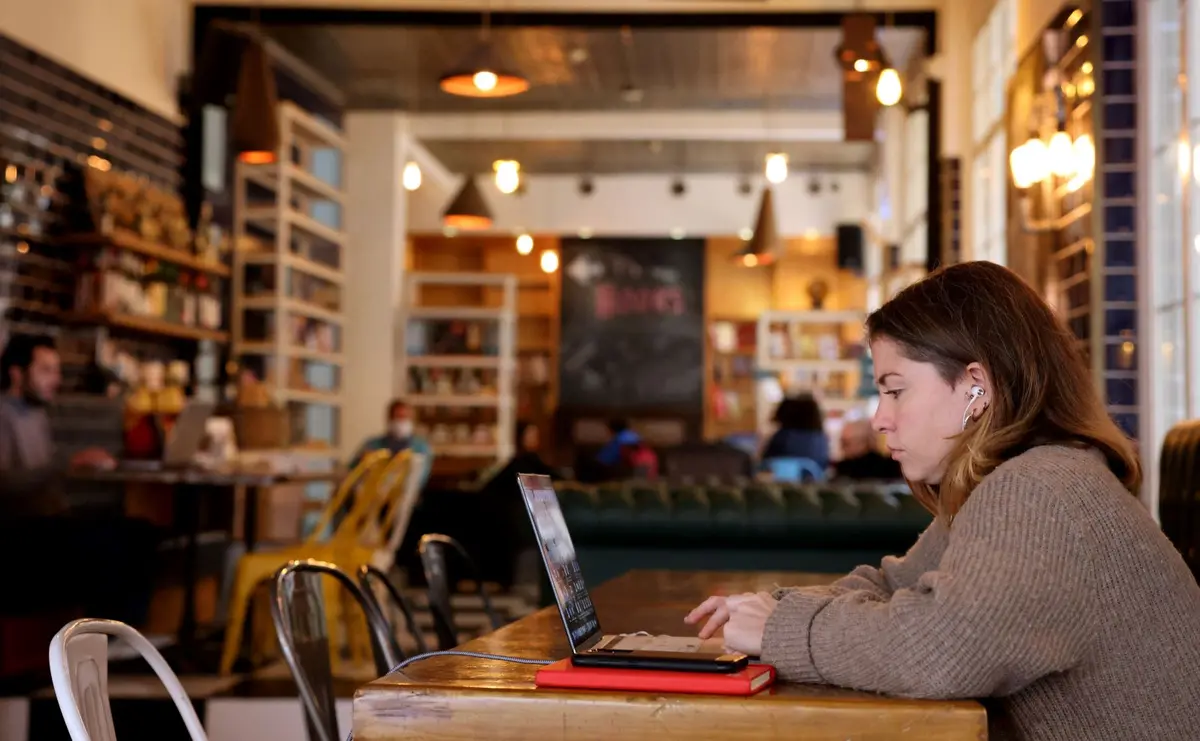
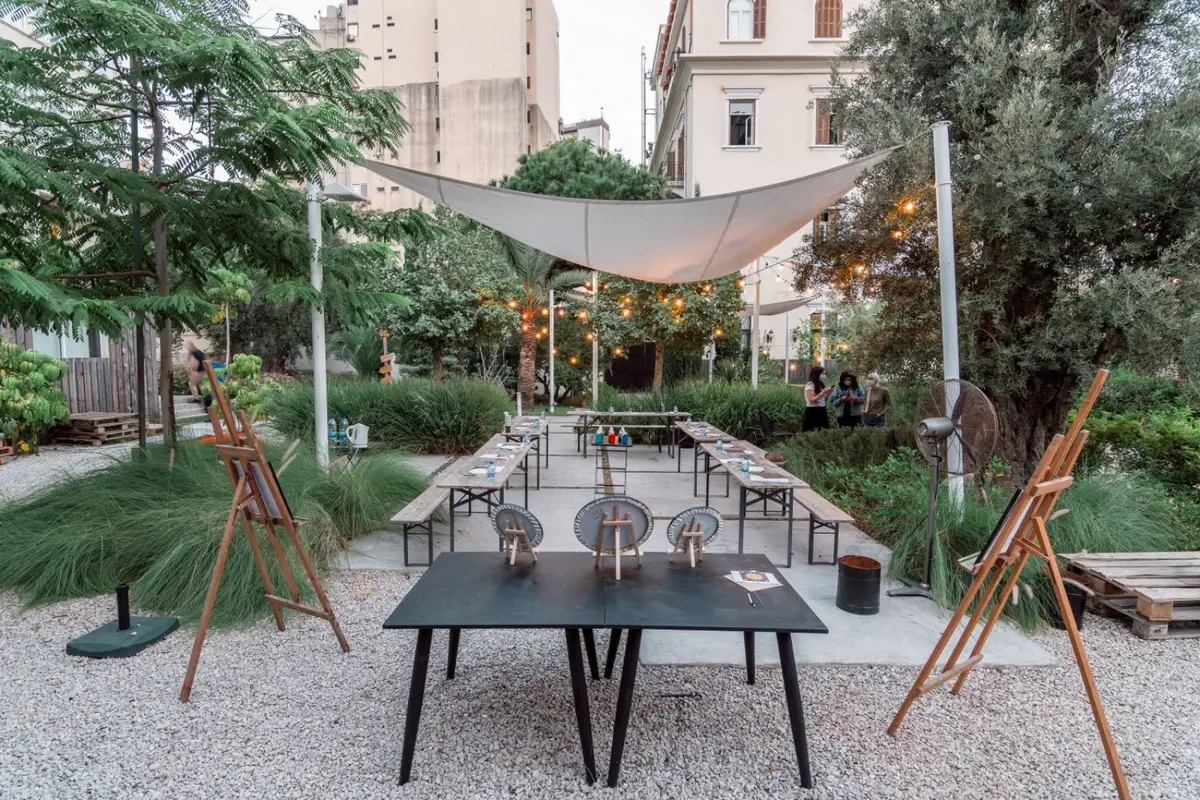
Cafe working is actually cultural here — Lebanese Arabic runs on four-hour coffee sessions and loud argument. The catch is the same generator question as apartments. The short list below all have backup power, working Wi-Fi, and staff who will not hover over a nursed flat white.
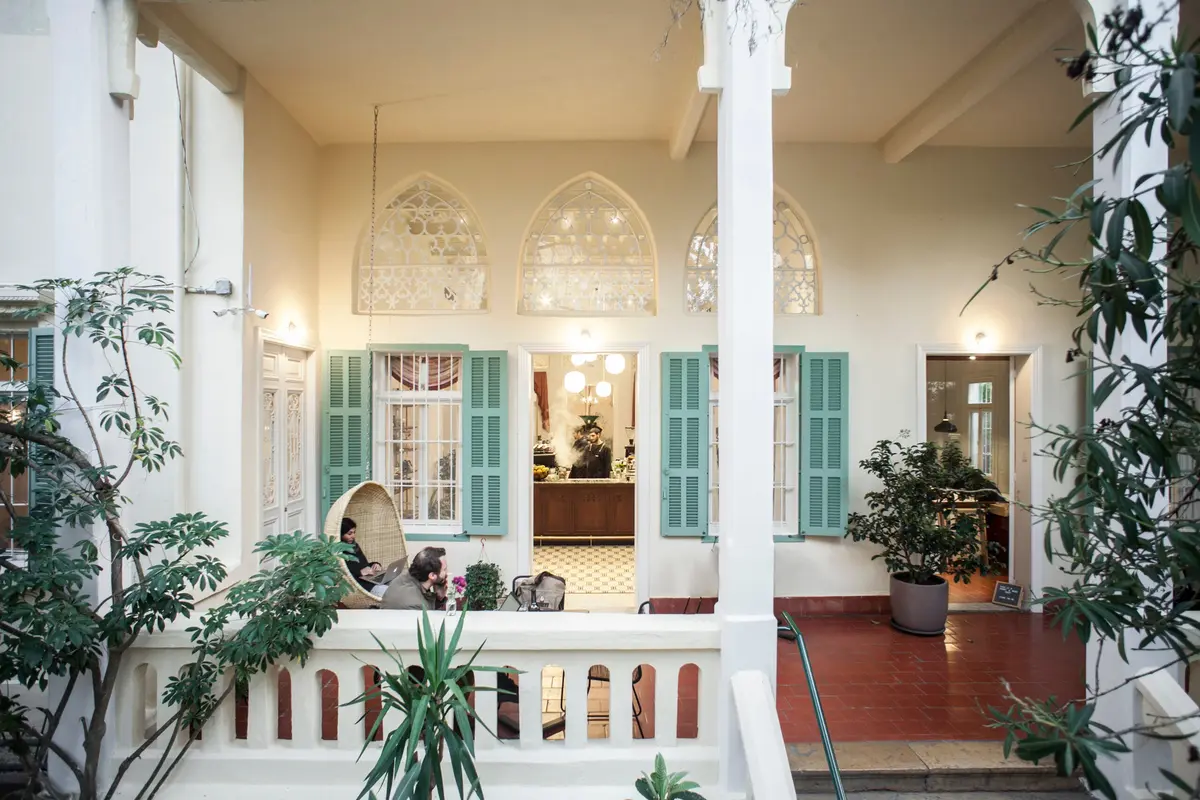
Kalei Coffee Co. — the specialty coffee pick
Set inside restored traditional houses in Mar Mikhael and Ras Beirut, Kalei roasts its own beans and pulls the best espresso I have had in the Middle East. The Mar Mikhael courtyard fills up by 10 a.m. on weekends; Tuesday and Wednesday mornings are the sweet spot. Wi-Fi is stable but not gigabit — tether your mobile hotspot for video calls.
Cafe Younes — the Hamra institution
Cafe Younes has been on Nehme Yafet Street since 1935. It has a small interior garden, generator backup, and the kind of clientele (AUB professors, aging journalists, exiles) that makes you feel slightly under-read just sitting there. They are genuinely laptop-tolerant, which is not universal in Beirut cafes.
Sip — the Gemmayze buzz
Sip is noisier and more social than the other three. The tables are designed for 90-minute working sessions, not 6-hour marathons. Good for networking over a flat white; not for the quarterly report.
Urbanista — the diner-style workroom
Communal tables, a full food menu, and strong enough Wi-Fi to hold a video call. Multiple locations across Beirut, but the Gemmayze branch is the most laptop-friendly. This is the city’s closest equivalent to a US diner you can sit in all day.
Pro Tip: Arrive at any Beirut cafe before 10 a.m. or after 3 p.m. The 11 a.m. to 2 p.m. window is when every freelancer in the city fights for the same four outlets. The mid-afternoon slot is consistently the quietest — the breakfast crowd has left, the dinner crowd has not arrived, and the generator has been humming long enough to be stable.
Which neighborhood should you base in?
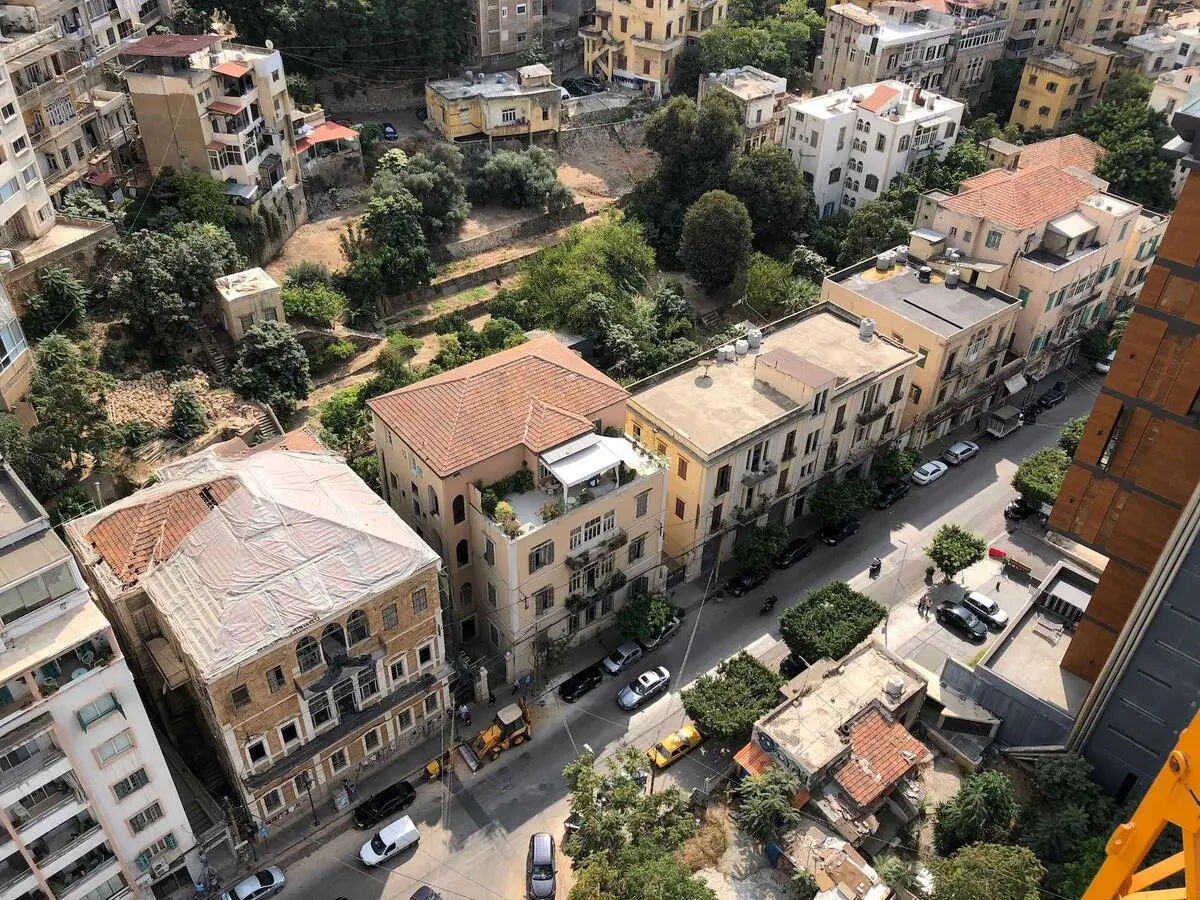
Beirut is not one city — it is six or seven villages stitched together, and where you sleep determines your entire quality of life. Our dedicated guide to neighborhood picks in Beirut goes deeper on each pocket, but the nomad-specific version is below. Walking distances are short on the map but brutal in July heat, and traffic can turn a 10-minute drive into 45. Pick the neighborhood that matches your work rhythm, not the one with the best rooftop bars.
Mar Mikhael and Gemmayze — creative, loud, young
Highest density of expats, bars, galleries, and third-wave coffee. Also the loudest part of Beirut — Armenia Street doesn’t quiet down until 3 a.m. on weekends. If you prioritize sleep, look elsewhere. If you are under 30 and here for the social life, it is the only choice.
Badaro — the productivity pick
Quieter, walkable, European in feel, with solid infrastructure and a cluster of good restaurants around Badaro Street. This is where I have seen the most 30-plus nomads settle long-term. Less to do on a Saturday night, more to show for yourself on a Monday morning.
Hamra — intellectual, convenient, chaotic
Around AUB, home to Antwork and Cafe Younes, and walkable to the Corniche. Infrastructure is mixed because copper is aging and fiber is inconsistent block-by-block. Great for nomads who want to be in the thick of student/academic energy; less great if you need consistent uptime without a coworking membership.
Achrafieh — upscale, residential, quiet
Higher housing quality, higher prices, the best fiber penetration in the city, and neighborhoods (Sassine, Sodeco) that actually feel like stable residential areas. This is the safest bet for a long-term stay at a higher budget.
- Achrafieh monthly 1BR furnished range: $700 to $1,500
- Mar Mikhael/Gemmayze monthly 1BR furnished range: $600 to $1,200
- Badaro monthly 1BR furnished range: $500 to $1,000
- Hamra monthly 1BR furnished range: $450 to $900
How does the “fresh dollar” economy work?
Lebanon runs on US dollars — specifically, crisp post-2013 bills — and most prices in restaurants, supermarkets, and rentals are quoted in USD. The Lebanese lira still exists but floats around 89,000 to 90,000 LBP to the dollar and is used mostly for small change. Locals call the post-2013 bills “fresh dollars” because the banking system, after the 2019 collapse, distinguishes between pre-crisis deposited dollars (“lollars,” trapped in banks) and new physical cash. You want fresh dollars, and you want a lot of them.
- Bring cash: ATMs dispense dollars sporadically and at terrible rates. Plan to bring 80% of your monthly budget in crisp bills.
- No torn, marked, or pre-2013 bills: Shops and landlords will reject them politely and firmly.
- Denominations: Bring a mix — a stack of $100s is harder to break than you think. $20s and $50s move fastest.
- Card payments: Accepted at upscale restaurants, hotels, and BDD. Nowhere else with any reliability.
What is the visa situation for nomads?
Most Western passport holders (US, UK, EU, Canada, Australia) get a free visa on arrival at Beirut-Rafic Hariri International Airport valid for one month. It can be extended twice for two more months each at a General Security office, for a maximum total stay of three months. Then you are out. Critically, visa runs are not allowed — if you leave and try to re-enter after your period expires, you need a new visa processed through a Lebanese embassy abroad, which takes 6 to 8 weeks. Our dedicated Lebanon visa rules guide covers the fine print on extensions and edge cases.
- Requirements on arrival: Valid passport with 6+ months left and 2 blank pages, return or onward ticket, a Lebanese phone number, and an address (your hotel is fine).
- Deal-breaker: Any Israeli stamp, visa, or entry mark anywhere in your passport history means denial of entry and possible detention. This includes overland exit stamps from Jordan or Egypt crossings into Israel.
- Maximum nomad stay per entry: 3 months total.
- Longer stays: Require a residency application through a Lebanese employer or sponsor — not realistic for most freelancers.
Pro Tip: If you know you are staying close to three months, apply for the first extension in week three, not week four. General Security offices close for random public holidays, and the overstay fine (currently around $200) stings.
Before you book
Beirut for digital nomads is a setup problem, not a lifestyle. Solve the setup — an apartment with activated fiber, a 10-amp generator subscription, a voltage regulator, two SIM cards, a mini-UPS, and a VPN pointed at Istanbul — and Lebanon gives you back one of the most interesting places on Earth to run a business from. Skip any of those six pieces and you will lose a workday to something stupid every week.
TL;DR: Go to Beirut for the food, the history, and the honesty. Base in Badaro or Achrafieh, buy both Touch and Alfa SIMs, confirm the fiber box exists before you sign a lease, and read the travel advisory with your eyes open. The infrastructure stack costs under $150 extra per month and it is non-negotiable.
What would actually stop you from trying a month here — the safety picture, the setup friction, or something else?