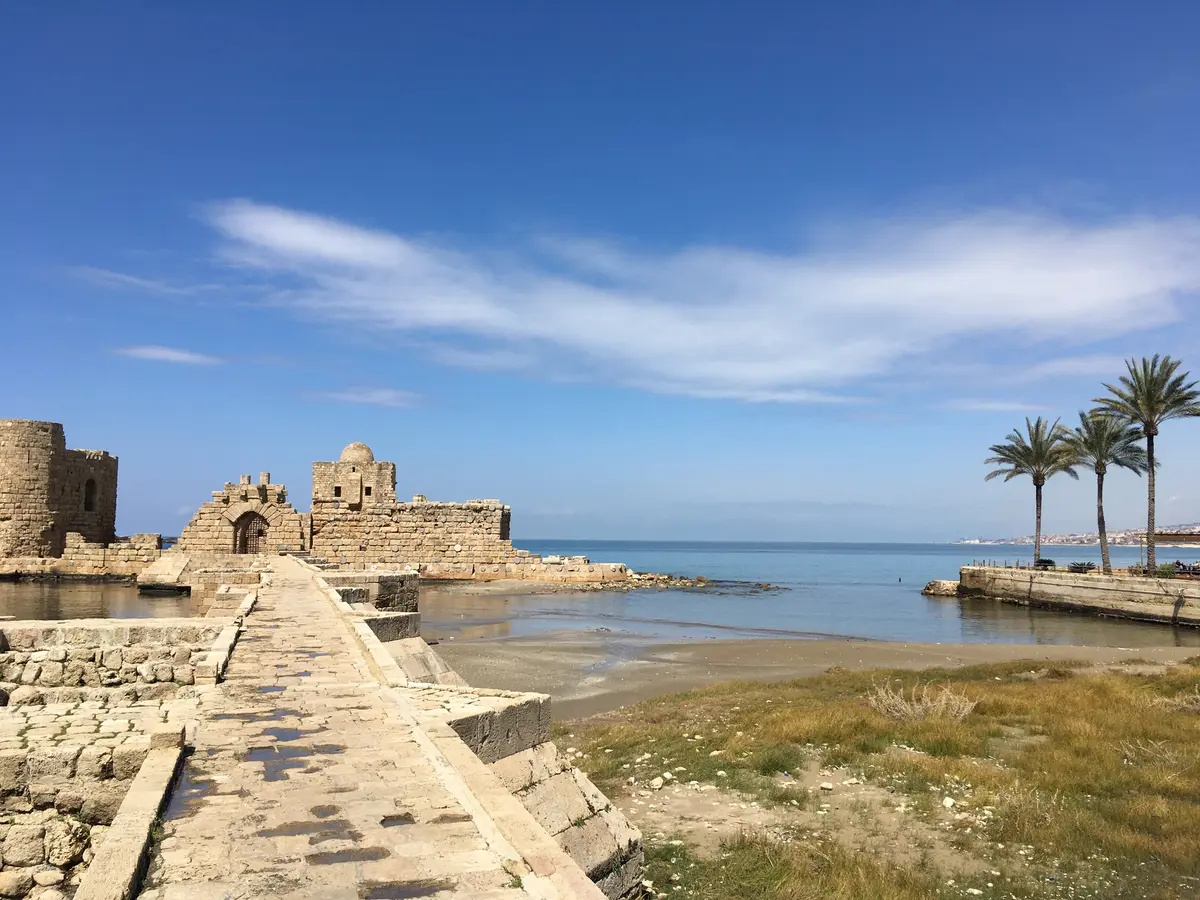
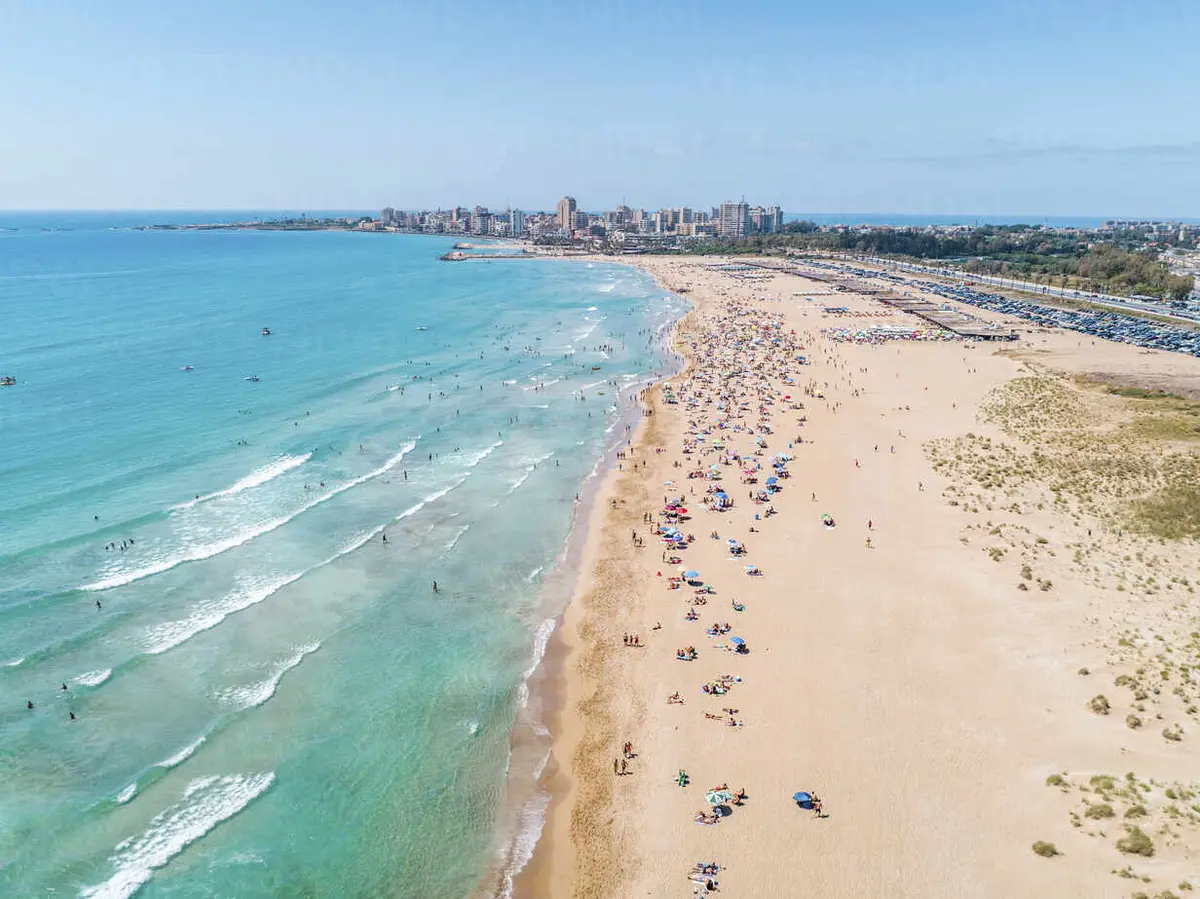
The Tyre beaches — locally called Sour — are Lebanon’s last sandy beaches, a 2-mile (3.5 km) public coastline where you can swim over Phoenician ruins, watch sea turtles hatch under moonlight, and drink a cold Almaza in a wooden hut that doubles as a beach club. They sit about 51 miles (83 km) south of Beirut and they are unlike anything else on the eastern Mediterranean. They are also, right now, in an active conflict zone — and any honest guide to Tyre beaches has to start there before it talks about the sand.
Can you actually visit Tyre beaches right now?
No — not safely, and not according to any Western government. The U.S. State Department lists Lebanon at Level 4 (Do Not Travel) and singles out everything south of Sidon — which includes Tyre — with a “Depart If You Are There” advisory. A November 27, 2024 ceasefire between Israel and Hezbollah was followed by near-daily Israeli airstrikes, and full-scale hostilities resumed in March 2026, with Israeli ground operations back in southern Lebanon.
You will also find that travel insurance for Lebanon will not cover you if you go against your home government’s advisory — most major insurers void Lebanon claims entirely. UNIFIL has logged more than 10,000 ceasefire violations between November 2024 and early 2026, and tens of thousands of residents from the Tyre district remain displaced from their own homes.
Pro Tip: If you are reading this to plan a trip, bookmark it for later and check three things before you book — your home country’s travel advisory, the UNIFIL situation reports, and whether commercial flights to Beirut are still operating. The window for visiting Tyre comes and goes; in calmer months between 2022 and mid-2024, travelers moved freely. It can come back. It is not now.
The rest of this guide is written for two readers: the traveler researching Tyre for a future trip when conditions allow, and the diaspora visitor or aid worker already on the ground who wants to know the coast properly.
Why are the Tyre beaches unique?
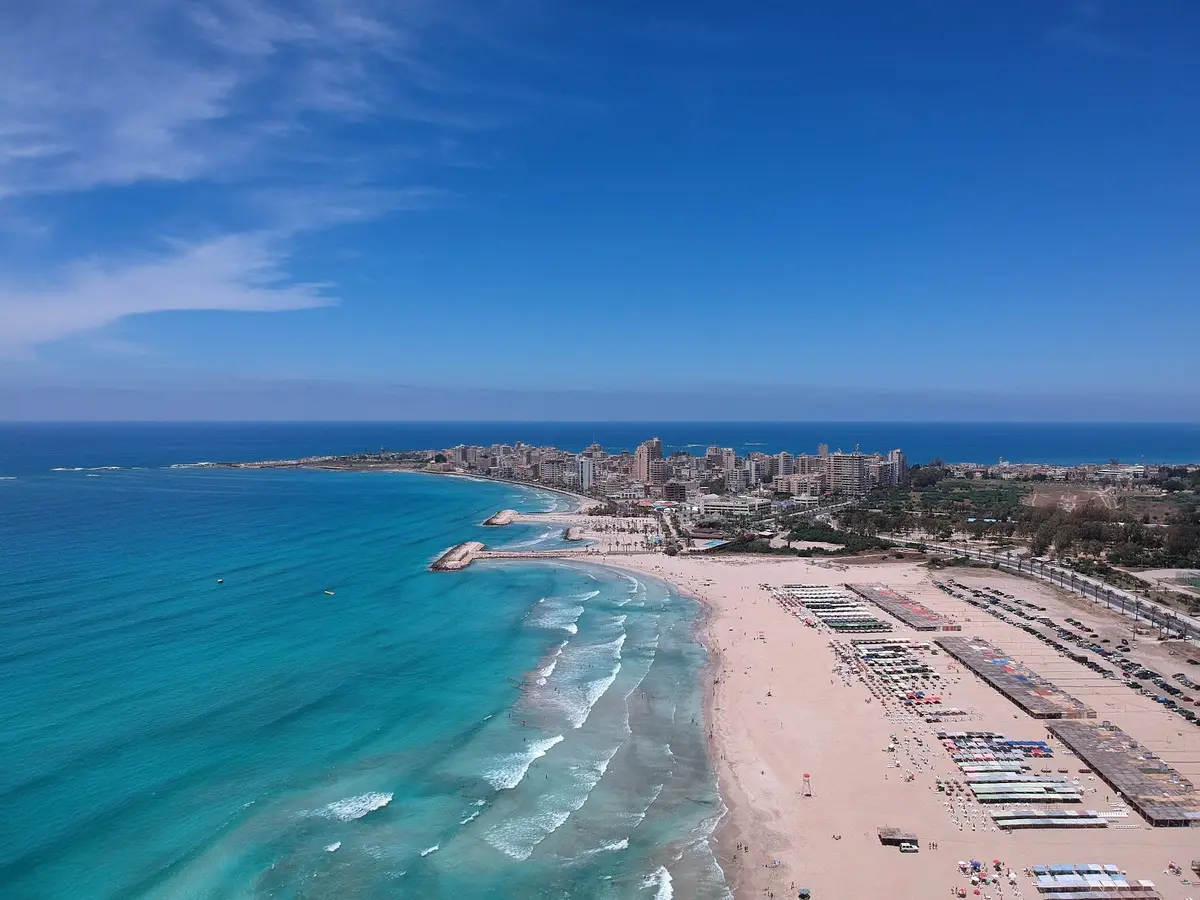
Tyre has the only large stretch of natural sand left on the Lebanese coast, and the sand is here because of a 2,300-year-old siege. When Alexander the Great attacked the island city of Tyre in 332 BC, he ordered his army to build a causeway out from the mainland to reach the walls — about 2,600 feet (800 meters) long. Sediment piled against that man-made spit over the centuries to form a tombolo, and that tombolo is the beach you walk on today.
The rest of Lebanon’s coast is rocky or has been concreted over by private resorts. About 80% of Lebanese beaches are gated and charge entry. Tyre is the exception — the sand here is legally public, even where wooden tents have been built on top of it.
Pro Tip: Every guidebook will tell you Alexander built the causeway. Almost none mention that he also massacred about 10,000 Tyrians and sold 30,000 into slavery after taking the city. The beach you are sunbathing on is built, literally, on a war crime. Worth knowing before someone tells you the place feels timeless.
What is the Tyre Coast Nature Reserve?
The Tyre Coast Nature Reserve is a 380-hectare (940-acre) protected area southeast of the city, established by Lebanese law in 1998 and listed as a Ramsar wetland of international importance in 1999. It contains the largest remaining sandy beach in Lebanon, the freshwater Phoenician springs at Ras El Ain, and the country’s last protected coastal sand dunes. Loggerhead and green sea turtles nest here.
The reserve is split by the Rashidieh Palestinian refugee camp into two physical sections, and managed across three functional zones.
The three zones, and what each one is for
- Tourism zone: A roughly 900-meter sandy beach where the wooden tent-restaurants set up between June and September. This is where almost everyone goes.
- Conservation zone: Another 900-meter stretch reserved for the sea turtles and migrating birds. No facilities, no umbrellas, no digging. Access is restricted in nesting season.
- Agricultural and archaeological zone: A 2-kilometer southern strip of small family farms and the artesian wells of Ras El Ain. Public access here is limited because it disrupts wildlife.
What lives here
- Loggerhead and green sea turtles (both IUCN-listed as endangered or vulnerable)
- The Arabian spiny mouse, a small nocturnal rodent
- Sea daffodils (Pancratium maritimum) blooming in the dunes in late summer
- Resident European badgers, common pipistrelle bats, and migrating waders that use the reserve as a stopover
The visitor center sits behind the Rest House Hotel on Avenue President Nabih Berri and is open weekdays, 8:00 AM to 3:30 PM.
What is the Al-Jamal area like?
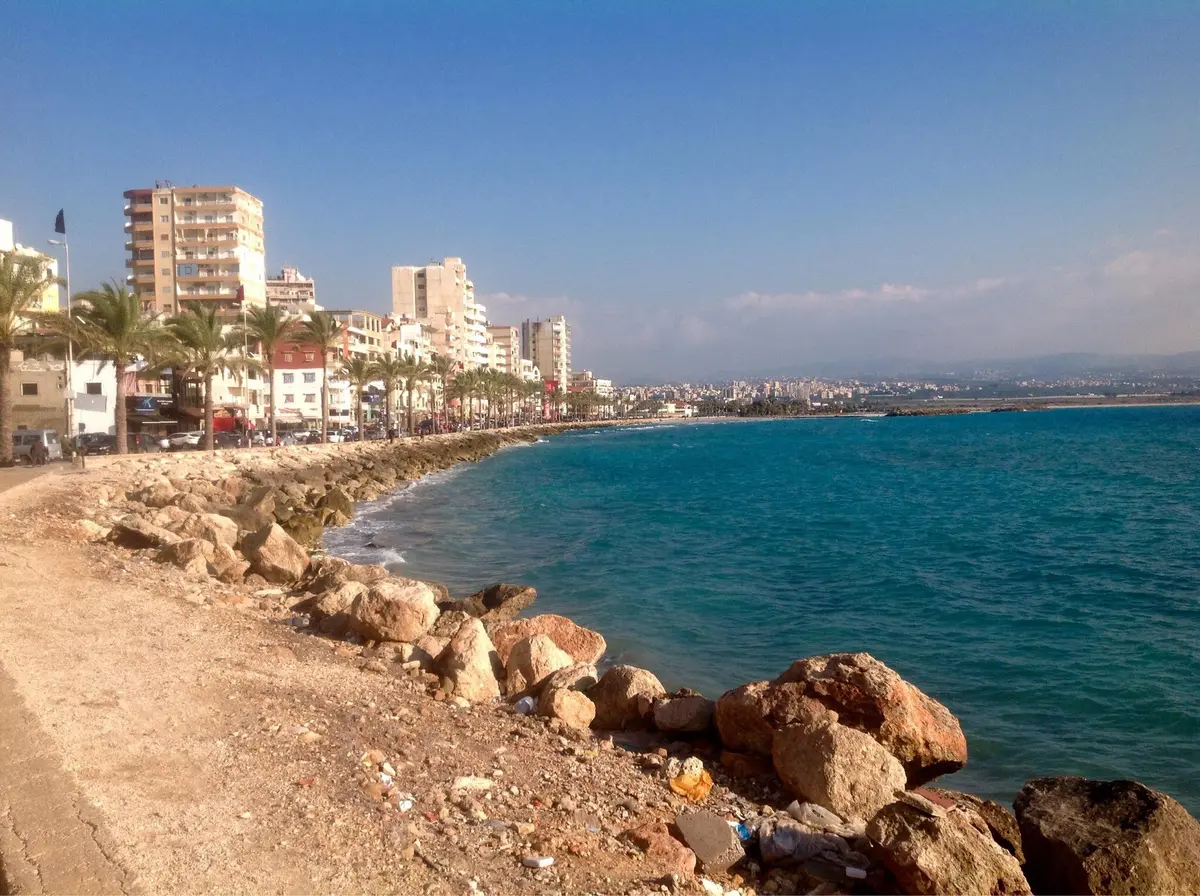
Al-Jamal is the rocky stretch on the city’s northwest side, opposite the sandy southern beaches. Underwater springs push cold freshwater up into the Mediterranean here, which keeps the water clearer and noticeably colder than on the sand side — better for snorkeling, less inviting for a long swim. Wooden deck restaurants are built on stilts straight over the sea.
The trade-off is real: you eat with your feet over the water and climb a ladder down for a swim, but there is no beach to lie on. If you want sand and sun, head south. If you want clean snorkeling water and grilled fish on a deck, Al-Jamal wins.
How do the tent beach clubs work?
Between June and September, the public sandy beach in the reserve fills with about 50 wooden huts that function as semi-private beach clubs. They are not gated — the sand underneath them is legally public — but each tent occupies a strip of beach (Cloud 59 holds about 12 meters wide) and provides shade, sunbeds, showers, toilets, music, and food. You access them by agreeing to spend a minimum amount on food and drinks, which most groups hit at lunch without thinking about it.
The minimum-charge system
- Cost: Around $10-15 USD per person on weekdays, higher on weekends; varies by tent and seat type
- What it covers: All-day use of facilities — sunbed, shade, showers, toilets
- What it does not cover: Hammocks and shaded cabanas, which are charged separately
- Payment: Cash only at most tents. US dollars and Lebanese pounds both accepted; many places now price in fresh USD
Cloud 59 — the social one
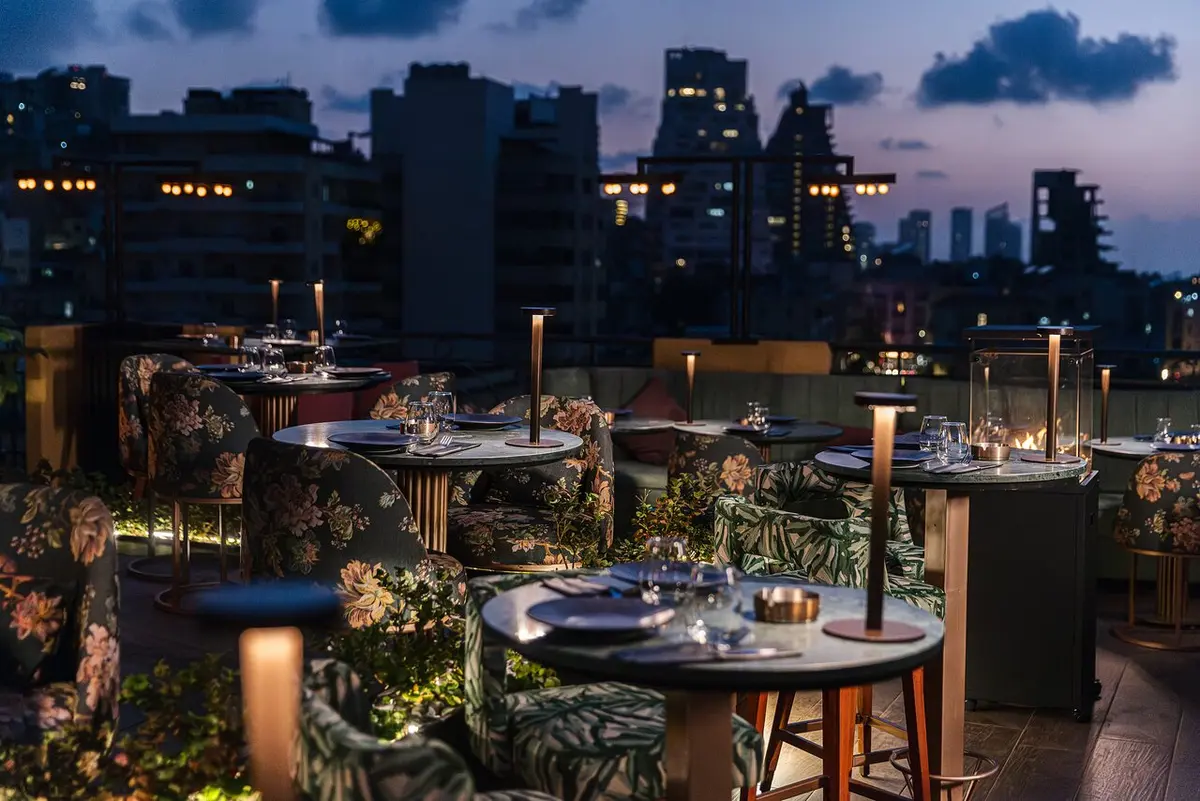
Cloud 59 is the last tent at the southern end of the strip and the one with the international reputation. Driftwood furniture, white curtains, an actual cocktail menu, and a crowd that skews young, mixed, and visible on Instagram. The food is hit-or-miss — the fattoush is solid, the fish can come with sand in it, and waiters thin out by late afternoon — but the location at the edge of the conservation zone is the best on the beach. Reserve on weekends.
- Location: Far southern end of the public beach, Tyre Coast Nature Reserve
- Cost: $10-15 USD minimum spend; expect $40-60 per person for a full day with lunch
- Best for: Couples, friend groups, anyone who wants a cocktail at sunset
- Time needed: Half-day minimum; most people stay 6-8 hours
- Open: Roughly early June through end of September
Guevara Beach and Brandon — the family ones
The neighboring tents are quieter and lean Lebanese-family rather than Beirut-cool. Bigger tables, kids running around, platters of watermelon and feta, less English spoken. The food is simpler and more consistent, and the music is at a volume you can talk over.
- Location: Mid-strip, Tyre public beach
- Cost: Similar minimum spend, lower drink prices
- Best for: Families, multi-generational groups, anyone over 35
- Time needed: Half-day to full day
Pro Tip: Skip the weekend if you can. Saturday brings up to 20,000 visitors to a single 900-meter strip. Tuesday or Wednesday, you can stretch out and actually hear the waves.
Can you really swim with sea turtles in Tyre?
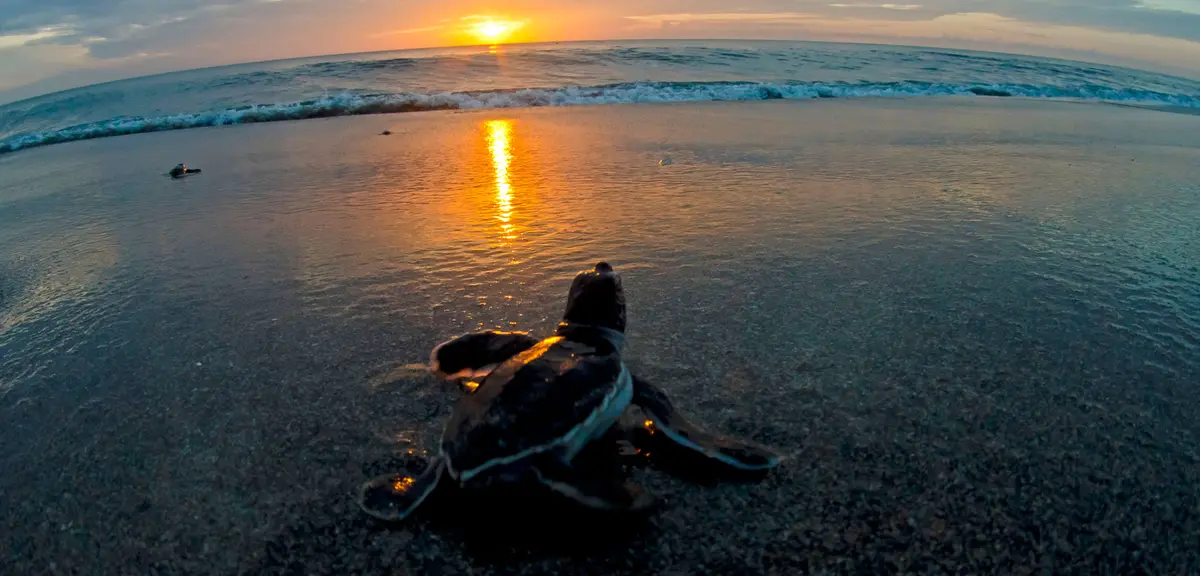
You can see sea turtles on the Tyre beaches between May and October, but you should not swim with them. Loggerhead and green turtles come ashore at night to lay eggs from May through July, and the hatchlings emerge between August and October and crawl toward the moonlit sea. Disturbing nests, using flashlights at night, or photographing with flash on the beach is banned. Watching from a respectful distance with a guide is the only legitimate way to see this.
Specific nesting zones inside the reserve are roped off in season. The Orange House Project, a turtle-conservation NGO based south of Tyre in Mansouri, runs guided night walks in nesting season — they also operate a guesthouse where you can stay among the conservationists. Going through them is the right call.
How do the ancient ruins connect to the beach?
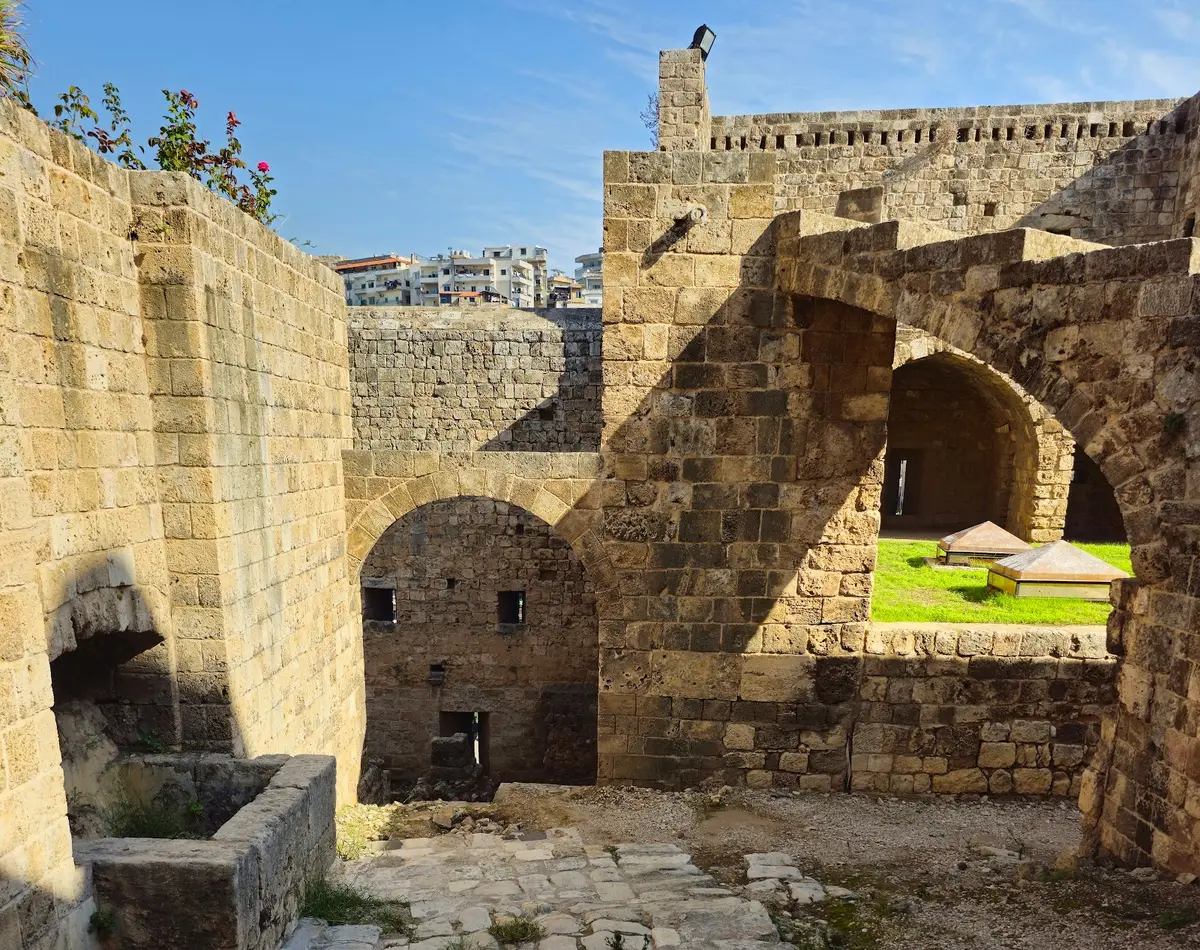
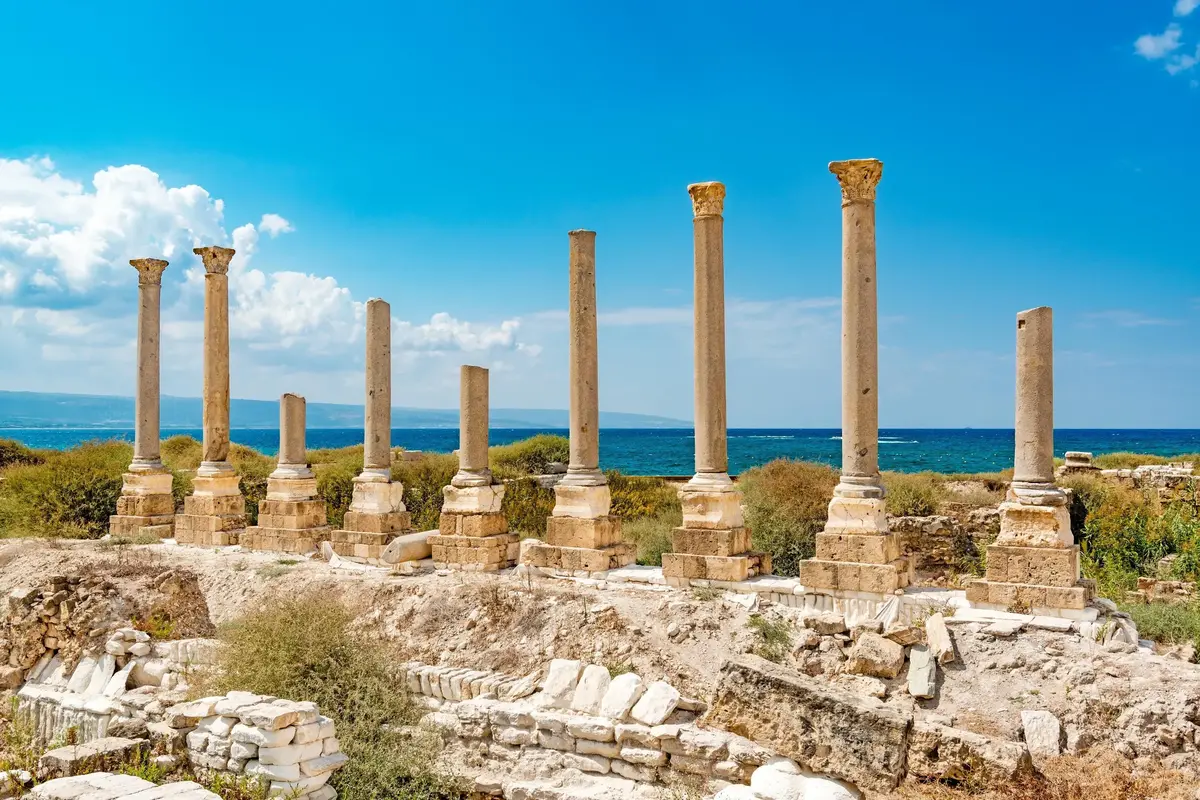
The archaeological sites scattered across Lebanon are unusually generous with their settings, and Tyre is the prime example: the ruins here are not next to the beach — they spill into it. At the Al-Mina site on the city’s seaward edge, Roman colonnades march directly into the surf. The Phoenician southern harbor is submerged just offshore, and you can snorkel over column drums and breakwaters with no entrance fee. The Tyre Coast Nature Reserve protects the largest sandy beach in the country; the city itself is a UNESCO World Heritage Site listed since 1984. They are about a 10-minute drive apart.
The Roman Hippodrome at Al-Bass
The Roman Hippodrome of Tyre dates to the 2nd century AD and is the second-largest hippodrome ever built, after Rome’s Circus Maximus — and the largest stone-built one anywhere. It measures 480 meters long by 90 meters wide on the track, with seating for around 20,000 spectators. It sits inside the Al-Bass archaeological site, which also contains a Roman necropolis with marble sarcophagi, a triumphal arch, and a kilometer of Roman road.
- Location: Al-Bass district, on the mainland side of Tyre
- Cost: Approximately $4 USD entry (paid in LBP at the gate)
- Best for: Anyone, but bring a hat — there is almost no shade
- Time needed: 1-2 hours; combine with the Al-Mina site for a half-day of ruins
Pro Tip: Go before 9 AM. The hippodrome has zero shade, the stone reflects the sun, and the entrance is genuinely hard to find — Google Maps puts the pin near the railroad tracks instead of the actual gate. Look for the brown UNESCO sign on the road south from the Al-Bass roundabout.
Where should you eat in Tyre?
Skip the obvious waterfront restaurants for any meal except sunset drinks. Al Fanar has the best view of the lighthouse and the old harbor, and that is mostly what you are paying for — the food is inconsistent at dinner. The real eating in Tyre happens in the old souk on the Christian-quarter side and at a handful of working-class sandwich counters that diaspora Tyrians fly in for. The fish, when you do find it fresh, comes from the small commercial port a 5-minute walk from the souk.
The souk: Mazraani for breakfast
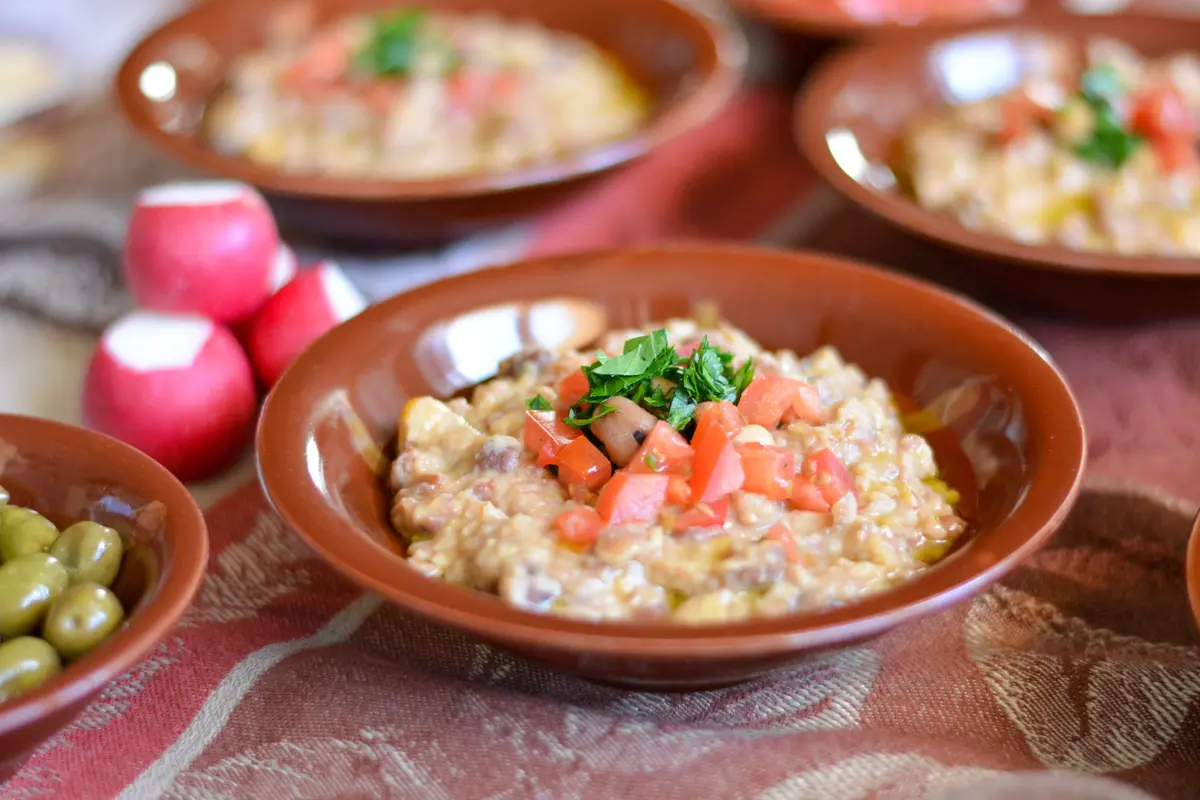
Mazraani is a no-menu breakfast counter in the old souk that has been operating for decades. You sit, they bring you fresh vegetables, a bowl of foul (stewed fava beans), a bowl of hummus, fresh bread, and tea. Total cost rarely tops $7 USD per person. They sell out by noon, sometimes earlier in summer. Cash only.
Mahfouz: the sandwich worth the detour
Mahfouz is known across Lebanon for a single thing — the fatayel sandwich, grilled meat wrapped in saj bread with tarator sauce and pickles. It is messy, it is about $4 USD, and it is the meal you eat standing on the curb before you go to the beach. The shop has no atmosphere whatsoever. That is not a problem.
Al-Jamal deck restaurants: the view + decent fish combo
The deck restaurants on Al-Jamal serve grilled local catch on platforms built over the rocks. Fish is sold by weight at market price — generally $30-50 USD per kilo for the larger species — and arrives whole, grilled, with arak and mezze. The food is consistently good, the view is the best in the city, and the swim ladder off the side is a built-in digestif.
Where should you stay near Tyre?
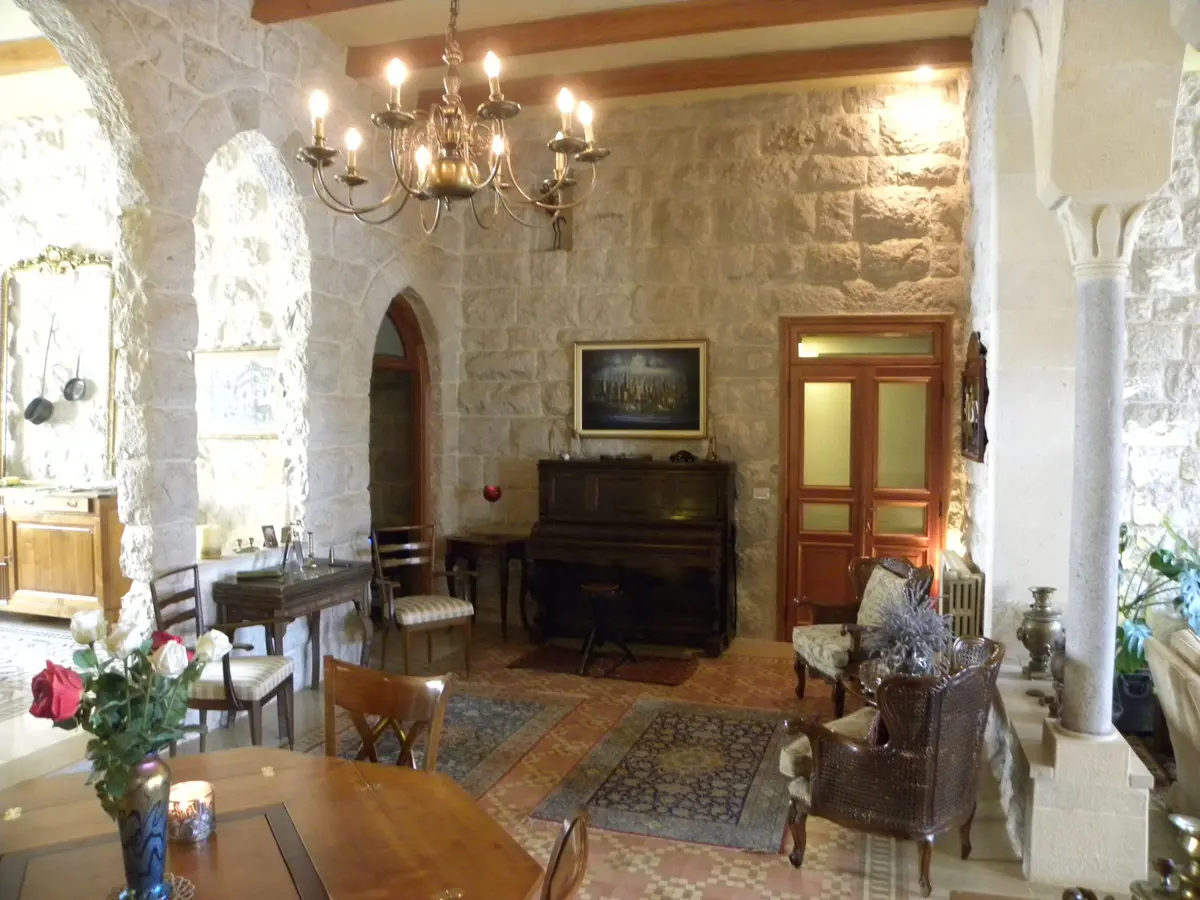
The accommodation picture in Tyre changed in the 2010s when several Ottoman-era stone houses in the old city were restored as guesthouses (the local naming convention is “Dar,” meaning “house”). These offer something most Lebanese coastal hotels don’t — a sense of the city itself, walkable to the souk, the harbor, and the ruins. The two big traditional resorts still exist for travelers who want a pool and a private beach.
Dar Camelia — the high end
Restored merchant’s house with an internal courtyard, design-magazine interiors, and an excellent breakfast on the terrace. Best for couples, no kids by design.
- Location: Christian quarter, Tyre old city
- Cost: Around $130-180 USD per night
- Best for: Couples, design-minded travelers
- Time needed: 2-3 nights to enjoy the property
Dar Alice — the intimate one
Smaller, more colorful, run by a family, located on the boundary between the Christian and Muslim quarters of Tyre. You are walking distance to street food, the souk, and the harbor.
- Location: Tyre old city, central
- Cost: Around $70-100 USD per night
- Best for: Solo travelers, couples on a mid-budget
- Time needed: 2 nights
Dar Alma — the sea-view one
Built into the old sea wall on the harbor side. Rooms are simple but the breakfast view of the fishing boats and the open Mediterranean is the reason you book.
- Location: Old city, harbor side
- Cost: Around $90-120 USD per night
- Best for: Couples, sunrise-watchers
- Time needed: 2 nights
Rest House Tyre — the family resort
Large mid-century resort with a private sandy beach, swimming pool, and lifeguards. Less character than the Dars, more functional for families with small kids.
- Location: Northern edge of the public beach, next to the nature reserve visitor center
- Cost: Around $140-200 USD per night
- Best for: Families with children
- Time needed: 2-3 nights
How do you get to Tyre from Beirut?
When the road is open and the situation calm, the drive from Beirut takes 1.5 to 2.5 hours along the coastal highway, depending on traffic through Damour and Sidon. The road passes banana plantations and small fishing harbors. There is one military checkpoint at the Litani River where soldiers check passports — this is normal procedure, not cause for concern, but have your documents in your hand.
When the road is not open — which has been the situation through much of the period since October 2023 — the highway is either closed at the Awali bridge near Saida, restricted to local traffic, or actively dangerous. Check before you drive. Western governments have specifically advised that if you do travel to Tyre, you use only the main coastal highway and nothing inland.
Transport options
- Private car or taxi from Beirut: Around $80-120 USD one way; arrange in advance through your hotel
- Service (shared) taxi from Cola roundabout in Beirut: $7-10 USD per seat; less safe, not recommended at night
- Driving yourself: Possible if you have international rental, but checkpoints, fuel shortages, and unfamiliar road signage make a driver the easier option
Is Tyre safe for American tourists?
In normal times — meaning the calmer windows between escalations — Tyre itself has historically been considered one of the safer southern Lebanese cities for foreign visitors, with a working tourism economy, a UNIFIL presence, and strong local hospitality. Right now, the answer is no, and the broader question of whether Lebanon is safe for American tourists deserves its own deep read before you commit. The U.S. State Department has Lebanon at Level 4 and southern Lebanon (everything below Saida) under “Depart If You Are There.” Active military strikes are occurring almost daily across the south.
When the situation does stabilize, the practical safety considerations on the ground are different from what most travelers expect. Petty theft is not a real concern in Tyre — Lebanese hospitality is direct and protective of guests. The risks are infrastructure-related (sudden checkpoints, fuel shortages, blackouts) and geopolitical (sudden escalations).
Photography rules that matter
The standard photography rules in Lebanon apply with extra weight in Tyre, given the military presence:
- Photographing ruins, food, beach scenes: fine
- Photographing checkpoints, soldiers, military vehicles, UNIFIL bases: do not, and delete on the spot if asked
- Photographing locals: ask first, every time
What to wear off the beach
Bikinis are standard at the tents and on the sand. Once you walk into the city — the souk, restaurants, mosques, the Christian quarter — cover up. Men wear shirts. Women cover shoulders and ideally knees. Tyre is a working southern Lebanese city, not a resort town, and the broader guidance on what to wear in Lebanon holds here more strictly than in Beirut.
Before you book
Tyre beaches are the kind of place that earns the trip — Phoenician harbors you can snorkel for free, the last sandy coast in a country that paved over almost all its others, sea turtles laying eggs on the same sand the Greeks fought for, and a wooden-hut culture that gives the public beach back to the public. None of that is going anywhere. The history, the sand, and the turtles will outlast the current war the way they have outlasted the previous ones.
What is going somewhere is the timing. Conditions in southern Lebanon shift in weeks, not seasons. If you have a Lebanese host, watch their cues, not a guidebook’s. If you don’t, watch the State Department, the UK FCDO, and UNIFIL reporting, and be ready to move your trip when the ceasefire holds for more than 60 consecutive days. That is the quiet test most experienced Lebanon travelers use. When you do start planning the wider trip, our full Lebanon travel guide is the place to begin.
TL;DR: Tyre beaches — Lebanon’s last sandy coast, with submerged Roman ruins, nesting sea turtles, and public beach tents like Cloud 59 — are world-class when accessible, but southern Lebanon is currently under “Do Not Travel” advisories from every major Western government, with active military operations resumed in March 2026. Plan, but do not go yet.
Have you been to Tyre during one of the quieter windows — and if so, which tent would you send a first-timer to?