Buying travel insurance for Lebanon is not the same transaction as insuring a week in Paris. The country sits under a Level 4 “Do Not Travel” advisory, artillery exchanges have continued along the southern border even after the November 2024 cessation of hostilities, and the standard policy attached to your credit card will almost certainly void itself the moment anything actually goes wrong.
I’ve spent time reading the fine print on high-risk policies, calling underwriters directly, and comparing what specialized brokers sell to NGO staff versus what consumer sites push to tourists. The gap is enormous. Whether you’re visiting family in Beirut, working a short NGO contract, or traveling to see Byblos and Batroun, the wrong policy costs you nothing — until it costs you everything.
Why does regular travel insurance fail in Lebanon?
Standard travel insurance fails in Lebanon because nearly every consumer policy contains a war exclusion clause and a foreseen-risk doctrine that together void coverage the moment a Level 4 advisory cites armed conflict. These policies are built for missed flights and lost luggage — not for a country where hostilities are ongoing and the State Department has ordered its own personnel to depart.
The war exclusion clause
Open any standard policy and search for the word “war.” You’ll find a paragraph that voids coverage for any loss caused directly or indirectly by war, invasion, acts of foreign enemies, or hostilities — declared or not. The drone activity and artillery exchanges along the Blue Line are classified by insurers as hostilities. That triggers the exclusion automatically, even if you’re a tourist injured by shattered glass in a neighborhood far from the border.
The foreseen risk doctrine
Insurance is priced on unforeseen events. When the State Department issues a Level 4 advisory citing armed conflict, insurers argue you voluntarily entered a known peril — which kills the claim. Even policies that advertise terrorism coverage often carve out countries with pre-existing high-level advisories. Lebanon has carried a Level 4 for an extended stretch, so that headline “terrorism benefit” on many policies is effectively worthless for travelers landing in Beirut.
Pro Tip: Ask the insurer in writing — by email — whether the policy responds to claims in Lebanon given the current Level 4 advisory. If they won’t put it in writing, assume no.
How does Lebanon’s Level 4 advisory affect your policy?
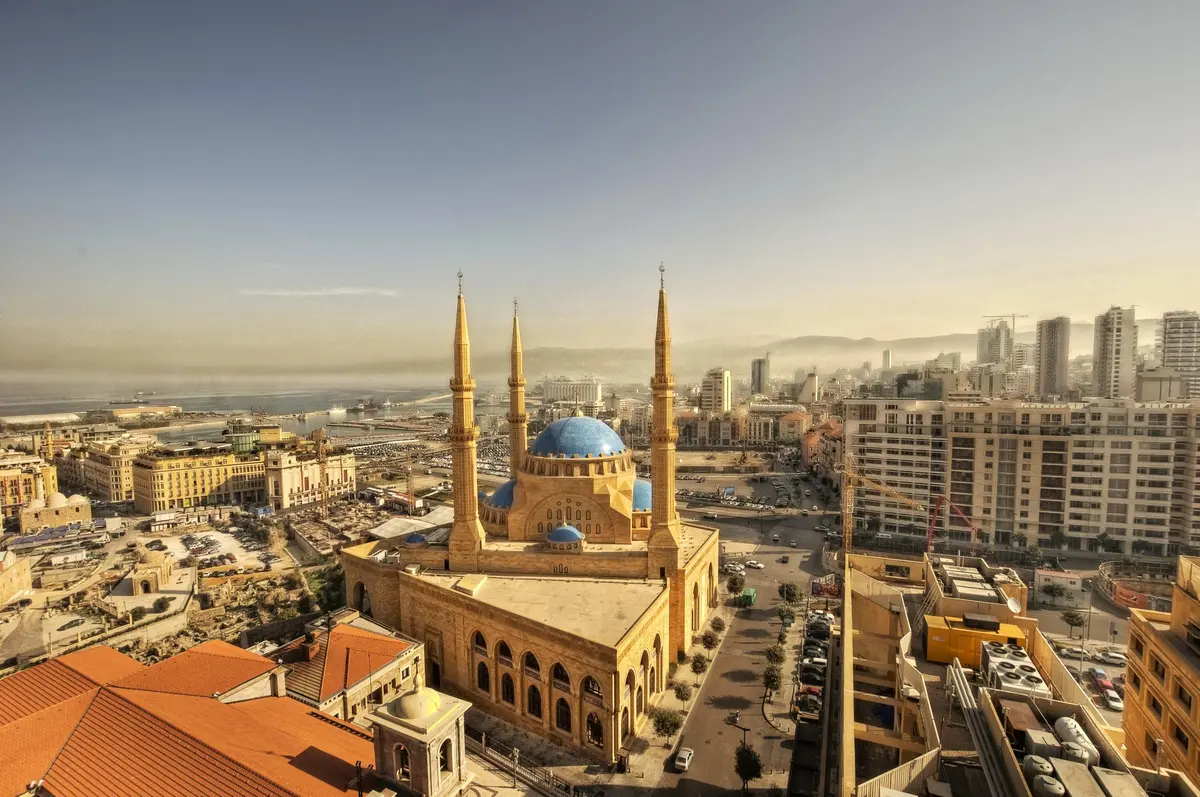
Lebanon’s Level 4 advisory is not just a government suggestion — it functions as a contractual trigger that activates exclusions across most travel insurance policies. The advisory cites crime, terrorism, civil unrest, kidnapping, unexploded landmines, and the risk of armed conflict, which is exactly the list insurers use to deny claims.
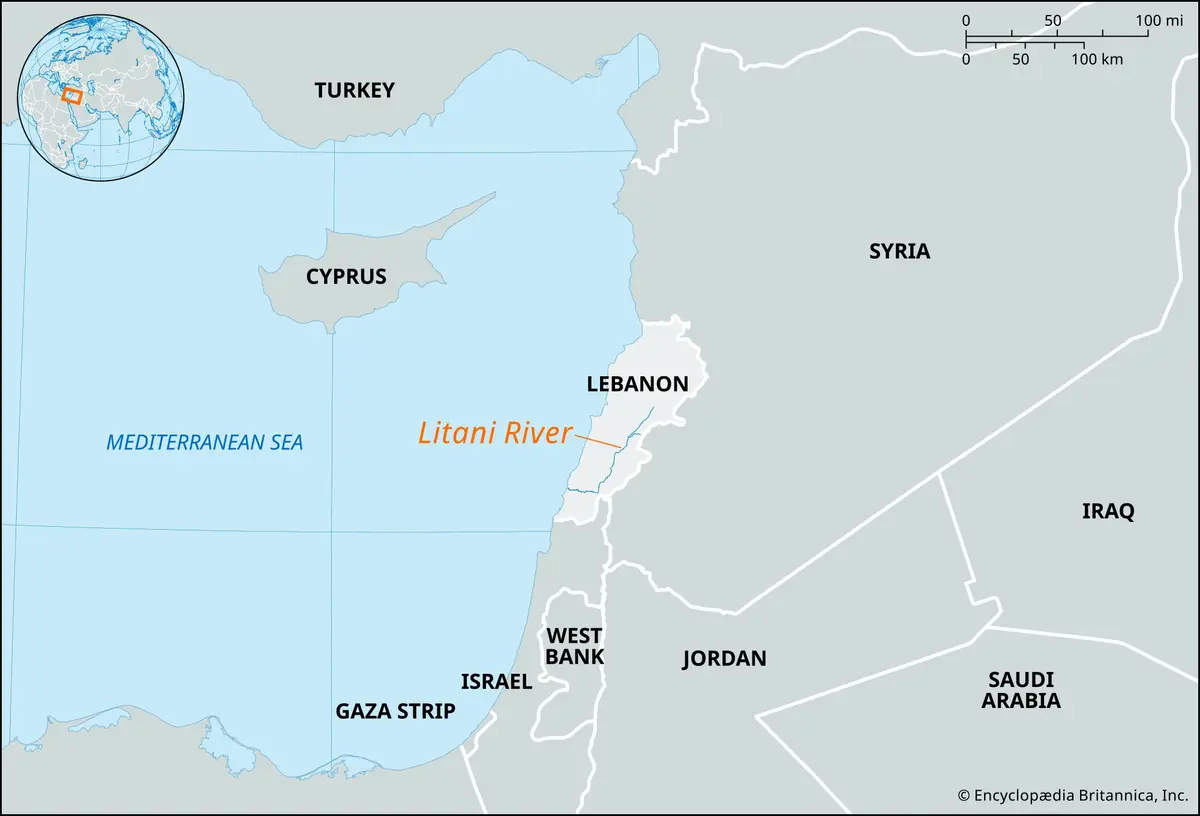
This is not only a US issue. Canada advises against non-essential travel to Lebanon, and the UK Foreign Office advises against all travel to areas south of the Litani River and to the Bekaa Valley. Several international insurance products use the UK Foreign Office list rather than the State Department as their benchmark, so a US citizen buying a UK-underwritten policy needs to check whose advisory the contract actually references.
One detail buried in the current advisory matters enormously: the Department of State ordered the departure of non-emergency government personnel and their family members from Beirut on February 23, and the embassy has suspended routine consular services. In plain terms, the US government has formally acknowledged it has limited ability to help you on the ground. The “24/7 assistance hotline” on most insurance cards relies on local fixers and ground infrastructure that may not be reachable during a crisis — which is why a working Sim card for tourists in Lebanon and a personal evacuation plan beat any insurance call center.
The known event problem
Here’s the trap most travelers walk into. After the October 2023 escalation, major high-risk underwriters — including Spinnaker, which backs several well-known retail policies — formally declared the conflict a “known event.” Everything downstream of that declaration changes your coverage.
- Cancellation and interruption: Policies purchased after the known-event date will almost always exclude cancellation or interruption claims tied to this specific conflict. You cannot buy a policy today and expect it to refund your trip if flights are cancelled because of regional tensions that already existed when you clicked “buy.”
- New, unrelated events only: Your cancellation coverage applies only to new, unrelated causes — a death in the family, a sudden illness, a job loss.
- CFAR as the workaround: Cancel For Any Reason (CFAR) coverage is the only consumer add-on that sidesteps this. It costs 40–50% more than the base policy and reimburses 50–75% of your prepaid, non-refundable trip cost depending on the plan. You usually have to add it within 14–21 days of your first trip deposit and cancel at least 48 hours before departure.
Pro Tip: If your trip cost is $3,000 and you add CFAR at 75%, your worst-case recovery if you pull the plug is about $2,250 — minus the extra premium of roughly $80–$150. For a Lebanon trip, that math almost always favors buying CFAR.
What is passive war coverage and why is it the feature that matters most?
Passive war coverage is the clause that protects you if you are injured as an innocent bystander in a war or terrorism incident, as opposed to actively participating in one. It is the single feature that separates a useful Lebanon policy from a piece of paper — and standard consumer plans almost never include it.
The line insurers draw is sharp. If you’re injured while visiting a military site or attending a political rally, they classify it as willful exposure to peril and deny. If you’re injured in a Beirut hotel room during an airstrike, or walking to a restaurant in Achrafieh when something explodes nearby, that qualifies as passive — provided the policy includes the rider.
Watch the time limit. Many passive war riders cover you only for 7 to 14 days after hostilities break out, on the theory that this is enough runway to evacuate. Specialized high-risk policies extend that to your full trip length. If your insurer refuses to confirm the time window in writing, treat the rider as cosmetic.
Which travel insurance policies actually work for Lebanon?
The five policies below are the ones that specialized brokers and NGO risk managers name most often for civilian travel to high-risk countries. None is perfect, and one popular option on this list is borderline useless for Lebanon — included here specifically so you don’t waste money on it.
1. High Risk Voyager
A Lloyd’s of London syndicate product that treats high-risk zones with a rating system rather than a blanket exclusion. Passive war coverage is baked in as a standard feature, not an afterthought.
- Best for: Civilians, journalists, NGO staff on longer assignments
- Passive war cover: Included as standard
- Main limitation: Primarily a European/UK product; US residents typically need to buy through an international broker
- Underwriter: Lloyd’s of London syndicates
2. Global Underwriters Diplomat International
The strongest straightforward US-resident option. The base plan handles international medical, and the optional War Risk Rider upgrades it into something that actually responds to conflict scenarios. The rider also adds crisis response benefits for kidnapping and ransom negotiation.
- Best for: US citizens who want a single, US-purchasable product
- Passive war cover: Via the optional War Risk Rider — don’t skip it
- Main limitation: You’ll likely pay cash upfront at the hospital and claim reimbursement later
- Underwriter: Lloyd’s syndicates
3. Battleface
A build-your-own-coverage approach that has historically offered war risk buybacks for journalists, NGO workers, and security contractors. The retail Discovery plan excludes war by default — the buyback is what makes it work for Lebanon.
- Best for: Freelance journalists, NGO contractors, short-term security personnel
- Passive war cover: Available as a buyback — not in the standard retail quote
- Main limitation: You cannot rely on the online quote form; call a broker to confirm the war rider is attached to your specific dates
- Underwriter: Varies by product line
4. SafetyWing — the one to skip for Lebanon
I’m including SafetyWing because digital nomads keep asking about it for a Beirut base. The answer is no. The Nomad Insurance policy explicitly excludes emergency coverage in countries under a Level 4 advisory, and the political evacuation benefit does not apply when the advisory level was already elevated before you arrived — which has been the case for Lebanon for years. It’s fine for Portugal or Mexico. It is not a Lebanon policy.
- Best for: Nomads based outside high-risk countries
- Passive war cover: Not applicable — country excluded
- Main limitation: Level 4 exclusion voids the core benefit for Lebanon
- Underwriter: Tokio Marine HCC
5. Atlas International (WorldTrips)
A reasonable middle-ground policy for travelers planning to stay in safer areas — Batroun, the Christian neighborhoods of Beirut, Byblos — and who primarily want coverage for standard accidents and illness. It provides terrorism coverage in advisory countries for non-participants, but the war exclusion stays in place.
- Best for: Lower-risk itineraries focused on things to do in Batroun or the northern coast
- Passive war cover: No — terrorism yes, war no
- Main limitation: Does not respond to conflict-related injuries
- Underwriter: Lloyd’s of London / Certain Underwriters
What does medical care actually cost in Lebanon, and will insurance pay the hospital?
Lebanon’s medical system runs on “fresh dollars” — physical US cash, not Lebanese pounds and not wire transfers. Even with valid insurance, major hospitals typically demand a cash deposit of $1,000 to $5,000 before they’ll admit you, unless your insurer has an existing direct-billing relationship and can send a Guarantee of Payment within hours.
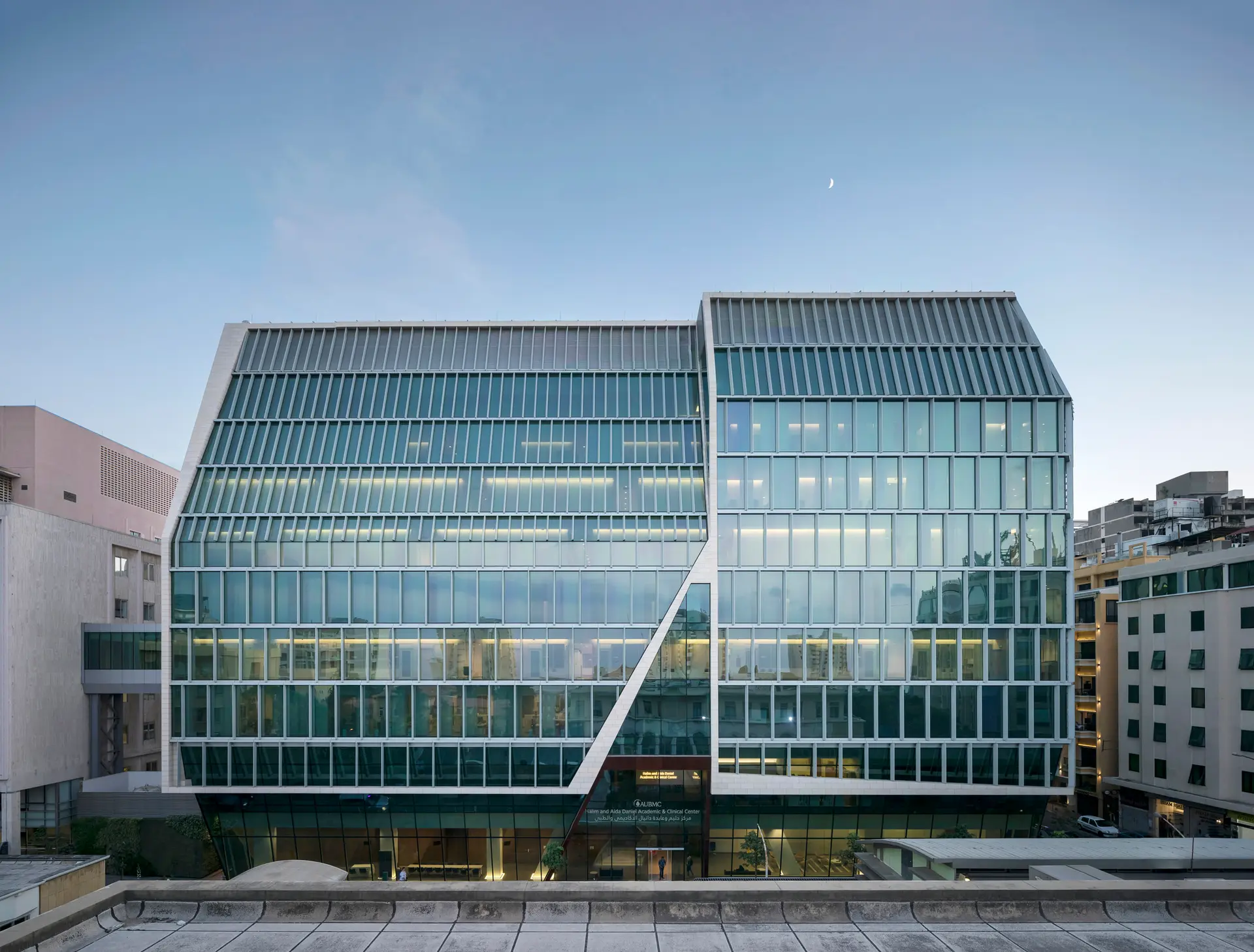
The two hospitals you’re most likely to end up at are American University of Beirut Medical Center (AUBMC) in Hamra and Clemenceau Medical Center (CMC) nearby. Both are excellent by regional standards. Both will still ask for the deposit. Premium global insurers like GeoBlue and IMG Global often have direct-billing agreements with AUBMC; budget plans do not — you’ll pay cash and claim reimbursement later.
- Typical admission deposit: $1,000–$5,000 in US dollar cash
- Outpatient consultation: $40–$80 at a major private hospital
- Minor ER visit: $150–$400 before imaging
- ATM reliability: Low during crises; plan to carry cash
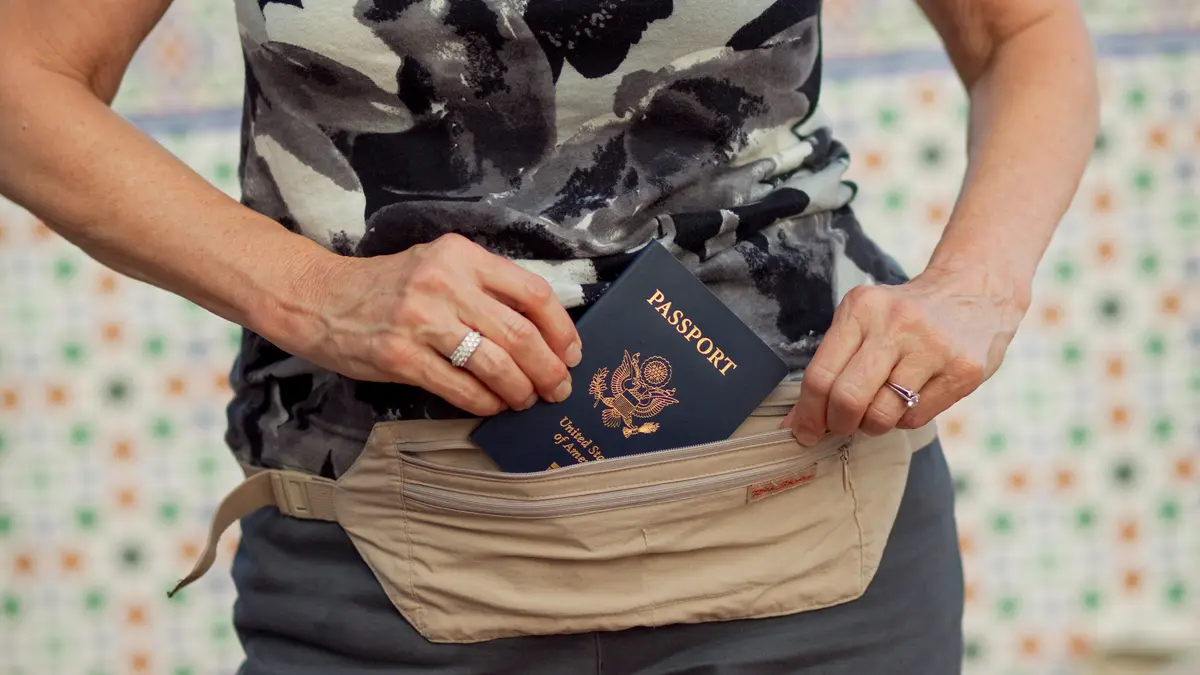
Pro Tip: Bring a minimum of $2,000 in clean, post-2013 US dollar bills, split between your person and your hotel safe. Torn or pre-2013 notes are frequently refused at hospitals and exchange houses — this is a specific quirk of the Lebanon currency situation, not a general Middle East issue.
Medical evacuation vs. security evacuation — what’s the difference?
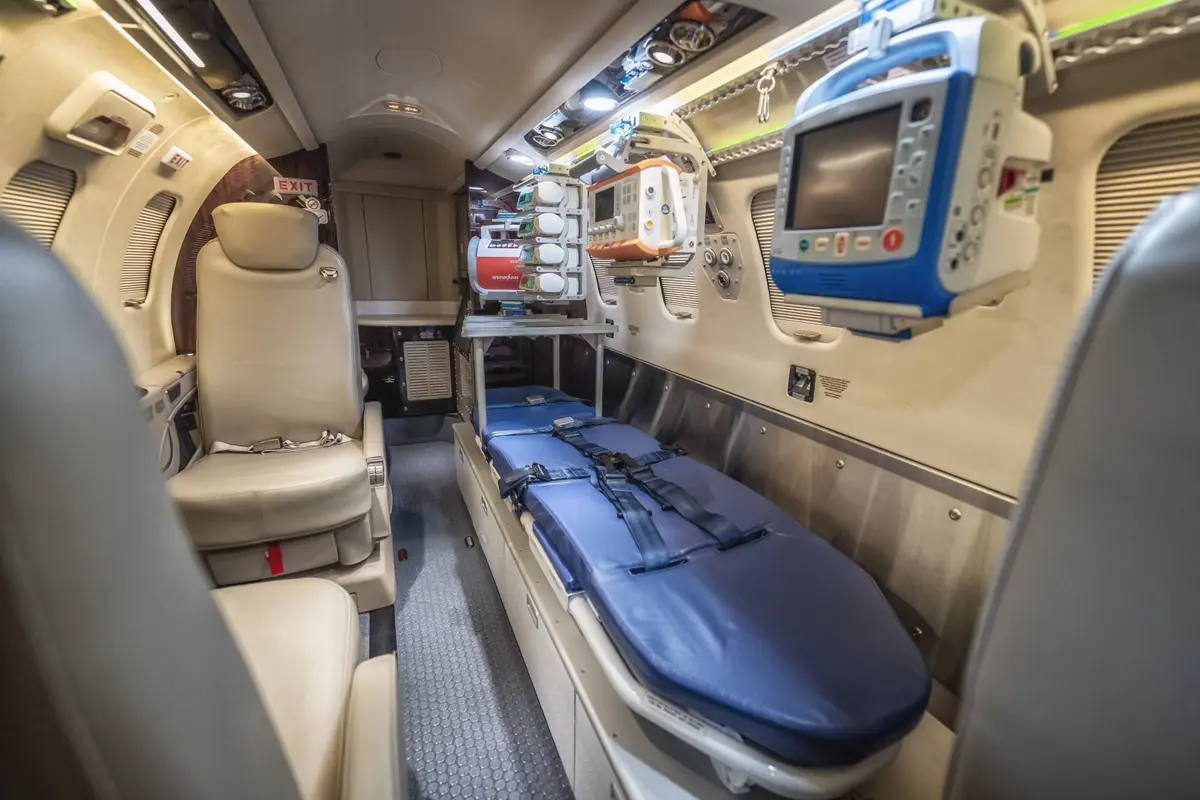
Medical evacuation (MedEvac) and security evacuation are two different services that insurance shoppers routinely confuse, and the distinction matters enormously in Lebanon. MedEvac transports you out when local hospitals cannot treat your condition. Security evacuation extracts you when the ground situation turns dangerous — regardless of whether you’re injured.
Standard travel insurance almost always includes some form of MedEvac. Almost none of it includes security evacuation.
Medical evacuation
Activates on a doctor’s recommendation when local treatment is inadequate. Flies you to the nearest facility that can handle your condition — often Cyprus, Athens, or Tel Aviv for Lebanon, depending on your injury and political context.
Security evacuation
Activates on deterioration of the security situation — border closures, airport shutdowns, credible threats in your area. You generally need a standalone membership from a specialized provider to access it:
- Global Guardian: Ground extraction, armored vehicles, worldwide response
- Medjet Horizon: Membership add-on focused on security-driven transport
- International SOS: Corporate-tier memberships, typically sold to employers
Power cuts complicate both. Hospital generators fail, traffic signals die, and cell networks lose tower coverage during the worst stretches. Knowing how to deal with power cuts in Lebanon — backup batteries, offline maps, a list of hospital addresses written on paper — is part of the evacuation calculus before you ever need an insurer.
How should you layer your coverage for Lebanon?
Stop thinking of travel insurance for Lebanon as one product and start thinking of it as a stack of three. No single policy on the market covers everything a Lebanon trip can throw at you, so specialists build protection in layers.
- Medical layer: A high-limit international medical plan with a passive war rider (Global Underwriters Diplomat, High Risk Voyager, or a broker-customized Battleface build).
- Security layer: A standalone security evacuation membership (Global Guardian or Medjet Horizon) that activates on deterioration rather than injury.
- Financial layer: A high-limit credit card for emergency bookings plus at least $2,000 in US cash for hospital deposits.
- Verification layer: Call the insurer before you pay and ask them to confirm — ideally in writing — that the policy responds in Lebanon given the current Level 4 advisory. If the rep hesitates, move on.
Pro Tip: Buy the medical policy and security membership from two different providers. If one declines a claim, you want the other to be an entirely separate contract, not a sibling product from the same underwriter.
The bottom line
TL;DR: Standard travel insurance for Lebanon is almost always void under the war and foreseen-risk exclusions. You need a policy with a passive war rider (Global Underwriters Diplomat, High Risk Voyager, or a Battleface custom build), a separate security evacuation membership, and at least $2,000 in US cash for hospital deposits. Verify coverage in writing before you pay.
The combination of a Level 4 advisory, a cash-only medical system, and insurer exclusions designed specifically around this kind of environment means default coverage is a trap. The travelers who get this right treat insurance as three contracts stacked on top of each other, not one. For the rest of your pre-trip prep, work through our Lebanon travel guide to handle visas, transit, and on-the-ground logistics.
What’s your biggest question about buying coverage for a high-risk trip — the policy wording, the cash mechanics, or the evacuation side? Drop it in the comments.