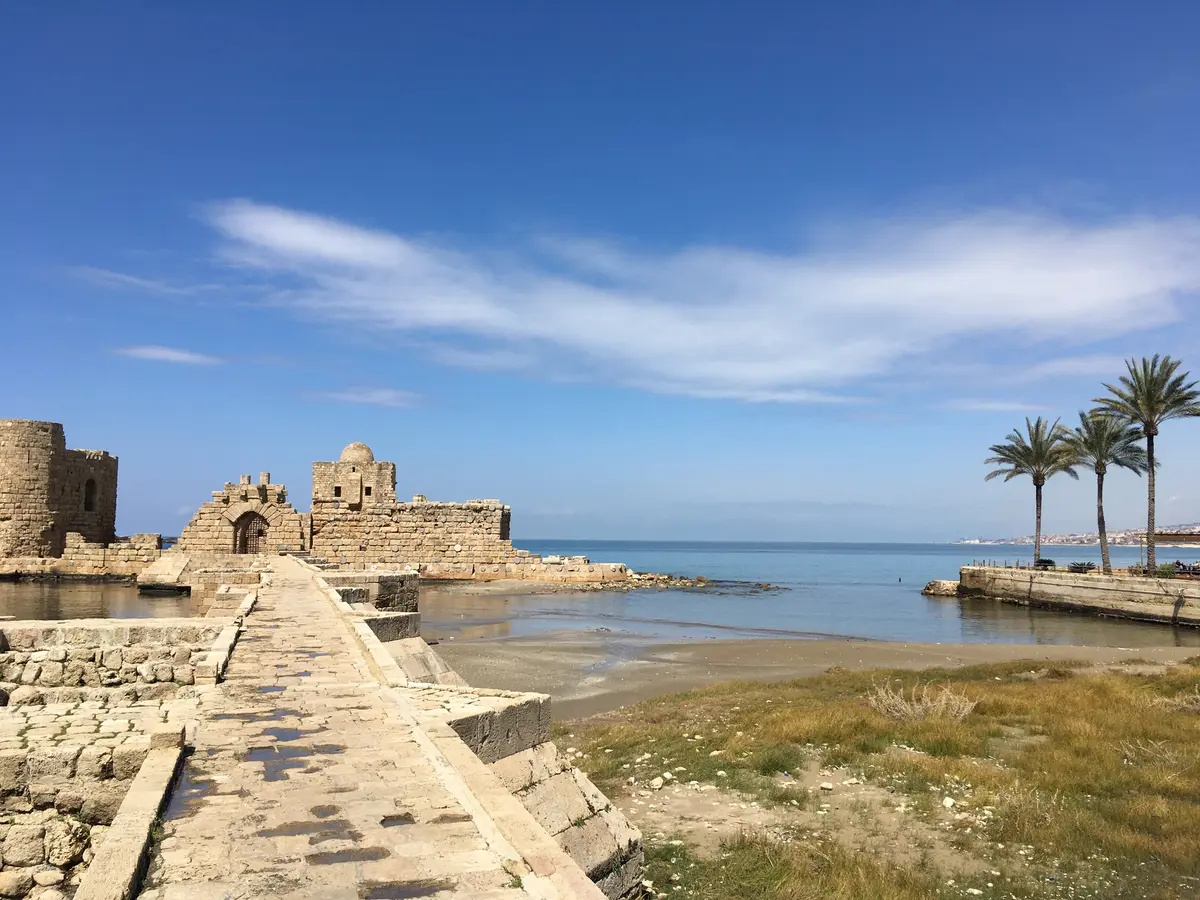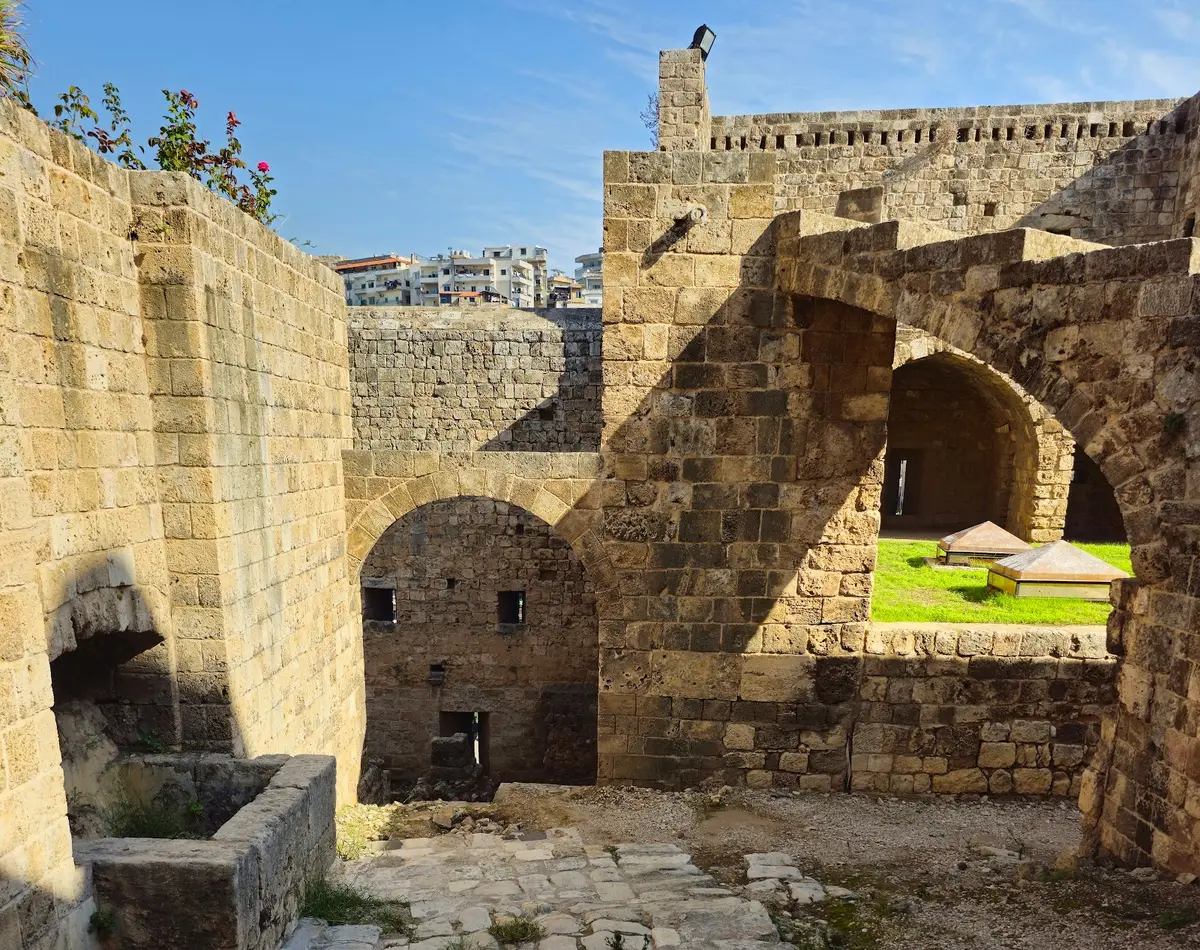
Taking photos in Lebanon means working a country where the most photogenic streets are also the most security-sensitive. The honey-stone facades of downtown Beirut, the columns at Baalbek, the souks of Tripoli — every shot you want is governed by an unwritten rulebook enforced by soldiers, neighborhood militias and very alert civilians. Get the rules wrong and you don’t get a fine. You get a small windowless room and a long conversation about who sent you.
This guide covers what you can shoot, what will get your gear taken, and what to do when a man with a Kalashnikov asks you to unlock your phone. For the wider context a camera-carrying traveler needs before booking, pair this with our broader Lebanon travel guide.
Safety advisory before you go: The US State Department lists Lebanon at Level 4 — Do Not Travel — citing crime, terrorism, kidnapping, unexploded ordnance and the risk of armed conflict. The Department ordered the departure of non-emergency US government personnel from Beirut, and the US Embassy has suspended routine consular services. Airstrikes have hit the south, the Bekaa and parts of Beirut. If you go anyway, this guide assumes you’ve accepted that risk and want to avoid making it worse with a camera. For a fuller breakdown of the current risk picture, see our piece on whether Lebanon is safe for American tourists.
Why are the photo rules in Lebanon so unpredictable?
There is no single law that lists what photographers can and cannot shoot in Lebanon. The penal code and military regulations give security forces broad authority to detain anyone they suspect of “gathering intelligence,” and that definition shifts from one checkpoint to the next. One soldier waves you through. The next one, 200 yards down the same road, takes your phone. With multiple armed factions operating across the country, enforcement is local, mood-dependent and rarely written down.
The practical effect: the same shot can be invisible in one neighborhood and a federal-level problem in another, and you often won’t see the line you crossed. On my last trip, I shot a coffee vendor in Hamra for ten minutes without a glance. Three blocks later, on a street that looked identical, a plainclothes officer asked to see every frame on my SD card.
Pro Tip: Treat every camera moment as a decision, not a reflex. If you’re shooting more than once a minute, you’re shooting too fast for the security context here.
What can you absolutely never photograph in Lebanon?
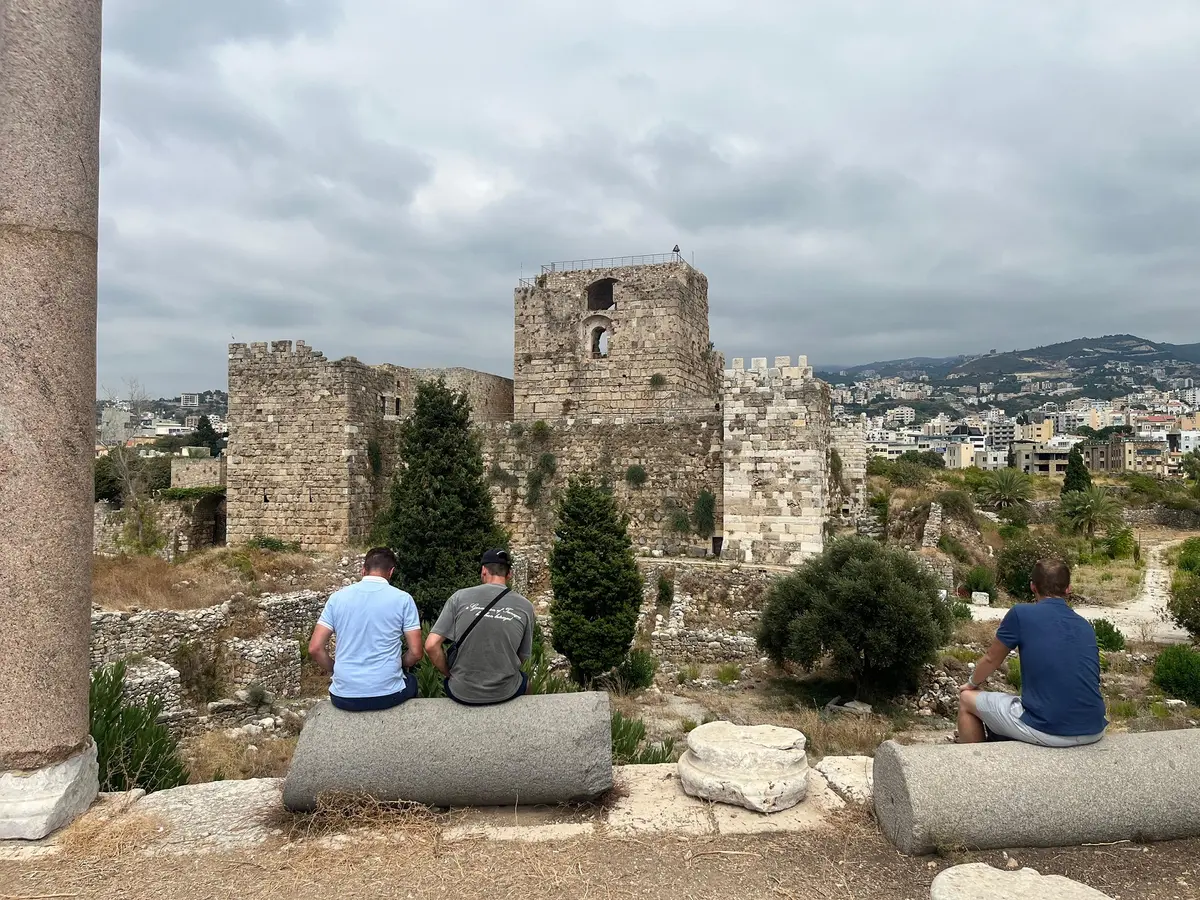
Three categories will get you detained on sight: military personnel and equipment, government and embassy buildings, and anything inside the controlled suburbs. These are not soft rules — they’re enforced with confiscation, interrogation and sometimes overnight detention. There is no charm offensive that talks you out of them.
Lebanese Armed Forces checkpoints
Never raise a camera or phone toward a military checkpoint, vehicle, soldier or installation. The highways are lined with checkpoints, mostly manned by conscripts who have been told to assume the worst. Visual cues that mean “camera down”:
- Red and white painted barrels or oil drums across the road
- Camouflage netting over a guard post
- Concrete blast walls or sandbag emplacements
- Soldiers in green or desert fatigues, even off-duty
- Any vehicle with a mounted weapon
Tourists have been pulled out of cars and held for hours over a single checkpoint frame, including travelers who only photographed UN peacekeepers in the south. Phones get scrolled through frame by frame. The rule applies whether the camera is up to your eye or held casually at chest height.
Government, embassy and security buildings
Off-limits without exception:
- The Grand Serail (Prime Minister’s headquarters)
- Parliament in Nejmeh Square (the building itself, not the square)
- The Ministry of Defense complex in Yarze
- The US Embassy on Jmeil Street in Awkar (heavily fortified, aggressive perimeter response)
- Any embassy with visible barriers, armed guards or a vehicle inspection point
- Internal Security Forces (ISF) stations and General Security offices
Areas under non-state security control
Some neighborhoods operate under their own security protocols, and photography there requires permission from local media offices that tourists cannot realistically obtain. The Dahieh (southern suburbs of Beirut), Hezbollah-influenced parts of the Bekaa and most of South Lebanon below Saida fall into this category. The US Embassy specifically urges Americans to avoid the Dahieh, the Bekaa valley and areas south of the Litani River. Crossing the line is invisible from the street — you can step from a permissive block to a restricted one without seeing a sign.
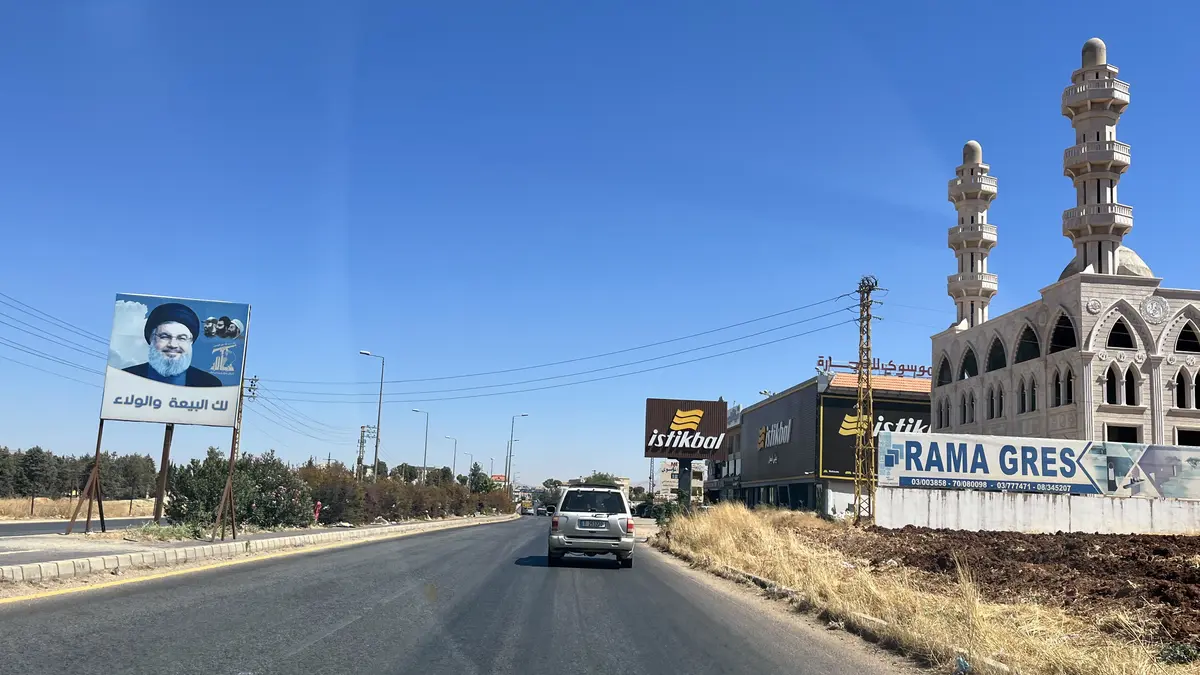
Pro Tip: If you see posters of political or religious leaders dominating a street, you’ve entered controlled territory. Lower the camera, finish your errand and leave.
Can tourists fly drones in Lebanon?
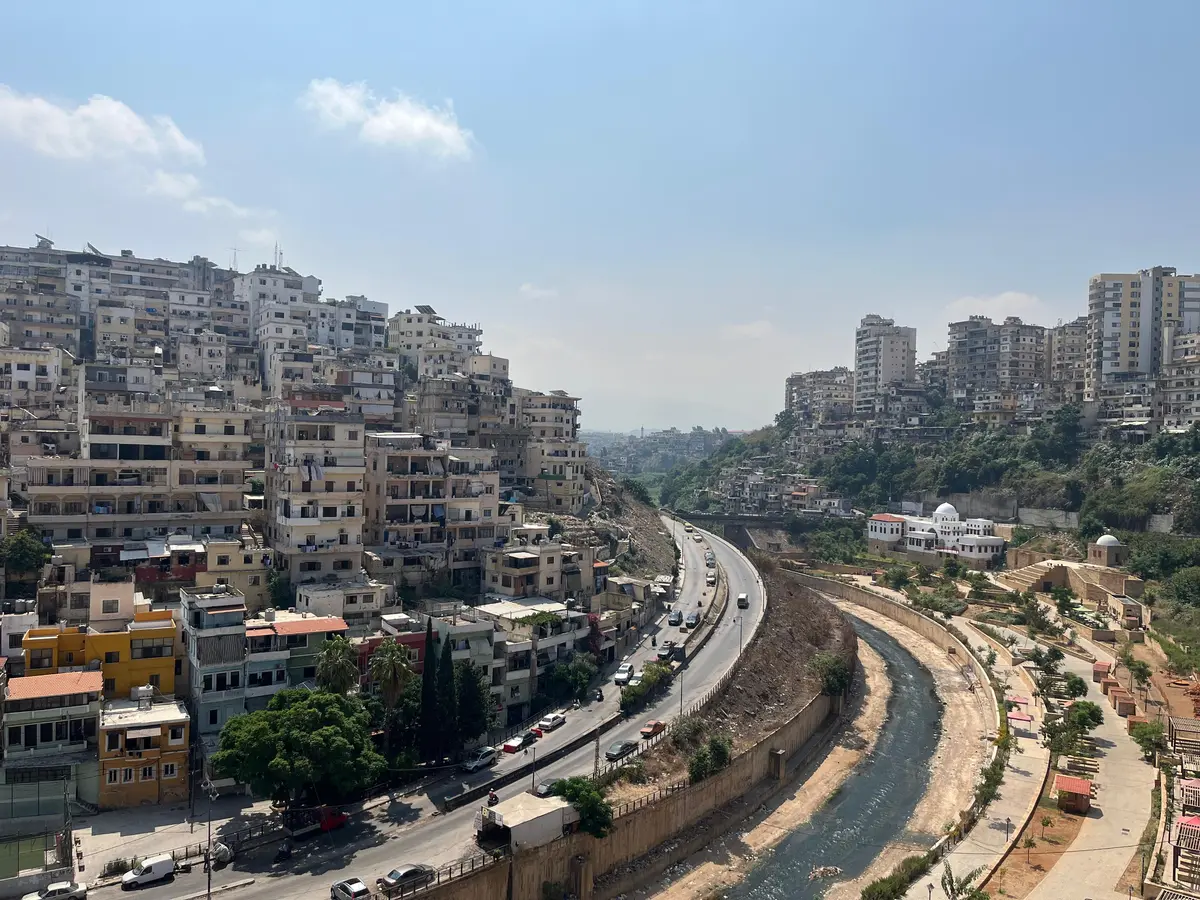
Drones are legal with a permit from the Lebanese Army, but in practice the permit system is built to deter casual visitors. You submit a written request to the Air Force with your passport copy, drone serial number, photographs of the drone, intended flight locations and a date schedule. Processing takes at least a week and often longer. Permits for short-stay tourists are rarely issued in time.
The hard rules under Lebanese drone regulations:
- Permit issuer: Lebanese Army (Air Force) and the Directorate General of Civil Aviation (DGCA)
- Drones over 250 g: Must be registered
- Maximum altitude: 400 feet (120 m) above ground
- No-fly buffer from airports: 3 miles (5 km)
- Models reportedly refused at customs: DJI Mavic Air 2, Mavic Air 2S, Mavic Mini 2, FPV
- UNESCO sites (Baalbek, Byblos, Anjar, Tyre): Need an additional permit from the Ministry of Culture
- Penalty for unpermitted flight: Confiscation, fines, and the army has stated unauthorized drones may be shot down
Customs officers at Beirut–Rafic Hariri International Airport actively scan checked bags and carry-ons for drones. If you arrive without paperwork, the drone is held at the airport and you’re given a receipt to reclaim it on departure. The reclaim process is slow and inconsistent.
Pro Tip: If you want aerial footage, hire a Lebanese production fixer who already holds standing permits. Expect to pay $300–$800 per shoot day, but it’s the only realistic path to a legal flight on a tourist timeline.
Where can you photograph freely in Lebanon?
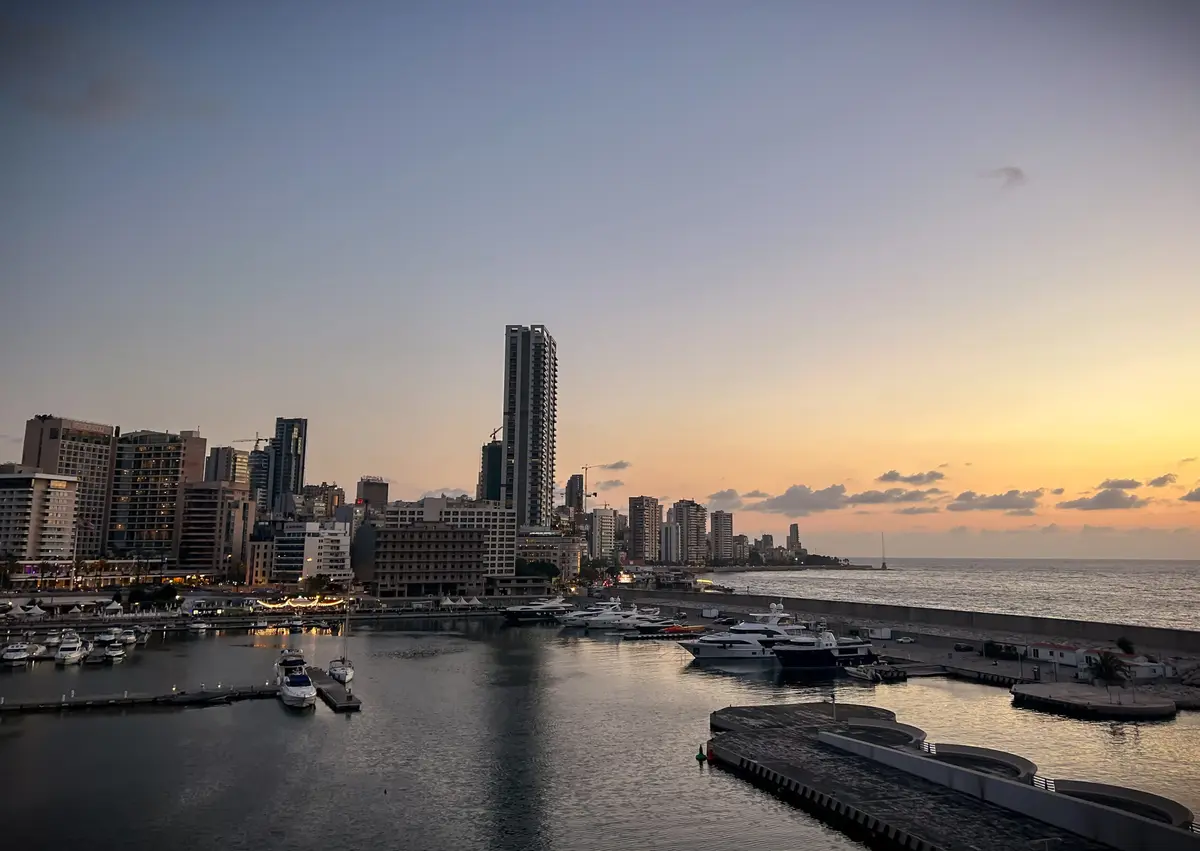
The safest zones for photography are central and northern: downtown Beirut, the Christian-majority districts east of the city, the coastal towns north of Jounieh and the old quarters of Tripoli. These areas have working tourist infrastructure, fewer armed checkpoints and shopkeepers used to seeing cameras. You can shoot handheld without drawing attention as long as you avoid the obvious red-line subjects.
Downtown Beirut and Nejmeh Square
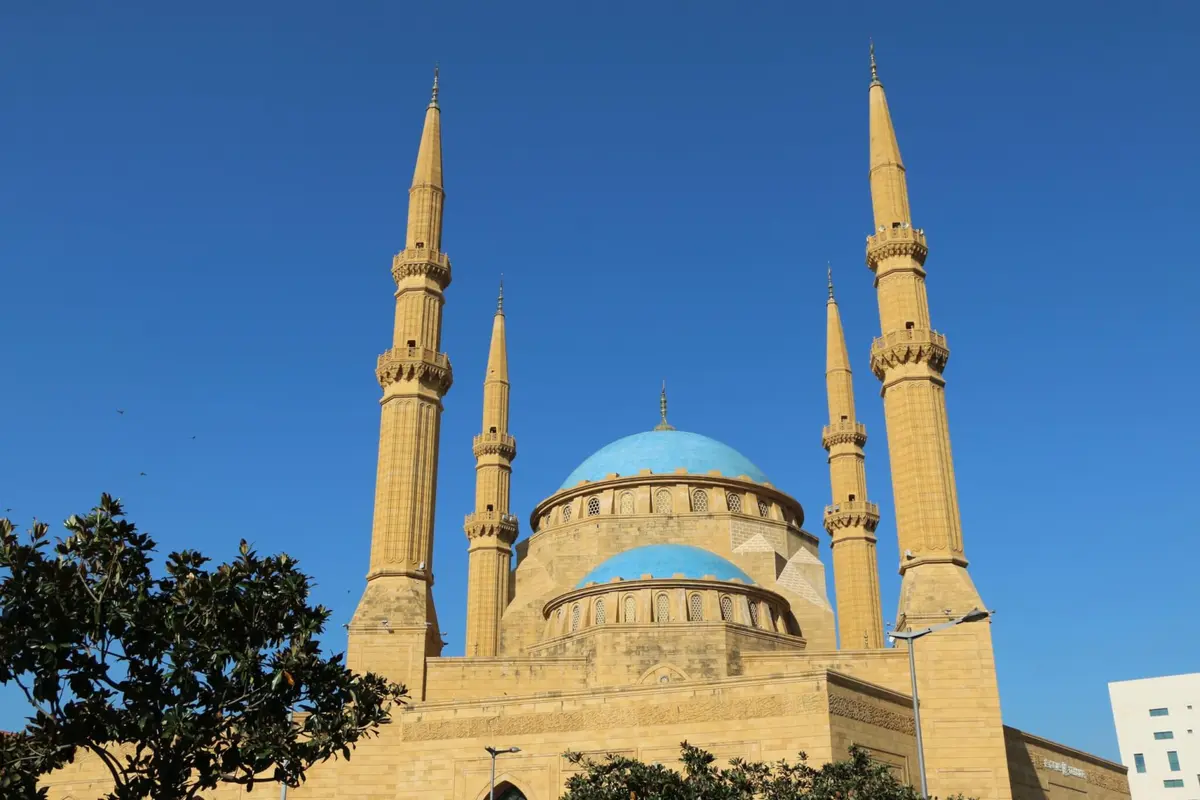
Reconstructed limestone buildings, the Mohammad Al-Amin Mosque, the Saint George Maronite Cathedral and the Roman baths sit within a five-minute walk of each other. Nejmeh Square is pedestrianized and the Rolex Clock Tower is one of the most-shot subjects in the city. Handheld photography is fine, and most of the top Beirut attractions are clustered inside this one walking loop.
- Location: Beirut Central District, walking distance from Martyrs’ Square
- Cost: Free to shoot; mosque entry free with modest dress
- Best for: Architecture, golden hour street work
- Time needed: 2–3 hours
- Shoot tripod-free: Tripods bring private security over within minutes
Mar Mikhael and Gemmayze
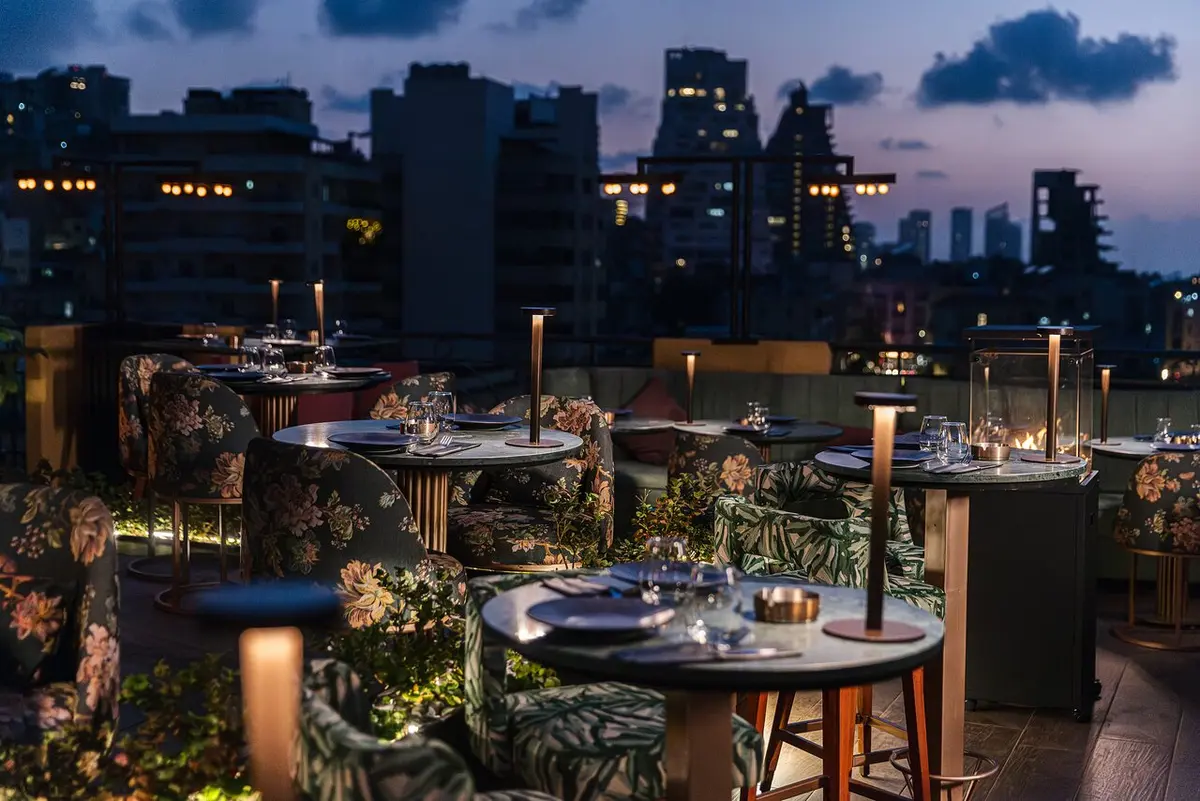
The artistic spine of Beirut. Triple-arched Ottoman houses, staircase street art (the Saint Nicolas Stairs), wine bars in scarred buildings still bearing damage from the August 2020 port explosion. Be sensitive when shooting damaged residential buildings — people live in them. After dark the strip turns into one of the best nightlife corridors in the city — our guide to the rooftop bars of Mar Mikhael covers where to shoot skyline frames with a drink in hand.
- Location: East Beirut, along Armenia Street and Gouraud Street
- Cost: Free
- Best for: Street, portrait, night photography
- Time needed: Half a day
Batroun
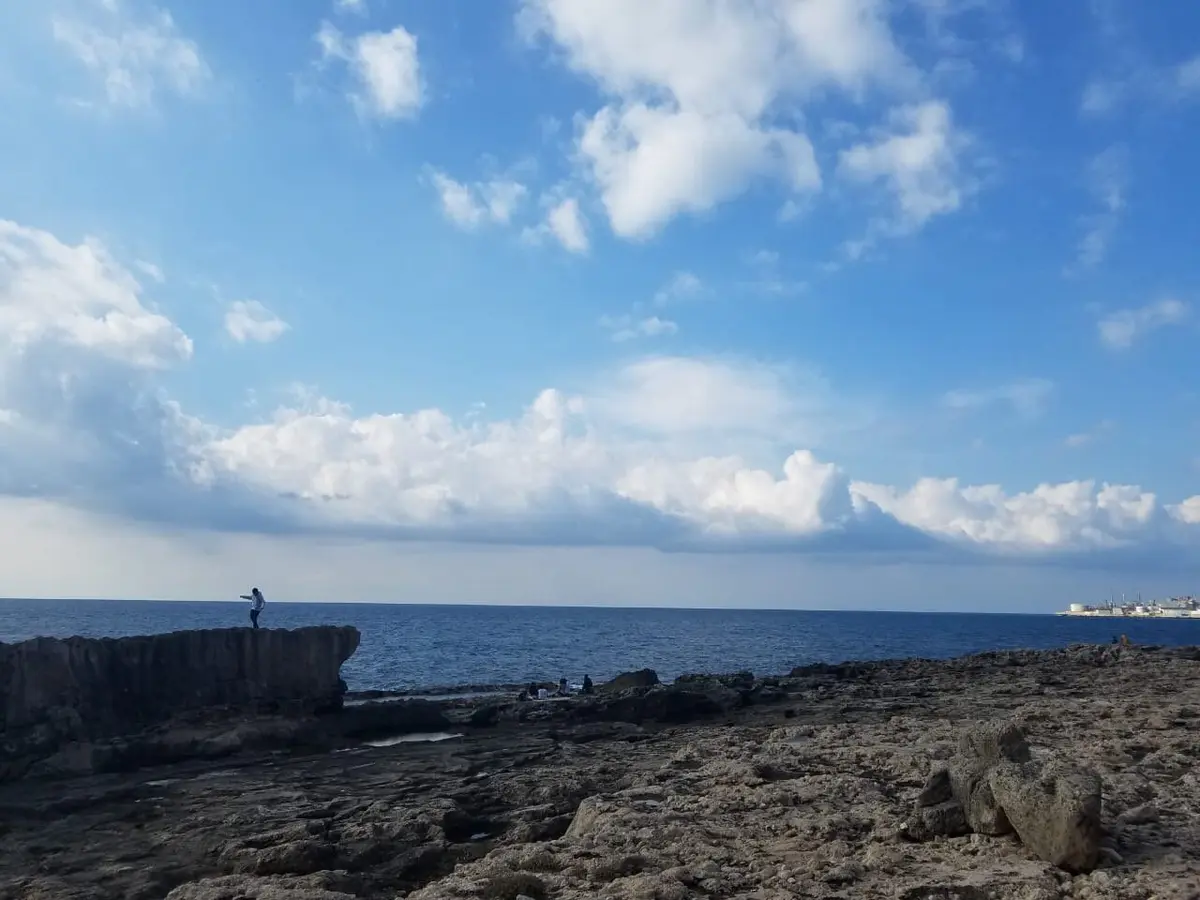
Forty-five miles (72 km) north of Beirut, Batroun has become the default base for Western visitors. Phoenician sea wall, sandstone old town, beach clubs along the corniche. There are no checkpoints inside the town and almost no political tension at street level. If you’re planning a longer stop, our rundown of things to do in Batroun maps the best half-day photo routes.
- Location: Coastal, North Governorate
- Cost: Free; beach club day passes $20–$40
- Best for: Coastal landscapes, relaxed street photography
- Time needed: A full day or overnight
Tripoli
The old city and Khan al-Saboun (the soap khan) deliver the highest-contrast textures in the country. Shopkeepers in the souks generally welcome cameras and will pose if you make eye contact and gesture. The Oscar Niemeyer–designed Rachid Karami International Fair on the southern edge of town is the best brutalist architecture site in the Levant — go in the morning when the concrete catches direct light. For background on the wider city before you shoot, see our Tripoli guide.
- Location: North Lebanon, 50 miles (80 km) from Beirut
- Cost: Free for the souks; Niemeyer Fair grounds $3 entry
- Best for: Documentary, architecture, food
- Time needed: Full day minimum
Baalbek (with caveats)
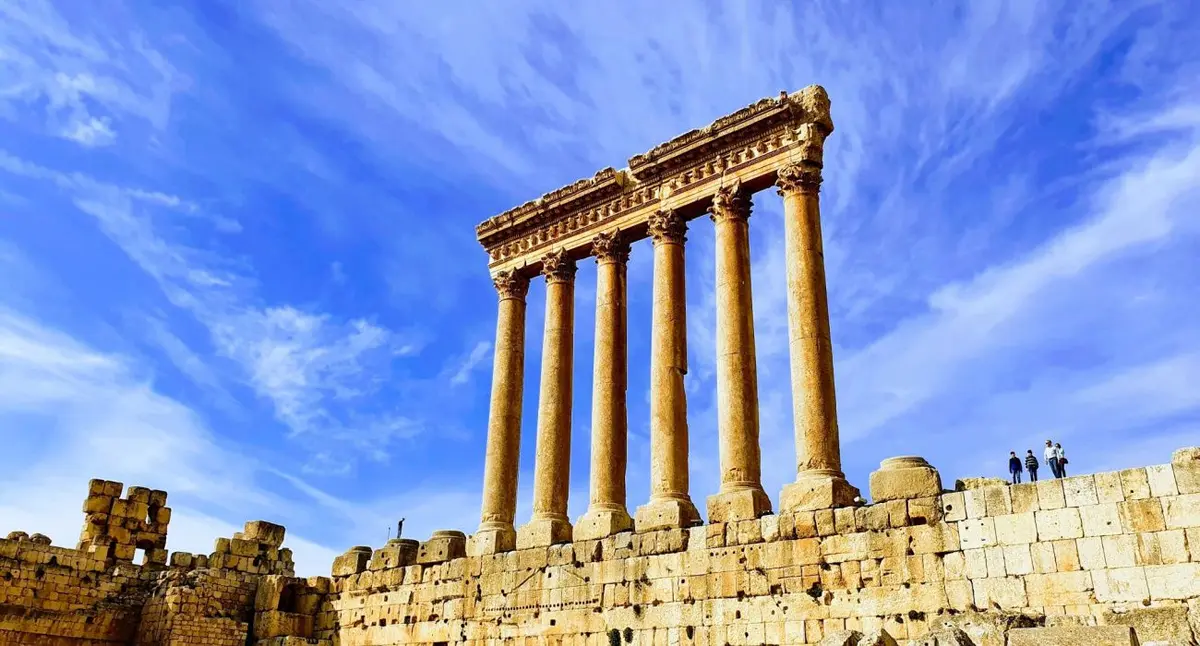
The Temple of Bacchus is the best-preserved Roman temple in the world and inside the archaeological park you can shoot freely. The friction is everything around it: Baalbek town sits in the northern Bekaa, an area the State Department flags for active security risk and where airstrikes have occurred. If you go, hire a driver who knows the route, keep cameras stowed in transit, do not photograph any political posters or imagery on the drive in, and leave before dusk.
- Location: Northern Bekaa Valley, 53 miles (85 km) east of Beirut
- Cost: $9 entry for the temple complex
- Best for: Ruins, scale architecture
- Time needed: 2 hours on site, full day round trip
Pro Tip: Skip the famous “stand inside the Temple of Bacchus arch” composition that fills every guide. The line for it builds by 11 a.m. The angled shot from the Court of Jupiter looking back at the entrance is better light, no people, and nobody has seen it on Instagram.
What camera gear should you bring to Lebanon?
Bring the smallest competent kit you own. The visual signal of “professional photographer” reads as “journalist or intelligence asset” to security forces, and a large DSLR with a battery grip and a white telephoto lens will be stopped where a mirrorless body with a 35mm prime will not. The goal is to look like a tourist with a nice camera, not a working pro.
Recommended kit:
- A small mirrorless body (Fuji X100 series, Sony A7C, OM System OM-5)
- One or two compact primes (28mm, 35mm or 50mm equivalent)
- Black gaffer tape over any prominent brand logos and the red record dot
- A non-camera-branded shoulder bag or daypack
- Two SD cards — shoot to one, keep the other blank in your wallet
The smartphone is the most useful camera in the country. You can shoot video on a corniche in Hamra, in the Tripoli souk or at a Bekaa winery without anyone reacting. iPhones and recent Pixels handle the high-contrast Lebanese midday light better than most travelers expect, and you can back up to the cloud overnight when wifi is decent.
For film shooters, Dar Al Mussawir in Hamra still develops C-41 and black and white, and is the best entry point to the local analog community.
How do you ask strangers for a photo in Lebanon?
Lebanese culture mixes Mediterranean openness with strong family-honor codes. The American street photography move — shoot first, smile second — does not work here and will get you yelled at within an hour of trying it. The reliable approach is slower and more verbal.
The script that works:
- Make eye contact first
- Smile and nod toward the camera
- Say “mumkin sura?” (“can I take a picture?”) or “photo, please?” with a hand gesture
- Wait for a verbal yes or a clear nod
- Show them the back of the screen afterward
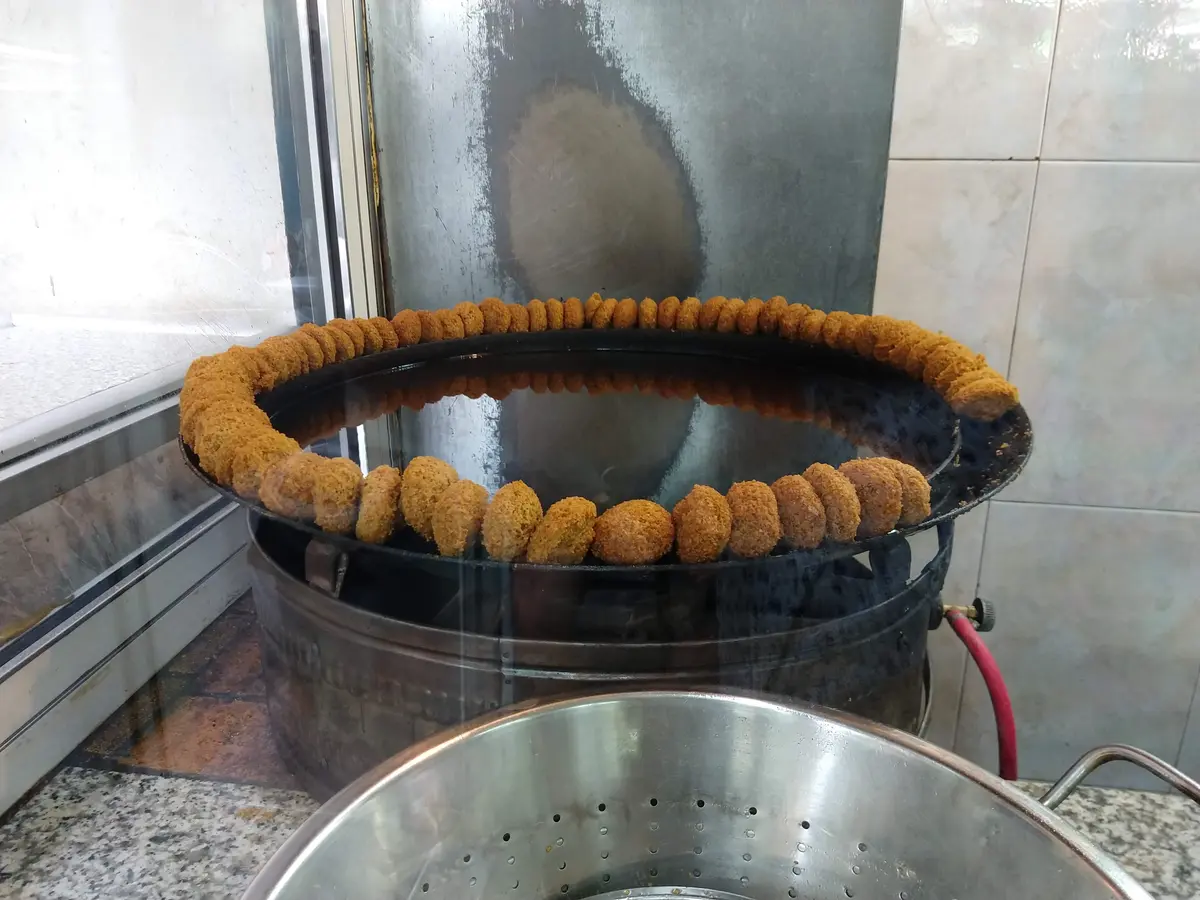
Food vendors are the easiest first ask — a man frying falafel or pulling kaak from a cart will almost always say yes and often invite you behind the counter. Older men playing cards or smoking arghile are the second easiest. Women you don’t know are the hardest, and in conservative areas a male photographer asking an unaccompanied woman directly is a real provocation. Ask the husband, brother or father first, or skip the shot.
If someone refuses, lower the camera immediately. If they ask you to delete a frame, do it where they can see the screen. Do not argue about public-space rights — that is an American concept that does not transfer.
How is the internet and power for backing up photos?
Both are unreliable enough that you need to plan for offline workflow. Fixed-line internet in most Beirut hotels caps at 5–15 Mbps upload, which makes cloud-syncing a day of RAW files genuinely impossible. Mobile data is faster than fixed line in most of the country — buy a local SIM card for tourists at the airport on arrival from Touch or Alfa for around $25 with a usable data package.
The grid delivers only a few hours of state electricity per day, with the rest covered by neighborhood diesel generators. Most hotels have generator coverage, but smaller guesthouses and Airbnbs may have a daily cut-off window of 1–3 hours. If you’ve never traveled through rolling blackouts before, our primer on power cuts in Lebanon explains the rhythm. What this means for a photographer:
- Carry a 20,000+ mAh power bank (USB-C PD for laptops if you edit on the road)
- Carry a portable SSD (1–2 TB) and back up daily, in the room, the moment you stop shooting
- Charge every battery every night without exception
- Do not rely on cloud backup as your only copy
Pro Tip: Do a full SSD backup before any cross-country drive. If your gear is confiscated en route, the card in the camera goes with it. The SSD in your hotel room does not.

What should you do if security stops you?
The single most important rule: stop shooting the moment you sense attention, before they actually approach you. Once an officer has decided to stop you, the interaction is already harder than it needed to be. Lower the camera, take off your sunglasses, keep both hands visible and walk toward them rather than away.
The script:
- State that you are a tourist, in English first, then point to your passport pocket
- Offer the back of the camera screen, scrolling through recent frames yourself
- If they ask you to delete, delete in front of them — do not pretend
- Do not show them frames that are not relevant to the stop
- If they take the camera, ask politely for a receipt
- If they detain you, ask to contact your embassy and do not sign any document you cannot read
A deleted photo on an SD card is recoverable later with software. A signed Arabic statement you didn’t read is not.
Pro Tip: Keep a separate “decoy” SD card in the camera with a few hundred bland tourist frames — sunsets, food, the corniche. If a checkpoint demands the card, you hand over the decoy. Your real card stays in your wallet. This is not a guarantee, but it has saved photographers’ archives.
Before you go
Lebanon rewards patient, low-profile photographers with images you cannot get anywhere else in the Mediterranean. It punishes anyone who treats it like a content backdrop. The gap between “great trip, full memory card” and “deported with no equipment” is mostly behavioral — what you point the camera at, and how fast you put it down when someone notices.
TL;DR: Shoot freely in downtown Beirut, Mar Mikhael, Batroun and the Tripoli old city. Never shoot soldiers, checkpoints, government buildings or inside the Dahieh, the Bekaa or south of Saida. Leave the drone at home unless a local fixer holds the permit. When stopped, delete first and argue never.
Have you photographed Lebanon recently, or are you weighing a trip with a camera in your bag? Drop your route and your gear list in the comments — I’ll flag the shots that will get you stopped before you leave.