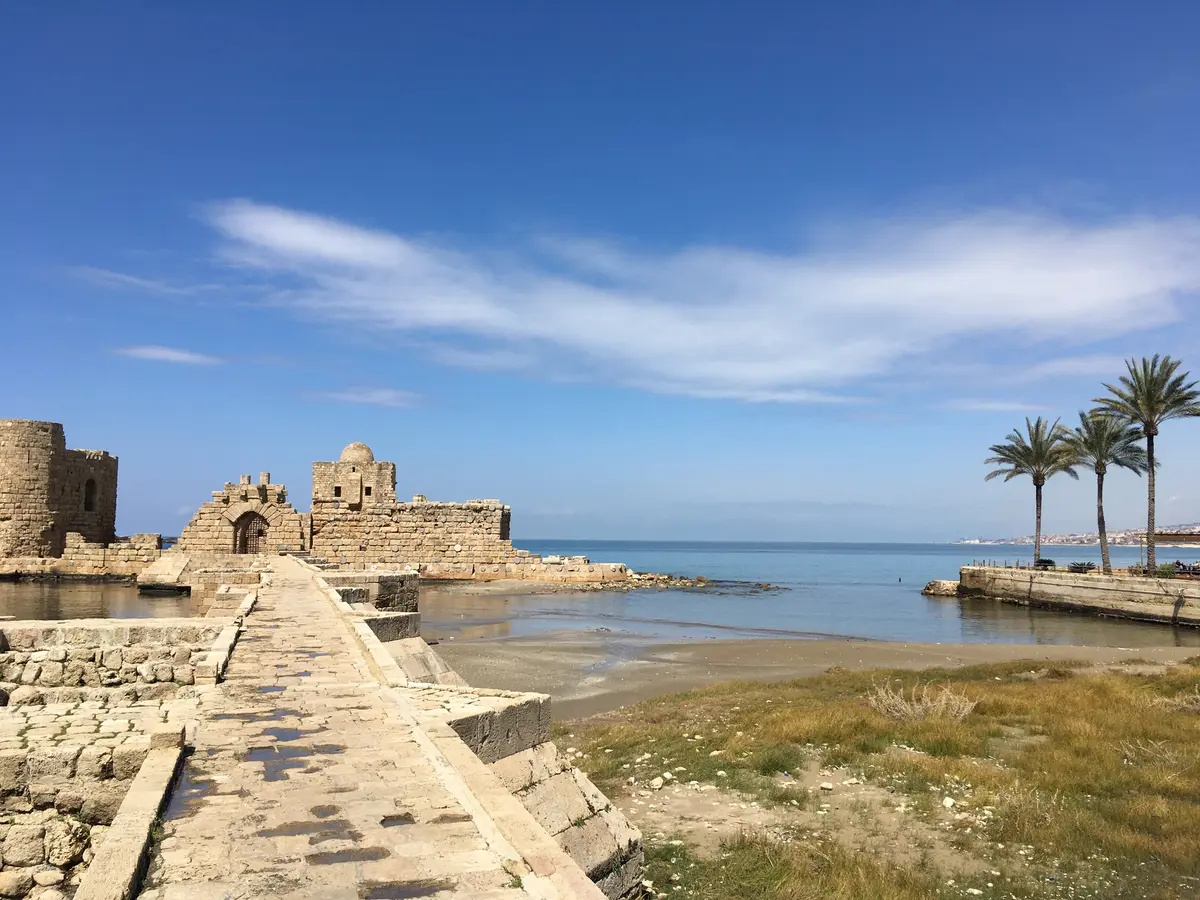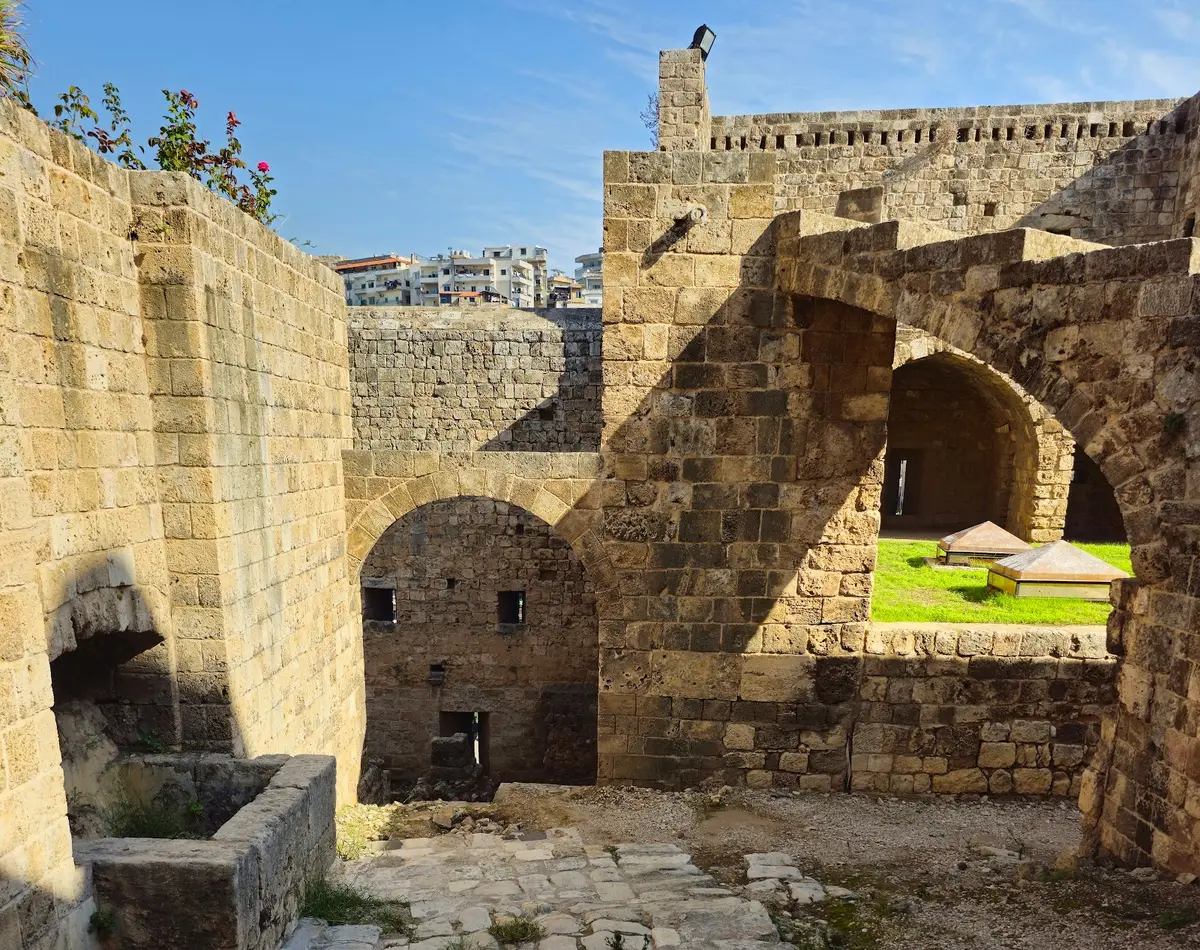
Short answer: yes — and with more variety than most first-time visitors expect. You can drink alcohol in Lebanon legally, openly, and often cheaply, but the rules shift from one block to the next. This guide covers what’s legal, where to drink, what to order and what to avoid.
Is alcohol legal in Lebanon?
Alcohol is fully legal in Lebanon for anyone 18 and over. The country has no nationwide prohibition, no dry religious police, and no ban on public consumption in designated nightlife areas. The legal framework sits under Decree No. 12222 of 1963 and Articles 625 and 626 of the Lebanese Penal Code, which set the minimum drinking age at 18 and restrict service to minors.
Lebanon is one of only a handful of Arab countries where you can walk into a corner shop, buy a cold Almaza for under $3, and drink it on a sidewalk without anyone blinking — as long as you’re on the right sidewalk. That caveat matters, and the rest of this guide is about where those lines fall.
What is the legal drinking age in Lebanon?
The legal drinking age in Lebanon is 18, and enforcement has tightened sharply. The Ministry of Tourism, under Minister Laura Khazen Lahoud, issued a directive prohibiting all licensed venues from serving alcohol to — or admitting — anyone under 18, citing Decree 12222 and Penal Code Articles 625 and 626. Bars, nightclubs and restaurants face real penalties for violations.
If you’ve read forum posts from five years ago saying nobody checks ID in Beirut, that advice is stale. Doors in Mar Mikhael, Gemmayze and Badaro now card anyone who looks under about 25, and fake IDs don’t travel well here — the bouncers know which embassies issue what.
Pro Tip: Carry your passport, not just a driver’s license, when you go out. US state licenses often confuse Lebanese door staff, and a rejected ID at Iris on a Saturday night means you’re Ubering back to your hotel at 11 p.m.
Can you drink alcohol in public in Lebanon?
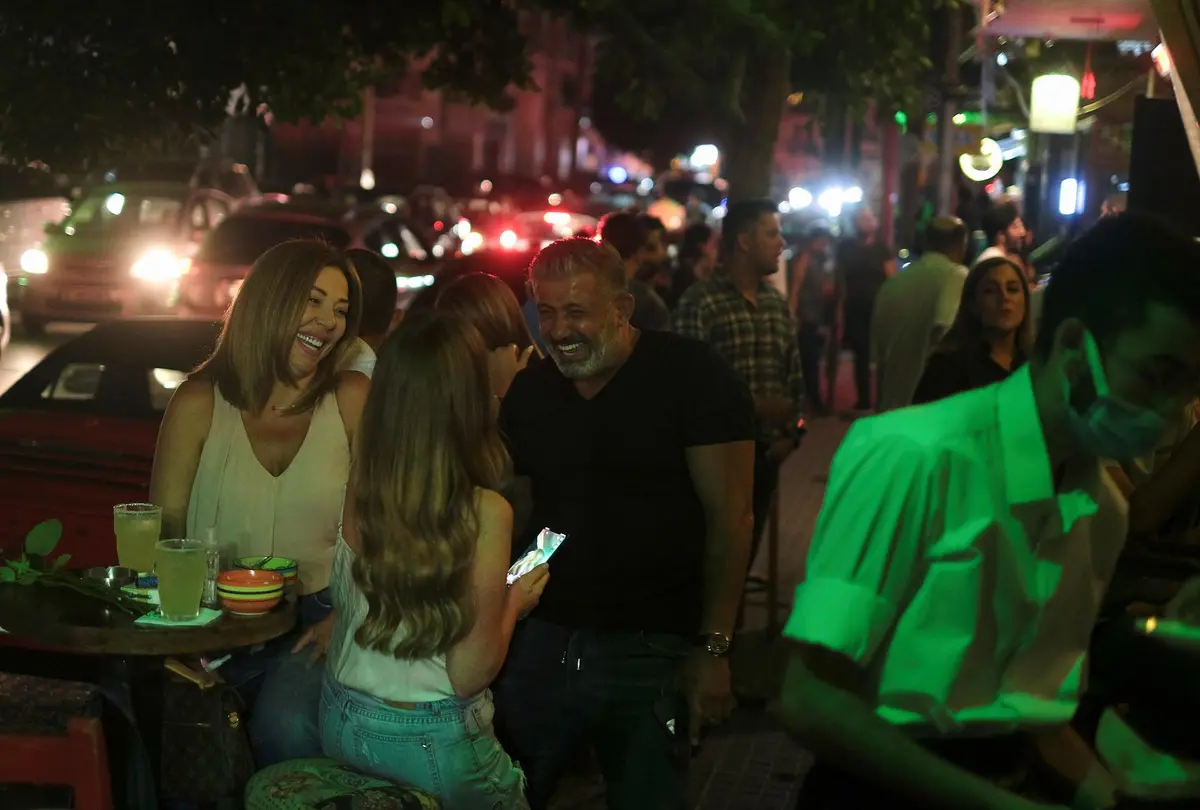
Public drinking is legal in practice only inside recognized nightlife corridors, and socially unacceptable almost everywhere else. In Beirut, standing on the sidewalk with a plastic cup outside a bar is the norm — try that same move along the Corniche or in a residential neighborhood and you’ll get stares, not fines.
Where public drinking is normal
These are the strips where bar-spillover drinking is part of the scene:
- Mar Mikhael: Armenia Street, the densest bar corridor in the city
- Gemmayze: Gouraud Street, older buildings, bohemian crowd
- Badaro: the main bar strip south of the National Museum
- Batroun: old town lanes around Colonel Brewery
- Byblos: the old port area in summer
On any of these strips, bars sell drinks in plastic cups specifically so patrons can wander between venues. The vibe is a permanent block party on Friday and Saturday nights.
Where to keep it discreet
The Corniche — Beirut’s seafront promenade — is a family space. People fish, jog and push strollers there. Drinking a visible beer on the Corniche won’t get you arrested, but it reads as tone-deaf. The same applies to most of Tripoli (north Lebanon), Sidon, Nabatieh, the southern suburbs of Beirut (Dahieh), and conservative Shia or Sunni villages in the Bekaa and the south.
Pro Tip: A good rule from my own trips — if you can see a mosque from where you’re standing and no one else is drinking, pocket the can.
Where are the dry areas in Lebanon?
Lebanon has no officially dry cities, but roughly half the country operates as de facto alcohol-free zones based on sectarian geography. You can often find a liquor store five minutes by car from a town where no restaurant serves wine.
The general map looks like this:
- Predominantly Christian areas (wet): Achrafieh, Gemmayze, Mar Mikhael, Jounieh, Byblos (Jbeil), Batroun, Broummana, Zahle, Beiteddine, Hamat
- Mixed/secular (wet): most of central and west Beirut, Ras Beirut around Hamra, the Damour coast
- Predominantly Sunni (dry or limited): central Sidon, central Tripoli, Majdal Anjar, parts of the Beqaa
- Predominantly Shia (dry): Nabatieh, Tyre’s inland quarters, Baalbek old city, most southern villages, Beirut’s southern suburbs
The “alcohol belt” pattern
Conservative towns are almost always ringed by Christian hill villages within a 10-minute drive. Sidon is dry in the city center, but Abra and Majdelyoun — both on the hillside above — have liquor stores and small bars along the road. In Tyre, the Christian Quarter near the old harbor has open-air restaurants pouring Arak at sunset (Al Fanar is the obvious pick), while three streets inland the menus don’t mention alcohol at all.
This isn’t tension — it’s a functional compromise. Residents of dry towns who want a drink cross a neighborhood line and come home. The coexistence has worked this way for generations.
What should you drink in Lebanon?
Skip the imported vodka. Lebanon produces arak, wine and craft beer at a level that competes internationally, and all three are cheaper at the source than at duty-free.
Arak: the national spirit
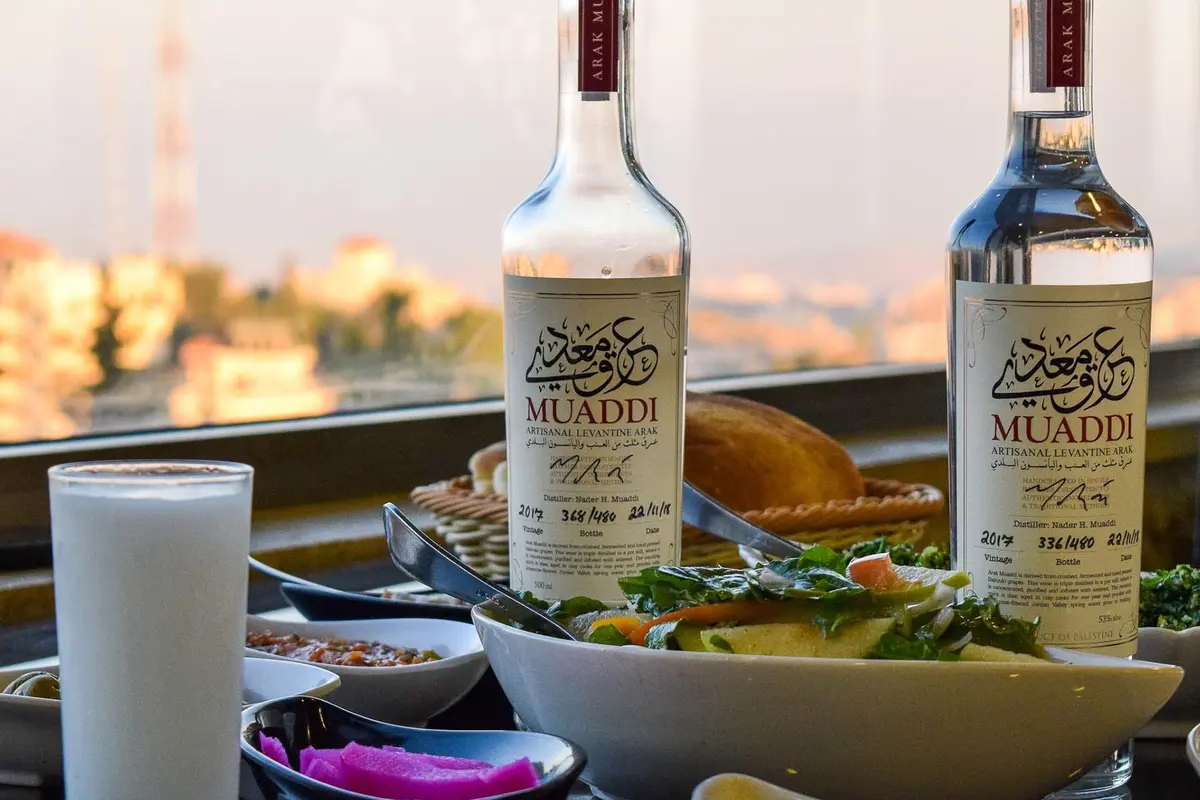
Arak is a clear, aniseed-flavored spirit distilled from grapes, typically bottled between 50% and 63% ABV. Add water and it turns milky white — the louche effect — which gave it the nickname Haleeb el Sbouaa, Milk of Lions.
The order of pouring matters more than people expect:
- Arak into the glass first
- Cold water on top at roughly a 1:2 ratio (one part arak, two parts water)
- Ice last — never first
Pour ice onto neat arak and the anise oils seize up into a waxy film on the surface of the glass. It’s a visible mistake, and Lebanese dinner guests will politely fix your drink for you.
Arak is a mezze drink, not a shot. It’s meant to sit on the table through a two-hour meal — tabbouleh, kibbeh, raw liver, hummus, grilled meat — and get refilled slowly. Drink it standing at a bar and you’re doing it wrong.
Lebanese wine
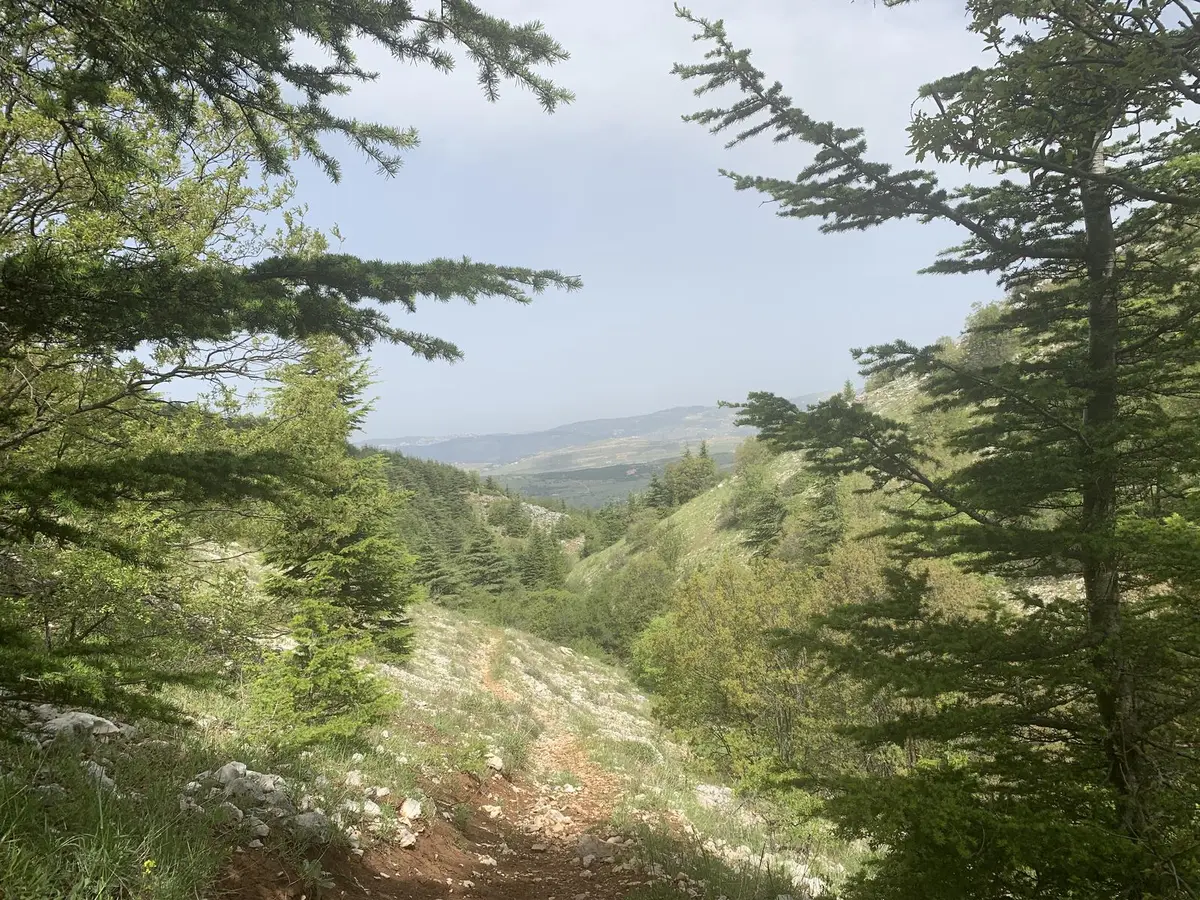
The Bekaa Valley, at 3,300 feet (1,000 m) elevation, has been making Lebanese wine for roughly 5,000 years. Out of the many wineries worth touring in the Bekaa, three names any traveler should know:
- Château Ksara: founded in 1857, the oldest commercial winery in Lebanon; the Roman-era cellar tour at the Ksara estate is worth the 90-minute drive from Beirut on its own
- Château Musar: the Hochar family’s flagship; polarizing, funk-driven reds that age 20+ years
- Ixsir: high-altitude vineyards in Batroun, modern winemaking, the most US-palate-friendly of the big three
A bottle of entry-level Ksara Réserve du Couvent runs about $10–$15 at a Lebanese supermarket. The same wine retails for roughly $25 in the US when you can find it at all.
Craft beer
For years, the Lebanese beer aisle was just Almaza, a clean pale lager that goes with everything. That monopoly is broken:
- 961 Beer: the Lebanese Pale Ale uses sumac, anise and sage; look for it on tap at bars in Mar Mikhael
- Colonel Brewery: a 40-minute drive north to Batroun gets you to the brewery itself, which doubles as a beach bar, restaurant and garden — one of the better day trips from Beirut
Pro Tip: A 330 ml Almaza at a supermarket costs around $1.50. The same bottle at a Mar Mikhael rooftop bar runs $4–$5. Stock your Airbnb fridge before going out.
Where is the best nightlife in Beirut?
Beirut’s nightlife is split across four distinct neighborhoods, each with its own crowd and tempo. The city doesn’t have one centralized club district — you pick your vibe, then commit.
Mar Mikhael (Armenia Street)
The densest bar strip in Lebanon, and the honest answer to “where do I start?” Armenia Street runs for about half a mile (800 m) and packs in 40-plus bars. It’s post-college, loud, sidewalk-heavy, and the crowd is mixed Lebanese and expat.
Worth knowing:
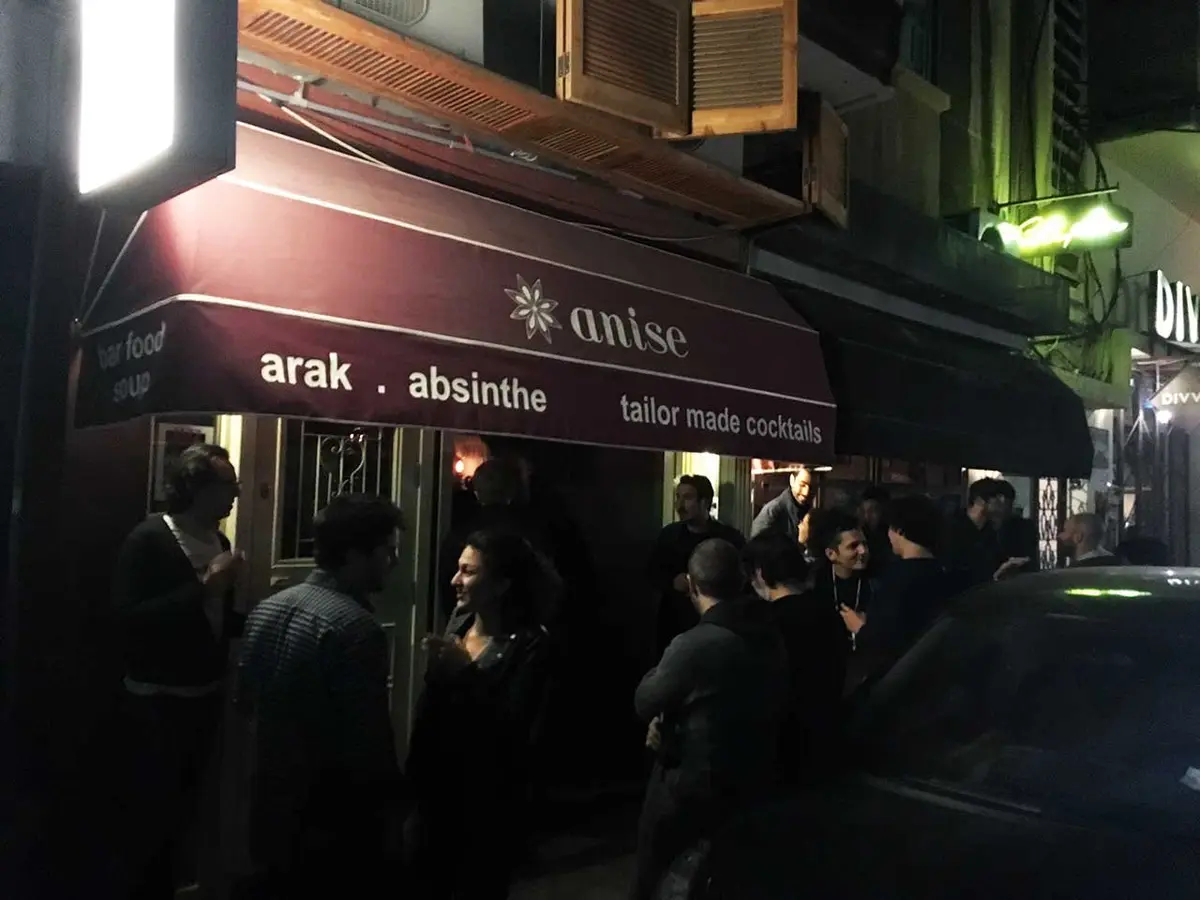
- Anise: serious cocktail program, low-lit, sit at the bar
- Radio Beirut: live bands, tight room, go late
- The Communist Bar: dive-bar prices, Soviet kitsch, strong pours
Gemmayze (Gouraud Street)
Older, quieter, more Ottoman-era stonework. A step down in volume from Mar Mikhael and a step up in age bracket.
- Torino Express: 20 people max, standing only, a local institution
- Dragonfly: narrow speakeasy-style room, classic cocktails done right
- Cyrano: aperitivo hour with actual small plates, not peanuts
Badaro
More restaurant-forward, leafier, popular with the 30-and-up crowd who’ve aged out of Mar Mikhael. Lower ceilings on the music, higher on the food.
The Waterfront and rooftops
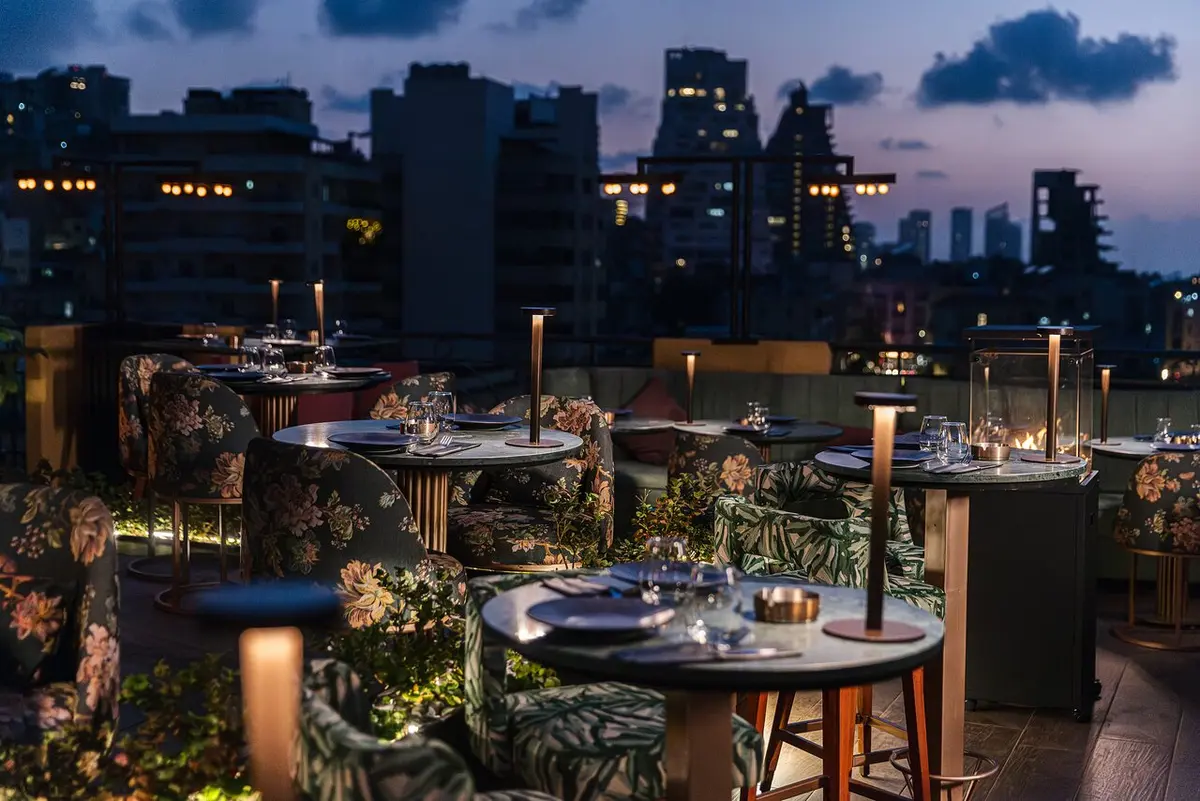
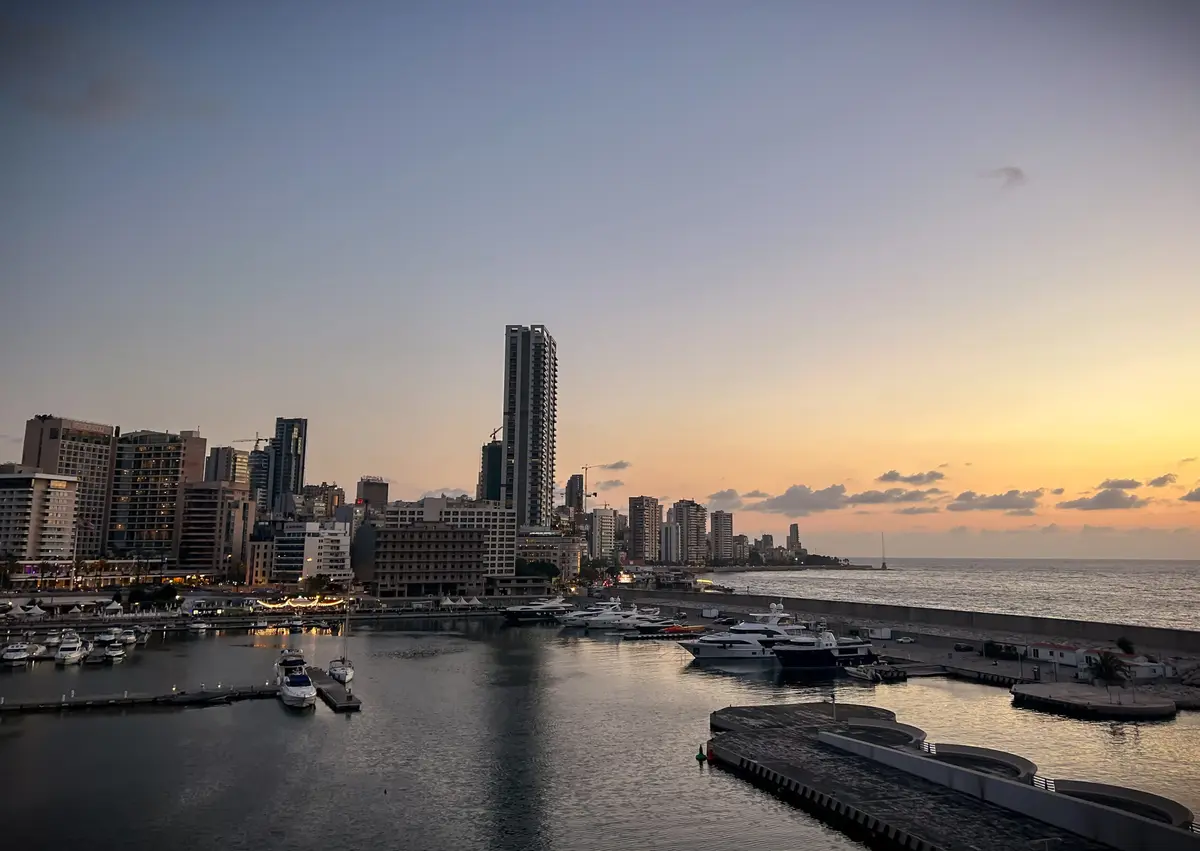
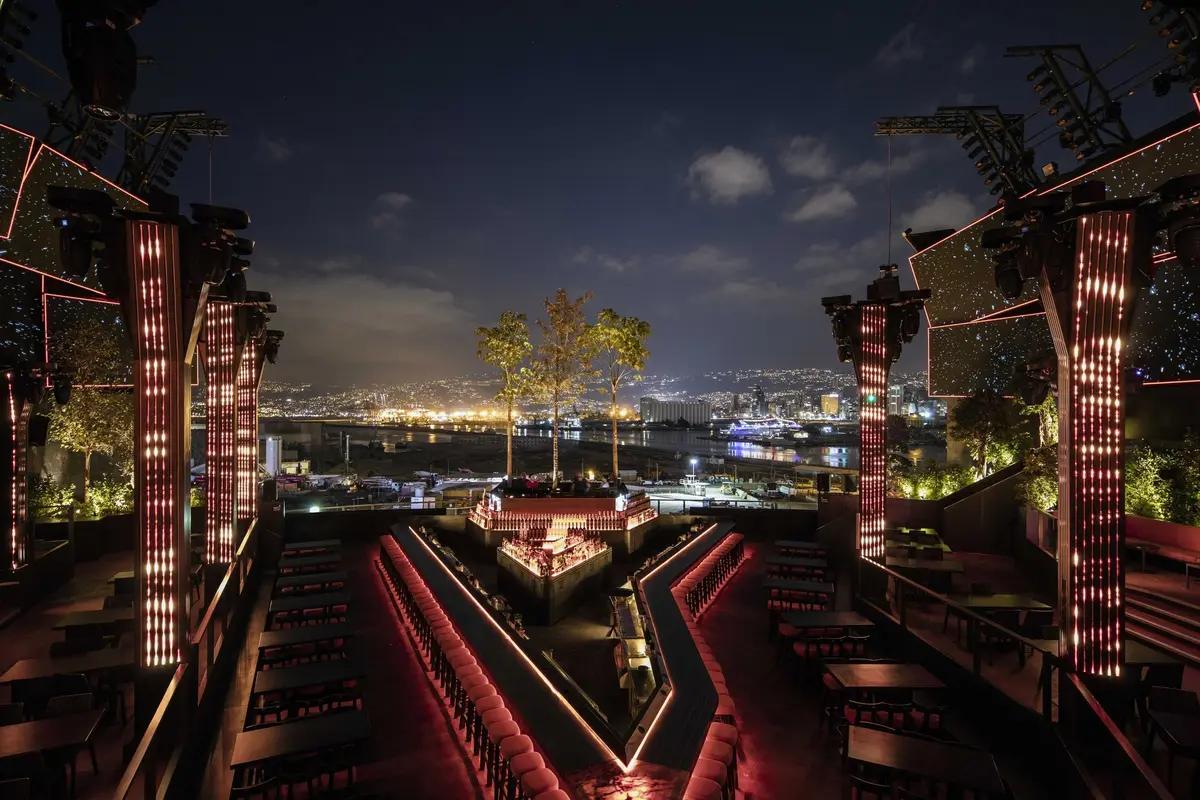
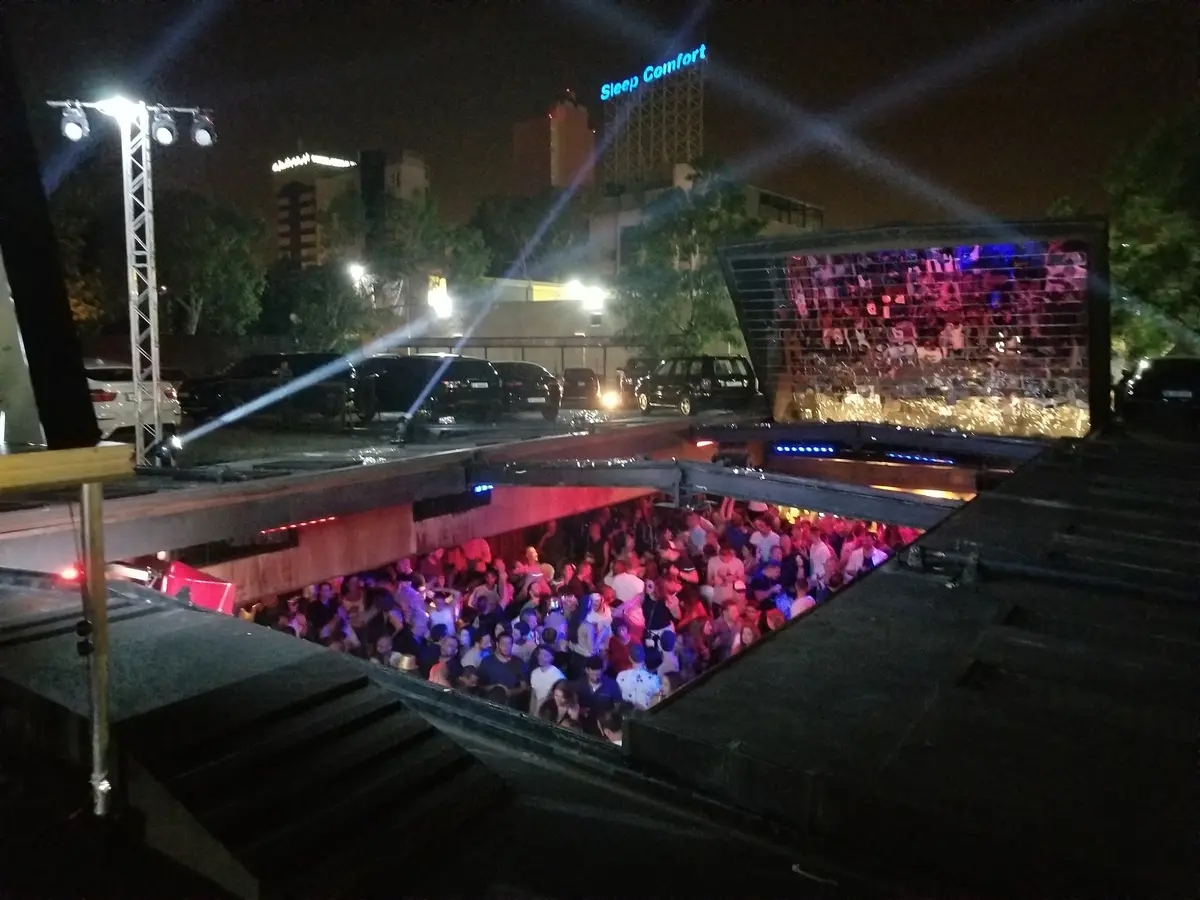
Summer-only, dress-code, reservation-required territory. Skybar reopened at the O1NE building on the New Waterfront under Addmind as “The Last Dance” — it’s still the closest thing Beirut has to an Ibiza superclub. Iris, on the roof of the Seaside Pavilion, is the cocktail-forward sibling, calmer and better for couples.
Contrarian take: Skybar is worth one night, not three. The views and the production are real, but after the first hour it’s the same crowd posting the same reel. If you want actual conversation and a decent pour, Iris at sunset beats Skybar at 2 a.m. every time.
How much does it cost to drink in Lebanon?
Drinking in Beirut ranges from $2 supermarket beers to $50 rooftop cover charges — the spread is wider than in most US cities. Expect to spend about $40–$60 per person for a full night out at mid-tier bars, or $150+ per person at a rooftop club with a bottle minimum.
Typical prices in USD:
| Item | Price (USD) |
|---|---|
| Local beer (Almaza), bar | $2–$4 |
| Craft beer (961, Colonel) | $4–$8 |
| Standard cocktail | $8–$12 |
| Rooftop/premium cocktail | $12–$18 |
| Glass of Lebanese wine | $5–$10 |
| Bottle of arak (liquor store) | $10–$25 |
| Nightclub cover | $20–$50 |
| Taxi across Beirut nightlife areas | $5–$10 |
Is drunk driving enforced in Lebanon?
Yes, and the consequences are serious. The legal blood alcohol limit for private drivers is 0.05%, and 0.00% for commercial drivers. Police checkpoints — called hajiz locally — ramp up around Christmas, New Year’s Eve and Eid. Penalties include heavy fines, license suspension and possible jail time.
Beyond the law, there’s a more practical argument: driving in Lebanon operates on unwritten rules that take locals years to learn. Lane markings are suggestions. Roundabouts are negotiated eye contact. Add two drinks and navigating Hamra at night becomes a genuinely bad idea.
Use ride-hailing over local taxis instead:
- Uber: widely available in Beirut; typical nightlife-district ride is $5–$10
- Careem: same price range, often better coverage outside central Beirut
- Allo Taxi / Charlie Taxi: phone-order services, reliable, metered
Pro Tip: Keep a Lebanese SIM with data active before you go out. Uber surges after 2 a.m. on weekends, and having the Bolt or Careem app as backup saves you from a $30 ride that should cost $8.
Is Lebanon safe for drinking tourists?
Beirut’s nightlife corridors are among the safest urban drinking zones I’ve been in, full stop. Private security is standard at the door of every serious bar. Petty theft is rare inside venues; the bigger risk is losing your phone at a rooftop because you put it on the ledge for a photo.
Some practical notes:
- Solo female travelers: Mar Mikhael and Gemmayze feel communal rather than predatory; groups of women drink without male company regularly and without hassle. Normal precautions apply — watch your drink, take licensed taxis — and the broader solo female travel advice for Lebanon still holds.
- LGBTQ+ travelers: Beirut is the most openly gay-friendly capital in the Arab world, with a visible scene in Mar Mikhael. Public displays of affection outside designated venues are still best kept low-key. Article 534 of the Penal Code technically criminalizes “unnatural” relations, and while enforcement has been inconsistent, discretion in public is advised.
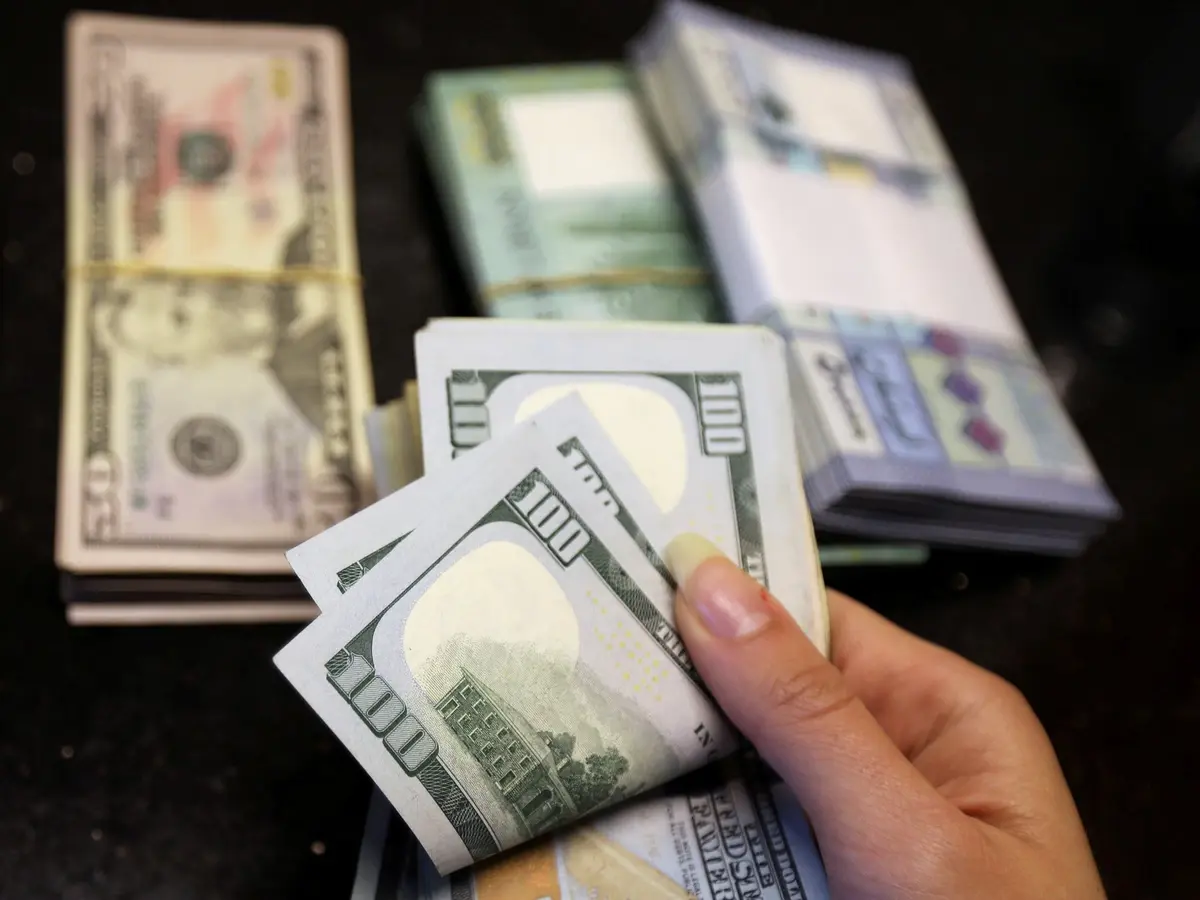
- Cash vs. card: Lebanon runs on a dollarized economy. Many bars and restaurants accept cards but add fees; bring USD in small denominations ($1, $5, $10, $20). Tips in USD are preferred.
How much should you tip in Lebanon?
Tip 10–15% at bars and restaurants, in cash, in USD where possible. Tipping etiquette in Lebanon has shifted from polite bonus to essential income since the currency collapse, and service staff depend on it.
Specifics:
- Bar/restaurant: 10–15%, handed to the server directly rather than left on the table (this ensures they get it rather than the house)
- Valet: $2–$4
- Taxi: round up; not mandatory but appreciated
Before you book
TL;DR: Yes, you can drink alcohol in Lebanon, and you should — the country produces world-grade arak, wine and beer, and Beirut’s bar scene rewards visitors who show up with an open mind and a few USD bills. Stay in the Christian-majority or secular neighborhoods for nightlife, respect the dry areas without judgment, skip driving entirely, and tip in cash.
The thing most guides won’t tell you: the best drinking in Lebanon isn’t at Skybar. It’s at a family table in the Bekaa in August, with a bottle of Ksara, a plate of labneh, and someone’s uncle explaining why this specific arak is better than the neighbor’s. Get yourself invited.
What’s the first Lebanese drink you’d order — arak at a mezze table, a Musar red, or a 961 pale at a Mar Mikhael rooftop? Tell me in the comments.