Can you drink tap water in Lebanon? No — and this is one trip where “I have a strong stomach” is the wrong instinct. The problem is not the water leaving the treatment plants. It is what happens to it between the plant, the truck, the rooftop tank, and your tap. Get this one thing right and the rest of your trip is fine.
You do not need to cancel plans, skip salads forever, or live on sealed bottles alone. You need to understand why the tap water in Lebanon is unsafe, which brands and tools actually work, and where to draw hard lines versus where you can relax. I have done this across Beirut, the Chouf, Baalbek, and Byblos on multiple trips. The playbook below is what I use.
Is the tap water in Lebanon safe to drink?
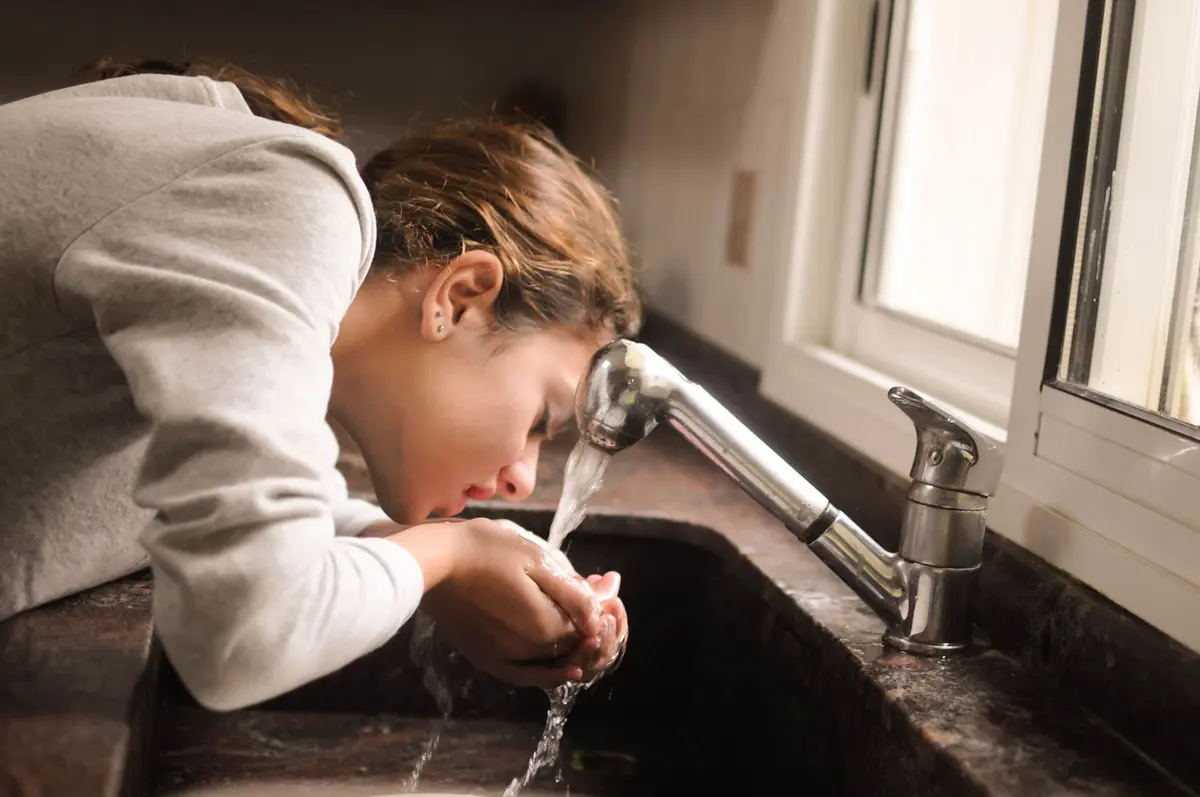
No. Tap water in Lebanon is not safe to drink anywhere in the country — not in Beirut, not in five-star hotels, not in mountain villages. State-supplied water often leaves treatment plants chlorinated, but it gets recontaminated in transit through damaged pipes, unclean rooftop tanks, and private trucked supply. Use sealed bottled water or a proper purifier for anything you swallow.
Pro Tip: Hotels that advertise “drinkable water” are almost always referring to a point-of-use filter on a specific tap in the lobby, not the water in your room. Ask the front desk to show you which tap before you fill a bottle.
Why is Lebanon’s tap water unsafe?
The water crisis is not one failure but a stacked set of them: an electricity grid that cannot keep pumps running, a parallel economy of private water trucks filling rooftop tanks, aging pipes that share trenches with sewage lines, and infrastructure damage from recent conflict in the south. Each problem feeds the next, which is why even “clean” source water rarely makes it to the tap safely.
The power grid that breaks water pressure
Lebanon’s state electricity company (EDL) provides only 1 to 4 hours of power per day on average. Water distribution depends on electric pumps moving water from treatment plants through the network. When the pumps stop during Lebanon’s routine power cuts, pipe pressure drops to zero and creates a partial vacuum inside old, cracked pipes. That vacuum draws in whatever is around the pipe — soil, runoff, and in many places leaking sewage from parallel lines. Even chlorinated water picks up contamination on the ride to your building.
The private water truck economy
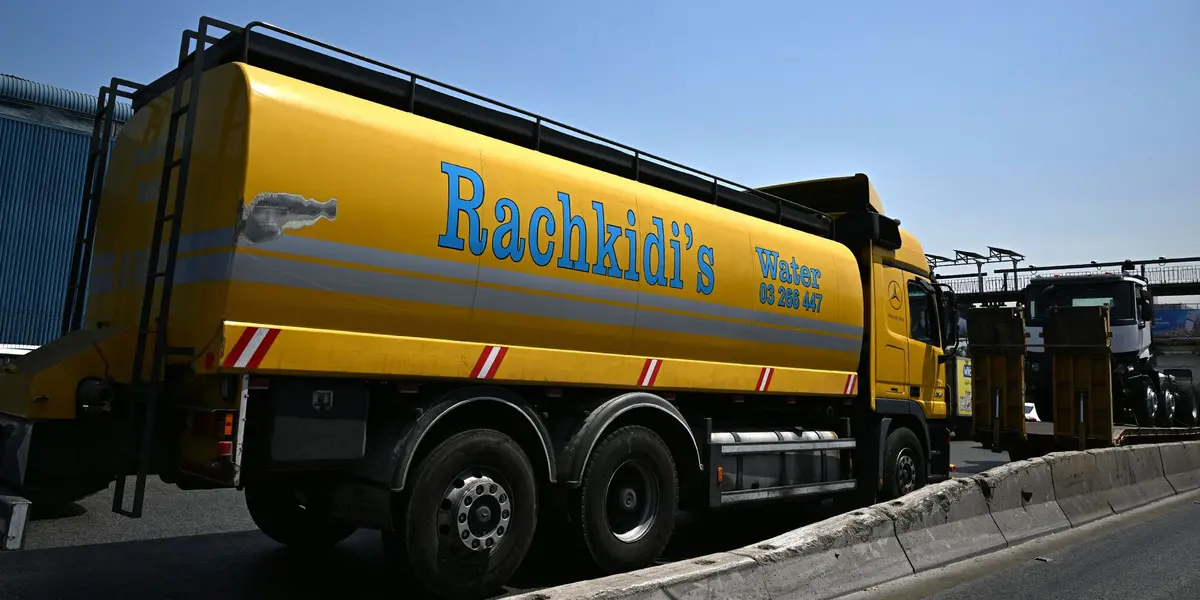
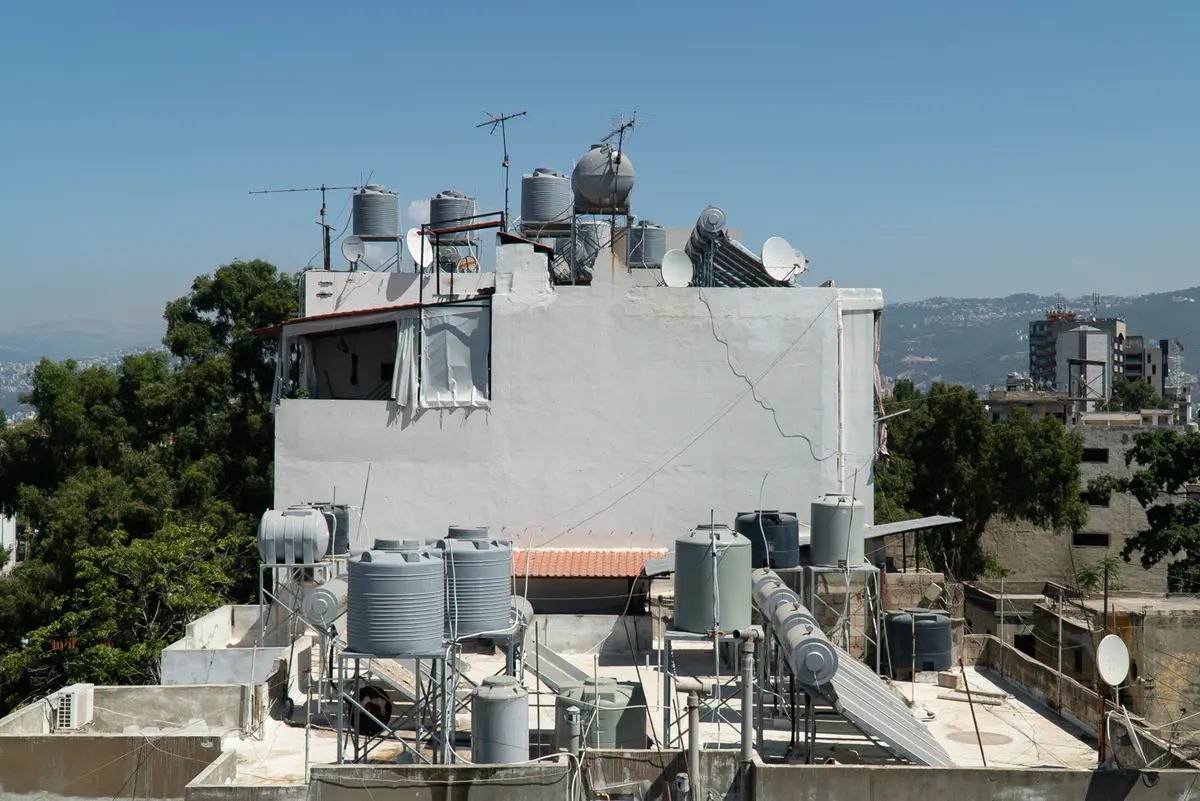
A large share of what comes out of an apartment tap never passed through a government treatment plant. It came from a truck. Operators fill rooftop tanks on demand, and to keep fuel costs down they often pull from the nearest unregulated well rather than a monitored spring. That water then sits in rooftop tanks that are rarely cleaned, creating ideal conditions for Legionella and other bacteria. Reputable operators provide test certificates on request — most residents do not ask.
Damage from recent conflict
Hostilities in southern Lebanon caused severe damage to water, electricity, and wastewater infrastructure, according to UN OCHA. Pumping stations, reservoirs, and pipelines were hit in multiple villages near the border. In host communities absorbing displaced residents, existing water systems were pushed far past their capacity. The result is a patchwork where a neighborhood 10 miles (16 km) from a damaged substation may have completely different water quality from one right next to it.
What is actually in Lebanese tap water?
Lebanese tap water carries a mix of biological, chemical, and physical contaminants. The biological risks include E. coli, Vibrio cholerae, and Hepatitis A virus. The chemical load includes arsenic and mercury in parts of Beirut and Mount Lebanon, plus high nitrate levels in agricultural zones. Microplastic counts are among the highest globally measured. Boiling kills bacteria but concentrates heavy metals, so it is not a full solution on its own.
Biological threats
Cholera returned to Lebanon after a 29-year absence during the 2022-2023 outbreak, which produced 8,072 suspected cases, 671 lab-confirmed cases, and 23 deaths across all eight governorates. A new lab-confirmed cholera case surfaced in Akkar governorate in October 2024, prompting WHO to reactivate its preparedness plan. Separately, a peer-reviewed 2025 study across five governorates found coliform bacteria and Streptococcus contamination in drinking water samples from Beqaa and South Lebanon. Hepatitis A virus is a second standing risk — and important because viruses are smaller than bacteria and pass through many basic filters.
Heavy metals and chemicals
Research by the American University of Beirut found elevated arsenic levels across multiple sites in Beirut and Mount Lebanon, with high mercury concentrations in some samples — both linked to industrial runoff and landfill leaching. In the Bekaa and Baalbek-Hermel region, nitrate concentrations in drinking water samples exceeded the Lebanese LIBNOR standard of 45 mg/L, driven by agricultural fertilizer runoff. Nitrates interfere with blood oxygen transport and are especially dangerous for infants and pregnant travelers. Boiling water removes biological contaminants but evaporates the H2O first, leaving heavier metals behind at higher concentrations — which is why boiling alone is not a fix.
Microplastics and sediment
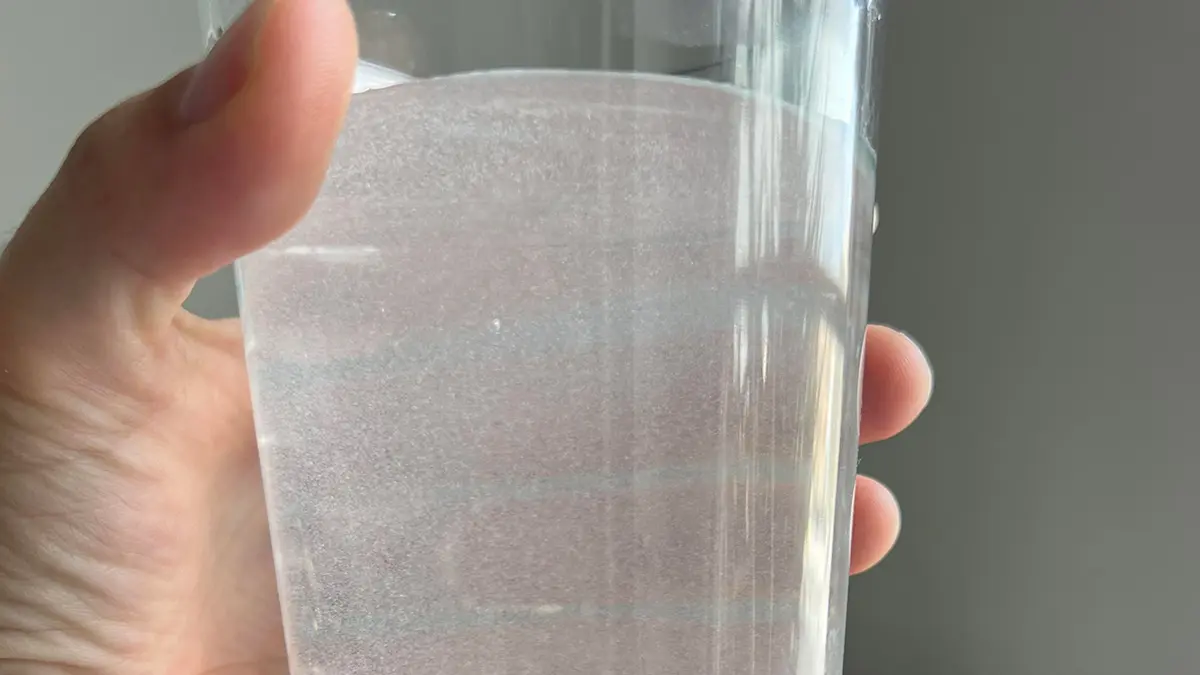
Lebanese tap water has tested at some of the highest microplastic counts reported globally. You may also see visible cloudiness or sediment after a power cut, which is soil pulled into the pipes during the pressure drop. If your tap water comes out looking hazy, do not run a filter and drink it — the filter is not designed for that load.
Which regions in Lebanon have the worst tap water?
No region in Lebanon has drinkable tap water, but the risk profile changes by area. Greater Beirut and the coast suffer from saline intrusion and dense-urban contamination. Mount Lebanon has cleaner source water but old delivery pipes. The Bekaa Valley has extreme agricultural and industrial pollution. South Lebanon has infrastructure damage and limited post-conflict testing, which creates genuine uncertainty about water quality right now.
Greater Beirut and the coastal cities
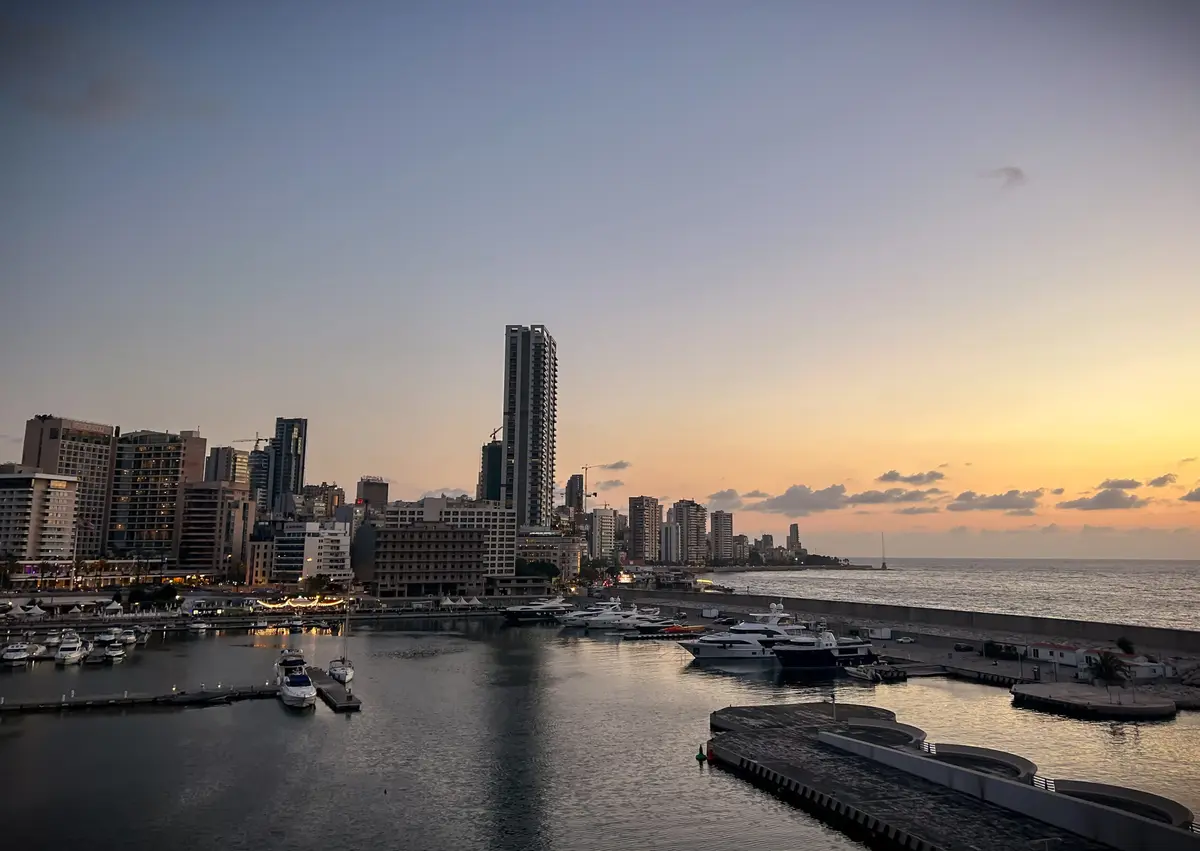
Risk: critical. The Beirut Mount Lebanon Water Establishment (BMLWE) serves roughly 2.7 million people — by far the largest network in the country. State water is chlorinated at source, but delivery conditions are the weak link. Coastal wells have been over-extracted, so saline intrusion gives the water a faintly salty taste and your hair feels straw-dry after a few days of showers. Older neighborhoods in Beirut carry a separate risk of lead from aging pipework. If your Beirut travel plans include eating and drinking freely, default to bottled water for everything you swallow.
Mount Lebanon and the Cedars
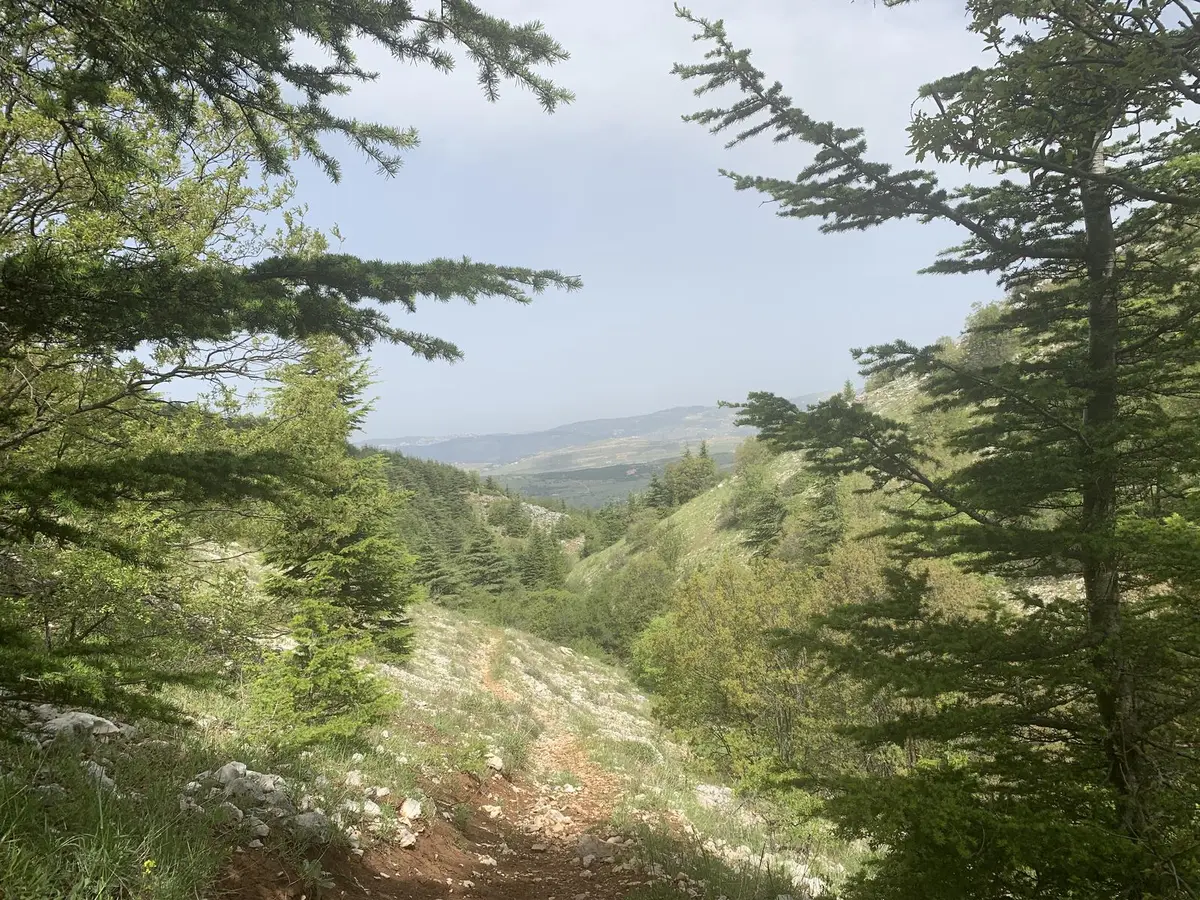
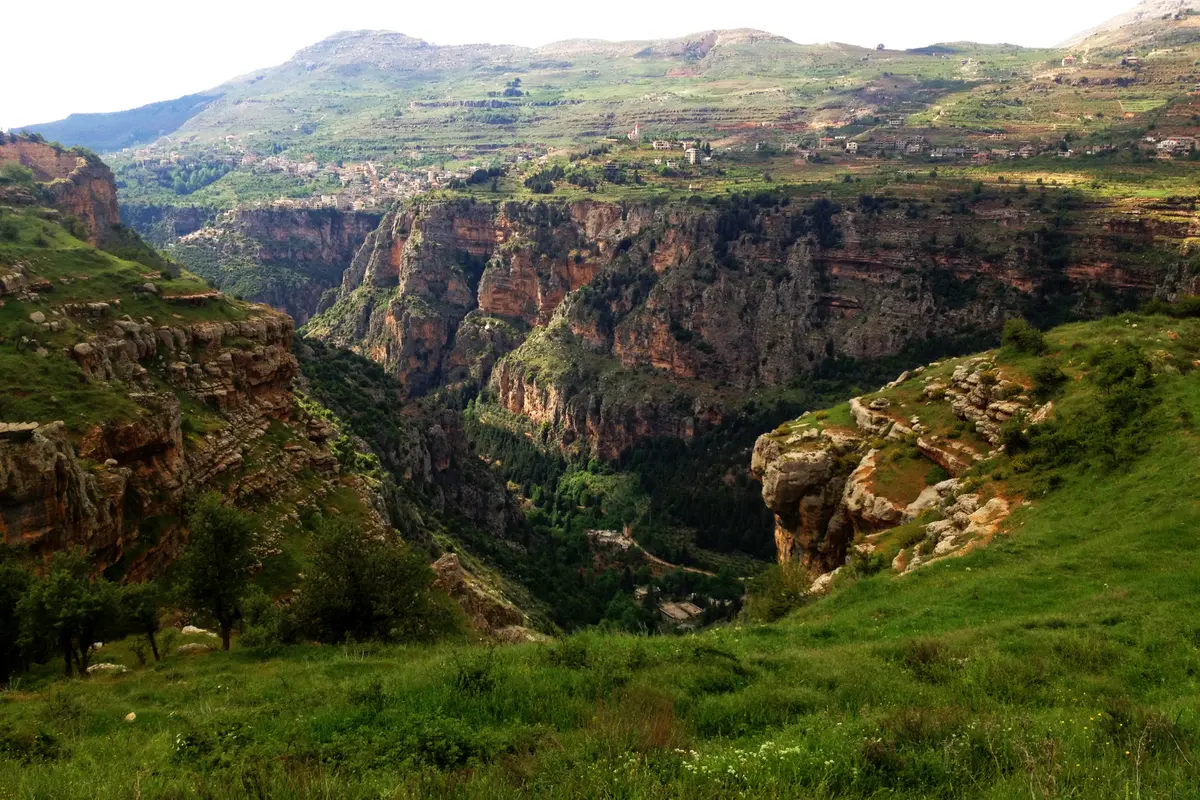
Risk: moderate to high. Source water here is often pristine mountain snowmelt from elevations above 4,900 feet (1,500 m). The delivery network is the issue — rusted or cracked pipes, and many villages run on private spring taps of unknown quality. You will meet locals near the Cedars of God who insist their spring water is fine. It probably is for them. Your gut microbiome has not spent a decade calibrating to the exact microbial profile of that particular spring. Decline politely and stick to your bottle.
The Bekaa Valley
Risk: extreme. The Litani River drains much of the valley and receives heavy industrial waste, untreated sewage, and agricultural runoff along the way. Nitrate levels in the Baalbek-Hermel region regularly breach Lebanese standards. Do not swim in Bekaa rivers or lakes even if you are just visiting Baalbek or one of the Bekaa Valley wineries for the day — dermal contact with open cuts is enough to cause problems in water this polluted.
South Lebanon
Risk: critical with genuine unknowns. Conflict-related damage to pumping stations and pipelines has left parts of the network in fragmented condition, and routine water-quality testing has not fully recovered in every district. Treat every water source south of Sidon as suspect unless a guesthouse owner can show you a recent test certificate.
Can you brush your teeth with tap water in Lebanon?
No. Use bottled water to brush your teeth across the entire country, including in high-end hotels in Beirut. Swallowing even a few drops of contaminated water can transmit Hepatitis A or bacterial infection. Keep a small bottle of sealed mineral water on the sink as a visual cue so you do not switch on the tap out of habit at 2 a.m.
Pro Tip: Buy one 1.5L bottle specifically for bathroom use on your first day. Keep it next to the toothbrush. It lasts about 3-4 days for two people and ends the reflex-tap problem completely.
Can you shower safely in Lebanon?
Yes, showering is fine. Intact skin is an effective barrier against the bacteria and viruses that travel in Lebanese tap water. The real risk is letting water into your mouth, eyes, nose, or open cuts. Keep your mouth firmly closed under the spray, avoid aiming the showerhead directly at your face, and cover any cuts with waterproof bandages before you step in.
Hair texture takes a visible hit from the mineral content and occasional saltiness along the coast — if you are staying more than a week, a screw-on shower filter ($15-30 on Amazon before you fly) saves your hair and keeps sensitive skin calmer.
Is it safe to eat salads and raw vegetables in Lebanon?
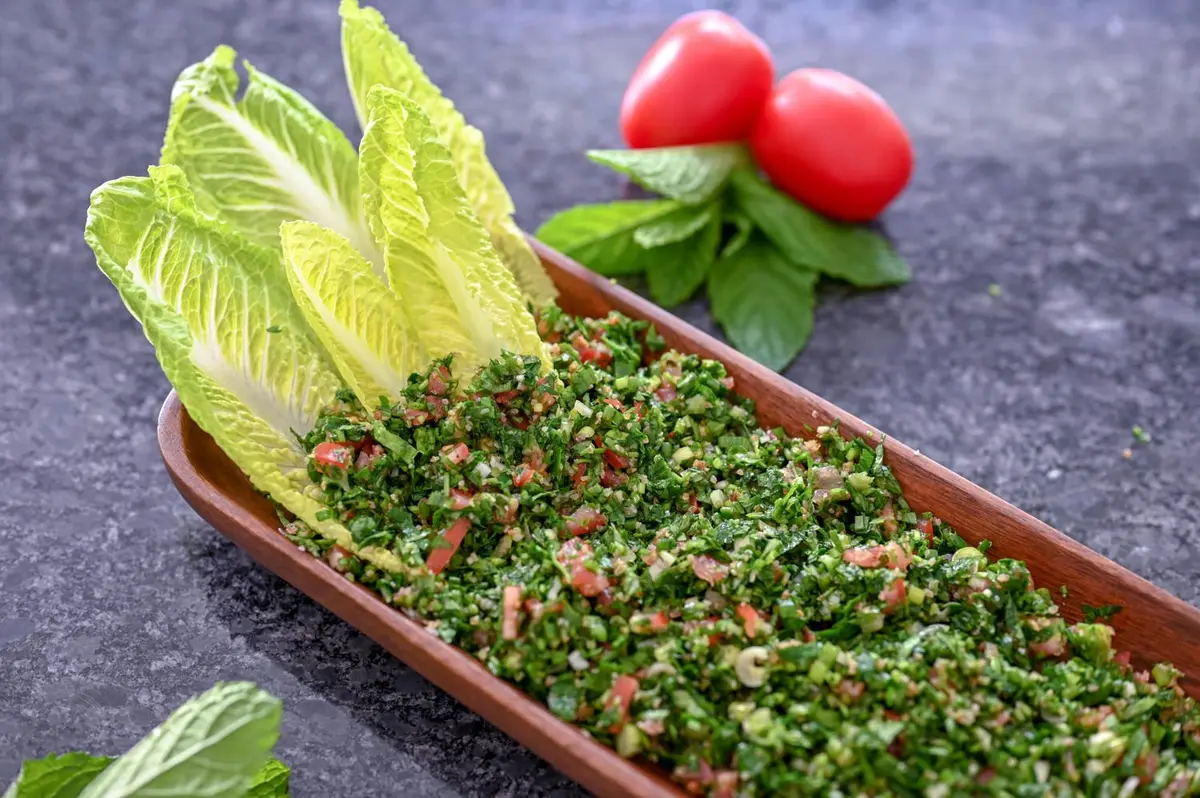
It depends entirely on where you eat. Lebanese cuisine is built around raw vegetables — tabbouleh, fattoush, and the parsley mountain on every mezze plate. At established restaurants in Beirut, Byblos, and Batroun, produce is washed with filtered water or disinfection tablets and is safe. At small street stalls or roadside kiosks, skip anything raw. At home, wash produce in a vinegar-water solution or peel it completely.
At established restaurants
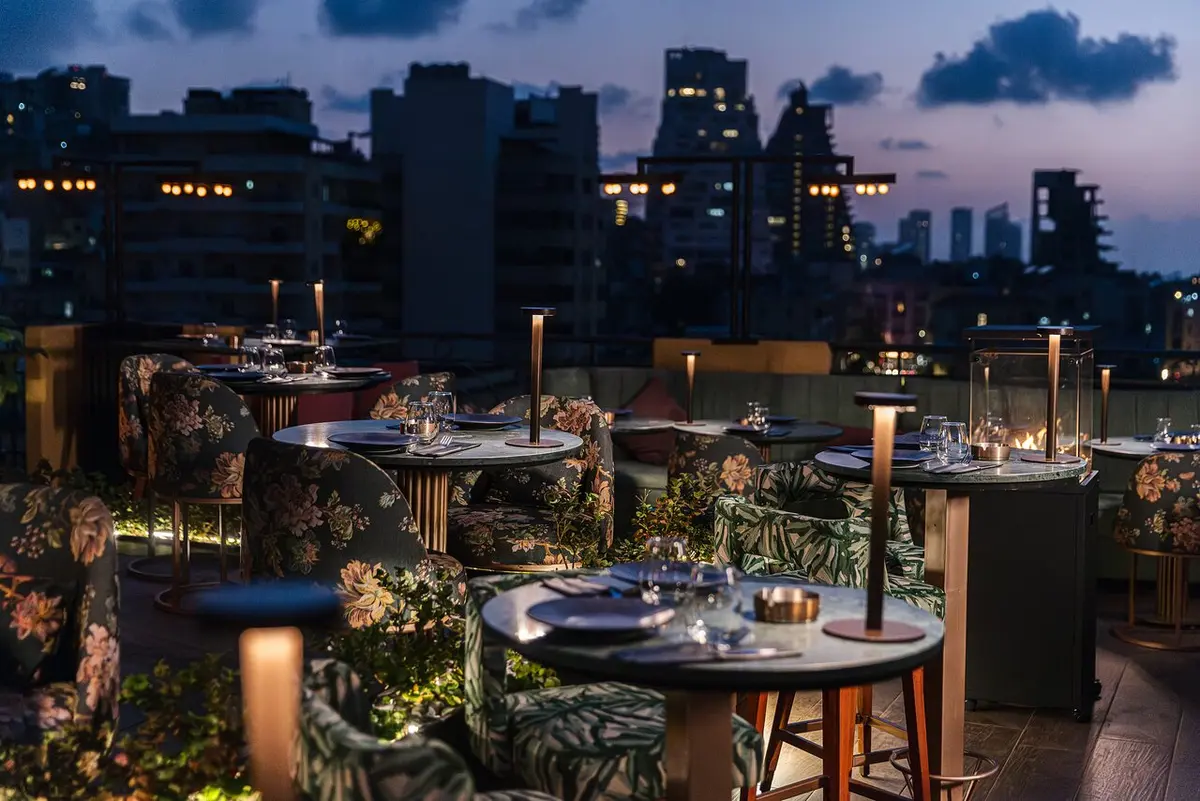
Sit-down restaurants in the main tourist areas and any hotel restaurant generally wash produce properly. I have eaten tabbouleh three times a week across multiple trips to Beirut and never had a problem at places like Tawlet or Em Sherif. Use the same logic you would in Mexico City: if the restaurant is busy with locals and has a kitchen you can glimpse, you are fine.
At street stalls and small kiosks
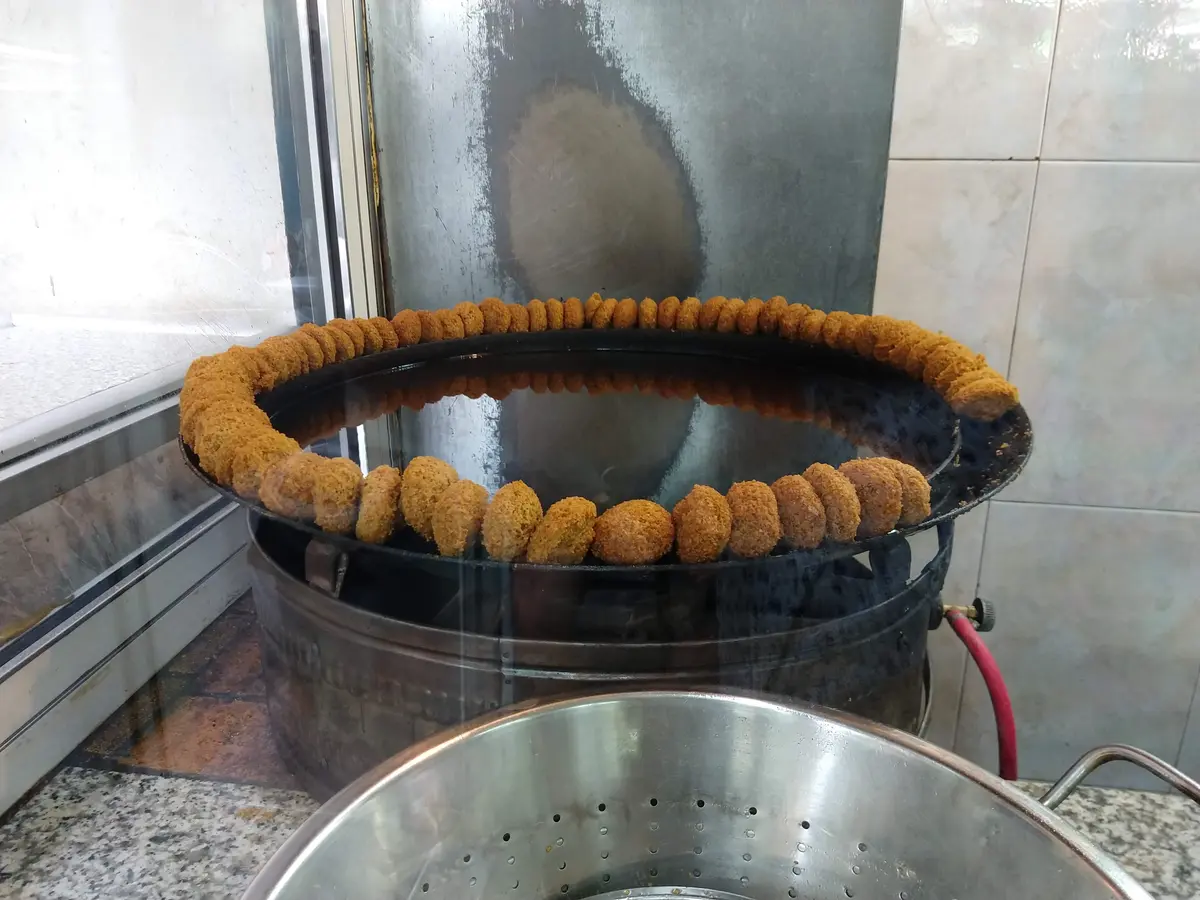
Skip raw salad and raw garnishes at Lebanese street food stalls like manakish counters, small falafel stands, and any place where you cannot see how produce is being handled. Stick to cooked items — grilled meats, hot hummus, freshly fried falafel. A $2 shawarma with pickles is fine. A $2 fattoush on the side is a gamble.
When cooking in an apartment
If you booked an Airbnb and want to cook, wash produce in a bowl with one part white vinegar to three parts bottled water, soak for 10 minutes, then rinse with bottled water again. Better: peel everything you can. Supermarkets like Spinneys and Carrefour sell pre-washed bagged salads that are generally safe if the seal is intact.
Can you have ice cubes in Lebanon?
Ice is only as safe as the water that made it. Freezing does not kill pathogens — E. coli can survive in ice cubes for weeks. In five-star hotels, chain coffee shops, and upscale bars in Beirut’s Mar Mikhael or Gemmayzeh districts, ice is made from filtered water and is safe. At dive bars, roadside cafes, juice stalls, and most places in the Bekaa or the south, refuse ice. A warm Almaza beer beats a two-day stomach bug.
Pro Tip: If you are not sure, order drinks “sans glaçons” in French or “bidoun talj” in Arabic. Staff understand it instantly because locals with sensitive stomachs ask for the same thing.
What is the best water filter for travel in Lebanon?
You need a purifier, not a standard filter. Standard travel filters (Brita-style, basic LifeStraw) catch bacteria and protozoa but let viruses like Hepatitis A pass straight through. A true purifier handles viruses, bacteria, heavy metals, and chemicals. The Grayl GeoPress is the gold standard for Lebanon specifically because it addresses every contaminant category present in the water here.
Filters vs. purifiers — the distinction that matters
Most travel “filters” have a pore size around 0.2 microns, which stops bacteria (1-5 microns) and protozoa but misses viruses (0.02-0.3 microns). Hepatitis A virus is roughly 27 nanometers — it walks through a standard filter like it is not there. Purifiers use either electroadsorption, UV light, or chemical treatment to neutralize viruses. In Lebanon, you need that capability.
The Grayl GeoPress approach
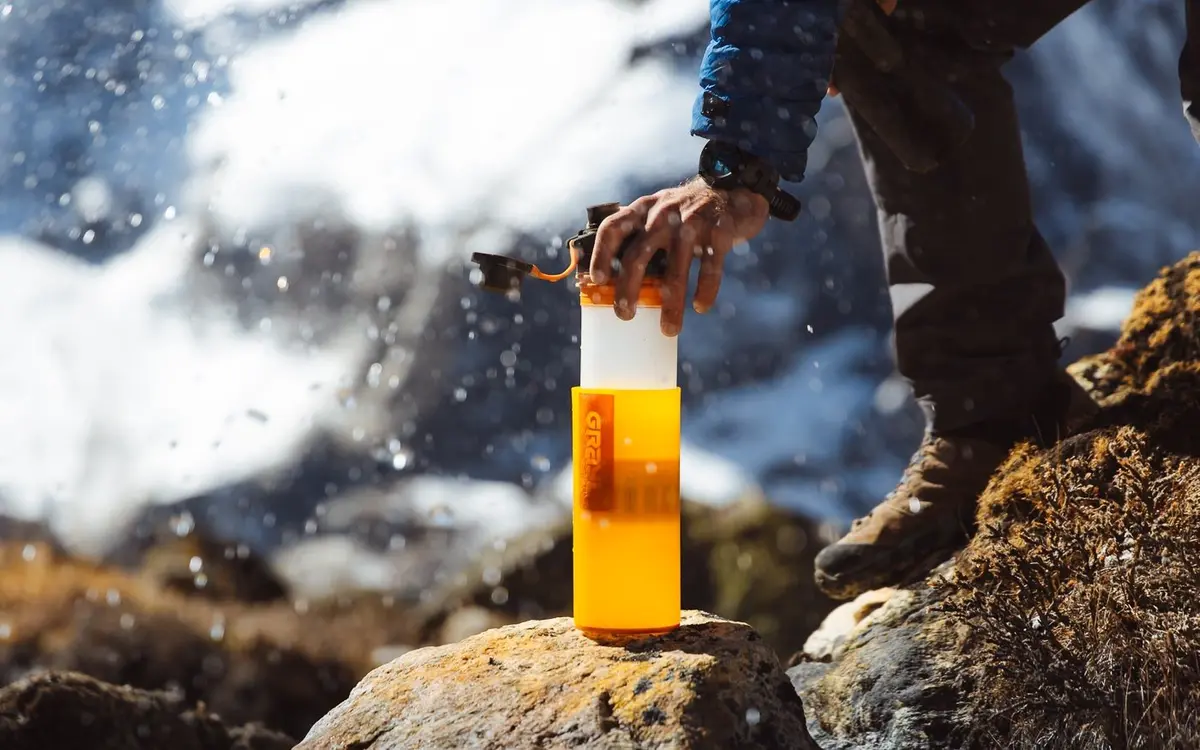
The Grayl GeoPress costs around $100 and uses electroadsorption — water is pressed through a charged cartridge that pulls pathogens and chemicals out. It removes viruses, bacteria, protozoa, heavy metals (including the arsenic flagged in AUB’s research), microplastics, and chlorine. Press time is about 8 seconds for 24 oz (710 ml), and a single cartridge handles 65 gallons (250 L) before replacement.
UV purifiers — partial solution only
UV pens like SteriPEN kill biological pathogens effectively but do not remove heavy metals, chemicals, or sediment. Given Lebanon’s documented arsenic and mercury contamination, a UV-only setup is not enough if you are drinking tap water through it regularly.
What to skip
Do not rely on pitcher filters (Brita, PUR), squeeze-bottle filters, or basic straw filters for drinking water in Lebanon. They were built for campground creeks in countries with functioning sewage systems, not for a network carrying documented viral and heavy-metal contamination.
Which bottled water brands can you trust in Lebanon?
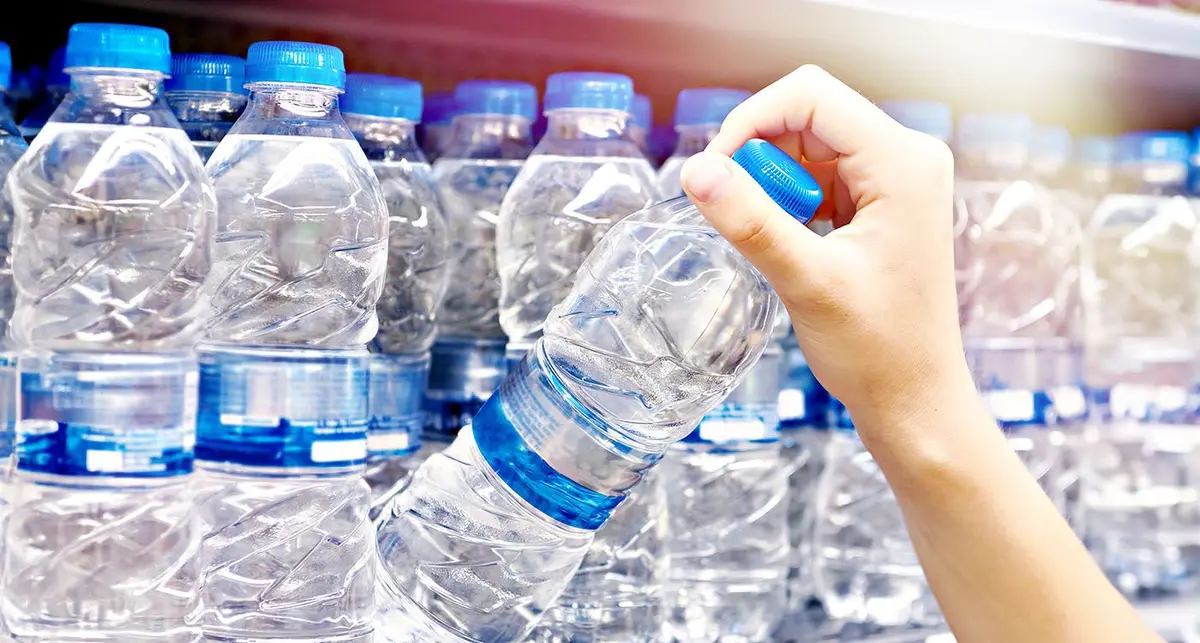
Most travelers rely on bottled water, and the market is well-developed and cheap. Stick to the three dominant mineral water brands — Sohat, Tannourine, and Rim — or Nestlé Pure Life (treated water, safe but not mineral). Sohat holds about 35% of the market, is sourced from the Falougha spring at 5,610 feet (1,710 m) in Mount Lebanon, and is the safest default. Always check that the cap seal snaps audibly when you open it.
The brands worth buying
- Sohat: Natural mineral water, sourced from Falougha at 5,610 feet (1,710 m), Nestlé-owned, ~35% market share, widely available.
- Tannourine: Natural mineral water from the Tannourine Cedars area, consistently strong reputation, excellent taste profile.
- Rim: Natural mineral water, widely distributed, also produces Lebanon’s first local sparkling water.
- Nestlé Pure Life: Treated (purified) water rather than mineral water — safe and standardized, usually the cheapest option.
- Aquafina: PepsiCo’s treated water, available at most supermarkets, priced similarly to Pure Life.
Pricing and delivery
Prices are typically quoted in USD at supermarkets, mini-marts, and delivery apps since the currency collapse. Rough benchmarks:
- 500 ml bottle: $0.30-0.60 from a mini-mart, $1.50-3 in a restaurant.
- 1.5 L bottle: $0.75-1.25 at a supermarket.
- 5-gallon (19 L) dispenser bottle: $3-5, delivered to your door.
Two apps worth downloading before you land do the heavy lifting. Toters handles restaurant delivery and groceries across Beirut, Mount Lebanon, Tripoli, and major cities — useful for ordering water in bulk after a long day. NokNok is grocery-focused, owned by the Spinneys parent company, and often cheaper for water orders in Beirut and its suburbs. Nestlé Waters runs its own ordering channel for bulk Sohat and Nestlé Pure Life dispenser bottles.
Warning: check the seal
Bottle refilling scams exist but are not common at chain supermarkets. They show up occasionally at small kiosks and tourist spots. Twist the cap — the plastic safety ring should snap with a clear audible click. If the cap turns silently or the ring is already loose, put the bottle back.
Reducing plastic waste
Lebanon’s municipal waste system has been under severe strain for years, and every small plastic bottle ends up either in an overflowing landfill or, often, on the coastline. Buy 1.3-2.6 gallon (5-10 L) formats at supermarkets and refill a reusable bottle. Two travelers going through a gallon a day cuts roughly 6 small bottles from the trash per day.
What do you do if you accidentally drink Lebanese tap water?
First, do not panic — a single swallow rarely causes serious illness. Hydrate aggressively with sealed bottled water and oral rehydration salts. Watch for symptoms over the next 6-72 hours: watery diarrhea, cramping, fever, nausea. For mild cases, stay hydrated and rest. For high fever, persistent vomiting, bloody stool, or severe dehydration, go to a hospital — Beirut has excellent medical care, especially at American University of Beirut Medical Center (AUBMC).
First 24 hours — hydration and monitoring
Drink twice your normal water intake in sealed bottled water. Oral rehydration salts (ORS) sachets are cheap and widely sold at any pharmacy — add one to a 1-liter bottle and sip it slowly. Avoid alcohol, caffeine, and dairy for the first day. Eat plain carbs (bread, rice) if hungry.
Pharmacies — Lebanon’s secret weapon
Lebanon has one of the highest pharmacy densities in the region, and pharmacists are medically trained, English- or French-speaking, and can prescribe antibiotics or antiparasitics directly without a doctor’s note for most travel illness. This is faster and cheaper than a clinic visit for mild-to-moderate cases. Describe your symptoms clearly and they will route you accordingly.
When to go to hospital
Seek medical attention if you have a fever above 101.5°F (38.6°C) lasting more than 24 hours, blood in your stool, signs of severe dehydration (no urination for 8+ hours, dizziness, confusion), or symptoms that worsen rather than plateau. Make sure your travel insurance for Lebanon explicitly covers emergency medical evacuation — not all policies do.
Key emergency numbers:
- Lebanese Red Cross (ambulance): 140 — toll-free from any phone, nationwide
- Civil Defense (disaster/secondary ambulance): 125
- Police: 112
- Fire Brigade: 175
Before you fill your bottle
TL;DR: Tap water in Lebanon is not drinkable anywhere — from Beirut hotels to mountain guesthouses. Stick to sealed mineral water (Sohat, Tannourine, Rim) or use a true purifier like the Grayl GeoPress. Eat salads at established restaurants, skip them at street stalls, refuse ice unless you are in an upscale bar, and save the Red Cross number (140) to your phone.
The water situation sounds intimidating until you work out the rhythm: one bottle for the bathroom, one larger bottle at meals, delivery apps for restocks, and a purifier as backup. After 48 hours it becomes automatic and disappears as a concern. Lebanon is worth every ounce of effort — the food, the mountains, the ruins at Baalbek, the coastline from Tyre to Byblos. The water is the only real friction point, and now you have a plan.
What is the one thing about traveling in Lebanon you wish someone had told you before you went? Drop it in the comments — it helps the next person planning the trip.