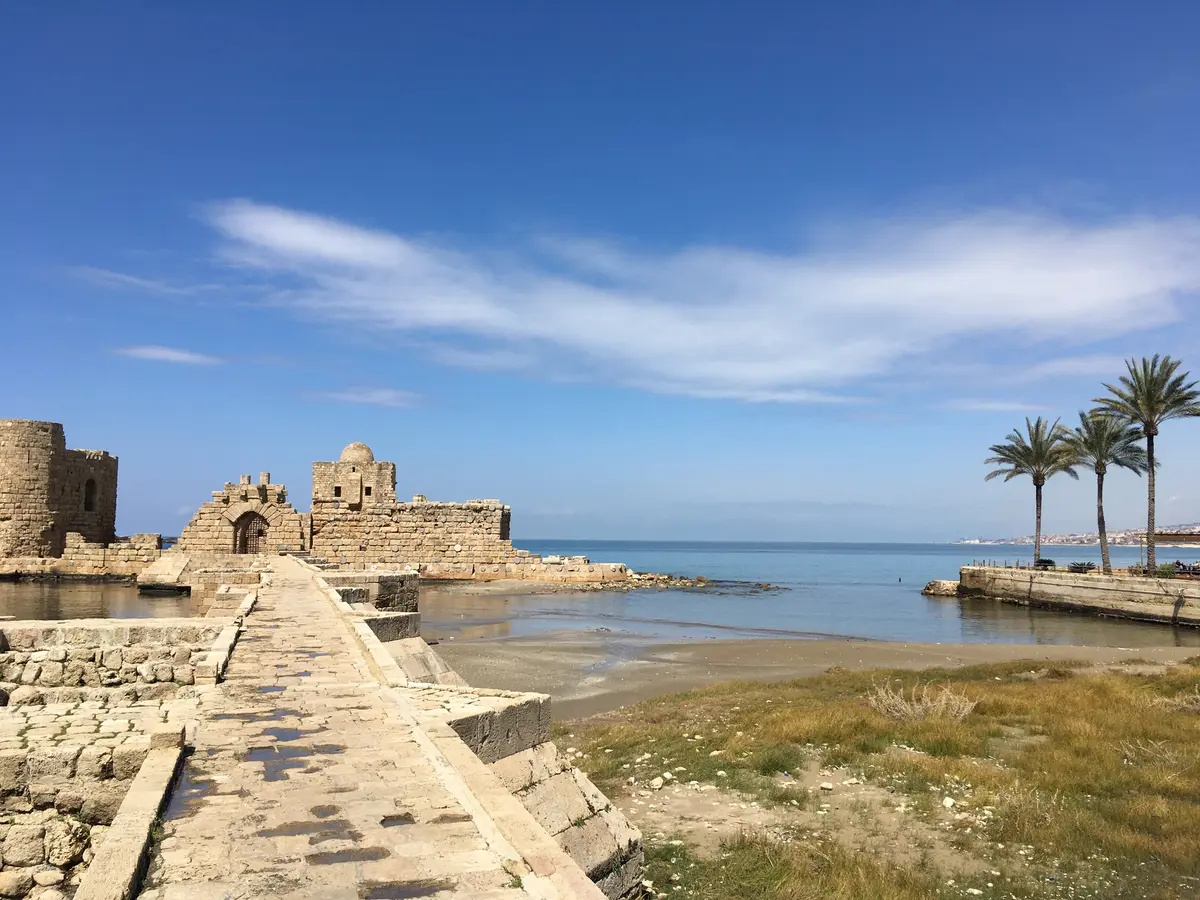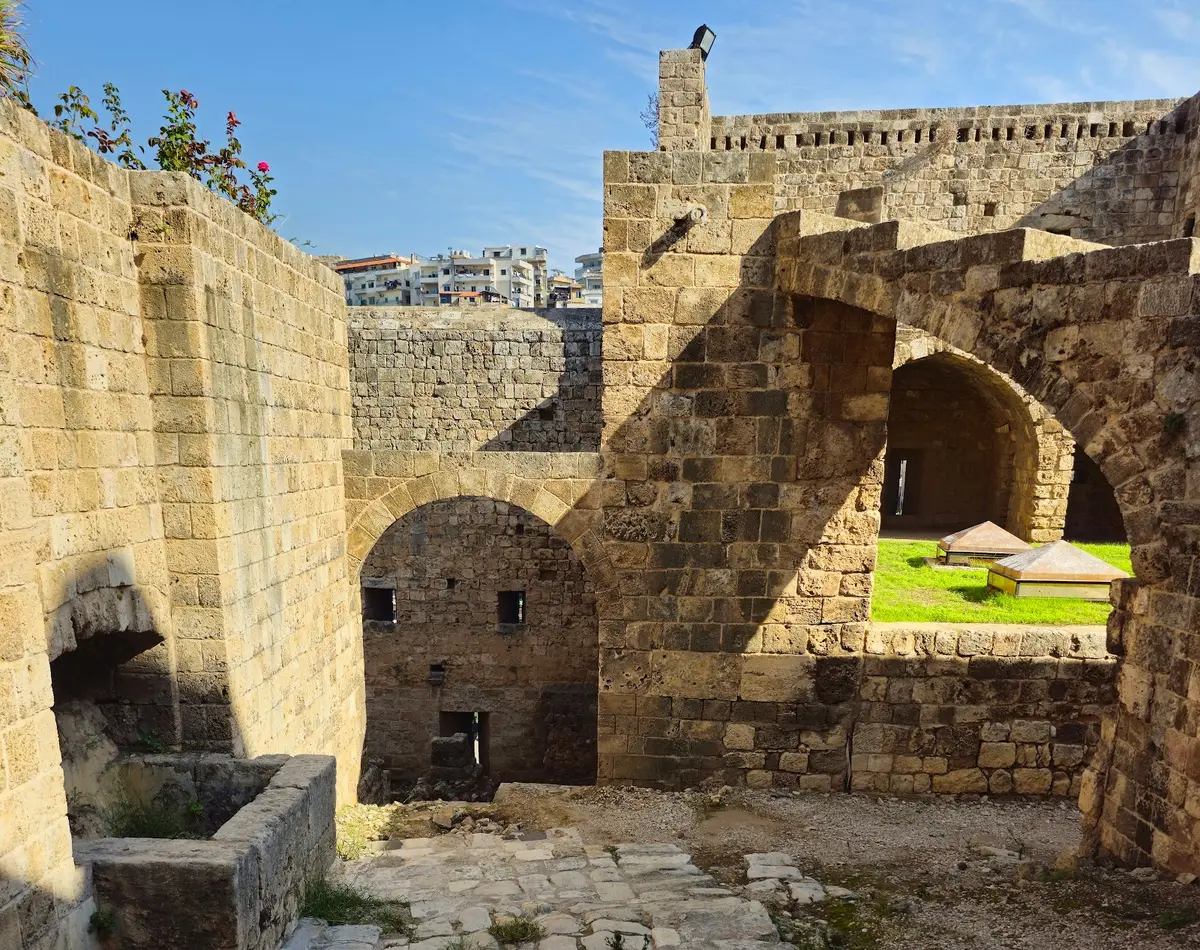
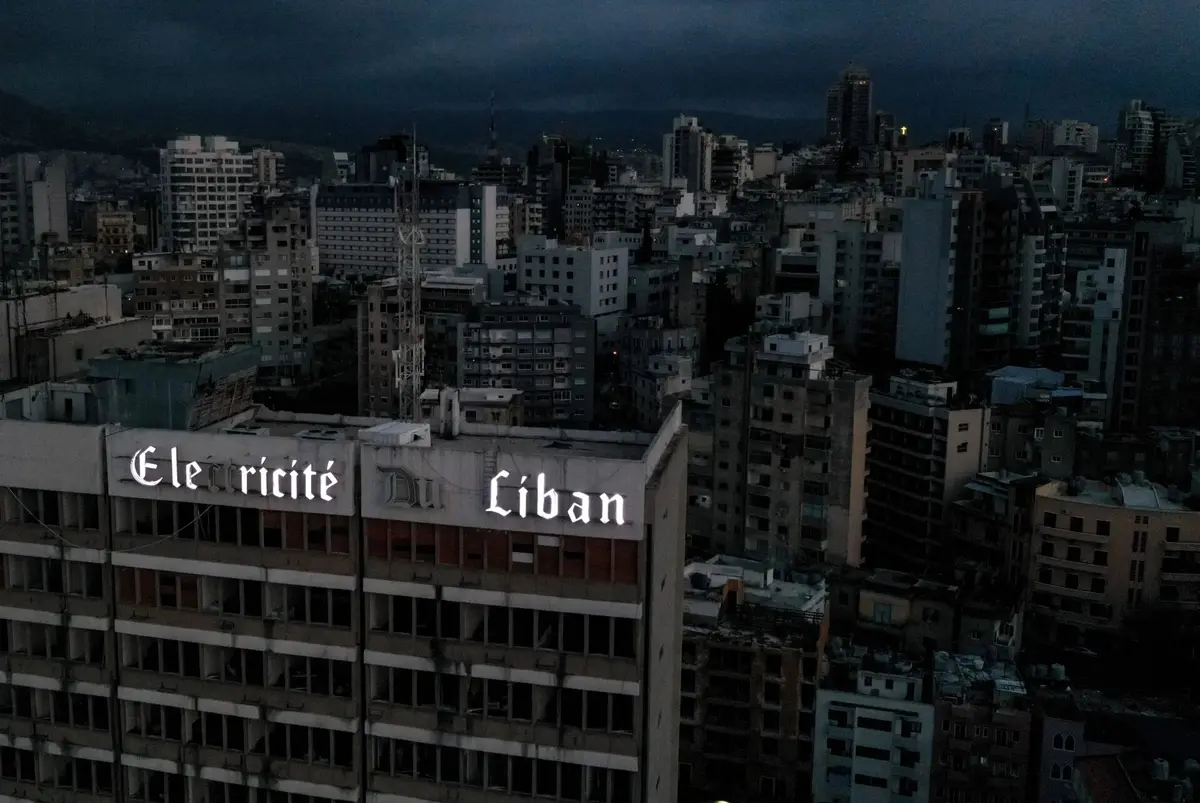
Electricity in Lebanon for tourists works nothing like it does at home. The state grid runs a few hours a day, private diesel generators fill the gap, and a solar boom has quietly made mountain guesthouses more reliable than central Beirut apartments. Here’s how to choose accommodation, protect your gear, and stay online.
How does electricity actually work in Lebanon?
The country runs on a dual system: Electricité du Liban (EDL), the state utility locals call “Dawleh,” supplies roughly 4 to 10 hours of grid power per day in Beirut depending on fuel shipments. When EDL cuts, a neighborhood diesel generator — “ishtirak,” or subscription power — takes over within 15 to 60 seconds via an Automatic Transfer Switch in the building.
That handoff creates what every resident calls “the blink.” Lights drop, WiFi dies, the AC stops, and 30 seconds later everything roars back. It happens three to six times a day in most Beirut buildings. These frequent power cuts feel unsettling the first day. By day three you stop noticing.
Who actually keeps the country running?
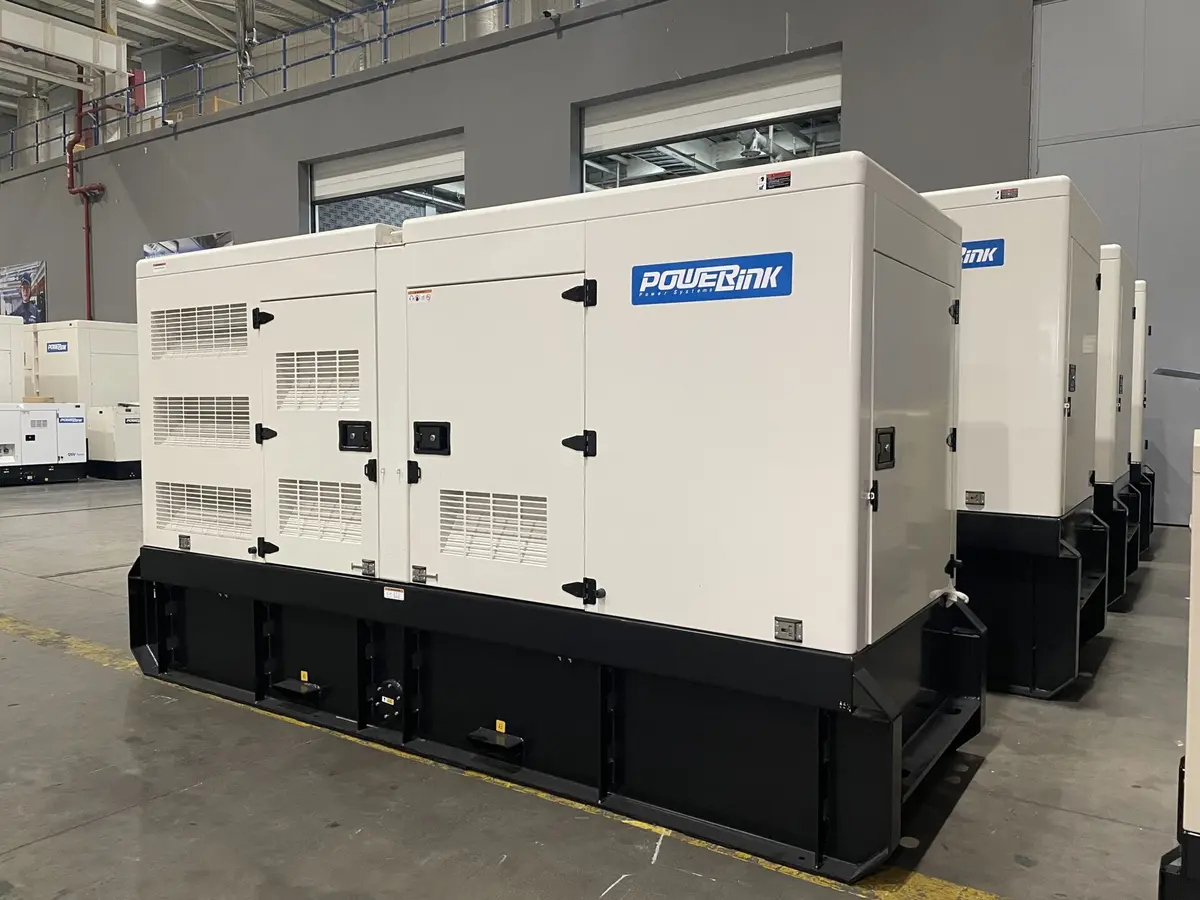
The generator network is not a hack — it’s a parallel utility that’s been running for over a decade. Walk any residential street in Beirut and you’ll see metal cabinets the size of shipping containers humming on corners. Each one powers a few dozen apartments on a subscription model, and the cost is baked into your rent or nightly rate.
Pro Tip: Download a free offline WiFi calling app before you arrive (WhatsApp works for most travelers). When the router reboots after a blink, mobile data keeps your calls alive.
Where do you get the most reliable power as a tourist?
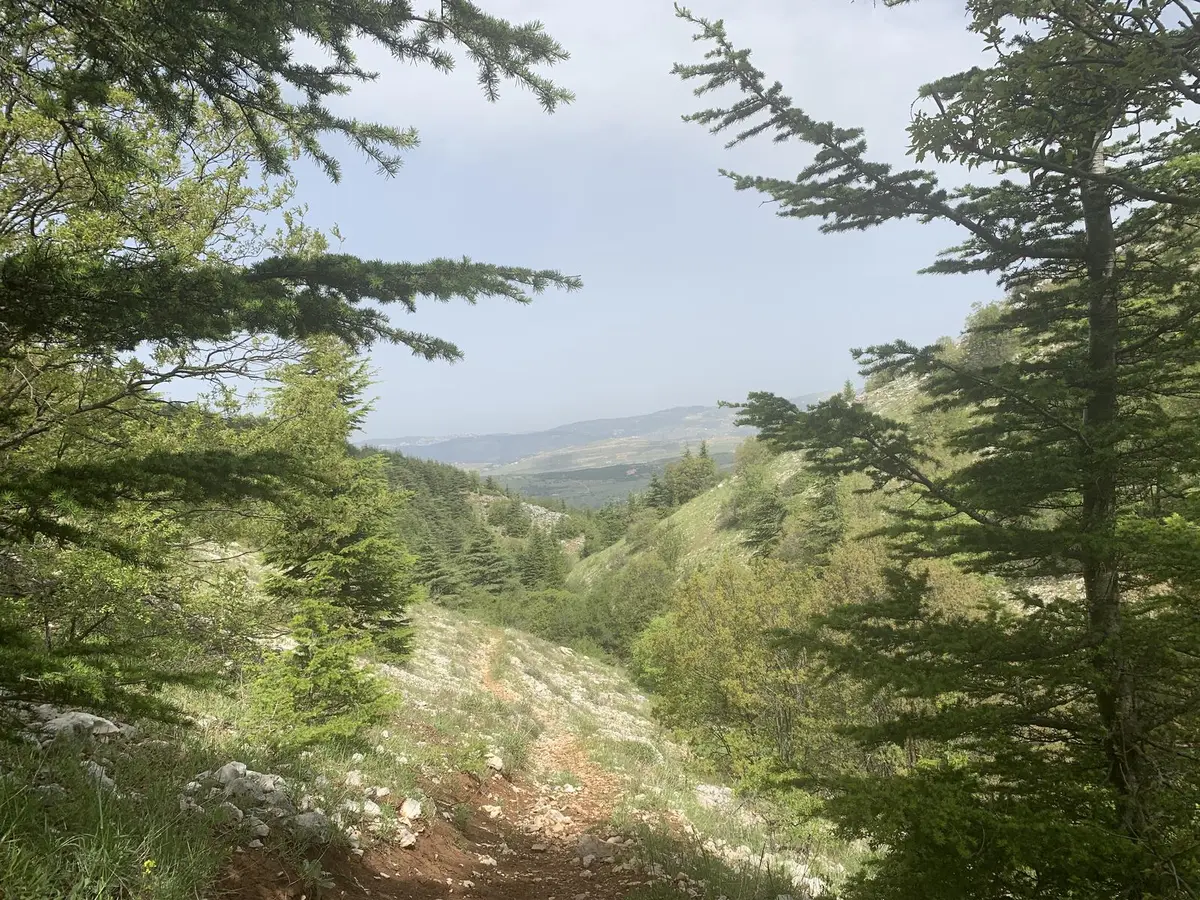
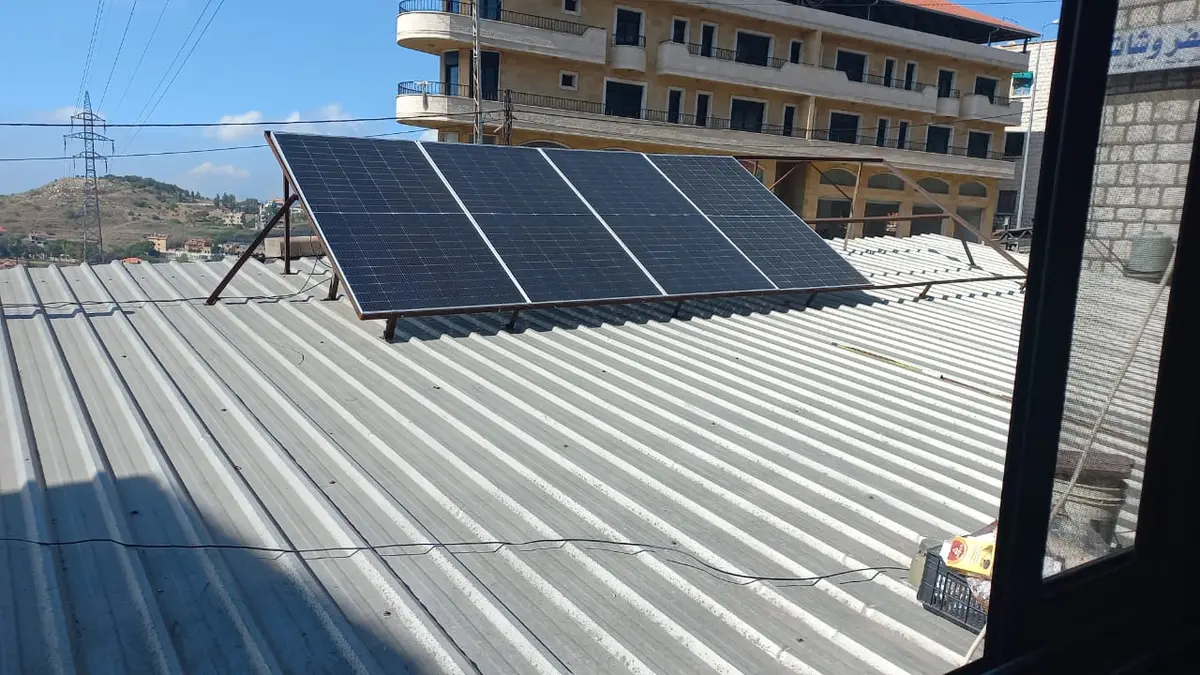
Counterintuitively, a mountain guesthouse in the Chouf or Qadisha Valley often has more stable power than a Hamra high-rise. Rural owners invested heavily in solar-plus-battery systems because diesel costs more to truck in. The result: no blink, no fumes, no 2 a.m. generator noise. National solar capacity has grown roughly tenfold since 2019.
What does a “hybrid” setup actually mean on a listing?
When an Airbnb mentions “solar + battery + generator backup,” you’ve found the gold standard. Solar panels cover daytime loads and charge a lithium battery bank; batteries carry the house through the evening; the generator only fires if clouds and demand overwhelm the battery. Because batteries discharge instantly, there is no switchover gap — the blink disappears.
- What to search for in listings: “solar panels,” “lithium battery,” “inverter,” “24/7 power without generator”
- Red flag phrases: “24/7 electricity” with no source specified, “generator included” with no mention of solar
- Regions where hybrid is common: Chouf mountains, Qadisha Valley, Batroun hills, parts of Jbeil (Byblos)
Why central Beirut is often the worst option
In dense Hamra, Gemmayzeh, and Mar Mikhael, many buildings still run the old EDL + diesel generator combo with no solar layer. You’ll hear the generator kick in from the courtyard, smell diesel at street level on still nights, and lose power during the handoff. Boutique hotels in these neighborhoods have mostly upgraded. Older apartment stock has not.
What does the amperage limit mean for your stay?
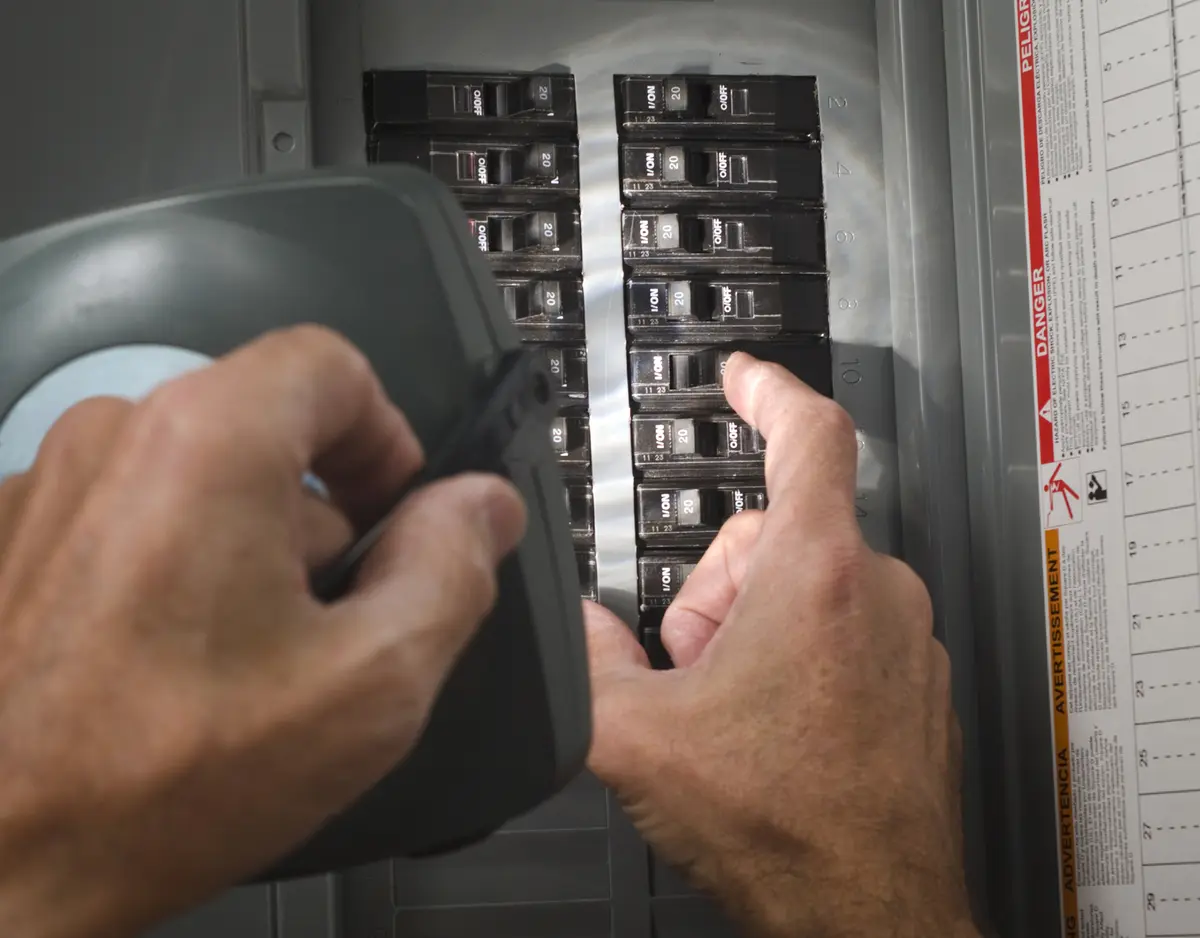
Every Lebanese rental has an amperage cap — the maximum load your meter allows from the generator. Exceed it and you trip a breaker that’s usually in a hallway cabinet. A typical US home has a 200-amp service; a Beirut Airbnb gives you 5 or 10 amps. This single number dictates whether you can run the AC and dry your hair at the same time.
5-amp rentals (around 1,100 watts)
Standard for budget and mid-range apartments. You can run:
- Lights, router, TV, laptop chargers
- A fridge (always-on)
- A single fan
You cannot run, simultaneously with the fridge: AC, hair dryer, electric kettle, iron, microwave, or toaster. Turn on the hair dryer while the fridge compressor cycles and the breaker trips. Finding and resetting it is your problem — most hosts don’t warn you. Ask your host to photograph the breaker panel location before check-in.
10-amp rentals (around 2,200 watts)
Mid-to-higher-end apartments. You get breathing room: one split-unit AC plus lights and electronics, or a water heater plus the fridge. You still can’t blast the AC and use a hair dryer together. Most listings above $80 per night in Beirut fall in this tier.
The elevator problem nobody mentions
Many residential buildings exclude the elevator from the generator circuit to cut fuel costs. Translation: when EDL cuts in the afternoon, your apartment has lights — but the elevator is dead until EDL comes back. Walking seven flights with a 23 kg suitcase is a miserable surprise.
Pro Tip: Before booking anything above the 4th floor, message the host and ask directly: “Does the elevator run on the generator, or only on EDL power?” If they dodge, book lower. And never step into an elevator if the hallway lights flicker — entrapment during a handoff is a real risk.
Will your US electronics work on Lebanese power?
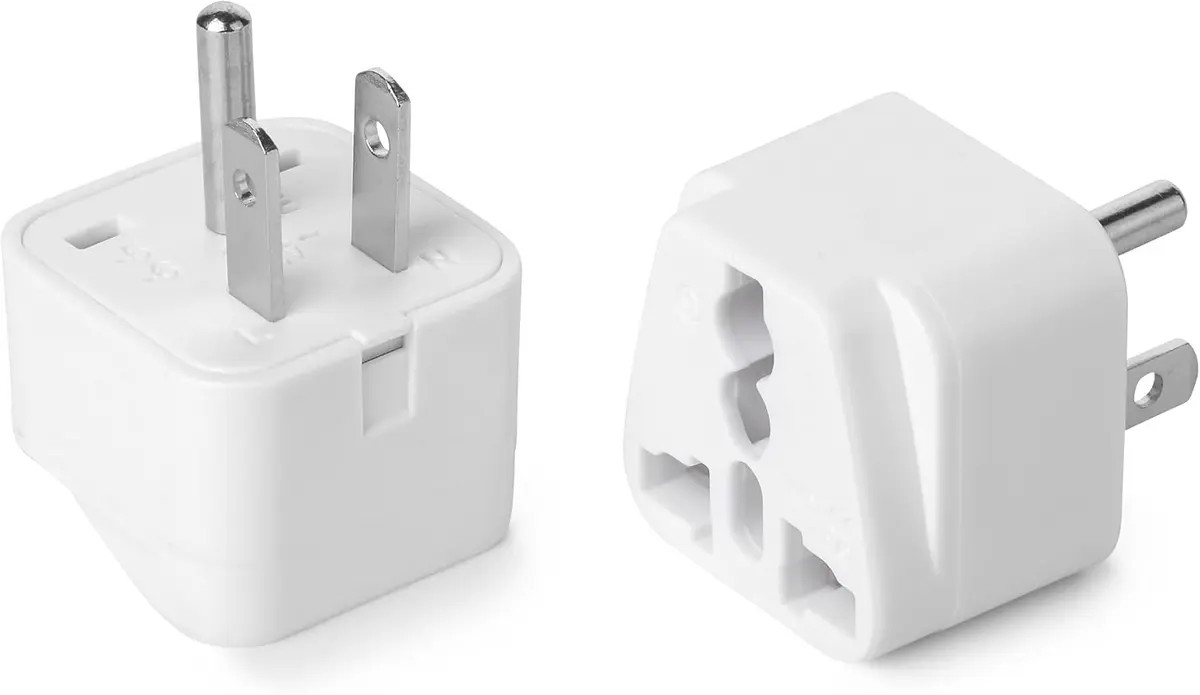
Lebanon runs on 220V at 50Hz, compared to 120V at 60Hz in the US. Your laptop, phone, tablet, camera, and e-reader almost certainly handle both — check the fine print on the charger brick for “INPUT: 100-240V.” If you see that range, a plug adapter for Lebanese outlets (Type C or Type D/G depending on the building) is all you need.
What you absolutely cannot bring from the US
Heating appliances with a single voltage rating (120V only) will fail the instant you plug them in. Double the voltage means four times the power dumped into the heating element — it melts in seconds.
- Hair dryers, straighteners, curling irons
- Garment steamers and travel irons
- 120V-only electric kettles
- Cheap electric toothbrush chargers not marked “100-240V”
Do not bring a step-down transformer either. A unit rated for a 1,500-watt hair dryer weighs around 10 pounds (4.5 kg) of copper. Just buy a local hair dryer for 500,000 to 700,000 LBP (around $6-$8) at any electronics shop in Hamra or Achrafieh, or use the one in your hotel room.
Surge protection is not optional
The constant switching between EDL and generators produces voltage spikes and sags. Over a two-week trip, fluctuations probably won’t kill your laptop, but they’ll confuse smart speakers, streaming sticks, and anything with a delicate power supply. A small 220V travel surge protector (Belkin and APC both sell compact models for around $20 on Amazon) costs less than replacing one damaged device.
How do you stay online during power cuts?
The router is the single point of failure for anyone working remotely from Beirut. The moment EDL cuts, the router dies; when the generator takes over 30 seconds later, the router needs 2 to 4 minutes to reboot and re-associate with the ISP. That’s 5 to 15 lost minutes a day across multiple blinks — fatal for a video call.
Get a Mini UPS for the router
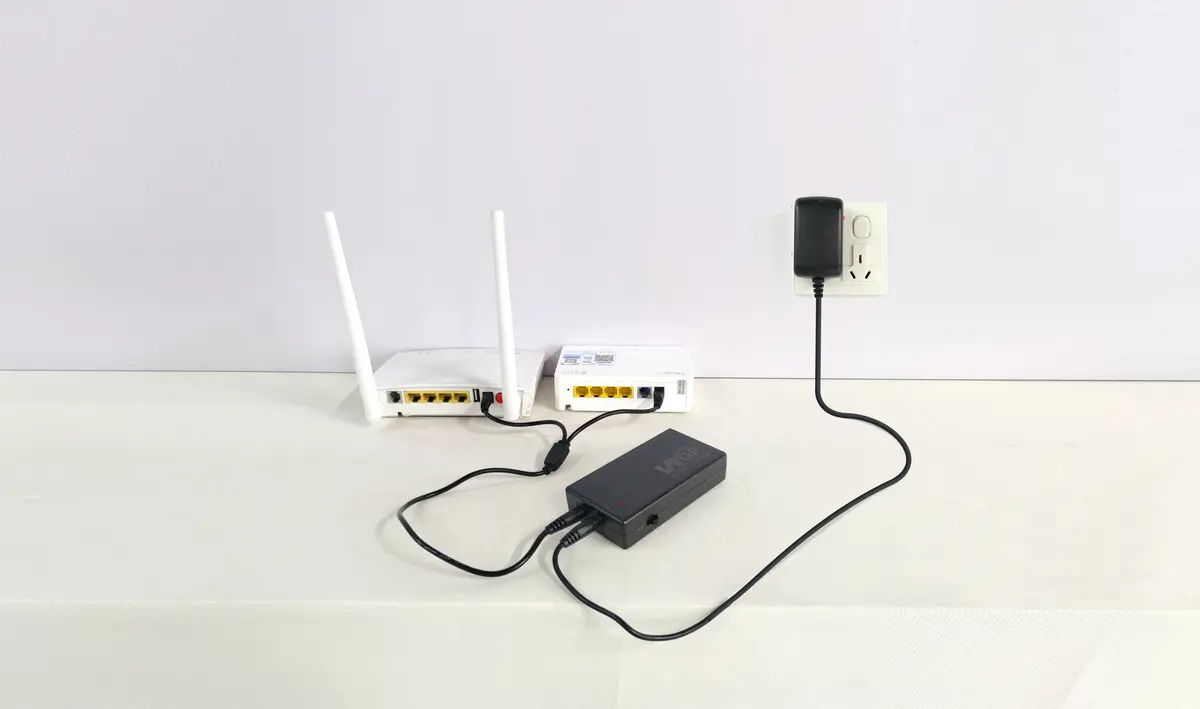
A “Mini UPS” is a battery pack that sits between the wall and your router and bridges outages. Any electronics shop on Hamra Street or in Achrafieh sells them for around $25-$50 depending on battery size. Ask for “UPS lel router” — say it like that and the shopkeeper will know exactly what you mean. A 10,400 mAh unit holds a typical router up for 4 to 6 hours.
If your rental doesn’t already have one, it’s worth asking the host — in my experience, roughly half the serviced apartments in Beirut’s business-traveler tier have installed them and just don’t mention it in the listing.
A local SIM as your backup
For redundancy, buy a tourist SIM at Beirut–Rafic Hariri International Airport on arrival. The market is a duopoly:
- Alfa — 7-day tourist package with 6 GB data runs around $24
- Touch — similar pricing, slightly better coverage in the Bekaa Valley
Both are state-owned, both require your passport at purchase, and both work fine for tethering when your WiFi router is rebooting. Coverage in Beirut, Byblos, Batroun, Sidon, and Tyre is solid. Coverage drops noticeably above 1,800 meters (5,900 feet) in the high Chouf and around Laqlouq.
Should you pick a hotel or an Airbnb?
Hotels above 4 stars — the Four Seasons and Phoenicia on the Corniche, the Albergo in Achrafieh, Smallville in Badaro — run industrial generators with synchronized transfer gear. No blink, elevator always runs, no amperage math. You pay for it: expect $220 to $450 per night, often billed in USD cash. If you’re weighing neighborhoods, our guide on where to stay in Beirut breaks down the trade-offs by area.
Airbnbs run $45 to $120 for comparable square footage and give you a kitchen, but you inherit the building’s power quirks. If you go the Airbnb route, copy-paste these questions to the host before booking:
- Is the generator private to your unit, or shared with the building?
- What is the amperage cap — 5, 10, or 15?
- Does the elevator run on generator power?
- Do you have a UPS on the router?
- Is there a backup water heater for when EDL is off and the solar runs low?
A host who answers all five clearly is a host who’s dealt with these questions before. A host who deflects is one you’ll be messaging at 11 p.m. when the breaker trips.
Pro Tip: If you’re staying longer than four nights, pay the extra $30-$50 per night for a hybrid-solar guesthouse in Broummana, Beit Chabab, or Douma. The sleep quality difference — no generator thrum at 2 a.m. — is the best money I spent on my last trip.
Before you book
TL;DR: Book accommodation with solar-plus-battery backup if you can, ask about amperage and elevator circuits before you commit, leave your US hair dryer at home, and buy a $25 Mini UPS for the router if you’re working remotely. The power situation in Lebanon isn’t seamless, but it’s predictable once you understand the rules — and the country’s food, coastline, and mountain hikes absolutely justify the small learning curve.
What’s the one thing you’d want a host to clarify before you booked an apartment in Beirut — amperage, elevator, or generator type? Drop your answer in the comments.