Tipping in Portugal trips up almost every American visitor — not because the rules are complicated, but because they’re the opposite of what you’re used to. Servers earn a proper wage here. The baseline tip for adequate service is zero. Here’s exactly how gratuity works, what the couvert bread basket actually costs you, and why leaving 20% disrupts more than it helps.
How does tipping in Portugal actually work?
Gratuities in Portugal are genuinely optional — a reward for exceptional service, not a subsidy for a server’s paycheck. Restaurant staff, hotel employees, and tour guides all earn the national minimum wage (€920/month, roughly $1,000, as of January 2026) or above. There is no tipped minimum wage like the lower hourly rate most US servers depend on. Your waiter brings your food promptly because that is the job, not because they need a financial incentive to do it.
This changes how you should think about every meal. Locals view tipping as an acknowledgment of something genuinely above-average — not a social obligation. If service was fine, you leave nothing. If it was memorable, you leave something small.
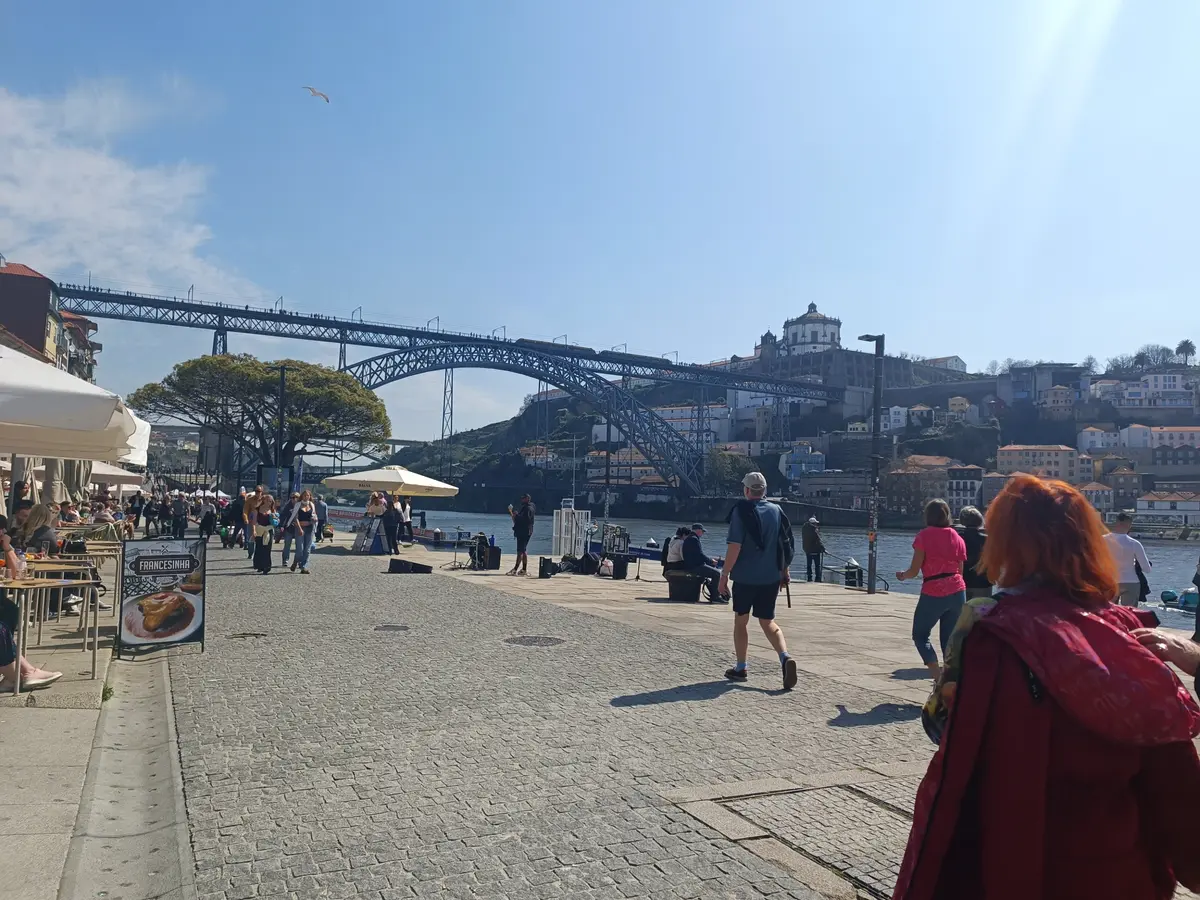
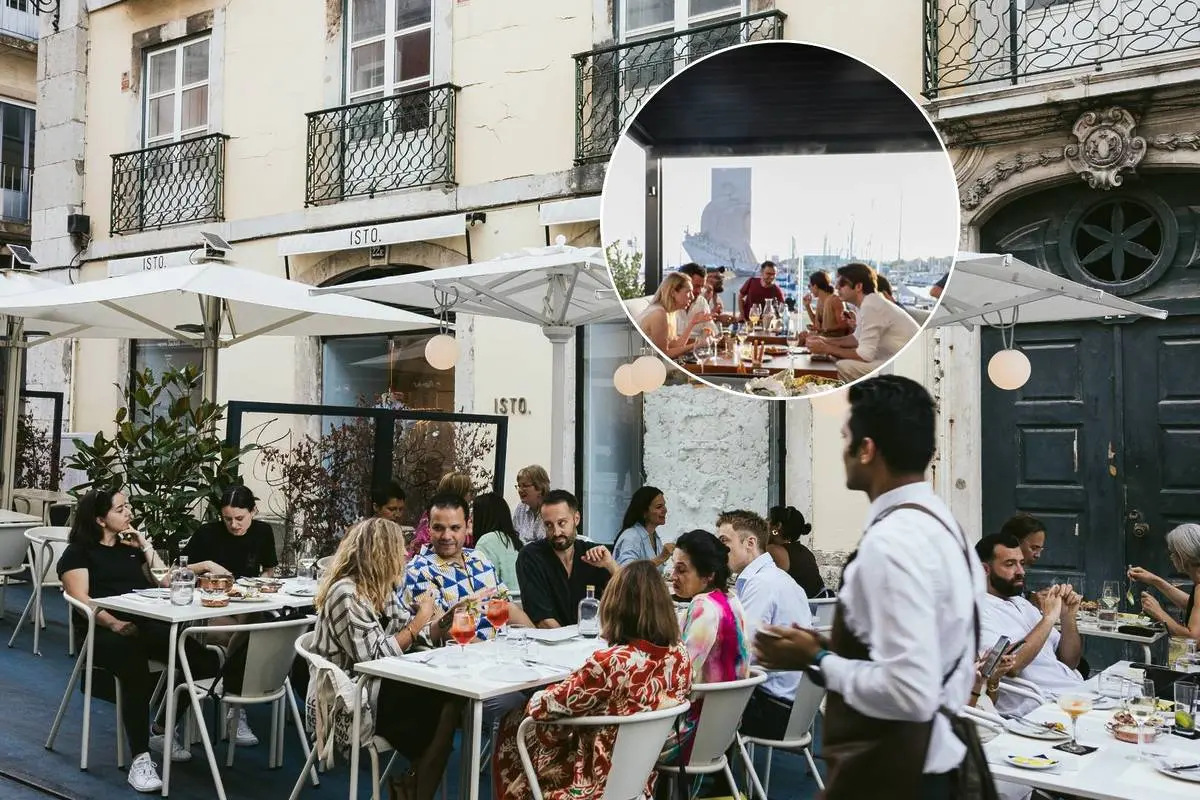
One wrinkle: in tourist-heavy zones like Baixa in Lisbon or Ribeira in Porto, point-of-sale terminals now sometimes prompt for a percentage tip. This is a relatively recent development, imported from countries where tipping is mandatory. Seeing that screen does not mean you are expected to comply.
Pro Tip: If a POS terminal prompts you for a tip percentage, you can tap “No tip” or “0%” without any awkwardness. The server has seen it a hundred times that day. The machine is designed for international visitors, not a reflection of local expectation.
Is the bread basket a scam — or is it legal?
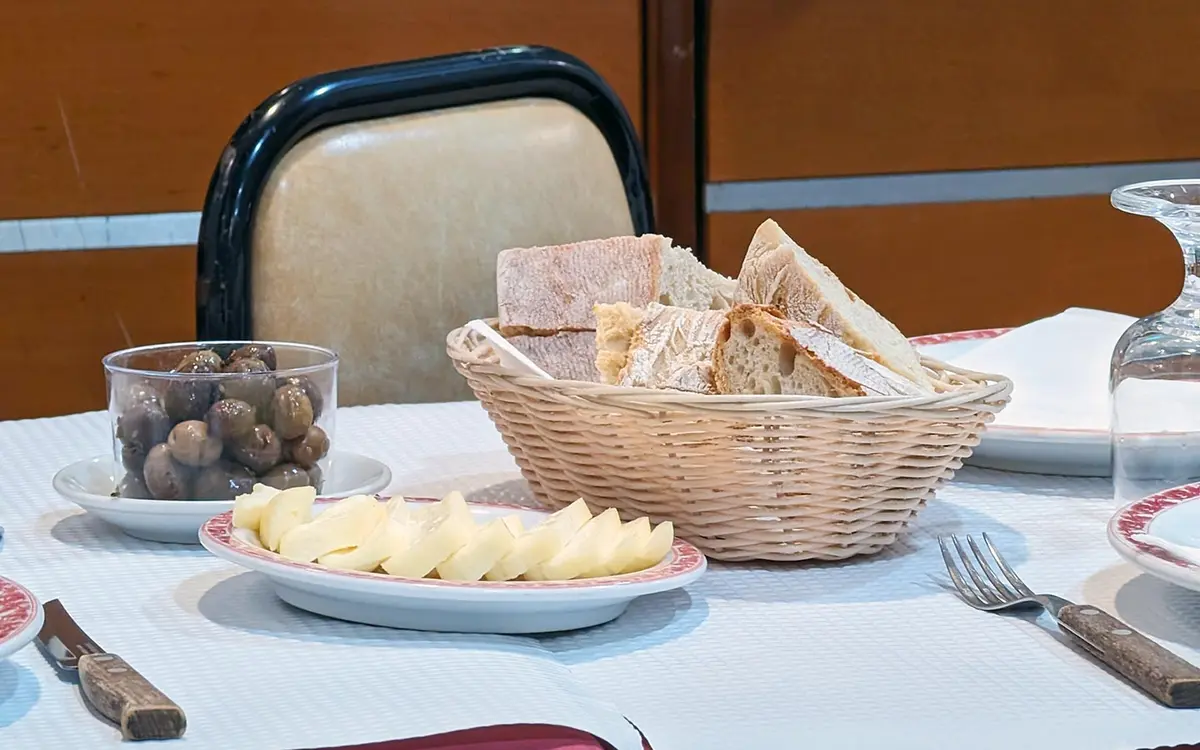
The couvert is not a scam, but it does work differently than anything you have encountered at home. Any bread, olives, butter, or sardine paste placed on your table can be charged to your bill — but only if you eat it. Under Decree-Law No. 10/2015, Article 135, Paragraph 3, no food item may be charged unless you requested it or rendered it unusable. The basket sitting on your table creates zero financial obligation.
The moment you break open a roll or eat an olive, you are liable for the charge. A bread basket that costs the restaurant €0.25 can appear on your bill as €2.50. Add olives at €2.50, cheese at €5.00, and presunto ham at €8.00, and you have added nearly €20 before your entrée arrives. This is not predatory — it is simply a different system that nobody warns you about.
How to decline the couvert without any awkwardness
As the waiter approaches with the basket, a calm hand wave and “Não, obrigado” (No, thank you) ends the transaction cleanly. You can also pick selectively — keep the olives, wave off the butter — by pointing to what you want and gently pushing the rest aside. If you want everything removed, the phrase is “Pode levar a manteiga, por favor?” (Can you take the butter, please?).
The server will not be offended. Locals do this routinely.
When you should absolutely say yes
The paté de sardinha (sardine paste) served on a thick slice of cornbread called broa is one of the most genuinely Portuguese things you will eat — a fitting introduction to the wider world of Portuguese food. At around €1.50, it is worth every cent — just make sure you are saying yes consciously rather than finding it on your bill by accident.
How much should you tip at different restaurants in Portugal?
Blanket rules like “always leave 10%” miss the mark here. Expectations vary significantly by the type of establishment.
Tascas and neighborhood restaurants
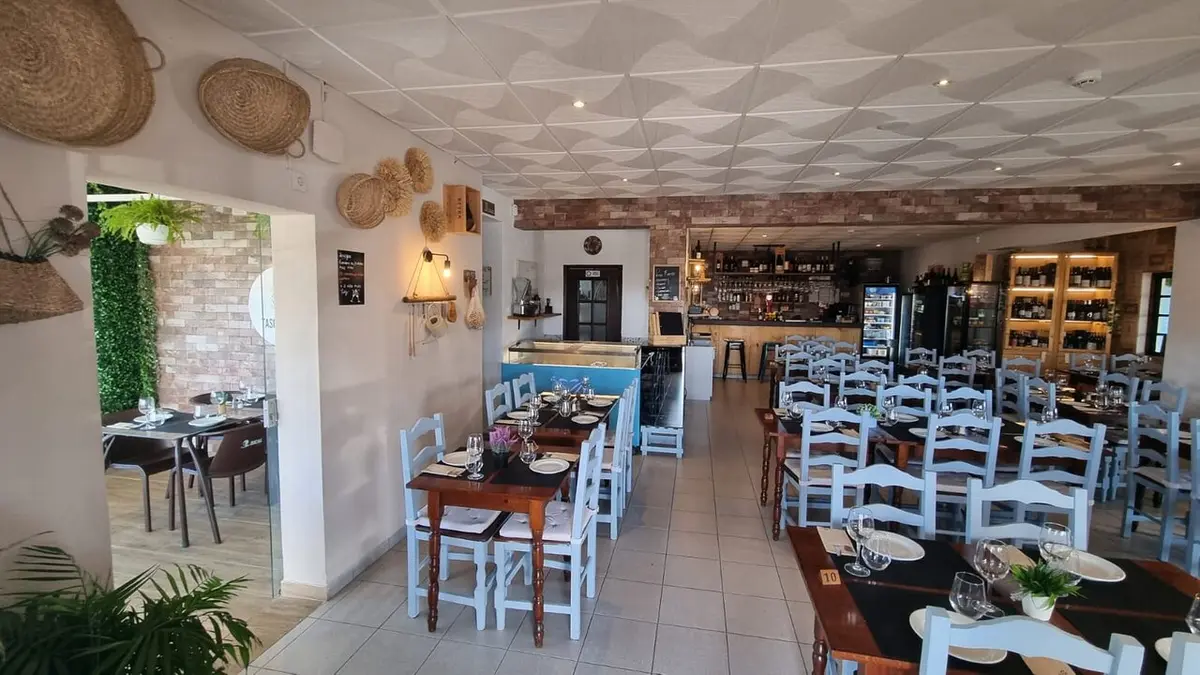
The tasca is where most Portuguese people actually eat lunch — loud, informal, no-frills rooms with paper tablecloths, a TV showing football, and food that moves fast. Lunch menus (prato do dia) run €8–12 — a reasonable slice of the broader Portugal travel costs — and typically include soup, a main course, a drink, and coffee.
The standard move at a tasca is rounding up. If the bill is €8.50, leave the 50-cent coin on the table. If it is €19, hand over €20 and say “Fique com o troco” (keep the change). Attempting to calculate 15% will confuse your server — or have them running after you thinking you forgot your change.
Tourist-heavy restaurants in Lisbon and the Algarve
In Baixa, Chiado, the marina restaurants of the Algarve, and other heavily visited areas, servers are multilingual and fully accustomed to international tipping habits.
- What to leave: 5–10% in cash, placed on the table
- How to pay: Leave the cash manually rather than using the POS tip screen — it goes directly to the staff and skips processing fees and payroll redistribution
These establishments are the most likely to have terminals prompting for 15–20%. Resist. A 10% cash tip here is considered generous, not cheap.
Fine dining and Michelin-starred restaurants
Places like Belcanto, Alma, and The Yeatman (all holding two Michelin stars as of the latest Michelin Guide Portugal) operate on international service standards. Even here, the scale shifts.
- What to leave: 5–10%, up to 15% for truly exceptional service
- Before you tip: Check the bill for the word “serviço” — if a service charge is already included, nothing additional is needed
A note on what you will see on the bill: IVA is Portugal’s value-added tax, applied at 6%, 13%, or 23% depending on the item — the same levy that applies when you claim a VAT refund in Portugal on retail purchases. It is a mandatory government tax and has nothing to do with your waiter. “Serviço” is the actual gratuity line. They look similar on the bill. Always ask “O serviço está incluído?” if you are unsure.
Pro Tip: At Michelin-level restaurants, call ahead to confirm the “serviço” policy when you make your reservation. Some add it automatically for large parties; others never include it. Knowing in advance saves the awkward bill-scanning moment at the end of a three-hour dinner.
Cafés and pastry shops
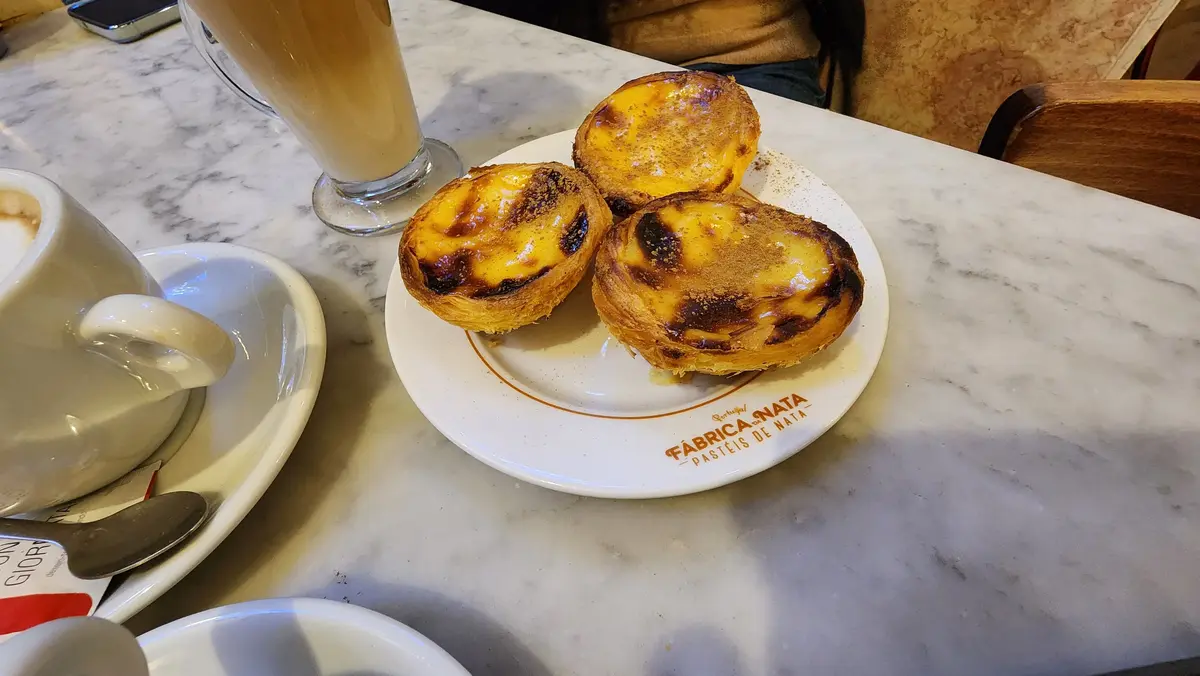
For a morning bica (espresso) at €0.80–1.00 at a neighborhood café, no tip is expected. If you have been sitting at a table for an hour using the Wi-Fi and received actual table service, rounding up to the nearest euro is a thoughtful gesture.
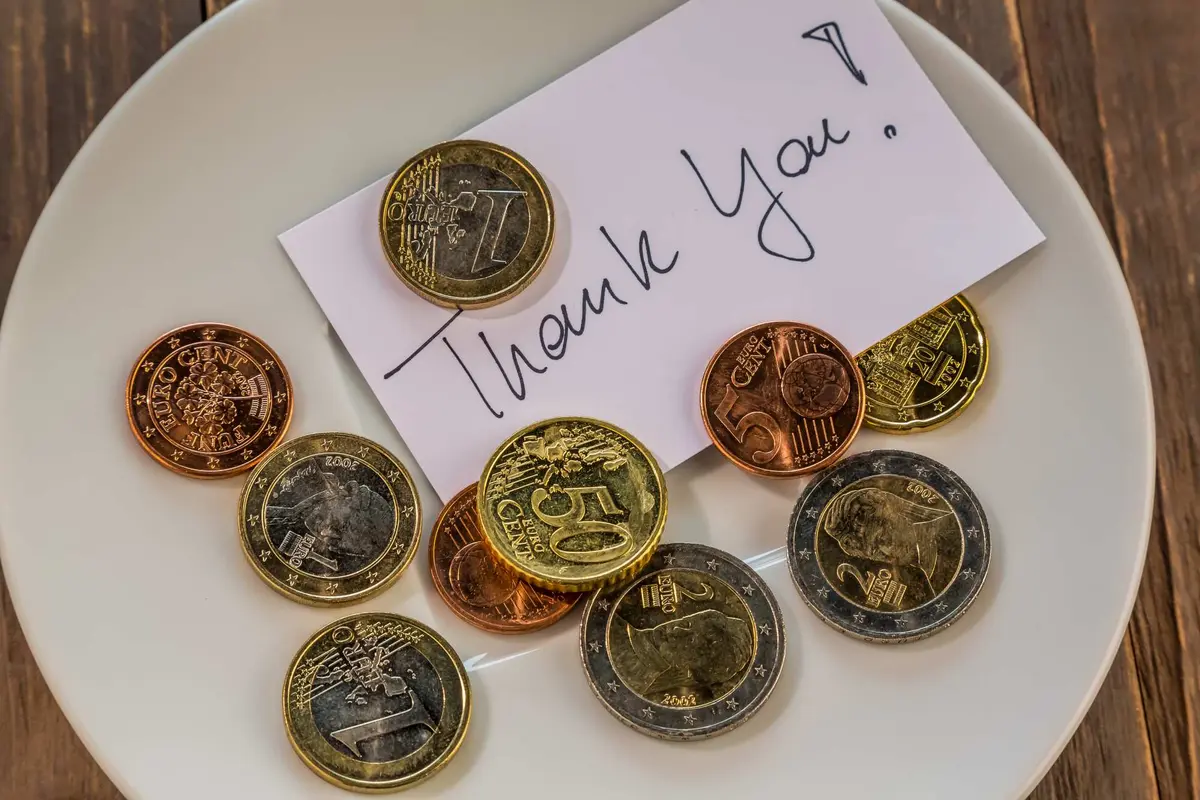
One firm rule: never leave 1-cent, 2-cent, or 5-cent copper coins. Leaving a pile of small copper change reads as emptying your pockets, not thanking your server. It borders on rude.
Why does cash matter more than cards for tipping in Portugal?
Cash tips are the only reliable way to ensure the money reaches the person who served you. Portugal’s banking network runs on SIBS/Multibanco portable card terminals that lock a transaction the moment the server enters the amount. When your waiter types €45.00, that transaction closes at €45.00. There is no interface to add a tip afterward — unlike the two-step process you see on US card readers.
The card machine problem
If you want to tip via card, you must tell the waiter your intended total before the transaction starts: “Pode cobrar €50, por favor?” (Can you charge €50, please?). Most travelers forget this until the terminal is already in their hands. Voiding a completed transaction and starting over is a genuine inconvenience during a busy service.
Consumer groups in Portugal have also documented that tips added to card bills go through employer payroll redistribution before reaching staff — with taxes applied along the way. Servers strongly prefer cash because it arrives immediately and transparently.
The practical solution
Keep a float of €1 and €2 coins in your pocket throughout your trip. When you pay a €45 meal by card, leave €5 in coins on the table before you stand up. On my last trip through Lisbon, I withdrew €50 in small bills at an ATM on the first day and used them almost entirely for this purpose across ten days.
Pro Tip: Portuguese ATMs (Multibanco machines, marked with the red-and-white logo) dispense €10 and €20 notes reliably. Ask your home bank to waive international withdrawal fees before you leave — the flat fee per transaction adds up faster than any tip you will leave.
How much should you tip hotel and transport staff in Portugal?
Hotel and transport gratuities follow the same discretionary principle as restaurants. Even at the best hotels in Portugal — in Lisbon, Porto, or the Algarve — tipping is a personal acknowledgment rather than a structural expectation.
Hotel staff
- Housekeeping: Leave €1–2 ($1.10–$2.20) per day on the pillow daily, not as a lump sum at checkout. Rotating schedules mean whoever cleans your room on the final morning may be an entirely different person from the one who kept it immaculate all week.
- Porters and bellhops: Hand €1–2 per bag directly when they deliver it.
- Concierge: €5–10 for help that required effort — securing a last-minute reservation at a popular fado house in Lisbon, or tracking down a specific item. Pointing you toward the metro does not warrant a tip.
- Spa and salon staff: 5–10% for personal treatments where the experience was genuinely exceptional.
Guides and drivers
- Free walking tours: These tours are marketed as free, but guides work on a freelance basis and earn nothing unless you tip. The norm is €10–20 per person — anything less and the guide has effectively paid to show you the city.
- Paid group bus tours: €2–5 for the guide; €1–2 for the driver.
- Private guides: For full-day experiences — a private wine tour through the Douro Valley, for example — €20–40 total for your group is appropriate when the guide went well beyond the standard itinerary.
- Uber and Bolt: Neither app has a tipping interface in Portugal, and drivers do not expect cash for standard rides. Handing over a €1–2 coin for heavy luggage handling or for driving through a downpour is appreciated and always surprising to the driver — in a good way.

Do tipping expectations change across different regions of Portugal?
Yes, and the differences are more pronounced than most travel guides acknowledge. Areas with heavy British and American tourism have normalized higher gratuities; rural regions have not.
In Funchal on Madeira — a longtime resort destination — leaving 10% at sit-down restaurants is common enough that servers do not find it surprising. In remote parts of the Azores, on islands like Flores or Pico, tipping is genuinely rare. Visitors who leave 15% in a village café on Faial will likely cause more bewilderment than gratitude. Ponta Delgada, the Azores capital, tracks more closely with mainland urban habits.
In northern mainland Portugal — Porto, the Minho region, the Douro Valley — the culture leans heavily on rounding up. Offering a significant percentage tip in a small village tasca may confuse the owner. The relationship these establishments have with regulars is built on frequency and loyalty, not on the size of individual tips.
What does American-style tipping actually do to the local economy?
This is the part most travel guides skip entirely. When tourists consistently tip 20%, it signals to restaurant owners that the market can bear higher prices — reducing the employer’s incentive to raise base wages for their staff. Workers start optimizing their attention toward foreign tables, which pay more, rather than local regulars, which pay the market rate. Lisbon residents have been vocal about feeling like visitors in their own neighborhoods as this dynamic accelerates.
The conscious approach is tipping generously within the local scale: 5–10% at restaurants where it is warranted, cash whenever possible. This rewards the individual server without distorting the broader labor economy that makes Portugal’s service culture function. Leaving 20% is not more generous in any meaningful sense — it is simply a different system being imported into a place that built a better one.

Which Portuguese phrases do you need for navigating the bill?
You do not need much Portuguese to manage the end of a meal. These basic Portuguese phrases cover almost every situation you will encounter:
- “A conta, por favor” — The bill, please. Use this to call the check.
- “Fique com o troco” — Keep the change. Say this when handing over cash to round up the bill.
- “O serviço está incluído?” — Is service included? Use this to check before adding a tip.
- “Não, obrigado” — No, thank you. Use this to refuse couvert items as they arrive.
- “Pode cobrar [amount], por favor?” — Can you charge [amount], please? Use this when you want to tip via card before the terminal is opened.
- “Pode levar a manteiga, por favor?” — Can you take the butter, please? Use this to have specific couvert items removed.
The bottom line on tipping in Portugal
TL;DR: Tips are optional, not obligatory. Round up at tascas. Leave 5–10% in cash at tourist-facing and fine-dining restaurants. Skip the POS tip screen. Pay your couvert if you eat it; wave it off with “Não, obrigado” if you do not. Keep coins in your pocket every day.
The local service economy works because staff earn a real wage, not because customers make up the difference. You are not being cheap by leaving less than you would in the US — you are working with a system that was designed to treat servers as professionals rather than tipped contractors.
Have you found that local staff react differently when you follow Portuguese tipping norms versus tipping the American way? Drop your experience in the comments.