Flying to Puerto Rico without the right ID is the fastest way to watch your flight leave without you. This guide breaks down every document requirement — for US citizens, visa holders, and cruise passengers — so you never get turned away at the gate.
Do you need a passport for Puerto Rico if you fly direct?
No, US citizens do not need a passport to fly to Puerto Rico. The island is a US commonwealth, so federal aviation and border laws treat the route exactly like a domestic flight. Passing through security at San Juan works the same as flying from New York to Miami.
That said, leaving your passport at home does not mean anything goes. What you carry through the security checkpoint determines whether you board or get turned away.
What ID do you need to fly to Puerto Rico?
Every adult passenger 18 and older must present at least one valid, government-issued photo ID at the TSA checkpoint. The following documents are accepted:
- REAL ID-compliant state driver’s license
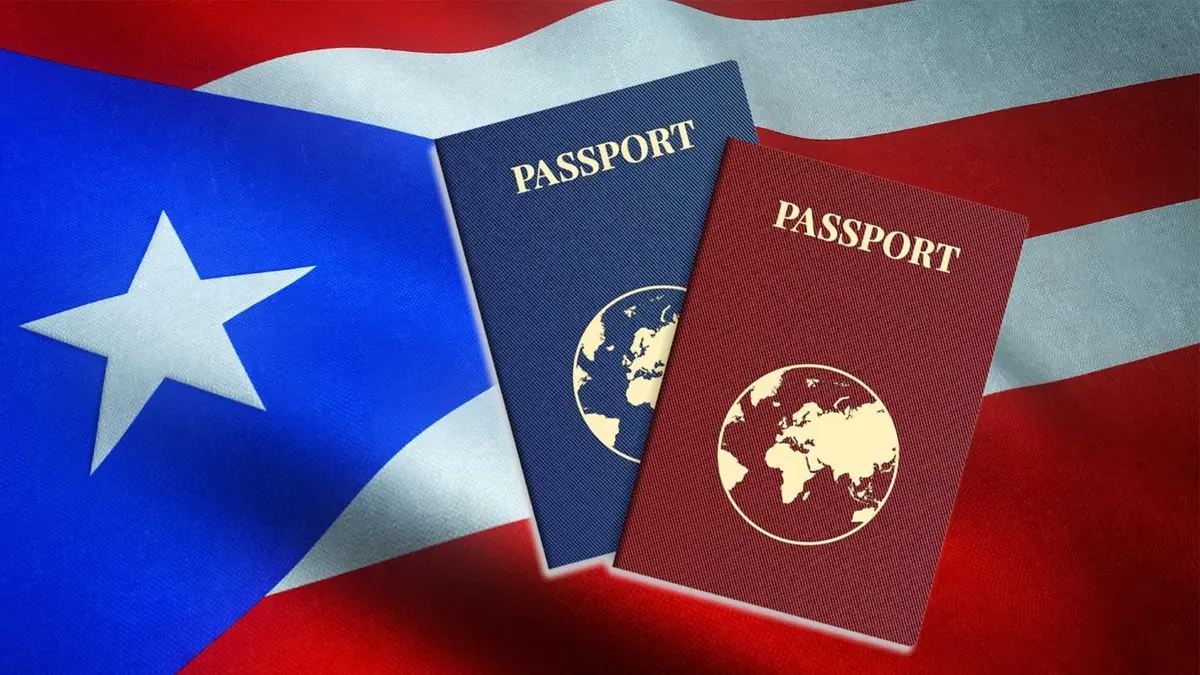
- US passport book or passport card
- Permanent Resident Card (Green Card)
- Enhanced Driver’s License
- Department of Defense ID
- Global Entry Card
- Border Crossing Card
Permanent residents traveling for fewer than 12 months need only show their valid, unexpired Green Card at the security checkpoint. No additional documentation is required for a straightforward round trip.
Pro Tip: Even when you legally do not need a passport, carry one anyway. A lost wallet or an unexpected flight diversion can turn a non-issue into a full day of rebooking and phone calls to replace your ID.
What happens if you do not have a REAL ID?
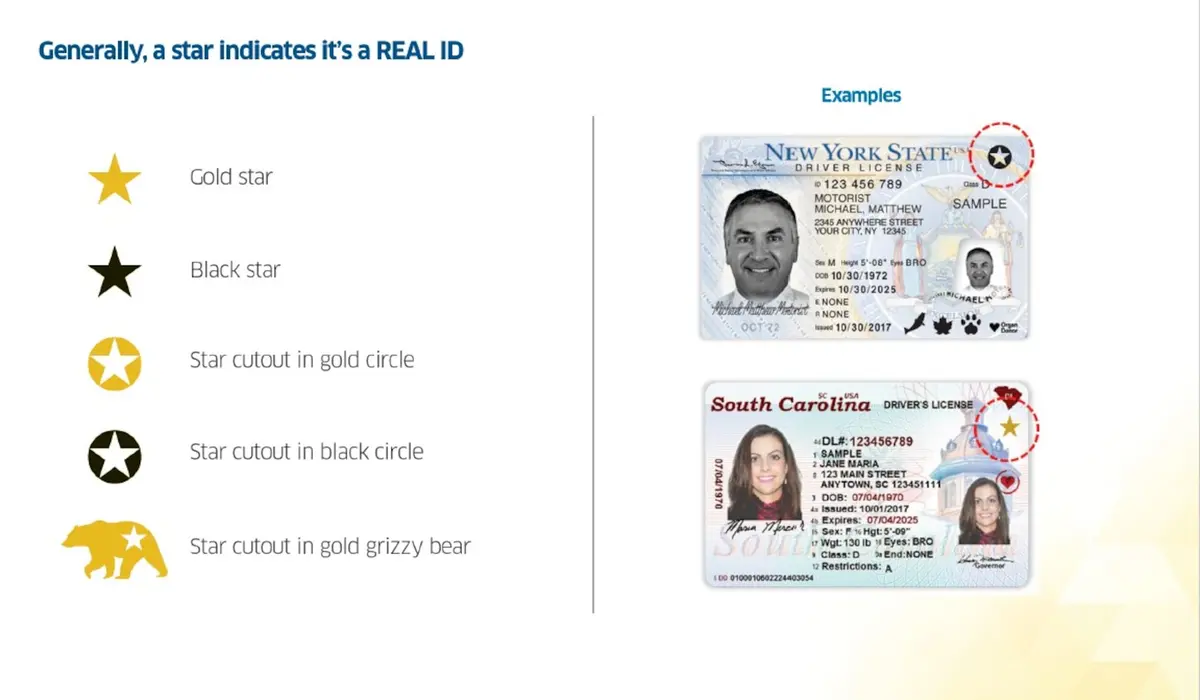
Without a REAL ID-compliant license or another accepted ID, you cannot pass through TSA security unless you complete the TSA ConfirmID process. REAL ID enforcement is fully active, meaning standard licenses without the gold or black star are no longer accepted as standalone boarding documents.
Travelers without a REAL ID or a passport have one alternative. Here is exactly how the TSA ConfirmID system works:
- Visit TSA.gov/ConfirmID before your departure date
- Pay the $45 fee via bank account, debit card, credit card, Venmo, or PayPal through the Pay.gov portal
- Time your payment carefully — the receipt is only valid for 10 days from the travel start date you enter during payment
- Bring your digital or printed Pay.gov receipt alongside any government-issued ID to the TSA document checker
Skipping this process means missing your flight. Add the ConfirmID receipt to your Puerto Rico packing list and arrive early — TSA will not allow you past the checkpoint, and if you try to pay at the airport, expect delays of up to 30 minutes and the possibility of losing your place in the security line.
| Traveler ID Status | Required Action | Cost |
|---|---|---|
| REAL ID-compliant license | Proceed normally | None |
| Non-compliant license + valid US passport | Present passport at checkpoint | None |
| Non-compliant license + no passport | Complete TSA ConfirmID online | $45 via Pay.gov |
Do minors need ID to fly to Puerto Rico?
No, passengers aged 17 and younger traveling with an adult do not need to present ID to the TSA for domestic flights. Airlines do have their own rules for unaccompanied minors, which usually require a completed form and a dedicated service fee that varies by carrier. Our Puerto Rico family travel guide covers additional logistics for flying with children.
Pro Tip: If you are a non-traveling parent granting permission for your child to fly with the other parent, get a notarized travel consent letter. It protects against sudden delays or questioning at the gate, and airlines can request one at any time.
Why does the Puerto Rican birth certificate law matter for travelers?
The Puerto Rican government invalidated all birth certificates issued before July 1, 2010, replacing them with enhanced, fraud-resistant documents. Only certificates issued on or after that date are accepted as primary proof of US citizenship by the TSA, the Department of State, and major cruise lines.
This rule catches thousands of travelers off guard every year. If your Puerto Rican birth certificate predates that cutoff, you will be denied boarding until you order a replacement from the Puerto Rico Vital Statistics Office through VitalChek or by mail. Hospital-issued birth certificates are universally rejected regardless of the date.
On my last trip through SJU, I watched a family of four get pulled from the boarding line because their birth certificates were from 2008. They had to rebook on a flight two days later after ordering replacements. It is not a theoretical risk.
What are the rules for non-citizens and visa holders?
Non-citizens traveling to Puerto Rico must carry their valid foreign passport and unexpired immigration documents at all times. Puerto Rico is US soil, but its Caribbean location creates a significant law enforcement presence involving the TSA, CBP, and ICE — especially at Luis Muñoz Marín International Airport (SJU).
Required documents by visa category
- H-1B, L-1, O-1 workers: Valid foreign passport, unexpired I-94 record, and original I-797 Approval Notice
- F-1 and J-1 students: Valid foreign passport and I-20 or DS-2019 bearing an active travel signature from your institution
- Permanent residents: Valid foreign passport and unexpired I-551 Green Card
Traveling while an adjustment of status application is pending carries extreme risk. Do not board a flight without an approved Advance Parole document (Form I-131).
| Non-immigrant Status | Primary ID | Required Supplemental Documents |
|---|---|---|
| H-1B, L-1, O-1 workers | Valid foreign passport | Valid I-94 and I-797 Approval Notice |
| F-1, J-1 students | Valid foreign passport | Valid I-20 or DS-2019 with travel signature |
| Permanent residents | Valid foreign passport | Unexpired I-551 Green Card |
How do flight diversions put non-citizens at risk?
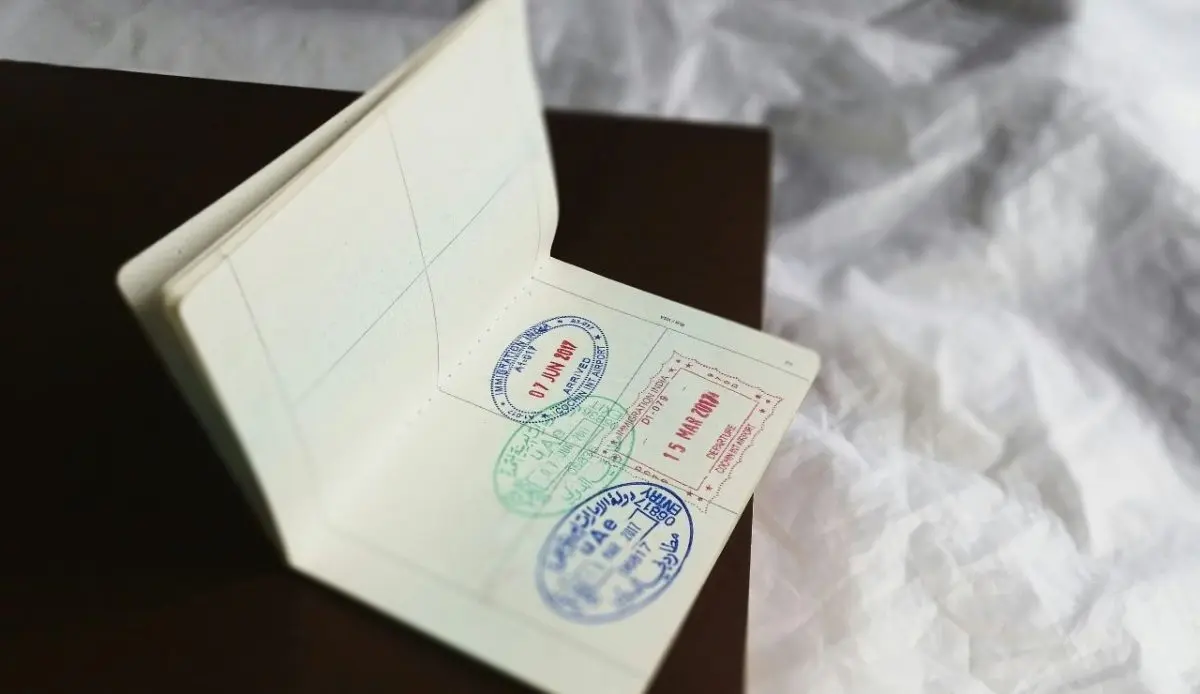
A valid, unexpired visa stamp is not legally required for a direct domestic flight to Puerto Rico, but skipping it can leave you stranded in another country. Planes flying to Puerto Rico travel over international waters and foreign airspace.
If your aircraft makes an emergency landing in the Dominican Republic, the Bahamas, or another Caribbean nation due to mechanical failure or weather, you have legally departed the United States. With an expired visa stamp, you could be denied re-entry to the mainland and forced to apply for a new visa at a US consulate — a process that can take weeks.
Automatic Visa Revalidation and its limits
F and J status holders may use Automatic Visa Revalidation (AVR) to travel to adjacent Caribbean islands for fewer than 30 days with an expired stamp. This benefit does not extend to H, L, or O status holders for Caribbean travel — those visa categories can only use AVR for trips to Canada and Mexico.
Pro Tip: Never fly to Puerto Rico without a valid, unexpired visa stamp in your passport. Emergency diversions are rare but real, and the consequences for non-citizens without valid stamps are severe.
What happens at the CBP checkpoint at SJU?
The return flight from Puerto Rico to the mainland involves a step most travelers do not expect. Customs and Border Protection officers conduct pre-inspections for all mainland-bound flights at Luis Muñoz Marín International Airport. They have full authority to verify immigration status and access federal records.
These are not standard TSA agents checking for liquids. DHS and ICE officers position themselves at security checkpoints and directly at the boarding gates. They may ask passengers where they were born as boarding passes get scanned.
Presenting a foreign passport without a valid entry stamp or visa triggers immediate secondary inspection, fingerprinting, and a full background check. Individuals who have overstayed their I-94 or engaged in unauthorized employment face serious risk of detention.
Do you need a passport for a Puerto Rico cruise?
It depends entirely on your itinerary. Cruises operate under the Western Hemisphere Travel Initiative, and the key factor is whether your sailing qualifies as a closed-loop cruise — one that begins and ends at the exact same US port.
US citizens on closed-loop itineraries (such as departing Miami, calling at the San Juan cruise port, and returning to Miami) may board with a certified, government-issued birth certificate paired with a valid state photo ID. Open-jaw cruises or sailings with an international transit stop require a valid US passport book with at least six months of validity remaining.
The Puerto Rican birth certificate law applies to cruises as well. Cruise lines will reject pre-2010 Puerto Rican birth certificates at the gangway.
| Maritime Itinerary Type | Definition | Minimum Required Documents |
|---|---|---|
| Closed-loop cruise | Same US departure and return port | Certified birth certificate + state photo ID |
| Open-jaw cruise | Different departure and arrival ports | Valid US passport book (6-month validity) |
| International transit | Stops at a foreign port requiring entry | Valid US passport book + applicable visas |
Should you carry a passport book or a passport card?
A passport card looks like a convenient alternative to the full book, but it has hard limitations that can leave you stranded. The passport card is valid only for land border crossings and seaport travel between the US and Canada, Mexico, Bermuda, and the Caribbean. It cannot be used for international air travel under any circumstances.
The card does work as a REAL ID-compliant document for domestic flights, including flights to Puerto Rico. But if you suffer a medical emergency requiring evacuation from a foreign port, or your flight diverts internationally, you cannot board a commercial flight home without a passport book. You would have to navigate an emergency passport appointment at a US embassy first.
Here is the cost breakdown, and our Puerto Rico travel cost guide covers the full trip budget beyond documentation fees:
- First-time adult passport book: $165 ($130 application fee + $35 execution fee)
- First-time adult passport card: $65 ($30 application fee + $35 execution fee)
- Adult passport book renewal: $130
- Adult passport card renewal: $30
- Both (first-time): $195
Pro Tip: Carry a passport book on every cruise and every flight to Puerto Rico. The $100 price difference between the card and the book is irrelevant compared to the cost of being stranded abroad without valid air travel documentation.

What is the USDA agricultural inspection at SJU?
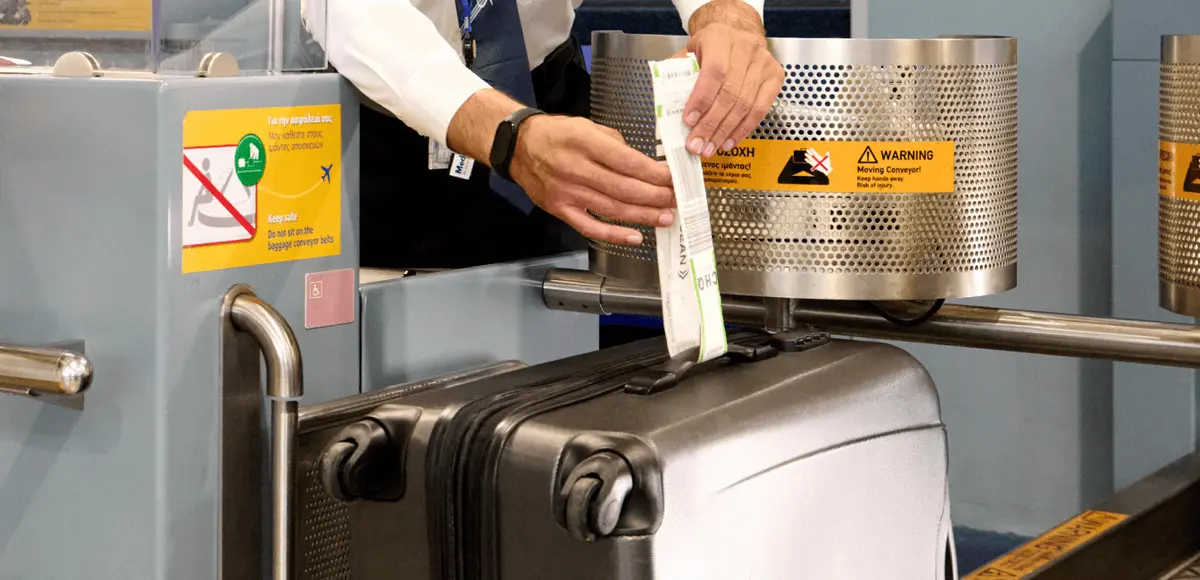
Before you reach the airline check-in counter at SJU for a mainland-bound flight, every single bag must clear the USDA agricultural inspection. Scanning machines are positioned in the terminal lobby immediately inside the doors.
Once your bags clear inspection, officers apply validation stickers across the handles and seams of your luggage. Those stickers prove to the airline agent that your bags are legally cleared to fly. Attempting to skip this inspection causes severe flight delays and triggers civil penalties ranging from $100 to $1,000 per violation.
The whole process takes about five minutes if there is no line. I have never waited longer than ten minutes, but during holiday weekends the line can stretch.
What can you bring back from Puerto Rico?
The USDA strictly prohibits certain items from entering the mainland to prevent the spread of invasive pests. Knowing the rules before you pack saves you from losing your traditional Puerto Rican food at the scanner and potentially facing a fine.
Prohibited items — will be confiscated:
- All pork products, including pasteles, morcilla, and lechón
- Most fresh fruits (sweet potatoes, fresh pigeon peas, citrus, sugarcane)
- Plants in soil, cotton cuttings, live insects
Permitted items — after passing inspection:
- Avocados, papayas, coconuts, pineapples, plantains
- Roasted or green coffee beans (unlimited quantities)
- Commercially canned and thoroughly cooked meats
- Dried flowers, cuttings without soil
The island’s coffee-growing tradition makes roasted beans one of the most popular souvenirs to bring home.
| Agricultural Category | Prohibited | Permitted (Post-Inspection) |
|---|---|---|
| Meats and animal products | All pork products (pasteles, lechón, morcilla) | Commercially canned, thoroughly cooked meats |
| Fruits and vegetables | Sweet potatoes, fresh pigeon peas, citrus | Avocado, papaya, coconut, plantains, pineapple |
| Plants and botanicals | Plants in soil, cotton cuttings | Cuttings without soil, dried flowers |
| Miscellaneous | Live insects, snail shells, sugarcane | Roasted or green coffee beans (unlimited) |
Pro Tip: If you want to bring home authentic Puerto Rican coffee, buy it roasted and sealed in a commercial bag. It sails right through the APHIS machines with zero issues.
Before you book your Puerto Rico trip
TL;DR: US citizens do not need a passport for Puerto Rico, but you do need a REAL ID-compliant license, passport, or another TSA-accepted ID. Non-citizens must carry their foreign passport and all immigration documents. Birth certificates from Puerto Rico issued before July 1, 2010 are invalid for travel. Every bag leaving SJU goes through USDA agricultural inspection.
Skip the stress of figuring this out at the airport. Get your documents in order before you book — then dive into our Puerto Rico travel guide to plan the rest of your trip.
What document question do you still have about traveling to Puerto Rico? Drop it in the comments.