Puerto Rico tap water sits in a gray zone that most travel guides refuse to acknowledge. Officially potable, federally regulated, yet plagued by aging pipes, storm damage, and compliance gaps. This guide cuts through the contradictions so you can make smart, health-based decisions from day one.
Is Puerto Rico tap water actually safe to drink?
Puerto Rico tap water is legally classified as safe, but that designation tells only half the story. The Puerto Rico Aqueduct and Sewer Authority (PRASA) supplies potable water to roughly 97% of the territory under the federal Safe Drinking Water Act and EPA standards. Where you stay and when you visit determines your actual risk far more than any blanket advisory.
The uncomfortable reality is that EPA compliance data has historically shown violation rates here that far exceed the national average. An NRDC analysis of federal data found that 99.5% of the island’s population was served by water systems with at least one Safe Drinking Water Act violation. Regulatory “safe” and physically clean are two very different things on this island.
Pro Tip: Think of Puerto Rico’s water like a spectrum, not a binary switch. A hotel tap in Condado and a rural faucet in Adjuntas are drawing from completely different realities.
What contaminants have been found in Puerto Rico tap water?
Federal and independent research has documented specific chemical and biological contaminants in Puerto Rico’s water supply, including heavy metals at rates that demand attention. A USGS pilot study tested tap water at 14 locations across the island and found lead in 64% of samples and copper in 100% of them.
Beyond heavy metals, researchers identified pesticides, pharmaceuticals, and artificial sweeteners at concerning concentrations. Disinfection byproducts are also present across many systems, including trihalomethanes and chloramines produced by the heavy chemical treatment required in a tropical climate. The same USGS study found that health-based benchmark exceedances occurred in every single tap water sample collected.
Biological threats like coliform bacteria and E. coli become particularly relevant in areas where aging pipes allow pathogen infiltration. Poorly maintained storage tanks also contribute heavily to this risk. Per- and polyfluoroalkyl substances (PFAS) and nitrates round out a contaminant profile that demands more than surface-level caution.
Pro Tip: Pregnant women, infants, and immunocompromised travelers face the highest risk. A basic carbon filter will not remove heavy metals — know the difference before you pack.
Is the water safe in San Juan specifically?
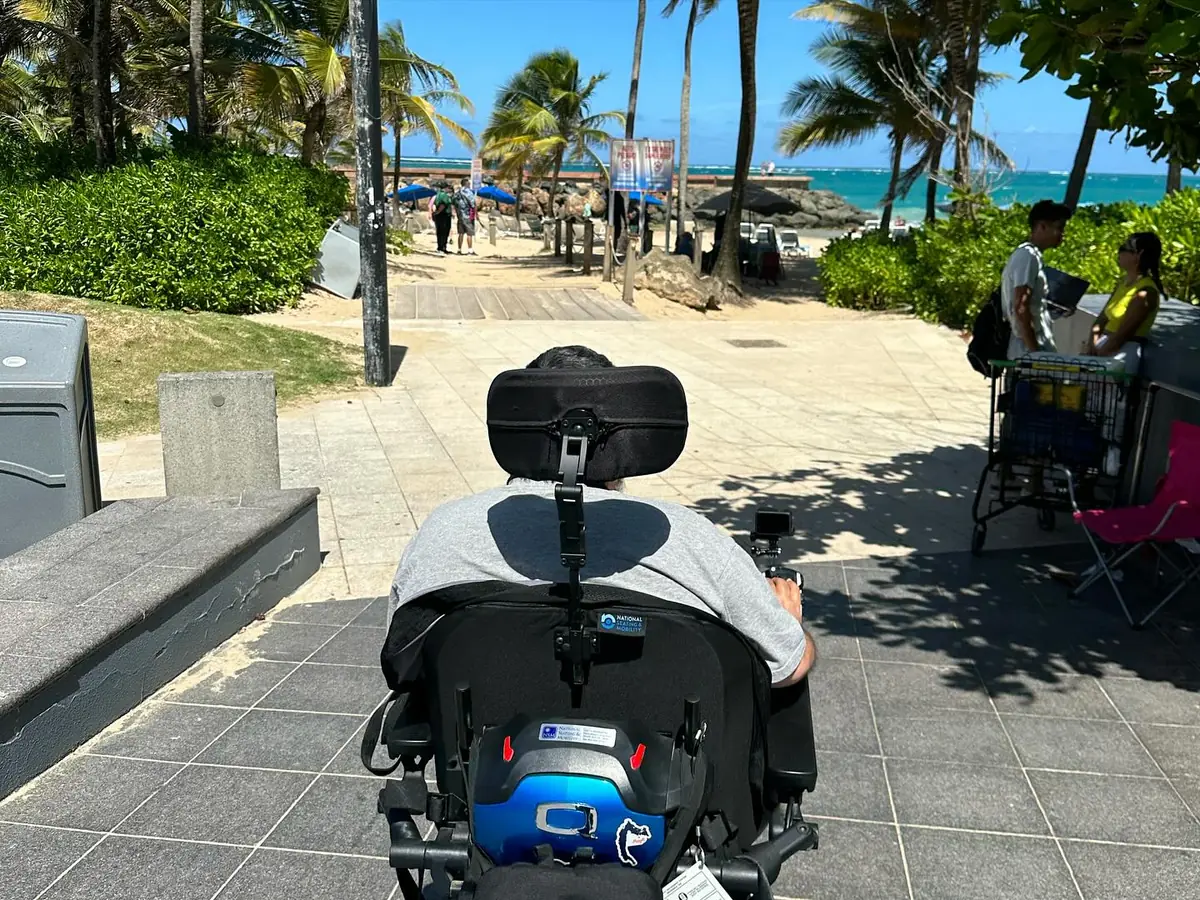
Yes, San Juan tap water is generally safe for daily consumption and hygiene, making it the lowest-risk zone on the island for visitors. The San Juan metropolitan area sits on PRASA’s most rigorously monitored grid segment. The Condado, Ocean Park, and Isla Verde corridor maintains the highest compliance frequency of any region.
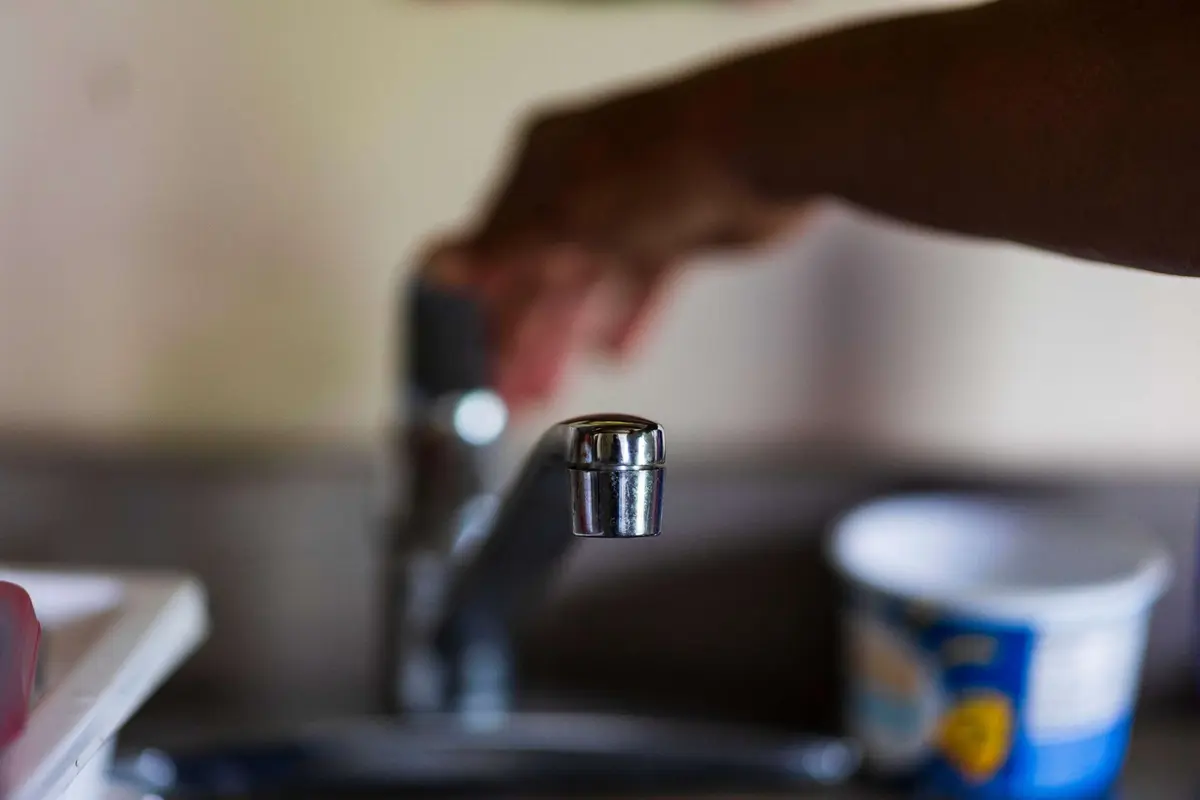
The trade-off is sensory rather than clinical. Turn on a hotel tap in San Juan and you will immediately notice a heavy chlorine smell — strong enough to make you recoil if you are not expecting it. This is the necessary byproduct of aggressive disinfection in a tropical environment where water temperatures stay above 75°F (24°C) year-round.
Many locals run activated carbon filters exclusively for taste rather than safety. Ice in San Juan hotels and reputable restaurants is completely safe. Commercial-grade filtration systems are standard in established tourism infrastructure throughout the metro area. On my last visit, I drank filtered tap water at three different San Juan hotels without any issue.

How does Puerto Rico tap water safety vary across the island?
Water safety in Puerto Rico is hyper-localized, meaning a few miles of elevation or geography can completely change your risk profile. Use this breakdown to map your itinerary against actual conditions.
San Juan metro
The municipal PRASA grid here receives the most oversight and investment on the island. Carbon filtration is optional and mainly improves taste. Safe to drink for most travelers.
Vieques
Vieques receives its water through an underwater pipeline from the Rio Blanco Filtration Plant in Naguabo, sourced from rivers originating near El Yunque. The supply is generally favorable, though many residents and visitors prefer bottled water. The tap water can taste over-chlorinated, and simple carbon filters solve the problem.
Culebra
Culebra relies on desalination plants. The water is safe but tastes flat and mineral-heavy, which drives most visitors to bottled water by default.
Mountainous interior (Utuado, Adjuntas, Jayuya)
Community-managed groundwater and surface systems dominate here. Exercise high caution. Use purification equipment or sealed bottled water. These areas sit outside PRASA’s direct grid, and compliance monitoring is minimal.
Pro Tip: Before booking a remote Airbnb in the Cordillera Central, message the host directly. Ask what water source the property uses — it is the single most useful question you can ask.
What are non-PRASA water systems and why should travelers care?
Non-PRASA systems are privately owned or community-operated water utilities serving roughly 3% of the Puerto Rican population — approximately 90,000 people through around 240 independent networks. These systems exist almost entirely in the mountainous interior where rugged terrain makes PRASA integration economically impossible.
A federal assessment evaluated hundreds of these rural systems to review their technical, managerial, and financial capacities. The findings were sobering for anyone staying off the grid. The majority are maintained by unpaid community volunteers with limited equipment, minimal budgets, and no direct federal oversight equivalent to PRASA’s. The Non-PRASA Aqueduct Systems Organization (OSAN) advocates for these communities, but resources remain scarce.
These groundwater and surface water operations face no obligation to meet the same immediate compliance benchmarks as the municipal grid. EPA has estimated that 95% of non-PRASA systems have been under administrative orders for non-compliance with water quality standards. If you book a Puerto Rico eco-lodge or remote farm stay in the interior, standard municipal safety assurances simply do not apply to your water supply.
What happened during the Morovis water crisis?
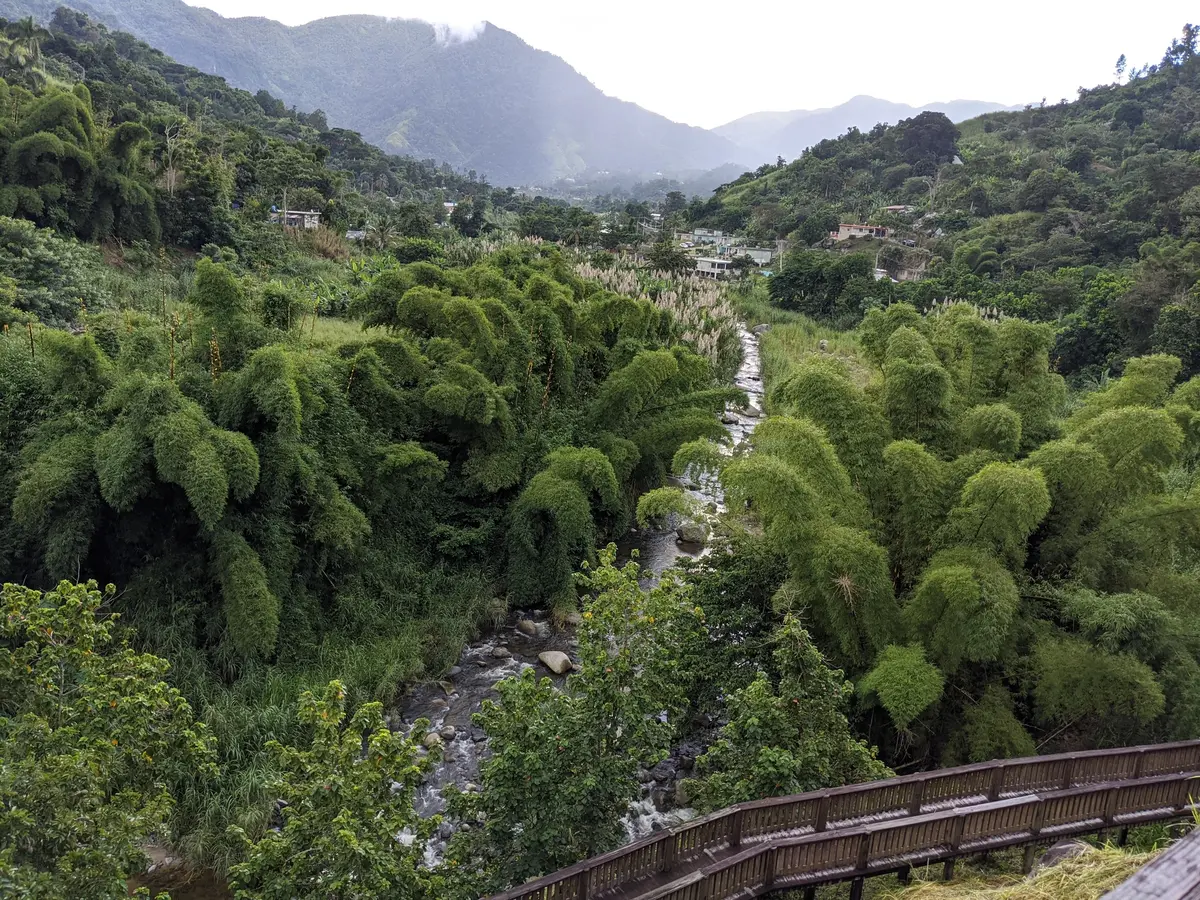
The Morovis water crisis serves as a warning about infrastructure fragility that extends far beyond one municipality, with residents enduring one of the island’s most prolonged water failures despite being on PRASA’s grid. Morovis is a municipality of roughly 30,000 residents in central Puerto Rico. At its worst, residents went 42 consecutive days without running water.
The town spent over $1 million on water tanks and trucking to compensate for absent service. Local officials filed a federal lawsuit against PRASA alleging constitutional due process violations, claiming the authority withheld water access while residents continued paying their bills. The U.S. First Circuit Court of Appeals ruled in late October that PRASA’s alleged conduct could meet the threshold for a substantive due process violation, reversing a lower court dismissal and allowing the case to proceed.
The lesson for travelers is not that Morovis is a dangerous destination. It is that even in areas with established grid connections, service can collapse and stay down for weeks. Never assume a working tap is a guaranteed constant during your stay — add bottled water to your Puerto Rico packing list as a backup.
How do hurricanes and droughts affect tap water quality?
Severe weather events rapidly degrade Puerto Rico tap water quality by triggering massive infrastructure and power failures across the island. When a hurricane or violent tropical storm hits, the cascading failure sequence is rapid. Power outages disable the electric pumps that move water through the island’s mountainous terrain.
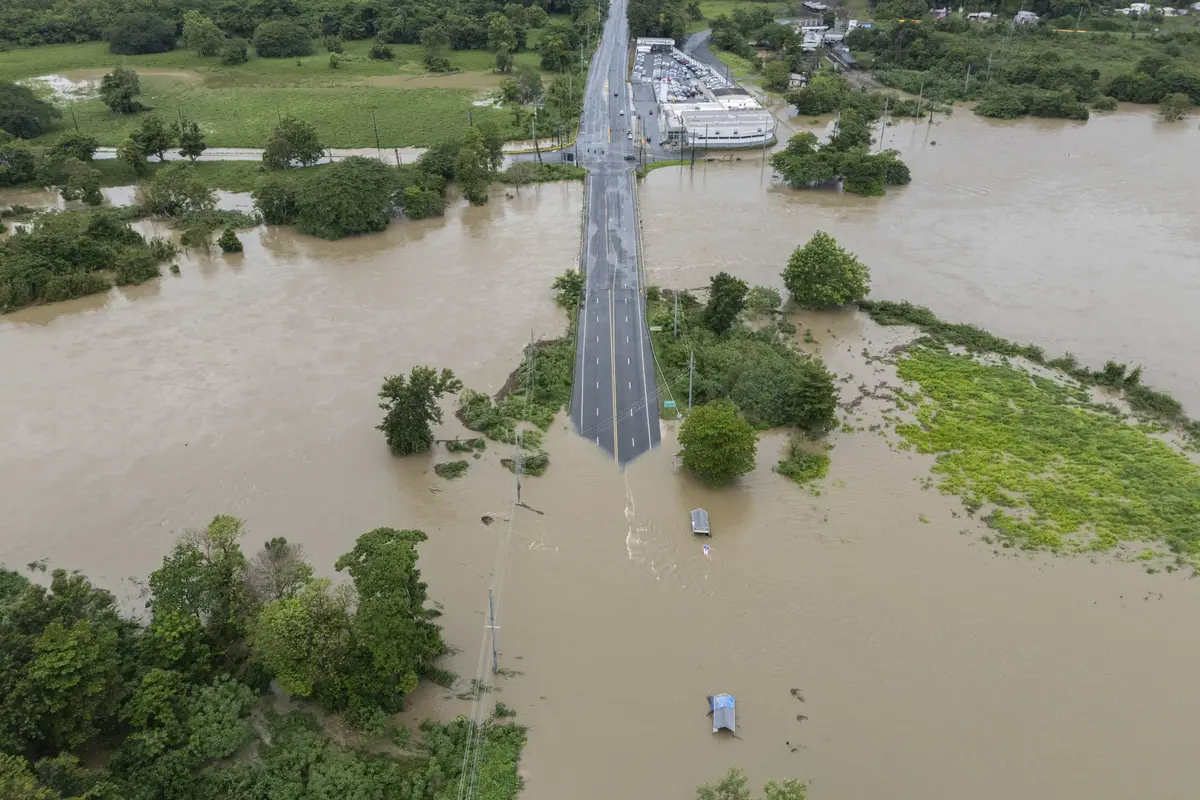
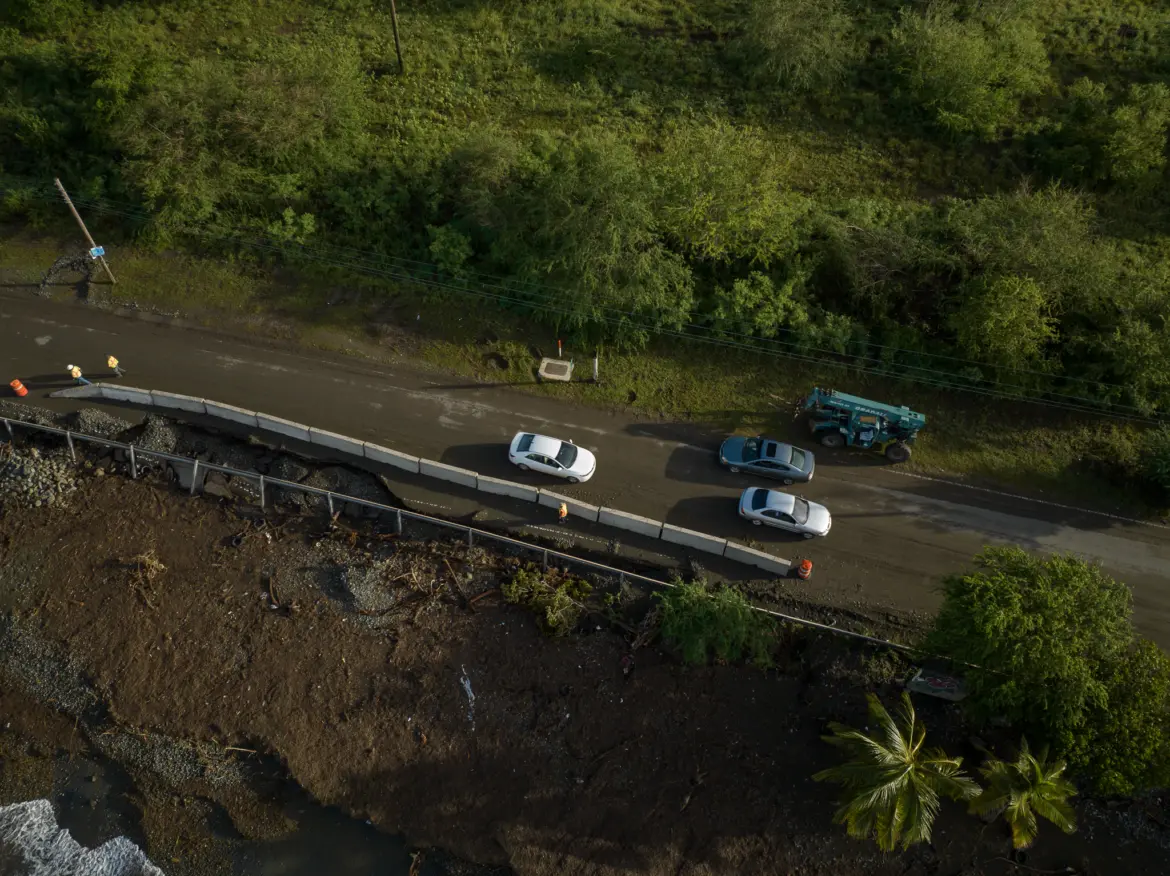
Flooding damages pipelines, triggers sediment runoff into reservoirs, and forces surface contaminants into treated water supplies. Saltwater intrusion into coastal aquifers following storm surges can alter local water chemistry for months. After Hurricane Maria, water service was not fully restored for weeks in many areas, and some rural communities went months without reliable supply.
Drought periods, common during certain Puerto Rico weather cycles, amplify the problem differently. Reduced water volume concentrates existing pollutants and stresses systems already operating near capacity. PRASA has historically implemented water rationing during extended dry periods, rotating service among neighborhoods on schedules that can leave taps dry for 24 to 48 hours at a time.
Pro Tip: If you travel during hurricane season (June through November), stock emergency bottled water reserves before any major weather event approaches. Do not wait for official warnings — shelves empty fast.
Is it safe to swim in Puerto Rico’s coastal waters?
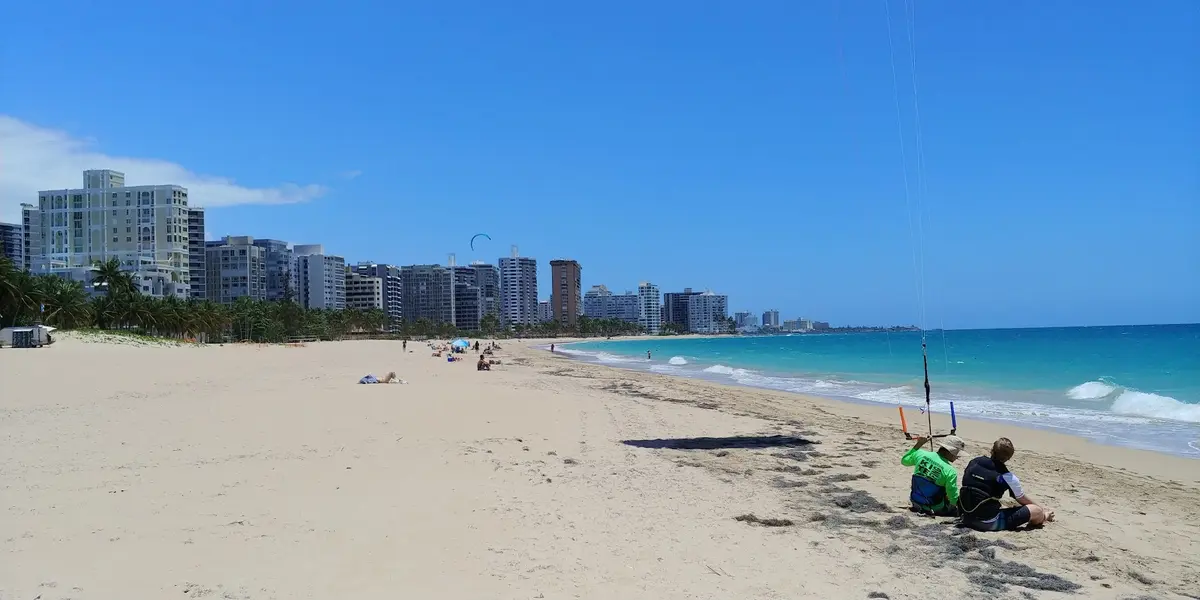
Puerto Rico’s coastal waters are generally safe for swimming, but conditions change rapidly and dangerously after heavy rainfall. The same runoff and infrastructure failures that threaten the tap water supply directly affect beach water quality across the island.
Enterococcus bacteria levels are actively monitored at Puerto Rico’s beaches by organizations including the Surfrider Foundation and regional agencies using CARICOOS water quality tools. Avoid swimming near drainage outfalls or within 24 to 48 hours of significant rain events when bacterial loads spike. I learned this the hard way at a beach near San Juan after a morning downpour — the water looked clean, but the advisory signs were posted for a reason.
Harmful algal blooms documented by NOAA monitoring programs can concentrate heavy metals in inshore waters. Mass coral mortality events linked to water pollution are an ongoing environmental concern in nearshore areas around San Juan.
Pro Tip: Check real-time beach water quality data through the Surfrider Foundation’s Blue Water Task Force before entering the water. A two-minute check can save you a week of stomach trouble.
What is the best water filter for Puerto Rico travel?
The right filtration system depends entirely on where you are staying, making a one-size-fits-all recommendation a dangerous oversimplification. Match your technology to your location using this framework.
San Juan urban rentals
A high-quality activated carbon filter eliminates chlorine taste and volatile organic compounds. Biologically, the municipal water here is already treated to federal standards. A simple Brita-style pitcher handles the job for short stays.
Long-term stays anywhere on the island
A reverse osmosis (RO) unit is the only reliable barrier against the lead and copper documented in USGS sampling. Carbon filters cannot remove heavy metals. If you are renting for more than a month, ask your landlord whether an RO system is installed or bring a countertop unit.
Hiking El Yunque and the central cordillera
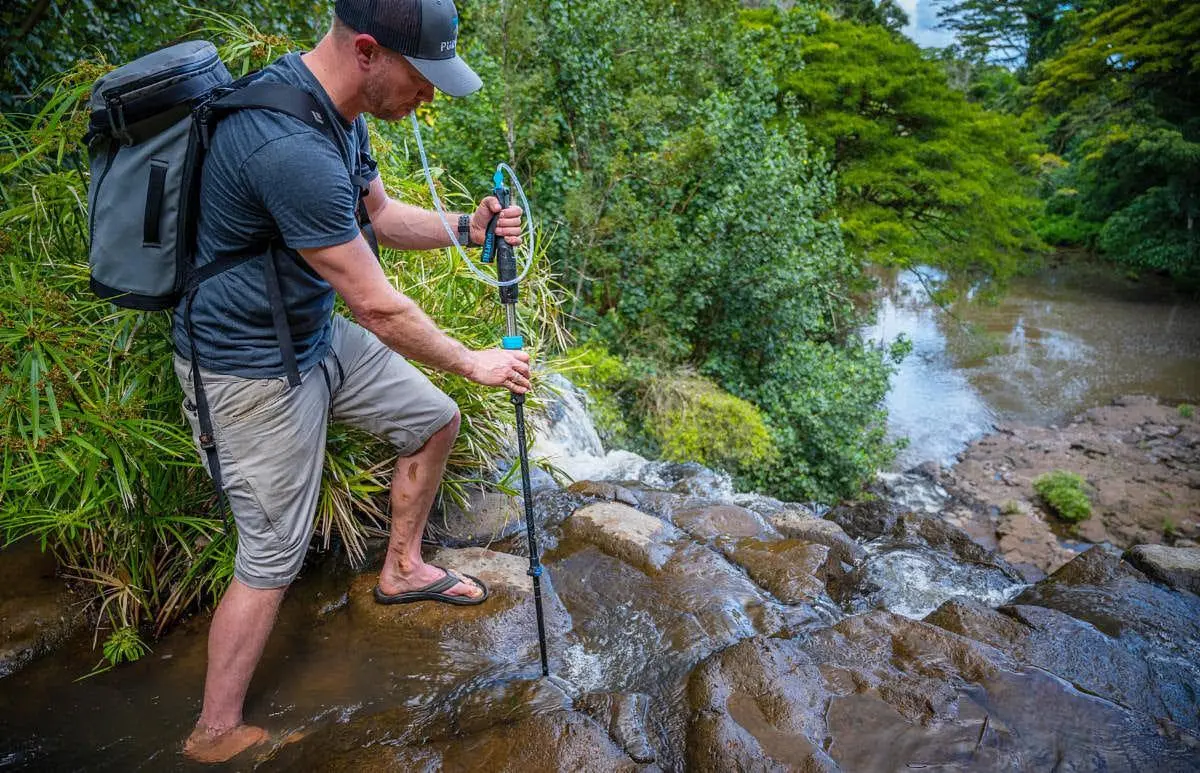
Carry a UV purification lamp or chemical purification tablets when backpacking. These disable biological threats in untreated surface runoff that no carbon filter touches. Stream water in El Yunque may look clear, but it passes through agricultural and residential zones before it reaches you.
Pro Tip: Standard gravity-fed pitcher filters alone are insufficient for rural Puerto Rican conditions. Check the filter specs — if it does not list lead and copper removal, it is not protecting you from the documented contaminants.
Where can you buy bottled water in Puerto Rico?
Bottled water is available practically everywhere on the island, from major supermarkets to local convenience stores and roadside vendors. Procurement is rarely a logistical problem for travelers, even in smaller towns.
For travelers watching their Puerto Rico travel budget, Costco in Carolina stocks large-format bulk packs of major brands at significantly lower per-unit costs than convenience stores. Dasani and Aquafina maintain consistent purification standards and are widely available across the island. These are a reliable default during power outages or in areas where Puerto Rico tap water quality is unverified.
- Supermarkets: Walmart, Econo, Ralph’s Food Warehouse — available island-wide
- Bulk option: Costco in Carolina (bring membership card)
- Convenience: Walgreens and local colmados carry single bottles and small packs
- Delivery: Some vacation rental hosts arrange bulk water delivery on request
In major San Juan restaurants, ice is safe and raw produce is generally handled properly. Apply more caution in remote, off-grid establishments where the water source is unverified.
Why do locals drink the water if it has contaminants?
Locals and visitors react differently to the water because Puerto Rican residents have developed a natural tolerance to the local microbial profile over years of exposure. Your Airbnb host might drink from the tap daily and swear it is fine, while you spend your second day dealing with digestive issues. Both experiences are completely real.
Mainland visitors arrive with entirely different gut microbiomes. You can easily experience mild to moderate gastrointestinal upset from a water supply that technically meets EPA standards. This is basic biology, not a contradiction. It explains why local endorsements of the tap water are sincere and why travel clinics simultaneously advise caution for short-term visitors.
Skip the debate about whether the water is “safe.” Focus instead on whether your body is adapted to it. If you just landed from the mainland, it is not.
What is the rooftop cistern and why does it matter?
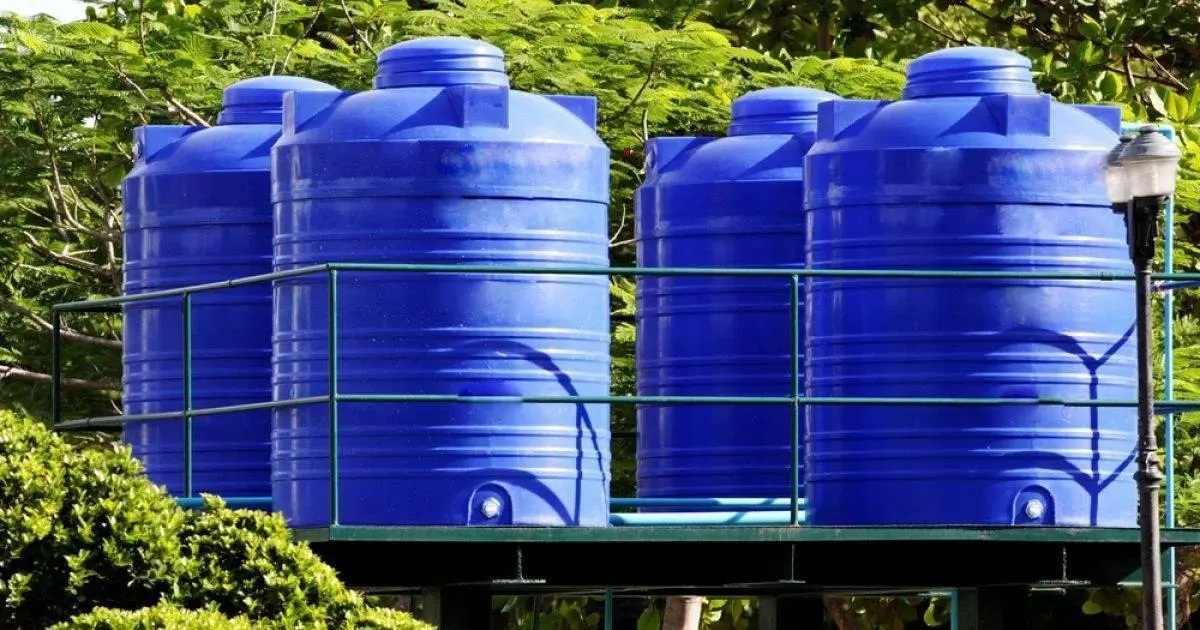
Rooftop cisterns are emergency water reserves found on nearly every residential building in Puerto Rico, and they can become breeding grounds for bacteria if poorly maintained. Look at the flat concrete roofline of virtually any building or Airbnb property on the island and you will spot a blue or white plastic tank. These are not decorative.
Cisterns serve as essential backups during the frequent grid outages that affect even PRASA-connected properties. But an unsealed or infrequently cycled cistern introduces a contamination risk entirely separate from whatever PRASA delivers to the main line. Stagnant water sitting in tropical heat is an ideal environment for bacterial growth.
Pro Tip: Before drinking tap water at a smaller property, ask the host when the cistern was last cleaned. It is an unglamorous question that can save your vacation. If they hesitate or cannot remember, stick to bottled water.
How is Puerto Rico fixing its water infrastructure?
Puerto Rico’s water infrastructure is undergoing a massive, federally funded reconstruction — the largest modernization effort in decades. Governor Jenniffer González-Colón announced a $213.4 million federal funding allocation for PRASA water projects across 13 municipalities. This adds to a capital improvement program that includes $2.3 billion in projects under construction and $4.7 billion in the planning stage.
The Financial Oversight and Management Board previously approved transactions allowing PRASA to access more than $65.8 million from the federal Drinking Water State Revolving Fund. A specific portion of that allocation is earmarked for the identification and replacement of lead service lines, directly addressing the contamination documented by federal researchers. An additional $3.5 million targets PFAS treatment at the Gurabo water treatment plant.
Major rehabilitation projects are underway across the island, including a $152 million contract to rebuild the Sergio Cuevas drinking water treatment plant serving 190,000 households in the San Juan metro area, and a $63 million project to improve the Superaqueduct serving over 190,000 customers in the northern region.
The EPA Office of Inspector General maintains active auditing of these funds to prevent fraud and waste. Water safety in Puerto Rico is not a static condition — it is an evolving system with more investment flowing now than at any point in the island’s history.
Before you fill your glass
Puerto Rico tap water is neither the clean mainland equivalent that tourism boards imply nor the undrinkable disaster that travel forums suggest. It is a complex, regionally variable system shaped by federal oversight, aging infrastructure, weather exposure, and decades of deferred investment.
TL;DR: Urban visitors staying at established hotels in San Juan face minimal real-world risk — a carbon filter for taste is all you need. Remote travelers, long-term renters, and anyone venturing deep into the mountainous interior face a meaningfully different equation requiring reverse osmosis filtration or bottled water. Always ask about cistern maintenance and water source before trusting an unfamiliar tap.
The island’s water infrastructure is getting substantially better as billions in federal funding flow into treatment plants and lead pipe replacement. But improving and being reliably safe everywhere are two very different thresholds. Pair this water guide with our full Puerto Rico travel guide to plan every detail of your trip.