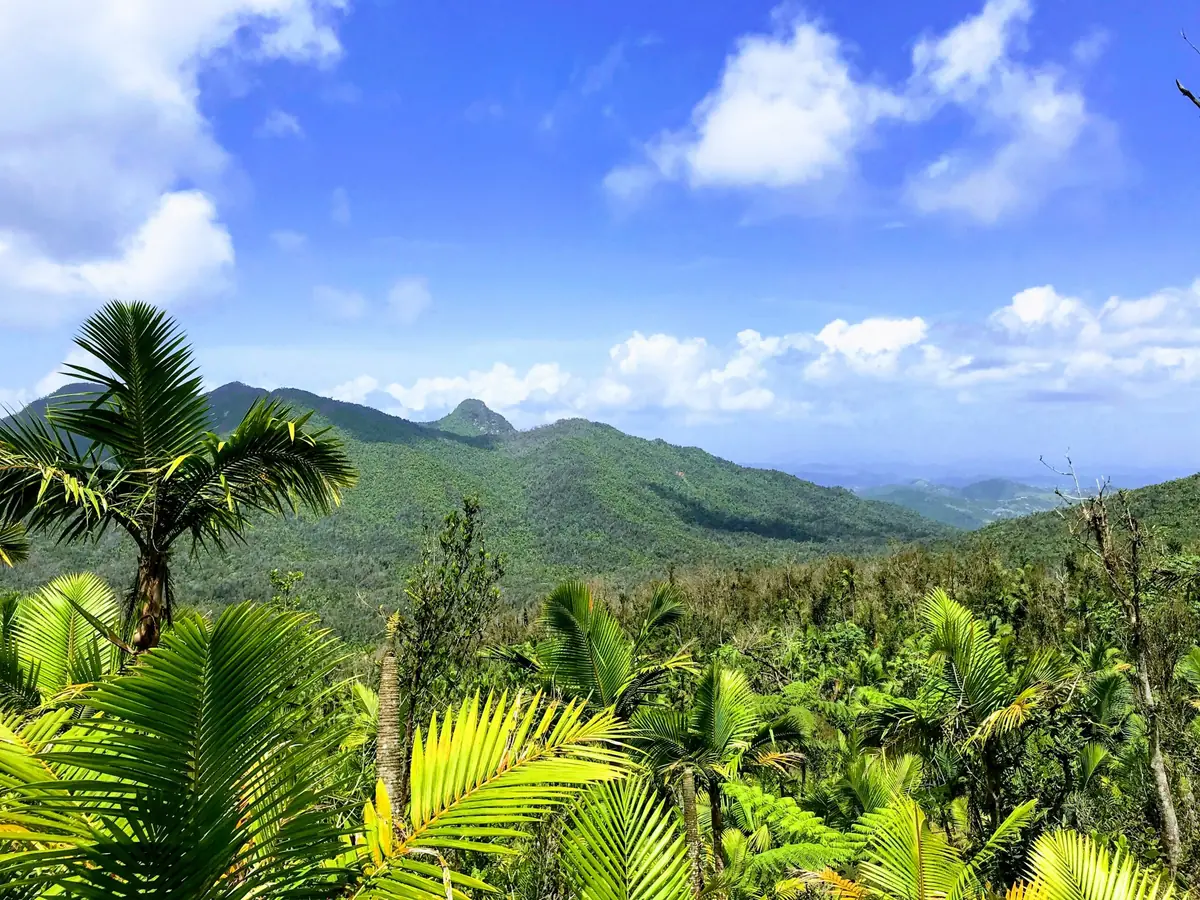
Puerto Rico’s ecosystems span from the only tropical rainforest in the U.S. Forest System — El Yunque National Forest — to a bone-dry coastal desert in the southwest, and the line between genuine sustainability and marketing jargon runs straight through the middle of every “eco” listing online. This guide cuts through the greenwash to find the best eco-lodges in Puerto Rico by certification, logistics, and the things nobody else tells you before you book.
Which eco-lodges in Puerto Rico are best for each travel style?
The best eco-lodges in Puerto Rico depend on your travel style and your honest tolerance for heat. For rainforest immersion, book Yuquiyú Treehouses or the Rainforest Inn. For boutique wellness, choose Finca Victoria or Hix Island House on Vieques. For coastal glamping, Pitahaya Glamping leads. For certified five-star eco-luxury, Dorado Beach, a Ritz-Carlton Reserve.
- Yuquiyú Treehouses — Best for off-grid romantic escapes (from $325/night)
- Rainforest Inn — Best for boutique sustainability with private trail access (from $200/night)
- Finca Victoria — Best for ayurvedic wellness with A/C (from $329/night)
- Hix Island House — Best for architectural minimalism, zero concessions (from $200/night)
- Pitahaya Glamping — Best for families and dark-sky stargazing (from $163/night)
- Copamarina Beach Resort — Best for eco-conscious families near a dry forest (from $350/night)
- Dorado Beach, a Ritz-Carlton Reserve — Best for five-star guests with a green conscience (from $1,000+/night)
| Property | Region | Starting Price | A/C Available |
|---|---|---|---|
| Pitahaya Glamping | Cabo Rojo, Southwest | $163–$176 | Yes |
| Rainforest Inn | El Yunque, North | ~$200 | No |
| Hix Island House | Vieques | ~$200 | No |
| Yuquiyú Treehouses | Río Grande, North | $325 | No |
| Finca Victoria | Vieques | ~$329 | Yes (bedrooms) |
| Copamarina Beach Resort | Guánica, South | ~$350 | Yes |
| Dorado Beach Ritz-Carlton Reserve | Dorado, North | $1,000+ | Yes |
What should you expect from sustainable lodging in Puerto Rico?
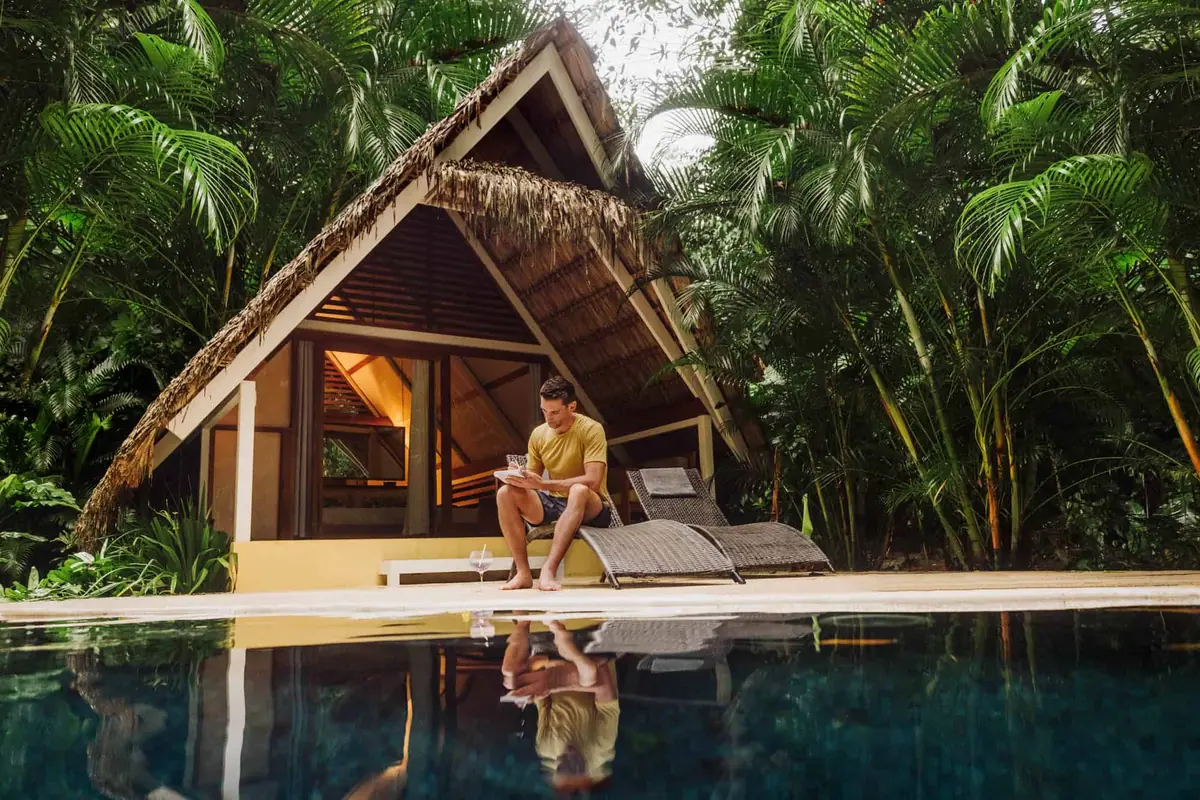
Booking an eco-lodge in Puerto Rico often means trading standard hotel amenities for a smaller environmental footprint. Many authentic sustainable properties operate completely off-grid, using solar power and rainwater harvesting. Guests should prepare for open-air designs, limited Wi-Fi, and an abundance of local wildlife sharing the property.
The benchmark for legitimate green credentials here is the PRTC ECO-STAYS certification, administered by the Puerto Rico Tourism Company. A property earns this designation by meeting strict, audited standards across four categories: energy efficiency (solar arrays, LED lighting), water conservation (rainwater harvesting, low-flow fixtures), solid waste reduction (composting and recycling programs), and active integration of the surrounding community. If a listing calls itself “eco-friendly” without referencing this certification or an equivalent third-party audit like the Audubon International Platinum program, treat the claim with skepticism.
The question every first-time visitor avoids asking until they’re sweating at 2 a.m. is the air conditioning question. Many authentic properties — Hix Island House and Yuquiyú Treehouses among them — have no climate control. The architecture compensates through cross-ventilation, ceiling fans, and the reliable Caribbean trade winds, but this requires open-air design: no sealed glass windows, no solid exterior doors. You are sleeping in the jungle or on a hillside in the tropics, and the environment comes with you.
Pro Tip: The nocturnal chorus of the native coquí frogs can reach decibel levels comparable to heavy road traffic. Most guests find it enchanting for about 20 minutes. Light sleepers staying at open-air properties should pack foam earplugs as a backup — not for every night, but for the nights when three species decide to overlap at full volume.
If you cannot sleep comfortably above 74°F (23°C), do not book an off-grid treehouse. You will be miserable. Book Dorado Beach or Copamarina instead, enjoy the conservation story, and spend your days on the trails.
In open-air lodges, expect insects. The endemic coquí frog shares territory with mosquitoes, tropical moths, and the occasional gecko. Packing DEET-free insect repellent (to protect watershed chemistry) and lightweight long-sleeve sleepwear is not optional — it is the difference between a romantic night and a frustrating one.
How do you actually get to remote Puerto Rican eco-resorts?
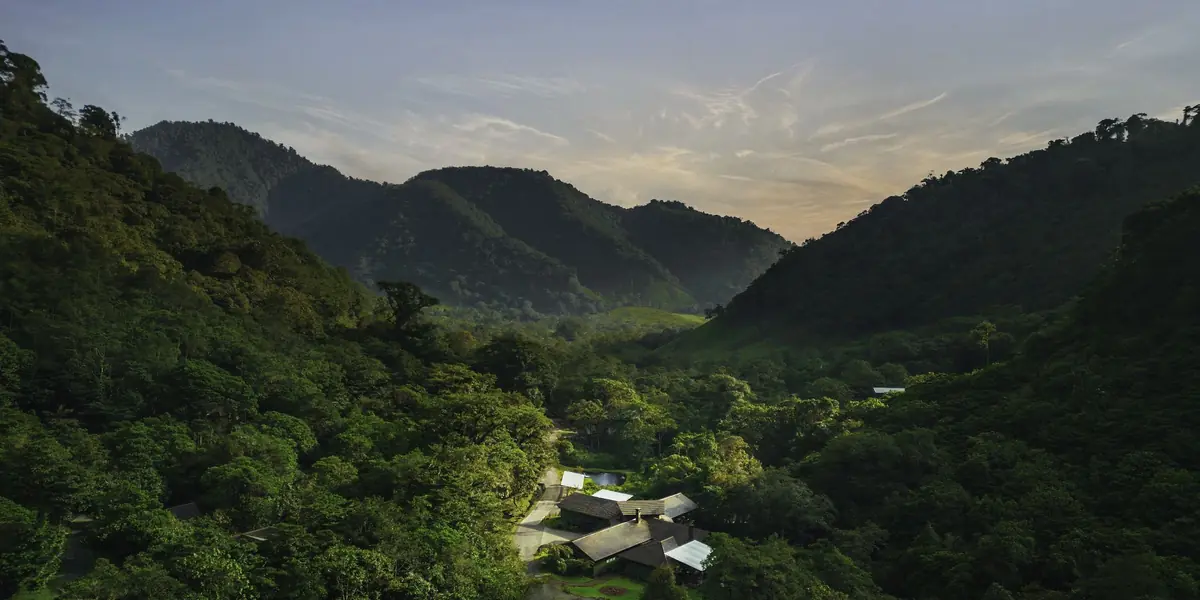
Reaching the most secluded eco-lodges in Puerto Rico requires deliberate planning. Properties near San Juan are accessible via taxi from Luis Muñoz Marín International Airport (SJU), but remote retreats in El Yunque and the southwest require renting a reliable vehicle in Puerto Rico. For island-based lodges on Vieques, flying via small commuter airlines is strongly recommended over relying on the unpredictable public ferry.
Ride-sharing apps are effectively unavailable in the deep rainforest stretches near PR-191 and PR-186, or along the rural roads approaching Cabo Rojo. Securing a rental car from SJU is non-negotiable for any property outside the metro area.
The Vieques ferry vs. flight question
The Vieques logistics question deserves more space than any competitor gives it. Older guides will tell you the passenger ferry from the Ceiba ferry terminal is the budget hack — it used to cost $2.00 one-way. That is no longer true. Under Puerto Rico’s Integrated Transportation Authority Regulation 9682, the non-resident adult fare from Ceiba to Vieques is now $11.25 one-way, with residents exempt and registered separately. The economics that made the ferry a no-brainer for backpackers have changed.
The reliability story has not. The ferry runs on resident-priority boarding, gets disrupted by mechanical delays and weather, and can leave tourists waiting in an exposed terminal for hours. Unless you have unlimited patience and flexible plans, the ferry is a gamble — and now a more expensive one.
The correct choice is a commuter flight. Cape Air and Vieques Air Link both operate routes from Luis Muñoz Marín International Airport (SJU) and Isla Grande Airport (SIG) to Antonio Rivera Rodríguez Airport (VQS) in under 30 minutes. Round-trip fares typically run $90 to $130 from SJU and around $90 from the Ceiba regional airport (RVR). With ferry tickets now over $22 round-trip per adult before parking and the time cost, the flight premium has narrowed dramatically. Spending the difference is not a luxury — it is buying back a full day of vacation.
Pro Tip: Rental cars are prohibited on the Vieques and Culebra passenger ferries for non-residents. Visitors must leave their vehicles in the Ceiba terminal parking lot (around $8 per day) and arrange separate transportation on the island — golf carts and jeeps are the standard options at the Vieques waterfront.
Distances worth knowing before you plan
- El Yunque National Forest: 30–45 minutes from San Juan via PR-3 (about 25 miles / 40 km)
- Ceiba Ferry Terminal: about 1 hour from San Juan (40 miles / 64 km)
- Cabo Rojo and Guánica region: about 2.5–3 hours southwest of San Juan (110 miles / 177 km)
- San Juan to Vieques by air: 30-minute flight
Which rainforest treehouses near El Yunque are worth booking?
The mountainous terrain surrounding El Yunque National Forest is the epicenter for Puerto Rico’s rainforest eco-lodging. Properties here elevate guests into the canopy, offering off-grid treehouses and intimate bed and breakfasts that prioritize complete immersion in the humid, biodiverse jungle.
As the only tropical rainforest managed within the U.S. Forest System, El Yunque records annual rainfall between 60 and 240 inches (152–610 cm) depending on elevation, feeding river systems that run directly through several of the properties below. Low-impact construction and strict waste protocols are not marketing choices here — they are requirements for protecting the watershed that supplies drinking water to roughly a third of the island.
Yuquiyú Treehouses — off-grid couples-only canopy
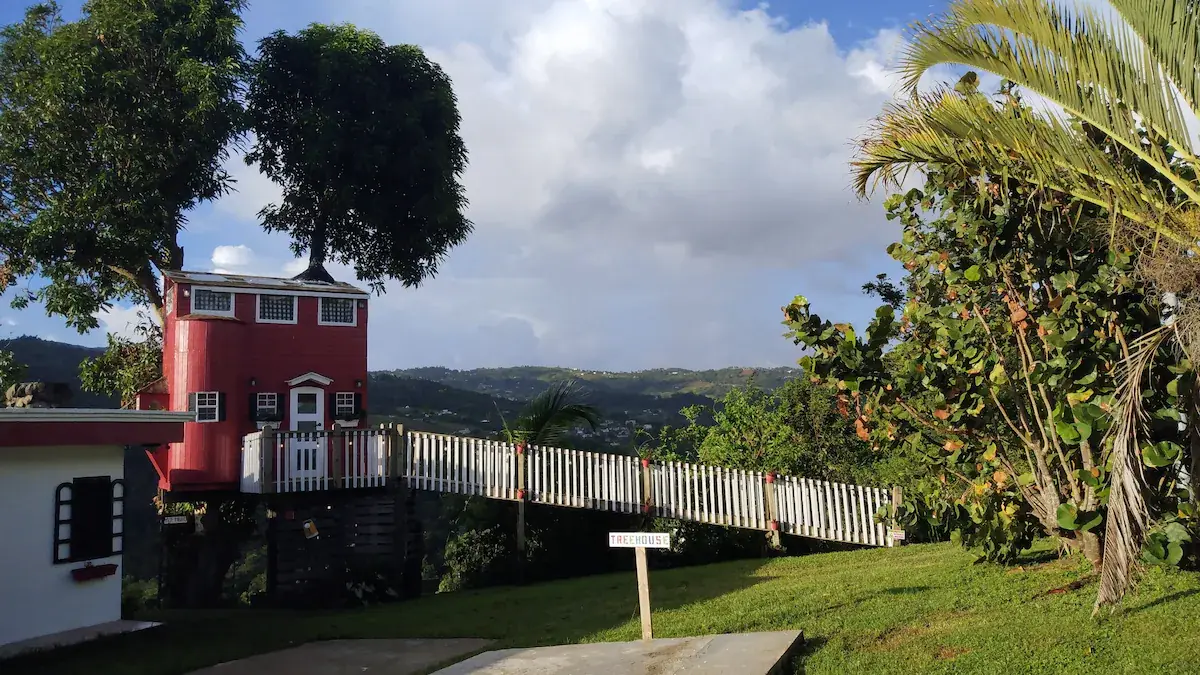
Located in the foothills of El Yunque in Río Grande, Yuquiyú Treehouses offers a luxurious, off-grid glamping experience. The property features artisan-crafted wooden treehouses with slate baths, hot running water, and balconies overlooking the rainforest canopy.
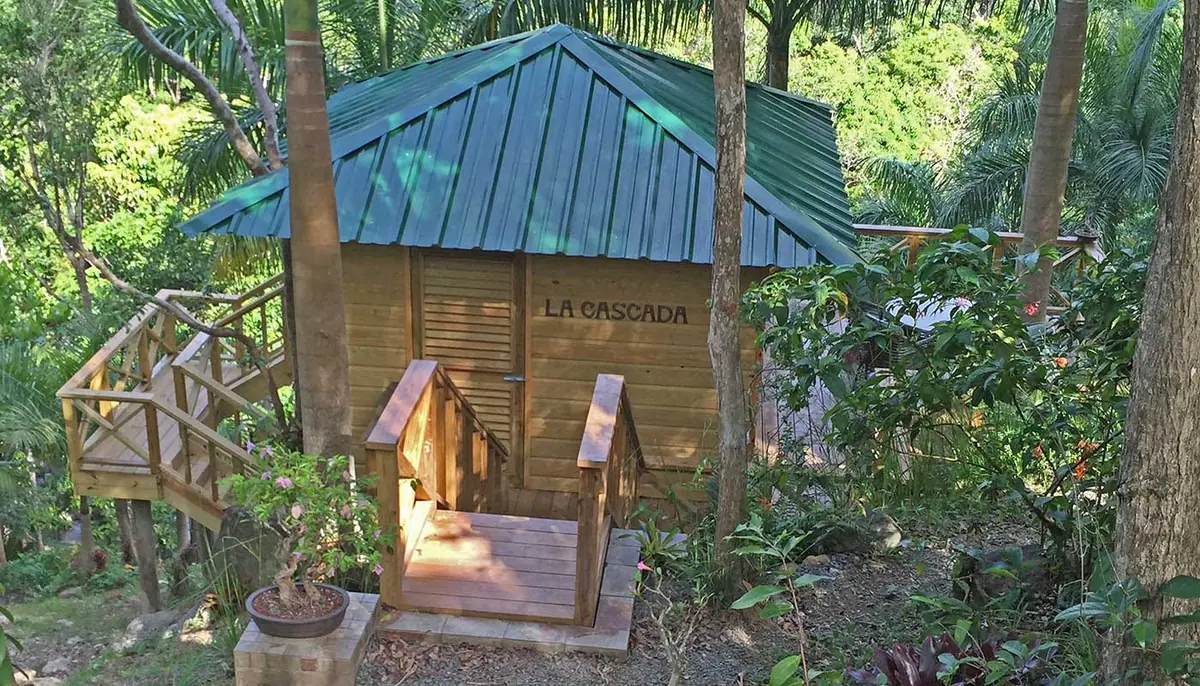
There are three named treehouses on the property: El Mirador, La Cara de Indio, and La Cascada. Each unit accommodates exactly two adults — the 18+ age policy and maximum two-person occupancy are strictly enforced, not approximate guidelines. The property is entirely vegan and meat-free, and smoke-free throughout. If you are traveling with children, a group, or someone who requires a burger after a hike, this is not the right property.
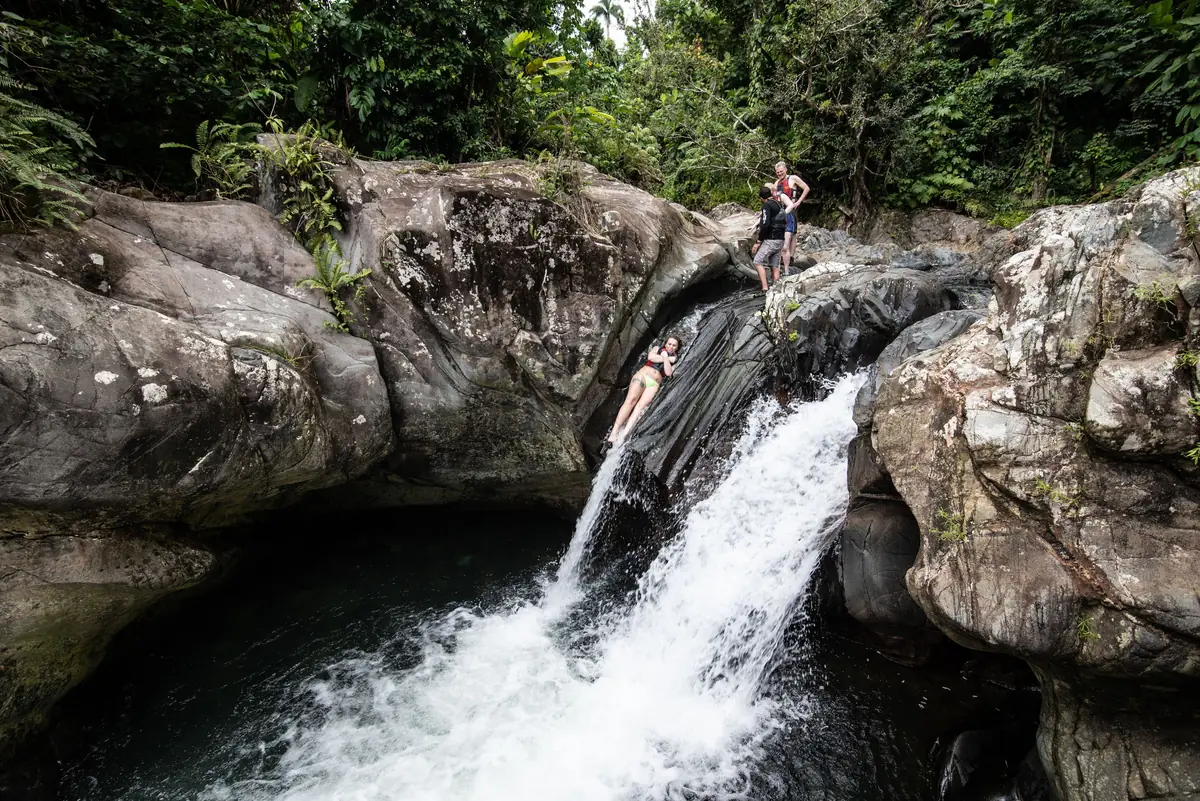
La Cascada sits directly over a cascading river, and the sound of water rushing over the rocks below is so powerful it functions as a continuous white-noise generator. This acoustic environment is one of the few natural forces on the island that actually drowns out the coquí frogs — a real advantage for guests who normally struggle with the rainforest chorus.
There is no air conditioning in any of the units. Natural airflow through the open-air slate shower and screened walls handles temperature regulation, supplemented by ceiling fans. The average elevation temperature here hovers around 73°F (23°C), which is comfortable for most, but the humidity is real.
- Location: Río Grande, El Yunque foothills
- Cost: from $325/night
- Best for: Couples, honeymooners visiting Puerto Rico, plant-based travelers (adults 18+ only)
- Time needed: 2-night minimum recommended
Rainforest Inn — solar-powered with a private waterfall trail
The Rainforest Inn is a boutique, adults-only bed and breakfast situated deep within El Yunque National Forest. Operating largely on solar power, the inn offers gourmet vegetarian breakfasts and exclusive access to a private hiking trail leading to a secluded waterfall and natural swimming pool.
The private trail — known locally as the Lost Machete trail — is the single biggest differentiator from any other property in this area. While day hikers crowd the official La Mina Falls trail on PR-191, Rainforest Inn guests access a separate, owner-maintained path through primary forest that ends at a natural pool almost no one else knows about. On my last visit, there were exactly three people at the waterfall at 9 a.m. — all guests of the inn.
The sustainability infrastructure here is more advanced than anything else in the rainforest zone: solar panels paired with Tesla Powerwall batteries eliminate reliance on the grid entirely, chemical pesticides are completely avoided on the property, and breakfast ingredients come from the estate’s own gardens. The menu changes based on what is growing, which means it also changes based on what actually tastes good that week.
There is a logistical reality about arrival that no competitor mentions: the driveway climbs 564 feet (172 m) of elevation over just 0.9 miles (1.5 km). This is not a gentle incline — it is a sustained, steep switchback. Do not attempt it in a low-clearance economy rental or a vehicle with marginal brakes. Confirm with the rental company that the car is rated for steep mountain roads before you leave the airport.
- Location: El Yunque National Forest, Río Grande area
- Cost: from ~$200/night
- Best for: Adults seeking boutique sustainability with trail access; hikers in Puerto Rico
- Time needed: 2-night minimum (strictly enforced); budget half a day for the Lost Machete trail
Which Vieques eco-lodges deliver real wellness and design?
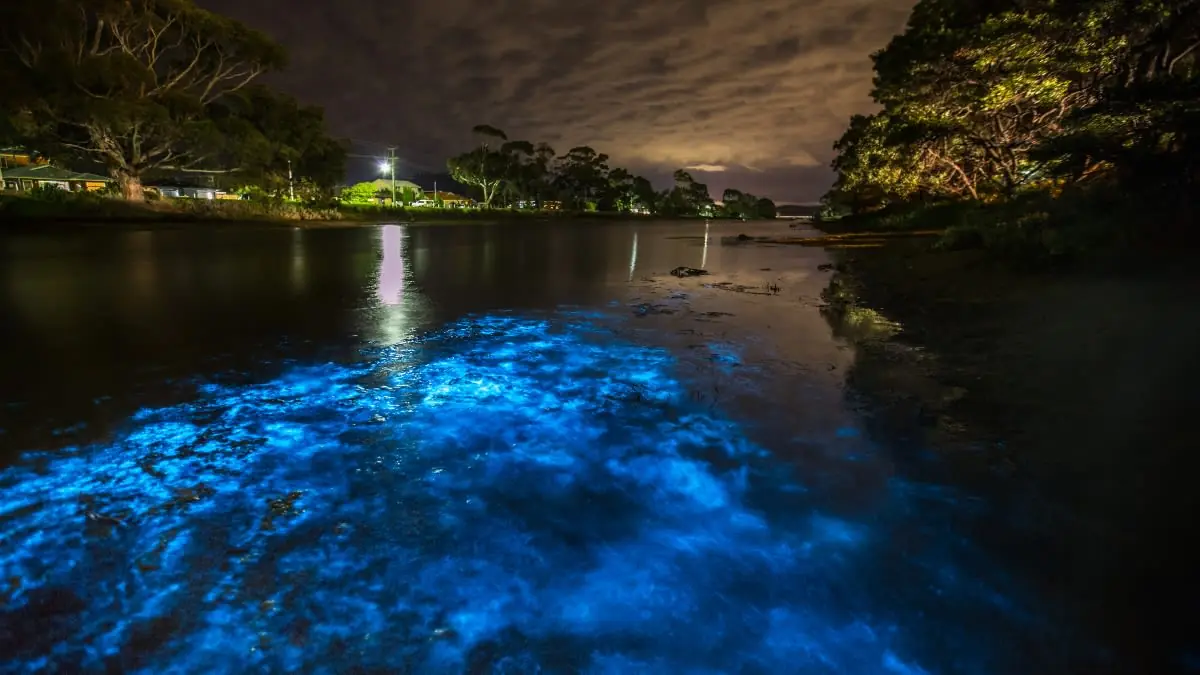
Vieques, accessible via a 30-minute flight from the mainland, is globally recognized for Mosquito Bay — the world’s brightest bioluminescent bay in Puerto Rico — and the wild horses that roam its beaches freely. It has also become Puerto Rico’s leading destination for wellness tourism, housing sustainable lodges focused on architectural minimalism, ayurvedic practice, and the kind of stillness only genuine geographic separation produces.
The ecological story here differs sharply from El Yunque. Vieques sits in a drier climate band, its interior hills covered in dry subtropical forest. The Vieques National Wildlife Refuge protects roughly two-thirds of the island, keeping development pressure low and wildlife corridors intact. The endemic Puerto Rican screech owl is heard most nights from the properties below.
Finca Victoria — ayurvedic retreat with the rare bonus of A/C
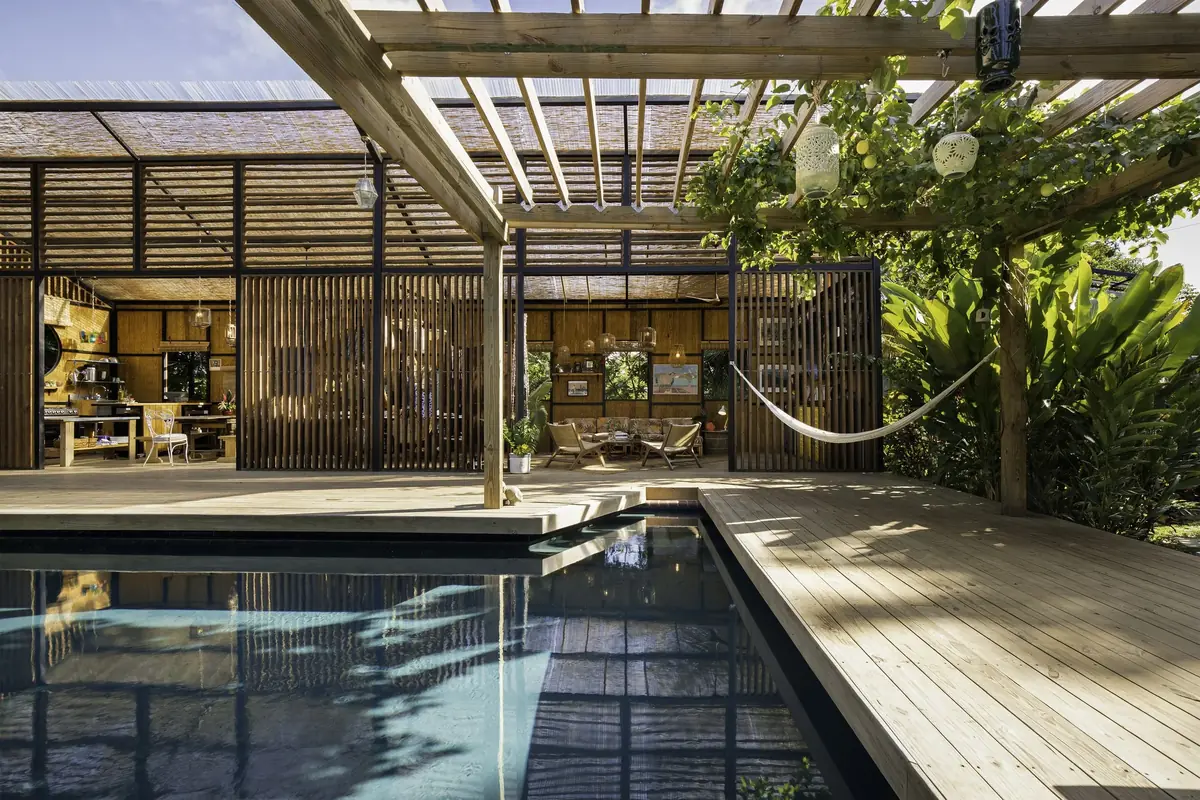
Sitting atop a hill in the Pilón sector of Vieques, Finca Victoria is an ayurvedic boutique hotel and retreat center. The property features uniquely designed suites and treehouses, with complimentary morning yoga on the sundeck and chef-prepared vegan breakfasts sourced directly from the on-site gardens.
Unlike most strict eco-lodges on this list, Finca Victoria’s bedroom suites do have air conditioning — a real luxury differentiator that makes this property the top choice for travelers who want genuine sustainability without surrendering sleep quality. The morning yoga sessions are free for all guests, and the botanical apothecary on-site offers herbal treatments using ingredients from the surrounding property.
The honor-system snack bar stocked with vegan treats and the daily-rotating herbal tea infusions on tap in the communal pavilion are small details that register as thoughtful rather than gimmicky. They also signal that the property is designed by people who actually practice the lifestyle they’re selling. Finca Victoria is dog-friendly, which is rare among adults-only eco retreats in Puerto Rico.
- Location: Pilón sector, Vieques — 10–15 minutes from Antonio Rivera Rodríguez Airport (VQS)
- Cost: from ~$329/night
- Best for: Wellness travelers, yoga practitioners, couples who need A/C to sleep
- Time needed: 3+ nights to fully engage with the wellness programming
Hix Island House — solar concrete architecture without compromise
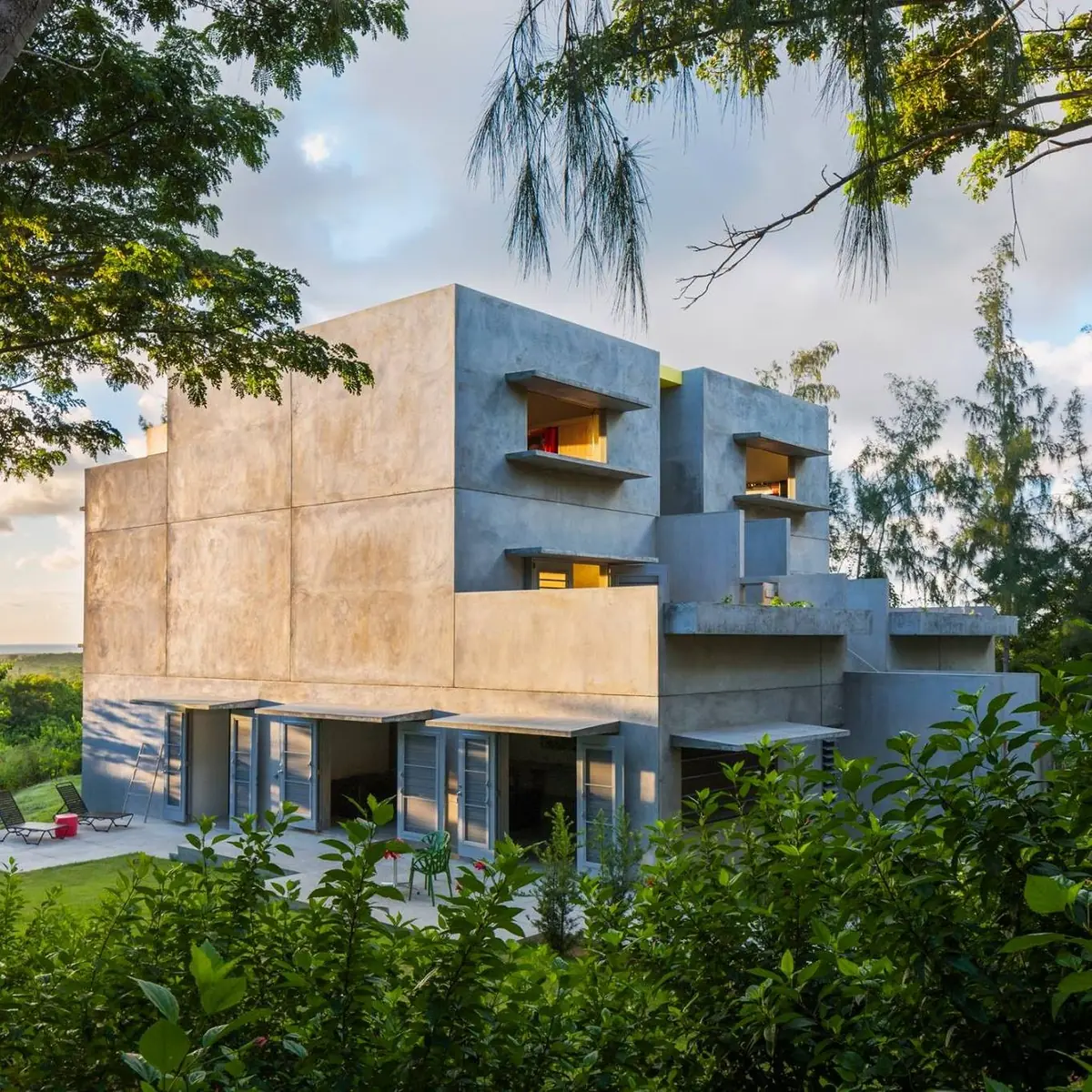
Designed by architect John Hix, Hix Island House on Vieques is a pioneer in Caribbean sustainable lodging. The hotel features striking concrete wabi-sabi architecture powered entirely by solar energy. With no glass windows, no televisions, and no air conditioning, the open-air lofts rely entirely on the cooling trade winds that cross the island’s central ridge daily.
Casa Solaris, one of the property’s structures, is recognized as the first fully solar-powered hotel building in Vieques — predating the sustainability tourism movement by over a decade.
The architecture requires a specific explanation. The heavy concrete walls absorb the intense Caribbean sun throughout the day. By late afternoon, they hold that heat. What pulls it out is the trade wind moving through the glassless openings — and that only works if the windows are wide open. If you close them, the loft becomes uncomfortable by 10 p.m. The design is elegant and physically coherent, but it demands that guests cooperate with it. This is not a property for guests who want to seal themselves off from the environment.
There are outdoor showers, mosquito nets over every bed, and outdoor kitchens with daily breakfast baskets. The open balcony design means this property is not suitable for young children — there are no barriers between a curious toddler and a steep drop.
- Location: Vieques — near the Vieques National Wildlife Refuge, southern coast
- Cost: from ~$200/night
- Best for: Architecture enthusiasts, off-grid purists, adults without young children
- Time needed: 2–4 nights; proximity to Mosquito Bay justifies a longer stay
Where are the best coastal glamping eco-lodges in Puerto Rico’s southwest?
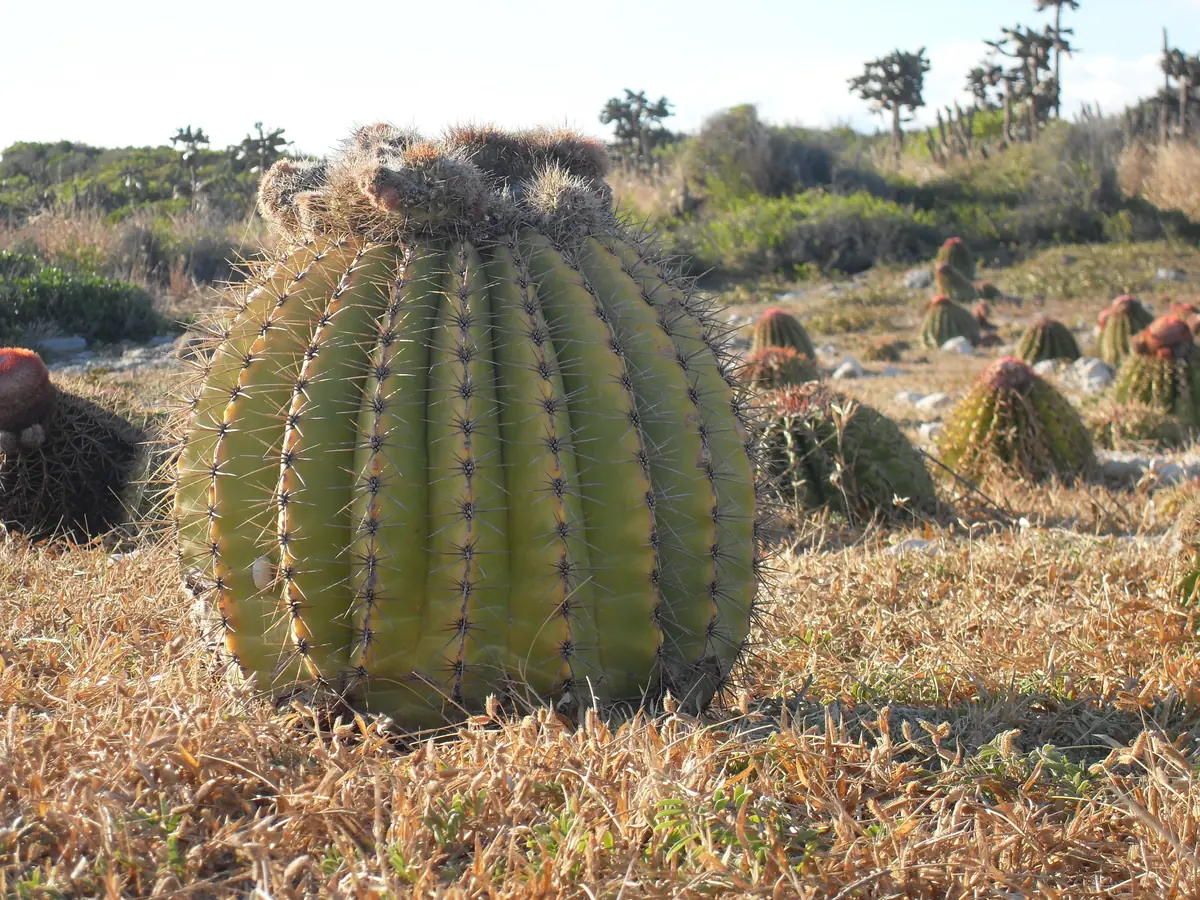
Moving away from the dense northern rainforests, Puerto Rico’s southwestern coast offers a dramatically different ecological experience. Characterized by the arid landscapes of the Guánica State Forest and coastal mangroves, this region is the premier destination for sustainable glamping — clear, dark skies, warm coastal water, and a pace the tourist-heavy north rarely delivers.
The ecological contrast is striking. El Yunque receives upward of 200 inches (508 cm) of rain per year at its peaks. The Guánica area receives roughly 30 inches (76 cm). Different plant communities, different wildlife, different temperatures — the coastal dry forest averages around 85°F (29°C) versus the 73°F (23°C) of the mountain rainforest. Traveling between these two regions in the same trip gives you a more complete picture of the island than any single-region stay.
Pitahaya Glamping — PRTC-certified luxury tents under dark skies
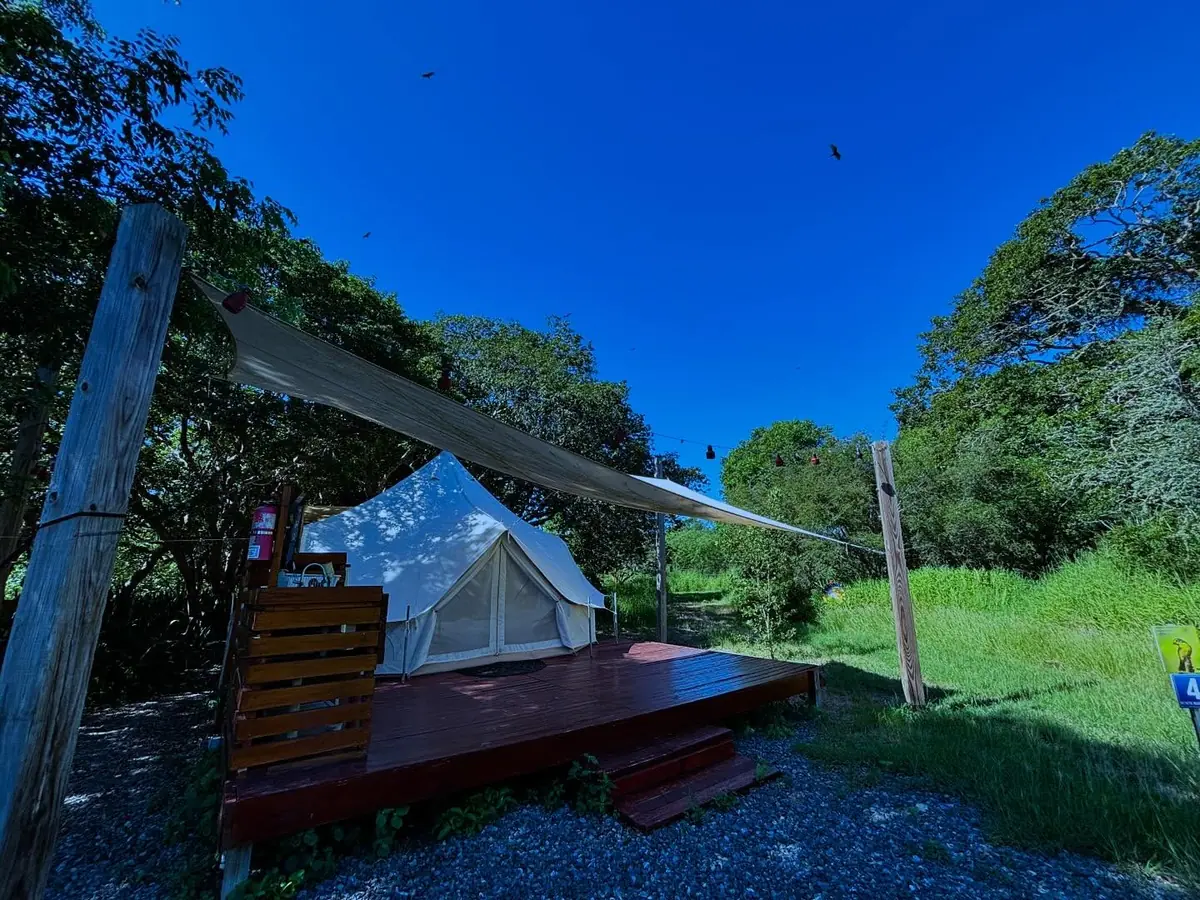
Pitahaya Glamping in Cabo Rojo is Puerto Rico’s first dedicated glampsite and an officially certified sustainable tourism destination under the PRTC ECO-STAYS program. Set on 5 acres of wilderness, it offers spacious luxury tents with private bathrooms, equipped kitchens, and access to a shared swimming pool — all beneath some of the darkest skies on the island.
The property runs exactly 5 luxury tents on those 5 acres, which means the site never feels crowded and light pollution stays minimal. Each unit has a private en-suite bathroom, a personal BBQ grill, and access to a communal fire pit. The PRTC certification here is not decorative — it translates to composting systems, solar lighting on the pathways, and strict water conservation protocols visible throughout the property.
The stargazing situation is a specific experience, not a vague selling point. The owner provides guests with access to a high-powered telescope. The Milky Way is visible to the naked eye most clear nights. However, a dark-sky reserve means exactly what it says — complete darkness. Once you step off the lit main platform, you are in genuine blackout. Pack a physical flashlight with enough lumens to actually illuminate the wooden walkways. Navigating by smartphone screen in that darkness is a fall risk on the raised platforms.
Pitahaya skews family-friendly in a way no other property on this list does. There is no adults-only policy, no strict dietary requirements, and the proximity to La Parguera bioluminescent bay and Guánica State Forest makes it an excellent base for families traveling Puerto Rico with kids who want nature without severity.
- Location: Cabo Rojo, southwestern coast — near La Parguera bio bay and Guánica State Forest
- Cost: $163–$176/night
- Best for: Families, stargazers, budget-conscious travelers wanting sustainable credentials
- Time needed: 2+ nights; allow one evening for the telescope session and one for a La Parguera bio bay kayak tour
Copamarina Beach Resort & Spa — full-service resort beside a dry forest
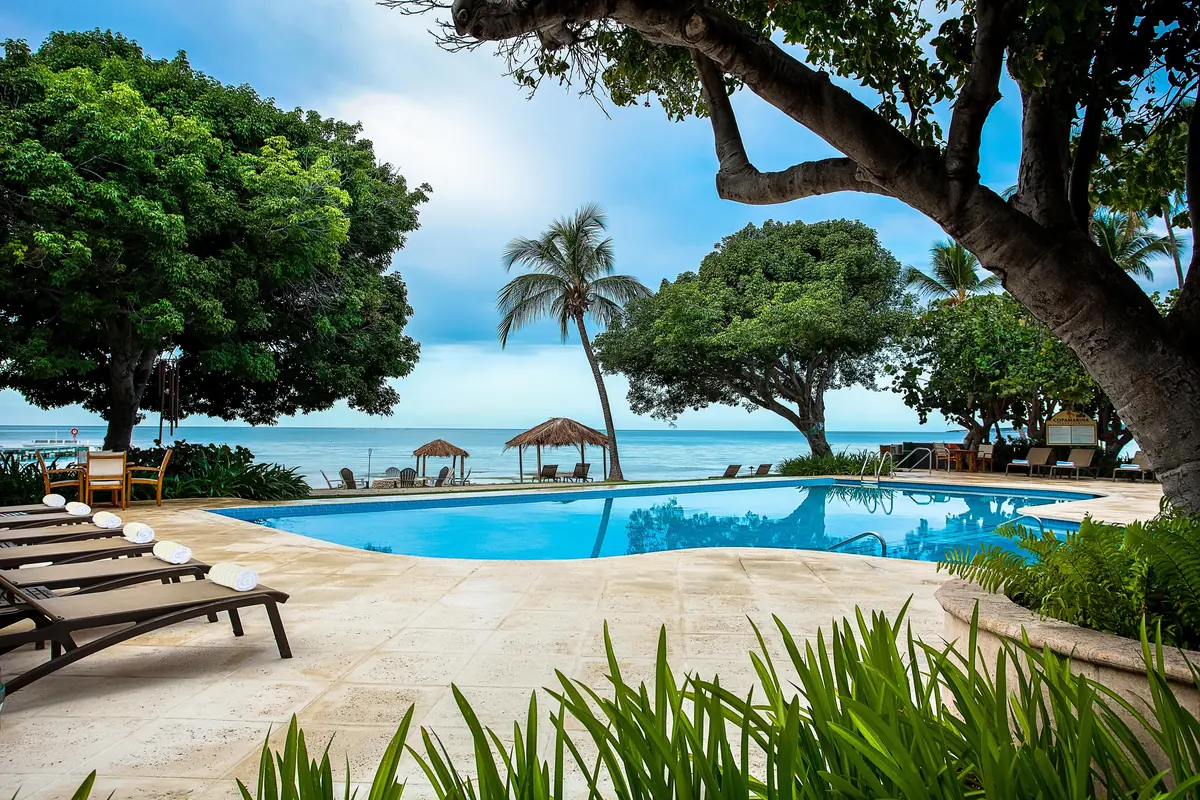
For travelers seeking traditional amenities alongside environmental mindfulness, Copamarina Beach Resort & Spa in Guánica offers a functional balance. Set on 20 acres of Caribbean beachfront directly adjacent to the Guánica and La Parguera region, this eco-conscious resort provides water sports, full spa services, and seamless access to one of the most biodiverse dry forest ecosystems in the region.
The resort runs two swimming pools, tennis courts, and children’s playgrounds — it is a full-service family resort, not a glamping site. The ecological story here is about the surrounding land and the marine access rather than off-grid infrastructure. The transition from the manicured resort grounds into the arid Guánica forest happens within a 5-minute walk, and the on-site dive shop coordinates excursions into the protected coastal waters.
The strongest recommendation for guests here is to arrange a short boat trip out to the nearby mangrove islands — specifically Cayo Aurora (informally called Gilligan’s Island). The snorkeling in Puerto Rico at these protected waters is consistently clear and largely free of the commercial boat traffic that clogs better-known spots. Alexandra’s Restaurant on-site sources locally and features a solid rotating seafood menu.
- Location: Guánica, southwestern coast — adjacent to Guánica State Forest
- Cost: from ~$350/night
- Best for: Families wanting eco-access without sacrificing resort amenities; divers
- Time needed: 3+ nights to combine forest trails, the bio bay at La Parguera, and a Cayo Aurora boat trip
Which luxury eco-resorts in Puerto Rico hold real green certifications?
For travelers with expansive budgets, Puerto Rico offers elite properties that prove sustainability does not require sacrificing five-star amenities. These premium resorts in Puerto Rico invest in rigorous, third-party environmental certifications, ensuring their sprawling grounds and fine dining operations actively contribute to local conservation rather than simply offsetting it.
The distinction worth drawing is between self-certified “green” marketing and externally audited environmental programs. The Audubon International Platinum Certification — one of the most rigorous in the hospitality sector — requires annual on-site audits covering wildlife habitat, water quality, chemical management, and community education. It is not a badge a resort purchases once.
Dorado Beach, a Ritz-Carlton Reserve — Audubon-certified five-star
Dorado Beach, a Ritz-Carlton Reserve, represents the height of eco-luxury in Puerto Rico. Built on a former plantation, this ultra-premium resort blends five-star hospitality with rigorous environmental standards, operating as an Audubon International Signature Sanctuary to protect local wildlife, native flora, and its sprawling coastal footprint.
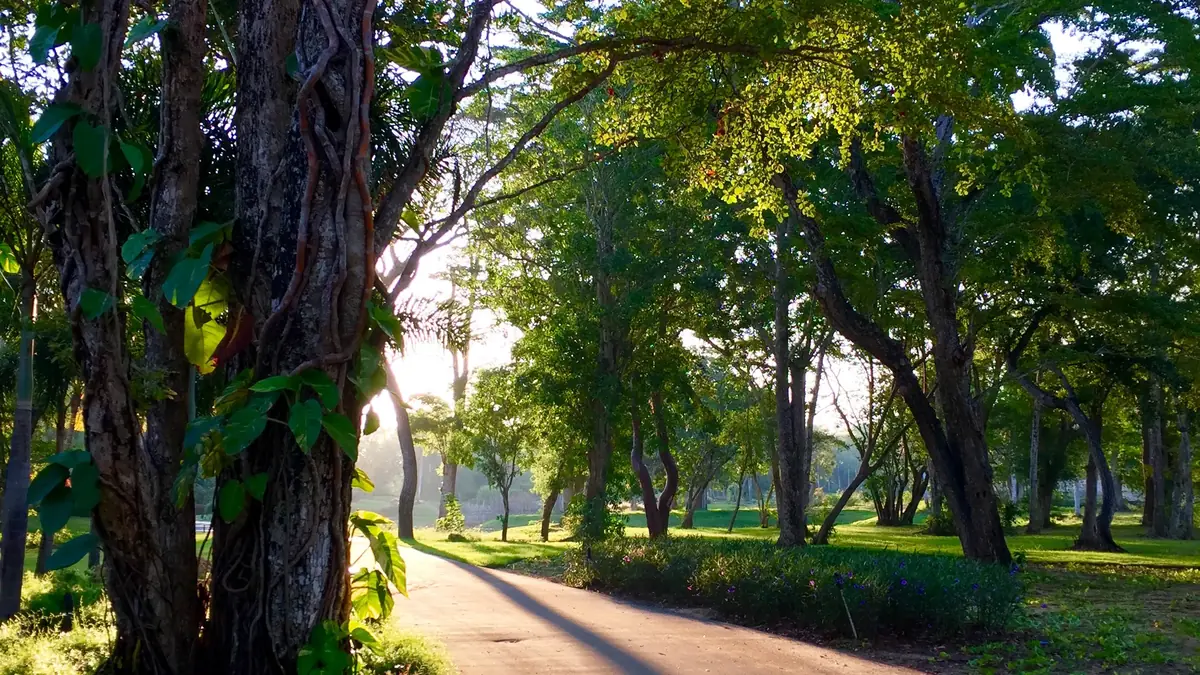
The environmental integration here is architectural, not just programmatic. Zoning dictates that no structure on the property rises above the surrounding palm trees — a restriction that fundamentally limits the building profile and keeps the canopy intact. Wetland preservation protocols are actively maintained across the grounds, and the 11-mile (18 km) Rockefeller Nature Trail runs through preserved tropical forest directly on the property.
Guests have access to complimentary bicycles to explore that trail — it is the best way to move through the preserved sections silently and slowly enough to actually observe the birdlife. The Spa Botánico sources treatments from the surrounding landscape, and the butler service is one of the best-executed experiences in the Caribbean without qualification.
The property sits about 45 minutes west of San Juan on PR-22, making it the most accessible high-end eco option on this list and the right answer for travelers visiting Dorado, Puerto Rico who need sustainable credentials but cannot or will not manage inter-island logistics.
- Location: Dorado — about 45 minutes west of Luis Muñoz Marín International Airport (SJU)
- Cost: from ~$1,000+/night
- Best for: Luxury travelers, honeymooners, guests who want certified eco-credentials with zero sacrifices
- Time needed: 3–5 nights to use the full range of amenities and trails
Are there eco-resorts close to San Juan?
Yes, there are eco-conscious accommodations close to San Juan, though they lean toward urban boutique hotels rather than jungle lodges. Properties like Casa Sol Bed and Breakfast in Old San Juan offer solar-powered, sustainable stays within the historic city. For true nature resorts, Dorado Beach and the St. Regis Bahia Beach are both within a 45-minute drive of the airport.
The honest framing for time-constrained travelers: if you have fewer than 4 days and cannot justify losing half a day to logistics, Dorado Beach is the correct answer. It takes 45 minutes from SJU via PR-22, requires no ferry, no mountain switchbacks, and no 4×4 rental. The Audubon International certification is as rigorous as anything on this list.
Casa Sol in Old San Juan is a solar-powered bed and breakfast within the colonial city walls — the right choice for travelers who want a sustainable footprint without any nature immersion at all. It places you walking distance from El Morro and the Paseo de la Princesa, with the urban experience as the primary offering.
Do eco-lodges in Puerto Rico have air conditioning?
Many authentic eco-lodges in Puerto Rico, such as Hix Island House and Yuquiyú Treehouses, do not have air conditioning. Instead, they rely on open-air architectural designs, ceiling fans, and natural trade winds for cooling. Luxury eco-resorts and select boutique properties like Finca Victoria do provide air-conditioned bedrooms.
Properties without A/C:
- Yuquiyú Treehouses (Río Grande)
- Rainforest Inn (El Yunque)
- Hix Island House (Vieques)
Properties with A/C in guest rooms:
- Finca Victoria (Vieques)
- Pitahaya Glamping (Cabo Rojo)
- Copamarina Beach Resort (Guánica)
- Dorado Beach, a Ritz-Carlton Reserve (Dorado)
If you insist on an open-air property but have a real sensitivity to heat and humidity, target the December through March window based on typical Puerto Rico weather patterns. Average temperatures in the rainforest zone drop to around 68–72°F (20–22°C) at night, and the trade winds are more consistent. Sleeping without A/C at those temperatures is entirely manageable for most travelers.
Pro Tip: The worst-case scenario in a no-A/C property is not the temperature — it is the humidity combined with still air during a weather system that blocks the trade winds. Ask each property about their contingency plan (emergency fans, alternative accommodation) before booking if this is a concern.
Before you book
Puerto Rico’s eco-lodges offer real diversity across three distinct environments: the humid, river-fed rainforest around El Yunque, the wellness-oriented island retreat of Vieques, and the arid coastal desert of the southwest. Whether you want to sleep in an off-grid treehouse above a cascading river, stargaze from a certified glamping tent in Cabo Rojo, or practice morning yoga above Vieques before kayaking into a bioluminescent bay, the complete Puerto Rico travel guide will help you plan around every comfort level.
TL;DR: Verify the A/C situation and the transit logistics before you book — those two details determine whether your sustainable vacation becomes a memorable experience or a frustrating one. For Vieques properties, the old $2 ferry hack is gone (non-resident adults now pay $11.25 one-way) — book a $90–$130 commuter flight and reclaim a full day. For mountain properties near El Yunque, rent a vehicle with real clearance and real brakes.
What aspect of the island are you planning around first — the ecosystem, the budget, or the logistics? Drop a question below and we will point you to the right property.