Planning a Puerto Rico 7-day itinerary looks easy on paper and turns ugly in execution. You need a rental car that won’t bleed you dry with toll fines, an El Yunque arrival before the 200-car cap fills, and a bioluminescent bay kayak spot that isn’t already sold out. This Puerto Rico 7-day itinerary handles the gritty logistics so you don’t have to.
What do first-timers get wrong about Puerto Rico?
Most first-timers underestimate the logistics. Puerto Rico is a U.S. territory, so no passport is needed for U.S. citizens and everything is priced in USD — but that’s where the easy part ends. You need a rental car, an AutoExpreso toll tag, ferry tickets booked weeks out, and an 8 a.m. arrival plan for El Yunque. Skip any one of those and the week unravels.
Read the next three sections before you book a single tour.
How do I survive driving in Puerto Rico?
Renting a car in Puerto Rico is non-negotiable for this Puerto Rico 7-day itinerary. Public transit will not get you to El Yunque, Cabo Rojo, or the ferry terminal on time.
Local drivers treat turn signals as optional and invent their own lanes at busy intersections. Defensive driving is survival, not a suggestion.
Mountain roads in the interior are narrow, winding, and riddled with boquetes — potholes deep enough to destroy a front axle, especially after heavy rain. Slow down on blind curves.
The toll system is the single most expensive mistake rookie travelers make here. Major highways, including the Teodoro Moscoso Bridge, are cashless and run on the AutoExpreso electronic tag system. If your rental doesn’t come with an AutoExpreso tag, ask for one explicitly. Otherwise you’ll get hit with violation notices for every unmanned booth you pass.
Pro Tip: Confirm your AutoExpreso coverage in writing at the rental counter. Some agencies bundle it into the daily rate; others charge per-toll plus a processing fee that can double your bill.
How much does a week in Puerto Rico actually cost?
A week in Puerto Rico runs $525 to $2,100+ per person depending on travel style, not counting flights. The island imports most of its goods, so prices match a mid-sized U.S. city — not a budget Caribbean destination. Accommodation and food are the two biggest line items, and eastern-island lodging spikes fastest as your dates approach. For a full breakdown by travel style, see this detailed Puerto Rico travel cost and budget guide.
Daily spending baselines (accommodation, food, transport):
- Budget traveler: $75–$120 per day. Guesthouses, kiosk food, off-peak dates.
- Mid-range traveler: $150–$250 per day. Boutique hotels, mix of sit-down restaurants and local spots.
- Luxury traveler: $300+ per day. Isla Verde or Condado resorts, fine dining, private tours.
Book accommodation and ferry tickets as early as humanly possible. The eastern islands fill up fast and prices climb sharply in the final three weeks before departure.
Is Puerto Rico safe for tourists?
Yes, Puerto Rico is generally safe for tourists who stick to common-sense urban awareness. Condado, Isla Verde, and Old San Juan are heavily policed and secure. Avoid wandering into public housing projects (caseríos) after dark. The real danger for tourists is environmental — rip currents and flash floods kill more visitors than petty crime does.
Swim only at balnearios, which are public beaches with lifeguards on duty. If a rip current pulls you out, don’t fight it — swim parallel to the shore until you’re free.
Flash floods in the interior move fast and hit without warning. If you’re hiking near waterfalls and the sky darkens, get to higher ground immediately. The El Yunque trails drain into narrow gorges that can fill within minutes of heavy rain.
Pro Tip: Check the National Weather Service’s San Juan forecast every morning. Tropical squalls are brief but intense, and mountain weather diverges sharply from coastal conditions.
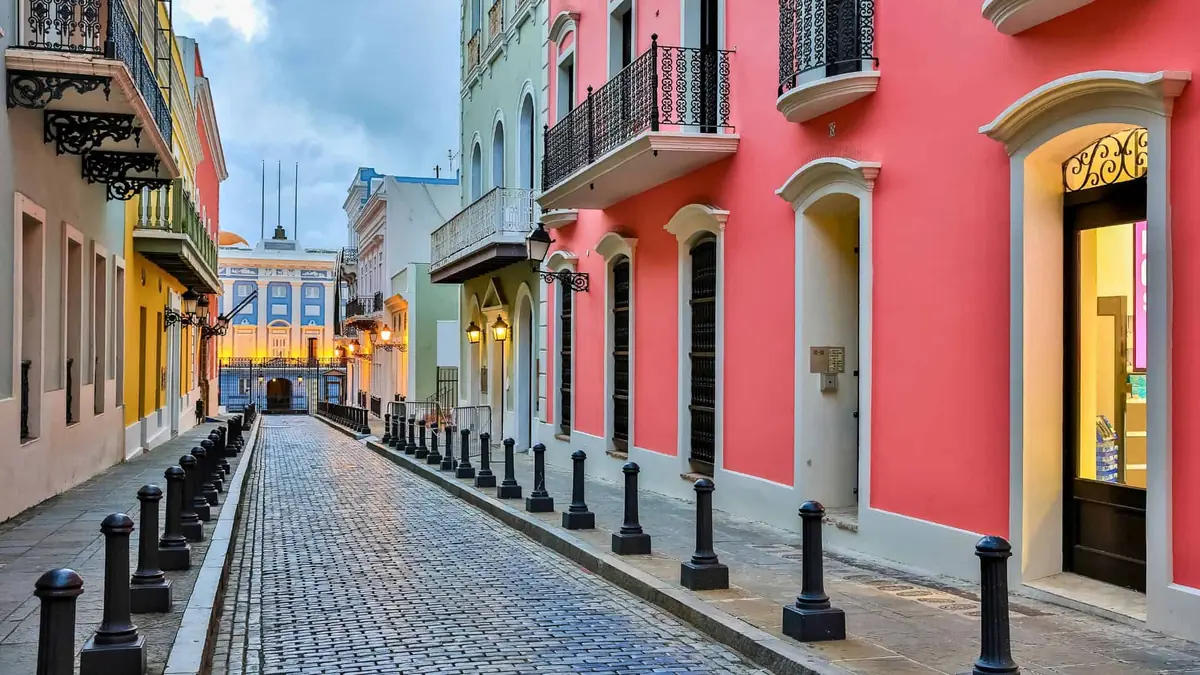
Day 1: Old San Juan’s cobblestones and fortresses
Arrive early to beat the midday heat and the cruise crowds. The gates at Castillo San Felipe del Morro open at 9 a.m. sharp, and that first hour is the only real window before cruise passengers flood the ramparts. The morning light hits the cannon batteries at a low, dramatic angle — bring a real camera.
Old San Juan‘s famous cobblestones are blue-grey adoquines, chunks of volcanic slag shipped from Spain as ship ballast centuries ago. Beautiful to look at, merciless on rolling luggage.
Parking here is a genuine ordeal. On-street spots require resident permits, and hunting for free parking will get your rental towed. Use the designated parking decks on the perimeter — they’re clearly marked and run $3 to $5 per hour.
Spend the afternoon drifting between the main fort, the pastel row houses of Calle del Cristo, and the smaller Castillo San Cristóbal to the east. Two strong evening options:
- The casual route: La Factoria on Calle San Sebastián. A world-class cocktail bar with multiple hidden rooms, each with its own personality. Arrive before 9 p.m. if you want a seat.
- The luxury route: Marmalade on Calle Fortaleza. A prix-fixe tasting menu that ranks among the best tables on the island. Reserve at least two weeks ahead.
Quick stats for Old San Juan
- Location: Old San Juan historic district
- Cost: Fort entry ~$10 per person; cocktails $14–$18; Marmalade tasting menu from $85 per person
- Best for: History lovers, couples, first-timers starting their Puerto Rico 7-day itinerary
- Time needed: Full day (9 a.m. to late evening)
Day 2: El Yunque at 8 a.m. and the Luquillo Kiosks
El Yunque is the only tropical rainforest in the U.S. National Forest system. Entry to the PR-191 recreational corridor is free and no reservation is required — but the forest enforces a 200-car capacity cap, and once it fills, the gate closes until cars leave.
Arrive right before 8 a.m. when the gates open. Sleep in and you’ll sit in a queue outside the entrance for over an hour — or get turned away entirely on weekends.
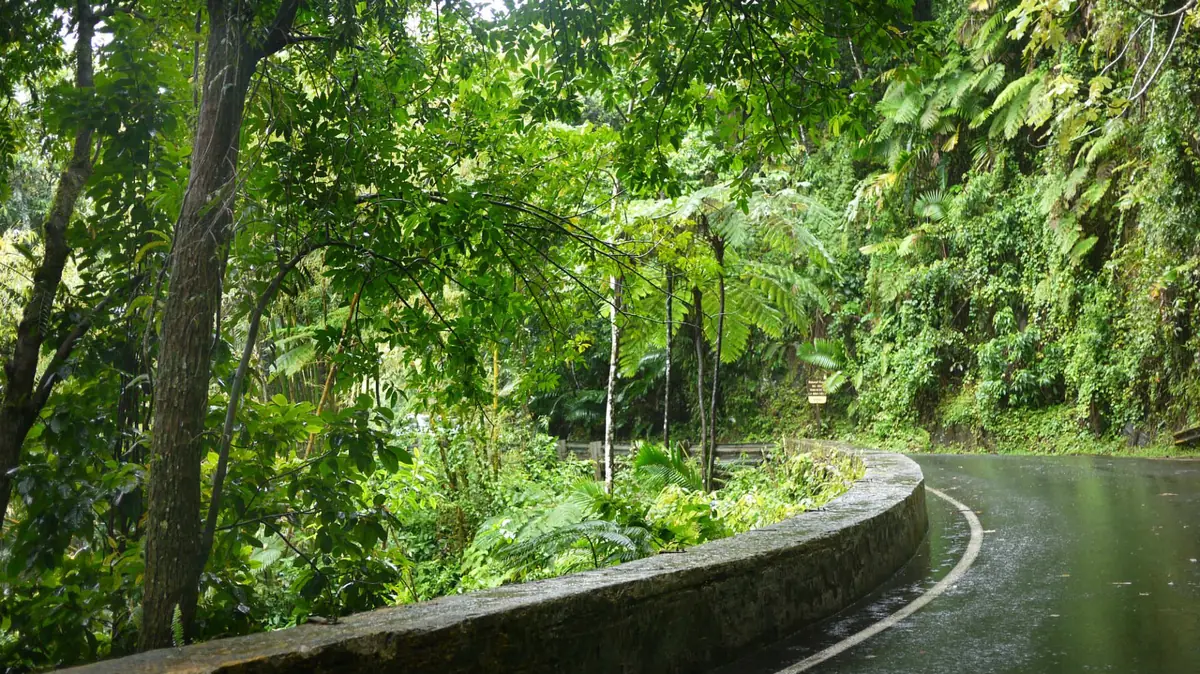
The air inside the dense forest is thick and close, carrying the mineral smell of wet earth and unfurling ferns. When a brief squall hits, the scent shifts to sharp petrichor rising off the heated asphalt. It’s the most distinctly Caribbean sensory moment the whole island offers.
Hit Yokahu Tower first for a panoramic view over the canopy, then drop down to La Mina Falls before midday crowds clog the narrow trails. Note: the El Portal Visitor Center charges $8 per person (ages 16+) and is separate from the corridor — skip it if you’re here to hike.
By early afternoon, drive north to the Luquillo Kiosks — a glorious row of 60-plus open-air food stalls on Highway 3. The choice is overwhelming, so use this cheat sheet:
- Kiosk #2 (La Parrilla): Caribbean fusion. Order the pineapple stuffed with fresh local lobster.
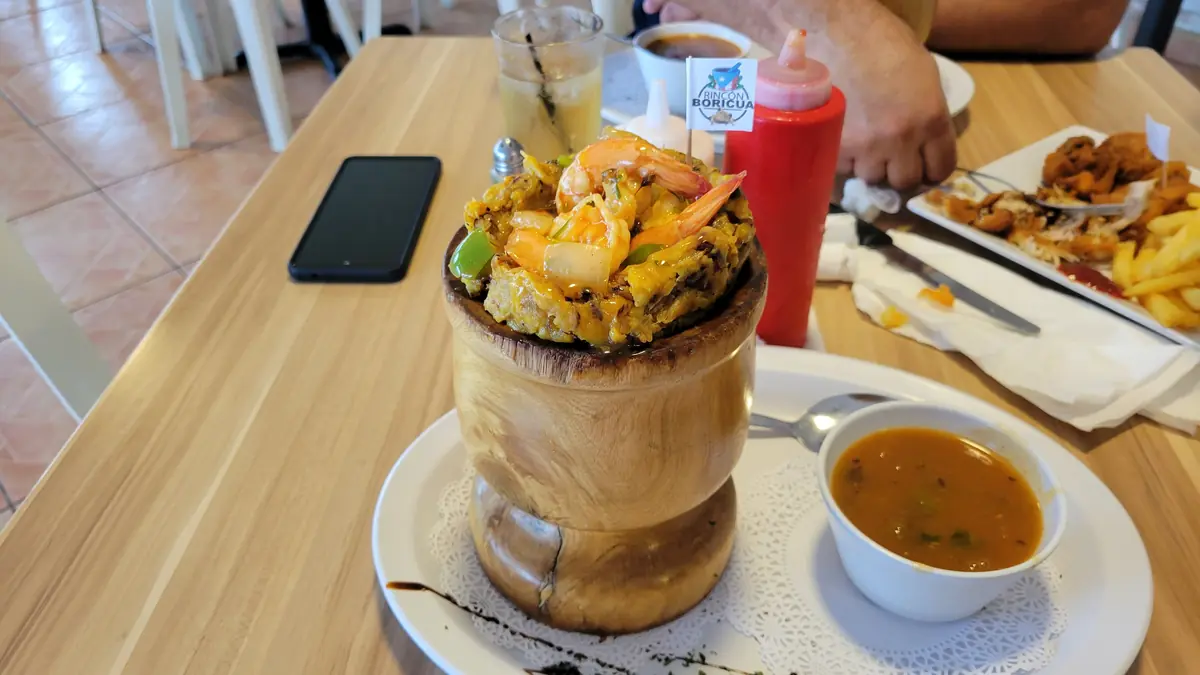
- Kiosk #20 (Terruño): Traditional Puerto Rican. Order the classic mofongo — mashed plantains loaded with garlic.
- Kiosk #34 (Revolution): Wood-fired pizza, hand-tossed.
- Kiosk #40 (Wepa Arepa): Loaded, customized arepas.
- Kiosk #42 (Ceviche Hut): Peruvian seafood. Order the citrus-cured ceviche.
The soundtrack is pure sensory overload: reggaeton blasting from parked cars, the violent sizzle of alcapurrias hitting fryer oil, and the deep thud of wooden pilones crushing raw garlic. Grab your food and eat at the weathered picnic tables facing the water.
After lunch, cool off at Balneario La Monserrate — a wide, calm beach with lifeguards, clean restrooms, and shade structures a short drive from the kiosks.
Quick stats for El Yunque and Luquillo
- Location: El Yunque on Route 191 in Río Grande; Luquillo Kiosks on Highway 3 in Luquillo
- Cost: El Yunque corridor entry is free; El Portal Visitor Center $8 per person; kiosk meals $10–$35
- Best for: Nature lovers, food explorers, families
- Time needed: Full day (8 a.m. to sunset)
Day 3: The Ceiba ferry gauntlet and Mosquito Bay
This is the most logistically demanding day of your Puerto Rico 7-day itinerary. Execute precisely.
The Ceiba Ferry Terminal connects the main island to Culebra and Vieques. Tickets cost around $4 each way and they sell out weeks in advance. Book the second your travel dates are confirmed — walk-up passenger spots do not reliably exist.
Always pick the passenger-only vessel over the cargo ferry. The cargo ship is slower and the open-ocean ride is significantly rougher on your stomach.
Leave your rental car at the paid lot near the terminal. Do not try to bring a rental onto the ferry — most agencies explicitly prohibit it, and the island logistics are a mess anyway.
Once you land on Vieques, rent a UTV (utility terrain vehicle) rather than a tourist golf cart. The roads to Mosquito Bay and the best secluded beaches are rutted, unpaved dirt tracks. A basic golf cart bottoms out constantly; a proper UTV absorbs the punishment.
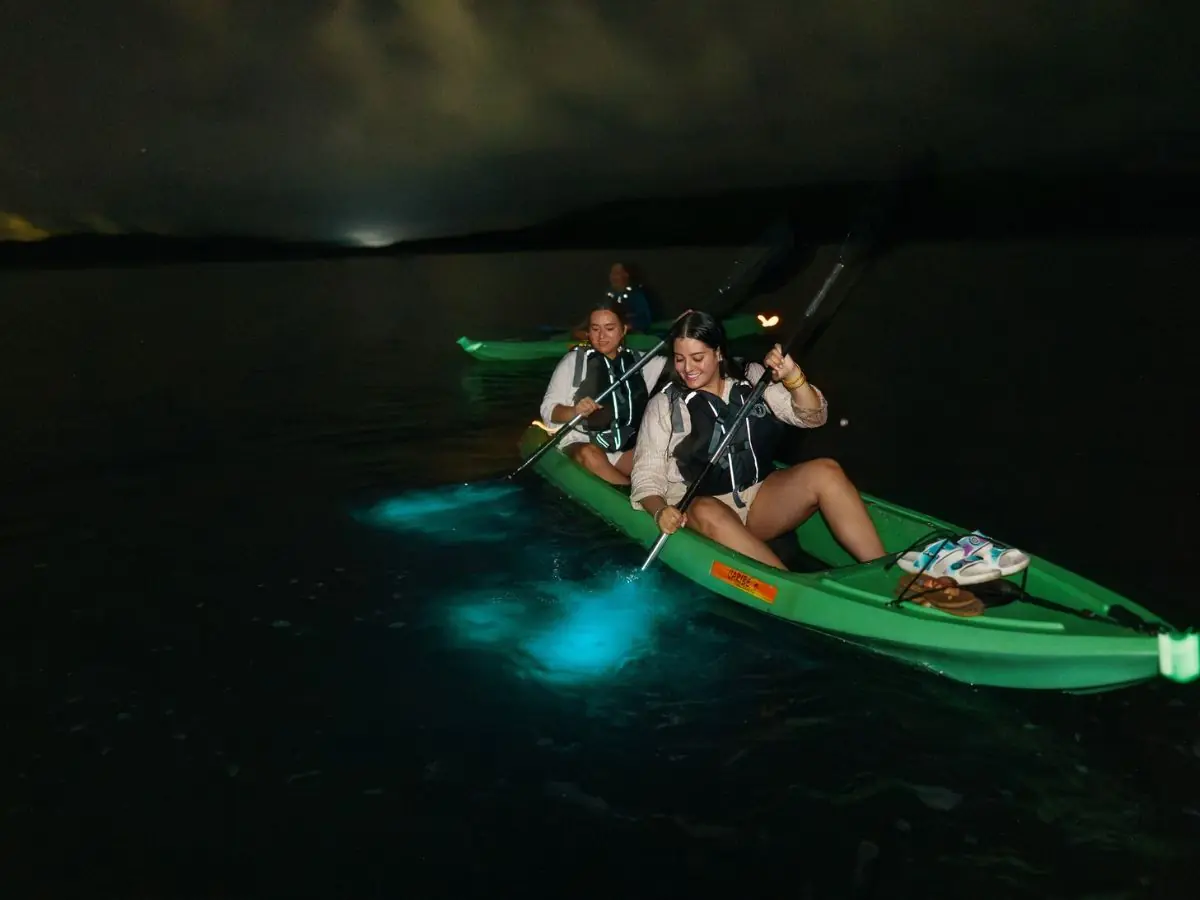
Mosquito Bay holds the Guinness record for the world’s brightest bioluminescent bay. Book a guided bioluminescent bay kayak tour with a licensed operator well ahead of time. Motorized boats are restricted here to protect the microorganisms that produce the glow. The water lights up electric blue-green with every paddle stroke — bring a waterproof phone case.
Quick stats for Vieques
- Location: Ceiba Ferry Terminal, crossing to Vieques Island
- Cost: Ferry ~$4 per person each way; UTV rental $90–$120 per day; bio bay tour $45–$60 per person
- Best for: Adventurous travelers, couples, nature enthusiasts
- Time needed: Full day plus overnight recommended
Day 4: The central mountains and heritage coffee
Turn inland. The coast gets all the attention, but the raw character of this island lives in the cordillera central — the mountain spine that runs east to west through the interior.
The drive itself is half the experience. Mountain roads wind through old coffee farms and tiny pueblos where the temperature drops noticeably. The high air smells of wood smoke and wet vegetation. Expect deep potholes and expect beauty in equal measure. When you hit a pothole at speed on a blind curve — and you will — the teeth-rattling jolt is a visceral reminder that this is not a sterilized resort island.
Stop at Hacienda San Pedro, or a comparable working estate near Jayuya, to tour a functioning Puerto Rico coffee operation. The high-altitude beans here are still sun-dried using techniques passed down through generations. The fresh coffee at the end of the tour is among the best you’ll drink anywhere.
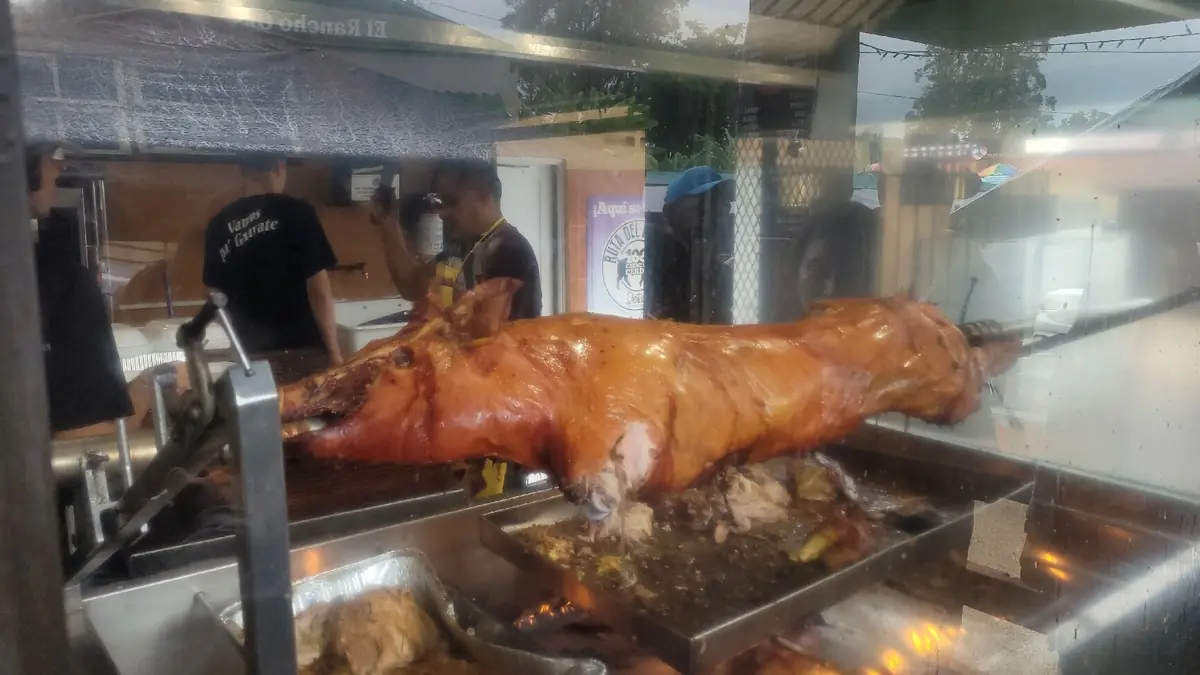
In the late afternoon, follow Highway 184 down through Guavate — the Ruta del Lechón, or Pork Highway. The winding road is lined with lechoneras serving whole-roasted pig. The meat is slow-cooked over open wood coals for hours until the salty skin shatters when you bite it.
Order a plate of pernil with seasoned rice, gandules (pigeon peas), and crispy tostones. It is emphatically not a light meal — you will need a nap.
The Taíno indigenous heritage of the Jayuya region is worth exploring while you’re up here. The area has ancient ceremonial sites and a dedicated museum detailing pre-colonial island history.
Quick stats for the Cordillera Central
- Location: Jayuya municipality and Guavate on Highway 184 in Cayey
- Cost: Coffee tour $15–$25 per person; lechonera meal $12–$20 per person
- Best for: Culinary travelers, culture seekers, off-the-beaten-path explorers
- Time needed: Full day with 4–5 hours of driving
Day 5: Cabo Rojo’s cliffs and pink salt flats
The southwestern corner of Puerto Rico is geologically unlike anywhere else on the island. Clear your schedule and drive west to Cabo Rojo.
The Los Morrillos Lighthouse at Cabo Rojo sits at the tip of a dramatic limestone peninsula. The lighthouse is worth the stop, but the real discovery is out back. Walk the 2.5-mile (4 km) dirt trail along the Acantilados de Cabo Rojo — jagged limestone cliffs that drop sharply into churning turquoise water.
This trail is unmarked on most tourist maps and sees a tiny fraction of the traffic El Yunque gets. Wear sturdy, closed-toe shoes — the rocky terrain is uneven.
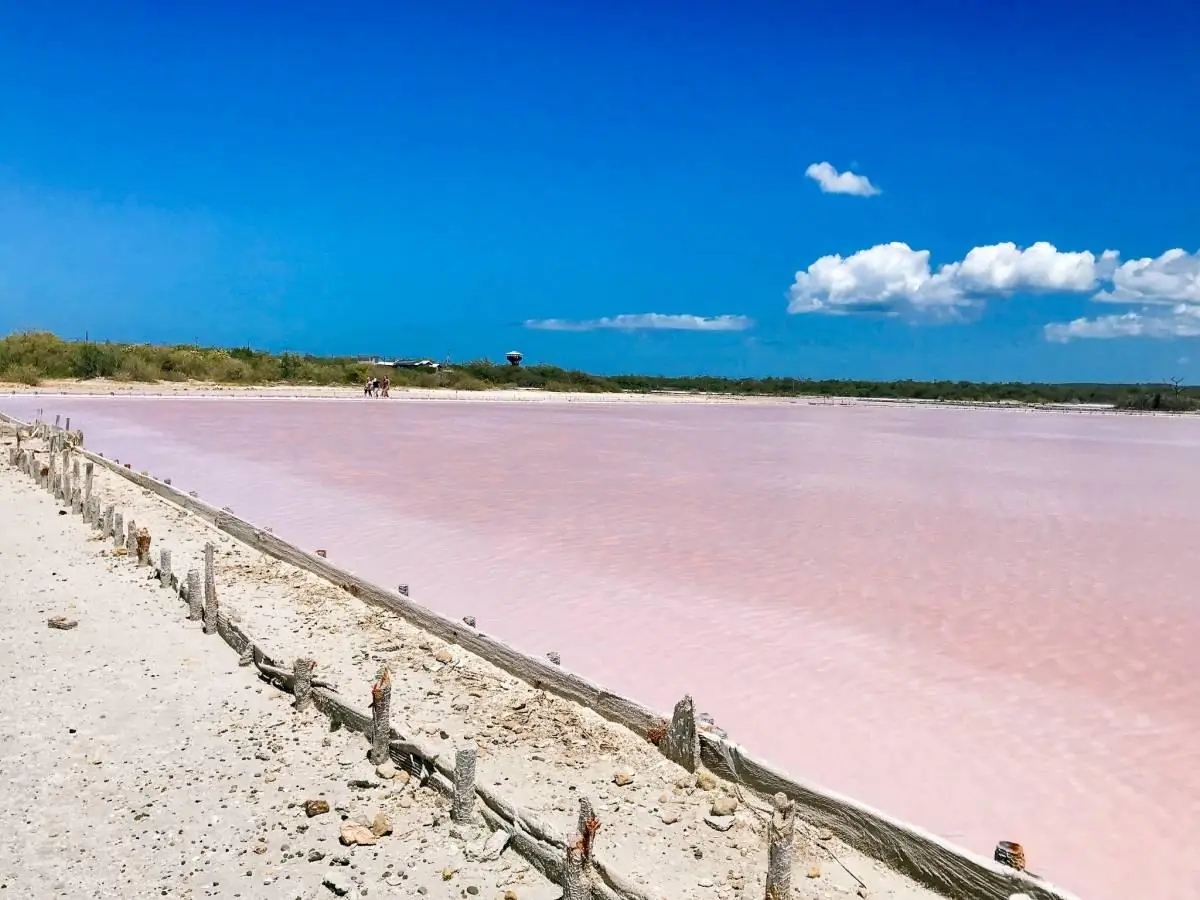
On the drive back, pull over at Las Salinas — wide pink salt lakes that shimmer in dusty shades of rose and lilac. The colors change depending on time of day and salinity levels, and are most vivid during the dry season under harsh morning or late afternoon light.
End the day at Buye Beach, a calm crescent-shaped bay just north of Cabo Rojo. Unlike the beaches further south that get heavy seasonal sargazo (sargassum seaweed), Buye stays clean and uncrowded.
Quick stats for Cabo Rojo
- Location: Cabo Rojo municipality, southwestern Puerto Rico
- Cost: Access is free; lighthouse parking ~$5; Buye Beach parking ~$5
- Best for: Hikers, photographers, travelers seeking solitude
- Time needed: Full day (expect 5–6 hours of driving round trip from San Juan)
Day 6: Surf culture and the sunset ritual in Rincón
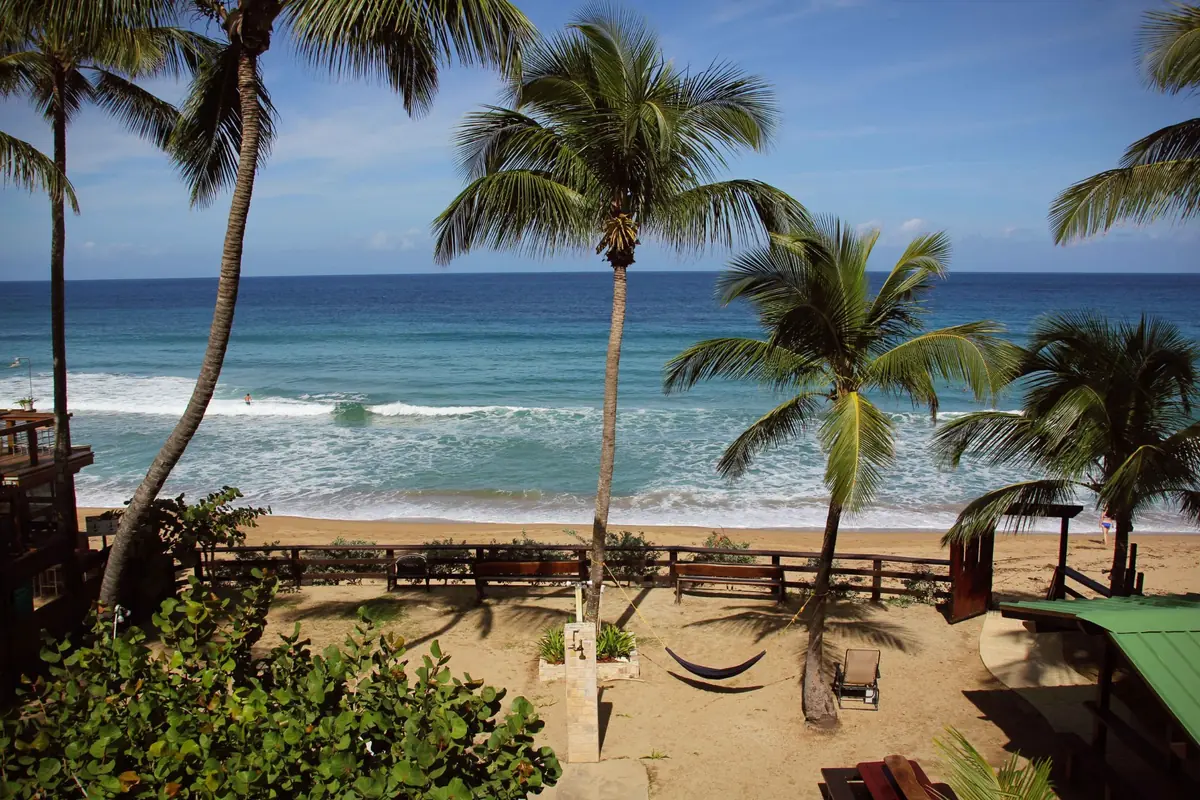
Rincón runs on its own schedule. The town is small, relaxed, and organized around the raw power of the ocean. The surf breaks here — Domes Beach in particular — are internationally recognized and draw serious athletes during the winter swell season.
If you don’t surf, fine. Watching skilled surfers ride the Mona Passage swell is its own form of entertainment.
Spend the afternoon at the beach, then drive to the Villa Cofresi Hotel right before sunset. Order the Pirata at the bar. This is the hotel’s signature cocktail — a blend of local rum, dark cinnamon, and fresh coconut milk, served inside a whole, freshly hacked green coconut. The shell feels heavy in your hands, and the icy liquid is cold. The first sip is sharp with cinnamon, then softened by the coconut fat.
Drink it slowly facing the water. The sun sets directly over the Mona Passage here — no land mass between you and the horizon. On perfectly clear evenings, you’ll catch the green flash as the sun vanishes.
Quick stats for Rincón
- Location: Rincón on the far western coast
- Cost: Villa Cofresi Pirata cocktail $14–$18; two-hour surf lesson $65–$85
- Best for: Surfers, couples, sunset chasers
- Time needed: Full day with overnight recommended
Day 7: Santurce street art and strategic departure
Do not waste your final morning at the airport. Head to Santurce, the gritty urban neighborhood immediately southeast of Condado. The area is mid-resurgence — culinary and cultural — and it’s only a 15-minute drive from Luis Muñoz Marín International Airport.
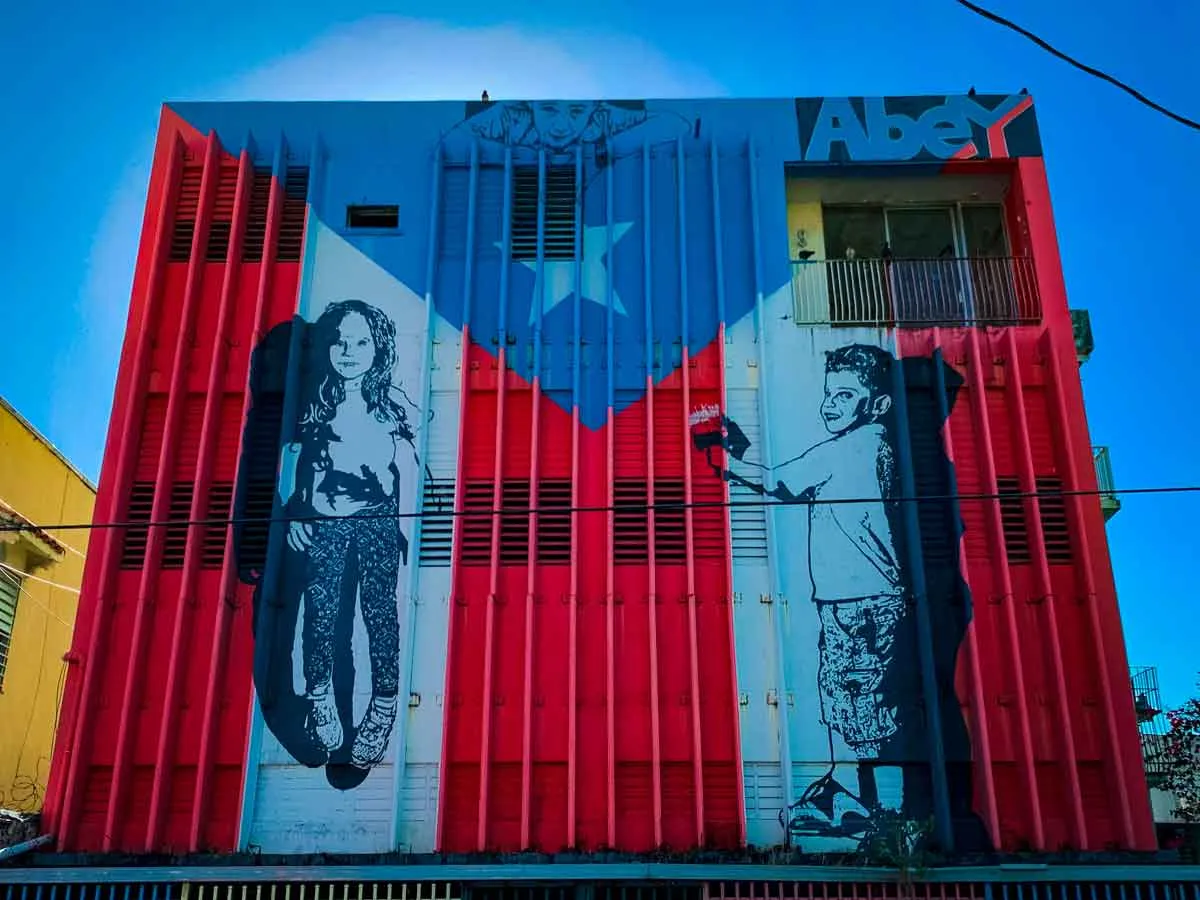
Walk Calle Cerra and the surrounding blocks to see museum-quality Santurce street art and murals. Local and international artists have turned decaying building facades into an open-air gallery spanning multiple city blocks. The paint photographs beautifully in sharp morning light.
For a quieter, climate-controlled option, head to the Museo de Arte de Puerto Rico. The facility houses one of the most comprehensive collections of Puerto Rican fine art in existence, and the building itself — a restored neoclassical former hospital — is worth the visit alone.
Departure logistics are critical. San Juan rush hour is severe. The morning gridlock hits hard between 6 a.m. and 9 a.m., and the afternoon choke runs 4 p.m. to 7 p.m.
For a midday flight, leave Santurce no later than 10 a.m. For afternoon flights, time the run carefully. The distance from Santurce to the airport is only 4 miles (6.4 km), but at peak traffic that can stretch to 45 miserable minutes. Check in online and use TSA PreCheck if you have it — the main international terminal backs up quickly on heavy travel days.
Quick stats for Santurce
- Location: Santurce neighborhood, San Juan
- Cost: Street art walk is free; museum entry ~$12 per person
- Best for: Art lovers, urban photographers, travelers maximizing every hour
- Time needed: Half day (3–4 hours before airport run)

The bottom line
Seven days is just enough to execute a Puerto Rico 7-day itinerary without burning out. You’ll move from the fortress walls of the capital to the glowing water of a remote bay, from a mountainside coffee farm to a rum cocktail at sunset over the Mona Passage. For broader context, background, and alternative route ideas, this complete Puerto Rico travel guide is a solid companion resource. But this only works if you lock down the logistics before your plane touches down.
TL;DR: Book Ceiba ferry tickets the day your dates are confirmed, confirm your rental car has an active AutoExpreso tag in writing, and arrive at the El Yunque gates by 8 a.m. sharp to beat the 200-car cap. Nail those three and the rest of the week falls into place.
What’s the one stop on this Puerto Rico 7-day itinerary you’d rearrange the whole week to make time for — the bio bay, the Pork Highway, or the Cabo Rojo cliffs?