Choosing where to stay in Puerto Rico is harder than it looks. The island spans rainforests, surf towns, a 500-year-old colonial city and two offshore islands — and the wrong neighborhood can derail your entire trip. This guide matches your travel style to the right basecamp, fast. For the bigger picture on planning the rest of the trip, start with our full Puerto Rico travel guide.
What should every US traveler know before booking Puerto Rico?
Puerto Rico is a US territory, so mainland Americans skip passports, currency exchange and international phone fees. The two decisions that shape the entire trip are choosing the right San Juan micro-neighborhood (the four adjacent zones are wildly different) and deciding whether to rent a car, which is non-negotiable outside the capital.
Do US citizens need a passport to visit Puerto Rico?
No. Mainland Americans travel with only a valid government ID, use standard domestic phone plans and clear security via TSA Precheck at Luis Muñoz Marín Airport (SJU). No passport. No currency exchange. US dollars only.
Is Puerto Rico safe for tourists?
Puerto Rico is roughly as safe as comparable US cities like Miami or New Orleans, provided you apply standard urban awareness. Major tourist zones — Old San Juan, Condado, Isla Verde and Luquillo — are heavily policed and safe for evening walks. Petty theft, not violent crime, is the realistic concern for visitors.
Avoid entering La Perla (directly below Old San Juan’s city walls) after dark without a guided tour. Certain streets in Santurce also require extra caution at night. Outside tourist corridors, apply the same common sense you’d use in any major US metro.
Respect the ocean equally. Coastal riptides are a documented hazard at several popular beaches — notably the main Condado Beach strip. Hurricane season runs from June through November; monitor NOAA advisories before and during travel in those months.
Do you need a rental car in Puerto Rico?
If you’re staying exclusively within Old San Juan or Condado, you can skip the rental. For anywhere else on the island, renting a car in Puerto Rico is non-negotiable — public transit outside the capital is effectively nonexistent and rideshare coverage drops off fast once you leave the metro area.
Book far in advance — inventory runs tight, especially around major US holidays. Fuel is sold by the liter, not the gallon, so do the math before your tank hits empty. The AutoExpreso electronic toll system operates on major highways; confirm your rental’s transponder setup before leaving the lot.
Pro Tip: In rural mountain terrain, Google Maps consistently outperforms Waze. Recalculation errors on Waze can route standard sedans down steep, impassable back roads with no easy turnaround.
Which San Juan neighborhood should you actually book?
The single biggest decision in figuring out where to stay in Puerto Rico is which San Juan neighborhood you choose. San Juan is not one destination — it is four completely different travel experiences stacked side by side, each with its own vibe, logistics and price range. Booking the wrong micro-neighborhood is the most common first-timer mistake.
Use this matrix before you commit:
- Old San Juan — best for history lovers, first-timers, couples. Walkable, but parking is nearly impossible. Top properties: Hotel El Convento, Palacio Provincial.
- Condado — best for luxury travelers and casino players. Main beach has dangerous riptides — do not swim there. Top properties: Condado Vanderbilt, La Concha Resort.
- Ocean Park — best for windsurfers and quiet beach seekers. Residential area; a rental car is strongly recommended. Top properties: Tropica Beach House, Dream Inn PR.
- Santurce — best for the artist and nightlife crowd. Not all streets are safe to walk after dark. Top properties: Santurcia Hostel, Metro Art Hotel.
- Isla Verde — best for families and weekend travelers. Technically outside San Juan, directly next to the airport. Top properties: Fairmont El San Juan, TRYP by Wyndham.
Old San Juan — the first-timer’s pick
Old San Juan is a 500-year-old living outdoor museum compressed into seven walkable blocks. Spanish colonial buildings painted in deep blue, mustard and terracotta line streets paved with original cobblestones, and the air carries the permanent scent of roasting coffee and frying alcapurrias drifting from open kitchen windows.
This is the single best neighborhood for first-time visitors who prioritize culture, walkability and evening safety over beach access. The heavy police presence makes it one of the safest places on the island to walk after midnight.
Hotel El Convento is the neighborhood’s defining property — a restored 1640s Carmelite convent featuring interior courtyards, hand-painted tile work and rooftop views over the Paseo de la Princesa. This is not a chain hotel experience; every corner rewards exploration, and it ranks among the finest Old San Juan boutique hotels on the island.
- Location: 100 Cristo Street, Old San Juan
- Cost: from $250–$450/night
- Best for: Couples, culture travelers, architecture enthusiasts
- Time needed: 2–3 nights minimum
Start your mornings at Café Manolín — a beloved diner tucked inside a purple building — and order the sweet Mallorca bread sandwich alongside a local café con leche. For a more modern espresso experience, Caficultura on Calle San Francisco delivers creative takes on traditional Puerto Rican breakfasts.
Pro Tip: The few public parking garages in Old San Juan fill by 9 AM on weekends. If you’re day-tripping from another neighborhood, take a rideshare in and save yourself an hour of circling.

Condado — the luxury strip
Condado is Puerto Rico’s answer to South Beach. Ashford Avenue runs through a gauntlet of designer boutiques, upscale bars and casino hotels, and the energy after 10 PM is relentless. This is the right neighborhood for travelers who want full resort luxury without leaving the capital.
Do not swim at the main Condado Beach. Powerful lateral currents make the primary stretch genuinely dangerous, and it is poorly marked. Walk two blocks east to Playita del Condado or further to Escambron Beach for calm, swimmable water.
Condado Vanderbilt Hotel is the neighborhood’s anchor — a 1919 Beaux-Arts landmark with sweeping curved staircases and the 1919 Restaurant, helmed by a Michelin-starred executive chef. A dinner reservation here is worth the spend even if you’re not a guest.
- Location: 1055 Ashford Avenue, Condado
- Cost: from $400–$800/night
- Best for: Honeymooners, luxury travelers, casino enthusiasts
- Time needed: 3–4 nights
La Concha Renaissance Resort offers a sleeker, mid-century aesthetic with multiple pools and immediate beach access — the right alternative if the Vanderbilt’s formal grandeur isn’t your style.
- Location: 1077 Ashford Avenue, Condado
- Cost: from $300–$600/night
- Best for: Design-conscious couples, pool-first travelers
- Time needed: 3–4 nights
For breakfast in Condado, Pinky’s is a local institution: enormous smoothies (one order is realistically two servings) and exceptional sandwiches. The Christiansen on Ashford Avenue produces what may be the best French toast on the island.
Pro Tip: A dedicated bike lane runs directly from Condado to Old San Juan — roughly 2 miles (3.2 km). Rent a bike for $15–$25 and skip the taxi for daytime cultural day trips.

Ocean Park and Santurce — quiet beach or creative chaos
Ocean Park is the neighborhood for travelers who want a residential, unhurried beach experience without resort crowds. Its wide, uncrowded beach draws windsurfers and beach volleyball regulars far more than tourists on sun loungers — and the water is reliably calm and swimmable.
Because the area is composed primarily of small inns, guesthouses and apartment rentals rather than large hotels, most amenities require short drives. A rental car is strongly recommended if you base yourself here.
The non-negotiable food stop in this area is Kasalta Bakery on McLeary Street — the island’s most respected Cuban bread, dense and buttery, still warm by 8 AM. It is worth a minor detour even if you’re staying elsewhere in the city.
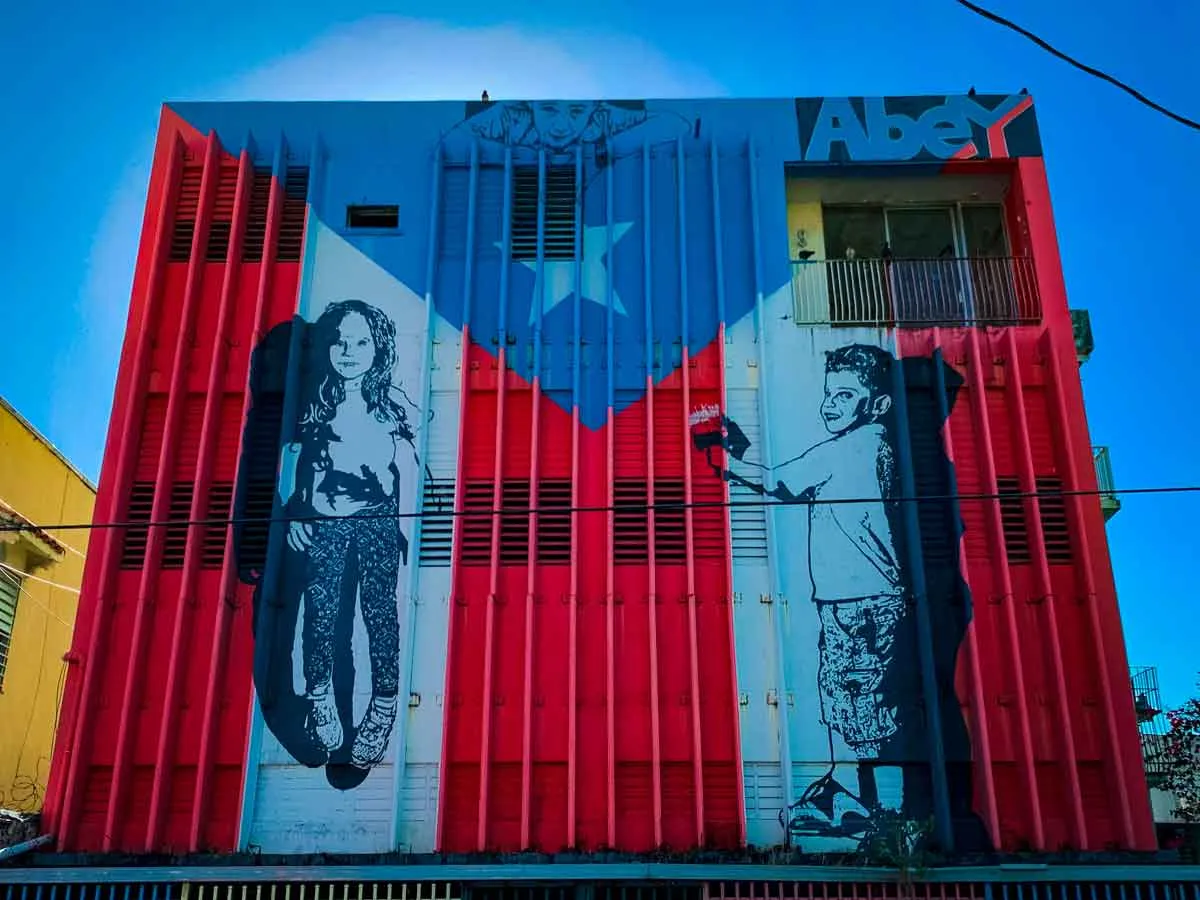
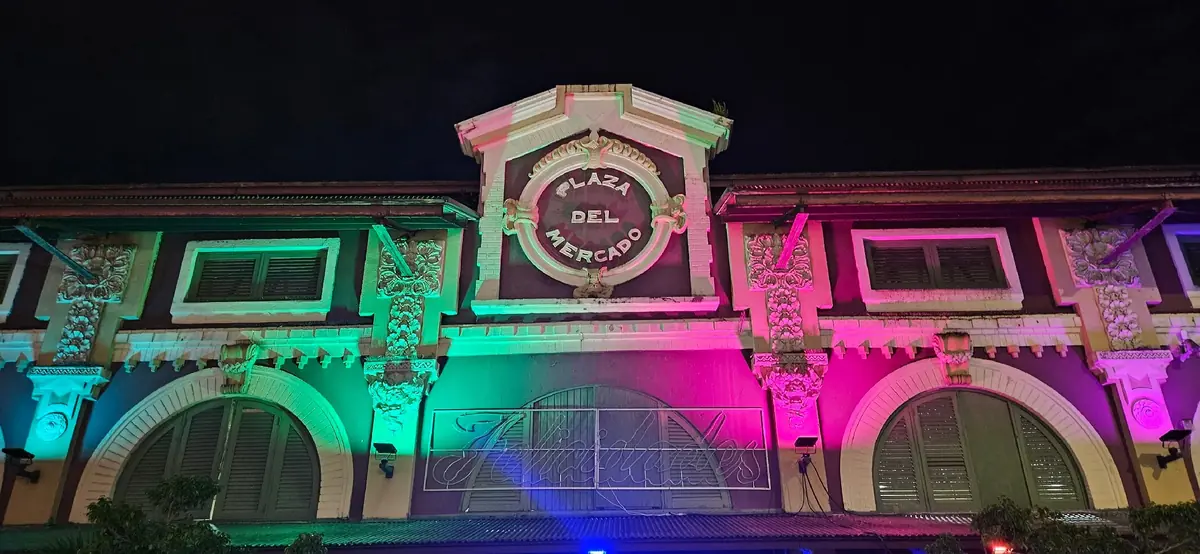
Santurce operates on an entirely different frequency. This creative district is Puerto Rico’s cultural engine: large-scale street murals on every available wall, contemporary art galleries and clubs running live reggaeton, salsa and local heavy metal until 4 AM.
La Placita, the neighborhood’s famous public market square, transforms into one of the island’s great social scenes on weekend evenings — loud, packed and deeply local. Unlike Condado or Old San Juan, not all of Santurce is safe to walk after dark; stick to well-lit commercial streets and use rideshare apps between venues.
For breakfast in this area, walk Calle Loiza to find Cafe Regina or Tostado, then make a mandatory stop back at Kasalta for bread.
- Location: Calle Canals, Santurce (Santurcia Hostel)
- Cost: from $50–$120/night
- Best for: Budget travelers, solo travelers, nightlife enthusiasts
- Time needed: 2 nights
Isla Verde — the airport-adjacent beach pick
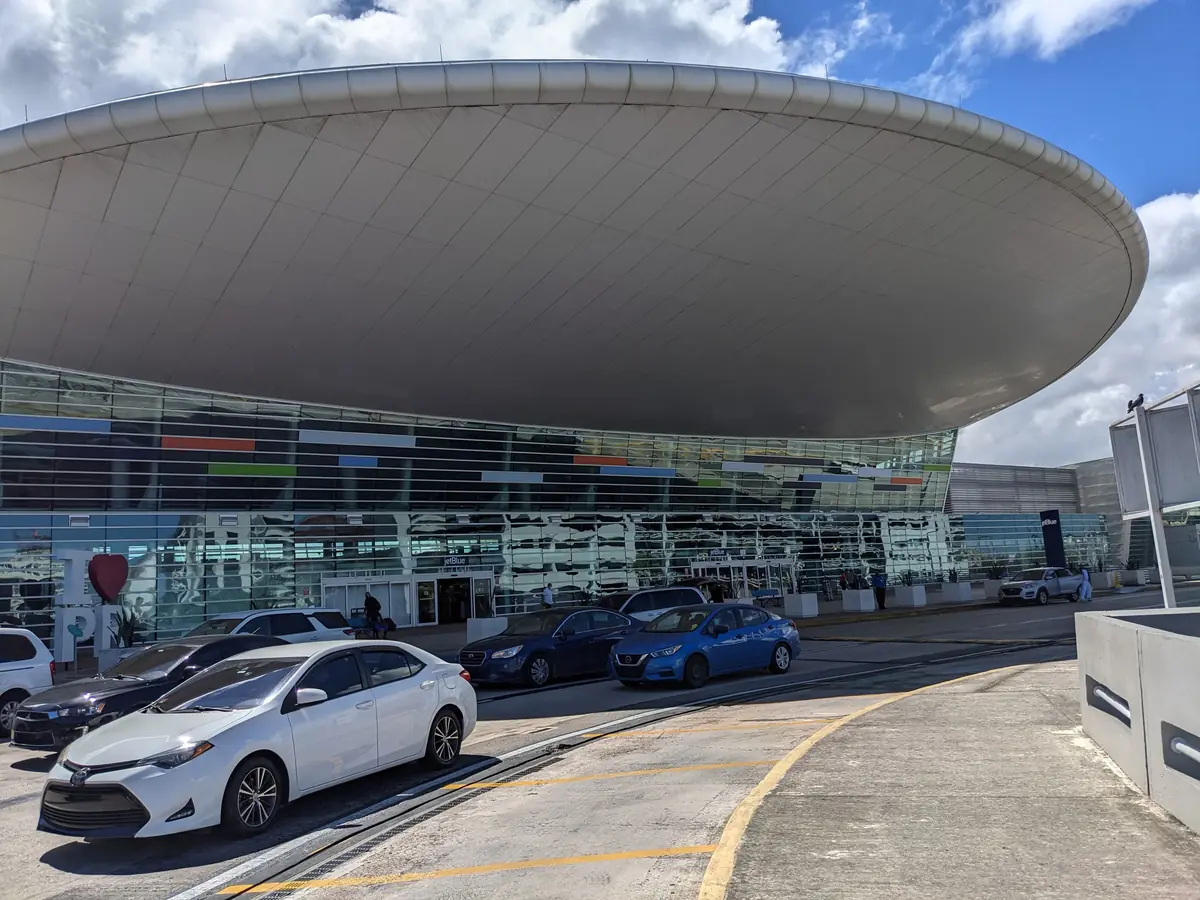
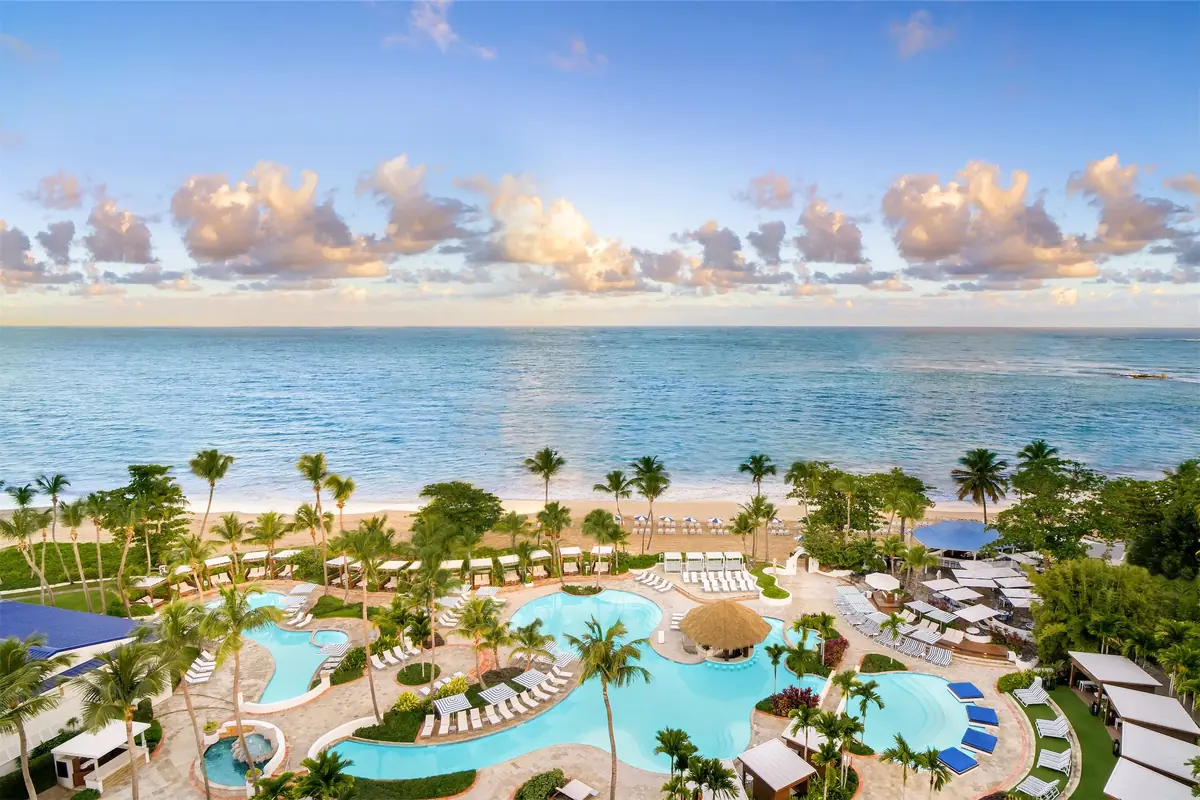
Isla Verde solves one specific problem: you want a great beach and you do not want to spend two hours in a taxi after landing. The neighborhood sits directly adjacent to Luis Muñoz Marín Airport — a 10-minute drive — making it the smartest choice for short weekend trips or families traveling with young children.
One geographic clarification worth knowing: Isla Verde is technically in the municipality of Carolina, not San Juan. This matters for nothing practical, but explains why some booking platforms list it as a separate destination.
The beaches here — Isla Verde Beach and nearby Carolina Beach — are wide, consistently clean and genuinely safe for swimming. Water sports operators line the sand offering jet ski rentals, parasailing and snorkel gear by 8 AM daily.
Fairmont El San Juan Hotel is the prestige address in the area: poolside suites, oceanfront villas, a casino and direct access to one of the island’s best stretches of beach.
- Location: 6063 Isla Verde Avenue, Carolina
- Cost: from $350–$700/night
- Best for: Families, weekend travelers, water sports enthusiasts
- Time needed: 3–4 nights
Where should you stay on Puerto Rico’s west coast for surf and sunsets?
Rincón is where Puerto Rico’s laid-back soul lives. The town — along with neighboring Aguadilla and Isabela — forms the island’s undisputed surf capital, pulling wave riders from across the mainland every winter. Base here for surf, whale watching and the best sunsets on the island; base elsewhere if you need calm swimming water during peak swell months.
Domes Beach in Rincón produces powerful, consistent breaks from November through March when north Atlantic swells push through. Non-surfers should note: those same winter swells make Domes and nearby beaches unsafe for casual swimming. For calm water during surf season, seek out sheltered coves on the island’s south-facing shores.
From January through March, humpback whales migrate through the waters off Rincón. Watching them breach from the shoreline at sunset costs nothing and is one of the most genuinely affecting experiences on the entire island.
Pro Tip: Skip the 2.5-hour drive from San Juan and fly directly into Rafael Hernández Airport (BQN) in Aguadilla. Several major carriers offer direct mainland US routes, particularly from the Northeast.
Crash Boat Beach in Aguadilla is a prime example of Puerto Rico’s seasonal extremes: in summer, the water runs glass-clear over colorful reef structures ideal for snorkeling. In winter, it becomes a legitimate surf break. Plan your activity around the season, not the photographs.
Isabela, further north along the coast, is quieter and more authentically local. The trails of Guajataca State Forest wind through limestone karst formations and past freshwater fishing spots that see almost no tourist foot traffic. One surreal local landmark: the Aguadilla Ice Skating Arena — one of the only functioning ice rinks in the Caribbean.

Why do locals choose the southwest for their own vacations?
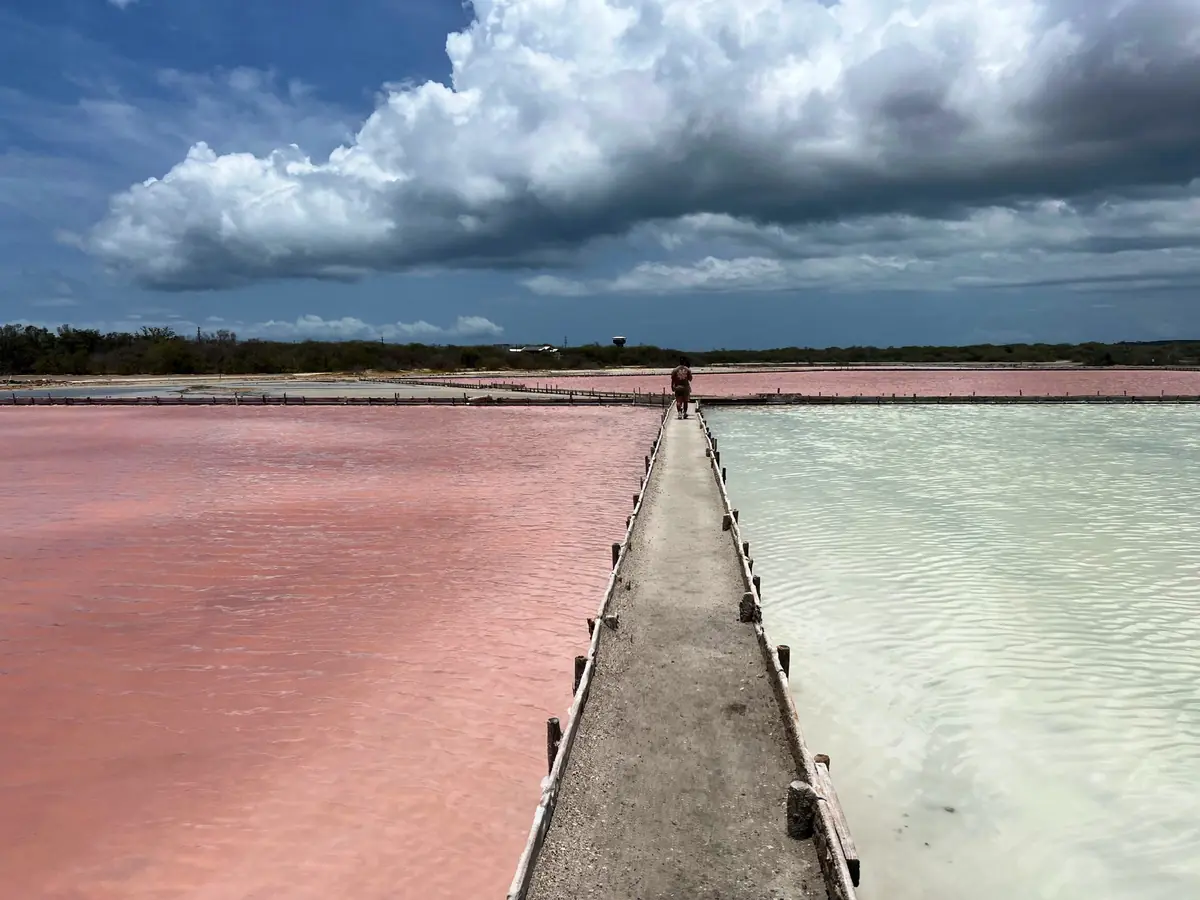
The southwestern corner — covering Cabo Rojo, Guánica, Lajas and Ponce — is where local Puerto Ricans vacation, which is the strongest endorsement the region could get. Within a 30-mile (48 km) radius, you can walk through a sun-scorched desert forest, swim over pristine coral reefs and photograph flamingo-pink salt formations rising against white limestone cliffs. Expect dry heat in the 85–90°F (29–32°C) range most of the year.
Bosque Estatal de Guánica is a UNESCO Biosphere Reserve and one of the most extensive dry subtropical forests on earth. It looks nothing like the lush imagery Puerto Rico is known for — the landscape is arid, thorny and sparse. Just offshore, water taxis run to Cayo Aurora (Gilligan’s Island) for shallow snorkeling through mangrove channels.
The Cabo Rojo salt flats turn a deep rose-pink during the dry season, producing a photogenic contrast against the turquoise Caribbean at the lighthouse overlook. The nearby fishing village of Joyuda is respected across the island for its row of open-air seafood restaurants serving fresh catch alongside mofongo and tostones.
Ponce anchors the south culturally. Its famous Parque de Bombas — a red-and-black striped former firehouse in the town center — anchors a district of Art Nouveau and Creole architecture largely untouched by northern resort development. Hacienda Buena Vista and the La Guancha waterfront boardwalk complete the picture for travelers who want genuine history alongside their beach time.
Where should you base yourself for El Yunque and the bioluminescent bay?
For travelers whose list includes hiking a tropical rainforest by day and kayaking through bioluminescent water by night, the eastern towns of Luquillo and Fajardo are the mandatory basecamp. The east coast operates on a completely different rhythm from San Juan — slower, greener and oriented around nature rather than nightlife.
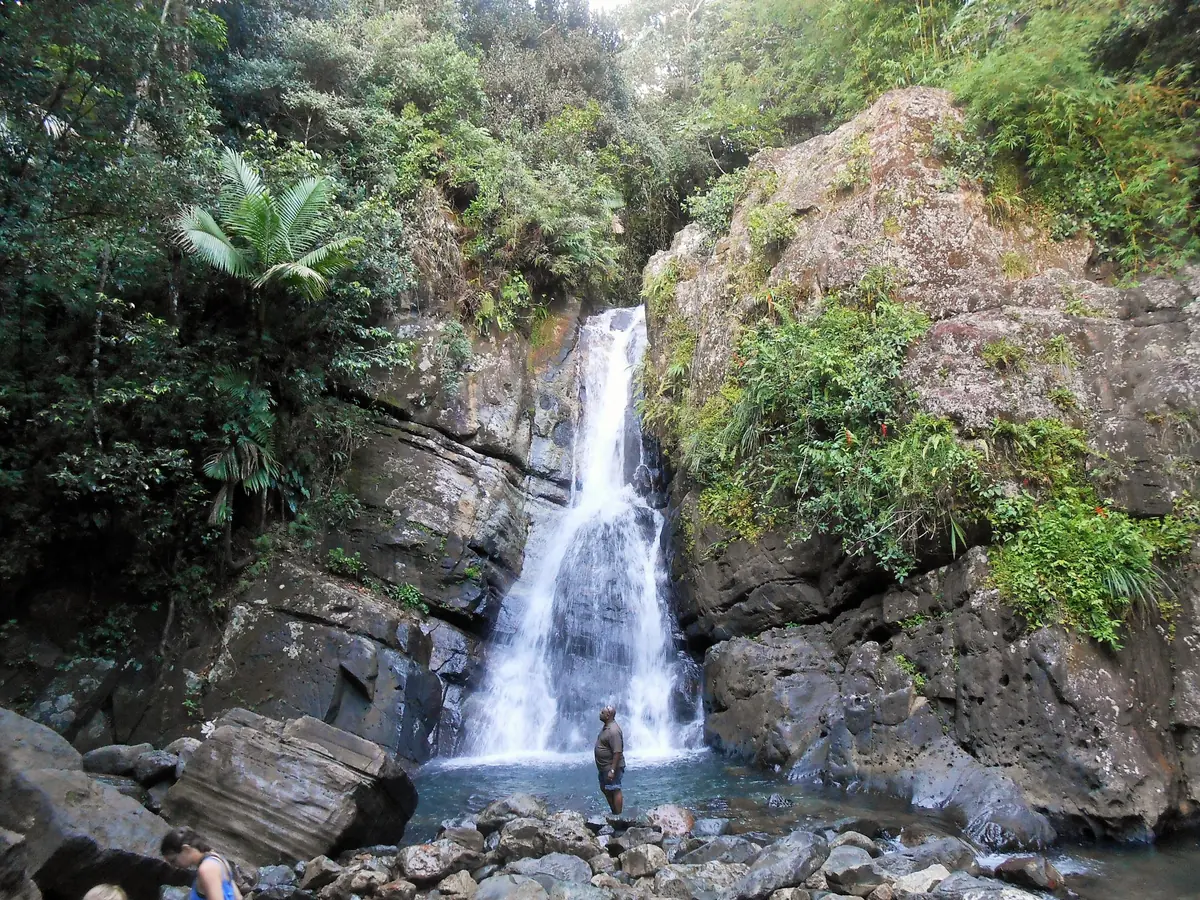
El Yunque National Forest — the only tropical rainforest in the entire US National Forest System — is the centerpiece. Trails range from paved and family-friendly to steep, slippery and genuinely demanding.
The forest has a distinct sensory character: damp earth, ancient moss, the sharp clarity of mountain air after rainfall and the relentless rushing of waterfalls crashing through the canopy below. At dusk, the rhythmic chorus of the endemic coquí frogs rises until it fills every corner of the forest.
Luquillo itself offers one of the island’s finest public beaches — Balneario de Luquillo — wide, golden and calm enough for young children. The real draw, however, is Los Kioskos de Luquillo: a strip of roughly 60 beachfront food stalls that collectively represent some of the best casual eating on the island.
Pro Tip: Head directly to Kiosk #40 (Rellena’o) for pizza-filled empanadillas and frozen tropical drinks. The beach alone would be worth the drive; this makes it essential.
Fajardo — known locally as “the city that guards the sun” — is the staging point for the island’s signature sensory experience: a nighttime kayak tour through the bioluminescent bay. The naturally occurring dinoflagellates in the water emit a cold blue-green glow when disturbed. Your paddle strokes and the wake trailing from your hands produce trails of ghostly light in the dark water.
El Conquistador Resort in Fajardo is the region’s premier luxury address — dramatic clifftop positioning over the Atlantic, private plunge pools and a shuttle ferry to a private offshore beach island.
- Location: Route 987, Fajardo
- Cost: from $350–$650/night
- Best for: Couples, honeymooners, eco-adventure travelers
- Time needed: 3 nights
How does the Puerto Rico ferry to Vieques and Culebra actually work?
The ferry departs from the Ceiba terminal on the eastern coast, and only about 20% of tickets are sold online at puertoricoferry.com. Even when the website shows a sold-out departure, the remaining 80% of seats are sold at the physical terminal windows on the day of travel — a detail most guides leave out.
Here’s the survival protocol most travel guides skip:
- Ticket purchase: “Sold out” online does not mean sold out — buy at the physical window on the day of travel.
- Drive from San Juan: Allocate a minimum of 2 hours. Traffic near San Juan is unpredictable and the ferry will not wait.
- Terminal arrival: At least 1 hour before departure. Boarding closes exactly 10 minutes before the vessel leaves.
- Tickets: Strictly non-refundable once purchased.
- Motion sickness: Sit on the exterior deck for fresh air. The channel crossing can be rough, particularly in winter.
- Backup plan: If terminal lines are untenable, drive to Ceiba Airport and book a short regional flight to either island.
Vieques vs. Culebra — which island is right for you?
Vieques is the larger, wilder choice. Wild horses roam freely across its beaches and back roads — you will almost certainly encounter them on the drive from the ferry terminal. Its Mosquito Bay is recognized as the brightest bioluminescent bay on earth, measurably more intense than the one near Fajardo.
Culebra is smaller, less developed and almost entirely oriented around one thing: Flamenco Beach — a horseshoe of white sand and crystal-clear snorkeling water that appears on nearly every credible “best beaches in the Caribbean” list. It is the right choice for travelers who want one perfect beach and no distractions.
Before you book
TL;DR: Match your neighborhood to your actual travel style — Old San Juan for culture, Condado for luxury, Isla Verde for families, Rincón for surf, the southwest for local flavor, Fajardo for nature. Rent a car unless you’re staying strictly in the capital. Show up at the Ceiba ferry terminal at least an hour before departure, and ignore the online “sold out” notice.
Puerto Rico rewards specificity. The traveler who books a hotel in Condado expecting to swim every morning, or who shows up at the Ceiba ferry terminal 20 minutes before departure, will have a fundamentally different experience than the one who reads the fine print first.
Match your neighborhood to your travel style, build the logistics in before you arrive and the island delivers completely. The hard part is the planning — the rest takes care of itself.
Which part of Puerto Rico are you most torn between — the capital’s neighborhoods, the surf towns of the west or the offshore islands?