This Portugal food guide starts where mine did — at a Porto tasca, with a €2 bifana that cost less than a coffee and revealed more about the country than any restaurant with tablecloths. The five dishes below define where Portugal’s culinary identity comes from, and the guide maps where to find each one at its actual best. If you’re still planning your Portugal trip, consider building the itinerary around meals — it changes how you experience the country.
What makes Portuguese cuisine different from the rest of Europe?
Portuguese cuisine stands apart through its rare combination of Atlantic seafood, agricultural simplicity, and a spice pantry shaped by 500 years of global exploration. The result is cooking that is direct and unadorned — pork, olive oil, cod, bread — elevated by technique and regional obsession rather than complexity. No other European country eats as much fish per person, and none carries its colonial history so clearly on the plate.
Portugal’s connection to the sea runs deeper than any other European country. The Portuguese are the continent’s leading fish consumers per capita — over 100 pounds (45 kg) per person annually. That maritime focus balances with a landlocked interior built on porco preto (Iberian black pig), handmade bread, and exceptional olive oil.
The Age of Discovery left a permanent mark on the pantry. Portuguese sailors returned with piri-piri peppers from Africa and the Americas, cumin and cloves from Asia, and coriander — now the defining herb of southern Portuguese cooking. The Romans introduced wine cultivation and olive trees; the Moors brought almonds, rice, and lemons. Eating in Portugal means tasting 2,000 years of cultural exchange in a single meal — a depth explored further in our guide to traditional Portuguese food.
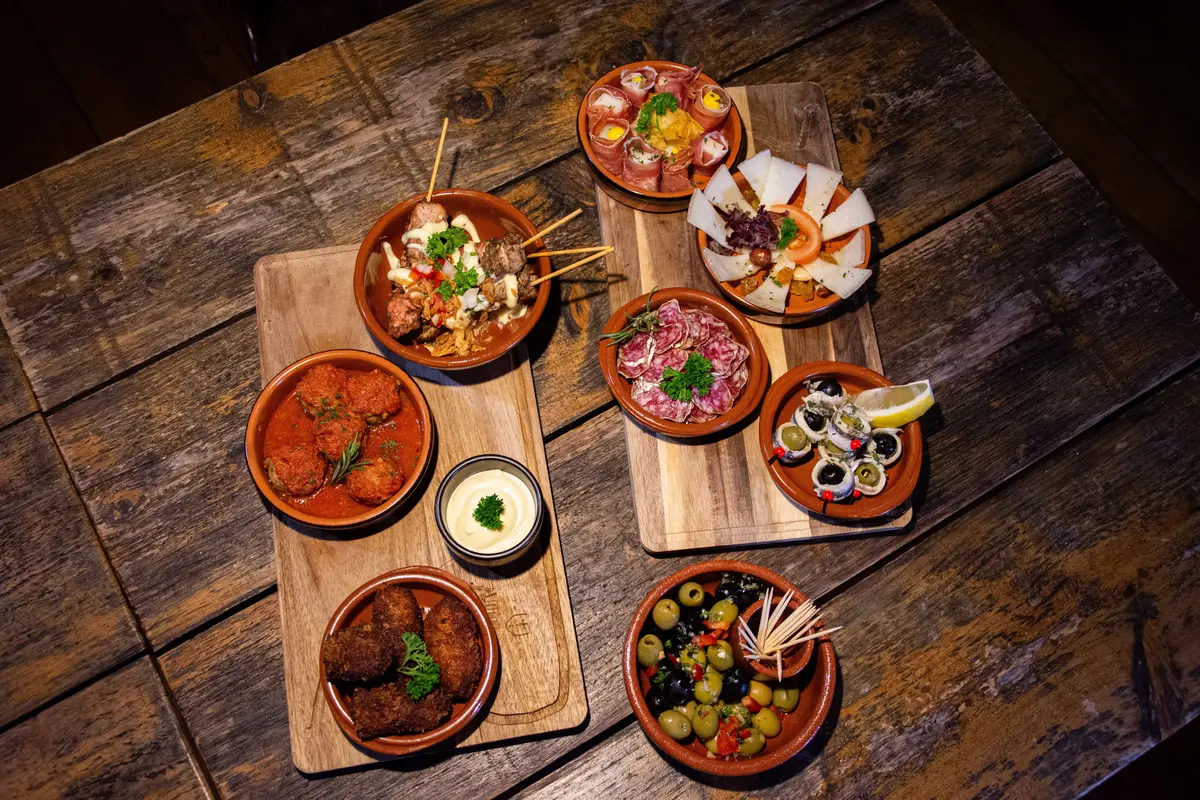
The social spirit of sharing appears in petiscos — Portugal’s equivalent of tapas but more instinctive, less choreographed. A round of amêijoas, a plate of chouriço, a carafe of local wine: it arrives without ceremony and stays as long as you do.
What are the must-try dishes in Portugal?
The five dishes below are not just popular — they are identity markers. Bacalhau defines Portuguese resourcefulness. Grilled sardines announce summer. The francesinha belongs to Porto the way the croissant belongs to Paris. The cataplana is the Algarve coast in a copper pot. And the pastel de nata is the one food item that has exported Portugal’s reputation to every continent.
Bacalhau (Salt Cod): A National Obsession
Bacalhau is the closest thing Portugal has to a state religion. Locals claim more than 365 preparations exist — one for every day of the year — and after a decade of eating through the country, I believe them. The dried, salted cod must soak for 24 to 48 hours before cooking, which produces a firm, deeply seasoned texture that fresh cod cannot replicate.
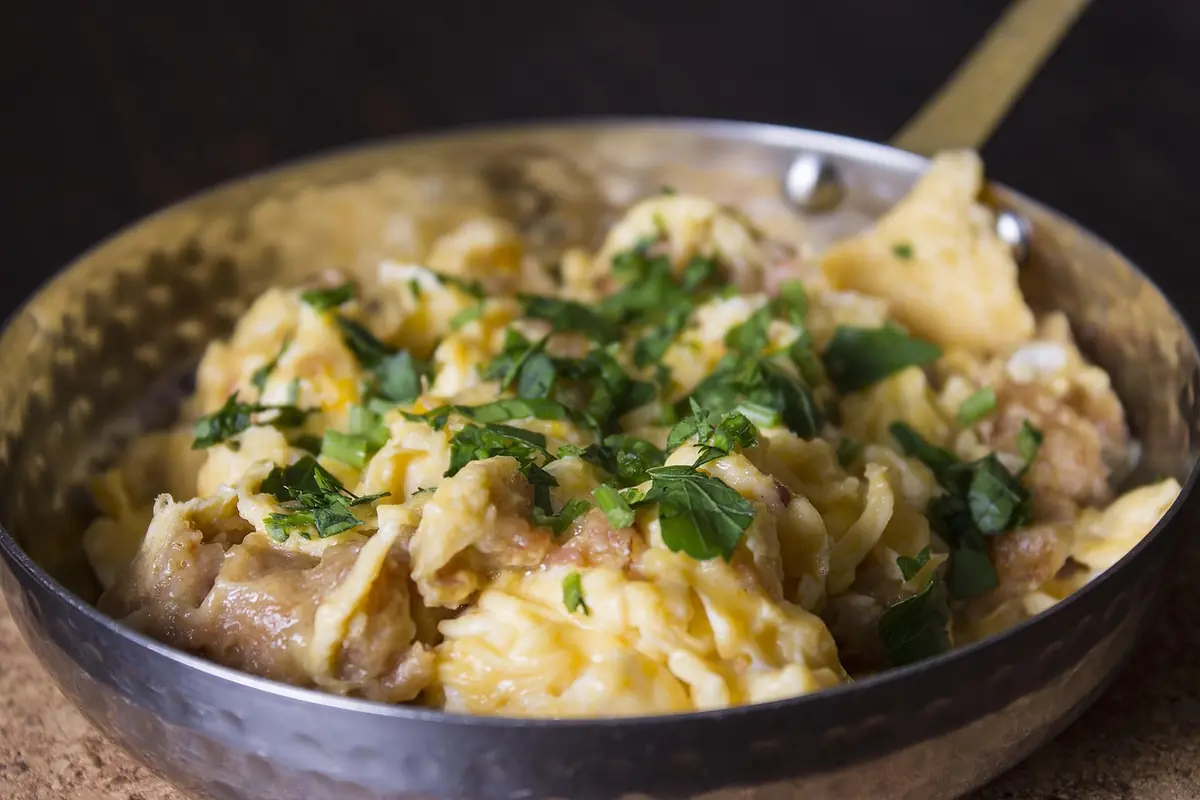
The preparation that converted me was Bacalhau à Brás at a family tasca in Lisbon‘s Alfama district: shredded cod pulled into threads, folded with silky caramelized onions, golden matchstick potatoes, and just-set scrambled eggs, finished with briny black olives. It arrived in an earthenware dish and smelled of the sea and butter simultaneously.
Other essential versions:
- Bacalhau com Natas — baked in a rich cream sauce with potatoes
- Bacalhau à Lagareiro — roasted with olive oil and smashed potatoes; the olive oil pools in the pan
- Pastéis de Bacalhau — crispy cod fritters, the standard bar snack and the best thing to order when you don’t know what to order
Pro Tip: Avoid any menu that prices bacalhau lower than €14 ($15). Good salt cod is expensive to source and even more expensive to prepare correctly. Cheap bacalhau almost always means corners cut.
Sardinhas Assadas (Grilled Sardines): Summer’s Signature Dish
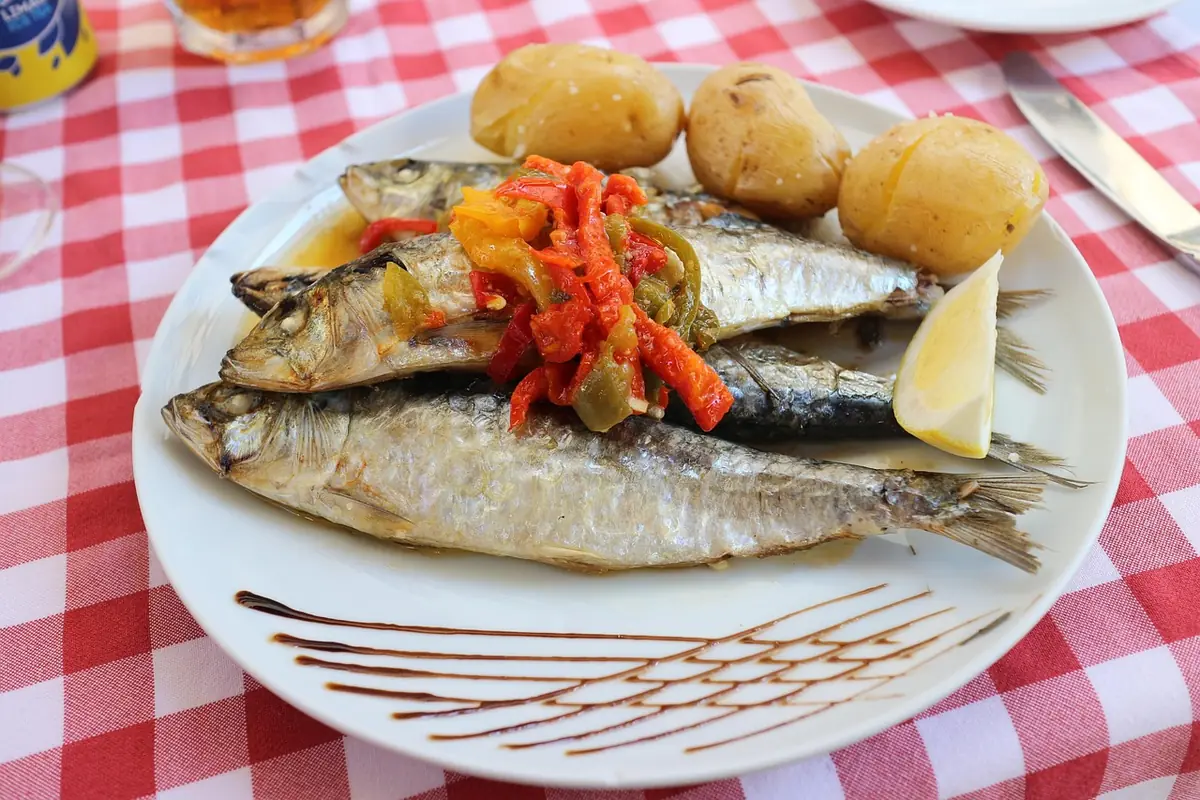
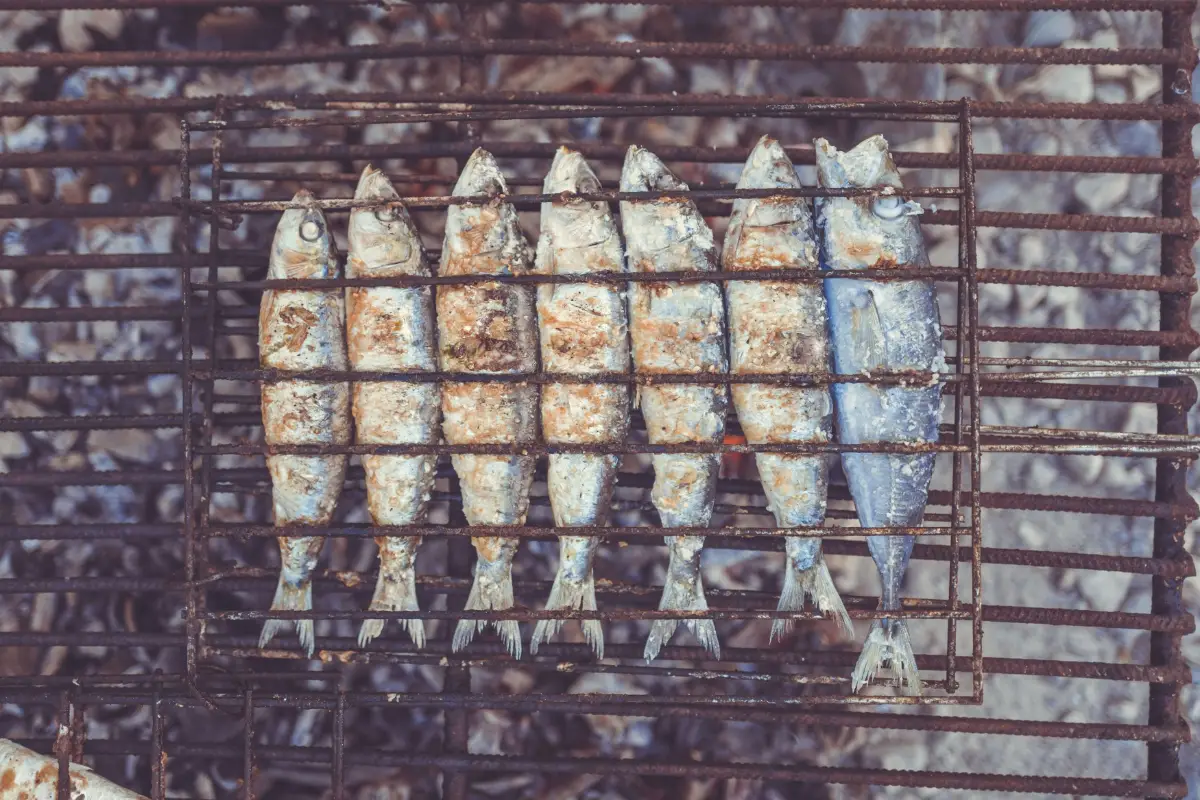
Fresh whole sardines, coated in coarse sea salt and grilled directly over charcoal until the skin blisters and splits — this is the dish that defines a Portuguese summer. The season runs from May through October, when sardines are at peak fat content and flavor — one of many reasons timing matters when choosing the best time to visit Portugal.
In Lisbon’s Alfama neighborhood during June, the Santo António Festival turns every alley into a smoke-filled outdoor barbecue. A local handed me three glistening sardines on a slab of dense cornbread called broa with a single instruction: no fork. The oil from the fish soaks into the bread, and you eat standing up on a narrow staircase while fado plays from an upstairs window.
The sardine runs fattest and most affordable June through August. Outside season, the flavor flattens noticeably.
For a sit-down meal with properly grilled sardines in a full restaurant setting, Restaurante Casa Pires in coastal Nazaré is the standard recommendation. The fish is stored frozen in salt water immediately after catch, which the kitchen argues keeps the sardines in season condition year-round.
- Location: Largo de Nossa Sra. da Nazaré, 45, Sítio, Nazaré
- Cost: €12–18 per person for a full meal
- Best for: Couples and solo travelers; book ahead in peak summer
- Time needed: 90 minutes
Pro Tip: Skip the sardine restaurants at Alfama’s tourist-facing steps and walk 10 minutes up into the neighborhood. The same fish costs roughly 40% less and arrives without a laminated English menu.
Francesinha: Porto’s Legendary Sandwich
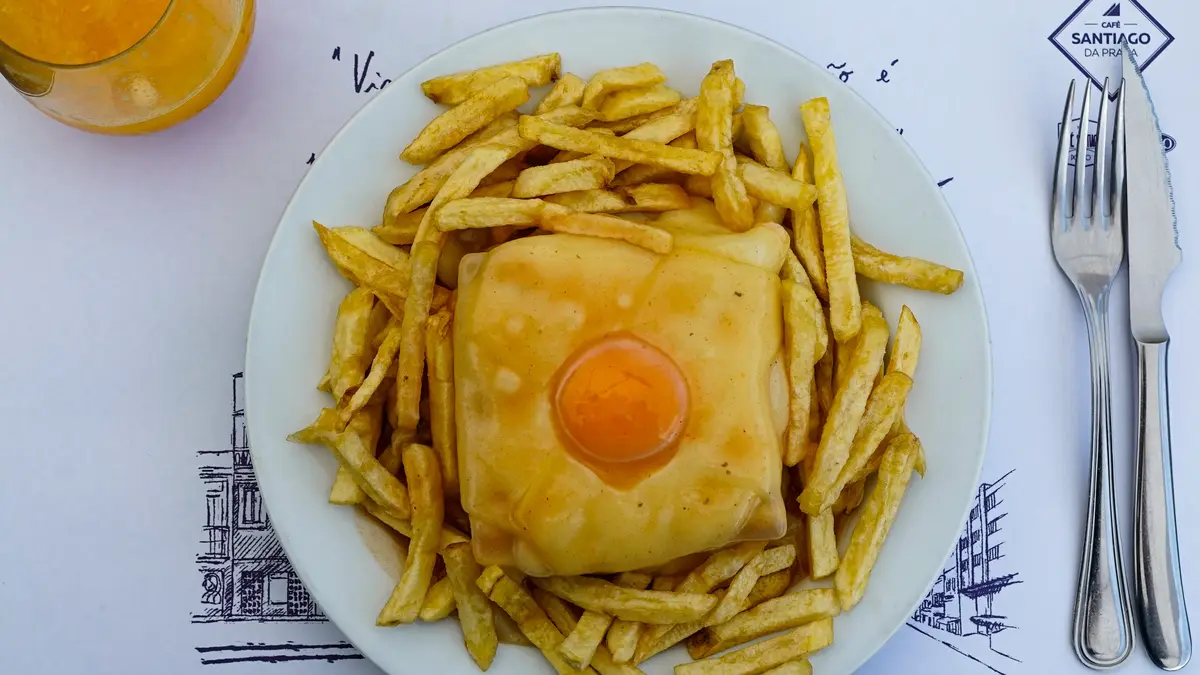
Porto‘s most indulgent creation starts with thick white bread layered with ham, steak, and two sausages — linguiça and chouriço — then sealed under a thick blanket of melted cheese and drowned in a spicy tomato-beer sauce. A fried egg crowns the entire structure. A pile of fries arrives on the side. The full meal weighs close to 2 pounds (900g).
My first francesinha at Café Santiago on Rua Passos Manuel left me unable to eat again until evening. The sauce arrived still bubbling, the steak inside was cut thicker than I expected, and the bread had absorbed enough liquid to have collapsed but somehow held its shape. It is a legitimately heavy meal — not the kind of food you eat before an afternoon of walking.
The sandwich was invented in Porto in the 1950s by Daniel Silva, a Portuguese man who returned from working in France and adapted the croque monsieur to northern Portuguese tastes. The name translates literally as “little French girl.” Café Santiago has operated on Rua Passos Manuel since the 1960s and now runs three locations; the original is the one worth queuing for.
- Location: Café Santiago, Rua de Passos Manuel 226, Porto
- Hours: Monday–Saturday, noon to 10:45 pm; closed Sunday
- Cost: €12–14 for the francesinha; add fries and a beer and budget around €20 ($22) total
- Best for: Any visitor to Porto — this is non-negotiable
- Time needed: 90 minutes minimum; eat slowly and do not plan anything physical afterward
Pro Tip: The queue at Café Santiago moves in about 30 minutes at opening time (noon) but stretches past an hour by 1 pm. If you cannot face the wait, Café Santiago F — run by the same family — sits directly across the street and rarely has a line.
Cataplana de Marisco: The Algarve’s Seafood Showpiece
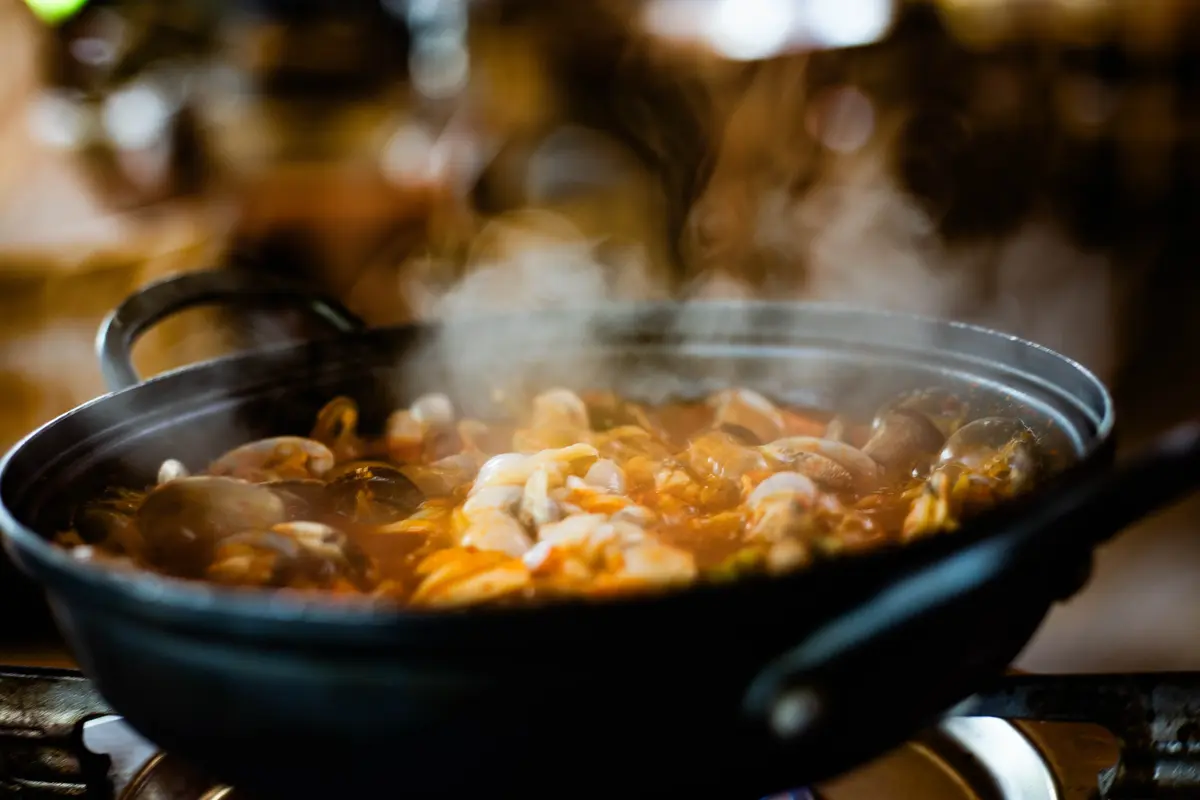
The cataplana gets its name from the copper clamshell pot it’s cooked in. The two halves lock together and seal, creating a pressurized steam environment that concentrates every flavor — clams, shrimp, mussels, monkfish, white wine, tomatoes, garlic, fresh herbs — into a single briny, fragrant result.
I got my sharpest education on this dish during a cooking class in the Algarve, where the instructor told us to press the clams together and listen for the hollow sound that signals they’re alive. We carried everything back to a kitchen where the chef assembled the cataplana in layers that looked instinctive but weren’t. When the pot was unclamped at the table, it released a cloud of steam — garlic, cilantro, and the sea all at once — that hit my face before the food even appeared.
This dish reaches its best in the Algarve, where the seafood is freshest and the preparation most traditional. Mato à Vista, a family-run restaurant that has operated since 1982 in the village of Paderne, is the long-standing local recommendation for Monkfish Cataplana specifically.
- Location: Mato à Vista, Cabanita, Paderne — 15 minutes north of Albufeira by car (not in Albufeira itself; a car or taxi is required)
- Hours: Tuesday–Thursday 5 pm–10 pm; Friday–Saturday noon–10 pm; Sunday noon–3 pm; closed Monday
- Cost: Around €40 ($44) per person average
- Best for: Groups of 2–4; the cataplana is designed for sharing
- Time needed: 2 hours; this is not a meal to rush
Pro Tip: Order the cataplana for two minimum — the single-portion version loses some of the theatrical steam effect and the proportions feel off. The two-person copper pot is the version the kitchen designed the recipe around.
Pastel de Nata: Portugal’s Sweet Ambassador
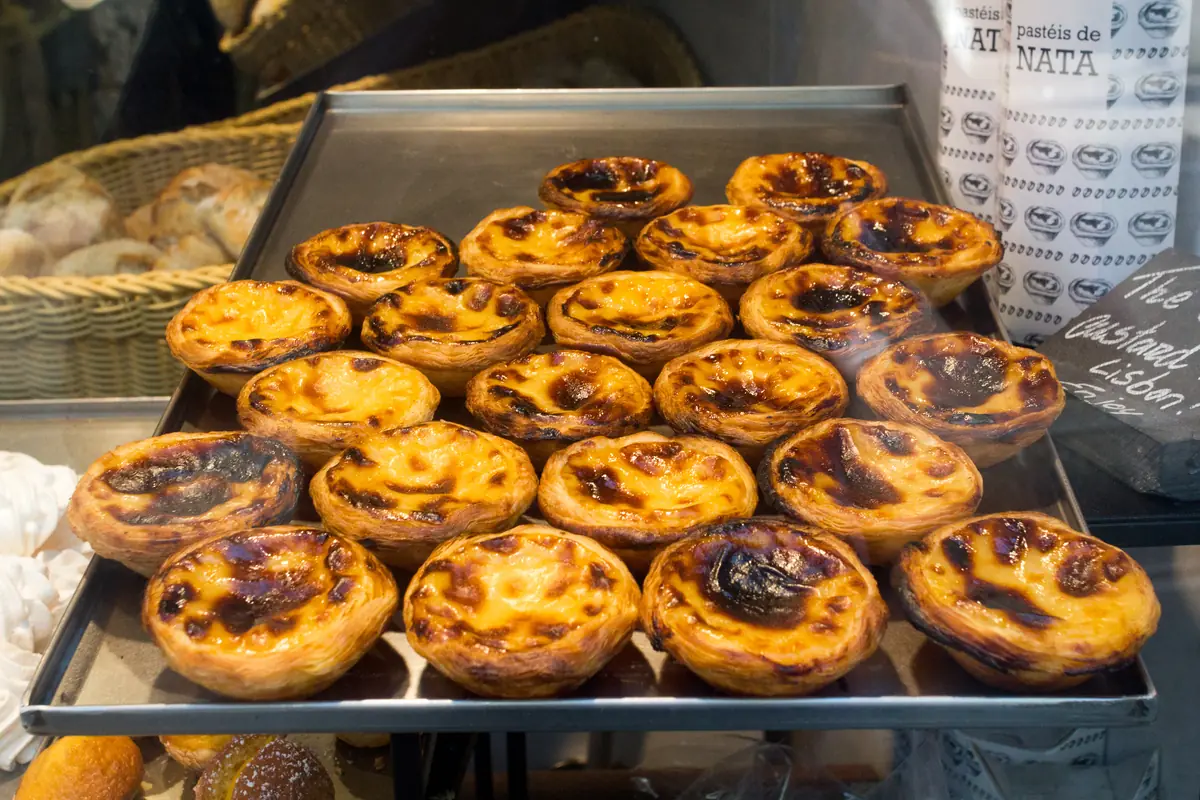
The pastel de nata is flaky puff pastry holding a blistered, caramelized egg custard that is creamy at the center and slightly burnt at the edges. It needs to be eaten warm. The ritual: take it from the counter, add cinnamon and powdered sugar from the jars beside the register, eat it standing before it cools.
The recipe traces back to monks at Lisbon’s Jerónimos Monastery in Belém. Before being expelled during Portugal’s liberal revolution in the 1820s, the monks sold the recipe to a nearby sugar refinery. The Fábrica de Pastéis de Belém opened in 1837 and still operates on the same street, using the original formula, which has never been published. For a deeper look at where to find the best versions, see our dedicated guide to pastéis de nata in Lisbon.
Honest verdict after years of comparison: try both Pastéis de Belém (thicker, more rustic, slightly eggy at the center) and Manteigaria in Chiado (shatteringly thin and crisp, lighter custard). Most of my local contacts prefer Manteigaria. I cannot pick a side — which is the point.
- Pastéis de Belém — Location: Rua de Belém 84–92, Lisbon; open daily 8 am–8 pm
- Pastéis de Belém — Cost: Around €1.50 ($1.65) per tart
- Manteigaria — Location: Rua do Loreto 2 (Chiado), Lisbon; open daily 8 am–midnight; multiple locations across Lisbon and Porto
- Manteigaria — Cost: €1.20–1.80 ($1.30–$1.95) per tart
- Best for: Everyone; there is no acceptable reason to leave Portugal without trying one
- Time needed: 15 minutes — stand at the counter, eat, move on
Pro Tip: Skip the pastel de nata at the airport or Time Out Market until you’ve tried the originals first. Once you’ve calibrated your palate on Belém or Manteigaria, you’ll have a useful benchmark for every tart you eat for the rest of your trip.
How does Portugal’s food culture vary by region?
Portugal fits into a country roughly the size of Indiana, but its cuisine changes more dramatically with geography than most countries three times its size. The Algarve’s food smells of grilled fish and charcoal. Alentejo tastes of pork fat and bread. Porto is heavier and more carnivorous than Lisbon. Each region cooks its own story with few apologies to the others.
Lisbon: Historic Flavors and Coastal Classics
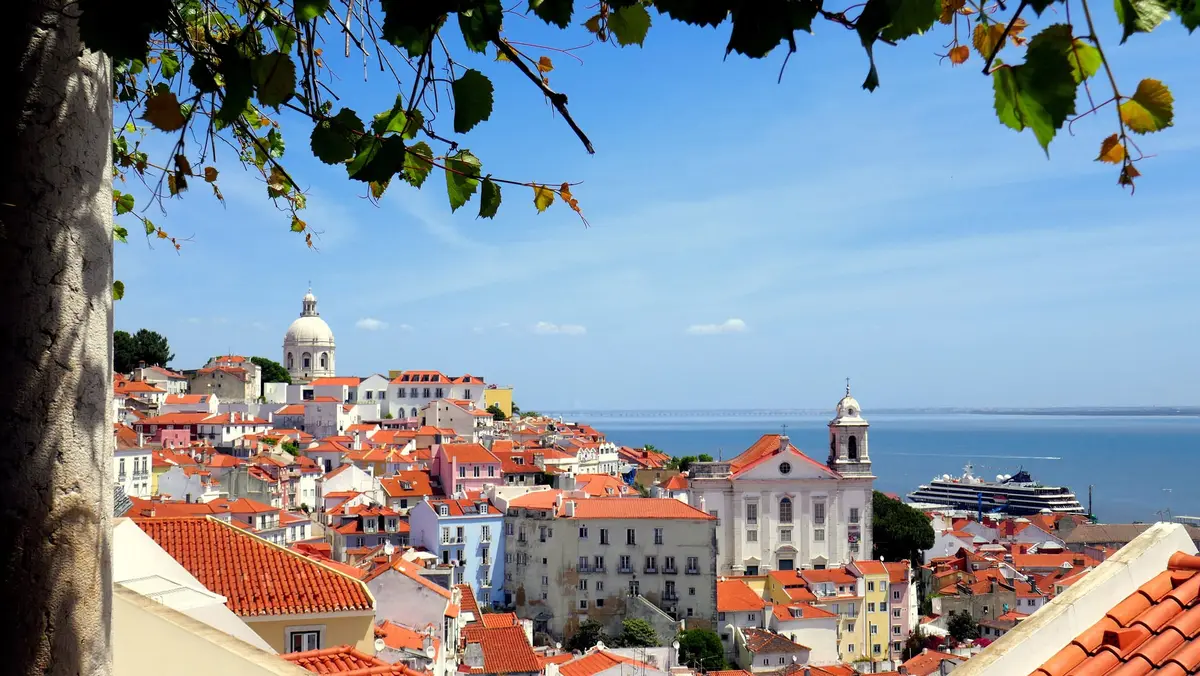
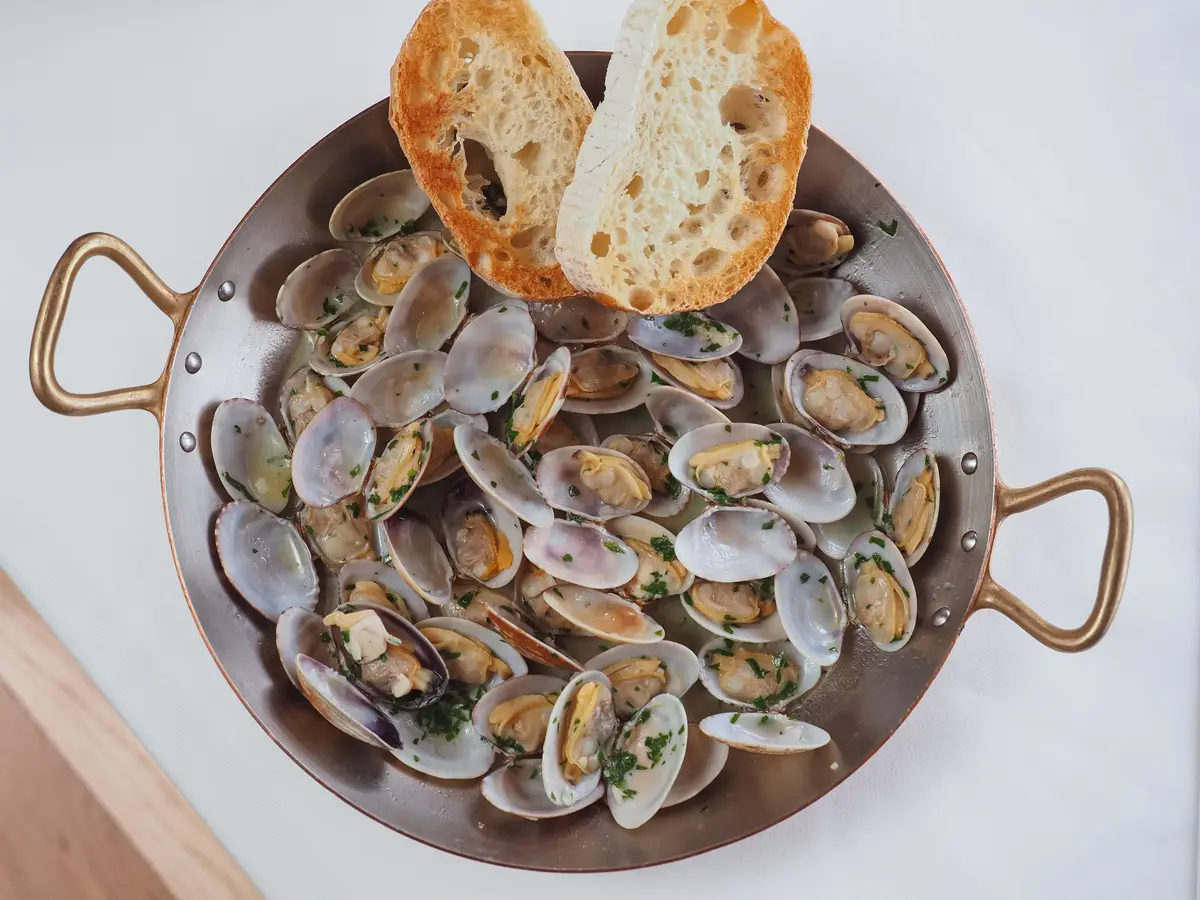
Lisbon sits at the mouth of the Tagus River, and that location means seafood drives the menu. The city’s signature dishes are Amêijoas à Bulhão Pato — clams cooked in white wine, garlic, and cilantro — and Bacalhau à Brás.
In June, the Alfama district transforms. Every side street acquires a grill, every grill produces sardine smoke, and the neighborhood smells like summer at 9 in the morning. The sardine season gives Alfama a focus that is hard to replicate off-season.
Time Out Market Lisboa at Cais do Sodré offers 26 restaurants under one roof, with stalls from some of the country’s most decorated chefs. It is useful when you want to sample multiple dishes without committing to a single menu — the level of cooking is higher than a typical food hall, and the price reflects that.
- Location: Time Out Market Lisboa, Avenida 24 de Julho, Mercado da Ribeira, Lisbon
- Hours: Daily, 10 am to midnight
- Cost: €12–20 ($13–22) per person for a full meal
- Best for: First-time visitors wanting an overview of Lisbon’s food scene in one sitting
The Mercado de Campo de Ourique, in a residential neighborhood 2 miles (3.2 km) west of the historic center, is where actual Lisbon residents eat lunch. No tour groups. The stalls change less than those at tourist markets, and prices follow suit.
Porto and the Douro Valley: Comfort Food and World-Class Wine
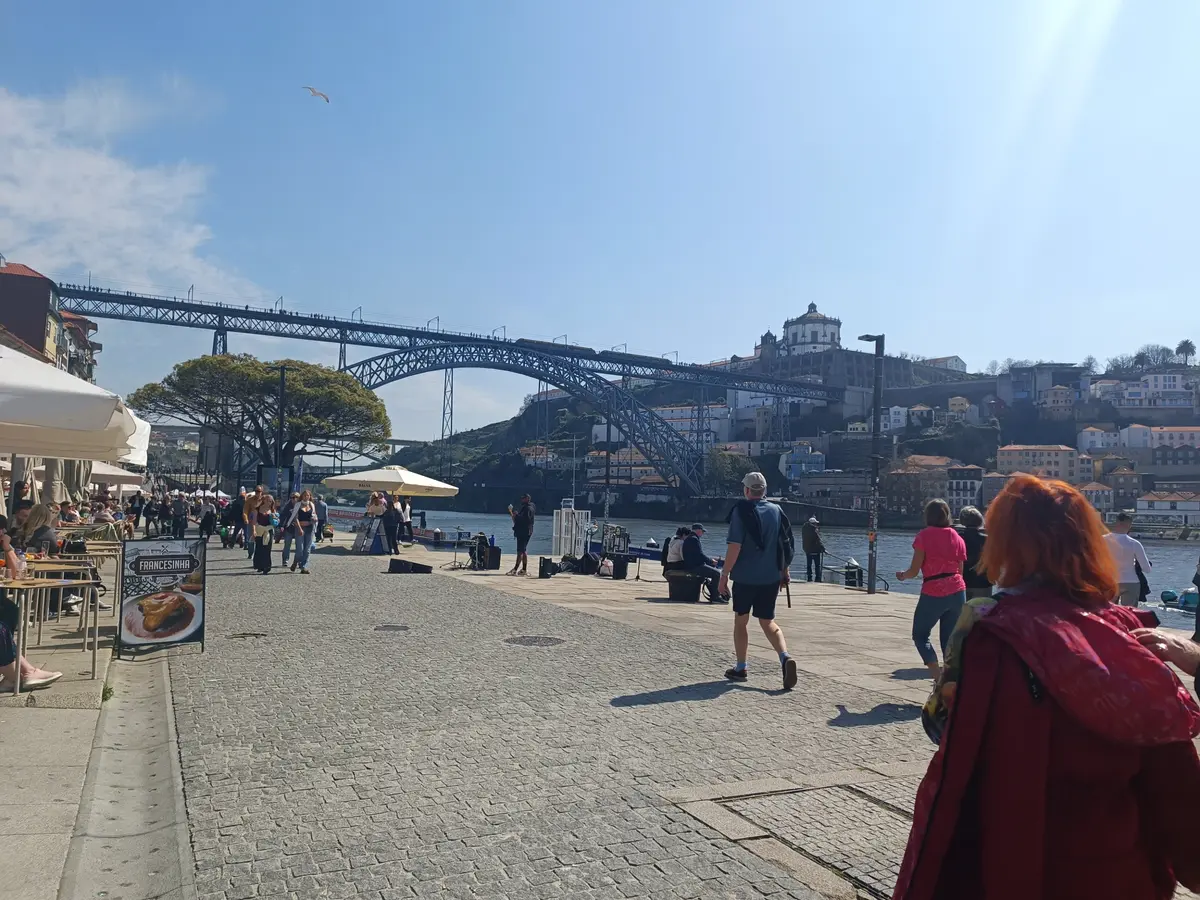
Porto’s cuisine has the personality of the city: direct, unpretentious, and not interested in your approval. The francesinha is the centerpiece, but the city also produces Tripas à Moda do Porto (tripe stew — an acquired taste that Porto people will insist you try), the Cachorrinho (a grilled pork sausage in a toasted baguette, simpler than it sounds, better than it should be), and Arroz de Pato (baked duck rice layered with cured meat and finished with a crisp top).
Across the Douro River, Vila Nova de Gaia houses the major Port wine cellars — Graham’s, Sandeman, Taylor’s, Ferreira — all offering cellar tours and tastings. A lodge tour paired with an afternoon in Porto’s Ribeira district is one of the better half-days in northern Portugal.
The Mercado do Bolhão operates as a polished but still authentic market after a major renovation. Vendors around the perimeter sell fresh fish, vegetables, regional cheese, and cured meats; central food stalls serve lunch from noon. Arrive before 1 pm or expect a wait. Beyond Porto, the Douro Valley offers vineyard lunches that pair regional cuisine with estate wines — a worthwhile day trip for anyone staying in the north.
Algarve: Sun-Kissed Seafood Traditions
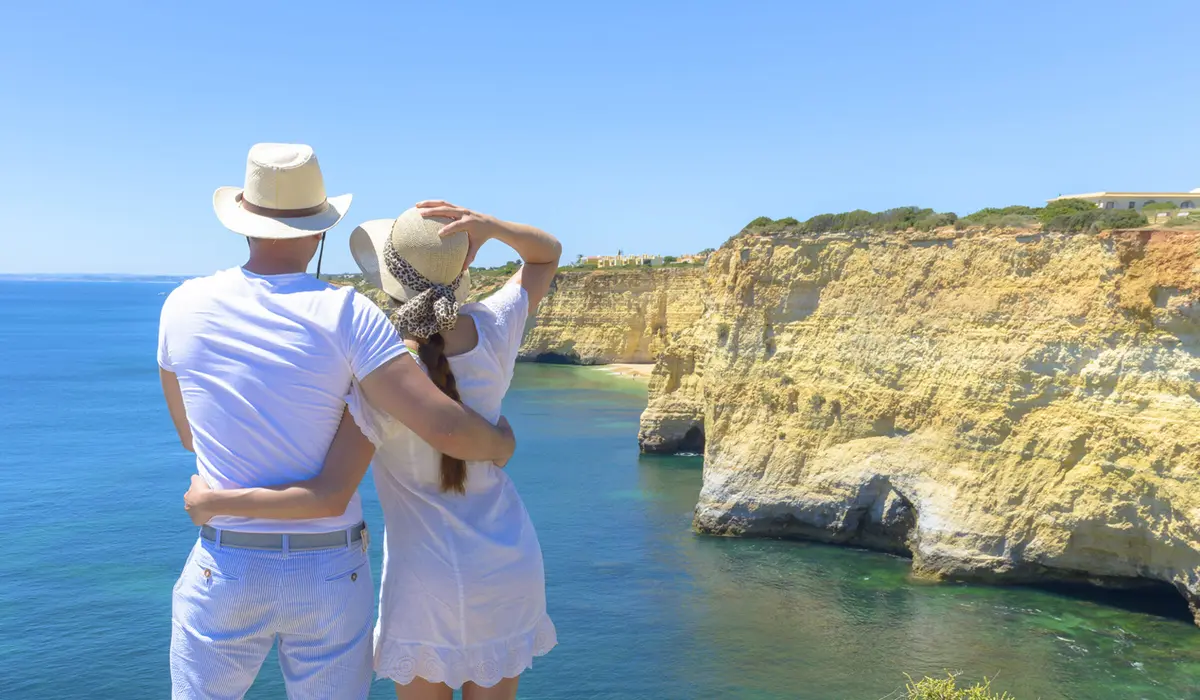
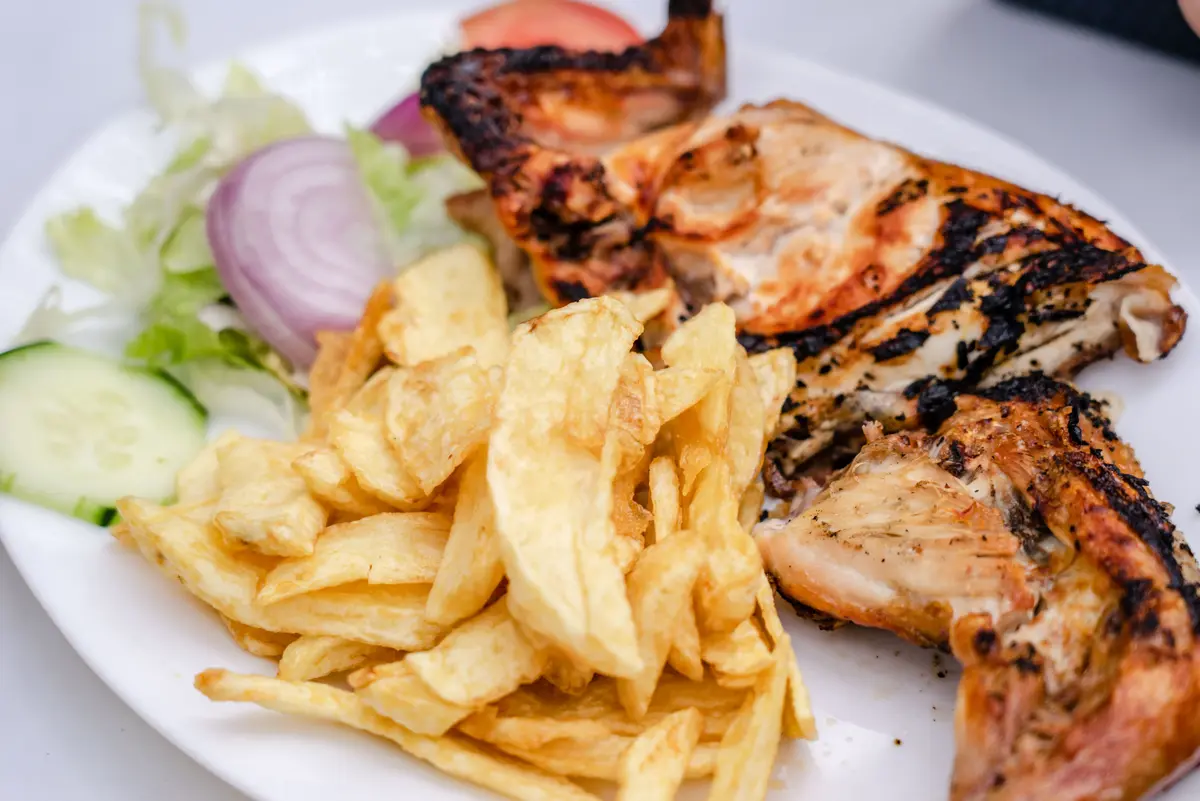
The Algarve runs 100 miles (160 km) of Atlantic and Mediterranean-facing coastline, and its cuisine reflects that dual orientation. Beyond the cataplana, the region produces Xerém com Conquilhas — a dense cornmeal porridge with small clams, earthy and oceanic simultaneously — and Frango Piri-Piri from roadside churrasqueiras where charcoal-grilled chicken arrives split and dripping for under €10 ($11).
The sardine festival in Portimão draws crowds each summer and includes a sardine museum, which sounds absurd until you are standing in front of it. The Algarve’s outdoor grilling culture is most intense June through September. Off-season, this energy disappears almost entirely.
Alentejo: Rustic Heartland Cuisine
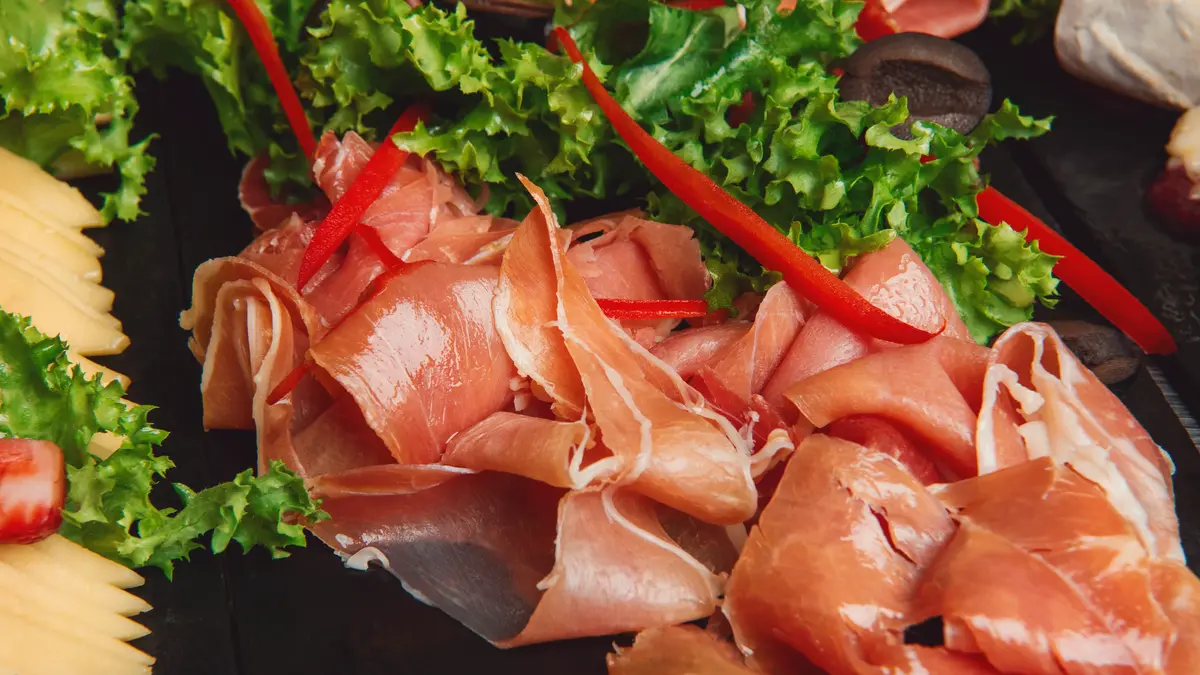
The Alentejo is Portugal’s agricultural interior — flat, hot in summer, and built around three things: olive oil, pork, and bread. The regional pig is the porco preto, an Iberian black pig that forages on acorns in cork oak forests. The meat is nutty and rich in a way that standard pork is not, and the cured versions — presunto and chouriço — make a strong case for checking a bag on the way home.
The region’s signature dishes include Carne de Porco à Alentejana (diced pork and clams cooked together — a surf-and-turf that should not work but absolutely does) and Açorda (a dense bread soup built on garlic, olive oil, and cilantro, topped with a poached egg). Neither dish is pretty. Both are deeply satisfying.
The Alentejo also produces Portugal’s most full-bodied red wines — Alicante Bouschet, Aragonez, and Trincadeira blends — which stand up to the region’s rich pork dishes better than any other pairing. For a broader look at the country’s vineyards and appellations, see our Portugal wine guide.
What’s the best way to experience Portugal’s food culture?
The best food experiences in Portugal share one structure: someone local takes you somewhere you would not have found independently, and you eat something that resets your expectations. Tours, cooking classes, and market visits all follow this logic when they work — and fail when they substitute volume for depth.
Food Tours That Unlock Authentic Flavors
The value of a guided Portugal food tour is access, not information. Anyone can read about petiscos; finding the tasca where a fourth-generation family has made the same recipe since the neighborhood was working-class requires a guide.
Taste of Lisboa runs walking food tours through Mouraria, one of Lisbon’s oldest neighborhoods and a district most first-time visitors skip entirely. Tours move through eight to ten stops and mix eating with street-level history that turns a lunch into a geography lesson.
The 10 Tastings tours operate in both Lisbon and Porto, covering each city’s essential flavors in three to four hours. They work well as a first-day orientation before you start eating independently.
Porto tours that pass through Mercado do Bolhão offer added vendor context — understanding that the clam seller in the corner stall has supplied the same restaurant for 20 years changes how you see the clams on your plate.
Hands-On Cooking Classes with Local Experts
Learning to make Portuguese food yourself is the fastest way to understand why the cuisine works. The cooking is simpler than it looks, which means technique — the salt concentration in a cataplana, the temperature at which a pastel de nata custard sets — accounts for everything.
Canto Cooking in Porto runs a 4-hour market-to-table class that begins at Mercado do Bolhão. The chef meets you at the market entrance, walks you through ingredient selection (what a good clam looks and sounds like, why certain olive oils are worth the price premium), and then leads the class back to a kitchen in a renovated townhouse on Rua do Almada.
We cooked a full petiscos spread — chouriço flambéed in aguardente, clams in white wine, salt cod fritters — then ate everything with Douro Valley wine. We left with a recipe card and a small bottle of aguardente, which is either a gift or a warning, depending on your constitution.
- Location: Canto Cooking, meeting point at Mercado do Bolhão entrance (Rua de Fernandes Tomás 461, Porto)
- Duration: 4 hours
- Group size: Maximum 6 participants
- Best for: Food-focused travelers, couples, small groups
Pro Tip: Book Canto Cooking for a weekday morning when the Bolhão market is quieter. The weekend works, but the market gets busy enough by 11 am that the ingredient-selection section of the tour becomes harder to focus on.
Essential Market Visits for Food Lovers
Portugal’s markets are working infrastructure, not tourism products — which is what makes them worth visiting. The vendors at Lisbon’s Mercado de Campo de Ourique do not adjust their prices or pace for outsiders. The cheese comes pre-cut to the weight the neighborhood wants; the fish arrived that morning.
Porto’s Mercado do Bolhão operates across two floors with fresh produce vendors on the lower level and specialty food shops and small cafes on the upper. The renovation preserved the neoclassical iron architecture while modernizing the vendor infrastructure. Arrive before noon on a weekday — the energy is at its highest and the fish at its freshest.

What are the basics of dining like a local in Portugal?
Portuguese dining culture moves at its own pace: slower at lunch (which can run until 3 pm), louder at dinner, and entirely unbothered by the idea of a quick meal. Understanding the baseline saves time and avoids friction.
What does a traditional Portuguese breakfast look like?
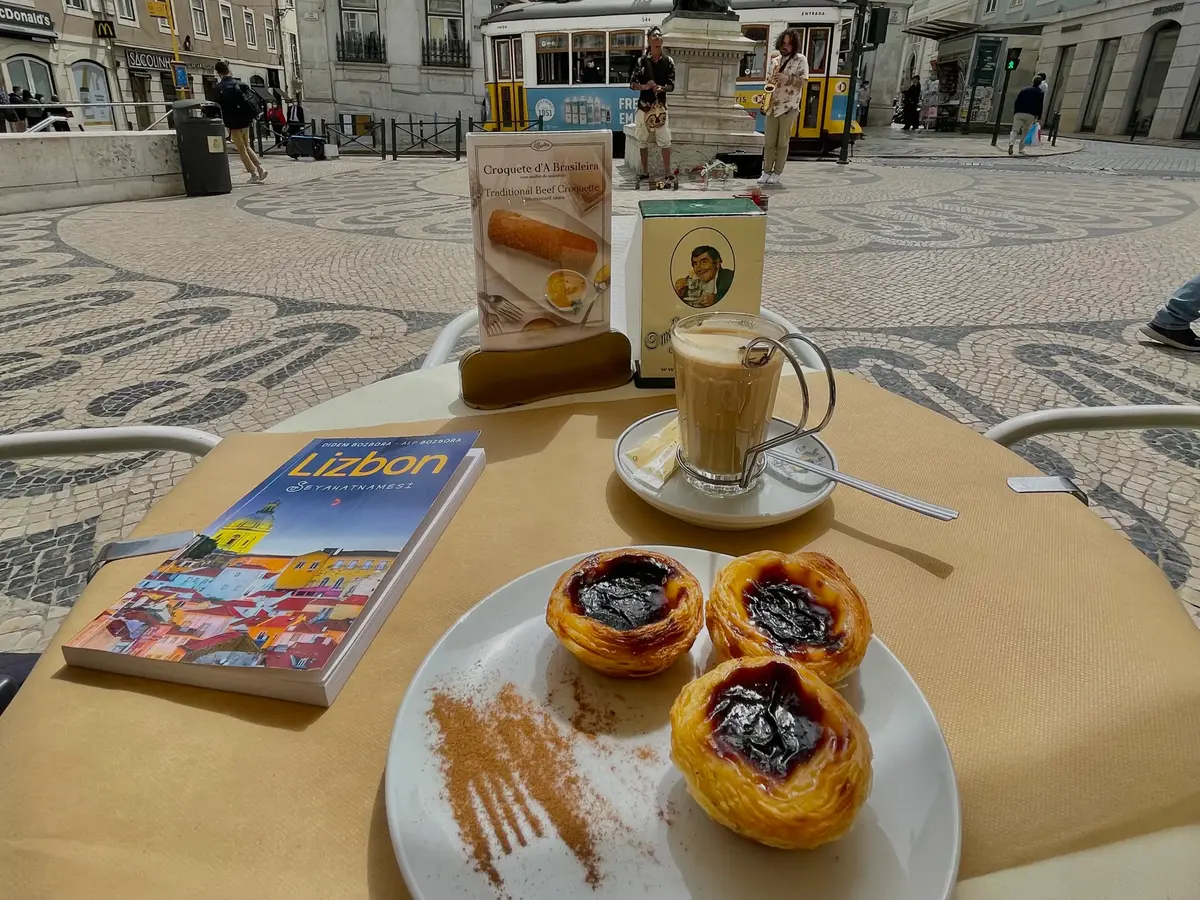
A traditional Portuguese breakfast is coffee and bread — full stop. American travelers expecting eggs, proteins, or anything resembling a breakfast plate will be surprised. The coffee — a meia de leite (half espresso, half steamed milk in a cup) or a galão (more milk than coffee, in a tall glass) — arrives first. Bread follows as torrada (thick-cut white toast with butter) or a simple roll with ham (fiambre) and cheese (queijo).
Pastries are standard breakfast items. A warm pastel de nata or a pão de deus (a soft brioche topped with sweetened coconut) is a completely acceptable first meal. Most Portuguese people eat breakfast standing at a counter. The entire process takes 10 minutes and costs under €3 ($3.30).
How much should you tip at restaurants in Portugal?
Tipping in Portugal is appreciated but not structurally expected. Service workers earn a full minimum wage and do not depend on gratuities the way American restaurant staff do. In casual cafes and bars, rounding up to the nearest euro or leaving coins is sufficient. In sit-down restaurants, 5 to 10 percent for good service is appropriate — leave cash directly with your server, as card tips often do not reach them.
Is the tap water safe to drink in Portugal?
Tap water throughout Portugal meets EU safety standards and is completely safe to drink. Locals and most restaurants default to bottled water (still — água sem gás — or sparkling — água com gás) for taste preference rather than safety concerns. Requesting tap water (água da torneira) is perfectly acceptable; restaurants bring it in a jug without hesitation, which saves €1 to €2 ($1.10–$2.20) per person per meal.
The bottom line
Portuguese food is what happens when a country stops trying to impress you. The ingredients are honest, the techniques are old, and the portions assume you came hungry. Skip the tourist-facing tascas at Alfama’s main drag and walk two blocks farther in any direction — the food gets better immediately, the prices drop, and nobody hands you an English menu without asking.
TL;DR: The five Portugal food experiences worth building your trip around are bacalhau (try it à Brás or à Lagareiro), grilled sardines between May and October, francesinha at Café Santiago in Porto, cataplana at Mato à Vista near Albufeira, and pastel de nata from either Pastéis de Belém or Manteigaria in Lisbon. A market visit, a food tour, and one cooking class each add a different layer of understanding that restaurants alone cannot provide.
Have you found a regional dish or an underrated restaurant that changed how you thought about Portuguese cooking? Leave it in the comments — I’m collecting the contrarian favorites.