Portugal packs over 250 native grape varieties into a country smaller than Indiana. From terraced valleys where vines grow on near-vertical schist slopes to cork-studded plains that stretch for miles without a hill, the wine diversity here rivals anything in Europe — at prices that still haven’t caught up with the quality. Each of Portugal’s wine regions produces something genuinely different, and the six covered here justify building an entire trip around them.
What makes Portugal’s wine regions worth a dedicated trip?
Portugal’s wine regions each produce entirely different styles from grapes found nowhere else on earth. The Douro delivers powerful Ports and dry reds from Touriga Nacional; Vinho Verde pours crisp, low-alcohol whites built for Atlantic seafood; Alentejo ages its reds in 2,000-year-old clay amphorae. No other country in Europe offers this range compressed into an area this small, and none of it breaks the bank.
1. Douro Valley — Portugal’s most dramatic wine country
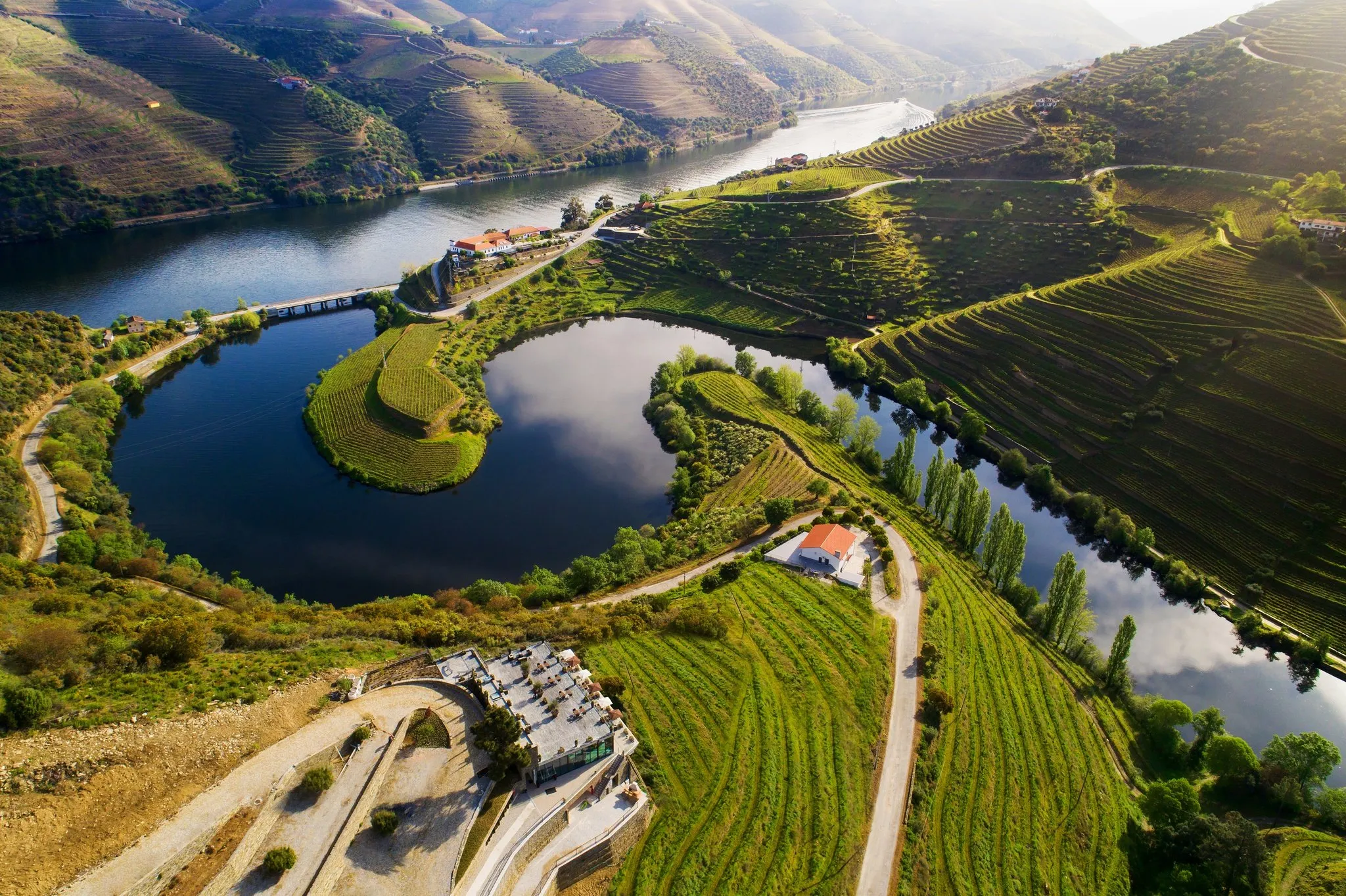
The Douro Valley is the kind of place that makes you pull over and just stare. Terraced vineyards carved into near-vertical schist slopes drop 1,500 feet (460 meters) to the river below, and the only sounds in September are the clinking of harvest baskets and the odd crow. This UNESCO World Heritage landscape is also the world’s first officially demarcated wine region, established in 1756 — rules governing what gets called Port predate the American Revolution.
Two wine styles define the Douro. The region produces the full Port spectrum — from young Ruby to complex aged Tawny — alongside dry table wines from Touriga Nacional and Touriga Franca that have drawn serious attention from critics over the past decade. These are not easy, approachable reds. They need time, and they reward it.
What to do in the Douro Valley
Quinta do Bomfim sits a 10-minute walk from Pinhão train station and runs guided winery tours and tastings starting at €30 per person (about $33). The estate landed in the World’s Best Vineyards top 50, and it takes its schedule seriously — the last tour departs at 5:30 p.m. in summer, so arriving after 4 p.m. is too late.
Quinta da Pacheca, near Lamego, offers overnight stays in 10 barrel-shaped suites starting from €255 ($280) per night — each named after a regional grape variety, set directly in the vines with a private terrace. Book months ahead; these sell out from May through October.
Quinta do Crasto occupies a bend in the river with panoramic views over the valley and an infinity pool designed by architect Souto de Moura.
A Douro River cruise from Pinhão gives you the one perspective the roads cannot — looking up at the terraces from the water. Group cruises in the valley run €12.50-€25 per person for a 1-2 hour trip; full organized day tours from Porto that include a winery visit and lunch run €80-€150 per person.
- Location: 90-120 miles (145-193 km) east of Porto; 90-120-minute drive
- Cost: Quinta tours €30-€90 per person; luxury accommodations from €255/night; organized day tours from Porto €80-€150 per person
- Best for: Serious wine travelers, photographers, couples
- Time needed: 2 nights minimum to visit more than one quinta
Pro Tip: Take the regional train from Porto’s Campanhã station to Pinhão (roughly 2.5 hours, about €15 each way). You can walk to three tastings from the station without renting a car — and you avoid the switchback roads that drop six inches from the guardrail with 300 feet of air on the other side.
The roads here are genuinely demanding. Google Maps consistently underestimates driving times, the corners are tight, and the drops are real. If mountain driving isn’t your preference, hire a driver from Porto.
2. Alentejo — wide plains and 2,000-year-old winemaking
Alentejo covers nearly a third of Portugal and feels nothing like the Douro. The terrain is flat, the light is golden all afternoon, and cork oaks dot the plains in every direction. Summer temperatures regularly hit 105°F (40°C), but that intensity feeds directly into the wine. Alentejo produces full-bodied reds from Aragonez and Alicante Bouschet that pair with the region’s slow-roasted meats better than anything from a cooler climate.
The region’s most compelling tradition is Vinho de Talha: wine fermented in massive clay amphorae using methods unchanged since the Romans worked this land. Tasting one in a village cellar in October, with grape skins still floating at the surface, is an experience no standard winery tour replicates.
What to do in Alentejo
Herdade do Esporão, outside Reguengos de Monsaraz, leads on sustainability — the estate runs its own archaeological museum, organic gardens, and a restaurant that sources almost entirely from its own land. Tours and tastings start at €10-€25 per person.
Adega José de Sousa, also in Reguengos de Monsaraz, preserves authentic Vinho de Talha production in original clay vessels. Walk in and you smell must before you reach the door.
The villages of Vila Alva and Vila de Frades form the heart of traditional clay-pot winemaking in Portugal. Go in November when the new wine is just off skins and every cellar door is open.
Herdade da Malhadinha Nova combines upscale accommodation with hot air ballooning over the plains at sunrise — one of the more memorable ways to spend an early morning in Portugal.
- Location: 90-minute drive southeast of Lisbon; Évora serves as the main hub
- Cost: Estate tours €10-€25 per person; boutique stays €150-€400/night; meals at estate restaurants €40-€80 per person
- Best for: Couples, food-focused travelers, anyone curious about ancient winemaking
- Time needed: 2-3 days to cover the main sub-regions
Pro Tip: Drive the EN4 road from Évora toward Vila de Frades in late October. Village cellar doors open without appointments, Talha wine comes straight off the top of the amphorae, and tastings are often free. This is one of the last places in Europe where you taste wine the same way people did two millennia ago.
Avoid Alentejo in July and August unless you’re genuinely heat-tolerant. Temperatures above 100°F (38°C) are the norm, air conditioning in older estates can be unreliable, and the plains shimmer by 10 a.m.
3. Vinho Verde — light wines and Atlantic coastal character
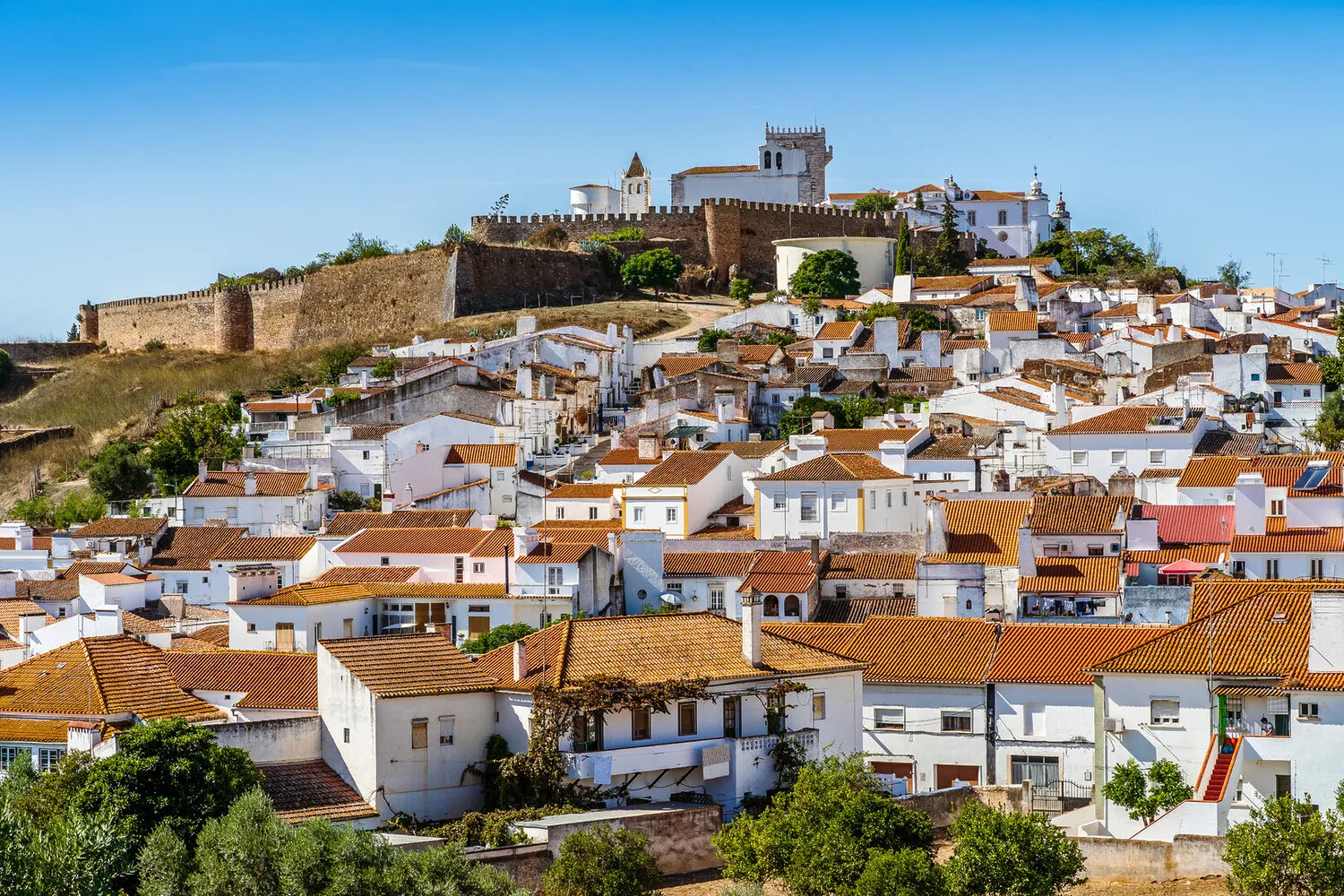
Despite the name, Vinho Verde doesn’t mean green wine. It means young and fresh — and the region produces some of the best-value whites in Europe, many with a faint natural effervescence that comes from finishing fermentation in bottle. The Atlantic shapes everything here: cool, wet winters, a landscape of high vine trellises, and a cuisine built on Portuguese seafood pulled from the same ocean that conditions the grapes.
The northern sub-region of Monção e Melgaço, along the Minho River at the Spanish border, produces the Alvarinho that serious wine drinkers make the trip specifically to find. These are not the light, vaguely fizzy wines most Americans associate with the label — they are structured, aromatic whites with enough weight to develop in the cellar.
What to do in Vinho Verde
Quinta de Soalheiro, in Melgaço, set the benchmark for premium Alvarinho production and runs tastings in a modern facility that respects the old vines surrounding it.
Quinta da Aveleda, outside Penafiel, is worth visiting for the estate gardens alone — peacocks roam freely between centuries-old boxwoods — but the wines justify the detour on their own.
The official Vinho Verde Route maps around 100 producers across nine sub-regions. Pick two or three per day; attempting more means driving instead of tasting.
Coastal restaurants in Viana do Castelo pair local wines with Atlantic barnacles, percebes, and grilled fish caught the same morning. Order whatever arrived that day.
- Location: 30-60 minutes north of Porto, depending on sub-region
- Cost: Quinta tours €8-€20 per person; accommodations €80-€150/night; seafood meals €25-€50 per person
- Best for: Beach and wine travelers, value-focused visitors, seafood enthusiasts
- Time needed: 1-2 days for a focused sub-region; 3-4 days to cover the full region
Pro Tip: Don’t overlook entry-level Vinho Verde. A bottle of Aveleda or Casal Garcia costs €3 at a local market and is more refreshing at noon than anything you’d pay triple for at home. Save the serious single-varietal Alvarinho for dinner.
4. Dão — Portugal’s answer to Burgundy
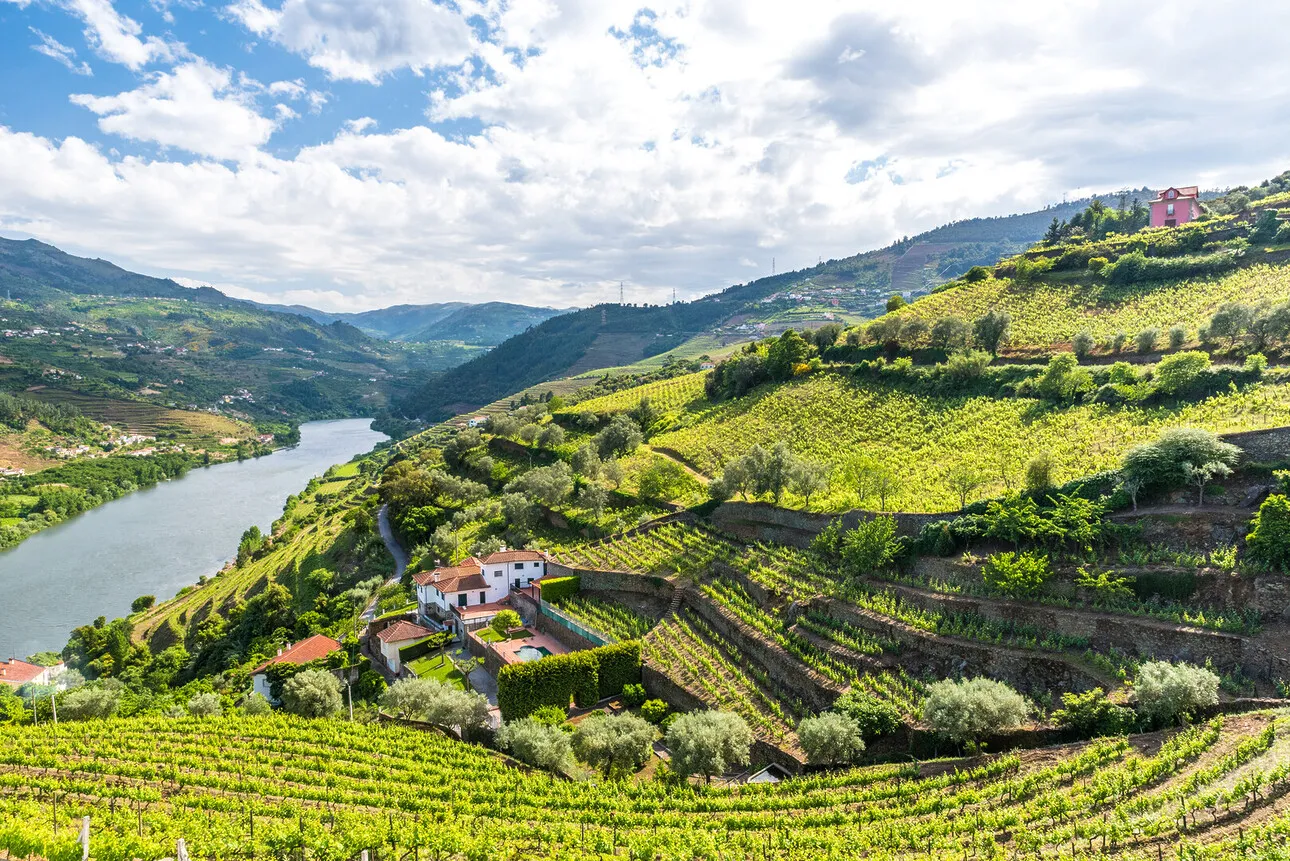
The Dão sits on a granite plateau at roughly 2,600 feet (800 meters) above sea level, surrounded by mountain ranges that block Atlantic rain and Alentejo heat in equal measure. The result is a cool, temperate climate that produces reds of unusual restraint for southern Europe — structured, slow to open, and still worth drinking 15 years after harvest. Touriga Nacional grown here smells of violets and tastes nothing like the same grape 60 miles south in the Douro.
This is not a region for visitors who want to cover everything in one afternoon. The wines reward patience, and so does the region.
What to do in the Dão
Casa de Santar, in the village of Santar, combines a 17th-century manor with a working winery and regular guided tours. The village itself justifies the stop: stone streets, a central fountain, and almost no tourist infrastructure.
The Dão Wine Route connects estates through mountain passes and pine forests. Driving it in October means catching harvest activity alongside leaf color.
Serra da Estrela cheese, made from raw sheep’s milk in Portugal’s highest mountain range, pairs with Dão reds in a way that feels almost engineered. Find it at local markets in Viseu or at producers in the mountain villages.
Private tours combine Dão winery visits with the Serra da Estrela scenery — the highest point in continental Portugal at 6,532 feet (1,991 meters) — for a full day out of Viseu or Coimbra.
- Location: Regional hubs in Viseu and Coimbra; 2-3 hours from Porto or Lisbon
- Cost: Estate visits €12-€30 per person; rural accommodations €60-€120/night; guided tours from major cities €100-€180 per person
- Best for: Serious wine enthusiasts, hikers, travelers who prefer fewer crowds
- Time needed: 2 nights minimum; 3 is better
Pro Tip: Call ahead and confirm language availability before booking. English-language tours are inconsistent in the Dão — many estates run guided visits in Portuguese only, and the story behind a 30-year-old Touriga Nacional is worth understanding.
5. Bairrada — sparkling wines and roast suckling pig
Bairrada runs along the coastal strip between Porto and Lisbon, where clay-limestone soils and Atlantic fog create conditions that make the Baga grape possible. Baga is one of Portugal’s most difficult varieties: deeply tannic, slow to ripen, aggressive in youth, and genuinely rewarding with another decade in the cellar. Most visitors don’t know it. That’s most of the appeal.
The region also produces Portugal’s most compelling traditional-method sparkling wines — made using the same process as Champagne, from a grape that brings natural acidity and something to say.
What to do in Bairrada
Luis Pato Winery, outside Anadia, is where the case for taking Baga seriously was largely made. Pato spent years producing single-vineyard wines that converted skeptics. If you care about finding a producer who shifted the direction of a region, this is the visit.
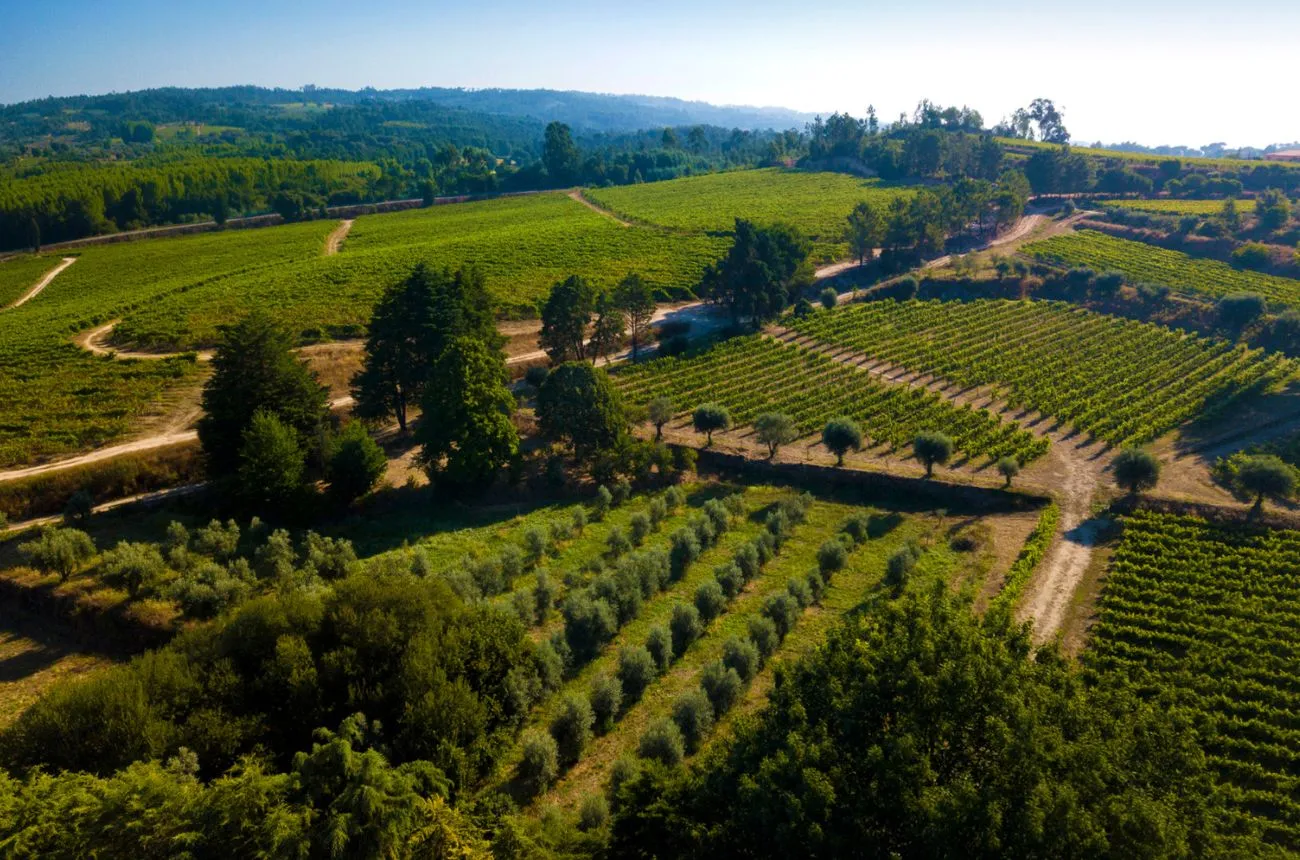
Traditional restaurants in Mealhada are the place to try leitão assado — roast suckling pig — paired with local sparkling wine. The pairing sounds unlikely and works completely: the fat in the pork cuts the wine’s edge, the wine’s bubbles cut through the fat. Plan to eat here before you try to describe it to someone back home.
Bairrada’s proximity to the Atlantic coast means you can combine a morning winery visit with an afternoon on the beaches south of Aveiro, where the lagoon separates the ocean from the mainland for 27 miles (43 km).
- Location: Between Porto and Lisbon; Coimbra and Aveiro are the main hubs
- Cost: Winery visits €10-€25 per person; traditional restaurants €30-€60 per person; coastal accommodations €70-€140/night
- Best for: Food-and-wine travelers, visitors already stopping in Coimbra, sparkling wine enthusiasts
- Time needed: 1-2 days
Pro Tip: Bairrada’s train connections are among the best in Portugal — Aveiro and Coimbra both sit on the main Lisbon-Porto line. If you’re traveling between the two cities anyway, stop for a Bairrada night instead of passing through in 45 minutes on the Alfa Pendular.
Baga requires context to appreciate. Drink one young alongside leitão and you might dismiss it as harsh. Drink one with 10 years on it and no food, and you’ll understand why Pato never stopped.
6. Lisbon and Setúbal Peninsula — old vines and easy logistics
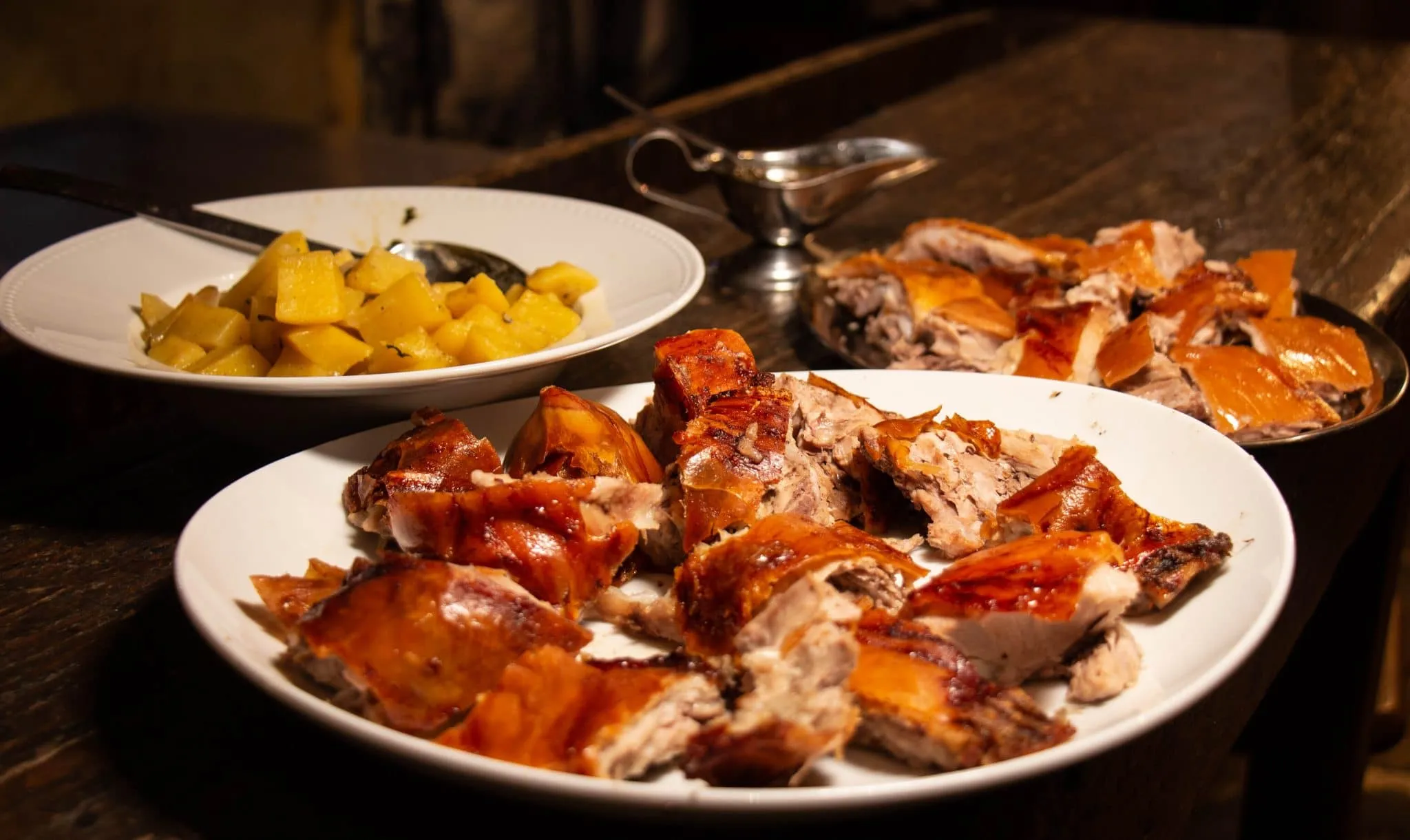
The wine country closest to Lisbon is also its most historically specific. Colares, on the Atlantic coast west of Sintra, grows ungrafted Ramisco vines directly in deep coastal sand — the only protection those roots had against the phylloxera louse that destroyed most of Europe’s vineyards in the 19th century. The wine is rare, tannic, and tastes like somewhere very specific. You won’t find it widely distributed anywhere else.
Moscatel de Setúbal, across the Tagus on the Setúbal Peninsula, is the region’s other centerpiece: an intensely aromatic fortified dessert wine that the José Maria da Fonseca estate has been producing since its founding in 1834. Their cellars in Azeitão — 40 minutes south of Lisbon, most easily reached by renting a car — hold bottles going back generations.
What to do near Lisbon
José Maria da Fonseca runs daily tours from 10 a.m. to noon and from 2:30 to 5:30 p.m. in Azeitão. The cellars are cold, dim, and smell like a decade of sweet wine compressed into stone walls. The basic tour and tasting costs €10 per person. The premium Moscatel experience includes wines aged 20 and 40 years, plus a blend drawing on vintages from 1900, 1934, and 1965.
Colares tastings require more planning — producers are small and typically work by appointment. On my last research visit, pairing Colares with a Sintra day trip (4 miles / 6 km inland) covered both in a comfortable full day.
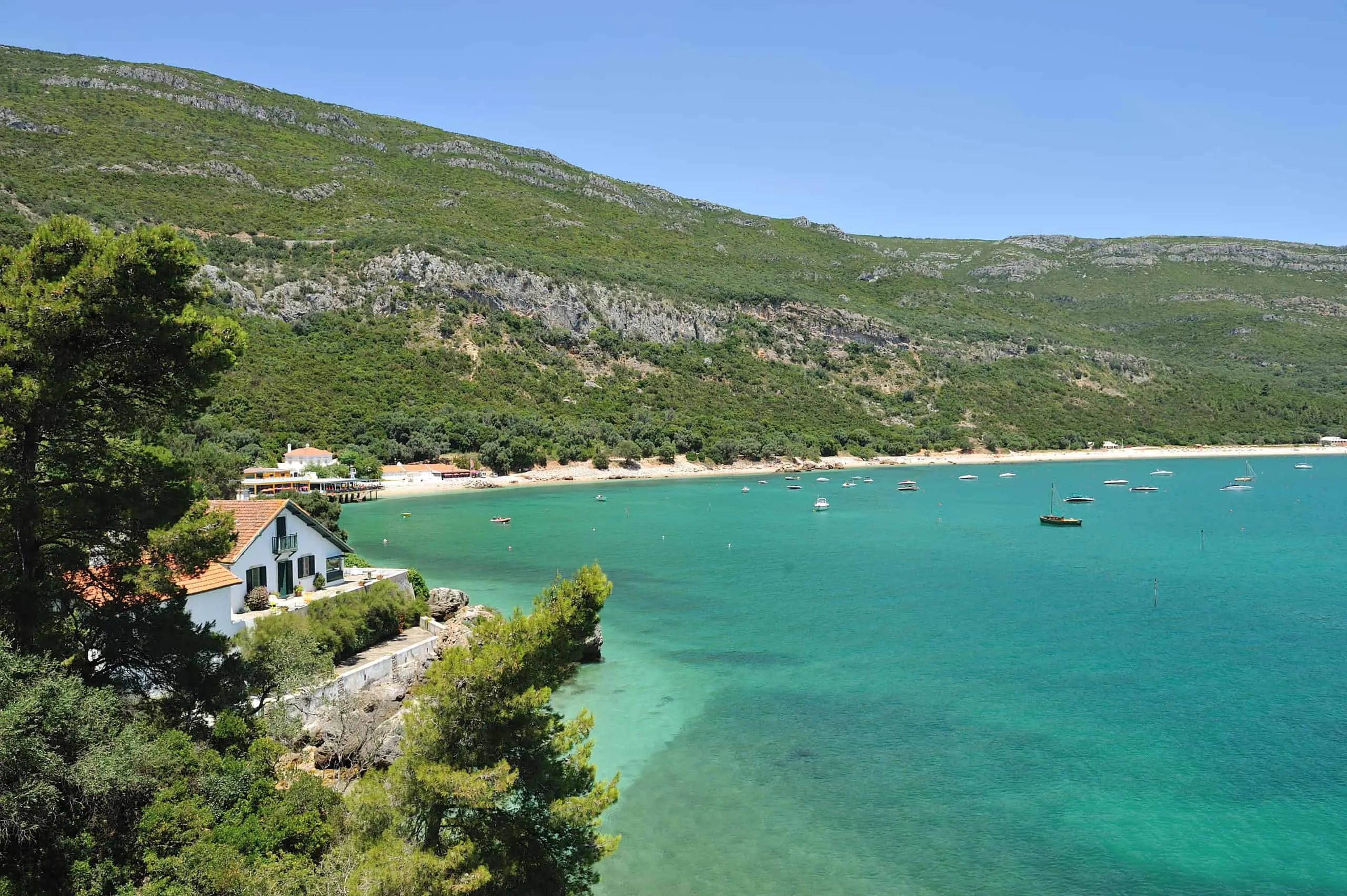
Arrábida Natural Park, southeast of Setúbal on the peninsula’s Atlantic coast, offers turquoise water and limestone cliffs between winery visits. The combination makes Setúbal one of the easiest wine regions to spend a full day in without touching a single glass before noon.
If you’re staying in Lisbon, reading a Sintra Portugal travel guide helps combine the palaces and the coastal wine country into a single logical day — the route between the two covers some of Portugal’s most dramatic coastal scenery.
- Location: 30-60 minutes from central Lisbon; regional trains reach the Setúbal area
- Cost: José Maria da Fonseca tour €10/person; day tour packages €60-€120/person; Lisbon-area accommodations €80-€200/night
- Best for: Lisbon-based travelers, history-focused visitors, dessert wine enthusiasts
- Time needed: 1 full day per sub-region
Pro Tip: Rent a car for the Setúbal Peninsula. The train gets you to Setúbal, but the wineries and Arrábida’s beaches are spread across roads that don’t connect by bus in any practical sequence. Two hours of driving covers what would take a full day by public transit.
Before you book: matching region to your travel style
Portugal’s wine regions don’t compete with each other — they answer different questions. The Douro is for the traveler who wants drama, difficulty, and a wine that needs decades to fully open. Alentejo is for the person who wants to slow down in a landscape that doesn’t rush. Vinho Verde is for someone who wants a cold glass of something excellent with grilled fish at noon.
TL;DR: Match your region to your pace. The Douro rewards travelers who stay at least two nights and hire a guide or take the train. Alentejo rewards self-drivers with time. Vinho Verde and Bairrada work well as add-ons to Porto trips. The Dão takes advance planning but delivers one of Portugal’s least-visited wine countries. The Lisbon region offers the rarest wines and easiest logistics — and a Portugal travel guide is the right next step for transport, timing, and what to book well in advance.
Which of these six regions are you already planning to visit — and which one surprised you most?