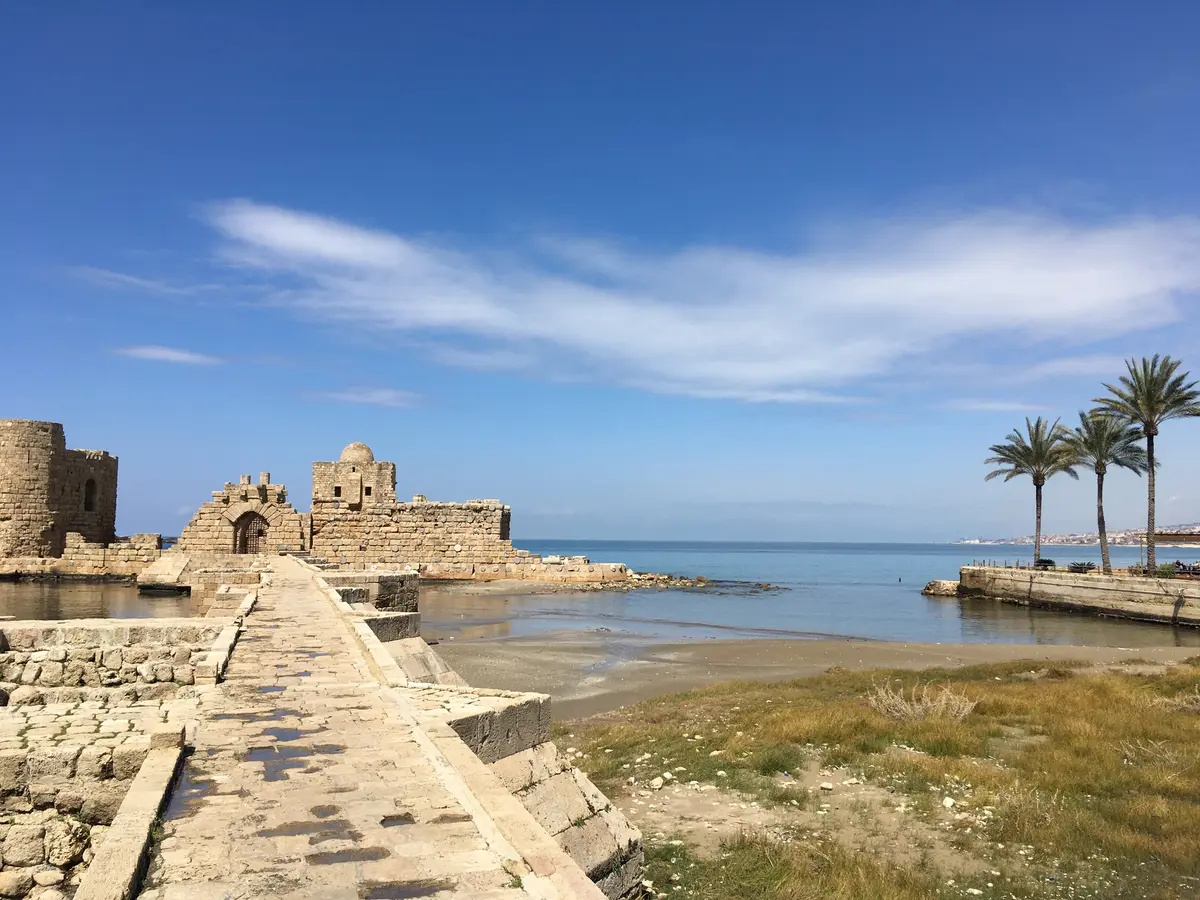
Tripoli Lebanon is the country’s second-largest city, a Mamluk-era port packed with souks, sweet shops, and the largest Crusader citadel in the region. It is also currently under a Level 4 “Do Not Travel” advisory from the US State Department. This guide covers what the city actually offers, what the security picture looks like right now, and how informed travelers across Lebanon are weighing the trade-offs.
Is it safe to travel to Tripoli Lebanon right now?
No — not under current US government guidance. The US State Department lists Lebanon at Level 4 “Do Not Travel” and ordered the departure of non-emergency US personnel and their families on February 23. The advisory cites crime, terrorism, civil unrest, kidnapping, unexploded ordnance, and the risk of armed conflict. Routine consular services at the Beirut embassy are suspended. For broader context on how this advisory affects American visitors, see our deeper analysis of whether Lebanon is safe for American tourists right now.
Two things are true at the same time, and any honest guide has to say both.
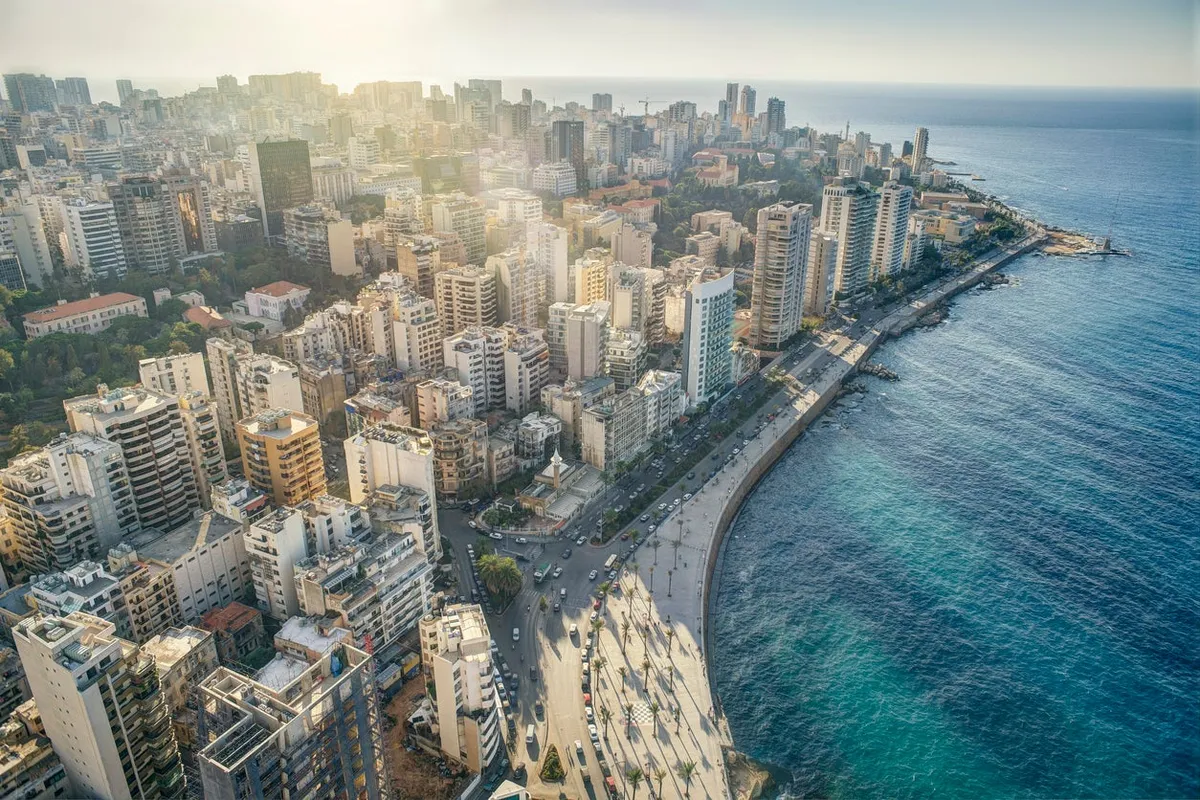
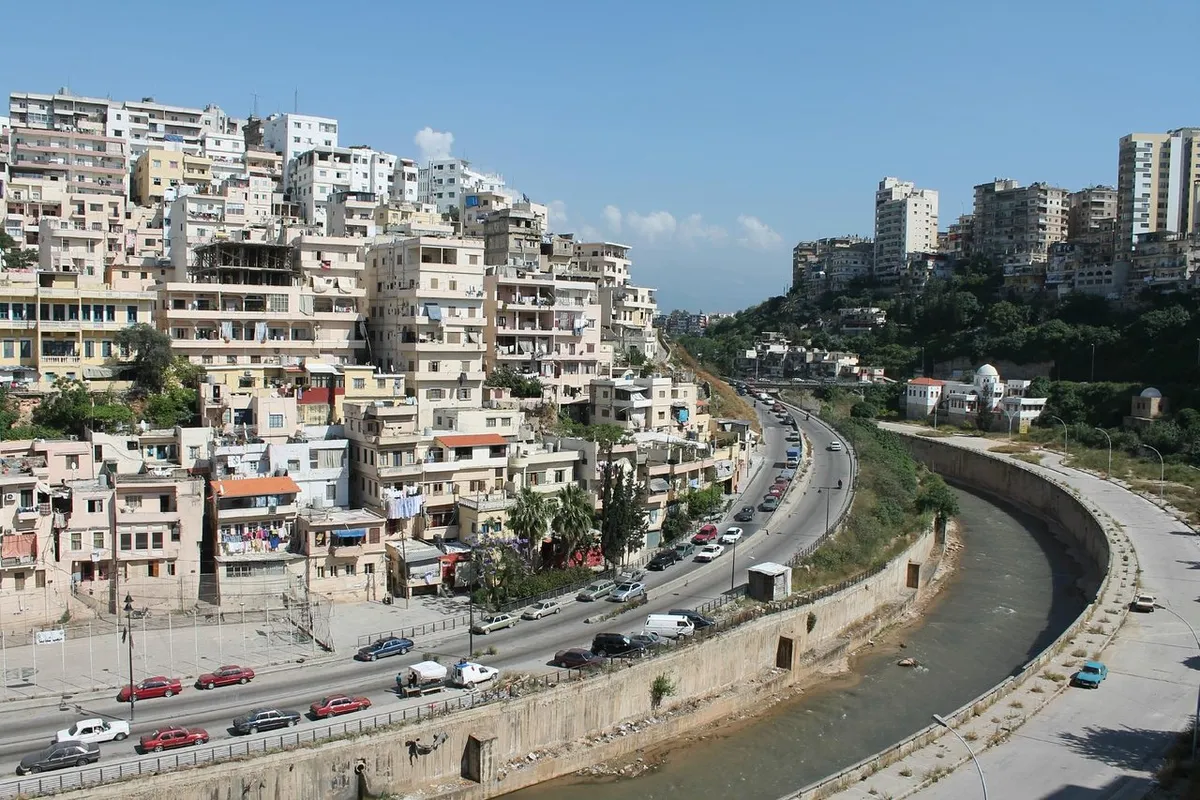
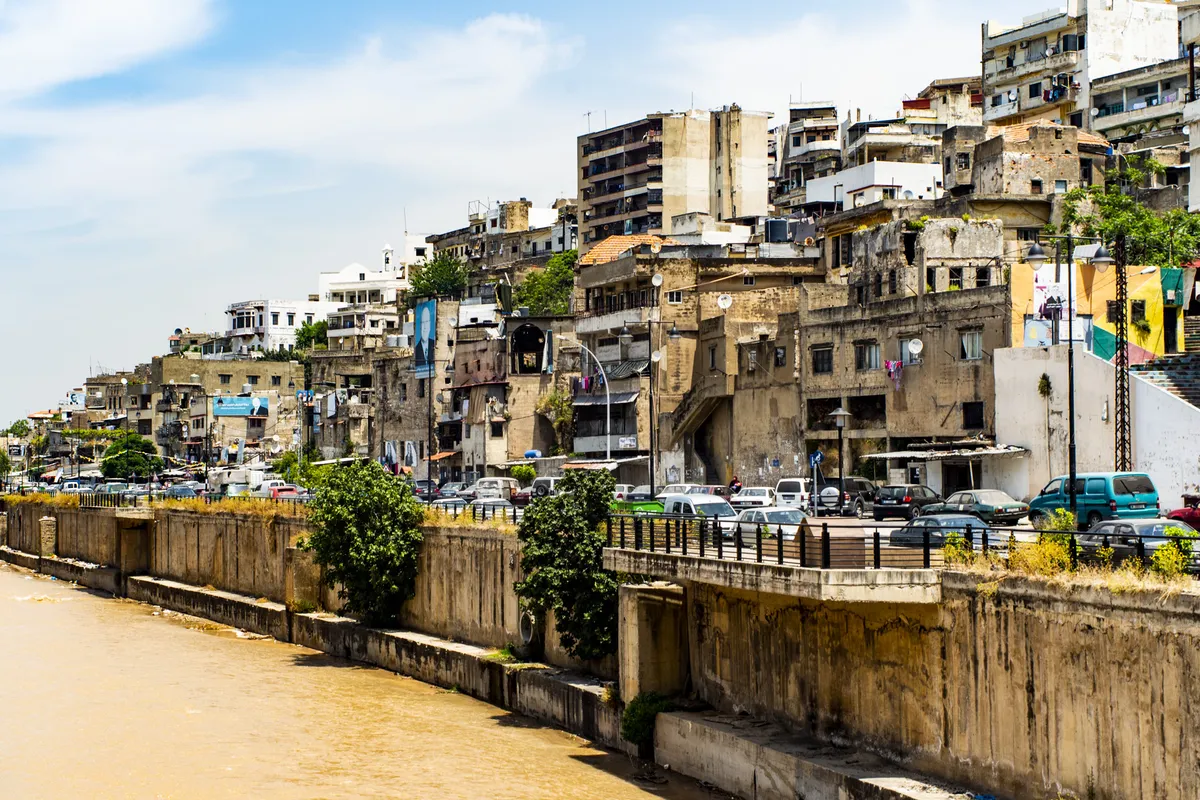
The first: the city of Tripoli itself is geographically far from the south Lebanon and Bekaa Valley areas where airstrikes have been concentrated since the Israel-Hezbollah escalation. The two neighborhoods historically associated with sectarian clashes — Jabal Mohsen and Bab al-Tabbaneh — are nowhere near the old souks, the Citadel, or the Al-Mina waterfront. Travelers who have visited the historic core in calmer periods consistently describe it as welcoming and walkable.
The second: the security situation country-wide is volatile. Beirut-Rafic Hariri Airport remains open with Middle East Airlines flights, but the embassy has explicitly told US citizens to consider departing while commercial options exist. UK and Canadian advisories mirror the US position. Travel insurance for Lebanon is now extremely difficult to obtain, and any policy you do find will likely exclude conflict-related claims.
Pro Tip: If you are weighing this trip, do not rely on a guide written before February. Check the State Department advisory page and the US Embassy Beirut alerts within 48 hours of any decision — the picture has shifted week to week.
Who is actually still going
Dual nationals visiting family, journalists, aid workers, and a small number of independent travelers with prior regional experience. This is not a destination for a first Middle East trip right now, and it is not a destination if your travel insurance, employer, or family situation cannot absorb the possibility of a sudden departure.
What is there to see in the old city?
The historic core of Tripoli Lebanon is one of the best-preserved Mamluk and Ottoman urban environments in the eastern Mediterranean — a working medieval city of khans, hammams, mosques, and trade souks layered on top of each other across roughly half a square mile. Unlike sanitized old towns elsewhere in the region, almost nothing here is staged for tourists.
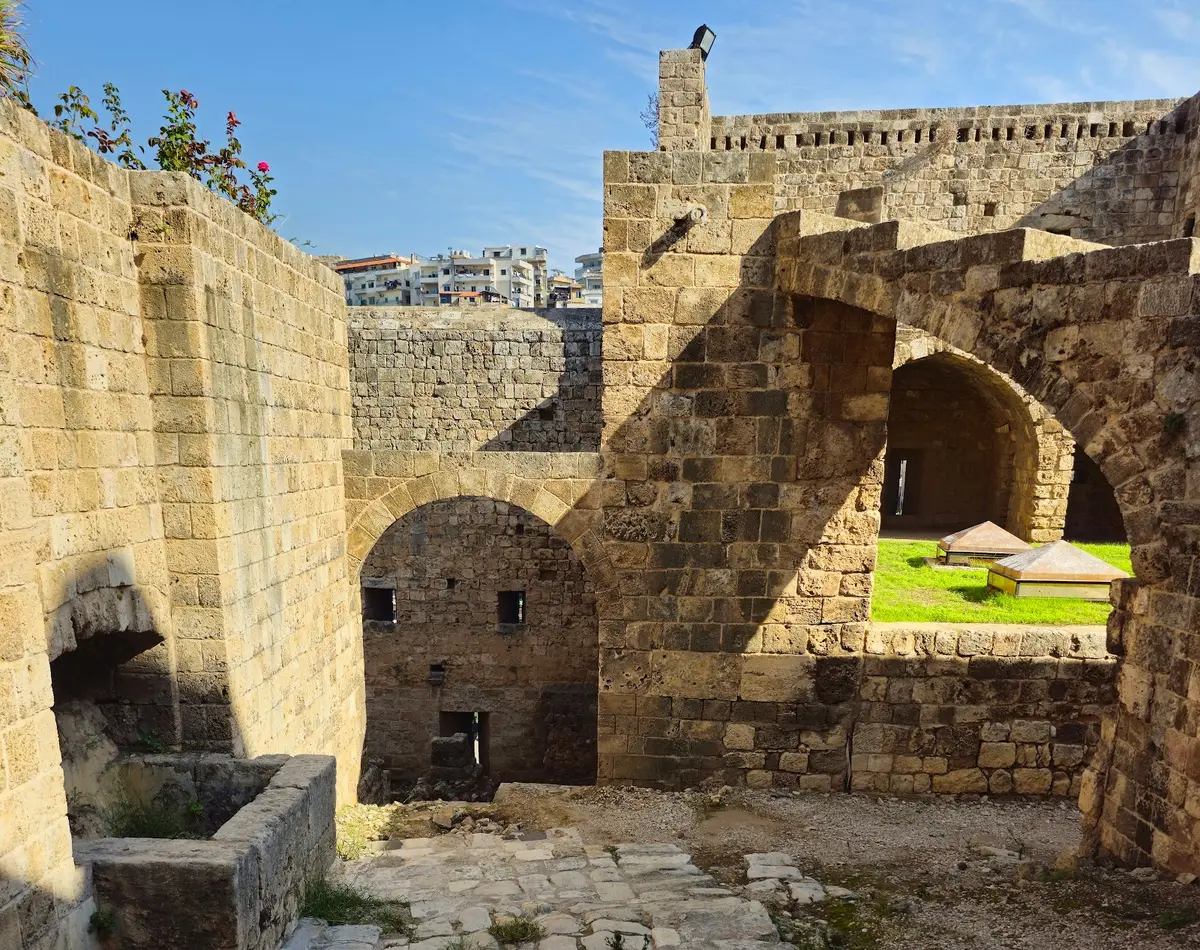
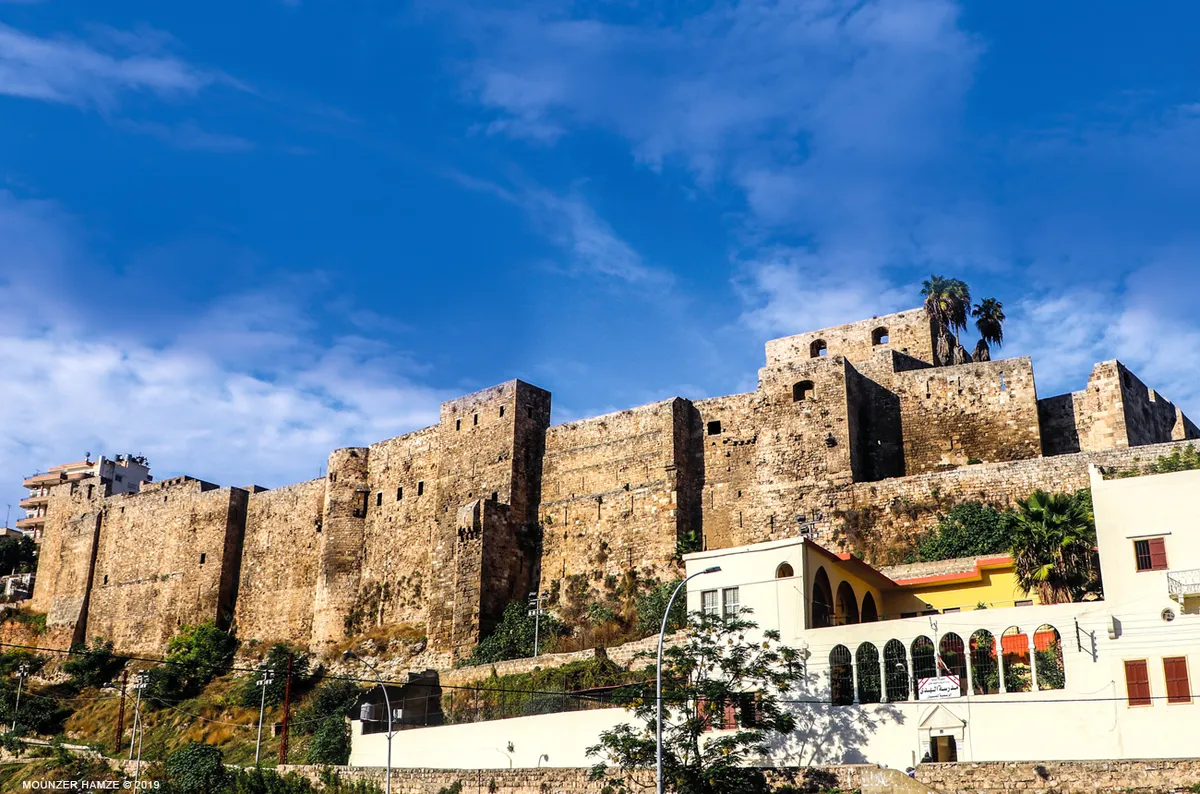
Citadel of Raymond de Saint-Gilles
The largest fortress in the country, founded by the Crusader leader Raymond de Saint-Gilles during the siege of 1102–1109 on top of an 11th-century cemetery. Very little of the original Crusader stonework survives. The Mamluks burned and rebuilt it after capturing the city in 1289, and the Ottomans added further restorations in the 19th century.
- Location: Hilltop above the old city, accessible on foot from the souks
- Cost: Roughly $3 USD entry (cash only, in fresh small dollar bills)
- Hours: Generally 9:00 AM to 5:00 PM daily, but verify locally — site hours have been irregular
- Best for: History travelers, photographers, anyone wanting orientation over the city
- Time needed: 60–90 minutes
From the ramparts you get a clear line of sight across the entire city to the Mediterranean, and on a dry day you can see the western edge of the Syrian mountains.
The souks of the old city
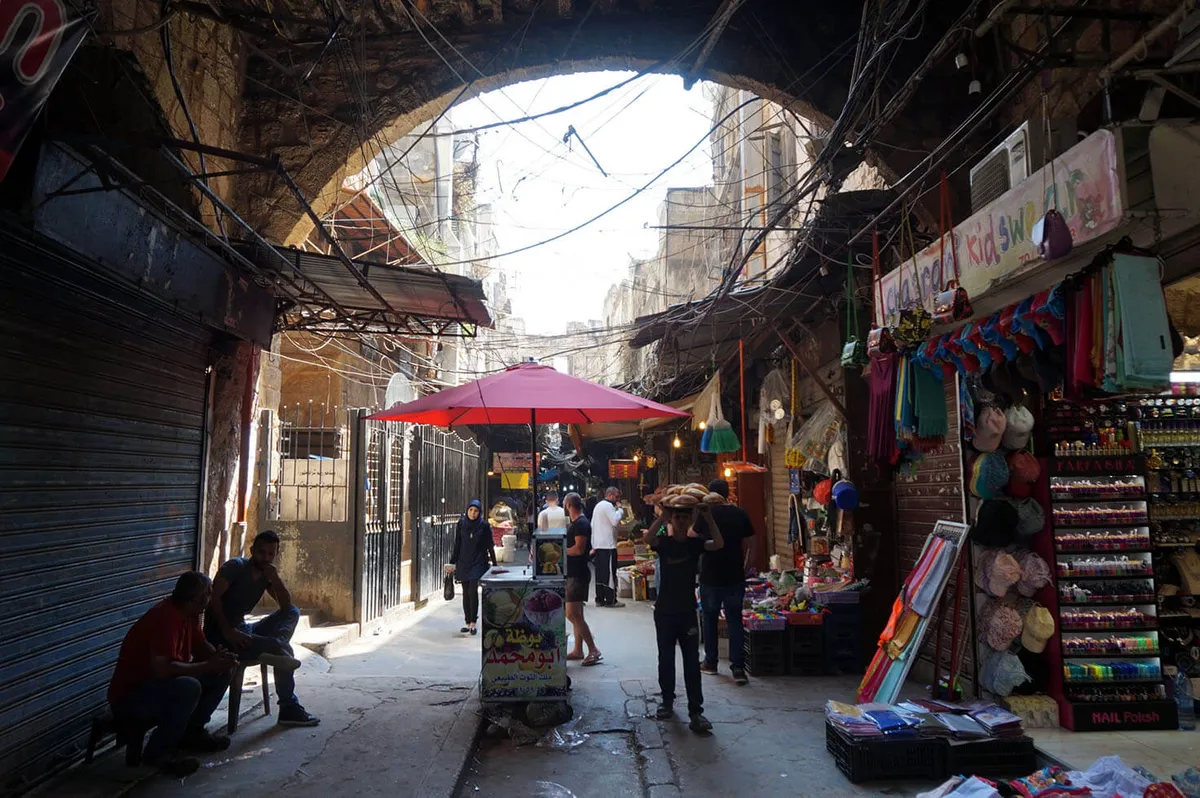
The old market is not a single souk but a connected network, each named for the trade it historically housed. The walking distance from one end to the other is under 20 minutes, but you will spend hours if you let yourself wander.
- Souk al-Sayyaghin — the goldsmiths’ lane, dozens of small shopfronts of handworked jewelry
- Souk al-Nahhasin — the coppersmiths, where you can still hear hammering on brass and copper
- Souk al-Attareen — spices, dried fruit, herbal infusions, the smell hits you a full street before you arrive
- Khan al-Saboun — the historic soap khan, center of the city’s olive-oil soap-making tradition
Pro Tip: Skip the polished tourist soap shops near the Citadel entrance. The Sharkass family workshop in Khan el Masriyin is where you watch Mahmoud Sharkass actually making bars by hand — same family, same recipes, real prices.
Mansouri Great Mosque and the hammams
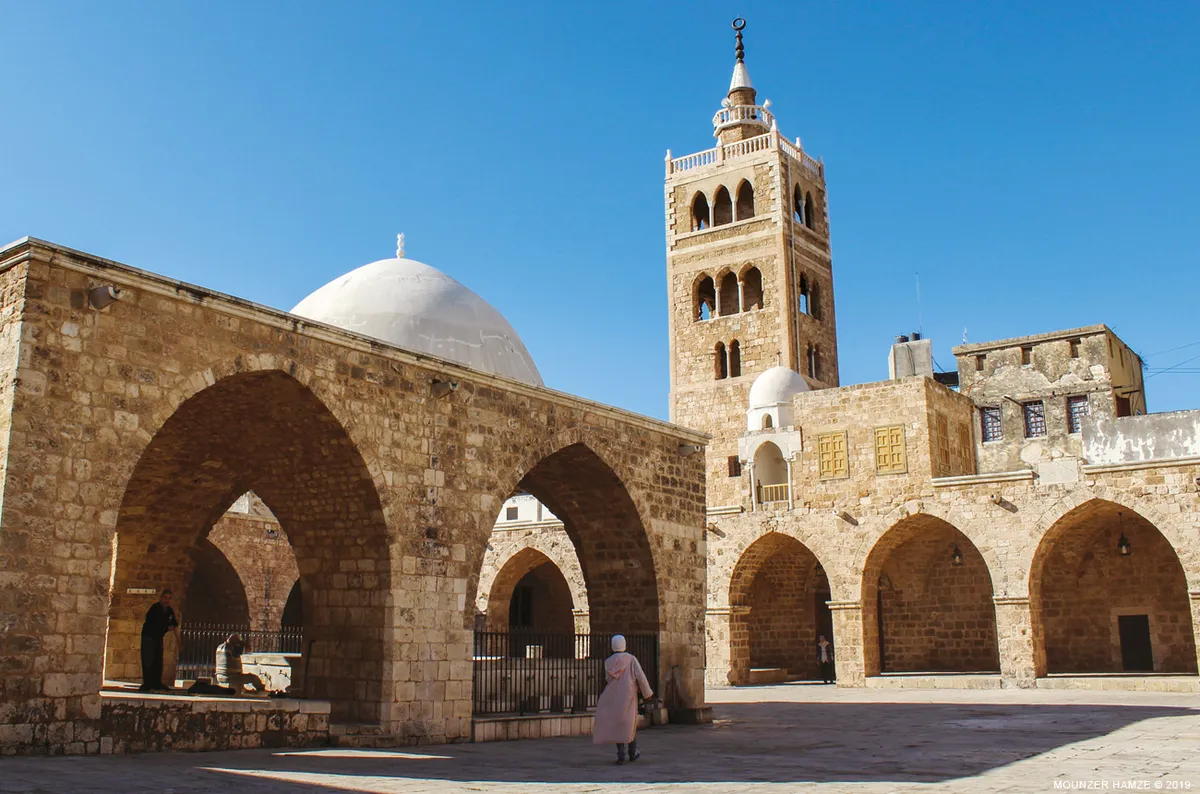
The Mansouri Great Mosque was built in the 13th century on the site of a former Crusader cathedral, and it is the most prominent piece of Mamluk religious architecture in the city. Dress modestly — long sleeves, long pants or skirt, head covering for women — and step out of prayer times. Hammam al-Nuri sits in atmospheric decay nearby, and Hammam al-Abed remains the last functioning traditional bathhouse in the city.
Why is Tripoli Lebanon famous for sweets?
Tripoli is widely considered the sweets capital of Lebanon, a reputation built over generations of pastry families in the old city. The benchmark institution is Abdul Rahman Hallab & Sons 1881, whose main branch — known locally as Kasr el Helou, the “Palace of Sweets” — is a city landmark in its own right.
What to actually order, in rough priority:
- Knafeh — warm shredded phyllo over melted cheese; the kaak bi-knafeh sandwich version is the local breakfast move
- Halawet el-jeben — soft sweet cheese dough rolled thin and filled with ashta clotted cream
- Baklava and ma’amoul — denser and less sugar-soaked than the Turkish versions most Americans know, and a benchmark in Lebanon’s traditional food repertoire
- Booza — Lebanese mastic-and-sahlab ice cream, stretchy texture, served pounded
Savory food worth a detour
- Foul and fatteh at Akra Restaurant — the standard Tripoli breakfast of stewed fava beans and chickpeas with yogurt and crisped bread
- Moghrabieh sandwich at Al Dabboussi — giant couscous pearls in a sandwich, a dish you basically only find done well here
- Samkeh harra — the local spicy fish with tahini, cilantro, and walnuts
- Lahm baajin — thin meat flatbread with pomegranate molasses
Where should you stay in Tripoli Lebanon?
If you do go, accommodation options have thinned out as tourism has collapsed, but a handful of places still operate. Power cuts are routine across the country — every option below runs on generator backup, but ask about generator hours before you book.
Beit el Nessim (Al-Mina) — best for character
A restored old house in the Al-Mina district, walkable to the corniche and the fish restaurants.
- Location: Al-Mina, near the waterfront
- Cost: Roughly $50–80 USD per night, cash dollars
- Best for: Travelers who want a sense of place over hotel polish
- Time needed: 2 nights minimum to do the city properly
Via Mina Hotel — best for comfort
A small boutique property with reliable power and hot water, English-speaking staff.
- Location: Al-Mina district
- Cost: Roughly $70–110 USD per night
- Best for: First-time visitors who want fewer logistics surprises
- Time needed: 2–3 nights
Miramar Hotel Resort and Spa — best for sea views
Larger resort property just outside the city center, on the water.
- Location: Coastal road north of central Tripoli
- Cost: From roughly $100 USD per night
- Best for: Travelers prioritizing amenities and a pool
- Time needed: 2 nights
How do you actually get to Tripoli from Beirut?
Tripoli sits about 50 miles (80 km) north of Beirut along the coastal highway. There are three realistic options.
- Shared van from Charles Helou or Cola station — roughly $2–4 USD, leaves when full, about 90 minutes when traffic cooperates
- Private taxi — negotiate hard; expect $80–120 USD one way depending on fuel prices and the dollar rate that week
- Pre-arranged driver through your hotel — usually $100–150 USD round trip with waiting time
Inside the old city, walking is the only real option. The lanes are too narrow for cars, and you will get more out of the souks at street level anyway.
What should you know before you go?
The practical layer of traveling here has gotten harder, not easier. Lebanon’s economy operates on a parallel exchange rate, the lira has lost most of its value, and almost everything tourist-facing is now priced in cash US dollars.
- Cash: Bring crisp, clean US dollars in small bills. ATMs are unreliable and bank withdrawal limits are severe. Budget more cash than you think you need.
- Power: Expect daily power cuts of several hours. Charge devices opportunistically and bring a power bank.
- Dress: Tripoli is more conservative than Beirut. Cover shoulders and knees in the old city; women should carry a scarf for mosques.
- Connectivity: Buy a local Alfa or Touch SIM at the airport on arrival. Wi-Fi outside hotels is spotty.
- Best weather: Spring (April–May) and fall (September–October) are the best times to visit Lebanon for walking the souks. Summer is humid; winter brings real rain on the coast.
- Insurance: Standard travel insurance will not cover you. Specialist conflict-zone policies exist (e.g., Global Rescue, IMG) but are expensive and require careful reading.
Pro Tip: Tell someone at home your daily plan and check in by message every evening. Phone signal is generally fine in the city, and a simple “still in the souks, all good” message saves a lot of unnecessary worry on the other end.
The bottom line
TL;DR: Tripoli Lebanon is one of the most rewarding old cities in the eastern Mediterranean — Mamluk souks, the largest Crusader citadel in the region, and the country’s best sweets. It is also currently sitting under a Level 4 US travel advisory with active regional conflict and suspended consular services. The cultural case for visiting has not changed in centuries. The risk picture has changed in months. Read both honestly before you decide.
If you have been to Tripoli, when did you go, and what would you tell someone weighing the trip today? Drop your take in the comments.