The Bekaa Valley has been making wine since Roman legions drank it, and the current lineup of producers is the most interesting in the Middle East. Before you plan anything, read the safety section below — conditions on the ground matter more than any tasting note. This guide covers the seven Bekaa Valley wineries that actually reward a visit, plus the logistics American travelers ask about most — the wine chapter of a wider Lebanon travel guide.
Is it safe to visit Bekaa Valley wineries right now?
No — not for most American travelers. The U.S. State Department has Lebanon at Level 4: Do Not Travel, and the advisory specifically names the Bekaa Valley as an area to avoid due to crime, terrorism, armed conflict, and unexploded ordnance. Active Israeli military operations have struck targets in the Bekaa during the current period of hostilities. Treat this guide as reference material for when conditions change, not an itinerary to book today.
If you are in Lebanon anyway — as a dual national, resident, journalist, or aid worker who has already settled the question of whether Lebanon is safe for American tourists in your own situation — the wine estates described below have generally stayed open between escalations, often with private drivers coordinating visits around checkpoints and roadwork. Call ahead the same day you plan to go. Do not drive yourself, and do not travel after dark.
Pro Tip: Enroll in the U.S. Embassy’s Smart Traveler Enrollment Program (STEP) before crossing into Lebanon. The embassy sends real-time security alerts by SMS, which is the fastest warning you’ll get if the Bekaa road closes.
Why the Bekaa Valley produces wines worth the detour
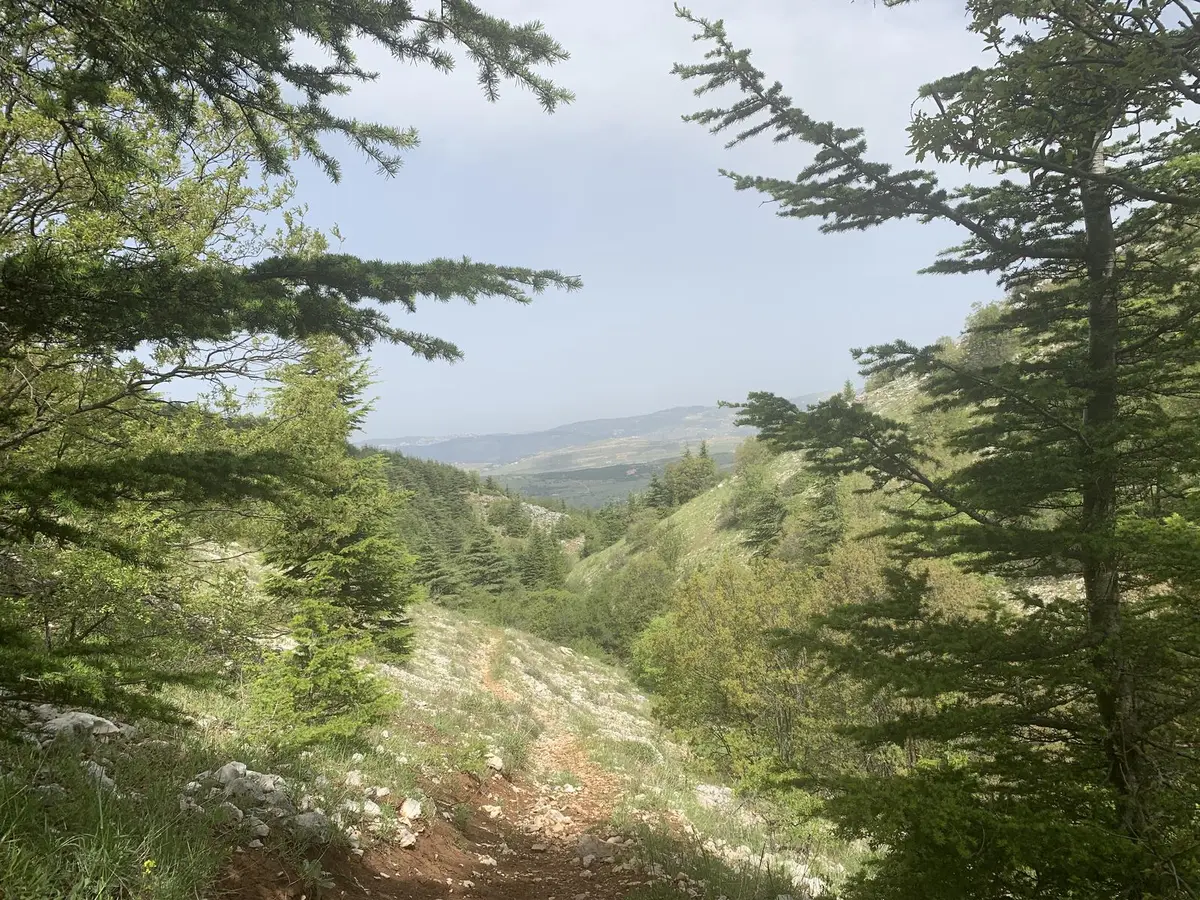
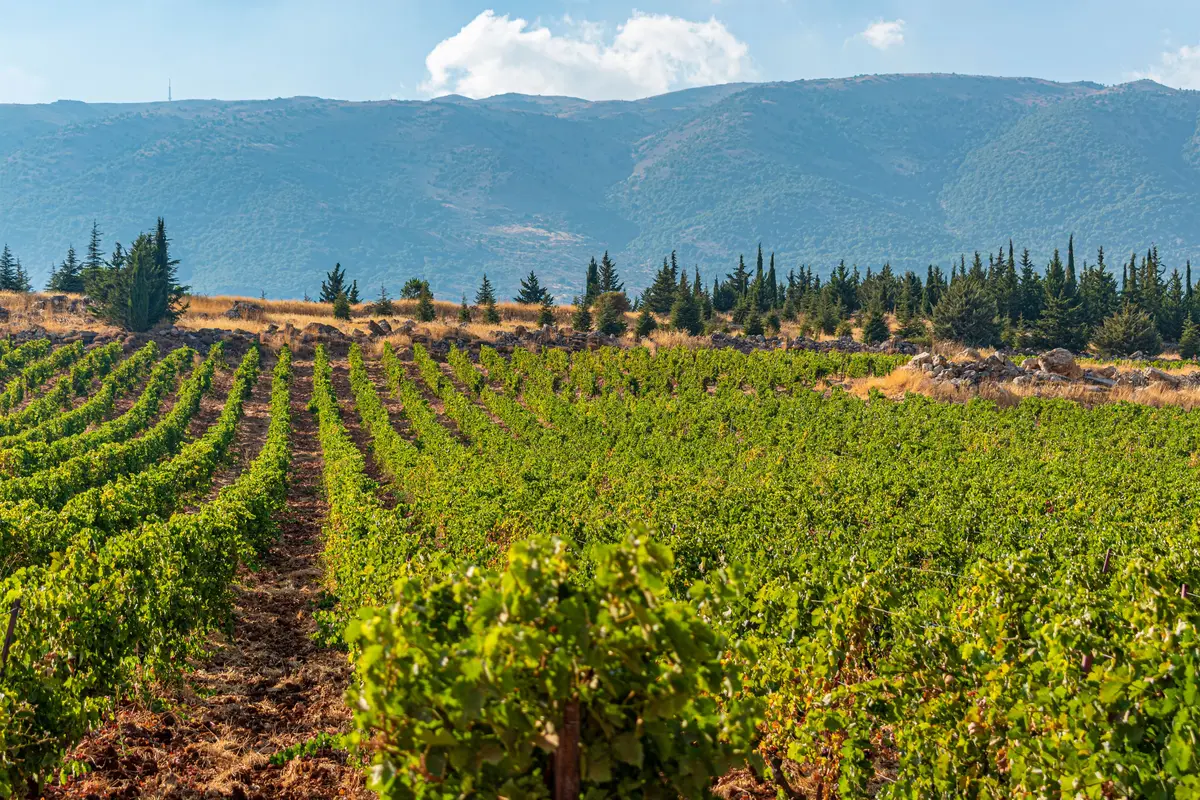
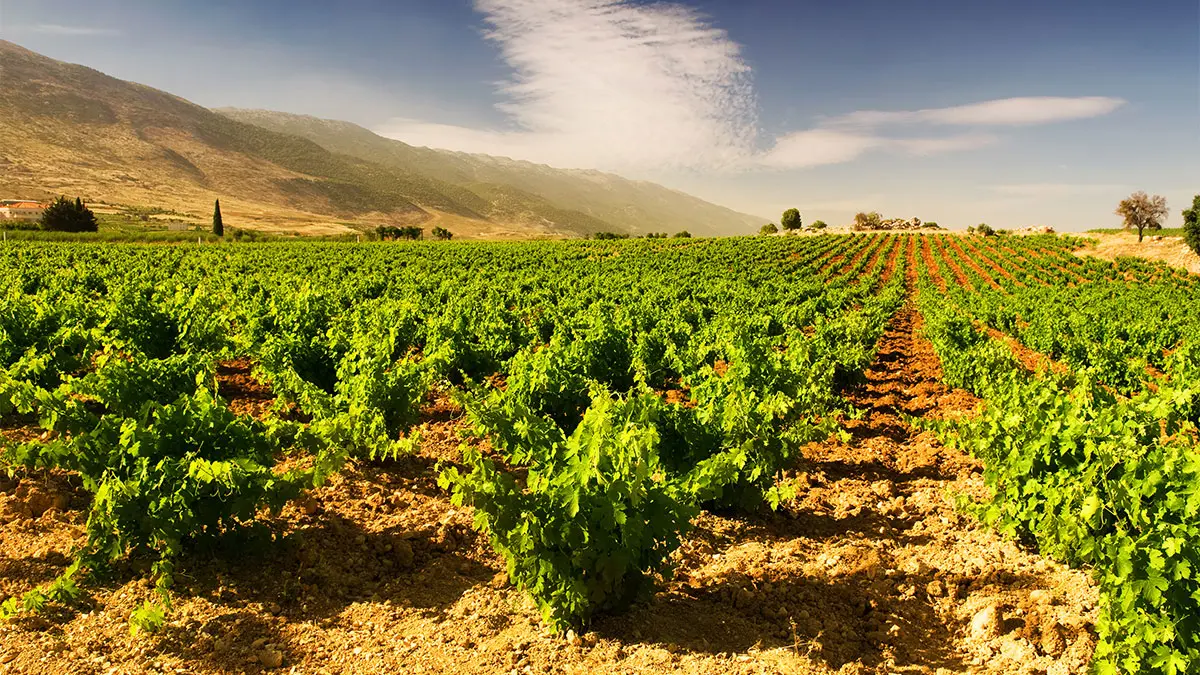
The valley sits at 3,000 to 4,600 feet (900 to 1,400 meters) between the Mount Lebanon and Anti-Lebanon ranges. Long, dry summers push sugar; cold nights and snowmelt hold acidity; limestone-clay soils give structure. Cabernet Sauvignon, Syrah, Cinsault, and Carignan do the heavy lifting on the red side. The white story is more interesting — indigenous Obeidy and Merweh, once dismissed as table grapes, now go into some of the best dry whites Lebanese wine has produced.
What you’ll notice on a tasting is that Bekaa reds have riper fruit than French equivalents but keep the acid spine — closer to a warm-climate Rhône than a Napa Cab. That’s the altitude doing its job.
1. Château Ksara — the Roman caves are the whole point
Founded by Jesuit priests in 1857, Ksara is the country’s oldest continuously operating commercial winery and the biggest by volume. The surface-level tour can feel industrial when three tour buses overlap at 11 a.m. The caves are another story.
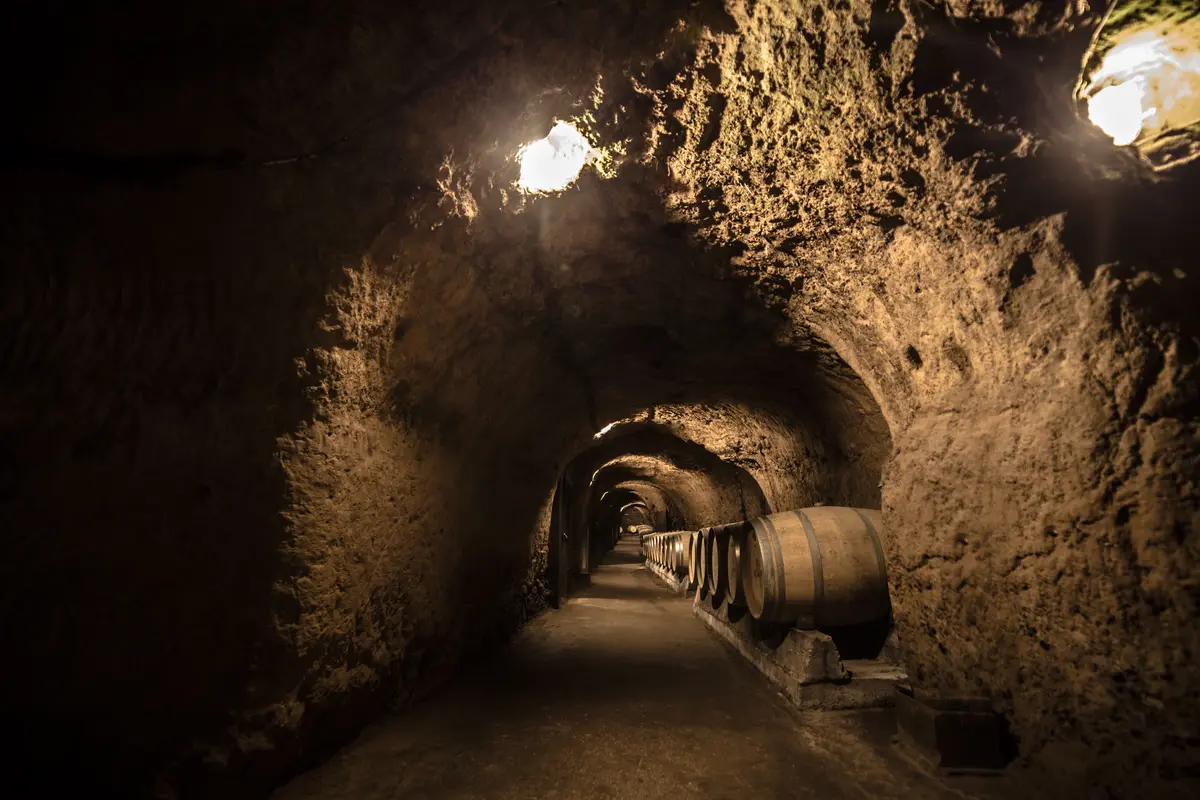
A 1.2-mile (2-kilometer) network of Roman-era tunnels runs under the estate, rediscovered in 1898 when a fox disappeared down a hole. They now store the library vintages at a steady 52°F (11°C), and the smell — wet limestone, old cork, slow oxidation — is the thing you remember for years. Skip the surface tour if the lot is packed with buses; the cave portion is what you came for.
The tastings are tiered, with approximate USD equivalents (Lebanese lira pricing shifts constantly, so always confirm at arrival):
- Heritage tasting — three popular blends, around $4–5
- Icon tasting — the flagship labels including Le Souverain, around $7–8
- Terroir tasting — single-varietal and unusual pours, around $5–6
- Cellar tasting — four upper-tier wines with deeper explanation, around $8–10
Pro Tip: The tour itself is free; you only pay for the tasting tier. Go before 10 a.m. to beat the Baalbek day-trip buses that arrive after their morning ruin stop.
- Location: Ksara, Zahle (East Bekaa)
- Cost: Tour free; tastings $4–10 per person
- Best for: First-time visitors, history-curious travelers
- Time needed: 60 to 90 minutes
- Reservation: Not required, but helpful on weekends
2. Domaine des Tourelles — the one that feels like someone’s home
Founded in 1868 in Chtaura, Tourelles is the winery you’d take a French friend to if you wanted to prove Lebanon does serious wine. The estate still ferments in the original 19th-century concrete vats — the same vessels now fashionable again in Burgundy and Napa because they allow micro-oxygenation without the vanilla and toast that oak adds.
You are likely to get a family member or a long-time staffer, not a trained tour guide reading a script. The walk through the cellar ends under a walnut tree in the garden where they pour the Marquis des Beys (a Cabernet-Syrah blend), the indigenous-grape Obeideh, and the estate’s arak — the traditional anise distillate that every Bekaa winery seems to run as a sideline.
The wines actually outperform the modesty of the setting. The red Brut rouge and the single-vineyard Marquis des Beys both punch well above their price tier on any comparative tasting I’ve done.
- Location: Chtaura (Central Bekaa)
- Cost: Tour and tasting around $10–15 per person; call ahead
- Best for: Wine geeks, travelers who hate bus-tour vibes
- Time needed: 90 minutes
- Reservation: Required, 1–2 days ahead
3. Château Kefraya — the lifestyle day, not just a tasting
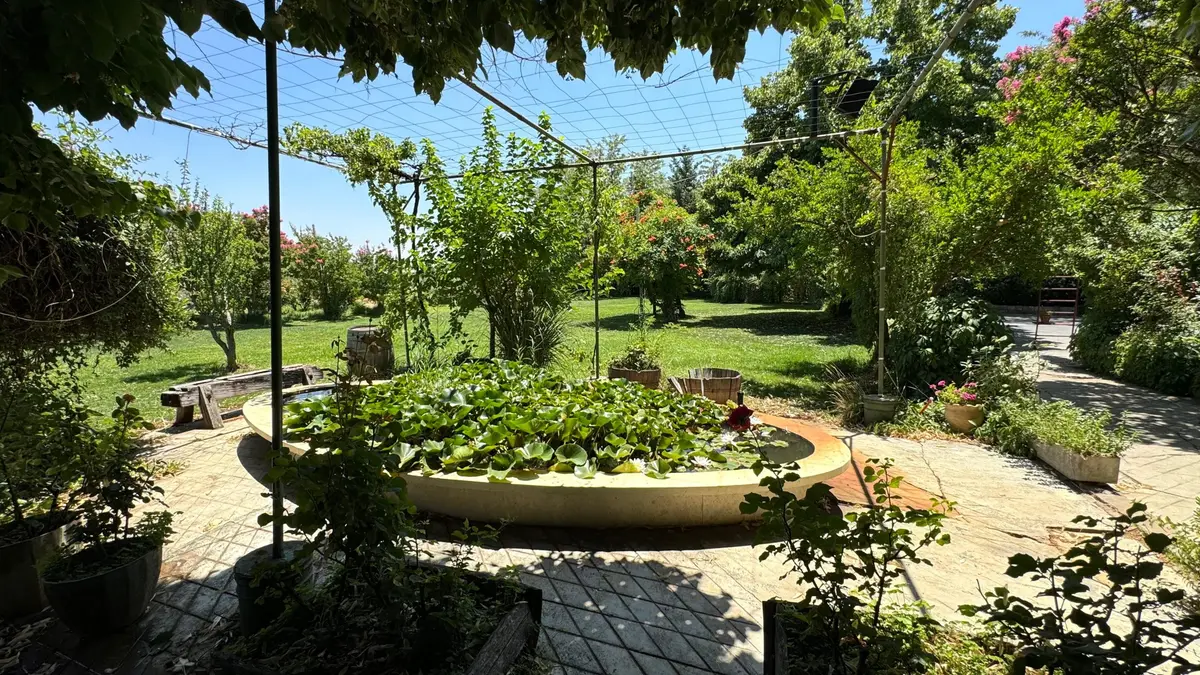
Kefraya is a 740-acre (300-hectare) estate in West Bekaa, founded in 1951 and built like a destination rather than a factory. This is where you commit to a half-day rather than a quick stop. Two things separate it from the competition: Le Petit Train, a tractor-pulled open-air tour through the actual vineyard rows, and Le Relais Dionysos, the estate restaurant with terraces looking straight down the valley toward the Anti-Lebanon range.
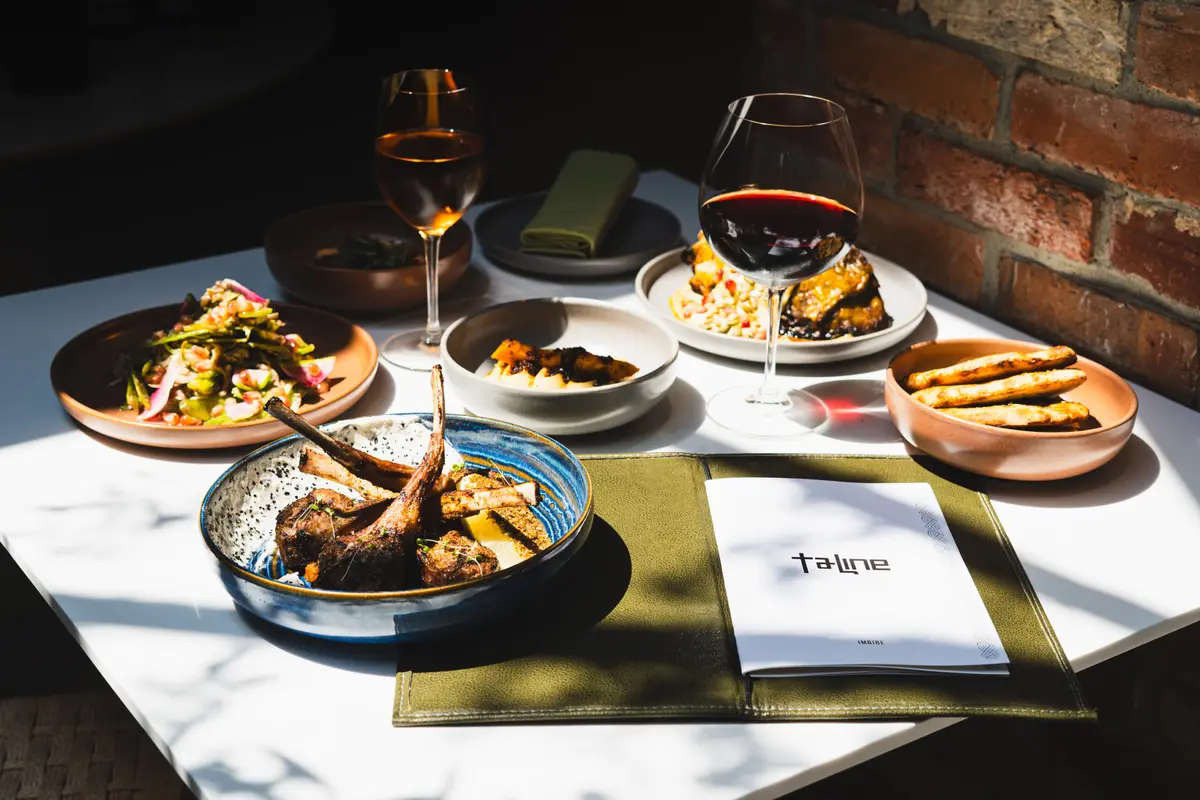
The wines to try are the Comte de M (their top Bordeaux-style red) and the Myst white, which uses indigenous Muscat and Clairette. The tasting itself is competent but not the highlight — lunch is. Order the kibbeh nayyeh and the grilled lamb chops, pair with the Comte de M, sit on the terrace, and understand why Lebanese who can afford it drive out here on Sundays.
Pro Tip: Book Le Relais Dionysos at least a week in advance for weekend lunch — tables on the outdoor terrace go first, and indoor seating misses the whole point.
- Location: Kefraya village, West Bekaa
- Cost: Tour and tasting around $15; lunch $40–60 per person with wine
- Best for: Couples, slow travelers, families (tractor tour works for kids)
- Time needed: Half a day
- Reservation: Essential for restaurant; helpful for tour
4. Château St. Thomas — the Obeidy believers
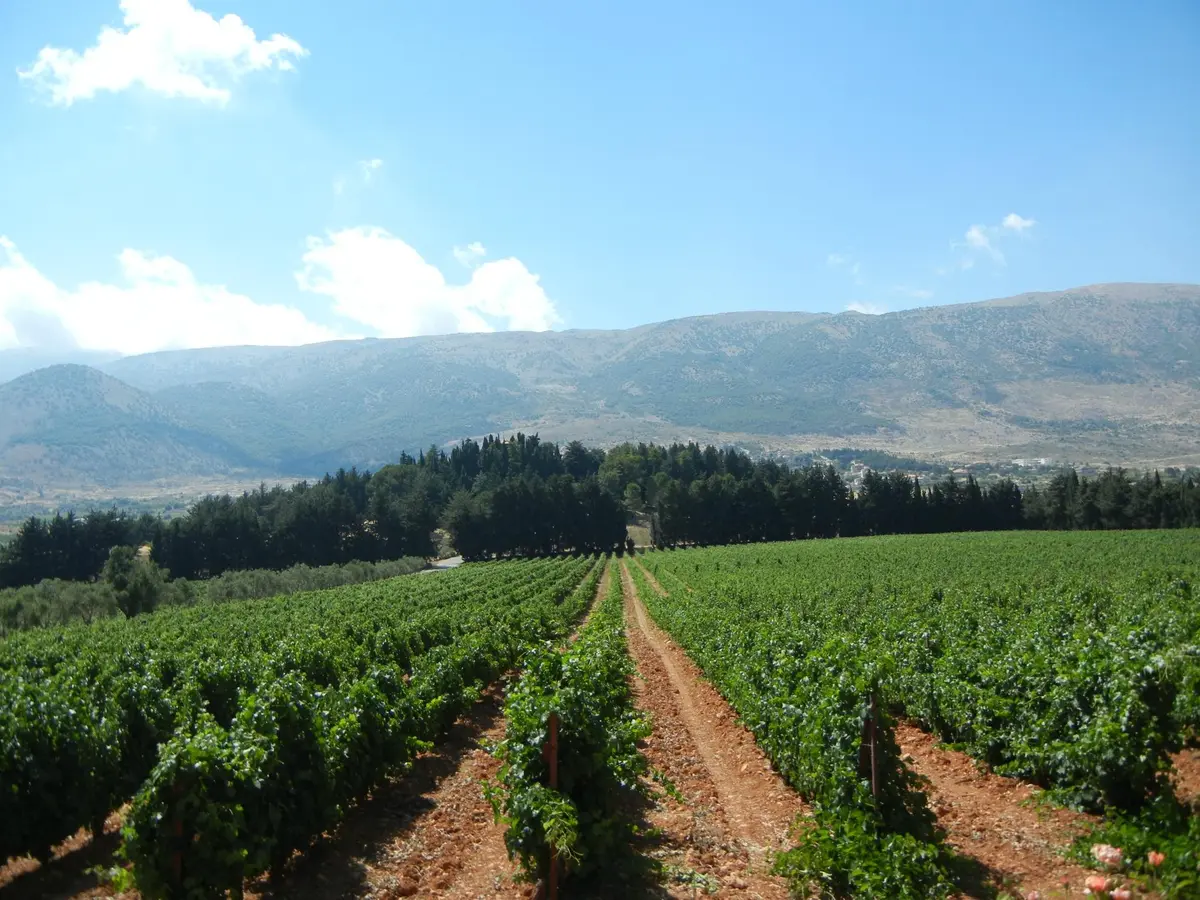
Perched on a hill above Qabb Elias, St. Thomas has been run by the Touma family since 1990 and is small enough that you’re often poured by a family member. The reason to come here is the Obeidy — a dry white made from a grape that, for most of the 20th century, was considered fit only for arak production and table consumption.
The St. Thomas Obeidy is mineral, salty, with a waxy texture closer to old-vine Semillon than anything from the Loire. It pairs with mezze the way Chablis pairs with oysters — structural, unshowy, right. Their red Les Emirs blend and the flagship Château St. Thomas red are also worth the pour, but the white is the education.
The tour is small, personal, and finishes on a terrace looking across the vines. If you’re doing one winery to understand what indigenous Lebanese varieties actually taste like, this is it.
- Location: Qabb Elias (Central Bekaa)
- Cost: Tour and tasting around $10
- Best for: White wine drinkers, wine writers, anyone chasing the Obeidy story
- Time needed: 60 to 90 minutes
- Reservation: Required
5. Massaya — the Sunday lunch that turns into a party
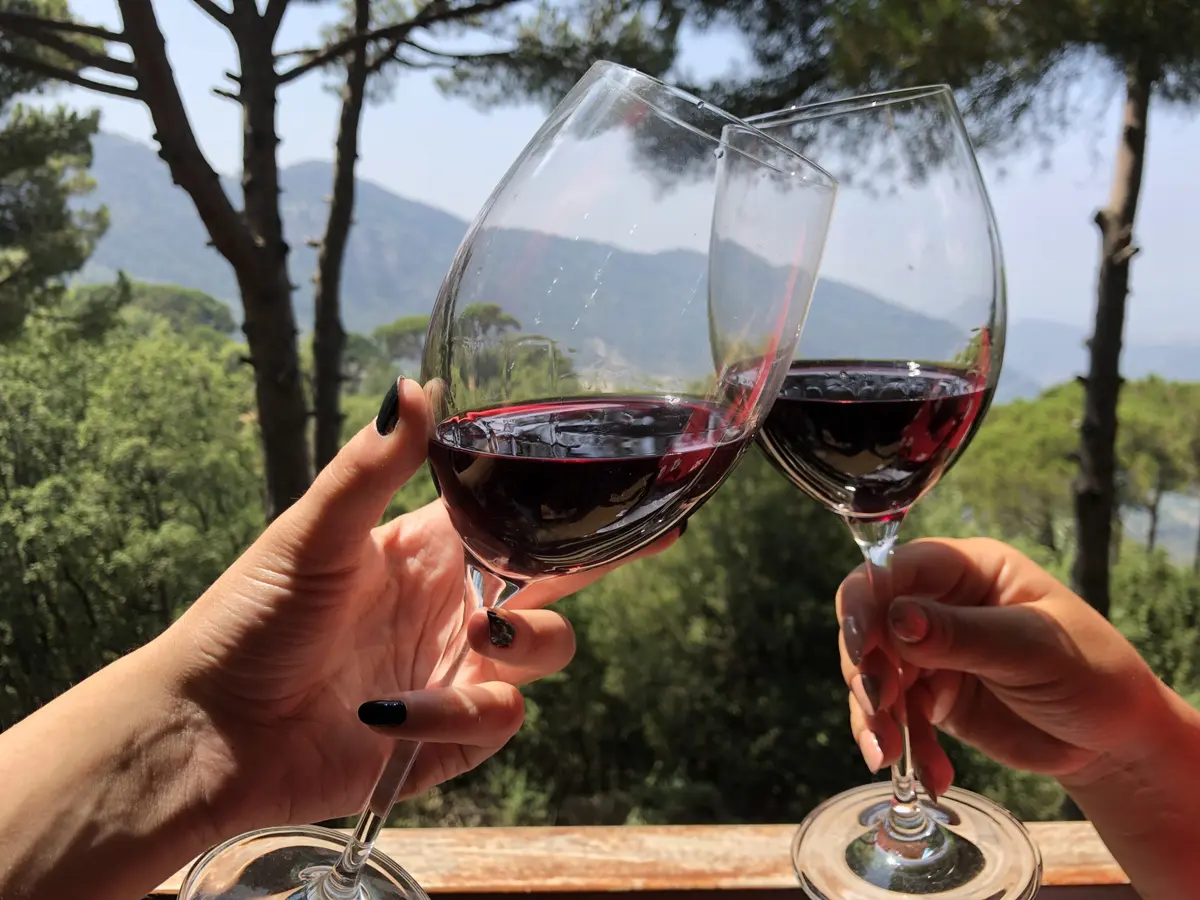
Founded in 1998 and part-owned by the Brunier family of Vieux Télégraphe in Châteauneuf-du-Pape, Massaya is the winery for people who want to drink a lot of wine in a vineyard with a fire going and not feel bad about it. The Tanail estate in the Bekaa does country-style Sunday lunches with long communal tables, open fires in winter, vine shade in summer, and unlimited house wine poured by the carafe.
The red blend (Grenache-Cinsault-Syrah) and the Silver Selection are the ones to drink with food. The rosé is better than most French equivalents at the same price. Skip the formal tasting and just show up for lunch — that is the actual Massaya experience.
The crowd skews younger and more international than at Ksara or Kefraya. If you’ve done three other wineries and want the fourth to feel like a party instead of an education, this is the stop.
- Location: Tanail estate, West Bekaa (not the smaller Faqra outlet)
- Cost: Sunday lunch around $50–70 per person with unlimited wine
- Best for: Groups, social drinkers, anyone on a third day in the valley
- Time needed: 3 to 4 hours
- Reservation: Essential for Sunday lunch; book a week out
6. Terre Joie — the altitude nerds’ winery
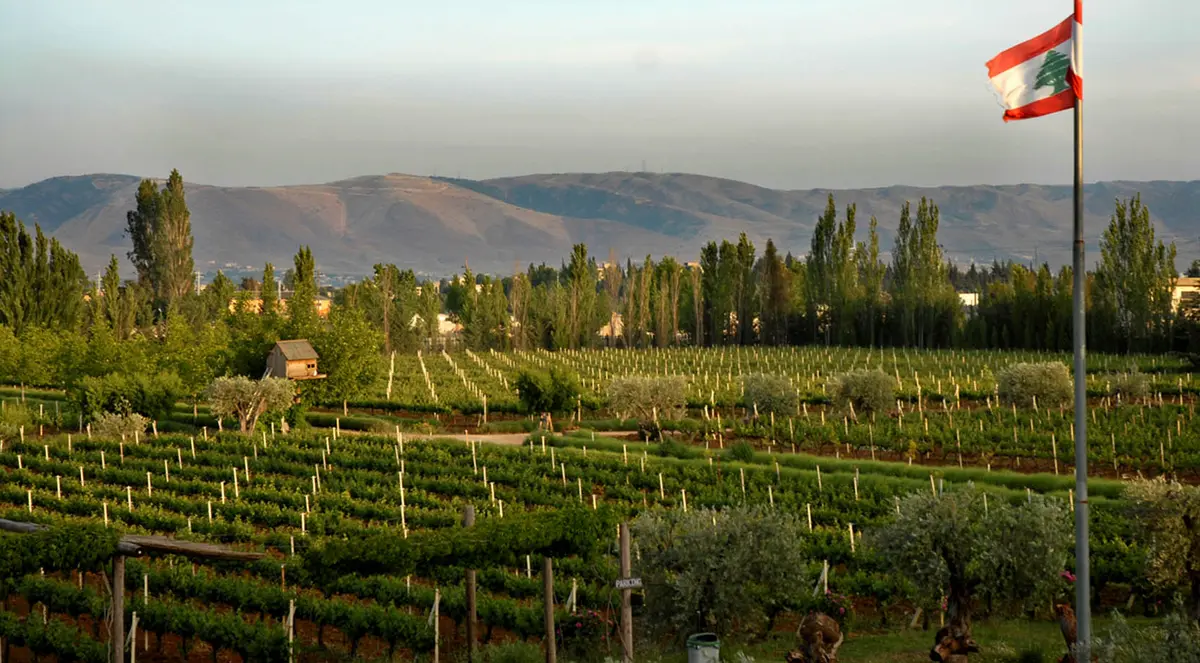
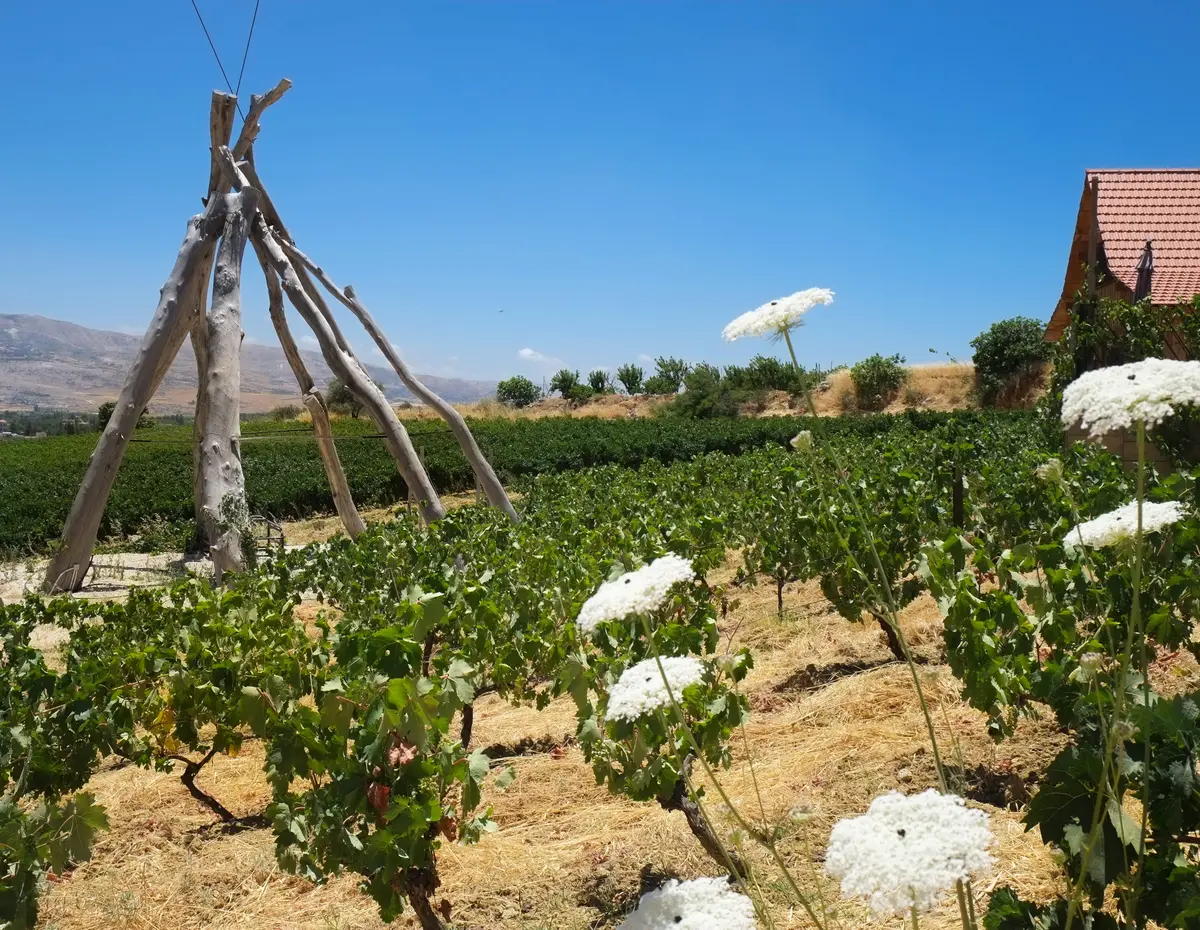
Terre Joie sits at 4,600 feet (1,400 meters) — high even by Bekaa standards — and farms organically. The estate markets itself on the continental rift geology underneath the vines, which actually matters: the soil composition on this stretch of the valley differs from the central plain and shows up as a saltier, more linear profile in the wines.
This is not a commercial operation. The tasting room is functional, the tour is intimate, and you’ll probably be walked through the cellar by someone who also prunes the vines. For serious wine drinkers interested in how elevation and organic farming intersect, Terre Joie is the most educational stop in the valley. For casual visitors who want scenery and a restaurant, it isn’t.
- Location: West Bekaa, above Aitanit
- Cost: Tour and tasting around $15, call for pricing
- Best for: Sommeliers, wine importers, terroir-obsessed travelers
- Time needed: 90 minutes
- Reservation: Required, several days ahead
7. Château Musar — the cult wine that isn’t actually in the Bekaa
Here’s the thing most guides won’t tell you: Musar’s winery is in Ghazir, on the coast about 15 miles (24 kilometers) north of Beirut, not in the Bekaa. The grapes come from Bekaa vineyards, but the cellars, the tasting, and the visit are a day trip from Beirut, not part of a valley loop.
Why include it? Because Musar is the wine that made the international wine press pay attention to Lebanon in the first place, and a vertical tasting through the Hochar family’s library — often covering vintages that span the Lebanese civil war — is one of the genuinely great wine experiences in the region. The wines are polarizing by design: high volatile acidity, brettanomyces character, long bottle age. Some people taste them and think “fault”; others taste them and think “masterpiece.”
Plan it as a separate half-day from Beirut. Pair it with a stop in Byblos on the way back.
- Location: Ghazir (Mount Lebanon coast, NOT the Bekaa)
- Cost: Tour and tasting around $20–30 depending on vintages poured
- Best for: Serious collectors, people with opinions about brett
- Time needed: Half a day from Beirut
- Reservation: Required
How do you actually get to the Bekaa Valley wineries?
From Beirut, the drive is 60 to 90 minutes on the Damascus Highway, climbing over the Mount Lebanon range via the Dahr el-Baidar pass before dropping into the valley. In heavy weekend traffic or winter weather, add 30 minutes. The four central wineries — Ksara, Kefraya, Cave Kouroum, St. Thomas — are within a 20-minute drive of each other, so two or three in a day is realistic.
Do not self-drive. Even in calm periods, driving in Lebanon means aggressive road discipline, checkpoints that appear without warning, and — in your case — drinking at the wineries. Hire a private driver through your hotel or a licensed tour operator — expect $150 to $250 for a full day including pickup, winery visits, and lunch.
Pro Tip: Friday afternoon out of Beirut is the worst traffic window of the week. Go Tuesday through Thursday if you have flexibility.
When is the best time to visit the Bekaa for wine?
Harvest runs mid-August through late September, and this is when the estates are most alive — pickers in the vineyards, presses running, the first must in the tanks. September gives you warm afternoons around 80°F (27°C) and nights cool enough for a sweater — one of the best times to visit Lebanon for any purpose, not just wine. October is also excellent and less crowded.
Winter (December through February) brings snow to the higher elevations and a completely different atmosphere — fireplaces lit at Kefraya and Massaya, vines bare, lower visitor numbers. Some smaller estates reduce hours. Spring (April to early June) is green and quiet, with wildflowers across the valley floor.
Avoid Ramadan if you want lunch options and restaurant service, though the wineries themselves stay open and serve alcohol normally. Check dates before booking.
Where should you stay and eat near the wineries?
For an overnight, Zahle and Chtaura are the logical bases. The Grand Kadri Hotel in Zahle is the historic option — 19th-century building, mid-range pricing, walking distance to the Bardouni River restaurants. Monte Alberto in Chtaura is functional and closer to Tourelles and Kefraya.
For food, Tawlet Ammiq in the Ammiq Wetland reserve is the one non-winery meal to build your day around. It’s a slow-food cooperative serving farm-to-table Lebanese mezze on a terrace overlooking the wetlands — probably the best single meal you’ll eat in the valley outside a winery restaurant. Reservations essential.
In Zahle, the Bardouni River promenade has a dozen traditional Lebanese restaurants with outdoor tables over the water. Casino Arabi and Abou Yaacoub are the two locals consistently recommend for mezze.
Before you pour
TL;DR: The Bekaa Valley produces some of the Middle East’s most interesting wine, with seven estates worth visiting — Ksara for the Roman caves, Tourelles for authenticity, Kefraya for the full lifestyle day, St. Thomas for the Obeidy, Massaya for Sunday lunch, Terre Joie for the altitude nerds, and Musar (technically in Ghazir) for the cult experience. Current U.S. State Department guidance is Level 4: Do Not Travel, so most American readers should treat this as planning material for a later trip, not an itinerary for this month.
When conditions do allow, the valley rewards a two-day trip more than a single day — one for the central cluster, one for a longer Massaya or Kefraya lunch. Combine it with Baalbek’s Roman temples only if the security situation is calm enough to justify the drive east of the wineries.
Which of these estates would you prioritize for a first visit — the historic weight of Ksara, the family feel of Tourelles, or the full lifestyle day at Kefraya?