Jeita Grotto sits 11 miles (18 km) north of Beirut and delivers two completely different cave experiences on a single ticket — a 2,460-foot dry walkway through one of the largest chambers in the Middle East, and a silent electric-boat ride across an underground river that supplies drinking water to over a million people. This guide covers what it costs, how to get there, what the photo ban actually means, and the one timing window most visitors get wrong.
What makes Jeita Grotto worth the trip
Jeita Grotto is a two-level karstic cave system carved into 3,300 feet (1,000 m) of Jurassic limestone over millions of years. The Upper Galleries are dry, walkable chambers with ceilings up to 348 feet (106 m). The Lower Galleries channel a 3.8-mile (6,200 m) underground river that you cross by boat. One ticket gets you both, plus a cable car and a small train.
The combination is what makes it unusual. You can tour dry caves anywhere in the Mediterranean — what you can’t easily do is glide across a still underground lake in near-total silence twenty minutes later in the same complex.
The Upper Galleries — dry walking tour
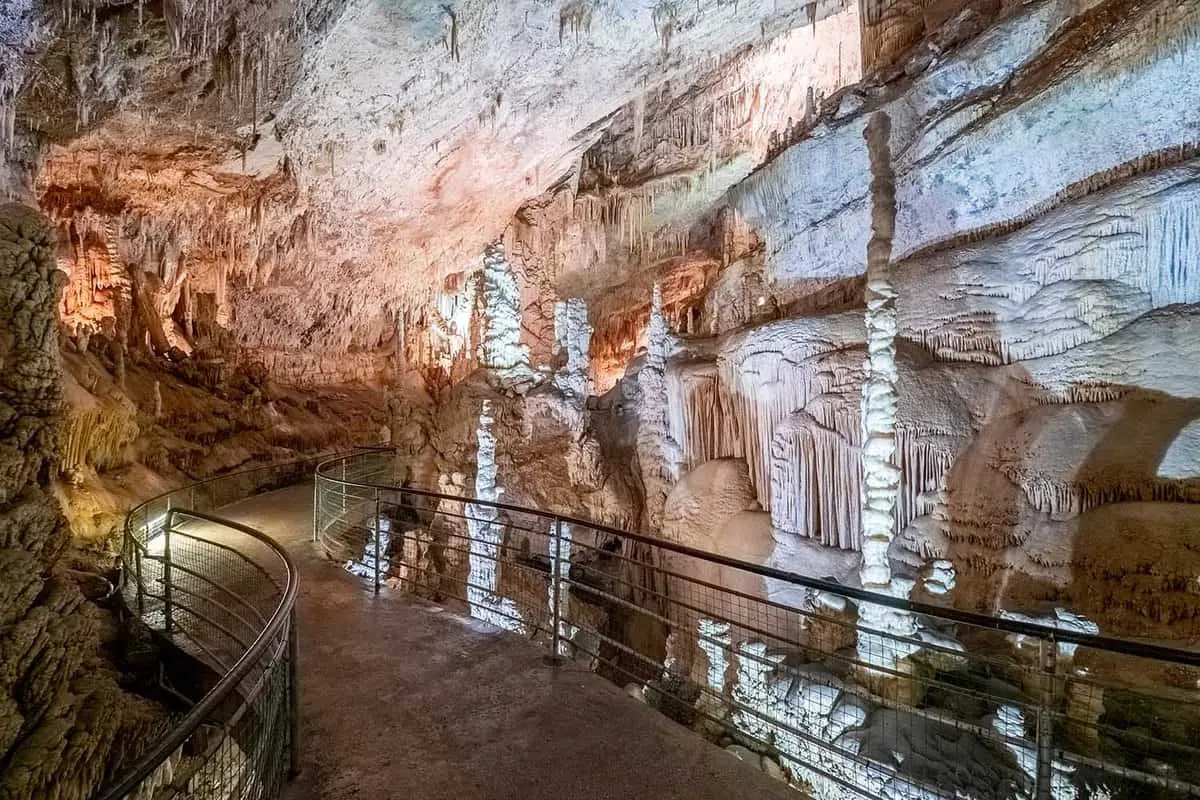
A 384-foot (117 m) concrete tunnel seals the cave from outside air. The moment you step out of it, the temperature drops to a year-round 61-68°F (16-20°C) and humidity spikes. The walkway runs 2,460 feet (750 m) through three chambers, with strategic warm lighting on formations that look like frozen waterfalls, draperies and mushroom columns.
The White Chamber holds what’s billed as the world’s longest known stalactite at 27 feet (8.2 m). The Red Chamber gets its rust color from iron oxide in the rock above. Its ceiling is 348 feet (106 m) up — taller than a 30-story building. Standing under it is the kind of scale photos can’t communicate, which is convenient because you can’t take any (more on that below).
The Lower Galleries — boat ride across the Dark Lake
After the upper tour you descend to the lower cave and board a small electric boat. The motors are silent on purpose — you hear water dripping, the boat parting the surface and not much else. The route covers roughly 1,640 feet (500 m) of the river.
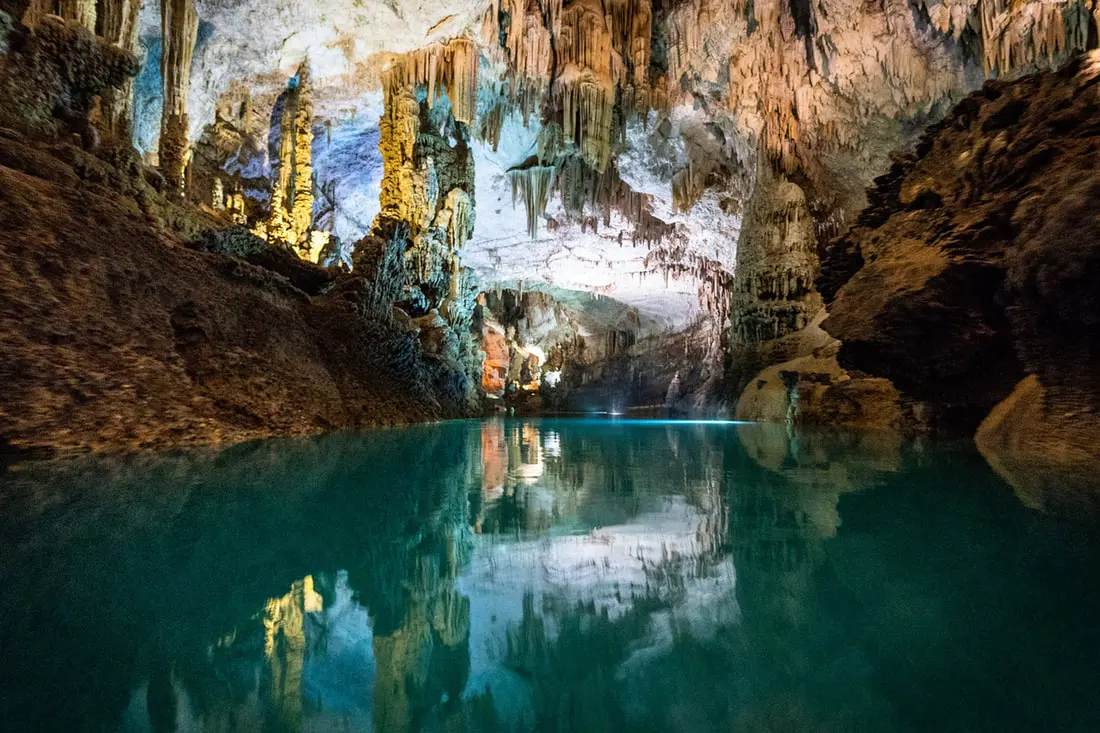
The water is so still it produces a perfect mirror of the ceiling, so stalactites appear to extend down and up from the same point. The optical effect is genuinely disorienting in a good way. The full underground river continues for another 3 miles (4,700 m) past the public route — speleologists still explore it.
Pro Tip: The boat ride closes during late winter (typically January and February) when the river runs too high to operate safely. If you’re visiting then, you’ll only see the Upper Galleries — call ahead at +961 9 220 840 to confirm before driving out.
How much does Jeita Grotto cost?
A single ticket runs about $15 per person (18,150 LBP adult / 10,850 LBP child) and covers everything: both grottos, the cable car up, the small train, and a short orientation film. Children get a discount. Lebanese residents and student rates are lower. There’s no separate boat ticket — it’s bundled in.
- Adult ticket: ~$15 USD (18,150 LBP)
- Child ticket: ~$9 USD (10,850 LBP)
- What’s included: Upper Grotto, Lower Grotto boat ride, cable car, train, film
- Time needed: 90 minutes to 2 hours for the full circuit
- Best for: First-time Lebanon visitors, families, anyone doing a Beirut day trip
Pro Tip: Bring USD in clean, undamaged small bills ($1, $5, $10). Lebanon’s multi-tiered currency situation means torn or worn dollars are routinely refused, and the ticket counter’s card machine is unreliable. Pulling out a ripped $20 at the window is the fastest way to lose 15 minutes.
How do you get to Jeita Grotto from Beirut?
The drive from central Beirut takes 30-40 minutes via the coastal highway north, then a turn inland into the Nahr al-Kalb valley. There is no direct public bus to the grotto entrance, so you have three realistic options for getting around Lebanon by Uber or taxi: rideshare out and a pre-booked taxi back, a private taxi with waiting time, or a budget combo of service taxi plus local pickup.
Rideshare (Uber or Careem)
Both apps work in Beirut and run reliably out to Jeita. The catch is the return leg — drivers don’t loiter in the valley waiting for fares, so you can stand at the gate for 20-30 minutes hoping someone accepts a ping from out there. If you go this route, plan to call your ride 15 minutes before you actually want to leave.
Private taxi with waiting time
This is what I’d recommend for most US visitors. Negotiate a round trip from Beirut with 2-3 hours of waiting included. Expect around $40-60 for the round trip depending on your bargaining and your hotel area. The driver waits in the parking lot, you don’t gamble on getting back, and you can add a stop at Harissa or Byblos on the same trip for a small bump.
Service taxi from Dawra
The cheap-and-adventurous option: take a service (shared) taxi from Dawra to the Jeita highway turn-off, then a local taxi up the hill. Expect to spend a few dollars total versus $40+ for a private. Requires Arabic basics or patience with charades, and you’re back in service-taxi roulette for the return.
Pro Tip: If you’re already going to Harissa (Our Lady of Lebanon) or Byblos, combine all three in one taxi day. They’re spaced along the same coastal route north of Beirut, and a private driver typically charges $80-120 for the full circuit — cheaper per stop than three separate trips.
Cable car or train — how do you get up to the cave?
Both are included in your ticket. A short teleferique (cable car) runs from the parking area up to the Upper Grotto entrance with views over the valley and a sliver of the Mediterranean. If the cable car is down for maintenance — and it sometimes is — the alternative is a small train pulled by a replica steam engine that runs the same route at ground level. Kids prefer the train. Adults usually prefer the cable car for the view.
The train also handles the connection between the Upper and Lower grottos at the bottom, so you’ll ride it at least once regardless.
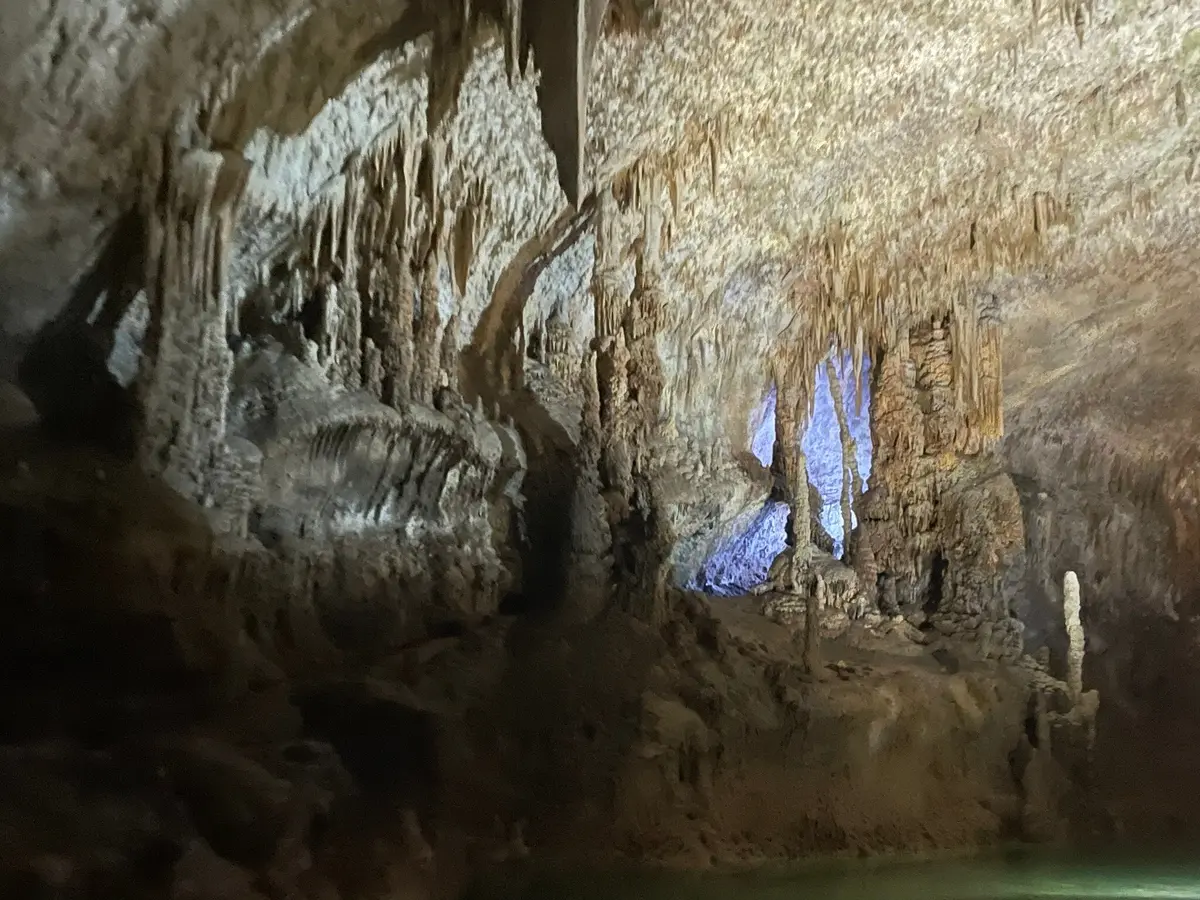
Why can’t you take photos at Jeita Grotto?
Cameras and phones are banned inside both caves. You hand them over at lockers (key or coin deposit) before entering, and staff inside enforce the rule. The official reason is ecological: light from flashes and screens promotes lampenflora — cyanobacteria, algae and moss — that grow on the formations and produce acids that pit the calcite. There’s also a commercial layer (the gift shop sells postcards and a professional photo book), and visitors are split on whether the policy is overzealous given that modern phones don’t need flash.
My honest take: it’s annoying for ten minutes and then you stop noticing. The boat ride in particular benefits from the no-screens rule — everyone is actually looking at the cave instead of recording it, and the silence isn’t broken by camera shutters. You can take all the photos you want in the gardens, on the cable car and at the cave entrance.
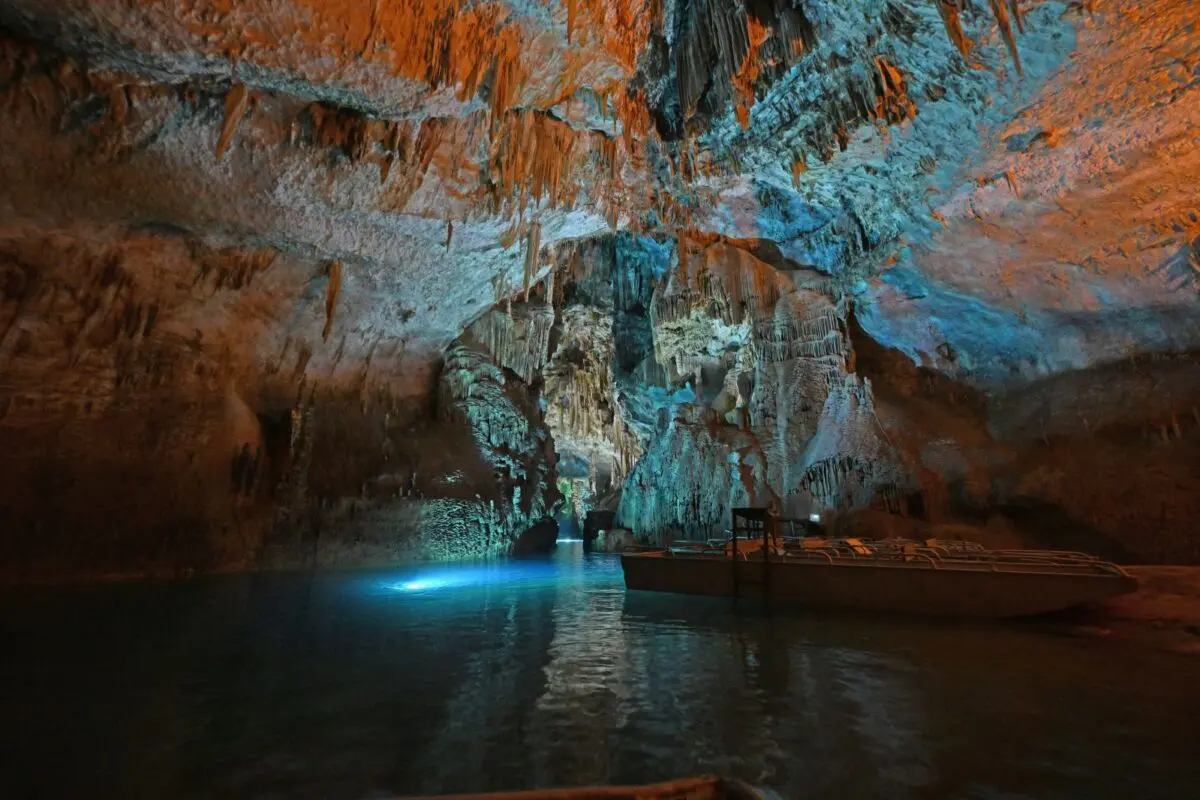
When is the best time to visit Jeita Grotto?
The best time to visit Lebanon for the grotto specifically is a weekday morning, ideally Tuesday or Wednesday around opening at 9 AM, in spring (April-May) or fall (September-October). Avoid weekends — the parking lot fills with Lebanese families and the boat ride backs up. Avoid late winter (January-February) entirely if the boat is the reason you’re coming, since high water often shuts it down.
Operating hours
- Tuesday-Sunday (summer): 9:00 AM-5:00 PM
- Tuesday-Sunday (winter): 9:00 AM-4:00 PM (sometimes 4:30)
- Monday: Closed
- Lower Grotto closure: Often closed in January and February for high water
Crowds and timing
Tour buses from Beirut hotels start arriving around 10:30-11:00 AM. Get there at opening and you’ll have the Upper Gallery walkway to yourself for the first 45 minutes. By noon on a weekend, expect a 20-30 minute wait for the boat. Weekday afternoons are calmer than weekends but louder than weekday mornings.
Pro Tip: Even if it’s 90°F (32°C) outside in July, bring a light jacket or long sleeves. The 30-degree temperature drop hits immediately when you exit the entrance tunnel, and the dampness makes it feel colder than the thermometer reads.
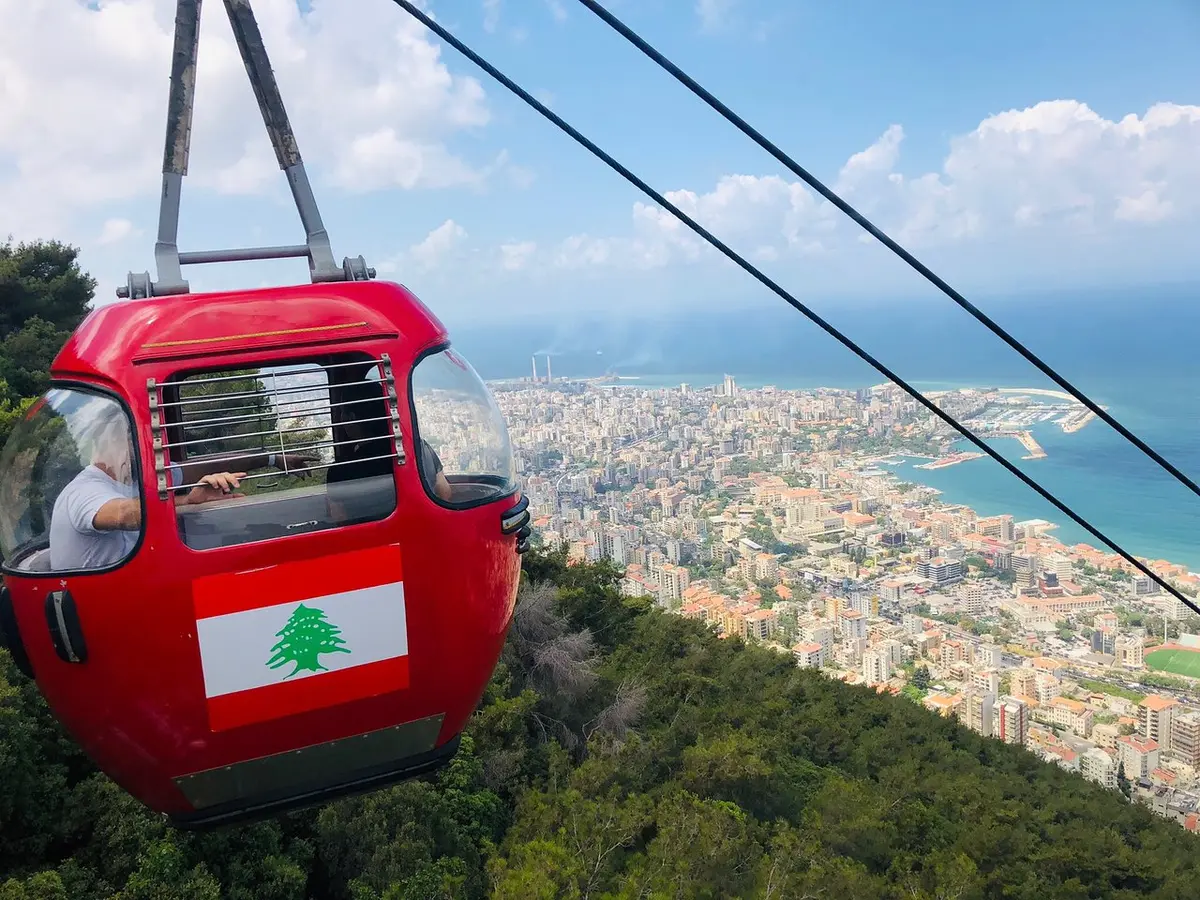
Is Jeita Grotto good for kids and accessible visitors?
It’s a strong yes for kids and a qualified no for wheelchair users. If you’re traveling to Lebanon with kids, they’ll love the train, the cable car and the boat — there’s also a small zoo and gardens on the grounds that make a good decompression stop. Wheelchair access is limited inside both caves due to stairs and gradients, though the grounds, cable car and viewing areas above are usable.
Family logistics
- Strollers: Leave them at the car. Stairs and narrow walkways inside both caves make strollers impractical.
- Carrying small kids: You’ll need to carry under-3s through the Upper Gallery and onto the boat.
- Zoo and gardens: Open-air, free with admission, good for a 30-minute reset before driving back to Beirut.
- Boat ride safety: Boats are stable and slow, but no life jackets are issued. Hold toddlers firmly.
Accessibility limitations
- Cable car: Accessible.
- Upper Gallery walkway: Has steps and gradients — difficult without a strong assistant.
- Lower Gallery boat: Requires steps down to the dock. Not suitable for wheelchair users without two helpers and significant effort.
- Outdoor areas: Mostly accessible, including the gardens and main viewing terraces.
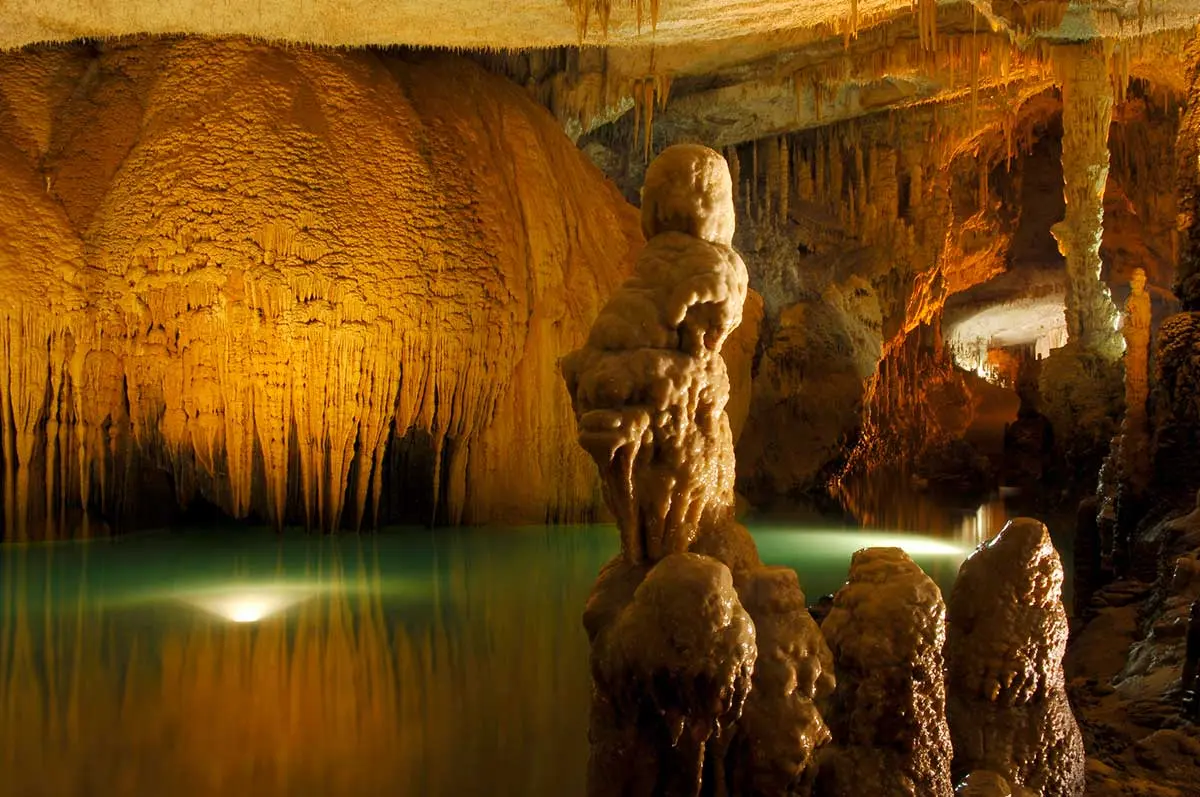
Before you book
TL;DR: Jeita Grotto is one ticket (~$15) for two cave systems, 11 miles north of Beirut, closed Mondays and partially closed in late winter. Go on a Tuesday or Wednesday morning, bring clean USD bills, leave the camera in the locker, and pack a jacket even in summer. Pair it with Harissa or Byblos in the same private taxi day for the best value.
The site fits naturally into a 7-day or 10-day Lebanon itinerary as a half-day from Beirut. The boat ride is the part you’ll remember years later — if you can only see one of the two grottos because of the season, the Upper Gallery is still worth the trip, but plan for the Lower Gallery if you can.
What’s the one thing you wish you’d known before visiting Jeita Grotto — or what’s still holding you back from going? Drop it in the comments.