A 10 days in Lebanon road trip delivers more per square mile than most trips three times the length — Roman temples, cedar forests older than Christianity, a coastline with craft beer gardens, and a food scene that ruins hummus for you everywhere else. The catch: parts of this itinerary are currently off-limits under US travel advisories, and the cash economy runs on crisp dollar bills. This guide is the real version.
Is a 10 days in Lebanon road trip actually safe right now?
Parts of Lebanon are open to travelers and parts are explicitly off-limits. The US State Department currently lists Southern Lebanon (everything south of Saida), the Syria border, Beirut’s southern suburbs, and all refugee settlements as Level 4 — Do Not Travel, with airstrikes reported as recently as April in the Bekaa Valley and south of the Litani River. Beirut, the northern coast, Byblos, Batroun, Qadisha, and the Chouf remain the safer corridor.
Before booking, do three things:
- Read the US State Department Lebanon advisory the week of your flight, not just when planning.
- Enroll in STEP (Smart Traveler Enrollment Program) so the embassy can reach you.
- Verify your travel insurance covers Lebanon — many policies void coverage for countries under Level 4 for any reason, and medical care here is cash-upfront.
Pro Tip: Save the US Embassy Beirut emergency number (+961 4 543 600) in your phone before you land. Cell networks are reliable in tourist zones, but generator-powered buildings drop signal during power cuts.
Essential logistics for a 10 days in Lebanon road trip
Lebanon’s banking crisis has reshaped how travelers move money, connect, and drive. Skip these logistics and you will waste half a day in a money exchange or stranded without data.
How does the Fresh Dollar cash economy work?
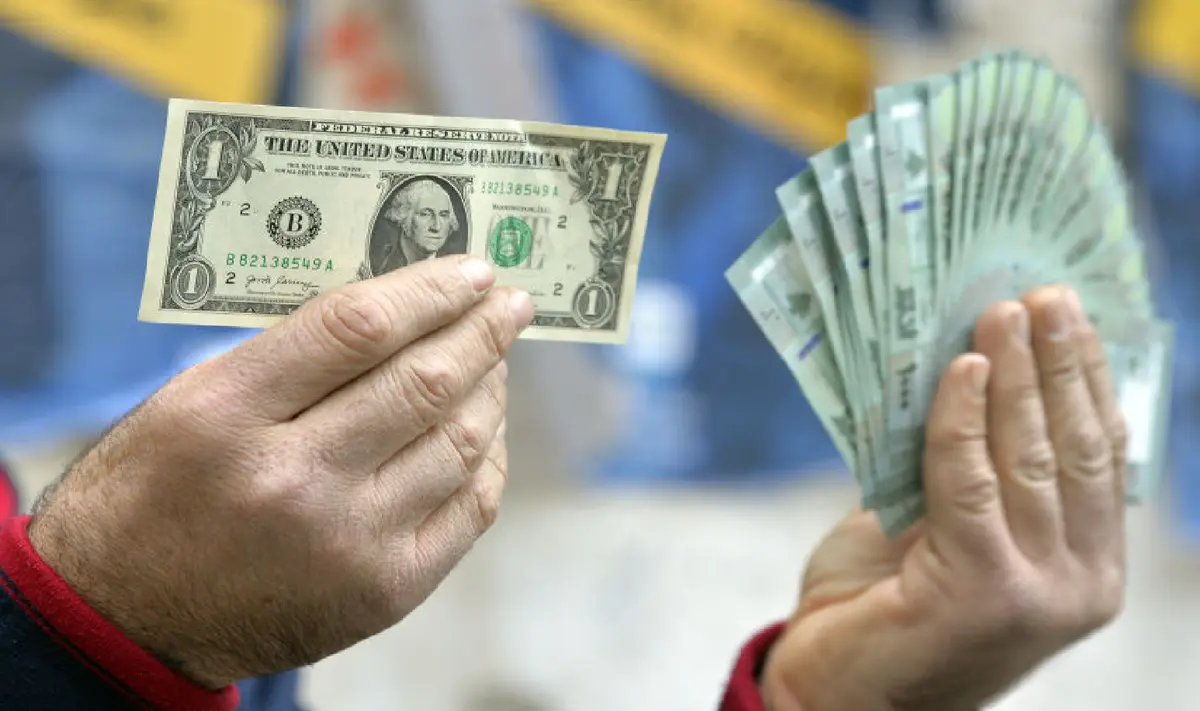
Lebanon runs on physical US dollars — “Fresh Dollars” — because the banking sector collapsed in 2019 and never recovered. The Lebanese Pound trades at roughly 89,500 LBP to $1, but almost every tourist-facing business quotes and accepts USD. Credit cards work only at upscale Beirut hotels, airline counters, and a handful of restaurants. Cash is the default, not the backup.
What to bring:
- Denominations: A mix of $1, $5, $10, $20, and a few $100 bills — small bills for taxis and street food, hundreds for hotels.
- Condition: Bills must be pristine — no tears, no ink marks, post-2013 designs preferred. Vendors reject anything questionable on sight.
- Total cash: Around $1,500–$2,500 per traveler for a full trip, including hotels.
- Backup: A debit card that works on the handful of functional ATMs (BLOM, Bank Audi) — these dispense limited USD in emergencies, usually in $100 bills.
Pro Tip: Never take change in Lebanese Pounds if you can avoid it. The pound has lost over 90% of its value since 2019 and the rate can shift during your trip. If a vendor hands you LBP change, spend it that day on a coffee or a taxi — don’t stockpile.
What about a SIM card for the road trip?
Head to the Touch or Alfa kiosks in the Beirut-Rafic Hariri International Airport arrivals hall before clearing the taxi rank. Visitor bundles run $13–$19 for about 10 GB and local minutes, valid for 30 days. You need your passport for registration, and activation takes roughly 10 minutes.
A local SIM card for tourists beats an eSIM here for two reasons: coverage in the Qadisha Valley and Bekaa backroads is spotty on roaming profiles, and a local number is the only way to book rideshares on Bolt (the main rival to Uber, which doesn’t operate in Lebanon).
Should you self-drive or hire a driver?
For most US travelers, hire a private driver. Self-driving sounds appealing and runs cheaper on paper — $30–$60 per day for a rental versus $100–$150 for a driver — but Lebanese traffic does not follow the rules you learned at home. Lane markings are suggestions, military checkpoints appear without warning, and street lighting vanishes after dark on mountain roads.
A private driver is your fixer: they talk your way through checkpoints, know which gas stations are open during power cuts, and can read the room when a route becomes unsafe. I spent three days self-driving on my first trip and hired a driver for the rest — the math worked out the same once I added fuel, generator fees, and the hours I lost trying to park.
- Self-drive cost: $30–$60/day rental + roughly $15–$25/day fuel
- Private driver cost: $100–$150/day all-in (driver, vehicle, fuel)
- Best for self-drive: Beirut to Byblos and Batroun only — paved coastal highway, minimal checkpoints
- Best for hiring out: Qadisha, Chouf, and any inland route
Day 1: Beirut — resilience, rubble and the best lunch of your trip
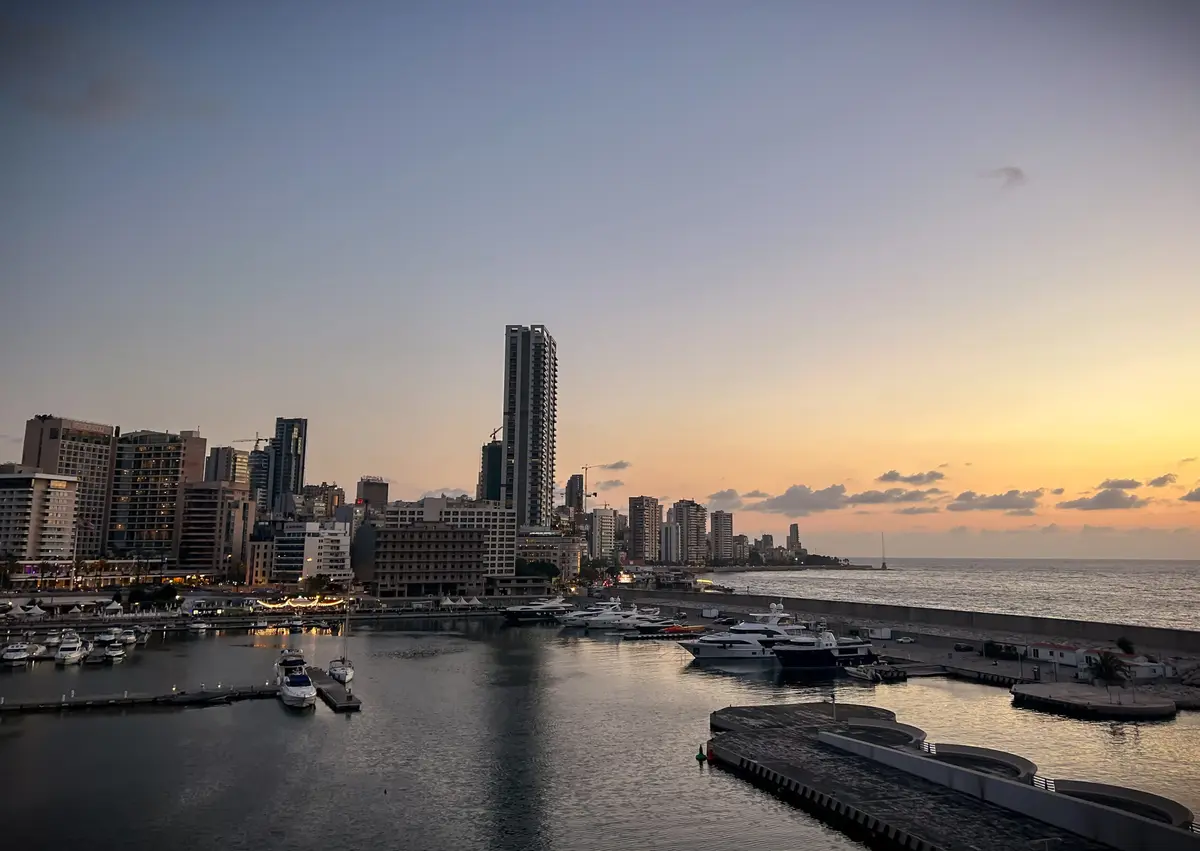
Start in Beirut. It is the only city in the Middle East where a bullet-pocked Civil War tower stands across the street from a glass-fronted concept store selling $200 sneakers, and both feel normal.
Downtown’s historical contradictions
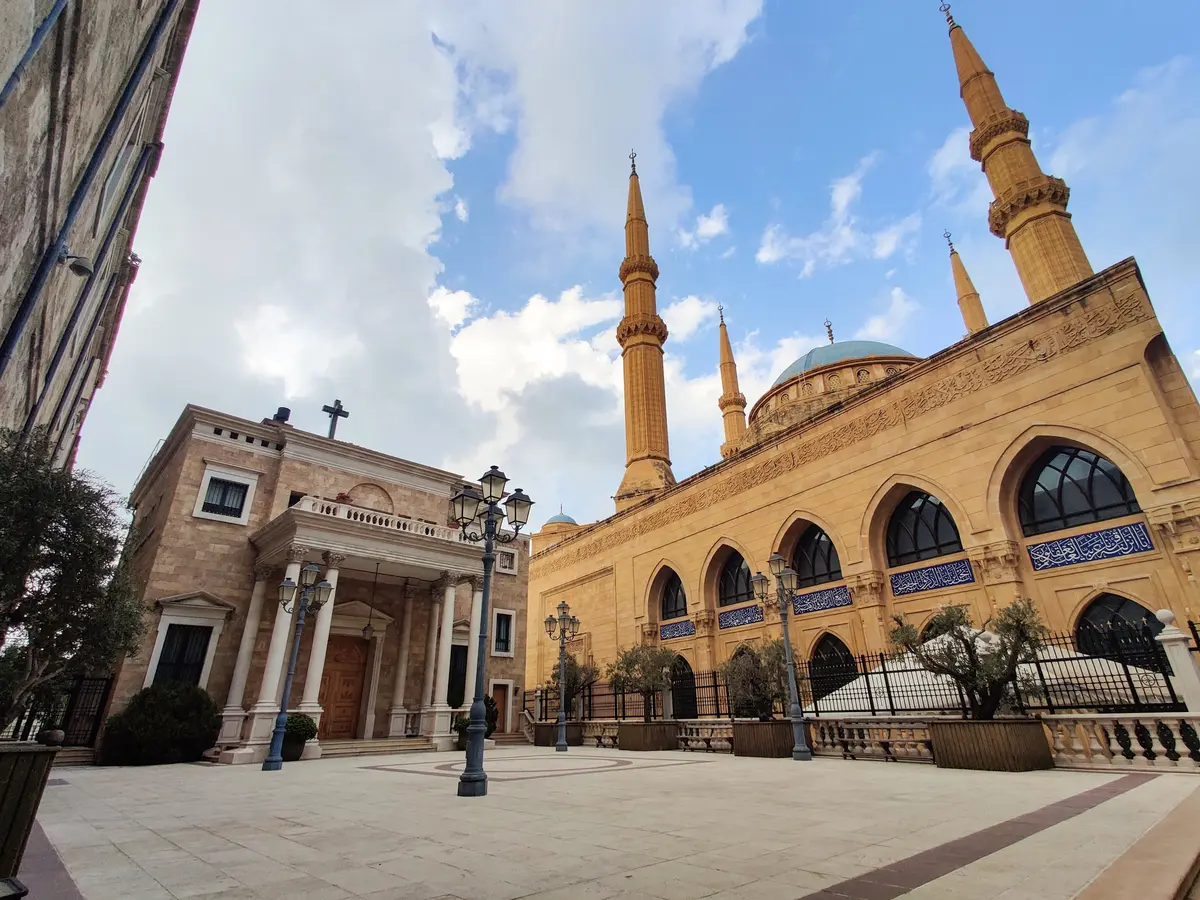
Begin at Martyrs’ Square, where the bronze statue still carries Civil War bullet holes no one has bothered to fill. Walk 200 meters to the Mohammad Al-Amin Mosque — its blue dome is the postcard image of Beirut — and look left at the Saint George Maronite Cathedral sharing the same plaza. That proximity is not decorative. It is the working coexistence of 18 recognized religious sects, and you will see versions of it for the next 10 days.
Beneath the cathedral, the crypt museum displays Roman and Byzantine ruins unearthed during reconstruction. Tickets are around $5.
- Location: Downtown Beirut, Nejmeh Square area
- Cost: Free to enter the mosque and cathedral; $5 for the crypt museum
- Best for: First-day orientation, architecture contrasts
- Time needed: 2 hours
Lunch at Le Chef — the Anthony Bourdain stop
Walk or taxi ($4–$6) to Le Chef in Gemmayze for home-style Lebanese food. The hummus with meat and the daily mezze specials are what built the reputation; the fact that the restaurant rebuilt and reopened after the 2020 port explosion killed customers and destroyed the kitchen is why locals still fill the tables.
- Location: Rue Gouraud, Gemmayze
- Cost: $15–$20 per person with drinks
- Best for: Honest home cooking, no tourist markup
- Time needed: 90 minutes
Pro Tip: Order whatever the daily stew is — it changes with the market. Skip the kafta if the hummus-with-meat is available; you can get kafta anywhere, you can’t get this hummus.
Afternoon: Beit Beirut and Raouche
Beit Beirut sits on the former Green Line that split East and West Beirut during the Civil War. The building preserves sniper nests, sandbags and blown-out staircases as a museum. It is uncomfortable, and that is the point. Entry is free.
End the day at Raouche to watch the sunset behind the Pigeon Rocks. The free view is from the lower Corniche promenade — walk down the steps from the main road rather than paying for a cafe table. The rocks glow gold for about 20 minutes before dusk.
- Location: Raouche, western Beirut
- Cost: Free
- Best for: Sunset, first-night photos
- Time needed: 1 hour
Day 2: Sidon’s souks and the Tyre question
Drive south along the coastal highway to Sidon (Saida). This is where your 10 days in Lebanon road trip hits its first safety decision point.
Sidon’s sea castle and the soap museum
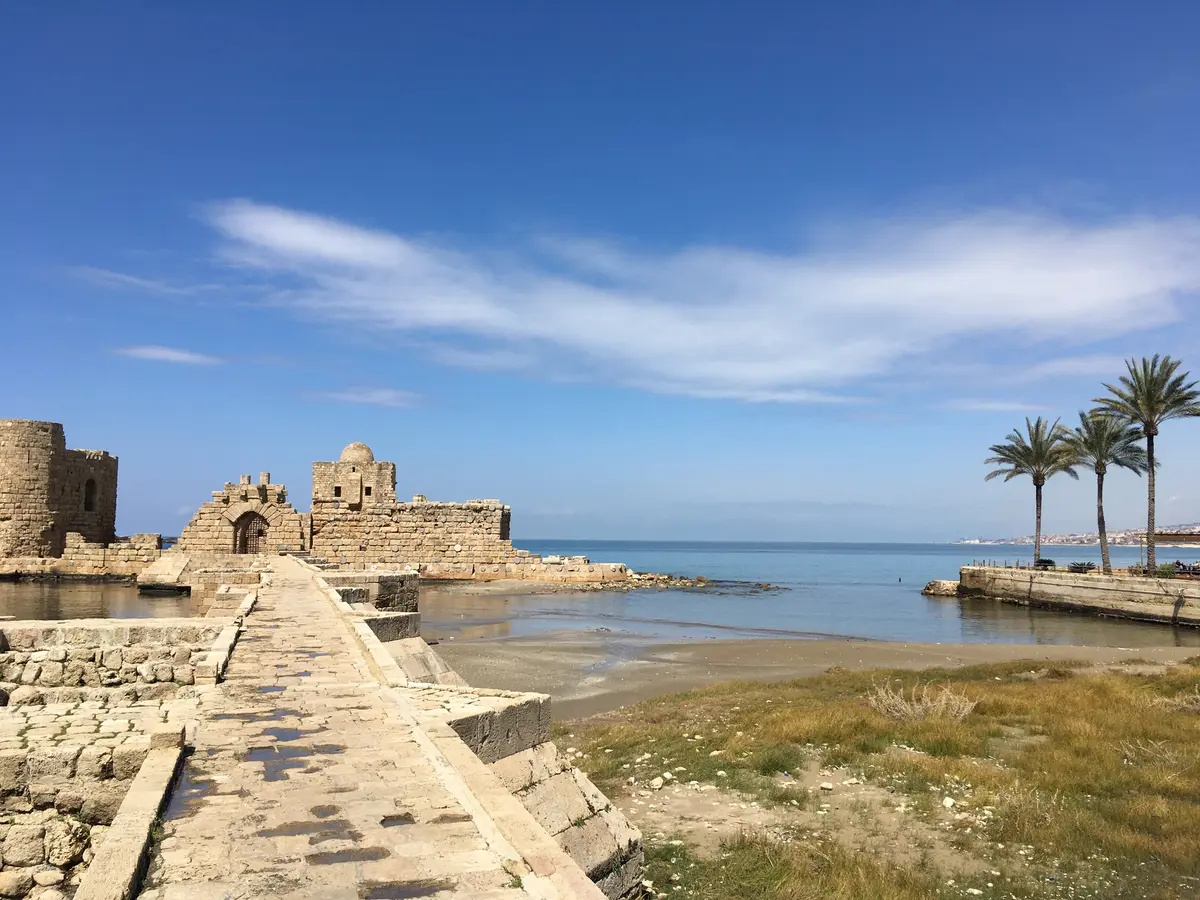
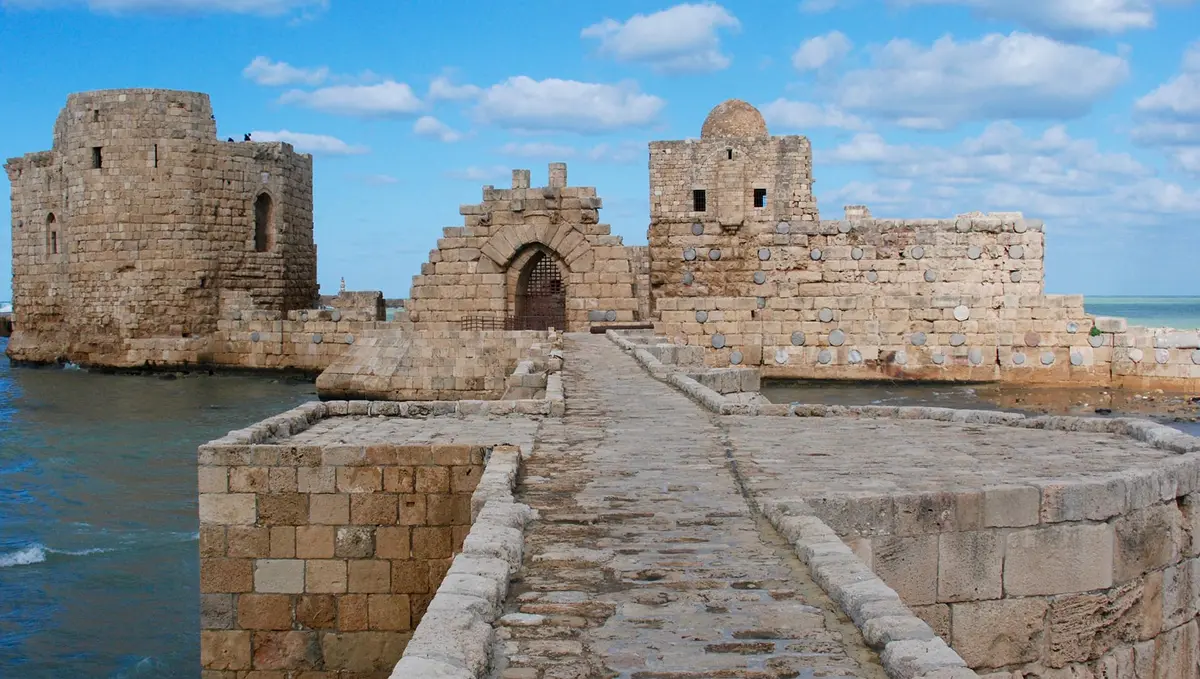
The 13th-century Sidon Sea Castle sits on a small island connected to shore by a stone causeway. It is compact — you can walk it in 45 minutes — and the harbor views back toward the old city justify the $4 entry.
Then walk five minutes inland to the Soap Museum, housed in restored 17th-century vaulted stone rooms. The scent of laurel oil and olive oil hits you at the door and stays in your clothes for the rest of the day. Entry is free; the adjacent shop sells the soap for $3–$8 a bar.
- Location: Sidon old city
- Cost: $4 castle + free museum
- Best for: Phoenician history, authentic souk atmosphere
- Time needed: 3 hours total
Should you continue south to Tyre?
This is the hard decision. Tyre is a UNESCO site with one of the largest Roman hippodromes in the world and a colorful Christian-quarter harbor. It is also south of Saida, which places it inside the US State Department’s Level 4 Do Not Travel zone. Airstrikes have hit areas south of the Litani River as recently as this month.
What to do:
- If current advisories have lifted for the specific area around Tyre: Continue, stick to the archaeological site and the harbor, return to Beirut before dark.
- If advisories remain Level 4 (likely): Turn around at Sidon. Spend the saved time in Beirut’s National Museum or a second Gemmayze dinner.
Pro Tip: Check the travel advisory the morning of the drive, not the night before. Situations in the south shift within hours.
Return to Beirut for the night either way.
Day 3: Jeita Grotto, Harissa and Byblos
Head north to cover three of Lebanon’s headline sights in one day.
Jeita Grotto — the one sight nobody regrets
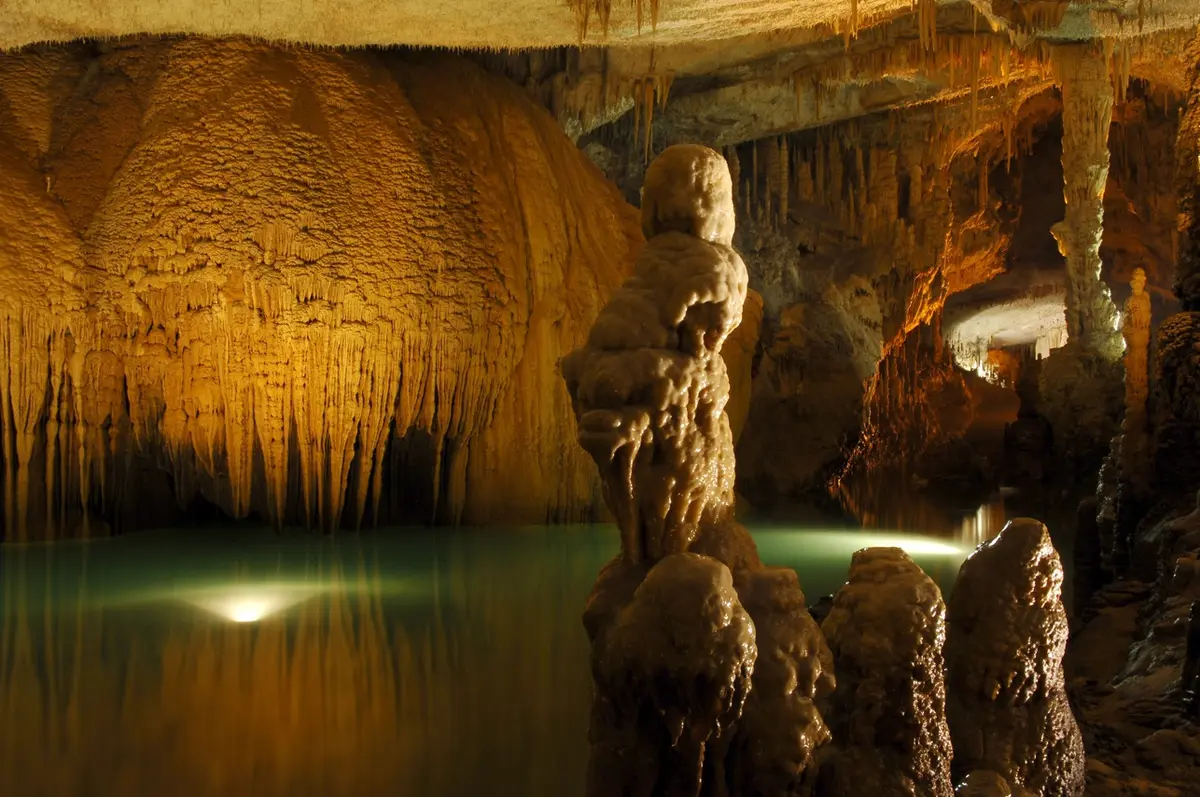
The Jeita Grotto sits 11 miles north of Beirut and runs on two levels. The Lower Grotto is a short boat ride on an underground river through a chamber of cream-colored stalactites; the Upper Grotto is a walkway past stalactites the size of small buildings. Photography is banned inside both. Combined ticket: around $18.
- Location: Jeita, Keserwan District, 11 miles (18 km) north of Beirut
- Cost: $18 combined ticket
- Best for: Anyone, including travelers who “don’t do caves”
- Time needed: 90 minutes
Pro Tip: Arrive before 10 a.m. on weekends. Tour buses from Beirut hotels start unloading at 10:30 and the boat queue for the Lower Grotto turns into a 40-minute wait.
Midday: Harissa cable car
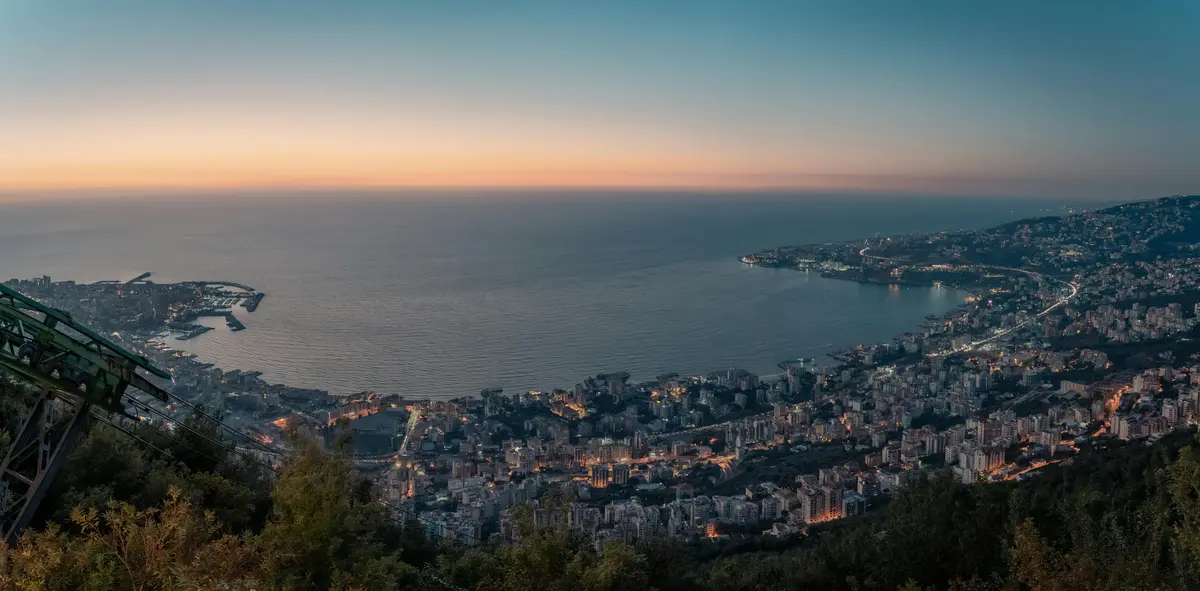
From Jounieh, take the téléphérique cable car up the mountain to Harissa, where the massive bronze Our Lady of Lebanon statue overlooks the bay. The ride itself is the sight — nine minutes of straight-line views across the bay toward Beirut.
- Location: Jounieh to Harissa, Mount Lebanon
- Cost: $8 round-trip cable car
- Best for: Clear-weather days only
- Time needed: 90 minutes round trip
Afternoon and evening: Byblos
Byblos is one of the oldest continuously inhabited cities on earth. The citadel layers Neolithic, Phoenician, Roman and Crusader ruins into one walkable hill. Walk the excavations, then drop into the old harbor for dinner. Feniqia on the harbor plates traditional mezze at $25–$35 per person with a direct view of the fishing boats.
Stay overnight in Byblos — the old town lights up after dark and a second-day morning walk through the souks without tour groups is worth the hotel stay.
- Location: Byblos (Jbeil), 23 miles (37 km) north of Beirut
- Cost: $10 citadel entry; $25–$35 dinner
- Best for: History stacked on history
- Time needed: Half day plus overnight
Day 4: Batroun — lemonade, sea baths and craft beer
Drive 14 miles (22 km) north from Byblos to Batroun. This is where Beirut goes when it wants to switch off.
The Phoenician sea wall and Hilmi’s lemonade
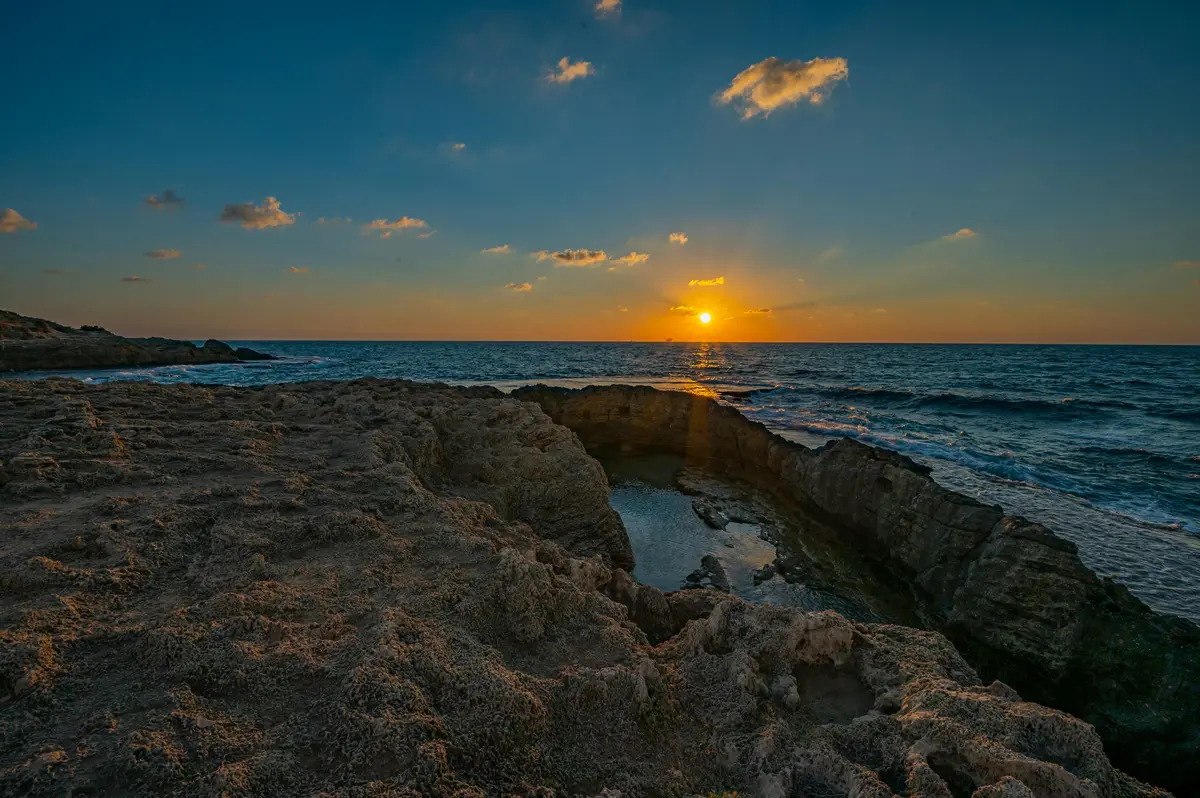
The natural sea wall, reinforced by the Phoenicians over 3,000 years ago, still protects the old town harbor. Walk it — the path is uneven but short — and finish at Hilmi’s for the lemonade slush that everyone in Lebanon claims to have discovered first. It is thick, overpoweringly citrus, and runs about $3 a cup.
Lunch: Jammal or Pierre & Friends
Jammal sets tables directly in a shallow cove; you sit with your feet in the sea and eat grilled fish. Pierre & Friends is the louder, younger crowd along the same stretch of coast.
- Location: Batroun coastline
- Cost: $25–$40 per person at Jammal; $20–$30 at Pierre & Friends
- Best for: Long lunch, sea swim between courses
- Time needed: 2–3 hours
Afternoon: Colonel Beer
Colonel Beer started Lebanon’s craft beer scene. The garden is walking distance from the main beach; a flight of four beers (the Lager and the Red Irish are the ones to try) runs about $10.
Pro Tip: Batroun beach clubs operate May through October only. Off-season, the town is still open but the sea-cove restaurants close at sunset.
Day 5: Qadisha Valley and the Cedars of God
Drive 37 miles (60 km) east into the mountains from Batroun. You will gain 5,900 feet (1,800 m) of elevation in under two hours. Ears will pop.
Hiking the Qadisha gorge
The UNESCO-listed Qadisha Valley has been a refuge for Christian monastics since the 7th century. The main gorge hike runs from Bcharre down to Deir Mar Elisha (a rock-hewn monastery) — three hours down and back, moderate difficulty, with a few exposed drops that are not for anyone uneasy with heights.
- Location: Bcharre, North Governorate
- Cost: Free to hike; small tips for any monastery caretakers
- Best for: Half-day hikers, anyone with knees that handle descents
- Time needed: 3–4 hours
The Cedars of God forest
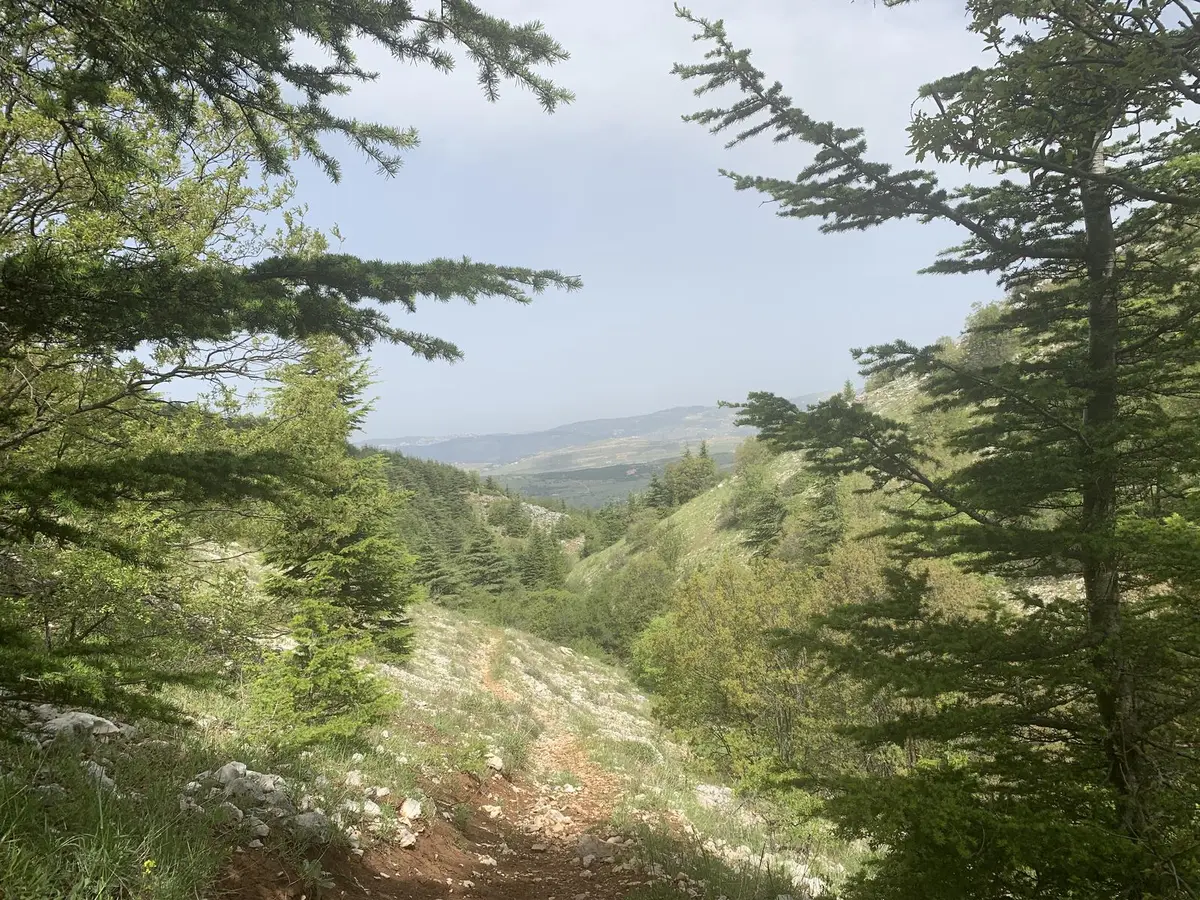
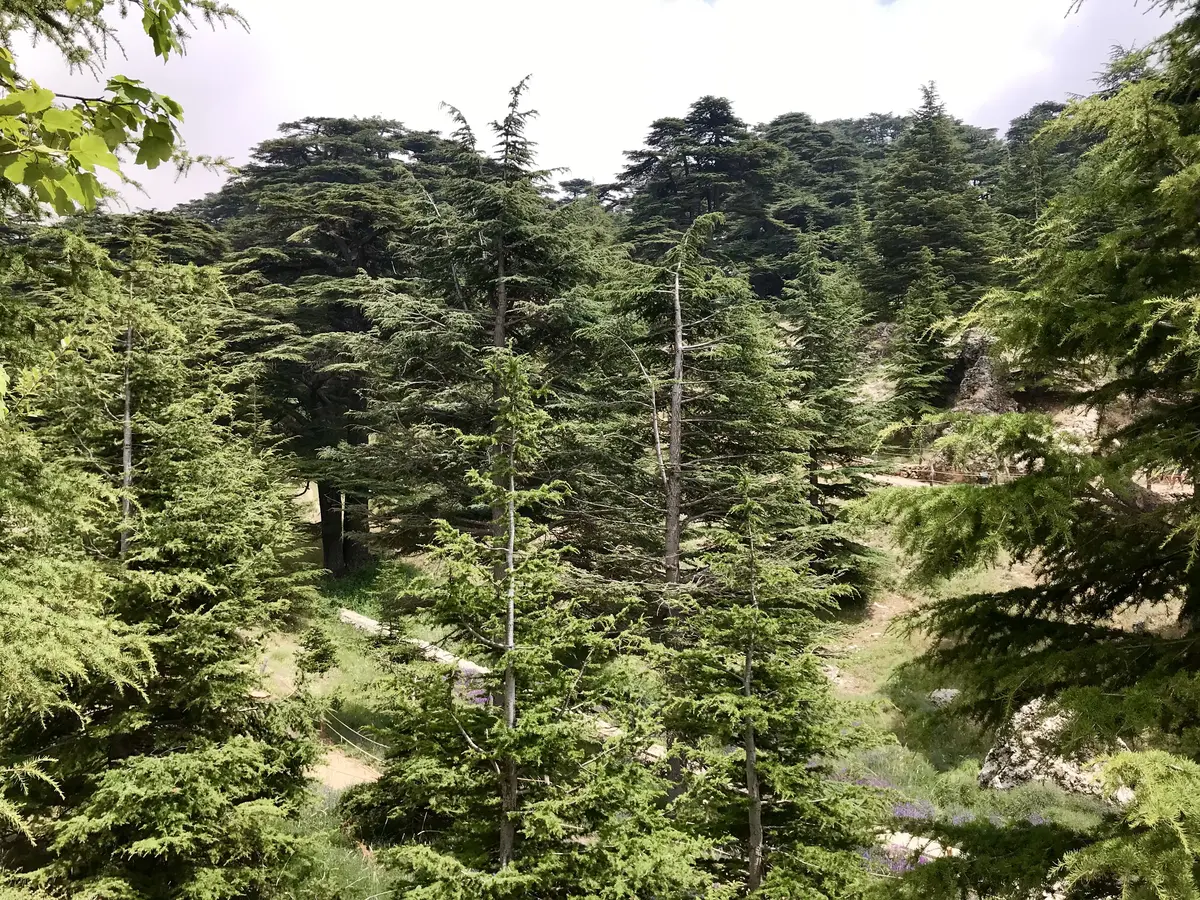
The Cedars of God protects a small grove of cedars over 2,000 years old — the trees that built the Phoenician fleet and show up on the Lebanese flag. The grove is small — 30 minutes covers the main loop — but standing under a tree that predates the Roman Empire lands differently than the photos suggest.
Entry is around $3. The Gibran Museum in Bcharre, containing the tomb and paintings of Kahlil Gibran, takes 45 minutes and costs $5.
- Location: The Cedars forest, near Bcharre
- Cost: $3 forest + $5 Gibran Museum
- Best for: Symbol-spotters, Lebanese diaspora travelers
- Time needed: 2 hours combined
Day 6: Baalbek and the Bekaa — with honest warnings
The drive from the Cedars over the Ainata-Arz pass into the Bekaa Valley is the most dramatic road on this itinerary. The pass closes with snow from roughly December through March, in which case you route back via Beirut.
Is Baalbek safe to visit?
Baalbek sits in a region the US State Department treats with elevated concern, and Israeli airstrikes have hit targets in the Baalbek-Hermel Governorate during recent escalations. Organized day tours from Beirut continue to operate, and tourists have visited without incident during active ceasefire periods — but the situation can shift within a day. Go only with a Beirut-based driver who monitors conditions, stick to the archaeological site and the main highway, and skip the town center.
The temples of Bacchus and Jupiter
The Temple of Bacchus is the best-preserved large Roman temple anywhere. The columns of the Temple of Jupiter — only six remain standing — are the tallest Roman columns in the world at 69 feet (21 m). A combined site ticket runs about $9.
- Location: Baalbek, Bekaa Valley, 53 miles (85 km) east of Beirut
- Cost: $9 site entry
- Best for: Roman-architecture travelers willing to accept elevated risk context
- Time needed: 2–3 hours
Anjar’s Umayyad ruins
Anjar is the opposite side of the historical coin — an 8th-century Umayyad trading city with slim columns and a grid street plan. The ruins are partial, the site quiet, and the $5 entry fee gets you through in under an hour.
- Location: Anjar, Bekaa Valley
- Cost: $5
- Time needed: 45 minutes

Day 7: Bekaa wine country — Ksara, Kefraya, Ammiq
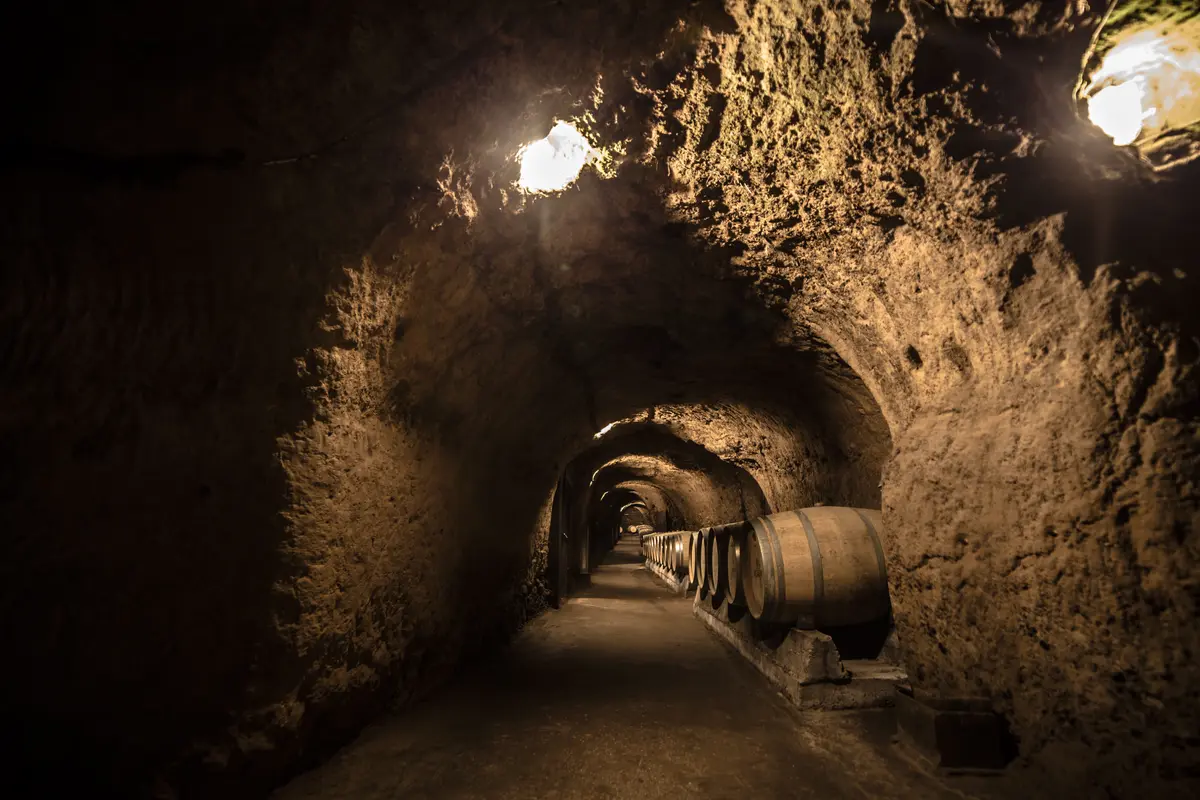
Winemaking in the Bekaa runs back to Phoenician times, and the best wineries in the Bekaa Valley start with Chateau Ksara — founded 1857 by Jesuit priests and the oldest continuous winery in the country.
Which wineries should you actually visit?
- Chateau Ksara: Tours of the 2-kilometer Roman-era cellars, plus a tasting flight of six wines. Tour fee: around $10. The rosé and the red blend are the showpieces.
- Chateau Kefraya: Larger operation, more polished visitor center, tasting fee around $12.
- Massaya: Smaller, more personal, arak-forward. Book ahead.
Two wineries in one day is comfortable; three becomes a blur.
Lunch: Tawlet Ammiq
Tawlet Ammiq, in the Ammiq Wetlands, serves what the region’s farmers brought in that week. The set menu runs $30–$40 and the food is genuinely better than the service — staff move slowly and the kitchen can run 45 minutes behind on peak weekends. Eat outside if the weather holds; the wetland view is the reason to come.
- Location: Ammiq Wetlands
- Cost: $30–$40 per person
- Best for: Farm-to-table, birdwatching over lunch
- Time needed: 2 hours
Pro Tip: Book Tawlet Ammiq at least three days ahead, especially on weekends. Walk-ins wait an hour or get turned away.
Day 8: Chouf Mountains — palaces and Barouk cedars
The Chouf is the heartland of Lebanon’s Druze community and the quietest stop on this itinerary.
Beiteddine Palace
Beiteddine was built over 30 years by Emir Bashir II starting in 1788 and it shows — mosaic floors lifted from Byzantine churches, a hammam complex you can walk through, and a mountain view over the Chouf terraces from the main courtyard. Entry: $10.
- Location: Beiteddine, Chouf District
- Cost: $10
- Best for: Architecture travelers
- Time needed: 2 hours
Deir el Qamar
A 15-minute drive from Beiteddine, Deir el Qamar was the capital of Mount Lebanon from the 16th to the 18th century. The Midan square and surrounding stone houses have been restored with minimal tourist intrusion — no souvenir shops, one or two low-key cafes. Lunch here is mezze for $20–$25 per person at a family-run spot off the main square.
Barouk Cedar Reserve
The Chouf Cedar Reserve is larger and far less visited than the Cedars of God. Several marked trails run 1–6 miles (2–10 km); the mid-length loop takes about 90 minutes. Entry: $5.
- Location: Barouk, Chouf District
- Cost: $5
- Best for: Hikers wanting cedars without tour buses
- Time needed: 2–3 hours

Day 9: Tripoli or a second Beirut day — which should you pick?
With nine days in the bank, this is the call between more territory and more depth.
Option A: Tripoli
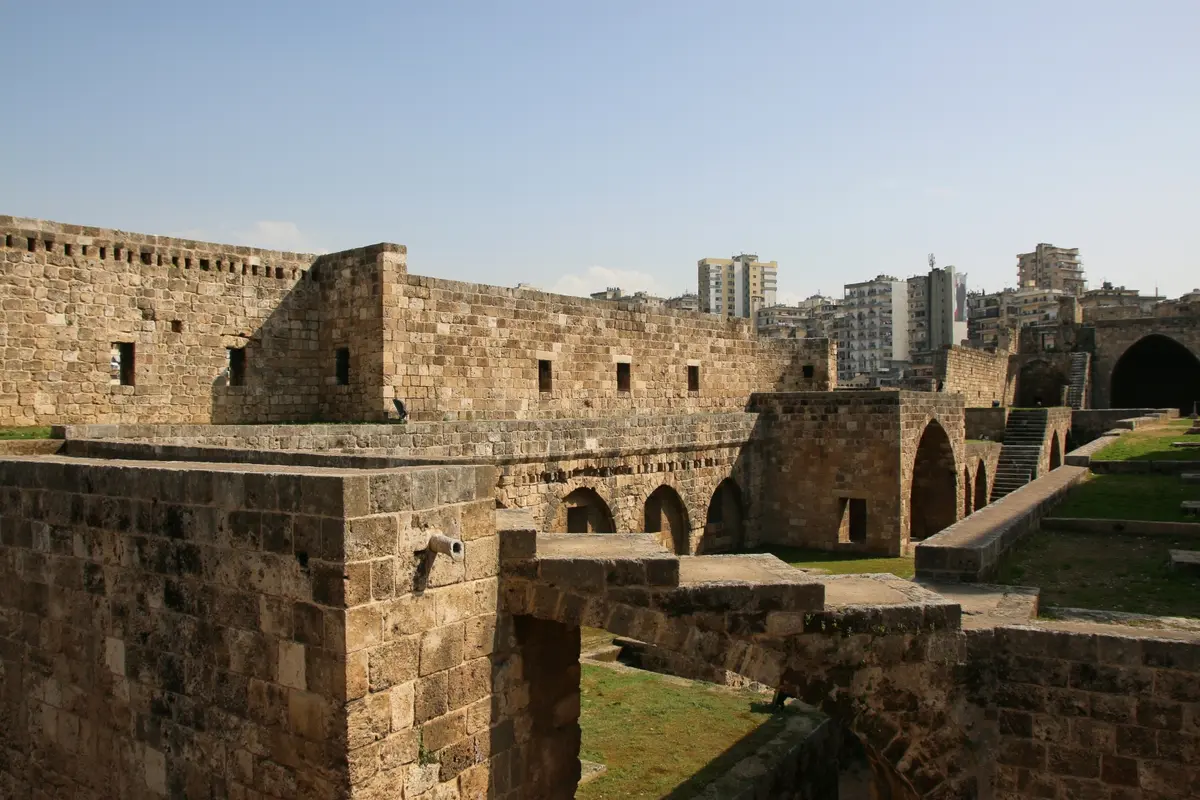
Tripoli is Lebanon’s second city, rarely on tourist itineraries, and genuinely rewarding for travelers who can handle a chaotic old-souk environment. The Citadel of Raymond de Saint-Gilles, a 12th-century Crusader fortress, anchors the old town. The surrounding souks — soap, gold, sweets — are working commercial quarters, not showpieces. Skip the Beddawi refugee camp area on the northern edge entirely; it is listed as Do Not Travel.
- Drive from Beirut: 53 miles (85 km), roughly 90 minutes
- Cost: $3 citadel entry + food budget
- Best for: Travelers who have done Beirut and want rawer territory
- Time needed: Full day
Option B: A second Beirut day
Split the day between the National Museum (the Phoenician sarcophagus collection alone justifies the $8 entry) and the Sursock Museum, a restored 19th-century mansion with rotating contemporary-art shows. End the day on the Corniche with street-vendor kaak and a sunset walk.
- Cost: $8 National Museum + $6 Sursock
- Best for: First-time Lebanon visitors, art-leaning travelers
- Time needed: Full day
Day 10: Departure day
Spend the morning buying pantry souvenirs — roasted Aleppo-pepper cashews, dried mulberries, Lebanese wine (most airlines allow two bottles in checked luggage), and a small bottle of arak if you’re willing to declare it. Beirut-Rafic Hariri International Airport runs thorough security with multiple screening layers; arrive three hours early for international departures, four if you’re flying during Ramadan or Eid travel periods.
Pro Tip: The duty-free selection at Beirut airport is limited and overpriced. Buy your wine and arak in Batroun or Beirut, not at the airport.
How much does a 10 days in Lebanon road trip cost?
A comfortable 10 days in Lebanon road trip runs $3,000–$4,500 per couple, excluding international airfare. The two biggest swing factors are driver versus self-drive and hotel category — food and site entries are cheap across the board.
Realistic per-couple budget breakdown:
- Transport (private driver, 10 days): $1,000–$1,500
- Transport (self-drive + fuel): $500–$850
- Accommodation ($80–$200/night × 9 nights): $720–$1,800
- Food (two meals out/day): $400–$700
- Site entries and activities: $150–$250
- SIM cards (2): $30–$40
Dining notes:
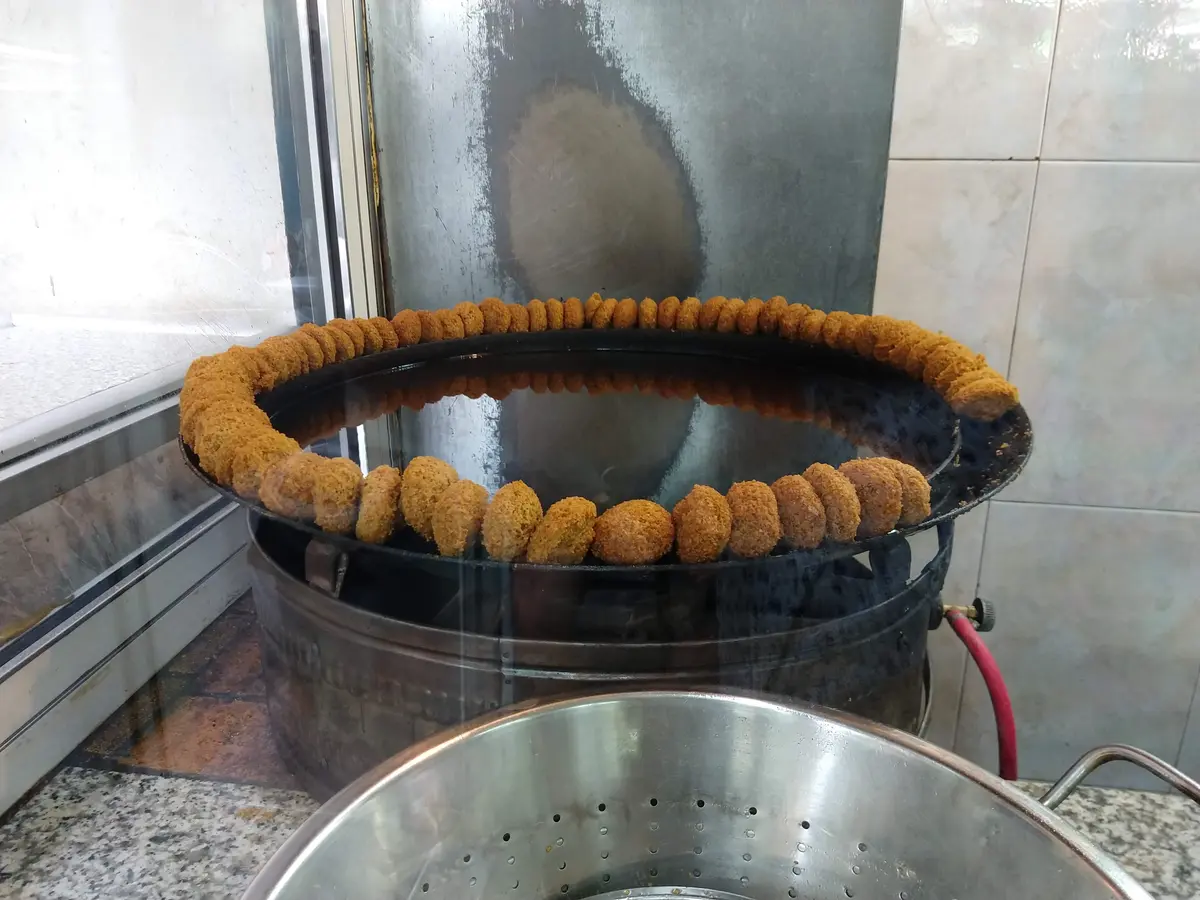
- Street food (manakish, falafel, shawarma): $2–$5 per person
- Casual mezze lunch: $15–$25 per person
- Sit-down dinner with wine: $35–$60 per person
- Coffee (espresso-based): $3–$5

Is Lebanon safe for American travelers?
For the corridor this itinerary uses — central Beirut, the coast north of Beirut, Byblos, Batroun, Qadisha, and the Chouf — most independent travelers report their days feeling ordinary, and the fuller breakdown of Lebanon safety for American tourists lines up with that experience. Petty theft is the primary risk; violent crime against tourists is rare. The serious risks are concentrated in specific geographic zones (south of Saida, the Syria border, Beirut’s southern suburbs, and all refugee settlements), and these are avoidable if you plan the itinerary correctly.
Practical rules for the road:
- At night checkpoints: Turn on your interior light, slow down early, keep hands visible on the wheel. Soldiers process tourist cars in under a minute most of the time.
- Passport: Carry the original, not a photocopy. Checkpoints sometimes require it.
- Driving style: Lebanese drivers treat lane lines as decoration. Drive defensively, leave twice the following distance you would at home, and do not drive at night outside Beirut unless necessary.
- Political demonstrations: Avoid. Protests can shift quickly and road closures happen without notice.
- Syria border: Stay at least 3 miles (5 km) clear of any border road, including in the Bekaa.
Before you book
A 10 days in Lebanon road trip compresses Roman ruins, high-altitude cedar forests, Mediterranean beach towns, and one of the world’s great food traditions into a country smaller than Connecticut. The banking crisis and regional security situation mean it is not the trip it was in 2010 — but for travelers who show up with cash, flexibility, and a current advisory tab open on their phone, it delivers an intensity of experience few countries match.
TL;DR: Fly into Beirut with $1,500–$2,500 per person in pristine USD, hire a private driver rather than self-driving, stick to the Beirut–Byblos–Batroun–Qadisha–Chouf corridor, and make daily safety calls for Baalbek and anything south of Saida based on current US State Department advisories.
Have you done a Lebanon road trip recently, or are you weighing whether the current timing works? Drop your route and concerns in the comments — especially what you’re hearing from contacts on the ground.