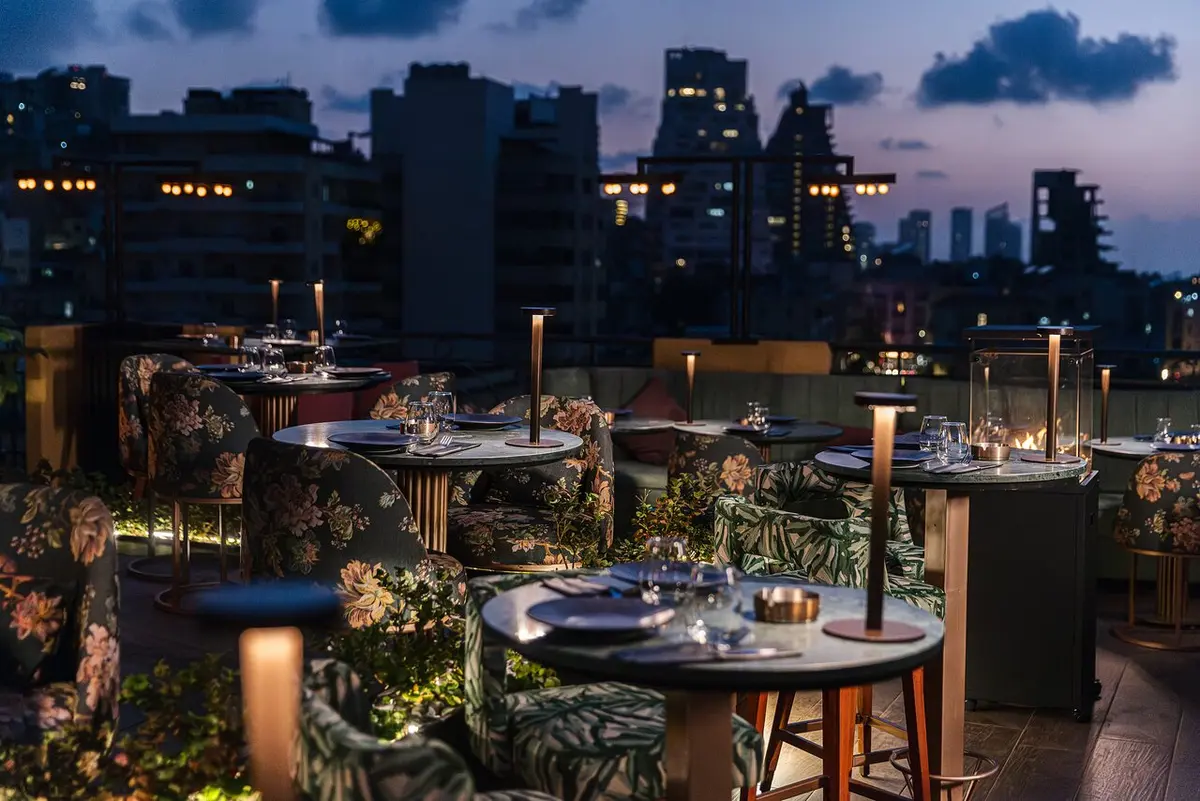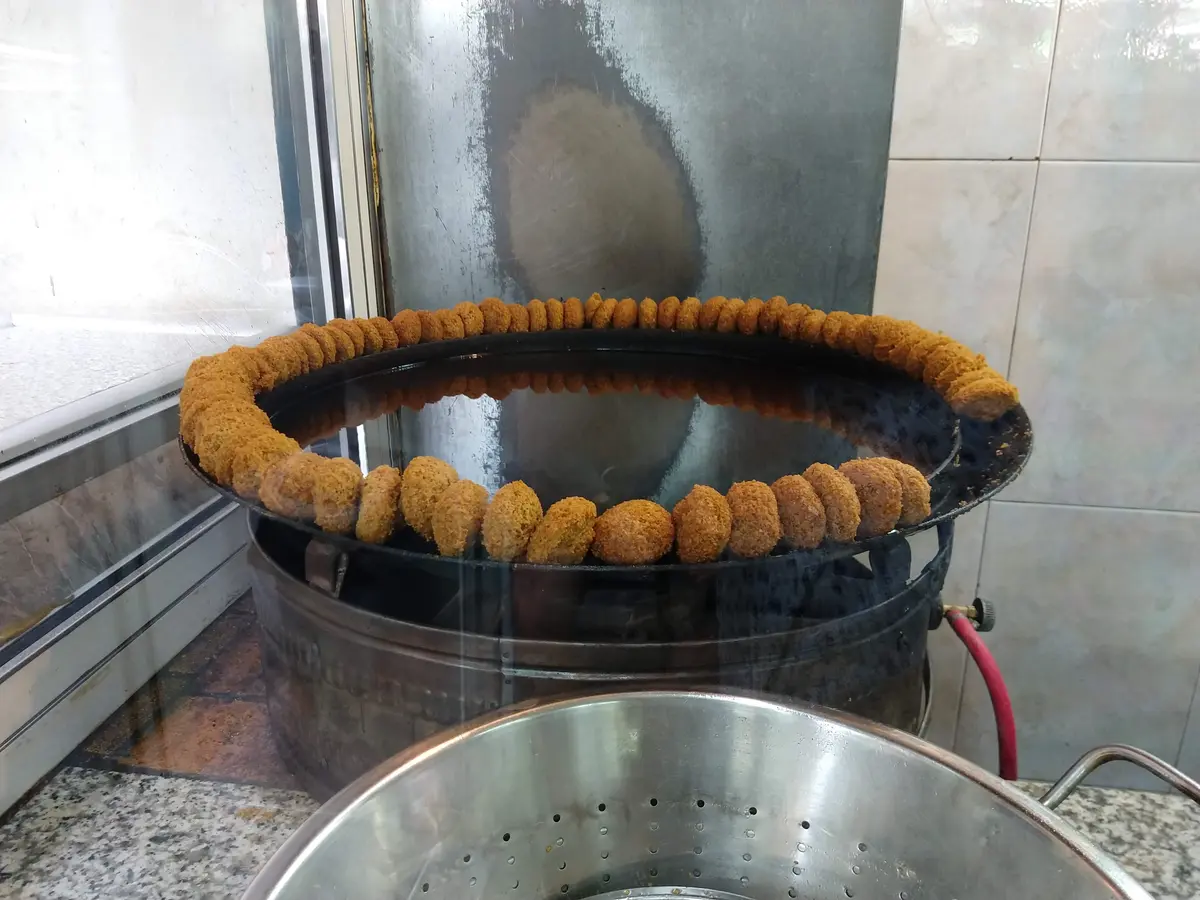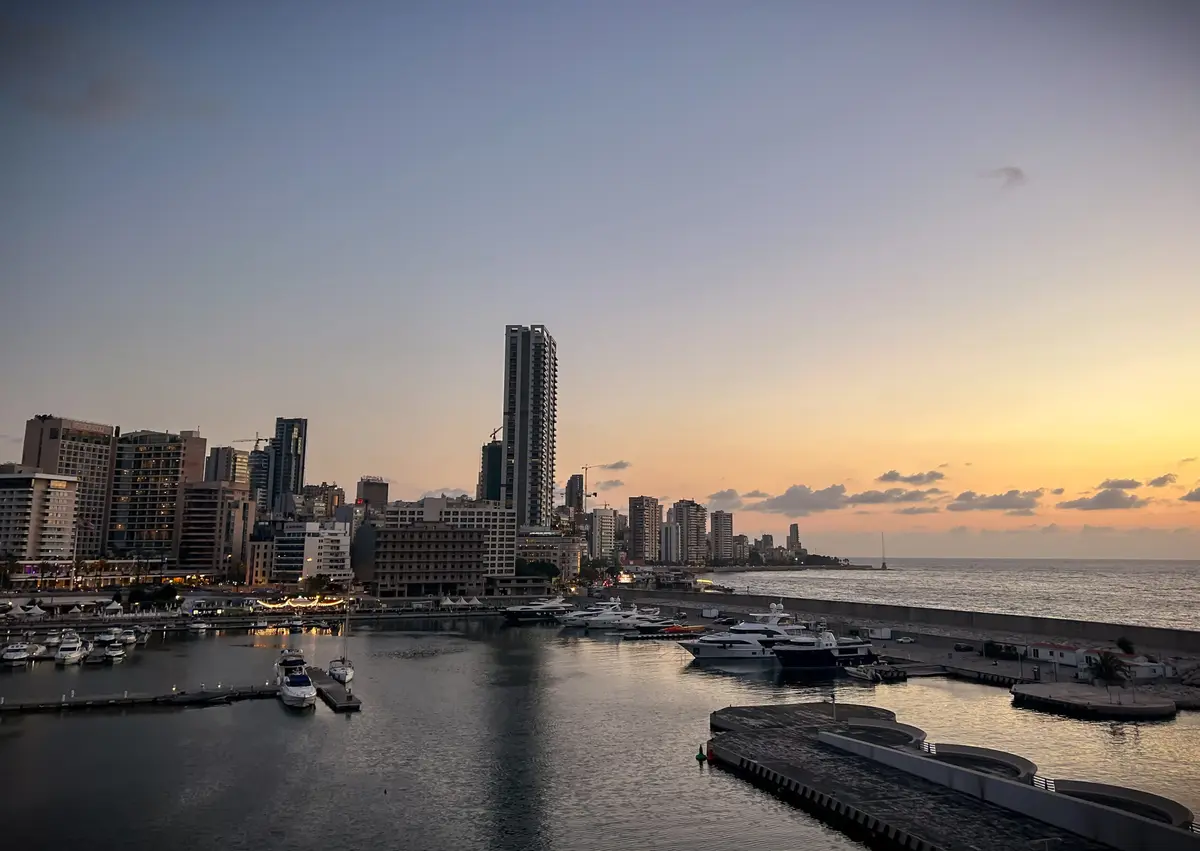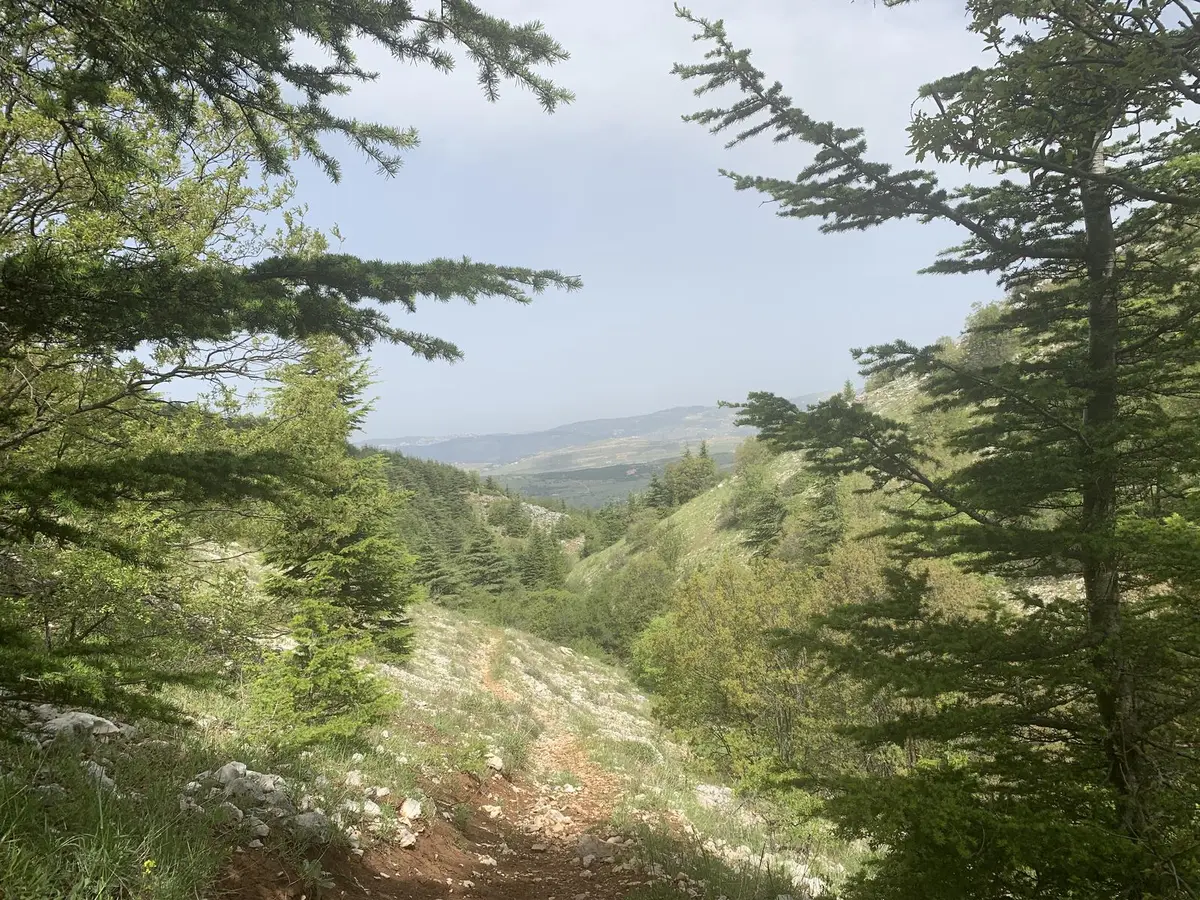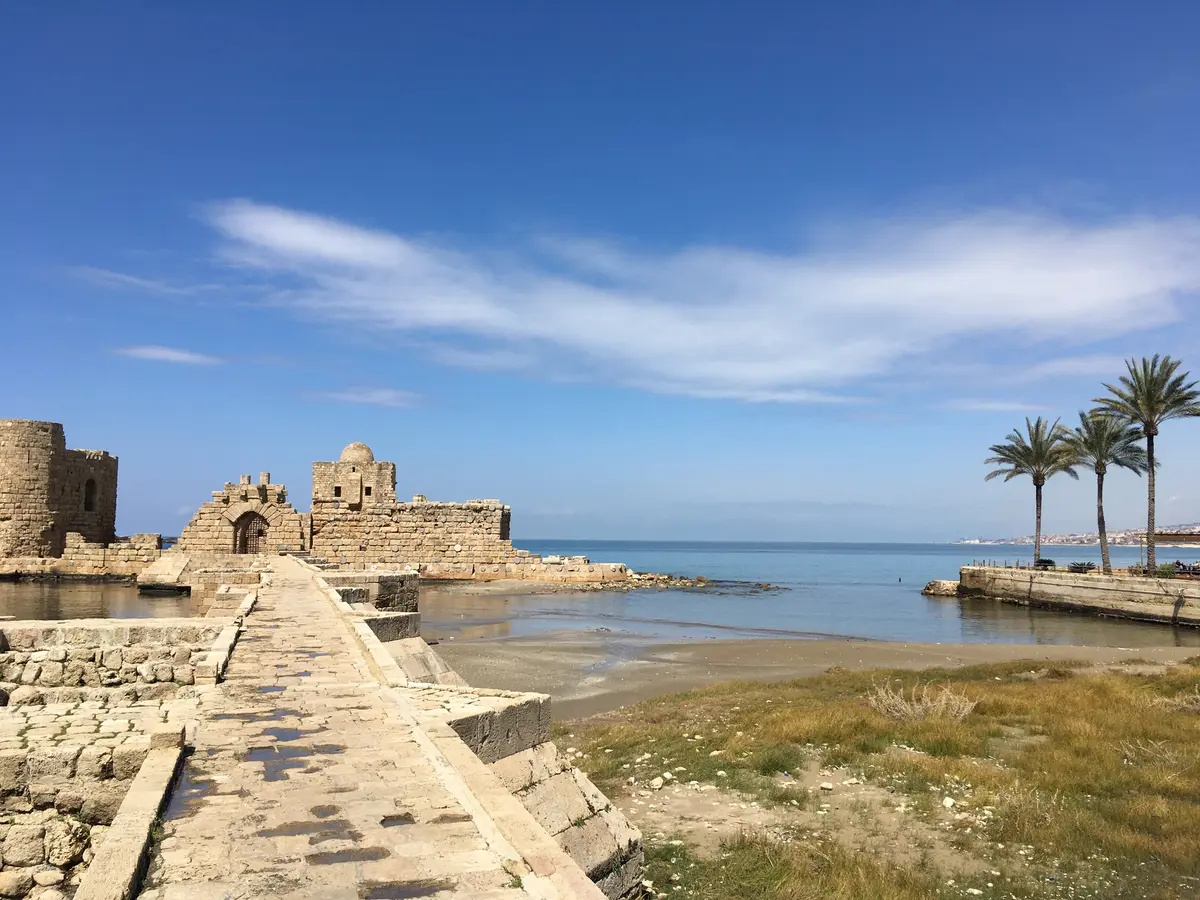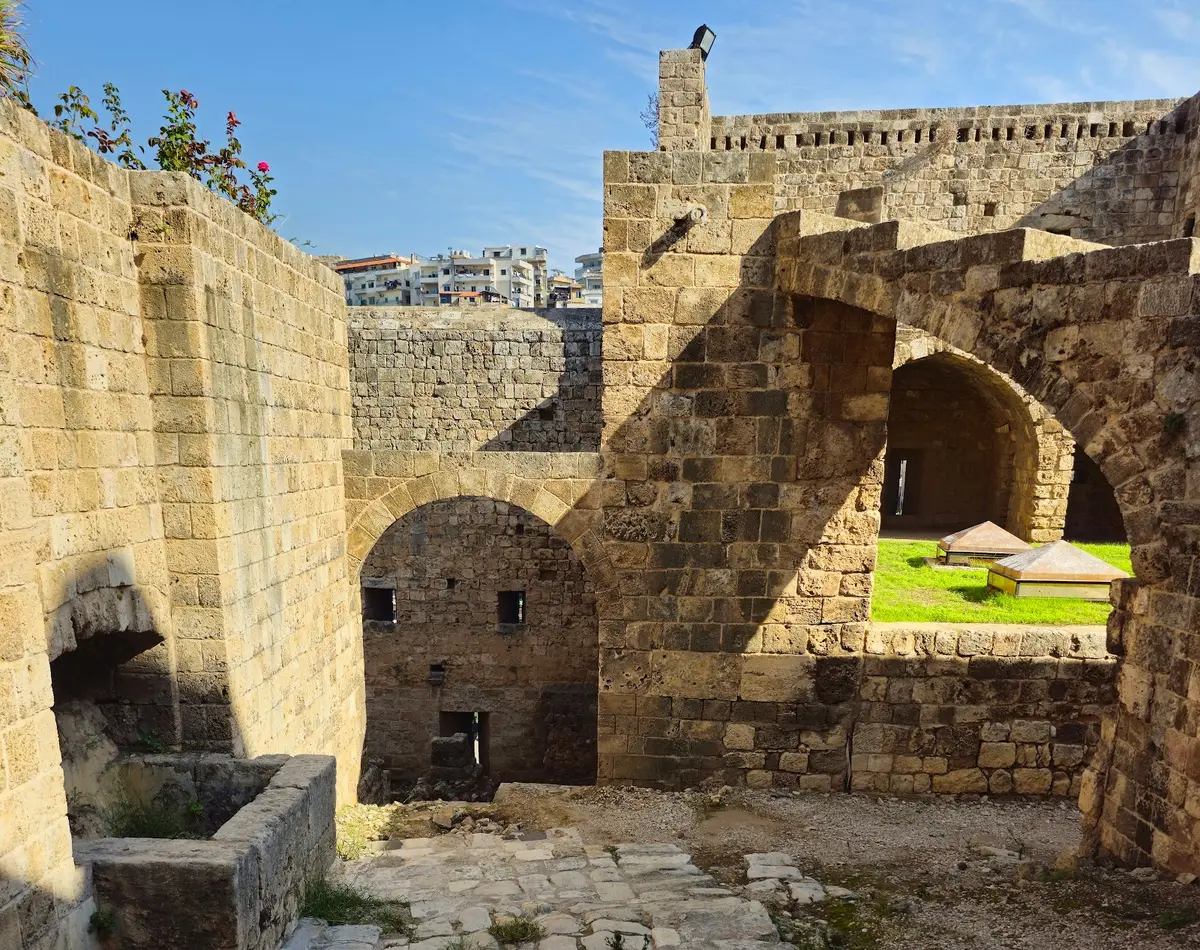
Guesthouses in Lebanese mountains trade hotel anonymity for something most countries lost decades ago: sleeping inside a 19th-century family home where the host cooks your breakfast and remembers your name by day two. Here are the eight properties that actually deliver on that promise, plus the logistics US travelers keep getting wrong.
What makes a Lebanese mountain guesthouse different from a hotel?
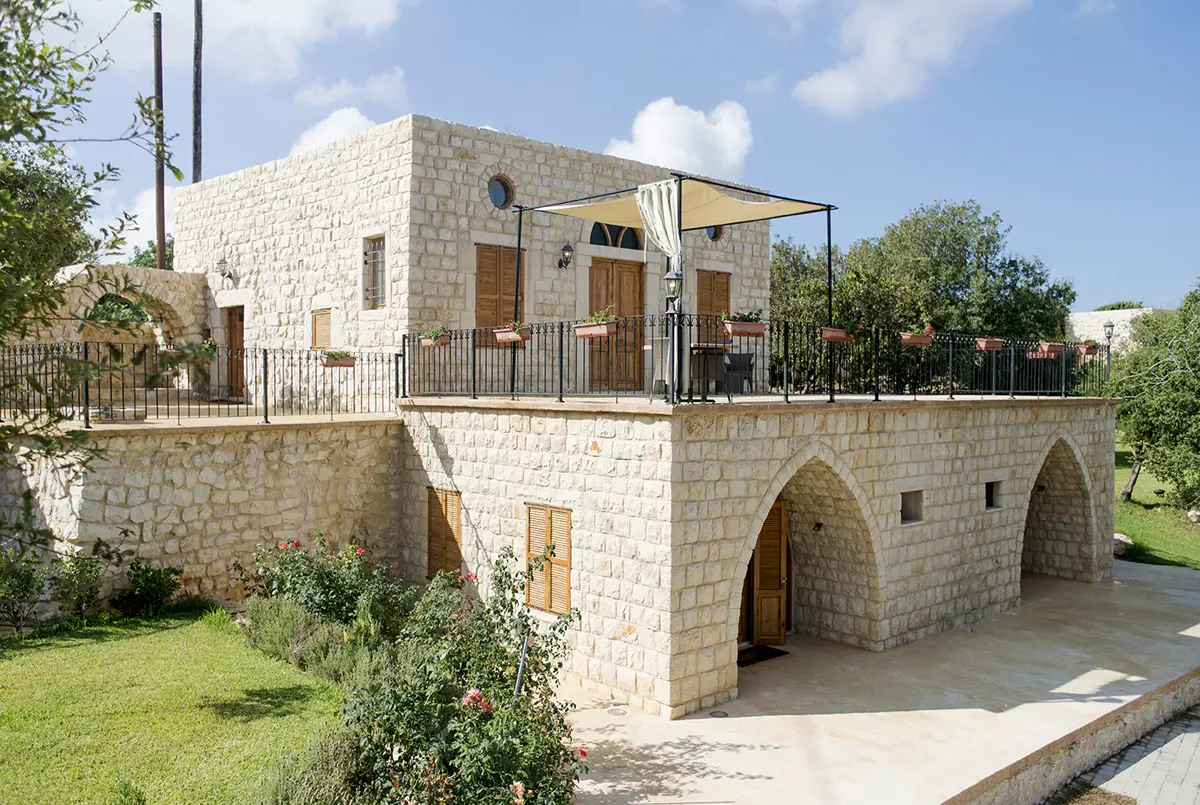
A Lebanese mountain guesthouse (“Beit,” meaning “home” in Arabic) is a restored 19th-century stone house with triple-arched Mandaloun windows, a central liwan hall, and an owner who lives on-site. You get roughly 6 to 12 rooms, homemade breakfast included, and a direct relationship with the host — not a front desk. Prices typically run $90 to $280 per night.
The Beit architecture you are paying for
The buildings matter. Expect limestone walls two feet thick that stay cool without air conditioning in August, vaulted ceilings, and floor tiles original to the house. The central liwan is a shared hall open to all guests — the opposite of the isolated-hotel-corridor setup. Restorations are done by local stonemasons using techniques that predate the French Mandate, which is why these properties feel structurally different from any Airbnb you have stayed in.
The breakfast ritual (this is not a continental buffet)
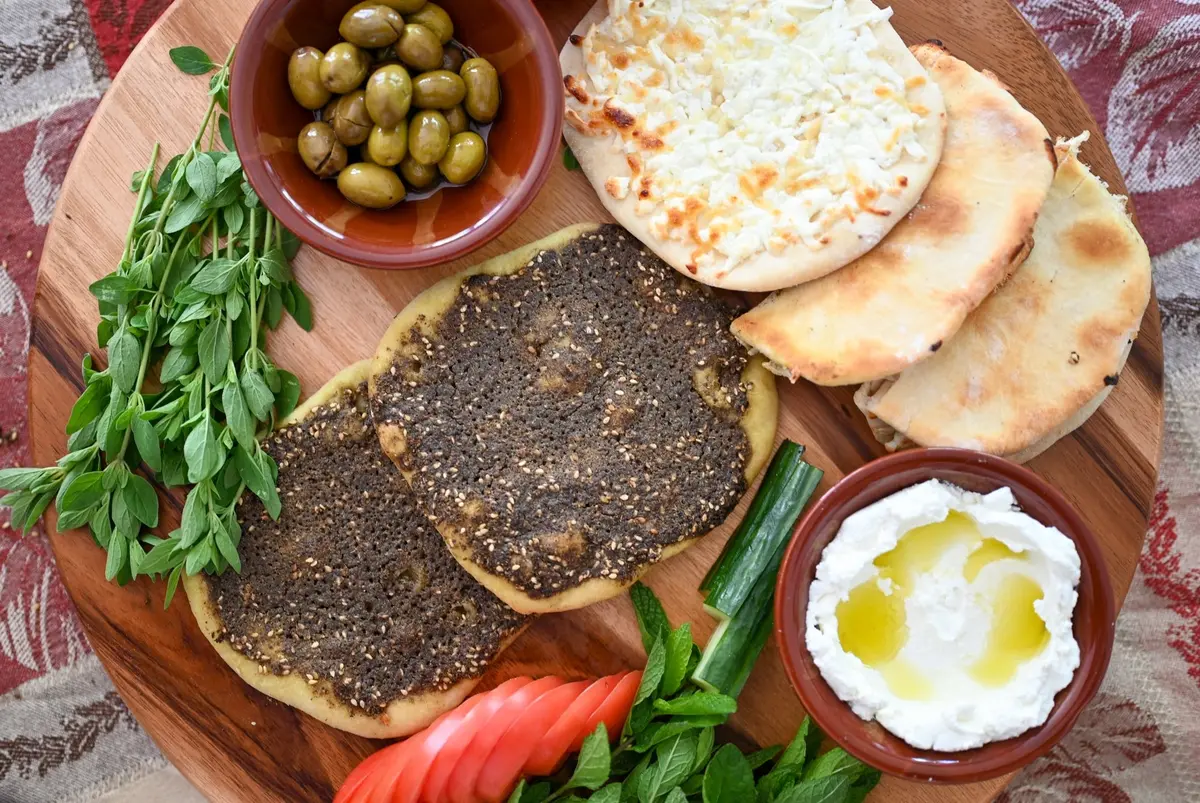
Breakfast is the non-negotiable event of the day. You will get:
- Manoushe baked on a saj griddle in front of you (za’atar, cheese, or kishk)
- Labneh with olive oil pressed within 15 miles of the house
- Fresh-baked kaak, olives cured on the property, seasonal fruit
- Slow-cooked balila — one host at Ghosn simmers the chickpeas for 15 hours using a recipe three generations deep
- Awarma (preserved lamb) in winter, if the family still makes it
Pro Tip: If you have a flight the same morning, tell the host the night before. They will still feed you — just earlier, and often they will pack you something for the road.
Where should you stay in the Chouf?
The Chouf is the cultural heart of Druze Lebanon and home to the Shouf Biosphere Reserve, the country’s largest protected area. Guesthouses here skew quiet and nature-first — ideal for couples, solo travelers, and anyone who wants to hike the cedar forests. Expect a 90-minute drive from Beirut and noticeably cooler temperatures year-round — factor that into what to wear in Lebanon if you are packing straight from the coast.
1. Bouyouti (Maasser Beiteddine) — best for adults-only getaways
Bouyouti is not a single building; it is a hillside of private stone cottages spaced far enough apart that you can sit on your terrace naked and no one would know. The adults-only policy is enforced, which is why honeymooners and burned-out executives keep filling the place up. The on-site restaurant is genuinely good and the small chapel on the property is open for quiet hours, not ceremonies.
The Verdict: This is the best-in-class romantic option in the country, and the 10-minute drive to Beiteddine Palace makes the location work for daytime sightseeing. The catch: cottages are spread across a steep slope, so if mobility is an issue ask for one near the restaurant.
- Location: Maasser Beiteddine, Chouf — 50 miles southeast of Beirut
- Cost: $180–$260/night, breakfast included
- Best for: Couples, honeymoons, digital detox
- Time needed: 2–3 nights minimum
2. Bkerzay (Chouf hinterland) — best for eco-conscious travelers
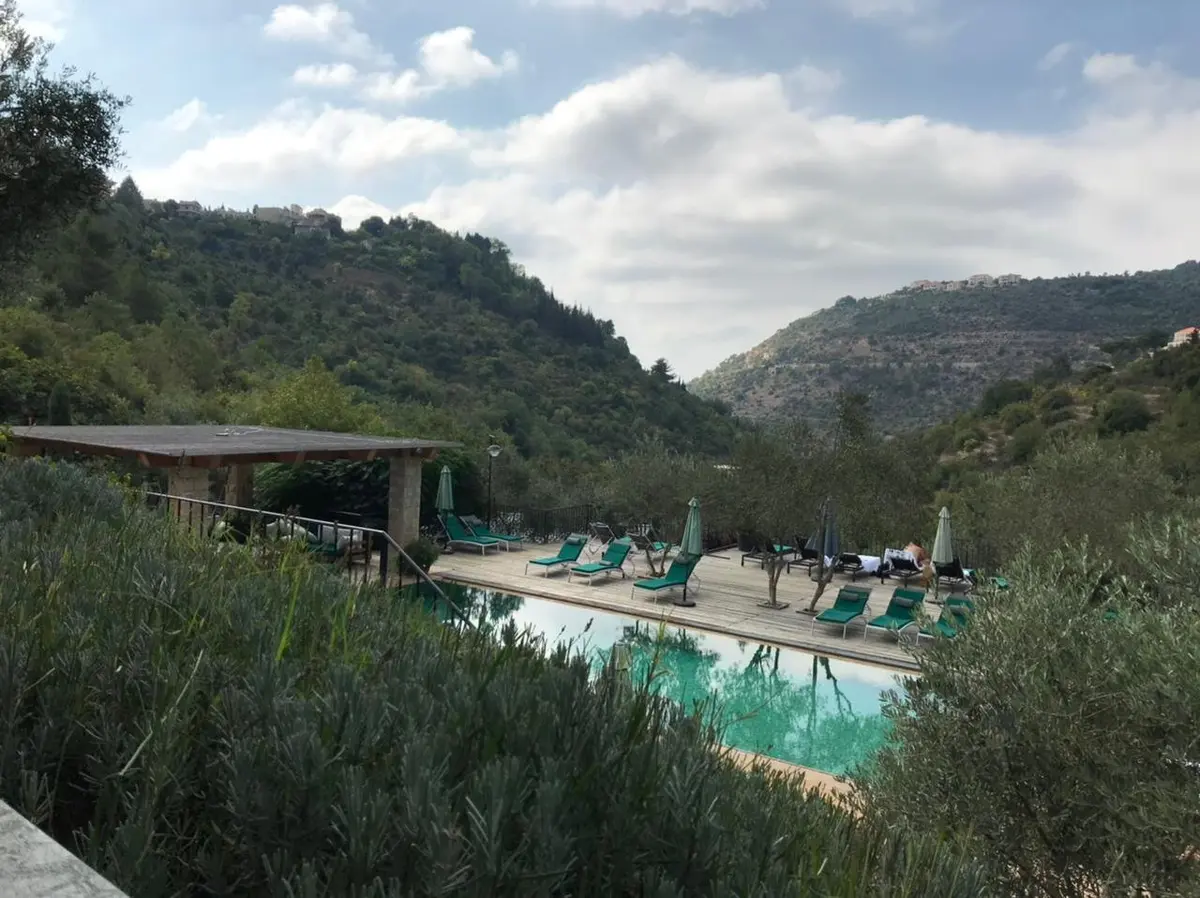
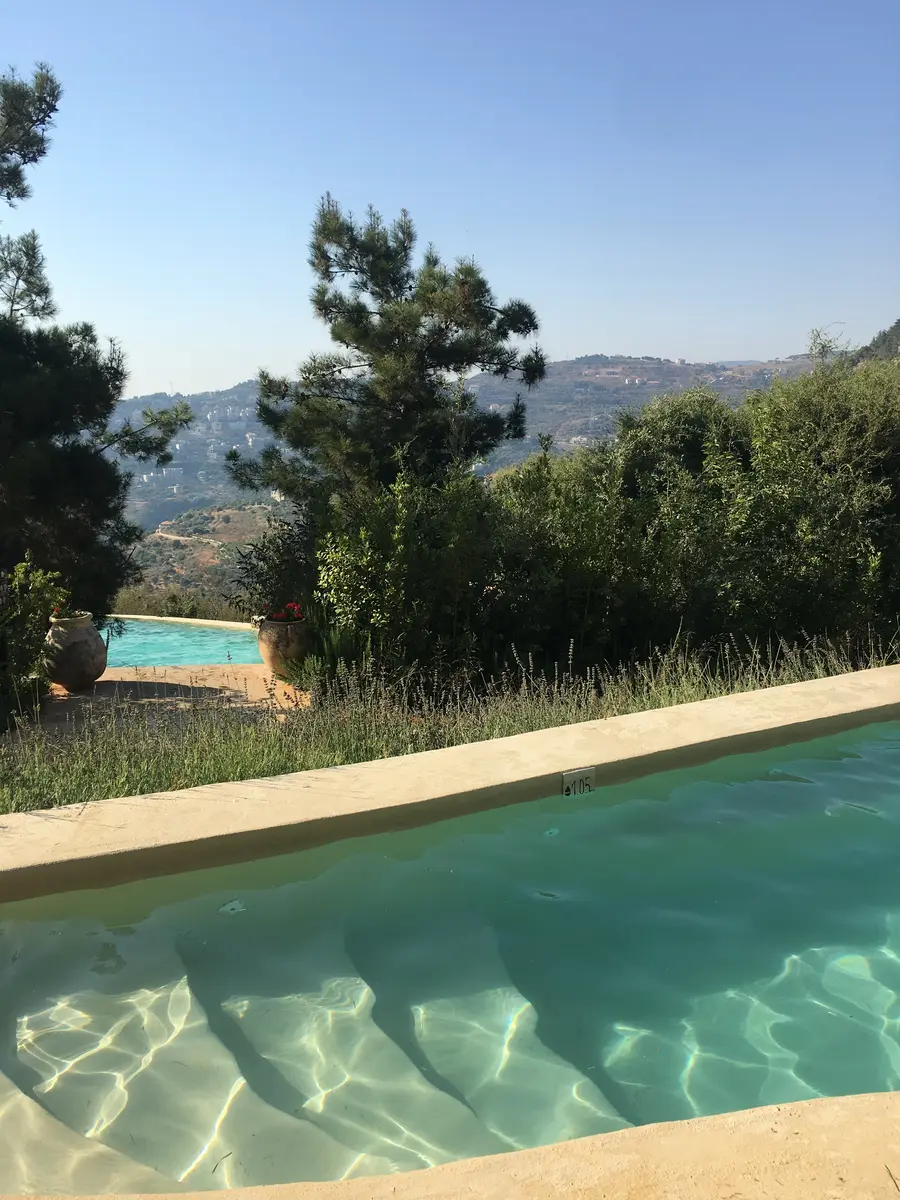
Bkerzay is built from stone excavated on-site — the buildings literally match the hill they sit on. The pottery studio founded by Ahmad Deif runs daily classes (around $40 for a 2-hour session), and the infinity pool looks straight out over olive groves toward the coast. Hiking trails start at the front gate.
The Verdict: This is the only Chouf property where you can spend three days without getting in a car. The restaurant uses organic produce grown on the estate and the wine list leans hard into Lebanese vintners from Batroun and the best wineries in Bekaa Valley. Rooms vary in size considerably; ask to see the floor plan before booking.
- Location: Baakline, Chouf — 45 miles from Beirut
- Cost: $160–$230/night
- Best for: Eco-travelers, families (kids welcome), hikers
- Time needed: 2 nights
3. Beit El Hana (Maasser El Chouf) — best for cedar forest hikers
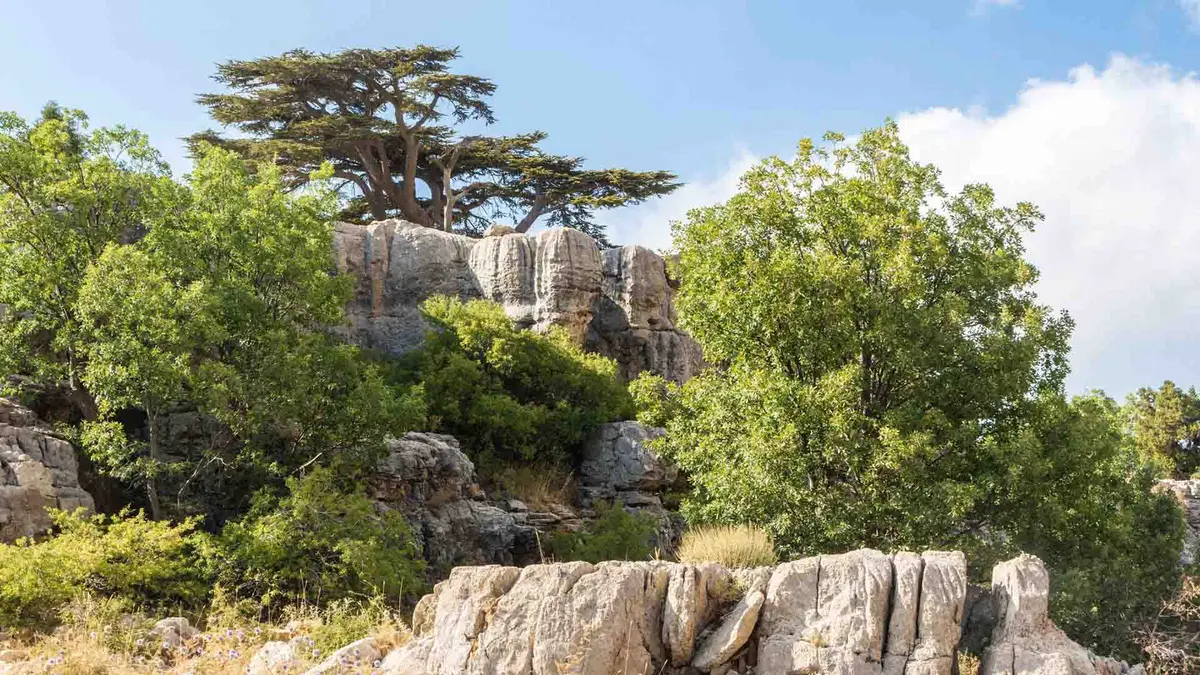
Beit El Hana is the base camp move. It sits minutes from the entrance to the Barouk Cedar Forest, which means you can be on the Sustainable Forest Management Trail before the tour buses arrive from Beirut at 10 a.m. The house is small (6 rooms), the stonework is original, and breakfast is served family-style at one long table.
The Verdict: Pick this if the hiking is the point. Amenities are basic — no pool, no spa — but the proximity to the ancient Cedrus libani trees is unmatched in Lebanon. On my last visit the oldest cedar the guide pointed out was estimated at 2,000 years.
- Location: Maasser El Chouf, at the reserve entrance
- Cost: $90–$130/night
- Best for: Hikers, nature photographers, solo travelers
- Time needed: 1–2 nights
Which guesthouses work best as a quick escape from Beirut?
Keserwan and Metn sit close enough to Beirut that you can leave the capital at 5 p.m. and be pouring wine on a terrace by 6. The drive is 40 to 60 minutes depending on traffic on the coastal highway, and the properties here skew more luxurious — think spas, pools, and higher design budgets than the Chouf equivalents.
4. Beit Trad (Kfour) — the heritage gold standard
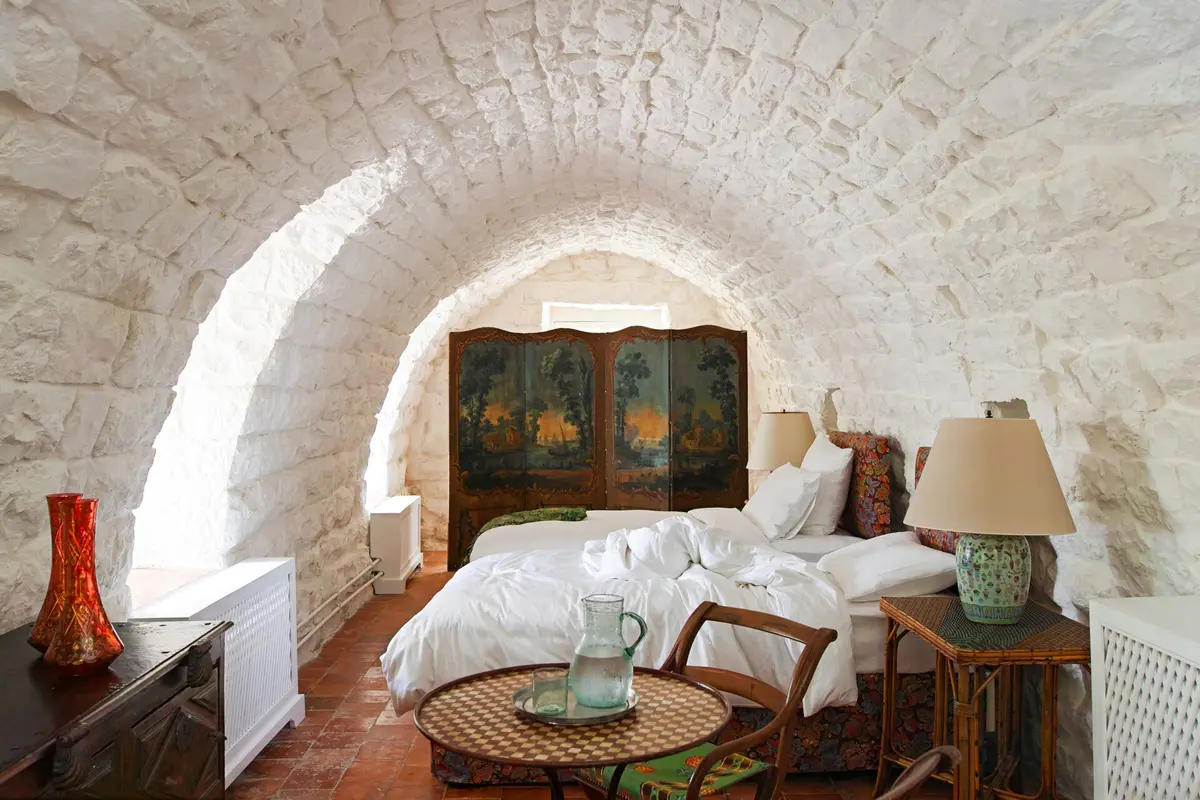
Beit Trad is the property most Lebanese architects will cite when you ask them which restoration got it right. Sarah Trad turned her family’s 19th-century summer home into a 9-room estate without stripping a single detail — the original floor tiles are still in place, and the ceiling heights in the main salon hit 16 feet.
The Verdict: The breakfast alone is worth the stay — a friend who runs restaurants in Beirut calls it the best in the country. Rooms vary significantly; the ones facing the garden are quieter than those above the entrance drive.
- Location: Kfour, Keserwan — 45 minutes from Beirut
- Cost: $170–$250/night
- Best for: Couples, weekend escapes, architecture lovers
- Time needed: 2 nights
5. Indira (Kfour) — Levant meets the Far East
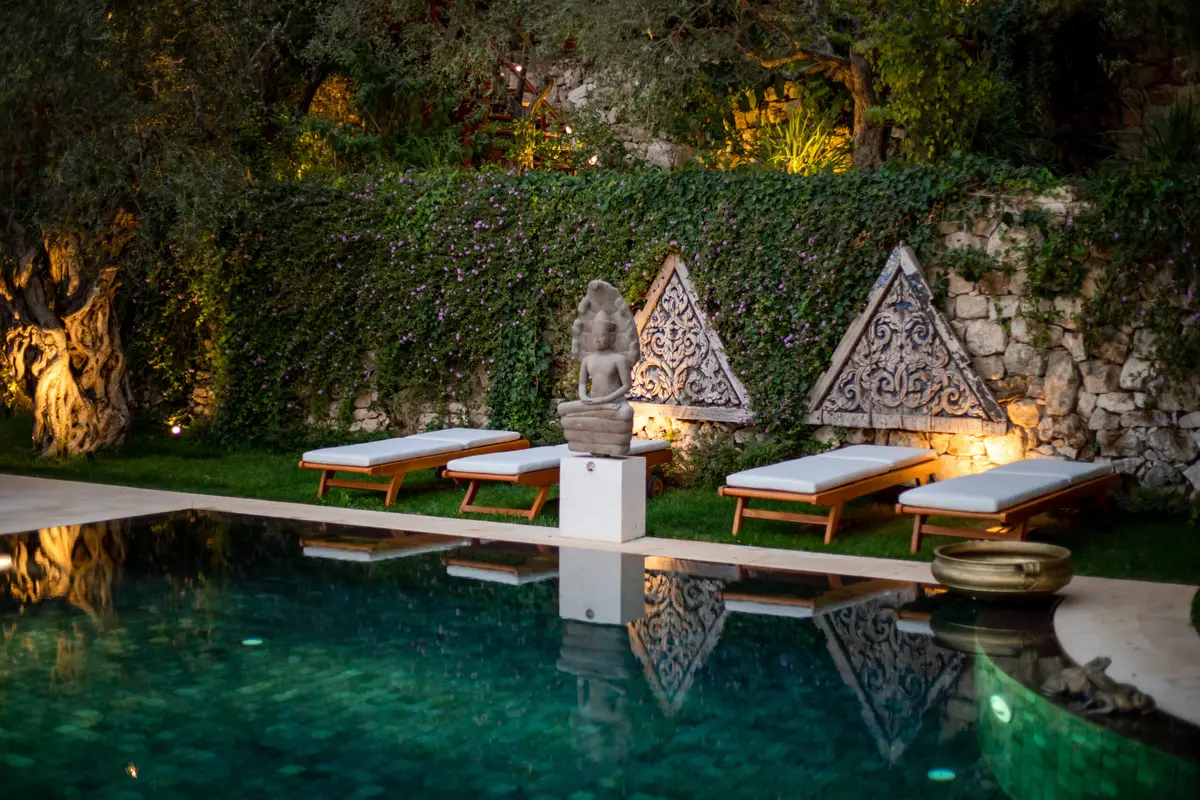
Indira is the contrarian pick. It merges Lebanese stone architecture with Far East design — Thai teak furniture, a dark slate plunge pool, a spa with a steam room, and a fusion menu that serves both proper mezze and a credible green curry. Some travelers find this jarring; others find it the most interesting hotel in Lebanon.
The Verdict: Skip Indira if you came for pure Lebanese authenticity — that is not the brief here. Book it if you want the stone-house aesthetic paired with spa service and dinner that will not be another round of hummus. It is one of the pricier options on this list, but the dining justifies the spend.
- Location: Kfour, Keserwan
- Cost: $230–$340/night
- Best for: Design-focused travelers, spa seekers, couples
- Time needed: 2 nights
Pro Tip: Book Kfour properties Sunday through Thursday. Weekend rates jump 25–40% because Beirut families drive up for 48-hour escapes.
Where should you stay in the north?
The north gives you Lebanon’s most dramatic terrain: the UNESCO-listed Qadisha Valley, the vineyards of Batroun, and cliffs that drop 2,000 feet into pine forest. The mountain properties here feel less polished than Keserwan and more connected to working agriculture. This is soul-searcher country.
6. Abdelli Terraces (Batroun mountains) — wine country agro-tourism
Abdelli sits at 1,970 feet (600m) in an abandoned village that has been painstakingly rebuilt house-by-house — the concept is a “village within a village,” with guests staying in what were once neighbors’ homes. The focus is wine-making: the property has its own vineyards and press, and harvest season (September) lets guests actually work the crush.
The Verdict: The location is the trick — you are in the mountains but only 15 minutes from Batroun town, so you can do a day of things to do in Batroun and still sleep in pine forest quiet. Amenities are modest by luxury standards; the draw is the agricultural immersion.
- Location: Abdelli, Batroun district — 1,970 ft (600m) elevation
- Cost: $110–$170/night
- Best for: Wine travelers, quiet couples, small groups
- Time needed: 2 nights
7. Dar Qadisha (The Holy Valley) — budget base for valley hikes
Dar Qadisha is perched at 4,590 feet (1,400m) in the UNESCO-protected Qadisha Valley, and it is run by Mrs. Jaqueline, whose name shows up in roughly every third review. She will cook for you, tell you which monastery path is open, and remember your coffee order.
The Verdict: This is the budget pick on the list, and the trade-offs are real — bathrooms are basic, Wi-Fi is hit-or-miss, and the walk from the parking area to the house is steep. But if you came to Lebanon to walk the Qannoubine Trail or do hiking Qadisha Valley, sleeping at 4,590 feet inside the valley itself beats commuting in from Bcharre.
- Location: Qadisha Valley — 4,590 ft (1,400m) elevation
- Cost: $60–$95/night
- Best for: Hikers, budget travelers, pilgrims
- Time needed: 2 nights
Which guesthouses stay open for ski season?
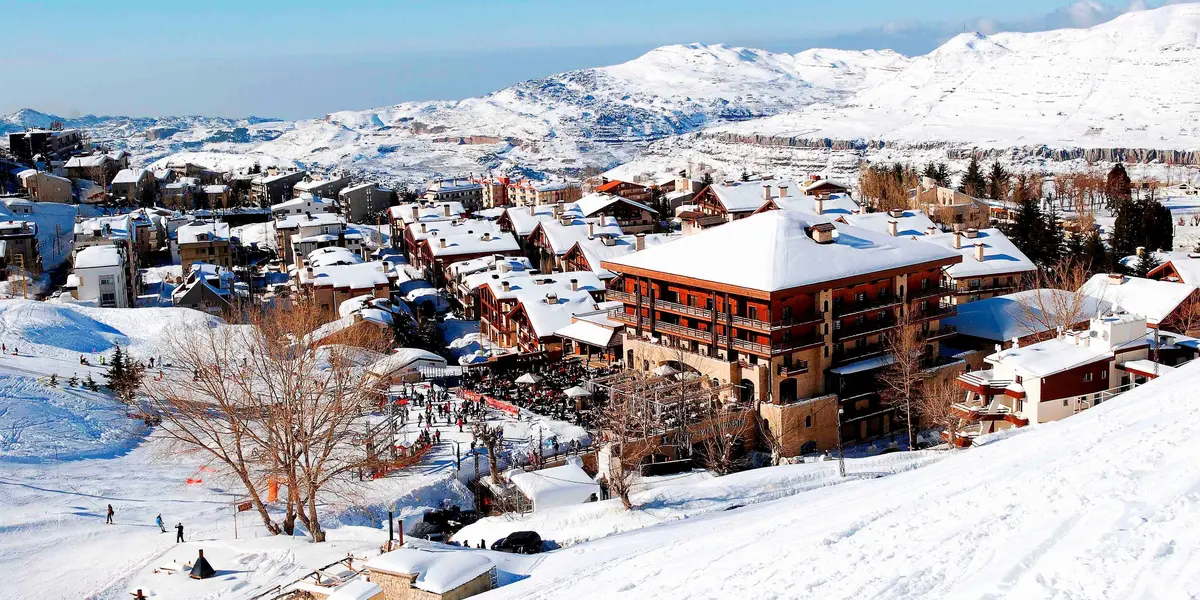
Lebanon’s ski season runs roughly December through early April, and two mountain areas anchor the accommodation options: Mzaar Kfardebian (the main resort) and the smaller, quieter Cedars (Al Arz). Winter rates jump 30–50% over summer, and booking 6 weeks out is wise for weekends.
8. Mzaar Kfardebian — the main ski hub
Mzaar is the largest ski area in the Middle East, with marketing materials advertising 80 km (50 miles) of slopes across 42 pistes, though experienced skiers note that operational terrain on any given day is often less than the brochure suggests — lifts open late, sections close without notice, and crowds funnel onto the two or three main lifts that are reliably running. The resort sits between 6,070 and 8,087 feet (1,850–2,465m) and is 45 minutes from Beirut.
The Verdict: Accommodation here is not strictly “guesthouse” in the Beit sense — it is Alpine-style chalets and a few hotels, with the InterContinental anchoring the luxury end. Skip weekends if you hate lift lines; Beirut weekenders arrive by 9 a.m. Saturday and turn the two reliable lifts into 30-minute waits. For a full breakdown of the resort, consult a Mzaar Kfardebian ski guide.
- Location: Kfardebian, Mount Lebanon — 45 min from Beirut
- Cost: $150–$400/night in ski season; $90–$220 in summer
- Best for: Skiers, snowboarders, winter weekenders
- Time needed: 2–4 nights
The Cedars (Al Arz) — quieter alpine stays
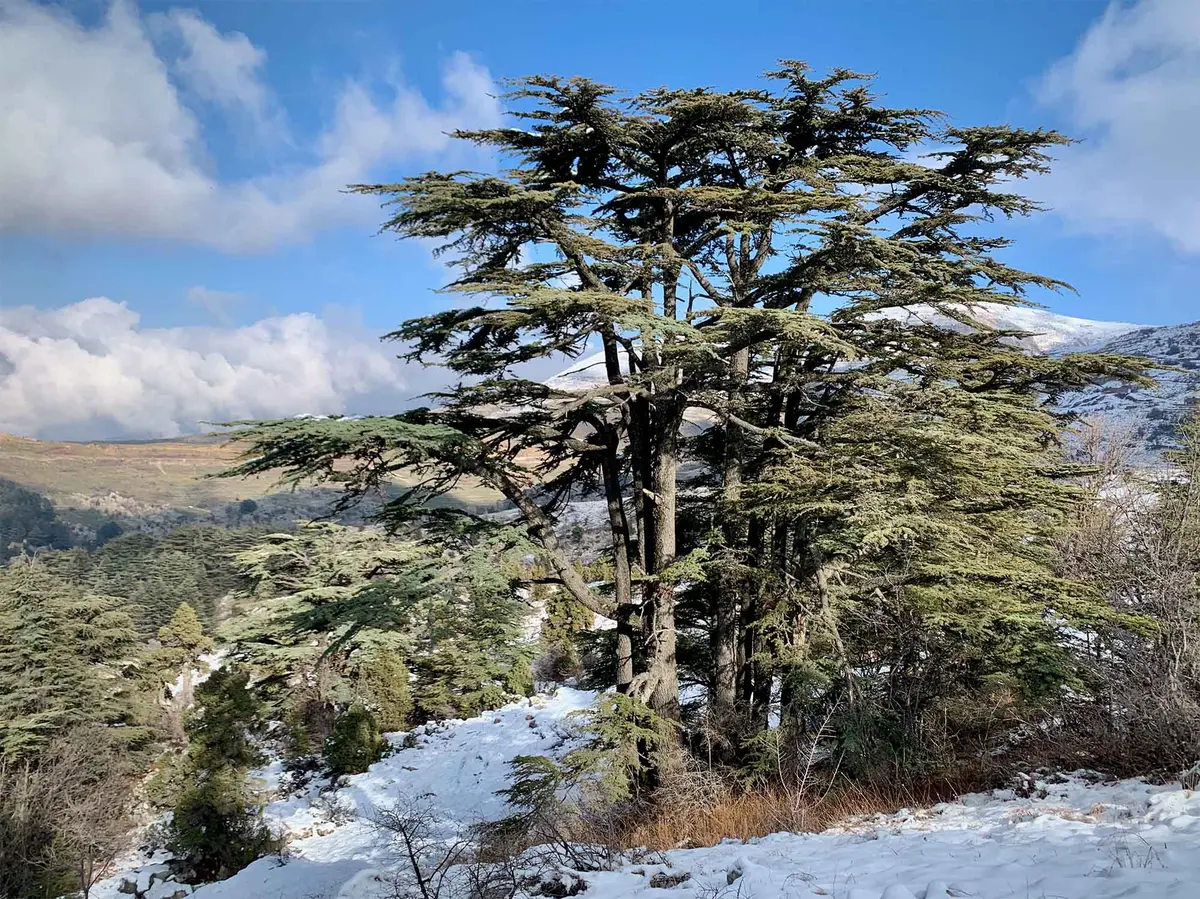
The Cedars sits next to the ancient cedar grove that Lebanon puts on its flag, and the scale of everything is smaller — fewer runs, fewer people, more quiet. Properties function as proper alpine guesthouses, with fireplaces, shared dining rooms, and massive windows framing the snow. Snowshoeing trails start directly from several lodges.
The Verdict: Pick The Cedars over Mzaar if the atmosphere matters more than the vertical — the terrain is genuinely limited for advanced skiers, but beginner and intermediate runs are uncrowded even on peak weekends. The historic charm of the Cedars of Lebanon landscape does most of the heavy lifting here.
- Location: Al Arz, North Lebanon — 2 hours from Beirut
- Cost: $120–$250/night in ski season
- Best for: Beginner/intermediate skiers, snowshoers, quiet weekends
- Time needed: 2–3 nights
How do you actually pay for a Lebanese mountain guesthouse?
Bring fresh US dollars in cash, and make sure they are pristine. Lebanon’s economy has effectively dollarized since the 2019 banking collapse — almost every guesthouse expects cash payment in USD on arrival, and bills with any tear, stain, or ink mark get refused. New-series blue-design bills only. Card terminals exist at luxury properties but often fail.
- Bring more than you think you need — ATM withdrawals in USD are unreliable in mountain areas
- Exchange offices like Whish are common in Beirut; do this before you head uphill
- Small guesthouses sometimes give a 5–10% discount for full cash payment upfront
- The parallel-market rate has stabilized around 89,500 LBP per USD, but you will rarely need Lebanese pounds — USD is king
For a complete breakdown, read our guide on Lebanon currency.
Pro Tip: Keep $20 bills for tipping and small purchases — hosts and drivers often cannot make change from $100s, and breaking a $50 in a mountain village is genuinely difficult.
Can you work remotely from a Lebanese mountain guesthouse?
Yes, but only if the property has both a UPS on the router and a generator. Lebanon’s public grid delivers maybe 4–8 hours of electricity a day in mountain areas; everything else runs on diesel generators or, increasingly, Starlink with battery backup. Bkerzay, Beit Trad, and Indira are the most reliable for remote work; Dar Qadisha and the smaller Chouf properties are not. A decent sim card for tourists in Lebanon is the backup that saves you when Wi-Fi dies mid-call.
Ask the host three questions before booking: does the Wi-Fi stay on during grid cuts, is there a UPS on the router, and is the connection Starlink or terrestrial. Dig into internet speed in Lebanon for context.
How do you get to these guesthouses without driving yourself?
Hire a private driver. This is not the same advice you would give for Italy or Portugal — Lebanese mountain roads are aggressive, signage is inconsistent, and some routes Google Maps confidently suggests are deteriorated to the point of being impassable in a rental sedan. A full-day driver costs roughly $100–$150 including fuel.
- Beirut to Chouf: 90 minutes, winding mountain roads
- Beirut to Keserwan: 40–60 minutes, coastal highway plus mountain climb
- Beirut to Batroun mountains: 90 minutes
- Beirut to Qadisha: 2.5 hours, serious elevation
- Beirut to The Cedars: 2.5–3 hours
Read our full driving in Lebanon advice before committing to a rental car.
Is it safe to stay in Lebanon’s mountain regions?
The central mountain spine where these guesthouses operate is considered stable, and tourists consistently report feeling safer in these villages than in many European cities. Violent crime against foreigners is rare; the real risks are driving hazards, winter road closures, and geopolitical volatility near the southern border and parts of the Bekaa — areas none of these properties are in.
Check current advisories before you book, and read is Lebanon safe for American tourists for a detailed regional breakdown.
When is the best time to visit?
Spring (April–May) and fall (September–October) are the sweet spots — daytime temperatures in the 65–78°F (18–26°C) range, wildflowers or harvest in full swing, and mountain villages at roughly half their summer occupancy. Summer is peak; winter is ski-only territory for most properties.
- Spring (April–May): Best hiking weather, wildflowers, moderate prices
- Summer (June–August): Peak season, book 8+ weeks out, expect crowds in the Chouf
- Fall (September–October): Wine harvest at Abdelli, best value on luxury properties
- Winter (December–March): Ski season only; non-ski guesthouses at lower elevations often close
Check the best time to visit Lebanon for a full breakdown.
Before you book
TL;DR: For romance, book Bouyouti. For eco-luxury, Bkerzay. For architecture, Beit Trad. For budget hiking, Dar Qadisha. For ski season, pick The Cedars over Mzaar unless you need nightlife. Bring fresh US dollars in cash, hire a driver, and book 6–8 weeks out for spring and fall weekends. If you are stringing stops together, our 10 days in Lebanon road trip folds several of these guesthouses into one route.
What matters more than the property list is understanding what these places are: working homes where someone’s grandmother taught the current cook how to make labneh. Treat the host relationship as the point, not an amenity, and the rest of the trip takes care of itself — our Lebanon travel guide covers the wider context if this is your first visit.
Which of these would you book first — the Chouf cottages or a ski season chalet? Drop your pick in the comments.