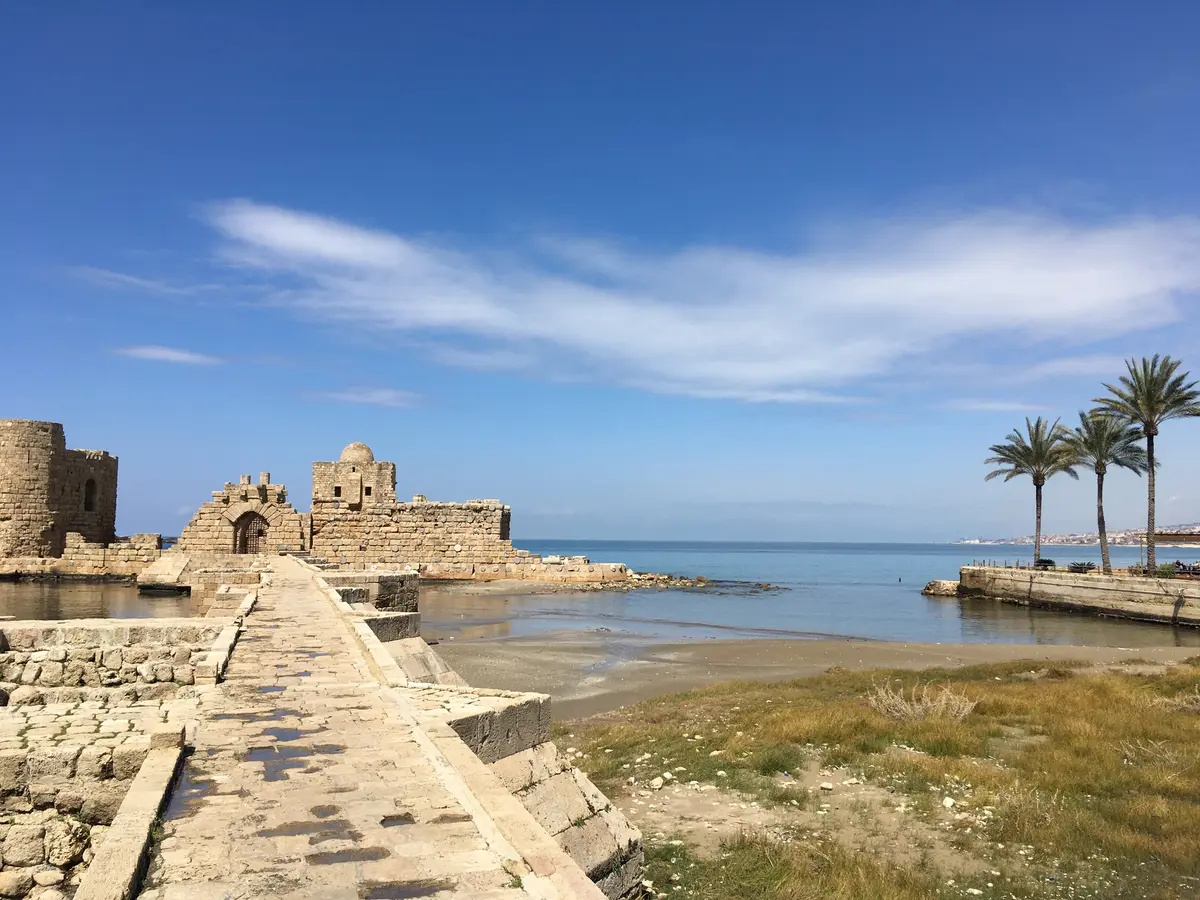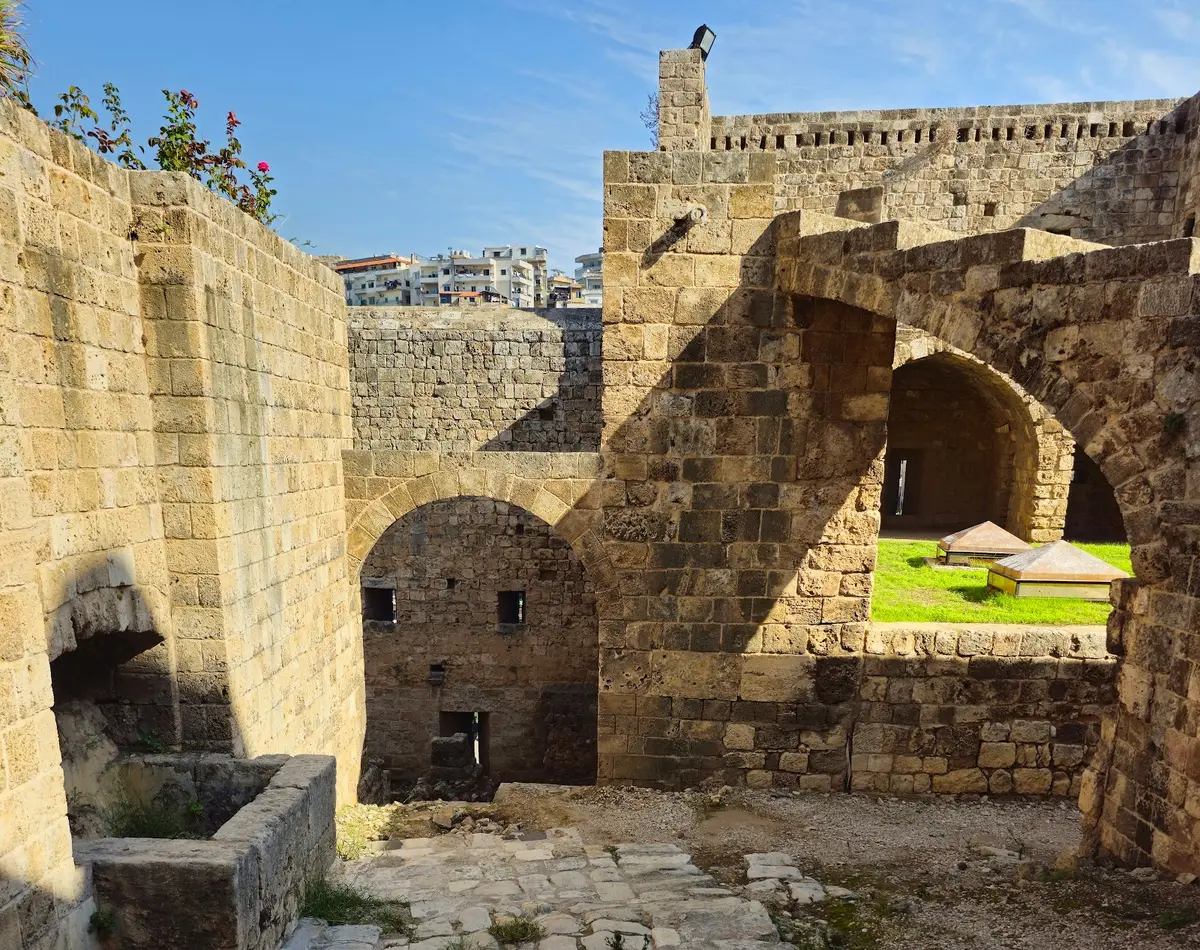
You can ski a 600-meter vertical drop in the morning, walk through Roman temples buried in snow by lunch, and end the night dancing on a wooden table with a Lebanese wedding party that adopted you. This Mzaar Kfardebian ski guide covers what the brochures skip — the heavy maritime snow, the lift-line chaos, and why mid-week is the only way to ski it.
What makes Mzaar Kfardebian different from other ski resorts?
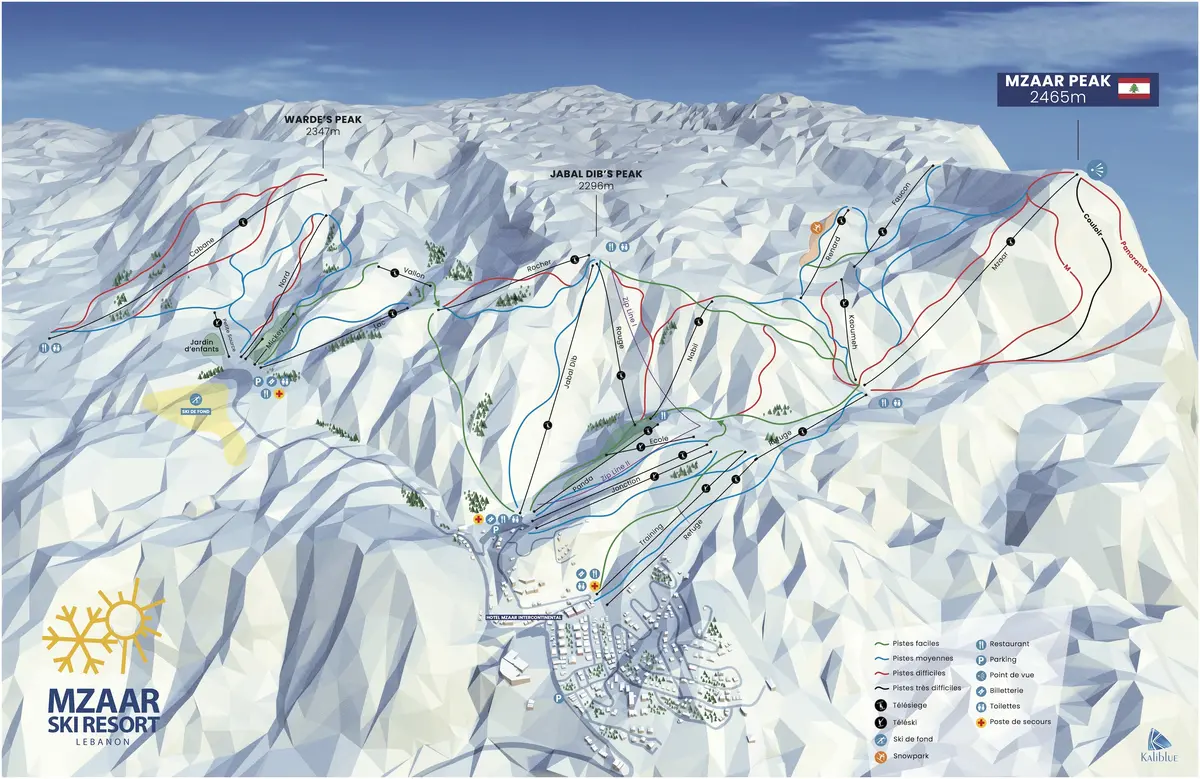
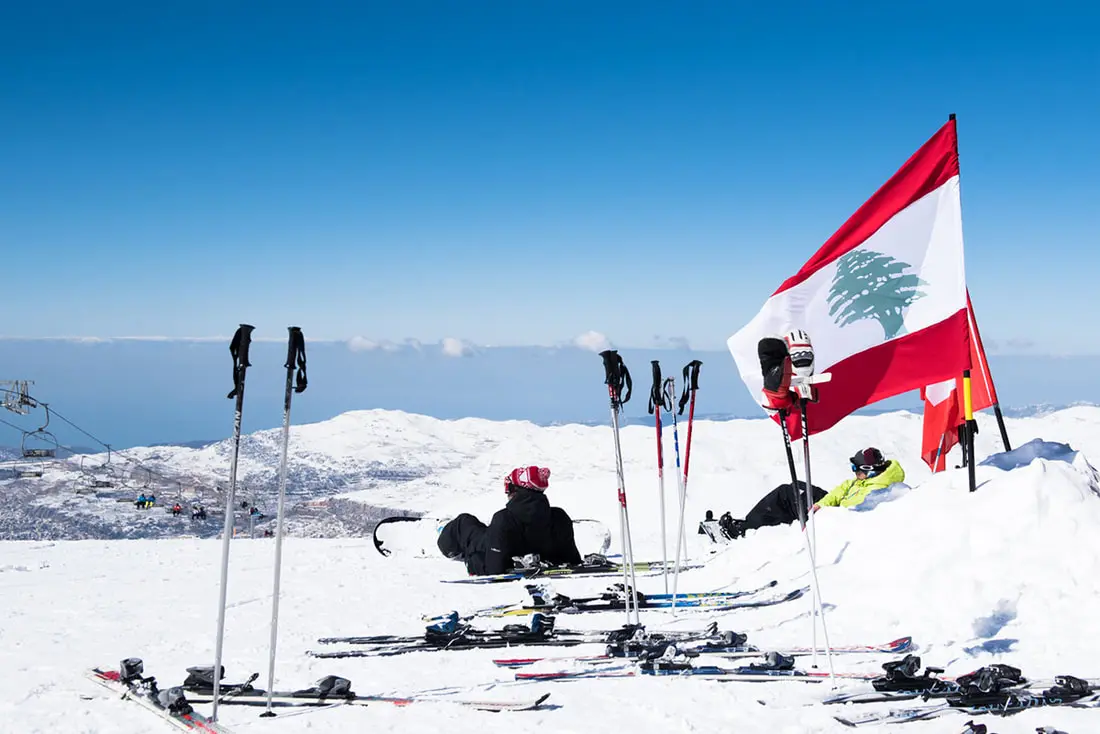
Mzaar Kfardebian is the largest ski resort in the Middle East, sitting in the Keserwan District about 28 to 37 miles (45 to 60 km) from Beirut. The base sits at 6,070 feet (1,850 m) and tops out at 8,087 feet (2,465 m) at the Dôme du Mzaar summit, giving you a 2,015-foot (615 m) vertical drop across three connected domains.
Marketing materials still claim up to 62 miles (100 km) of skiable terrain. The honest figure for the connected groomed piste network is closer to 25 miles (40 km), confirmed by international ski databases. That is still by far the largest setup for skiing in Lebanon and the wider region.
The three domains each have a personality:
- Refuge: the westernmost area, gentle slopes, family-friendly, requires a separate pass add-on
- Jonction: the central hub where most lifts, rentals and food cluster — also the most chaotic
- Wardeh: the eastern expansion with wide-open bowls that hold snow noticeably longer
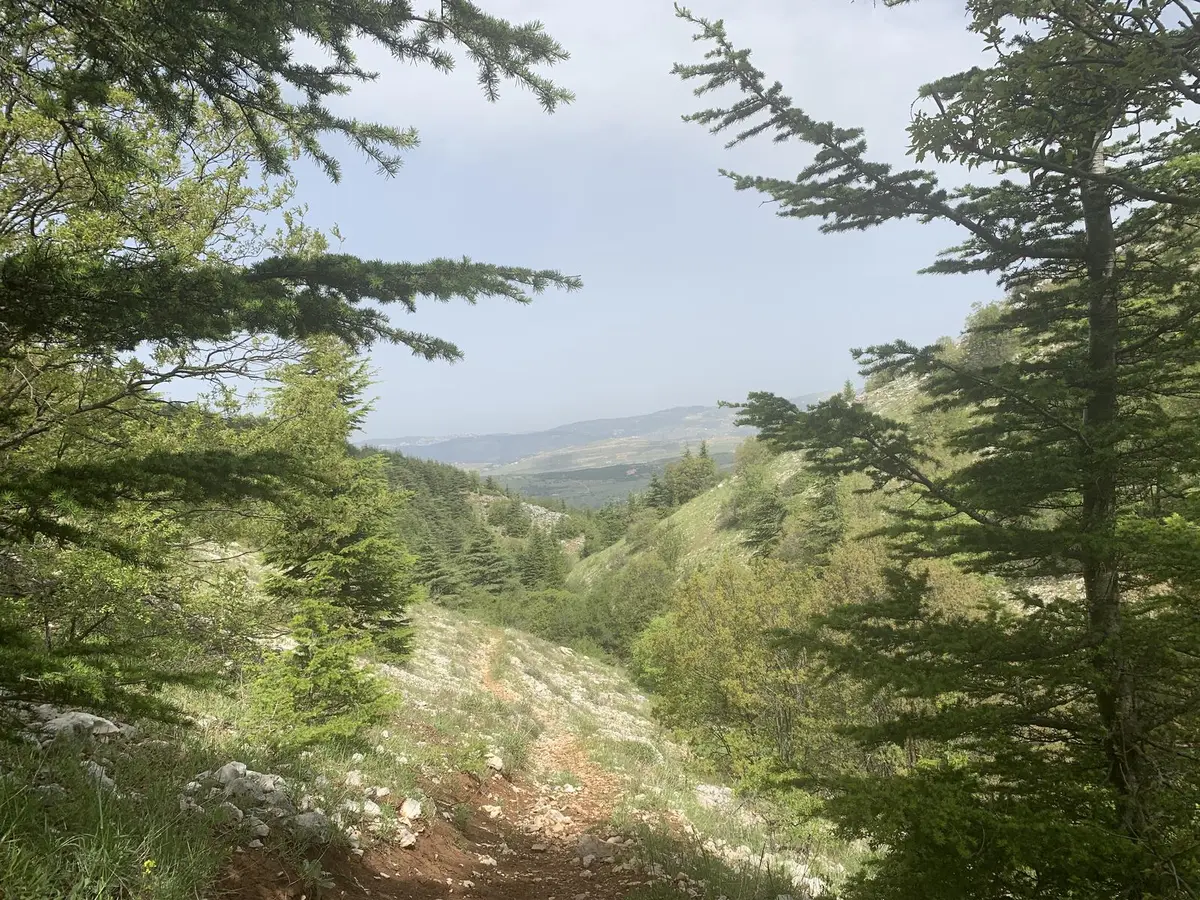
What sets the place apart is the geography. The Mount Lebanon range acts as a wall against Mediterranean moisture, forcing orographic lift that dumps real snowfall — the resort averages around 100 inches (254 cm) per season — despite the southern latitude.
Pro Tip: If you only have one day, buy the Jonction + Wardeh ticket and skip Refuge unless you have small kids. The Wardeh side has the longer, less crowded reds and feels twice the size.
What is the snow actually like at Mzaar?
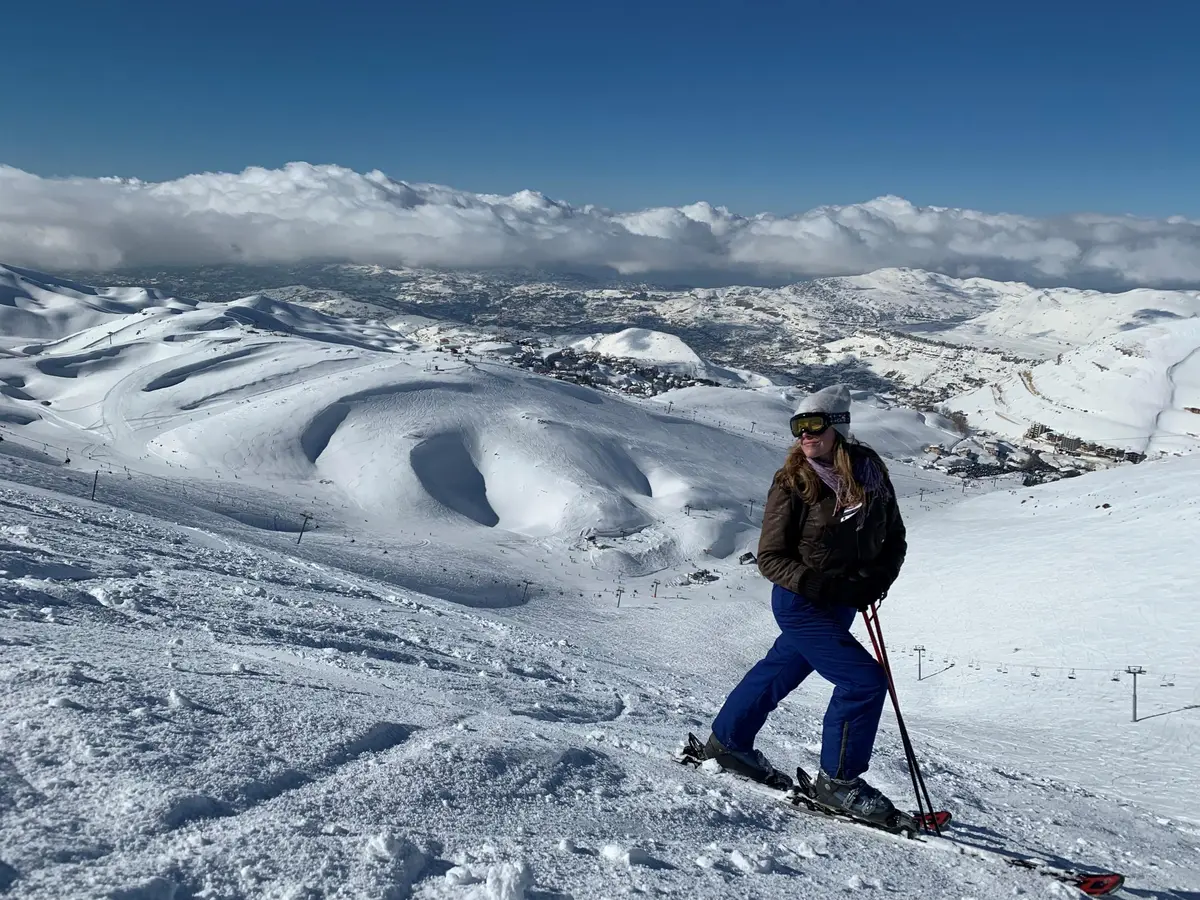
Mzaar’s snow is heavy maritime snow, not the dry powder of Colorado or Utah. Think Sierra Nevada or Pacific Northwest — dense, wet, and prone to heavy freeze-thaw cycles. The skiable window most days is roughly 10 a.m. to 1 p.m., when the surface softens from morning ice into carve-friendly corn, before turning to slush in the afternoon sun.
Daytime highs frequently climb above freezing — 35 to 45°F (2 to 7°C) is common at base elevation in January — which is why timing matters more here than at most resorts. South-facing slopes in Refuge and Jonction get ruined first; the Wardeh basin holds quality longest.
The season runs roughly late December through early April. January and February deliver the most reliable cover. March is gambling territory — spring corn on a good day, bare patches at the base on a bad one.
Pro Tip: First chair is wasted here. Sleep in, take a long Lebanese breakfast, and hit the lifts at 9:30 a.m. The snow won’t be ready until then anyway.
Where should you ski based on your level?
Mzaar’s terrain breaks down to roughly 30% beginner, 40% intermediate, 25% advanced, and 5% expert across 42 marked runs. Most visitors sit comfortably in the intermediate band, which is where the resort actually shines — long, wide reds with good fall lines.
Beginners — Refuge over Baby Jonction
The “Baby 1” lift at Jonction is technically the cheapest learning option, but it is also where sledders, day-trippers in jeans, and unsupervised kids tend to wander into your line. The Refuge domain costs more on the lift pass, but it is gated, calmer, and has gradients in the 10 to 15% range with proper ski-school structure.
If you are a true first-day skier, pay the upcharge for Refuge. If you already have a couple of green runs under your belt, Jonction is fine on a weekday.
Intermediates — the sweet spot
The reds dropping from Jabal Dib give you about 1,300 feet (400 m) of sustained vertical with enough width for full-radius turns. The traverse over to Wardeh opens onto rolling terrain where you can let the skis run for several minutes at a stretch.
The main face back to Jonction moguls up by 2 p.m. as a side effect of the freeze-thaw and high traffic. If you can ski it cleanly in the afternoon, you have outgrown the intermediate label.
Advanced and off-piste
Groomed expert terrain is limited. The pitch off the 8,087-foot (2,465 m) Mzaar summit is steep but short. The actual draw for strong skiers is the side-country between marked runs, especially in the Wardeh basin and around the Nabil lift, where you get accessible freeride lines back onto the trail network.
The trade-off is real: avalanche control here is not on the same systematic level as North American or Alpine resorts. Going off-piste means accepting that there is no patrol sweep at end-of-day and no guarantee anyone will look for you in a slide. Hire a local guide or stay in-bounds.
Pro Tip: The Nabil chair is the underrated lift on the mountain. The skier’s-left exit drops into rolling, lightly-tracked terrain that almost no one visits before 11 a.m.
How much do lift tickets cost at Mzaar?
A full-domain adult lift pass runs about $50 on weekdays and $75 on weekends and public holidays for the 2025–26 season. Cheaper options exist if you do not need the full mountain — the Domaine du Soleil pass alone starts around $25 weekday and $40 weekend, and adding Refuge brings it to roughly $35 and $50.
- Adult full-day, weekday: ~$50
- Adult full-day, weekend / holiday: ~$75
- Children under 12 / seniors, weekday: ~$45
- Children under 12 / seniors, weekend: ~$60
- Half-day (after noon), weekday: ~$40
- Half-day, weekend: ~$55
- Beginner / Domaine du Soleil only, weekday: ~$25
- Domaine du Soleil + Refuge, weekday: ~$35
Online advance purchase typically saves $10 to $20 per ticket. Confirm pricing on the official Mzaar Ski Resort site before you go — the resort sometimes shifts pricing mid-season based on operational costs.
How does the lift system handle crowds?
Mzaar runs about 20 lifts — a mix of modern detachable quads and older fixed-grip doubles and triples. The system works, but it is not seamless, and Jonction is a notorious bottleneck: weekend wait times at the main quads regularly hit 20 minutes between 11 a.m. and 1 p.m.
Two cultural notes worth flagging for North American skiers. First, the orderly single-file lift queue is more of a suggestion than a rule — line cutting happens, especially when crowds build, and lift attendants vary from helpful to absent. Second, the Wardeh domain sometimes closes on weekdays to save on diesel for the lifts; check the daily operational status on the resort’s social channels before you commit to a full-domain ticket.
The fix is simple and works every time: ski Monday through Thursday. The mountain is virtually empty.
Pro Tip: If you do ski a weekend, time your bathroom and food breaks for 11:30 a.m. and 1:30 p.m. — those are peak lift-line windows. Skiing through them is the closest thing to a hack on this mountain.
How do you get from Beirut to Mzaar?
The drive from Beirut to Mzaar covers about 31 miles (50 km), transitioning from coastal highway into winding mountain roads. Expect 60 to 75 minutes outbound on a clear weekday morning, and up to four hours coming back on a Sunday afternoon when the entire Beirut weekend crowd descends at once.
The drive strategy
Leave Beirut by 6:30 a.m. to skip the outbound build-up. Coming back, either pull off the mountain before 2 p.m. or wait it out at a restaurant until after 7 p.m. — there is no middle path that does not involve sitting in stopped traffic.
Road conditions are inconsistent: potholes, poor night lighting, and aggressive overtaking on blind corners. If you have not tried driving in Lebanon before, do not make the Mzaar drive your first time behind the wheel here.
The snow chain shakedown
During and after storms, Internal Security Forces set up checkpoints at Feitroun and the Faraya roundabout to enforce snow chain use. A small predatory economy has grown around these checkpoints — vendors flag down rental cars, claim chains are mandatory immediately, and quote inflated prices.
- Fair price for chain rental + installation + removal: about $30
- Common tourist quote: $60 to $100
- Defense: carry your own chains in the trunk if you are renting a car in Lebanon and driving a 2WD, or refuse the first quote and drive to the next vendor
Transport alternatives
Private taxi services like Allo Taxi and Charlie Taxi run fixed-rate transfers from $40 to $75 one-way depending on vehicle size and current fuel prices. Beirut-based small-group ski shuttles also operate during the season for people who would rather skip the driving entirely.
Uber and Bolt work fine in Beirut but are unreliable for the return from Mzaar — drivers do not want to dead-head back empty, so cancellations are routine.
Where should you rent ski equipment?
Skip the on-mountain rental shops in favor of the highway approach shops between Feitroun and Faraya. You will get newer equipment, faster service, and roughly 30% lower prices than at the resort base — and you will avoid the morning queue at Jonction.
Highway shops
The road approaching Mzaar is lined with rental shops. Mike Sport’s Feitroun branch is the dominant chain, with a deep inventory of current-season skis and boots. Independent shops in the same stretch often beat Mike Sport on price by $5 to $10 a day.
- Full set (skis, boots, poles), highway shop: $15 to $25 per day
- Snowboard set, highway shop: $20 to $30 per day
- Helmet rental: $5 per day
Resort base rentals
Shops at Jonction and Refuge charge a premium for the convenience of not transporting gear in your car. The morning lines on weekends can swallow an hour of your ski day.
- Full set, resort base: $20 to $40 per day
Pro Tip: Rental shops often ask for your passport as deposit. Refuse and offer cash instead — $200 to $300 in fresh dollars is widely accepted as substitute and is much safer than handing over your passport for the day.
Where should you stay near Mzaar?
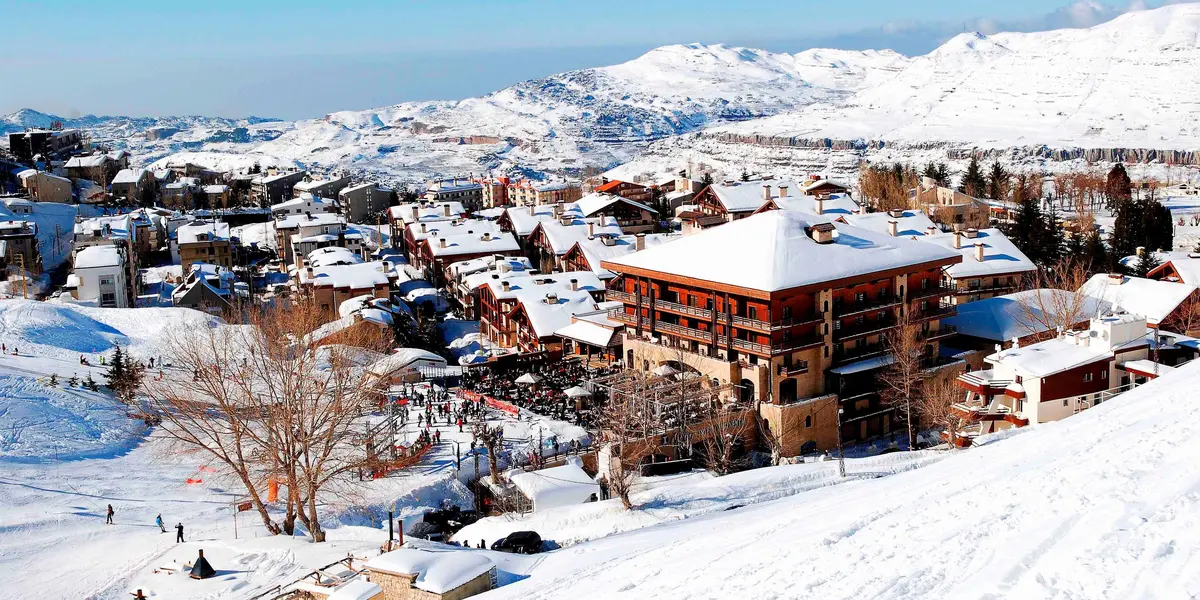
The accommodation map splits between true ski-in/ski-out at Jonction, walkable-to-lift hotels along the access road, and chalets in surrounding villages like Faqra and Ouyoune El Simane. Airbnb chalets generally offer the best value among hotels and stays across Lebanon, but verify the heating arrangement before you book.
InterContinental Mzaar Lebanon Mountain Resort & Spa
The only true 5-star property with direct ski-in/ski-out access from Jonction. Rooms facing the slopes get morning sun and lift-line noise; rooms facing the back are quieter but darker.
- Location: Jonction base, Mzaar
- Cost: from $250/night (weekend rates spike higher)
- Best for: Couples and families who want to walk to the lift in ski boots
- Time needed: 2 to 3 nights
Terre Brune
A modern, design-forward hotel in nearby Faqra, about a 10-minute drive to the Jonction base. Cleaner aesthetic than the alpine-chalet competition.
- Location: Faqra, near the Roman ruins
- Cost: from $180/night
- Best for: Travelers who want something that does not feel like a 1990s ski lodge
- Time needed: 2 to 3 nights
Austria Mzaar Chalets
Traditional alpine-style chalets within walking distance of the Jonction base. Wood interiors, fireplaces, the full pastiche.
- Location: Walking distance to Jonction lifts
- Cost: from $150/night
- Best for: Groups of 4 to 6 splitting a chalet
- Time needed: 2 to 4 nights
San Antonio Hotel
A more modest mid-range option on the main access road. The wood-paneled lobby is genuinely cozy on a cold night.
- Location: Main road approaching Mzaar
- Cost: from $90/night
- Best for: Solo travelers and couples on a budget
- Time needed: 1 to 2 nights
Pro Tip: Lebanon’s electricity grid runs on a hybrid of state power and private diesel generators. Before booking any chalet or guesthouse, ask in writing whether the price includes 24/7 generator power and heating. Diesel surcharges can double a cheap rental’s actual cost.
What is après-ski like at Mzaar?
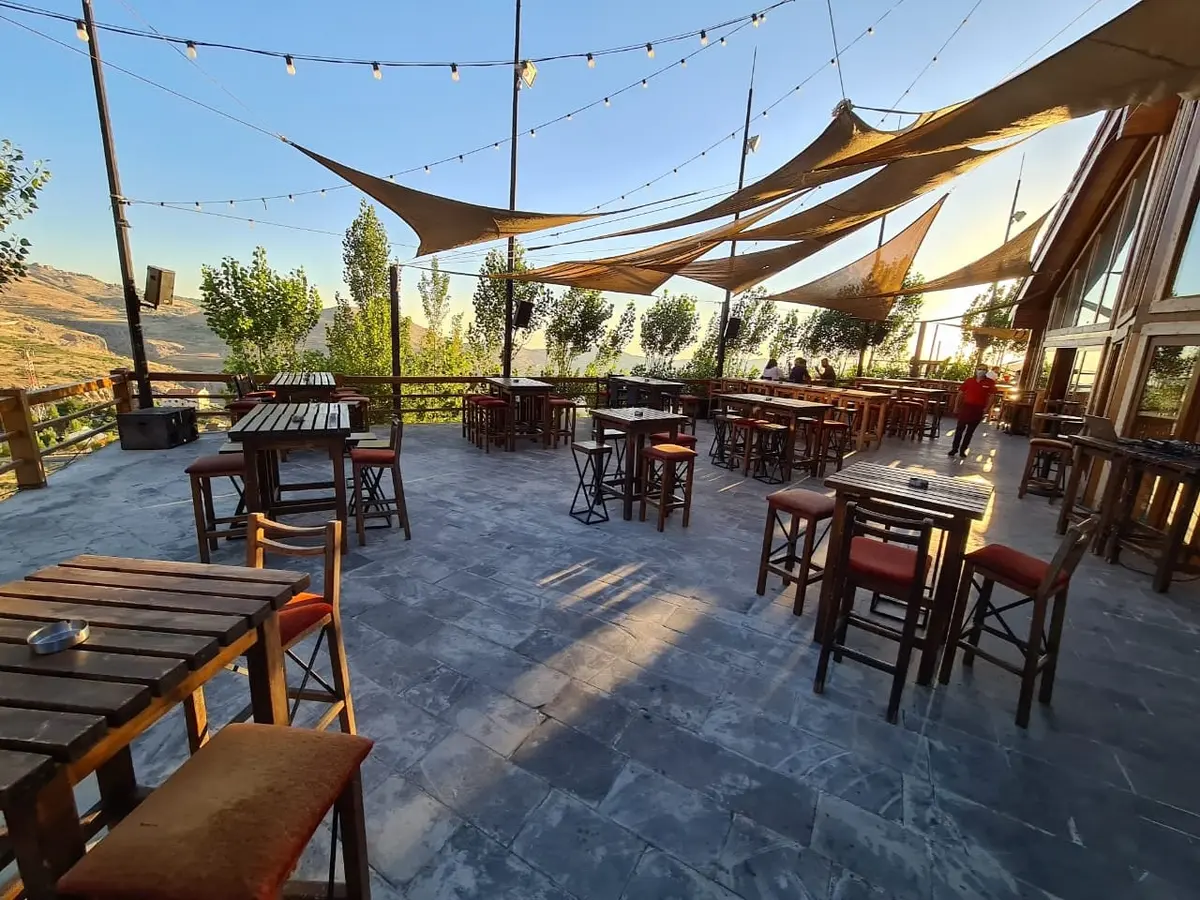
Lebanese après-ski skips the quiet hut-with-mulled-wine routine and goes straight to high-energy social dining with house music, table-dancing, and shisha. Two venues anchor the scene, and both deliver something you will not find in Aspen or Chamonix.
Rikky’z
A massive wooden structure in Faraya that has been the legendary après-ski institution for two decades. Sunday afternoon buffets routinely turn into table-dancing parties by 4 p.m. Loud, hedonistic, distinctly Lebanese.
- Location: Faraya
- Cost: $50 to $100/person with drinks
- Best for: Groups who want a full-volume Sunday
- Time needed: 3 to 5 hours
Odin Mzaar
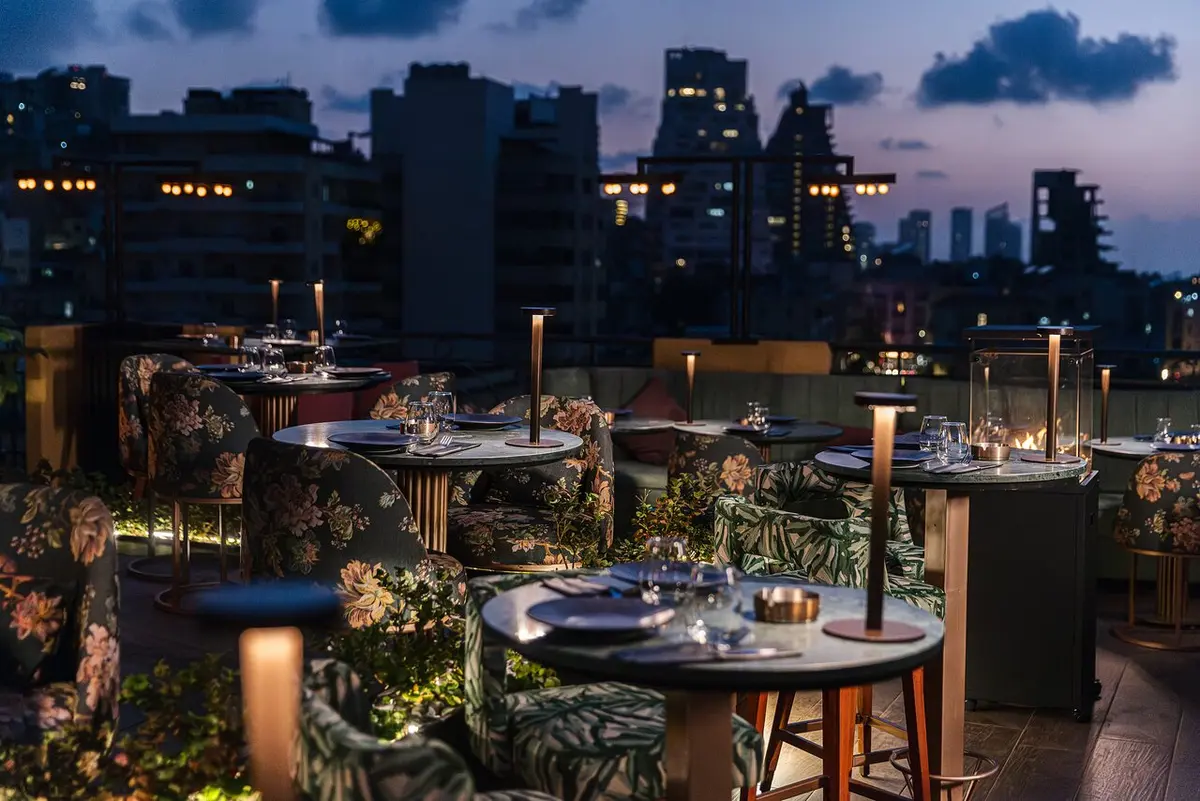
The modern, sit-down challenger. Sunset house music, well-made cocktails, less chaotic than Rikky’z, and the better choice if you want to hold an actual conversation.
- Location: Jonction base area
- Cost: $40 to $80/person with drinks
- Best for: Couples and small groups
- Time needed: 2 to 4 hours
Where to actually eat
Refuge Terrace is the best on-mountain lunch — burgers and grilled meats on a sunny deck. Montagnou in Ouyoune El Simane serves a French Alpine-leaning menu in a wood-beamed chalet. For fast and cheap, the access road is dotted with Saj stands selling fresh Manousheh — the Lebanese street food staple of flatbread with za’atar and olive oil — for $2 to $4. That is the breakfast Lebanese skiers actually eat.
Are the Faqra Roman ruins worth visiting?
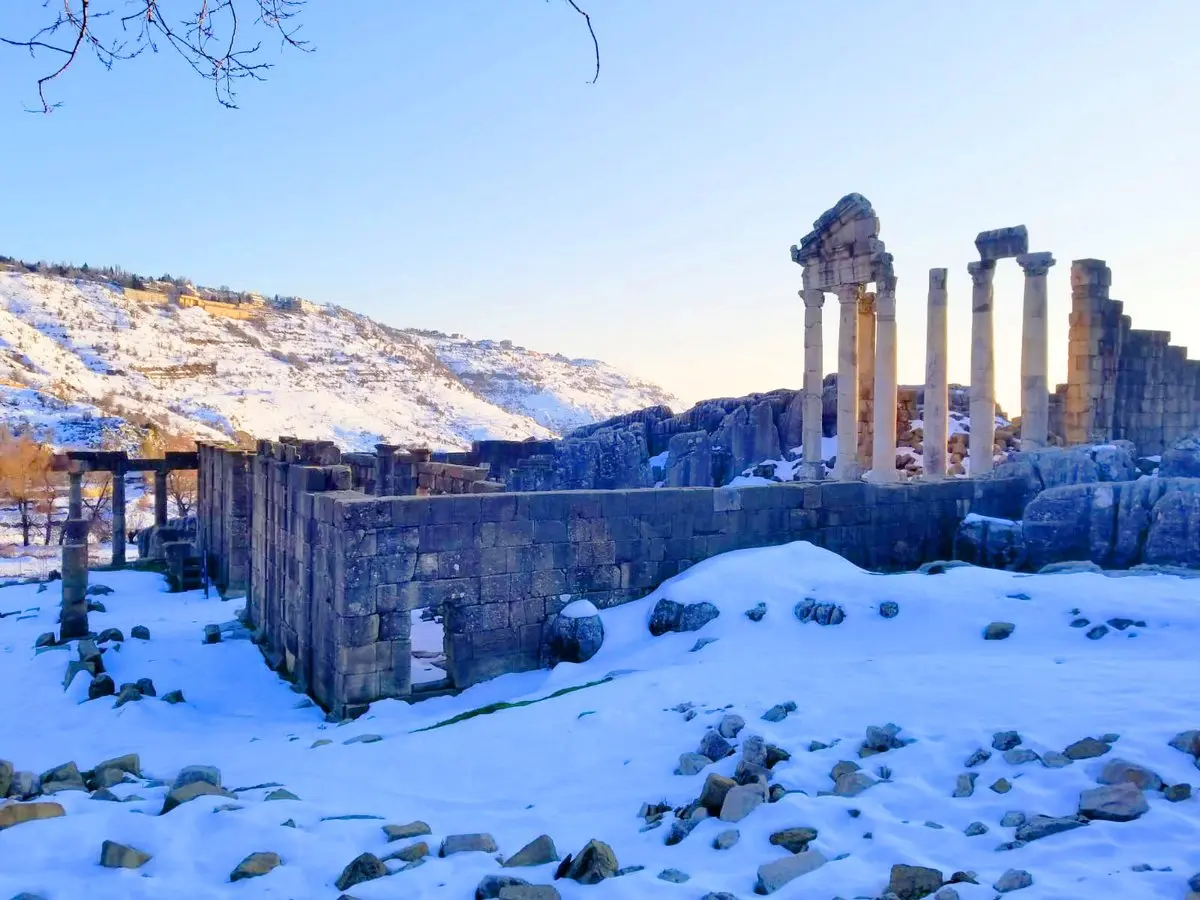
Yes — the Faqra archaeological site is the single best cultural add-on to a Mzaar ski trip and one of the most accessible archaeological sites in Lebanon during winter. It sits at 5,085 feet (1,550 m) just minutes from the resort, with the Temple of Claudius and a larger temple to the Phoenician god Baal sprawling across an open mountainside.
The winter visit is the unique one. Honey-colored Roman columns rising out of fresh snow against the Lebanon range is a photograph that does not exist anywhere else. Plan for 60 to 90 minutes on site. Wear waterproof boots — the path is not maintained in winter.
- Location: Faqra, ~10 minutes drive from Mzaar Jonction base
- Cost: Free entry
- Best for: Anyone with a half-day off the slopes
- Time needed: 60 to 90 minutes
How does cash actually work in Lebanon?
Lebanon’s currency situation has effectively dollarized since 2023, and the tourism sector runs almost entirely on “fresh dollars” — physical USD cash brought in from abroad. Credit cards work at major international hotels and a handful of upscale restaurants, but lift tickets, food, transport, and rentals are cash-only. Plan to land with enough USD for the entire trip.
There is one critical detail that catches first-time visitors to Lebanon: Lebanese vendors routinely reject USD bills that are torn, marked, faded, or pre-2013. Travel with crisp, new “blue strip” $100 bills only. Older bills get refused at the cashier, including by chains.
ATMs in Beirut dispense both USD and LBP, but withdrawal limits sit around $500 to $1,000 per day depending on the bank, and rural ATMs near Mzaar are unreliable. Get cash in Beirut before you head up the mountain.
Daily budget estimates
- Budget traveler: ~$140/day — shared chalet, weekday lift ticket, highway-shop rental, Saj and quick lunches
- Mid-range traveler: ~$335/day — mid-tier hotel, weekend lift ticket, brand-name rental, sit-down dinners
- Luxury traveler: $717+/day — InterContinental, full-domain ticket, premium rental, private transfer
The bottom line
Mzaar Kfardebian is not Aspen and it is not Niseko. The snow is heavier, the lift system is older, the queues are looser, and the operational reliability depends on diesel prices. What it offers in return is unrepeatable: 600 meters of vertical 45 minutes from a Mediterranean capital, Roman temples in the snow, and a Sunday afternoon at Rikky’z that you will describe to friends for years.
Ski it on a Tuesday, rent your gear in Feitroun, carry crisp cash, and skip Baby Jonction. The rest sorts itself out.
TL;DR: Mzaar is Lebanon’s only serious ski resort — 20 lifts, 25 miles (40 km) of piste, $50 weekday lift tickets, heavy maritime snow that skis best between 10 a.m. and 1 p.m. Go mid-week, rent off-mountain, bring fresh USD, and combine it with the Faqra Roman ruins for a half-day cultural break.
What is the first thing you would book — the InterContinental for ski-in/ski-out, or a Faqra chalet to be near the ruins?