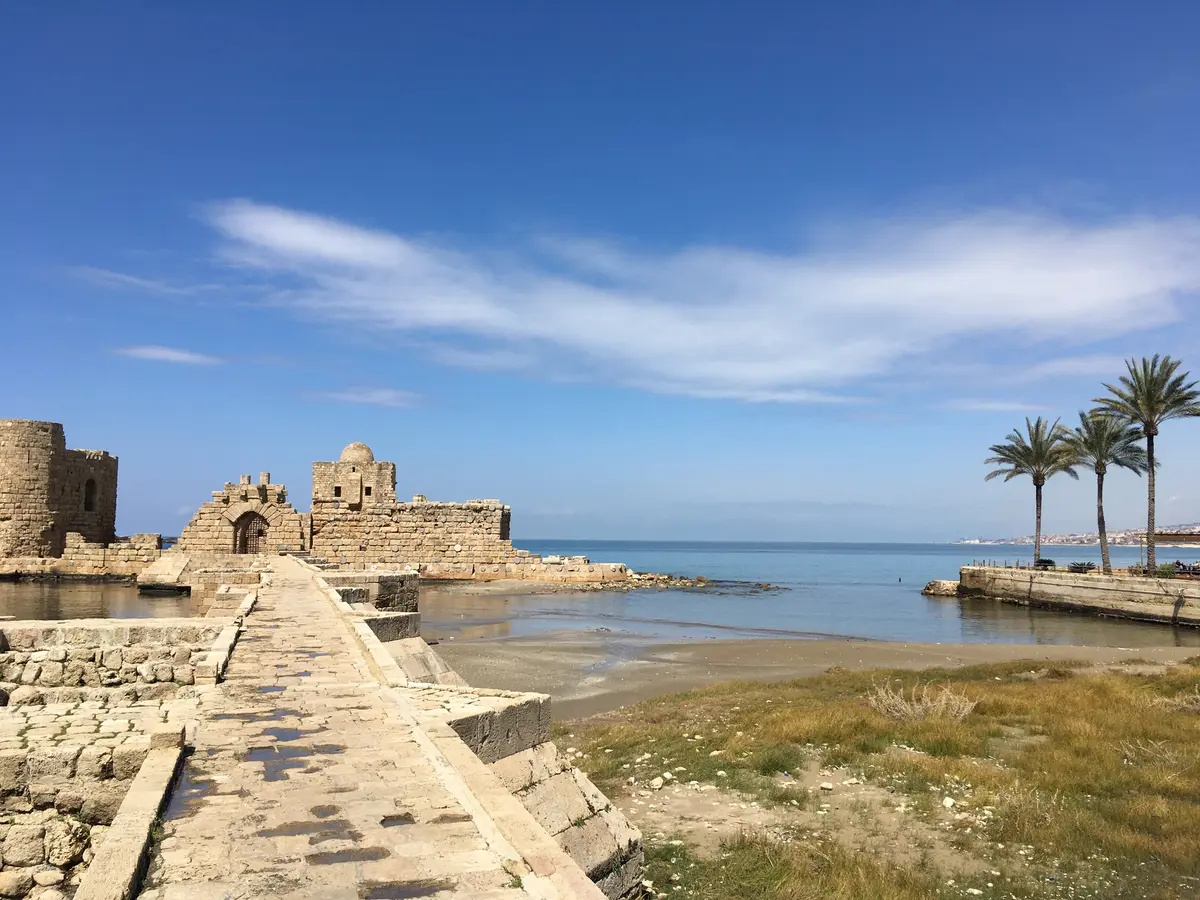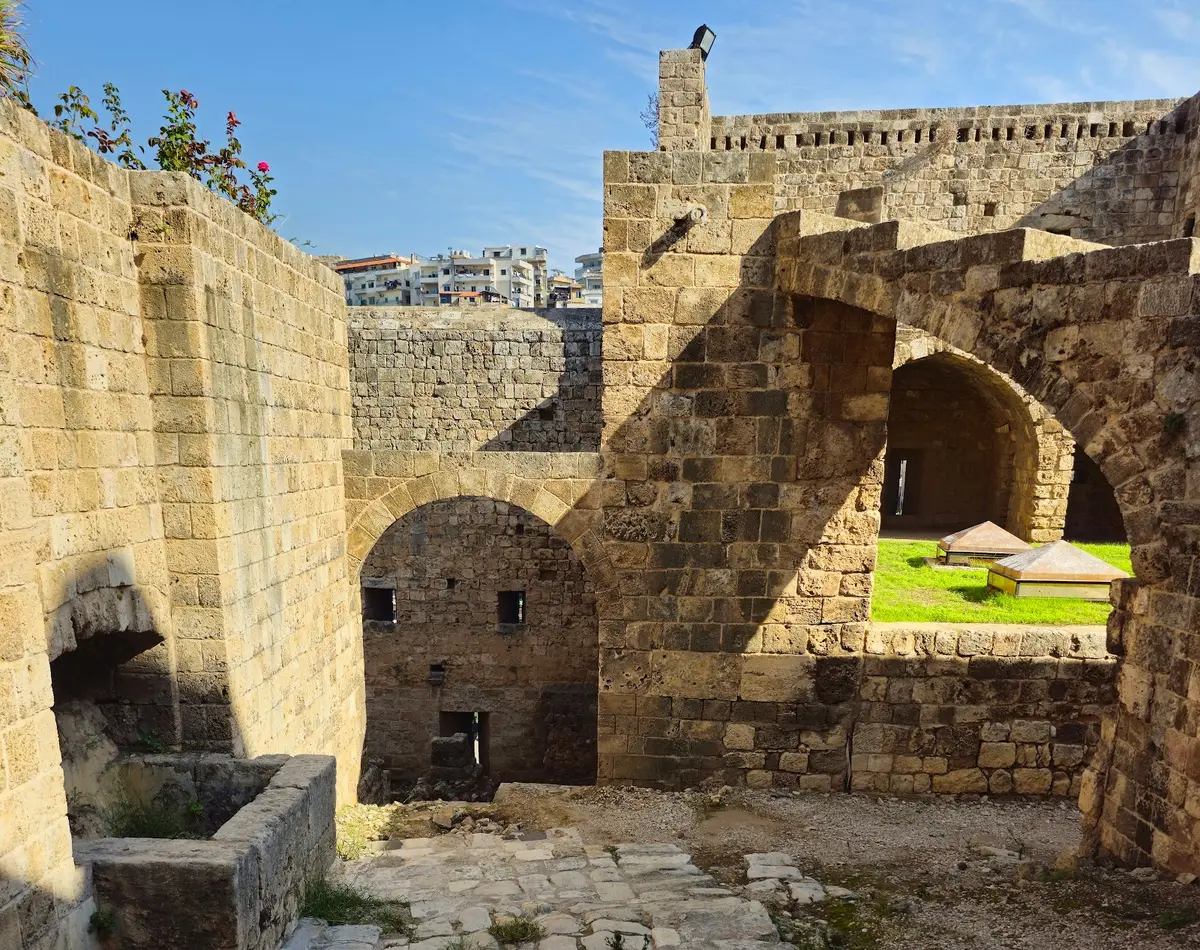
Hiking the Lebanon Mountain Trail is not a wilderness escape. It is a 292-mile (470 km) walk through 76 villages, four religions, and one of the most politically volatile corners of the Middle East. This guide covers what works, what to skip, and why the US State Department advisory matters more than most blogs admit.
What is the Lebanon Mountain Trail?
The Lebanon Mountain Trail (LMT) is a 292-mile (470 km) waymarked footpath running north to south along Lebanon’s central mountains, from Andqet near the Syrian border to Marjaayoun near the Israeli border. It crosses 76 towns and villages at elevations between 1,870 and 6,801 feet (570–2,073 m), connecting hikers to family-run guesthouses rather than wilderness campsites.
The full network — main trail plus side trails — totals about 373 miles (600 km), divided into 27 day-sized sections. The trail is managed by the Lebanon Mountain Trail Association (LMTA), a non-profit founded with USAID seed funding in the mid-2000s and now sustained partly by German government grants for trail maintenance.
The blaze is purple and white. The KMZ file is updated monthly. You ask for it by emailing [email protected] — the LMTA also wants your dates if you’re hiking solo, which is a safety practice no major US trail enforces.
How is hiking the Lebanon Mountain Trail different from the PCT or Appalachian Trail?
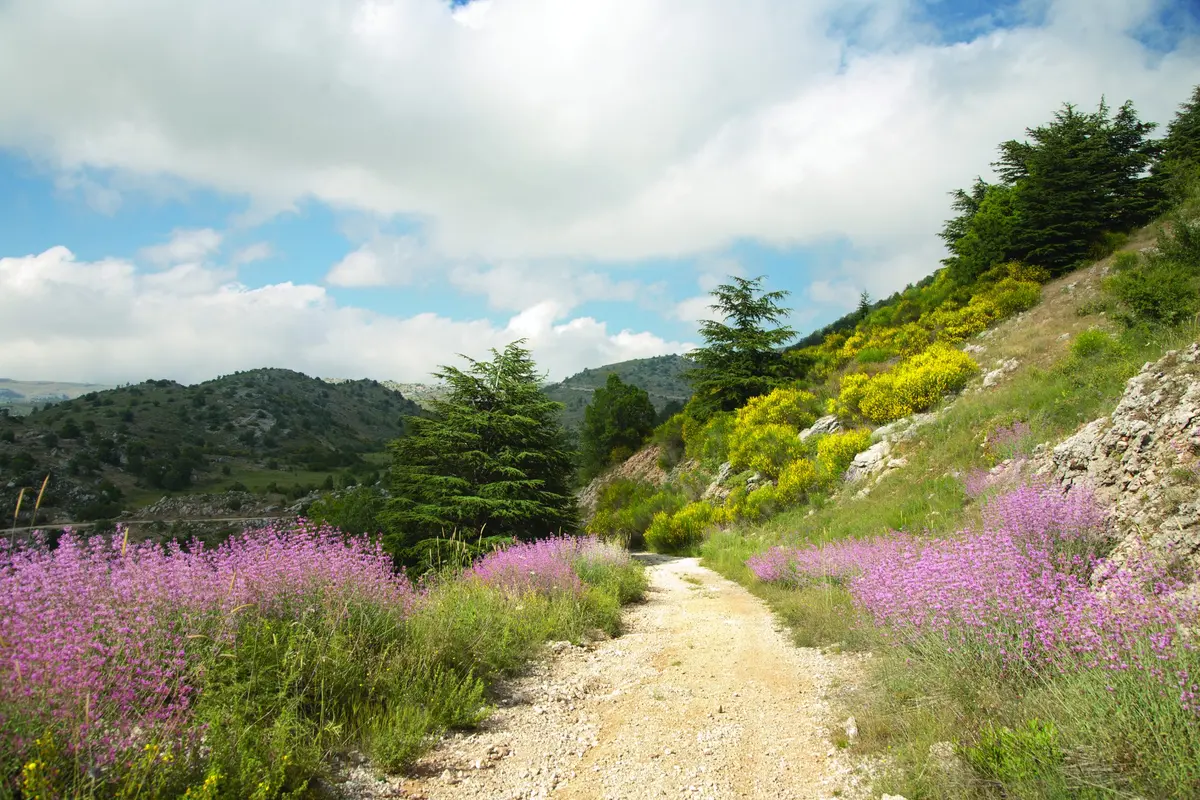
The LMT is a village-to-village hike, not a wilderness thru-hike. You sleep in family homes (called Diyafas), not tents. You walk past olive groves, monasteries, and shepherd huts — not through 100-mile stretches of empty backcountry. The hardest part is rarely the climb. It is figuring out the logistics with no English website to book from.
The Appalachian Trail sells you on solitude. The LMT sells you on conversation. On a five-day stretch through Qadisha, you might meet two other foreign hikers and forty Lebanese villagers who insist you stay for coffee. Some travelers love this. Some find it exhausting after day three. Know which one you are before you commit to a month.
The terrain reality
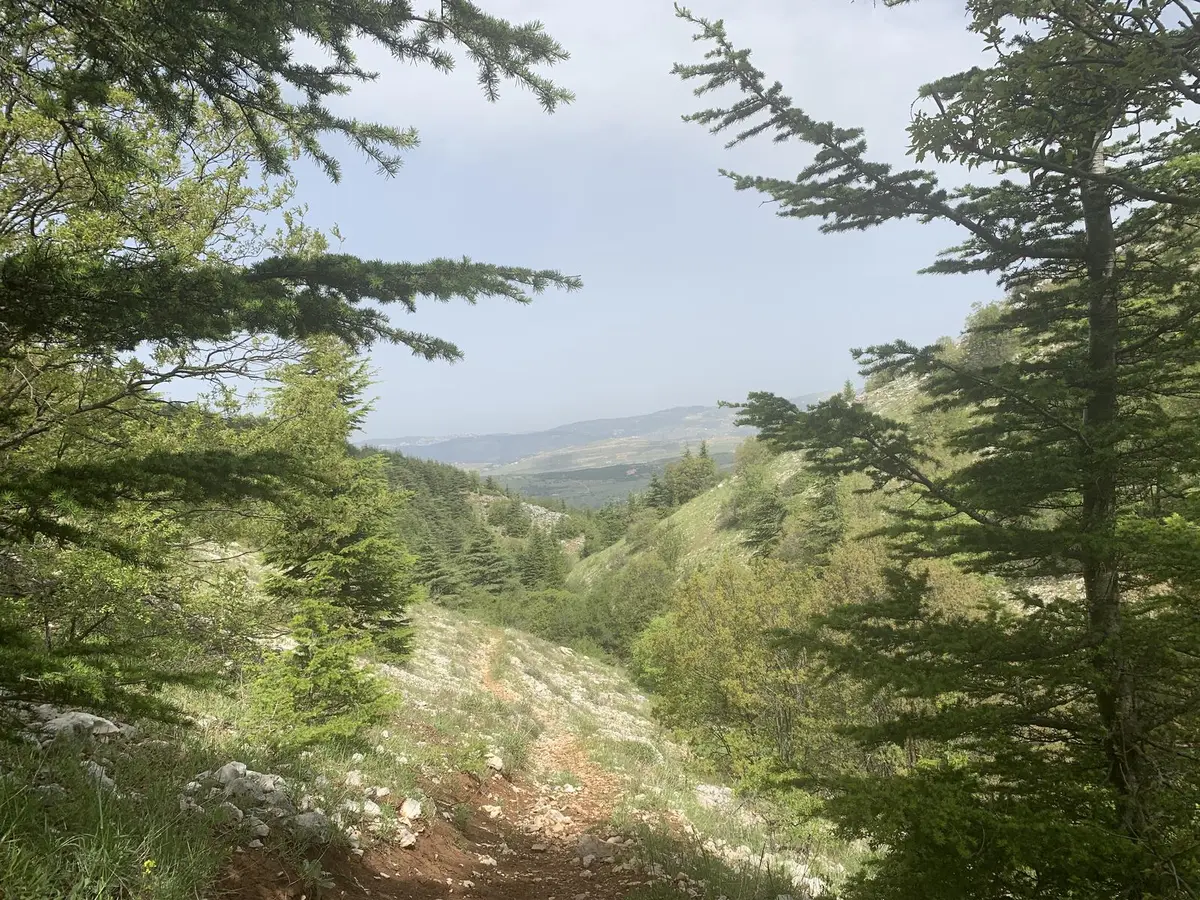
The mountains are limestone karst — sharp, loose, and brutal on cheap boots. You will oscillate constantly between humid pine forest at 1,870 feet (570 m) and exposed alpine plateau at 6,800 feet (2,073 m), sometimes inside the same day. About 44% of the route is genuine single-track or goat trail. The rest is dirt road and short paved stretches through villages.
Pro Tip: Google Maps walking times are useless here. Karst slows you down by 30–50%. Plan a day at 1.5 mph (2.4 km/h) average, not the standard 2.5 mph (4 km/h) you’d use on a US trail.
The hospitality reality
Diyafa stays usually run $30–50 per person per night with dinner and breakfast included. The food is the point — homemade mezze, fresh-baked manoushe, and whatever the family preserved last summer. You eat what you’re given. Vegetarians do well. Vegans struggle (yogurt and labneh are everywhere).
Is hiking the Lebanon Mountain Trail safe right now?
No — not by US government standards. The State Department lists Lebanon as Level 4: Do Not Travel due to crime, terrorism, civil unrest, kidnapping, unexploded landmines, and the risk of armed conflict. On February 23, 2026, the Department ordered the departure of non-emergency US personnel and their families from Beirut. Anyone hiking the Lebanon Mountain Trail is doing so against official US advice.
That said, the risk is geographically uneven. The State Department’s harshest “depart if you are there” language applies to:
- All of southern Lebanon, defined as everything south of Saida — this includes the final LMT sections through Rashaya and Marjaayoun.
- The entire Lebanon-Syria border region — this affects access to Akkar in the far north.
- Refugee settlements, which the trail does not cross but some access roads pass near.
The central mountain corridor — roughly LMT sections 5 through 22, from Bcharre south through the Shouf — has been the most stable zone for hikers and is what most LMTA-led groups still walk. “Stable” in this context means no active military operations, not “safe like Colorado.” Power outages, currency collapse, and sudden road closures are baseline conditions.
Two practical risks the advisory doesn’t emphasize but every LMT hiker should know:
- Unexploded ordnance contaminates roughly 2.6% of Lebanese territory per the UN Mine Action Service, concentrated in the south and east. Never step off the marked path. Ever.
- Travel insurance from US providers will not cover medical evacuation from a Level 4 country under standard policies. You need a specialty travel insurance rider for wartime/high-risk zones, which runs roughly $15–30 per day on top of a standard policy.
Pro Tip: If your passport contains an Israeli visa or entry stamp, you will be denied entry to Lebanon and may be detained. This is enforced. Use a second US passport if you’ve recently traveled to Israel.
How long does it take to hike the full Lebanon Mountain Trail?
The full thru-hike takes 26–30 days at a moderate pace. The LMTA’s annual “Thru-Walk” event in April covers the entire 292 miles (470 km) in roughly 30 days, with groups starting from both ends and meeting in the middle. A shorter LMTA group hike runs about 10 days in October.
Most independent hikers do not attempt the full trail. The realistic options:
- A 4–7 day stretch through Qadisha Valley and the Cedars (sections 5–8) — the highlight reel.
- A 7–10 day Shouf Biosphere walk (sections 17–20) — best-maintained, easiest logistics.
- The full Thru-Walk in April — the only practical way to do all 27 sections without spending a month solving guesthouse logistics yourself.
Which sections of the Lebanon Mountain Trail are worth hiking?
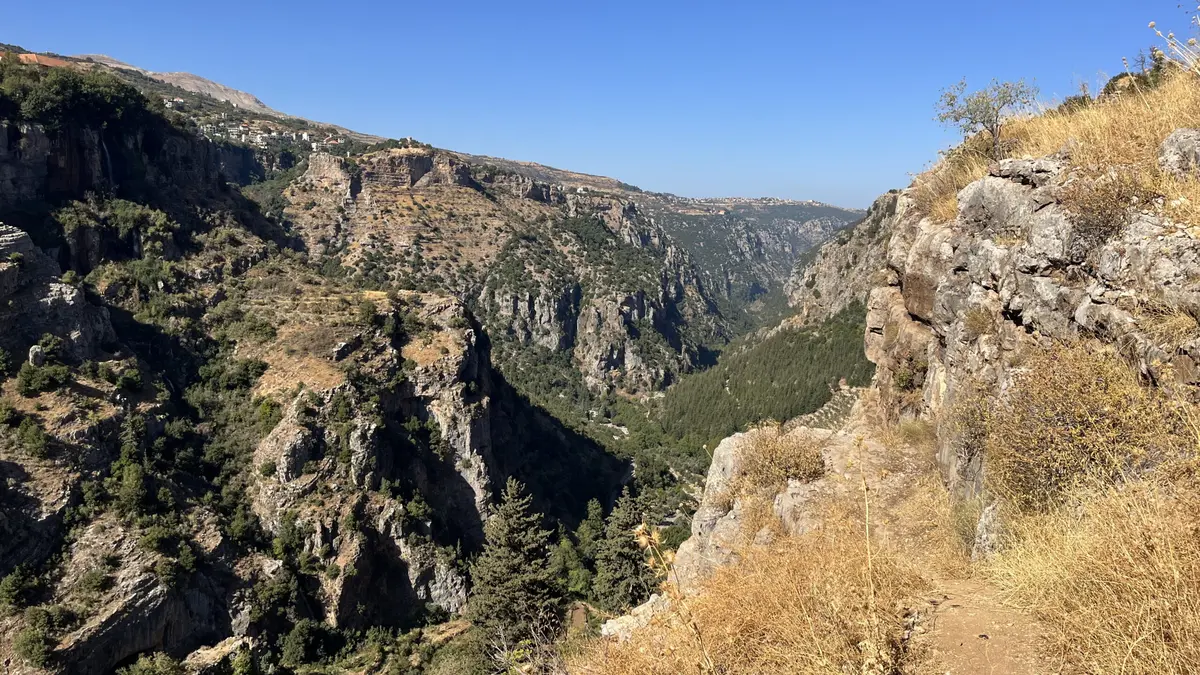
If you have a week, hike Qadisha Valley to the Cedars of God (sections 5–8). If you have ten days, add the Shouf Biosphere (sections 17–20). Skip the far north Akkar sections unless you’re doing the full Thru-Walk, and skip everything south of Jezzine entirely given current border instability.
Qadisha Valley and the Cedars of God (Sections 5–8)
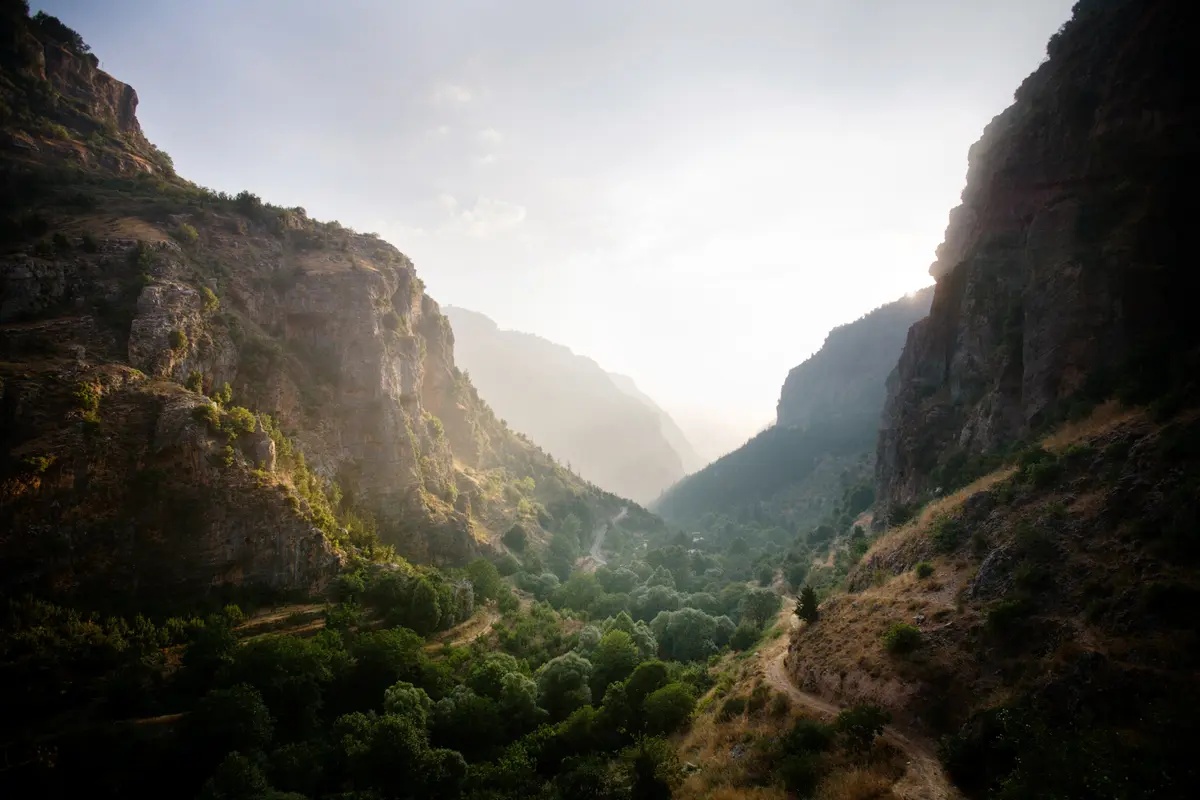
The single most rewarding stretch on the trail. Section 7 drops from Bcharre into the UNESCO-listed Qadisha Valley on steep switchbacks, then follows the Qadisha river past stone monasteries hewn into cliff faces — Deir Mar Elisha, Deir Mar Antonios Qozhaya, Deir Saydet Hawqa. Most are still active; some sell water and snacks to passing hikers.
The climb back up to the Cedars of God grove above Bcharre is the gut-punch of the section — about 2,300 feet (700 m) of ascent in roughly 4 miles (6.5 km), exposed and hot from late morning onward. The grove itself is small, fenced, and managed by a non-profit. Some of the trees are 1,000–3,000 years old.
- Location: Bcharre district, North Governorate
- Cost: Diyafa stays $30–50/night; Cedars of God entry typically free, donations encouraged
- Best for: Hikers who want one defining LMT experience
- Time needed: 4–7 days for sections 5–8 with rest day
Pro Tip: Start in Bcharre and hike south rather than north. The Bcharre-to-Qadisha descent is brutal on knees but easier than climbing it. Najaz at Karaz Guesthouse arranges car shuttles between trailheads — message via WhatsApp; he answers within hours.
Shouf Biosphere Reserve (Sections 17–20)
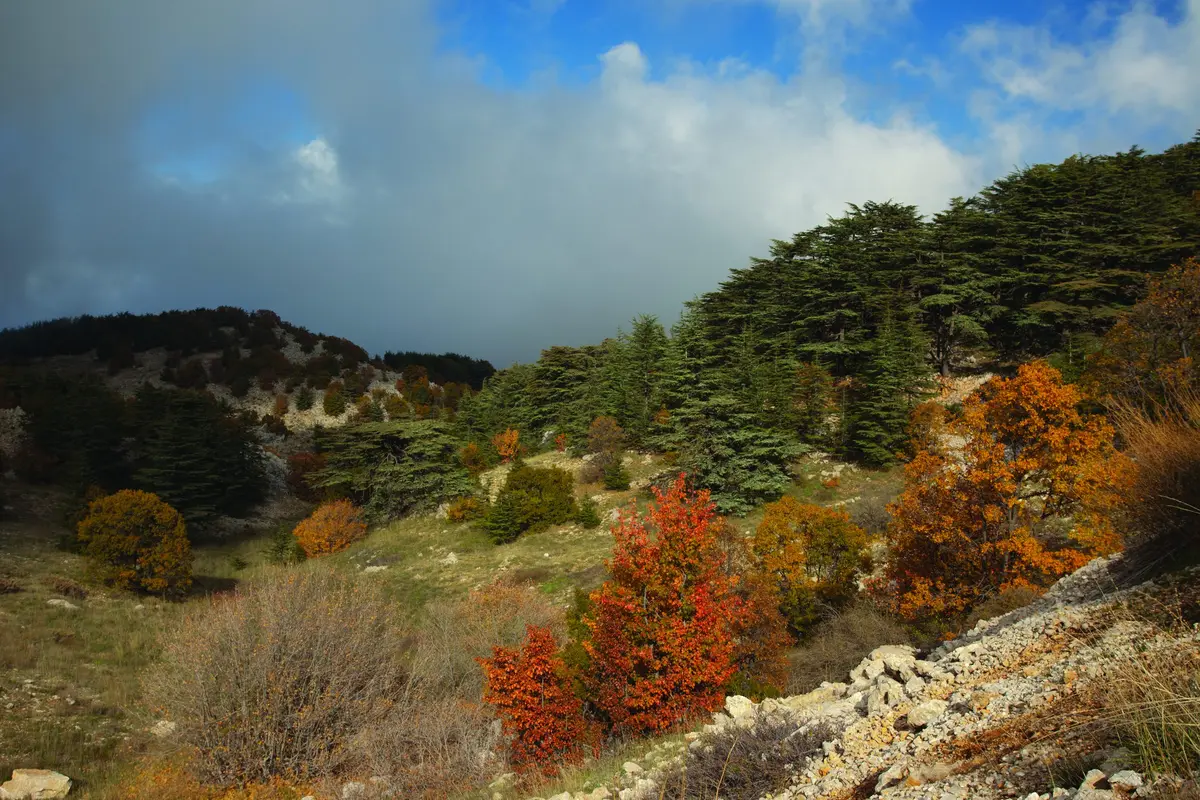
The Shouf is Lebanon’s largest nature reserve and the most professionally managed cedar forest on the trail. The path connects three protected groves — Ain Zhalta, Barouk cedar forest hiking trails, and Maasser el Shouf — across high limestone ridges with views east toward the Bekaa Valley and west to the Mediterranean on clear days.
This is also the most reliably hikeable stretch. Trail markers are maintained, the reserve has its own ranger system, and Druze villages along the route (Maasser el Shouf, Barouk town) have a longer history of welcoming foreign visitors than the more remote north.
- Location: Mount Lebanon Governorate, roughly 1 hour southeast of Beirut by car
- Cost: Reserve entry around $5–7; Diyafa stays $30–50/night
- Best for: First-time LMT hikers, hikers short on time
- Time needed: 5–7 days for sections 17–20
Tannourine and Baatara Gorge (Sections 9–10)
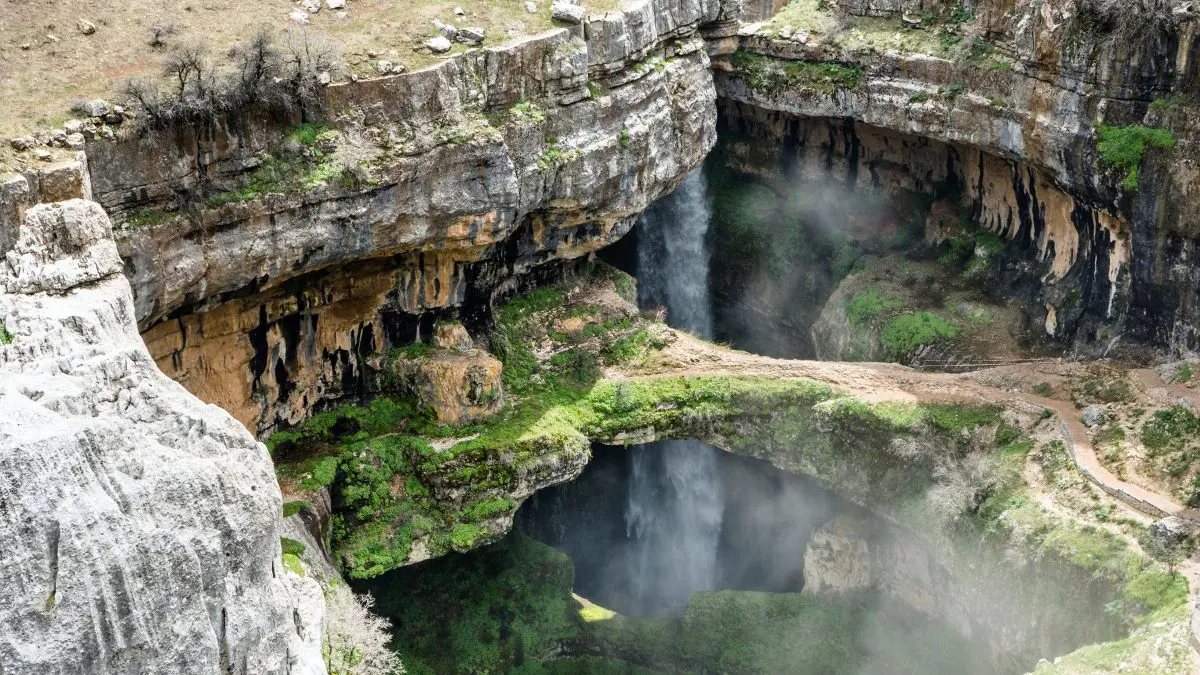
A geological detour worth the side trip. The Baatara Gorge sinkhole is a 837-foot (255 m) vertical shaft in the limestone with three natural rock bridges stacked across it — a waterfall pours over the top in spring snowmelt. The hike from Tannourine cedars down to the gorge is short and exposed.
- Location: Tannourine, North Governorate
- Cost: Gorge area free to access; nearest Diyafa $35–45/night
- Best for: Geology nerds, photographers
- Time needed: 1–2 days as a Qadisha add-on
Sections to skip right now
Sections 23–27 (Rashaya through Marjaayoun) sit in the State Department’s “depart if you are there” zone south of Saida. Cessation of hostilities or not, military activity has continued in the south since November 2024. The scenery does not justify the risk.
Sections 1–3 (Akkar) are also harder to recommend independently. The Akkar region butts against the Syria border, has the heaviest UXO contamination, and the Wadi Jahannam descent — translation: “Valley of Hell” — is a navigational mess on overgrown trail. Leave it for the LMTA Thru-Walk where you have group support.
What does Lebanese trail food actually taste like?
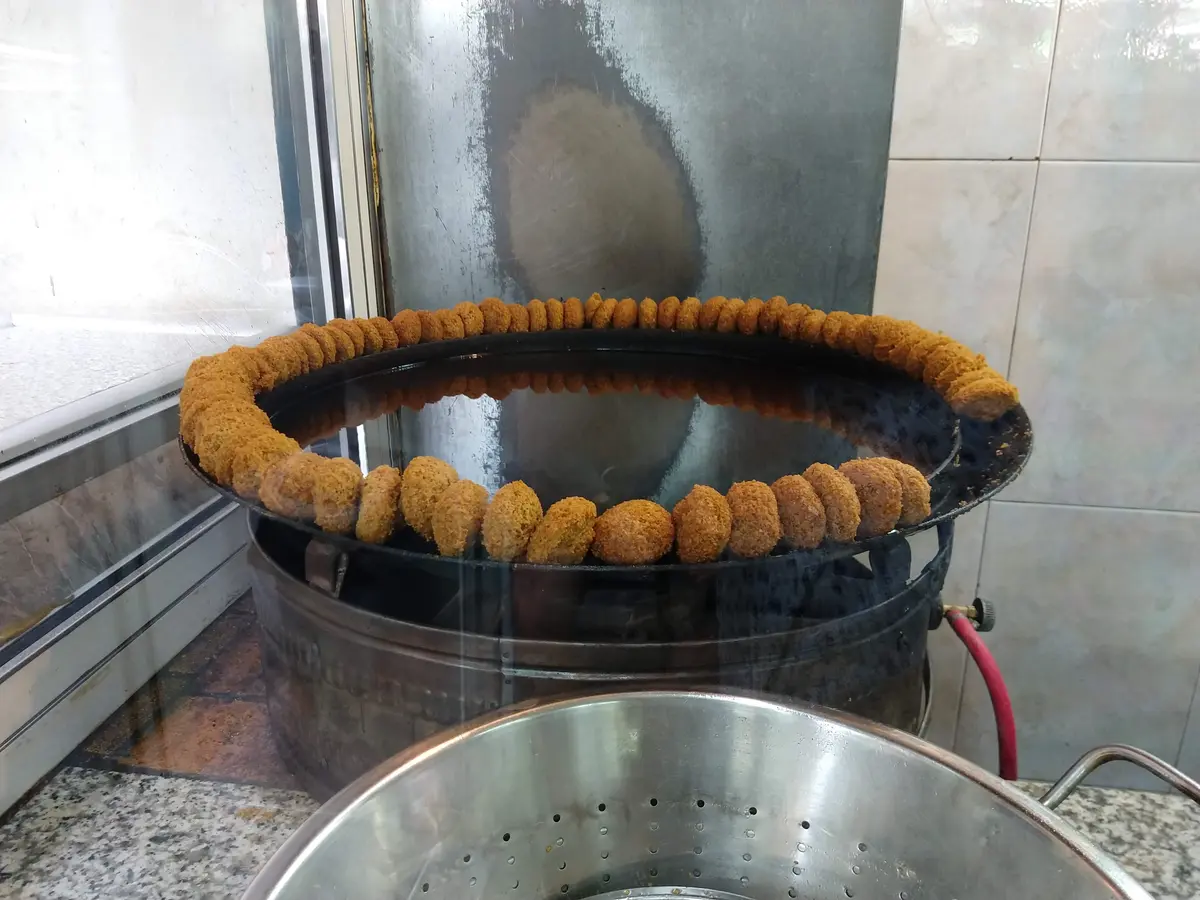
LMT food comes from “mouneh” — the rural Lebanese pantry of preserved ingredients put up each summer to last the winter. Expect kishk porridge for breakfast, mezze spreads at dinner, and fresh manoushe flatbread baked on a saj griddle in front of you. Meals are included in nearly every Diyafa stay and are the single best part of the trip.
A few staples worth knowing the names of:
- Kishk: Fermented yogurt and bulgur wheat dried into a powder, then cooked into a savory porridge with onions and oil. Sounds odd, tastes like the best risotto you’ve had. Standard winter breakfast.
- Manoushe: Flatbread topped with za’atar (a thyme, sesame, and sumac blend) and olive oil. Eaten folded, hot, by hand. Costs about $1–2 in a village bakery.
- Shish barak: Small meat dumplings simmered in warm yogurt sauce with garlic and mint. Comfort food after a hard day.
- Arak: Anise-flavored grape spirit, drunk cut with water and ice (the water turns it cloudy white). Served small after dinner. Not optional.
Pro Tip: Bring cash in small US dollar bills. Lebanon is dollarized in practice — guesthouses, taxis, and village shops all prefer USD. Lebanese pounds are still legal tender but the exchange rate is a moving target. Carry a mix of $1, $5, $10, and $20 bills. ATMs are unreliable and many are empty.

How do you book guesthouses on the Lebanon Mountain Trail?
You don’t book online for most of them. The Diyafa guesthouse network runs on phone calls and WhatsApp messages, often in Arabic or French. The LMTA maintains a list of trail-vetted guesthouses and will send it on request, but you do the outreach yourself — or you join an organized hike and let someone else handle it.
Three realistic paths:
- The LMTA Thru-Walk (April) or Fall Hike (October). Registration via lebanontrail.org. The association handles every booking, transfer, and meal. Best option for first-timers and the only practical way to walk the full trail.
- Specialist tour operators. A handful of Beirut-based outfitters (Vamos Todos, Wild Discovery, 33 North) run guided 3–10 day LMT trips with all logistics included. Expect $100–180 per day all-in.
- Independent with WhatsApp. Email LMTA for the guesthouse list, then message each one in advance. Plan on a week of back-and-forth. About 30% of guesthouses respond same-day; some take three messages.
What gear do you actually need for the LMT?
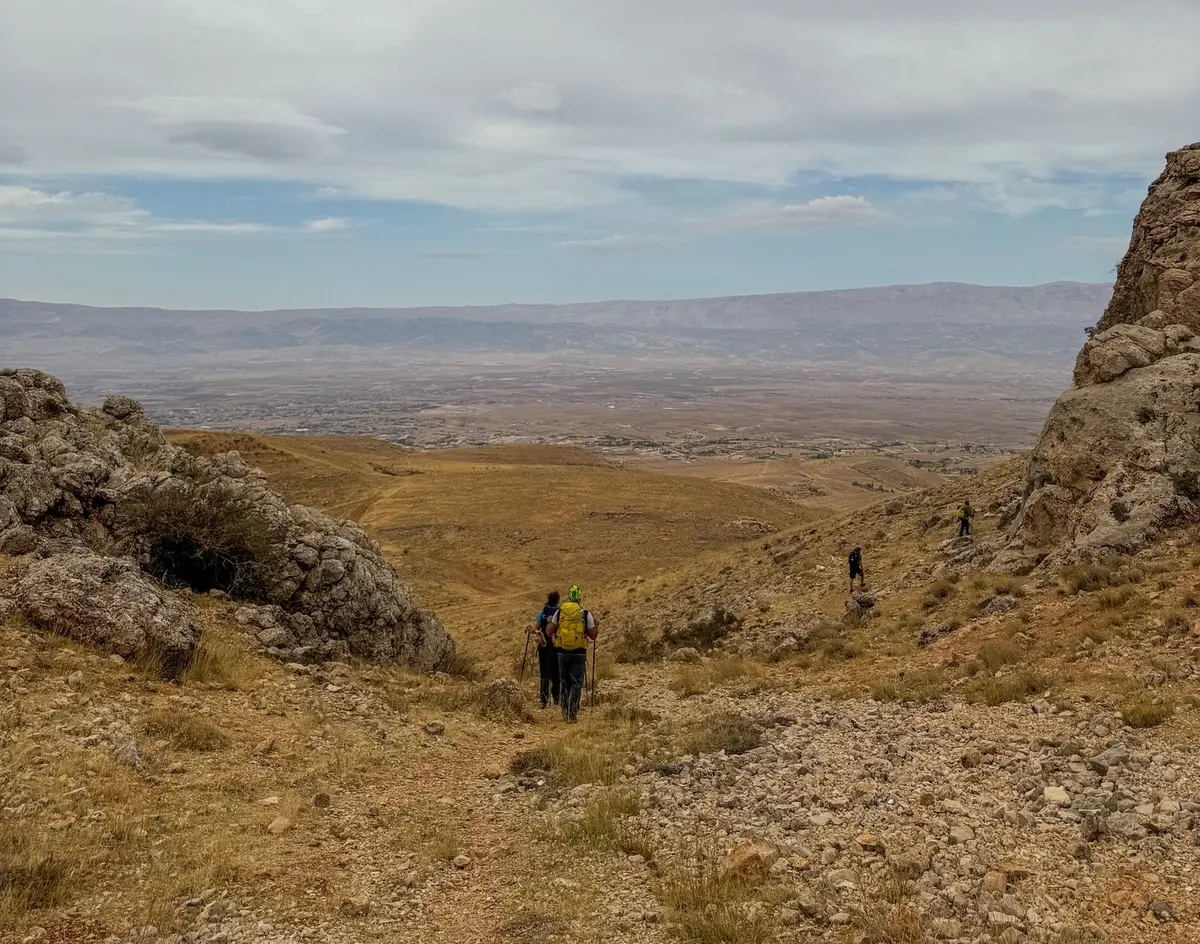
You need stiff-soled hiking boots, real sun protection, a water filter, and a power bank. The rest is standard hiking kit. You do not need a tent or sleeping bag — you’ll be in beds. You do not need cold-weather gear unless you’re hiking November to March, when the high sections get snow.
The non-negotiables:
- Boots, not trail runners. Lebanese limestone karst is sharp and loose. Soft-soled trail runners shred in 200 miles. Bring boots with at least a half-shank.
- Wide-brimmed hat, SPF 50+, and lip balm with SPF. High-altitude Mediterranean sun is brutal from May to September. Baseball caps are not enough.
- Sawyer Squeeze or equivalent water filter. Spring water is widely available but not always treated. A filter beats hauling six bottles.
- 20,000 mAh power bank, minimum. Lebanon’s grid runs about 2–4 hours of state electricity per day per Reuters reporting; private generators fill in but village outages still hit. Charge whenever you can.
- Local SIM with data. Touch and Alfa are the two carriers. Tourist SIMs run about $25–40 for 30 days with 10–20 GB. Buy at Beirut airport on arrival.
- Cash in USD. Already covered above. Bring more than you think.
Pro Tip: Female hikers — bring loose long pants and at least one long-sleeved layer for village stays and any monastery visits. The trail itself is fine for shorts. Walking into a Maronite or Druze village in shorts is not a safety issue, it is a respect issue, and it changes how you’ll be received over dinner.
Is the Lebanon Mountain Trail right for you?
Probably not, if you want a wilderness reset. Definitely yes, if you want to walk through 5,000 years of layered history while eating somebody’s grandmother’s mezze every night — and you’ve made peace with the political risk.
The LMT is a slower, stranger, more human experience than any US thru-hike. It also requires more from you upfront: insurance you have to argue for, logistics you have to chase down, and a US government advisory you are choosing to override. Go in with eyes open and you get something genuinely rare. Go in expecting a Mediterranean version of the John Muir Trail and you’ll be miserable by day four.
The bottom line
TL;DR: The Lebanon Mountain Trail is a 292-mile (470 km) village-to-village walk through northern and central Lebanon, best experienced as a 4–10 day section hike through Qadisha Valley or the Shouf Biosphere with LMTA-vetted guesthouses. The US State Department lists Lebanon as Level 4: Do Not Travel as of February 2026 — anyone going is doing so against official advice and needs specialty travel insurance, cash in USD, and a clear plan to avoid the southern border zone.
Have you hiked any section of the LMT, or are you weighing a trip against the current advisory? Drop your dates and which sections you’re considering in the comments — happy to share specific guesthouse contacts if I know the area.