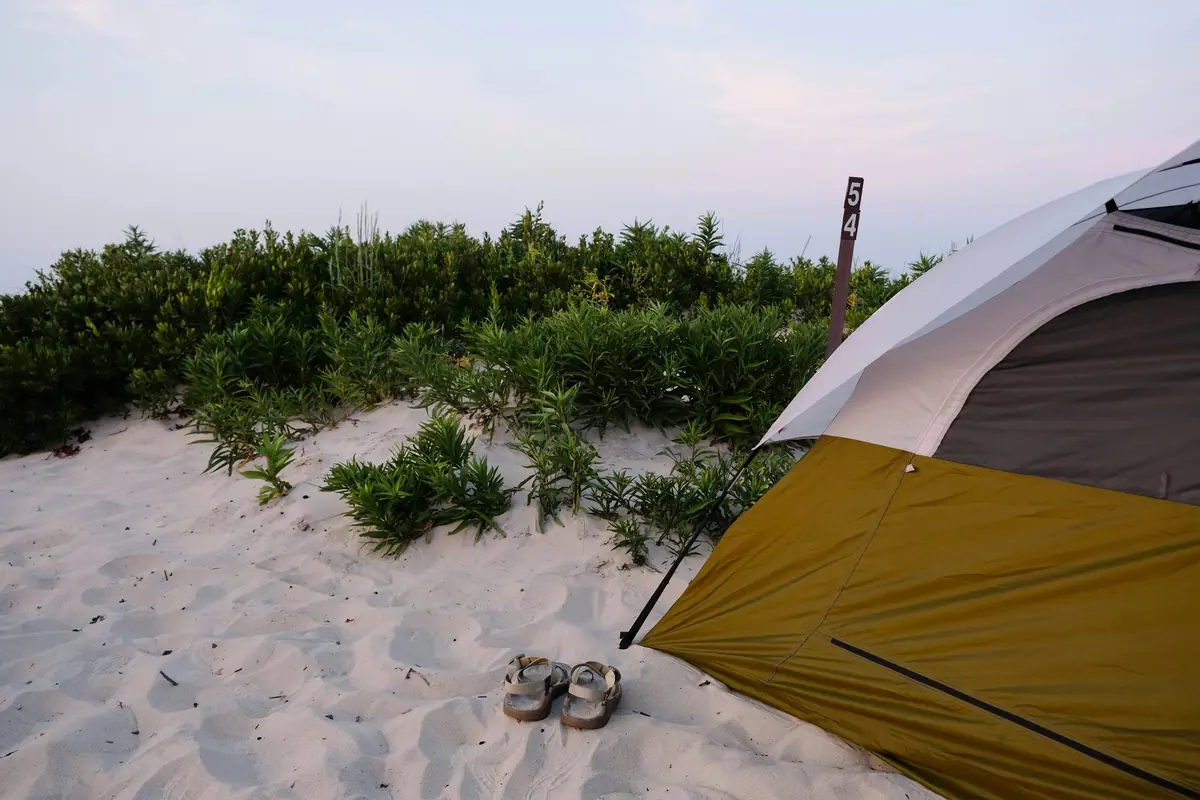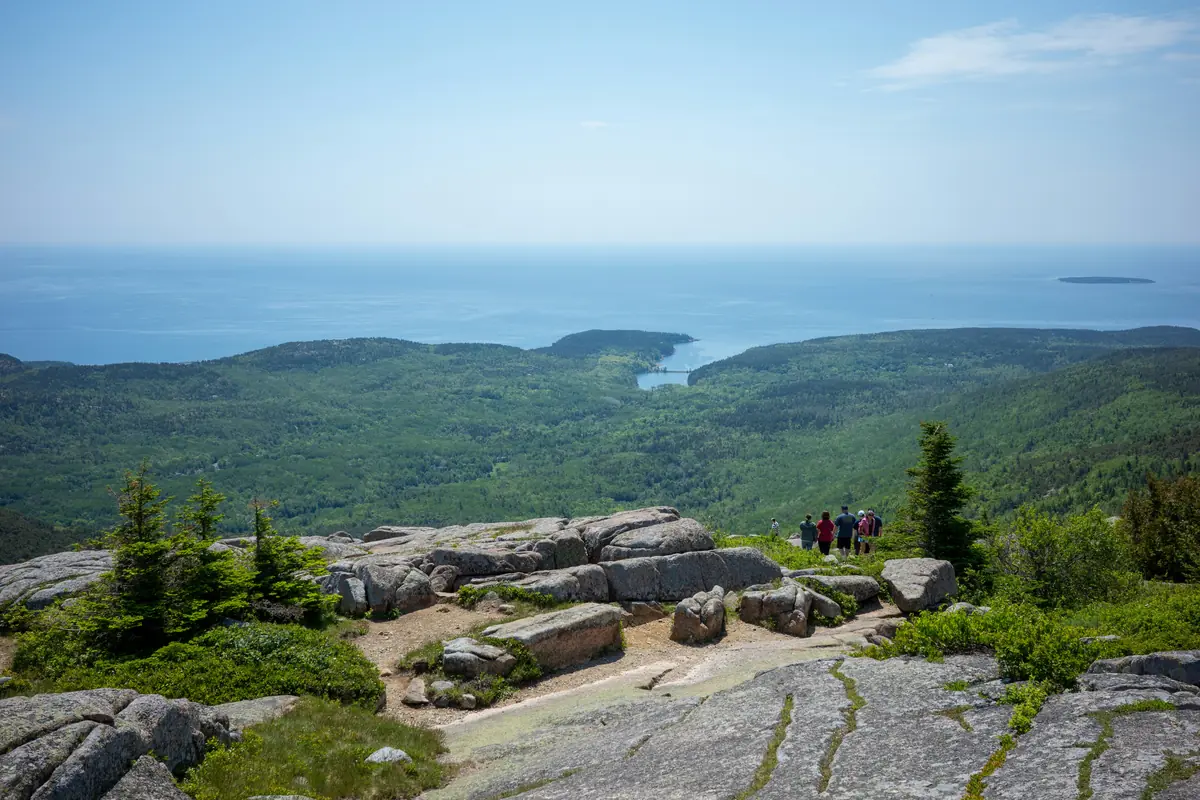
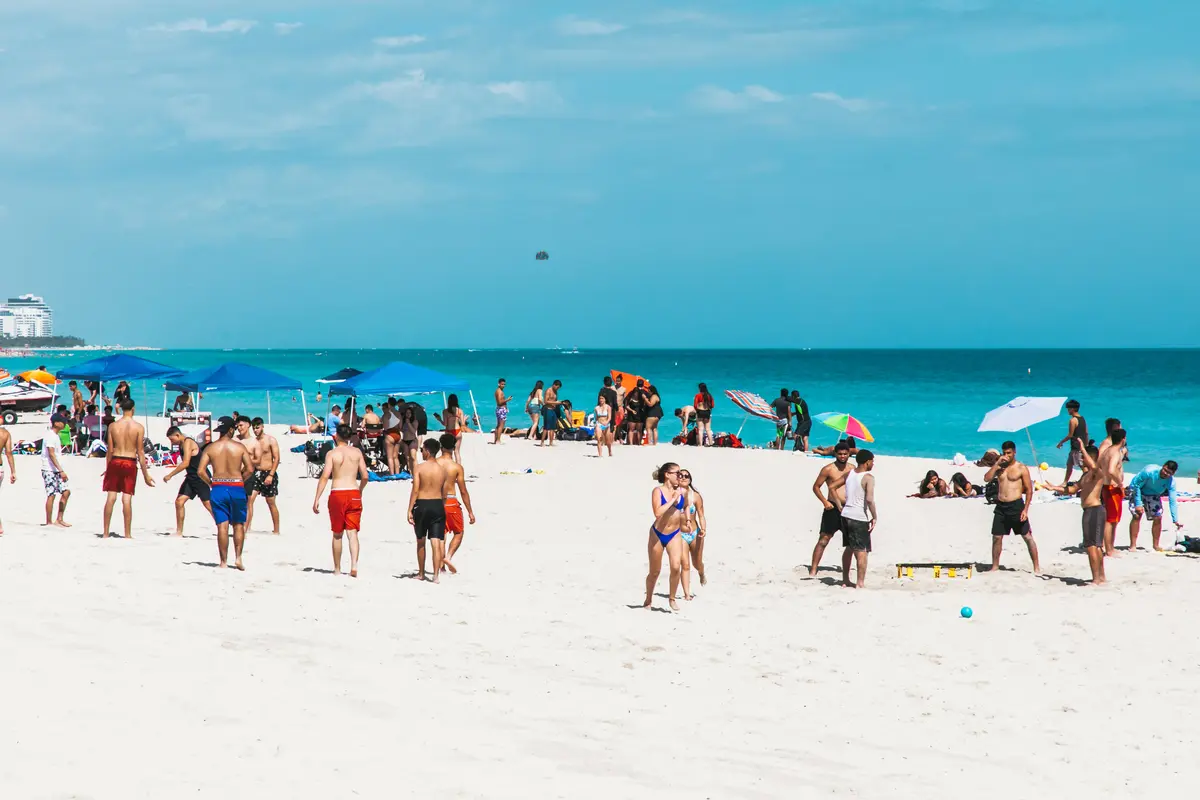
An east coast spring break can mean 77°F (25°C) water off Miami Beach, a $90 oceanfront room in Myrtle Beach, or an Outer Banks house split four ways for less than one South Beach hotel night. The catch: most of the coast is too cold to swim in March. Here’s how to match the spot to your crew.
Which East Coast Spring Break Spot Fits Your Crew?
For warm water, only South Florida and the Florida Keys deliver — March water runs 73–77°F (23–25°C). Families do best in Orlando, Hilton Head, or Virginia Beach. Budget road-trippers should pick Myrtle Beach or split an Outer Banks rental. Nightlife survives on South Beach and in Fort Lauderdale, but under hard new rules. For quiet, choose Tybee Island or Cape May.
The single biggest mistake travelers make is assuming “east coast” means warm. It doesn’t. Only the bottom third of Florida is swimmable this early. Everything north of Palm Beach is a walk-the-beach-in-a-hoodie trip, not a swim trip — and that’s fine, as long as you pick the spot for what it actually offers.
Here’s the whole coast sorted at a glance:
| Destination | Party | Family | Budget | Quiet/Couples | Swim in March |
|---|---|---|---|---|---|
| Miami / South Beach | Yes | — | — | — | Yes |
| Florida Keys | Some | — | — | Yes | Yes |
| Fort Lauderdale | Yes | Some | — | — | Yes |
| Orlando + Cocoa Beach | — | Yes | Some | — | Pool only |
| Hilton Head | — | Yes | Yes | Yes | No |
| Virginia Beach | — | Yes | Yes | — | No |
| Myrtle Beach | Some | Yes | Yes | — | No |
| Outer Banks | — | Yes | Yes | Yes | No |
| Tybee Island | — | Some | Yes | Yes | No |
| Cape May | — | Some | — | Yes | No |
| Washington, DC | — | Yes | Yes | — | n/a |
Pro Tip: If swimming is non-negotiable, stop reading after the Florida rows. Everywhere else on this list is a great trip with a cold ocean.
Where Is the Water Actually Warm Enough to Swim?
Only South Florida and the Florida Keys. Miami Beach water averages about 77°F (25°C) in March, and Key West about 76°F (24°C). North of Palm Beach the ocean drops into the 60s°F, and the Carolinas and Georgia sit around 57–62°F (14–17°C) — fine for walking, too cold to swim without a wetsuit.
This is the honesty gap most guides skip. They quote air temperatures in the mid-70s°F and let you assume the water matches. It doesn’t. Water lags air by roughly a season, so a 68°F afternoon in Hilton Head still comes with a 62°F ocean that empties your lungs the second you go past your knees.
There’s a crueler twist nobody mentions: March is the year’s coldest water month at both Myrtle Beach and Virginia Beach. The Atlantic bottoms out at exactly the moment spring break peaks. You are not arriving early for summer — you are arriving at the floor.
Here are the March averages that decide whether you’re swimming or just looking:
| Destination | March Air High | March Water (avg) | Swim Rating |
|---|---|---|---|
| Key West, FL | 78°F (26°C) | ~76°F (24°C) | Green — swimmable |
| Miami Beach, FL | 76°F (24°C) | ~77°F (25°C) | Green — swimmable |
| Fort Lauderdale, FL | ~78°F (26°C) | ~76°F (24°C) | Green — swimmable |
| Cocoa Beach, FL | ~78°F (26°C) | ~70°F (21°C) | Yellow — brisk but doable |
| Hilton Head, SC | ~68°F (20°C) | ~62°F (17°C) | Red — too cold |
| Myrtle Beach, SC | ~68°F (20°C) | ~58°F (14°C) | Red — coldest water month |
| Tybee Island, GA | ~68°F (20°C) | ~59°F (15°C) | Red — too cold |
| Outer Banks, NC | ~58–60°F (14–16°C) | ~55°F (13°C) | Red — too cold |
| Virginia Beach, VA | ~58°F (14°C) | ~50°F (10°C) | Red — coldest water month |
The Miami Beach number carries a useful range: the March average lands near 77°F (25°C), with the warmest readings pushing past 80°F (27°C) and the coldest dipping to about 72°F (22°C). Key West sits close behind, averaging near 76°F (24°C) with lows around 70°F (21°C). That is the entire swimmable east coast for spring break.
Late March at Jockey’s Ridge in the Outer Banks is a fleece-and-windbreaker scene — the wind cuts straight through, which is exactly why the dune hosts a hang-gliding school and not a swimsuit crowd. On the same weekend, eight hundred miles south, people are in the water at Smathers Beach in Key West.
Pro Tip: If you land in the yellow zone like Cocoa Beach, pack a rash guard. The water won’t stop you, but a thin layer turns a five-minute dip into an actual swim.
Where’s the Party, and What Rules Now Apply?
South Beach and Fort Lauderdale still run the coast’s biggest spring break scene, with Key West’s Duval Street a mellower third. All three now enforce hard rules: no alcohol, coolers or tents on the sand, flat parking rates up to $100 in South Beach, and a nightly curfew for unsupervised minors inside Fort Lauderdale’s high-impact zone.
That last part is what every other guide leaves out, and it can sink a trip. The party towns did not just get stricter signage — they built an enforcement machine, and it is aimed at exactly the crowd that used to come. Read this before you book, not after:
- Miami Beach: March is designated a high-impact period, with the tightest measures on the busiest weekends. Beach access along Ocean Drive narrows to a handful of entrances with security checkpoints, Art Deco District garages charge flat rates of $40–$100, and the nonresident towing rate doubles to $548. Alcohol and smoking are banned on city beaches year-round, along with coolers, tents and inflatables. Amplified music needs a permit, Entertainment District liquor stores close at 8 p.m., and rentals of scooters, mopeds and golf carts are suspended. There is no blanket curfew, but the police chief can impose one instantly.
- Fort Lauderdale: From late February through the end of March, a designated high-impact zone covers the barrier island and downtown. Unsupervised under-18s face a 10 p.m.–5 a.m. curfew inside it. No alcohol on the beach unless an authorized hotel vendor serves it; no coolers, tents, tables or amplified music. An open-container ban now covers the entertainment districts, the beach clears around 5 p.m. daily for cleaning, and bars stop serving at 2 a.m. The city publishes the current rules on its official spring break page.
- Daytona Beach: Skip it. The county sheriff has declared special event zones that double traffic fines, allow 72-hour vehicle impoundment and cap crowd numbers, and the city has passed emergency overnight curfews for minors. The police chief has said publicly that Daytona should stop positioning itself as a spring break destination. Take him at his word.
None of this makes the party towns unvisitable. It makes them different. Business owners on Ocean Drive report thinner, calmer crowds than the old days, and some students arrive and find the scene tamer than advertised. Decide whether that’s a downgrade or an upgrade before you spend the money.
Miami Beach and Ocean Drive
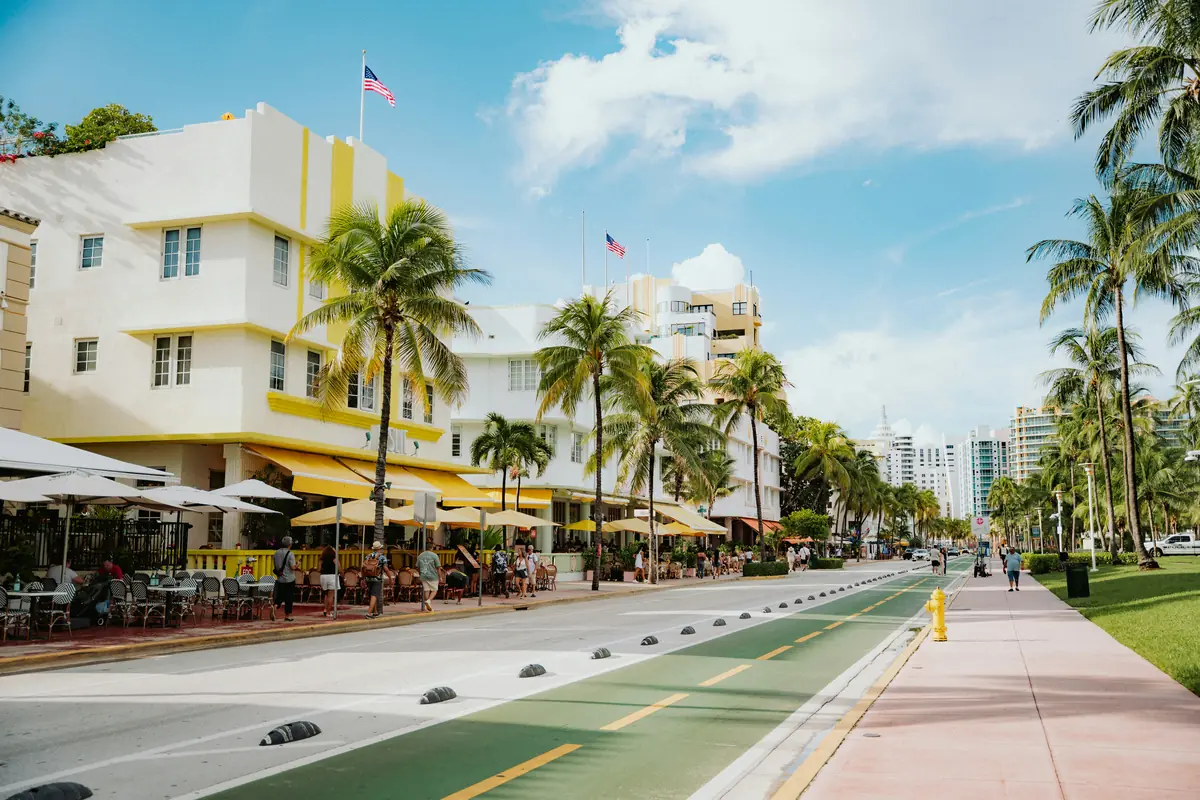
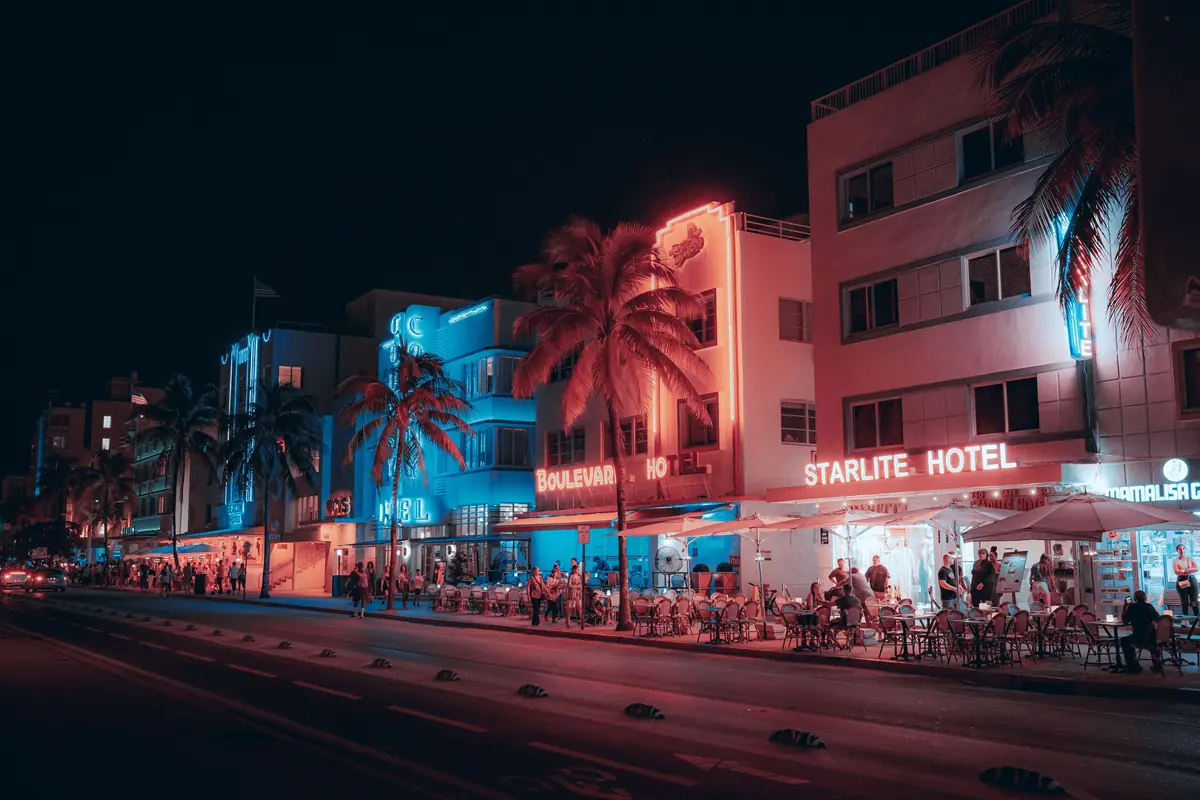
The bass from competing clubs on Ocean Drive overlaps on the sidewalk by 11 p.m. Neon Art Deco facades light the strip, the crowd skews young and loud, and Lincoln Road’s pedestrian mall keeps the energy going between beach and club. This is the picture people have in their heads when they say spring break.
It’s the best party on the coast, the priciest, and the most policed. Rates spike hard in late March around Miami Music Week and Ultra. The police department’s real-time intelligence center runs over a thousand cameras across the city, and license plate readers and drones are part of the standard March deployment. Come for the nightlife, not for the sense that nobody’s watching.
- Location: Ocean Drive and Collins Avenue, Miami Beach, FL
- Cost: Hotels from roughly $300/night in late March; expect surge pricing
- Parking: $40–$100 flat rates in Art Deco District garages on high-impact weekends; free city shuttles run 24 hours
- Best for: College groups and nightlife-first travelers
- Time needed: 3–4 nights
Fort Lauderdale Beach and Las Olas
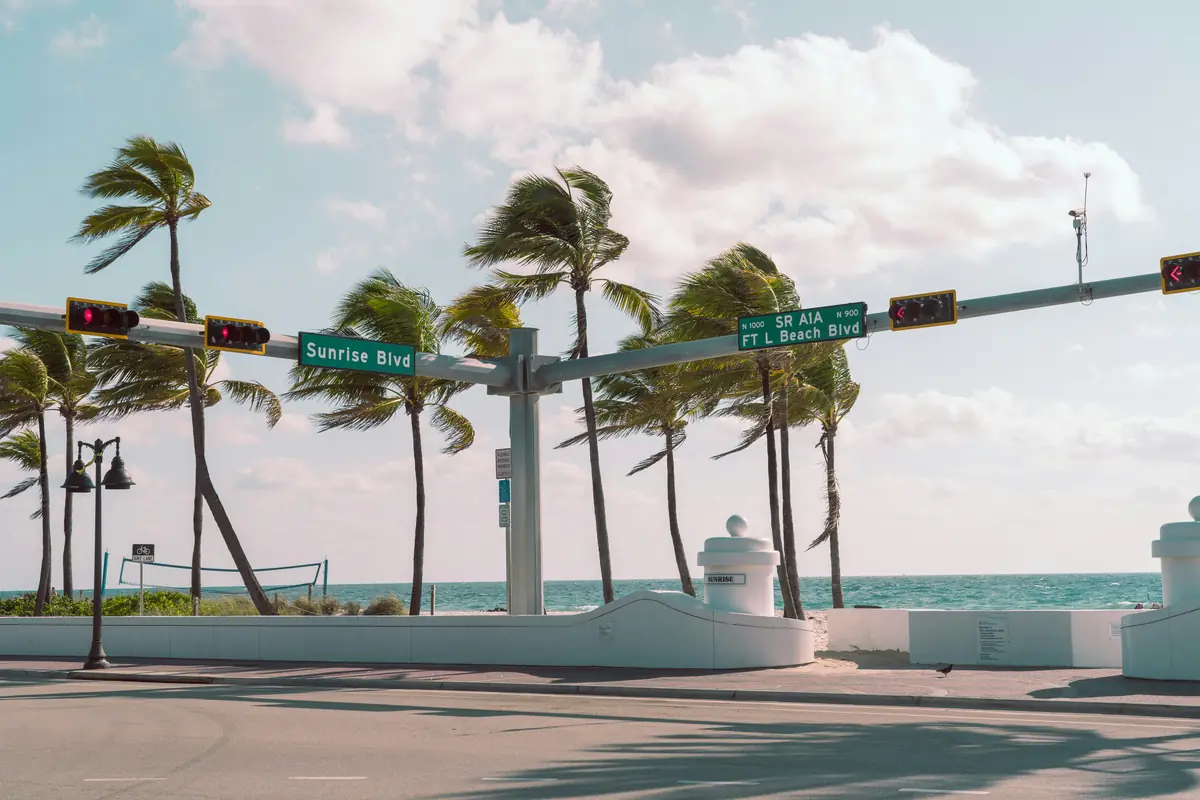
Quieter than South Beach but not by much, with the action concentrated along the A1A beachfront and Las Olas Boulevard. The beach itself is wider and calmer than Miami’s, and the strip is walkable end to end.
Two friction points. First, the age wall: travelers report the same thing over and over — most Fort Lauderdale hotels set a 21-and-over check-in minimum, and a number of beachfront properties require at least one guest to be 25 during peak weeks. Confirm the policy in writing before you pay a deposit. Second, the free boat is not the boat you think it is. The LauderGO! Water Trolley is genuinely free, but it runs eight stops along the New River downtown, 10 a.m. to 10 p.m., with 20–30 minute waits and room for about 20 people. The Water Taxi that hops the Intracoastal past the beach hotels is a separate service, and it charges.
- Location: A1A beachfront and Las Olas Boulevard, Fort Lauderdale, FL
- Cost: Hotels from roughly $220/night; resort fees of $25–$50 are common on top
- Best for: Groups wanting nightlife at a slightly lower price than Miami
- Watch for: 21+ check-in almost everywhere; 25+ at some beachfront hotels
- Time needed: 2–3 nights
Key West and Duval Street
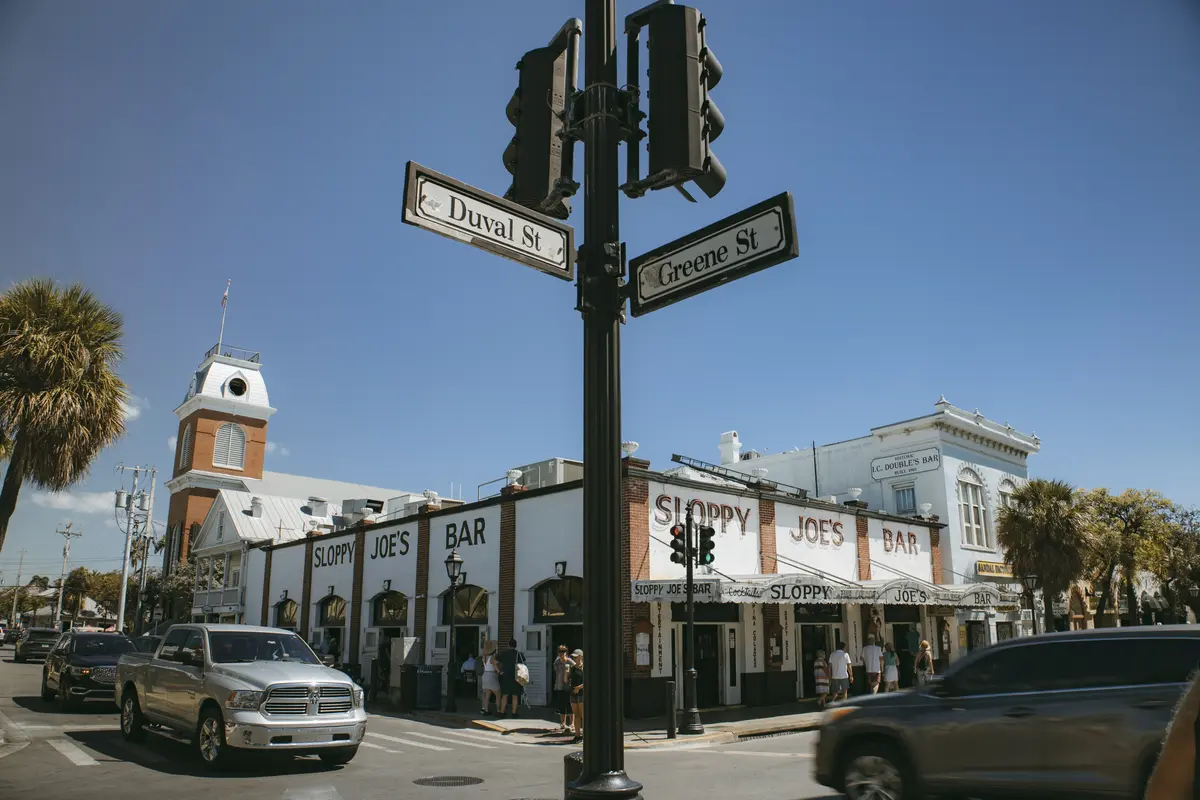
The southernmost party, and the most walkable. Old Town runs roughly 4 miles by 1 mile, so you can move between Sloppy Joe’s, the Green Parrot and Mallory Square without a rental car. The crowd runs older and stranger than Miami’s — more conch fritters and key lime pie than nightclub.
It’s also the one party town where the ocean cooperates. Smathers Beach and Fort Zachary Taylor Historic State Park both sit on water near 76°F (24°C). Fort Zach is the better swim and the better value at $6 per vehicle plus a 50-cent county surcharge per person, or $2.50 if you walk or bike in — but the waterline is rock, not sand. Bring water shoes or you’ll last thirty seconds. The park stays open until sundown; the fort itself shuts at 5 p.m. (current fees and hours.) The other trade-off is distance: it’s a 3.5-hour drive from Miami down a single highway with nowhere to pass.
- Location: Duval Street, Old Town Key West, FL
- Cost: Hotels from roughly $280/night; book early, the island is small
- Best for: Travelers who want nightlife plus a swimmable beach
- Time needed: 2–3 nights
Pro Tip: For a calmer Atlantic beach day near Orlando, Cocoa Beach is the better Daytona alternative — same coast, none of the special event zone enforcement.
Which East Coast Spring Break Spots Work for Families?
Orlando is the top family pick because theme parks don’t depend on ocean temperatures — pair it with a beach day at Cocoa Beach, an hour east. For an oceanfront base, Hilton Head and Virginia Beach offer calm logistics and cheaper hotels, while St. Augustine adds history to the sand. With kids, avoid the takeover beaches entirely.
Orlando and the Space Coast
The safe default. Walt Disney World, Universal and SeaWorld run rain or shine, and an hour east the Space Coast adds Kennedy Space Center and Cocoa Beach. Time a Cocoa Beach afternoon to a launch and the rumble arrives before the contrail does.
The downside is cost and crowds — spring break is peak season, so lines are long and rates climb. One gotcha nobody warns you about: the Kennedy Space Center Visitor Complex can restrict or close general admission on certain launch dates, and launch traffic clogs the causeways for hours. Check the launch calendar and visitor FAQ before you buy a date-specific ticket.
- Location: Orlando + Cocoa Beach, FL (about 1 hour apart)
- Cost: Family daily budget roughly $250–450 with park tickets; Kennedy Space Center runs about $77/adult and $67/child, plus $15 parking
- Best for: Families with younger kids; theme-park first
- Time needed: 4–6 days
Hilton Head Island
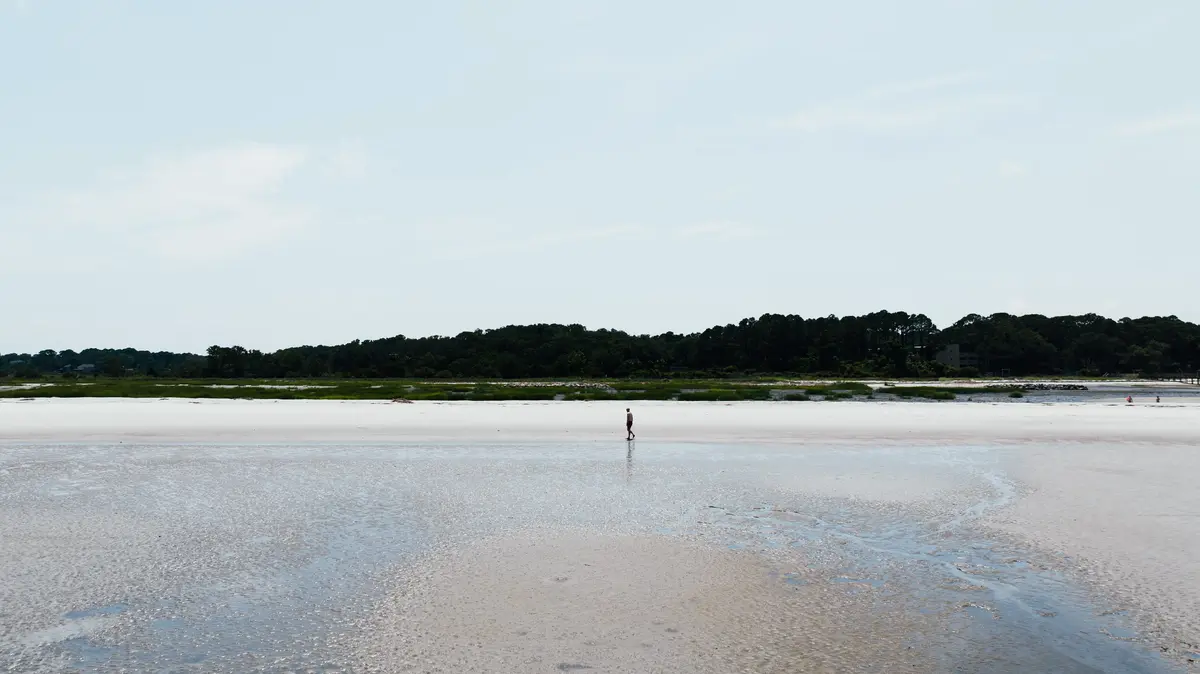
Flat, quiet, and built for families. The town maintains more than 72 miles of public pathways and nature trails, and at low tide you can ride 12 miles of hard-packed beach. Dolphin tours leave from the marinas, and the sand is firm enough for strollers.
The ocean is too cold to swim — around 62°F (17°C) — but kids will wade and dig regardless. The trade-off is that there’s no headline attraction here; the appeal is calm, not excitement. One quiet cost: some of the best trail loops run inside private communities like Sea Pines, which charge non-guests a day pass at the gate.
- Location: Hilton Head Island, SC
- Cost: Resorts and condos from roughly $180/night in March
- March water: ~62°F (17°C) — wading only
- Best for: Families wanting calm logistics over big attractions
- Time needed: 3–5 days
Virginia Beach
The Mid-Atlantic family pick, and the cheapest oceanfront base of the three. The 3-mile boardwalk, the Virginia Aquarium and First Landing State Park give you days of low-key activity, and it’s a manageable drive from the Northeast. The water is around 50°F (10°C) in March — its coldest of the year — so this is a boardwalk-and-aquarium trip, not a swim trip. Pack accordingly and nobody’s disappointed.
- Location: Virginia Beach, VA
- Cost: Hotels from roughly $130/night in March
- Best for: Northeast families wanting a short drive and low costs
- Time needed: 3–4 days
Pro Tip: In St. Augustine, pair the beach with the Castillo de San Marcos — $15 for adults 16 and up, free for kids 15 and under, and the ticket is good for seven consecutive days. Kids get a real fort to climb for a fraction of a theme park day.
Where Are the Cheapest Drive-To Trips?
Myrtle Beach is the cheapest oceanfront base on the coast, with budget hotels from around $90 and 60 miles of free beach. The Outer Banks is the best group-rental value, since off-season house prices drop hard. Washington, DC is the cheapest city break, because 17 Smithsonian museums and the National Zoo cost nothing to enter.
The real savings come from driving instead of flying and splitting a rental. A group of four splitting an Outer Banks house in March routinely lands below the per-person price of a single Miami hotel room.
Myrtle Beach
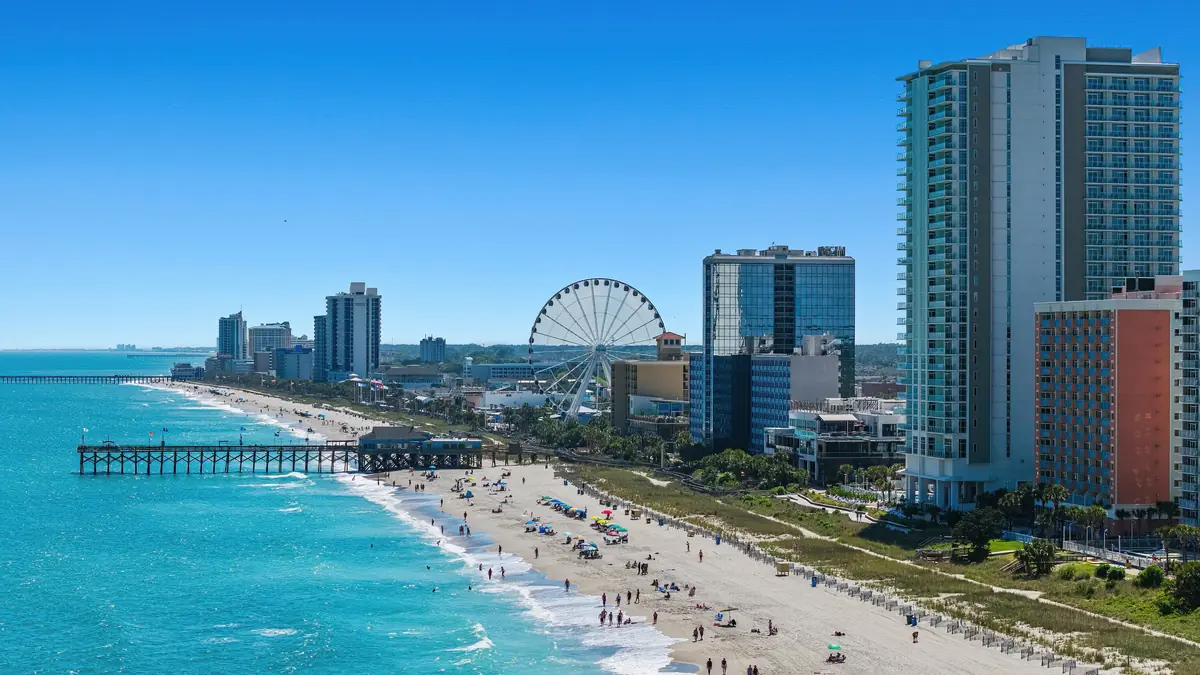
The budget king of the Grand Strand, which runs 60 miles from Little River down to Georgetown. Hundreds of oceanfront hotels compete on price, the 1.2-mile boardwalk and the SkyWheel give you a cheap night out, and beach access is free. It’s the easiest cheap trip to reach from the Northeast — about 10–11 hours’ drive from New York City, or a 1.5-hour flight.
Nobody is swimming. March is the coldest water month of the year here, averaging about 58°F (14°C), a fact the glossy roundups tend to bury under an air-temperature number. A budget family day runs roughly $150–250 for four, which is hard to beat anywhere on the coast.
- Location: Ocean Boulevard and the Grand Strand, Myrtle Beach, SC
- Cost: Oceanfront hotels from roughly $90/night; family day $150–250 for four
- March water: ~58°F (14°C) — the year’s low point
- Best for: Budget families and large drive-to groups
- Time needed: 3–5 days
The Outer Banks
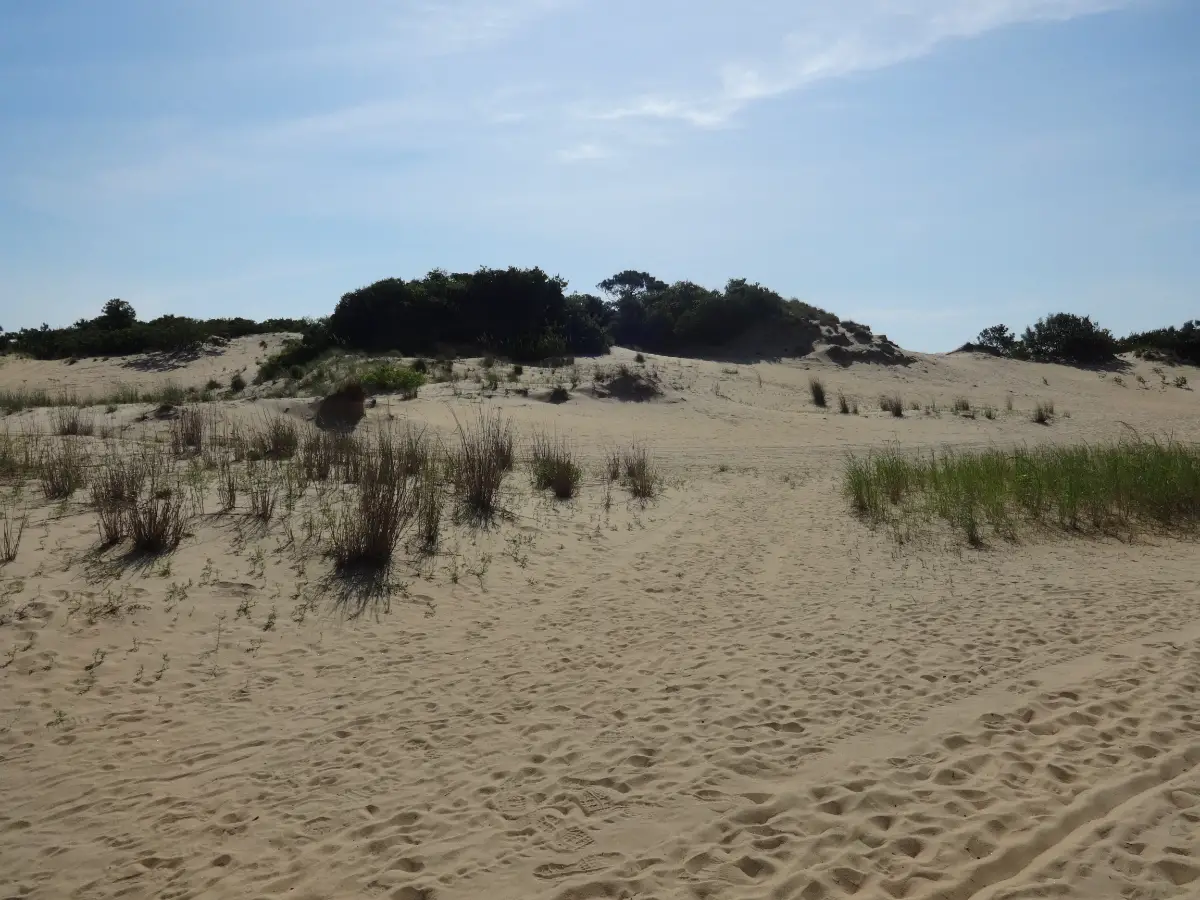
The best group-rental value on the coast. In March, beach-house prices fall well below summer, so a group splitting a home pays less per person than almost any hotel. Jockey’s Ridge State Park — the tallest active natural dune system on the Atlantic coast, 80 to 100 feet depending on which way the wind has been blowing — charges nothing for day use. The dune migrates 3 to 6 feet southwest every year. The Wright Brothers Memorial is ten minutes up the road.
The wind is the catch. It’s relentless in March, which is why the dune is a world-class kite and hang-gliding site and a miserable sunbathing one. Bring a real windbreaker and lower your swimming expectations to zero.
- Location: Outer Banks (OBX), NC
- Cost: Group rentals often beat a single Florida hotel room per person; Jockey’s Ridge day use is free
- Best for: Groups and couples wanting space, quiet and savings
- Time needed: 4–7 days
Washington, DC
The cheapest city break, full stop. All 17 Smithsonian museums in the DC area are free, as is the National Zoo — the only Smithsonian that charges is Cooper Hewitt, and that one’s in New York. Time it to the cherry blossoms and you get the best free show in the country.
Two things worth knowing before you go. Free does not mean walk-in: the National Zoo, the National Museum of African American History and Culture, and the Air and Space Museum all require free timed-entry passes, and they go fast in blossom season. And peak bloom is a moving target — it typically lands between the last week of March and the first week of April, with an average around April 3, but it has arrived as early as mid-March. An ongoing seawall restoration has also fenced off sections of the Tidal Basin walkway. Check the NPS bloom page before you commit to dates.
- Location: National Mall and Tidal Basin, Washington, DC
- Cost: All 17 Smithsonian museums and the National Zoo are free; timed passes required at three of them
- Best for: Budget groups wanting culture over a cold beach
- Time needed: 3–4 days

Here’s the drive-versus-fly math from the major Northeast and Mid-Atlantic origin cities:
| Route | Distance | Drive Time | Flight Time |
|---|---|---|---|
| NYC → Myrtle Beach | ~670 mi (1,078 km) | 10–11 hrs | ~1.5 hrs |
| NYC → Outer Banks | ~500 mi (805 km) | 8–9 hrs | no direct |
| DC → Charleston | ~525 mi (845 km) | 8 hrs | ~1.5 hrs |
| DC → Miami | ~1,050 mi (1,690 km) | 15–16 hrs | ~2.5 hrs |
| Boston → Myrtle Beach | ~900 mi (1,448 km) | 14 hrs | ~2 hrs |
Which Towns Are Quiet Enough for Couples?
For a low-key trip, choose Tybee Island (18 miles from Savannah), Cape May, Amelia Island, or the Outer Banks. These deliver early-bloom scenery, walkable historic districts and empty beaches without the takeover crowds — though the ocean is too cold for more than wading, and some restaurants keep shoulder-season hours.
This is the anti-party tier, and it’s the most underrated way to spend the season. While college groups fight over South Beach rates, these towns are calm and cheap.
Tybee Island
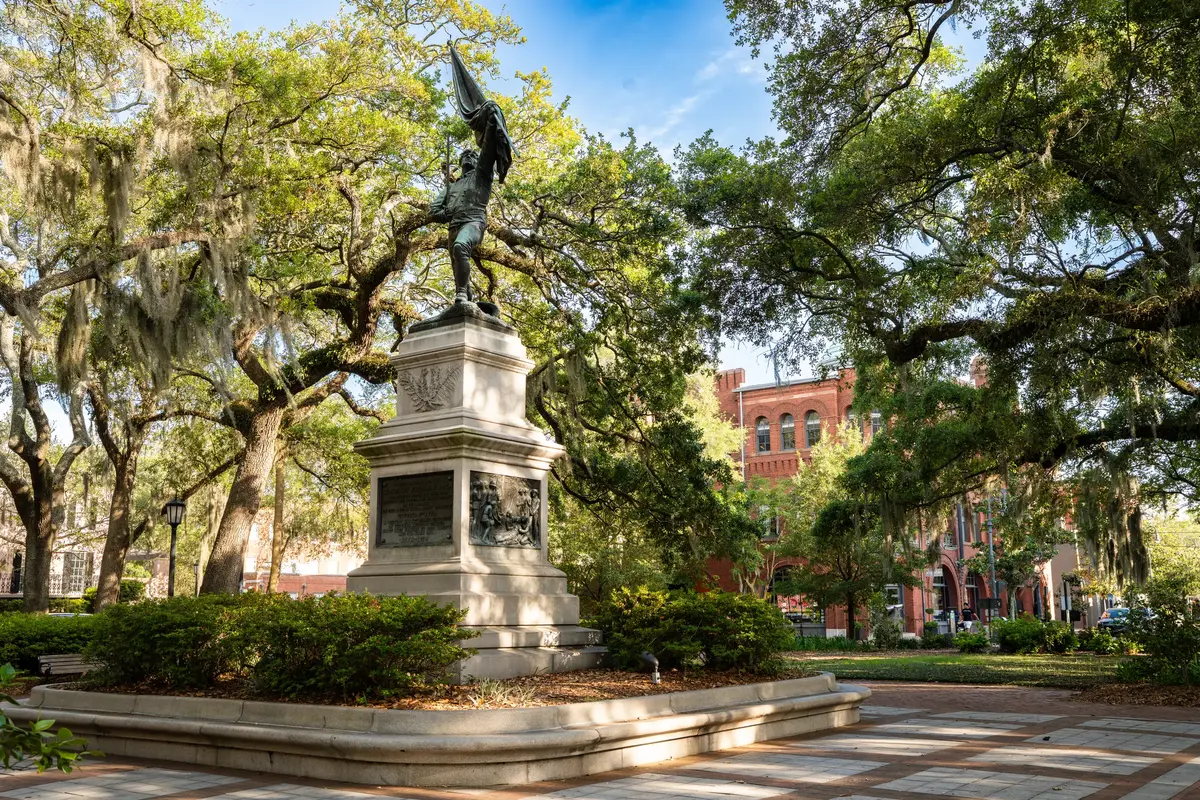
A small barrier island 18 miles (29 km) from downtown Savannah, with a wide, quiet beach and a string of low-key seafood spots like the Crab Shack. Spend the day on the sand, then drive into Savannah for dinner under the Spanish moss in Forsyth Park.
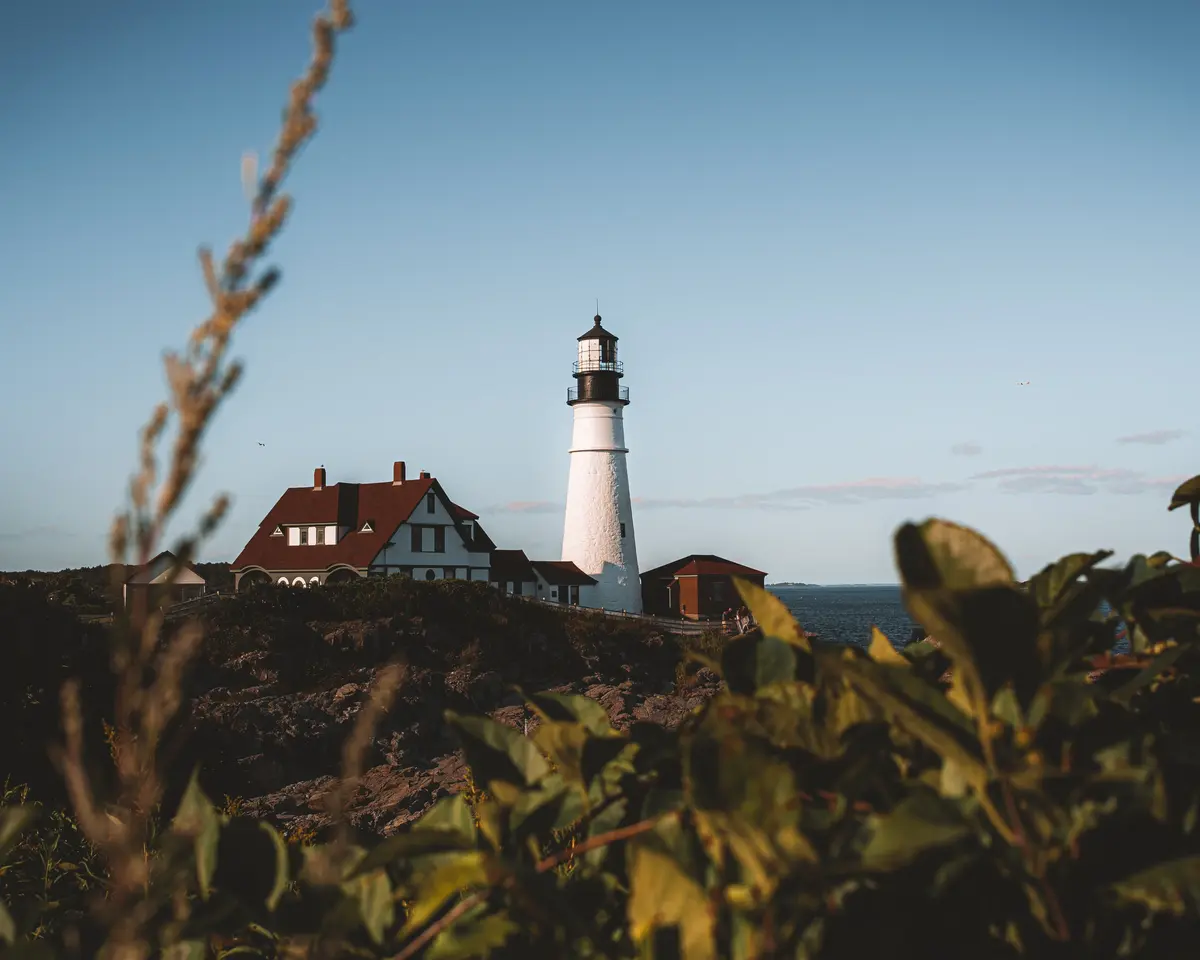
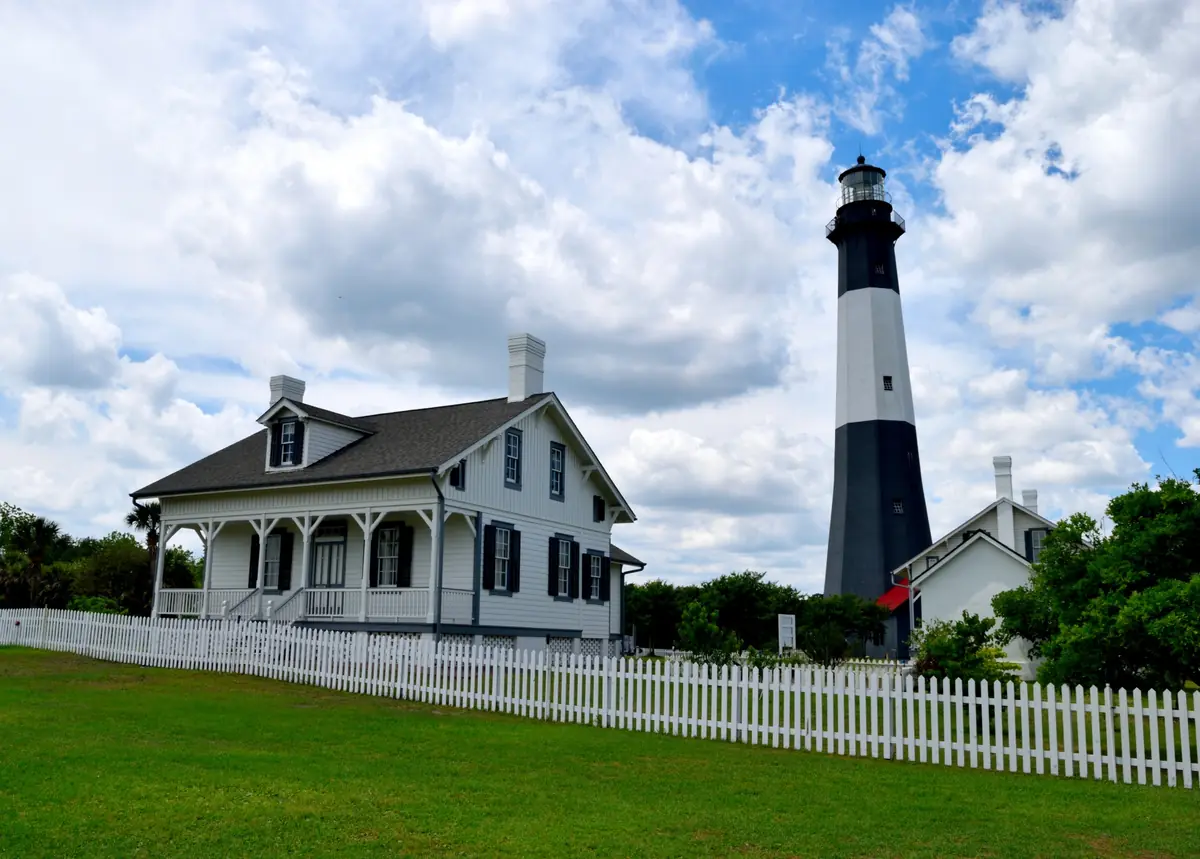
The Tybee Island Light Station is Georgia’s oldest and tallest active lighthouse, and the climb is 178 steps with a rest platform every 25. Two things travelers keep getting wrong: it’s closed on Tuesdays, and the ticket covers not just the tower but the keeper’s cottages, the museum in Battery Garland across the street, and two hours of parking — which on Tybee is worth as much as the view.
- Location: Tybee Island, GA (18 miles from Savannah)
- Cost: Cottages and inns from roughly $140/night in March; lighthouse admission around $12
- Best for: Couples wanting beach plus a historic city nearby
- Time needed: 3–4 days
Cape May
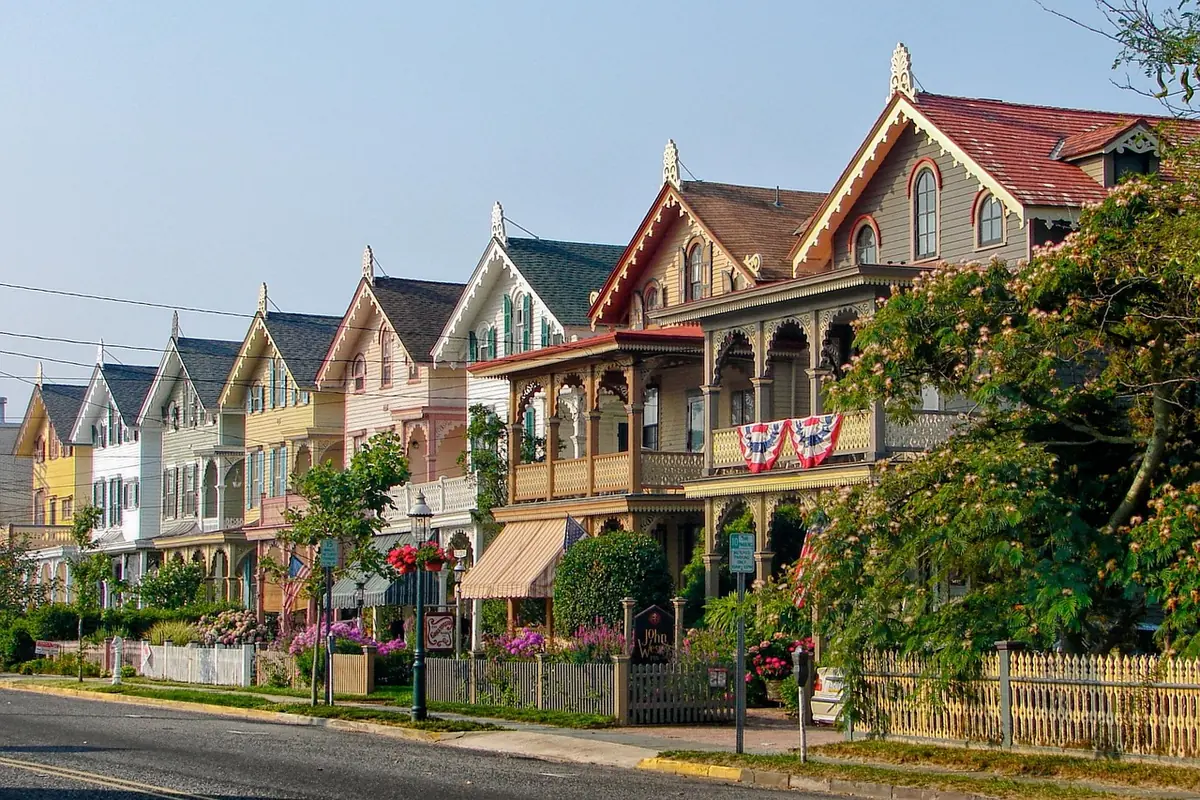
The Victorian anti-Miami. Cape May is the only city in the United States designated a National Historic Landmark in its entirety, on the strength of more than 600 Victorian buildings — the second-largest concentration in the country after San Francisco. The beaches are walkable and empty in March, and the streetscape alone justifies the drive.
The local ritual is hunting Cape May diamonds at Sunset Beach: clear quartz pebbles that tumble down the Delaware River and wash up polished. Two details make the difference between finding a pocketful and finding nothing. Sunset Beach sits on the bay side, so the sun goes down over the water — unusual on the Jersey Shore — and the stones surface best at low tide, especially after a storm has churned the water. Wear shoes; the beach is pebbles, not sand. Offshore you’ll see the concrete hull of the SS Atlantus, aground about 150 feet out.
It’s a wading-not-swimming trip this early, and some restaurants run limited hours. Nearby Cape May Point State Park is free.
- Location: Cape May, NJ
- Cost: B&Bs and inns from roughly $160/night; some venues on limited hours
- Best for: Couples wanting scenery and history over nightlife
- Time needed: 2–3 days
Pro Tip: Amelia Island, just over the Georgia line in Florida, splits the difference — quieter than the party towns, but far enough south that beach days are merely cool rather than cold.
When Is Spring Break, and How Do You Get There?
US spring break runs from late February through mid-April, with the heaviest week clustered in mid-March. Florida prices spike once February ends, so book flights and hotels two to four months ahead. From the Northeast you can fly into MIA, FLL, MYR, CHS or SAV, drive the I-95 corridor, or take Amtrak’s Silver Meteor down the seaboard.
Easter timing shifts some school breaks into early April, which can mean slightly lower crowds and prices if your dates are flexible. The mid-March peak is when Florida is most expensive and most crowded, and when the party towns switch on their strictest enforcement weekends.
One rail correction that trips people up: the Silver Star no longer runs the New York–Florida route. Amtrak merged it with the Capitol Limited to create the Floridian, which runs Chicago–Washington–Miami and does not serve the Northeast Corridor above DC. That leaves the Silver Meteor as the only direct New York–Miami train, at roughly 28 hours end to end. If you’re coming from the Northeast and someone tells you to book the Silver Star, they’re working from an old timetable.
Your three ways down the coast:
- Fly: NYC to Myrtle Beach is about 1.5 hours; NYC to Miami about 3 hours. Fastest, priciest for groups.
- Drive I-95: The spine of the whole coast. Cheapest for groups splitting gas, but long — DC to Miami is 15–16 hours.
- Amtrak: The Silver Meteor runs the seaboard; the Auto Train carries your car from Lorton, Virginia to Sanford, Florida. Slower than flying, but no driving and no baggage fees.
Splitting the I-95 drive with a Williamsburg overnight turns a brutal 15-hour haul into two civilized days, and Colonial Williamsburg and Busch Gardens make the stop worth more than a rest.
Pro Tip: Book Florida by mid-January for a mid-March trip. The jump in hotel rates once February starts is steep, and it doesn’t come back down until after Easter.
What Should You Pack for an East Coast Spring Break?
Pack layers. An east coast spring break can span tropical Miami and chilly DC in one week, so bring a swimsuit and reef-safe sunscreen for the south, plus a light jacket and hoodie for cool evenings everywhere. For the Carolinas, the Outer Banks or any city break, add a warm coat and comfortable walking shoes — and don’t count on swimming north of Florida.
The mistake is packing for the destination’s daytime high and forgetting the evening. Even in Key West, the breeze off the water after sunset on Duval Street bites. Regulars pack the hoodie for Florida anyway.
Region by region:
- South Florida and the Keys: Swimsuit, rash guard, reef-safe SPF 30+ (the UV index hits 6), one light layer for evenings. Water shoes if you’re swimming at Fort Zachary Taylor.
- Carolinas and Georgia coast: Windbreaker, fleece, beach clothes you won’t actually swim in, closed shoes.
- Outer Banks: A real windbreaker — the dune wind is no joke — plus warm layers.
- City breaks (DC, Charleston, Savannah): Comfortable walking shoes for cobblestones, a warm coat, an umbrella.
Match the Map to the Month
Every year, people book a “beach” spring break in the Carolinas and are stunned the water is still in the 50s°F. The fix is not a better hotel. It’s picking the right latitude for what you actually want to do.
If you want to swim, it’s South Florida or the Keys, and nowhere else on this coast. If you want to party, it’s South Beach or Fort Lauderdale — and you should read the curfew, parking and alcohol rules before you pay a deposit, because they will shape the trip more than the hotel does. If you want cheap, drive: Myrtle Beach for hotels, the Outer Banks for a house, DC for museums. If you want quiet, Tybee and Cape May are sitting there half-empty while everyone else fights over Ocean Drive. Book two to four months out either way.
An east coast spring break rewards honesty about which trip you’re actually taking. The one it punishes is the traveler who packs a swimsuit for the Outer Banks.