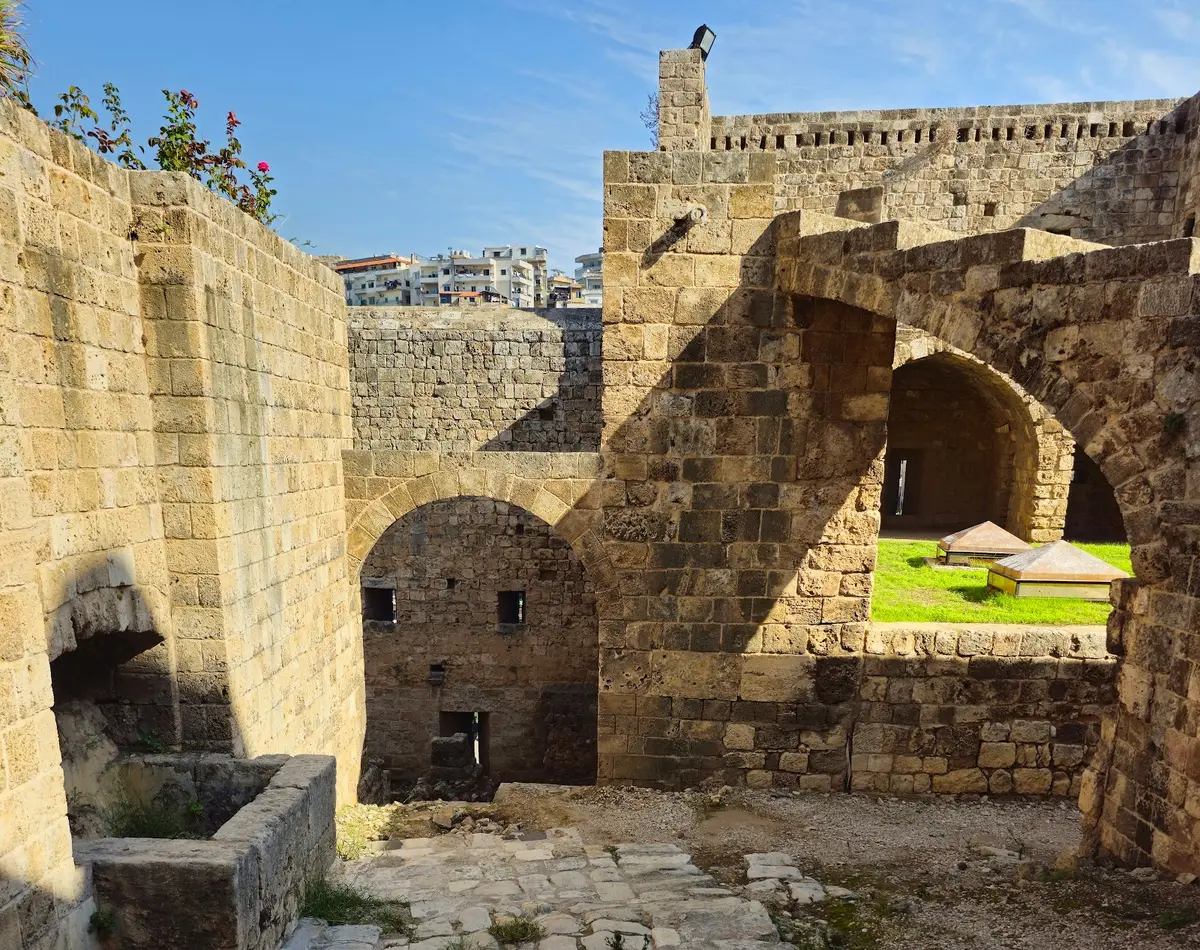
Plan to work remotely in Lebanon and the fixed internet speed in Lebanon will test your patience — median DSL runs about 16 Mbps, and constant power cuts take down your router several times a day. Mobile LTE nearly triples that speed and rarely drops. This guide shows what to trust, what to skip, and which $20 hardware fix saves your calls.
How fast is the internet in Lebanon, really?
Median fixed broadband in Lebanon runs 16.13 Mbps download; median mobile LTE runs 43.90 Mbps per Ookla’s most recent Speedtest Global Index. That makes mobile roughly 2.7 times faster than home internet for the typical user. Fiber customers in upgraded districts see 50-100 Mbps. The rest of the country runs on copper DSL at 2-8 Mbps.
Two factors explain the gap: state-owned Ogero controls all fixed-line infrastructure, and most of that network is decades-old copper. Mobile networks were rebuilt more recently and now carry the bulk of the country’s traffic.
Pro Tip: Before booking a rental, ask the host to run a Speedtest on the property’s Wi-Fi and send you the screenshot. “Good Wi-Fi” means nothing in a country where two buildings on the same street can deliver speeds that differ by a factor of ten.
Fiber islands in Beirut and Mount Lebanon
Ogero has connected roughly 221,000 households to FTTH with active plans to add 406,000 more. Deployment is concentrated in Beirut (Achrafieh, Hamra, Bachoura), the Metn, Kesrouan, Jbeil, parts of the Chouf, Aley, and Nabatieh. If you’re booking an apartment, ask specifically: is this building on fiber, or still on DSL? The neighborhood alone doesn’t guarantee it — deployment is building-by-building.
Copper everywhere else
Outside the fiber zones, you’re on ADSL or VDSL over copper. Distance from the Ogero exchange determines your speed through signal attenuation. A line 500 meters (0.3 miles) from the exchange might hit 18 Mbps. A line 2.5 kilometers (1.5 miles) out struggles to reach 2-4 Mbps. Your specific street matters more than the neighborhood name on your Lebanon hotels reservation.
Why does the power grid break your Wi-Fi?
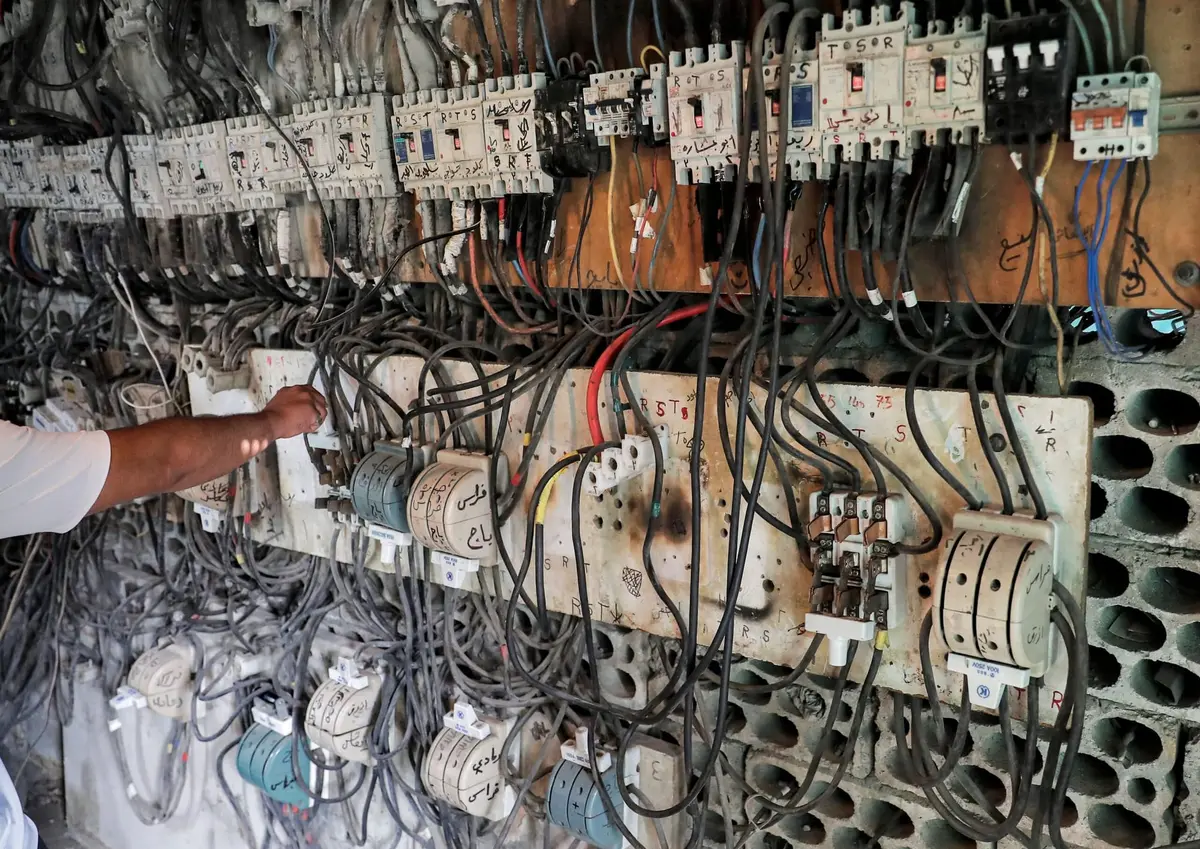
The national grid (Electricité du Liban) delivers roughly 3-4 hours of power per day; private diesel generators cover the rest. Between grid cutoff and generator startup there’s a switchover gap of 30-180 seconds. Your router loses power. Even when the generator fires up, the router needs 2-3 minutes to reboot — long enough to kill a Zoom call.
This is the single biggest problem remote workers face in Lebanon, and it has nothing to do with the nominal internet speed in Lebanon. Before booking, ask the host two questions: how many hours of generator power per day, and is the router on a UPS? If they can’t answer either, find a different place.
Pro Tip: On my last stay in Mar Mikhaël, the lights flickered roughly every four hours during business hours. With a router UPS in place, it’s a non-event. Without one, you lose 5-10 minutes of work every cycle.
Are mobile networks in Lebanon actually usable for remote work?
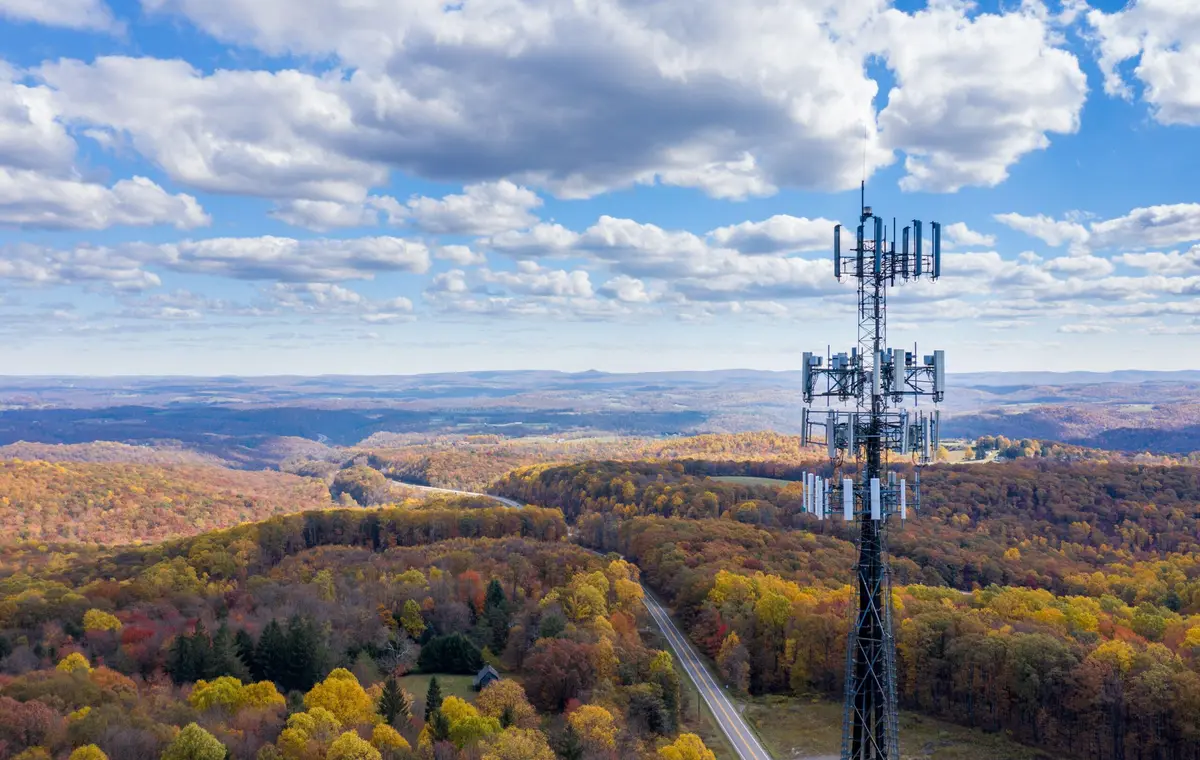
Yes — LTE is the most reliable real-world internet speed in Lebanon. Touch and Alfa, both state-managed, deliver download speeds of 25-45 Mbps on 4G+ with latency to European servers of 60-80 ms. That’s sufficient for Zoom, Slack, Google Meet, and most VPNs. Coverage reaches 95% of the population. True 5G sits under 1% and should not factor into your planning.
The single most useful piece of advice I can give US travelers: don’t rely on hotel Wi-Fi as your primary connection. Rely on LTE, and keep Wi-Fi as backup. Most digital nomads I’ve met in Beirut do it the other way around and regret it by day three.
Touch vs Alfa — which carrier for which trip?
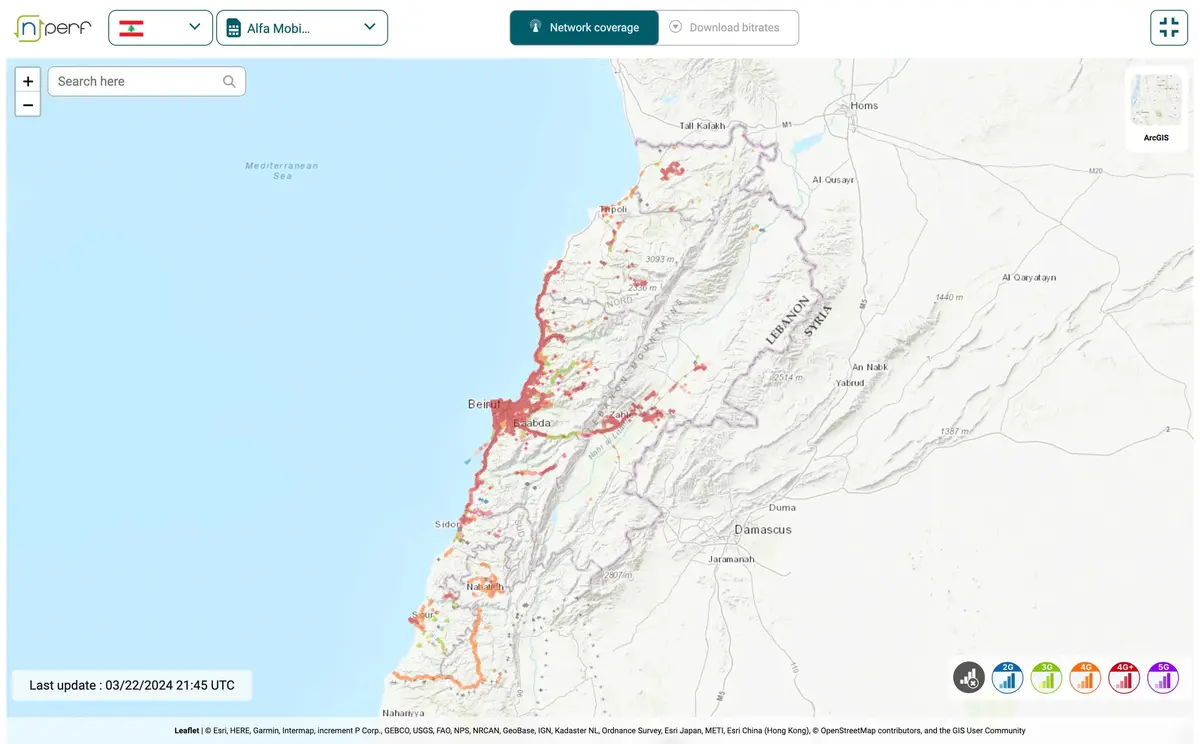
Touch (state-managed since 2020, previously operated by Zain Group) has the wider network and better coverage in the North and rural valleys. If you’re heading to the Tripoli Citadel, hiking the Qadisha, or driving through Baalbek, Touch is the safer pick.
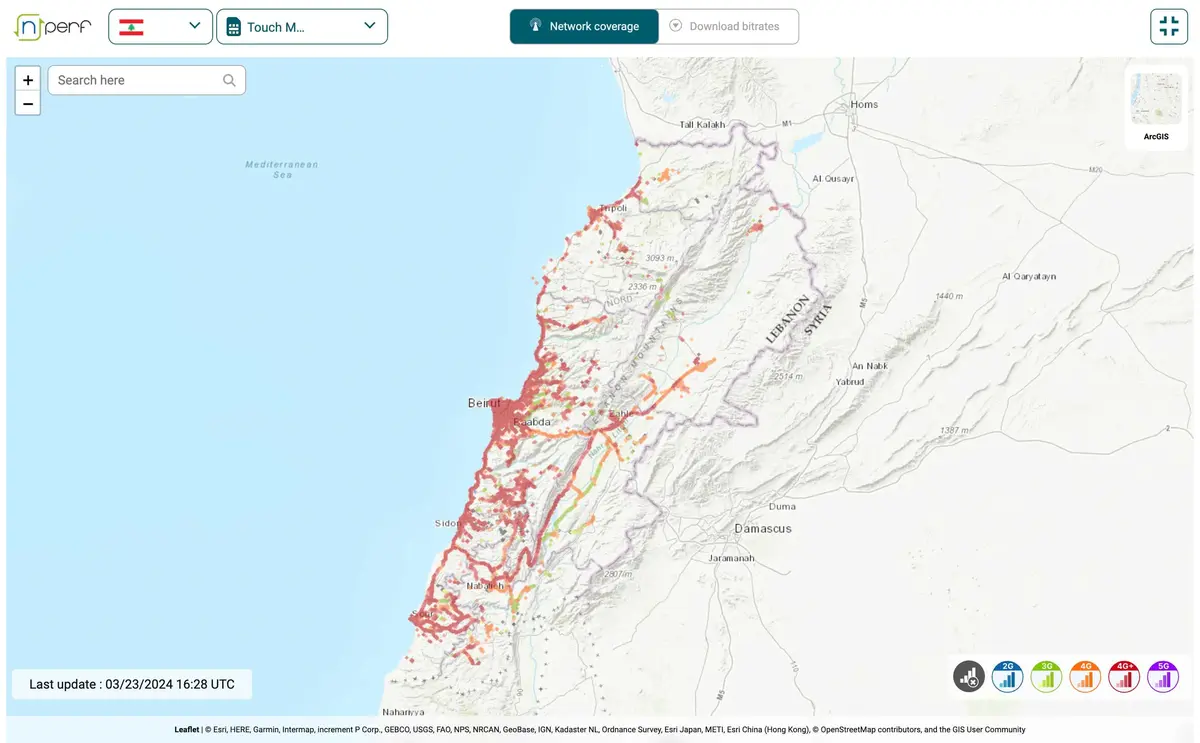
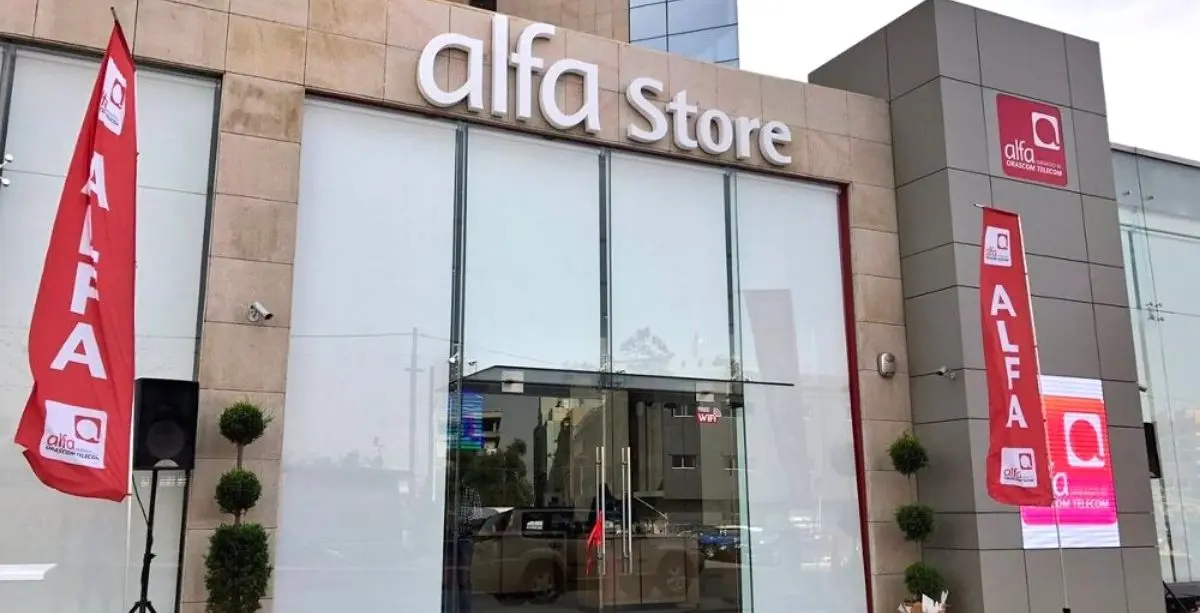
Alfa (state-managed since 2020, previously operated by Orascom Telecom) dominates Mount Lebanon and central Beirut with the fastest measured speeds in the country — Ookla reports Alfa averaging 41.9 Mbps download. It’s the better pick if you’re basing yourself in the capital or the Metn.
Both carriers now hold roughly equal market share. Spectrum allocations are also equal: Band 3 (1800 MHz) for 4G, Band 1 (2100 MHz) for 3G, Band 8 (900 MHz) for GSM, with Band 20 (800 MHz) added to Alfa for low-band coverage.
What happens in the mountains and the South?
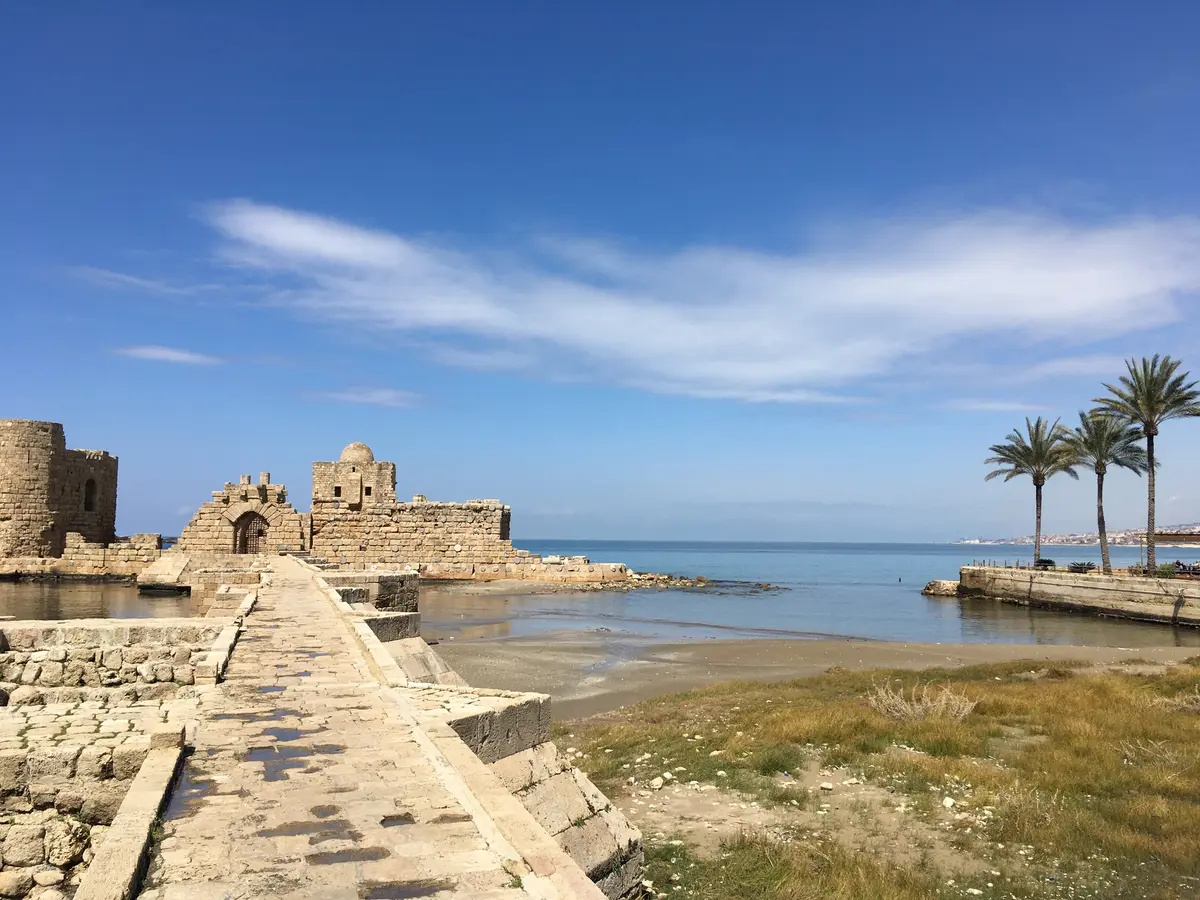
Touch holds signal better in deep valleys thanks to its low-band coverage. Alfa has stronger repeaters along the main highway spine from Beirut to Jounieh to Byblos. In the South near Tyre and Saida, infrastructure still shows damage from wartime strikes — service can be patchy. If you’re planning to visit Sidon Lebanon with mission-critical calls, carry SIMs from both operators and switch when one drops.
Which SIM card should tourists buy in Lebanon?
Touch’s Visitor Line is the best tourist SIM for most travelers: $19 plus VAT for 10 GB of data, 100 local and international minutes, and 100 SMS, with a 14-day bundle and 1-year line validity. Alfa’s equivalent (Alfa365) runs $12 plus VAT for 2 GB over 7 days. Both require a passport with an entry stamp no older than three months.
Touch Visitor Line — best for most travelers
- Cost: $19 plus 11% VAT
- Data: 10 GB
- Minutes: 100 local and international
- SMS: 100 local and international
- Validity: 14-day bundle, 1-year line
- Renew bundle: Text “VB” to 1100 or use the Touch self-care app
Alfa365 — best for short stays and frequent returnees
- Cost: $12 plus 11% VAT ($7 line fee + $5 weekly plan)
- Data: 2 GB per week
- Minutes: 30 local and international
- SMS: 100 local and international
- Validity: 7-day bundle, 1-year line
- Renew: Dial *111# to re-activate the weekly plan
Skip the airport SIM kiosks
Third-party kiosks in Beirut-Rafic Hariri Airport arrivals mark up SIMs significantly above official rates. If you land during Touch or Alfa booth hours, buy from them directly. If the booths are closed (common with late-night arrivals), use an international eSIM for your first night and visit an official service center the next morning. Touch and Alfa both have locations in Hamra, Downtown, and Furn El Chebbak. The detour saves $10-15.
For US travelers with eSIM-only iPhones: Touch and Alfa both support eSIMs, but activation requires visiting a physical store for QR code generation. ID verification laws prevent online eSIM purchase for new tourist lines. If you need day-one connectivity with no store visit, buy an international eSIM and switch to a local SIM on day two.
Is Starlink available in Lebanon?
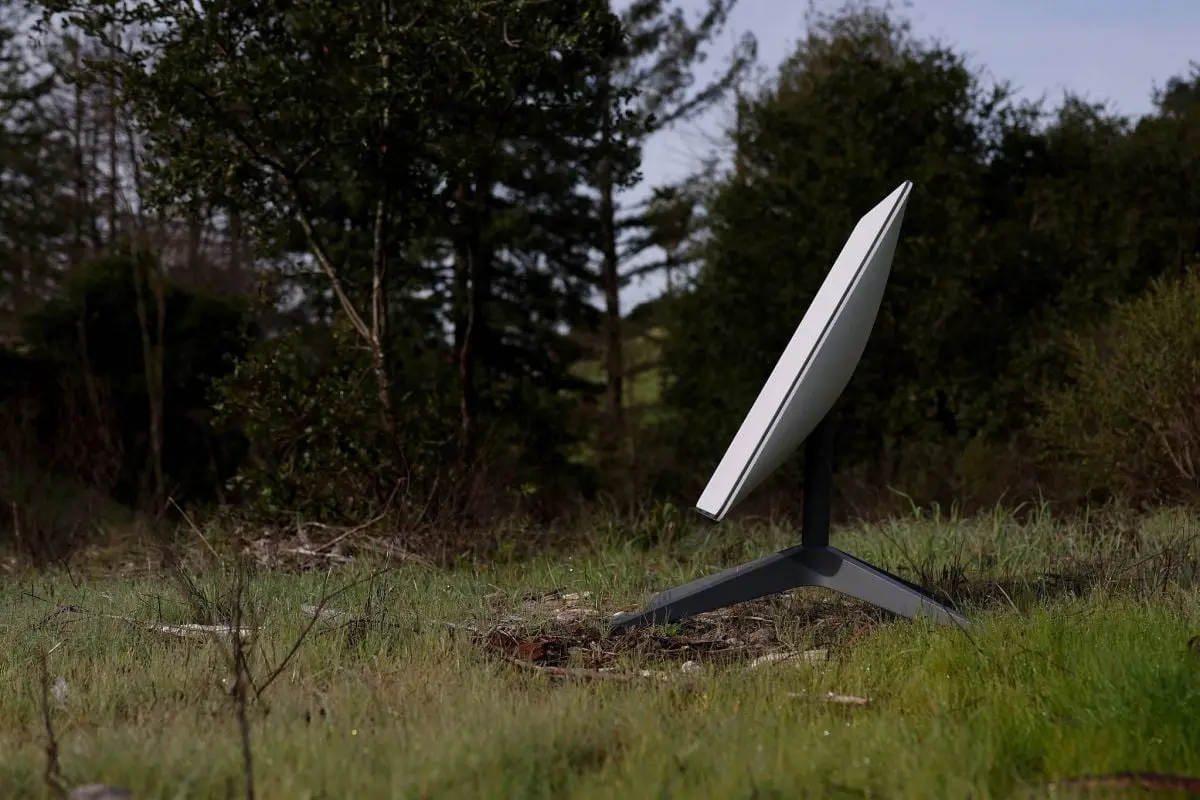
Yes, but with tight limits. Lebanon granted Starlink a two-year operating license and the Telecommunications Regulatory Authority has issued formal authorization. Subscriptions start at $100 per month and were initially restricted to businesses and government entities; eligibility has since been expanded, but a full consumer rollout has not been approved.
What this means for travelers: you can’t walk into a store and buy a Starlink kit as an individual. A rental market has developed through local IT firms supplying dishes to businesses, coworking spaces in Beirut, and high-end guesthouses. Some mountain hotels and Batroun resorts now advertise Starlink as their backup connection. Ask directly before booking.
Pro Tip: A Starlink dish draws 50-75 watts continuously. A mini-UPS won’t run it. If you’re staying somewhere that uses Starlink, confirm the property has either 24-hour generator coverage or a portable power station with AC output. A dish with no power is an expensive paperweight.
What’s a mini-UPS and why do you need one?
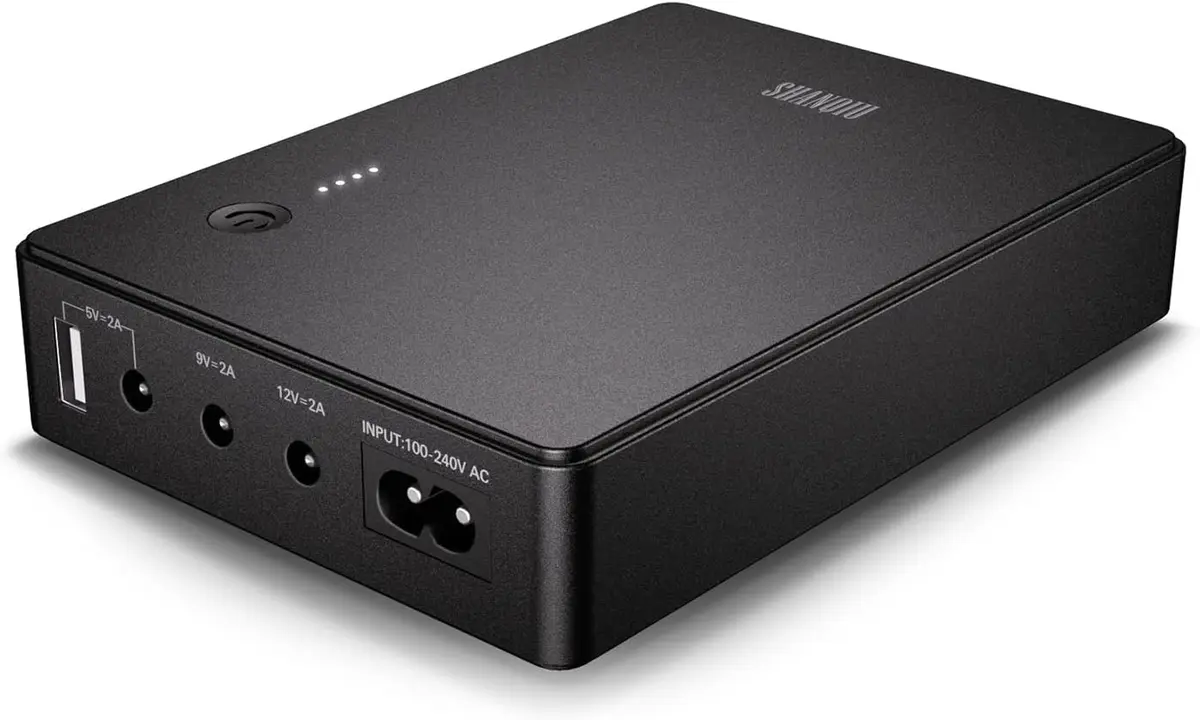
A mini-UPS is a small lithium-ion battery pack that sits between the wall outlet and your router. When grid power cuts and the generator hasn’t fired up yet, it supplies DC current to the router directly, so your Wi-Fi never drops. Units cost $15-30 in electronics shops around Hamra, Sassine Square, and Dora.
Specs to look for:
- Capacity: 10,000 mAh minimum (4-6 hours of router runtime)
- Output: Selectable 9V/12V DC to match most router power bricks
- Ports: Barrel jack, not USB-only
- Price range: $15-30
Ask your host or hotel whether the router sits on a UPS before you book. In my experience, this question matters more than whether the apartment has air conditioning — one costs you an uncomfortable hour, the other costs you a missed meeting.
Where should you base yourself for the best connectivity?
Beirut’s upgraded districts (Achrafieh, Mar Mikhaël, Hamra, Bachoura) and coastal Batroun give you the most reliable connectivity. Mount Lebanon guesthouses are hit-or-miss unless they advertise fiber or satellite backup. Avoid booking deep into the mountains or the South if you have daily video calls.
Beirut — the digital fortress
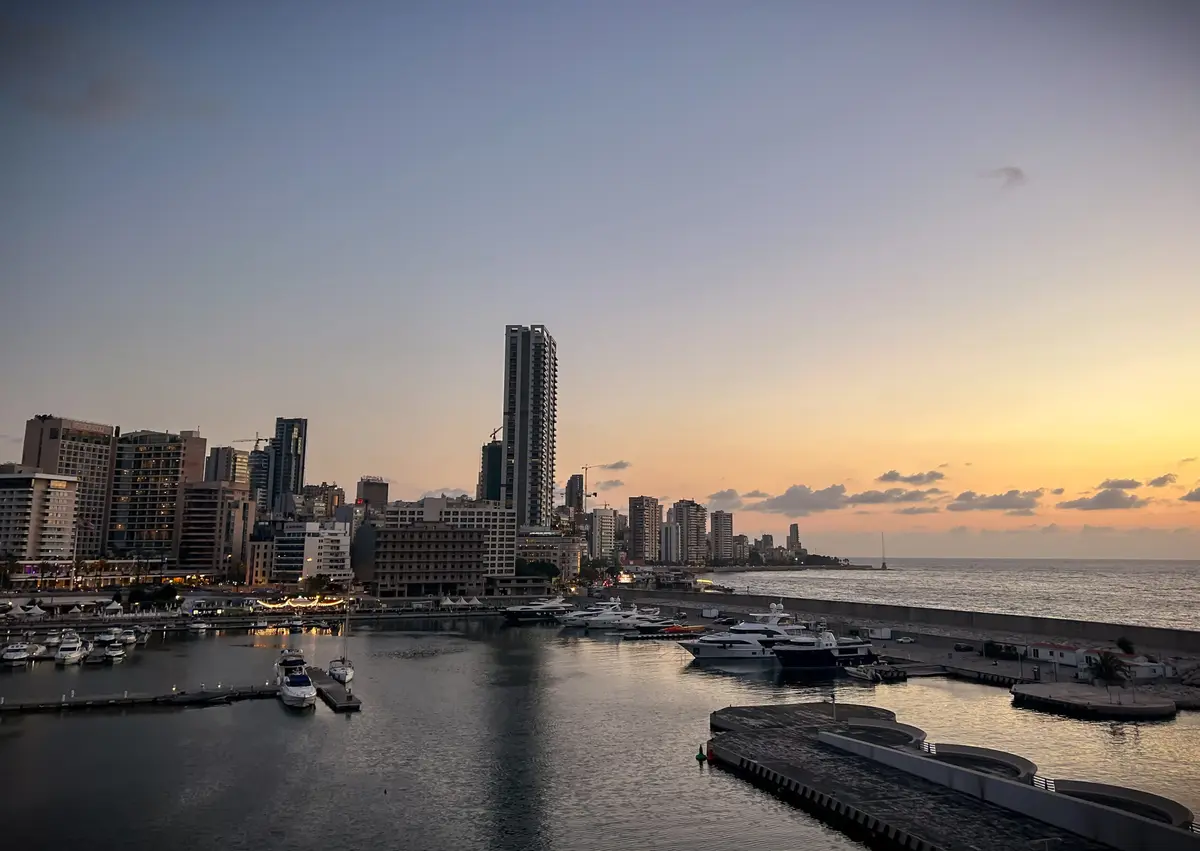
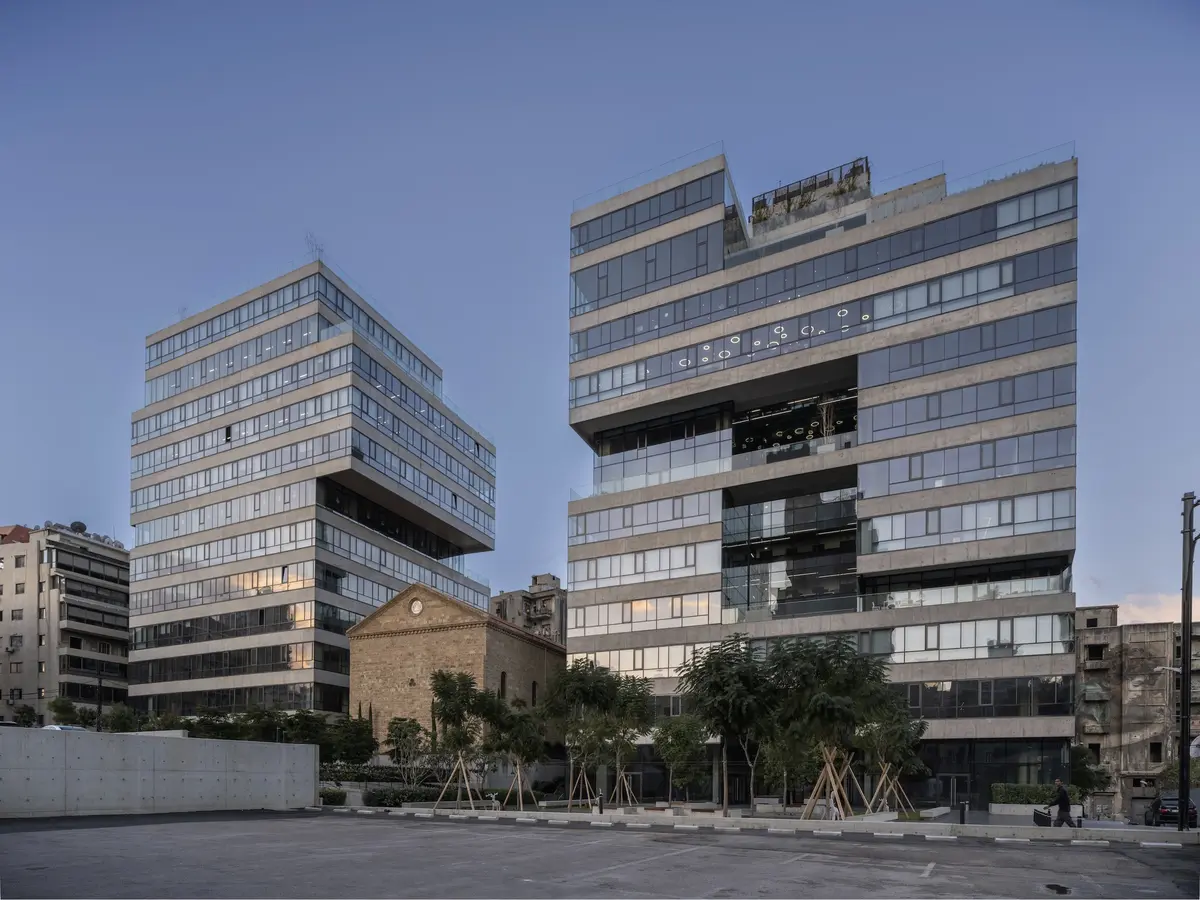
Beirut Digital District (BDD) in Bachoura is the closest thing to a proper corporate campus in Lebanon: fiber-grade infrastructure, redundant generators, uptime guarantees. It’s where most serious remote workers end up. Achrafieh and Gemmayze have fiber-connected cafes with UPS-backed routers. Hamra has the coworking density and the nightlife, but the copper infrastructure underneath is older — speeds can swing by 20 Mbps between morning and evening.
Batroun — the coastal nomad hub
Batroun, 34 miles (55 km) north of Beirut, has quietly become a digital nomad base. Guesthouses and resorts have privatized their connectivity with point-to-point microwave links or Starlink dishes to bypass the state network entirely. You get beach mornings, work afternoons, and the best grilled seafood on the north coast. Many things to do in Batroun are now accessible without losing signal.
The mountains — the connectivity trap
Above 3,000 feet (900 m) elevation, ADSL disappears or crawls to single-digit Mbps. 4G signal depends heavily on which valley you’re in — some have Touch coverage only, some Alfa only, some neither. Luxury guesthouses in the Chouf and Kesrouan increasingly run Starlink or microwave links, but mid-range mountain stays rely on whatever copper still works. Ask for a speed test screenshot before booking anything above Broumana.
What does reliable connectivity in Lebanon actually cost?
A two-week trip with working internet costs $70-450 depending on how much redundancy you want. Internet speed in Lebanon isn’t the expensive part — call plans and data are cheaper than most US carriers charge. The cost comes from hedging against power cuts with UPS hardware, dual SIMs, and fiber-equipped accommodation.
- Basic setup — $70: Tourist SIM, one data top-up, mini-UPS from a local electronics shop
- Mid-tier — $150: Dual SIMs (Touch + Alfa), mini-UPS, a few days of coworking
- Pro setup — $450: Accommodation with Starlink or fiber, dual SIMs, coworking month pass, paid VPN
If you’re asking whether Lebanon is expensive for remote workers, the honest answer depends entirely on how much redundancy you’re willing to fund.
Will your US phone work in Lebanon?
Most unlocked US phones released in the past seven years work on Lebanese LTE. The primary 4G band is Band 3 (1800 MHz), used by both Touch and Alfa. Band 20 (800 MHz) handles rural, mountain, and indoor coverage on Alfa. Band 1 (2100 MHz) covers 3G fallback. Band 7 (2600 MHz) is not allocated in Lebanon and is not needed.
- Band 3 (1800 MHz): Primary 4G coverage in urban and suburban areas
- Band 20 (800 MHz): Rural, mountain, and indoor deep coverage
- Band 1 (2100 MHz): 3G fallback when 4G is congested
- Band 8 (900 MHz): GSM for voice
Carrier-locked iPhones on Verizon, AT&T, or T-Mobile usually work but can fall back to 3G on certain bands. Call your carrier to unlock the device before you fly. When running a speed test, connect to a server in Marseille or Frankfurt, not Beirut — testing to a local server gives you an unrealistic single-digit ping that won’t match the actual experience on US or European apps.
Before you book
Any smart Lebanon travel plan rewards preparation and punishes assumptions. Pack a mini-UPS, buy both Touch and Alfa SIMs at an official store, and base yourself in a fiber or Starlink-equipped building in Beirut, Mount Lebanon, or Batroun. The country’s internet speed looks grim on paper — but mobile LTE is fast, the pricing is fair, and the fixes are cheap if you know what you’re solving for.
TL;DR: Fixed internet in Lebanon averages 16 Mbps and drops with every power cut. Mobile LTE averages 44 Mbps and stays up. Pack a router UPS, buy local SIMs from an official store, and pick accommodation with confirmed fiber or Starlink — you’ll be fine.
Have you worked remotely from Beirut or Batroun? Which neighborhood gave you the most reliable signal — and which one would you warn the next traveler away from?