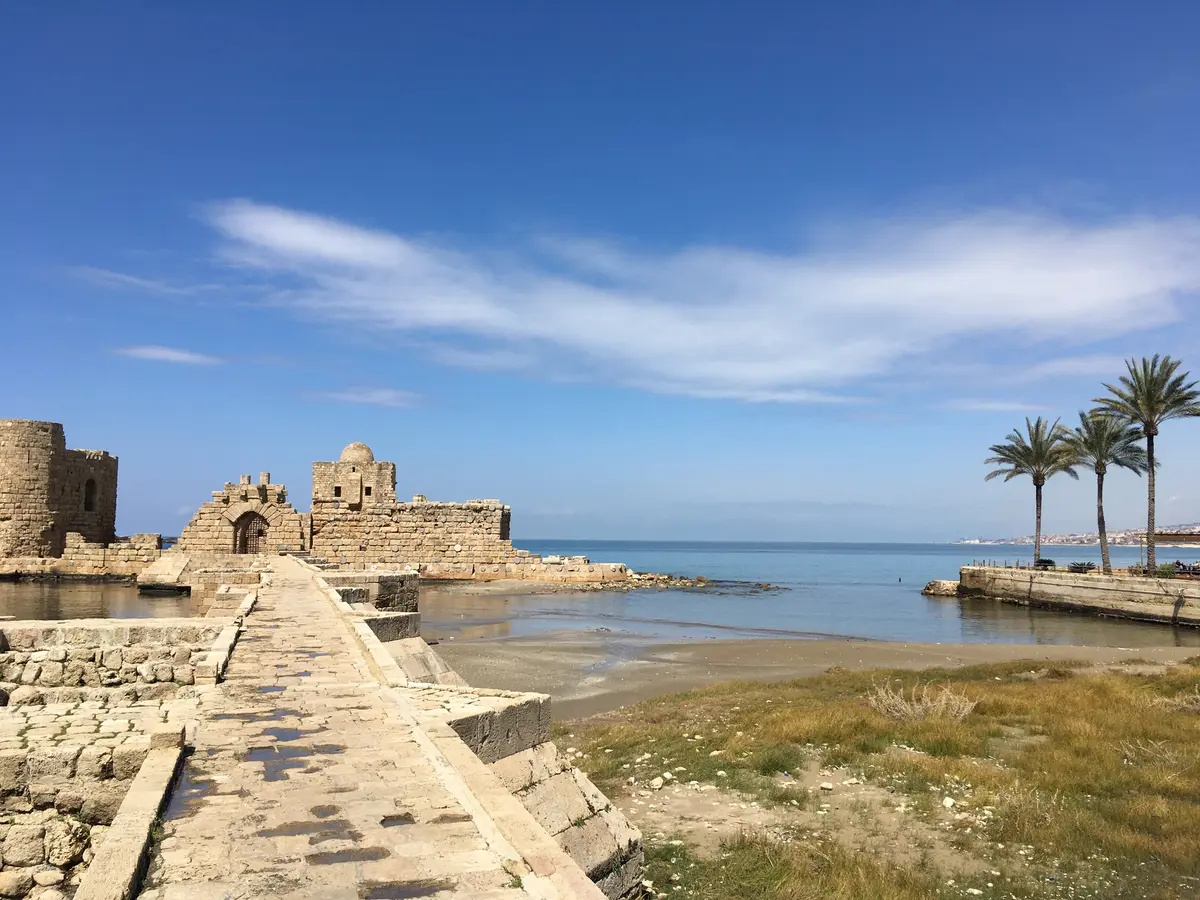
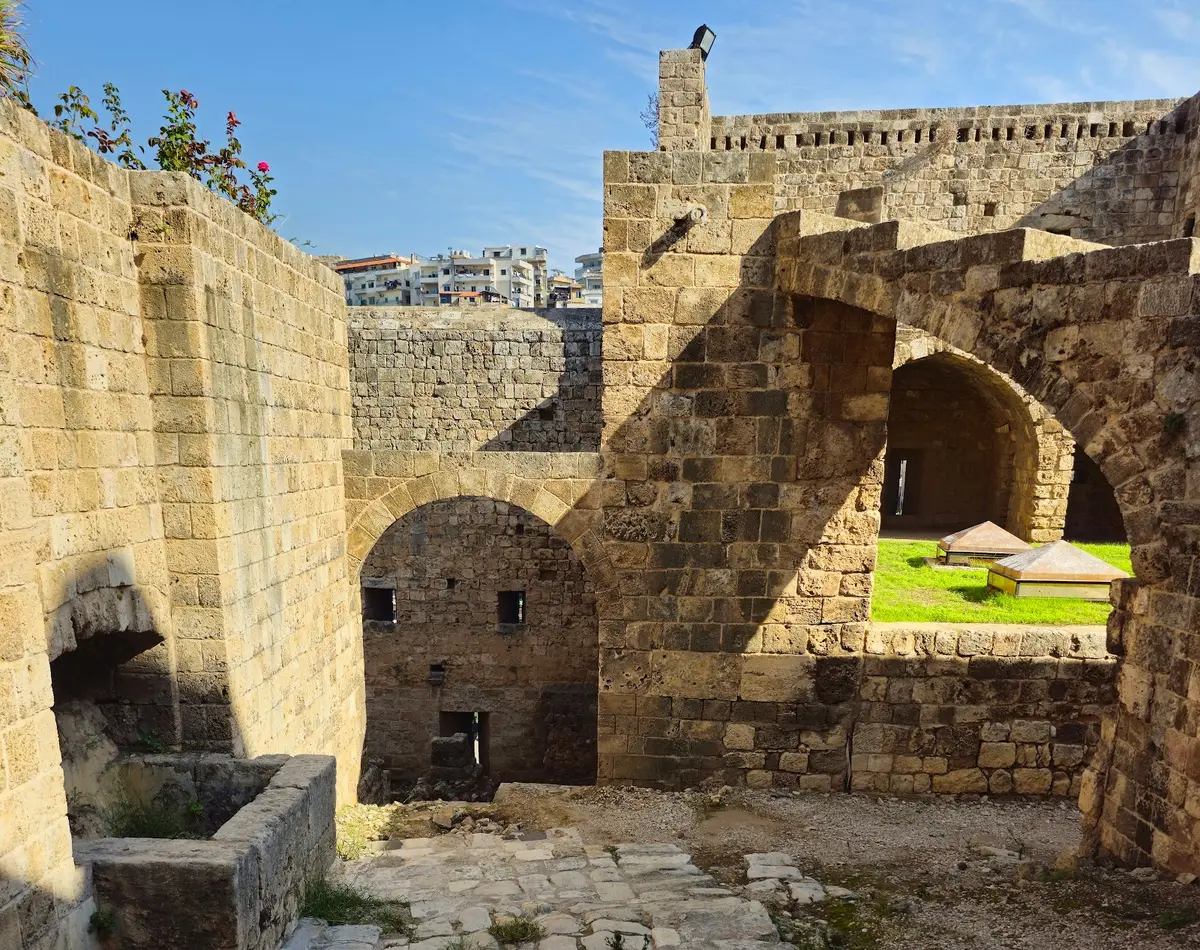
Most visitors come to Lebanon for Beirut nightlife or Byblos ruins and skip the mountains entirely. That’s the mistake. The Cedars of God in Lebanon — a protected grove above the cliffside town of Bsharri at 6,560 feet (2,000 m) — is where the country stops performing for tourists and starts feeling genuinely ancient. This guide covers what to see, what to skip, and the one thing US travelers need to read before booking.
Pro Tip: Check the US State Department advisory for Lebanon before you finalize any plans. Lebanon sits at Level 4 (Do Not Travel) as of the February 23 update, primarily due to border tensions and Beirut security. North Lebanon mountain towns are practically calm, but your travel insurance, embassy access, and flight reliability are all affected by the country-level status. See the “Is it safe to visit Bsharri right now?” section below for the honest breakdown.
What makes the Cedars of God worth the drive from Beirut?
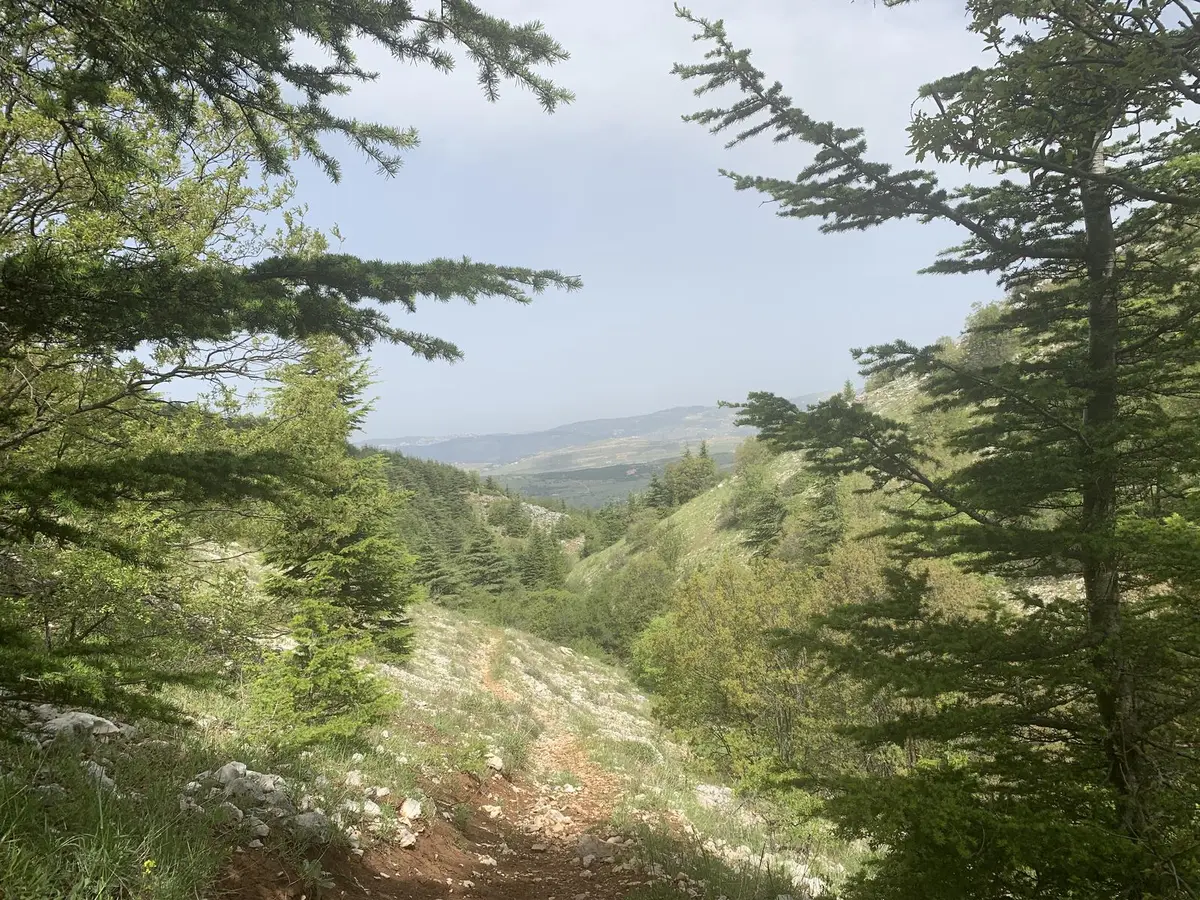
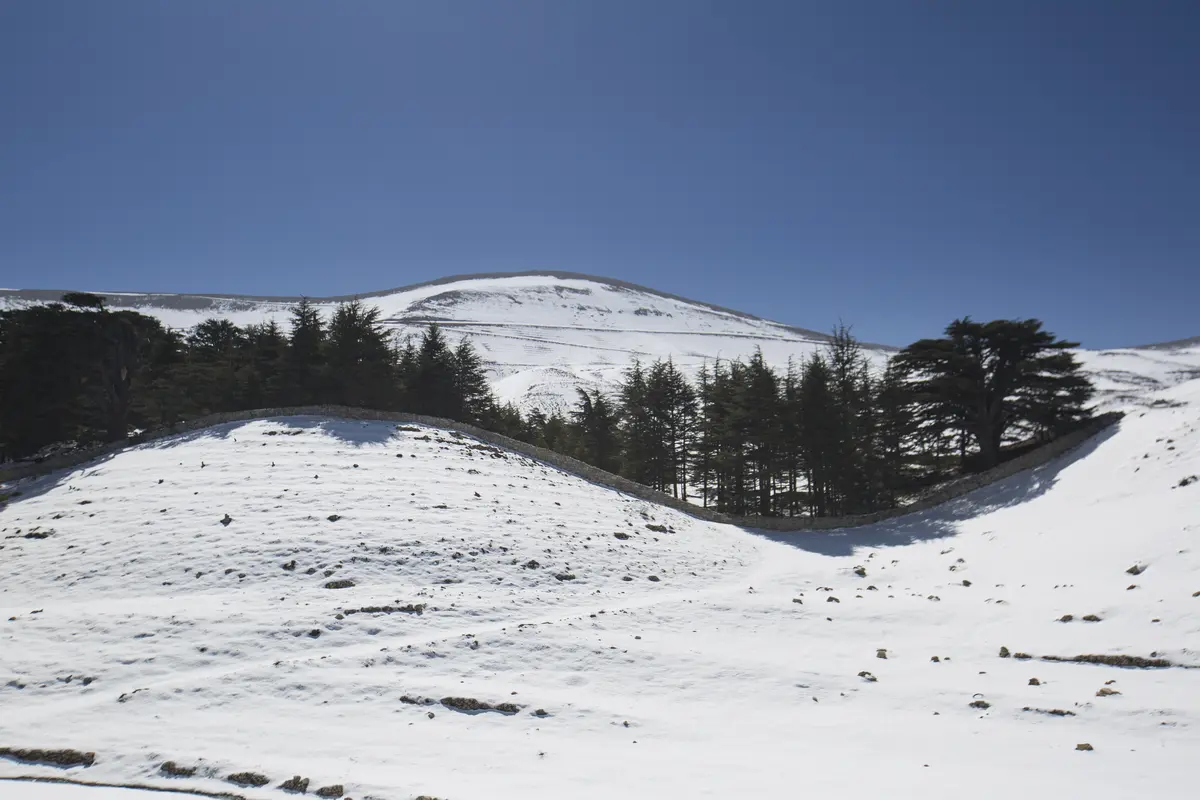
The Cedars of God is a tightly protected 25-acre grove of ancient Lebanon cedars (Cedrus libani) on Mount Makmal’s slopes above Bsharri, designated a UNESCO World Heritage Site in 1998. Some trees are estimated at 1,500 to 3,000 years old. It is small, sacred, and not a backcountry hike — treat it as a focused 60-minute stop inside a larger Qadisha Valley day.
This is not an endless forest. First-time visitors often expect a wild wilderness and get something closer to an open-air cathedral — a few dozen enormous, horizontally-branched giants on a hillside, surrounded by a taller second-growth ring. The trees on the Lebanese flag and currency come from this exact species, and the resin was used by ancient Egyptians for mummification.
The trail and what you’ll actually see
- Loop distance: 0.9 miles (1.4 km)
- Time needed: 45–60 minutes at walking pace, longer with photos
- Difficulty: Easy — mix of dirt and paved stone, walking shoes are fine
- Elevation: 6,560 feet (2,000 m) at the entrance; trees sit up to 7,200 feet (2,193 m)
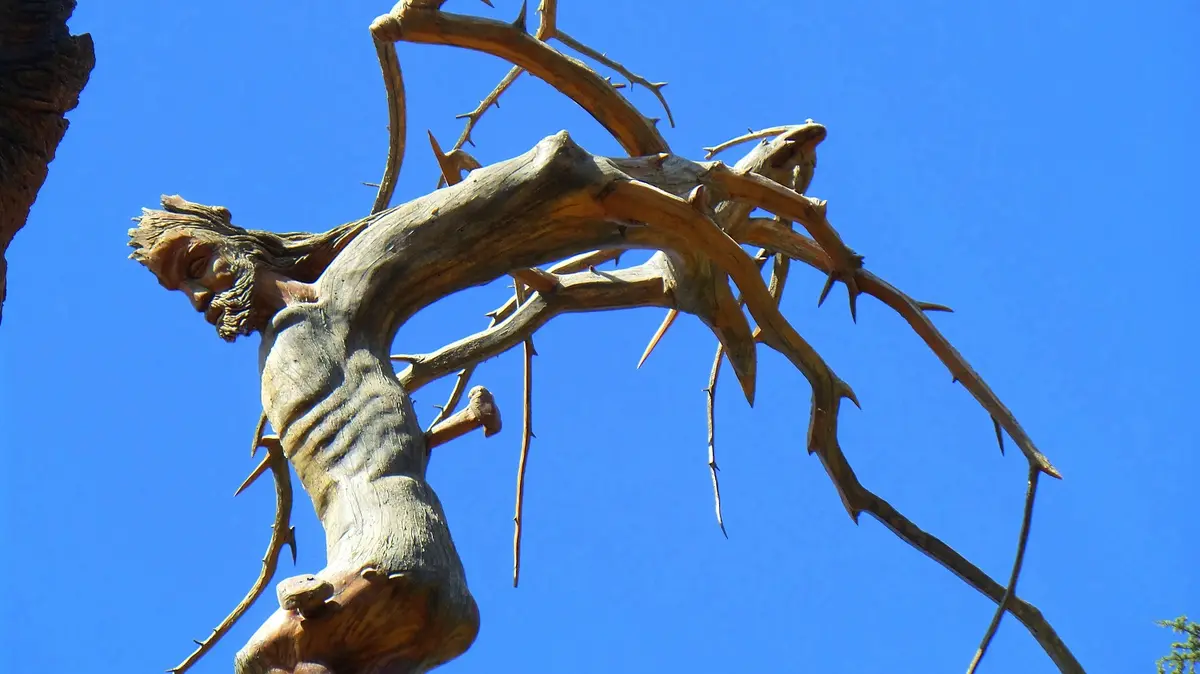
On the loop you’ll pass Trinity Square, where three ancient trees grow from a fused base; the Lamartine Cedar, named after the French poet Alphonse de Lamartine who sat beneath it in 1832; and the Dead Candelabra — massive figurative sculptures carved into naturally fallen cedar trunks by Lebanese artist Rudy Rahme, depicting the Passion of Christ and Lebanese historical figures. The Rahme sculptures are the single most underreported attraction in the grove. No guidebook prepares you for them; they look like something out of a medieval cathedral.
Conservation rules (strictly enforced)
- No climbing trees
- No peeling bark
- No collecting pine cones or cedar fragments
- No drones
Souvenir shops just outside the entrance sell cedar wood carvings. The wood comes from regulated pruning and fallen branches, not live trees — a point worth asking about before buying.
Pro Tip: Go in the last 90 minutes before closing. Late-afternoon light cuts through the horizontal branches and lights up the reddish bark in a way that morning shade doesn’t. Tour buses clear out by 3 p.m., and you often get the grove nearly to yourself.
How much does it cost to visit the Cedars of God?
Entrance to the Horsh Arz el-Rab (Cedars reserve) is currently 100,000 Lebanese pounds (roughly $1–5 USD depending on the parallel-market rate on the day you visit). The Lebanese lira has been volatile, so carry small USD bills and confirm the rate before handing anything over.
- Cedars reserve entry: 100,000 LBP (about $1–5 USD)
- Gibran Museum entry: 200,000 LBP (about $2–10 USD)
- Parking near the reserve: usually free; some lots charge 50,000 LBP
- Guided tour (optional, in forest): $10–20 USD tip-based
- Credit cards: rarely accepted — bring cash, small USD preferred
Gibran Museum: Mar Sarkis monastery and the poet’s tomb
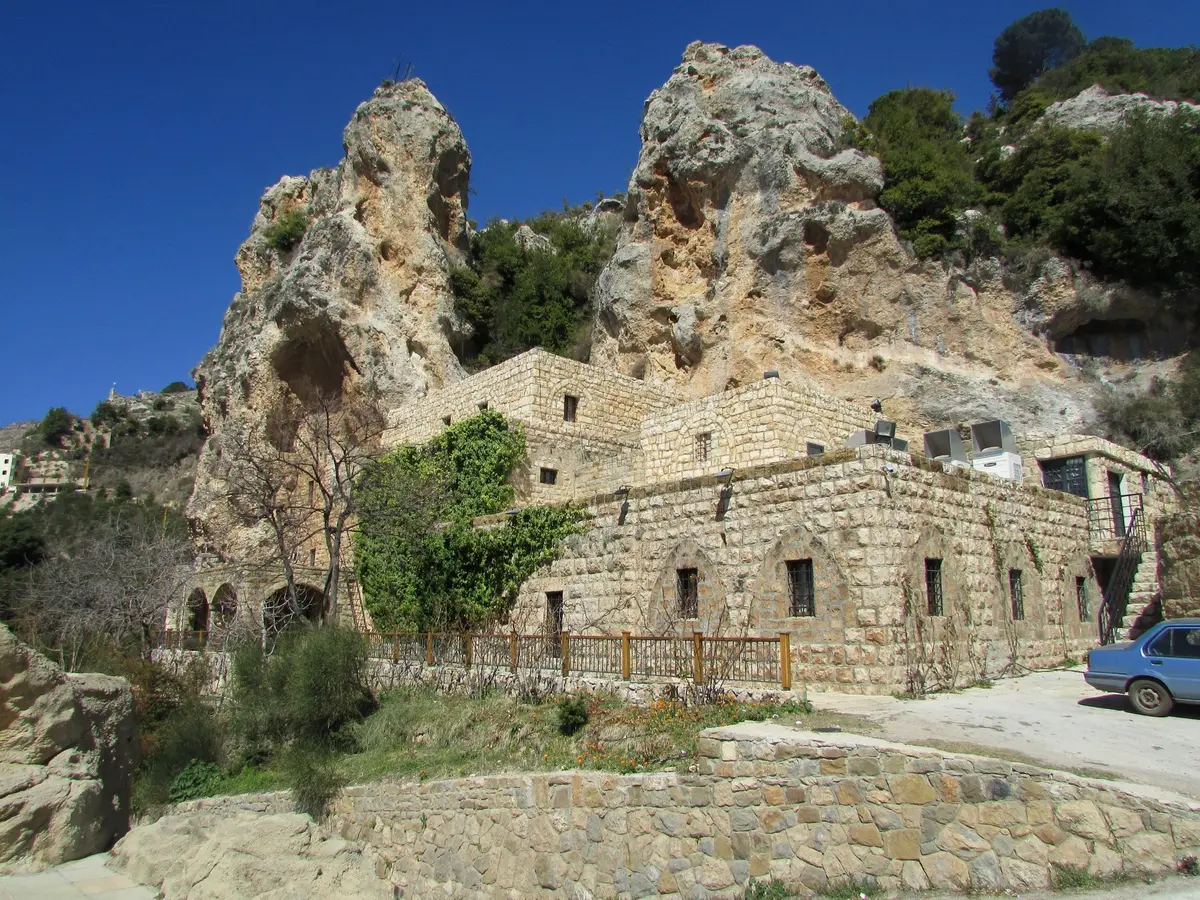
The Gibran Khalil Gibran Museum sits a 13-minute walk from central Bsharri inside the former Monastery of Mar Sarkis (Saint Sergius), a hermitage carved into the cliff that dates to the 7th century. Khalil Gibran — author of The Prophet, one of the best-selling poetry books in history — bought the monastery from the Carmelite fathers in 1926 while living in New York. He died in 1931 before he could return; his sister Mariana purchased the site outright and brought his remains back the same year.
The museum holds 440 original Gibran paintings and drawings, his New York furniture, his personal library, notebooks, and manuscripts, spread across 16 rooms on three floors, ending at the stone chamber where he is buried.
Gibran Museum quick stats
- Location: Mar Sarkis, Bsharri, North Governorate, 75 miles (120 km) from Beirut
- Hours: Tuesday–Sunday, 9 a.m.–6 p.m.; closed Mondays
- Cost: 200,000 LBP (approximately $2–10 USD, lira-dependent)
- Time needed: 60–90 minutes inside, plus 20 minutes at the Phoenician Tomb uphill
- Best for: Literature readers, art lovers, travelers who already know The Prophet
The honest friction points
Photography inside the museum is prohibited and enforced by staff — no phones up, not even quick shots near the tomb. The layout is stairs-only across three floors, which rules out wheelchairs and makes the visit hard for anyone with knee issues. Some of the painting collection is repetitive (dozens of Blake-style nudes), and the labeling is sparse. If you have not read any Gibran, the visual work lands flat. If you have, the tomb room alone justifies the ticket.
A short uphill walk above the museum leads to the Phoenician Tomb, a pre-Roman monolithic structure with a burial chamber carved into its base. The valley view from there beats the museum’s own view and is almost always empty.
Qadisha Valley: hiking Lebanon’s monastic heartland
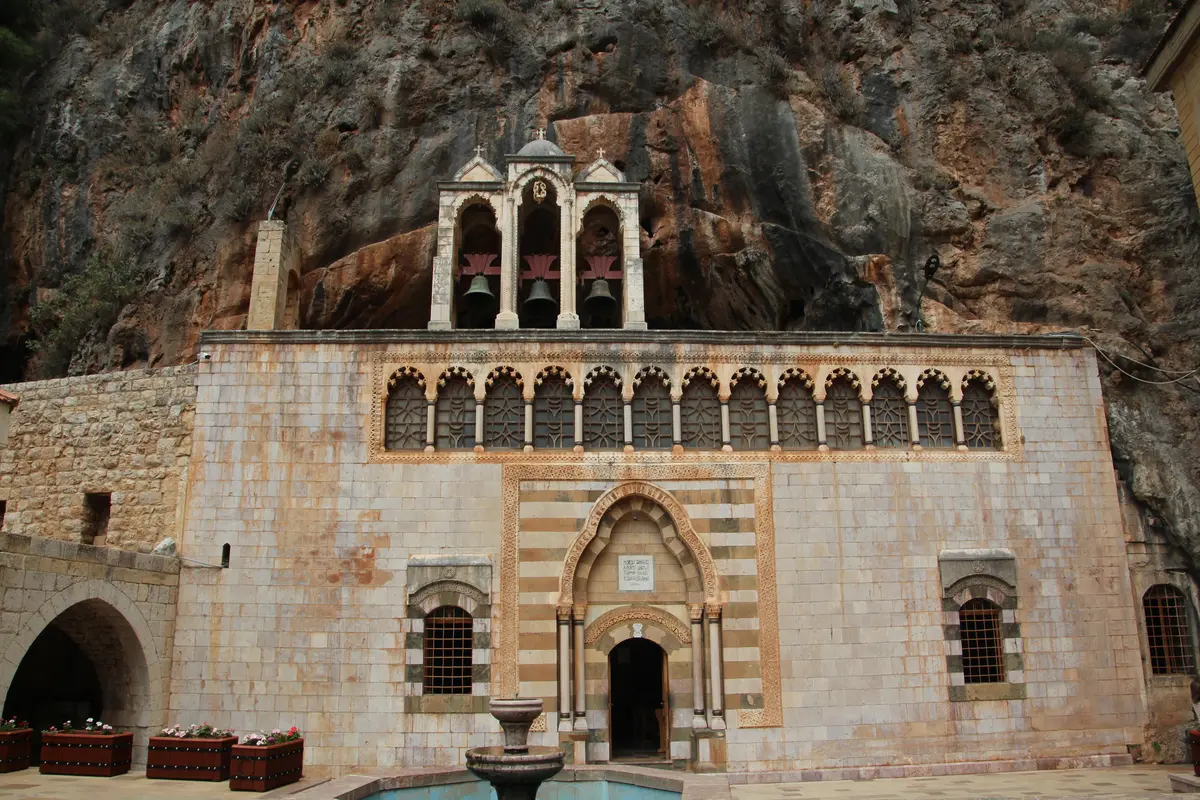
The Qadisha Valley (Wadi Qadisha) was named a UNESCO World Heritage Site in 1998 alongside the Cedars, recognized as one of the world’s most important early Christian monastic refuges. During Mamluk and Ottoman persecution of Maronite Christians, the valley’s caves and cliff-ledge monasteries sheltered entire communities. You can still see monks’ cells carved directly into the cliff walls from the trail below.
What’s the best hike in the Qadisha Valley?
For most visitors, the best hike in the Qadisha Valley is the valley-floor route from Mar Lishaa monastery to Our Lady of Qannoubine — roughly 3–4 hours round trip, mostly shaded, following the Qadisha River. The trail is moderate, well-marked, and connects into the Lebanon Mountain Trail (LMT) for anyone wanting a multi-day trek. Avoid the direct Bsharri-to-valley-floor descent unless you’re fit; the climb back out is punishing.
- Distance: 5–7 miles (8–11 km) round trip depending on turnaround point
- Time: 3–4 hours at moderate pace
- Elevation drop to valley floor from Bsharri: around 2,600 feet (800 m)
- Best season: April–June and September–October
- Water: the river is clean-looking but not drinkable; carry 2 liters per person
Pro Tip: If you’re staying in Bsharri and just want to see the valley bottom without destroying your legs, hire a local driver to drop you at Mar Lishaa ($15–25 USD) and pick you up at Dimane or Qannoubine. Most Tiger House and Bsharri guesthouse hosts will arrange this with a phone call.
Which monasteries should you actually visit?
Three are worth your time:
- Our Lady of Qannoubine — the former seat of the Maronite Patriarchate for 500 years, carved directly into the cliff face; reachable only on foot
- Monastery of Saint Anthony of Qozhaya — the most accessible by car, with a cave-mounted chapel and a small museum housing one of the earliest printing presses in the Middle East (the Qozhaya Psalter, printed here, dates to 1610)
- Monastery of Mar Lishaa (Saint Elisha) — small, photogenic, and the best trailhead for the valley-floor hike
The Qadisha Grotto, just off the old road from Bsharri to the Cedars, is the source of the Qadisha River and holds stalactites and stalagmites in a more intimate setting than the famous Jeita Grotto near Beirut. It typically opens May through October or November and closes on Mondays, depending on water levels.
Where should you eat in Bsharri?
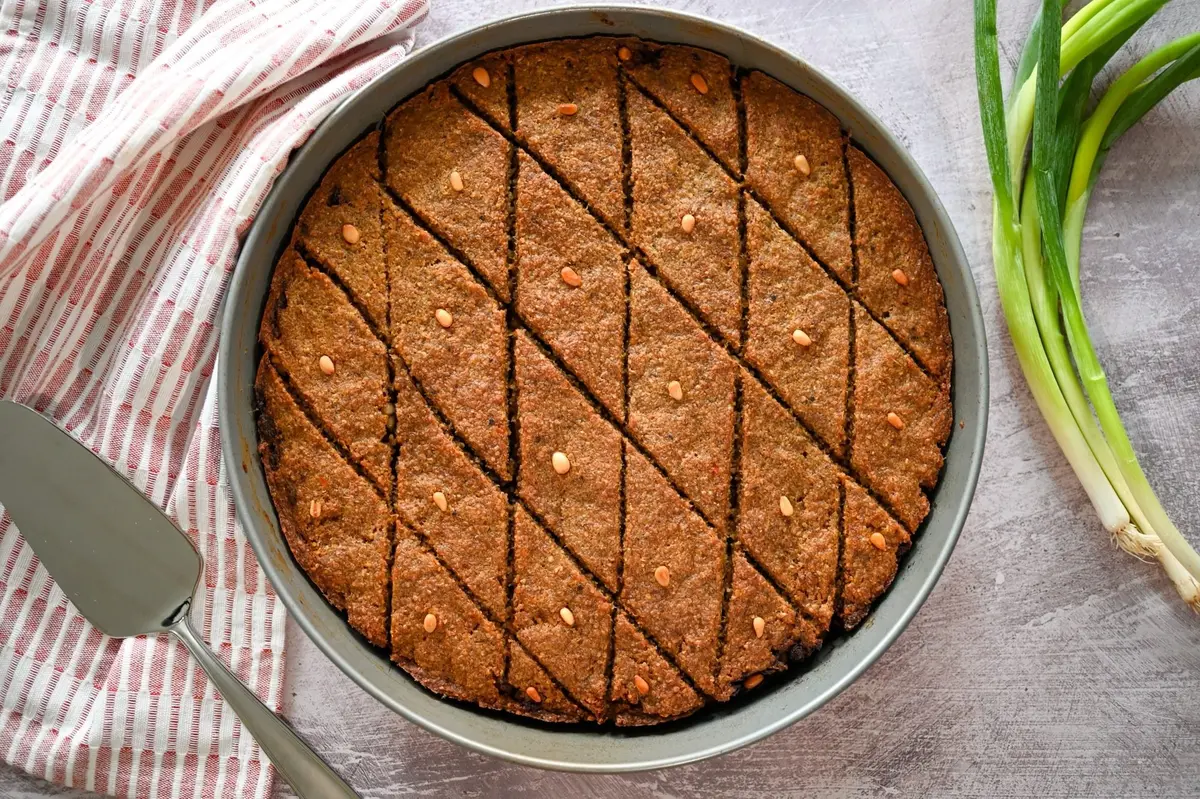
Bsharri cuisine leans mountain-heavy — traditional Lebanese mountain food like kibbeh bil sayniyeh (baked kibbeh in a tray), awarma (preserved lamb fat), kishk (fermented bulgur-yogurt soup), and fresh manoushe in the mornings, often paired with arak. Four spots stand out.
1. Masa Restaurant — the best dinner in town
Modern chalet feel with a working fireplace in winter, run by a family that takes service seriously. The menu mixes Lebanese mezze with international plates (steaks, pasta), and it consistently rates the highest among Bsharri restaurants on cleanliness.
- Location: On the road from Bsharri toward the Cedars
- Cost: $20–35 USD per person with drinks
- Best for: A proper sit-down dinner after a hiking day
- Time needed: 90 minutes
2. River Rock — the view wins
Perched on the cliff edge at Bsharri’s entrance, with a terrace that drops straight into the Qadisha Valley. Food is standard Lebanese — very good, not extraordinary. You’re paying for the view, and the view is worth it for one meal.
- Location: Bsharri entrance, cliff edge
- Cost: $15–30 USD per person
- Best for: Lunch with a panoramic view, couples
- Time needed: 60–75 minutes
3. Bayt Baytak — breakfast and nothing else
Fresh manoushe, farm labneh, homemade jams, kishk soup in winter. The “grandma’s kitchen” description is not marketing — it’s what the place actually feels like. Cash only in most cases.
- Location: Central Bsharri
- Cost: $8–15 USD for a full breakfast
- Best for: Pre-hike fuel, solo travelers, anyone who likes real manoushe
4. Café des Cèdres — a quick bite near the grove
Near the forest entrance. Nothing special on the menu — sandwiches, wraps, a few Lebanese plates — but it’s the only real food option within walking distance of the Cedars if you arrive hungry.
- Location: Cedars reserve entrance
- Cost: $6–12 USD
- Best for: Lunch between grove visit and museum
- Time needed: 30 minutes
Where should you stay in Bsharri?
Three options cover the realistic range — budget backpacker, design-forward boutique, and full-service hotel.
1. Tiger House Guest House — the backpacker classic
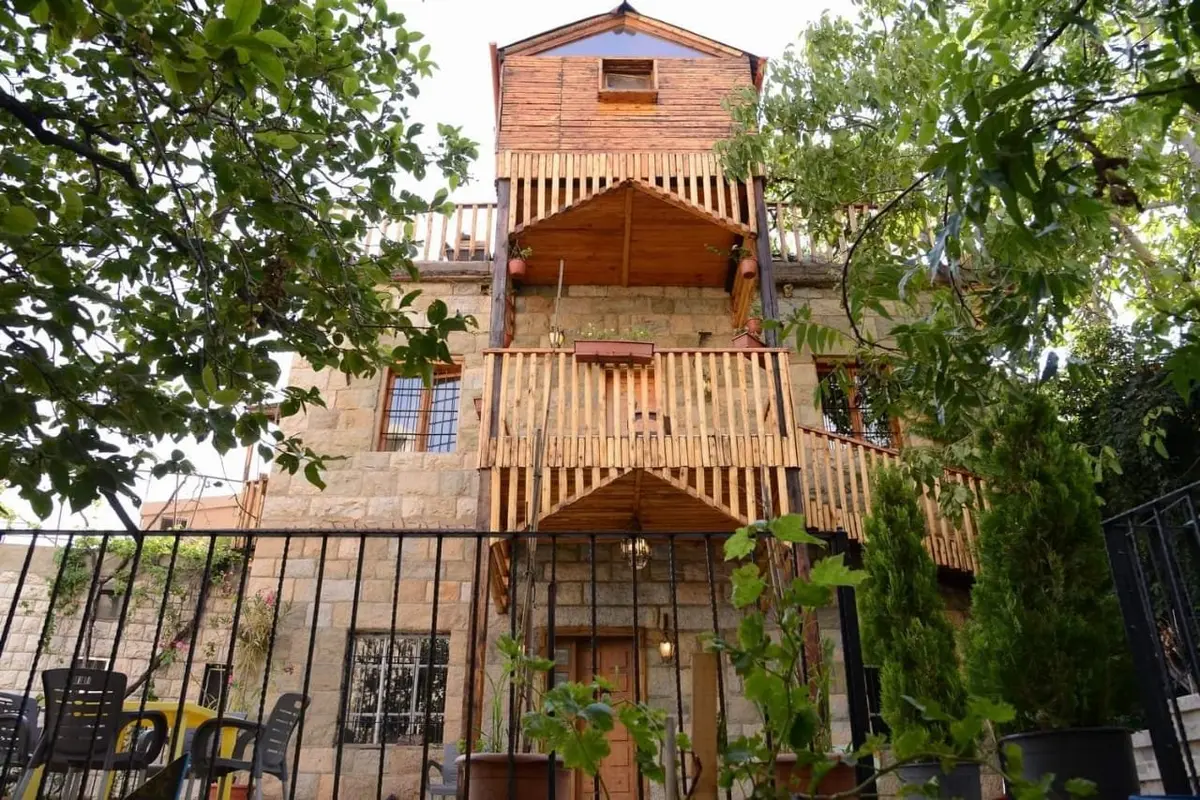
A family home converted into a guesthouse, now run by host Grace, who has become something of a Lebanese Mountain Trail legend. The living room has a large fireplace, breakfast is homemade, and Grace will help plan your hikes and call drivers for you. Rooms are simple — no frills, soundproofing is minimal, and hot water sometimes needs advance notice. Book direct when possible.
- Location: Central Bsharri, 13-minute walk to Gibran Museum
- Cost: from $15–20 USD/night (dorm), private rooms from $40
- Best for: Solo travelers, hikers, anyone who wants local recommendations
- Time needed: 2–3 nights if you’re doing the valley properly
2. La Maison des Cèdres — the boutique pick
Positions itself closer to the forest than to the town, with mountain-lodge interiors and a sense of seclusion. High marks from couples and design-minded travelers. Farther from Bsharri’s restaurants, so you’ll drive for dinner.
- Location: Between Bsharri and the Cedars reserve
- Cost: from $120 USD/night
- Best for: Couples, longer stays, travelers who want quiet
- Time needed: 2 nights minimum to justify the rate
3. Hotel Chbat — old-school and family-friendly
A large, older property in Bsharri town with a pool, banquet-style dining room, and valley-facing rooms. The pool is a real plus in summer. Decor is dated, and pool-side music can carry into the mountain quiet some guests came for.
- Location: Bsharri town
- Cost: from $70 USD/night
- Best for: Families, summer stays, larger groups
- Time needed: 1–2 nights
How do you get to Bsharri from Beirut?
From Beirut, take the coastal highway north past Byblos and Batroun to Chekka, then turn inland through Koura’s olive groves and climb into the Qadisha mountains. Total drive: about 2 to 2.5 hours, covering 75 miles (120 km). The road narrows and switchbacks hard in the final 30 minutes — anyone prone to car sickness should sit in the front seat.
Driving vs. hired car vs. bus
- Rental car from Beirut: $40–60 USD/day, gives you access to the whole Qadisha region; aggressive Lebanese driving culture is the real obstacle, not the roads
- Private driver: $80–150 USD round trip from Beirut, worth it if you’re short on time
- Day tour from Beirut: $70–120 USD per person, typically bundles Cedars + Gibran Museum + Qozhaya + lunch
- Public bus: Beirut → Tripoli (~$2 USD, 2 hours), then transfer to a Bsharri minibus (~$3 USD, 90 minutes); cheap but unreliable and slow
Winter driving — read this before you go
Snow closes or restricts the Bsharri road regularly from December through March. Police checkpoints turn back ill-equipped cars during storms. If you’re driving:
- Snow chains or 4WD are often mandatory above Hasroun
- Check weather the morning of travel, not the day before
- Road ice on the final switchbacks is the real hazard, not the snow
- Budget an extra 60–90 minutes in winter conditions
Is it safe to visit Bsharri right now?
North Lebanon’s Christian heartland — including Bsharri, Batroun, and Byblos — is one of the calmest corners of the country and has remained so through recent instability. That said, the US State Department lists Lebanon as Level 4 (Do Not Travel) as of the February 23 update, citing terrorism, civil unrest, kidnapping, and armed conflict risks. Most risks are concentrated in southern Lebanon, the Bekaa Valley, the Dahieh suburb of Beirut, and the Syrian border — not Bsharri.
What this actually means for US travelers:
- Travel insurance: Most standard policies void coverage in Level 4 countries. A specialty travel insurance provider (World Nomads Explorer, Battleface, IMG Signature) is required if you want any protection
- Consular services: US Embassy Beirut has suspended routine consular services; replacing a lost passport is very difficult
- Flights: Beirut–Rafic Hariri International remains open, but cancellations spike during regional escalations
- State Department guidance is unambiguous — enroll in STEP (Smart Traveler Enrollment Program) before you fly
- Kidnapping, crime, and political violence remain real risks in Beirut and border regions, not in Bsharri specifically
The contrarian take: the mountains themselves feel safer than most US cities. Violent crime in the Qadisha region is statistically rare; the real dangers are winter road conditions and mountain driving. But you are still legally, financially, and logistically inside a Level 4 country — that reality does not pause at the Bsharri town line.
What currency should you bring to Bsharri?
Currency in Lebanon is effectively dollarized. Hotels, tours, restaurants, and the Cedars reserve list prices in USD and accept USD directly. The Lebanese lira (LBP) is legal tender but volatile, with the parallel-market rate changing weekly.
- Bring clean, small USD bills ($1, $5, $10, $20) — $100 bills are routinely refused
- ATMs in Bsharri dispense LBP at unfavorable rates; withdraw USD in Beirut before heading up
- Credit cards work in Hotel Chbat and a few restaurants but are unreliable elsewhere
- Tipping: 10% is standard at sit-down restaurants; $5–10 USD per day for drivers and guides
- Ask the price in USD first, then confirm the LBP rate if paying local currency
Before you book
TL;DR: The Cedars of God and Qadisha Valley deliver one of the most unusual travel experiences in the Middle East — ancient trees, cliff-carved monasteries, and Gibran’s tomb in a quiet mountain town two hours from Beirut. Go for 2 to 3 nights with Bsharri as your base, eat at Masa, hire a driver for the valley floor, and skip the Cedars at midday when tour buses arrive. Crucially: check the US State Department advisory and your insurance coverage before you book — Lebanon is at Level 4, and that affects insurance, flights, and consular access even if the North feels calm.
This part of Lebanon doesn’t perform for tourists. There is no Instagram wall, no hop-on-hop-off bus, no theme restaurant version of Lebanese cuisine. You get the real mountain — pine smoke, Arabic liturgy drifting up from a cliff monastery, an 80-year-old man selling cedar carvings out of a shed, and the kind of silence under the ancient trees that you can only get at 6,500 feet.
Have you visited the Cedars or Qadisha Valley, or are you weighing the trip against the current advisory? Drop your questions in the comments — especially on transport, insurance, or timing, since those shift fastest.