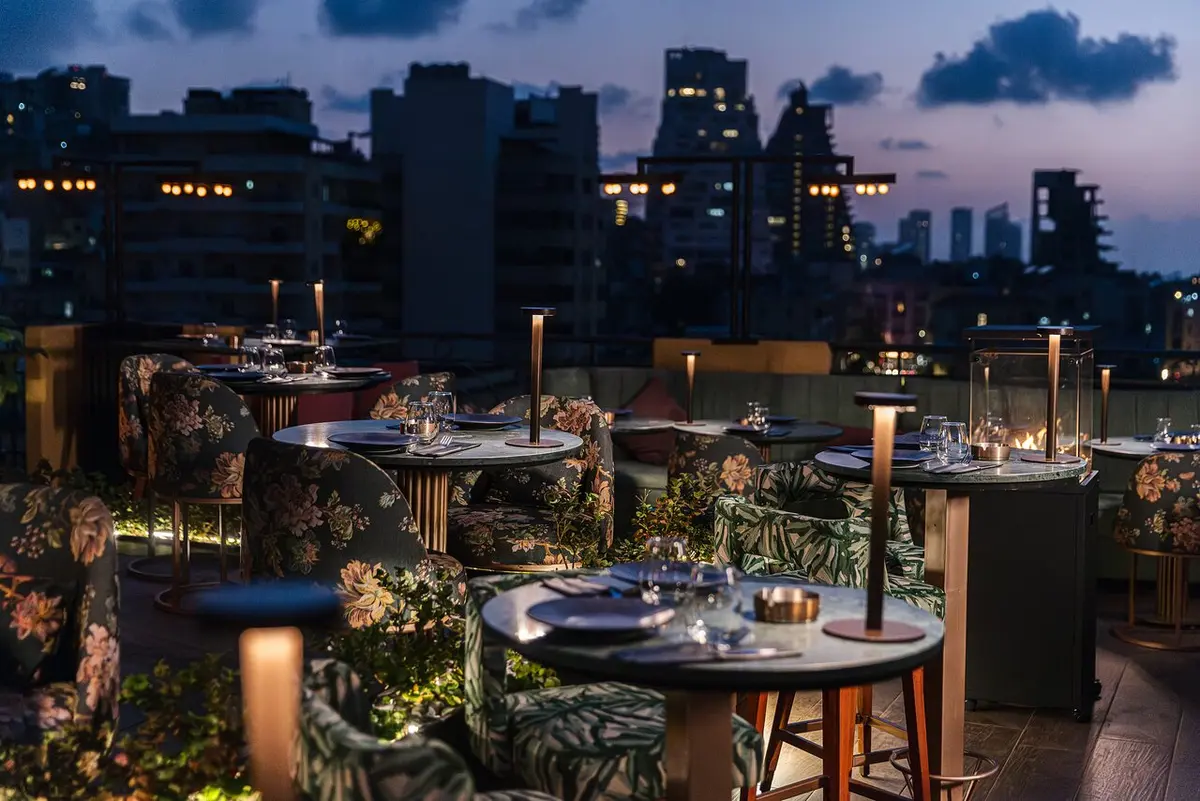
Lebanon is the most misread destination in the Mediterranean. Headlines say one thing, the streets of Mar Mikhael say another, and your trip will live or die by knowing the difference. This Lebanon travel guide cuts through both — the panic and the postcard — so you arrive ready.
Is Lebanon safe to visit right now?
Safety in Lebanon is hyperlocal, not national. The U.S. State Department keeps Lebanon at Level 4 — Do Not Travel — citing terrorism, kidnapping, unexploded ordnance and the risk of armed conflict, and non-emergency embassy personnel were ordered to depart on February 23. The UK and Canada mirror that warning. Travelers who stick to vetted tourist zones routinely report a calmer reality, but that gap exists because the advisory covers worst cases across the whole country. For a deeper breakdown of whether Lebanon is safe for American tourists, read the advisory in full before you book.
The disconnect is geography. South of the city of Saida — the entire south, inland included — is the highest-risk zone and the focus of the strongest U.S. warnings. The well-trodden tourist circuit (central Beirut, Byblos, Batroun, the Qadisha Valley, Baalbek by organized day tour) is a different country in practice. Then make your own call.
Pro Tip: Enroll in the Smart Traveler Enrollment Program (STEP) before you fly. It is free, takes four minutes, and is the single fastest way the embassy can reach you if the situation shifts.
Areas to avoid
- Southern Lebanon: Everything south of Saida, including inland.
- Lebanon-Syria border zone: Bekaa Valley near Syria (Baalbek itself is still visited via day tours, but go with a licensed operator).
- Dahieh: Beirut’s southern suburbs.
- Palestinian refugee camps: Off-limits to tourists.
- Parts of Tripoli: Confirm with your driver before going.
For solo female travelers
Street harassment in Beirut is notably low — closer to Tokyo than to Cairo, in the words of more than one female traveler I trust. You will see women in short dresses and crop tops in Hamra and Mar Mikhael. Cover shoulders and knees at mosques and churches, and dress more modestly in rural Bekaa. These solo female travel tips for Lebanon go further on neighborhoods, dress codes and night transport.
How does money actually work in Lebanon?
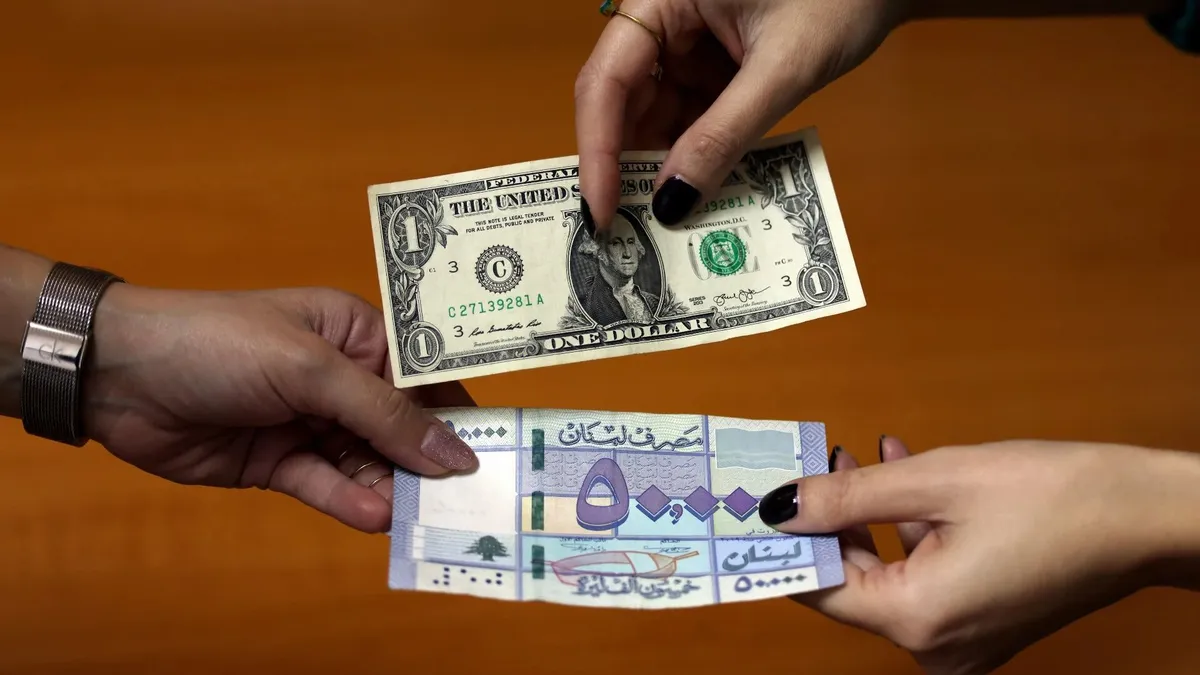
Lebanon runs on physical US dollars in cash. The banking sector collapsed, ATMs and cards push you through a punishing official rate, and roughly every transaction you make as a tourist will be in greenbacks. Bring all the cash you need for the entire trip — pristine bills, small denominations — and never put a card in a Lebanese ATM.
There are two exchange rates: the dead official bank rate, and the real market rate that everyone actually uses. Withdraw $50 from an ATM at the official rate and you receive Lebanese pounds worth roughly $3 on the street. That is not a typo.
Your cash survival kit
- Bring USD in cash: Enough for the whole trip, plus a buffer.
- Bill condition: No tears, no ink, no heavy creases. Crisp bills only.
- Denominations: Heavy on $1, $5, $10, $20. Breaking a $100 is painful.
- Where to exchange: Licensed bureaus only (Whish is widely used). Skip banks and street dealers.
- Track the rate: Download the Lira Rate app and check it daily.
- Cards and ATMs: Do not use them. Ever.
The upside of the crisis: USD goes far. Dinner for two runs around $24, mid-range hotels sit at $50-80 a night, and a 10-minute taxi ride is $6-8.
Visas and getting there
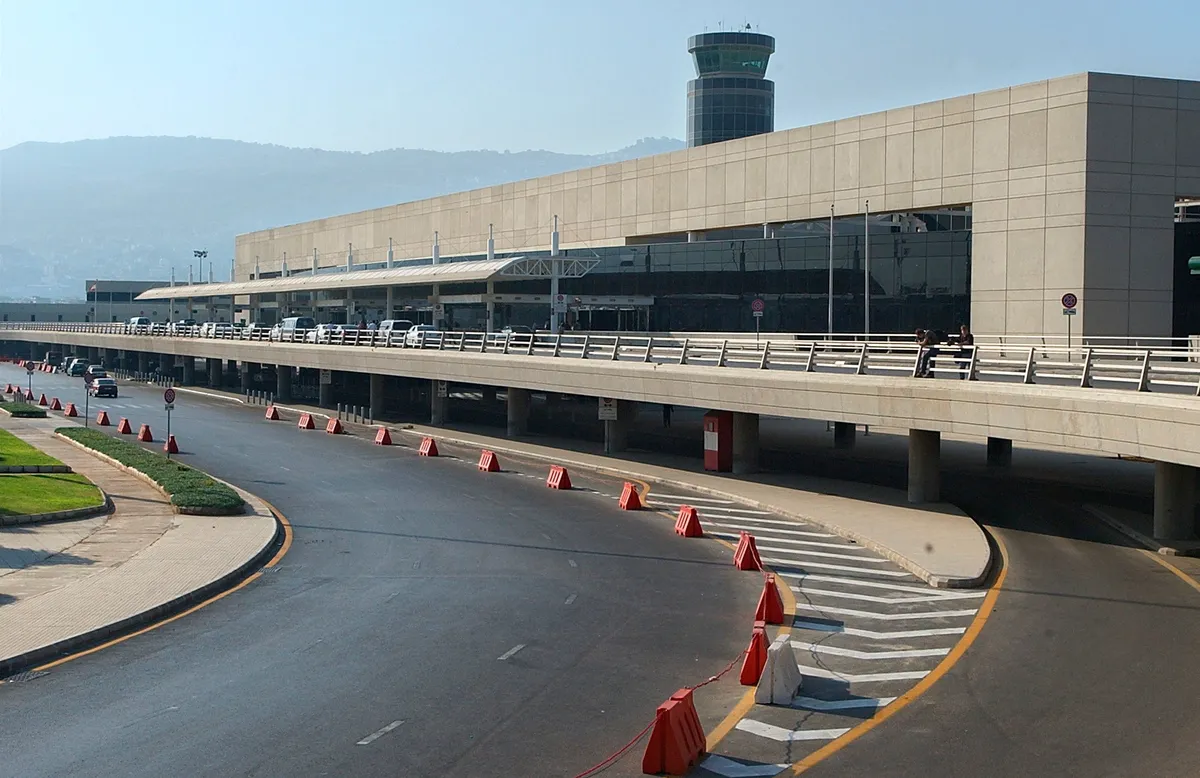
US passport holders get a free one-month Lebanon visa on arrival stamped at Beirut-Rafic Hariri International Airport. No application, no fee.
The non-negotiable rule: any Israeli stamp, visa or exit/entry mark in your passport means denied entry — and admitting a past visit during questioning can mean detention. If your passport has any Israel history, get a new passport before you fly.
No US carrier flies direct. Expect 15-16 hours through a European or Gulf hub on Lufthansa, Turkish, Air France or Royal Jordanian. Round-trip fares start near $650 from New York, $710 from Chicago and $820 from Los Angeles, and they swing hard with the news cycle.
When is the best time to visit Lebanon?
Spring (April-June) and fall (September-October) are the sweet spots for the best time to visit Lebanon: 65-80°F (18-27°C), thinner crowds, and the right conditions for ruins and mountain trails. Summer (July-August) is hot, humid and packed with returning expats — beach clubs in Batroun are at full volume, prices climb. Winter (December-March) is the famous trick: ski the slopes above Bsharri and swim the Mediterranean the same afternoon, 45 minutes apart by car.
Pro Tip: September is the quiet winner. Sea is still warm at 78°F (26°C), Baalbek is bearable at midday, and Beirut’s restaurant scene is fully back from the August lull.
What should you pack for Lebanon?
Standard travel gear plus a few non-obvious items the country forces on you. Power cuts are daily, streetlights are unreliable, and connectivity is easier on eSIM than on a $50 physical SIM.
- Power bank: 20,000 mAh minimum. Generators kick in at hotels and restaurants, but coverage is patchy.
- Headlamp or flashlight: Sidewalks in Beirut are uneven and unlit after dark.
- Imodium: Refrigeration is hit-or-miss thanks to the electricity crisis.
- Light layer: Mountain evenings drop to 55°F (13°C) even in July.
- eSIM: Airalo and Holafly are the best eSIMs for Lebanon travel at $10-20 per week.
How do you get around Lebanon?
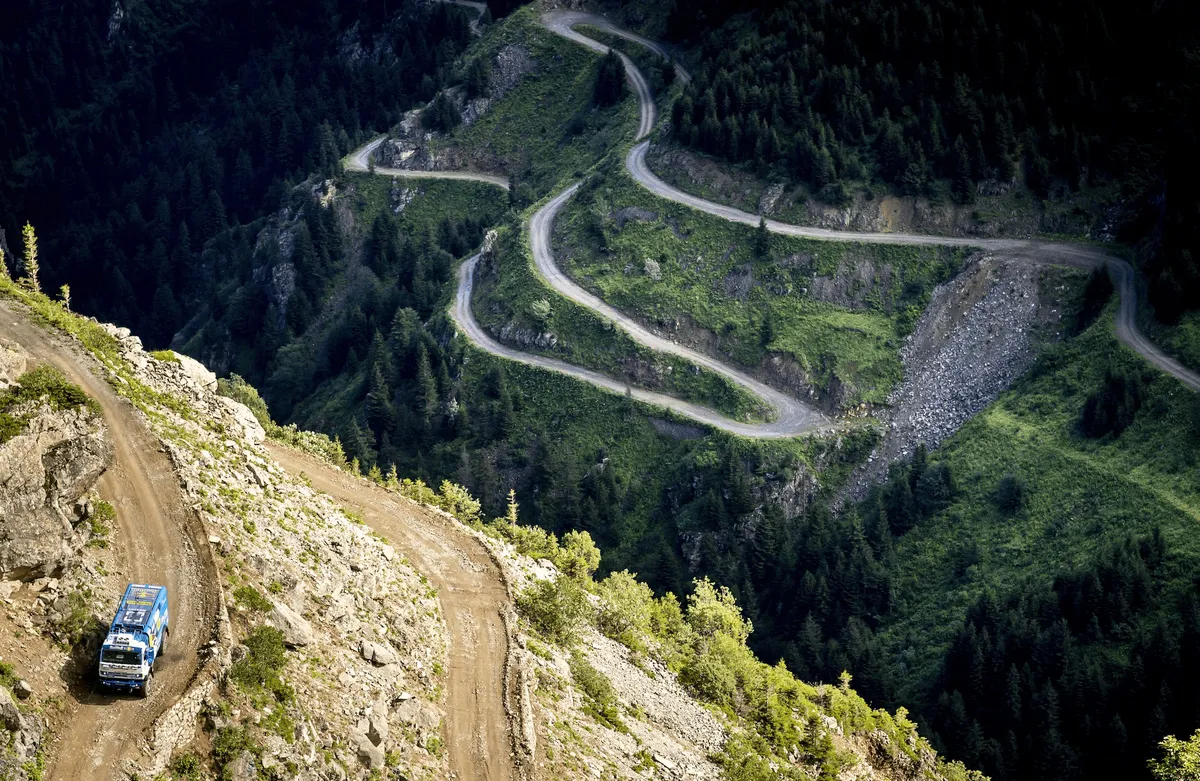
Hire a private driver. This is the single highest-leverage decision in your trip. Driving in Lebanon yourself is chaotic — potholed roads, Arabic-only signage outside cities, lane discipline that exists only on paper. A private driver runs $144-200 per day for 8-10 hours and turns into your translator, fixer and informal guide. Build it into the budget from day one.
Budget alternative: shared taxis and minivans (servees) link the major cities cheaply. They run on no schedule from unmarked stops and require both patience and a tolerance for ambiguity. Uber operates in Beirut but coverage thins fast outside the capital.
Where should you go in Beirut?
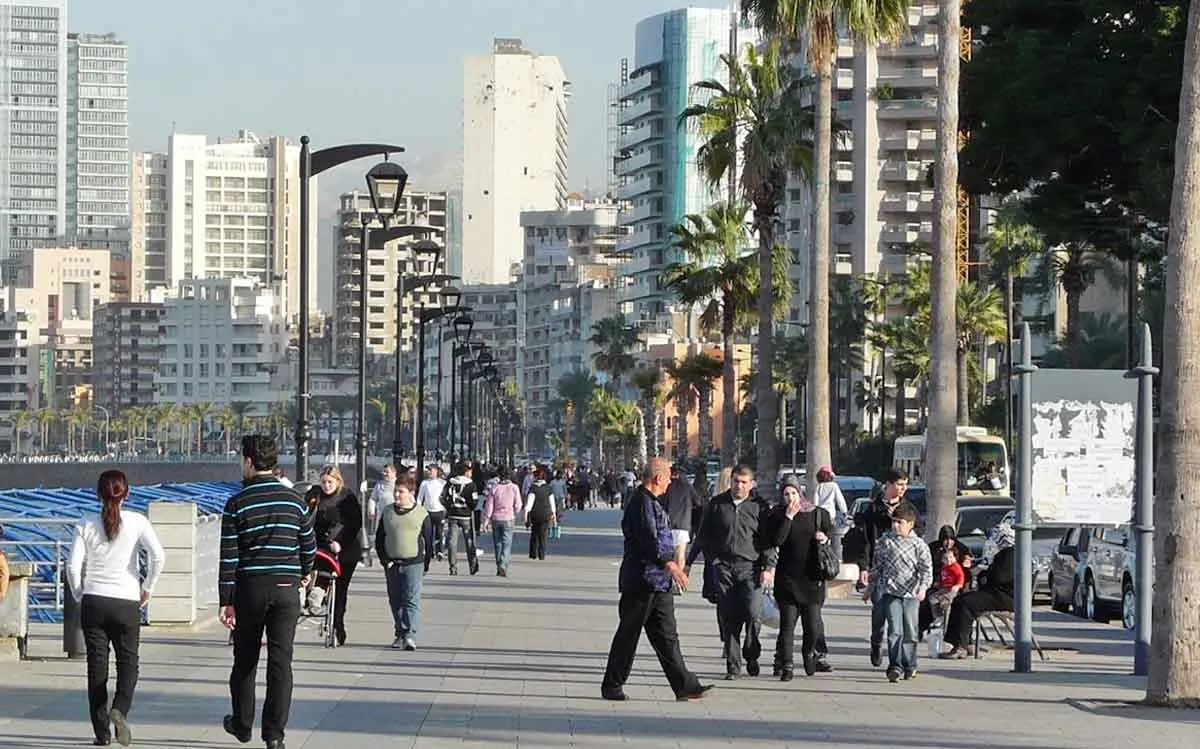
Beirut is a contradiction that somehow works — Roman ruins next to mosques next to bullet-pocked French mandate facades. These are the neighborhoods worth your time:
- Downtown: Walkable post-war reconstruction, Beirut Souks, Roman bath ruins.
- Hamra: University crowd, cheap eats, bookshops, the cultural pulse.
- Achrafieh and Gemmayzeh: Heritage stairs, galleries, the best dinner streets.
- Mar Mikhael: The nightlife heart — damaged in the 2020 port explosion and rebuilt block by block.
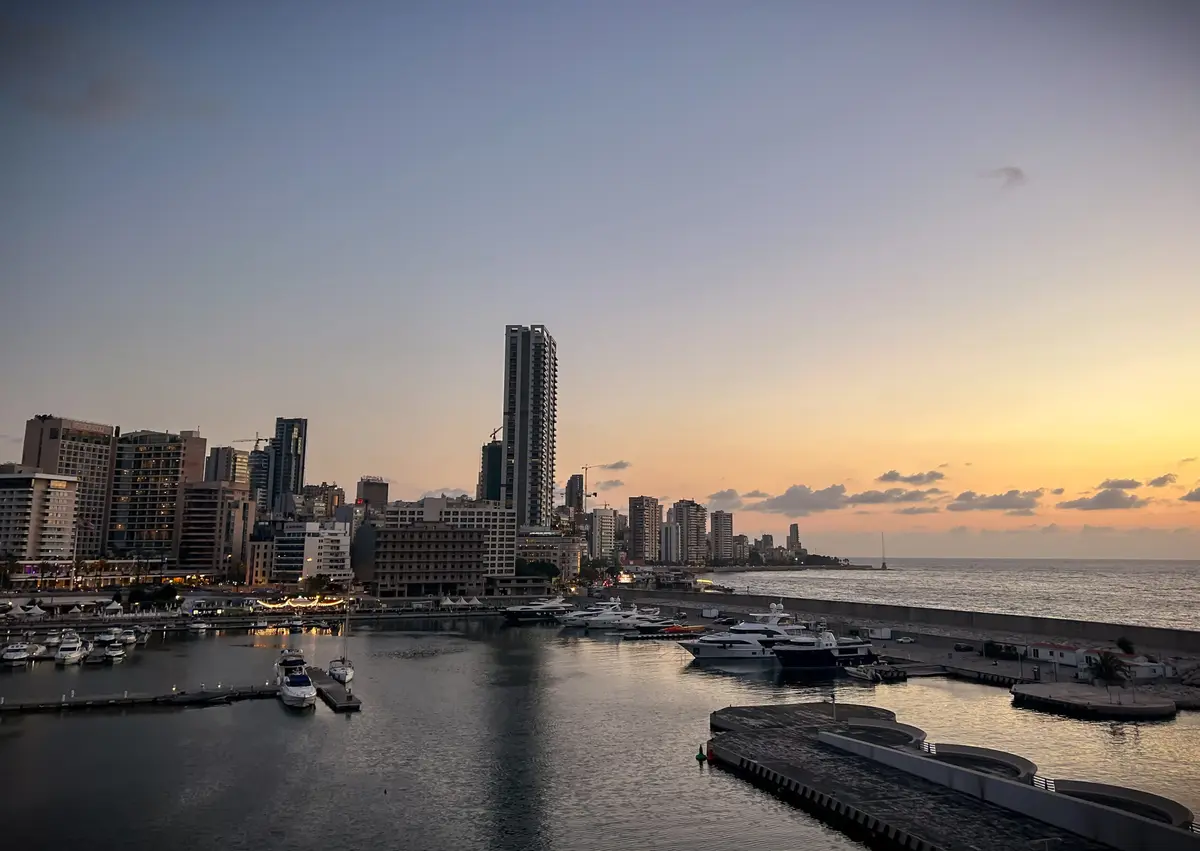
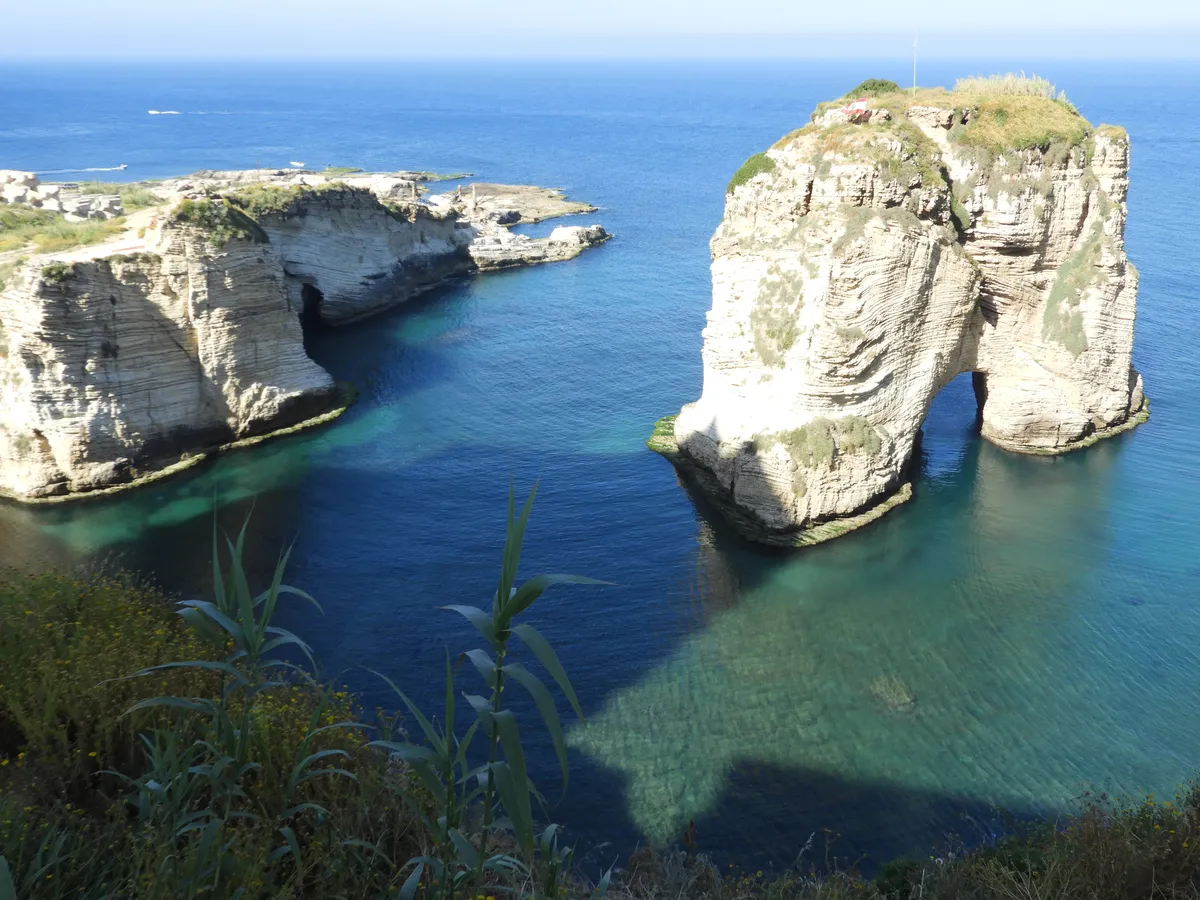
- Raouché: Sunset at the Pigeon Rocks, drinks on the Corniche.
Historic sites worth the trip
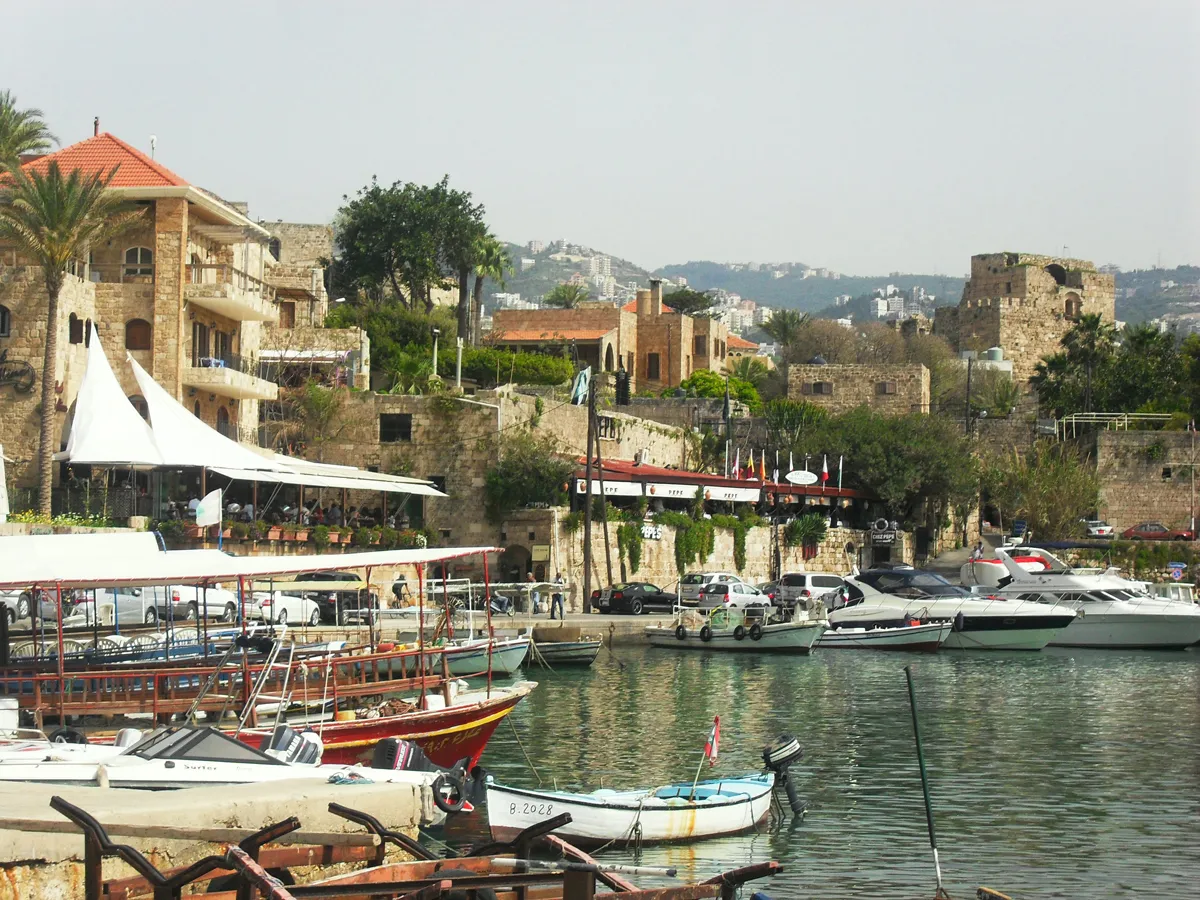
Byblos — 7,000 years in one walk
Byblos (Jbeil) is one of the oldest continuously inhabited cities on the planet. The Old Souk smells like cardamom and grilled fish; the archaeological site holds a 12th-century Crusader citadel, Phoenician royal tombs and the Obelisk Temple foundations. End at the harbor at Bab El Mina — the seafood is fresh, the boats bob in the same water Phoenician ships once used to ship cedar to Egypt.
- Location: Jbeil, 23 miles (37 km) north of Beirut
- Cost: $8 site entry; lunch $20-30 per person
- Best for: History travelers, half-day trippers from Beirut
- Time needed: 4-5 hours including lunch
Baalbek — Rome’s biggest temples
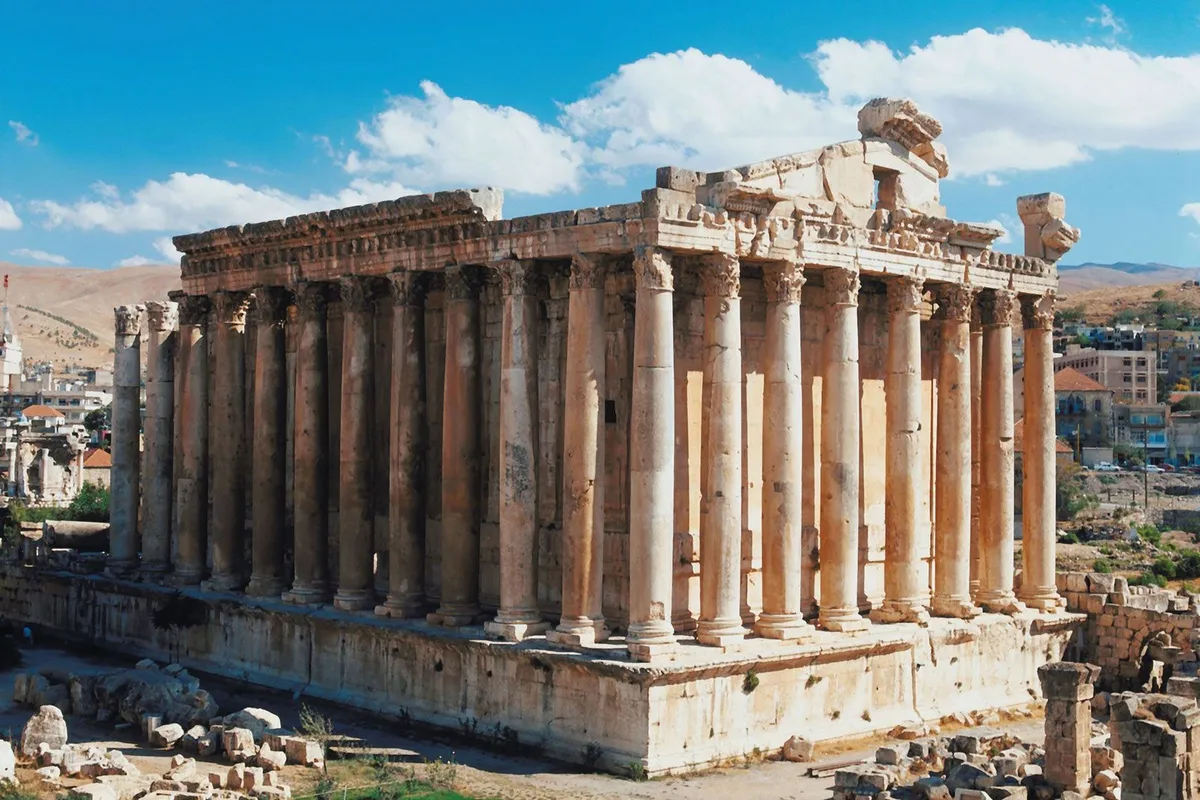
The six surviving columns of the Temple of Jupiter at Baalbek rise 62 feet (19 meters) — fragments of what was the largest temple in the Roman Empire. The neighboring Temple of Bacchus is one of the best-preserved Roman temples anywhere. Baalbek sits in the Bekaa near the Syrian border, so go with an organized day tour from Beirut and a licensed local guide at the site. It is, for many people, the single most memorable stop in Lebanon.
- Location: Bekaa Valley, 53 miles (85 km) east of Beirut
- Cost: $15 entry; organized tours $80-120 per person
- Best for: Anyone who likes ancient sites; not for nervous solo travelers
- Time needed: Full-day tour from Beirut, 10-12 hours door to door
Qadisha Valley and the Cedars of God
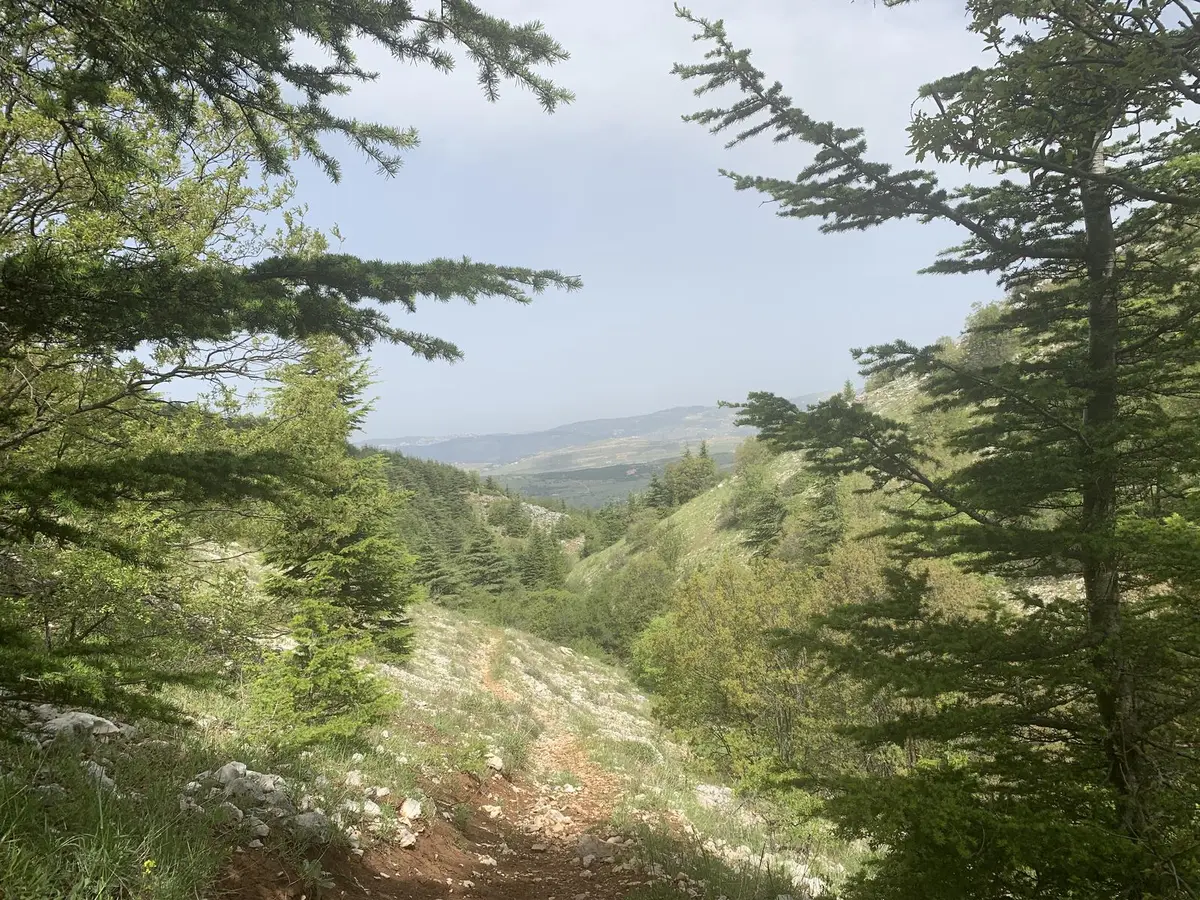
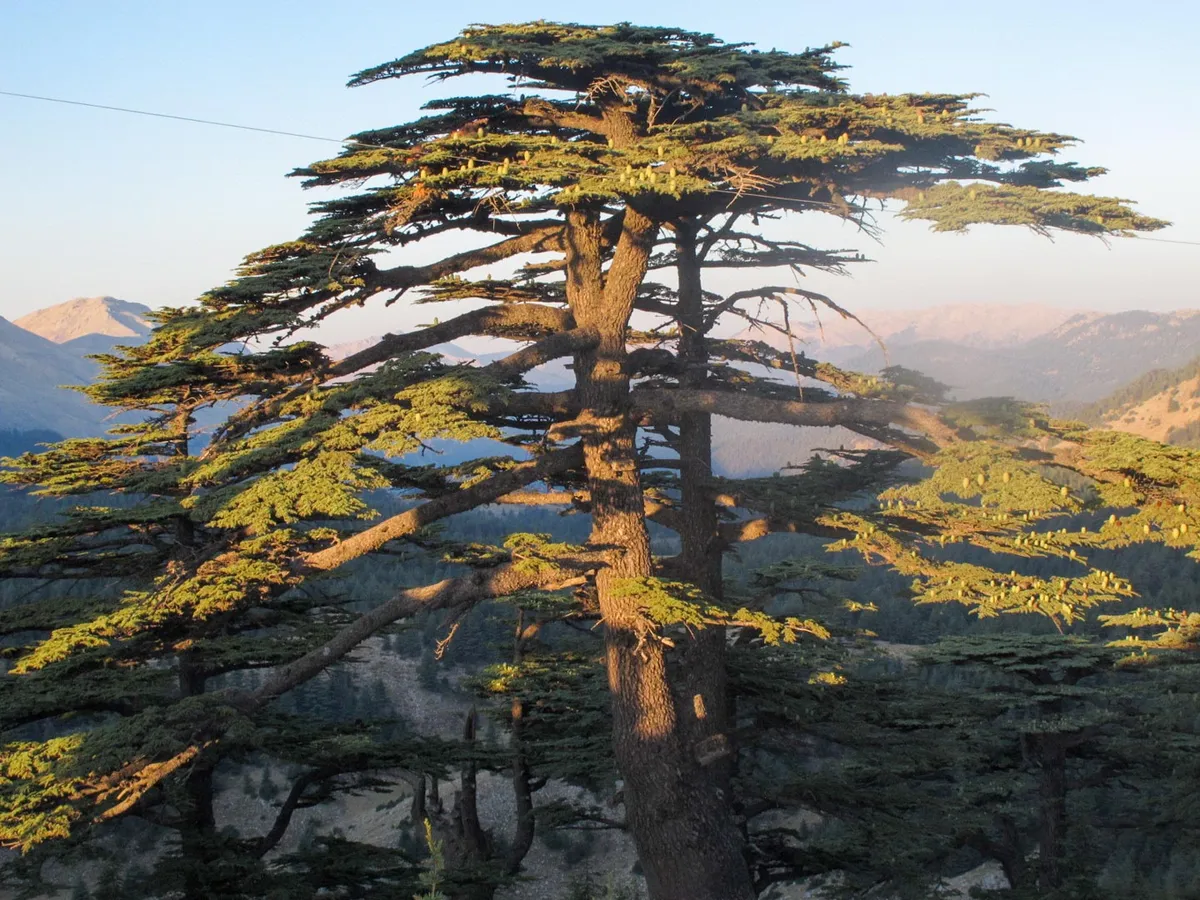
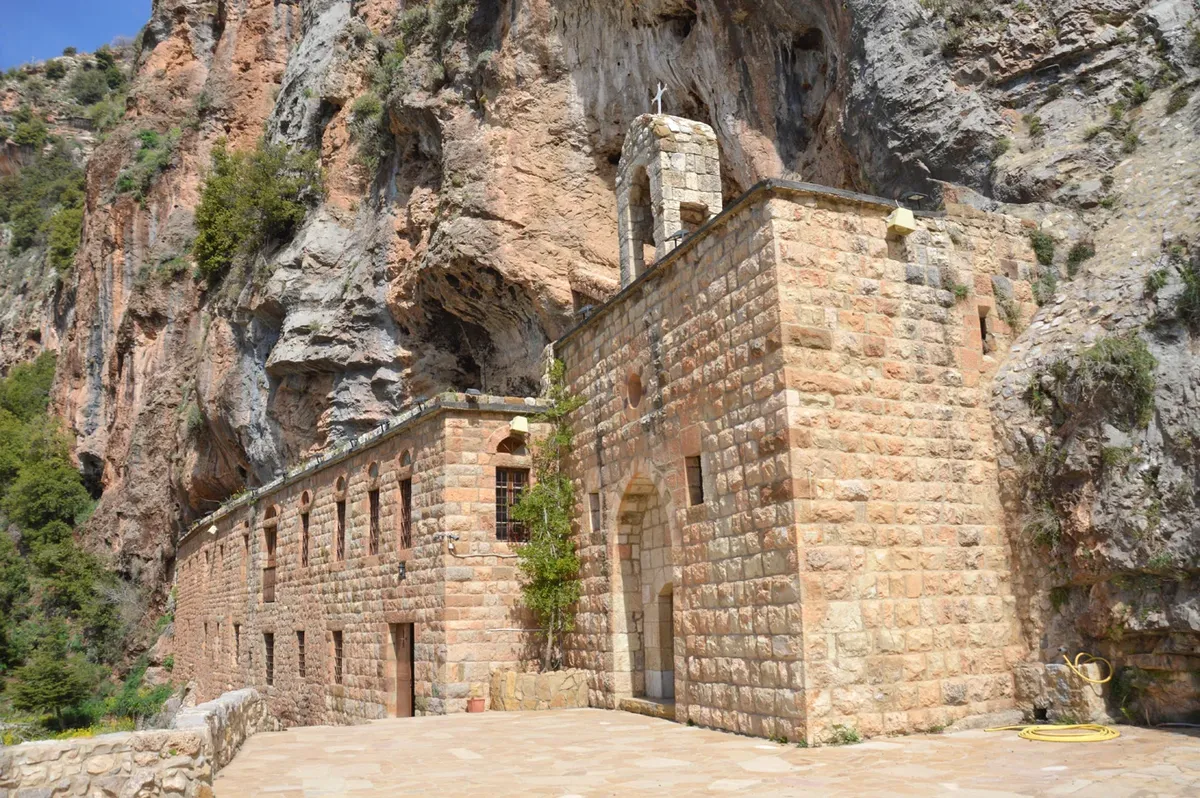
UNESCO-listed valley with rock-hewn monasteries built into the cliffs. Trails range from gentle valley walks to full-day sections of the Lebanon Mountain Trail — our Qadisha Valley hiking guide maps the best routes by fitness level. Spending a night at a monastery guesthouse like Deir Mar Antonios Qozhaya — simple rooms, monastery dinners, deep silence after dark — is the sleeper highlight of most itineraries. The Cedars of God grove above Bsharri holds trees over 1,000 years old.
- Location: North Lebanon, around Bsharri
- Cost: Monastery stays $30-50 per night; Cedars entry $3
- Best for: Hikers, solo travelers, anyone needing a Beirut detox
- Time needed: Two days minimum
Coastal and mountain stops worth your time
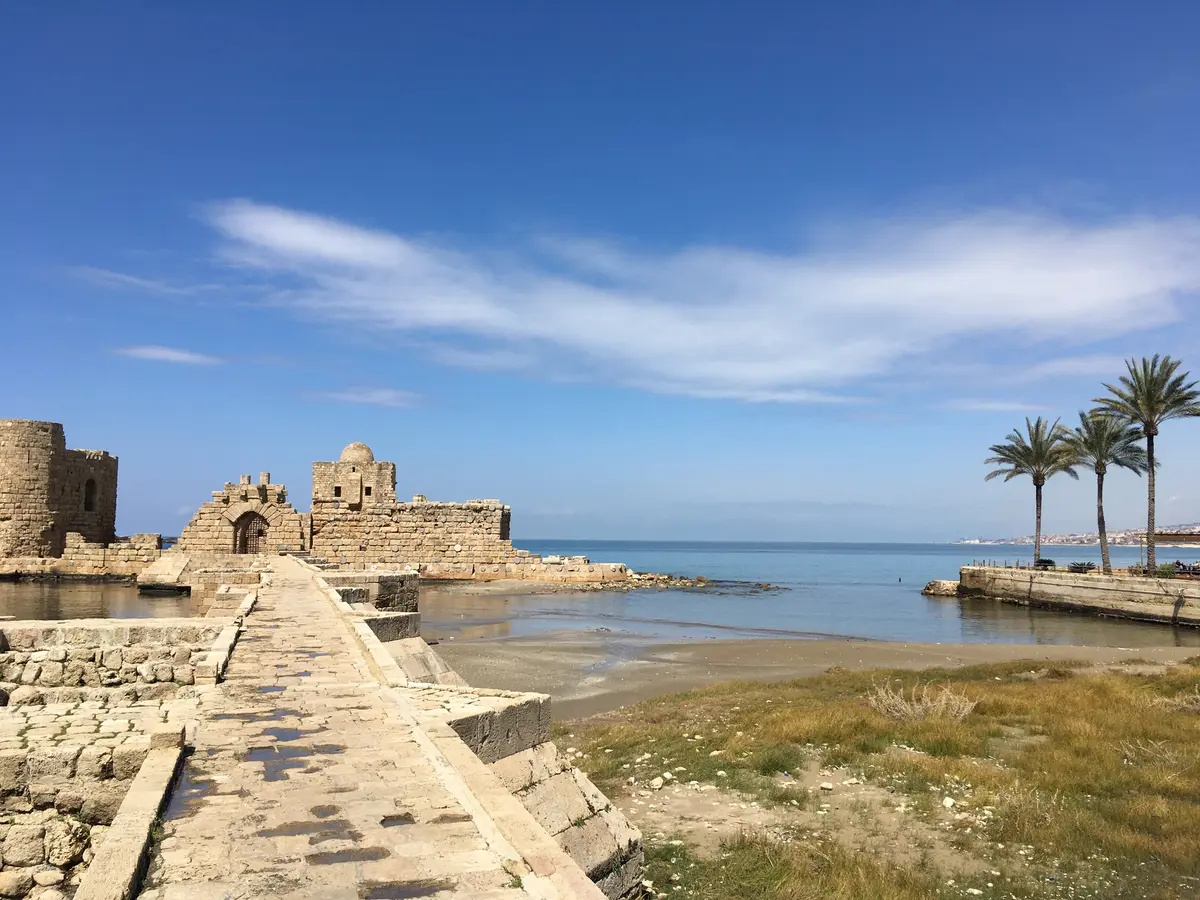
- Sidon (Saida): Crusader Sea Castle on a tiny island, plus a labyrinthine old souk that genuinely feels lost in time.
- Tyre (Sour): Vast Roman hippodrome, Christian quarter, fishing harbor. Confirm current security before going — it sits close to the southern flagged zone.
- Batroun: Trendy beach town an hour north of Beirut, pebble beaches, Phoenician sea wall, the loudest summer nightlife outside the capital.
- Chouf Mountains: Beiteddine Palace and the Chouf Biosphere, home to Lebanon’s largest cedar reserve.
What should you eat in Lebanon?
Lebanese food is the part of the country nobody disputes. Fresh ingredients, layered spice, and the cultural rule that meals are shared and slow.
- Kibbeh nayeh: Raw minced lamb with bulgur, mint and olive oil. The national dish.
- Manakeesh: Flatbread with za’atar, cheese or minced meat. The breakfast default.
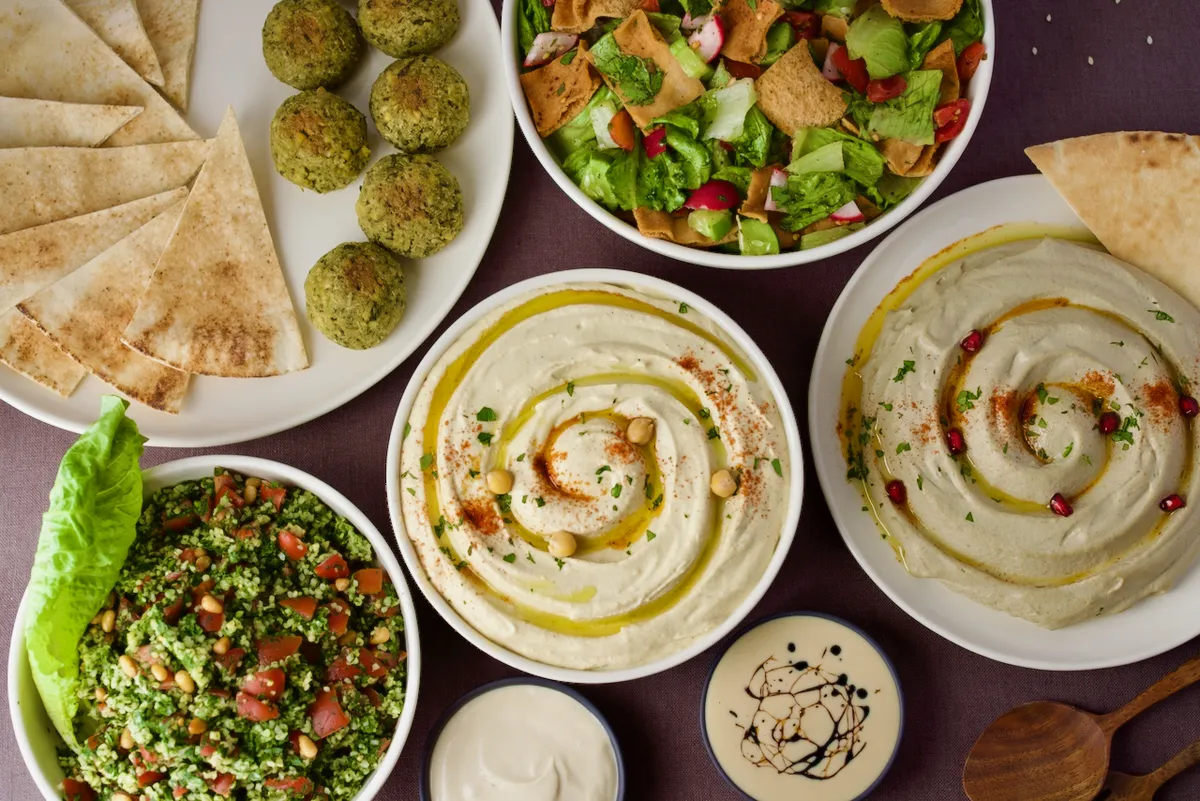
- Tabbouleh and fattoush: Parsley salad and the sumac-bright bread salad you thought you knew.
- Hummus and baba ghanoush: Smoother and brighter than any version you have had.
- Shawarma and shish taouk: Marinated chicken or beef from the spit and the grill.
- Kunafeh: Sweet cheese pastry soaked in syrup, often eaten for breakfast in a sesame bun.
- Arak: Anise spirit that turns milky with water and ice. Have it with mezze, never alone.
Where to eat in Beirut
- Le Chef (Gemmayzeh): Anthony Bourdain’s pick. Home-style Lebanese plates, lively, $12-18 per person.
- Em Sherif (Achrafieh): Set-menu fine dining, the full grand tour of Lebanese cuisine. $80-120 per person.
- Tawlet: Daily rotating cook from a different region. The most authentic regional food in the city.
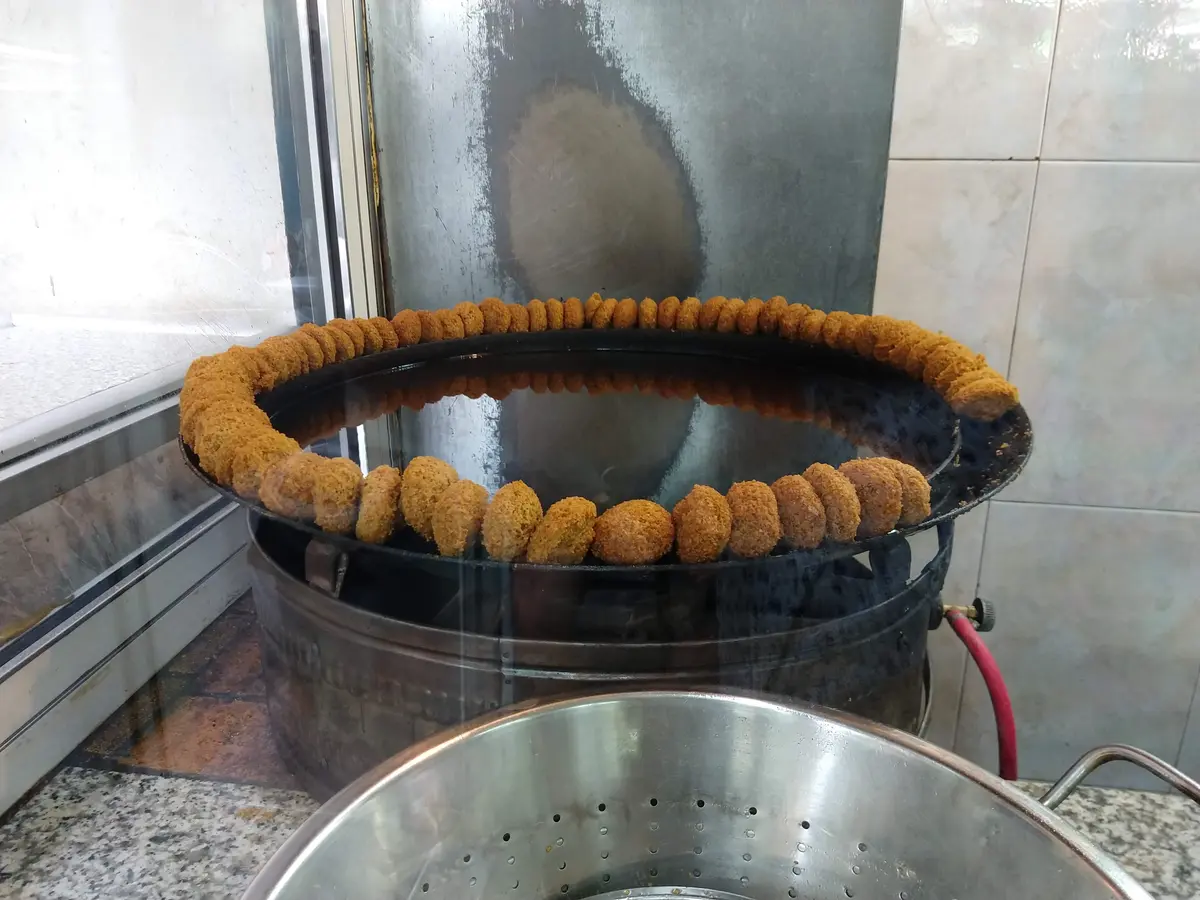
- Joseph (Sin el Fil): The falafel and shawarma sandwich locals defend.
- Ichkhanian Bakery (Zokak el-Blat): Armenian lahmadjoun since 1946.
Lebanese culture: what to know before you arrive
Lebanon blends Mediterranean, Arab and French influences in a way no other country quite matches. A few rules that will save you awkward moments:
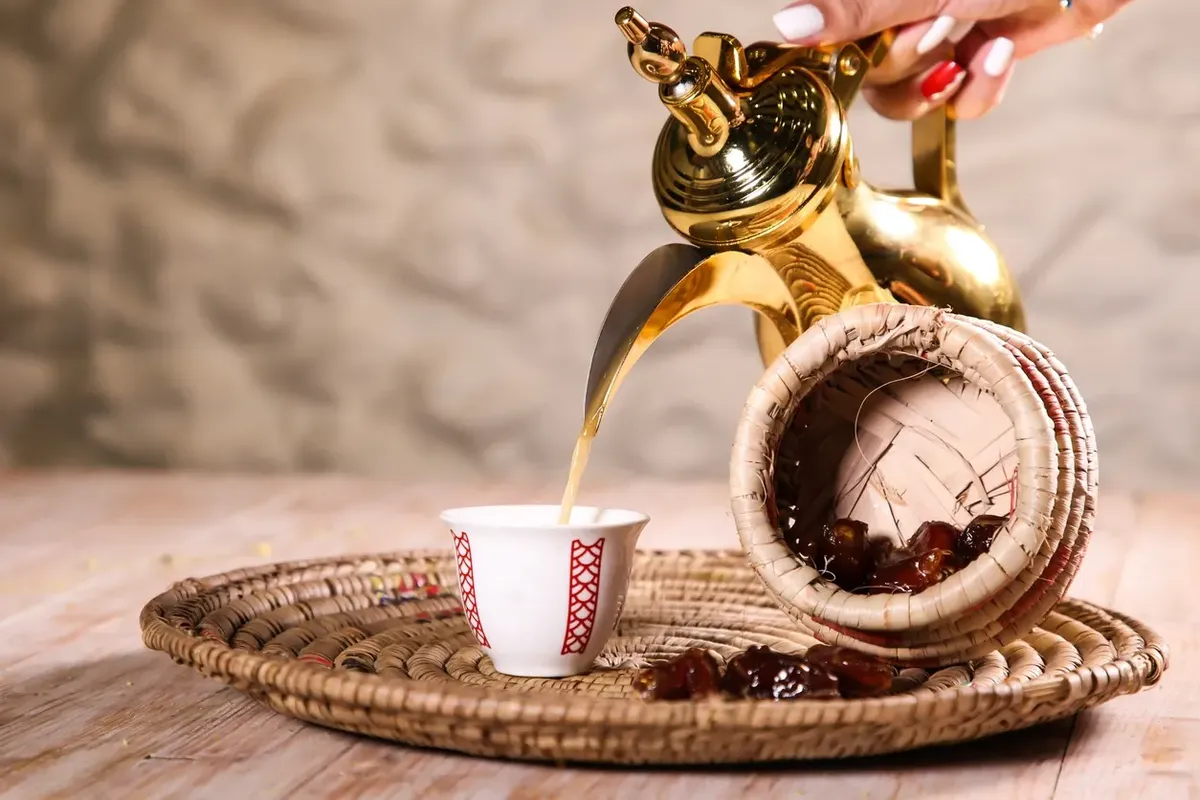
- Hospitality: Refuse coffee or sweets once or twice before accepting. Coffee often signals the end of a visit.
- Greetings: Handshakes are standard. Wait for a woman to extend her hand first. Close friends do three cheek kisses.
- Dress: Cosmopolitan in Beirut, modest at religious sites and in conservative villages.
- Conversation: Do not raise the civil war, internal politics, religion or the Israeli conflict unless your host opens the door first.
Sample itineraries
5 days (Beirut-based)
- Day 1: Arrive, sunset at Raouché.
- Day 2: Beirut neighborhoods on foot.
- Day 3: Jeita Grotto, Harissa, Byblos.
- Day 4: Baalbek and Anjar by tour, wine tasting at Chateau Ksara.
- Day 5: National Museum, departure.
10 days
For the full coast-to-mountains loop, our 10 days in Lebanon road trip breaks it down day by day.
- Days 1-2: Beirut deep dive.
- Day 3: Jeita, Harissa, Byblos with harbor dinner.
- Day 4: Baalbek, Anjar, wine.
- Days 5-6: Bsharri, Qadisha Valley, Cedars.
- Days 7-8: Batroun beaches and old souk.
- Day 9: Sidon, return to Beirut.
- Day 10: Souvenirs, farewell feast, fly out.
14 days
Add the Chouf (Deir el Qamar, Beiteddine, Cedar Reserve) on Days 5-6, and — if security holds — Tyre on Days 11-12, returning to Beirut for the final two.
Before you book
TL;DR: Lebanon rewards prepared travelers with ancient ruins, real food, dramatic mountains and the warmest hospitality in the region — but only if you bring enough US dollars in cash, hire a driver, avoid the south, and read the State Department advisory before you commit. The complexity is the price of admission, and the payoff is a country almost no one else on your block will have seen.
What is the one Lebanese dish or site that would push you over the edge from “maybe someday” to booking the flight?