Sidon Lebanon — Saida to locals — is the Phoenician port 30 miles south of Beirut that most guidebooks oversell and most travelers underplan. This guide gives you the actual costs, the walking distances Google Maps gets wrong, and an honest take on which sites earn their hype and which don’t.
Is Sidon Lebanon safe for tourists?
Sidon’s old city and main attractions are calm and welcoming during daylight hours, despite blanket Western travel advisories that lump all of Southern Lebanon together. The realistic risk for visitors is petty theft and traffic, not violent incidents. Day-tripping from Beirut, leaving before dusk, and checking the news the morning of your trip is the standard playbook.
The advisory gap is real. The US, UK, and Australian governments warn against Southern Lebanon as a whole, but the experience inside Sidon’s old city — families on the Corniche, kids playing outside the Sea Castle, vendors haggling in the souk — looks nothing like the warnings suggest. Bridge the gap with practical steps: arrive in the morning, hire a Beirut-based driver who knows the southern checkpoints, dress modestly (covered shoulders and knees, especially near mosques), and stay on main routes. For wider context, see our guide on is Lebanon safe for American tourists.
Pro Tip: Check the news the morning of your trip, not the night before. Conditions in the south can shift in hours, and your driver will usually know before the news does.
How do you get from Beirut to Sidon?
Sidon sits 30 miles (48 km) south of Beirut on the M1 coastal highway, and the trip takes 45 to 90 minutes depending on traffic. Most travelers leave from Cola Intersection in Beirut, where shared vans, public buses, and taxis all depart for the south. Shared vans are cheapest at around $2, private taxis start near $20 one-way, and a full-day driver runs $60 to $80.
Shared vans and public buses
- Cost: $2 for a shared van (“service”), $2–3 for a Sawi or Zantout public bus
- Travel time: 45–75 minutes depending on whether the van fills up fast
- Departure point: Cola Intersection, Beirut
- Best for: Solo budget travelers comfortable with a no-frills, no-English experience
The vans don’t leave on a schedule — they leave when full. Mornings between 8 and 10 a.m. fill fastest.
Private taxis and full-day drivers
- One-way taxi: $20–30 negotiated up front
- Full-day driver: $60–80, often including stops at the Temple of Eshmun or further south
- Best for: Travelers wanting flexibility, anyone visiting more than one site
Uber works in Beirut but not reliably for the intercity run to Sidon — see Uber in Lebanon vs taxi for the breakdown. If you’d rather drive yourself, renting a car in Lebanon is workable on the highway but chaotic inside Sidon’s old city, where parking is scarce.
Pro Tip: Negotiate the full taxi fare before you get in, in USD, and confirm whether it’s one-way or return. “I’ll wait for you” turns into a $40 surprise otherwise.
What is Sidon’s history in 60 seconds?
Sidon is one of the oldest continuously inhabited cities on earth, with archaeological evidence going back roughly 6,000 years. As a Phoenician city-state, it built its wealth on glass-making and Tyrian purple — a dye extracted from Murex sea snails so rare it became the official color of Roman emperors. Homer name-checked Sidonian craftsmen in the Iliad, and the city appears throughout the Old Testament as the home of Princess Jezebel.
What makes the city unusual is that you walk through history rather than view it behind glass. Roman columns are jammed sideways into Crusader walls. A 17th-century soap factory sits next to an Ottoman caravanserai, both still in use. For the wider regional timeline, see Lebanon history.
What are the top attractions in Sidon?
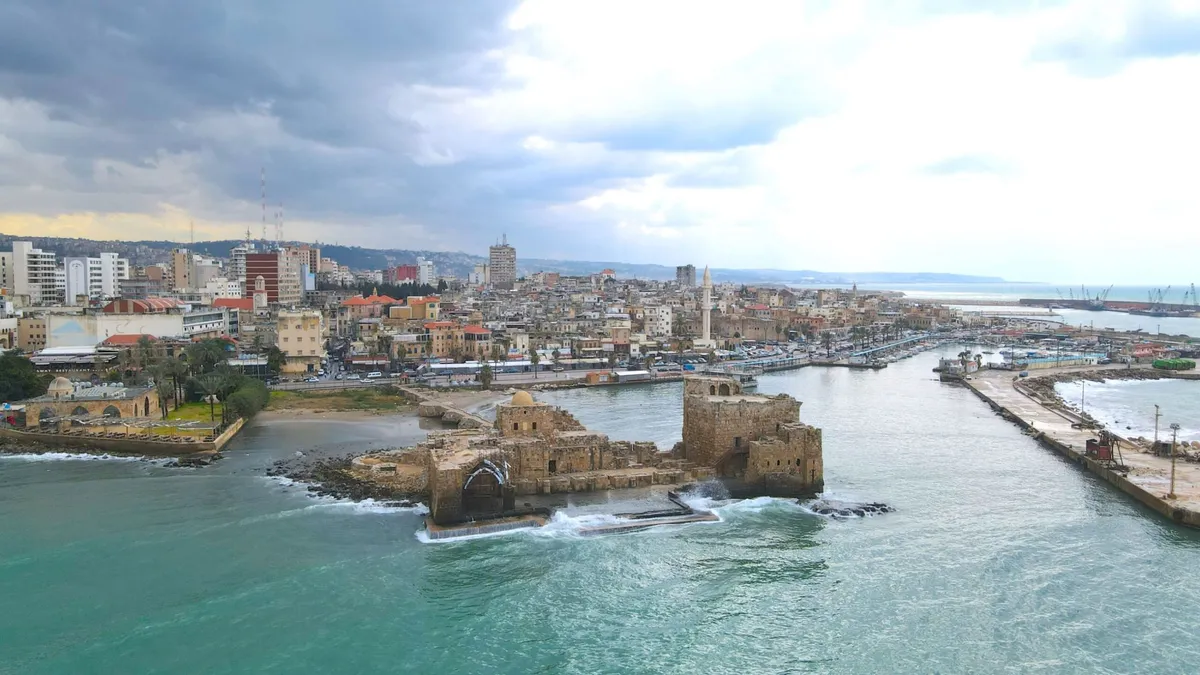
Sidon’s core sites cluster within a 15-minute walk of each other along the waterfront, so you can hit the major ones in a single morning. The Sea Castle, the Old Souk, the Soap Museum, and Khan al-Franj form the standard circuit.
Sea Castle (Qala’at al-Bahr)
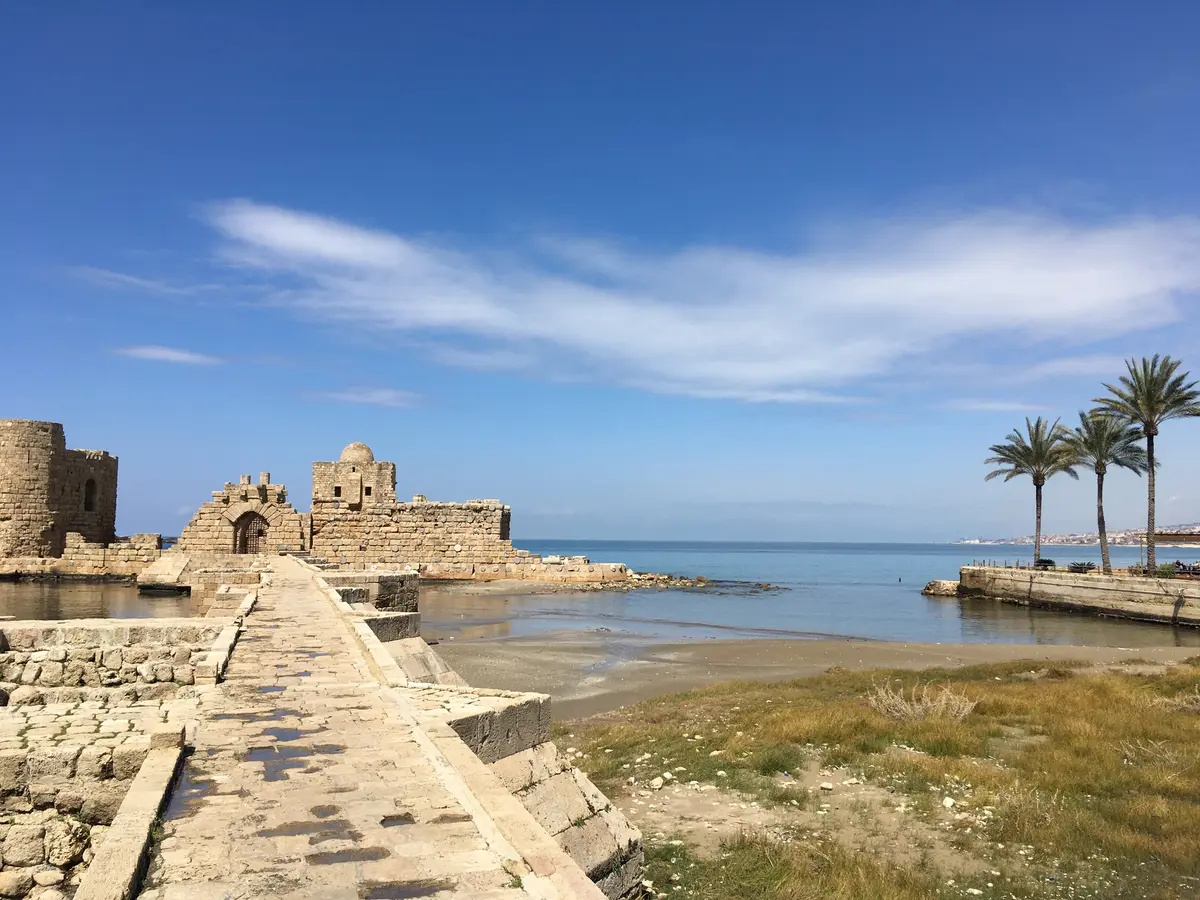
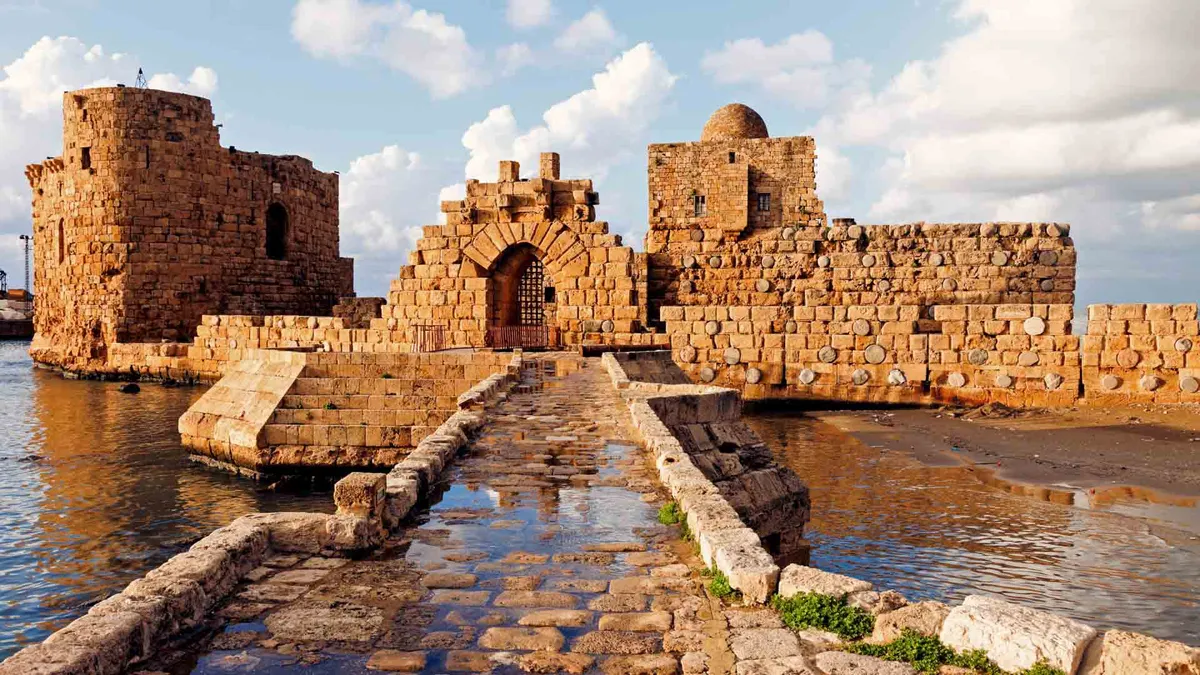
The Crusader fortress on a small island, connected to the mainland by an 80-meter (262-foot) stone causeway, is the photo every visitor takes. Built around 1228, it’s small — you can walk the whole thing in 30 minutes — but the layered construction is unusual. Roman columns are visibly embedded in the outer walls as horizontal reinforcements, and the rooftop has a small Ottoman-era domed mosque. For the deeper backstory, our Sidon Sea Castle history and visit guide covers the full Crusader-to-Mamluk timeline.
The honest version: the castle is structurally fascinating but poorly maintained. The water around the causeway is filthy, the interior smells in places, and there are no guides or signage on-site. Climb the west tower for the harbor view — that’s the payoff — and don’t expect a polished museum experience.
- Location: Sidon waterfront, 5-minute walk from the Old Souk
- Cost: Around $3–5 USD entry (paid in cash, USD or LBP)
- Best for: History buffs, photographers
- Time needed: 45 minutes to 1 hour
The Old Souk
Unlike the open-air markets you’ll find in Marrakech or Tunis, Sidon’s souk is a covered medieval maze of stone-vaulted alleys, organized by trade. One lane is carpenters, another sweets, another fishmongers. It’s still a working market, not a tourist set piece — most shoppers are locals.
- Location: Inland from the Sea Castle, entered near Bab al-Saray Mosque
- Cost: Free
- Best for: Anyone, especially shoppers and food travelers
- Time needed: 1 to 2 hours
Pro Tip: The sweets lane is in the southern section near Al Baba Sweets — follow your nose, not Google Maps, which gets the alleyway geometry wrong.
For souvenir ideas, see what to buy in Lebanon.
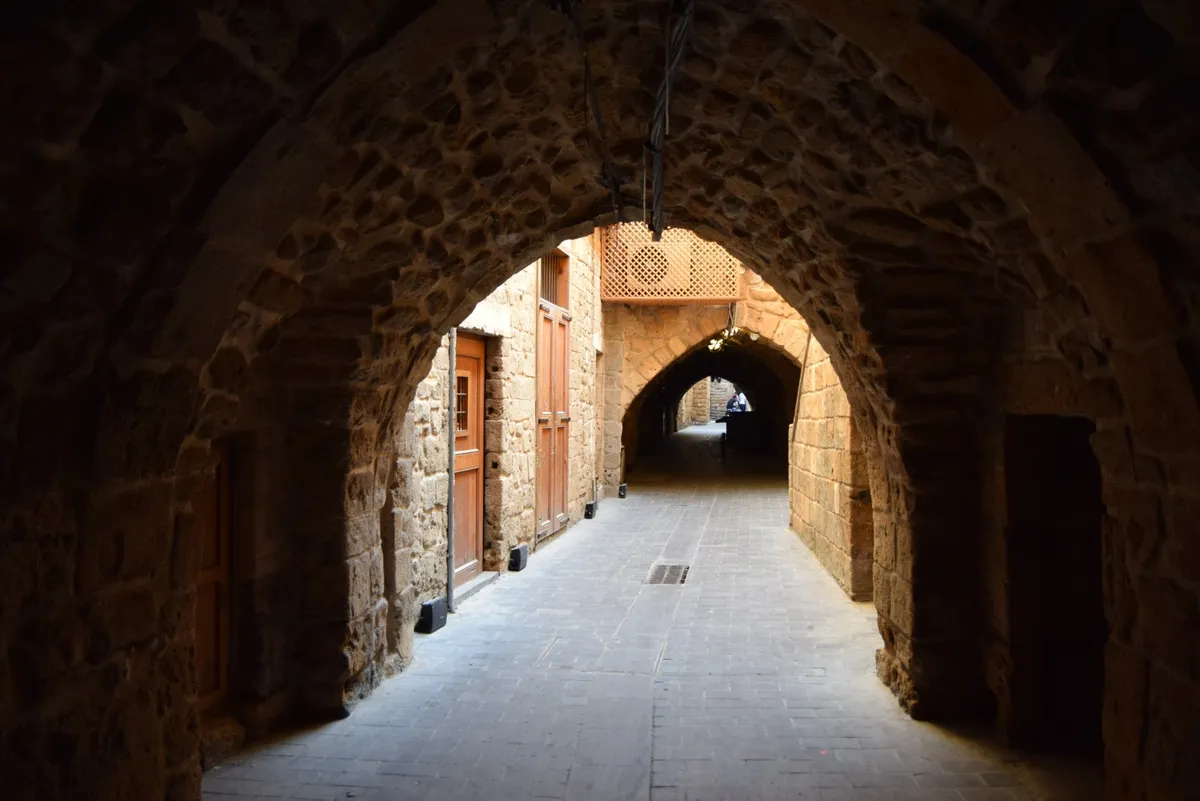
What cultural sites should you visit in Sidon?
Beyond the castle, Sidon’s two best indoor sites are the Soap Museum and Khan al-Franj, both within the old city and walkable from the Sea Castle in under 10 minutes.
Soap Museum (Musée Du Savon)
Housed in a restored 17th-century soap factory owned by the Audi family, the museum walks you through olive-oil and laurel soap production with the original equipment still in place. The building alone — vaulted stone, old presses, the smell of laurel hanging in the air — is worth the stop. The shop on the way out sells the actual soap, which makes a far better souvenir than anything in the airport. For the Tripoli counterpart and a full comparison, see our guide to Lebanese soap museums.
- Location: 2 minutes from Khan al-Franj
- Cost: Free entry; soap from around $5 a bar
- Best for: Anyone, takes 30 minutes
- Time needed: 30 minutes
Khan al-Franj
The Ottoman-era caravanserai built to host French merchants is a quiet square with a central fountain, two stories of arched galleries, and almost no visitors. After the souk’s noise, it’s the place to sit for 15 minutes and reset.
- Location: Center of the old city, signposted from the souk
- Cost: Free
- Best for: A break between sites
- Time needed: 20 minutes
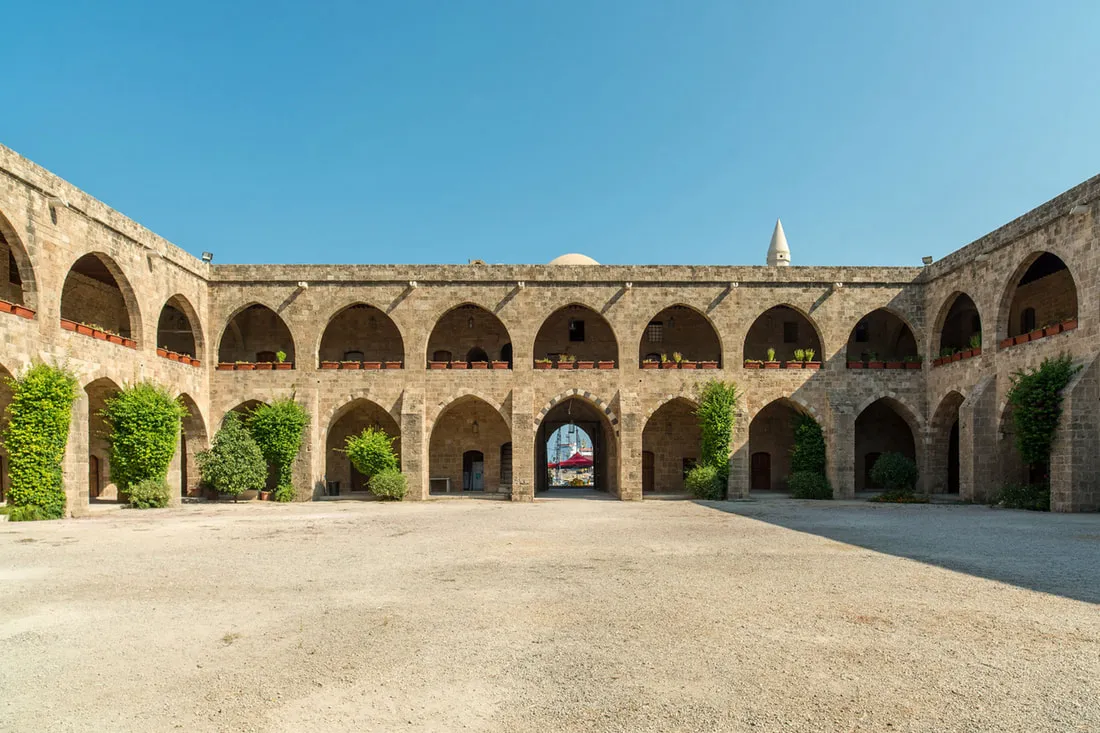
What about archaeological sites near Sidon?
Two ruins outside the city center reward travelers with a half-day to spare: the Temple of Eshmun, 4 miles (6 km) northeast, and Saint Louis Castle, in central Sidon but largely overgrown.
Temple of Eshmun
The most important Phoenician site near Sidon, dedicated to the god of healing. The complex has a massive stone podium, Roman-era mosaics, and a quiet riverside setting near the Awali River. There’s no entrance booth most days and effectively no crowds. A taxi from central Sidon runs $10–15 round trip with waiting time. See more Lebanon archaeological sites for context.
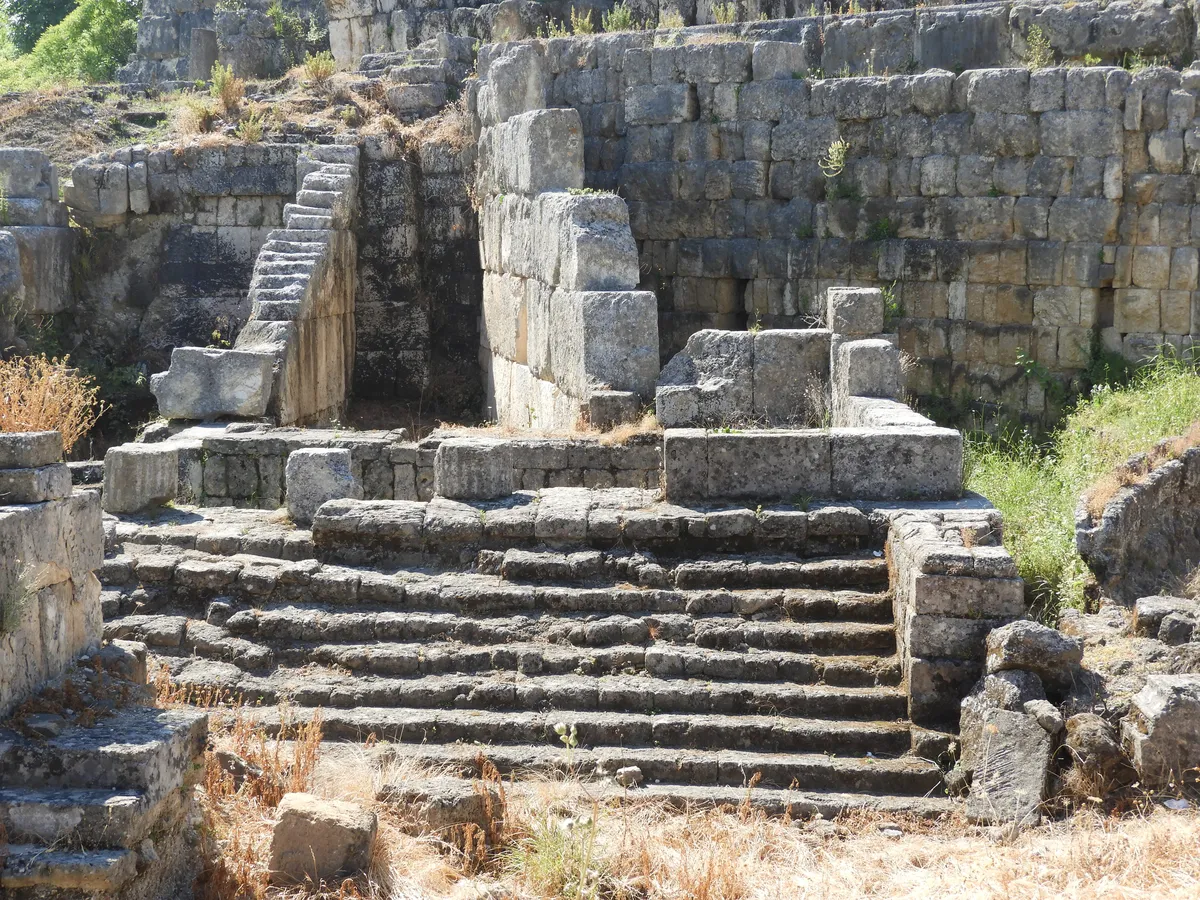
Saint Louis Castle
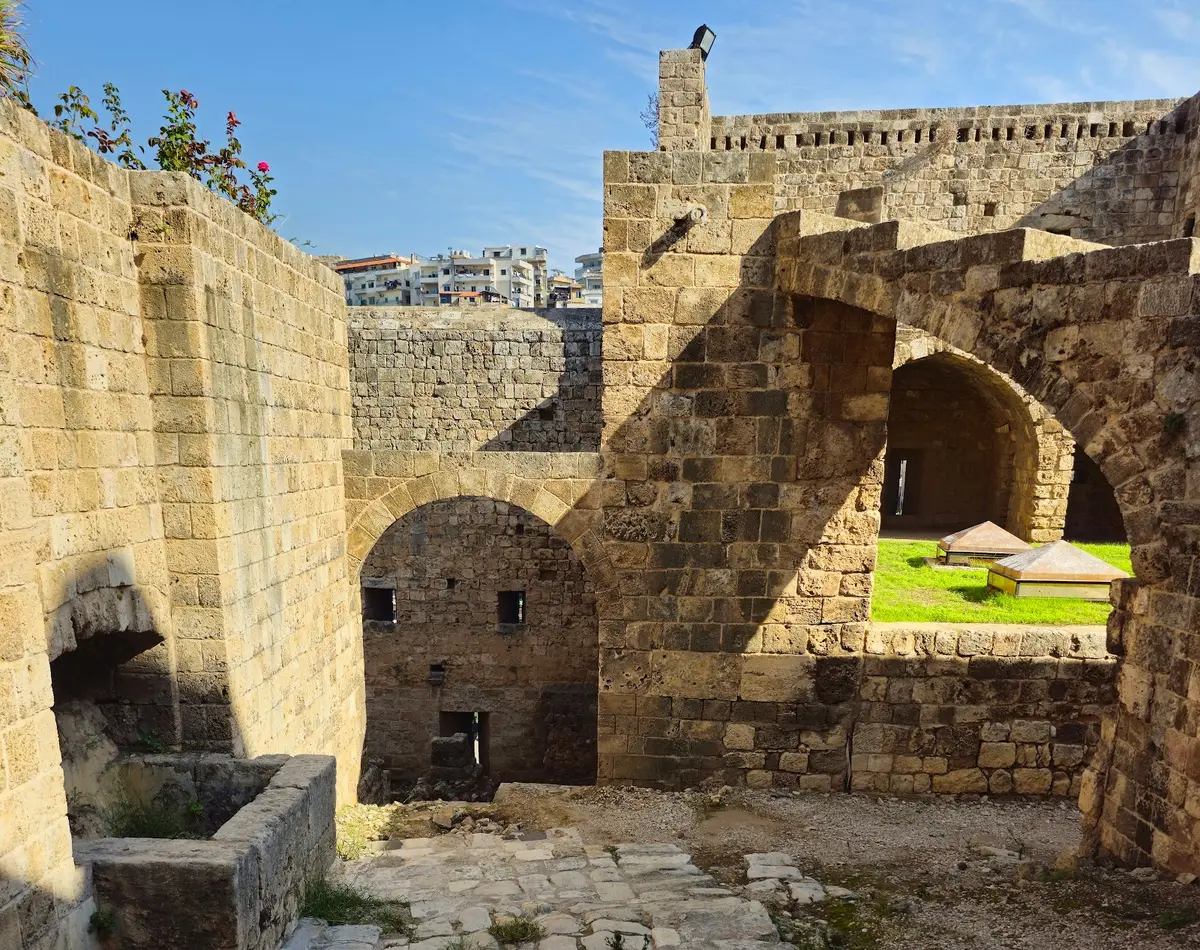
Built by King Louis IX of France during the Crusades on top of what archaeologists believe is the original Phoenician acropolis. The honest take: it’s overgrown, unsignposted, and feels abandoned — which is exactly what makes it interesting if you like ruins without a velvet rope. Skip it if you want polish.
What’s the Corniche actually like?
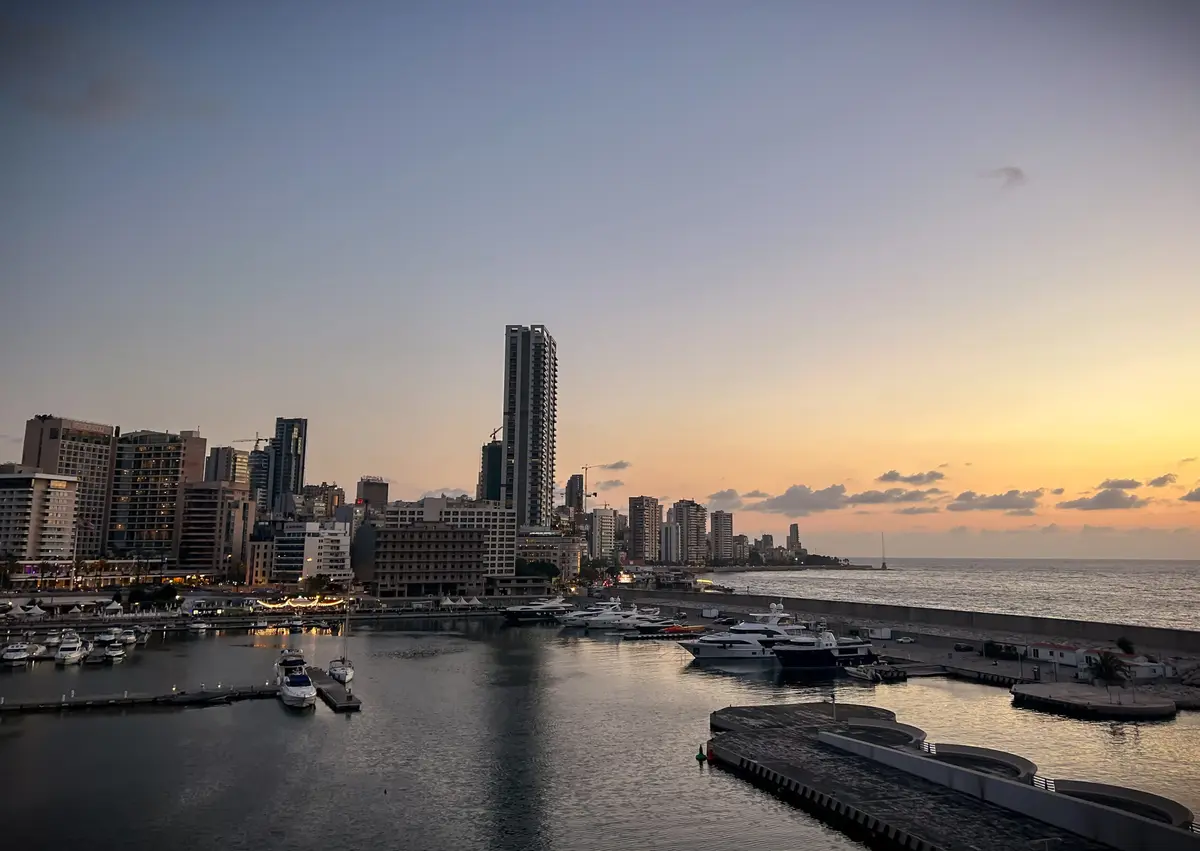
Sidon’s seaside promenade is where the city actually lives in the evening. Families bring picnics, teenagers run laps, fishermen mend nets, and the call to prayer mixes with someone’s car stereo. It’s free, runs about a mile north of the Sea Castle, and is best at sunset when the light turns the castle gold. If you want more coastal time, the Tyre Lebanon beaches guide further south is the next stop.
What should you eat in Sidon?
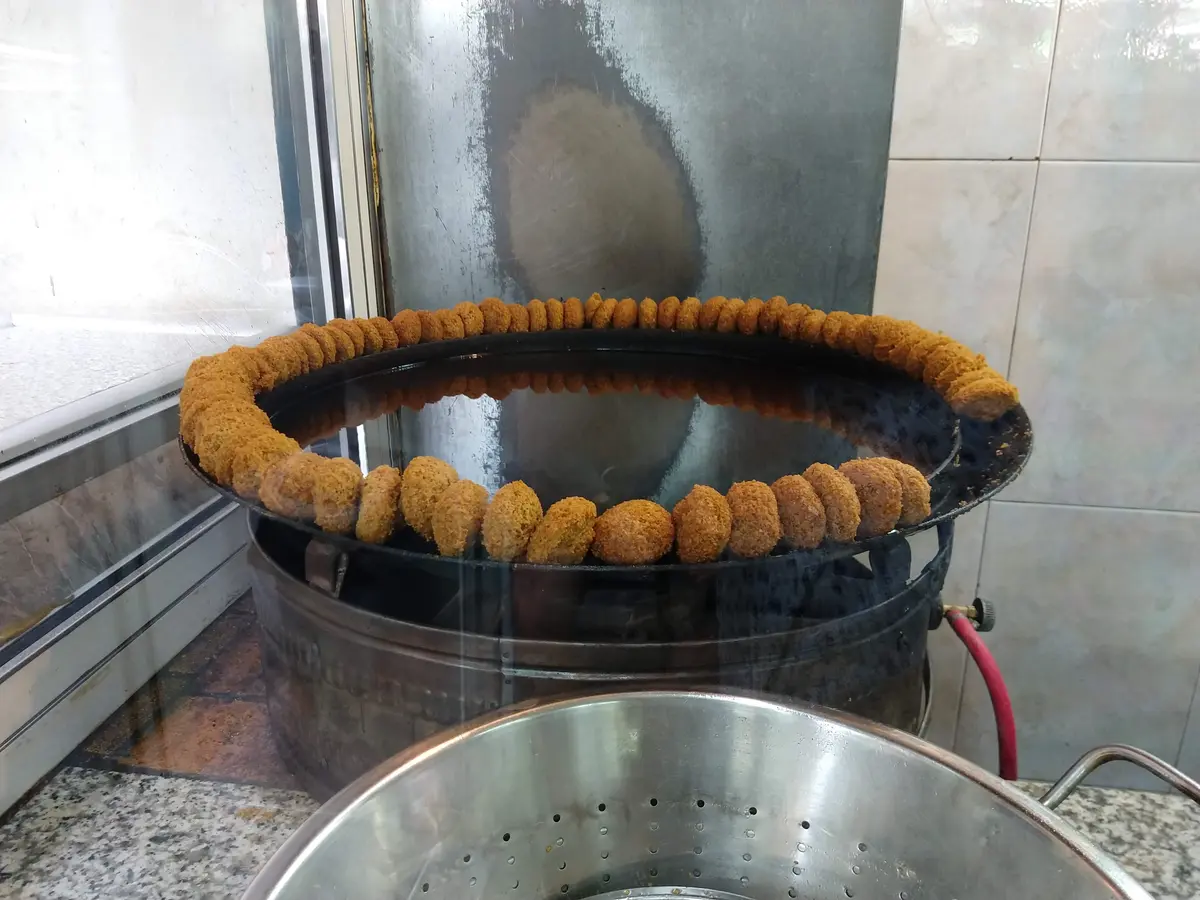
Sidon’s food is the reason to extend a half-day trip into a full day. The signature dish is senioura, a crumbly semolina cookie you won’t find done as well anywhere else in Lebanon, and the falafel rivals anything in Beirut.
Sweets at Al Baba Sweets
Al Baba is the legendary spot for senioura and knafeh in Sidon — it’s been around for generations and locals queue out the door on Friday afternoons. Order the senioura warm and a small knafeh to share. Expect to pay $3–6 for a generous plate of both.
Falafel Al Akkawi
The falafel sandwich here — crispy outside, herby inside, with a tart pickled-turnip and tahini combo — is the best I’ve had in Lebanon, and that includes the famous Beirut spots. A loaded sandwich runs about $3.
- Location: Near the entrance to the Old Souk
- Cost: $2–4 per sandwich
- Best for: A fast, cheap, exceptional lunch
- Time needed: 15 minutes
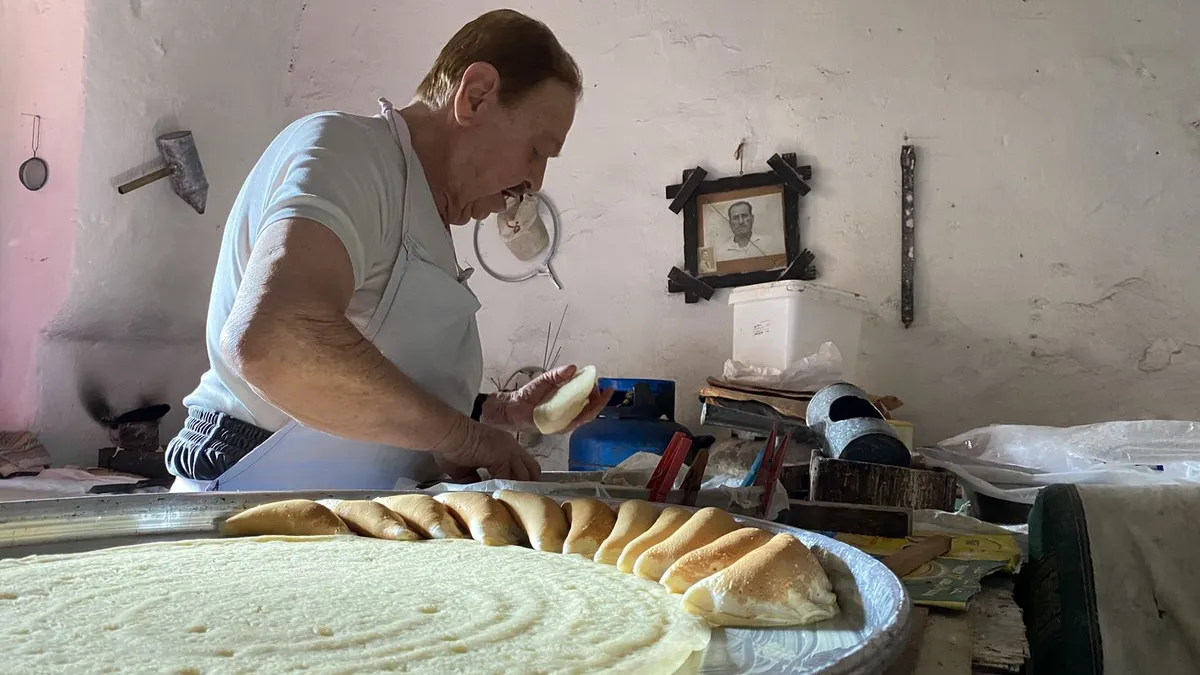
Seafood at the port
The waterfront restaurants near the fishing harbor serve whatever came in that morning, priced by weight. A full grilled fish lunch with sides and arak runs $15–25 per person — pricey for Lebanon but the quality is real. For the wider context, see our Lebanese street food tour guide.
Pro Tip: For sheep brain sandwiches — yes, a real Sidon specialty — ask for them at the small lokantas in the souk’s food lane, not the tourist-facing places near the castle.
Where should you stay in Sidon?
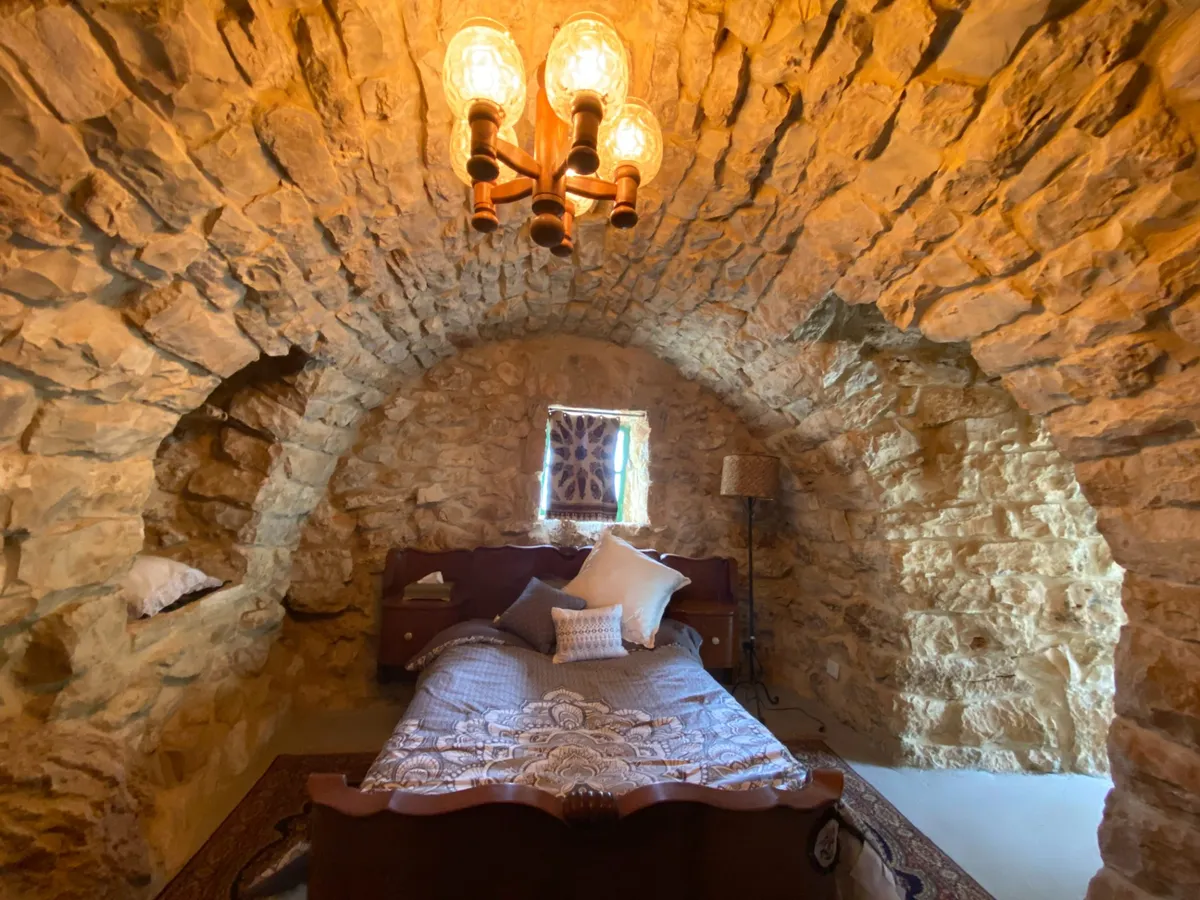
Most travelers do Sidon as a Beirut day trip and don’t need to overnight. If you do want to stay, skip the chain hotels and book Beit Tout Guesthouse, a 250-year-old stone house in the old city with five rooms and a courtyard. Doubles run roughly $70–110 a night including breakfast. For coastal alternatives further north, see where to stay in Batroun.
When is the best time to visit Sidon?
Spring (April to early June) and autumn (mid-September to early November) are the right windows. Daytime temperatures sit between 68°F and 82°F (20°C–28°C), the souk is comfortable to walk, and the Sea Castle isn’t a sun trap. Summer hits 90°F (32°C) with high humidity and the stone alleys turn into ovens by noon. Winter is mild but rainy. For a month-by-month breakdown, see the best time to visit Lebanon.
A one-day Sidon itinerary that actually works
Built around minimizing backtracking and hitting Al Baba Sweets while it’s fresh out of the oven.
- 8:00 a.m. — Leave Beirut Cola Intersection
- 9:00 a.m. — Sea Castle (first, before the heat and the school groups)
- 10:00 a.m. — Walk to the Old Souk, wander the trade lanes
- 11:30 a.m. — Soap Museum and Khan al-Franj
- 12:30 p.m. — Lunch at Falafel Al Akkawi
- 1:30 p.m. — Taxi to Temple of Eshmun (skip if short on time)
- 3:30 p.m. — Senioura and knafeh at Al Baba Sweets
- 4:30 p.m. — Sunset on the Corniche
- 5:30 p.m. — Return to Beirut
If you’re stitching this into a longer trip, see our 7 days in Lebanon itinerary.
Practical tips before you go
- Cash: Both USD and Lebanese Lira work. Most prices are now quoted in USD. Bring small bills.
- Dress: Cover shoulders and knees. Sidon is more conservative than Beirut.
- Connectivity: Get a SIM card for tourists in Lebanon at the airport — Wi-Fi in the old city is spotty.
- Closures: Many shops shut on Friday afternoons for prayer. Plan around it.
- Footwear: The souk’s stone floors are uneven and slick after rain. Trainers, not sandals.
The bottom line
TL;DR: Sidon is a half-day to full-day trip from Beirut, costs under $40 per person if you go by shared van, and rewards travelers who want a working Lebanese city over a polished tourist site. The Sea Castle, Old Souk, Soap Museum, and Al Baba Sweets are the four things you actually need to do. The Sea Castle is structurally amazing but visibly neglected — go for the history, not the experience.
Sidon isn’t pretty in the curated sense. It’s loud, occasionally smelly, and runs on its own logic. That’s exactly why it’s worth the trip — it’s the southern Lebanese coast as it actually exists, not the version sold to tour groups.
What’s the one site or food you’d add to a Sidon day trip? Drop it in the comments.