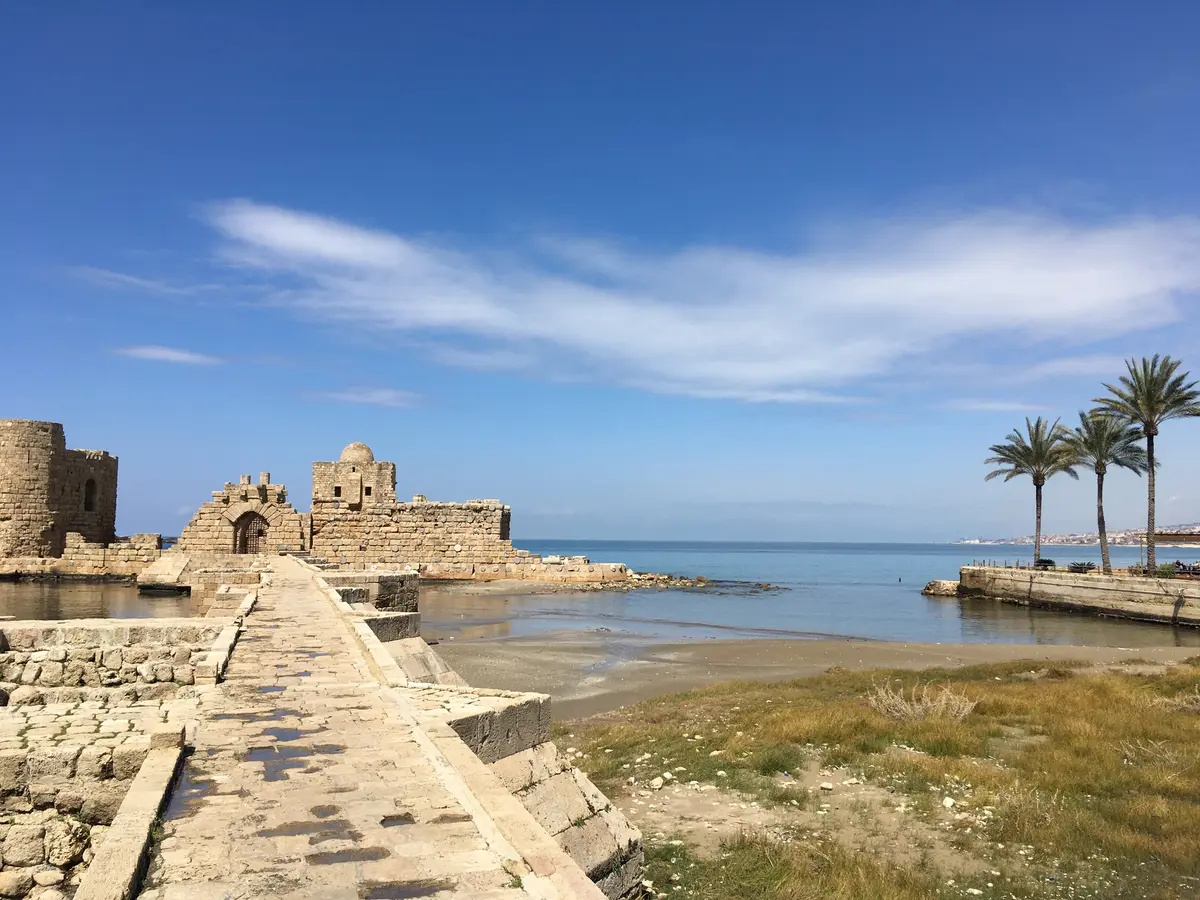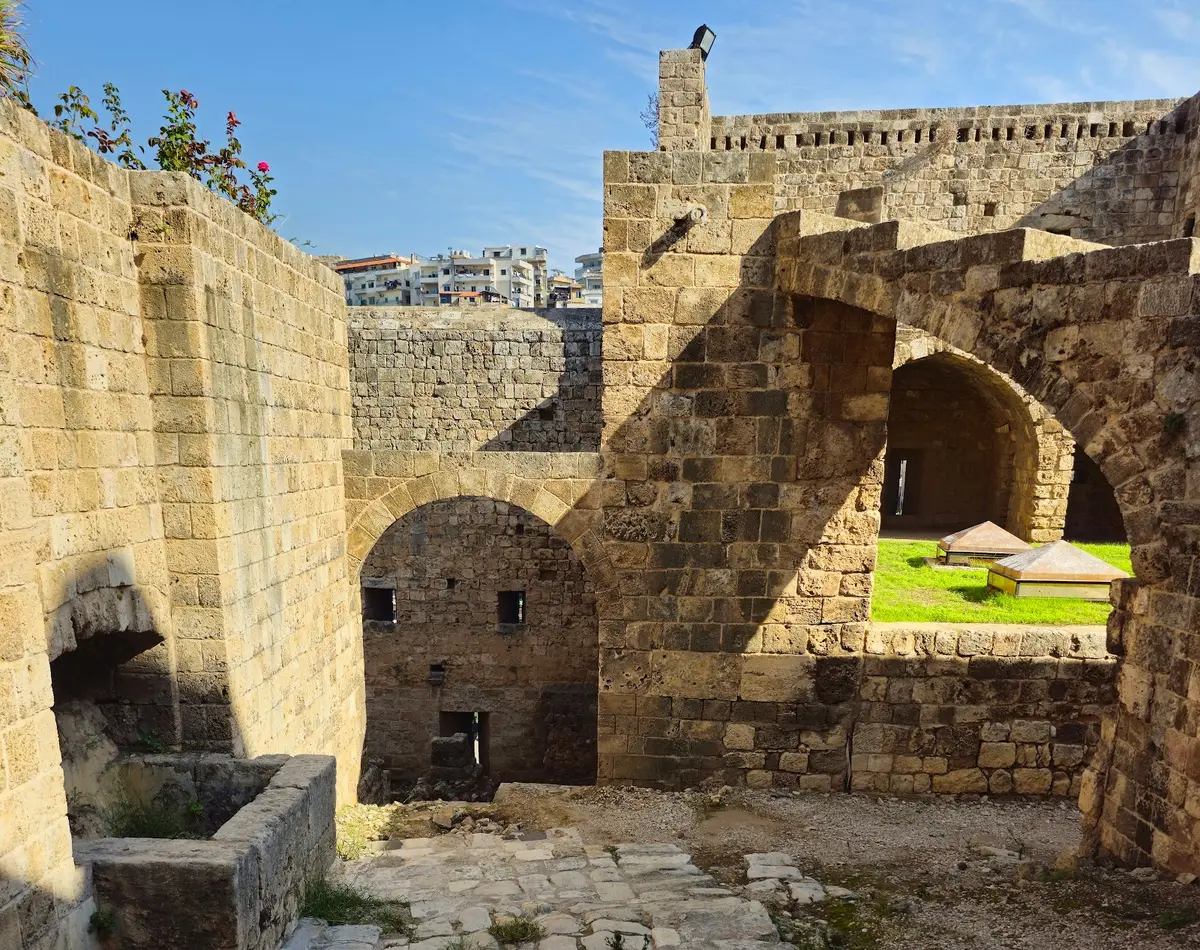
A weekend in Beirut is not a normal city break. It is 48 hours of Phoenician ruins, mountain caves, Lebanese mezze that ruins you for other food, and a set of logistical rules no guidebook fully prepares you for. This guide gives you the route, the honest safety picture, and the practical details most listicles skip.
Is Lebanon safe to visit right now?
The US State Department has a Level 4 “Do Not Travel” advisory in place for Lebanon, reaffirmed on February 23, 2026, citing crime, terrorism, kidnapping, unexploded ordnance, and the risk of armed conflict. The UK, Canada, and Australia issue the same warning. Most international airlines have suspended Beirut routes. If you are reading this while planning an imminent trip, stop here and read the next section first.
What the current situation looks like on the ground
- Middle East Airlines (MEA) and Royal Jordanian are the only carriers running regular service out of Beirut-Rafic Hariri International Airport. Lufthansa Group routes are suspended through at least October 24, 2026; Emirates, flydubai, and Etihad have not resumed.
- The European Union Aviation Safety Agency has advised operators to avoid Lebanese airspace entirely.
- Most standard travel insurance policies auto-void under Level 4 advisories. Premium credit-card travel coverage is usually invalidated too.
- South of the city of Saida, the border region with Syria, and parts of the southern suburbs of Beirut carry the highest risk and are strictly off-limits.
Pro Tip: If you still intend to travel, contact your insurer in writing before booking. A standard policy will almost certainly not cover you, and war-zone specialty insurance exists but is expensive and narrow in scope.
Use the itinerary below as a plan for when conditions allow normal tourism, or as context for essential travelers who understand the risk. I have walked every route in this guide, but I would not recommend it to a first-time visitor under current advisories.
What do you need to know before a weekend in Beirut?
A weekend in Beirut runs on three infrastructure quirks that will bite you if you skip the prep: a dollar-cash economy, a patchy mobile network that matters more than usual, and generator-based electricity that varies by hotel. Sort these before you land and the trip gets dramatically smoother.
How does the cash economy actually work?
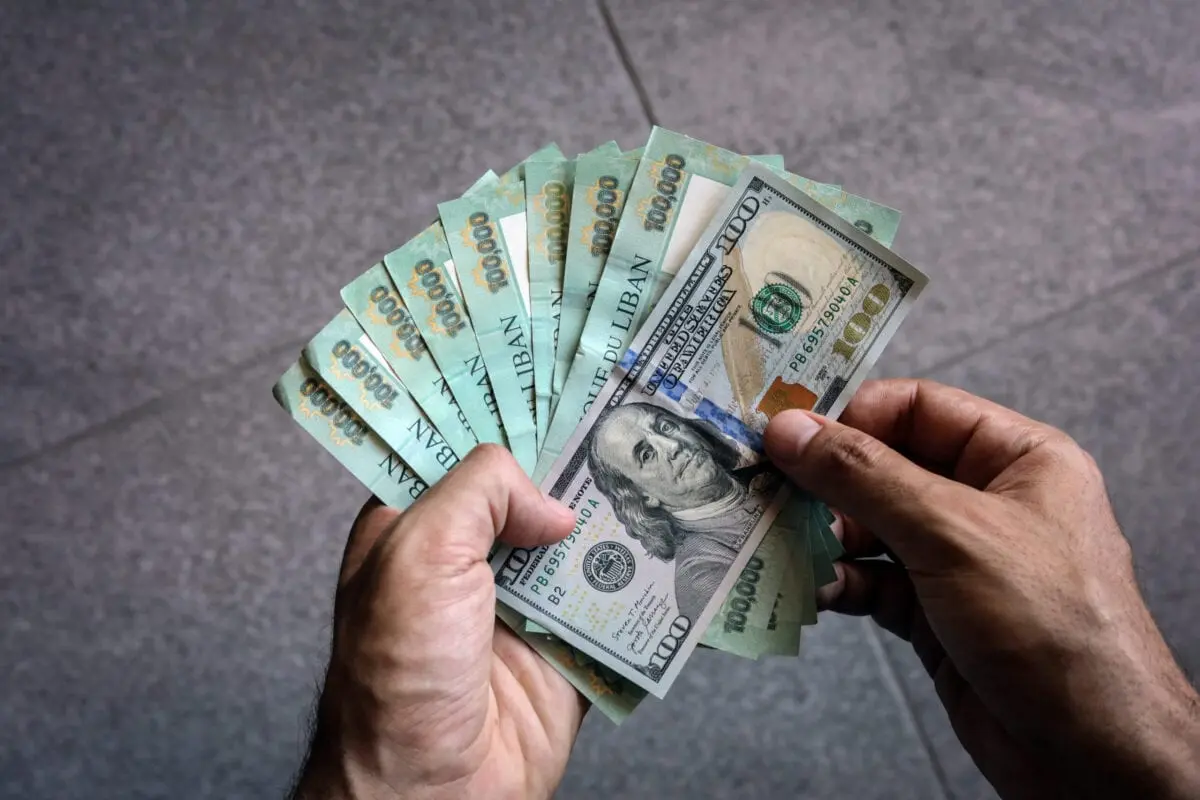
Lebanon’s economy has largely dollarized. Hotels, restaurants, and most taxis quote in “fresh dollars” (US currency brought into the country, not held in Lebanese bank accounts). The Lebanese pound has lost over 95% of its value since 2019, so locals price big-ticket items in USD to avoid the volatility.
- Cards: International credit cards work at major hotels, high-end restaurants, and supermarkets. Everything else is cash.
- Bills: Bring crisp $100s with the blue security strip. Money changers reject anything with tears, ink, or visible folds — I have watched them hand back a $50 over a pen mark.
- Where to exchange: Skip the airport bureaus, which run poor rates. Use exchange shops on Hamra Street or money-transfer offices like Whish Money.
- Small denominations: Bring a mix of $1, $5, and $20 bills. Street food vendors and cab drivers rarely break a $100.
Pro Tip: Keep your dollar stash split between two places — hotel safe and a hidden pocket. Single-point-of-failure cash carrying is the single most common rookie mistake here.
How do you stay connected?
Mobile data is not optional on a weekend in Beirut. You will need it for rideshare, maps, and messaging, especially when your hotel loses state power and the Wi-Fi routes through a generator.
The fastest option is to get an eSIM for Lebanon set up before you arrive. Physical SIMs are available at Beirut airport, but registration requires your passport and typically takes 20 to 30 minutes at the counter — time you would rather spend getting into a taxi. An eSIM lets you book a ride the moment you clear customs.
Why does 24/7 electricity matter at your hotel?
State electricity in Beirut runs only 2 to 4 hours per day in most areas, with Reuters reporting power cuts of 18 to 20 hours daily. Private generators fill the gap, but coverage varies.
- High-end hotels (Phoenicia, Le Gray-era properties) run industrial generators with full AC, hot water, and no amperage cap.
- Mid-range and boutique hotels often have amp limits — you can run the AC or the hair dryer, not both.
- Budget guesthouses may cut generator service overnight (roughly 1 a.m. to 6 a.m.) to save fuel.
When booking, search the listing for “24/7 electricity” or message the host directly. Expect the lights to flicker for about 30 seconds during the generator switchover. It is normal.
How should you get around Beirut in 48 hours?
Beirut is car-centric with aggressive driving and unreliable traffic signals during power cuts. For a short trip, spend the money on convenience rather than trying to save $5 per ride.
- Allo Taxi: The gold standard. App-bookable, fixed prices, dispatched cars.
- Bolt and Uber: Both operate in Beirut. Surge pricing hits hard on weekend nights.
- Private driver for Day 2: Hiring a driver for the coastal route (Jeita, Harissa, Byblos, Batroun) costs roughly $80 to $120 for the day and saves you from negotiating four separate taxis.
- Walking: Fine within a single neighborhood (Mar Mikhael, Gemmayze, Hamra, Achrafieh). Traffic makes cross-city walking unappealing.
Day 1: History, food, and the creative neighborhoods
Day 1 stays in the city, moving from the National Museum on the former Green Line to the artist districts of Mar Mikhael and Gemmayze, with the Pigeon Rocks at sunset and dinner in the former port area.
08:30 — Manoushe breakfast
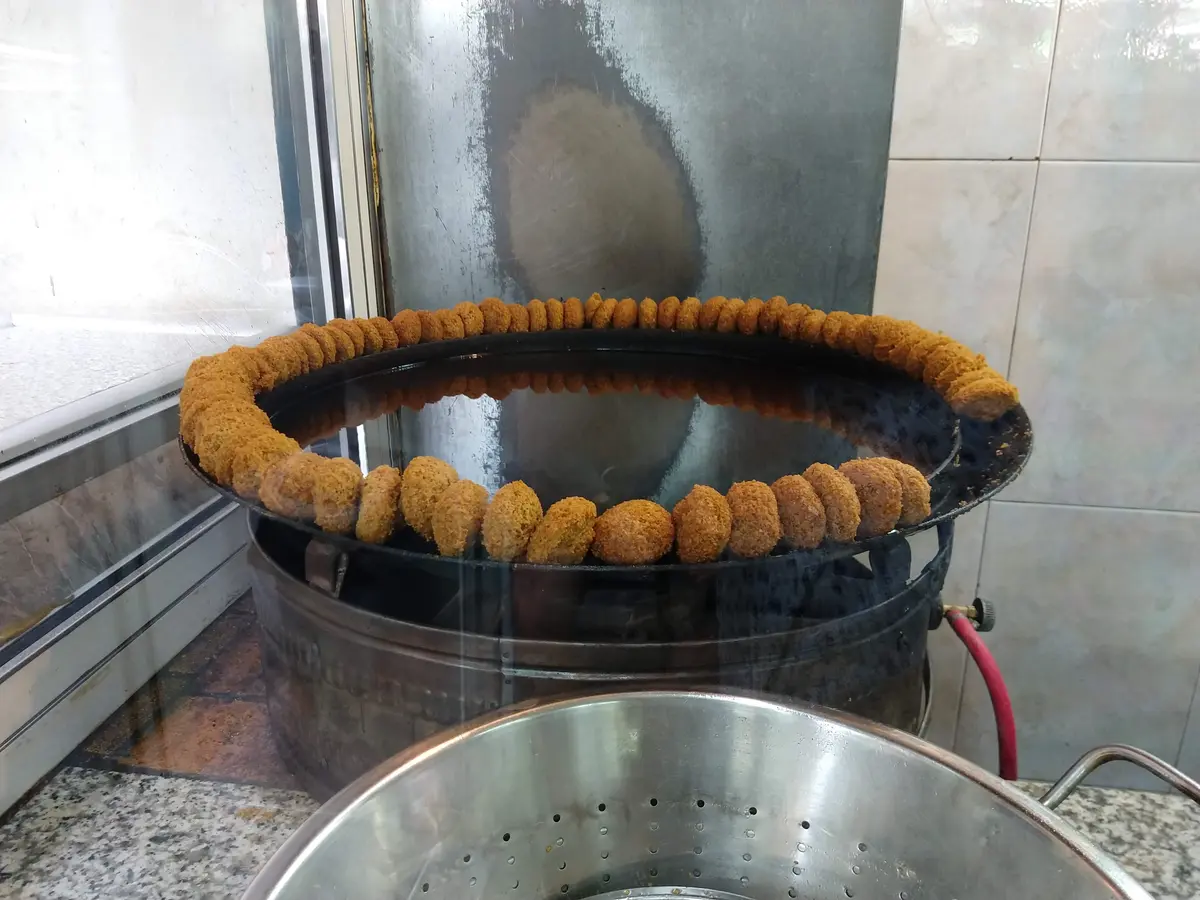
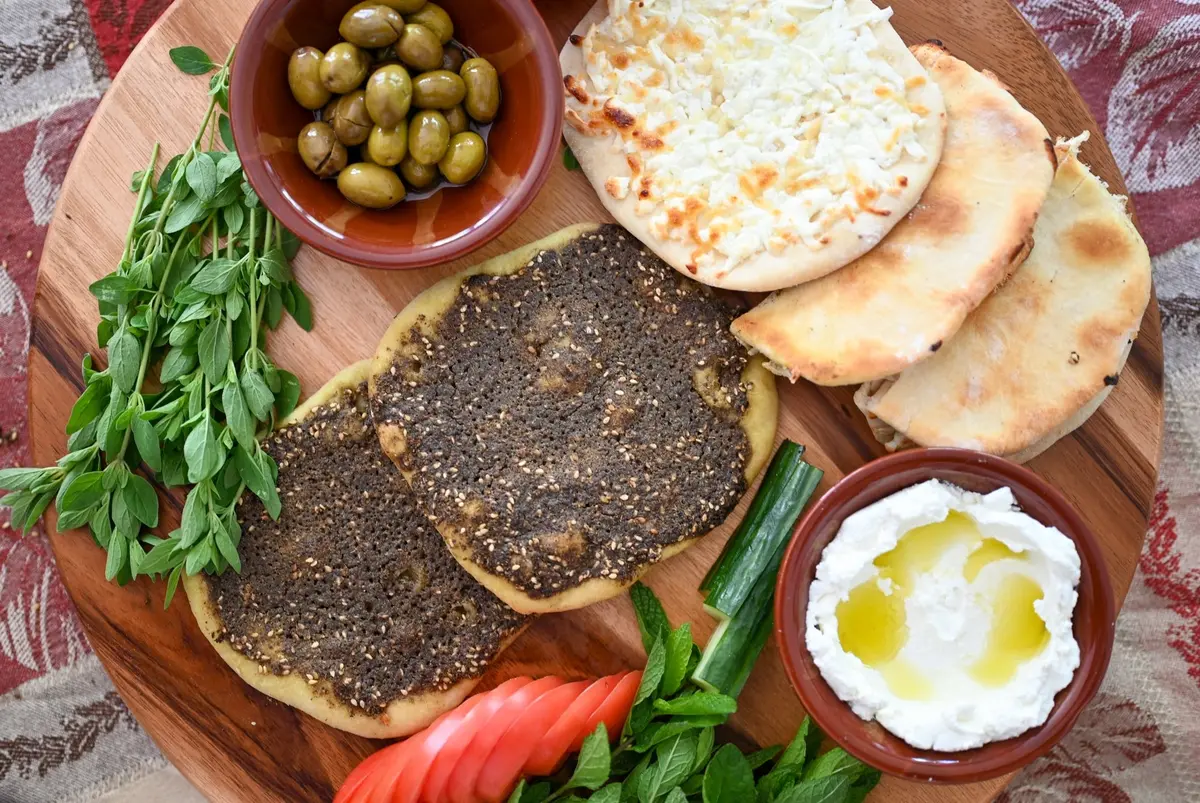
No weekend in Beirut starts without manoushe, the flatbread that functions as the national breakfast. For the best breakfast in Beirut, two reliable spots stand out:
- Furn Ghattas in Gemmayze (wood-fired, old-school, cash only)
- Barbar in Hamra (open 24/7, larger menu, accepts cards)
Order a “Cocktail” (zaatar plus cheese plus vegetables) or the classic zaatar-with-vegetables. The baker stretches the dough in front of you and slides it onto the oven stone. The whole thing costs about $3 to $5 and takes ten minutes.
10:00 — National Museum of Beirut
- Location: Museum Square, on the former Green Line between East and West Beirut
- Cost: $5 entry (cash only last I checked)
- Best for: Anyone who wants context for everything else they will see in Lebanon
- Time needed: 1.5 to 2 hours
The museum holds the world’s largest collection of Phoenician anthropoid sarcophagi. The building itself is the exhibit — you can still see sniper pockmarks on the restored façade from the Civil War. The short documentary in the basement, showing how curators encased the mosaics in concrete to protect them during the 1975-1990 conflict, is genuinely moving. Watch it before you walk the galleries.
12:30 — Lunch at Tawlet
- Location: Sector 79, Naher Street, Mar Mikhael
- Cost: Around $30 per person for the full buffet
- Best for: A crash course in regional Lebanese cooking
- Time needed: 1.5 hours
Tawlet is a social enterprise, not a regular restaurant. A cook from a different Lebanese village rotates in each day and prepares the food she grew up on. The menu changes constantly. It is the best single meal you can eat in the city if you want to understand the difference between Beiruti cooking and the villages two hours away. Reserve the day before.
14:30 — Mar Mikhael and Gemmayze on foot
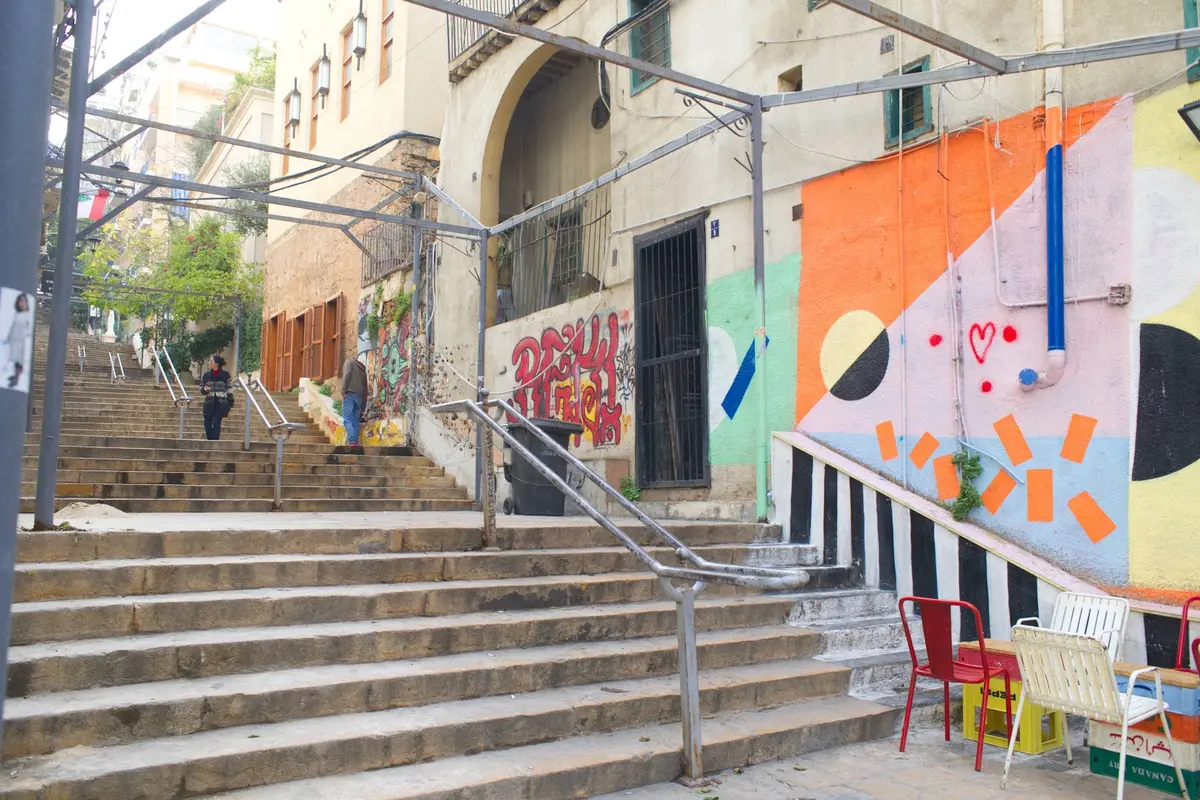
These adjacent neighborhoods were the closest civilian areas to the August 2020 port explosion. Much of what you see today is rebuilt. Walk east along Armenia Street, then climb the Saint Nicholas Stairs for a street-art tour that takes about 45 minutes end to end.
Stop in at Plan Bey for local design, Papercup for books, and any of the small cafes along the way. This is where Beirut’s creative class works, argues, and drinks coffee. Skip the main-strip tourist bars — the good stuff is one street back.
Pro Tip: The Saint Nicholas Stairs are steep and there is no shade. Do this walk before 4 p.m. if it is above 85°F (29°C), or save it for late afternoon in spring and fall.
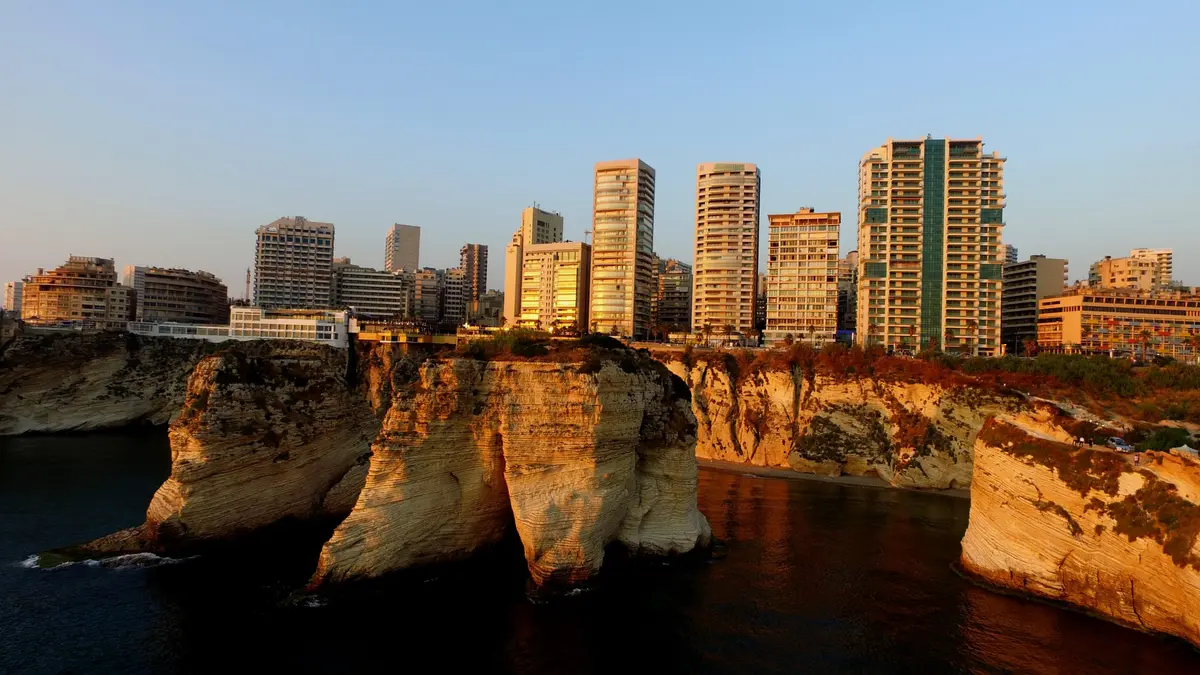
16:30 — Pigeon Rocks at Raouche
- Location: Corniche Raouche, western edge of the city
- Cost: Free to view; $10 to $15 per person for a boatman ride through the arch
- Best for: Sunset photos and a Corniche walk
- Time needed: 1 hour
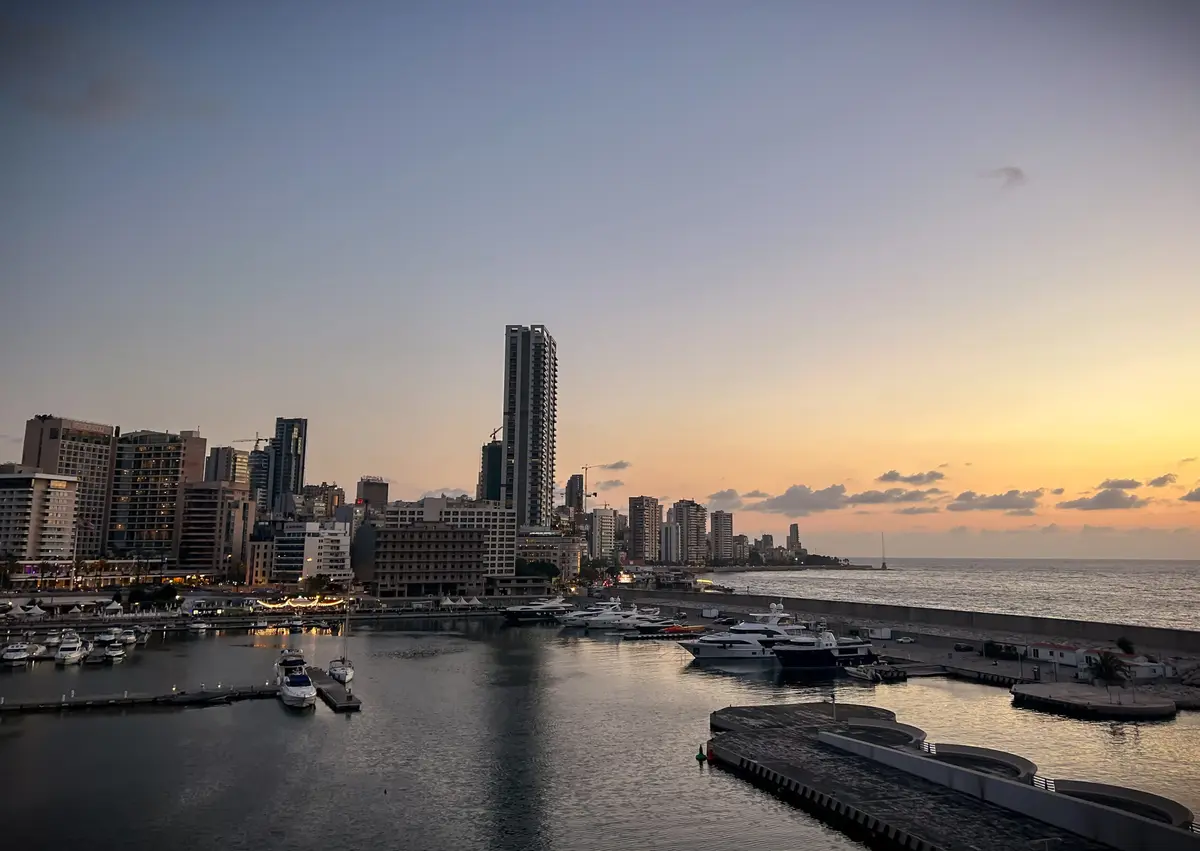
The Pigeon Rocks are the most photographed natural feature in Beirut. The view from the cliff-top café strip is fine. The better experience is paying a boatman at the small launch point below to motor you through the arch itself. It is touristy and the boats are not new, but the angle from the water is the one that ends up framed.
Contrarian take: Skip Bay Rock Café. The view is the same as every other café on the strip and the prices are double. Grab a drink at Goût Blanc instead — quieter, cheaper, same sunset.
19:30 — Dinner at Baron
- Location: Pharaon Street, Mar Mikhael
- Cost: $50 to $70 per person with drinks
- Best for: Couples, food-focused travelers, anyone tired of mezze
- Time needed: 2 hours
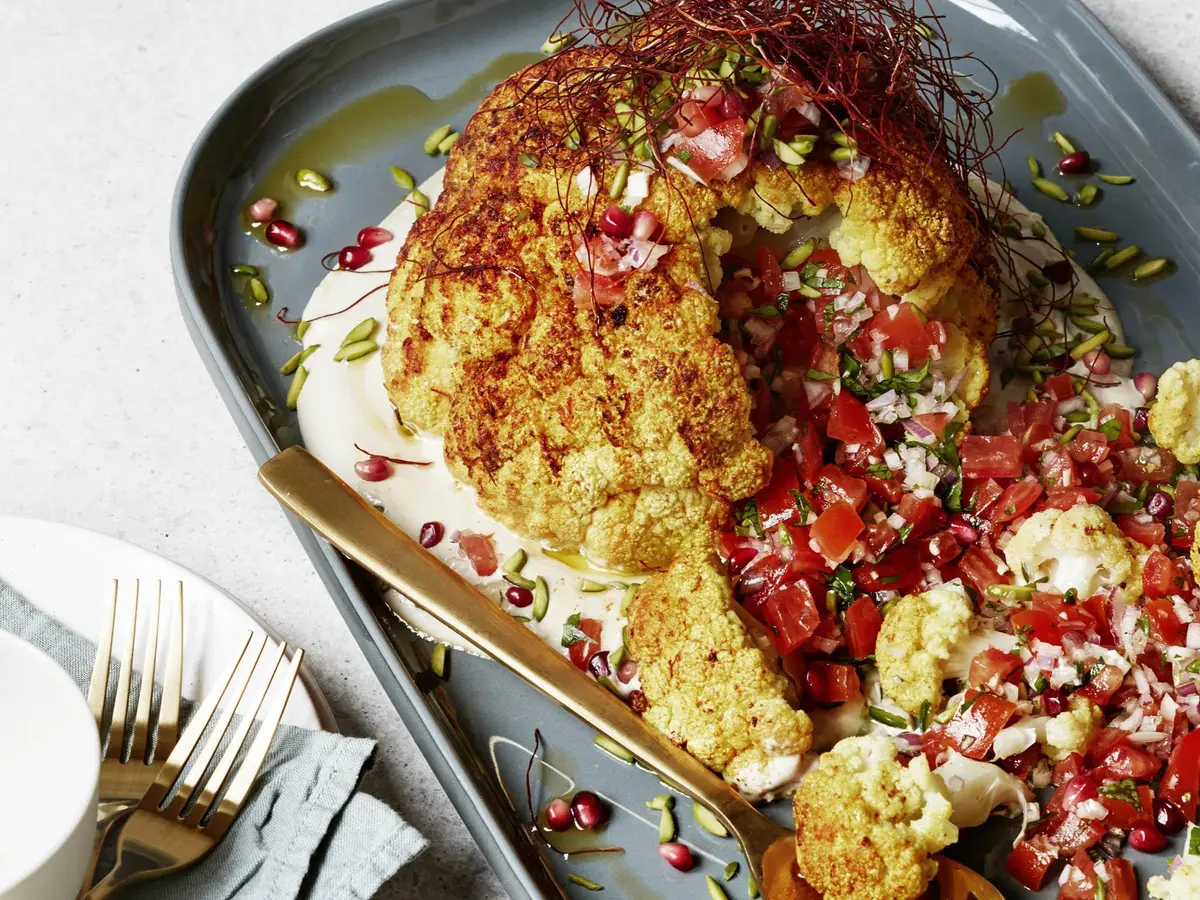
Baron does modern Levantine cooking rather than the traditional mezze parade. The roasted cauliflower with shawarma spices is the dish people remember a year later. On my last visit, the kitchen sent out a tomato-and-labneh plate that I still think about. Reservations are essential — book at least two weeks out.
22:00 — Nightlife by mood
Three routes, pick one:
- Craft cocktails: Anise in Mar Mikhael. Small, dim, the bartenders know what they are doing.
- Techno: BO18 in Karantina. Underground literally — it is built into an old bunker with a retracting roof.
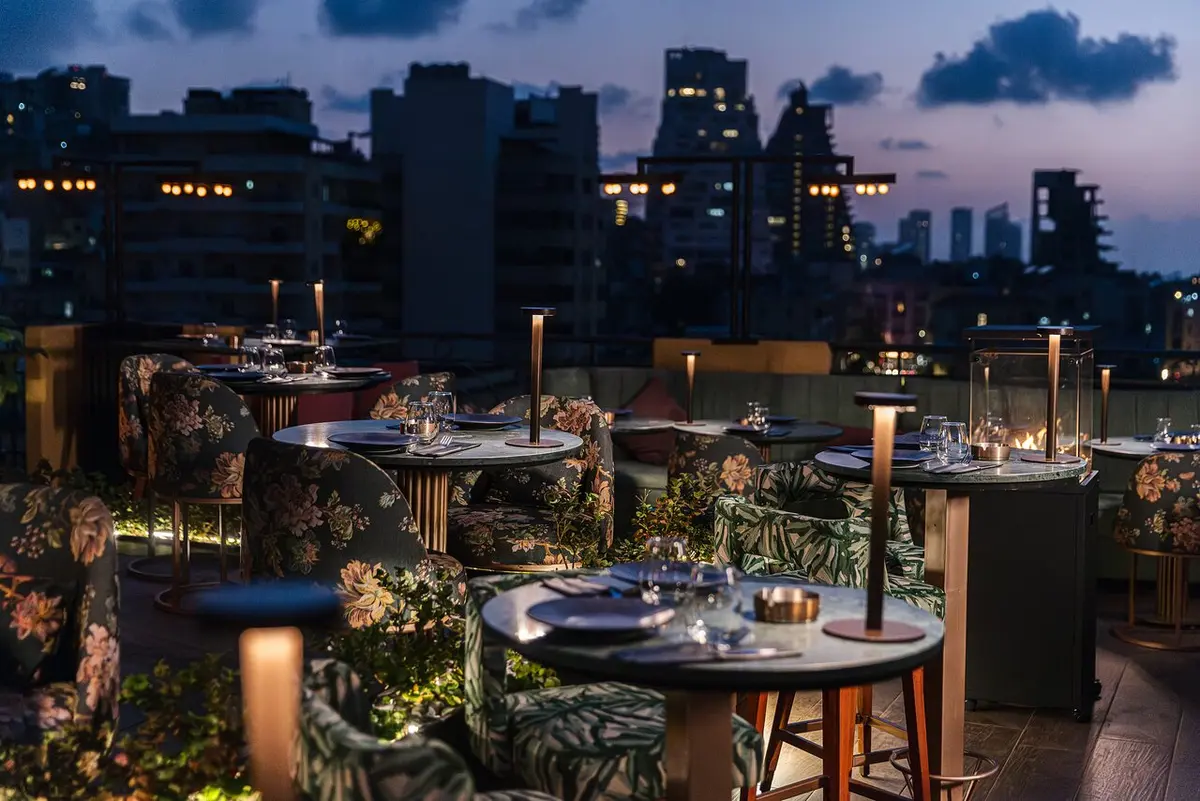
- Rooftop bars: Multiple options along Armenia and Gouraud streets. The view of the port from a rooftop at 1 a.m. is the memory most people leave with.
Day 2: The ancient coast and mountains
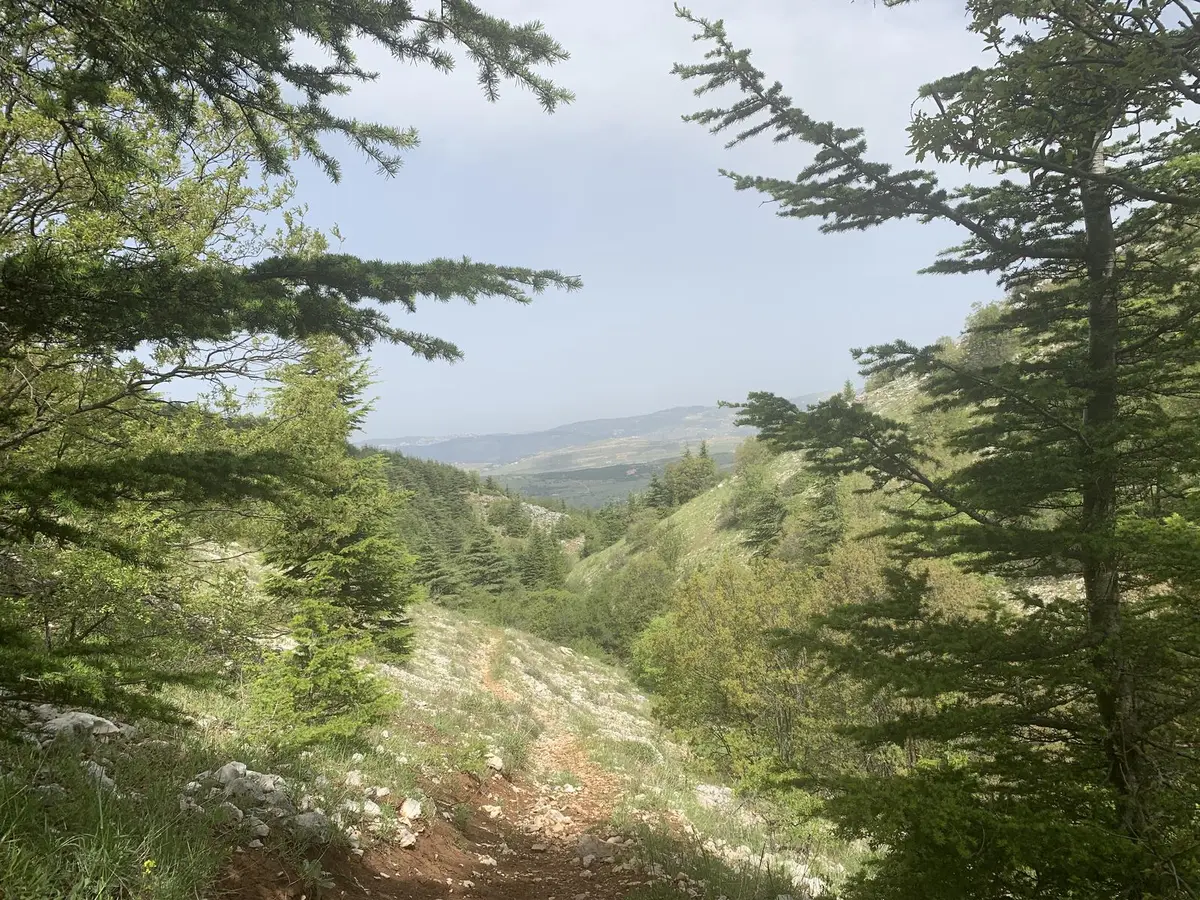
Day 2 leaves the city for the coastline north of Beirut, where mountains meet the Mediterranean and the country’s Phoenician history is on display. A hired driver makes this day work.
09:00 — Drive north
Pick up your driver at 9 a.m. sharp. The coastal highway (M1) runs through heavy morning traffic for the first 30 minutes, then opens up. An 8 a.m. start is better if your driver will do it — after 10 a.m., the traffic hits Jounieh and you lose 45 minutes.
09:45 — Jeita Grotto
- Location: Nahr al-Kalb Valley, 11 miles (18 km) north of Beirut
- Cost: Around $18 for the full ticket (upper gallery, lower gallery, cable car, mini-train)
- Best for: Everyone. This is not a skip-it attraction.
- Time needed: 2 hours
Jeita was a finalist for the New 7 Wonders of Nature and houses the world’s longest known stalactite at 27 feet (8.2 m). The site reopened on July 15, 2025 after eight months of maintenance and facility upgrades.
The upper grotto is a 750-meter walkway through cathedral-sized chambers with calcite formations lit from below. The lower grotto is the one people remember — an electric boat glides across an underground river for 500 meters, and the water is so clear the lighting reflects off the bottom. The lower gallery closes in winter when water levels rise, so check before you go between December and March.
Pro Tip: Phones and cameras are not allowed inside the caves. They get locked in lockers at the entrance. Do not fight this rule — the flash damages the formations and the staff will escort you out.

12:00 — Harissa cable car and shrine
- Location: Harissa, above Jounieh
- Cost: About $8 round-trip on the Téléphérique cable car
- Best for: Views, a short break between Jeita and Byblos
- Time needed: 1 hour
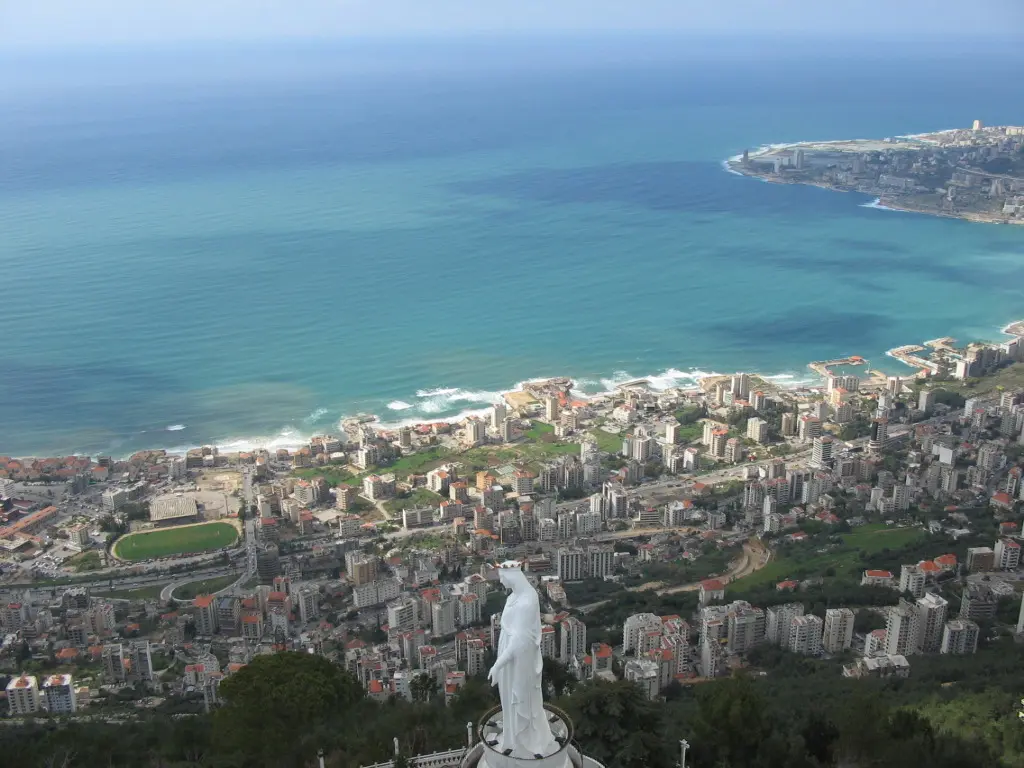
The cable car up from Jounieh climbs roughly 1,800 feet (550 m) over Jounieh Bay. The shrine of Our Lady of Lebanon at the top gives you a 180-degree view of the coastline from Beirut to Byblos. The shrine itself is a short, white, pilgrimage structure — the point is the view, not the architecture.
13:30 — Lunch in Byblos
Eat at Feniqia for a full Lebanese mezze spread, or at the historic Fishing Club (Pepe Abed’s) if you want grilled fish with a view of the Phoenician harbor. Feniqia runs around $25 per person; the Fishing Club is closer to $50.
14:30 — Byblos old city
- Location: Jbeil, 23 miles (37 km) north of Beirut
- Cost: $7 for the archaeological site and Crusader Castle
- Best for: History fans, photographers, anyone who likes a walkable old town
- Time needed: 2 hours
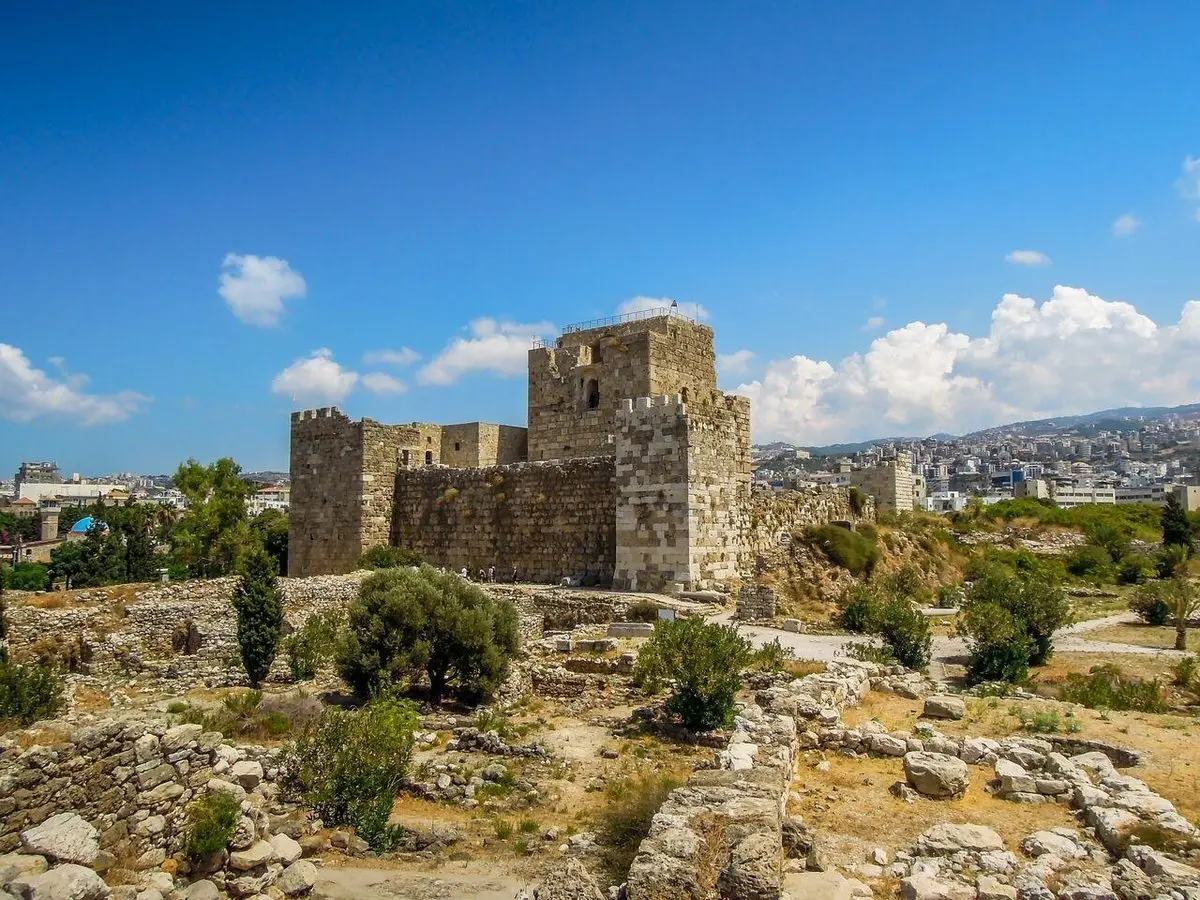
Byblos is one of the oldest continuously inhabited cities on earth, with layers of settlement going back roughly 7,000 years. The Phoenician harbor is small — you can walk around it in five minutes — but this is the port from which the alphabet was exported to Greece and the rest of the Mediterranean. The 12th-century Crusader Castle sits above the site and gives you the best overview of how the layers stack.
Walk the Old Souk afterward. It is genuinely old rather than a reconstruction, and there are a handful of decent jewelers and souvenir shops along the stone streets.
16:30 — Batroun for the afternoon
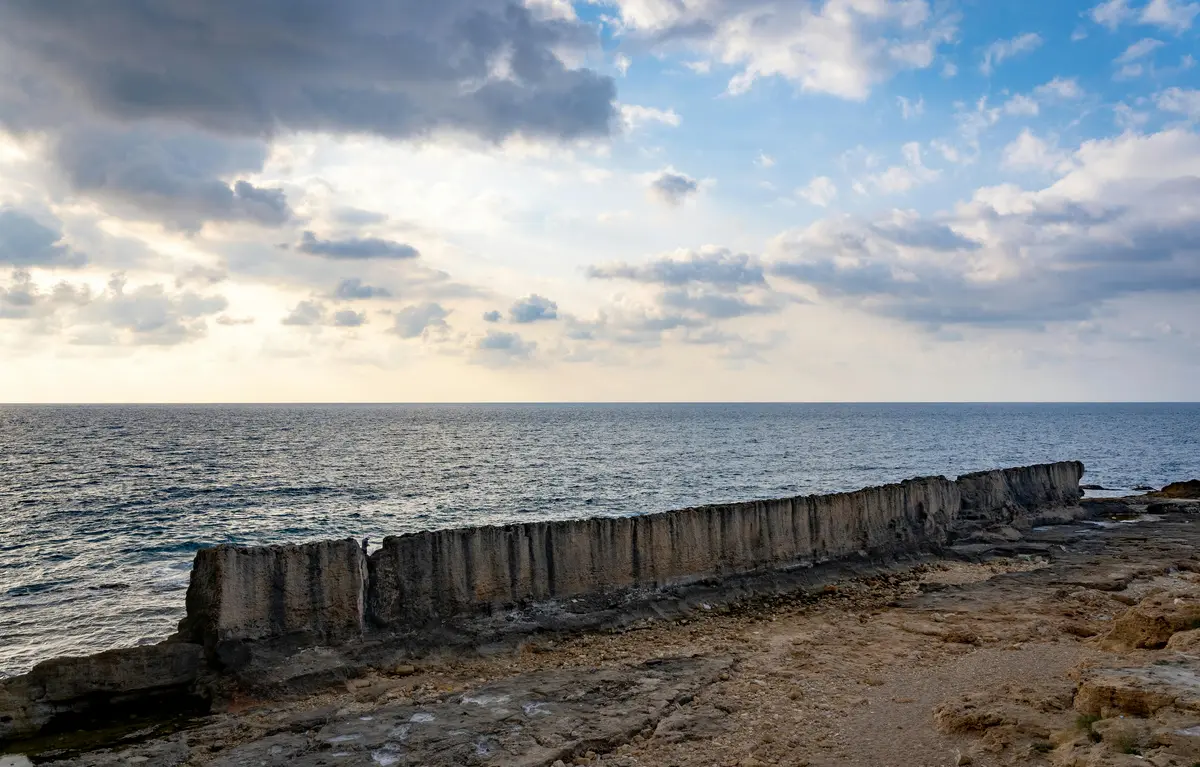
Batroun sits 15 minutes north of Byblos on the coast and has been quietly eclipsing Beirut as the summer destination for Lebanese in their 20s and 30s. The Phoenician Wall — a natural rock barrier reinforced by Phoenician engineers around 2,000 years ago — still holds back the sea along the old town.
Stop at Hilmi’s for fresh lemonade (around $3, made with lemons from the family grove and served from the original 1944 shopfront). If you have time for one beach bar, Pierre & Friends is the original — built into the cliffs, tables with feet literally in the sand.
20:00 — Return to Beirut
The drive back is about an hour if you leave by 8 p.m. If you are hungry again, stop for shawarma at Boubouffe in Achrafieh on the way in. This is where the active itinerary ends.
Where should you stay in Beirut for a weekend?
When it comes to where to stay in Beirut for a 2-day trip, Achrafieh or Mar Mikhael are the best bets. Achrafieh is residential, walkable, and close to restaurants and the museum. Mar Mikhael is louder, younger, and steps from the best bars. Hamra works for solo or budget travelers. Downtown is mostly luxury chains and feels dead at night.
- Achrafieh: Best balance of walkability and calm. Good for couples.
- Mar Mikhael: Best for nightlife. Noise can be a real issue on weekends — ask for a back-facing room.
- Hamra: Cheapest of the four. Verify generator capacity before booking.
- Downtown: Luxury hotels, quiet, convenient for business travelers but not the most interesting base.
Pro Tip: Book somewhere within a 20-minute walk of a major restaurant street. Beirut taxi availability drops sharply after 1 a.m., and walking home in a neighborhood you know is better than waiting 30 minutes for a surge-priced Uber.
Is it safe to walk around Beirut at night?
Under normal conditions, the tourist-heavy zones of Achrafieh, Gemmayze, Mar Mikhael, Hamra, and the Corniche are generally safe for walking after dark, with petty theft (not violent crime) as the main risk to foreigners. Under current advisories, those baseline conditions no longer apply — the situation is volatile and can shift without warning.
Historically, visitors stuck to a few rules and had no issues: stay on lit main streets, avoid the southern suburbs (Dahiyeh) entirely, skip the Bekaa Valley and anywhere south of Saida, and do not photograph security or military installations. Violent crime against tourists has been rare. Celebratory gunfire is widespread on holidays and after football matches — it is illegal but ignored, and casualties from falling bullets happen every year.
Solo female travelers generally find Beirut welcoming, particularly in the cosmopolitan areas listed above. Harassment does happen and has been reported more often in less-busy neighborhoods late at night.
What most guides get wrong about a weekend in Beirut
TL;DR: A weekend in Beirut delivers more history and better food per hour than almost any other Mediterranean city, but the infrastructure and security situation require real preparation. Bring cash dollars, get an eSIM before you land, verify generator capacity at your hotel, and check current travel advisories the day you depart. Under a Level 4 advisory, this is not a casual trip. For context on the wider country once conditions improve, our full Lebanon travel guide covers the rest.
The cheerful “Beirut is safer than the news says” line that shows up in most travel content is not currently accurate. What is accurate: the city has layers — Phoenician, Roman, Ottoman, French Mandate, Civil War, post-war reconstruction, port-explosion recovery — all visible within a 20-minute walk of each other. The food is better than the hype. The nightlife is better than the hype. And the country’s people have absorbed more than any population should have to, without losing the habit of feeding strangers until they cannot eat another bite.
When conditions allow, go. Until then, this itinerary is a plan, not a recommendation.
What would you add to a weekend in Beirut? Drop a comment with the dish or neighborhood you think visitors miss.